Intelligent Dancing Robot for Kids Suppliers and Manufacturers
Explore 27 verified options for Intelligent Dancing Robot for Kids with dimensions like lead time, response time, and certifications. Compare specifications such as material, customization, and MOQ to select the right partner for your sourcing needs; review the available evidence before requesting comparable quotations from suitable candidates.
Suppliers List

- Verified by TUVRHEINLAND
- Combined
- China Guangdong
- Lead time23 days
- Avg. response≤ 5h
Main marketsSouth America
Shantou Hongyu Trading Co., Ltd,
- Trading Company
- Guangdong, China
- Lead time20 days
- Avg. response≤ 11h
Main productsBaby Toys,Educational Toyss,Sport Toys,Remote Control Toys,Pre-school & Pretend Toys
Main marketsNorth America(16.0%), Domestic Market(10.0%), South America(10.0%), Western Europe(8.0%), Southern Europe(7.000000000000001%), Eastern Europe(6.0%), South Asia(5.0%), Southeast Asia(5.0%), Eastern Asia(5.0%), Mid East(5.0%), Africa(3.0%), Central America(3.0%), Oceania(2.0%), Northern Europe(2.0%)
Shantou Huayuan Trading Company Limited
- Trading Company
- Guangdong, China
- Lead time5 days
- Avg. response≤ 6h
Main productsPlastic Toys,Baby Toys,Educuation Toys,Outdoor Toys,Die Cast Toys
Main marketsEastern Europe(17.0%), Oceania(13.0%), Mid East(12.0%), North America(9.0%), South Asia(8.0%), Domestic Market(6.0%), Africa(5.0%), Northern Europe(5.0%), South America(5.0%), Western Europe(4.0%), Eastern Asia(4.0%), Southern Europe(4.0%), Southeast Asia(4.0%), Central America(4.0%)

Shantou Chenghai Xaqi Toys Industrial Co., Limited
- Verified by BV
- Combined
- China Guangdong
- Lead time23 days
- Avg. response≤ 4h
Main productsRemote Control Car, Educational Toy, Sport Toy, Pretend Play Toys, Remote Contro Toy, Baby Toy, Summer Toy, B/O Toy
Main marketsSoutheast Asia/ Mideast,Domestic,Europe
Shenzhen KidsMind Manufacturing Technology Co., Ltd.
- Verified by SGS
- Trading Company
- China Guangdong
- Lead time15 days
- Avg. response≤ 6h
Main productsGame Console, Electronic Drum, LCD Writing Tablet, Hair Clipper, Gaming Microphone
Main marketsOthers(foreignTradeCapacity.exportBusinessCapacityMarketOther)
Shenzhen Antenger Industrial Co., Ltd.
- Trading Company
- Guangdong, China
- Lead time7 days
- Avg. response≤ 3h
Main productsKids Printing Camera, Portable Printer, Building Block Toy, RC Car Toys, Bubble Toys
Main marketsNorth America(45.0%), Western Europe(15.0%), Africa(8.0%), South Asia(5.0%), Eastern Asia(5.0%), Mid East(5.0%), Southeast Asia(5.0%), South America(4.0%), Eastern Europe(3.0%), Northern Europe(2.0%), Oceania(1.0%), Southern Europe(1.0%), Central America(1.0%)
Jinjiang Zhengzheng Technology Co., Ltd.
- Trading Company
- China Fujian
- Lead time0 days
- Avg. response≤ 3h

- Verified by SGS
- Manufacturer
- China Guangdong
- Lead time30 days
- Avg. response≤ 10h
Main productsRC Toys, Drone
Main marketsDomestic,Europe,Australia,North America

- Verified by TUVRHEINLAND
- Combined
- China Guangdong
- Lead time15 days
- Avg. response≤ 18h
Main productsGun Toys, Child Toy, Baby Toy, Sport Toy, Outdoor Toys, Educational Toy, RC Toy, Plastic Toy
Main marketsDomestic,Europe,North America

- Verified by BV
- Trading Company,Manufacturer/Factory
- China Zhejiang
- Lead time15 days
- Avg. response≤ 9h
Main productsCeramic Mug, Kitchen Storage, Water Bottle, Cookware Set, Charger Plates, Shaker Set, Storage Rack, Food Container, Kitchen Accessories, Yiwu Agent
Main marketsSouth America,Eastern Europe,Mid East,North America,Southeast Asia,Eastern Asia,Oceania,Western Europe,Africa
Guangzhou Heimao Electronic Technology Co., Ltd.
- Manufacturer
- Guangdong, China
- Lead time7 days
- Avg. response≤ 3h
Main productsBeauty lamp,Half moon lamp,Atmosphere light,Camping lights,car camera
Main marketsNorth America(25.0%), Southern Europe(15.0%), Northern Europe(15.0%), Western Europe(15.0%), Eastern Europe(15.0%), South America(15.0%)
Shenzhen CPYP Technology Co., Ltd.
- Manufacturer, Distributor/Wholesaler
- Guangdong, China
- Lead time5 days
- Avg. response≤ 5h
Main productsMobile phone accessories,Beauty & Personal Care,Home Appliances,Photographic Lighting,Lights & Lighting
Main marketsSoutheast Asia(11.0%), Eastern Europe(11.0%), South America(11.0%), North America(11.0%), Western Europe(10.0%), Northern Europe(10.0%), Southern Europe(9.0%), South Asia(9.0%), Mid East(5.0%), Eastern Asia(5.0%), Central America(5.0%), Africa(2.0%), Domestic Market(1.0%)

- Verified by TUVRHEINLAND
- Combined
- China Guangdong
- Lead time15 days
- Avg. response≤ 4h
Main marketsSouth America,Southeast Asia/ Mideast,Europe,North America
Shantou Chenghai Jisheng Toy Firm
- Verified by TüVRheinland
- Trading Company
- Guangdong, China
- Lead time15 days
- Avg. response≤ 3h
Main productsEducational Toys, RC Toys, Building Block Toys, Play House Toys, Baby Toys
Main marketsNorth America(50%), Western Europe(20%), South America(15%)

- Verified by SGS
- Trading Company
- China Guangdong
- Lead time15 days
- Avg. response≤ 3h
Main productsPlastic Toys, Educational Toys, Baby Toys, RC Toys, Pretend Play Toys, Doll Toys, Robot Toys, Summer Toys, Sport Toys
Main marketsSoutheast Asia/ Mideast,Europe

Multi Modes Remote Control Dancing Robot Touch Control Programmable Smart Robot Toy
$5.70 - $6.60
Moq: 120


Programming Intelligent Dancing Robot Voice Chat Learning Partner Smart Ai Robot
$34.20 - $38.20
Moq: 240


Shantou Jiehong Toys Co., Ltd.
- Verified by TüVRheinland
- Trading Company
- Lead time30 days
- Avg. response≤ 1h
Main productsRC Car, RC Toys, Educational Toys, Outdoor Sports Toys, Baby Toys
Main marketsSouth America(40%), North America(30%), Southeast Asia(10%)

Guangdong qunlong technology co., ltd
- Manufacturer
- China Guangdong
- Lead time15 days
- Avg. response≤ 1h
Main productsOEM/Design Toys, Plastic Products
Main marketsDomestic
Guangzhou Combuy Toys Co., Ltd.
- Trading Company
- Guangdong, China
- Lead time30 days
- Avg. response≤ 4h
Main productsEducational Toy,Building blocks,Baby Toy,Summer Toy,RC Toys
Main marketsMid East(20.0%), Eastern Europe(20.0%), South America(20.0%), North America(20.0%), Western Europe(10.0%), Eastern Asia(10.0%)
Shantou Chenghai Zhuochen Trading Firm
- Verified by SGS Group
- Manufacturer, Trading Company
- Lead time30 days
- Avg. response≤ 3h
Main productsPlay Mat, Baby & Toddler Toys, Educational Toys, Baby Suppliers & Products, Dolls & Doll clothes Accessories
Main marketsNorth America(50%), South America(20%), Western Europe(20%)
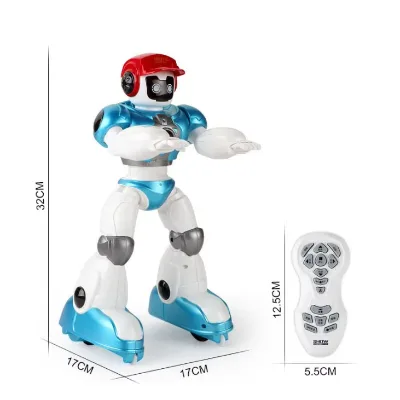
Dancing, Singing, Moon Walking Intelligent Programmable Robot Dancing Hip Hop Robot
$12.20 - $12.80
Moq: 3
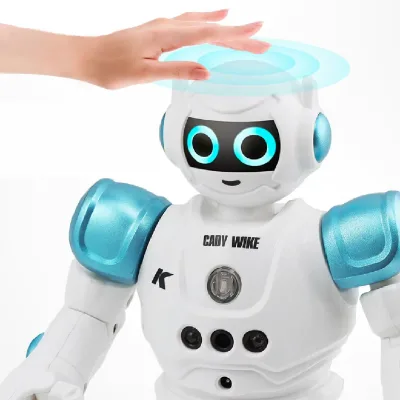

- Verified by TUVRHEINLAND
- Trading Company,Manufacturer/Factory
- China Guangdong
- Lead time45 days
- Avg. response≤ 1h
Main productsDancing Figures, Magic Wand, Bubble Wand, Party Favors, LED Spinner, LED Stick LED Sword LED Gun, Light up Christmas Toy Gift, Light up Halloween Toy Gift, Easter Toy Gift, Electric Toy
Main marketsSouth America,Eastern Europe,Mid East,North America,Southeast Asia,Eastern Asia,Oceania,Western Europe,Africa

Shantou Jinxin Trading Co., Ltd.
- Manufacturer, Trading Company
- Guangdong, China
- Lead time15 days
- Avg. response≤ 4h
Main productsMagnetic Toys,Novelty Toys,RC Toys,Educational Toys,Gun Toys
Main marketsNorth America(35.0%), Western Europe(20.0%), South America(15.0%), Eastern Europe(15.0%), Southeast Asia(10.0%), Central America(5.0%)

Ruijin Baibaole E-Commerce Co., Ltd.
- Verified by BV
- Trading Company
- China Jiangxi
- Lead time15 days
- Avg. response≤ 8h
Main productsToy, Educational Toy, Bubble Toy, Radio Control Toy, Building Block Toy, Children Toy, Plastic Toy, Outdoor Toy, Drawing Toy, DIY Toys
Main marketsNorth America

- Verified by CTI
- Trading Company
- China Guangdong
- Lead time23 days
- Avg. response≤ 7h
Main marketsSouth America,Africa,Southeast Asia/ Mideast,East Asia(Japan/ South Korea),Domestic,Europe,Australia,North America


Smart Programming Stunt Dog Intelligent Robot Dancing Remote Control RC Robot Dog
$10.00 - $11.00
Moq: 24

Smart Stunt Dog Intelligent Robot Headstand Dancing Remote Control RC Robot Dog
$9.58 - $10.51
Moq: 30

Shantou Kaixin Trading Co., Ltd
- Verified by BV
- Manufacturer
- China Guangdong
- Lead time23 days
- Avg. response≤ 6h
Main productsToy, Educational Toy, Remote Control Toy, Pretend Play Toy Set, Summer Toy, Vehicle Toy, Doll, Promotion Toy, Baby Toy, Game Toy
- Trading Company
- Guangdong, China
- Lead time15 days
- Avg. response≤ 1h
Main productstricky funny education toy,model toys,bath toys,vehicle toy,pretend play toys
Main marketsNorth America(12.0%), Mid East(11.0%), South America(11.0%), Northern Europe(9.0%), Eastern Asia(9.0%), Eastern Europe(8.0%), Southern Europe(6.0%), Western Europe(6.0%), Southeast Asia(6.0%), South Asia(6.0%), Central America(5.0%), Africa(5.0%), Oceania(4.0%), Domestic Market(2.0%)
Shantou Globalwin Intelligent Technology Co., Ltd.
- Trading Company
- Guangdong, China
- Lead time15 days
- Avg. response≤ 18h
Main productsDrone,RC Car,toys,robot toys,Educational Toy
Main marketsDomestic Market(35.0%), North America(30.0%), Western Europe(10.0%), South America(8.0%), Eastern Europe(6.0%), Mid East(5.0%), Africa(2.0%), Northern Europe(2.0%), Oceania(2.0%)

Shantou Xinxin Technology Co., Ltd
- Verified by CTI
- Trading Company
- China Guangdong
- Lead time15 days
- Avg. response≤ 3h
Main productsToys, RC Toys, Children's Cosmetics, Drone, Remote Control Toy, Plasticene, Superlight Clay, Electrical Toys, Remote-Control-Toys, Toy
Main marketsSouth America,Southeast Asia/ Mideast,Europe,North America


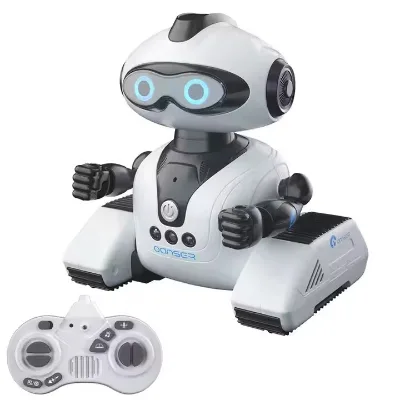
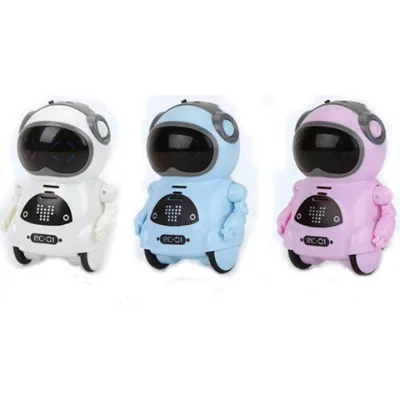
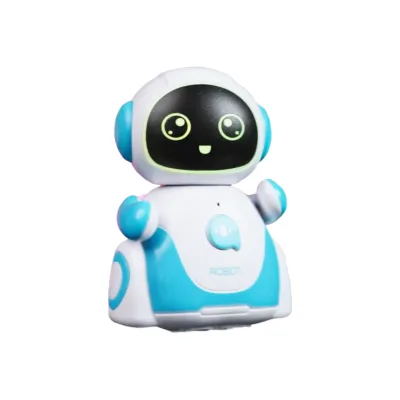
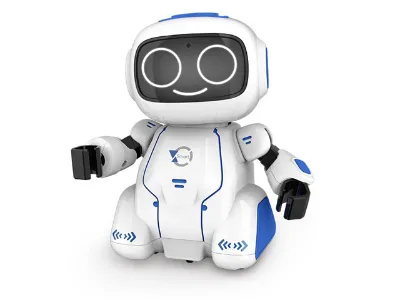


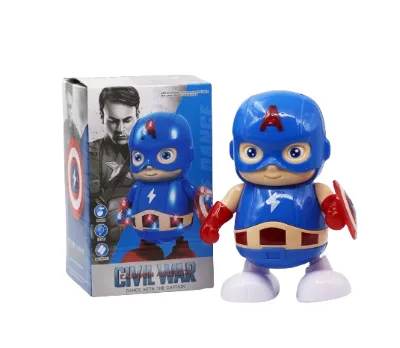
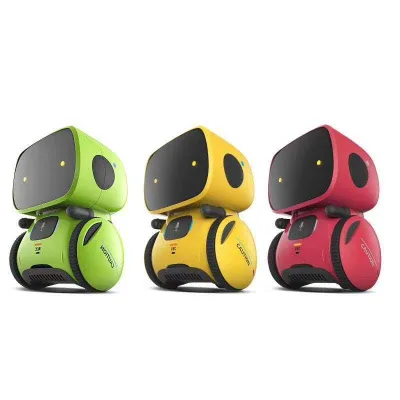
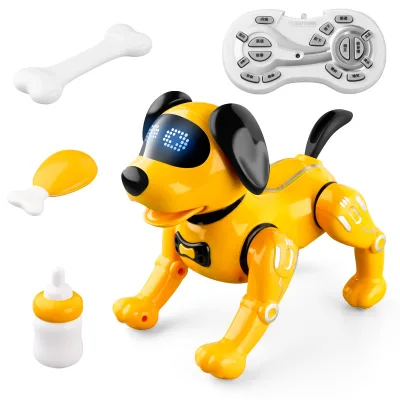
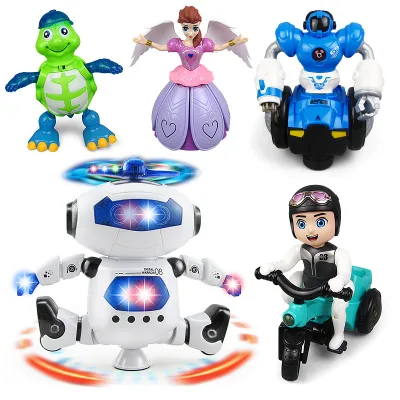
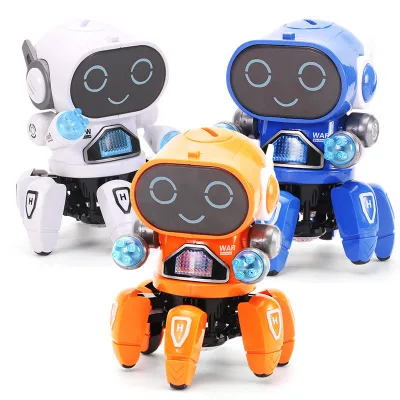
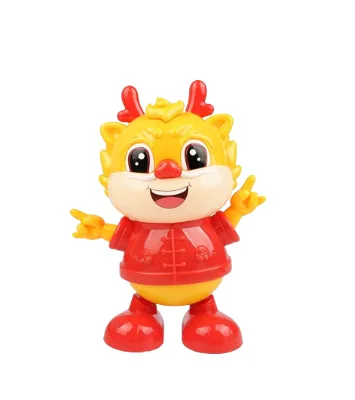


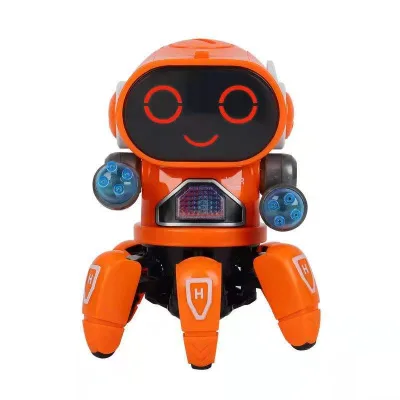
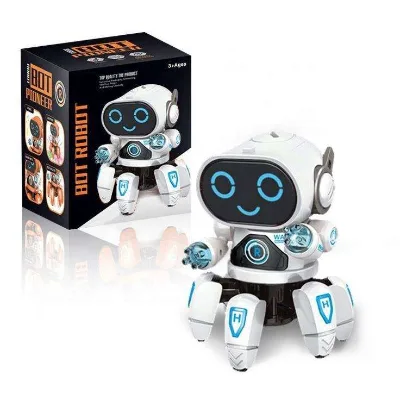
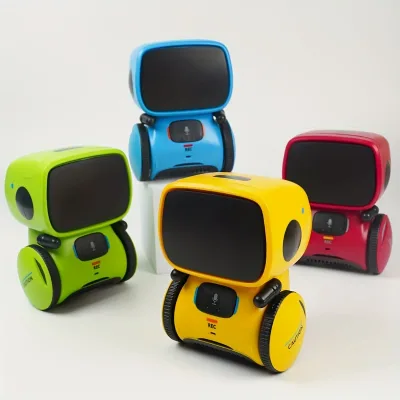
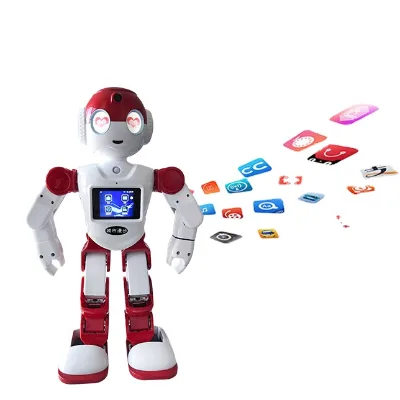


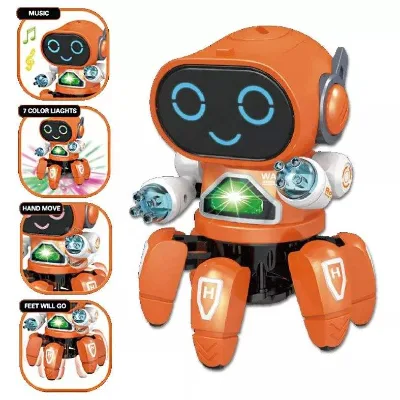
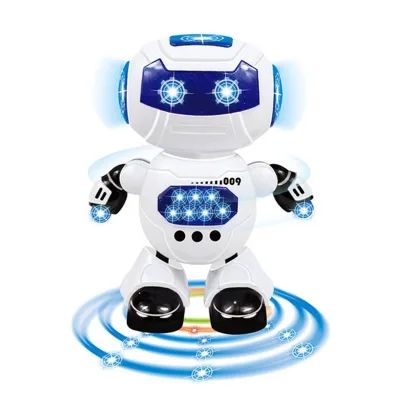
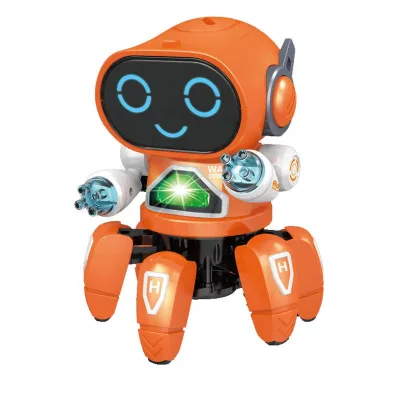
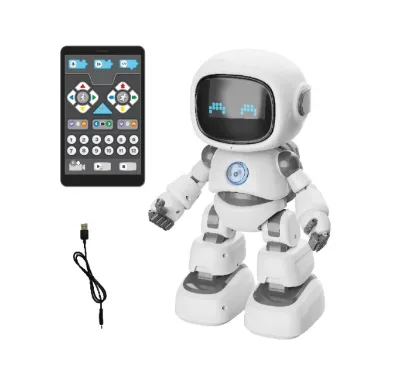
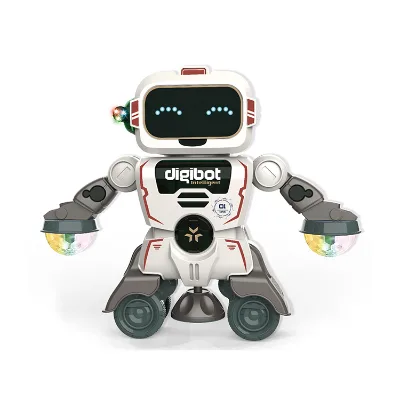
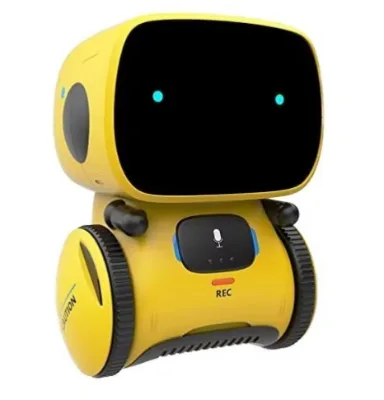
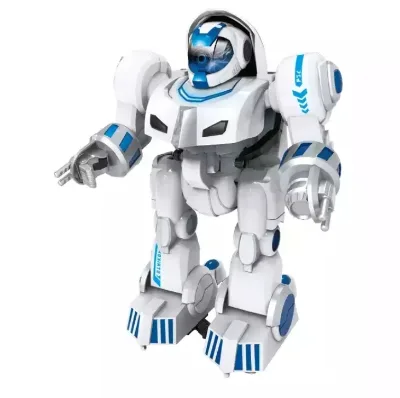


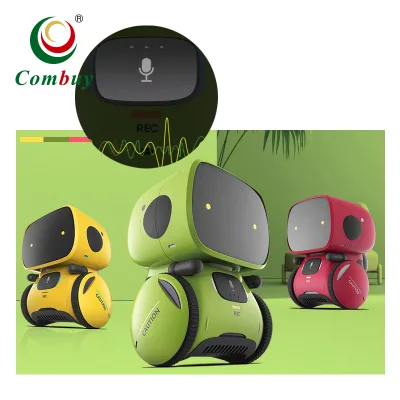
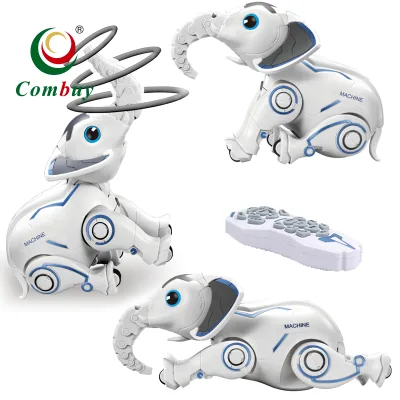


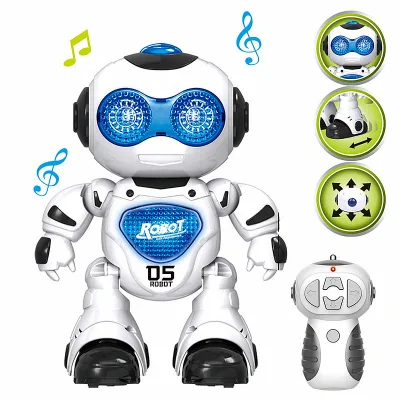
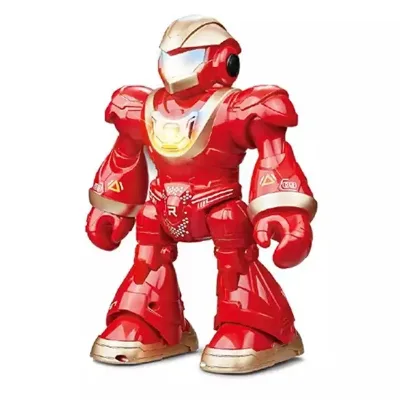
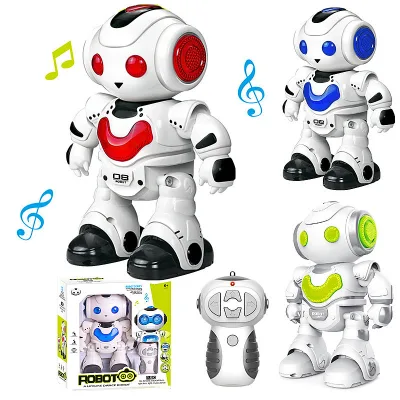


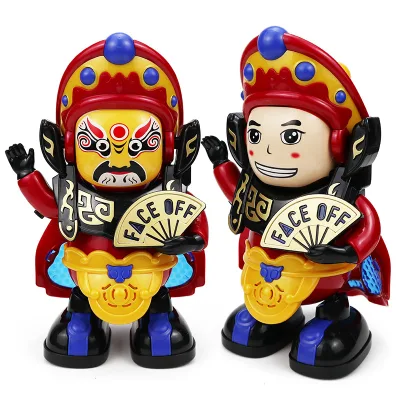
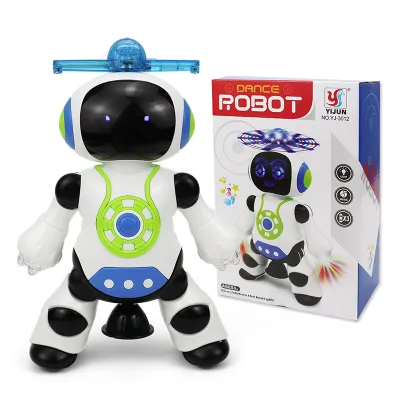


Comprehensive Sourcing Guide
Intelligent Dancing Robot for Kids Supplier Concentration and Factory Types
The supplier results for the Intelligent Dancing Robot for Kids category point strongly to one manufacturing region: Guangdong, China. Multiple listings carry "Guangdong, China" as the stated origin, and this coastal province is a well-documented hub for battery-operated electronic toys, plastic injection molding, and light-and-sound module assembly. When a buyer sees origin data concentrated in one province, it signals that tooling, component suppliers, and export forwarders are all located within a compact industrial ecosystem. That concentration can shorten internal logistics, make factory visits practical within a single trip, and allow mixed-container consolidation across several toy categories sourced from the same region.
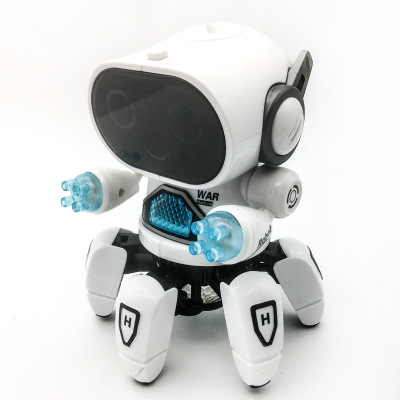
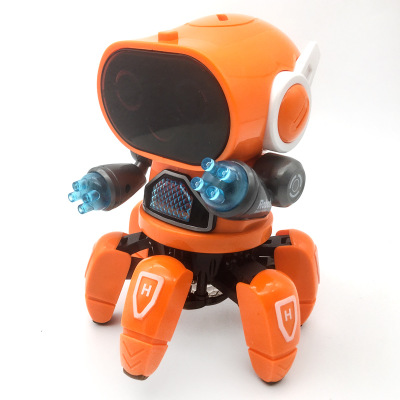
Supplier types in this category split into trading companies and combined manufacturer-trader entities. One result is explicitly labeled a Trading Company with main products spanning plastic toys, baby toys, education toys, outdoor toys, and die cast toys, while another is labeled Combined with R&D capacity listed as ODM and own brand. These labels matter. A trading company can aggregate designs across multiple workshops but adds a margin layer; a combined entity with ODM capability may customize firmware, voice content, or gestures but often requires larger commitments. Buyers should also note what the product evidence reveals: models made of plastic, packed in window boxes, with carton configurations ranging from 4 pieces per carton to 48 pieces per carton, which directly affects freight planning.
How to Verify Intelligent Dancing Robot for Kids Suppliers
Verification starts with the platform-displayed credentials, and one supplier in this category carries third-party verification from TÜV Rheinland, which is a meaningful screening signal because it indicates an on-site audit by an accredited inspection body. Other suppliers display system certifications such as CPC, CE, or GCC, which relate to children's product safety frameworks in different destination markets. However, certification labels on a profile page are not a substitute for certificate copies: always request the actual certificate documents, check the scope covers electronic battery-operated toys, and confirm the certificate holder name matches the business license of the entity you are contracting with.
Beyond documents, verify operational substance directly. Ask the supplier to confirm the exact factory address in Guangdong and whether the production of the specific robot model occurs in-house or at a subcontracted workshop, because trading companies frequently list products made elsewhere. Request a sample of the actual dancing robot model, test the voice control, dancing functions, LED lights, and battery compartment under continuous use, and check small-parts and battery-cover safety if you sell to young children. Cross-check the supplier's declared response behavior: displayed response times in this category range from roughly four hours to eleven hours, so a much slower or evasive reply during negotiation is a warning sign. Finally, verify the port of dispatch — one listing states Shantou or Shenzhen — so you can align inspection scheduling and freight booking with the real shipping origin.
What to Compare Across Intelligent Dancing Robot for Kids Suppliers
Build a comparison table using the attributes actually displayed on supplier listings, and never assume every supplier shows the same data. In this category, the concrete comparison dimensions include lead time, displayed at roughly 5, 20, and 23 days across different suppliers; response time, ranging from about 4 to 11 hours; location; company type; main product lines; and system certifications. Product-level data adds more depth: minimum order quantities span from 20 pieces on one talking robot listing up to 360 pieces on a projection-light dancing robot, with intermediate tiers at 72, 96, 120, and 240 pieces. These MOQ gaps let smaller buyers test demand cheaply while volume buyers negotiate unit prices.
Price ranges also vary sharply with functionality and size. Listings run from approximately $2.78 to $2.92 per unit for a basic walking dancing robot with light and music, up to about $6.01 to $7.74 for programmable or gesture-sensing models, and around $14.09 to $14.48 for a larger wholesale talking intelligent robot. Compare quoted prices against what the listing discloses — material, packing type, carton volume, and function set — because a $2.84 robot with 48 pieces per carton serves a very different channel than a $14 robot packed 4 per window box. Also weigh supplier-side capacity signals, such as a stated supply ability of 10,000 boxes per week on one listing, against your forecast, and check whether customization is marked available on each model.
Common Intelligent Dancing Robot for Kids Sourcing Risks
The most common risk in this category is certification mismatch. Electronic toys with music, lights, and voice functions typically fall under children's product safety rules in major markets, and while some suppliers here display CPC, CE, or GCC credentials, others show no system certification at all. Shipping a battery-operated dancing robot without a valid, in-scope test report can trigger customs detention, marketplace delisting, or retailer rejection. A second risk is sample-to-production drift: interactive features such as voice control, gesture sensing, and dancing motion depend on firmware and motor quality, so an approved sample can differ materially from a mass-run carton if the supplier switches component sources without notice.
Commercial risks cluster around packaging and logistics assumptions. Carton specifications in this category vary widely — from a 0.171 cubic meter carton holding 4 pieces to a 0.293 cubic meter carton holding 48 pieces — and volumetric weight, not unit price, often decides your landed cost per robot. Window-box packing adds damage exposure during long-haul freight if corner protection is weak. Battery logistics present another constraint: robots with built-in or supplied batteries face transport restrictions that affect air freight eligibility and documentation. Finally, beware of lead-time optimism; displayed lead times of 5 to 23 days may exclude peak-season queues before holidays, when Christmas-gift demand in this exact product type pushes production schedules to their limits. Confirm the production calendar before committing.
Intelligent Dancing Robot for Kids Regional Sourcing and Logistics
The evidence in this category consistently names Guangdong, China as the origin, and buyers can treat this province as the primary sourcing cluster for intelligent dancing robots. Practical logistics follow directly from that geography: one listing explicitly declares Shantou or Shenzhen as the port of dispatch, and both are major toy-export gateways in Guangdong with dense forwarder networks and frequent sailings to North America, Europe, and the Middle East. Shantou is particularly associated with the Shantou Chenghai toy district, which hosts thousands of toy factories and their molding, electronics, and packaging vendors within a small radius, making one-day supplier visits feasible for multi-factory audits.
Plan logistics around the carton data supplied in the listings. Volumes of 0.171 to 0.293 cubic meters per carton mean even a small order of 240 pieces can approach a multi-cubic-meter shipment, so request a volume calculation before choosing between LCL and FCL. Sea freight suits most reorder cycles given displayed lead times of 5 to 23 days for production alone; air freight is complicated by battery content and should be confirmed case by case with the forwarder. If no origin data were displayed, the buyer's fallback would be to filter search results by stated location, request business licenses showing the registered address, and ask each candidate for its nearest export port — but here, Guangdong origin and southern China ports are already confirmed by the supplier data itself.
Intelligent Dancing Robot for Kids Commercial Terms and Order Planning
Structure your first order to balance test value against commitment. With displayed MOQs starting as low as 20 pieces on a talking robot and rising to 360 pieces on a projection-light model, a sensible pattern is a small pilot order on the lower-MOQ listing to validate market response, then a scale-up on the model with the best sell-through. Match the MOQ tier to the price tier: at roughly $2.84 per unit and 240-piece MOQ for a light-and-music walking robot, versus about $14 for the larger talking robot at 20 pieces, your capital exposure differs by an order of magnitude. Negotiate payment terms on the pilot — many buyers use escrow-backed or staged payments for first transactions, then shift to deposit-and-balance once trust is established.
Order planning should lock down lead time, inspection timing, and packaging in writing. Anchor on the displayed lead times of 5, 20, and 23 days as starting points, then add buffers for pre-shipment inspection, container loading, and holiday-season congestion. Specify the carton configuration — quantity per carton, carton dimensions, gross and net weights, and window-box packing — because these are all disclosed in the listings and belong in your purchase order, not just the chat log. Confirm who bears responsibility for battery documentation and destination-market labeling. Finally, set a reorder trigger based on your sales velocity: with production cycles of up to 23 days plus transit, waiting until stock runs low in Q4 is the most expensive mistake a buyer of seasonal dancing robots can make.
FAQs
What is the price range for wholesale intelligent dancing robots?
Wholesale prices for intelligent dancing robots typically range from $2.84 to $14.48 per unit. The final cost depends on the specific model features, customization options, and order volume. Buyers should check the minimum order quantity to secure the best tiered pricing available from verified suppliers.
What is the minimum order quantity for these toys?
Minimum order quantities vary significantly by product type, ranging from 20 units for premium models to 360 units for basic versions. Buyers seeking lower MOQs should look for specialized educational robots, while those prioritizing cost efficiency should consider bulk orders of standard dancing toys.
How long does production and shipping take?
Standard lead times for these toys generally range from 5 to 23 days. Faster production is available for certain models, while more complex intelligent robots may require additional manufacturing time. Buyers should confirm specific delivery schedules with suppliers to ensure timely arrival for seasonal demand.
Are these robots safe for children?
Many suppliers offer products certified with CPC and CE standards, ensuring compliance with international safety regulations for children's toys. Materials are typically plastic, and age ranges are clearly specified. Buyers should verify specific certification documents for each model to ensure they meet local market requirements.
What features do these intelligent robots offer?
These robots commonly feature light and sound capabilities, voice control, and interactive dancing movements. Some models include educational programming functions and gesture sensing. Buyers can choose from various age-appropriate designs, ensuring the toy matches the developmental stage and interests of the target child demographic.
Where are these suppliers located?
Most suppliers for these toys are located in Guangdong, China, a major hub for toy manufacturing. This region offers efficient supply chains and competitive pricing. Buyers can expect consistent quality and a wide variety of options from these verified manufacturing centers in the region.