Intake And Exhaust Rocker Arm Suppliers and Manufacturers
Compare 16 verified suppliers offering Intake And Exhaust Rocker Arm parts with lead times, MOQs, and certifications like ISO 9001. Review product specs and response times to select a factory in China for your sourcing needs; review the available evidence before requesting comparable quotations from suitable candidates.
Updated
Suppliers List

Henan Forging Emperor Industry Co.,Ltd.
- Verified by BV
- Manufacturer/Factory
- China Henan
- Lead time45 days
- Avg. response≤ 5h
Main productsForging, Casting, Machining, Machining Parts, CNC Machining Parts, Casting Part, CNC Parts, Hot Die Forging, Machinery Parts, Customized Part
Main marketsSouth America,Eastern Europe,Mid East,North America,Southeast Asia,Eastern Asia,Oceania,Western Europe,Africa


Heat-Treated Superior Wear Resistance Enhanced Engine Longevity Rocker Arms
$2.00 - $10.00
MOQ: 1000 Pieces

Huangshan Benma Group Co., Ltd.
- Manufacturer, Trading Company
- Lead time旺季: "1 - 100":30,"> 100":"To be negotiated", 淡季: "1 - 100":30,"> 100":"To be negotiated"
- Avg. response≤ 6h
Main productsMotorcycle Brake Pad, Motorcycle Clutch Shoes, Motorcycle Clutch Assembly, Motorcycle Clutch Disc
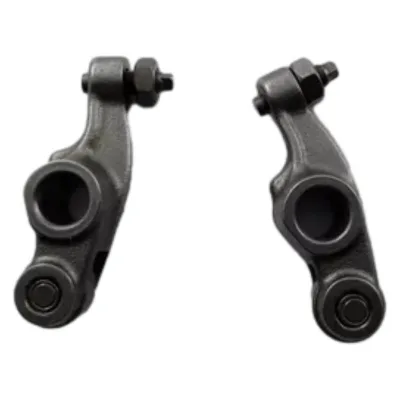
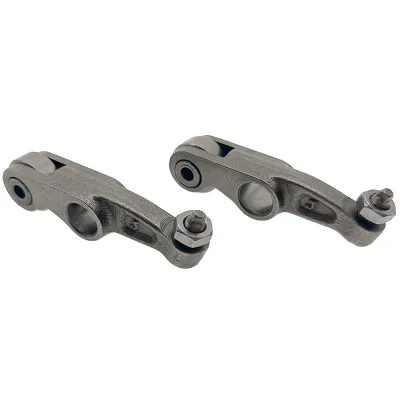
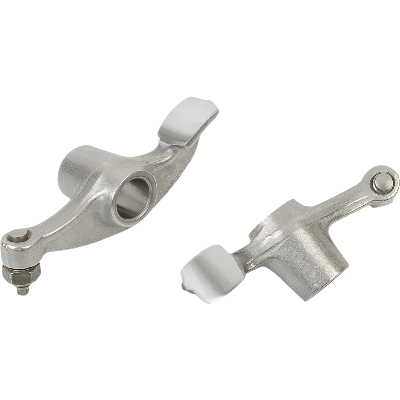
Motorcycle Engine Spare Part Rocker Arm Assembly for Skua 250 NX 150 CBX 200
$3.88 - $5.69
MOQ: 100 sets
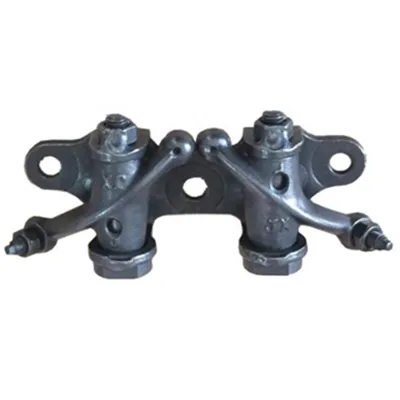
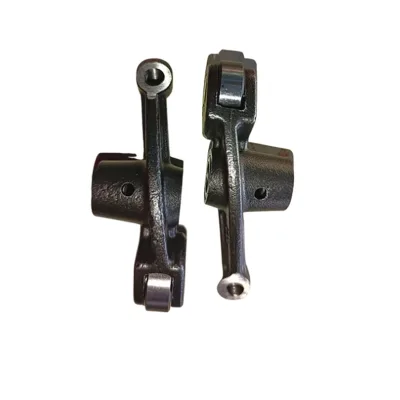
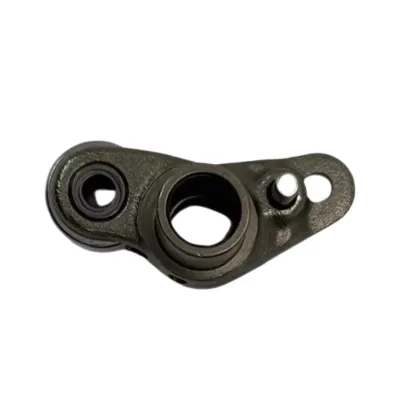
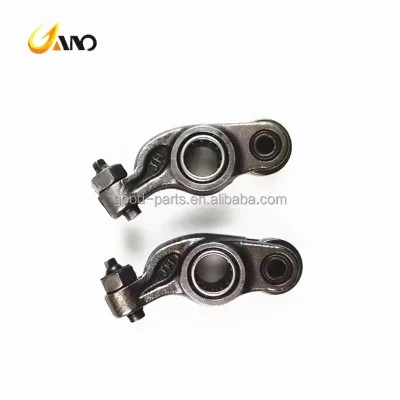
Original Standard Motorcycle Engine Parts Rocker Arm NMAX Scooter Rocker Arm Set NMax N-MAX
$9.00 - $9.50
MOQ: 500 sets
Fuzhou Vano Imp.& Exp. Co., Ltd.
- Trading Company
- Lead time旺季: "1 - 1000":30,"> 1000":"To be negotiated", 淡季: "1 - 1000":30,"> 1000":"To be negotiated"
- Avg. response≤ 2h
Main productsATV carburetor,motorcycle regulator,motorcycle plastic parts,motorcycle shock Absorber,motorcycle brake shoe
Chengdu Sunyu Machinery Co., Ltd.
- Manufacturer, Trading Company
- Sichuan, China
- Lead time25 days
- Avg. response≤ 6h
Main productsRocker Arm,Valve Lifter,Valve Guide,Valve Seat,Camshaft
Main marketsDomestic Market(20.00%), Western Europe(15.00%), South America(10.00%), Mid East(10.00%), North America(10.00%), Eastern Europe(10.00%), Oceania(5.00%), Eastern Asia(5.00%), Southern Europe(5.00%), Africa(2.00%), South Asia(2.00%), Northern Europe(2.00%), Southeast Asia(2.00%), Central America(2.00%)
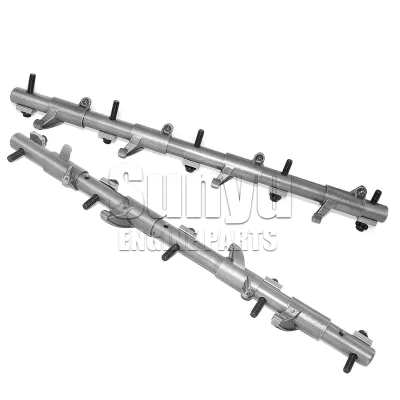
$73.3231 - $79.4338
MOQ: 40 sets
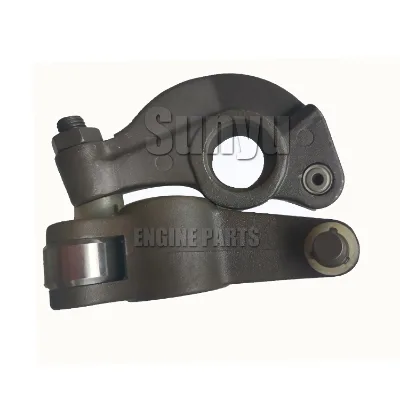
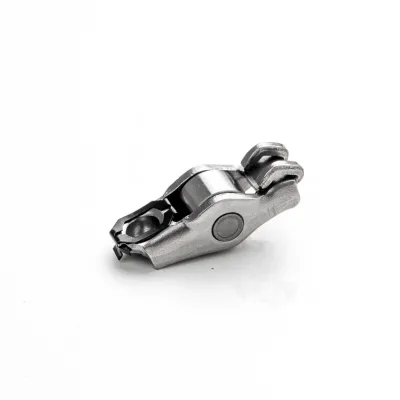
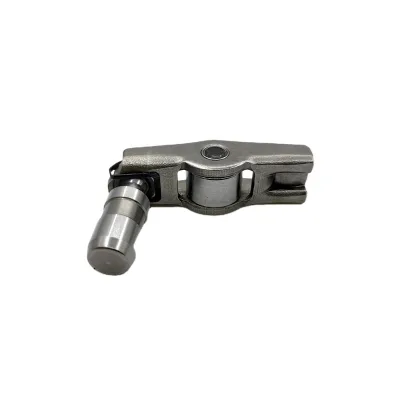
1325700Q0A INTAKE SIDE OUTLET CAMSHAFT VALVE ROCKER ARM FOR ENGINE MODEL M9R
$2.0554 - $3.0838
MOQ: 50 pieces
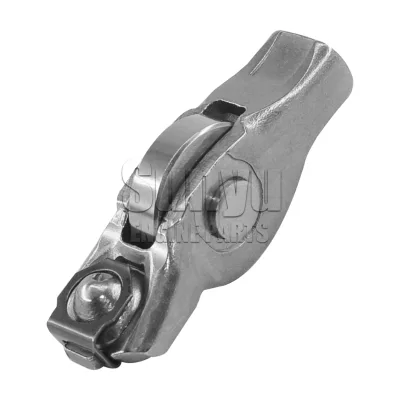
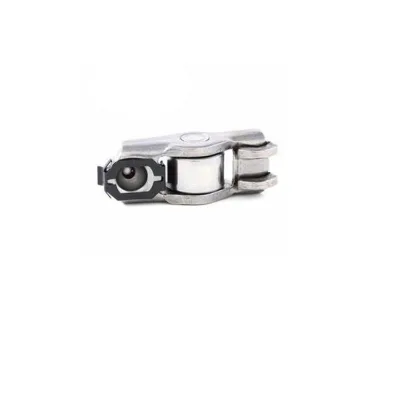
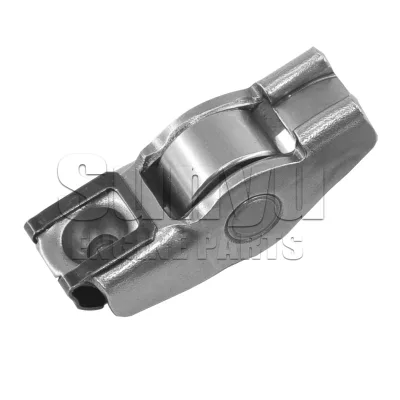
High-Performance Rocker Arm K-ia G4NA G4NB engine model oe number 245512E001 valve engine rocker arm
$2.0659 - $2.5823
MOQ: 100 pieces
Guangzhou Weiqi Auto Parts Co., Ltd.
- Verified by TüVRheinland
- Trading Company
- Lead time30 days
- Avg. response≤ 2h
Main productsFuel Injector System, Electric System, Engine System, Cooling System, Supension Parts
Main marketsDomestic Market(40%), South America(15%), Africa(10%)

Hubei Diyue Auto Parts Co., Ltd.
- Verified by SGS
- Trading Company
- China Hubei
- Lead time15 days
- Avg. response≤ 2h
Main productsDiesel Engine Parts, Auto Spare Parts, Engine Assembly, Fuel Pump Oil Pump Doser Pump Urea Pump, Fuel Injector, Ecm & ECU, Filter Fleetguard, Turbocharger Holset, Sensor Nox Sensor Wiring Harness, Bearing Rocker Arm Tappet Valves
Main marketsEurope

- Trading Company
- Fujian, China
- Lead time30 days
- Avg. response≤ 2h
Main productsDiesel Engine Spare Parts,Gasoline Engine Spare Parts,Outboard Spare Parts,Camlock Couplings,Mechanical Seal
Main marketsSoutheast Asia(50.00%), South America(30.00%), Africa(20.00%)
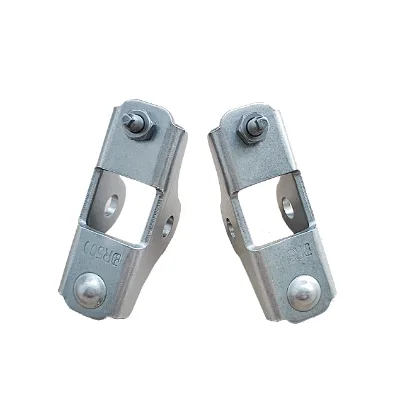
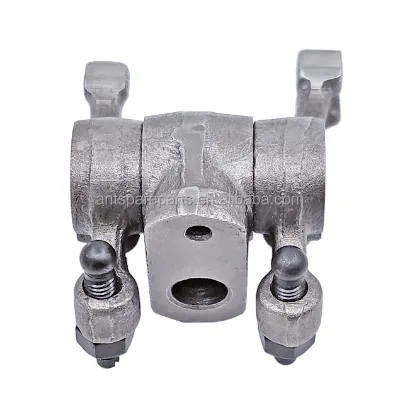
186F Rocker Arm for 10HP Air-Cooled Diesel Engine or Generator Spare Parts- High Performance
$2.985 - $3.6018
MOQ: 1 pieces

Hubei Yazhan Auto Parts Co., Ltd.
- Verified by TUVRHEINLAND
- Trading Company
- China Hubei
- Lead time30 days
- Avg. response≤ 3h
Main productsEngine Parts, Truck, Fuel Pump, Fuel Injector, Engine Assembly, Turbocharger, Filter, Piston, Cylinder Head, ECU
Main marketsSoutheast Asia/ Mideast,Europe,Australia,North America

Shanghai Chenyan Machinery Co., Ltd
- Verified by SGS
- Trading Company
- China Shanghai
- Lead time15 days
- Avg. response≤ 14h
Main productsEngine Parts Diesel Engine Gas Engine
Main marketsDomestic
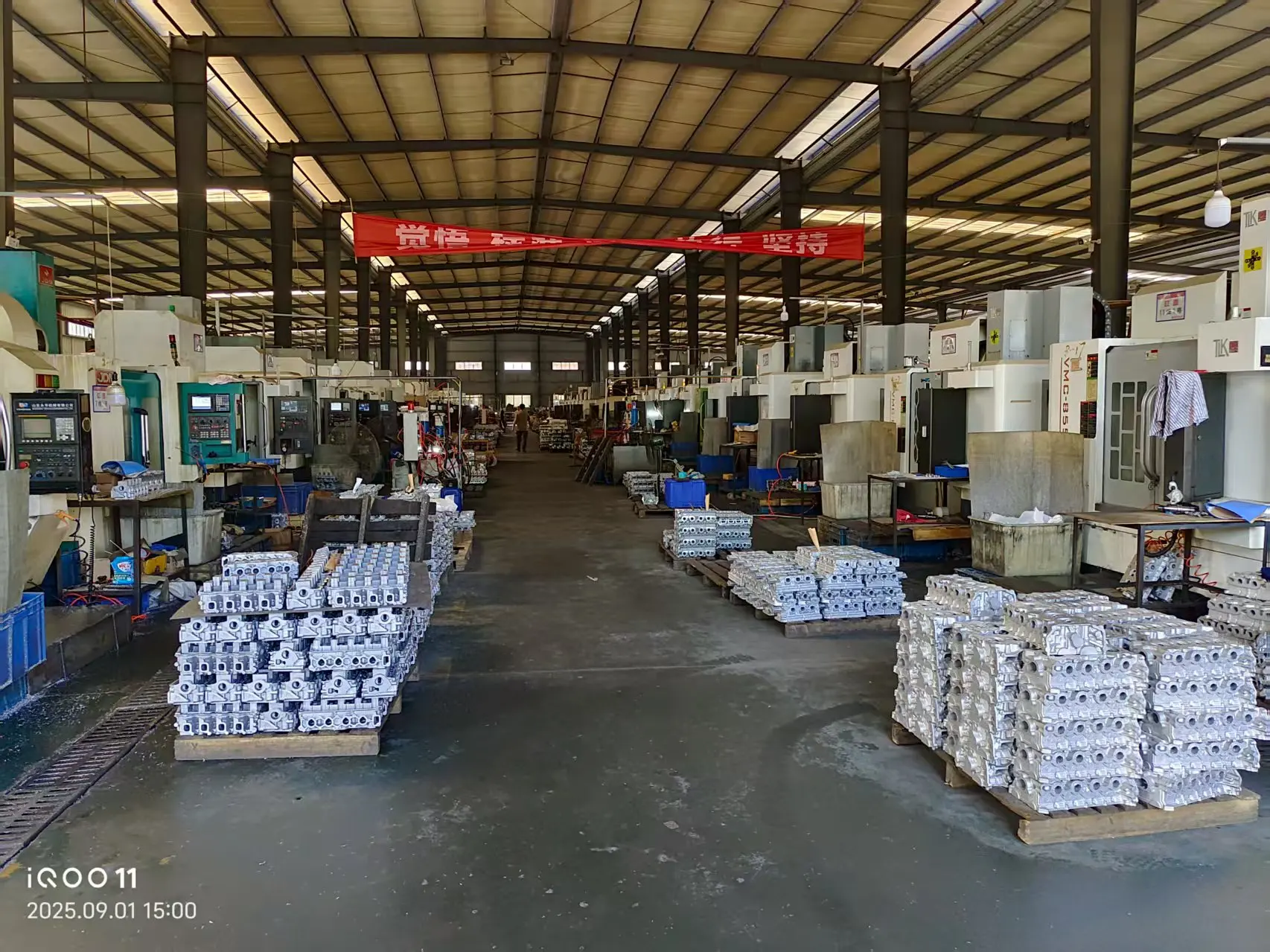
Chongqing Xingmenghe Technology Co., Ltd.
- Trading Company
- Chongqing, China
- Lead time10 days
- Avg. response≤ 6h
Main productsEngine,Cylinder head,Crankshaft,Oil pump,Camshaft
Main marketsNorth America(20.00%), Mid East(15.00%), Northern Europe(10.00%), Eastern Asia(10.00%), Eastern Europe(10.00%), Central America(5.00%), Western Europe(5.00%), Southeast Asia(5.00%), South America(5.00%), Southern Europe(5.00%), Africa(4.00%), Domestic Market(2.00%), South Asia(2.00%), Oceania(2.00%)
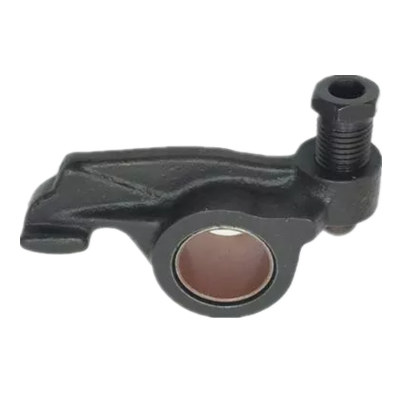
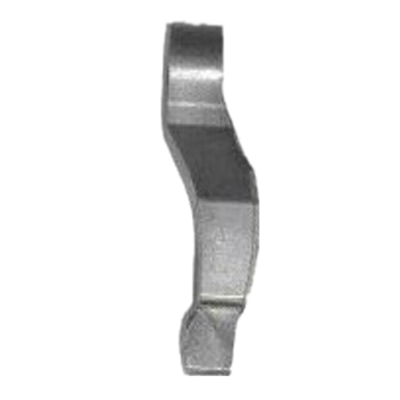
Rocker Arm 0903046 090 3046 for CITROEN
$4.00 - $6.00
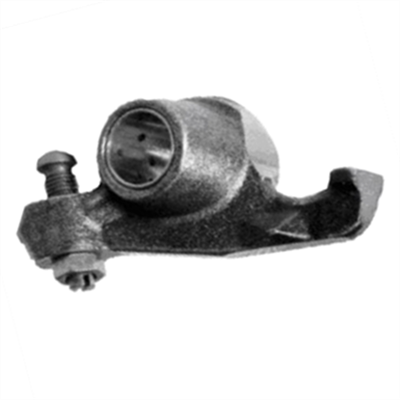
Rocker Arm 99090327 9909 0327 for PEUGEOT
$4.00 - $6.00

CHONGQING POWERLAND MACHINERY CO., LTD.
- Verified by CTI
- Trading Company
- China Chongqing
- Lead time15 days
- Avg. response≤ 1h
Main productsEGR Valve, Sensor, Ignition Coil, Solenoid Valve, Electric Fan, Electric Vacuum Pump, Gasket, Plug, Bumper, Grille

Hubei Kingland Industrial Co., Ltd.
- Verified by CTI
- Trading Company
- China Hubei
- Lead time15 days
- Avg. response≤ 4h
Main productsFuel Injector, Fuel Pump, Piston Kit, Liner Kit, Bearing, Gasket Set, Water Pump, Turbocharger, Sensor, Valve Kit
Main marketsSouth America,Africa,Southeast Asia/ Mideast,East Asia(Japan/ South Korea),Europe,North America
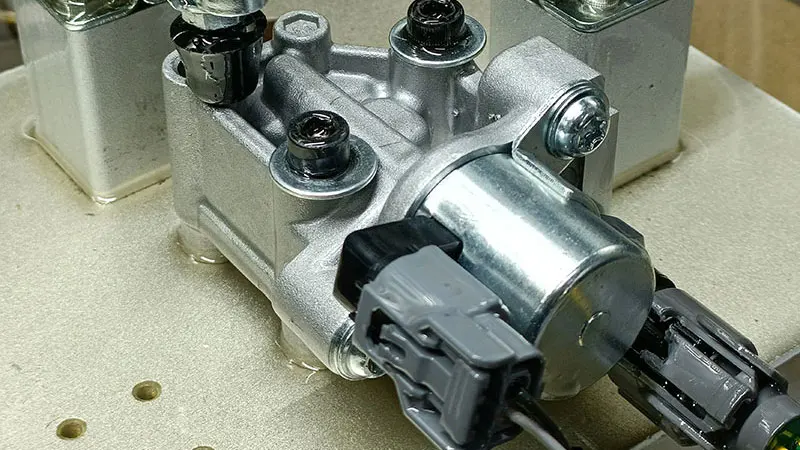
Guangdong Leoni Automotive Electronics Co., Ltd.
- Manufacturer
- Guangdong, China
- Lead time15 days
- Avg. response≤ 2h
Main productsvvt solenoid,cam phaser,automatic transmission solenoid valve,timing chain kits,suspension air compression
Main marketsNorth America(30.00%), Eastern Asia(20.00%), Eastern Europe(15.00%), Northern Europe(10.00%), Western Europe(10.00%), Mid East(5.00%), Southeast Asia(5.00%), South America(5.00%)
Xi'an Heavy Truck Power Auto Parts Co., Ltd.
- Trading Company
- Shaanxi, China
- Lead time15 days
- Avg. response≤ 1h
Main productsTruck parts,Engineering machinery parts,Mining truck parts,Engine parts,Gearbox parts
Main marketsNorth America(20.00%), Western Europe(20.00%), Africa(20.00%), Eastern Europe(15.00%), South America(10.00%), Southeast Asia(10.00%), Mid East(5.00%)
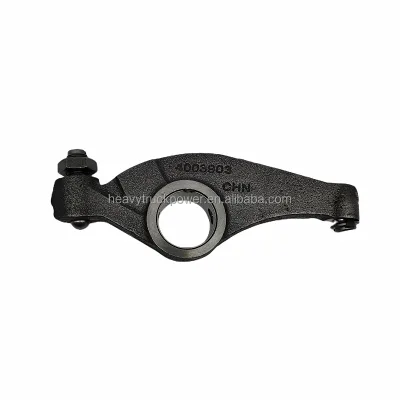
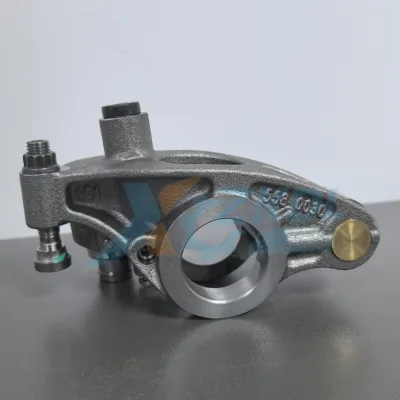
Original High Quality Factory Price Z15 N14 Engine Even Cylinder Exhaust Rocker Arm 5680209 5580032
$105.00 - $115.00
MOQ: 240

Hangzhou Huajida Auto Parts Co., Ltd.
- Trading Company
- China Zhejiang
- Lead time15 days
- Avg. response≤ 19h
Main productsJAC Truck Spare Part
Main marketsSouth America,Africa,Southeast Asia/ Mideast,Europe

Shandong Meide Import and Export Co., Ltd.
- Verified by TUVRHEINLAND
- Trading Company
- China Shandong
- Lead time15 days
- Avg. response≤ 9h
Main productsForging Parts, Industrial Machinery Parts, Casting & Forging, Custom Metal Parts, Precision Seamless Steel Tube, Shaped Seamless Steel Tube
Main marketsEurope

Carbon Steel 1025 1040 1045 Forging Parts Engine Rocker Arm Factory Made for High Durability
$1.00 - $2.50
MOQ: 10 Pieces

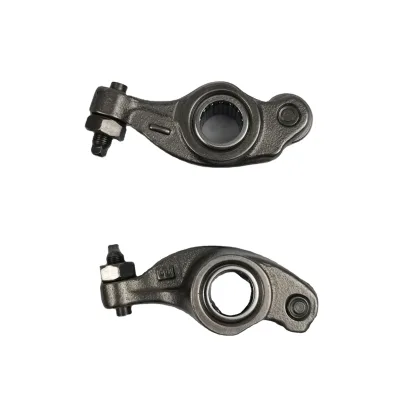
Factory Direct Sales of High-Strength Engine Rocker Arms, Customized Precision Forged Parts
$1.00 - $2.50
MOQ: 10 Pieces




Comprehensive Sourcing Guide
Intake And Exhaust Rocker Arm Supplier Concentration and Factory Types
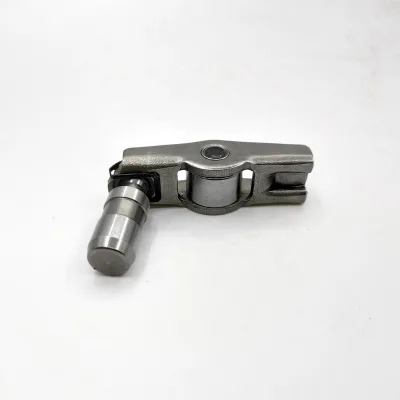
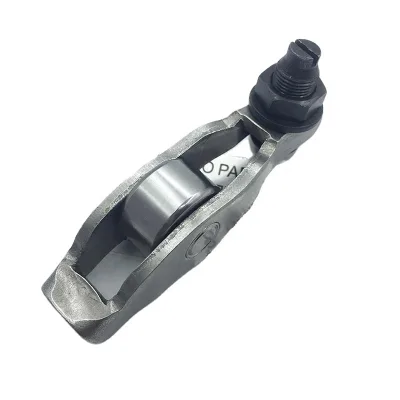
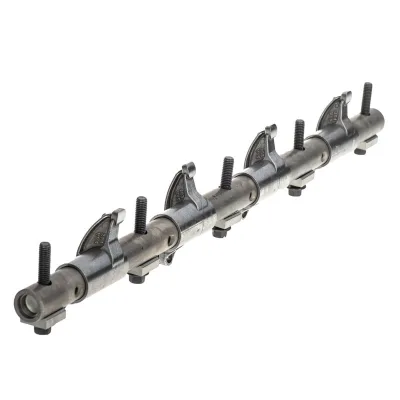
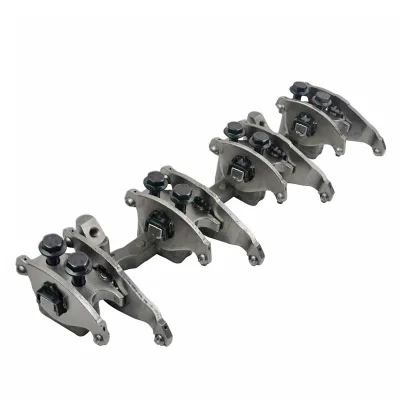
When searching for Intake And Exhaust Rocker Arm suppliers, buyers will typically encounter a mix of manufacturer-factories and combined manufacturer-trading companies. The factory-type label displayed on supplier profiles matters for this category because rocker arms are forged or cast components that require dedicated tooling, heat treatment, and CNC machining. A supplier listed as a manufacturer/factory with main products spanning forging, casting, machining, CNC parts, hot die forging, and customized parts is more likely to control the full process chain in-house, whereas a trading-oriented profile may broker between a forging plant and a machining shop, adding cost and communication layers.
Geographic concentration is real but must be verified from the evidence in front of you rather than assumed. Some verified profiles in this category list locations such as Henan province, and individual product pages may state a specific origin such as Luoyang, or a motorcycle-parts origin such as Chongqing. These are signals of forging and motorcycle-engine component clusters respectively, but you should confirm the exact production address, not just the registered office. A practical way to identify clusters without relying on one profile: sort search results by location, note where verified manufacturers cluster, and check whether the main-product lists match rocker arm processes like die forging plus machining. Suppliers whose catalogs only show assembly or trading categories deserve extra scrutiny on who actually performs forging and heat treatment.
How to Verify Intake And Exhaust Rocker Arm Suppliers
Start with the verification and certification fields shown on supplier profiles, then insist on documents. In current results, some rocker arm suppliers carry third-party verification badges such as BV, and system certifications including ISO 9001 and TS 16949 appear on certain profiles. For a safety-relevant valvetrain part, ask the supplier to send the actual certificate PDFs and check the scope, expiry date, and whether the certified entity name matches the company you are contracting with. Product-level evidence also matters: several listed rocker arm products show attributes such as ISO certification, TS references, and material declarations like steel alloy, aluminum alloy, 20CrMo, or 4340 steel. Request material certificates for the heat number shipped to you.
Beyond paperwork, verify process capability directly. One listed product describes a process of die forging plus machining plus surface treatment with a stated forging tolerance and a heat treatment of quenching, sand blasting surface treatment, and production to customer drawings. Ask each candidate to explain which steps are in-house versus subcontracted, and request photos or a video walkthrough of the forging presses, machining centers, and heat-treatment line. For motorcycle-specific items, check the fitment evidence: some profiles list OEM acceptance, sample availability, warranty terms, and specific model compatibility such as Gixxer 150. Order a sample, measure it against your drawing, and, for higher volumes, arrange an independent inspection before shipment. Never rely on profile badges alone; treat them as a starting checklist.
What to Compare Across Intake And Exhaust Rocker Arm Suppliers
Build a comparison sheet using the attributes suppliers actually display, without assuming every profile shows all of them. Useful dimensions in this category include: company type (manufacturer/factory versus manufacturer plus trading company), location, verification status, system certifications, response time, lead time, MOQ, and main products. In the current results, one forging-focused manufacturer shows a response time of roughly 4.5 hours and a lead time of about 45 days, while another supplier profile shows a response time around 6 hours and a lead time around 30 days for quantities of 1-100, with larger volumes negotiated. Treat these as displayed data points to confirm, not guarantees.
Compare commercial parameters next. Displayed MOQs for rocker arm products in these results range from 500 pieces to 1,000 pieces on forging listings, and from 100 sets on a motorcycle rocker arm and shaft listing, soMOQ differences of this scale materially affect your trial-order budget. Price ranges shown include around 10.00 per unit on one OEM rocker arm listing, roughly 5.00 to 20.00 on a hot die forging hardware listing, about 2.00 on a heat-treated rocker arm listing, and approximately 1.89 to 5.00 on a motorcycle-specific listing. Weight these against tolerance claims (one listing states 0.1mm tolerance), material, heat treatment, packing, and whether OEM/ODM capability is offered. Also compare customization availability, since several listings state customization is available and production according to drawings.
Common Intake And Exhaust Rocker Arm Sourcing Risks
The most frequent risk is a mismatch between the displayed certificate and the delivered part. A profile may show ISO 9001 or TS 16949 while a specific product listing references certifications loosely or concatenates fields, such as a material entry that mixes ISO, TS, and galvanized sheet text. This suggests data entry rather than controlled documentation, so always reconcile the profile claim, the product attribute, and the physical certificate. A second risk is unclear process ownership: if a supplier lists both forging and trading activities, the forging or heat treatment may be subcontracted, and you may discover tolerance drift or inconsistent hardness across batches without ever knowing which plant produced which lot.
Fitment and application risk is especially sharp on motorcycle rocker arms. Listings may target a specific model such as Gixxer 150 or GR125 125cc scooters, with brand names attached, so confirm intellectual-property status and exact compatibility before shipping. Forged rocker arms also carry metallurgical risk: quenching and heat treatment parameters are rarely displayed, and wear resistance depends on them. Finally, beware of assuming lead times hold at scale; displayed lead times often apply to modest quantities, with larger volumes marked "to be negotiated." Mitigate all of this with a signed quality agreement, first-article inspection, retained samples, and batch-level material and heat-treatment certificates tied to purchase order numbers.
Intake And Exhaust Rocker Arm Regional Sourcing and Logistics
Regional positioning should follow the evidence on each profile rather than a generic map of China. Where a supplier's location is listed as Henan, and a product origin is stated as Luoyang, that points to a forging-oriented region; where a motorcycle rocker arm listing states Chongqing as the place of origin, that points to a motorcycle-engine components cluster. Both matter for logistics in different ways: forging-heavy suppliers may ship heavier blanks and semi-finished parts, while motorcycle-part specialists ship compact finished assemblies, as suggested by a listed single package size of 25 by 20 by 15 cm and a single gross weight of about 1.5 kg for a rocker arm and shaft set. Use displayed package dimensions and weights to estimate freight per set before negotiating.
When location data is absent or ambiguous, identify clusters yourself: group the search results by stated province or city, count how many verified manufacturers appear in each, and check whether their main-product lists share forging, casting, and machining terms. A cluster hypothesis is only useful if several independent profiles support it. For logistics planning, confirm the actual shipping port nearest the factory, whether packing is fiber wooden cases or wooden boxes as some listings state, and whether export documentation experience exists for auto and motorcycle parts. For urgent programs, shortlist suppliers with faster displayed response times, since a 4-to-6 hour response window usually correlates with export-team staffing and smoother communication across time zones.
Intake And Exhaust Rocker Arm Commercial Terms and Order Planning
Plan orders around the MOQ, lead time, and price structure each supplier actually displays, then negotiate the gaps. Current listings show MOQs of 500 pieces, 1,000 pieces, and 100 sets depending on the product, with unit prices spanning roughly 1.89 to 20.00 across forged and machined rocker arm listings. Lead times shown include about 45 days on one forging manufacturer and about 30 days for 1-100 units on another profile, with quantities above 100 marked as negotiable. Structure your first order at or slightly above the stated MOQ, but negotiate tooling ownership, sample cost credit, and a price-break schedule tied to annual volume before signing.
Payment and risk terms deserve explicit attention. Verify whether the platform supports escrow or trade assurance on the specific order, since displayed verification badges do not automatically extend financial protection to every transaction. For a forged safety part, tie payment milestones to inspection gates: a deposit after drawing and material confirmation, a further payment after first-article approval, and the balance after pre-shipment inspection against retained golden samples. Confirm warranty terms in writing; at least one motorcycle listing displays a one-year warranty, which you should replicate in the contract regardless of listing text. Finally, plan reorders around seasonality: the same profile may show peak and off-peak lead-time tables, so book capacity for your main season early and confirm whether the negotiated lead time survives a doubling of order quantity.
FAQs
What certifications do rocker arm suppliers hold?
Suppliers typically hold ISO 9001 and TS 16949 certifications. These credentials verify that manufacturing processes meet international quality management standards. Buyers should verify specific certificates during due diligence to ensure compliance with automotive industry requirements for engine components.
What is the typical lead time for orders?
Standard lead times are approximately 45 days for general orders. For motorcycle parts, production may take 30 days during off-peak seasons. Larger quantities exceeding 100 units often require negotiation for delivery schedules. Buyers should confirm exact timelines based on volume and customization needs.
What materials are used for rocker arms?
Common materials include steel alloy, aluminum alloy, and specific grades like 20Cr Mo or 4340 steel. Some products use galvanized sheet metal. Material selection depends on the application, such as automotive engines or motorcycle valve trains. Buyers must specify material requirements for accurate quoting.
What are the minimum order quantities?
Minimum order quantities vary by product type. Auto parts often require 500 units, while some motorcycle components start at 100 sets. Customized forging hardware may have higher thresholds, such as 1000 units. Buyers should check specific product listings for exact MOQ requirements before placing orders.
Where are these suppliers located?
Manufacturers are primarily located in China, specifically in regions like Henan, Luoyang, and Chongqing. These areas are known for metal forging and machining capabilities. Buyers can filter results by these locations to find suppliers with established industrial infrastructure for producing engine components.
Do suppliers offer customization services?
Yes, most suppliers offer OEM and ODM customization services. Products can be tailored according to specific drawings or standards like GB. Customization is available for materials, tolerances, and surface treatments. Buyers should provide detailed specifications to ensure the final parts meet their engineering requirements.