Intelligence Automatic Cocktail Workstation Suppliers and Manufacturers
Source 26 verified suppliers for Intelligence Automatic Cocktail Workstation units from Henan, China. Compare key dimensions including response times, lead times, and MOQs to find the right partner. Contact suppliers directly to request quotes and verify production capabilities; review the available evidence before requesting comparable quotations from suitable candidates.
Suppliers List

ZHENGZHOU YITUO MACHINERY CO., LTD.
- Verified by BV
- Combined
- China Henan
- Lead time30 days
- Avg. response≤ 4h
Main productsFood Truck, Food Trailer, Food Cart, Airstream Food Trailer, Ice Cream Bicycle, Electric Food Truck, Mobile Kitchen, Food Kiosk, Food Van, Restaurant Car
Main marketsEurope,Australia,North America
- Trading Company
- Henan, China
- Lead time0 days
- Avg. response≤ 2h
Main productsFood machinery,Industrial machine,Textile machinery,Agricultural machinery,Commercial machinery
Main marketsAfrica(20.0%), North America(13.0%), Southeast Asia(12.0%), South America(12.0%), Mid East(10.0%), Central America(5.0%), South Asia(5.0%), Eastern Asia(5.0%), Eastern Europe(5.0%), Domestic Market(5.0%), Southern Europe(3.0%), Western Europe(2.0%), Oceania(2.0%), Northern Europe(1.0%)
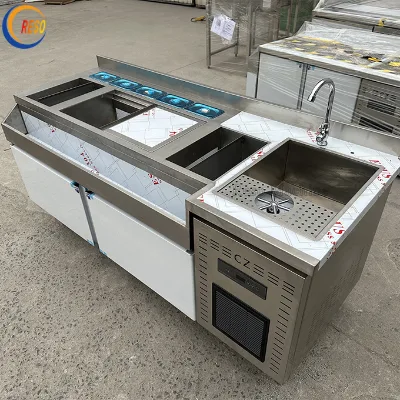
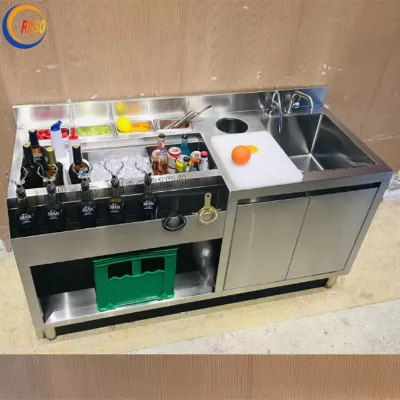
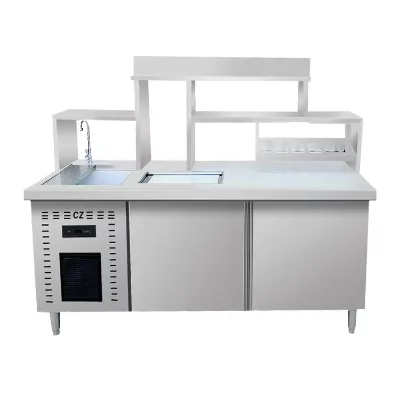
Automatic Smart Mobile bar Station Cocktail Bartender Machine
$550.00 - $670.00
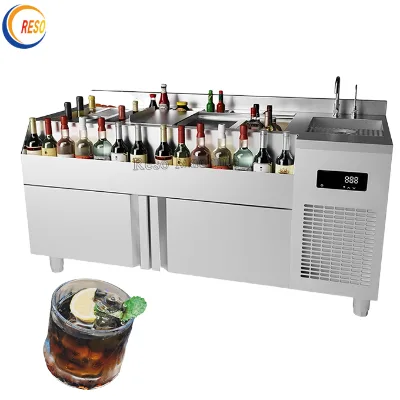
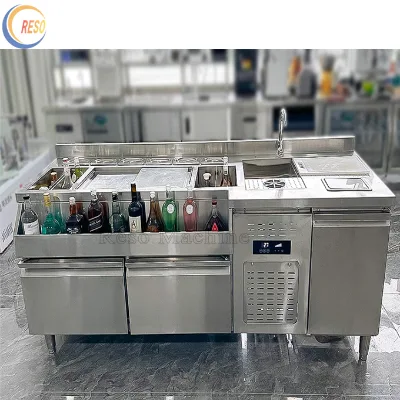
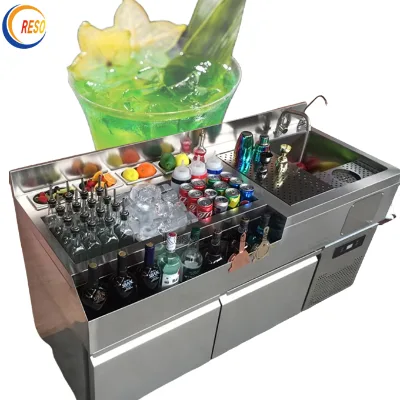
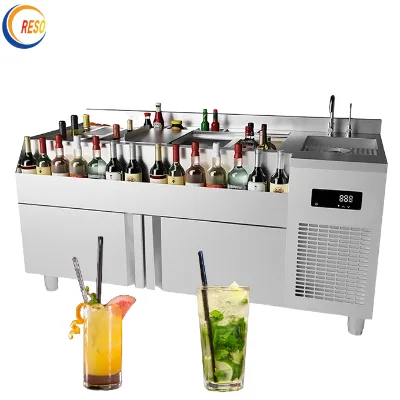
Mobile Cocktail Station Bartender Inox bar Station Portable Machine
$550.00 - $670.00
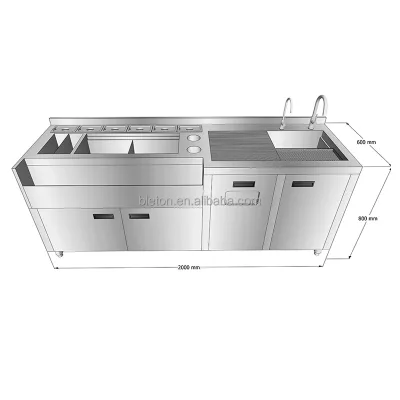
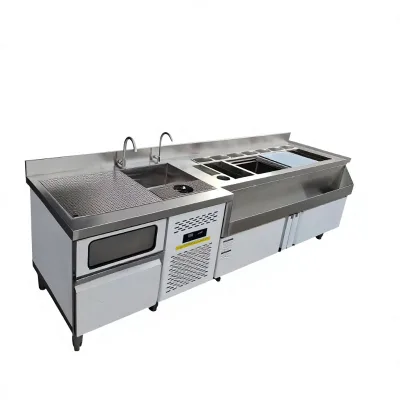
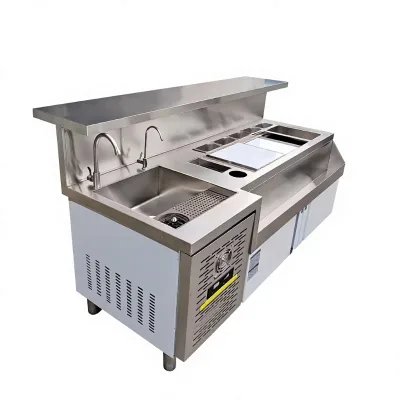
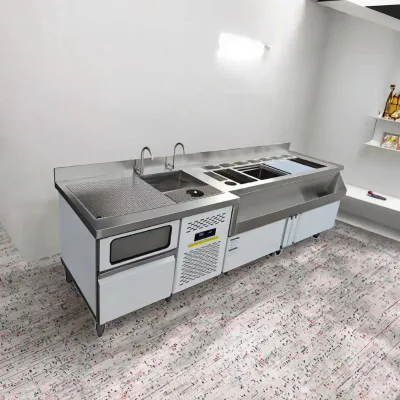
Guangzhou Beiliton Catering Equipment Co., Ltd.
- Manufacturer
- Guangdong Province, China
- Lead time20 days
- Avg. response≤ 1h
Main productsBubble Tea Equipment,Cocktail Bar,Ice Making Machine,Kitchen Equipment,Coffee Machine
Main marketsSoutheast Asia(20.0%), North America(20.0%), Southern Europe(10.0%), Northern Europe(10.0%), South America(10.0%), Eastern Europe(10.0%), Domestic Market(5.0%), Eastern Asia(5.0%), Mid East(5.0%), Western Europe(5.0%)
Kitlalong Kitchen Equipment Co.,Ltd
- Verified by Intertek
- Trading Company
- Lead time15 days
- Avg. response≤ 2h
Main productsCommercial Kitchen Equipments, Commercial Kitchen Range Hood, Cocktail Bar Station, Commercial Kitchen Floor Drain, Display Chiller
Main marketsNorth America(35%), Southeast Asia(30%), Western Europe(20%)
Ancheng Hardware Manufacturing Co., Ltd.
- Verified by SGS
- Trading Company
- China Guangdong
- Lead time30 days
- Avg. response≤ 4h
Main productsKitchenware, Restaurant Equipment, Catering Equipment
Main marketsAfrica,Southeast Asia/ Mideast,Europe,Australia,North America
Binzhou Haozan Commercial Kitchenware Co., Ltd.
- Manufacturer, Trading Company
- Shandong, China
- Lead time0 days
- Avg. response≤ 3h
Main productsMilk Tea Workbench,Bar Counter,Beer Machine,Pizza Table,Flat-top Refrigerator
Main marketsNorth America(20.0%), Southern Europe(19.0%), Northern Europe(15.0%), Western Europe(10.0%), Eastern Europe(10.0%), Oceania(10.0%), Southeast Asia(10.0%), South Asia(1.0%), Central America(1.0%), South America(1.0%), Eastern Asia(1.0%), Mid East(1.0%), Africa(1.0%)
Zhengzhou Yituo Machinery Co., Ltd.
- Verified by TüVRheinland
- Manufacturer, Trading Company
- Lead time10 days
- Avg. response≤ 2h
Main productsFood Trailer, Food Truck, Food Cart, Toilet Trailer, Food Kiosk
Main marketsNorth America(30%), Oceania(23%), Eastern Europe(8%)

Zhongji (Shandong) Metal Products Co., Ltd.
- Verified by BV
- Combined
- China Shandong
- Lead time15 days
- Avg. response≤ 2h
Main productsCommercial Kitchen Equipment, Commercial Baking Equipment, Commercial Cleaning Equipment, Fast Food Truck, Commercial Cooking Equipment, Outdoor Food Truck, Commercial Dishwasher, Toilet Traile, Commercial Kitchens Stainless Steel Products, Food Processing Equipment
Main marketsSouth America,Africa,Southeast Asia/ Mideast,Europe,Australia,North America

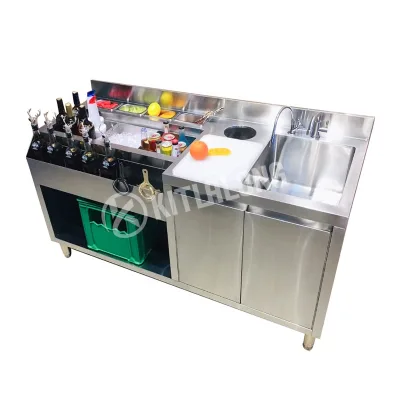
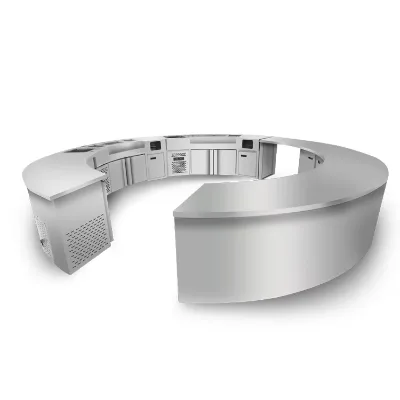
Durable Stainless Steel Innovative Practical Cocktail Bar Station for Busy Nightclub Beverage
$600.00 - $1200.00
Moq: 1

Modern Stainless Steel Spacious Versatile Cocktail Bar Station for Premium Cocktail Lounges
$600.00 - $1200.00
Moq: 1


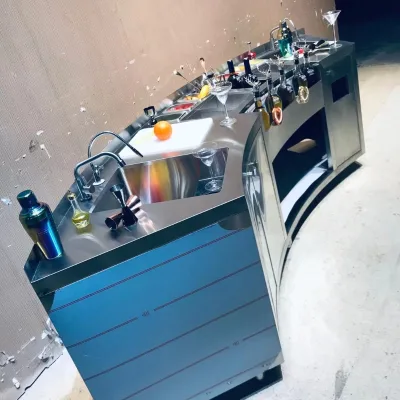
Factory Direct Stainless Steel Multifunction Cocktail Bar Station for Hotel Beverage Service
$600.00 - $1200.00
Moq: 1


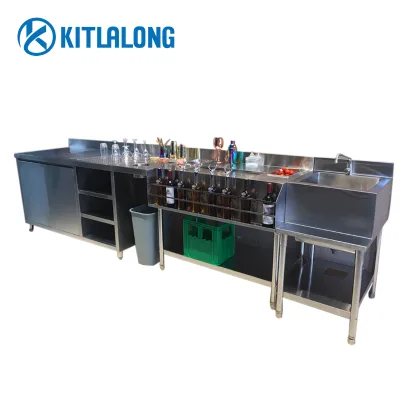
Professional Stainless Steel Modular Durable Commercial Bar Station for Bartender Workstations
$600.00 - $1200.00
Moq: 1

Foshan Comfort Furniture Co.,Ltd
- Verified by BV
- Trading Company
- China Guangdong
- Lead time15 days
- Avg. response≤ 10h
Main productsOffice Furniture, School Furniture, Ergonomic Chair, Height Adjustable Table, Office Chair, Student Chair, Student Table, School Desk, Office Desk, Office Table
Main marketsSouth America,Africa,Southeast Asia/ Mideast,North America

Jiangmen Fenmi Furniture Co., Ltd.
- Verified by BV
- Trading Company,Manufacturer/Factory
- China Guangdong
- Lead time23 days
- Avg. response≤ 8h
Main productsHotel Furniture, Hotel Bedroom Furniture, Bedroom Set, Bedroom Furniture Set, Hospitality Furniture, Office Sofa, Office Chair, Office Desk, Workstation
Main marketsSouth America,Eastern Europe,Mid East,North America,Southeast Asia,Eastern Asia,Oceania,Western Europe,Africa

Zhongshan Jiuhong Robot Technology Co., Ltd.
- Manufacturer, Trading Company
- Guangdong Province, China
- Lead time60 days
- Avg. response≤ 11h
Main productsSmart cocktail machine,Handheld rainbow cocktail shaker,Family Bartending PackagHandheld rainbow cocktail shakere
Main marketsNorth America(3.0%), Western Europe(2.0%), Central America(1.0%)

Foshan Ulink Furniture Limited
- Verified by TUVRHEINLAND
- Combined
- China Guangdong
- Lead time30 days
- Avg. response≤ 10h
Main productsOffice Furniture, Bedroom Furniture, Coffee Table and TV Stand, Living Room Furniture, Dining Furniture, Office Chair, Office Desk, Computer Desk
Main marketsAfrica,Others(foreignTradeCapacity.exportBusinessCapacityMarketOther),Domestic
Shandong Zhonglin Cnc Machinery Co., Ltd
- Verified by SGS
- Combined
- China Shandong
- Lead time23 days
- Avg. response≤ 1h
Main marketsDomestic

Efficient Smart-Control Workstation: Advanced Design for Optimal Work Flow
$65000.00 - $69000.00
Moq: 1


Guangdong Everpretty Furniture Co., Ltd.
- Combined
- China Guangdong
- Lead time23 days
- Avg. response≤ 14h
Main productsStudent Desk & Chair, Kid's Desk & Chair, Laboratory Benches & Stools, Canteen Table Benches, Library Bookshelf Desk & Chair, Bunk Bed & Roomset Furniture, Auditorium & Theater Chair, White Board Green Board Cork Board, Storage Cabinet & Wardrobe, Office Table & Chair
Main marketsAfrica,Southeast Asia/ Mideast

Dongguan Webber Steel Furniture Co., Ltd.
- Verified by SGS
- Manufacturer
- China Guangdong
- Lead time15 days
- Avg. response≤ 4h
Main productsFurniture, Office Furniture, Morden Furniture, Chinese Furniture, Mobile Filing Cabinet, School Furniture, Server Racks, File Cabinet, Network Cabinet, Household Furniture
Main marketsEast Asia(Japan/ South Korea),Europe,North America
Guangzhou Partner Food Equipment Limited
- Manufacturer, Agent
- Guangdong, China
- Lead time20 days
- Avg. response≤ 3h
Main productskitchen equipment,kitchen design,restaurant equipment,food equipment,stainless steel products
Main marketsWestern Europe(50.0%), Eastern Asia(40.0%), North America(10.0%)

Zhengzhou Angde Machinery Equipment Co., Ltd.
- Verified by SGS
- Trading Company
- China Henan
- Lead time23 days
- Avg. response≤ 14h
Main productsPlastic Greenhouse Film, Greenhouse Woven Film, Shade Net, Sunshade Sun Shade Net, Anti Insect Net, Mulch Film, Woven Weed Mat, Commercial Kitchen Equipment, Spc Flooring, Container House
Main marketsSouth America,Eastern Europe,Mid East,North America,Southeast Asia,Eastern Asia,Oceania,Western Europe,Africa


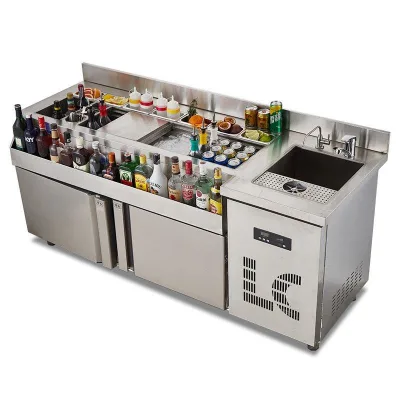
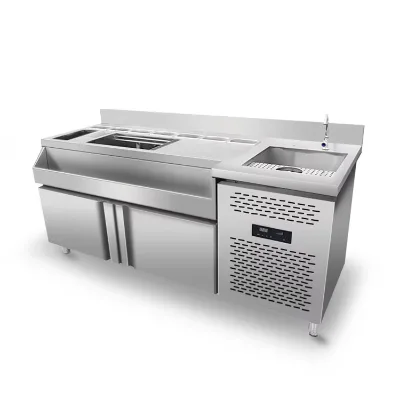
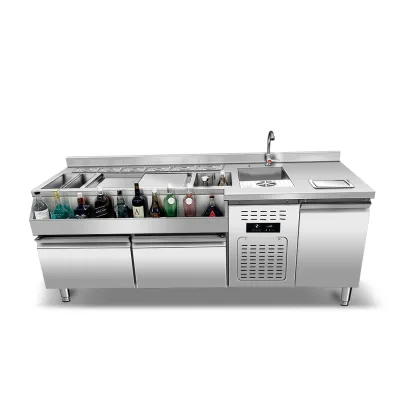
New Commercial Stainless Steel Refrigerated Bar Counter, Bar Cocktail Counter
$450.00 - $500.00
Moq: 1

Shanghai Pumei furniture Co., Ltd.
- Verified by BV
- Combined
- China Shanghai
- Lead time60 days
- Avg. response≤ 18h
Main productsOffice Desk, Panel Furniture, Chairs and Sofa, Laboraty Furniture, Conference Table, Safety Cabinet, Staff Workstation, Office Partition, Training Chair, Laboratory Fume
Main marketsSouth America,Africa,Others(foreignTradeCapacity.exportBusinessCapacityMarketOther)

Sophisticated Managerial Workstation with Fine Finishing and Innovative Style
$185.00 - $215.00
Moq: 2


Beijing Kesino Engineering Technology Co., Ltd.
- Manufacturer/Factory
- China Guangdong
- Lead time30 days
- Avg. response≤ 6h
Main productsControl Room Console, Office Desk, Gaming Table, Ergonomic Chair
Main marketsSouth America,Eastern Europe,Mid East,North America,Southeast Asia,Eastern Asia,Oceania,Western Europe,Africa
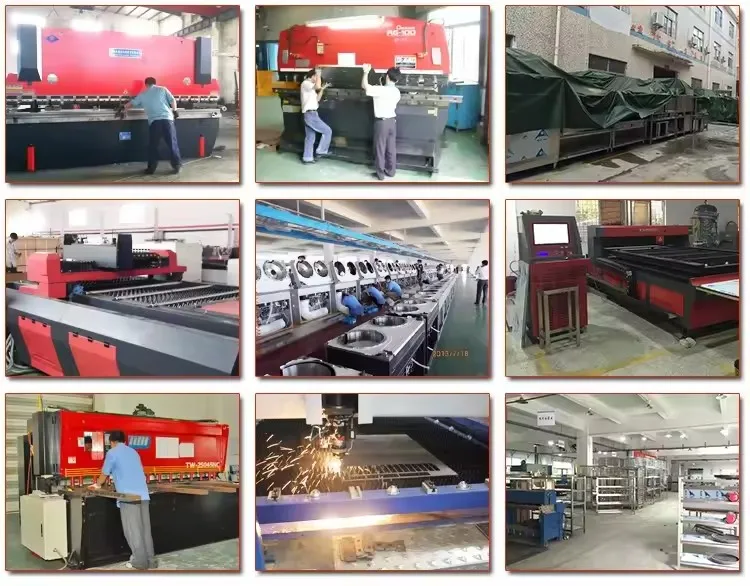
Dongguan Partnerfood Equipment Limited
- Trading Company
- Guangdong, China
- Lead time20 days
- Avg. response≤ 5h
Main productsbar equipment,bar design,bar refrigerator,stainless steel products,bar counter
Main marketsWestern Europe(50.0%), Eastern Asia(40.0%), North America(10.0%)
Beijing Jingcheng Chuangxin Intelligent Technology Co., Ltd.
- Verified by SGS
- Combined
- China Beijing
- Lead time15 days
- Avg. response≤ 5h
Main productsComtrol Room Console
Main marketsDomestic

Guangdong Dingling Intelligent Technology Co., Ltd.
- Verified by CTI
- Combined
- China Guangdong
- Lead time23 days
- Avg. response≤ 1h
Main productsSheet Metal, Network Cabinet, Sheet Metal Fabrication, Metal Enclosure
Main marketsDomestic

Guangzhou Mega Import and Export Co., Ltd.
- Verified by TUVRHEINLAND
- Trading Company
- China Guangdong
- Lead time30 days
- Avg. response≤ 4h
Main productsOffice Chair, Office Table, Office Cubicle, Restaurant Furniture, Conference Table, Office Sofa, Executive Desk, Restaurant Sofa, Hotel Furniture, Executive Furniture
Main marketsEurope,North America


Environmental Protection Top Grade Modern Design Office Workstation for Call Center
Contact supplier
Moq: 10


Beijing Century Chengfeng Metal Products Co., Ltd.
- Verified by CTI
- Combined
- China Beijing
- Lead time15 days
- Avg. response≤ 3h
Main productsNetwork Cabinet, Distribution Box, Console, Metal Cabinet, Metal Sink, Office Desk and Chair, Server Rack, Metal Enclosure
Main marketsDomestic
Hangzhou Bojin Cold Chain Equipment Co., Ltd.
- Verified by TüVRheinland
- Trading Company
- Lead time25 days
- Avg. response≤ 2h
Main productsRefrigerated Display Cabinet, Remote Control Of Air-cooled Refrigerator, Horizontal Refrigerated Display Refrigerator
Main marketsDomestic Market(60%), North America(40%)
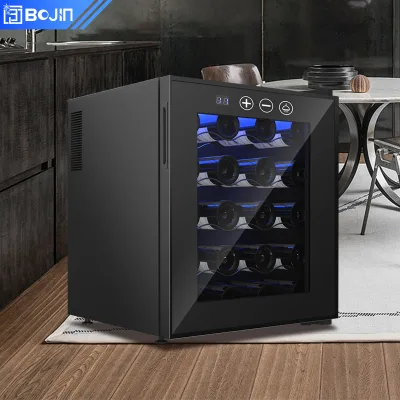
Elevate Your Home Bar Station with Sleek Wine Cabinets: Cooling Meets Modern Design
$142.25 - $183.18
Moq: 2
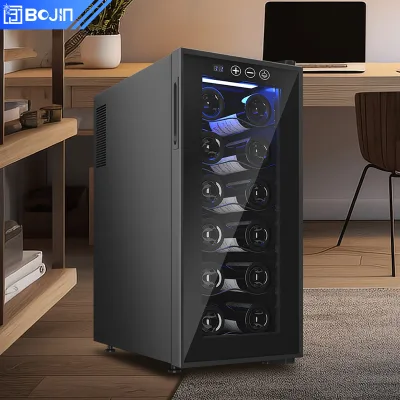
Compact Portable Bar Stations: Perfect Pairings for On-the-Go Wine Tasting Experiences
$132.02 - $162.72
Moq: 2

Guangdong Wine Decoration Warehouse Cellar Engineering Co., Ltd.
- Verified by TUVRHEINLAND
- Combined
- China Guangdong
- Lead time30 days
- Avg. response≤ 4h
Main productsStainless Steel Tile Trim, Stainless Steel Edge Trim, Stainless Steel Corner Trim, Stainless Steel Border Trim, Metal Tile Edge Trim, Stainless Steel Room Divider, Wine Cabinet, Wine Rack
Main marketsEurope


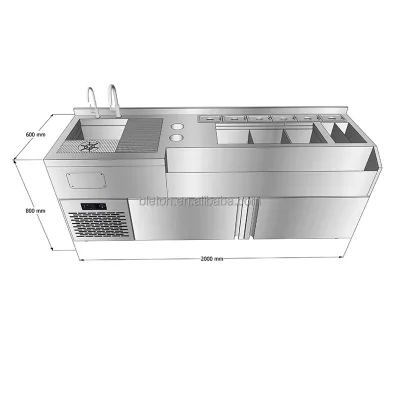
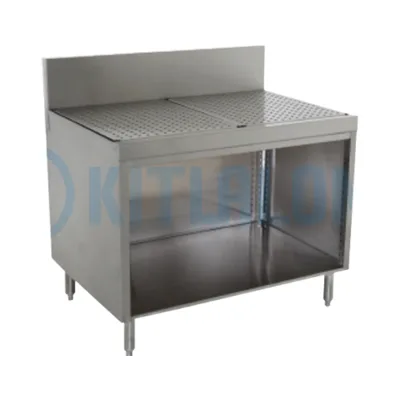
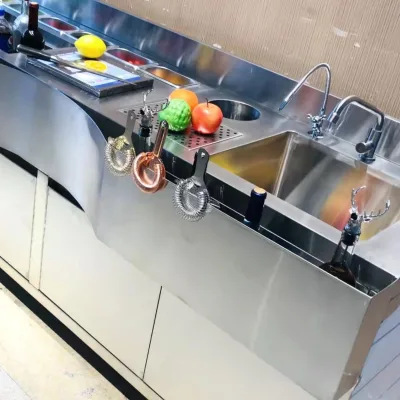
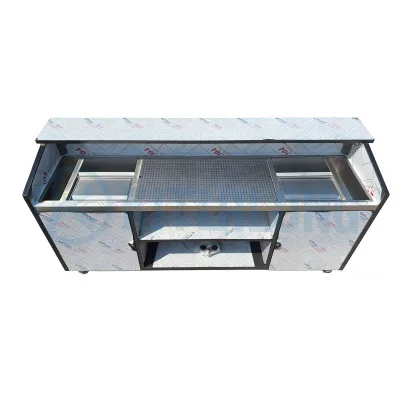


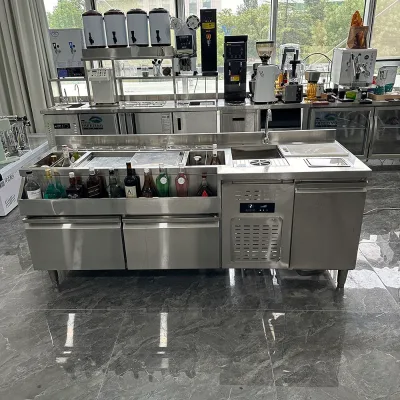
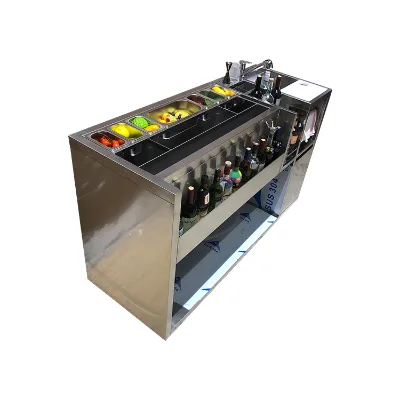
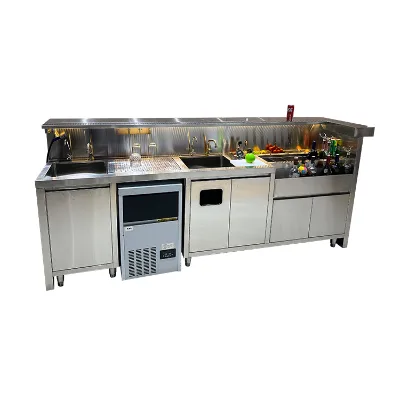


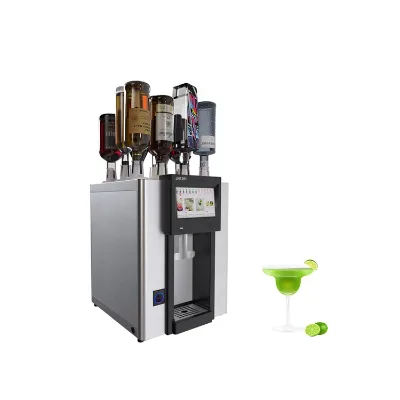
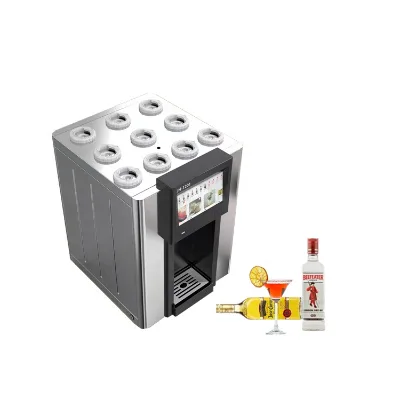
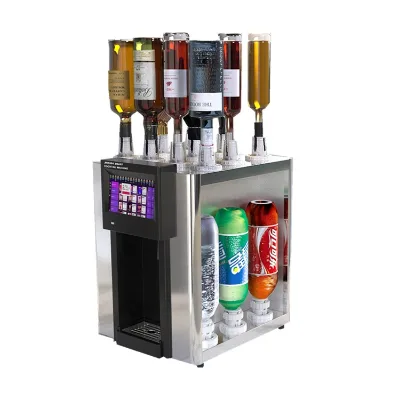
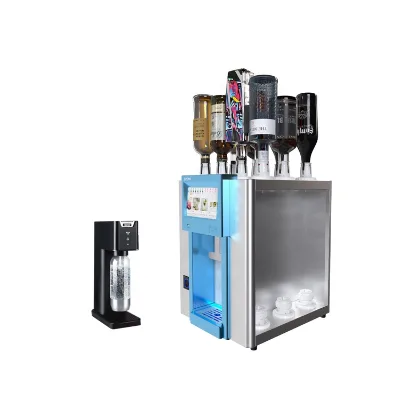


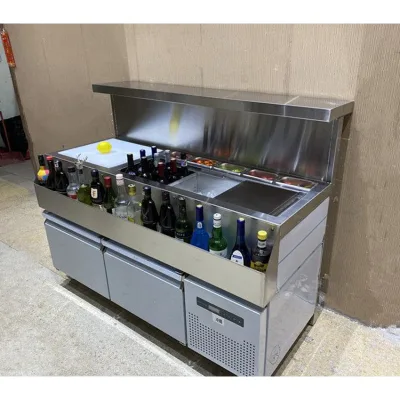
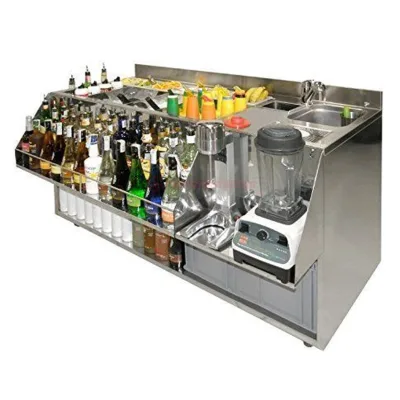


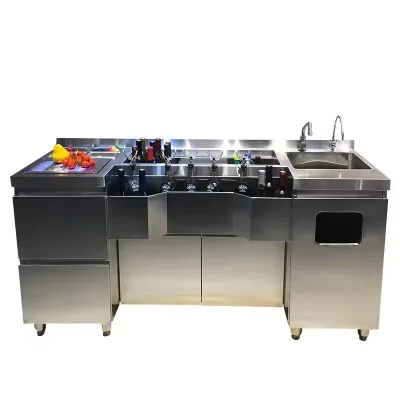
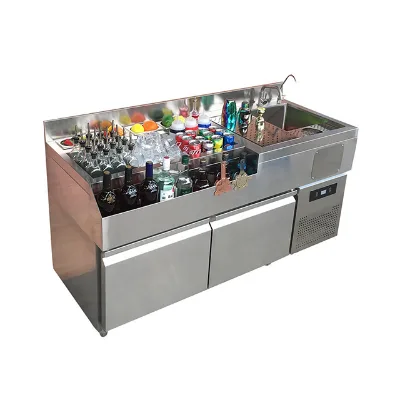


Comprehensive Sourcing Guide
Intelligence Automatic Cocktail Workstation Supplier Concentration and Factory Types
The current supplier landscape for intelligence automatic cocktail workstations shows a distinct concentration in Henan, China, specifically within Zhengzhou City. This region serves as a primary manufacturing hub where combined companies and trading firms operate to produce mobile kitchen units and specialized bar equipment. The observed data indicates that suppliers in this area offer a mix of food trucks, trailers, and dedicated cocktail stations, suggesting a localized ecosystem capable of handling both heavy machinery and precision commercial furniture. Buyers should recognize that this geographic clustering often implies shared supply chains for stainless steel components and electrical systems, which can streamline production but requires careful vetting of individual factory capabilities.
Factory types in this sector vary between combined entities and pure trading companies, each presenting different operational models. Some suppliers list capabilities in both ODM and OEM services, indicating they can customize designs or manufacture based on existing blueprints. Others focus primarily on trading, sourcing from various workshops to fulfill orders. The presence of verified badges, such as BV verification, provides a baseline for legitimacy but does not guarantee the depth of in-house manufacturing. Buyers must distinguish between a supplier that owns the production line and one that merely aggregates products from multiple sources, as this distinction directly impacts quality control, lead time reliability, and the ability to implement specific technical modifications for automatic mixing systems.
How to Verify Intelligence Automatic Cocktail Workstation Suppliers
Verification of suppliers for intelligence automatic cocktail workstations requires a multi-layered approach focusing on documented credentials and response metrics. The available data highlights that some suppliers hold BV verification status, which serves as a third-party validation of business legitimacy. However, buyers should not rely solely on this badge. It is essential to cross-reference the supplier's response time, which currently averages around 3.01 hours for some entities, against their stated service levels. A rapid response often correlates with active sales teams and better communication channels, which are critical when discussing complex technical specifications for automated bar stations.
Beyond verification badges, buyers must scrutinize the product evidence provided to ensure it matches the claimed intelligence features. Specific product attributes, such as voltage compatibility (220V/110V) and material composition (Stainless Steel 201 or 304), must be explicitly detailed in the product specifications. The presence of a "Customization: Available" flag is a strong indicator of a manufacturer capable of adapting to specific needs, whereas generic listings may lack this flexibility. Buyers should request detailed technical drawings and proof of origin, such as the "Place of Origin: Zhengzhou City, Henan Province" data, to confirm the physical location of the manufacturing facility. This due diligence ensures that the supplier is not merely a reseller but has direct oversight over the production of the automated components.
What to Compare Across Intelligence Automatic Cocktail Workstation Suppliers
When evaluating potential partners, buyers should prioritize a direct comparison of lead times, minimum order quantities, and pricing structures. The observed data reveals significant variance in lead times, with some suppliers listing 30 days while others show zero days, a discrepancy that likely reflects stock availability versus custom manufacturing cycles. Minimum Order Quantities (MOQ) also differ, with some units available at a single set, while others may require larger volumes. Comparing these metrics helps buyers align their procurement strategy with their inventory needs and cash flow constraints. Price points range from approximately $550 to $1920, depending on the model and feature set, necessitating a clear definition of required specifications before requesting quotes.
Response speed and service capabilities are equally critical dimensions for comparison. Suppliers with a response time of roughly 2 to 3 hours demonstrate a higher level of engagement, which is vital for troubleshooting technical issues with automated systems. Additionally, the availability of after-sales support, such as "Online Service" and warranty periods like "1 Year," should be weighed against the initial cost. Buyers must also compare the main product portfolios; some suppliers specialize in food machinery and industrial equipment, while others focus exclusively on commercial restaurant supplies. Understanding these product focuses helps identify suppliers with deeper expertise in the specific niche of intelligent cocktail workstations versus generalists who may lack specialized knowledge.
Common Intelligence Automatic Cocktail Workstation Sourcing Risks
One primary risk in sourcing intelligence automatic cocktail workstations is the ambiguity surrounding manufacturing capabilities and supply chain transparency. While some suppliers claim ODM and OEM capacities, the distinction between a factory and a trading company can be blurred, potentially leading to communication gaps or quality inconsistencies. If a supplier is a trading company, they may not have direct control over the assembly of the automated mixing components, increasing the risk of defects or delays. Buyers must verify whether the supplier owns the production facility or acts as an intermediary, as this directly affects the ability to resolve technical issues and enforce quality standards during the manufacturing process.
Another significant risk involves the variability in product specifications and the potential for mismatched expectations regarding automation features. The data shows products with varying voltage requirements and material grades, such as Stainless Steel 201 versus 304, which can impact durability and performance in different environments. There is also a risk associated with the "0 cm³" or "0 kg" weight and volume data found in some listings, which suggests incomplete or placeholder information. Buyers must ensure that all technical parameters, including temperature ranges and power consumption, are explicitly defined and verified before placing an order. Relying on incomplete data can lead to receiving equipment that does not meet the operational requirements of the intended venue.
Intelligence Automatic Cocktail Workstation Regional Sourcing and Logistics
Sourcing from the identified cluster in Henan, China, offers logistical advantages due to the concentration of manufacturers in Zhengzhou City. This region is well-established for producing commercial kitchen equipment, including food trucks and mobile bars, which often share similar supply chains for metal fabrication and electrical components. The proximity of suppliers to major transportation hubs can facilitate efficient shipping arrangements, though buyers must account for the specific lead times associated with custom manufacturing versus ready-to-ship inventory. Understanding the regional logistics network helps in planning the timeline for delivery and anticipating potential bottlenecks in the export process.
However, buyers must be cautious about the specific logistics details provided, as some listings contain incomplete data such as zero volume or weight figures. These anomalies indicate that the supplier may not have finalized the packaging or shipping specifications, which can complicate freight calculations and customs clearance. It is crucial to verify the actual dimensions and weight of the units, such as the 21060110cm standard size, to ensure they fit within the buyer's transport constraints. Additionally, the packaging method, often listed as a "Wooden Case," should be confirmed to prevent damage during transit. Buyers should request detailed packing lists and shipping documents to ensure a smooth transition from the Henan factory to their final destination.
Intelligence Automatic Cocktail Workstation Commercial Terms and Order Planning
Commercial terms for intelligence automatic cocktail workstations vary significantly based on the supplier's structure and the customization level required. Pricing data indicates a range from $550 to $1920, with some models having fixed prices while others may require negotiation based on volume or specific feature additions. Buyers should clarify whether the quoted price includes all necessary accessories, such as sinks or ice sinks, which are listed as customizable options. Understanding the full scope of the cost is essential to avoid unexpected expenses during the order fulfillment process. Additionally, the warranty period, typically listed as one year, should be explicitly confirmed in the contract to ensure coverage for any defects in the automated systems.
Order planning must account for the diverse lead times and production capacities observed in the market. While some suppliers offer immediate availability, others may require up to 30 days for production, especially for customized units. Buyers should align their order timelines with their operational needs, ensuring that the equipment arrives before the intended launch date. It is also important to verify the payment terms and the availability of escrow services to protect the transaction. Given the technical nature of these products, buyers should plan for a thorough inspection upon receipt to verify that the voltage, material, and automation features match the agreed specifications. This proactive approach minimizes the risk of disputes and ensures a successful procurement outcome.
FAQs
What is the price range for automatic cocktail workstations?
Prices for these units typically range from $550 to $1920 per set. The cost varies based on material quality, such as 201 or 304 stainless steel, and specific features like refrigeration or LED lighting. Buyers should check individual listings for exact pricing tailored to their custom requirements.
What is the minimum order quantity for these stations?
The minimum order quantity is generally one set. This low MOQ allows buyers to test the product quality before committing to larger bulk orders. It is ideal for small bars or event caterers who need a single unit to evaluate performance and durability in their specific environment.
How long does production take for these workstations?
Standard lead times are approximately 30 days for production. Some suppliers may list zero days, indicating ready stock, but buyers should verify this directly. Customization options like specific dimensions or branding may extend the manufacturing timeline, so confirming the exact schedule with the supplier is recommended.
Are these stations customizable for specific bar needs?
Yes, customization is available for size, accessories, and ice sinks. Buyers can specify dimensions such as 150cm or 210cm lengths to fit their space. Materials can be selected between 201 and 304 stainless steel, and voltage options include 110V or 220V to match local electrical standards.
Where are these cocktail stations manufactured?
These units are primarily manufactured in Henan, China, specifically in Zhengzhou City. This region is known for producing commercial food and beverage machinery. Buyers should verify the exact place of origin on product listings to ensure the supplier matches their logistical preferences and quality expectations.
What voltage options are supported by these machines?
Most units support dual voltage options, including 110V and 220V, with frequencies of 50Hz or 60Hz. Some advanced models may also support 380V for industrial use. Buyers must confirm the specific voltage requirement for their location to ensure compatibility with local power grids and safety standards.