Insulated Reusable Thermal Pouch Suppliers and Manufacturers
Compare 19 verified suppliers offering insulated reusable thermal pouches with varying lead times, certifications, and customization options. Review product specs like cold time and material before contacting factories in China for quotes; review the available evidence before requesting comparable quotations from suitable candidates.
Suppliers List

Xiamen Top Green Bags Co., Ltd.
- Verified by SGS
- Trading Company,Manufacturer/Factory
- China Fujian
- Lead time45 days
Main productsCooler Bags, Sports Bags, Apron, Promotional Bag, Waist Bag, Shoulder Bag, Travel Bags, Cosmetic Bag, Laptop Bag, Pencil Bag
Main marketsSouth America,Eastern Europe,North America,Southeast Asia,Eastern Asia,Oceania,Western Europe,Africa

China Portable Insulation Thermal Food Thermal Lunch Cooler Bags Insulated Bag
$2.10 - $2.80
MOQ: 500 Pieces

Disposable Food Delivery Cheap Price Thermal Insulated Cooler Thermal Bag
$1.65 - $1.99
MOQ: 500 Pieces

Zhejiang Pengyuan New Material Co., Ltd.
- Verified by BV
- Combined
- China Zhejiang
- Lead time23 days
Main productsThermal Insulated Pallet Cover, Bubble Bag, Aluminium Foil Bag, Metallized Film, Insulation Bag
Main marketsAfrica


Heavy Duty Reusable Thermal Insulation Cooler Insulated Bag for Cold and Hot Food
$0.15 - $0.20
MOQ: 20000 Pieces

XIAMEN J-MAX INDUSTRY AND TRADE CO., LTD.
- Trading Company,Manufacturer/Factory
- China Fujian
- Lead time45 days
Main productsSustainable Bags, Foldable Bags, Shopping Bags, Cooler Bags, Travel Bags, Backpack, ...etc
Main marketsSouth America,Eastern Europe,Mid East,North America,Southeast Asia,Eastern Asia,Oceania,Western Europe

Insulated Cooler Bag Camping Ice Storage Box Portable Outdoor Picnic Thermal Bag
$1.64 - $2.34
MOQ: 500 Pieces

Plain Color RPET Antibacterial Insulated Leakproof Cooler Thermal Bag with Multi-Pockets
$1.61 - $2.35
MOQ: 500 Pieces

Custom Your Logo Wholesale Waterproof and Eco-Friendly Insulated Thermal Cooler Bags
$2.37 - $3.39
MOQ: 500 Pieces

Huizhou Green Foil Insulation Co., Ltd.
- Verified by BV
- Combined
- China Guangdong
- Lead time15 days
Main productsCooler Bag, Gift Bag, Gift Box, Insulated Bag, Color Printed Box, Jewelry Box, Paper Bag, Paper Box, Packaging Box, Insulated Mailer
Main marketsEast Asia(Japan/ South Korea),Europe,North America

Eco-Friendly Thermal PU Foam Insulated Bag Pouch for Medical Transport Cold Storage
$0.39 - $0.85
MOQ: 1000 Pieces


Reusable Thermal Insulated Aluminum Foil Cooler Bag with Offset Printing
$0.50 - $0.60
MOQ: 6000 Pieces


Changzhou Kent Plastic Packaging Co., Ltd.
- Verified by BV
- Combined
- China Jiangsu
- Lead time23 days
Main productsBubble Mailer, PE Packaging, PE Film, Paper Packaging, Vci Packaging, Thermal Insulated Packaging, PP Film, Pet Film, PVC Film, Air Column Bag/Film
Main marketsDomestic

Eco-Friendly Thermal PU Foam Insulated Bag Pouch for Medical Transport Cold Storage
$0.30 - $1.00
MOQ: 500 Pieces


Multipurpose Insulated Thermal Bag for Pharmacy Drugs & Vaccine Transport and Storage
$0.30 - $1.00
MOQ: 500 Pieces

Custom Logo Cooler Bag Thermal Insulation Bag Insulated Hot and Cold Bag Thermal Insulation Bag
$0.30 - $1.00
MOQ: 500 Pieces


Jinjiang Jiaxing Import and Export Co., Ltd.
- Verified by CTI
- Manufacturer/Factory
- China Fujian
- Lead time120 days
Main productsShoes, Slipper, Clothes, Promotion Gifts, Silicone Products, Outdoor Sports Products, Bags, Fashion Accessories, Consumer Electronics
Main marketsSouth America,Eastern Europe,Mid East,North America,Southeast Asia,Eastern Asia,Oceania,Western Europe,Africa

Xiamen Minghui Import and Export Co., Ltd.
- Verified by BV
- Manufacturer/Factory
- China Fujian
- Lead time30 days
Main productsBag, Sport Bag, Duffel Bag, Travel Bag, School Bag, Backpack, Rucksack, Laptop Bag, Cosemtic Bag, Document Bag
Main marketsSouth America,Eastern Europe,Mid East,North America,Southeast Asia,Eastern Asia,Oceania,Western Europe,Africa


Multi-Use Reusable Cooler Tote Bag Thermal Lunch Sack Insulated Lunch Bag
$4.20 - $6.90
MOQ: 500 Pieces

Wenzhou Guanmin Import and Export Co., Ltd.
- Verified by BV
- Trading Company,Manufacturer/Factory
- China Zhejiang
- Lead time120 days
Main productsShopping Bag, Cooler Bag, Notebook, Pen, Color Pencil, Lanyard, Beach Ball, Umbrella, Sunshade, Air Freshener
Main marketsSouth America,Eastern Europe,Mid East,North America,Southeast Asia,Eastern Asia,Western Europe

Suzhou Jinfeixin New Material Technology Co., Ltd.
- Verified by SGS
- Combined
- China Jiangsu
- Lead time15 days
Main productsThermal Insulation Bag, Poly Bubble Mailer, Kraft Paper Bag, Air Cushion Bag
Main marketsEast Asia(Japan/ South Korea)


Insulated Disposable Thermal Food Packaging Bag For Shopping And Travel
$0.05 - $0.20
MOQ: 5000 Pieces

Multi-Purpose Thermal Insulated Food Packaging Bag For Hot And Cold Retention
$0.05 - $0.20
MOQ: 5000 Pieces

Aluminum Foil Insulated Tote Reusable Cooler And Thermal Bag For Food Packaging
$0.05 - $0.20
MOQ: 5000 Pieces

Ningbo Beniway International Trade Co.,Ltd
- Verified by SGS
- Trading Company
- China Zhejiang
- Lead time60 days
Main productsBags and Luggages, School Backpack, Leisure Backpack, Business Backpack, Travel Bag, Outdoor Sports Backpack, Promotional Gift, Crossbody Bag, Insulated Cooler Bag, Tote Bag
Main marketsSoutheast Asia/ Mideast,Europe

Portable Large Capacity Insulated Cooler Backpack Thermal Insulated Bag for Outdoor Camping
$4.82 - $5.16
MOQ: 500 Pieces

Thermal Meal Bag Insulated Cooler Bag Custom Insulated Lunch Bag Picnic Food Bags
$4.84 - $5.16
MOQ: 500 Pieces

Thermal Soft Lunch Bag Portable Insulated Cooler Bag for Tactical Outdoor Use
$2.22 - $2.46
MOQ: 600 Pieces


Sharewin(Yangzhou) Import and Export Co., Ltd.
- Verified by SGS
- Trading Company
- China Jiangsu
- Lead time30 days
Main productsHome Slippers Indoor Slippers, Snow Boots, Pet Beds Dog Beds Cat Beds, Pet Products Pet Toys, Picnic Bag, Gym Bag, Cosmetic Bag, Laptop Bag, Travel Bag, Duffle Bag
Main marketsSouth America,Domestic,Europe,Australia,North America

Acoolda Bags Technology Co., Limited
- Verified by SGS
- Combined
- China Guangdong
- Lead time30 days
Main productsFood Delivery Bag, Delivery Bag, Cooler Bag, Water Bottle, Delivery Cloth, Helmet
Main marketsSoutheast Asia/ Mideast,Europe,North America

Insulated Thermal Bags Lunch Thermal Bag Carry Bag Motorcycles Bag Cooler Backpack
$18.50 - $21.00
MOQ: 300 Pieces


Portable Cooler Bags Large Insulated Thermal Tote Bag Thermal Lunch Food Delivery Bag
$22.00 - $24.00
MOQ: 300 Pieces


Quanzhou Golden Nonwoven Co., Ltd.
- Verified by BV
- Trading Company
- China Fujian
- Lead time23 days
Main productsNonwoven Bag, Cooler Bag, Jute Bag, Canvas Bags, Garment Bag, PP Woven Bag, Backpack, Nonwoven Fabric, T-Shirt/D-Cut Nonwoven Bag, RPET PLA Nonwoven Bag
Main marketsSouth America,Southeast Asia/ Mideast,Europe,North America


High Quality Cooler Food Delivery Insulated Disposable Nonwoven Thermal Bag
$0.07 - $0.12
MOQ: 500 Pieces

Thermal Nonwoven Cooler Bags Handle Custom Durable Insulated Takeaway Hot Cold Bag
$0.07 - $0.12
MOQ: 500 Pieces

$18.00 - $27.00
MOQ: 500 Pieces

Shenzhen Gymtion Industrial Co., Ltd
- Verified by SGS
- Trading Company,Manufacturer/Factory
- China Guangdong
- Lead time23 days
Main productsTote Bag, Shopping Bag, Clear Bag
Main marketsEastern Europe,Mid East,North America,Oceania,Western Europe

Shanghai Touch Industrial Development Co., Ltd.
- Verified by TUVRHEINLAND
- Combined
- China Shanghai
- Lead time15 days
Main productsInstant Hot Pack, Hot Cold Pack, Gel Eye Mask, Gel Ice Pack, Gel Bottle Cooler, Instant Ice Pack, Hand Warmer, Heat Pack, Cooling Scarf, Gel Beads
Main marketsSouth America,Others(foreignTradeCapacity.exportBusinessCapacityMarketOther),Southeast Asia/ Mideast,East Asia(Japan/ South Korea),Domestic,Europe,Australia,North America

Wholesale Custom Portable Durable Cooler Bag Insulated Bag Ice Bag Cooling Bag Thermal Bag
$2.50 - $3.00
MOQ: 500 Pieces

- Verified by SGS Group
- Manufacturer, Trading Company
- Lead time29 days
- Avg. response≤ 2h
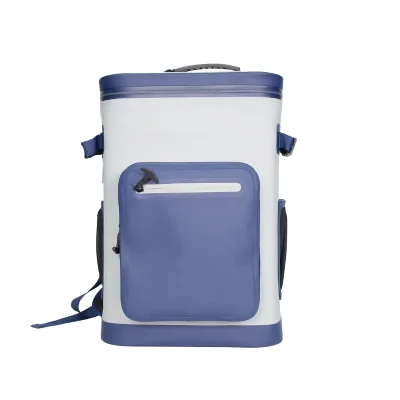
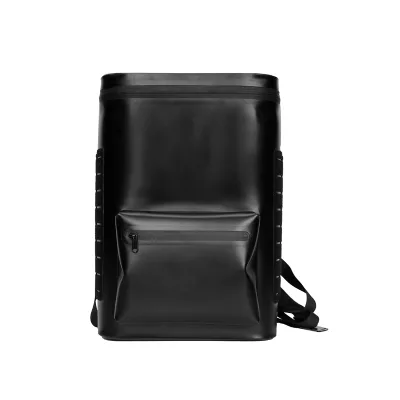
Main productsRunning vest, Cooler Bag, Hiking Backpack, Tactical Bag, Gym bag
Main marketsWestern Europe(45%), North America(25%), Northern Europe(15%)
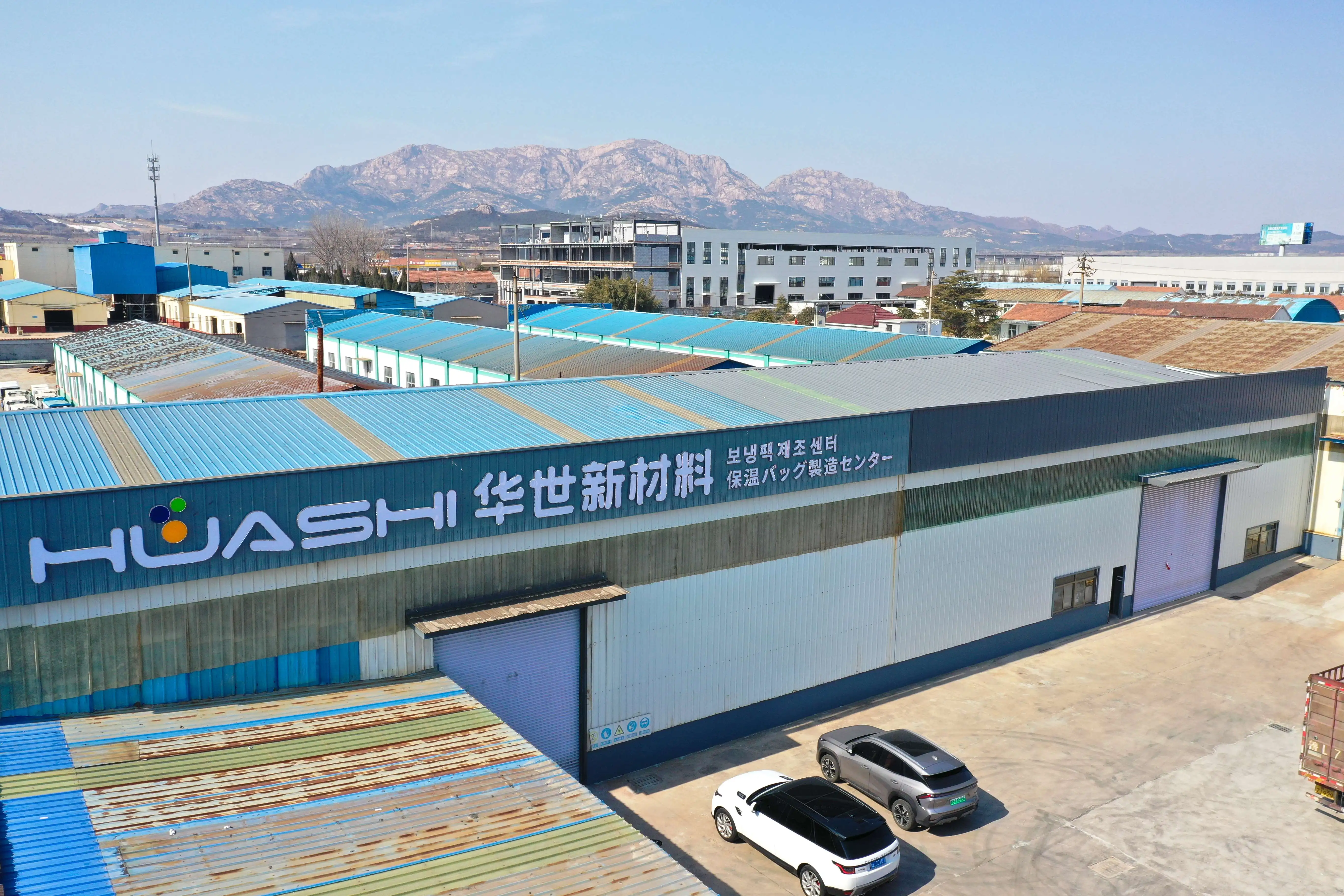
Shandong Huashi New Material Ltd.
- Manufacturer, Trading Company
- Shandong, China
- Lead time7 days
- Avg. response≤ 7h
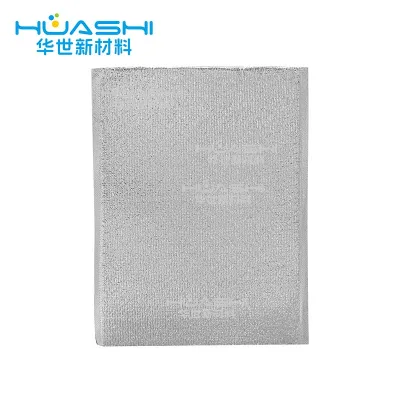
Main productsinsulated bag,insulated,Aluminum foil insulated bag,cooler bag,thermal bag
Main marketsDomestic Market(65.00%), Southeast Asia(35.00%)

Hangzhou Initi Imp&Exp Co., Ltd.
- Verified by SGS
- Combined
- China Zhejiang
- Lead time30 days
Main productsTote Bag, Cotton Bag, Canvas Bag, Drawstring Bag, Garment Bag, Cooler Bag, Cosmetic Bag, Shaker Bottle, Felt Bag, Corduroy Bag
Main marketsSoutheast Asia/ Mideast,East Asia(Japan/ South Korea),Europe,Australia,North America


$0.80 - $1.50
MOQ: 500 Pieces
- Manufacturer, Trading Company
- Lead time旺季: "1 - 500":3,"501 - 5000":5,"5001 - 10000":7,"> 10000":"To be negotiated", 淡季: "1 - 500":3,"501 - 5000":5,"5001 - 10000":7,"> 10000":"To be negotiated"
- Avg. response≤ 3h
Main productsCustom Flags And Banners , Promotion Gifts, Promotion Apparel And Accessories, Advertising Displays , Promotion Bags


Comprehensive Sourcing Guide
Insulated Reusable Thermal Pouch Supplier Concentration and Factory Types
The current search results indicate a concentration of suppliers located in China, specifically within the Fujian and Zhejiang provinces. These regions host a mix of trading companies and manufacturers that specialize in producing cooler bags, thermal pouches, and related lifestyle bags. Some suppliers in Fujian list their main products to include cooler bags, travel bags, and promotional items, while Zhejiang-based entities often focus on thermal insulation pallet covers, aluminum foil bags, and metallized films. This geographic clustering suggests that buyers can find a diverse range of capabilities in these specific areas, from general bag manufacturing to specialized insulation liner production.
When evaluating the factory types, it is important to distinguish between pure trading companies and those with direct manufacturing capabilities. The available data shows that many suppliers operate as a combination of trading companies and manufacturers, offering both OEM and ODM services. Some entities possess their own brands, such as Topgreen or EasyGreen, while others focus entirely on custom designs for clients. This hybrid model allows for flexibility in production, but buyers must verify the actual factory floor capacity and ownership structure to ensure they are dealing with a direct source rather than an intermediary. The presence of both types in the same region requires careful due diligence to confirm who holds the production assets.
How to Verify Insulated Reusable Thermal Pouch Suppliers
Verification of supplier credentials is critical when sourcing insulated reusable thermal pouches, as the market contains various levels of operational maturity. Several suppliers in the current results have undergone third-party verification by agencies such as SGS and BV, which adds a layer of confidence regarding their business legitimacy. Additionally, system certifications like BSCI, ISO 9001, ISO 14000, and SA 8000 are frequently cited, indicating adherence to specific management and social compliance standards. Buyers should request current certificates for these standards rather than relying on general claims, as the validity of these documents can vary significantly between different suppliers in the same region.
Beyond certifications, buyers must assess the specific product attributes and testing standards associated with the thermal pouches. Evidence shows that some products meet standards such as CE, LFGB, FDA, and REACH, which are essential for food contact safety and environmental compliance. The presence of these standards in product attributes suggests that the supplier has undergone specific testing for materials like polyester, aluminum foil, and PEVA linings. However, not every supplier displays every certification, so buyers should explicitly ask for test reports corresponding to the specific model numbers they intend to purchase. Relying on general marketing claims without verifying the specific test results for the ordered item poses a significant risk to product quality and regulatory compliance.
What to Compare Across Insulated Reusable Thermal Pouch Suppliers
Comparing suppliers requires a detailed analysis of lead times, minimum order quantities, and pricing structures, as these factors vary widely across the available results. Lead times observed in the data range from 23 days to 45 days, with some suppliers offering a broader range of 40 to 50 days depending on order complexity. Minimum order quantities also differ significantly, with some suppliers requiring as few as 500 units while others demand 20,000 units for custom thermal insulation bags. Buyers must align these constraints with their inventory needs and cash flow, as a lower MOQ might be preferable for testing new designs, whereas higher volumes may be necessary to achieve competitive unit pricing.
Pricing and customization capabilities are another vital dimension for comparison. Unit prices for similar insulated pouches can range from approximately $0.15 to $2.80, heavily influenced by material choices such as aluminum foil versus polyester and the complexity of the insulation lining. Some suppliers offer customization for logos and colors, while others provide standard solid colors or specific size configurations. The availability of ODM and OEM services varies, with some factories welcoming custom designs and others focusing on their own branded products. Buyers should compare the total cost of ownership, including sample times which can be as short as seven days, to determine which supplier offers the best balance of speed, cost, and flexibility for their specific project requirements.
Common Insulated Reusable Thermal Pouch Sourcing Risks
One of the primary risks in sourcing insulated reusable thermal pouches is the discrepancy between claimed performance and actual product durability. While some product attributes list a cold retention time of 4 to 6 hours, others claim over 6 hours of soaking time, and these figures depend heavily on the specific insulation materials used, such as PE foam or PEVA lining. Buyers must verify these performance claims through independent testing or by requesting detailed technical data sheets, as marketing materials often exaggerate the thermal efficiency of the pouches. Relying solely on the stated cold time without validation can lead to product failures in real-world applications like food delivery or outdoor picnics.
Another significant risk involves the variability in material quality and safety compliance across different suppliers. The product evidence shows a mix of materials, including polyester, aluminum foil, and various linings, each with different safety profiles. Some suppliers list compliance with standards like FDA and LFGB, while others may not provide such documentation. There is also a risk regarding the "disposable" versus "reusable" nature of the bags, as some listings describe items as non-disposable while others label them as disposable, which can confuse inventory management and sustainability goals. Buyers must ensure that the material specifications match their intended use case and that all safety standards are met to avoid regulatory issues or customer dissatisfaction.
Insulated Reusable Thermal Pouch Regional Sourcing and Logistics
Sourcing from the identified regions in China, specifically Fujian and Zhejiang, offers logistical advantages due to established manufacturing clusters and port access. Suppliers in these areas often utilize standard export packaging, such as cartons or film pallet packaging, which facilitates efficient shipping and handling. The origin locations, such as Xiamen in Fujian, are major ports that streamline the export process for international buyers. However, buyers should confirm the specific packing dimensions and weight limits, as some products have gross weights under 0.5 kg while others exceed 1 kg, affecting the total shipping volume and cost calculations.
Logistics planning must also account for the varying lead times and production capacities of suppliers in these regions. With lead times ranging from 23 to 50 days, buyers need to factor in production delays and potential shipping bottlenecks when planning their inventory replenishment cycles. The use of different packing methods, such as plastic bag packaging for individual units or film pallet packaging for bulk orders, impacts how goods are consolidated for transport. Buyers should verify the export carton dimensions and units per carton to optimize container loading and reduce freight costs. Understanding these regional logistics nuances is essential for maintaining a smooth supply chain and avoiding unexpected delays in receiving the insulated pouches.
Insulated Reusable Thermal Pouch Commercial Terms and Order Planning
Commercial terms for insulated reusable thermal pouches often include specific requirements for customization, payment, and quality assurance that must be clearly defined before placing an order. Many suppliers offer customization services, including logo printing and color selection, but the sample time for these customizations can vary, with some suppliers requiring up to seven days for sample production. Buyers should establish clear agreements on the sample approval process to ensure that the final bulk production matches the approved prototype. Additionally, the availability of escrow services or other payment protections should be confirmed to mitigate financial risks during the transaction.
Order planning must also consider the minimum order quantities and the potential for volume discounts. While some suppliers have low MOQs of 500 units, others require orders of 20,000 units, which significantly impacts the initial investment and inventory strategy. Buyers should plan their orders to align with these thresholds to maximize cost efficiency. Furthermore, the production capacity, including the ability to handle OEM and ODM requests, should be assessed to ensure the supplier can meet demand spikes. Establishing a clear timeline that accounts for sample approval, production lead time, and shipping is crucial for successful order execution and maintaining a reliable supply of insulated reusable thermal pouches.
FAQs
What is the typical lead time for insulated thermal pouches?
The typical lead time for these products is 45 days based on current supplier data. Some manufacturers in Zhejiang offer faster turnaround times of 23 days. Buyers should verify specific delivery schedules with individual suppliers before placing orders.
What are the minimum order quantities for thermal bags?
Minimum order quantities vary significantly by product type and material. Standard polyester bags often require 500 units, while aluminum foil insulation bags may need 20,000 units. Buyers must check specific product listings to confirm the exact MOQ for their needs.
Which certifications do these thermal pouch suppliers hold?
Suppliers commonly hold BSCI, ISO 9001, and ISO 14000 certifications. Some also possess SA 8000, QC 080000, or BRC standards. Verification agencies like SGS and BV confirm these credentials, ensuring compliance with international safety and quality requirements for food contact.
What materials are used for the insulation lining?
Common insulation materials include PEVA lining and aluminum foil layers. Some products feature PE foam interlining with specific thicknesses like 5mm. Buyers should review product attributes to confirm the exact lining material and its effectiveness for cold or hot food retention.
How long can these bags keep food cold?
Most insulated thermal pouches maintain cold temperatures for 4 to 6 hours. Certain heavy-duty models with aluminum foil may offer soaking times exceeding 6 hours. Actual performance depends on ambient temperature and the initial temperature of the food items placed inside.
Are custom logos and designs available for these bags?
Customization is available for most thermal pouch models listed. Suppliers offer OEM and ODM services to add custom logos or specific designs. Buyers can request samples to verify print quality and ensure the customization meets their branding requirements before bulk production.
What is the price range for these thermal bags?
Prices range from approximately 0.15 to 2.80 per unit depending on material and features. Basic aluminum foil bags start near 0.15, while polyester models with multiple compartments cost up to 2.80. Final pricing depends on order volume and specific customization requirements.