IP65 Flexible LED Strip Suppliers and Manufacturers
Find 30 verified suppliers offering IP65 Flexible LED Strip with varying lead times, response speeds, and certifications. Compare dimensions like warranty, voltage, and IP ratings to select the right factory for your project needs today; review the available evidence before requesting comparable quotations from suitable candidates.
Updated
Suppliers List

- Manufacturer/Factory
- China Guangdong
- Lead time15 days
- Avg. response≤ 20h
Main productsFlexible LED Strip, LED Modules for Sign, LED Neon Light, RGB Controller, LED Driver, Rigid LED Strip, LED Dimmer, Aluminium LED Profile, Sign LED Tube
Main marketsSouth America,Eastern Europe,Mid East,North America,Southeast Asia,Eastern Asia,Oceania,Western Europe,Africa


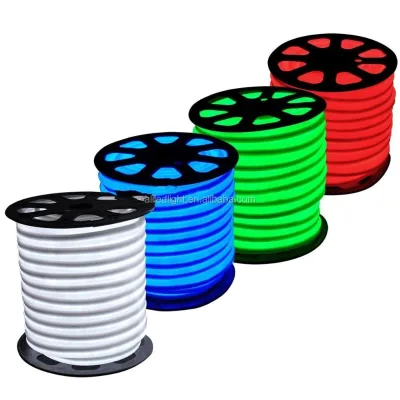
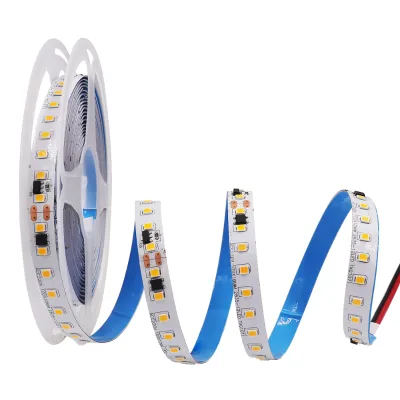
IP20/IP65/IP67/IP68 SMD2835 LED Flexible Strip/LED Strip Light Flexible/Flexible LED Strip
$0.50 - $1.20
MOQ: 100 Meters

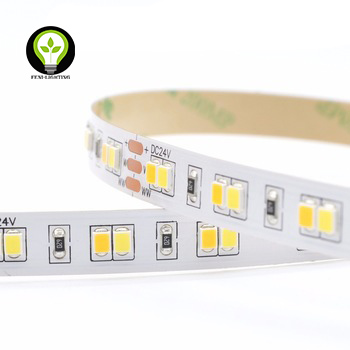
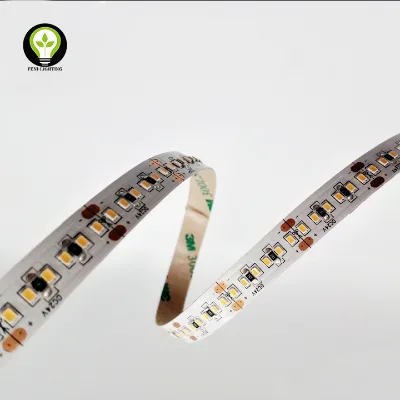
120 LED/Meter Color Temperature Adjustable 2835 Flexible LED Strip Light
$0.50 - $1.20
MOQ: 100 Meters


- Verified by SGS
- Manufacturer/Factory
- China Jiangsu
- Lead time23 days
- Avg. response≤ 5h
Main productsSMD/COB LED Strip Light, LED Neon Flex, LED Wall Washer Light, LED Alumium Profile, LED Rigid Bar Lights
Main marketsSouth America,Eastern Europe,Mid East,North America,Southeast Asia,Western Europe


12W IP20 Flexible LED Strip Lighting/Flexible LED Strip for Decoration Light
$0.80 - $6.00
MOQ: 500 Meters

Huizhou Lyw Optoelectronics Co., Ltd.
- Verified by SGS Group
- Manufacturer, Trading Company
- Lead time10 days
- Avg. response≤ 2h
Main productsLED Smart Strip Lights, LED Neon Lights, LED Rigid Light Bars, LED Cabinet Lights, LED Flexible Wall Washers

Shenzhen Luk Technology Co., Ltd.
- Verified by SGS
- Manufacturer/Factory
- China Guangdong
- Lead time23 days
- Avg. response≤ 1h
Main productsLED Lighting, LED Strips, LED Modules, Neon Strip, Outdoor Lighting
Main marketsSouth America,Eastern Europe,Mid East,North America,Southeast Asia,Eastern Asia,Oceania,Western Europe,Africa

IP65 LED Strip/LED Flexible Strip/Neon Lights/LED-Light for Christmas Lights
$1.00 - $1.99
MOQ: 100 Pieces

High Quality LED Strip Lighting Flexible LED Strip for Decoration Lights
$1.00 - $1.99
MOQ: 100 Pieces


$1.00 - $1.99
MOQ: 100 Pieces

Flexible RGB Light Strips LED Lighting Strip for Creative Indoor Lighting Solutions
$1.00 - $1.99
MOQ: 100 Pieces

- Verified by SGS
- Combined
- China Guangdong
- Lead time15 days
- Avg. response≤ 2h
Main productsLED Wall Washer Light, LED Floodlight, Outdoor LED Spotlight, LED Inground Light, LED Underwater Light, LED Outline Linear Light, LED Downlight, LED Ceiling Light
Main marketsSoutheast Asia/ Mideast

World-Dawn Lighting Co., Limited
- Manufacturer/Factory
- China Guangdong
- Lead time23 days
- Avg. response≤ 3h
Main productsLED Neon Flex, LED Strip Light, LED Panel Light, LED Tube, LED Floodlight, LED Rope Light, SMD Rope Light, LED Lighting, LED Downlight, LED
Main marketsSouth America,Eastern Europe,Mid East,North America,Southeast Asia,Eastern Asia,Oceania,Western Europe,Africa

IP20/IP65/IP67/IP68 SMD5050 LED Flexible Strip/LED Strip Light/Flexible LED Strip
$2.00 - $4.00
MOQ: 20 Meters

IP20/IP65/IP67/IP68 SMD2835 LED Flexible Strip/LED Strip Light/Flexible LED Strip
$1.00 - $2.00
MOQ: 20 Meters


Shenzhen G&G Technology Co., Ltd.
- Manufacturer
- Guangdong, China
- Lead time7 days
- Avg. response≤ 11h
Main productsLED Controller,high power led,LED Strip,DMX Driver,DMX LED
Main marketsWestern Europe(12.00%), Eastern Europe(10.00%), North America(10.00%), South America(8.00%), Eastern Asia(6.00%), Southeast Asia(5.00%), Northern Europe(4.00%), Mid East(4.00%), Southern Europe(3.00%), Central America(3.00%)
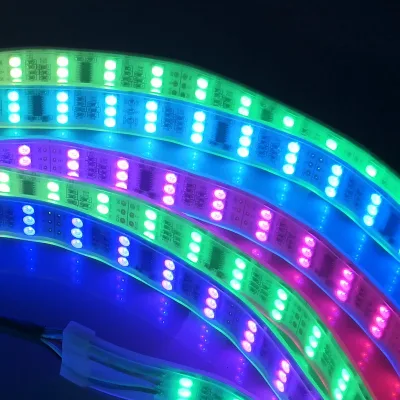
144pcs 5050 LED 48 Pixels Per Meter Addressable LED Strip 3Rows Flexible LED Strip Light
$2.00 - $7.00
MOQ: 100 Minimum
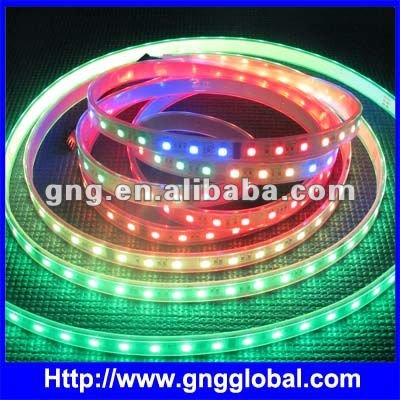
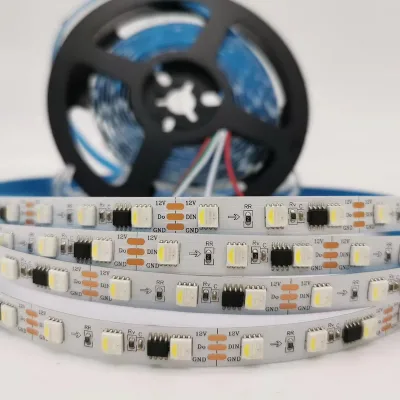
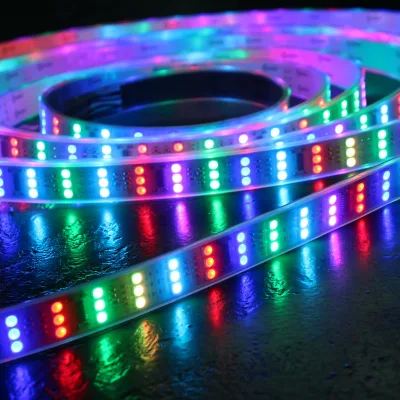

Wuxi Shinuoyi Electronic Electrical Co., Ltd.
- Verified by TUVRHEINLAND
- Trading Company
- China Jiangsu
- Lead time15 days
- Avg. response≤ 10h
Main productsChristmas Light, E27 Festoon Light, Christmas Motif Light, LED String Light, LED Rope Light, LED Strip Light, Solar Light, Christmas Tree, LED Net Light, Christmas Ball
Main marketsEast Asia(Japan/ South Korea),Europe,Australia,North America
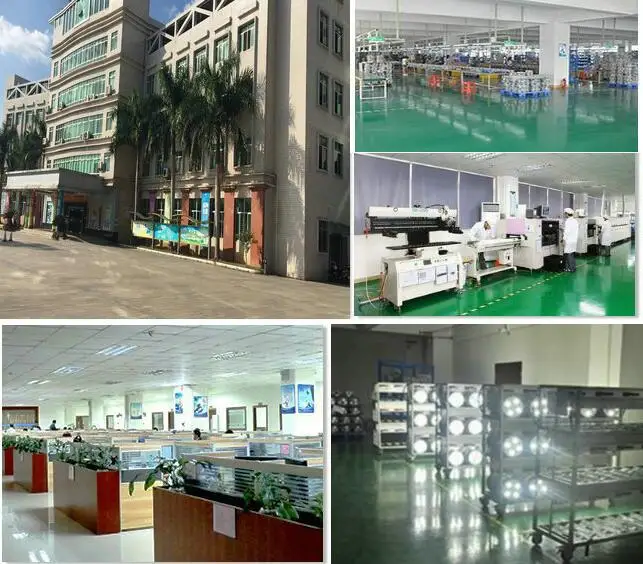
Green Lantern Optoelectronic Light Factory
- Manufacturer, Trading Company
- Guangdong, China
- Lead time7 days
- Avg. response≤ 7h
Main productscamping lanetern,head lamp,flashlight,led strip light,led night light
Main marketsWestern Europe(17.00%), Southern Europe(13.00%), Domestic Market(12.00%), Mid East(10.00%), Central America(9.00%), Northern Europe(8.00%), South America(8.00%), North America(7.00%), Eastern Asia(5.00%), Eastern Europe(5.00%), South Asia(2.00%), Africa(1.00%), Southeast Asia(1.00%)

Zhongshan Xingrou Lighting Technology Co., Ltd
- Verified by SGS
- Combined
- China Guangdong
- Lead time15 days
- Avg. response≤ 9h
Main productsLED Strip Light, COB Strip Light, Flexible Neon Light Strip, LED Strip, LED Rope Light, LED Light Bar, LED Linear Light
Main marketsDomestic

Shenzhen Led Home Opto-Electronics Co., Ltd.
- Verified by TUVRHEINLAND
- Combined
- China Guangdong
- Lead time30 days
- Avg. response≤ 5h
Main productsLED Profile, LED Flexible Strip, LED Downlight, LED Linear Light, LED Neon Flex Strip, LED Rigid Strip, Slim Silicon LED Neon Flex, Silicon Extrusion Integrated LED Strip
Main marketsSoutheast Asia/ Mideast,Domestic,Europe,North America


$3.20 - $5.30
MOQ: 50 Meters


Shenzhen Bond Optoelectronic Co., Ltd.
- Verified by TüVRheinland
- Manufacturer, Trading Company
- Lead time7 days
- Avg. response≤ 4h
Main productsLED Module, LED Signs, LED Pixel Light, Custom Neon Sign, LED Illuminated Sign
Main marketsNorth America(30%), Southeast Asia(25%), Mid East(20%)
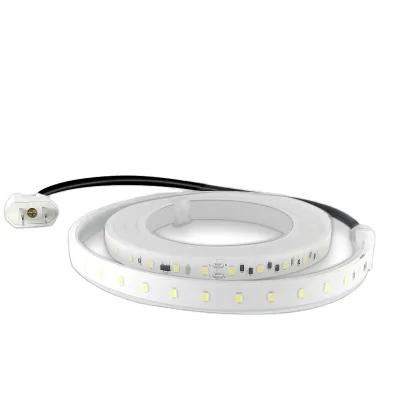
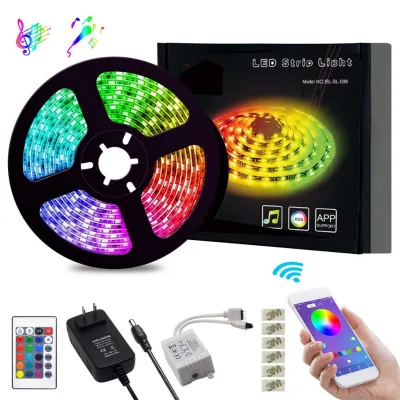
LED Strip LED Light Strip for Wooden Light
$0.50 - $0.80
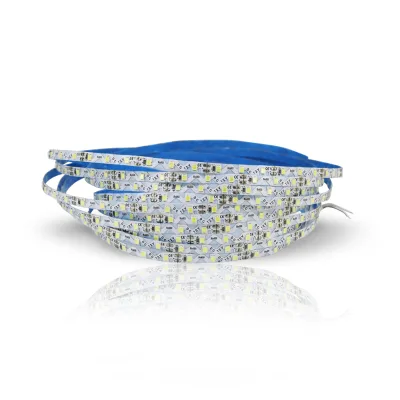
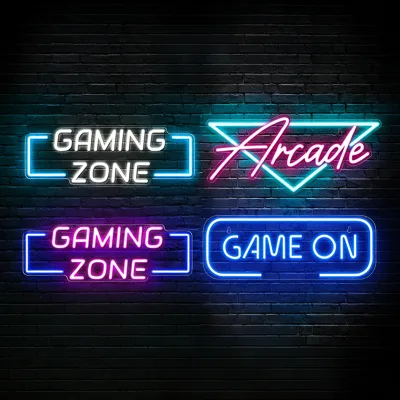


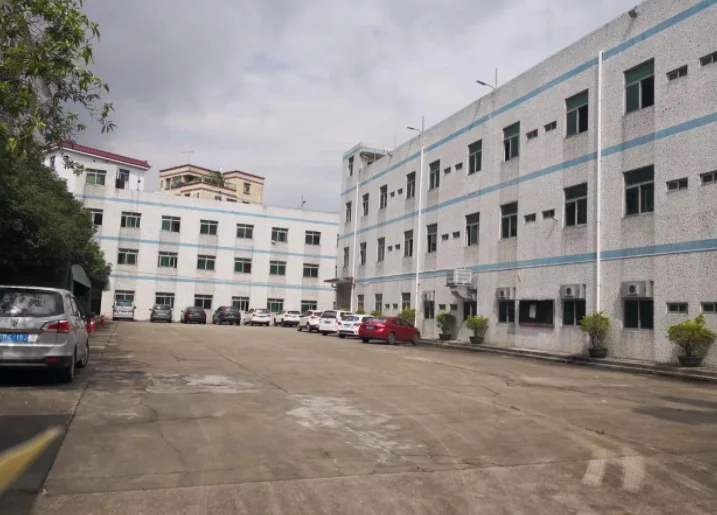
Shenzhen Gensheng Technology Co., Ltd.
- Manufacturer, Trading Company, Distributor/Wholesaler
- Guangdong, China
- Lead time20 days
- Avg. response≤ 8h
Main productsCommercial and Industrial Lighting,Indoor lighting,outdoor lighting,Smart strip light,holiday lighting
Main marketsNorth America(17.00%), South Asia(15.00%), Eastern Europe(10.00%), Oceania(9.00%), Southeast Asia(9.00%), Northern Europe(8.00%), Mid East(6.00%), Central America(5.00%), South America(5.00%), Domestic Market(5.00%), Western Europe(3.00%), Eastern Asia(3.00%), Africa(3.00%), Southern Europe(2.00%)
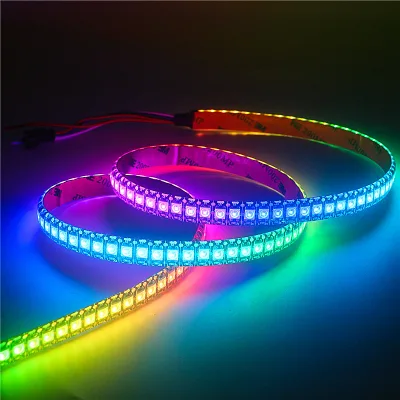
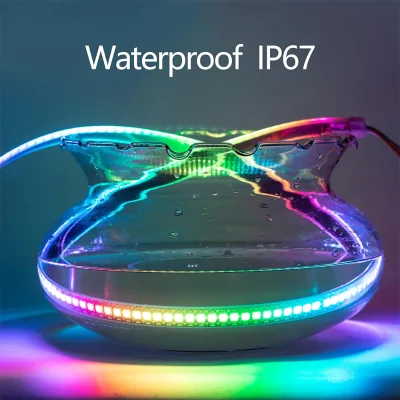
5V programmable led strip light 30leds/m rgb led strip ws2812 led flexible strip for ktv
$4.6214 - $5.3394
MOQ: 100 Minimum
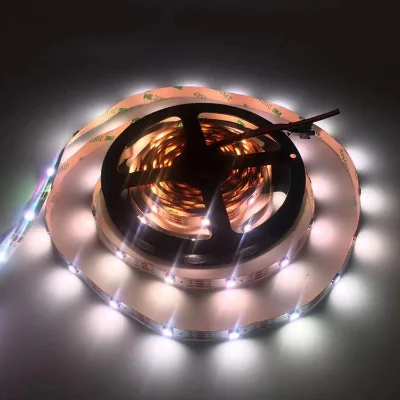
$4.5899 - $5.3035
MOQ: 100 Minimum
Shenzhen Chuhong Trading Co., Ltd.
- Trading Company, Distributor/Wholesaler
- Guangdong, China
- Lead time0 days
- Avg. response≤ 6h
Main productsLED CHIP,LED light strip,LED light string,LED controller,LED dimmer
Main marketsSouth Asia(20.00%), South America(20.00%), Southern Europe(10.00%)

Shenzhen Star Sources Lighting Technology Co., Ltd.
- Manufacturer, Trading Company
- Guangdong, China
- Lead time20 days
- Avg. response≤ 5h
Main productsLED Lighting,LED Lam,LED Indoor & Outdoor Lamp,LED Table Lamp,Socket
Main marketsSouth America(40.00%), Western Europe(40.00%), Eastern Asia(8.00%), Mid East(7.00%), North America(3.00%), Central America(2.00%)
Shenzhen Longsheng Photoelectric Technology Co., Ltd.
- Manufacturer, Trading Company, Distributor/Wholesaler
- Guangdong, China
- Lead time10 days
- Avg. response≤ 1h
Main productsLED strip Light,LED Tube Light,LED Neon Light,LED Power Supply,LED downlight
Main marketsSouthern Europe(15.00%), Northern Europe(15.00%), Western Europe(10.00%), South America(10.00%)
Shenzhen Hua Yu Lighting Manufacture Co., Ltd.
- Manufacturer
- Guangdong, China
- Lead time15 days
- Avg. response≤ 4h
Main productsLED Strip,LED Neon light,Aluminum profle,LED Wall light,LED Mirror
Main marketsSoutheast Asia(20.00%), South America(20.00%), Mid East(20.00%), Domestic Market(10.00%), Northern Europe(10.00%), Western Europe(10.00%), North America(10.00%)
Jiangsu Lan Te En Optoelectronics Technology Co., Ltd.
- Manufacturer, Trading Company
- Jiangsu, China
- Lead time0 days
- Avg. response≤ 1h
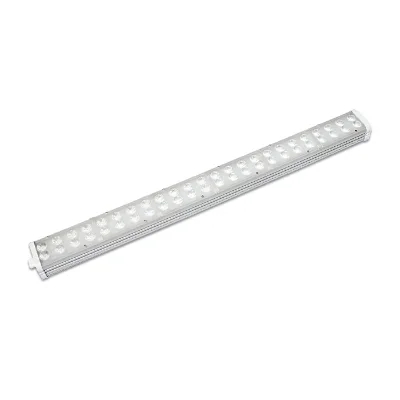
Main productsled light bar,led strip light,cob light,led edge light,led module
Main marketsEastern Asia(6.00%), Eastern Europe(4.00%)
$10.80 - $11.00
MOQ: 1000 pieces
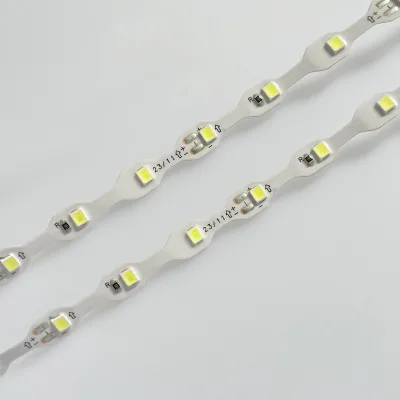
S LED Light Strip 12V 2835 60 Lights Natural White IP65 PC Remote Control USB
$0.5142 - $0.9249
MOQ: 500 pieces

Shenzhen ATA Technology Co., Ltd.
- Manufacturer/Factory
- China Guangdong
- Lead time15 days
- Avg. response≤ 13h
Main productsLED Grow Light, LED Flexible Strip, UL LED Tube Light, UL LED Panel Light, LED Tri-Proof Light, UFO LED High Bay Light, LED Flood Light, LED Street Light, LED Controller, LED Power Supply
Main marketsSouth America,Eastern Europe,Mid East,North America,Southeast Asia,Eastern Asia,Oceania,Western Europe,Africa
Shenzhen Lightingman Technology Co., Ltd.
- Manufacturer, Trading Company
- Guangdong, China
- Lead time3 days
- Avg. response≤ 5h
Main productsLight Strips,Neon Lights,Linear Lights,Aluminum Profiles,Fantasy Light Strips
Main marketsEastern Asia(100.00%), Mid East(100.00%), Central America(100.00%), Oceania(100.00%), Africa(100.00%), Domestic Market(100.00%), Southern Europe(100.00%), South America(100.00%), South Asia(100.00%), Northern Europe(40.00%), Eastern Europe(25.00%), North America(20.00%), Southeast Asia(10.00%), Western Europe(5.00%)
Green Lantern Optoelectronic Light Factory
- Trading Company
- Lead time旺季: "100 - 100000":15,"> 100000":"To be negotiated", 淡季: "100 - 100000":15,"> 100000":"To be negotiated"
- Avg. response≤ 7h
Main productsLED strip light,LED Neon Flex,LED Controller,holiday light,led grow light
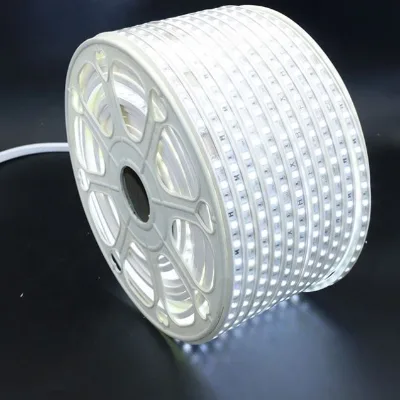
$0.90 - $1.17
MOQ: 100 Minimum
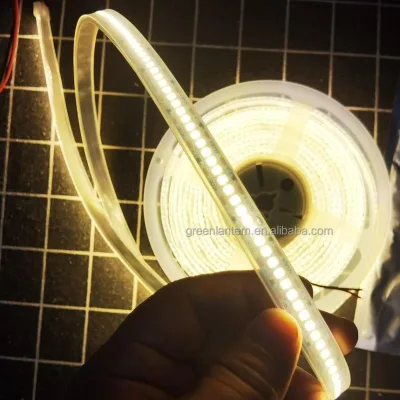
Customize DC 12V 240LEDs/m Super Bright IP67 Waterproof SMD 2835 LED Strip Light
$1.35 - $1.45
MOQ: 500 Minimum
Shenzhen Bryson Science Technology Co., Ltd.
- Trading Company
- Guangdong, China
- Lead time15 days
- Avg. response≤ 2h
Main products3D Hologram Fan,LCD screen,LED strip
Main marketsNorth America(30.00%), Western Europe(25.00%), South America(15.00%), Oceania(10.00%), Eastern Asia(10.00%), Mid East(10.00%)
Zhongshan Goodchip Lighting Co., Ltd.
- Verified by SGS Group
- Trading Company
- Lead time10 days
- Avg. response≤ 3h
Main productsStrip LED Light, LED Module, LED Power Supply, LED Controller, LED Chip
Main marketsMid East(45%), South America(15%), Eastern Europe(10%)

- Combined
- China Guangdong
- Lead time15 days
- Avg. response≤ 6h
Main productsLED Strip, LED Aluminium Profile, LED Neon Tube, LED Grow Light, COB LED Strip Light, Aluminium Profile, LED Strip Light, SMD2216 LED Strip Light, RGBW LED Strip Light, Neon Tube Light
Main marketsSoutheast Asia/ Mideast,Europe,North America


Perfect Ultra Wide 65mm LED Strip Non-Waterproof Flexible LED Strip with 6 Rows
$12.00 - $13.50
MOQ: 10 Meters

Hot Selling IP65 SMD2835 60LED LED Strip Waterproof Strip with CE Certificate
$2.20 - $2.64
MOQ: 50 Meters

Shenzhen Hua Yu Lighting Manufacturing Co., Ltd.
- Verified by CTI
- Combined
- China Guangdong
- Lead time15 days
- Avg. response≤ 7h
Main productsLED Strip, LED Neon, LED Wall Light, LED Ceiling Light, LED Strip Light, Flexible LED Strip, Flexible LED Neon
Main marketsSouth America,Southeast Asia/ Mideast,East Asia(Japan/ South Korea),Domestic,Europe,Australia,North America

Beauty (GD) Manufacturing Co., Limited
- Verified by TUVRHEINLAND
- Manufacturer/Factory
- China Guangdong
- Lead time23 days
- Avg. response≤ 7h
Main productsLED Strip Light
Main marketsSouth America,Eastern Europe,Mid East,North America,Southeast Asia,Eastern Asia,Oceania,Western Europe,Africa


Perfect for Outdoor Lighting: IP67 Rated Flexible and Bright LED Strip Light
$0.70 - $1.20
MOQ: 1 Meters


Shenzhen Led Home Opto-Electronics Co., Ltd.
- Verified by TüVRheinland
- Manufacturer, Trading Company
- Lead time5 days
- Avg. response≤ 5h
Main productsLED Strip, LED Neon Light, LED Wall Washer Light, LED Linear Light, LED Aluminum Profile
Main marketsNorth America(14%), South America(12%), Mid East(11%)
Jiangmen Rope Light Lighting Technology Co., Ltd.
- Manufacturer, Trading Company
- Guangdong, China
- Lead time30 days
- Avg. response≤ 5h
Main productsCOB strip,LED rope light,12V SMD flexible strip light,SMD strip light
Main marketsMid East(40.00%), South America(15.00%), Southeast Asia(10.00%), Eastern Europe(10.00%), Domestic Market(5.00%), South Asia(5.00%), Africa(5.00%), Central America(2.00%), North America(2.00%), Southern Europe(2.00%), Western Europe(1.00%), Oceania(1.00%), Eastern Asia(1.00%), Northern Europe(1.00%)
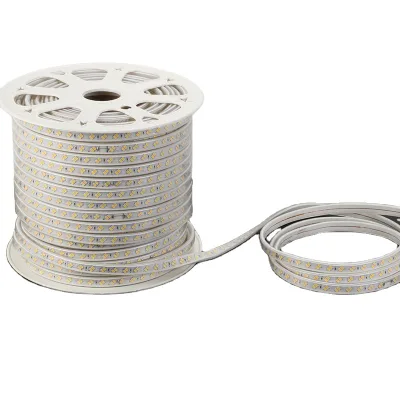
Led Light Strip DC12v Outdoor Waterproof 110V 220V Smd RGB Led Tape Strip Light
$0.1029 - $1.0298
MOQ: 100 Minimum
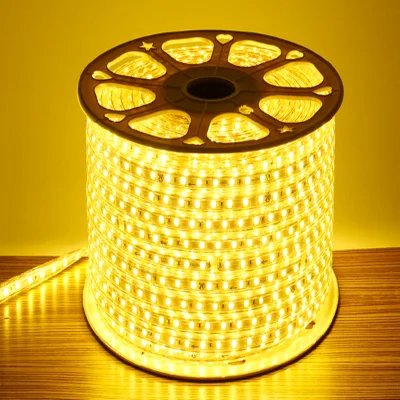
Hot Sales More Stable Smd5050 60leds/m Three Chip Led Strip Light 220v
$0.20 - $1.00
MOQ: 10000 Minimum
Shenzhen Bright Technology Industrial Ltd.
- Verified by TüVRheinland
- Manufacturer, Trading Company
- Lead time7 days
- Avg. response≤ 3h
Main productsFlexible LED Strip, UVC Light, Rigid Bar Light, LED Sheet, LED Neon Strip
Main marketsNorth America(42%), Western Europe(15%), Northern Europe(15%)
Shenzhen Art Led Technology Co., Ltd.
- Verified by SGS Group
- Manufacturer, Trading Company
- Lead time7 days
- Avg. response≤ 2h
Main productsUCS2904,UCS8904 pixel products, DMX 512 RGB RGBW pixel led strips, 16 bit pixel RGB RGBW led products, 360 degrees round pixel neon tubes , LED linear pixel bar
Main marketsWestern Europe(40%), North America(20%), Domestic Market(10%)
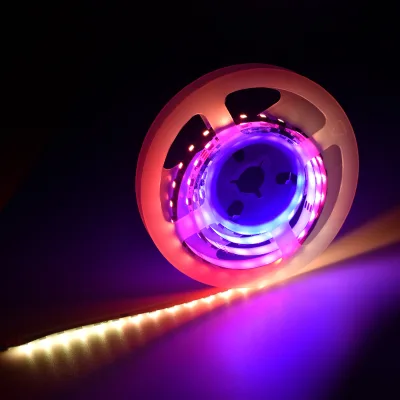
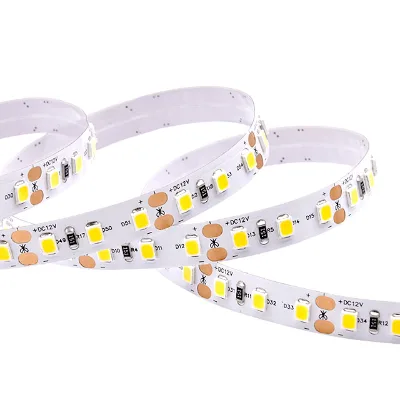
$7.1877 - $10.2682
MOQ: 10 Minimum
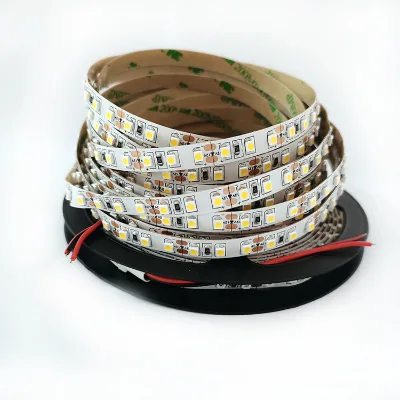
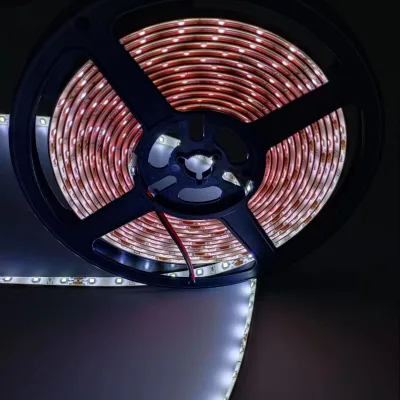


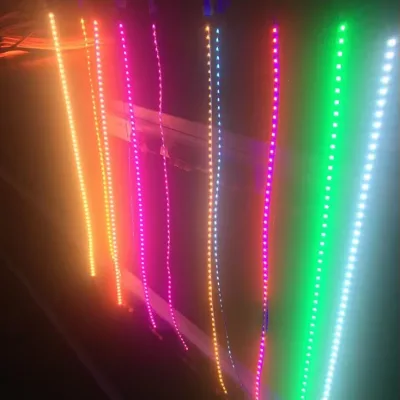
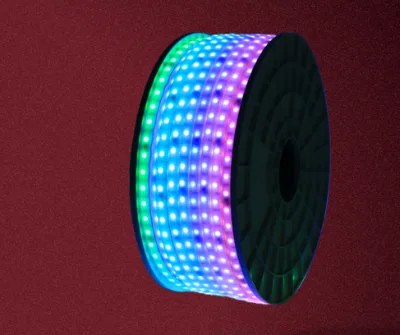


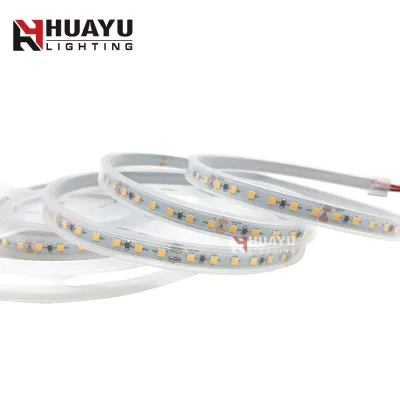
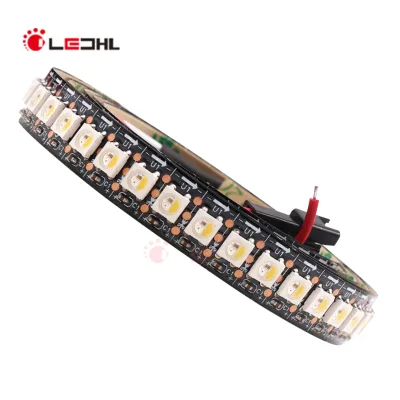


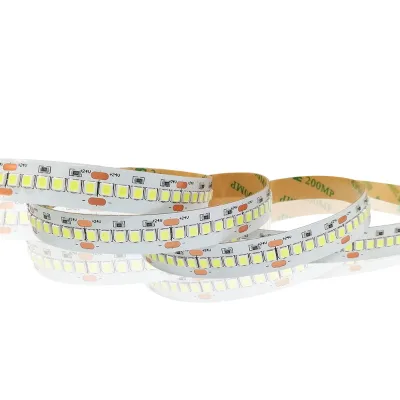
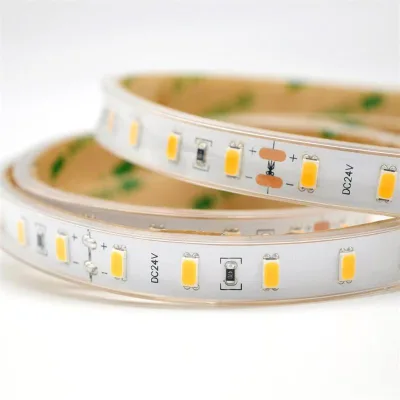



Comprehensive Sourcing Guide
IP65 Flexible LED Strip Supplier Concentration and Factory Types
The current supplier landscape for IP65 flexible LED strips reveals a distinct geographic concentration in China, with specific manufacturing hubs identified in Guangdong and Jiangsu provinces. These regions serve as primary centers for producing flexible LED strips, offering buyers access to established industrial ecosystems that support both component sourcing and final assembly. Suppliers in these locations are predominantly classified as manufacturers or factories, indicating a direct production capability rather than purely trading operations. This factory-type classification is critical for buyers seeking to understand the origin of the product and the potential for direct communication regarding technical specifications and production schedules. The presence of these specific locations in the search results provides a concrete basis for evaluating the supply chain's geographic structure, allowing buyers to focus their outreach on entities with verified physical production sites in these key Chinese provinces.
In addition to the geographic distribution, the supplier types observed include both pure manufacturers and entities that operate as both manufacturers and trading companies. This hybrid model suggests that some suppliers may offer the benefits of direct factory pricing and customization while also leveraging trading capabilities for broader product ranges or logistical support. The main products listed for these suppliers consistently feature flexible LED strips alongside related items such as LED modules, neon lights, and drivers, indicating a specialized focus within the broader lighting industry. This specialization often translates to deeper technical expertise in areas like waterproofing standards and LED binning, which are crucial for IP65 rated products. Buyers should recognize that while the core competency is in flexible LED strips, the ability to source complementary components from the same supplier can streamline project management and reduce coordination complexity for large-scale lighting installations.
How to Verify IP65 Flexible LED Strip Suppliers
Verification of suppliers for IP65 flexible LED strips requires a multi-layered approach that goes beyond basic company profiles. Buyers should prioritize suppliers that display third-party verification badges, such as SGS, which serves as an independent confirmation of the supplier's operational legitimacy and business scope. The presence of such verification indicates that the supplier has undergone external audits, providing a higher degree of confidence compared to self-declared information. Additionally, system certifications like ISO 9001 are critical indicators of a supplier's commitment to quality management systems. These certifications suggest that the manufacturer has established standardized processes for production, inspection, and continuous improvement, which is essential for maintaining consistent IP65 waterproofing performance across large production runs. Buyers should actively look for these credentials in the supplier's profile to ensure that quality control is not an afterthought but a integrated part of their business operations.
Product-specific certifications are equally important when verifying suppliers for IP65 flexible LED strips. The search results indicate that many suppliers offer products with CE, RoHS, EMC, UL, LVD, and CCC certifications. These certifications cover electrical safety, electromagnetic compatibility, and environmental restrictions, ensuring that the LED strips meet international regulatory standards. Buyers should request copies of these certificates and verify their validity, as they are often required for customs clearance and compliance in various markets. Furthermore, the availability of customization options, as noted in several product listings, suggests that suppliers are willing to adapt their products to specific client requirements. However, buyers must ensure that any customizations do not compromise the IP65 rating or other critical performance metrics. It is advisable to ask for detailed technical datasheets and test reports that specifically address the IP65 rating, including water ingress tests, to confirm that the product meets the claimed protection level.
What to Compare Across IP65 Flexible LED Strip Suppliers
When evaluating multiple suppliers for IP65 flexible LED strips, buyers should compare key operational metrics such as lead times, minimum order quantities (MOQs), and response times to assess efficiency and flexibility. The observed data shows a range of lead times, with some suppliers offering 15-day turnaround times while others require up to 23 days. This variation can significantly impact project timelines, especially for time-sensitive installations. Similarly, MOQs vary, with some suppliers requiring as few as 100 units while others set thresholds at 500 units or more. Buyers with smaller initial orders may find the lower MOQ suppliers more suitable, whereas those planning large-scale deployments might negotiate better terms with suppliers offering higher volume capabilities. Response times, measured in hours, also differ, with some suppliers responding within 4.62 hours and others taking nearly 20 hours. Faster response times are crucial for resolving technical queries and negotiating contract details efficiently, reducing the risk of delays due to miscommunication.
Beyond operational metrics, buyers should compare product specifications and pricing structures to ensure they are getting the best value for their requirements. The price range for IP65 flexible LED strips observed in the results spans from $0.50 to $6.00 per unit, reflecting differences in LED quality, brightness, and additional features. Buyers should not solely focus on the lowest price but should evaluate the cost against the provided specifications, such as LED binning steps, CRI ratings, and warranty periods. Suppliers offering 3-year warranties and higher CRI values may justify a higher price point through improved longevity and light quality. Additionally, the availability of OEM and ODM services allows buyers to customize products with their own branding or specific technical requirements. Comparing these value-added services across suppliers can help buyers identify partners who offer not just products but comprehensive solutions tailored to their specific market needs and brand identity.
Common IP65 Flexible LED Strip Sourcing Risks
One of the primary risks in sourcing IP65 flexible LED strips is the potential discrepancy between claimed waterproof ratings and actual performance. While suppliers may advertise IP65 ratings, the quality of the silicone coating and the sealing of the LED connections can vary significantly between manufacturers. Buyers must be cautious of suppliers who do not provide detailed test reports or who use vague terminology regarding their waterproofing standards. Another risk is the inconsistency in LED binning, which affects color uniformity and brightness. Some suppliers offer products with 3-step or 5-step Macadam levels, but without proper quality control, batches may exhibit noticeable color variations. This is particularly problematic for large installations where visual consistency is critical. Buyers should explicitly request information on LED binning practices and ask for sample batches to verify color consistency before placing large orders.
Supply chain disruptions and communication barriers also pose significant risks. The observed response times vary widely, and slow communication can lead to misunderstandings regarding specifications, delivery schedules, and payment terms. Additionally, the reliance on third-party logistics and customs clearance can introduce delays, especially if documentation is incomplete or incorrect. Buyers should be aware of the potential for lead time extensions due to raw material shortages or production bottlenecks. To mitigate these risks, buyers should establish clear communication channels and request regular updates on production progress. It is also advisable to include penalty clauses in contracts for late deliveries or non-compliance with quality standards. By proactively addressing these potential issues, buyers can reduce the likelihood of costly delays and quality disputes, ensuring a smoother sourcing experience for their IP65 Flexible LED Strip projects.
IP65 Flexible LED Strip Regional Sourcing and Logistics
Sourcing IP65 flexible LED strips from China, particularly from Guangdong and Jiangsu provinces, offers logistical advantages due to the region's well-developed infrastructure and proximity to major shipping ports. These locations are hubs for electronics manufacturing, providing easy access to components and finished goods. Buyers should consider the impact of regional logistics on shipping costs and delivery times. Guangdong, in particular, is known for its efficient export processes, which can facilitate faster shipment times to international destinations. However, buyers must also account for the variability in lead times, which can range from 15 to 23 days depending on the supplier's production capacity and current order volume. Planning for these variations is essential to avoid stockouts or project delays. Additionally, buyers should evaluate the supplier's packaging methods, as anti-static packaging is commonly used to protect the LED strips during transit, ensuring that the products arrive in optimal condition.
International shipping and customs clearance add another layer of complexity to the sourcing process. Buyers must ensure that the supplier provides all necessary documentation, including commercial invoices, packing lists, and certificates of origin, to facilitate smooth customs clearance. The presence of certifications like CE, RoHS, and UL can simplify this process, as they demonstrate compliance with international standards. However, buyers should verify that these certificates are valid and recognized in their target markets. Furthermore, the choice of shipping method, whether by sea or air, will impact both cost and delivery speed. For large orders, sea freight may be more cost-effective, while air freight might be necessary for urgent replenishments. Buyers should work closely with their suppliers to determine the most efficient shipping strategy, considering factors such as order volume, urgency, and budget constraints.
IP65 Flexible LED Strip Commercial Terms and Order Planning
Commercial terms for IP65 flexible LED strips often include flexible payment options and warranty provisions that buyers should carefully review. The observed warranty periods range from 1 to 3 years, with some suppliers offering extended coverage for an additional cost. Buyers should assess the warranty terms to understand what is covered, such as defects in materials or workmanship, and the process for claiming warranty service. Additionally, the availability of customization options, including branding and specific technical configurations, can add value but may also impact the final price and lead time. Buyers should negotiate clear terms for customization, including any additional costs or changes to the MOQ. It is also important to clarify the payment terms, such as the percentage of upfront payment and the balance due upon shipment or delivery, to manage cash flow effectively.
Order planning for IP65 flexible LED strips requires a strategic approach to balance inventory levels with project demands. Buyers should consider the lead times and MOQs when planning their orders, ensuring that they have sufficient stock to meet customer requirements without overstocking. For large projects, breaking down the order into smaller, manageable batches may be beneficial to reduce risk and improve flexibility. Buyers should also establish a relationship with their supplier to facilitate future orders and potential volume discounts. Regular communication and feedback on product performance can help strengthen this relationship and lead to better terms over time. By carefully planning their orders and negotiating favorable commercial terms, buyers can optimize their sourcing strategy for IP65 flexible LED strips, ensuring both cost-efficiency and supply chain reliability.
FAQs
What is the price range for IP65 flexible LED strips?
The price range for IP65 flexible LED strips typically falls between $0.50 and $6.00 per unit. This variation depends on specific product models, LED density, and customization requirements. Buyers should verify exact pricing based on order volume and specific technical specifications requested from the supplier.
What certifications are available for these LED strips?
Common certifications for IP65 flexible LED strips include CE, RoHS, EMC, UL, LVD, and CCC. Some suppliers also hold ISO 9001 system certification. Buyers should confirm which specific certificates apply to their target market and product requirements before placing orders to ensure compliance.
What is the typical lead time for production?
Typical lead times for IP65 flexible LED strips range from 15 to 23 days. This duration can vary based on order quantity, customization needs, and current production schedules. Buyers should confirm specific delivery timelines with suppliers to align with their project deadlines effectively.
What is the minimum order quantity for these products?
Minimum order quantities for IP65 flexible LED strips generally start at 100 units, though some suppliers may require 500 units. These thresholds depend on the specific product model and supplier policies. Buyers should check individual listings to determine the exact MOQ applicable to their purchase.
Where are these LED strips manufactured?
These IP65 flexible LED strips are manufactured in China, specifically in regions like Guangdong and Jiangsu. Buyers can verify the exact origin of products to assess logistics costs and supply chain reliability. Manufacturing locations may vary by supplier, so checking product details is recommended.
What warranty periods are offered for LED strips?
Warranty periods for IP65 flexible LED strips typically range from 1 to 3 years. Some specific models may offer a standard 3-year warranty. Buyers should review the warranty terms provided by each supplier to understand coverage details and claim procedures for their specific orders.
How quickly do suppliers respond to inquiries?
Supplier response times for IP65 Flexible LED Strip inquiries vary, with some responding within 2 hours and others taking up to 20 hours. Faster response times can facilitate quicker negotiations and order processing. Buyers should consider response speed when selecting suppliers for time-sensitive projects.