Source IP65 Flexible LED Strip for Bar, Home, and Outdoor
Compare 30 IP65 Flexible LED Strip options with varying power, LED density, and certifications. Buyers can evaluate models like RQ5C0FA and REQ060FA for bar, home, and outdoor applications with voltage options of 12V or 24V; compare the available evidence and request quotations based on your requirements.
Updated
Key considerations
Products List


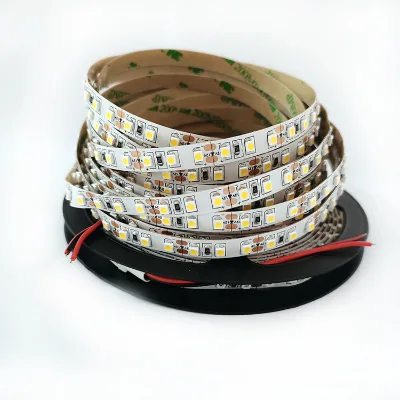
12W IP20 Flexible LED Strip Lighting/Flexible LED Strip for Decoration Light
$0.80 - $6.00
MOQ: 500 Meters

High Quality LED Strip Light Red Green Blue LED Strip RGB Flexible LED Strips
$0.80 - $6.00
MOQ: 500 Meters


60LEDs IP20 Flexible Light Strip LED Light Strip for Decoration Lighting
$0.80 - $6.00
MOQ: 500 Meters


IP65 LED Strip/LED Flexible Strip/Neon Lights/LED-Light for Christmas Lights
$1.00 - $1.99
MOQ: 100 Pieces






Comprehensive Sourcing Guide
IP65 Flexible LED Strip Sourcing Guide
Procuring IP65 flexible LED strips requires a disciplined approach to balancing optical performance, environmental protection, and electrical safety. Buyers must navigate a market where specifications often overlap, making it essential to distinguish between marketing claims and verifiable technical data. This guide provides a structured framework for evaluating suppliers, ensuring that the selected components meet the rigorous demands of commercial, outdoor, and residential lighting projects. By focusing on concrete attributes such as power density, LED binning, and certification status, procurement teams can mitigate risks associated with premature failure or non-compliance.
The following sections detail the critical verification steps for sourcing these components. We examine product scope, technical parameters, compliance documentation, cost structures, supplier qualifications, and long-term maintenance checks. Each section is designed to help buyers make informed decisions based on observed market signals and established industry standards. The goal is to provide a comprehensive roadmap that supports efficient sourcing while maintaining high quality and reliability standards throughout the supply chain.
Product Scope and Observed Listing Signals
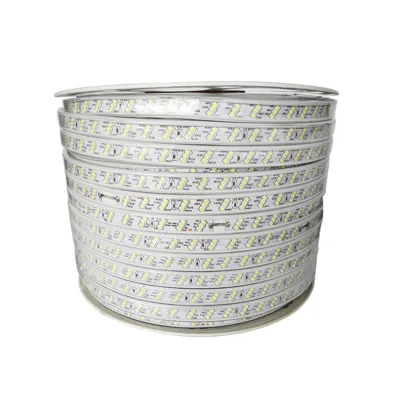
The market for flexible LED strips is diverse, with listings indicating a wide range of power consumptions from under 6W to over 15W per meter. Observed data shows power ratings typically falling between 6-10W and 11-15W, with some variants consuming less than 6W. This variation directly impacts brightness and heat dissipation requirements. Buyers should verify the specific power rating for their application, as higher power densities often require more robust heat management solutions. The LED quantity per meter also varies, with common configurations including 60, 78, 90, and 120 LEDs per meter, influencing light output and uniformity.
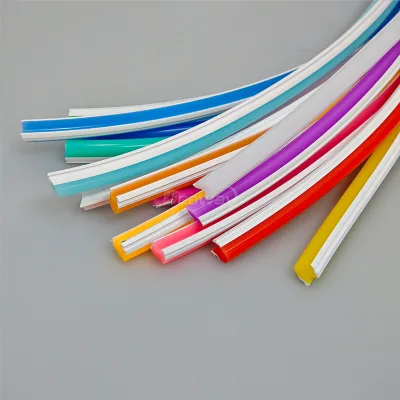
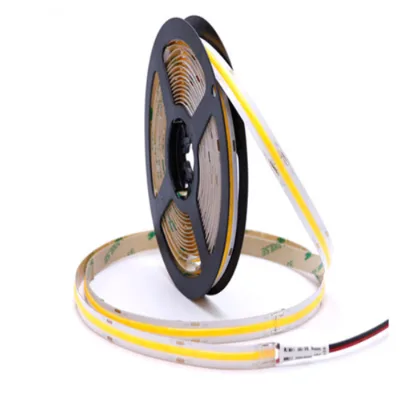
Product types are generally categorized as flexible LED strips or LED neon flex, with applications spanning bars, advertising, furniture, and home decoration. Listings indicate that these strips are often packaged in 5-meter or 10-meter rolls, with some maximum lengths reaching 50 meters per roll. The origin of these products is predominantly China, with Jiangsu being a notable manufacturing hub. Buyers should confirm the packaging details, such as static-resistant bags or anti-static packaging, to ensure safe transit. Understanding these basic scope parameters helps in narrowing down suppliers who align with specific project needs.
Technical Specifications to Verify
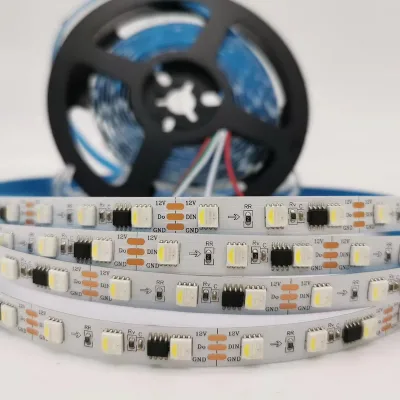
Voltage compatibility is a critical technical parameter, with observed listings specifying 12V, DC12V, or DC24V options. Buyers must ensure that the selected strip voltage matches their power supply infrastructure to prevent damage or inefficient operation. The LED light source type, such as 5050 RGB SMD, also plays a crucial role in color rendering and flexibility. Additionally, the PCB width, observed at 10mm in some listings, affects the strip's ability to bend around tight corners. Verifying these physical and electrical specifications ensures that the product integrates seamlessly into the intended design.
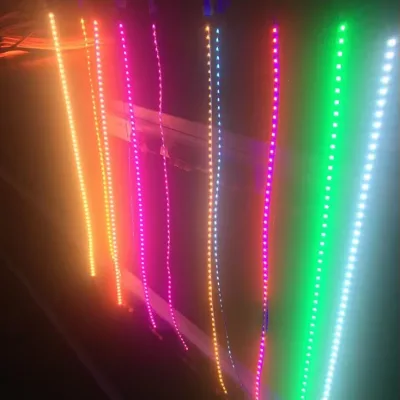
Color performance is another key area for verification, with CRI (Ra) values typically ranging from 80 to 95. Higher CRI values indicate better color accuracy, which is essential for retail and display applications. LED binning, often specified as 3-step or 5-step Macadam levels, ensures color consistency across multiple rolls. Buyers should request binning information to guarantee uniformity in large installations. Furthermore, the emitting color, commonly white in many listings, should be confirmed to match the desired aesthetic. These technical details are vital for achieving the intended visual outcome.
Compliance and Safety Documentation
Certification is a non-negotiable aspect of sourcing, with observed listings frequently citing CE, RoHS, EMC, LVD, and CCC marks. These certifications indicate compliance with European and Chinese safety and environmental standards. Some suppliers also provide UL and TUV-CE certificates, which are particularly important for markets with stringent regulatory requirements. Buyers should request copies of these certificates to verify their validity and ensure they cover the specific product model. Compliance documentation provides assurance that the product has undergone rigorous testing for electrical safety and electromagnetic compatibility.
In addition to certifications, warranty terms offer insight into the supplier's confidence in their product. Observed warranty periods range from 1 to 3 years, with 3 years being a common offering. A longer warranty period often correlates with higher product quality and reliability. Buyers should clarify the warranty terms, including coverage for defects and return procedures. Understanding the warranty policy helps in assessing the total cost of ownership and potential risks. Proper documentation and warranty support are essential for maintaining long-term operational efficiency.
Cost Drivers and Commercial Terms
Pricing for flexible LED strips varies significantly based on power, LED density, and certification levels. Observed price ranges in the market span from $0.28 to $20 per unit, reflecting the diversity of product specifications. Buyers should analyze the cost per watt or per meter to compare value across different suppliers. Minimum Order Quantities (MOQ) also vary, with observed ranges from 1 to 1000 units. Lower MOQs may be suitable for small projects, while higher volumes can lead to better pricing. Understanding these commercial terms helps in budgeting and planning procurement strategies effectively.
Customization options are available for many suppliers, allowing buyers to tailor products to specific requirements. This may include custom lengths, colors, or packaging. Buyers should inquire about customization capabilities and associated costs. Lead times can also impact procurement decisions, so it is important to confirm delivery schedules with suppliers. Transparent communication regarding pricing, MOQ, and lead times ensures a smooth procurement process. By carefully evaluating these commercial factors, buyers can optimize their sourcing strategy and achieve cost efficiency.
Supplier Qualification and Quality Control
Supplier qualification involves verifying the manufacturer's capabilities and quality control processes. Buyers should assess the supplier's production facilities, testing equipment, and quality management systems. Observing the product origin, such as Jiangsu, China, can provide insights into the manufacturing ecosystem. Suppliers with established reputations in the region may offer more reliable products. Additionally, buyers should request samples to evaluate build quality, flexibility, and light output. Hands-on testing is crucial for identifying potential issues before placing large orders.
Quality control measures, such as anti-static packaging and static-resistant bags, indicate a supplier's attention to detail. These measures protect the LEDs from electrostatic discharge during handling and shipping. Buyers should confirm that the supplier implements rigorous inspection protocols at various stages of production. Inquiring about defect rates and return policies can also provide valuable information. A supplier with a robust quality control system is more likely to deliver consistent and reliable products. Prioritizing supplier qualification helps in building a stable and trustworthy supply chain.
Long-Term Procurement Checks
Long-term procurement success depends on continuous monitoring of product performance and supplier reliability. Buyers should track warranty claims and failure rates to assess product durability over time. Regularly reviewing supplier certifications ensures ongoing compliance with changing regulations. Maintaining open communication with suppliers allows for timely resolution of any issues. Additionally, staying updated on industry trends and new technologies can help in making informed sourcing decisions. Proactive management of the supply chain is essential for maintaining operational efficiency.
Evaluating the total cost of ownership, including maintenance and replacement costs, provides a comprehensive view of procurement value. Buyers should consider the energy efficiency of the LED strips, as lower power consumption can lead to significant savings over time. Assessing the availability of spare parts and support services is also important for long-term projects. By focusing on these long-term checks, buyers can ensure that their sourcing strategy supports sustainable and cost-effective operations. Continuous improvement and adaptation are key to navigating the dynamic LED market.
FAQs
What certifications do the LED strips have?
The LED strips carry CE, RoHS, EMC, LVD, CCC, UL, and TUV-CE certifications. These documents ensure compliance with international safety and environmental standards for flexible lighting applications in various commercial and residential settings.
Which voltage options are available for these strips?
Available voltage options include 12V DC and 24V DC. These low-voltage systems provide safe operation for indoor and outdoor installations while maintaining consistent brightness across different power supply configurations for diverse lighting projects.
How many LEDs are included per meter?
LED quantities vary by model, offering options of 60, 78, 90, or 120 LEDs per meter. This flexibility allows buyers to select the appropriate density for specific brightness requirements and design aesthetics in their lighting projects.
Can I customize the product specifications?
Yes, customization is available for these LED strips. Buyers can request specific modifications to meet unique project needs, ensuring the final product aligns perfectly with their design requirements and functional expectations for lighting solutions.
What is the warranty period for the strips?
The warranty period ranges from 1 to 3 years depending on the specific model selected. This coverage provides assurance of product reliability and performance, protecting buyers against potential defects during the initial operational phase of their installation.
Where are these LED strips manufactured?
These LED strips originate from Jiangsu, China. This manufacturing location is known for producing high-quality electronic components, ensuring that the products meet rigorous standards for durability and performance in global lighting markets.
What is the maximum roll length available?
Maximum roll lengths vary, with options up to 50 meters per roll for some models. Standard packaging often includes 5-meter or 10-meter rolls, providing flexibility for different installation scales and project requirements without excessive waste.