IP54 Servo Electric Welding Robot Suppliers and Manufacturers
Explore 25 verified suppliers offering ip54 servo electric welding robots with ISO9001:2015 and CE certifications. Compare response times, lead times, and pricing to find the right partner for your industrial needs. Contact suppliers directly to request quotes; review the available evidence before requesting comparable quotations from suitable candidates.
Updated
Suppliers List

Shandong Cyber CNC Group Co., Ltd.
- Verified by TUVRHEINLAND
- Combined
- China Shandong
- Lead time15 days
- Avg. response≤ 4h
Main productsIndustrial Welding Robot, Cobot, Fiber Laser Cutting Machine, Handheld Laser Welding Machine, CNC Plasma Cutting Machine, Plasma Power Source, Plasma Parts, Laser Parts
Main marketsSouth America,Europe

Beijing Shidai Chaoqun Robot Technology Co., Ltd.
- Verified by BV
- Manufacturer/Factory
- China Beijing
- Lead time15 days
- Avg. response≤ 3h
Main productsIndustrial Robot, Servo Motor, Stepping Motor, Closed Loop Stepper Motor, Brushless Motor, Reducer, Guide Rail Slide, Controller, Accessories, Six-Axis
Main marketsSouth America,Eastern Europe,Mid East,North America,Southeast Asia,Eastern Asia,Oceania,Western Europe

Hengshui Hanna Trading Co., Ltd
- Verified by TUVRHEINLAND
- Trading Company
- China Hebei
- Lead time15 days
- Avg. response≤ 6h
Main productsHome Pure Water Equipment, Sand Filter Equipment, FRP Water Tank, Stainless Steel Water Tank, Galvanized Sheet Water Tank, Di Filter, Industrial Pure Water Equipment, Resin Tank, Dosing Device
Main marketsDomestic
Ounaian Electronic Technology (fuzhou) Co., Ltd.
- Verified by SGS Group
- Manufacturer, Trading Company
- Lead time0 days
- Avg. response≤ 3h
Main productsRobot Arm, Cobot, Articulated Robot, SCARA Robot, Parallel Robot
Main marketsSoutheast Asia(30%), Eastern Europe(20%), Southern Europe(20%)
Shandong Jiaxin Machinery Equipment Co., Ltd.
- Verified by SGS Group
- Manufacturer, Trading Company
- Lead time0 days
- Avg. response≤ 2h
Main productsLaser Cutting Machine, Laser Cleaning Machine, Industrial Robot, Bending Machine, Plasma Cutting Machine
Main marketsSouth America(24%), Oceania(23%), Southeast Asia(19%)
$3673.6793 - $4081.8659
MOQ: 1 sets

Shandong Tengyang Intelligent Equipment Co., Ltd
- Verified by TUVRHEINLAND
- Combined
- China Shandong
- Lead time15 days
- Avg. response≤ 1h
Main productsRobot, Industrial Robot, Palletizing Robot, Palletizer, Sweeper, Electric Sweeper, Robot Arm, Robot Palletizer, Priduction Line, Pallet Wrapping Machine
Main marketsDomestic


Efficient and Stable Welding Robots Greatly Improve Production Efficiency
$9000.00 - $22000.00
MOQ: 1 Sets

Welding Industrial Robot - Suitable for Automated Welding Production Lines
$9000.00 - $70000.00
MOQ: 1 Sets

Shandong UMW Technology Co., Ltd
- Verified by BV
- Trading Company
- China Shandong
- Lead time15 days
- Avg. response≤ 2h
Main productsLaser Welding Machine, Laser Cleaning Machine, Industrial Robot, Laser Engraving Machine, Laser Marking Machine, Jewelry Laser Welding Machine, CO2 Laser Engraver Cutter, Cobot Laser Welding Machine
Main marketsSouth America,Africa,Southeast Asia/ Mideast,East Asia(Japan/ South Korea),Europe,Australia,North America

Shenzhen Guanhong Automation Co., Ltd.
- Verified by SGS
- Manufacturer
- China Guangdong
- Lead time15 days
- Avg. response≤ 3h
Main productsRobotic Arm, Industrial Robot Arm, Welding Robot Arm, Collaborative Robot Arm, CNC Milling /Drilling Machine, CNC Lathe /Turning Machine, CNC Machine Center, CNC Control System, CNC Milling Controller 2-18 Axis, CNC Lathe Controller 2-18 Axis
Main marketsEurope


Agile-structured Low noise level Humidity-compatible fast welding robot
$10000.00 - $15000.00
MOQ: 1 Pieces


Moisture-resistant High reliability Fine-tolerance Electric welding robot with CE Compliant
$10000.00 - $15000.00
MOQ: 1 Pieces


Guangdong Hwashi Technology Inc.
- Verified by Intertek
- Manufacturer, Trading Company
- Lead time15 days
- Avg. response≤ 2h
Main productsResistance Spot Welding Machine, Seam Welding Machine, Butt Welding Machine, Automatic Welding Machine, Industrial Robot
Main marketsDomestic Market(30%), North America(13%), Mid East(9%)

Shandong Jiaxin Machinery Equipment Co., Ltd.
- Verified by BV
- Combined
- China Shandong
- Lead time15 days
- Avg. response≤ 6h
Main productsCNC Laser Cutting Machine CNC Plasma Cutter
Main marketsSouth America,Africa,Southeast Asia/ Mideast,East Asia(Japan/ South Korea),Domestic,Europe,Australia,North America
Shandong Cyber CNC Group Co., Ltd.
- Manufacturer, Trading Company
- Shandong, China
- Lead time15 days
- Avg. response≤ 2h
Main productsRobot, CNC Cutting Machine
Main marketsSouth America(15.00%), Domestic Market(15.00%), Central America(10.00%), Africa(10.00%), Mid East(8.00%), North America(8.00%), Southeast Asia(7.00%), Eastern Asia(6.00%), South Asia(5.00%), Northern Europe(5.00%), Oceania(3.00%), Eastern Europe(3.00%), Western Europe(3.00%), Southern Europe(2.00%)
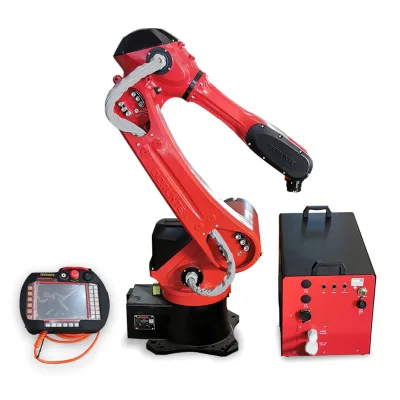
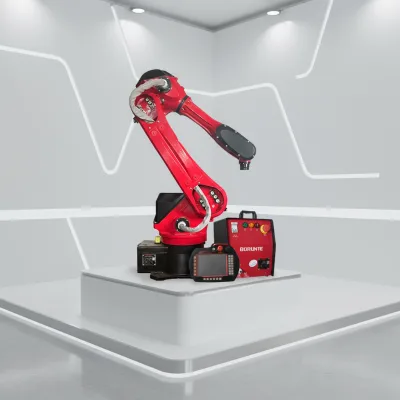
Programmable Welding Robot 2 M 10 kg Load Equipped with Welding Torch and Welding Machine
$3787.5997
MOQ: 1 Minimum
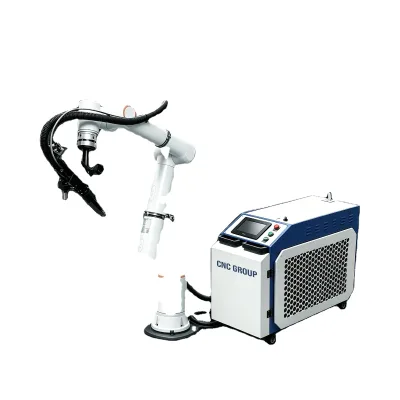
Shenzhen Guanhong Technology Co., Ltd.
- Verified by SGS Group
- Manufacturer, Trading Company
- Lead time3 days
- Avg. response≤ 3h
Main productsCNC Milling Machine, CNC Lathe Machine, CNC Machine, Robot Arm, CNC Controller
Main marketsEastern Europe(19%), Mid East(18%), Southeast Asia(15%)
Angnuo (jining) Machinery Equipment Co., Ltd.
- Trading Company
- Sandong, China
- Lead time0 days
- Avg. response≤ 1h
Main productsCutting machine,Welding machine,Robot,Marking Machine,Engraving Machine
Main marketsSouth America(15.00%), Mid East(15.00%), Africa(10.00%), Southeast Asia(10.00%), Domestic Market(10.00%), Southern Europe(7.00%), Western Europe(6.00%), Central America(5.00%), North America(5.00%), Northern Europe(5.00%), Eastern Europe(4.00%), Eastern Asia(3.00%), Oceania(3.00%), South Asia(2.00%)
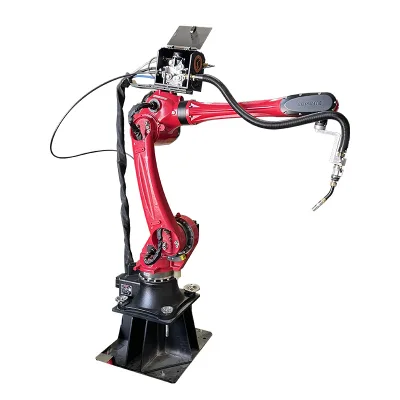
$3483.828 - $3688.759
MOQ: 1 units
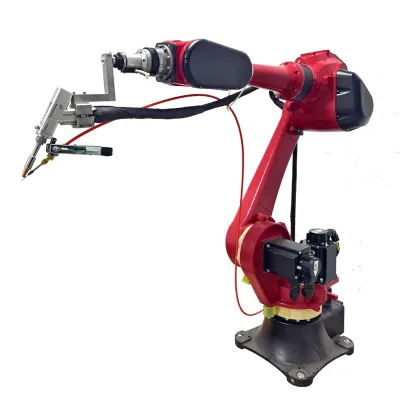
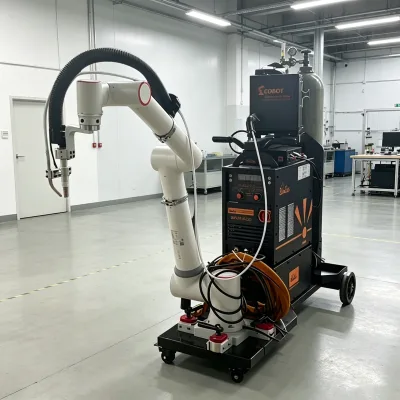
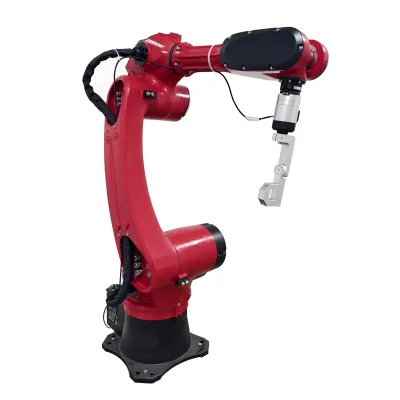
$3483.828 - $3688.759
MOQ: 1 units
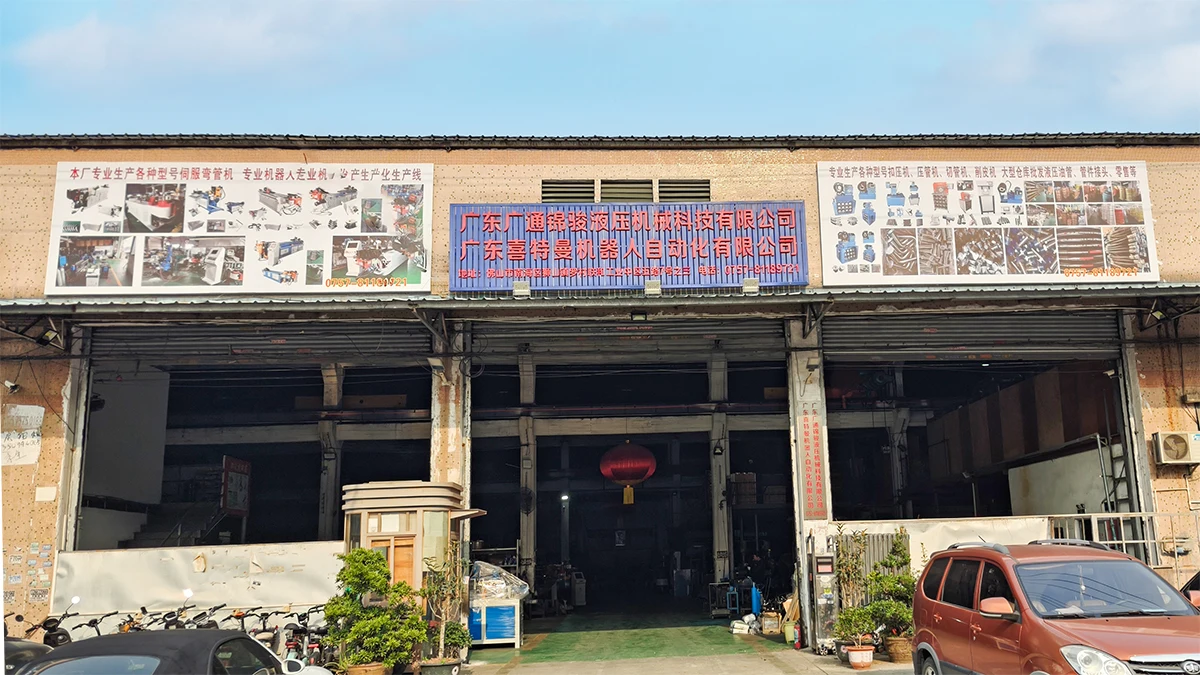
Guangdong Guangtong Jinjun Hydraulic Machinery Technology Co., Ltd.
- Manufacturer
- Guangdong, China
- Lead time15 days
- Avg. response≤ 6h
Main productsHose crimping machine,Pipe bending machine,Hose cutting peeling machine,Industrial manipulator,Hose fitting
Main marketsDomestic Market(50.00%), Central America(15.00%), Southeast Asia(15.00%), Africa(10.00%), North America(5.00%), Mid East(5.00%)
Guangzhou Dragon Welding Co., Limited
- Verified by SGS Group
- Manufacturer, Trading Company
- Lead time20 days
- Avg. response≤ 3h
Main productsAutomatic Welding Equipment, Resistance Welding Machine, Sink Welding and Polishing Machine, Wire Forming Machine, Induction Heating Machine
Main marketsDomestic Market(40%), North America(5%), South America(5%)
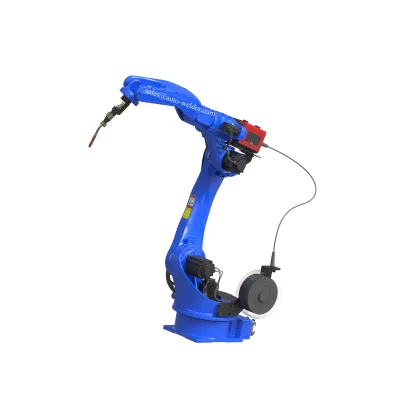
China Automatic 6 Axis Industrial Mig Welding Robot
$10000.00 - $15000.00
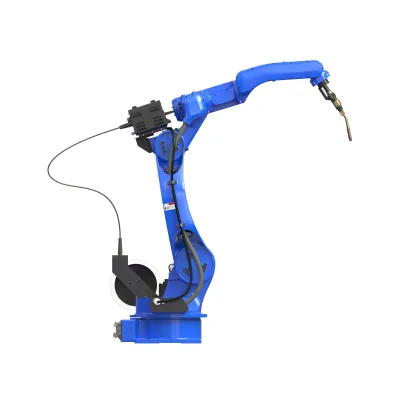
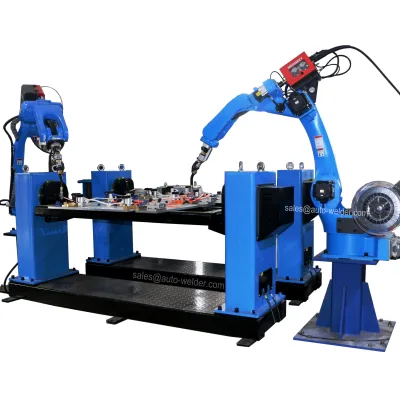
China Automatic Multi-joint Industrial TIG MIG Welding Robot
$10000.00 - $15000.00
Henan Baorun Machinery Co., Ltd.
- Verified by TüVRheinland
- Manufacturer, Trading Company
- Lead time15 days
- Avg. response≤ 2h
Main productsGrouting Pump, Shotcrete Machine, Bending Machine, CNC Robot, Profile Bending Machine
Main marketsDomestic Market(90%), Eastern Europe(3%), Africa(2%)

Shenzhen Guanhong Technology Co., Ltd.
- Verified by BV
- Combined
- China Guangdong
- Lead time23 days
- Avg. response≤ 4h
Main productsMini Lathe Machine, CNC Machine, CNC Milling Machine, Small Turn-Mill Machine, CNC Lathe Machine, CNC Machining, CNC Machinery, Metal Processing Machinery, Metal Processing Machinery Parts, CNC Controller
Main marketsSouth America,Southeast Asia/ Mideast,Europe

Automatic TIG Welding Solution Robotic Welding Systems Design Automatic Welding Robot
$6999.00 - $8015.00
MOQ: 1 Pieces


Precision Welding Robot Intelligent Operation More Accurate Welding
$10000.00 - $11730.00
MOQ: 1 Pieces

Jiangsu Yuyou International Trade Co., Ltd.
- Verified by SGS Group
- Trading Company
- Lead time30 days
- Avg. response≤ 3h
Main productsBamboo Flooring, Electirc Furnace, Fitness Goods
Main marketsNorth America(47%), Eastern Europe(15%), Southeast Asia(10%)
Zhengzhou Gude Trading Co., Ltd.
- Trading Company
- Henan, China
- Lead time15 days
- Avg. response≤ 9h
Main productsAgriculture machinery,Food machinery,feed machinery,chemical,Daily necessities
Main marketsAfrica(10.00%), South America(9.00%), Domestic Market(7.00%), South Asia(7.00%), Eastern Europe(6.00%), Eastern Asia(5.00%), Southeast Asia(5.00%), Central America(5.00%), Western Europe(4.00%), Southern Europe(3.00%), Mid East(2.00%), North America(2.00%), Oceania(2.00%), Northern Europe(2.00%)
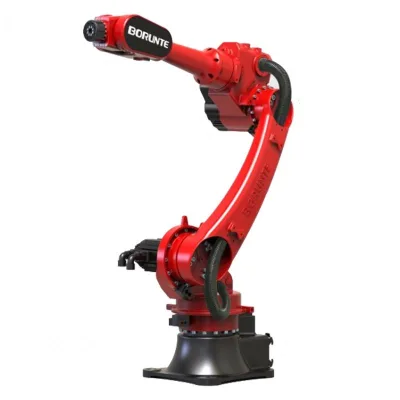
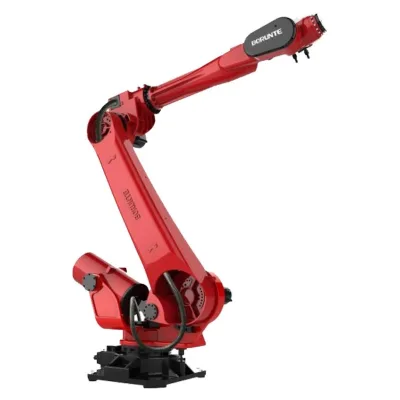
Hot selling Customized Welding Robot For Skillful Welding Station By The Factory
$4415.088 - $4620.4409
MOQ: 1 sets
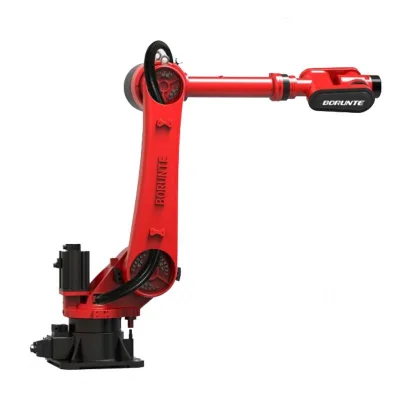
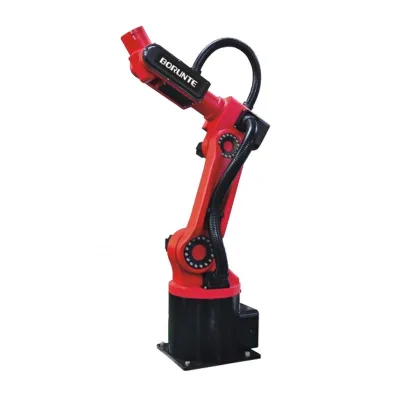
Cheap price borunte 6 axis welding robot with welding machine and gun for MIG/TIG
$4433.3571 - $4639.5598
MOQ: 1 sets
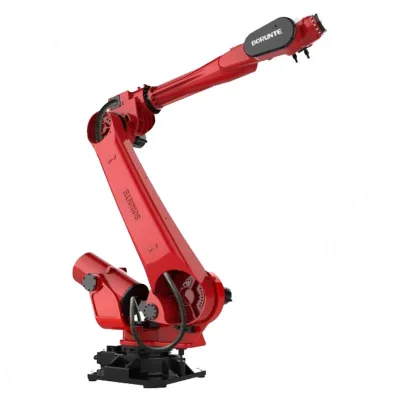
professional China Smart Welding Robot With 6 Axis Industrial Welding Machine Supplier
$4300.00 - $4500.00
MOQ: 1 sets
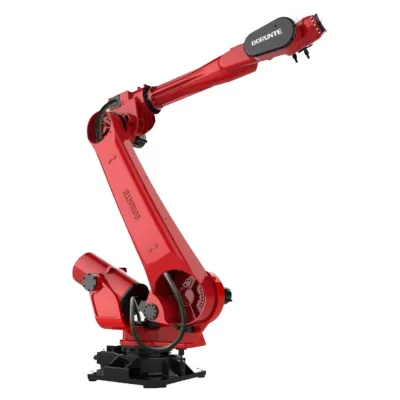
CE approve Specialized In The Production Of Welding Robot Workstations/6 Axis/5 Axis Robotic Arm
$4300.00 - $4500.00
MOQ: 1 sets

Shanghai Trintfar Intelligent Equipment Co., Ltd.
- Manufacturer/Factory
- China Guangdong
- Lead time30 days
- Avg. response≤ 12h
Main productsSpot Welding Machine, Butt Welding Machine, Laser Welding Machine, Seam Welding Machine, Robot Arm, Welding Equipment Production Line, Energy Storage Welding Machine, Diffusion Welding Machine, Steel Drum Production Line, Transformer Steel Plate Radiator Production Line
Main marketsMid East,North America,Southeast Asia
- Verified by SGS Group
- Trading Company
- Lead time15 days
- Avg. response≤ 2h
Main productsFiber Laser Cutting Machine, Sheet Metal Laser Cutting Machine, Pipe Laser Cutting Machine, Laser Welding Machine, Industrial Robot
Main marketsEastern Europe(50%), Southern Europe(15%), North America(6%)

Shandong Raintech Sans Technology Co., Ltd.
- Trading Company
- China Shandong
- Lead time30 days
- Avg. response≤ 4h
Main productsCNC Angle Steel Punching Cutting Line, CNC Flat Steel Punching Line, CNC Gantry Moveable Drilling Milling Machine, H Beam 3spindle Drilling Cutting Line, CNC U Steel Framework Punching Line, Tower Foot Steel Structure Welding Robot, CNC Angle Steel Drilling Marking Line, CNC Plate Steel Punching and Drilling Machine, CNC Gantry Milling Machine, Plate Rolling Machine
Main marketsOthers(foreignTradeCapacity.exportBusinessCapacityMarketOther),Southeast Asia/ Mideast,Europe

Automatic Welding Robot 6 Axis Robot Mainly for Welding with Long Life
$70000.00 - $75000.00
MOQ: 1 Sets


- Combined
- China Guangdong
- Lead time15 days
- Avg. response≤ 8h
Main productsCNC Controller, Industrial Robot, Servo Drive, Servo Motor, Machine Tools, Electric Injection Molding Machine, Automation Solution, CNC System, Production Line Controller
Main marketsSouth America,Africa,Southeast Asia/ Mideast,East Asia(Japan/ South Korea),Domestic,Europe,Australia,North America

Precision Welding Automation Robot for Streamlined Production Processes
$1000.00 - $100000.00
MOQ: 1 Sets


TANG CHENG INTERNATIONAL TRADE CO., LTD.
- Trading Company,Manufacturer/Factory
- China Jiangsu
- Lead time15 days
- Avg. response≤ 6h
Main productsWelding Robot, CNC Cutting Machine, Welding Machine, Laser Machine, Industrial Robot, Flux Recovery Machine, Welding Tractor, H-Beam Production Line, Laser Cutting Machine Parts, Plasma Cutting Machine Parts
Main marketsSouth America,Eastern Europe,Mid East,North America,Southeast Asia,Eastern Asia,Oceania,Western Europe,Africa
Jinan Auten Machinery Co., Ltd.
- Trading Company
- Shandong, China
- Lead time0 days
- Avg. response≤ 3h
Main productscnc machine,cnc punching machine,cnc drilling machine,CNC machine tool accessories,Heavy truck accessories
Main marketsDomestic Market(40.00%), Southeast Asia(30.00%), South America(10.00%), South Asia(10.00%), Mid East(10.00%)




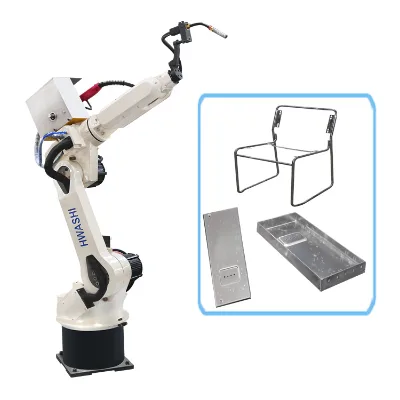
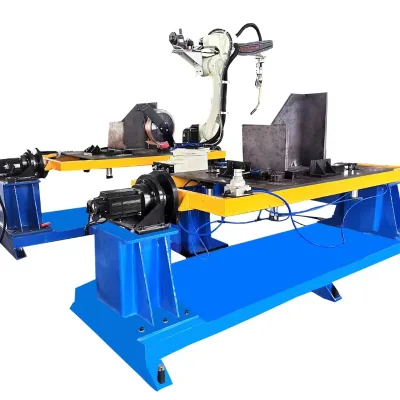


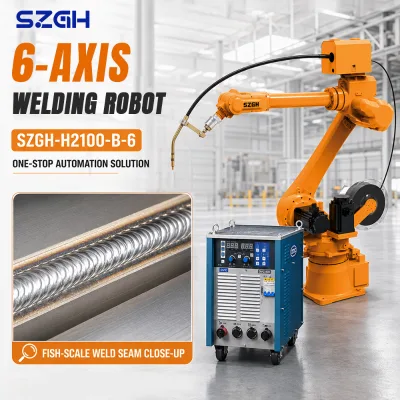
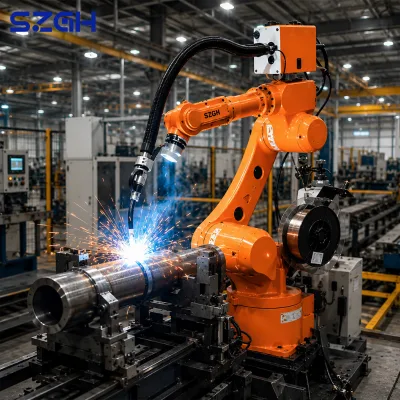
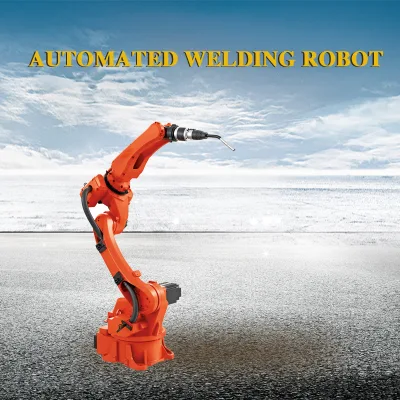
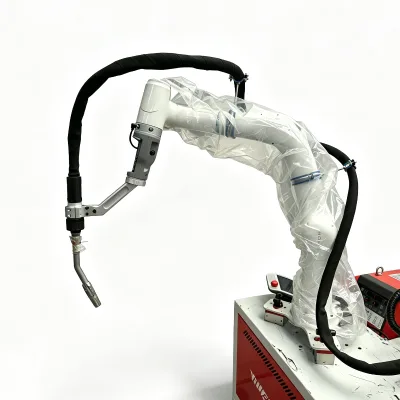
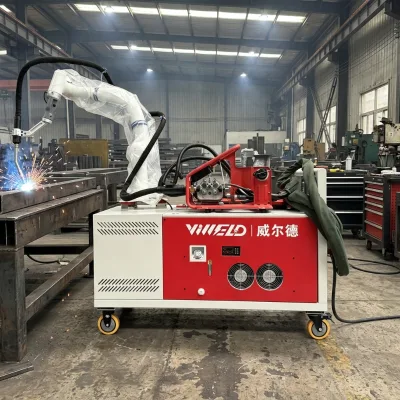
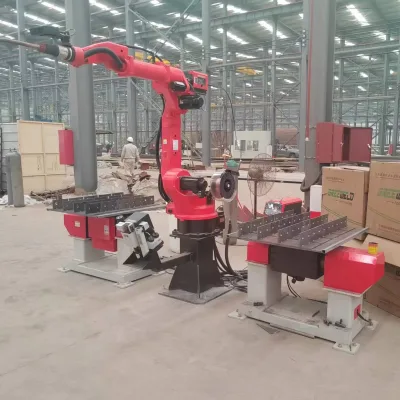


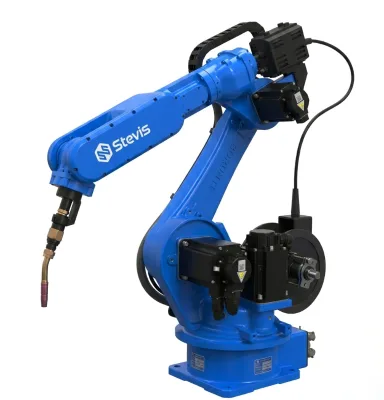
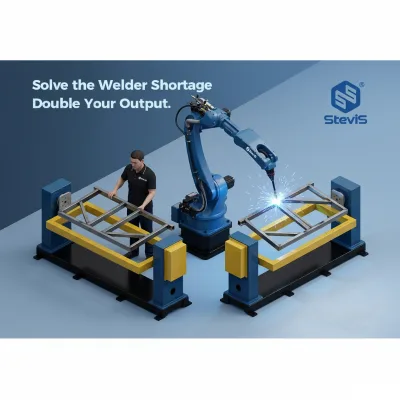
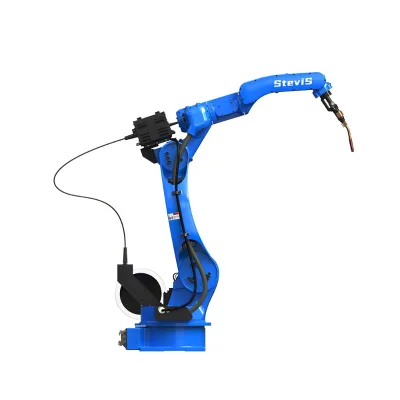


Comprehensive Sourcing Guide
IP54 Servo Electric Welding Robot Supplier Concentration and Factory Types
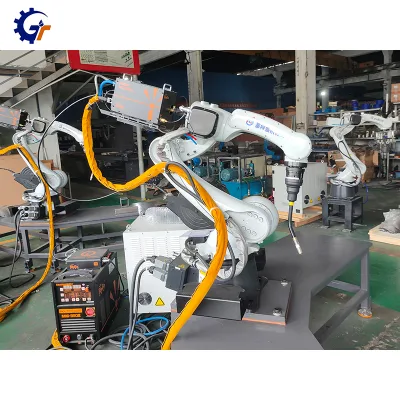
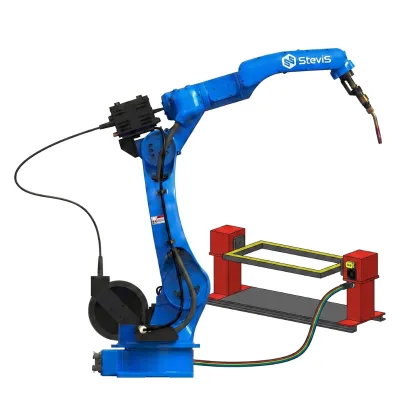
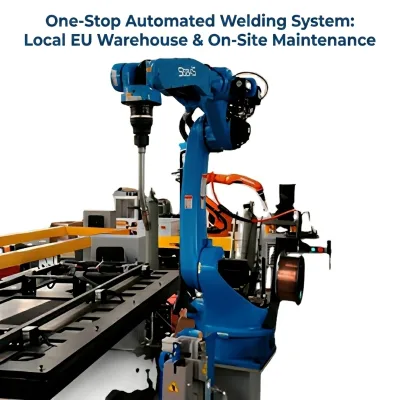
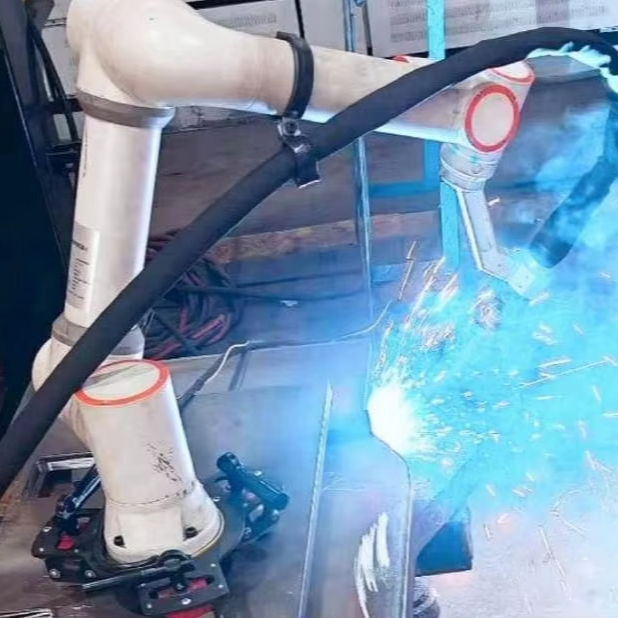
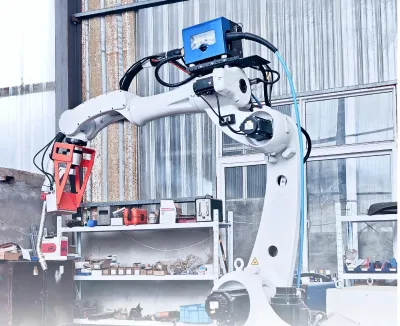
The current supplier landscape for industrial automation equipment reveals a distinct concentration of manufacturing capabilities within specific Chinese provinces, particularly Shandong and Beijing. These regions serve as primary hubs for the production of complex machinery, including the servo electric welding robots that define this category. Buyers evaluating these suppliers will encounter a mix of company types, ranging from pure manufacturers to combined entities that handle both production and trading operations. Understanding this distribution is critical for assessing the directness of the supply chain and the potential for factory-direct pricing versus intermediary markups. The presence of verified factories in these locations suggests a mature industrial ecosystem with established supply chains for components like servo motors, reducers, and controllers, which are essential for high-precision robotic arms.
Within these clusters, the supplier base includes both dedicated manufacturers and combined companies that may offer broader product portfolios. For instance, some suppliers specialize in industrial robots, servo motors, and stepping motors, indicating a focus on the core mechanical and electrical components that drive welding automation. Others may present themselves as combined entities, potentially offering a wider array of related equipment such as fiber laser cutting machines or plasma power sources alongside welding robots. This diversity in company structure allows buyers to choose between specialized technical expertise and broader logistical convenience. However, it also requires careful due diligence to ensure that the supplier’s primary competency aligns with the specific technical demands of an IP54-rated servo electric welding robot, ensuring that the manufacturer has the necessary engineering depth rather than just assembly capabilities.
How to Verify IP54 Servo Electric Welding Robot Suppliers
Verification of suppliers in this sector relies heavily on third-party audit reports and system certifications that confirm both operational quality and environmental compliance. Buyers should prioritize suppliers who hold ISO9001:2015 and ISO14001:2015 certificates, as these standards indicate a structured approach to quality management and environmental responsibility, which are crucial for consistent manufacturing of precision machinery. Additionally, verification badges from recognized bodies such as TÜV Rheinland or Bureau Veritas provide an extra layer of confidence regarding the supplier’s business legitimacy and operational stability. These verifications help mitigate the risk of engaging with unverified entities that may lack the financial or technical backing to support long-term orders and after-sales service commitments.
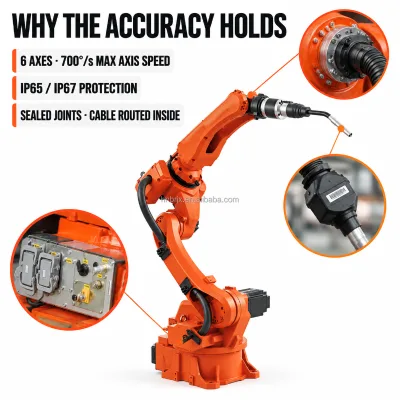
Beyond certifications, buyers must scrutinize the specific product attributes and technical specifications provided in supplier listings to ensure they match the IP54 Servo Electric Welding Robot requirements. Key verification points include the control mode, such as continuous path control or point-to-point control, and the drive mode, which should be electric for servo-driven systems. Accuracy ratings, typically around ±0.1 mm or ±0.5 mm, and welding speeds are critical indicators of the robot’s performance capabilities. Furthermore, checking for CE certification on the product itself ensures compliance with European safety standards, which is often a baseline requirement for international trade. Buyers should also verify the supplier’s response time, as faster response rates often correlate with more active and responsive customer service teams, which is vital for resolving technical queries or customizing orders effectively.
What to Compare Across IP54 Servo Electric Welding Robot Suppliers
When evaluating multiple suppliers, buyers should compare key operational metrics such as lead times, minimum order quantities, and response speeds to determine the most suitable partner for their production schedule. Lead times can vary significantly, with some suppliers offering a standard lead time of around 15 days, which is advantageous for projects requiring quick turnaround. Minimum order quantities (MOQ) are another critical factor; many suppliers in this category offer an MOQ of just one unit, which is ideal for small-scale testing or pilot projects before committing to larger bulk orders. Comparing these logistical parameters helps buyers align supplier capabilities with their inventory management strategies and cash flow requirements, ensuring that the procurement process does not become a bottleneck in their production line.
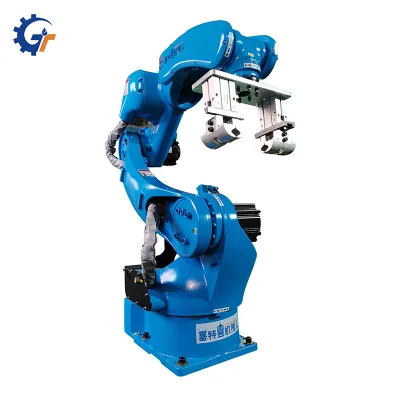
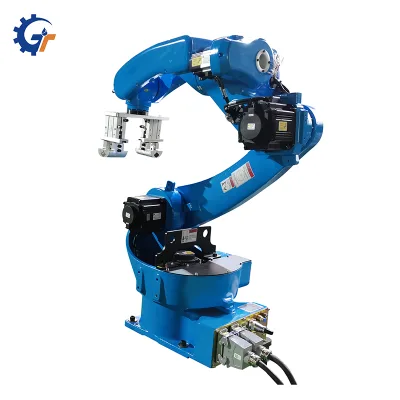
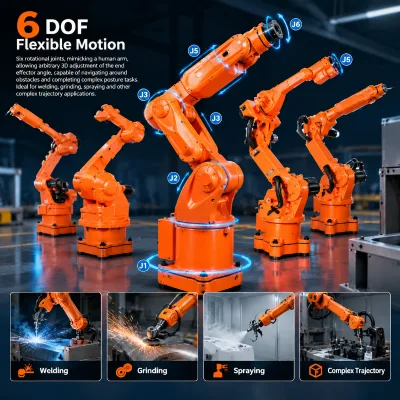
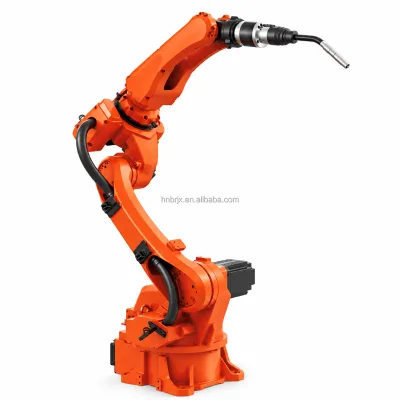
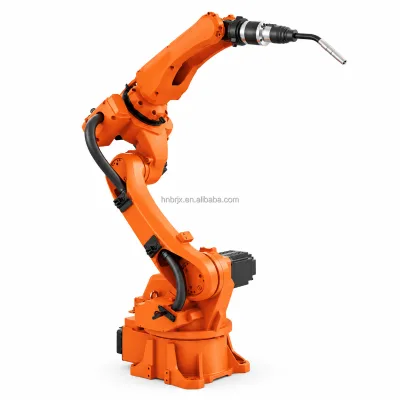
Technical specifications and customization options also serve as vital comparison points across different suppliers. Buyers should examine the robot’s axes, loading ability, and maximum arm span to ensure the equipment meets their specific application needs, whether for construction, automotive, or aerospace industries. For example, some models offer a 6-axis configuration with a loading capacity of 6kg to 20kg, while others may provide longer arm spans for more complex welding tasks. Customization availability is another key differentiator, with many suppliers offering tailored solutions for specific industrial applications. Additionally, comparing warranty terms, after-sales service offerings, and included accessories can reveal the long-term value proposition of each supplier. Buyers should also consider the supplier’s main product focus, as those specializing in industrial robots may offer more advanced technical support than general machinery traders.
Common IP54 Servo Electric Welding Robot Sourcing Risks
One of the primary risks in sourcing servo electric welding robots is the potential mismatch between advertised specifications and actual performance, particularly regarding accuracy and durability. Buyers must be cautious of suppliers who provide vague or inconsistent technical data, such as varying accuracy ratings or unclear control modes. Without rigorous verification, there is a risk of receiving equipment that does not meet the required precision standards for high-quality welding applications. This discrepancy can lead to production inefficiencies, increased scrap rates, and additional costs for rework or equipment replacement. Therefore, it is essential to request detailed technical documentation and, if possible, conduct factory audits or third-party inspections to validate the supplier’s claims before finalizing any purchase agreements.
Another significant risk involves the reliability of after-sales service and warranty support, which is crucial for maintaining continuous operation in industrial settings. Buyers should carefully review the warranty terms, which may vary from one year to longer periods, and understand the scope of coverage for product quality issues. Some suppliers offer comprehensive support including usage tutorials and direct assistance with quality issues, while others may provide limited or no support. Inadequate after-sales service can result in prolonged downtime if technical issues arise, impacting overall production efficiency. Additionally, buyers should be aware of the potential for communication barriers or delays in response times, which can hinder the resolution of technical problems. Establishing clear communication channels and verifying the supplier’s support infrastructure is vital to mitigating these operational risks.
IP54 Servo Electric Welding Robot Regional Sourcing and Logistics
Sourcing from specific regions in China, such as Shandong and Beijing, offers logistical advantages due to the concentration of manufacturing infrastructure and established export channels. These areas are well-connected to major ports and transportation networks, facilitating efficient shipping of heavy industrial machinery like welding robots. Buyers should consider the impact of regional logistics on lead times and shipping costs, as proximity to manufacturing hubs can reduce transit times and simplify supply chain management. Additionally, the presence of a mature industrial cluster in these regions often means that suppliers have experience with international shipping requirements, including proper packaging and documentation, which helps minimize the risk of damage during transit.
However, buyers must also account for the complexities of international logistics, including customs clearance, import duties, and local delivery arrangements. The weight and dimensions of welding robots, which can range from 130mm to 230kg depending on the model and packaging, require careful planning for freight forwarding. Suppliers typically use wooden boxes or plywood cases with pallets to ensure safe transport, but buyers should verify packaging standards to prevent damage. Furthermore, understanding the regional export regulations and any specific requirements for electrical equipment in the destination country is essential. Buyers should work closely with their freight forwarders to ensure compliance with all regulatory standards and to optimize shipping routes for cost-effectiveness and speed.
IP54 Servo Electric Welding Robot Commercial Terms and Order Planning
Commercial terms for servo electric welding robots often include fixed pricing structures, with some models listed at specific price points such as $3050 to $5000, depending on specifications and customization options. Buyers should carefully review the price ranges and any additional costs for accessories, software, or training to avoid unexpected expenses. Minimum order quantities are typically low, allowing for flexible order planning, but buyers should consider the total cost of ownership, including maintenance, spare parts, and potential upgrades. Understanding the payment terms, such as the availability of escrow services or other secure payment methods, is crucial for protecting financial interests and ensuring that funds are released only upon satisfactory delivery and inspection of the equipment.
Order planning should also take into account the supplier’s production capacity and lead times to ensure timely delivery for project deadlines. Buyers should communicate their specific requirements clearly, including any customization needs or special packaging requests, to avoid delays or misunderstandings. Establishing a clear timeline for production, shipping, and installation is essential for coordinating with other project activities. Additionally, buyers should plan for the integration of the welding robot into their existing production line, considering factors such as power requirements, space constraints, and operator training. By aligning commercial terms with operational needs, buyers can optimize their procurement strategy and ensure a smooth transition to automated welding processes.
FAQs
What is the price range for 6-axis welding robots?
Prices for 6-axis welding robots typically range from $3,050 to $5,000 per unit. Specific models like the BRTIRWD1506A are listed at $3,050, while others such as the BRTIRUS2110A reach up to $5,000. Buyers should verify exact pricing based on customization needs and order volume.
What is the minimum order quantity for these robots?
The minimum order quantity is generally one unit for most industrial welding robots. This allows buyers to test performance before committing to larger orders. Suppliers often support single-unit purchases to facilitate initial trials and integration assessments for small-scale production lines.
How long does delivery take for welding robots?
Standard lead times for these robots are approximately 15 days. This duration covers manufacturing, quality checks, and preparation for shipment. Buyers should confirm specific delivery schedules with suppliers, as expedited options or custom configurations may alter the standard production timeline significantly.
What certifications do these welding robots have?
Many suppliers hold ISO9001:2015 and ISO14001:2015 system certifications. Additionally, products often carry CE certification for safety compliance. These credentials indicate adherence to international quality and environmental standards, ensuring reliable performance and regulatory compliance for industrial applications across various sectors.
What is the accuracy of these welding robots?
Accuracy levels vary, with some models offering ±0.1 mm precision. Others may provide ±0.5 mm accuracy depending on the specific application requirements. High-precision models are suitable for detailed tasks, while standard accuracy suffices for general construction and automotive welding operations.
Where are these welding robots manufactured?
These robots are primarily manufactured in China, with facilities located in Shandong and Beijing. This regional concentration supports efficient supply chains and competitive pricing. Buyers can expect consistent manufacturing standards and readily available spare parts due to the established industrial infrastructure in these areas.