Aluminum LED Street Light Suppliers and Manufacturers
Explore 28 verified options for Aluminum LED Street Light from factories in China Jiangsu and Guangdong. Compare response times, lead times, certifications, and pricing to find the right partner. Contact suppliers directly to request quotes; review the available evidence before requesting comparable quotations from suitable candidates.
Updated
Suppliers List

Yangzhou Dingxin Photoelectric Technology Co., Ltd.
- Trading Company,Manufacturer/Factory
- China Jiangsu
- Lead time15 days
- Avg. response≤ 3h
Main productsSolar Lamp, Solar Street Light, LED and Sodium Street Lights, Lighting Pole/Tower, High Mast Lighting, Lamp Post, LED Lights, LED Lighting Fixture, Traffic Light Signal Pole, Solar Home System/Solar Kit
Main marketsSouth America,Eastern Europe,Mid East,North America,Southeast Asia,Eastern Asia,Oceania,Western Europe,Africa

Jiangsu Xuyida Construction Engineering Co., Ltd
- Verified by SGS
- Combined
- China Jiangsu
- Lead time15 days
- Avg. response≤ 2h
Main productsSolar Street Light, Smart Light Pole, Traffic Lights, LED Street Light, Light Pole, LED Light, Garden Light Pole, All in One Solar Street Light, LED Flood Lights, Solar Panel
Main marketsAfrica,Domestic

Zhongshan Hongzhun Lighting Factory
- Verified by CTI
- Combined
- China Guangdong
- Lead time15 days
- Avg. response≤ 8h
Main productsSolar Lights, LED Street Light, LED Flood Light, LED High Bay Light, Garden Light, LED Stadium Light, LED Solar Lights, LED Canopy Light
Main marketsSouth America,Africa,Southeast Asia/ Mideast,East Asia(Japan/ South Korea),Domestic,Europe,Australia,North America

Jiangmen City Feidong Lighting Co., LTD
- Combined
- China Guangdong
- Lead time30 days
- Avg. response≤ 15h
Main productsLED Flood Light, LED Panel Light, LED Street Light, LED High Bay Light, Solar LED Flood Light, Solar LED Street Light, LED Downlight, Garden Light
Main marketsSouth America,Africa,Southeast Asia/ Mideast,Europe
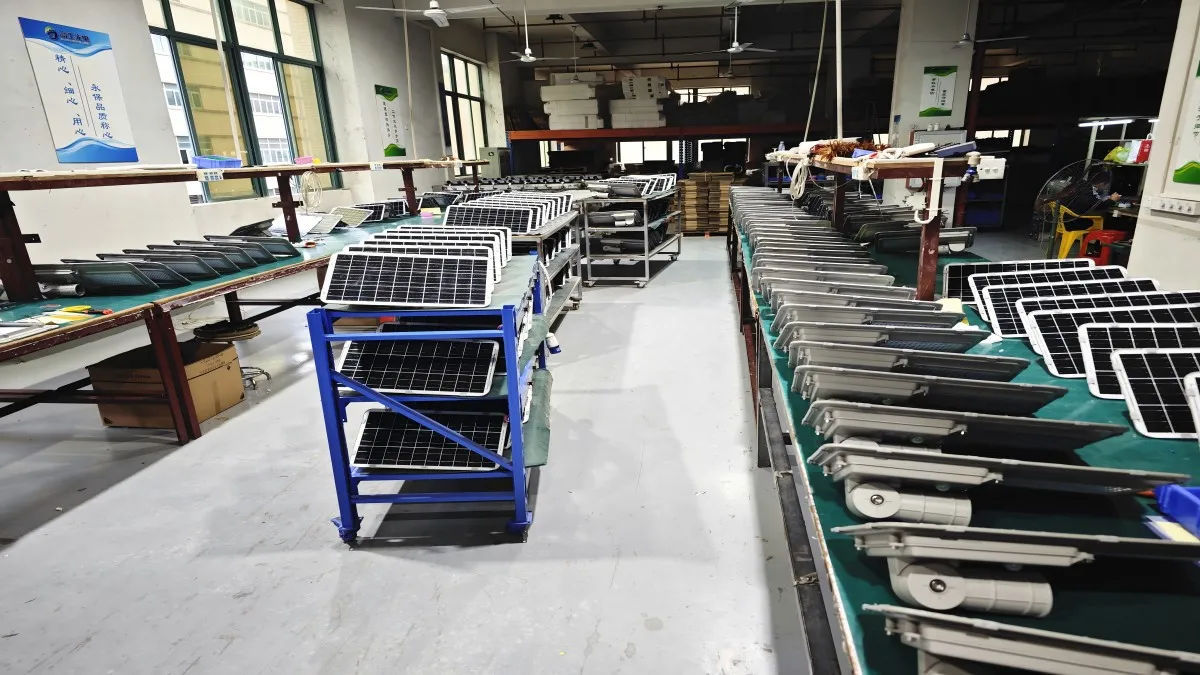
Jiangsu Chuanglv Traffic Facilities Co.,Ltd.
- Manufacturer
- Jiangsu, China
- Lead time10 days
- Avg. response≤ 3h
Main productsLight Pole, Solar Street Light, LED Street Light, High Mast Light, Traffic Light
Main marketsDomestic Market(97.00%), Western Europe(1.00%), Eastern Europe(1.00%), Southeast Asia(1.00%)
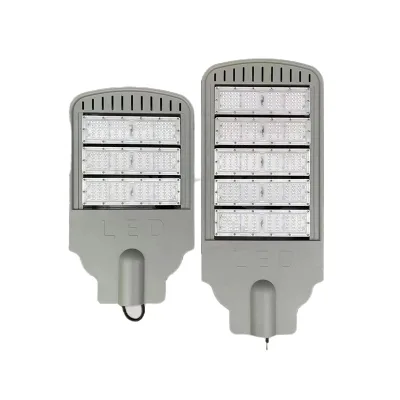
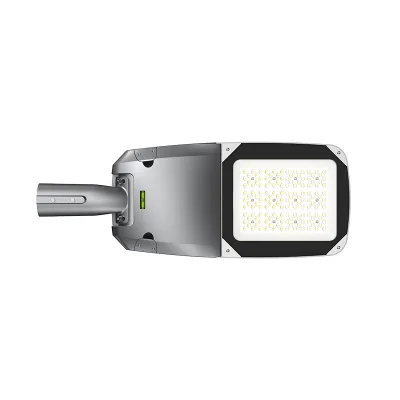
Die Casting Aluminum Street Light 50W Outdoor Ip65 Waterproof LED Street Lights
$58.0937 - $130.7098
MOQ: 1 sets

Peony Lighting Technology Co., Ltd.
- Verified by BV
- Manufacturer/Factory
- China Guangdong
- Lead time15 days
- Avg. response≤ 4h
Main productsLED High Bay Light, LED Street Lighyt, LED Flood Light, LED Gas Station Light, LED Track Light, LED Down Light, LED Tri-Proof Light, LED Linear Light, LED Stadium Sports Light
Main marketsSouth America,Mid East,North America,Southeast Asia,Eastern Asia,Oceania,Western Europe,Africa

Fuzhou Colshine Electric Co., Ltd.
- Verified by SGS
- Trading Company,Manufacturer/Factory
- China Fujian
- Lead time23 days
- Avg. response≤ 14h
Main productsLED Corn Light, LED Street Light, LED Yard Light, LED Dusk to Dawn Light, Sauna Lamp, Pendant Light, Porcelain Lampholder, Metal Lampholder, Halogen Lampholder, Retro Switch & Socket
Main marketsSouth America,Eastern Europe,Mid East,North America,Southeast Asia,Eastern Asia,Oceania,Western Europe,Africa

Ningbo Stellar Technology Co., Ltd.
- Verified by BV
- Manufacturer
- China Zhejiang
- Lead time15 days
- Avg. response≤ 17h
Main productsLED Street Light, Street Lamp, Flood Light, Project Light, Garden Lamp, Wall Washer Light, Outdoor Light, LED Packaging Products

Yangzhou Qiangsheng Electric Co., Ltd.
- Verified by SGS
- Combined
- China Jiangsu
- Lead time30 days
- Avg. response≤ 1h
Main marketsDomestic
Zhejiang Cajoroy Optoelectronic Technology Co., Ltd.
- Verified by SGS Group
- Manufacturer, Trading Company
- Lead time15 days
- Avg. response≤ 3h
Main productsLed Solar Street Light, Led Stage Light, Led Ceiling Light, Led Panel Light, Led Flood Light
Main marketsNorth America(50%), Western Europe(30%), Mid East(10%)
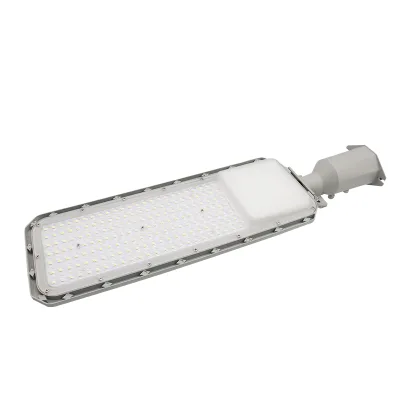
Expressways Die Cast Aluminum 220V 100 Watt Project Rechargeable Led Street Light
$9.4167 - $15.0635
MOQ: 2 pieces
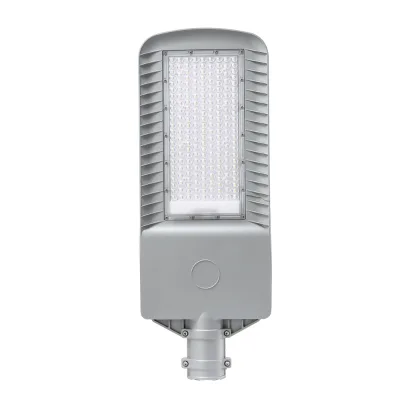
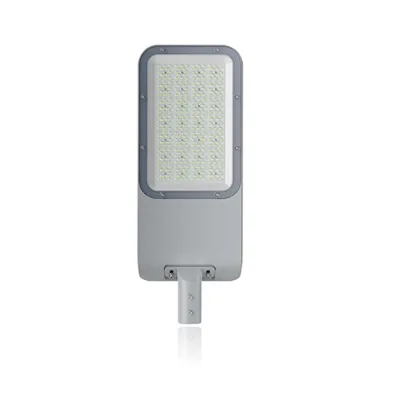
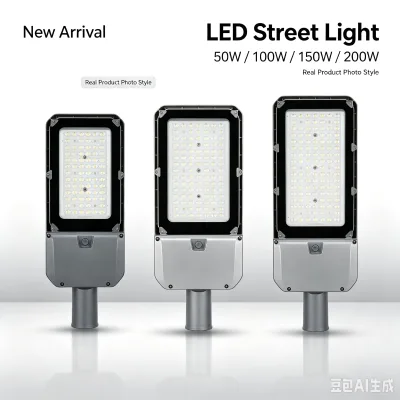
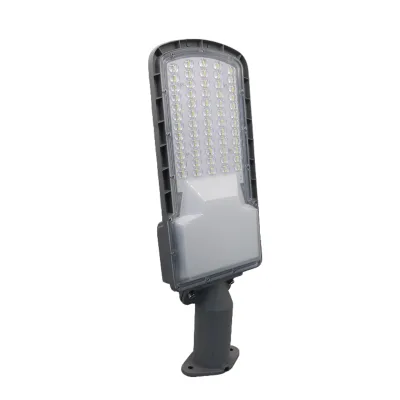
Wholesale Garden Lighting System Aluminum Streetlight Street Lights 50 Watt Led 150W Outdoor
$17.4229 - $35.4678
MOQ: 10 Minimum
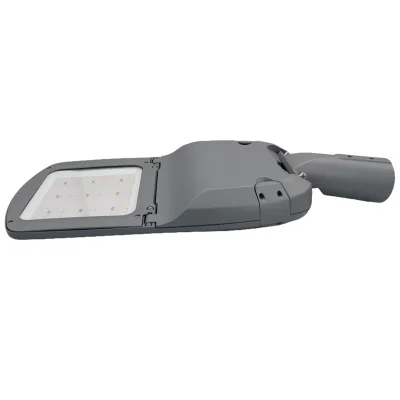

Jiangsu Xinyixin Lighting Technology Co., Ltd.
- Verified by CTI
- Combined
- China Jiangsu
- Lead time15 days
- Avg. response≤ 1h
Main productsled industrial light
Main marketsDomestic

- Manufacturer/Factory
- China Guangdong
- Lead time15 days
- Avg. response≤ 10h
Main productsLED Flood Light, LED High Bay Light, LED Street Light, Solar LED Street Light, High Mast LED Stadium Light, LED Canopy Light, LED Light Factory, LED Floodlight, UFO LED High Bay Lighting
Main marketsSouth America,Eastern Europe,Mid East,North America,Southeast Asia,Eastern Asia,Oceania,Western Europe,Africa

Jiangsu Century Fujing Intelligent Technology Co., Ltd.
- Verified by SGS
- Combined
- China Jiangsu
- Lead time23 days
- Avg. response≤ 5h
Main productsLED Street Light, LED High Bay Light, LED Flood Light, LED Stadium Light, LED Canopy Light, LED Gas Station Light, LED Tunnel Light, LED Tri-Proof Light, Solar LED Street Light, LED Linear Light
Main marketsSouth America,Africa,Others(foreignTradeCapacity.exportBusinessCapacityMarketOther),Southeast Asia/ Mideast,Domestic,Europe,Australia
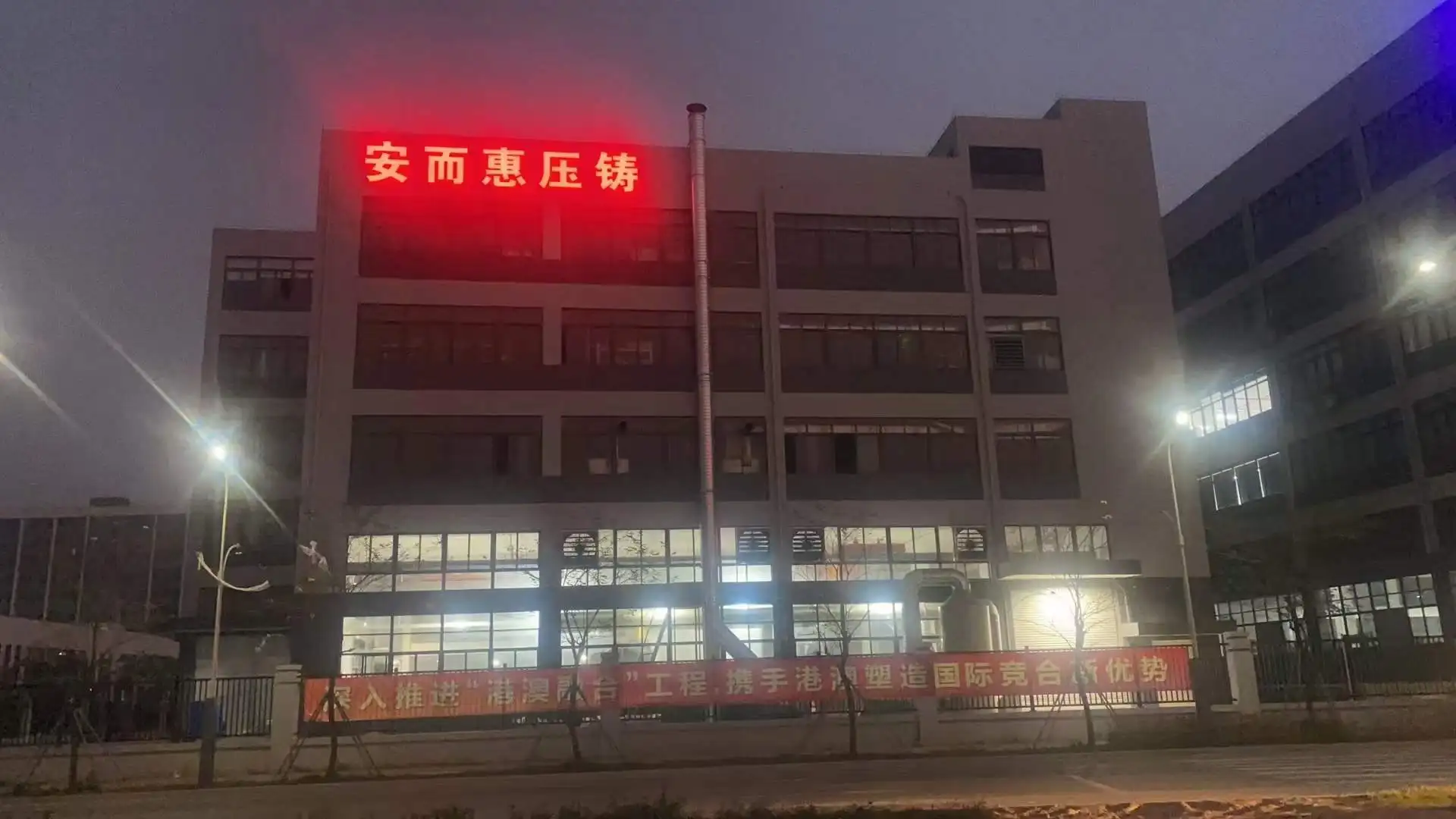
Jiangmen Anerhui Lighting Technology Co., Ltd.
- Manufacturer
- Guangdong, China
- Lead time30 days
- Avg. response≤ 2h
Main productsLED Light Housing,LED high bay light shell,LED light kit,LED canopy light,LED street light housing
Main marketsDomestic Market(40.00%), North America(30.00%), Western Europe(20.00%), Eastern Europe(10.00%)
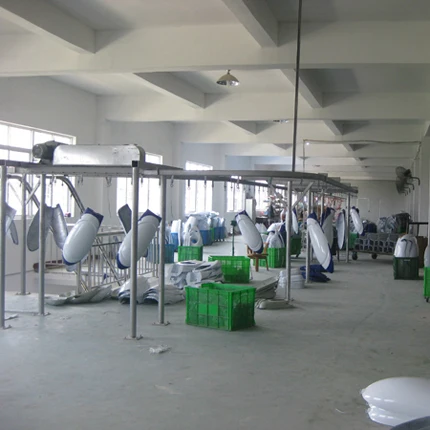
Danyang Ronny Lighting Co., Ltd.
- Manufacturer, Trading Company
- Jiangsu, China
- Lead time10 days
- Avg. response≤ 18h
Main productsstreet light,LED street light,LED highbay light,LED garden light,LED floodlight
Main marketsWestern Europe(25.00%), Southeast Asia(20.00%), Mid East(15.00%), Domestic Market(10.00%), Eastern Asia(10.00%), North America(10.00%), Eastern Europe(5.00%), Africa(5.00%)
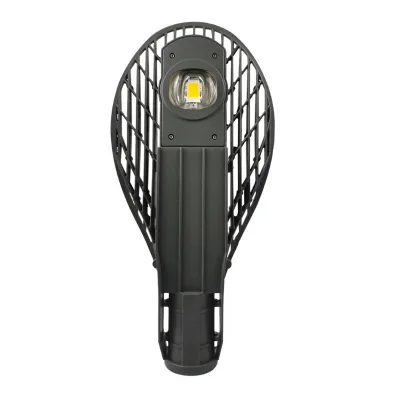
LED Street Light IP65 Aluminum 50W 100W 150W Community Outdoor Road Engineering Light
$16.0183 - $29.8571
MOQ: 2 Minimum
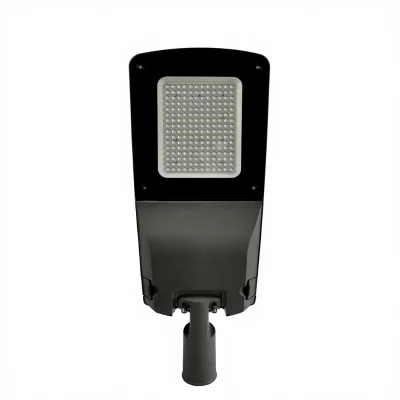
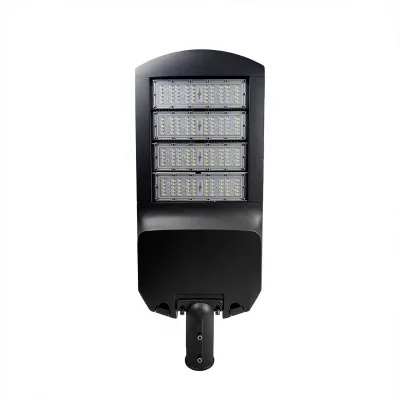
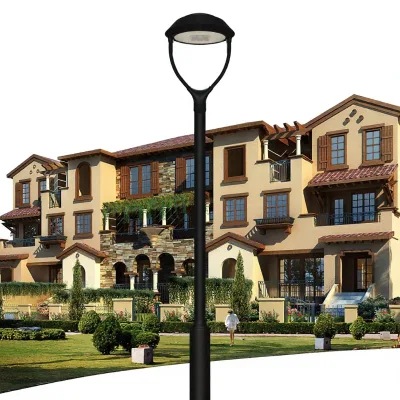
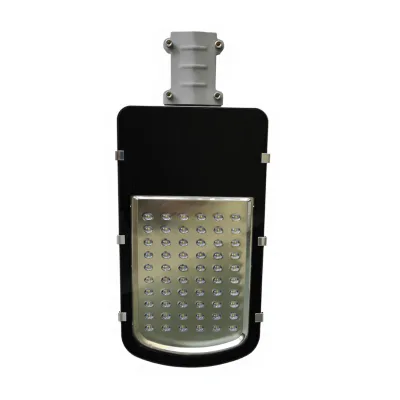
60W LED High Quality Aluminum Alloy IP65 3-Year Warranty Zhongjin Dou Outdoor Street Light
$10.1887 - $24.7575
MOQ: 2 Minimum
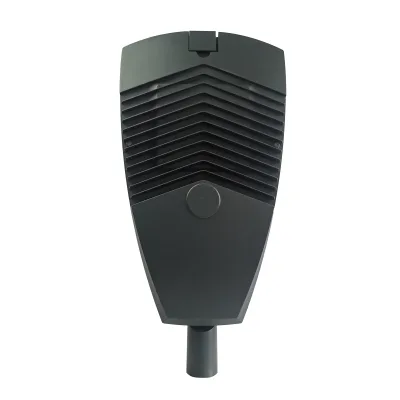
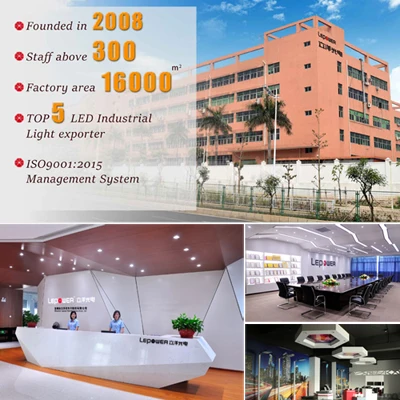
Shenzhen Lepower Opto Electronics Corp., Ltd
- Manufacturer, Trading Company
- Guangdong, China
- Lead time7 days
- Avg. response≤ 2h
Main productsLED Street Light, LED Flood Light, LED Module
Main marketsSouth America(30.00%), Domestic Market(13.00%), North America(10.00%), Western Europe(10.00%), Southern Europe(8.00%), Southeast Asia(5.00%), Eastern Europe(5.00%), Northern Europe(5.00%), South Asia(3.00%), Africa(3.00%), Central America(2.00%), Eastern Asia(2.00%), Mid East(2.00%), Oceania(2.00%)
Hebei Benyao Lighting Manufacture Co., Ltd.
- Verified by SGS Group
- Manufacturer, Trading Company
- Lead time0 days
- Avg. response≤ 11h
Main productsSolar Street Light, Street Light, Street Light Pole, Steel Pole, LED Light
Main marketsDomestic Market(50%), Eastern Europe(10%), Southeast Asia(10%)
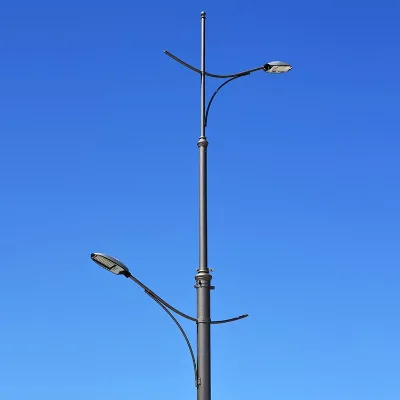
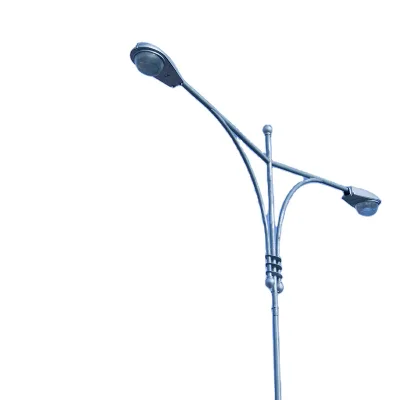
LED Reliable Quality Street Lamp with Good Height and Strong Posts
$205.7647 - $360.0883
MOQ: 10 Minimum
Guangdong Jingcheng Outdoor Lighting Co., Ltd.
- Verified by TüVRheinland
- Manufacturer, Trading Company
- Lead time15 days
- Avg. response≤ 1h
Main productsSolar Street Light, Street Light, High Mast Light, Lamp Pole, All In One Solar Street Light
Main marketsDomestic Market(60%), Africa(28%), Southeast Asia(5%)
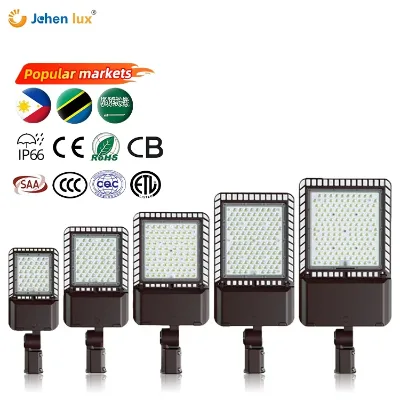
LED Street Light Aluminum Alloy Highway Road High Pole Light 100W-400W IP66 Remote Control
$19.6174 - $37.5634
MOQ: 10 Minimum
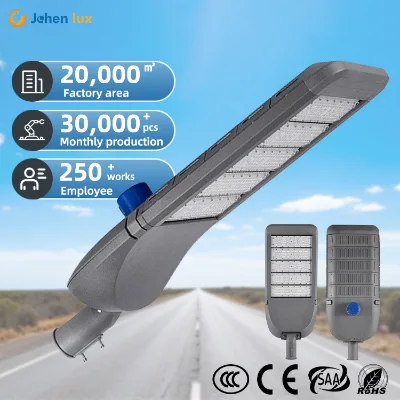
$37.3686 - $91.0897
MOQ: 10 Minimum
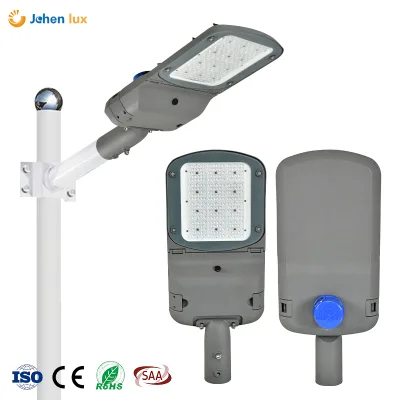
$50.4833 - $109.2066
MOQ: 10 Minimum
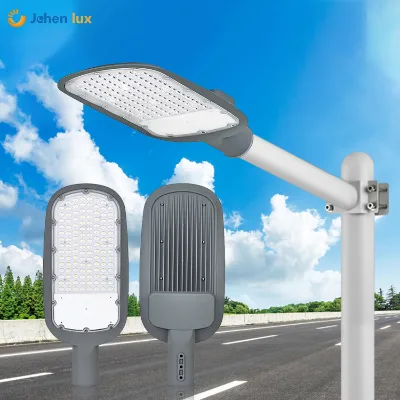
$64.1707 - $133.2671
MOQ: 10 Minimum
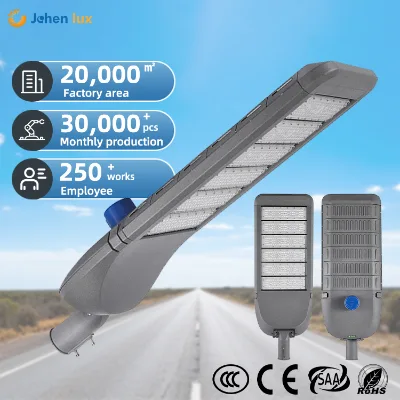
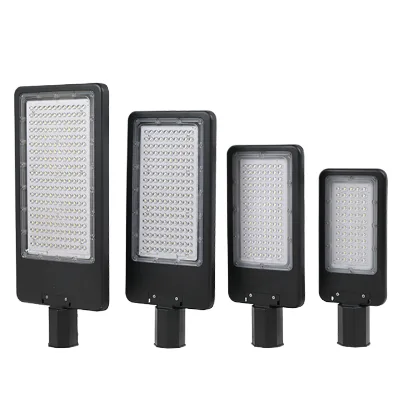

BAODE LIGHTING GROUP CO., LTD.
- Manufacturer/Factory
- China Jiangsu
- Lead time23 days
- Avg. response≤ 2h
Main productsSolar Hybrid Street Light, LED Lighting Fixture, Transmission Pole, Solar Street Light, Lighting Pole, LED Street Light, High Mast Lighting, Solar Generator System, LED Lamp, High Mast Light Pole
Main marketsSouth America,Eastern Europe,Mid East,Southeast Asia,Eastern Asia,Oceania,Africa
Yangzhou Boliang Lighting Technology Co., Ltd.
- Manufacturer
- Jiang'su, China
- Lead time0 days
- Avg. response≤ 24h
Main productsIntegrated solar energy,solar street light,high-pole lamp,traffic light,LED lamp
Main marketsSouth Asia(10.00%), Mid East(10.00%), Southeast Asia(10.00%), South America(10.00%), North America(10.00%)

Yangzhou Bright Solar Solutions Co., Ltd.
- Combined
- China Jiangsu
- Lead time15 days
- Avg. response≤ 3h
Main productsSolar Street Lights, Solar LED Street Lights, Solar Outdoor Lights, All in One Solar Street Lights, Solar Home Kit System, Solar Modules Solar Panel, Solar Battery Lithium Battery, Solar Power System, Inverter, on Grid off Grid Hybrid System
Main marketsSouth America,Africa,Southeast Asia/ Mideast,East Asia(Japan/ South Korea),Domestic,Europe,Australia,North America
Shenzhen Lowcled Lighting Co., Ltd.
- Manufacturer, Trading Company
- Guangdong, China
- Lead time15 days
- Avg. response≤ 6h
Main productsled street light,led smart light,led high bay light,led flood light,led tube light
Main marketsWestern Europe(40.00%), North America(20.00%), Domestic Market(10.00%), Northern Europe(10.00%), Mid East(10.00%), Central America(5.00%), South America(2.00%), Oceania(1.00%), Africa(1.00%), Southeast Asia(1.00%)
Joinshare Lighting Co., Limited
- Manufacturer
- Guangdong, China
- Lead time5 days
- Avg. response≤ 6h
Main productsSolar LED Lights,Outdoor Lights,Indoor Lights,Decoration Lights,LED G4 G9 bulbs
Main marketsNorth America(30.00%), Western Europe(22.00%), Southeast Asia(10.00%), Northern Europe(8.00%), Oceania(6.00%), Southern Europe(6.00%), Eastern Europe(4.00%), Central America(4.00%), South America(3.00%), Eastern Asia(2.00%), Mid East(2.00%), South Asia(1.50%), Domestic Market(1.00%), Africa(0.50%)

Ningbo Sunle Lighting Electric Co., Ltd.
- Verified by BV
- Trading Company,Manufacturer/Factory
- China Zhejiang
- Lead time45 days
- Avg. response≤ 7h
Main productsLED Outdoor Light, LED Flood Light, Street Light, High Bay Light, Flood Light, LED Panel Light, High Pressure Sodium Bulbs, High Pressure Metal Halide Lamp, Ignitor, Ballast
Main marketsSouth America,Eastern Europe,Mid East,North America,Southeast Asia,Eastern Asia,Oceania,Western Europe,Africa
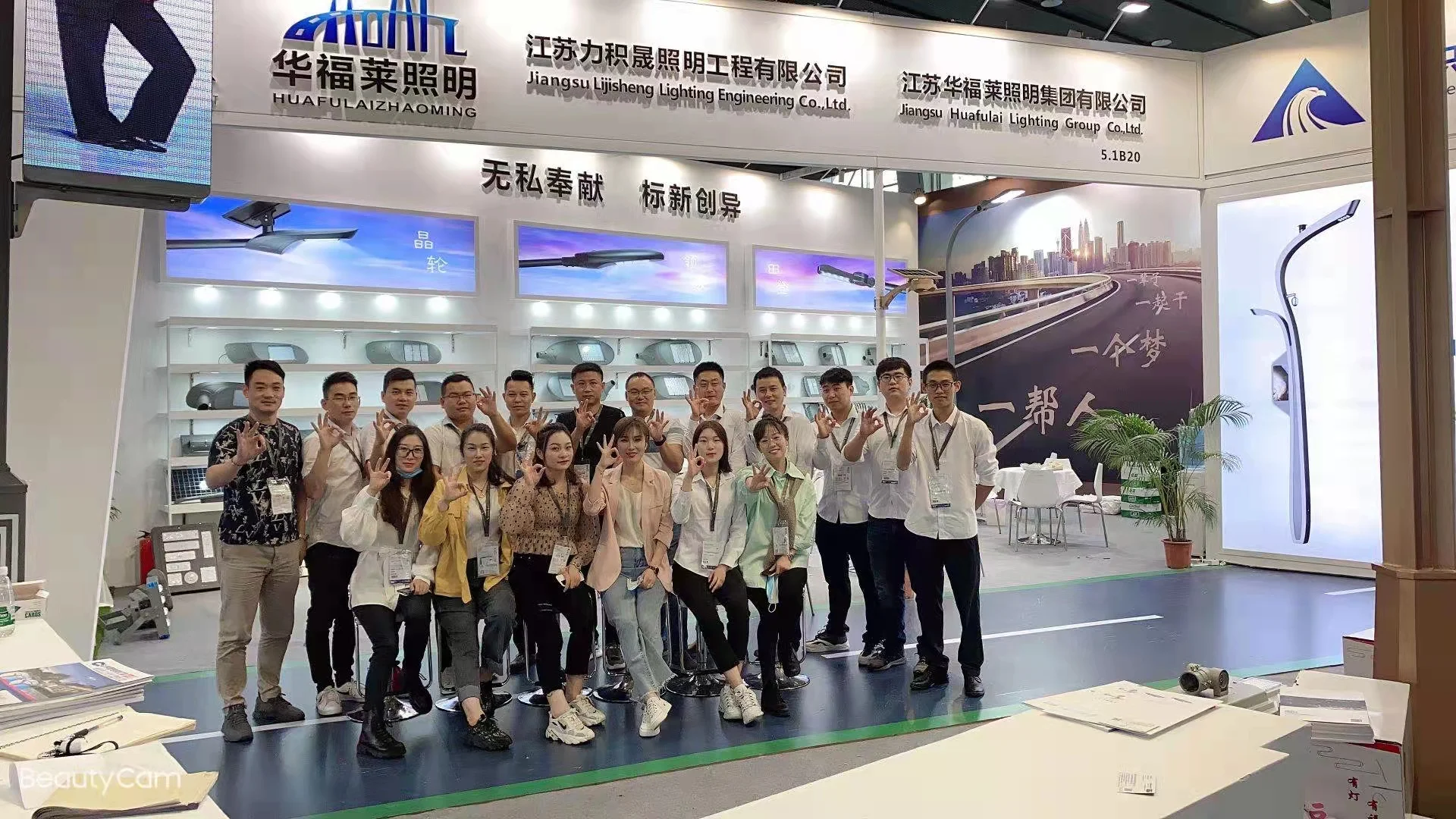
Jiangsu Waffley Lighting Group Co., Ltd.
- Manufacturer
- Jiangsu, China
- Lead time15 days
- Avg. response≤ 24h
Main productsSolar Street Light,Integrated Street Light,Light Pole,LED Street Light,traffic light pole
Main marketsDomestic Market(100.00%), South Asia(100.00%), Southern Europe(100.00%), Northern Europe(100.00%), Central America(100.00%), Western Europe(100.00%), Eastern Asia(100.00%), Mid East(100.00%), Oceania(100.00%), Africa(100.00%), Southeast Asia(100.00%), Eastern Europe(100.00%), South America(100.00%), North America(100.00%)

Guangdong Lucen Lighting Technology Co., Ltd.
- Verified by SGS
- Combined
- China Guangdong
- Lead time15 days
- Avg. response≤ 4h
Main marketsDomestic
Guangdong Jiangxi New Energy Technology Co., Ltd.
- Verified by SGS Group
- Manufacturer, Trading Company
- Lead time20 days
- Avg. response≤ 2h
Main productsLandscape Garden Light, Smart Pole Street Light, Home Energy Storage, Solar Energy System, Photovoltaic Panels All Set
Main marketsNorth America(15%), Oceania(15%), South America(10%)
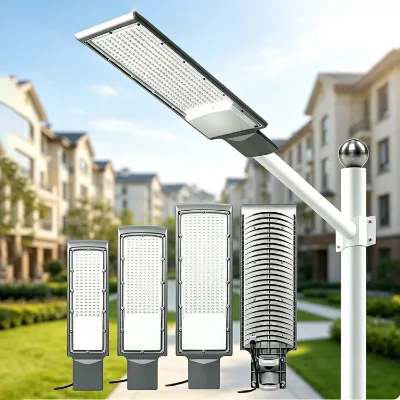
$14.2915 - $35.4708
MOQ: 2 Minimum
$13.90 - $34.50
MOQ: 2 Minimum
Shenzhen Etenda Lighting Co., Ltd.
- Verified by Intertek
- Manufacturer, Trading Company
- Lead time5 days
- Avg. response≤ 3h
Main productsLED Flood Light, LED Street Light, LED Garden Light, LED Wall Light, LED Solar Light
Main marketsSouth America(50%), Southeast Asia(20%), North America(10%)


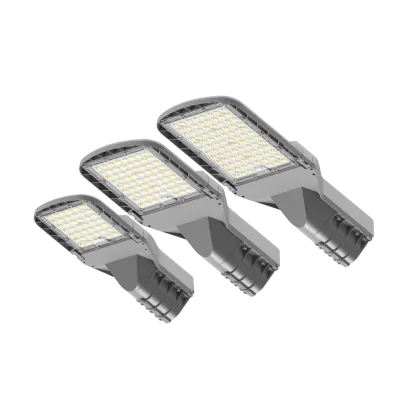
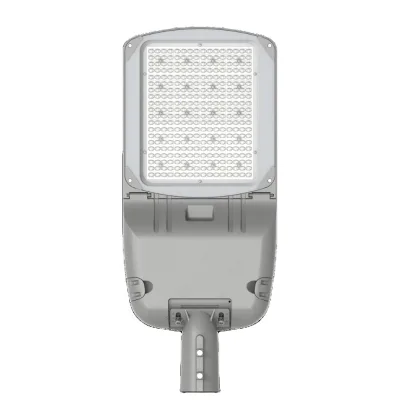
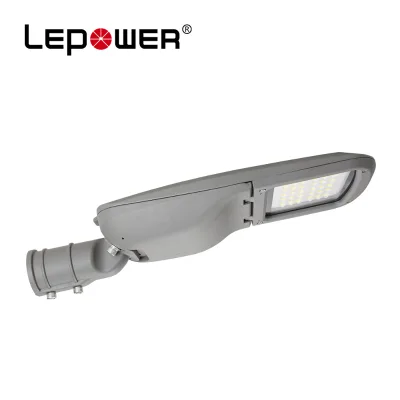
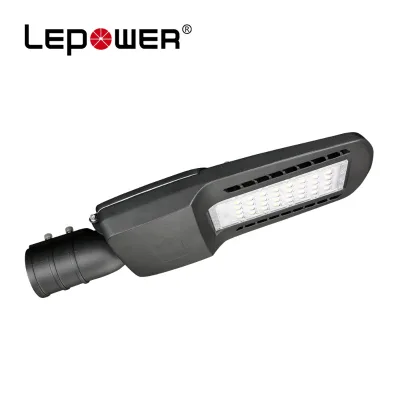




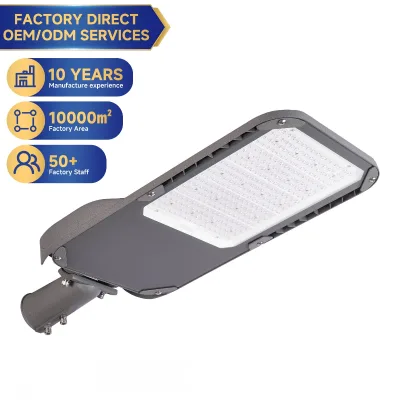
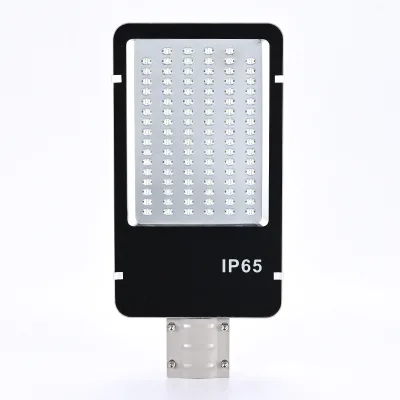


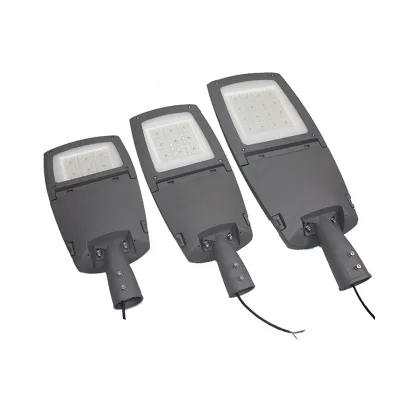
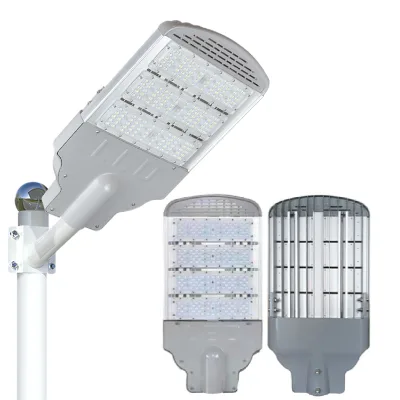


Comprehensive Sourcing Guide
Aluminum LED Street Light Supplier Concentration and Factory Types
The current supplier landscape for aluminum LED street lights reveals a distinct geographic concentration in China, with Jiangsu and Guangdong provinces emerging as primary manufacturing hubs. Suppliers located in Jiangsu often operate as either trading companies or manufacturer/factory entities, offering a blend of direct production capabilities and broader product sourcing options. This dual nature allows buyers to access a wide array of lighting solutions, including solar street lights, LED flood lights, and high mast lighting systems, all under one roof. The presence of established brands like DX indicates that some facilities possess their own proprietary technology and branding, which can be a significant advantage for buyers seeking consistent quality and proprietary designs. In contrast, suppliers in Guangdong may focus more heavily on specific high-power applications, such as 200W LED street lights, leveraging the region’s robust electronics supply chain. Understanding these regional distinctions helps buyers narrow their search to facilities that align with their specific volume and technical requirements.
Factory types vary significantly, ranging from pure trading companies that aggregate products from multiple workshops to integrated manufacturers with in-house R&D and production lines. The distinction is critical because it impacts lead times, customization flexibility, and price negotiation power. Manufacturers with OEM and ODM capabilities, such as those holding ISO 9001 and ISO 14001 certifications, typically offer greater control over product specifications and quality assurance processes. These facilities are often equipped to handle complex customization requests, such as specific IP ratings or unique aluminum housing designs. Conversely, trading companies may provide faster access to a diverse catalog but might have less direct oversight over the manufacturing process. Buyers should evaluate the company type against their need for customization versus speed, ensuring that the chosen supplier structure supports their long-term supply chain stability and product integrity goals.
How to Verify Aluminum LED Street Light Suppliers
Verifying the legitimacy and capability of Aluminum LED Street Light suppliers requires a multi-layered approach that goes beyond basic company profiles. Buyers should prioritize suppliers who hold recognized third-party verifications, such as SGS or CTI, which provide an additional layer of trust regarding business operations and product quality. These verifications often complement system certifications like ISO 9001 and ISO 14001, ensuring that the supplier adheres to international standards for quality management and environmental responsibility. It is essential to cross-reference these certifications with the specific product attributes listed, such as IP ratings and LED chip brands, to ensure consistency. For instance, a supplier claiming high waterproof standards should have corresponding test reports or certifications that validate these claims, protecting buyers from potential performance failures in outdoor environments.
Response time and communication efficiency are also key indicators of supplier reliability. A quick response time, such as under two hours, suggests a well-staffed and responsive sales team capable of addressing urgent inquiries and technical questions promptly. Buyers should test this responsiveness by submitting detailed RFQs that include specific technical requirements, such as LED driver brands or color temperature preferences. Additionally, verifying the supplier’s main products against their claimed expertise is crucial; a supplier specializing in solar street lights may not have the same depth of knowledge in AC-powered aluminum LED fixtures. Buyers should also check for any discrepancies between the supplier’s stated location and their actual operational base, as this can impact logistics and after-sales support. By combining verification checks with direct communication tests, buyers can build a more accurate picture of a supplier’s true capabilities and reliability.
What to Compare Across Aluminum LED Street Light Suppliers
When evaluating multiple suppliers, buyers must compare key operational metrics to determine the best fit for their procurement needs. Lead time is a critical factor, with some suppliers offering turnaround times as short as 15 days, which is vital for projects with tight deadlines. Minimum Order Quantity (MOQ) requirements also vary, ranging from as low as one unit for sample orders to higher thresholds for bulk production, allowing buyers to scale their orders flexibly. Price ranges provide another layer of comparison, with costs varying based on power output, material quality, and included features like intelligent controllers or specific LED chip brands. Buyers should analyze these price points in conjunction with the supplier’s response time and verification status to ensure they are getting the best value for their investment.
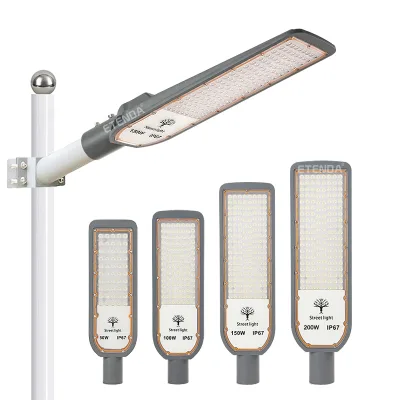
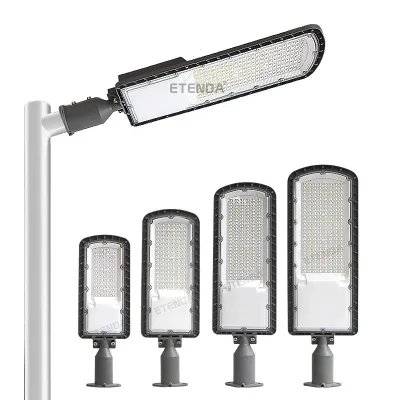
Product specifications and customization options are equally important differentiators. Suppliers may offer various power outputs, from 30W to 200W, and different housing materials, primarily aluminum, which affects durability and heat dissipation. Buyers should compare the LED chips used, such as Bridgelux or Epistar, as these impact light quality and longevity. Additionally, the availability of customization, including specific IP ratings, color temperatures, and mounting heights, can be a deciding factor for specialized projects. Some suppliers provide comprehensive certification packages, including CE, RoHS, and CCC, which are essential for market compliance in different regions. By systematically comparing these attributes, buyers can identify suppliers that not only meet their technical requirements but also offer the flexibility and support needed for successful long-term partnerships.
Common Aluminum LED Street Light Sourcing Risks
Sourcing aluminum LED street lights from international suppliers introduces several risks that buyers must proactively manage to ensure project success. One significant risk is the discrepancy between advertised product specifications and actual delivered goods, particularly regarding LED chip quality and IP rating durability. Suppliers may list high-end components like Meanwell drivers or Bridgelux chips, but without rigorous quality control, these may be substituted with lower-quality alternatives. This risk is heightened when dealing with trading companies that may not have direct oversight of the manufacturing process. Buyers should mitigate this by requesting detailed product datasheets and, if possible, third-party inspection reports before shipment. Ensuring that the supplier’s certifications are valid and specific to the products being ordered is also crucial to avoid compliance issues in the destination market.
Another common risk is inconsistent lead times and communication breakdowns, which can delay project timelines and increase costs. Suppliers with slower response times or unclear production schedules may struggle to meet urgent deadlines, leading to potential penalties or project delays. Additionally, the complexity of international logistics, including customs clearance and freight damage, poses a risk to product integrity. Aluminum housings are susceptible to damage during transit if not packed correctly, so verifying the supplier’s packaging standards, such as the use of wooden cases or reinforced cartons, is essential. Buyers should also be cautious of suppliers who do not offer clear warranty terms or after-sales support, as this can leave them vulnerable to unresolved product failures. By identifying and addressing these risks early in the sourcing process, buyers can establish more secure and reliable supply chains.
Aluminum LED Street Light Regional Sourcing and Logistics
The geographic location of suppliers significantly impacts logistics costs, lead times, and overall supply chain efficiency. Suppliers based in Jiangsu and Guangdong provinces in China benefit from established manufacturing ecosystems and proximity to major ports, facilitating smoother export processes. Jiangsu’s concentration of lighting manufacturers often results in competitive pricing and a wide variety of product options, making it a hub for diverse sourcing needs. Guangdong, on the other hand, is known for its advanced electronics industry, which can be advantageous for sourcing high-tech LED components and sophisticated lighting solutions. Buyers should consider the specific location of their chosen supplier when calculating total landed costs, as freight rates and transit times can vary considerably between these regions.
Logistics planning must also account for the specific packaging requirements of aluminum LED street lights to prevent damage during transit. Suppliers typically use carton or wooden case packaging, but the robustness of this packaging can vary. Buyers should verify that the packaging meets international shipping standards, especially for long-distance ocean freight. Additionally, understanding the supplier’s export experience is crucial, as experienced suppliers are more likely to handle customs documentation and compliance requirements efficiently. Buyers should also consider the impact of regional trade policies and tariffs on their sourcing strategy, as these can affect the final cost of goods. By carefully evaluating the logistical advantages of different regions, buyers can optimize their supply chain for both cost and reliability, ensuring timely delivery of high-quality aluminum LED street lights.
Aluminum LED Street Light Commercial Terms and Order Planning
Effective order planning for aluminum LED street lights requires a clear understanding of commercial terms, including pricing structures, payment conditions, and warranty policies. Suppliers often provide price ranges based on order volume and specific product configurations, so buyers should negotiate terms that align with their budget and volume commitments. Minimum order quantities can range from single units for samples to larger batches for production, allowing buyers to test products before committing to large orders. It is essential to clarify whether the quoted prices include packaging, shipping, and any applicable taxes or duties, as these can significantly impact the total cost. Buyers should also inquire about the supplier’s warranty terms, such as the standard three-year warranty offered by some manufacturers, to ensure adequate protection against defects.
Payment terms and escrow services can provide additional security for buyers, especially when dealing with new suppliers. Using secure payment methods that offer buyer protection can mitigate the risk of fraud or non-delivery. Buyers should also plan for potential customization costs, as features like specific LED drivers, color temperatures, or intelligent controllers may incur additional charges. Clear communication regarding these terms before placing an order is crucial to avoid misunderstandings and ensure a smooth transaction process. Additionally, buyers should consider the supplier’s capacity for handling large orders, as this can affect lead times and production scheduling. By carefully planning commercial terms and order logistics, buyers can establish a robust procurement strategy that supports their project goals and minimizes financial and operational risks.
FAQs
What certifications do aluminum LED street lights have?
Products typically hold CCC, CE, CQC, FCC, SASO, and RoHS certifications. Some listings also display ISO 9001 and ISO 14001 system certificates. Verify specific product tags to confirm compliance with your local safety standards before placing orders.
What is the minimum order quantity for these lights?
Minimum order quantities vary by supplier and product model. Some listings accept orders as low as one unit, while others require a minimum of ten pieces. Check the specific product page to confirm the exact MOQ applicable to your selected model.
How long does it take to receive the goods?
Lead times generally range around fifteen days for standard orders. Response times from suppliers can vary significantly, with some replying within two hours and others taking over seven hours. Confirm the exact delivery schedule with the seller before finalizing payment.
Where are these aluminum street lights manufactured?
Manufacturing locations are primarily in China, specifically in Jiangsu and Guangdong provinces. Some products list Yangzhou as the specific origin point. Ensure the shipping origin matches your logistics requirements when selecting a supplier for your project.
What power supply options are available for these lights?
Options include AC power supply at 220V or 110V, as well as solar power systems. Solar models often feature intelligent controllers and specific charging temperature ranges. Select the power type that aligns with your site infrastructure and energy availability.
What is the warranty period for these street lights?
Standard warranty periods are often three years for LED components. Some specifications mention an average life of fifty thousand hours or eight thousand hours depending on the model. Always request the written warranty terms from the supplier to ensure coverage.
Can these lights be customized for specific projects?
Customization is available for many Aluminum LED Street Light models. Suppliers offer options for different power ratings, colors, and mounting heights. Confirm specific customization capabilities and any additional costs directly with the manufacturer before proceeding with your order.