Source Aluminum LED Street Light for Parking Lots, Highways, and Gardens
Find 30 verified Aluminum LED Street Light options for parking lots, highways, and gardens. Compare specifications like wattage, IP ratings, and certifications from suppliers in China to select the right lighting solution for your project; compare the available evidence and request quotations based on your requirements.
Updated
Key considerations
Products List


$70.00 - $80.00
MOQ: 10 Sets

$70.00 - $80.00
MOQ: 10 Pieces


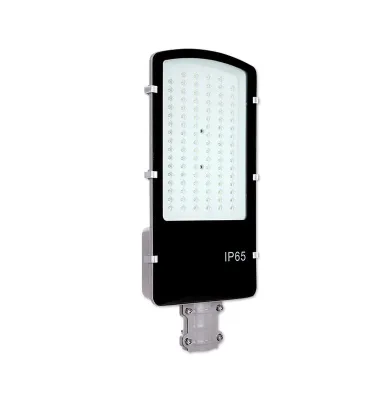
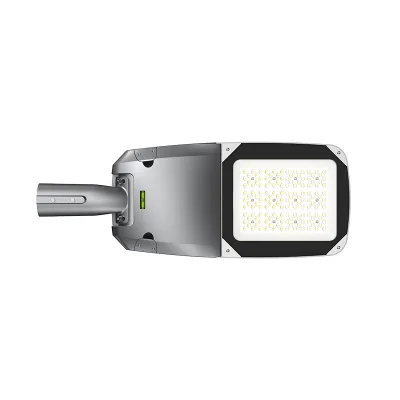
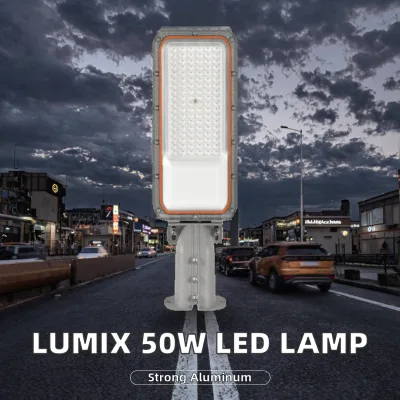
Die Casting Aluminum Street Light 50W Outdoor Ip65 Waterproof LED Street Lights
$58.0937 - $130.7098
MOQ: 1 sets




Comprehensive Sourcing Guide
Aluminum LED Street Light Sourcing Guide
Sourcing aluminum LED street lights requires a disciplined approach to balancing thermal management, optical efficiency, and regulatory compliance. The aluminum body is a critical component, providing robust heat dissipation that extends the lifespan of the LED chips and maintains lumen output over time. Buyers must verify that the aluminum construction is not merely cosmetic but integral to the thermal design, ensuring that junction temperatures remain within safe limits for high-power applications. This structural integrity is particularly important for fixtures deployed in harsh outdoor environments where temperature fluctuations can accelerate component degradation.
Procurement teams should also evaluate the customization capabilities of suppliers, as street lighting projects often have unique aesthetic and functional requirements. The availability of customization allows for tailored solutions regarding color temperature, mounting height, and specific beam angles, which are essential for optimizing illumination in diverse settings such as highways, squares, and parking lots. Understanding the extent of these customization options early in the sourcing process helps align product specifications with project design constraints, reducing the risk of costly modifications or delays during the manufacturing phase.
Product Scope and Observed Listing Signals
The market for aluminum LED street lights presents a wide range of options, with observed prices varying significantly from approximately $3.94 to $3,500 USD. This broad spectrum reflects differences in power output, brand reputation, and included features such as intelligent controllers or specific LED chip brands like Bridgelux or Epistar. Buyers should interpret these price variations as indicators of quality tiers rather than direct comparisons, as lower prices may correspond to lower power ratings or less durable components. It is crucial to correlate price points with specific technical specifications to ensure that the selected product meets the required illumination standards for the intended application.
Minimum Order Quantities (MOQ) in this category typically range from 1 to 100 units, offering flexibility for both small-scale renovations and large infrastructure projects. Suppliers often provide packaging options such as color boxes, cartons, or wooden cases, which can impact logistics costs and product protection during transit. The origin of these products is predominantly China, with specific manufacturing hubs like Yangzhou being notable sources. Buyers should consider the implications of these supply chain dynamics on lead times and shipping logistics, ensuring that the supplier’s operational capacity aligns with the project’s timeline and volume requirements.
Technical Specifications to Verify
When evaluating technical specifications, the power supply and voltage compatibility are paramount for ensuring reliable operation. Many aluminum LED street lights operate on AC power with input voltages ranging from 85-265VAC or 100-240V, providing adaptability to different regional electrical standards. Some models also offer solar-powered options with intelligent controllers, which are suitable for remote locations or projects aiming for energy independence. Buyers must verify the specific voltage requirements and power ratings, such as 30W or higher, to ensure compatibility with existing infrastructure or solar systems, preventing potential electrical failures or inefficiencies.
The LED chip technology and lumen output are critical factors in determining the lighting performance and energy efficiency of the fixture. Common specifications include SMD5730 chips with a color temperature of 6000K or warm white options, and lumen outputs exceeding 130lm/W. The beam angle, often around 120 degrees, influences the spread and intensity of the light, which is vital for uniform illumination in areas like highways and gardens. Additionally, the average life expectancy, which can range from 8,000 to 50,000 hours, should be carefully considered to assess long-term maintenance costs and replacement schedules, ensuring that the selected product offers a favorable total cost of ownership.
Compliance and Safety Documentation
Compliance with international and regional safety standards is non-negotiable for aluminum LED street lights, particularly when deploying them in public spaces. Certifications such as CE, RoHS, LVD, CCC, CQC, FCC, and SASO indicate that the product meets specific electrical safety, electromagnetic compatibility, and environmental protection requirements. Buyers must request valid certification documents from suppliers to verify that the products have undergone rigorous testing and meet the regulatory standards of the destination market. This verification process helps mitigate legal risks and ensures that the lighting fixtures are safe for installation and operation in various environments.
In addition to product-level certifications, suppliers may adhere to broader quality management standards such as ISO, which reflects their commitment to consistent manufacturing processes. The presence of standards like SGS further reinforces the reliability of the product’s performance and safety claims. Buyers should also pay attention to the IP rating, although specific values may vary, as it indicates the fixture’s resistance to dust and water ingress. Ensuring that the aluminum LED street lights are properly sealed and rated for outdoor use is essential to prevent moisture damage and maintain long-term functionality in adverse weather conditions.
Cost Drivers and Commercial Terms
Several factors influence the total cost of aluminum LED street lights, including the choice of LED chips, driver quality, and the complexity of the aluminum housing design. High-quality components, such as Meanwell drivers and branded LED chips, contribute to better performance and longevity but may increase the unit price. Buyers should analyze the cost structure to understand the value proposition of each product, balancing initial investment against long-term operational savings. It is also important to consider the warranty terms, which typically range from 3 years, as a longer warranty can indicate higher confidence in product durability and reduce the risk of premature failures.
Commercial terms such as payment methods, shipping arrangements, and after-sales support play a significant role in the overall procurement strategy. Suppliers may offer different packing options, such as carton or wooden cases, which can affect shipping costs and product safety. Buyers should negotiate clear terms regarding delivery schedules, return policies, and technical support to ensure a smooth procurement process. Understanding these commercial aspects helps in building a robust supply chain relationship, minimizing disruptions, and ensuring that the project stays within budget while meeting quality expectations.
Supplier Qualification and Quality Control
Supplier qualification is a critical step in ensuring the reliability and consistency of Aluminum LED Street Light supplies. Buyers should conduct thorough due diligence to assess the supplier’s manufacturing capabilities, quality control processes, and track record in the industry. This includes verifying their production capacity, testing facilities, and adherence to international standards. Engaging with suppliers who have a proven history of delivering high-quality products reduces the risk of receiving defective or non-compliant goods, which can lead to project delays and additional costs.
Quality control measures should be implemented throughout the procurement process, from initial sampling to final shipment. Buyers should request detailed product specifications, test reports, and certification documents to verify that the products meet the agreed-upon standards. Conducting factory audits or third-party inspections can provide additional assurance of the supplier’s quality management systems. Establishing clear quality acceptance criteria and communication channels with the supplier helps in addressing any issues promptly, ensuring that the delivered aluminum LED street lights meet the project’s requirements and performance expectations.
Long-Term Procurement Checks
Long-term procurement success depends on continuous monitoring of product performance and supplier reliability. Buyers should establish a system for tracking the performance of installed aluminum LED street lights, including metrics such as lumen maintenance, failure rates, and energy consumption. This data can provide valuable insights into the product’s durability and efficiency, helping to inform future purchasing decisions. Regularly reviewing supplier performance against key performance indicators (KPIs) ensures that the supply chain remains robust and responsive to changing project needs.
Additionally, staying informed about technological advancements and regulatory changes in the LED lighting industry is essential for maintaining a competitive edge. Buyers should engage with suppliers who are committed to innovation and continuous improvement, as this can lead to access to newer, more efficient products. Building a long-term partnership with reliable suppliers fosters trust and collaboration, enabling both parties to address challenges proactively and capitalize on new opportunities. This strategic approach to procurement helps in achieving sustainable lighting solutions that meet current and future demands.
FAQs
What certifications do aluminum led street lights typically have?
Aluminum led street lights commonly hold CE, RoHS, and LVD certifications. Some models also include CCC, CQC, FCC, and SASO marks. These certifications ensure compliance with international safety and environmental standards for outdoor lighting applications.
Can aluminum led street lights be customized for specific projects?
Yes, customization is available for many Aluminum LED Street Light models. Buyers can often select specific power ratings, color temperatures, and mounting heights. This flexibility allows for tailored solutions that meet unique project requirements and design specifications.
What is the typical warranty period for aluminum led street lights?
The typical warranty period for aluminum led street lights is three years. This coverage protects against manufacturing defects and ensures product reliability. Buyers should verify specific warranty terms with suppliers to confirm coverage details and conditions.
Which LED chips are used in aluminum led street lights?
Aluminum led street lights frequently use SMD5730 LED chips from brands like Bridgelux and Epistar. These chips provide high luminous efficacy, often exceeding 130lm/W. They ensure efficient light output and long operational life for outdoor lighting.
What power supply options are available for aluminum led street lights?
Aluminum led street lights are available with AC power supply or solar power options. AC models typically operate on 100-240V or 220V input. Solar models include intelligent controllers and batteries for off-grid illumination in various outdoor environments.
How long is the average life of aluminum led street lights?
The average life of aluminum led street lights is typically 50,000 hours. Some models specify an average life exceeding 8,000 hours. This longevity reduces maintenance costs and ensures consistent performance over extended periods in outdoor applications.