IP65 Waterproof LED Floodlight Suppliers and Manufacturers
Source IP65 Waterproof LED Floodlight from 33 verified suppliers in China. Compare ISO 9001 certifications, CE/RoHS standards, response times, and lead times. Filter by MOQ and pricing to find the right factory for your project; review the available evidence before requesting comparable quotations from suitable candidates.
Updated
Suppliers List

World-Dawn Lighting Co., Limited
- Manufacturer/Factory
- China Guangdong
- Lead time23 days
- Avg. response≤ 3h
Main productsLED Neon Flex, LED Strip Light, LED Panel Light, LED Tube, LED Floodlight, LED Rope Light, SMD Rope Light, LED Lighting, LED Downlight, LED
Main marketsSouth America,Eastern Europe,Mid East,North America,Southeast Asia,Eastern Asia,Oceania,Western Europe,Africa


IP65 Outdoor Reflector LED Gardenwaterproof Floodlight Outdoor Flood Light
$1.00 - $19.00
MOQ: 100 Pieces


New Design IP65 Waterproof 50W 100W 200W Flood Light LED Outdoor Flood Light
$1.00 - $19.00
MOQ: 100 Pieces


Foshan Kaicheng Lighting Co., Ltd.
- Verified by SGS
- Combined
- China Guangdong
- Lead time30 days
- Avg. response≤ 10h
Main productsSolar Light, LED Light, LED Solar Flood Light, Solar LED Street Light, LED Flood Light, LED High Bay Light, LED Work Light, LED Street Light, Solar Garden Light, LED Solar Street Light
Main marketsSoutheast Asia/ Mideast,Europe

Anhui Chenxin Lighting Electrical Appliance Co., Ltd.
- Verified by TUVRHEINLAND
- Manufacturer/Factory
- China Anhui
- Lead time45 days
- Avg. response≤ 6h
Main productsLED Bulb, LED Filament Bulb, LED T8 Tube, LED Energy Saving Lamp, LED Panel Light, LED Flood Light, Other LED Lighting Products
Main marketsSouth America,Eastern Europe,Mid East,North America,Southeast Asia,Eastern Asia,Oceania,Western Europe,Africa

Energy Saving Light IP65 Waterproof Outdoor Floodlight LED Flood Light
$22.10 - $22.20
MOQ: 200 Pieces


Jiangmen Synno Lighting Co., Ltd.
- Verified by TUVRHEINLAND
- Combined
- China Guangdong
- Lead time30 days
- Avg. response≤ 4h
Main productsDownlight, Garden Light, Underground Light, Inground Light, Swimming Pool Light, LED Flood Lights, LED Track Lights, LED Under Water Light, LED Ceiling Light, Landscape Lighting
Main marketsSoutheast Asia/ Mideast

Outdoor Garden Flood Light IP65 2700-6500K Waterproof LED Spot Lights Floodlight
$12.90 - $49.90
MOQ: 20 Pieces

15`30`45`LED Flood Light 18W 24W 36W IP65 Waterproof LED Flood Lamp Outdoor LED Flood Light
$22.66 - $40.78
MOQ: 20 Pieces
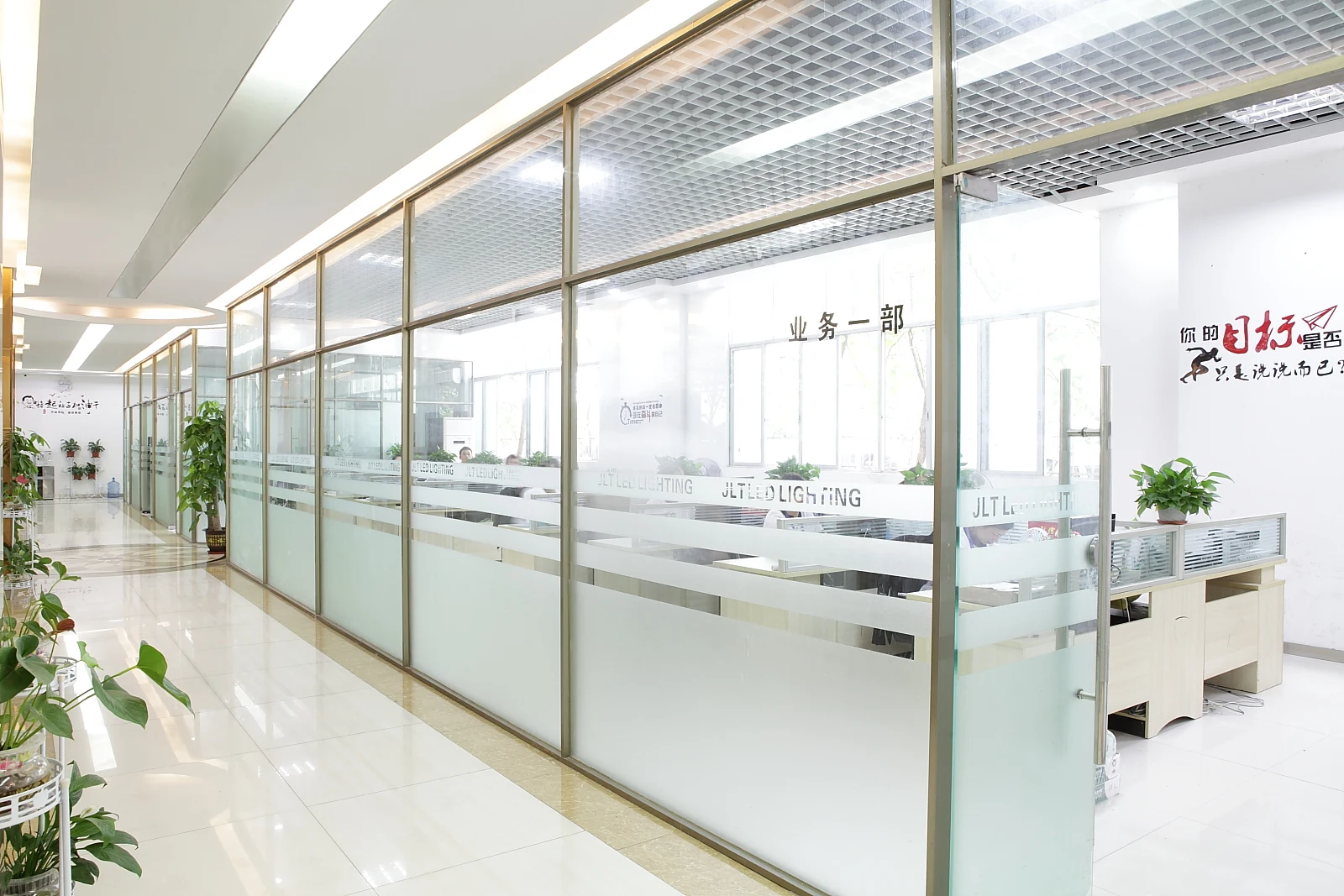
Shenzhen Ledmi Lighting Co., Ltd.
- Manufacturer
- Guangdong, China
- Lead time25 days
- Avg. response≤ 1h
Main productsled bulb,led flood light,led track light,led power supply,led strip
Main marketsSoutheast Asia(20.00%), Eastern Europe(20.00%), South Asia(10.00%), Eastern Asia(10.00%), Mid East(10.00%), Africa(10.00%), Western Europe(5.00%), Southern Europe(5.00%), Northern Europe(5.00%)

Jiangsu Century Fujing Intelligent Technology Co., Ltd.
- Verified by SGS
- Combined
- China Jiangsu
- Lead time23 days
- Avg. response≤ 5h
Main productsLED Street Light, LED High Bay Light, LED Flood Light, LED Stadium Light, LED Canopy Light, LED Gas Station Light, LED Tunnel Light, LED Tri-Proof Light, Solar LED Street Light, LED Linear Light
Main marketsSouth America,Africa,Others(foreignTradeCapacity.exportBusinessCapacityMarketOther),Southeast Asia/ Mideast,Domestic,Europe,Australia

Yangzhou Huatai Lighting Group Co., Ltd
- Verified by SGS
- Combined
- China Jiangsu
- Lead time30 days
- Avg. response≤ 2h
Main productsSolar Panels, Street Poles, LED Lights
Main marketsEurope,North America


Outdoor IP66 Waterproof 160lm/W 180lm/W 1200W Waterproof Bright Flood Light
$29.00 - $130.00
MOQ: 2 Pieces

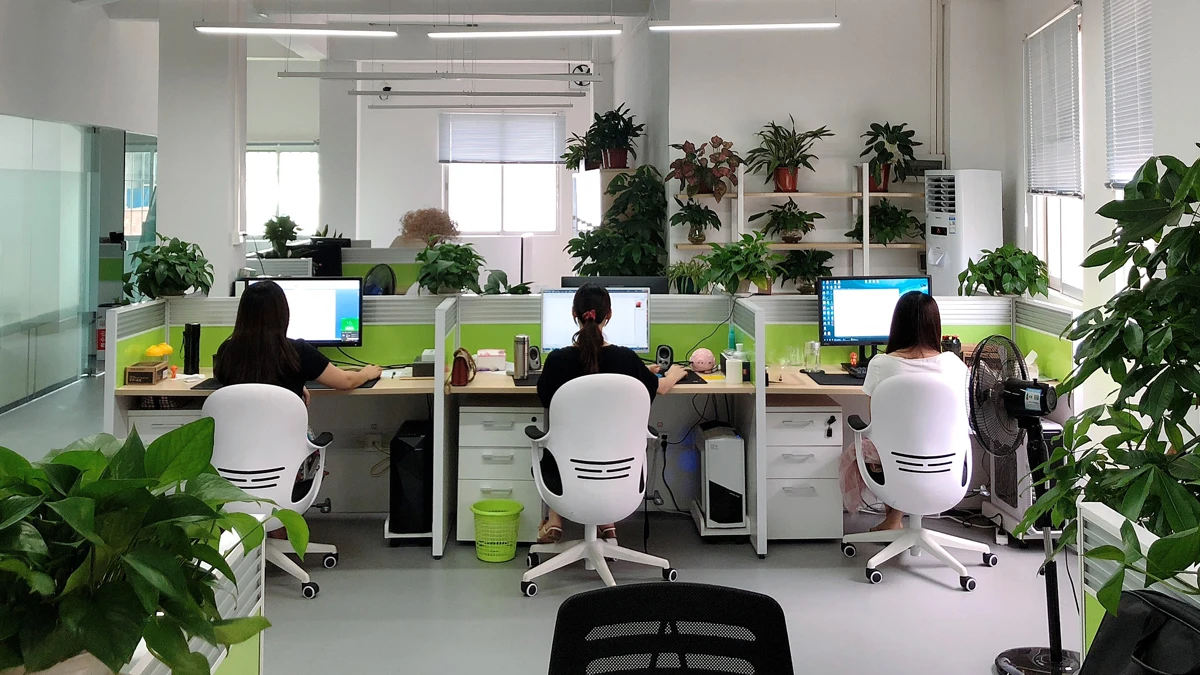
Zhongshan Juye Lighting Co., Ltd.
- Trading Company
- Guangdong, China
- Lead time25 days
- Avg. response≤ 2h
Main productsWall lamps,Reading lights,Desk lamp,Chandeliar,Pendant lights
Main marketsSouth America(25.00%), Eastern Europe(25.00%), Western Europe(20.00%), North America(10.00%)

- Verified by SGS
- Combined
- China Guangdong
- Lead time15 days
- Avg. response≤ 2h
Main productsLED Wall Washer Light, LED Floodlight, Outdoor LED Spotlight, LED Inground Light, LED Underwater Light, LED Outline Linear Light, LED Downlight, LED Ceiling Light
Main marketsSoutheast Asia/ Mideast

Jiangsu Xuyida Construction Engineering Co., Ltd
- Verified by SGS
- Combined
- China Jiangsu
- Lead time15 days
- Avg. response≤ 2h
Main productsSolar Street Light, Smart Light Pole, Traffic Lights, LED Street Light, Light Pole, LED Light, Garden Light Pole, All in One Solar Street Light, LED Flood Lights, Solar Panel
Main marketsAfrica,Domestic


Hot Sale Outdoor Security Lighting Waterproof IP65 Spot Lights 100W LED Floodlight
$185.00 - $200.00
MOQ: 1 Pieces

Chinese Manufacturer Outdoor Floodlight 65W Waterproof Customizable LED Floodlight
$50.00 - $140.00
MOQ: 1 Pieces

High Quality Aluminum 400W Outdoor Lamp IP65 Waterproof LED Flood Light
$185.00 - $200.00
MOQ: 1 Pieces


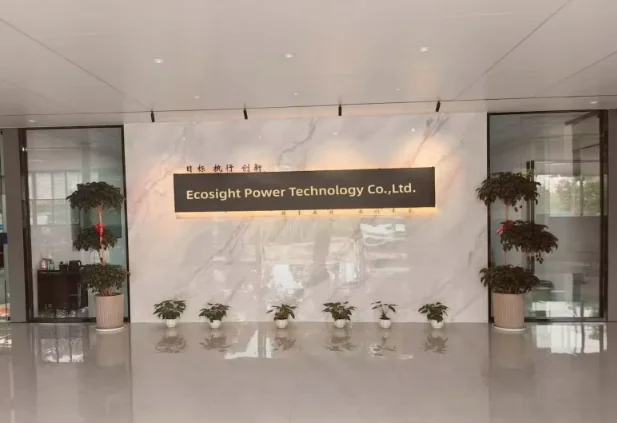
Ecosight Power Technology Co., Ltd.
- Manufacturer
- Guangdong, China
- Lead time40 days
- Avg. response≤ 1h
Main productsmobile solar light tower,mobile solar surveillance trailer,mobile solar generator trailer,solar trailer,Light tower
Main marketsNorth America(25.00%), Mid East(5.00%), South America(5.00%), Western Europe(2.50%), Eastern Europe(2.50%), South Asia(1.00%)
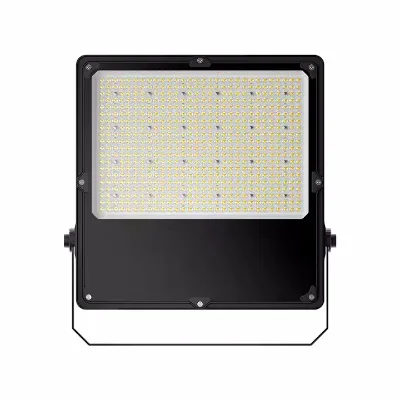
High Quality Aluminum 300w Outdoor Lamp IP65 Waterproof LED Flood Light
$50.00 - $150.00
MOQ: 2 Minimum
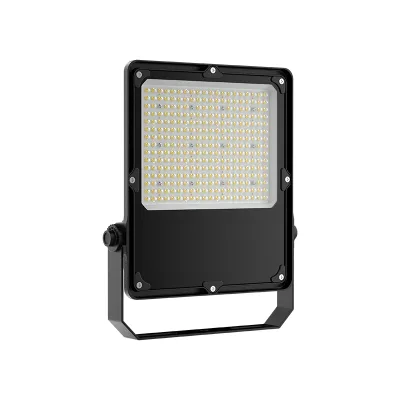
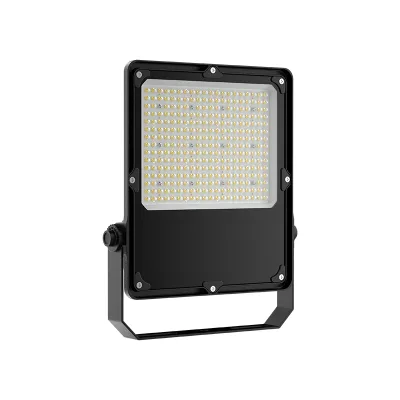
High Power Aluminum IP65 Outdoor 50W-600W LED Lighting Flood Lights Stadium Light
$50.00 - $150.00
MOQ: 2 Minimum

Huzhou Lindal Lighting & Electrical Co., Ltd.
- Verified by CTI
- Trading Company,Manufacturer/Factory
- China Zhejiang
- Lead time45 days
- Avg. response≤ 4h
Main productsLED Tri-Proof Light, LED Waterproof Lighting Fixture, LED Panel Light, LED Ceiling Light, LED Bulkhead, LED Emergency Light, LED Tube, LED Bulb, LED Highbay Light
Main marketsSouth America,Eastern Europe,Mid East,North America,Southeast Asia,Eastern Asia,Oceania,Western Europe,Africa

Ningbo Stellar Technology Co., Ltd.
- Verified by BV
- Manufacturer
- China Zhejiang
- Lead time15 days
- Avg. response≤ 14h
Main productsLED Street Light, Street Lamp, Flood Light, Project Light, Garden Lamp, Wall Washer Light, Outdoor Light, LED Packaging Products


LED Work Lights 100W LED Floodlight Outdoor Light IP66 Spotlight LED Flood Light
$32.00 - $40.00
MOQ: 1 Pieces

Guangzhou Blueswift Electric Co., Ltd.
- Verified by SGS Group
- Manufacturer, Trading Company
- Lead time20 days
- Avg. response≤ 8h
Main productsSolar Battery, Solar Inverters, Solar Lighting
Main marketsSouth America(33%), Southeast Asia(15%), Africa(14%)

Guangdong Guangyun Lighting Co., Ltd.
- Combined
- China Guangdong
- Lead time30 days
- Avg. response≤ 12h
Main productsSolar Street Light, Solar Flood Light, Rechargeable Flood Light
Main marketsSouth America,Africa,Southeast Asia/ Mideast,Domestic,Europe
- Manufacturer, Trading Company
- Guangdong, China
- Lead time5 days
- Avg. response≤ 9h
Main productsLED Linear High Bay,LED Area Light,LED Panel Light,LED Troffer Light,LED Strip Light
Main marketsNorth America(60.00%), Western Europe(10.00%), South America(10.00%), Central America(10.00%), Northern Europe(4.00%), Southern Europe(3.00%), Eastern Europe(3.00%)
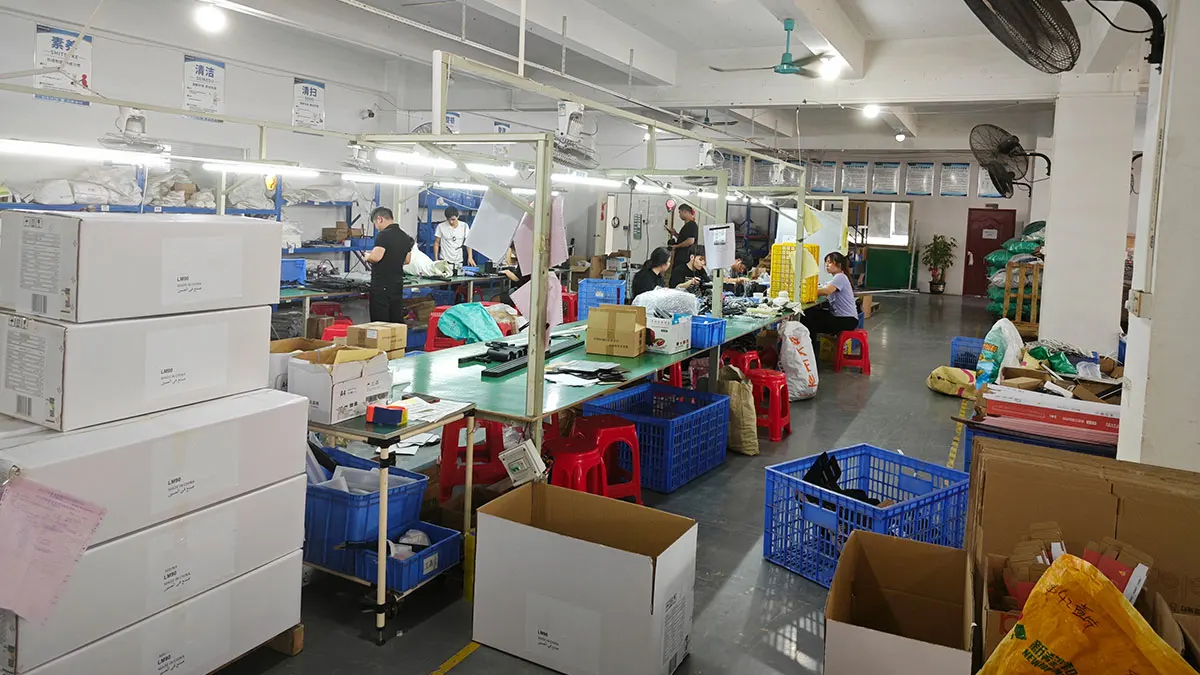
Zhongshan Dijiaer Lighting Technology Co., Ltd.
- Manufacturer
- Guangdong, China
- Lead time0 days
- Avg. response≤ 3h
Main productsHigh Bay Light, Downlights, Panel Lights, Ceiling lamps, Magnetic Track Lights
Main marketsSoutheast Asia(40.00%), South America(20.00%), Africa(20.00%), Domestic Market(20.00%)
Shanghai Cet Electric Co., Ltd.
- Manufacturer, Trading Company
- Lead time旺季: "1 - 500":15,"501 - 1000":20,"1001 - 10000":25,"> 10000":"To be negotiated", 淡季: "1 - 500":15,"501 - 1000":20,"1001 - 10000":25,"> 10000":"To be negotiated"
- Avg. response≤ 7h
Main productsLED Flood Light, LED Street Light, LED High Bay Light, Solar LED Light, LED Indoor Light

Shenzhen ATA Technology Co., Ltd.
- Manufacturer/Factory
- China Guangdong
- Lead time15 days
- Avg. response≤ 11h
Main productsLED Grow Light, LED Flexible Strip, UL LED Tube Light, UL LED Panel Light, LED Tri-Proof Light, UFO LED High Bay Light, LED Flood Light, LED Street Light, LED Controller, LED Power Supply
Main marketsSouth America,Eastern Europe,Mid East,North America,Southeast Asia,Eastern Asia,Oceania,Western Europe,Africa
Zhongshan Guzhen Benwei Lighting Appliance Factory
- Manufacturer, Trading Company
- Guangdong, China
- Lead time10 days
- Avg. response≤ 6h
Main productsled flood light,led street light,led magnetic light,led solar street light,led solar flood light
Main marketsSoutheast Asia(30.00%), Mid East(20.00%), Domestic Market(5.00%), South America(3.00%), North America(2.00%), Eastern Asia(1.00%)

Ningbo Sunle Lighting Electric Co., Ltd.
- Verified by BV
- Trading Company,Manufacturer/Factory
- China Zhejiang
- Lead time45 days
- Avg. response≤ 6h
Main productsLED Outdoor Light, LED Flood Light, Street Light, High Bay Light, Flood Light, LED Panel Light, High Pressure Sodium Bulbs, High Pressure Metal Halide Lamp, Ignitor, Ballast
Main marketsSouth America,Eastern Europe,Mid East,North America,Southeast Asia,Eastern Asia,Oceania,Western Europe,Africa

Dongguan Sense Lighting Technology Co., Ltd.
- Manufacturer
- China Guangdong
- Lead time23 days
- Avg. response≤ 1h
Main productsSport Light, Stadium Light, Street Light, Industrial Light, Flood Light
Main marketsSoutheast Asia/ Mideast,Europe,North America
- Verified by TüVRheinland
- Manufacturer, Trading Company
- Lead time7 days
- Avg. response≤ 1h
Main productsLed Flood Light, Led Street Light, Led Garden Light, Led Corn Light, Led High Bay
Main marketsNorth America(25%), Mid East(20%), Western Europe(15%)
Sheng-Hui Company Ltd., Jilin Province, China
- Trading Company
- Jilin, China
- Lead time30 days
- Avg. response≤ 5h
Main productsTable Cover,Paper Napkins,Disposable Paper Tableware,Candles,Household Products
Main marketsSouth America(20.00%), Western Europe(15.00%), Eastern Europe(15.00%), Mid East(10.00%), Africa(10.00%), North America(10.00%), Southeast Asia(5.00%), Eastern Asia(5.00%), Oceania(5.00%), Southern Europe(5.00%)
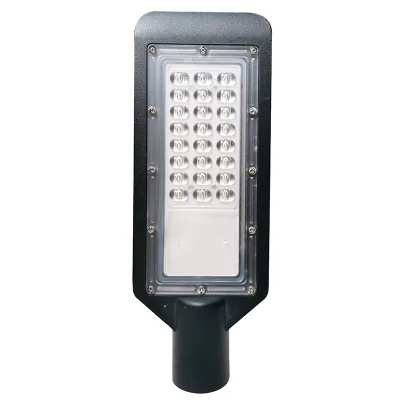
24w Led Street Flood Lights, Ip65 Led Street Lamp
$6.50 - $7.00

Jiangsu Xinyixin Lighting Technology Co., Ltd.
- Verified by CTI
- Combined
- China Jiangsu
- Lead time15 days
- Avg. response≤ 1h
Main productsled industrial light
Main marketsDomestic


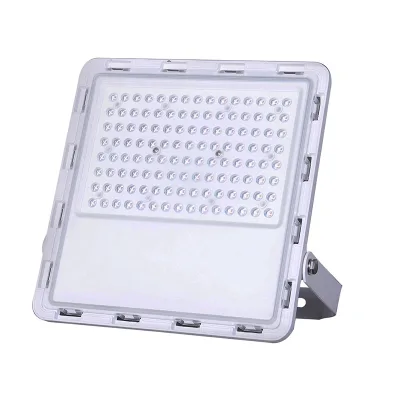
Compact LED Flood Light with Waterproof Design for Outdoor Lighting Use
$25.00 - $50.00
MOQ: 20 Pieces

Jiangmen City Feidong Lighting Co., LTD
- Combined
- China Guangdong
- Lead time30 days
- Avg. response≤ 15h
Main productsLED Flood Light, LED Panel Light, LED Street Light, LED High Bay Light, Solar LED Flood Light, Solar LED Street Light, LED Downlight, Garden Light
Main marketsSouth America,Africa,Southeast Asia/ Mideast,Europe

Dimming High Power IP66 Outdoor Waterproof LED Flood Light 10W-300W LED Floodlight
$3.08 - $3.10
MOQ: 200 Pieces

Popular High Power IP66 Outdoor Waterproof LED Flood Light 10W-300W LED Floodlight
$3.08 - $3.10
MOQ: 200 Pieces

Joinshare Lighting Co., Limited
- Manufacturer
- Guangdong, China
- Lead time5 days
- Avg. response≤ 6h
Main productsSolar LED Lights,Outdoor Lights,Indoor Lights,Decoration Lights,LED G4 G9 bulbs
Main marketsNorth America(30.00%), Western Europe(22.00%), Southeast Asia(10.00%), Northern Europe(8.00%), Oceania(6.00%), Southern Europe(6.00%), Eastern Europe(4.00%), Central America(4.00%), South America(3.00%), Eastern Asia(2.00%), Mid East(2.00%), South Asia(1.50%), Domestic Market(1.00%), Africa(0.50%)
Zhongshan Auta Led Lighting Company Limited
- Verified by TüVRheinland
- Manufacturer, Trading Company
- Lead time15 days
- Avg. response≤ 3h
Main productsSolar LED Light, Garden LED Light, Outdoor LED Light, Smart LED Lights
Main marketsNorth America(25%), Oceania(25%), Domestic Market(20%)
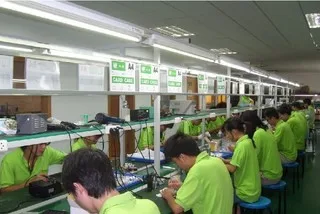
Zhongshan Led-Up Light Co., Ltd.
- Manufacturer
- Guangdong, China
- Lead time20 days
- Avg. response≤ 4h
Main productsLed Wall Light,Led Underground Light,Led Underwater Light,Led Wall Washer,Led Floodlight
Main marketsOceania(40.00%), Eastern Asia(20.00%), South America(20.00%), North America(10.00%), Western Europe(2.00%), South Asia(1.00%), Southern Europe(1.00%), Northern Europe(1.00%), Central America(1.00%), Africa(1.00%), Eastern Europe(1.00%), Mid East(1.00%), Southeast Asia(1.00%)

- Verified by TUVRHEINLAND
- Trading Company
- China Guangdong
- Lead time30 days
- Avg. response≤ 4h
Main productsLady Handbag, Men's Bag, Household Supplies, Kitchenware, Fashion Shoes, Lady's Boots, Lighting, Fashion Jewelry, Toys, Clothing
Main marketsSoutheast Asia/ Mideast,Europe
JiangXi LEDUN Photoelectric Technology Co., LTD.
- Manufacturer, Trading Company
- Jiangxi, China
- Lead time14 days
- Avg. response≤ 3h
Main productsExplosion proof LED/LED Industrial Light/LED Animal Husbandry And Lamp/LED Downlight/LED Street Lights
Main marketsMid East(30.00%), Domestic Market(25.00%), South America(20.00%), Southeast Asia(15.00%), Africa(10.00%)
Zhongshan Ollso Electrical Co., Ltd.
- Verified by SGS Group
- Trading Company
- Lead time15 days
- Avg. response≤ 2h
Main productsLED Bulbs, LED Tubes, LED Panel Lights, LED Floodlights, LED Spotlights
Main marketsMid East(45%), Africa(18%), Eastern Europe(10%)
Zhongshan Bangting Intelligent Technology Co., Ltd.
- Verified by TüVRheinland
- Manufacturer, Trading Company
- Lead time5 days
- Avg. response≤ 3h
Main productsGarden Light, Street Light, Flood Light, High Bay Light, Landscape Light
Main marketsSoutheast Asia(40%), North America(25%), Eastern Europe(15%)
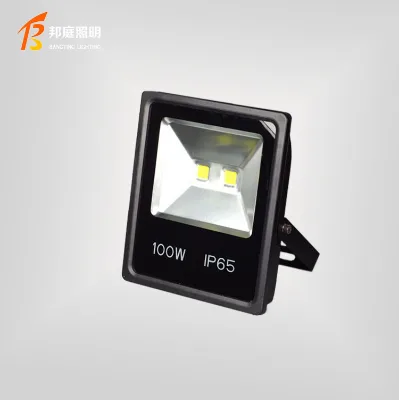
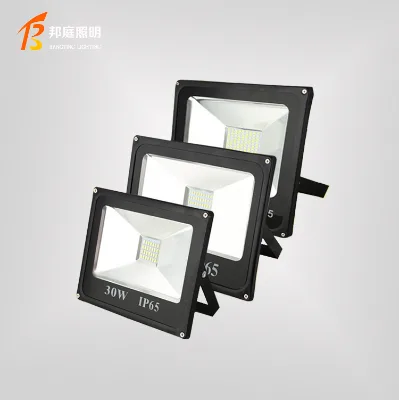
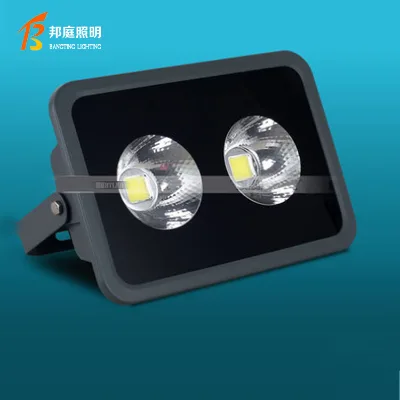
Led Flood Lights 100 Watt LED Flood Lamp LED Road Lighting With Wholesale Price
$8.50 - $9.50
MOQ: 2 sets




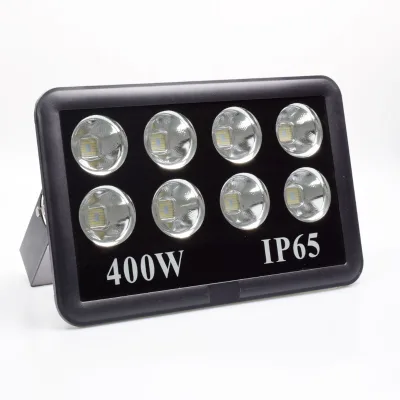
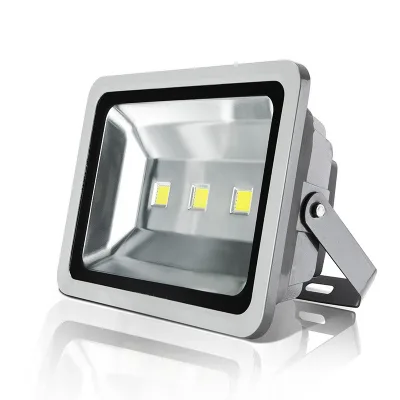
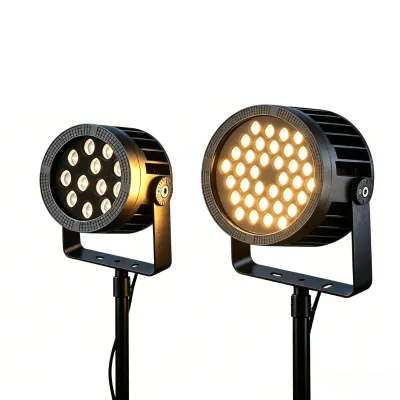


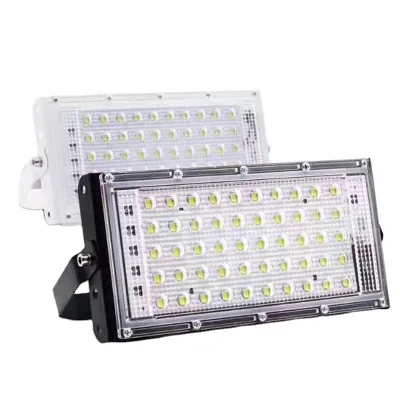


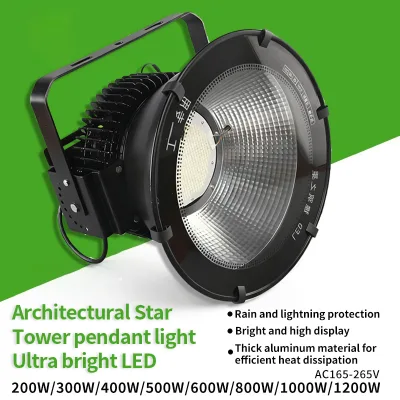
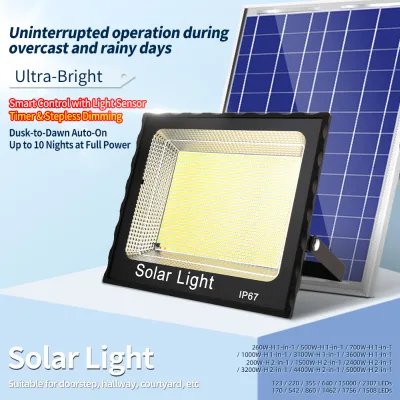
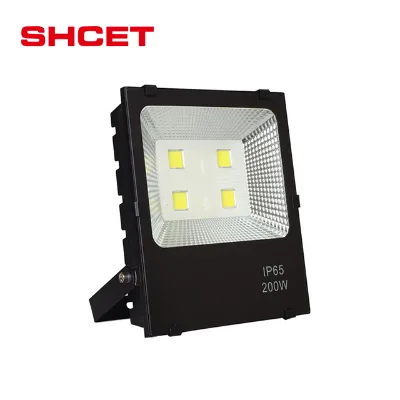
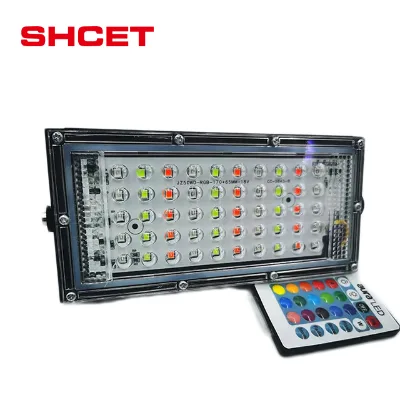


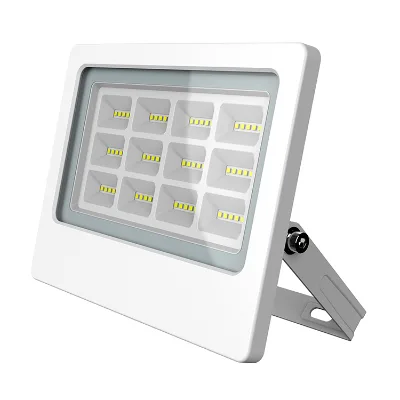
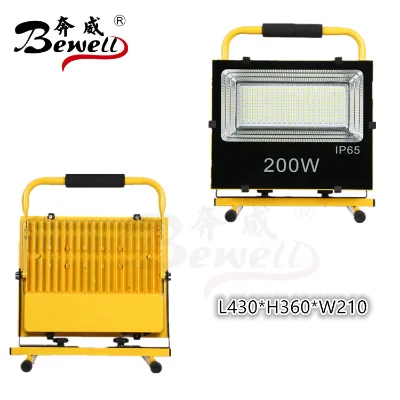
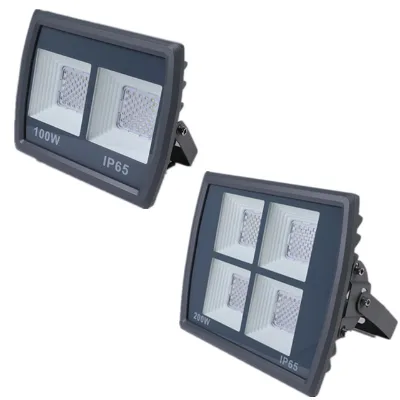
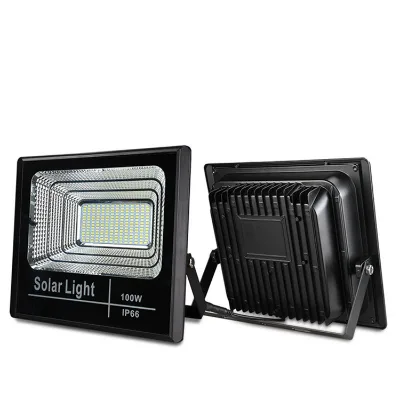


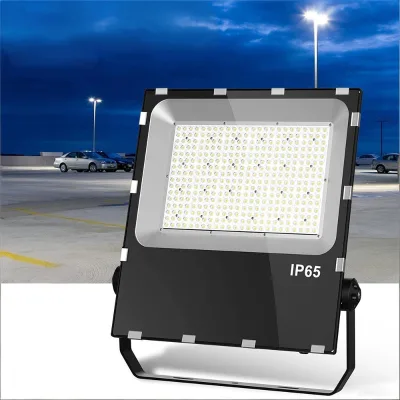
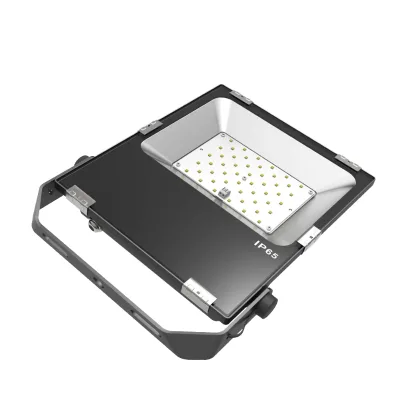
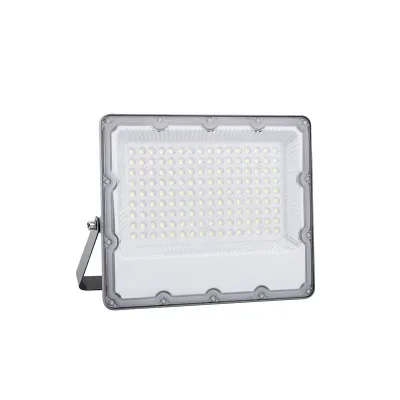
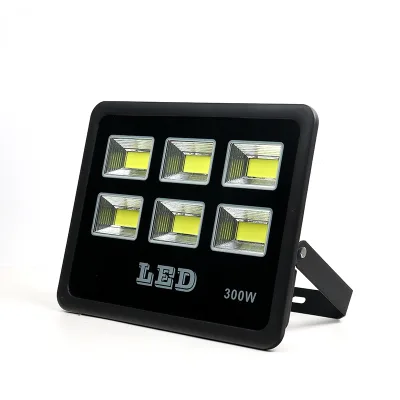
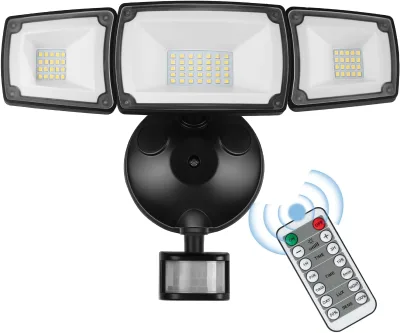
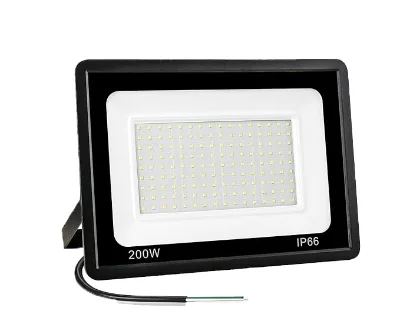
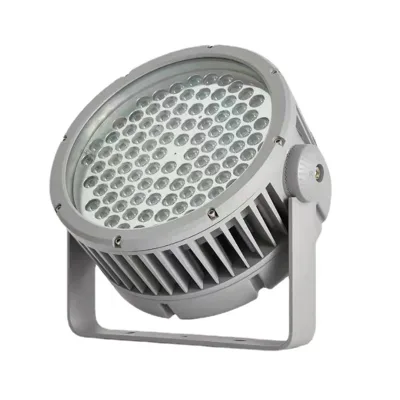
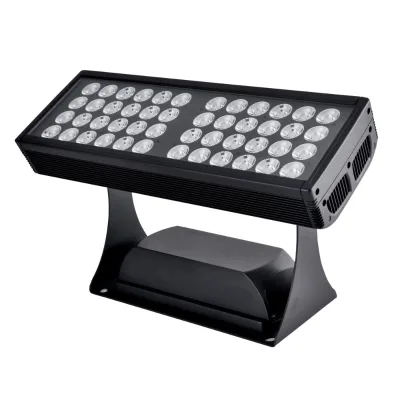
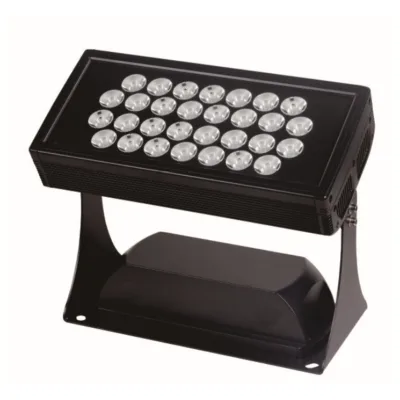


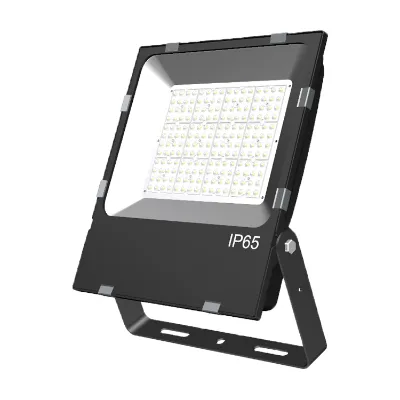
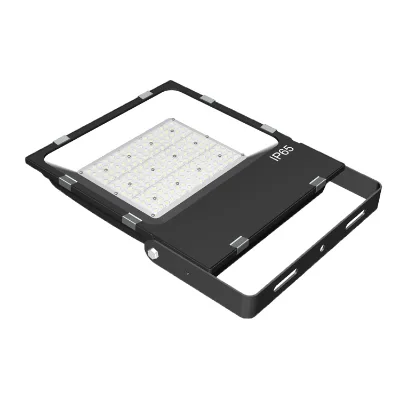
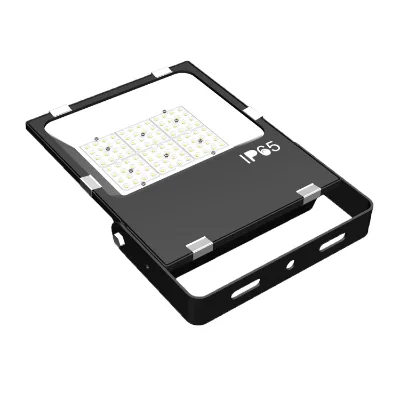
Comprehensive Sourcing Guide
IP65 Waterproof LED Floodlight Supplier Concentration and Factory Types
The sourcing landscape for IP65 waterproof LED floodlights is heavily concentrated in specific manufacturing hubs, with China’s Guangdong province emerging as a primary cluster for these lighting solutions. Buyers evaluating potential partners will find that a significant portion of verified suppliers operate from this region, leveraging established supply chains for aluminum extrusions, LED chips, and electronic drivers. This geographic concentration allows for efficient logistics and rapid prototyping, which is critical for custom lighting projects. When assessing supplier profiles, it is essential to distinguish between pure trading companies and actual manufacturing facilities. The data indicates that many listed entities are classified as manufacturers or factories, possessing their own production lines for assembling high-power floodlights and outdoor lighting fixtures. These facilities often hold ISO 9001 and HSE certifications, signaling a commitment to quality management systems and health and safety standards. Understanding this distinction helps buyers determine whether they are dealing with a direct source of production or an intermediary, which directly impacts pricing structures and communication efficiency during the sourcing process.
Supplier types vary significantly in their operational capabilities, ranging from small workshops to large-scale industrial plants. Some suppliers are identified as combined entities, offering a mix of trading and manufacturing services, which can provide flexibility in order sizes and product variety. The core product offerings for these suppliers typically include a wide array of LED lighting products, with a strong emphasis on LED neon flex, strip lights, and specifically, LED floodlights. Many manufacturers support both OEM and ODM services, allowing buyers to customize specifications such as color temperature, beam angle, and housing material. This flexibility is particularly important for projects requiring specific aesthetic or functional requirements, such as architectural lighting or industrial illumination. Buyers should verify the supplier’s primary focus to ensure they have the necessary expertise in LED floodlight technology. Suppliers specializing in outdoor lighting often have deeper knowledge of IP ratings and waterproofing techniques, which are crucial for ensuring the longevity and performance of IP65 rated products in harsh environmental conditions.
How to Verify IP65 Waterproof LED Floodlight Suppliers
Verification is a critical step in mitigating risk when sourcing IP65 waterproof LED floodlights from international suppliers. Buyers should prioritize suppliers who have undergone third-party verification processes, such as SGS certification, which provides an independent assessment of the supplier’s business legitimacy and operational capabilities. This verification adds a layer of trust, confirming that the company exists and operates as claimed. Additionally, checking for relevant system certifications is essential. Many reputable manufacturers hold ISO 9001:2015 certificates, which demonstrate adherence to international quality management standards. For LED floodlights, product-specific certifications like CE, RoHS, and EMC are mandatory in many markets, ensuring compliance with safety and environmental regulations. Buyers must request copies of these certificates and verify their validity through the issuing bodies. It is also important to confirm that the certifications cover the specific models being sourced, as some suppliers may hold certificates for certain product lines but not others. This due diligence helps prevent compliance issues during customs clearance and product installation.
Beyond certifications, assessing the supplier’s responsiveness and transparency is vital for a smooth sourcing experience. The response time metric provides insight into the supplier’s operational efficiency and customer service quality. Suppliers with faster response times, such as those averaging under three hours, are often more reliable for urgent inquiries and technical support. Buyers should also examine the supplier’s product documentation for accuracy and completeness. Detailed product attributes, including IP ratings, power factors, and LED chip brands, indicate a professional approach to product specification. For instance, some suppliers specify the use of high-quality LED chips like Bridgelux or Sanan, which are known for their reliability and performance. Buyers should cross-reference these claims with technical datasheets and request samples to verify the actual product quality. Additionally, checking the supplier’s warranty terms and after-sales support policies can provide further assurance of their commitment to customer satisfaction. A transparent supplier will clearly outline their warranty period, return policies, and technical support availability, ensuring that buyers are protected in case of product defects or performance issues.
What to Compare Across IP65 Waterproof LED Floodlight Suppliers
When evaluating multiple suppliers for IP65 waterproof LED floodlights, buyers must compare key operational metrics to identify the most suitable partner. Lead time is a critical factor, especially for projects with tight deadlines. Suppliers may offer varying lead times, ranging from seven days for standard models to thirty days for larger orders or customized products. Buyers should align their project schedules with the supplier’s stated lead times to avoid delays. Minimum Order Quantity (MOQ) is another important consideration, as it impacts inventory management and cash flow. Some suppliers have low MOQs, such as 100 units, which are suitable for small-scale projects or testing, while others may require higher volumes, such as 3,000 units, to achieve economies of scale. Understanding these thresholds helps buyers negotiate better terms and plan their procurement strategy effectively. Additionally, comparing pricing structures is essential, as costs can vary significantly based on power output, features, and order volume. Buyers should request detailed quotes that break down costs for materials, labor, and shipping to ensure transparency.
Beyond operational metrics, buyers should compare the technical specifications and customization options offered by different suppliers. The power range of LED floodlights can vary widely, from 18W to 600W, depending on the application requirements. Buyers should assess whether the supplier can provide the specific power output and beam angle needed for their project. Customization options, such as color temperature, housing material, and mounting brackets, can also differentiate suppliers. Some manufacturers offer extensive customization services, allowing buyers to tailor products to their exact specifications. It is also important to compare the warranty terms and product lifespan. Suppliers offering longer warranties, such as two years, and higher average lifespans, such as 50,000 hours, indicate confidence in their product quality. Additionally, buyers should evaluate the supplier’s ability to provide technical support and documentation, including installation guides and maintenance manuals. A supplier that provides comprehensive support can help buyers avoid installation errors and ensure optimal performance of the LED floodlights. By systematically comparing these factors, buyers can make informed decisions and select a supplier that best meets their project requirements.
Common IP65 Waterproof LED Floodlight Sourcing Risks
Sourcing IP65 waterproof LED floodlights involves several potential risks that buyers must proactively manage to ensure project success. One significant risk is the discrepancy between claimed and actual product performance. Suppliers may advertise high IP ratings, but without proper testing and certification, the waterproofing may not hold up in real-world conditions. Buyers should insist on third-party test reports for IP65 ratings to verify the product’s ability to withstand dust and water ingress. Another risk is the quality of components used in the floodlights, such as LED chips and drivers. Low-quality components can lead to premature failure, reduced brightness, and inconsistent color temperature. Buyers should request detailed information about the LED chip brands and driver specifications to assess the product’s reliability. Additionally, there is a risk of supply chain disruptions, which can delay production and delivery. Buyers should evaluate the supplier’s production capacity and inventory management practices to ensure they can meet demand during peak seasons. Understanding these risks allows buyers to implement mitigation strategies, such as diversifying suppliers or conducting regular quality audits.
Communication and cultural barriers can also pose challenges when sourcing from international suppliers. Misunderstandings regarding technical specifications, delivery terms, or payment conditions can lead to costly errors. Buyers should establish clear communication channels and use standardized documentation to minimize ambiguity. It is also important to verify the supplier’s legal status and financial stability to avoid fraud or bankruptcy risks. Buyers can use business verification services to check the supplier’s registration details and credit history. Additionally, there is a risk of intellectual property infringement, particularly when sourcing customized products. Buyers should ensure that their designs and specifications are protected through appropriate legal agreements. Another risk is the lack of after-sales support, which can leave buyers stranded if products fail after installation. Buyers should prioritize suppliers with robust warranty and support policies to ensure long-term reliability. By identifying and addressing these risks early in the sourcing process, buyers can build a more resilient supply chain and reduce the likelihood of project disruptions. Proactive risk management is essential for successful procurement of IP65 waterproof LED floodlights.
IP65 Waterproof LED Floodlight Regional Sourcing and Logistics
Regional sourcing plays a crucial role in optimizing logistics and reducing costs for IP65 waterproof LED floodlights. Suppliers located in manufacturing hubs like Guangdong, China, benefit from established infrastructure and efficient transportation networks, which facilitate faster shipping and lower freight costs. Buyers should consider the proximity of suppliers to major ports to minimize transit times and handling fees. Additionally, regional trade agreements and tariffs can impact the final cost of imported goods. Buyers must research the import regulations and duty rates in their target markets to calculate the total landed cost accurately. Logistics providers often offer specialized services for lighting products, including secure packaging and temperature-controlled storage, which are essential for protecting sensitive electronic components during transit. Buyers should work with experienced freight forwarders who understand the specific requirements of LED lighting shipments. They can also explore consolidated shipping options to reduce costs for smaller orders. Understanding regional logistics dynamics helps buyers plan their supply chain more effectively and avoid unexpected delays or expenses.
Packaging and handling are critical aspects of logistics that can affect product quality upon arrival. IP65 waterproof LED floodlights are often bulky and require robust packaging to prevent damage during transit. Buyers should verify that suppliers use export-standard packaging materials, such as sturdy cardboard boxes and protective foam inserts. Some suppliers offer customized packaging solutions to meet specific buyer requirements, such as branded boxes or palletized shipments. It is also important to consider the environmental impact of packaging materials, as many markets have strict regulations on waste and recyclability. Buyers can request information about the supplier’s packaging practices and sustainability initiatives. Additionally, tracking and insurance are essential components of logistics management. Buyers should ensure that shipments are fully insured and that real-time tracking is available to monitor the progress of their orders. This visibility allows buyers to anticipate delivery dates and address any issues promptly. By optimizing regional sourcing and logistics strategies, buyers can enhance supply chain efficiency and ensure the timely delivery of high-quality IP65 waterproof LED floodlights.
IP65 Waterproof LED Floodlight Commercial Terms and Order Planning
Commercial terms and order planning are fundamental to successful procurement of IP65 waterproof LED floodlights. Buyers must negotiate clear payment terms that align with their cash flow and risk tolerance. Common payment methods include Telegraphic Transfer (TT), Letter of Credit (LC), and secure escrow services, which provide protection for both parties. Buyers should assess the supplier’s payment flexibility and consider using escrow for initial orders to mitigate financial risk. Incoterms, such as FOB, CIF, or DDP, define the responsibilities for shipping, insurance, and customs clearance. Buyers should choose terms that best suit their logistics capabilities and cost objectives. For instance, FOB terms place the responsibility for main carriage on the buyer, while DDP terms include delivery to the buyer’s doorstep. Understanding these terms helps buyers avoid hidden costs and ensures smooth customs clearance. Additionally, buyers should plan their orders strategically to take advantage of volume discounts and production schedules. Coordinating with suppliers on order timelines can help secure better pricing and ensure timely delivery.
Order planning also involves managing inventory and forecasting demand to avoid stockouts or excess inventory. Buyers should analyze historical sales data and market trends to estimate future requirements for IP65 waterproof LED floodlights. Collaborating with suppliers on demand forecasting can help optimize production schedules and reduce lead times. Buyers should also consider the supplier’s capacity to handle rush orders or changes in specifications. Flexibility in order planning is essential for responding to market fluctuations and customer demands. Additionally, buyers should establish clear communication
FAQs
What is the typical lead time for IP65 LED floodlights?
Manufacturers generally require 15 to 30 days to produce and ship these lights. Specific timelines depend on order volume and customization needs. Some suppliers offer faster turnaround for standard models, while others may take longer for complex OEM orders. Always confirm the exact schedule before placing a bulk purchase to ensure timely delivery for your project.
What certifications are standard for these outdoor floodlights?
Most IP65 LED floodlights come with CE and RoHS certifications to ensure safety and environmental compliance. Some products also include EMC certification for electromagnetic compatibility. These documents verify that the lighting fixtures meet international standards for electrical safety and material restrictions, which is crucial for importing goods into regulated markets like Europe or North America.
What is the minimum order quantity for these lights?
Minimum order quantities vary significantly by supplier and product type. Some manufacturers accept orders as low as 100 units, while others require a minimum of 3000 pieces for certain models. Buyers should check specific product listings to determine the exact MOQ, as smaller quantities may incur higher per-unit costs or require special handling arrangements.
Where are these LED floodlights typically manufactured?
The majority of these lighting products are manufactured in China, specifically in the Guangdong province. This region is a major hub for electronics and LED production, offering extensive supply chains and competitive pricing. Buyers sourcing from this location can expect a wide variety of designs, power options, and customization capabilities from local factories.
What power options are available for these floodlights?
Suppliers offer a wide range of power options, including 18W, 30W, 50W, 100W, and up to 600W models. Higher wattage options like 300W or 400W are available for large-scale industrial applications. Buyers can select the appropriate power level based on their specific illumination requirements, ensuring optimal brightness and energy efficiency for parks, squares, or factories.
What is the expected lifespan of these LED floodlights?
Standard LED floodlights typically have an average lifespan of 5500 hours, while high-quality models can last up to 50000 hours. The actual duration depends on usage conditions and heat dissipation. Buyers should verify the specific warranty period, which is often two years, to ensure long-term reliability and protection against premature failure in outdoor environments.