eco-friendly clumping cat litter Suppliers and Manufacturers
Compare 20 verified suppliers offering eco-friendly clumping cat litter with varying lead times, response speeds, and certifications like ISO 9001. Review product specs such as material and scent options, then request samples to verify quality before placing orders; review the available evidence before requesting comparable quotations from suitable candidates.
Updated
Suppliers List
Shiyou Trading (Shijiazhuang) Co., Ltd.
- Verified by TüVRheinland
- Trading Company
- Lead time10 days
- Avg. response≤ 1h
Main productsDry Dog Food, Dry Cat Food, Pet Canned Food, Wet Cat Food, Cat Litter
Main marketsSoutheast Asia(30%), North America(20%), Eastern Europe(20%)
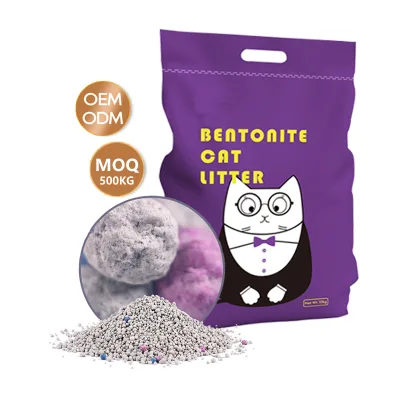
Eco-friendly Less Dust Strong Clumping Cat Litter
$0.18 - $0.40

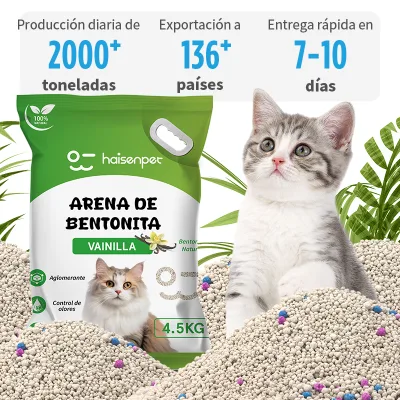
Haisen Pet Technology (Inner Mongolia) Co., Ltd.
- Verified by SGS
- Combined
- China InnerMongolia
- Lead time15 days
- Avg. response≤ 6h
Main productsCat Litter, Pet Food, Pet Supplies
Main marketsSouth America,Africa,Southeast Asia/ Mideast,East Asia(Japan/ South Korea),Europe,North America

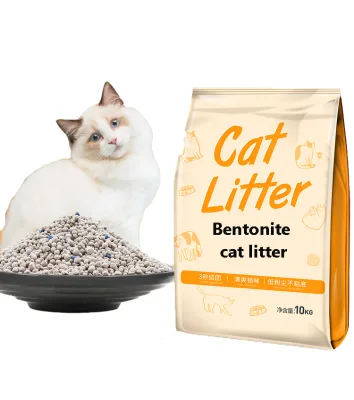
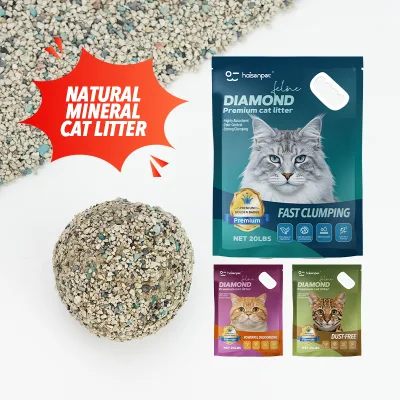
Eco-Friendly Absorbent Fast Clumping Dust - Free Mixed Cat Litter
$0.58 - $3.58
MOQ: 1000 piece/pieces


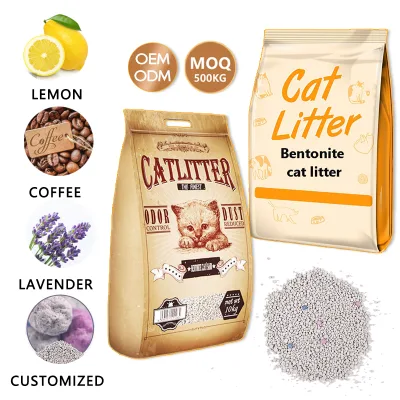
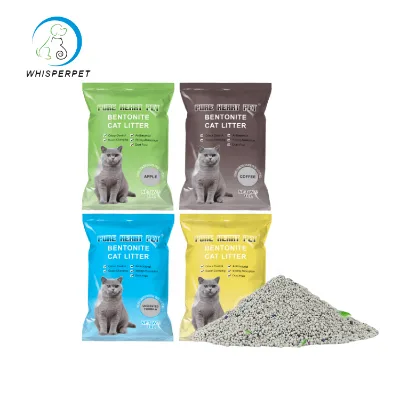
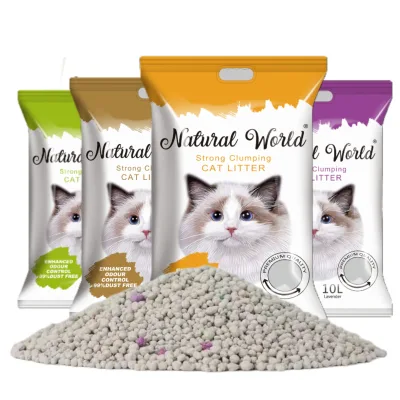
Eco-Friendly Bentonite Cat Litter for Strong Clumping and Odor Control
$0.43 - $0.59
MOQ: 300 Bag/Bags

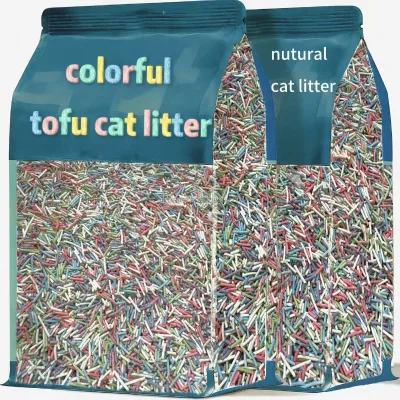
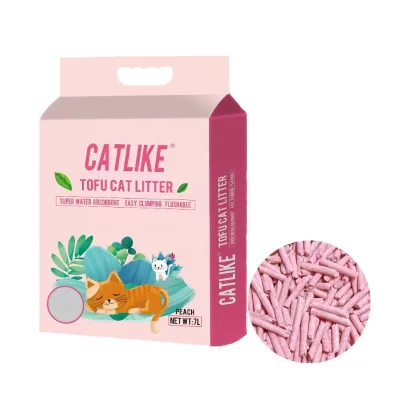
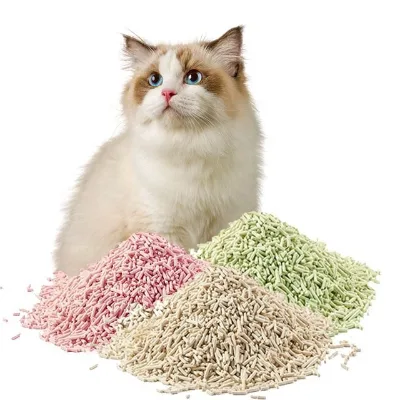
Odor Control Eco Friendly Tofu Highly Absorbent Strong Clumping Cat Litter
$1.89 - $2.00
MOQ: 500 Bag/Bags

Qingdao KJ Bioengineering Co., Ltd.
- Verified by BV
- Trading Company,Manufacturer/Factory
- China Shandong
- Lead time15 days
- Avg. response≤ 2h
Main productsCorn COB Paper Cat Litter, Newspaper Recycled Paper Cat Litter, Tofu Cat Litter, Polymer Cat Litter, pH Tofu Cat Litter, Paper Cat Litter, Mineral Cat Litter, Crushed Tofu Cat Litter, Cassava Cat Litter
Main marketsSouth America,Eastern Europe,Mid East,North America,Southeast Asia,Eastern Asia,Oceania,Western Europe,Africa

Shanghai Hy-Sailing Chemical Tech. Co., Ltd.
- Manufacturer/Factory
- China Shanghai
- Lead time15 days
- Avg. response≤ 15h
Main productsDrying Machine, Grinding Machine, Nano Calcium Carbonate, Ground Calcium Carbonate, Precipitated Calcium Carbonate, Calcium Hydroxide, Calcium Oxide, Magnesium Silicate, Talc Powder, CaCO3 Machine
Main marketsSouth America,Eastern Europe,Mid East,North America,Southeast Asia,Eastern Asia,Oceania,Western Europe,Africa


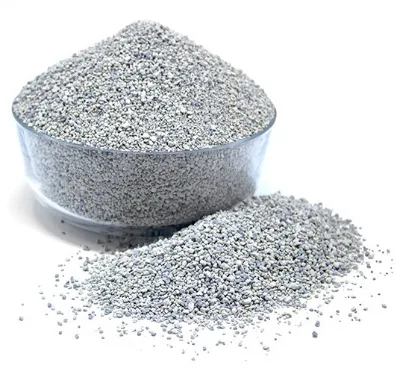
High-Quality Attapulgite Litter with Eco-Friendly and Non-Toxic Features
$600.00 - $700.00
MOQ: 1 Tons
Puyuan (dalian) Pet Products Co., Ltd.
- Verified by SGS Group
- Manufacturer, Trading Company
- Lead time10 days
- Avg. response≤ 4h
Main productsBentonite Cat Litter, Wood Shaving, Pine Cat Litter, Tofu Cat Litter
Main marketsSoutheast Asia(25%), South America(20%), Southern Europe(11%)
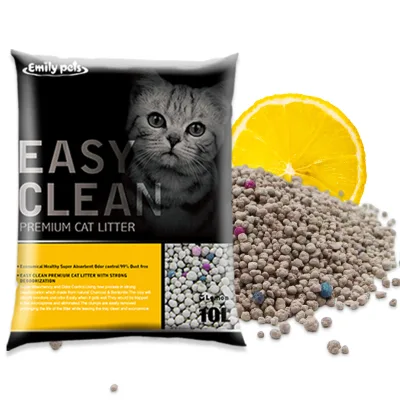
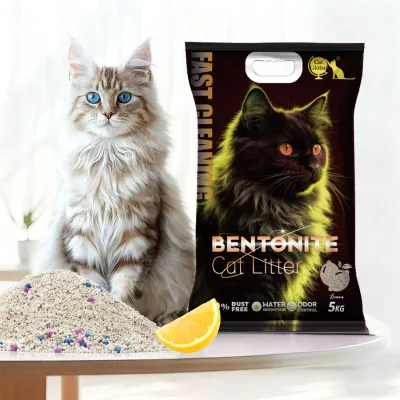
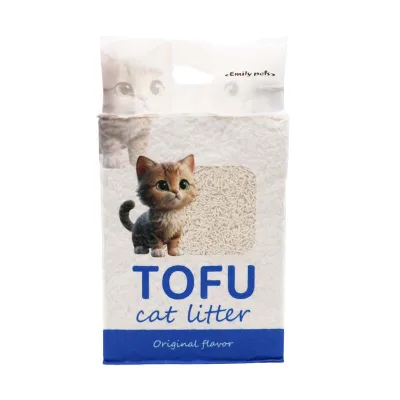
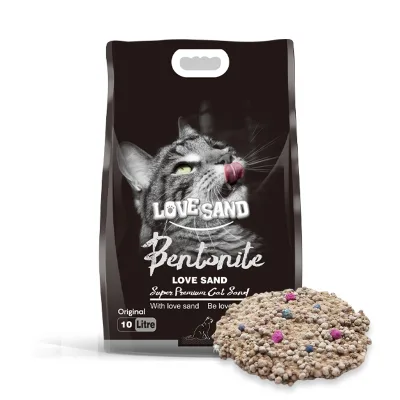
$150.00 - $210.00
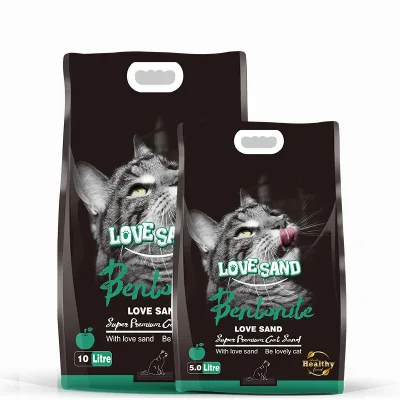
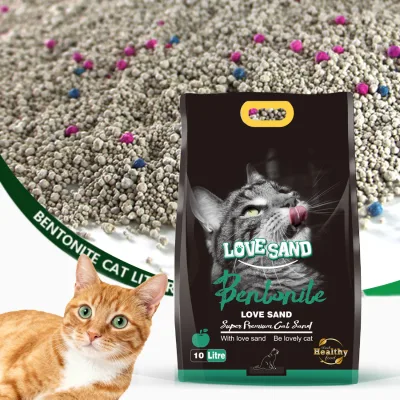
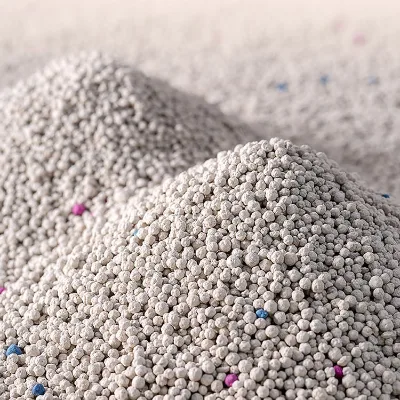
Eco-Friendly Dust Free Super Absorbent Fast Clumping Odor Control Spherical Bentonite Cat Litter
$180.00 - $200.00
MOQ: 25 tons

Kind Pet Products(Dalian) Co., Ltd.
- Trading Company
- Liaoning, China
- Lead time14 days
- Avg. response≤ 10h
Main productsBentonite Cat Litter, Wheat Cat Litter
Main marketsSouth America(31.00%), Northern Europe(28.00%), Southeast Asia(15.00%), Southeast Asia(15.00%), Western Europe(14.00%), Eastern Asia(2.00%), North America(2.00%), Mid East(2.00%), Mid East(2.00%), South Asia(1.00%), Oceania(1.00%), Southern Europe(1.00%), Central America(1.00%), Africa(1.00%), Eastern Europe(1.00%), Domestic Market(0.00%), Domestic Market(0.00%)
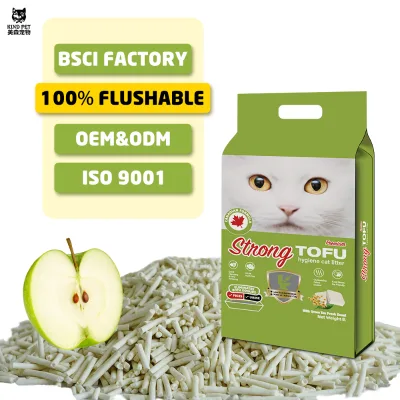
Fast Clumping Cat Litter Well Absorption PerformanceBSCI FACTORY Eco-friendly
$1.46 - $1.84
MOQ: 1 Minimum
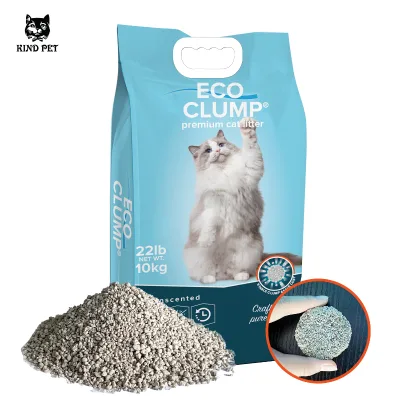
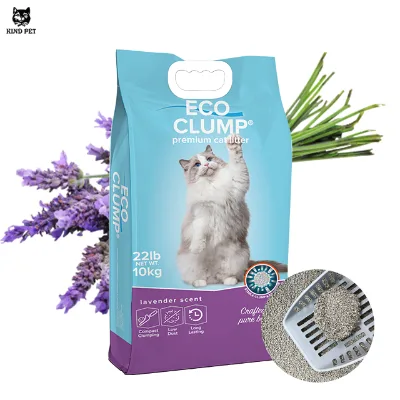
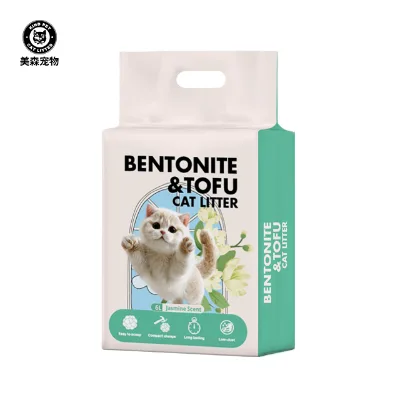
2022 High Quality Eco Clump Plastic Bag Cat Litter
MOQ: 1000 Minimum
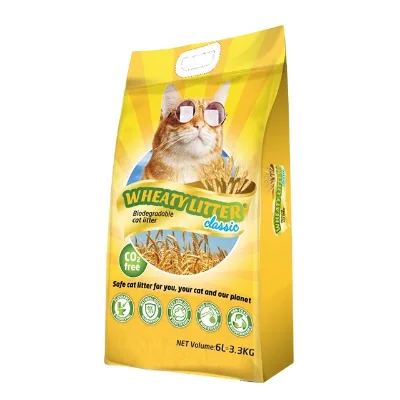
Classic Eco Wheaty Cat Litter Bacteria Inhibiting Low Dust European Retail
$0.3743 - $0.4566
MOQ: 1 Minimum
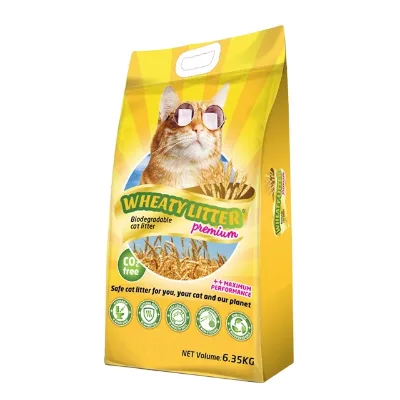
EN Standard Wheat Cat Litter Anti-Stick Bottom Quick Clumping Europe Market
$0.3743 - $0.4566
MOQ: 1 Minimum

Dalian Eastland International Trading Co., Ltd.
- Verified by BV
- Trading Company,Manufacturer/Factory,Group Corporation
- China Liaoning
- Lead time23 days
- Avg. response≤ 9h
Main productsLactic Acid, L-Lactic Acid, Buffered Lactic Acid, Sodium Lactate, Chemical Product, Calcium Lactate, Chemical
Main marketsSouth America,Eastern Europe,Mid East,North America,Southeast Asia,Eastern Asia,Oceania,Western Europe,Africa

Factory Supply Eco-Friendly Biodegradable Flushable Clumping Paper Cat Litter
$150.00 - $190.00
MOQ: 1 Tons


Strong Clumping Eco-Friendly High-Absorption Pet-Safe Dust-Free Tofu Cat Litter
$600.00 - $680.00
MOQ: 1 Tons

OEM Factory Eco-Friendly Natural Dust Free Organic Cat Sand Premium Quick Clumping Tofu Cat Litter
$400.00 - $500.00
MOQ: 1 Tons


$600.00 - $680.00
MOQ: 1 Tons
Qingdao Magic Pet Products Co., Ltd.
- Verified by SGS Group
- Manufacturer, Trading Company
- Lead time45 days
- Avg. response≤ 5h
Main productsPet Shampoo, Pet Wet Food, Pet Drops, Pet Toothpaste, Pet Supplement
Main marketsDomestic Market(48%), Western Europe(30%), North America(8%)
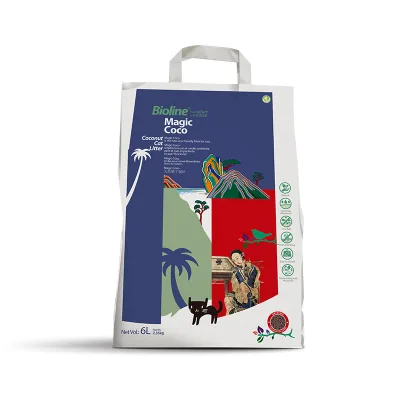
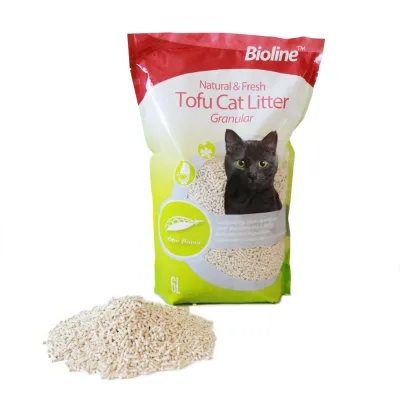
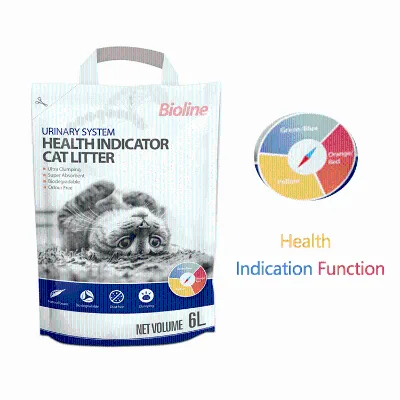
New Products Eco Friendly Cat Litter Coconut Litter Clumping Litter Sand for Cat
$2.13 - $3.19
MOQ: 100 bags
Dalian Allrise Pet Products Co., Ltd.
- Verified by TüVRheinland
- Trading Company
- Lead time7 days
- Avg. response≤ 5h
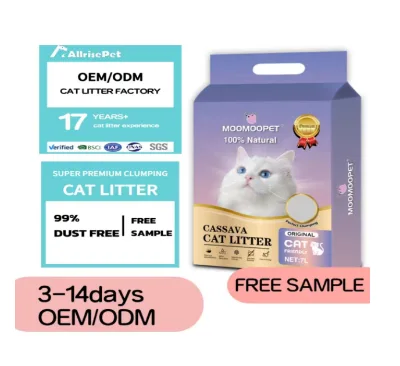
Main productsTofu Cat Litter, Bentonite Cat Litter, Cassava Cat Litter, Pet Nutrition, Wet Pet Food
Main marketsSoutheast Asia(68%), Mid East(10%), North America(2%)

Shandong Haifang International Trade Co., Ltd.
- Verified by BV
- Combined
- China Shandong
- Lead time30 days
- Avg. response≤ 4h
Main productsCat Litter, Bentonite Cat Litter, Tofu Cat Litter, Mixed Cat Litter, Crushed Cat Litter, Pet Products, Cat Sand, Cat Litter Clumping, Pet Food, Cat Litter Suppliers
Main marketsNorth America


Wholesale Cat Litter High Quality Eco-Friendly Clumping Dust-Free Cassava Cat Litter
$1.88 - $2.18
MOQ: 400 Bags


$0.55 - $0.60
MOQ: 10000 Bags


Shandong Jiafeng Foodstuff Co., Ltd
- Verified by CTI
- Trading Company
- China Shandong
- Lead time30 days
- Avg. response≤ 5h
Main productsFrozen Chicken, Frozen Rabbit, Ginger, Garlic, Frozen Duck, Frozen French Fries
Main marketsSouth America,Southeast Asia/ Mideast


Premium Mixed Clumping Cat Litter Multi-Cat, Fast Absorption, Dust Free, Factory Direct
$0.56 - $0.76
MOQ: 1000 Bag


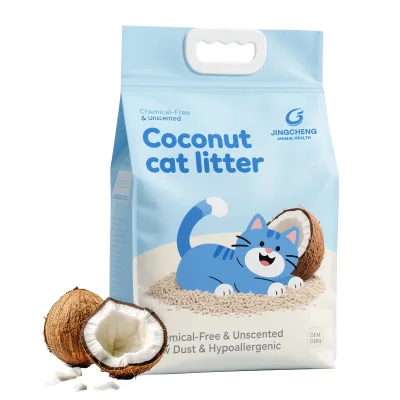
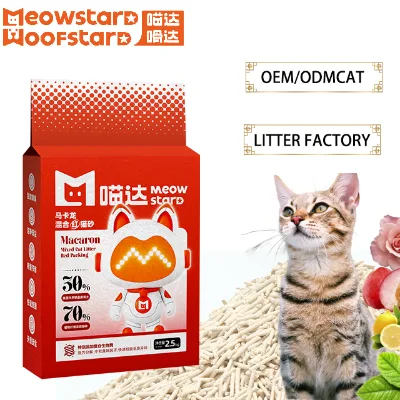
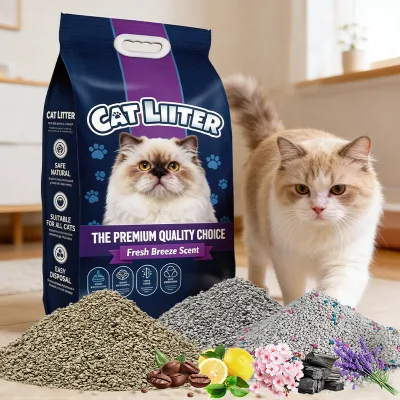
Jingcheng Animal Care Commerce&trade Co.ltd
- Verified by Intertek
- Manufacturer, Trading Company
- Lead time15 days
- Avg. response≤ 1h
Main productsCat Litter, Deodorant Products, Pet Treat, Wet Pet Food, Pet Pee Pad
Main marketsDomestic Market(79%), Southeast Asia(12%), North America(4%)
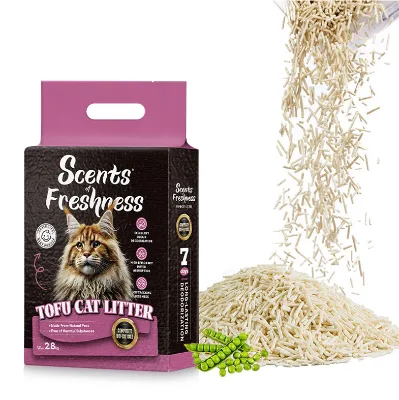
$0.9566 - $1.235
MOQ: 100 bags
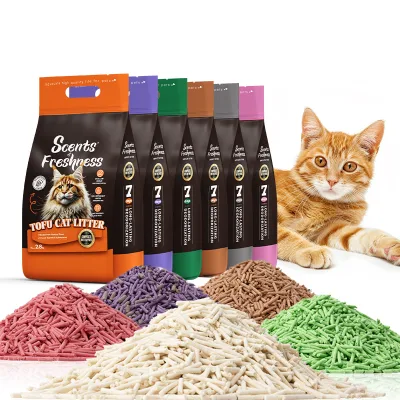
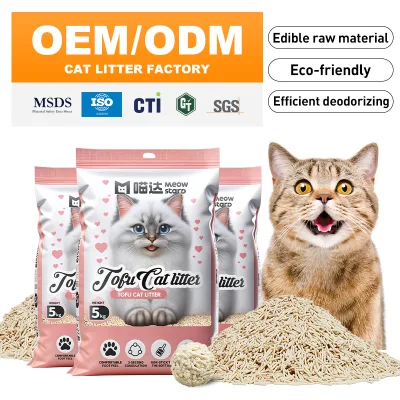
$0.9057 - $1.9955
MOQ: 300 bags

PUYUAN(DALIAN) PET PRODUCTS CO., LTD.
- Verified by BV
- Combined
- China Liaoning
- Lead time15 days
- Avg. response≤ 12h
Main productsCat Litter
Main marketsSouth America,Africa,Southeast Asia/ Mideast,East Asia(Japan/ South Korea),Europe,Australia,North America


Eco Friendly Tofu Cat Litter Strong Clumping Water Soluble Flushable Healthy Pet Cleaning Cat Sand
$650.00 - $850.00
MOQ: 2 Tons

Eco Friendly Tofu Cat Litter Natural Plant Material Fast Clumping Flushable Low Dust Pet Cat Sand
$650.00 - $850.00
MOQ: 2 Tons

Ultra Fast Clumping Natural Corn Fiber Dust Free Flushable Eco Tofu Cat Litter
$650.00 - $850.00
MOQ: 2 Tons

Fast Clumping Flushable Tofu Cat Litter Plant Natural Material Dust Free OEM Cat Litte
$650.00 - $850.00
MOQ: 2 Tons

Manufacturer Wholesale Eco Friendly Natural Pea Fiber Fast Clumping Dust Free Tofu Cat Litter
$650.00 - $850.00
MOQ: 2 Tons
Hebei Saiweisi International Trade Co., Ltd.
- Trading Company
- Hebei, China
- Lead time15 days
- Avg. response≤ 4h
Main productsCat Litter,Pet Food,Pet Supplies,Pet Toys,Pet Clothing
Main marketsSoutheast Asia(70.00%), Domestic Market(30.00%)

Haisen Huachong (Shandong) Pet Products Co., Ltd.
- Verified by SGS
- Combined
- China Shandong
- Lead time15 days
- Avg. response≤ 3h
Main productsTofu Cat Litter, Bentonite Cat Litter, Silicone Cat Litter, Crushed Tofu Cat Litter, Cat Food, Dog Food, Pet Toys, Pet Accessories, Cat Climbing Stands, Pet House
Main marketsSoutheast Asia/ Mideast,Domestic
Linyi Highland International Trade Co., Ltd.
- Verified by TüVRheinland
- Manufacturer, Trading Company
- Lead time30 days
- Avg. response≤ 2h
Main productsPet Diapers, Pet Training Pad, Pet Supplies, Adult Diapers, Adult Care Pads
Main marketsNorth America(20%), Eastern Europe(15%), Northern Europe(12%)
Shijiazhuang Jinfeng Pet Protein Feed Co., Ltd.
- Manufacturer, Trading Company
- Hebei, China
- Lead time30 days
- Avg. response≤ 2h
Main productsPet food,Dog food,Cat food,Pet treats,Pet supplies
Main marketsDomestic Market(40.00%), Southeast Asia(25.00%), Mid East(15.00%), North America(10.00%), Eastern Asia(10.00%)
Hebei Muzan Pet Food Co., Ltd.
- Verified by TüVRheinland
- Manufacturer, Trading Company
- Lead time10 days
- Avg. response≤ 5h
Main productsDog Food, Cat Food, Baked Food, Pet Snacks, Pet Nutrition
Main marketsDomestic Market(50%), Southeast Asia(33%), Mid East(10%)
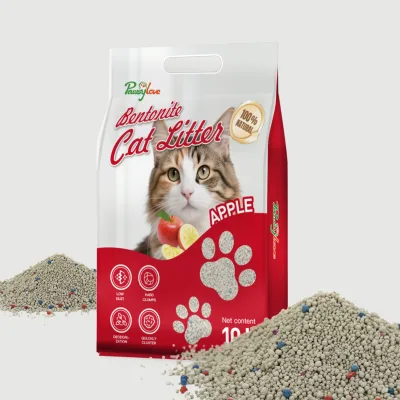
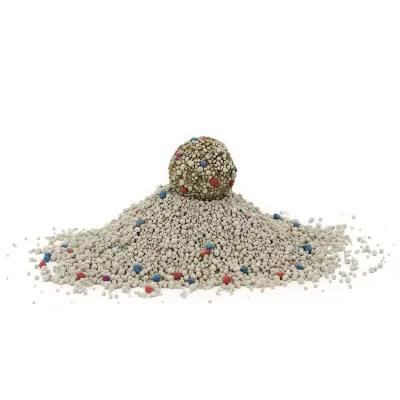
OEM Manufacturers Strong Clumping Easy Clean 100% Natural Cat Litter Environmentally Friendly
$0.4117 - $0.6168
MOQ: 100 bags
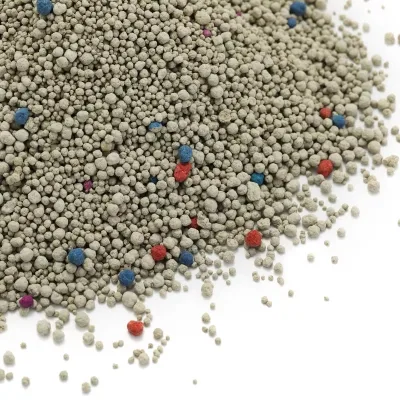
Factory Direct Wholesale Price OEM/ODM Scent Clumping Bentonite Tofu Cat Sand Litter
$0.40 - $0.60
MOQ: 100 bags
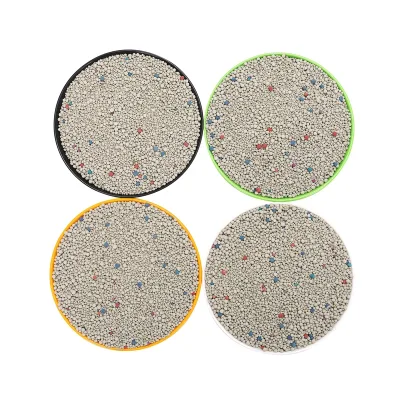
OEM Large Wholesale Premium Odor Control Natural Eco-Friendly Bentonite Cat Litter
$0.40 - $0.60
MOQ: 100 bags
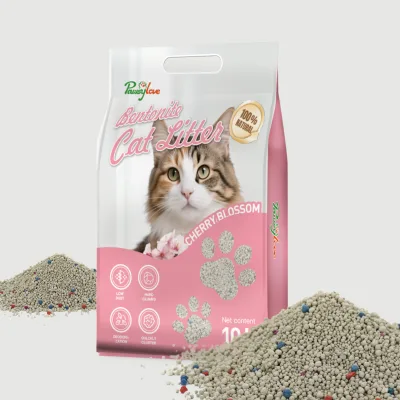
$0.4012 - $0.6078
MOQ: 2 bags
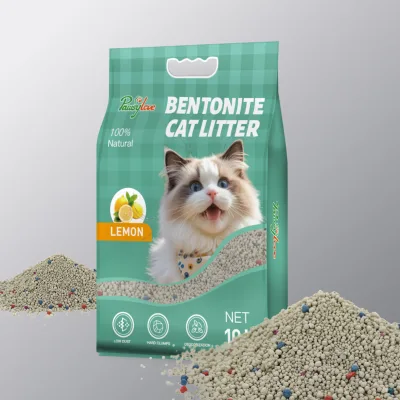
Premium Quality Deodorizing Cat Litter Super Low Dust Clumping Bentonite Cat Litter Sand
$0.4117 - $0.6168
MOQ: 100 bags
Haisen Huachong (Inner Mongolia) Technology Co., Ltd.
- Verified by TüVRheinland
- Manufacturer, Trading Company
- Lead time15 days
- Avg. response≤ 2h
Main productsBentonite Cat Litter, Tofu Clay Cat Litter
Main marketsSoutheast Asia(60%), South America(20%), Oceania(4%)
Sichuan Kangquan Biotechnology Co., Ltd.
- Manufacturer
- Sichuan, China
- Lead time15 days
- Avg. response≤ 8h
Main productsPet Health Products,Pet Nutritional Supplement,Pet Food,Pet Cleaning,Pet supplement
Main marketsWestern Europe(40.00%), North America(40.00%), Eastern Europe(40.00%), Domestic Market(40.00%), Southeast Asia(35.00%), South America(10.00%)
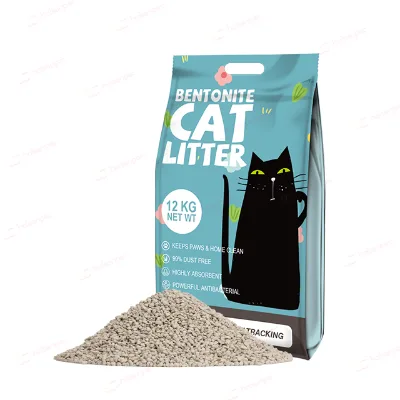
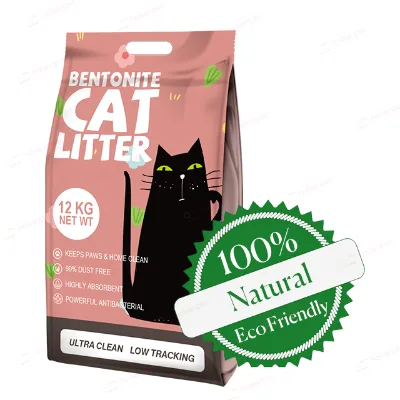
$3.482 - $3.6168
MOQ: 3000 bags




Comprehensive Sourcing Guide
Eco-Friendly Clumping Cat Litter Supplier Concentration and Factory Types
The current supplier landscape for eco-friendly clumping cat litter features a mix of trading companies and combined entities, offering buyers diverse sourcing pathways. Trading companies often serve as intermediaries, aggregating products from various manufacturers to provide a broader catalog, while combined entities may handle both production and sales. This structural diversity means that buyers must carefully distinguish between pure manufacturers and those who primarily facilitate trade. The presence of trading companies suggests that sourcing can be streamlined through single points of contact, but it also requires due diligence to ensure the underlying production quality meets specific standards. Understanding the company type is the first step in evaluating the reliability and directness of the supply chain.
Manufacturers in this sector often specialize in specific materials, such as bentonite or tofu-based litters, which are highlighted in product listings. The availability of OEM and ODM services indicates that many suppliers are equipped to customize products according to buyer specifications, including packaging and scent profiles. This flexibility is crucial for brands looking to differentiate their offerings in a competitive market. The capacity for sample processing and graphic processing further supports the ability to tailor products to specific market demands. Buyers should assess whether the supplier’s manufacturing capabilities align with their volume requirements and customization needs, ensuring that the chosen partner can scale production effectively while maintaining consistency in product quality and eco-friendly claims.
How to Verify Eco-Friendly Clumping Cat Litter Suppliers
Verification is a critical step in ensuring that suppliers meet quality and ethical standards. Buyers should prioritize suppliers who have undergone third-party verification processes, such as those conducted by TÜV Rheinland or SGS. These verifications provide an additional layer of confidence regarding the supplier’s operational integrity and compliance with international standards. The presence of such certifications indicates that the supplier has been assessed for various aspects of their business, including production capabilities and quality management systems. Buyers should request and review these verification reports to understand the scope of the assessment and ensure that it covers the specific products they intend to source.
In addition to third-party verification, buyers should examine the certifications listed in product attributes, such as ISO 9001, BSCI, RoHS, and MSDS. These certifications relate to quality management, social compliance, environmental safety, and material safety data, respectively. The availability of these documents suggests that the supplier adheres to recognized industry standards. However, buyers must verify the authenticity and relevance of these certifications to their specific needs. For instance, RoHS compliance is particularly important for products containing certain materials, while MSDS is essential for understanding the safety profile of the litter. Cross-referencing these certifications with the supplier’s claims ensures that the eco-friendly attributes are substantiated by credible evidence.
What to Compare Across Eco-Friendly Clumping Cat Litter Suppliers
When evaluating suppliers, buyers should compare key operational metrics such as lead time, response time, and minimum order quantities (MOQ). Lead times can vary significantly, with some suppliers offering as little as ten days while others may require fifteen days or more. This difference can impact inventory management and order fulfillment, especially for buyers with tight deadlines. Response time is another critical factor, as quicker replies indicate a more responsive and potentially reliable supplier. Buyers should also consider the MOQ, which can range from a few hundred units to larger quantities, affecting the initial investment and risk exposure. Comparing these metrics helps buyers identify suppliers that align with their operational capabilities and market demands.
Product specifications and customization options are also essential comparison points. Buyers should assess the available sizes, scents, and packaging options to ensure they meet their target market’s preferences. The ability to customize packaging, such as offering different bag sizes or branding, can be a significant advantage for brand differentiation. Additionally, the supply ability, such as the capacity to produce thirty tons per day, indicates the supplier’s potential to handle large orders. Buyers should also consider the shelf life of the product, which is listed as eighteen months in some cases, to ensure that the inventory remains viable for the duration of the sales cycle. Comparing these product details helps buyers select suppliers that offer the right balance of quality, flexibility, and capacity.
Common Eco-Friendly Clumping Cat Litter Sourcing Risks
One of the primary risks in sourcing eco-friendly cat litter is the potential discrepancy between marketing claims and actual product composition. Buyers must be cautious of suppliers who make broad eco-friendly claims without providing specific material details or certifications. For example, while bentonite is a natural material, its environmental impact can vary based on mining practices and processing methods. Similarly, tofu-based litters are often marketed as biodegradable, but buyers should verify the source of the soybean pulp and the additives used. Ensuring that the product’s eco-friendly attributes are substantiated by verifiable data is essential to avoid reputational damage and regulatory issues. Buyers should request detailed material specifications and third-party test results to confirm the product’s environmental claims.
Another risk is the variability in product quality and consistency across different batches. Suppliers with high production volumes may face challenges in maintaining uniform quality, which can lead to customer dissatisfaction. Buyers should assess the supplier’s quality control processes and their ability to provide consistent product performance. Issues such as dust levels, clumping strength, and odor control can vary, affecting the end-user experience. Additionally, the risk of supply chain disruptions, such as delays in raw material sourcing or production bottlenecks, can impact order fulfillment. Buyers should evaluate the supplier’s risk management strategies and their contingency plans for potential disruptions. Establishing clear quality standards and regular communication channels can help mitigate these risks and ensure a stable supply.
Eco-Friendly Clumping Cat Litter Regional Sourcing and Logistics
The geographical location of suppliers plays a significant role in logistics and cost efficiency. Many suppliers are located in regions such as Hebei, China, and Inner Mongolia, which are known for their manufacturing capabilities and access to raw materials. Proximity to ports, such as Tianjin, can facilitate efficient shipping and reduce transit times. Buyers should consider the logistical advantages of sourcing from these regions, including the availability of transportation infrastructure and the potential for lower shipping costs. However, buyers must also account for the distance between the supplier’s location and their own distribution centers, as this can impact delivery times and overall supply chain efficiency.
Logistics planning should also include considerations for packaging and handling. The single package size and weight, such as 43x20x8 cm and 2.5 kg, influence how products are stored and transported. Buyers should assess the supplier’s packaging solutions to ensure they protect the product during transit and comply with international shipping regulations. The use of trays, cartons, and woven bags can provide additional protection and ease of handling. Additionally, buyers should consider the environmental impact of packaging materials, aligning with the eco-friendly nature of the product. Efficient logistics planning can reduce costs and minimize the carbon footprint of the supply chain, contributing to the overall sustainability goals of the buyer.
Eco-Friendly Clumping Cat Litter Commercial Terms and Order Planning
Commercial terms, including pricing and payment conditions, are crucial factors in order planning. Prices for eco-friendly clumping cat litter can vary widely, ranging from as low as $0.05 to over $1.89 per unit, depending on the product specifications and order volume. Buyers should negotiate pricing based on their expected order quantities and the supplier’s capacity. Understanding the price structure helps buyers budget effectively and assess the profitability of their offerings. Additionally, buyers should clarify any additional costs, such as shipping, customs duties, and insurance, to avoid unexpected expenses. Transparent pricing and clear commercial terms are essential for building a sustainable and profitable business relationship with suppliers.
Order planning should also consider the supplier’s production capacity and lead times to ensure timely delivery. Buyers should align their order schedules with the supplier’s production cycles to avoid delays and stockouts. Establishing a clear communication channel for order updates and potential changes is vital for managing expectations and resolving issues promptly. Buyers should also consider the flexibility of the supplier in handling rush orders or changes in demand. By carefully planning orders and maintaining open communication, buyers can optimize their supply chain and ensure a steady supply of high-quality eco-friendly cat litter. This proactive approach helps mitigate risks and enhances the overall efficiency of the sourcing process.
FAQs
What is the price range for eco-friendly clumping cat litter?
Prices for eco-friendly clumping cat litter typically range from $0.05 to $3.58 per unit. The cost varies significantly based on material composition, such as bentonite or tofu litter, and specific packaging requirements. Buyers should verify exact pricing tiers with suppliers to ensure alignment with their budget and volume needs.
What is the typical lead time for these orders?
Typical lead times for eco-friendly clumping cat litter orders range from 10 to 15 days. This duration depends on the supplier's current production capacity and order volume. Buyers should confirm specific delivery schedules with their chosen supplier to ensure timely receipt of goods for their inventory requirements.
What are the minimum order quantities for these products?
Minimum order quantities for eco-friendly clumping cat litter vary by supplier, with some requiring as few as 300 units while others set the threshold at 1000 units. Buyers should check individual supplier listings to determine the specific MOQ that fits their initial procurement strategy and storage capabilities.
What certifications are available for these cat litter products?
Available certifications for eco-friendly clumping cat litter include ISO 9001, BSCI, RoHS, MSDS, and CE. These documents verify quality management and safety standards. Buyers should request valid certificates from suppliers to ensure compliance with international regulations and specific market requirements for pet products.
Where are these cat litter products manufactured?
These cat litter products are primarily manufactured in Hebei, China, and Inner Mongolia, China. These regions are known for producing bentonite and other mineral-based cat litter materials. Buyers should verify the specific place of origin with suppliers to understand logistics and potential shipping costs.
What is the shelf life of this cat litter?
The shelf life for these eco-friendly clumping cat litter products is typically 18 months. This duration ensures product stability and effectiveness in odor control and clumping performance. Buyers should check expiration dates upon delivery to maintain optimal quality and ensure timely usage in their supply chain.