Japan Solid Truck Tyre Suppliers and Manufacturers
Source 20 verified suppliers for Japan Solid Truck Tyre products. Compare key dimensions including location, lead time, MOQ, response time, and certifications. Review product specifications and pricing to identify suitable partners for your procurement needs; review the available evidence before requesting comparable quotations from suitable candidates.
Suppliers List

SHANDONG RUNTONG RUBBER CO., LTD.
- Manufacturer/Factory
- China Shandong
- Lead time23 days
- Avg. response≤ 2h
Main productsMotorcycle Tyre, Motorcycle Tire, Motorcycle Inner Tube, Inner Tube, Butyl Tube, Motorcycle Tyre/Tire, Motorcycle Tube Tire, Motorcycle Tube Tyre, Motorcycle Tubeless Tire, Scooter Tire
Main marketsSouth America,Eastern Europe,Mid East,North America,Southeast Asia,Africa

JIANGSU TOPOWER TYRE CO., LTD.
- Verified by BV
- Combined
- China Jiangsu
- Lead time30 days
- Avg. response≤ 3h
Main productsSolid Tire, Solid Tyre, Tyre, Tire, Forklift Tire, Forklift Tyre, Boom Lift Tire, Awp Tyre, Scissor Lift Tire, Scissor Lift Tyre
Main marketsSouth America,Southeast Asia/ Mideast,East Asia(Japan/ South Korea),Domestic,Europe,Australia,North America


Industrial Tire 11.00-20 Tires Solid Forklift Truck Tyre Rubber Tire 11.00-20
$454.50 - $545.40
MOQ: 1 Pieces


Qingdao Arestone Tyre Co., Limited
- Trading Company
- Shangdong, China
- Lead time0 days
- Avg. response≤ 2h
Main productsCar Tires,anti puncture tyres,puncture free tyres,puncture proof tyres,self sealing tyres
Main marketsAfrica(45.0%), Mid East(33.0%), South America(10.0%), Southeast Asia(5.0%), Central America(5.0%), Oceania(2.0%)
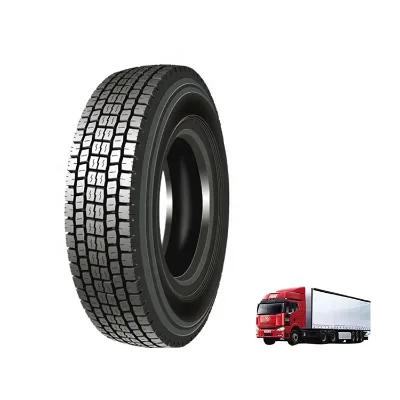
Arestone High Quality Truck Tyre As Yokohama Tyres
$50.00 - $60.00
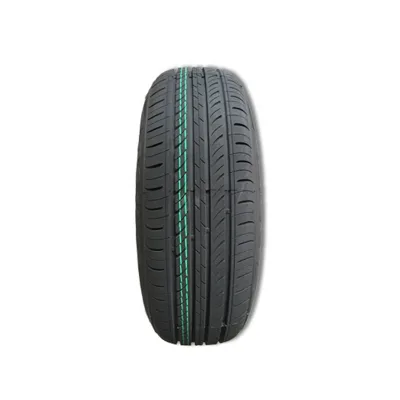
Cheap Used Car Tyres 175/65/14 Japan
$19.50 - $20.00

- Verified by CTI
- Trading Company
- China Shandong
- Lead time23 days
- Avg. response≤ 2h
Main productsTires, Tyres, Tyre, Truck Tires, Truck Tyres, Truck Tire, Truck Tyre, Pneus, Neumaticos, Llantas
Main marketsDomestic

Yantai Wonray Rubber Tire Co., Ltd.
- Verified by BV
- Combined
- China Shandong
- Lead time15 days
- Avg. response≤ 5h
Main productsSolid Tire
Main marketsSoutheast Asia/ Mideast,East Asia(Japan/ South Korea),Europe,Australia,North America


Wonray Direct From China Tyre Ride on with Rubber Tires New Solid Truck Tires 12.00-20
$620.00 - $630.00
MOQ: 4 pieces


off Road Tyre Price Solid Tires High Quality 7.00-12 Forklift Truck Tire
$122.00 - $132.00
MOQ: 50 pieces

Cori Chemical S&T (Shanghai) Co., Ltd.
- Verified by Intertek
- Trading Company
- Lead time15 days
- Avg. response≤ 2h
Main productsTires, Wheels
Main marketsAfrica(20%), North America(20%), South America(15%)

Qingdao Au-Shine Tyre Co., Ltd.
- Verified by TUVRHEINLAND
- Trading Company
- China Shandong
- Lead time23 days
- Avg. response≤ 17h
Main productsTyre, Truck Tyre, Car Tyre, Forklift Tyre, ATV Tyre, Motorcycle Tyre, Gocart Tire, Bicycle Tire, Solid Tyre, Tractor Tyre
Main marketsEast Asia(Japan/ South Korea)
Qingdao Bostone Tyre Co., Ltd.
- Manufacturer, Trading Company
- Shandong, China
- Lead time15 days
- Avg. response≤ 3h
Main productsPneumatic Sprayer Tyres,Solid Rubber Wheels,pneu plein 205 25,tractor wheel narrow tires,tractor tires
Main marketsDomestic Market(20.0%), Eastern Asia(20.0%), Southeast Asia(20.0%), Eastern Europe(20.0%), Mid East(10.0%), Oceania(10.0%)
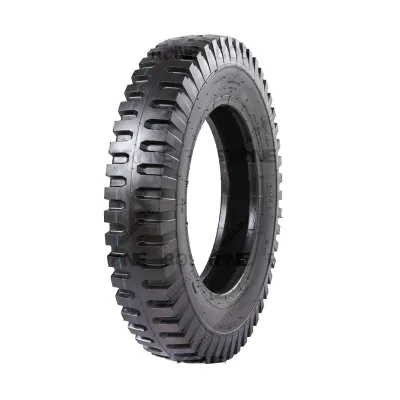
New Design Light Truck Tyres 7.00-16
$65.00 - $70.00
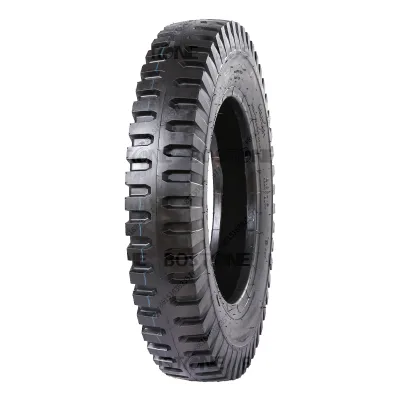
New Design 6.00 7.00-16 Advanced Truck Tires
$30.00 - $70.00
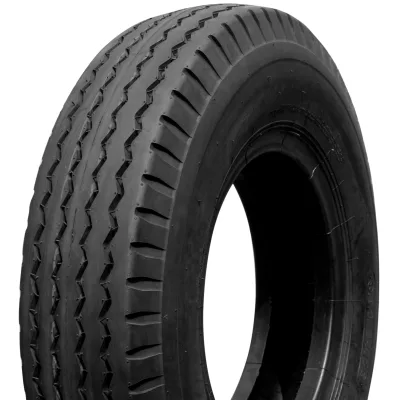
Good Quality China Truck Tires 8.25-16 8.25x16
$94.00 - $99.00

- Trading Company,Manufacturer/Factory
- China Shandong
- Lead time15 days
- Avg. response≤ 7h
Main productsTruck Tire, Car Tire, Agriculture Tire, Industrial Tire, Truck Tyre, OTR Tyre, Agriculture Tyre, Industrial Tyre, Car Tyre, OTR Tire
Main marketsSouth America,Eastern Europe,Mid East,North America,Southeast Asia,Eastern Asia,Oceania,Western Europe,Africa

- Trading Company
- China Shandong
- Lead time15 days
- Avg. response≤ 5h
Main productsTruck Tyre, Bus Tyre, Light Truck Tyre, TBR, PCR, Tires, Tire, Radial Car Tyre, Radial Truck Tyre, Radial Tyre
Main marketsSouth America,Southeast Asia/ Mideast,Europe
- Verified by SGS Group
- Trading Company
- Lead time7 days
- Avg. response≤ 4h
Main productsTruck Tire, Car Tire, OTR Tire, MCT Tire
Main marketsMid East(30%), Africa(20%), Southeast Asia(15%)
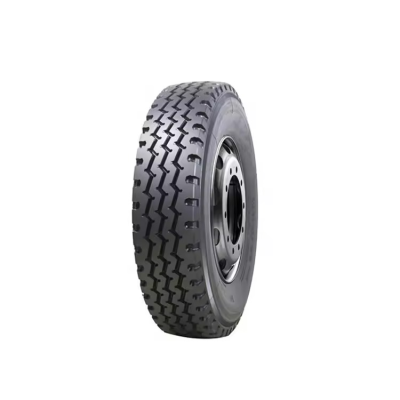
$58.69 - $64.87
MOQ: 1 pieces
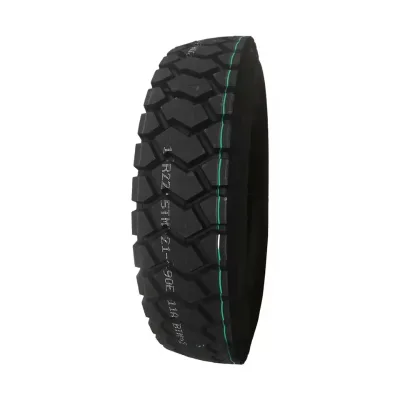
Brands Truck Tires and Rims New Truck Tire Wholesale Tires Factory Wholesales Heavy Duty Dump
$115.33 - $118.42
MOQ: 499 pieces
$124.00 - $131.00
MOQ: 1 pieces
$52.00 - $60.00
MOQ: 1 pieces

Tianjin Tianlun Rubber Co., Ltd.
- Verified by SGS
- Trading Company
- China Tianjin
- Lead time15 days
- Avg. response≤ 3h
Main productsTyre, Forklift Tyre, Solid Tyre, OTR Tyre, Loader Tyre, Tractor Tyre, Press on Solid Tyre, All Steel Radial Tyre, Heavy Duty Tyre
Main marketsSouth America,Southeast Asia/ Mideast,North America

Construction Machinery Solid Tire 9.00-20 10.00-20 12.00-20 Solid Tire for Forklift Truck
$500.00 - $550.00
MOQ: 10 Pieces

High Elasticity High Lift Truck Tire 8.25-15 Solid Tire for Forklift Truck
$95.00 - $110.00
MOQ: 10 Pieces
Qingdao Atera Industrial Co., Ltd.
- Manufacturer, Trading Company
- Shandong, China
- Lead time0 days
- Avg. response≤ 2h
Main productsPCR Tires,TBR Tires,Motorcycle Tires,Bicycle Tires,Tire Studs
Main marketsSouth Asia(10.0%), Southern Europe(10.0%), Central America(10.0%), Eastern Asia(10.0%), Mid East(10.0%), Oceania(10.0%), Africa(10.0%), Southeast Asia(10.0%), Eastern Europe(10.0%), South America(10.0%)

- Verified by BV
- Trading Company
- China Shandong
- Lead time15 days
- Avg. response≤ 1h
Main productsTruck Tyre, Truck Tire, Car Tyre, Car Tire, OTR Tyre, Car Wheel, Agriculture Tyre, Industry Tyre, Truck Wheels, Truck Rims
Main marketsAfrica
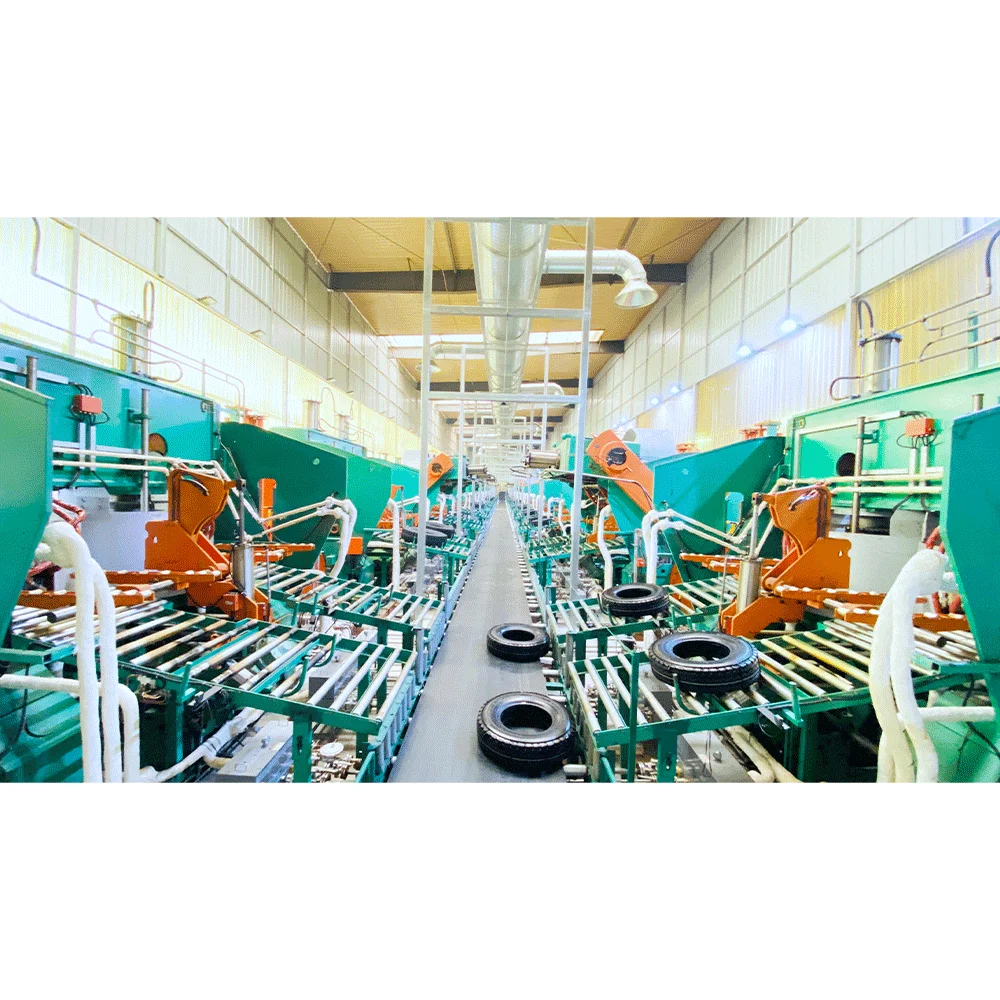
Qingdao Amberroad Trade Co., Ltd.
- Trading Company
- Shandong, China
- Lead time0 days
- Avg. response≤ 4h
Main productstruck&bus tyre,off the road tyre,industrial tyre,agricultural tyre,car tire
Main marketsAfrica(20.0%), Southeast Asia(15.0%), Southern Europe(10.0%), Western Europe(10.0%), South Asia(10.0%), Mid East(10.0%), North America(10.0%), South America(10.0%), Eastern Asia(5.0%)
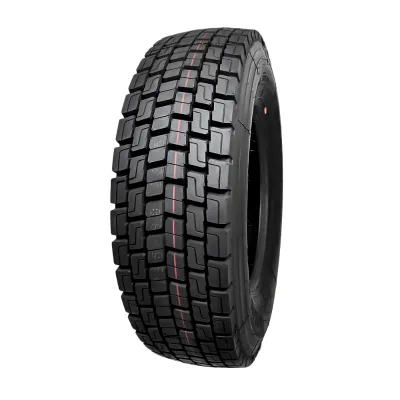
1200x24 Truck Tire Truck Tire Regroving Equipment Chinese Truck Tires for Sale
$138.00 - $142.00
MOQ: 1 pieces
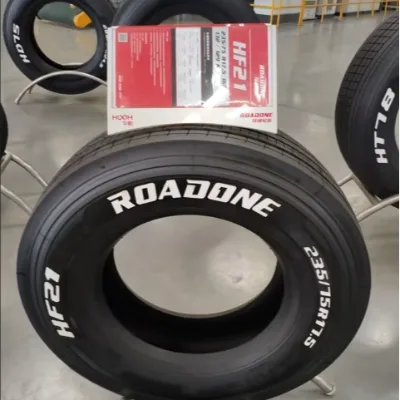

Qingdao Megalith Tyre Co., Ltd.
- Trading Company
- China Shandong
- Lead time30 days
- Avg. response≤ 5h
Main productsTire, Truck Tire, Car Tire, OTR, Mgltire, 11r22.5, 295/75r22.5, 315/80r22.5, Duraturn Tire, Dynacargo Tire
Main marketsSouth America,Africa,Southeast Asia/ Mideast,East Asia(Japan/ South Korea),Europe,Australia,North America

Qingdao Lulstone Tires Co., Ltd.
- Verified by TUVRHEINLAND
- Trading Company
- China Shandong
- Lead time15 days
- Avg. response≤ 5h
Main productsTruck Tyre, OTR Tires, Agricultural Tires, Skidsteer Tires, Industrial Tires, Irrigation Tires, Paddyfield High Tread Tires, All Steel Radia Tires, Bus Tires, Forklift Tires
Main marketsEurope


Truck Tire Heavy Duty Semi Truck Tire High Quality Radial Wheel TBR Tires
$200.00 - $230.00
MOQ: 100 Pieces


DOUBLE CAMEL INDUSTRY CO., LIMITED
- Manufacturer/Factory
- China Shandong
- Lead time23 days
- Avg. response≤ 1h
Main productsTyre, Tire, OTR Tyre, Forklift Tyre, Industrial Tyre, Motorycle Tyre, Truck Tyre, Car Tyre, Agricultural Tyre, Tractor Tyre
Main marketsSouth America,Eastern Europe,Mid East,North America,Southeast Asia,Eastern Asia

SHANDONG ALPINA TYRE CO., LTD.
- Manufacturer/Factory
- China Shandong
- Lead time23 days
- Avg. response≤ 14h
Main productsTruck Tire, Car Tyre, Truck Tyre, Car Tire, OTR Tire, Agriculture Tire, Industrial Tire, Tire Changer, Car Lift, Trailer Tire
Main marketsSouth America,Eastern Europe,Mid East,North America,Southeast Asia,Eastern Asia,Oceania,Western Europe,Africa

Qingdao Harvest Tyre & Wheel Co., Ltd.
- Trading Company
- China Shandong
- Lead time30 days
- Avg. response≤ 9h
Main productsTyre, Tire, Wheel, Rim, Tube, TBR Tires, PCR Tires, OTR Tires, TBB Tires, Irrigation Tires
Main marketsSouth America,Africa,Europe






Comprehensive Sourcing Guide
Japan Solid Truck Tyre Supplier Concentration and Factory Types
The current supplier data indicates manufacturing clusters primarily located in China, specifically within the Shandong and Jiangsu provinces, rather than in Japan. Suppliers in Shandong are identified as manufacturers and factories specializing in motorcycle tires, inner tubes, and various truck tire types including radial and bias designs. Meanwhile, suppliers in Jiangsu operate as combined entities offering solid tires for forklifts, boom lifts, and mining equipment, often holding ISO9001:2015 certifications. This geographic distribution suggests that sourcing for solid truck tires involves evaluating Chinese industrial hubs rather than domestic Japanese facilities. Buyers should verify if a specific supplier claims Japanese origin or if they are simply exporting products labeled for the Japanese market.
Factory types vary significantly across the available results, ranging from pure manufacturers to combined trading and manufacturing entities. Some suppliers list OEM capabilities, while others offer both ODM and OEM services, indicating flexibility in customizing solid tire specifications for different vehicle applications. The main products observed include solid tires for industrial machinery, mining trucks, and heavy-duty transport, with specific models like 12.00-24 and 56X22 appearing in the product lists. When assessing concentration, buyers must distinguish between suppliers who manufacture the rubber compounds and those who simply aggregate products from various factories. Understanding this distinction is critical for ensuring quality control and supply chain stability when sourcing solid truck tires.
How to Verify Japan Solid Truck Tyre Suppliers
Verification of suppliers requires a rigorous check of their stated credentials against the provided evidence, such as ISO9001:2015 certificates and BV verification status. Some suppliers in the Jiangsu region explicitly display ISO certifications and offer factory visit options, which serves as a tangible method to confirm their manufacturing capabilities. Buyers should request specific documentation for the ISO4001 and OHSAS18001 standards mentioned in product attributes to ensure comprehensive compliance with safety and environmental regulations. It is essential to confirm that the certification applies to the specific solid tire production lines rather than just general company administration.
Response times and lead times provide additional metrics for verifying supplier reliability and operational efficiency. The data shows response times ranging from approximately 1.91 to 2.83, with lead times varying between 23 and 30 days depending on the product and order volume. A supplier with a longer lead time might indicate a more complex manufacturing process or higher demand, which requires careful planning. Buyers should cross-reference these timelines with their own project schedules to avoid delays. Additionally, checking if a supplier is verified by third-party agencies like BV adds a layer of trust, ensuring that the company has undergone external audits regarding their business practices and product quality.
What to Compare Across Japan Solid Truck Tyre Suppliers
Comparing suppliers involves analyzing key dimensions such as minimum order quantities, pricing structures, and product specifications to find the best fit for specific needs. The observed data reveals a wide range of MOQs, from as low as 1 unit for certain industrial tires to 100 units for standard truck tires. Pricing also varies significantly, with some solid tires listed around $122 per unit while specialized mining equipment tires can exceed $1000. Buyers must evaluate whether the lower MOQs align with their inventory strategy or if the higher volume discounts justify the capital investment required for larger orders.
Product attributes and customization options are another critical area for comparison. Suppliers offer varying levels of customization, with some explicitly stating that customization is available for tread patterns, sizes, and materials like natural rubber or butyl rubber. The product models range from standard sizes like 11R22.5 to specialized dimensions such as 56X22 for mining trucks. Buyers should compare the specific material compositions and certification levels, such as CCC or ISO, to ensure the tires meet the operational requirements of their fleet. Additionally, the availability of after-warranty support and online assistance should be factored into the decision-making process to ensure long-term reliability.
Common Japan Solid Truck Tyre Sourcing Risks
One significant risk involves the potential mismatch between the claimed product origin and the actual manufacturing location. While the search intent focuses on Japan, the available supplier data predominantly lists products originating from China, specifically Shandong and Jiangsu provinces. Buyers must verify if the "Japan" designation refers to the target market, the design standard, or the actual country of manufacture. Relying on marketing terms without confirming the physical origin can lead to unexpected logistics costs or compliance issues with local import regulations. It is crucial to demand clear documentation regarding the country of origin for every batch of tires purchased.
Another risk relates to the variability in product specifications and the potential for miscommunication regarding technical requirements. The product evidence shows diverse specifications, including different tread patterns, inner tube configurations, and material compositions. If a buyer assumes a standard specification based on a general category name, they may receive tires that are unsuitable for their specific application, such as mining or heavy transport. The lack of standardized naming conventions across different suppliers can lead to errors in ordering. Buyers should insist on detailed technical datasheets and sample approvals before placing large orders to mitigate the risk of receiving non-compliant products.
Japan Solid Truck Tyre Regional Sourcing and Logistics
Logistics planning must account for the specific shipping methods and packing requirements identified in the supplier data. Some suppliers offer packing options such as pallets or nude shipping, which directly impacts the cost and safety of transportation. For instance, solid tires for mining equipment are often shipped nude, while other industrial tires may require palletization for stability during transit. Buyers need to calculate the total landed cost, including freight, insurance, and handling fees, based on these packing configurations. Understanding the specific shipping terms, such as sea or air transportation, is essential for managing delivery timelines effectively.
Regional sourcing from China involves navigating complex logistics networks that connect manufacturing hubs in Shandong and Jiangsu to global destinations. The lead times observed, ranging from 20 to 30 days, suggest that sea freight is the primary mode of transport for these heavy goods. Buyers should consider the impact of port congestion and customs clearance times on their overall supply chain. Additionally, the distance between the manufacturing location and the final destination will influence the carbon footprint and delivery speed. Establishing a clear logistics strategy that includes buffer time for potential delays is vital for maintaining operational continuity when sourcing solid truck tires from these regions.
Japan Solid Truck Tyre Commercial Terms and Order Planning
Commercial terms and order planning require a detailed understanding of pricing structures and payment conditions to ensure financial predictability. The data indicates price ranges that can vary significantly based on the product model and order quantity, with some items priced as low as $122 and others exceeding $1000. Buyers should negotiate based on the specific volume they intend to purchase, as the minimum order quantities can range from single units to hundreds. It is important to clarify whether the quoted prices include taxes, duties, and shipping costs to avoid unexpected expenses later in the transaction process.
Order planning must also consider the customization lead times and the availability of stock for immediate delivery. Suppliers with ODM and OEM capabilities may require additional time for design and production, which can extend the overall lead time beyond the standard 23 to 30 days observed in the data. Buyers should align their production schedules with these timelines to prevent bottlenecks in their own operations. Furthermore, verifying the warranty terms and after-sales support, such as online assistance, is crucial for managing long-term maintenance and replacement needs. A robust order plan includes contingency measures for potential delays or quality issues to ensure business continuity.
FAQs
Where are solid truck tires manufactured?
Solid truck tires are manufactured in China, specifically in Shandong and Jiangsu provinces. These regions host multiple manufacturers and factories specializing in industrial and commercial tire production. Buyers can find suppliers offering various tire types including forklift and mining equipment tires from these locations.
What is the minimum order quantity for solid tires?
Minimum order quantities vary by product type. Some solid tires require a minimum of 1 unit, while others like truck tires need 100 units. Specific models such as 12.00-24 solid lift truck tires have a minimum order of 16 units. Buyers should check individual product listings for exact requirements.
How long does delivery take for solid tires?
Delivery times typically range from 20 to 30 days for solid tires. Some suppliers indicate a lead time of 23 days for certain products, while others may take up to 30 days. Specific delivery schedules depend on the manufacturer and the specific tire model ordered by the buyer.
Are certifications available for solid truck tires?
Yes, many solid truck tires come with ISO certifications including ISO9001:2015. Some products also hold CCC and ISO4001 certifications. Buyers can verify specific certification details in product attributes, which often list standards like OHSAS18001 alongside ISO marks for quality assurance and compliance.
What materials are used in solid truck tires?
Solid truck tires are primarily made from natural rubber and butyl rubber. Some products specify natural rubber as the main material, while others use a combination of butyl and nature rubber. The material composition ensures durability and performance for heavy-duty applications like mining and forklift operations.
What is the price range for solid truck tires?
Prices for solid truck tires vary significantly based on size and type. Costs range from approximately 122 dollars for truck tires to over 1000 dollars for specialized mining equipment tires. Specific models like 12.00-24 tires are priced between 622 and 635 dollars, while smaller units may cost less.
Can solid truck tires be customized?
Yes, customization is available for many solid truck tire models. Suppliers offer custom options for tread patterns, sizes, and specific applications. Buyers can request tailored solutions for unique industrial needs, with customization services explicitly listed in product attributes for various tire types and sizes.