Japandi Style Tea Strainer Suppliers and Manufacturers
Explore 30 verified suppliers offering Japandi Style Tea Strainer options with varying lead times, certifications, and MOQs. Compare dimensions, materials, and response times to select the right partner for your sourcing needs today; review the available evidence before requesting comparable quotations from suitable candidates.
Suppliers List

Yangjiang Feehome Tech Co., LTD
- Verified by TUVRHEINLAND
- Trading Company,Manufacturer/Factory,Group Corporation,Other
- China Guangdong
- Lead time23 days
Main productsKitchen Knives, Outdoor Knives, Nail Clippers, Kitchen Ware, Tea Infuser, BBQ Tools, Multi Function Tools, Kitchen Tools, Baking Tools, Coffee Tools
Main marketsSouth America,Eastern Europe,Mid East,North America,Southeast Asia,Eastern Asia,Oceania,Western Europe,Africa
Guangzhou Chenxuan Technology Co., Ltd.
- Trading Company, Distributor/Wholesaler, Other
- Guangdong, China
- Lead time10 days
- Avg. response≤ 2h
Main productssteel kitchenware,round dinner plate,retro cutlery set,gold dinner plate,korean gold dinner plate
Main marketsWestern Europe(30.00%), North America(30.00%), Mid East(15.00%), Oceania(15.00%), South America(10.00%)
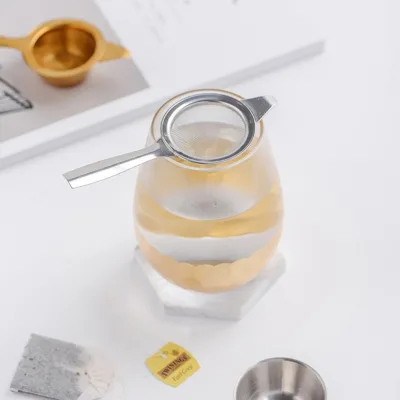
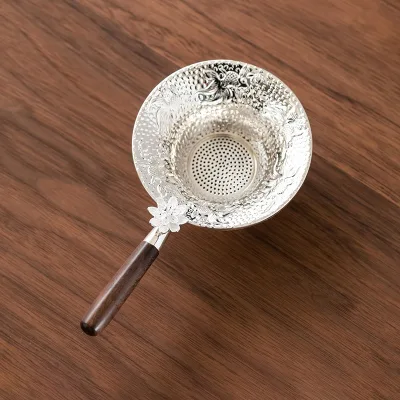
1PC Tea DrainerTea StrainerTea AccessoriesTea Filter With HandleTea Separator
$0.88 - $1.99
MOQ: 50 Minimum

- Verified by SGS
- Trading Company
- China Zhejiang
- Lead time0 days
Main productsTents, BBQ Grill, Luggage, Kids Toy, Fitness Equpments, Cookware, Kitchen Utensils and Gadgets, Yoga Mat, Bathroom Rugs, Pets Items
Main marketsSouth America,Eastern Europe,Mid East,North America,Southeast Asia,Eastern Asia,Oceania,Western Europe,Africa

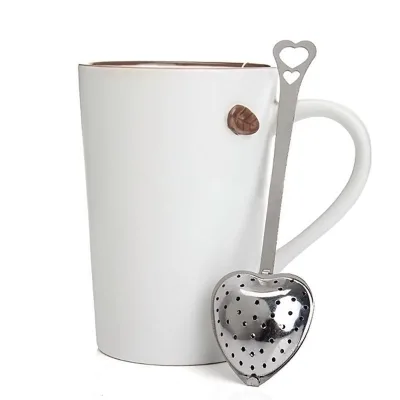
Stainless Steel Heart Shape Tea Infuser Stainless Steel Tea Filter Leaf Tea Strainer
$0.30 - $0.43
MOQ: 1000 Pieces

Anping County Ady Source Metal Products Co., Ltd.
- Verified by TüVRheinland
- Manufacturer, Trading Company
- Lead time15 days
- Avg. response≤ 8h
Main productsWoven Mesh, Filter Barrel, Filter Mesh, Barbecue Net
Main marketsDomestic Market(70%), Northern Europe(5%), Southern Europe(5%)
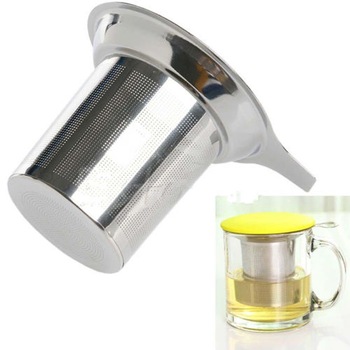
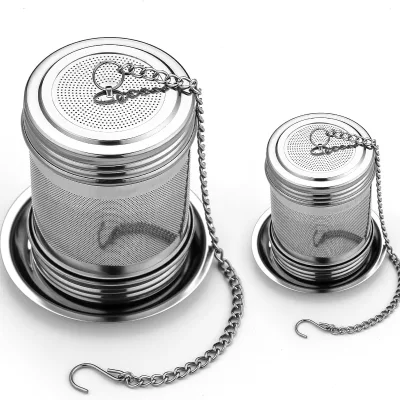
$1.99 - $2.99
MOQ: 1 pieces
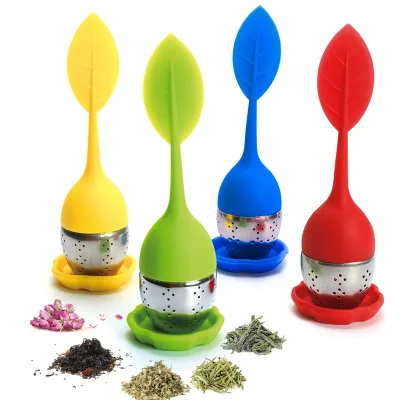
ADY Tea Infuser Leaf Strainer Handle with Steel Ball Silicone Leaf Lid, Green
$0.50 - $0.52
MOQ: 1 pieces
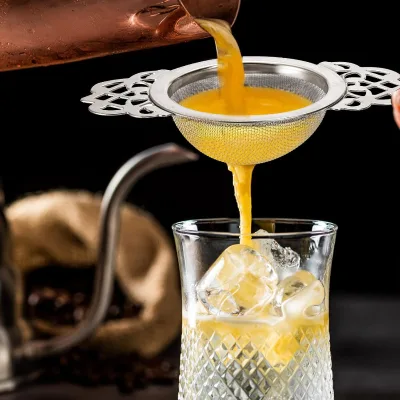
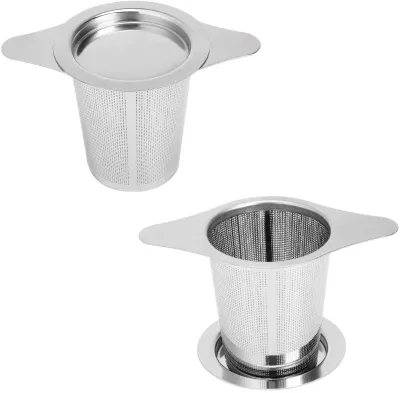
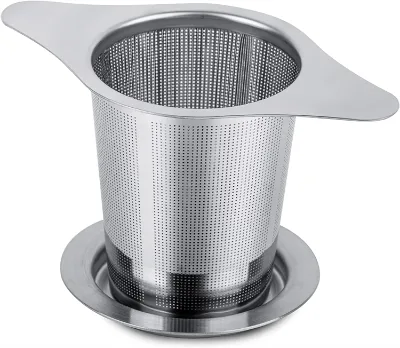
6.4 cm Diameter Tea Filter with Double Wing Extender Ideal for Loose Tea Coffee Filter
$0.70 - $0.80
MOQ: 3 pieces
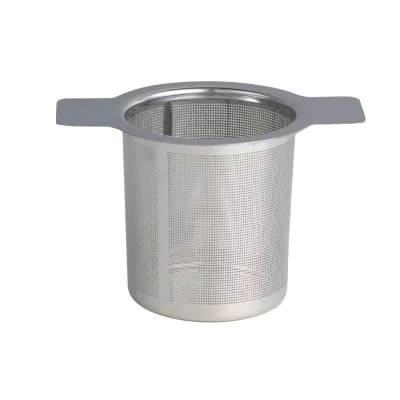
Large Capacity, Double Handles, Perfect for Loose Leaf Tea, Coffee Steeping in Cups and Teapots
$0.80 - $0.90
MOQ: 50 pieces

Shijiazhuang Amber Metal Products Co., Ltd.
- Verified by BV
- Trading Company
- China Hebei
- Lead time15 days
Main productsStainless Steel Wire Mesh, Decorative Metal Mesh, Metal Mesh Curtain, Welded Wire Mesh, Wire Mesh Filter, Perforated Metal, Expanded Metal Sheet, Woven Wire Mesh
Main marketsEurope,North America


Premium Ball Shape Stainless Steel Wire Mesh Tea Filter Tea Infuser Strainer
$0.45 - $0.65
MOQ: 50 Pieces


Eco-Friendly Tea Strainer 304 Stainless Steel Food Grade Leaf Shape Silicone Tea Infuser
$0.45 - $0.65
MOQ: 50 Pieces

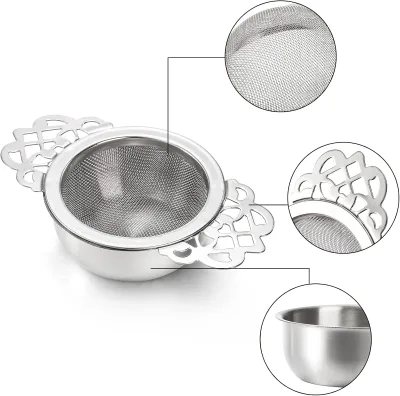
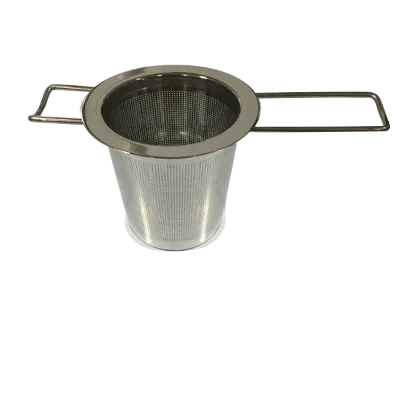
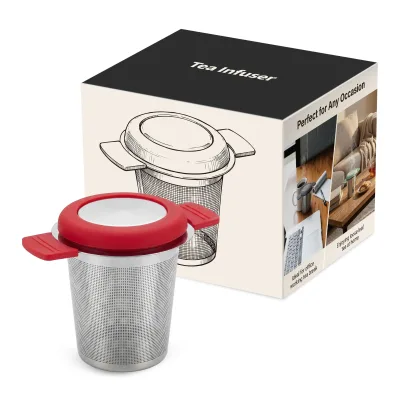
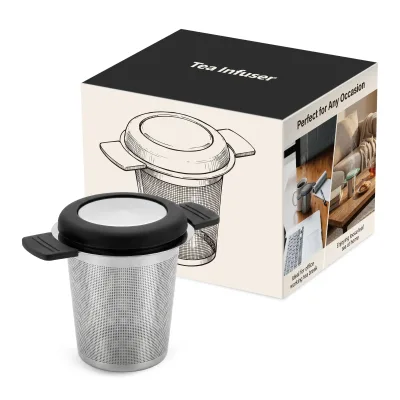
Easy Clean Stainless Steel Tea Strainer with Drip Bowl Double Ear Mesh Infuser
$1.00 - $2.50
MOQ: 50 Pieces


Zhongshan Xinyuan Silicone Rubber Co. Ltd
- Verified by TUVRHEINLAND
- Combined
- China Guangdong
- Lead time15 days
Main productsSilicone Mold, Silicone Ice Cube Tray, Silicone Wristband, Silicone Tea Infuser, Silicone Bakeware, Silicone Keychain, Silicone Cup Coaster, Silicone Bag
Main marketsSouth America,Southeast Asia/ Mideast,Domestic,Europe,North America
Fujian Dehua Mingshuo Ceramics Co., Ltd.
- Manufacturer, Trading Company
- Fujian, China
- Lead time15 days
- Avg. response≤ 1h
Main productsFlowerpot,Tea Set,Mug,Ceramic Ornaments,Matcha set
Main marketsNorth America(55.00%), Mid East(10.00%), South America(10.00%), Western Europe(5.00%), Eastern Europe(5.00%), Oceania(5.00%), Northern Europe(5.00%), Central America(3.00%), Southeast Asia(2.00%)

Anhui Highkey Import&Export Co., Ltd.
- Verified by TUVRHEINLAND
- Trading Company
- China Anhui
- Lead time15 days
Main productsHerbal Medicine, Herbal Tea, Herbal Seed, Empty Tea Bag, Rhodiola Rosea, Panax Ginseng, Loofah Sponge, Healthcare Product, Planting Seed, Traditional Chinese Herbs
Main marketsSouth America,Africa,Southeast Asia/ Mideast,East Asia(Japan/ South Korea),Europe,Australia,North America

- Trading Company,Manufacturer/Factory
- China Guangdong
- Lead time45 days
Main productsStainless Steel Trolley, Mobile Trolley, Flatform Trolley, Bakery Trolley, Trash Bag Holder, Insulated Container, Stock Pot, Worktable, Kitchen Sink, Buffet
Main marketsSouth America,Eastern Europe,Mid East,North America,Southeast Asia,Eastern Asia,Oceania,Western Europe,Africa

Qingdao Jianhai International Trade Co., Ltd.
- Verified by BV
- Trading Company,Manufacturer/Factory
- China Shandong
- Lead time23 days
Main productsGlassware, Cosmetic Bottle, Mason Jar, Storage Bottle, Vase, Wine Bottle, High Borosilicate Glass, Glass Bottle, Cup, Glass Craft
Main marketsSouth America,Eastern Europe,Mid East,North America,Southeast Asia,Eastern Asia,Oceania,Western Europe,Africa
Hebei Kitchenware Import Export Trade Co., Ltd.
- Trading Company
- Hebei, China
- Lead time22 days
- Avg. response≤ 7h
Main productsKitchenware,Pet products,Household,Bathroom rack,Bar tool
Main marketsNorth America(15.00%), Northern Europe(13.00%), Central America(13.00%), South America(12.00%), Eastern Europe(11.00%), Western Europe(10.00%), Southeast Asia(6.00%), Oceania(5.00%), Southern Europe(4.00%), South Asia(3.00%), Africa(3.00%), Eastern Asia(2.00%), Domestic Market(1.00%), Mid East(1.00%)

Ningbo Yireen Imp. & Exp. Co., Ltd.
- Trading Company
- China Zhejiang
- Lead time30 days
Main productsTea Bag, Coffee Bag, Food Packing Bag, Packing Machine, Tea Infusers, PLA Products
Main marketsSouth America,Africa,Southeast Asia/ Mideast,East Asia(Japan/ South Korea),Europe,Australia,North America
Henan Jbett Industrial Technology Co., Ltd.
- Trading Company
- Henan, China
- Lead time0 days
- Avg. response≤ 6h
Main productsBBQ Grills,Smoking Accessories,Bar tools,kitchen gadgets,Cigar accessories
Main marketsNorth America(80.00%), Western Europe(20.00%)
Hebei Haocheng Metal Wire Mesh Co., Ltd.
- Verified by SGS Group
- Manufacturer, Trading Company
- Lead time15 days
- Avg. response≤ 2h
Main productsStainless Steel Wire Mesh, Copper Wire Mesh, Metal Wire Mesh Disc, Metal Wire Mesh Tube, Wire Mesh Filters
Main marketsNorth America(17%), South America(17%), Domestic Market(16%)

NanChang Sunflower Silicone Rubber Co. Ltd
- Verified by TUVRHEINLAND
- Trading Company
- China Jiangxi
- Lead time15 days
Main productsSex Toy, Watch, Phone Case, Kitchenware, Gift
Main marketsOthers(foreignTradeCapacity.exportBusinessCapacityMarketOther)

Eagle Catering Equipment Co., Ltd.
- Manufacturer/Factory
- China Guangdong
- Lead time30 days
Main productsTrolleys, Gastronorm Containers, Table, Shelves, Sink, Barrier Post, Cookware, Buffetware, Barware, Kitchen Utensils
Main marketsSouth America,Eastern Europe,Mid East,North America,Southeast Asia,Eastern Asia,Oceania,Western Europe,Africa
Yantai Estick Bamboo And Wooden Products Co., Ltd.
- Verified by SGS Group
- Manufacturer, Trading Company
- Lead time30 days
- Avg. response≤ 1h
Main productsBamboo Whisk, Matcha Whisk Set, Disposable Tableware, Flatware, Bamboo Steamer
Main marketsNorth America(35%), Western Europe(15%), Southeast Asia(10%)
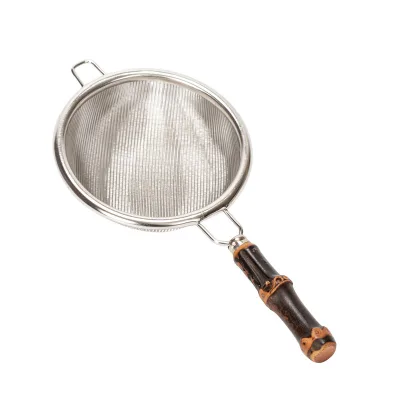
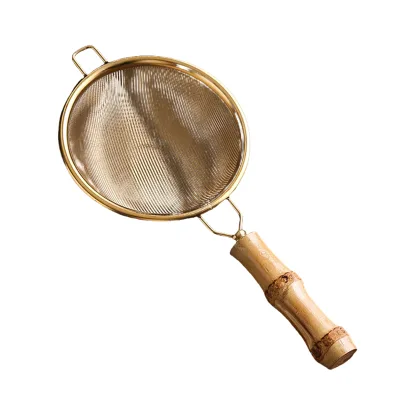
Estick Stainless Steel Fine Mesh Tea Strainer with Bamboo Handle Portable Silvers Scoop Utensil
$2.68 - $2.90
MOQ: 100 Minimum
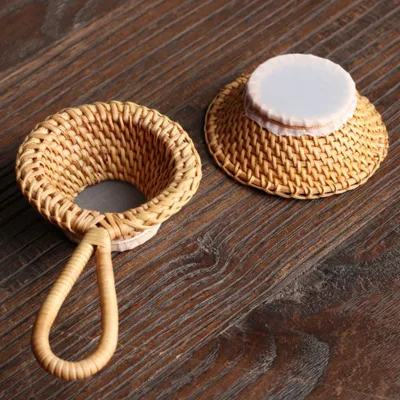
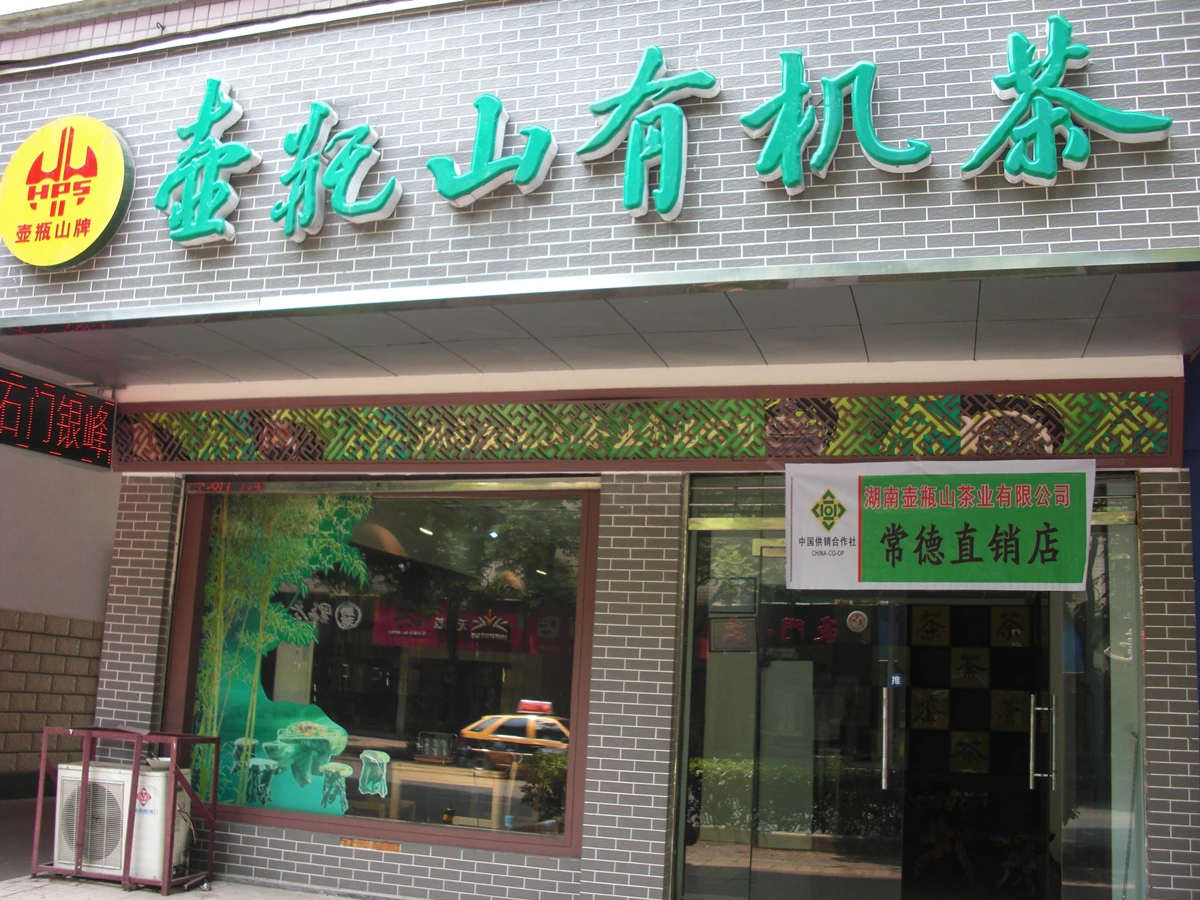
- Trading Company
- Hunan, China
- Lead time7 days
- Avg. response≤ 4h
Main productsGreen Tea & Matcha Green Tea,Black Tea & Puer Tea,Oolong Tea,Flower & Herb Tea,Teaware & Tea Accessories
Main marketsNorth America(16.00%), Oceania(15.00%), Southern Europe(9.50%), Eastern Asia(9.20%), Northern Europe(8.70%), Africa(8.00%), Eastern Europe(8.00%), Western Europe(7.60%), Mid East(7.00%), Southeast Asia(4.00%), Domestic Market(3.00%), South America(3.00%), South Asia(1.00%)

Ningbo Two Birds Industry Co., Ltd.
- Verified by BV
- Trading Company,Manufacturer/Factory
- China Zhejiang
- Lead time45 days
Main productsCosmetic & Makeup Items, Cleaning Tool, Pet Supplies, Bathroom Products, Bags, Kitchen Accessories, Hair Accessories, Home Textile, Consumable Items, Home Storage
Main marketsSouth America,Eastern Europe,Mid East,North America,Southeast Asia,Eastern Asia,Oceania,Western Europe,Africa

Tea Infuser Filter Silicone Handle Loose Stainless Steel Tea Ball Strainer
$0.60 - $2.00
MOQ: 5000 Pieces

Shuifu Huiyang Agricultural Technology Co., Ltd.
- Verified by SGS
- Trading Company
- China Yunnan
- Lead time23 days
Main productsBamboo Products, Bamboo Crafts, Bamboo Chopsticks, Bamboo Skewers, Bamboo Weaving, Bamboo Tray, Bamboo Box, Bamboo Placemat, Bamboo Fruit Bowl, Lamp Shades
Main marketsDomestic
Yangjiang Homedailys Houseware Co., Ltd.
- Verified by Intertek
- Trading Company
- Lead time25 days
- Avg. response≤ 2h
Main productsKnives, Kitchenware, BBQ, Wine Opener, Multitools
Main marketsNorth America(48%), Western Europe(24%), Oceania(12%)

Wenzhou Cathylin International Trade Co., Ltd.
- Verified by TUVRHEINLAND
- Trading Company
- China Zhejiang
- Lead time15 days
Main productsFlatware, Cutlery, Kitchen Tools, Tableware, Cookware, Bakeware, Drinkware
Main marketsNorth America
Anping County Jineng Metal Wire Mesh Products Co., Ltd.
- Manufacturer, Trading Company
- Hebei, China
- Lead time3 days
- Avg. response≤ 1h
Main productsSS Filter,Filter cartridge,Metal Basket,Filter element,Wire Mesh
Main marketsNorth America(25.00%), Southern Europe(10.00%), Central America(10.00%), Southeast Asia(10.00%), Eastern Europe(10.00%), South America(10.00%), Northern Europe(5.00%), Western Europe(5.00%), Eastern Asia(5.00%), South Asia(5.00%), Oceania(3.00%), Mid East(2.00%)
Yantai Fochi Kitchenware Co., Ltd.
- Verified by SGS Group
- Manufacturer, Trading Company
- Lead time20 days
- Avg. response≤ 2h
Main productsBamboo Whisk, Matcha Whisk Set, Kongfu Tea Set, Coffee and Tea Tools, Coffee and Tea Set
Main marketsNorth America(35%), Western Europe(15%), Southeast Asia(10%)
- Verified by SGS Group
- Trading Company
- Lead time20 days
- Avg. response≤ 10h
Main productsKitchenware, Coffee French Maker, Plastic Bento Box, Bamboo Wooden Kitchen Items, Ceramic & Glass Products
Main marketsNorthern Europe(20%), South Asia(20%), North America(10%)

Seer Hardware Industry&Trade Co., Ltd.
- Combined
- China Guangdong
- Lead time30 days
Main productsKnife, Camping Knife, Folding Knife, Kitchen Knife, Hunting Knife, BBQ Tools, Laguiole Knife, Manicure Set, Knife Set, ODM OEM Knife
Main marketsSouth America,Southeast Asia/ Mideast,East Asia(Japan/ South Korea),Europe,North America


Star Shape Stainless Steel Tea Infuser (SE-0356)
MOQ: 500 Pieces

KKS Enterprises Co., Ltd. Hangzhou
- Verified by SGS
- Manufacturer/Factory
- China Zhejiang
- Lead time23 days
Main productsBar Runner, Floor Mats, Bar Mats, Logo Mats, Carpet, Promotional Products, Ice Bucket, Dust Control Mats, Bar Tray, Bottle Openers
Main marketsSouth America,Eastern Europe,Mid East,North America,Southeast Asia,Eastern Asia,Oceania,Western Europe,Africa

- Verified by TUVRHEINLAND
- Manufacturer/Factory
- China Zhejiang
- Lead time45 days
Main productsIce Bucket, Toys, Kitchen Products, Hip Flask, Shaker, Bar Caddy, Menu Board, Bottle Opener, Barwares, Wine Glasses
Main marketsSouth America,Eastern Europe,Mid East,North America,Southeast Asia,Eastern Asia,Oceania,Western Europe,Africa

Jieyang Y&M Hardware Products Factory
- Manufacturer/Factory
- China Guangdong
- Lead time23 days
Main productsPlastic Handle Cutlery, Stainless Steel Cutlery, Ceramic Handle Cutlery, Metal Straw, Kitchenware Set, Peeler, Spoon, Knife, Fork, Strainers
Main marketsSouth America,Eastern Europe,Mid East,North America,Southeast Asia,Eastern Asia,Western Europe,Africa
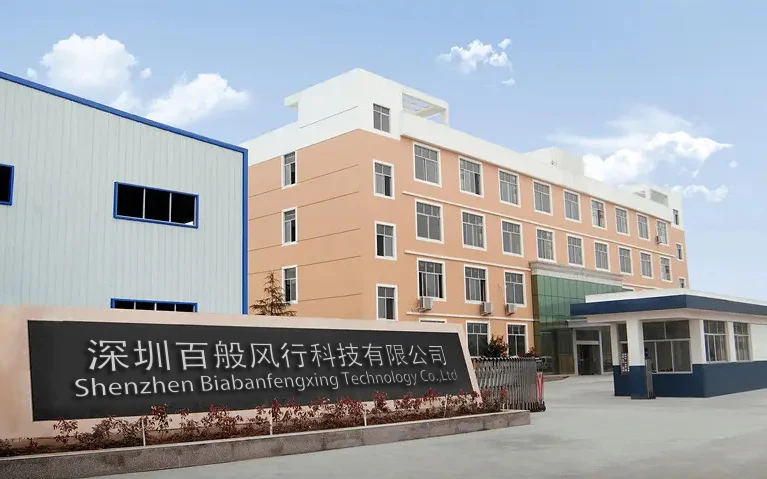
Shenzhen Baibanfengxing Technology Co., Ltd.
- Manufacturer, Trading Company
- Guangdong Province, China
- Lead time5 days
- Avg. response≤ 5h
Main productshousehold products,Kitchen supplies
Main marketsDomestic Market(20.00%), Eastern Europe(15.00%), North America(15.00%), Western Europe(10.00%), Southern Europe(10.00%), Northern Europe(10.00%), South America(5.00%), Mid East(5.00%), Southeast Asia(5.00%), Central America(5.00%)


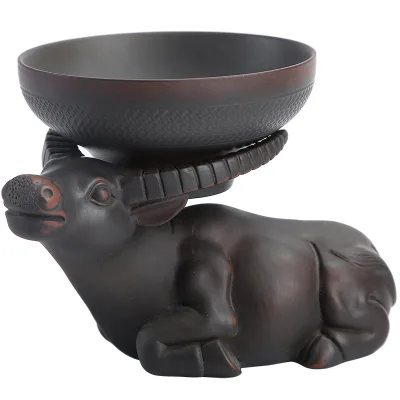
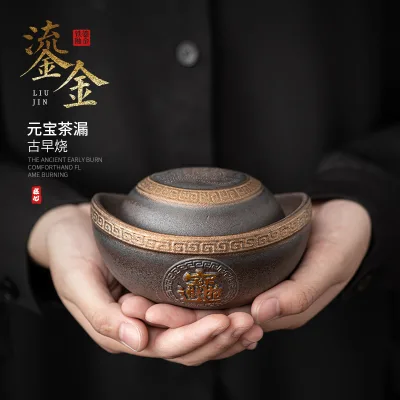


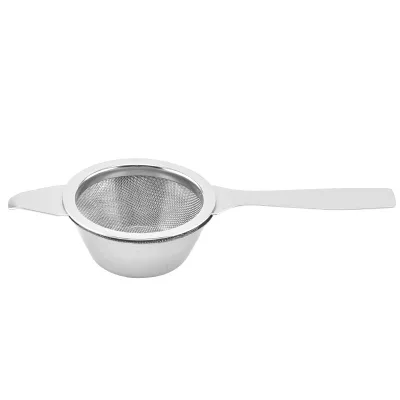
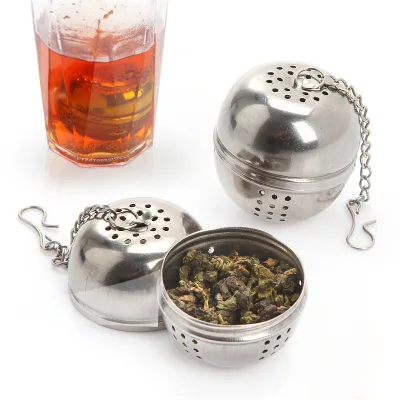










Comprehensive Sourcing Guide
Japandi Style Tea Strainer Supplier Concentration and Factory Types
Current supplier data indicates a concentration of manufacturing capabilities within China, specifically in the Guangdong province and the Yangjiang region. These areas are identified as primary production hubs for kitchenware, including tea infusers, strainers, and related utensils. The observed supplier types in these clusters include Trading Companies, Manufacturers, and Group Corporations, suggesting a mix of direct factory production and distribution networks. Some suppliers list their main products as steel kitchenware, round dinner plates, and retro cutlery sets, while others specialize in tea-specific items like infusers and strainers. This diversity in company type means buyers must distinguish between entities that own production lines and those that aggregate goods from multiple sources.
When evaluating the factory types, it is crucial to note that some suppliers offer Own Brand, OEM, and ODM capabilities, indicating flexibility in customization. The presence of "Group Corporation" and "Manufacturer/Factory" labels suggests that larger entities may have more robust internal quality control and production capacity compared to smaller trading firms. However, the data also shows suppliers classified as "Distributor/Wholesaler," which may imply a different supply chain structure where the entity sources from third-party factories. Buyers should verify if the specific supplier they are engaging with has direct manufacturing control over the Japandi Style Tea Strainer or if they are acting as an intermediary. Understanding this distinction helps in assessing the potential for cost negotiation and the ability to implement specific design changes required for the aesthetic.
How to Verify Japandi Style Tea Strainer Suppliers
Verification of supplier credentials is a critical step when sourcing Japandi style tea strainers, as the market contains various entity types with differing levels of transparency. The available data highlights specific verification statuses, such as TUVRHEINLAND, which serves as a concrete indicator of third-party validation for certain suppliers. Additionally, system certifications like BSCI, ASME, and SEDEX are observed in the results, providing evidence of compliance with social and safety standards. Buyers should prioritize suppliers who display these specific certifications rather than relying on general claims. It is also important to check for product-specific certifications such as LFGB, FDA, and CE / EU, which are listed for glass and stainless steel tea infusers, ensuring the materials meet international safety requirements for food contact.
Beyond certifications, buyers must verify the operational details provided in the supplier profiles. The data shows response times ranging from 2 to 23 hours, which can be a proxy for the efficiency of the communication team and the readiness of the factory to handle inquiries. A shorter response time often correlates with a more active sales operation, but it should be cross-referenced with the supplier's actual production capacity. Buyers should also confirm the origin of the products, as some listings specify Yangjiang or Guangdong, while others simply state China. Verifying the exact location helps in assessing the logistics and potential for factory audits. If a supplier claims to be a manufacturer but lacks specific product evidence or certification details, the buyer should request further documentation before proceeding with any order.
What to Compare Across Japandi Style Tea Strainer Suppliers
When comparing suppliers, the primary dimensions to evaluate include lead times, minimum order quantities (MOQ), and pricing structures, all of which vary significantly across the available results. Lead times observed in the data range from 10 days to 23 days, indicating that production schedules differ based on the supplier's current workload and manufacturing complexity. MOQs are equally diverse, with some suppliers requiring as few as 50 pieces, while others set thresholds at 500 or even 1000 pieces. This variation allows buyers to select partners that align with their inventory strategy, whether they are looking for small batch testing or large-scale distribution. Pricing also fluctuates, with observed ranges from $0.99 to $9.99 depending on the material, design complexity, and customization options offered.
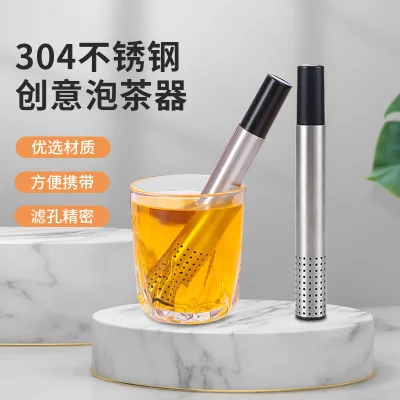
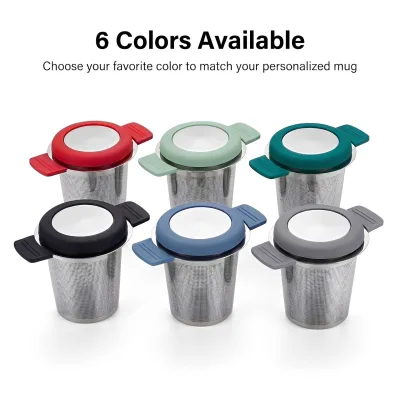
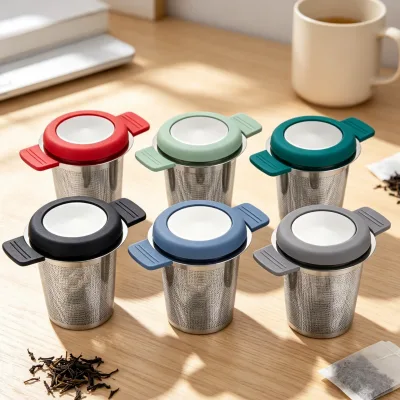
In addition to logistical metrics, buyers should compare the customization capabilities and material specifications listed for each supplier. The data indicates that many suppliers offer customization for glass and stainless steel products, with options for custom logos and specific packaging like white boxes or gift boxes. Some products are described as eco-friendly and feature multicolor options, which may be relevant for the Japandi aesthetic. Buyers must verify if the "Customization: Available" label applies to the specific design elements they require, such as the shape of the strainer or the finish of the metal. Comparing the product attributes, such as the use of 304 stainless steel or specific glass types, ensures that the final product meets the desired quality standards. This detailed comparison helps in identifying suppliers who can deliver the specific look and feel required for the Japandi style without compromising on material integrity.
Common Japandi Style Tea Strainer Sourcing Risks
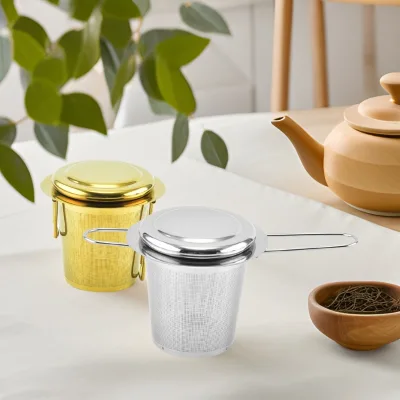
One significant risk in sourcing Japandi style tea strainers is the potential mismatch between the advertised aesthetic and the actual product quality, particularly regarding material consistency. While many suppliers list certifications like LFGB and FDA, the visual style of Japandi relies heavily on subtle finishes and precise dimensions that may vary between production batches. Some product listings mention "Silver" or "Gold" colors, but the specific shade and finish can differ if the supplier does not strictly adhere to the requested specifications. Buyers should be cautious of suppliers who offer a wide range of products without a clear focus on the specific style, as this may indicate a lack of specialized expertise in the Japandi design language. Verifying sample quality is essential to ensure that the "Eco-Friendly" and "Modern" features claimed in the product attributes are genuinely present in the physical goods.
Another risk involves the reliability of the supply chain and the accuracy of the stated lead times and MOQs. The data shows a wide range of lead times, from 10 to 23 days, and MOQs from 50 to 1000 pieces. If a supplier promises a short lead time but has a history of delays, it could disrupt the buyer's inventory planning. Similarly, an MOQ that is too high for a new product launch can tie up capital, while one that is too low might not be economically viable for the supplier, potentially leading to quality compromises. Buyers should also be aware of the possibility of mixed product origins, as some listings specify Yangjiang while others just say China. This inconsistency can affect the traceability of the product and the ability to enforce quality standards. Mitigating these risks requires thorough due diligence and clear communication regarding expectations before placing any order.
Japandi Style Tea Strainer Regional Sourcing and Logistics
Sourcing from the identified regions of Guangdong and Yangjiang in China offers distinct logistical advantages and challenges for buyers of Japandi style tea strainers. These regions are established hubs for kitchenware manufacturing, which means that the infrastructure for shipping and handling is generally well-developed. However, the specific location of the factory within these provinces can impact transit times and shipping costs. For instance, suppliers in Yangjiang may have different port access compared to those in other parts of Guangdong. Buyers should verify the exact place of origin listed in the product attributes, as this information is crucial for calculating accurate freight costs and delivery schedules. The data shows that some products originate from Guangdong, while others are from Yangjiang, highlighting the need for precise location verification.
Logistics planning must also account for the packaging specifications provided by the suppliers, which vary from simple cartons to white boxes and gift boxes. The choice of packaging affects the volume and weight of the shipment, directly influencing freight charges. Some listings indicate a single package size of 15x10x10 cm, while others mention larger dimensions for sets. Buyers need to ensure that the packaging is robust enough to protect the glass and stainless steel components during transit, especially given the fragile nature of glass infusers. Additionally, the "Eco-Friendly" feature mentioned in product attributes may require specific packaging materials that comply with environmental regulations in the destination country. Coordinating with the supplier to confirm packaging details and shipping methods is essential to avoid damage and ensure compliance with import standards.
Japandi Style Tea Strainer Commercial Terms and Order Planning
Commercial terms for Japandi style tea strainers vary significantly based on the supplier's type and the specific product configuration. The data shows that some suppliers accept customization for logos and packaging, which may involve additional costs or minimum order requirements. Buyers should clarify the pricing structure, as observed ranges span from $0.99 to $9.99, depending on factors like material quality and design complexity. It is vital to confirm whether the quoted price includes all necessary certifications and packaging, or if these are separate line items. Additionally, the response times of 2 to 23 hours can influence the speed of negotiation and the ability to resolve commercial disputes quickly. Buyers should establish clear communication channels to ensure that all terms are understood and agreed upon before finalizing the order.
Order planning must also consider the lead times and MOQs to align with the buyer's inventory and sales cycles. With lead times ranging from 10 to 23 days, buyers need to factor in production time plus shipping duration to ensure timely delivery. The MOQs, which can be as low as 50 pieces or as high as 1000, require careful financial planning to avoid overstocking or understocking. Buyers should also verify the payment terms and any escrow options available to protect their investment. If a supplier offers OEM or ODM services, the timeline for design approval and sample production must be included in the overall schedule. By carefully analyzing these commercial terms and planning accordingly, buyers can mitigate risks and ensure a smooth procurement process for their Japandi Style Tea Strainer orders.
FAQs
What certifications do tea strainers have?
Most glass and stainless steel tea infusers carry LFGB, FDA, and CE/EU certifications. These marks confirm the materials meet international food safety standards. Buyers should verify specific certificates for their target market to ensure compliance with local import regulations and quality expectations.
What is the typical lead time?
Production lead times generally range from 10 to 23 days depending on order volume and customization needs. Standard stocked items may ship faster, while custom OEM orders require additional time for mold setup and quality checks. Confirm exact timelines with the supplier before placing orders.
What is the minimum order quantity?
MOQs vary significantly, typically ranging from 50 pieces for standard mesh strainers to 500 or 1000 units for custom glass infusers. Lower MOQs are often available for basic metal filters, while personalized packaging or unique designs usually require higher minimum purchase quantities.
What materials are used in tea strainers?
Common materials include borosilicate glass, 304 stainless steel, and silicone accents. Glass infusers offer visual appeal and heat resistance, while metal mesh strainers provide durability and fine filtration. Many products combine metal frames with glass chambers for a modern aesthetic and functional performance.
What is the price range?
Unit prices typically range from $0.99 to $9.99 based on material complexity and customization. Simple stainless steel mesh filters are often under $2, while intricate glass and steel designs with premium packaging cost more. Prices decrease with higher order volumes and standard specifications.
Can I customize the design?
Yes, most suppliers offer OEM and ODM services for custom branding and design. You can customize logos, colors, and packaging styles. Some manufacturers also allow structural modifications to the infuser mesh or handle. Confirm customization options and associated costs directly with the factory.