Japandi Matcha Bowl Suppliers and Manufacturers in China
Explore 24 verified suppliers offering japandi matcha bowls with varying lead times, certifications, and customization options. Compare response times, MOQs, and production standards to select the right partner for your order today; review the available evidence before requesting comparable quotations from suitable candidates.
Suppliers List

Xiamen Yoyo Ceramic Trading Co., Ltd.
- Verified by BV
- Combined
- China Fujian
- Lead time23 days
- Avg. response≤ 10h
Main productsCeramic Mugs, Ceramic Plates, Teawares, Ceramic Canisters, Ceramic Vases, Ceramic Flower Planters, Ceramic Coin Bank, Flowerpot, Canisters, Resin Crafts
Main marketsSouth America,Africa,Southeast Asia/ Mideast,East Asia(Japan/ South Korea),Europe,Australia,North America
Foshan Xinyi Technology Co., Ltd.
- Manufacturer, Trading Company, Distributor/Wholesaler
- Guangdong, China
- Lead time9 days
- Avg. response≤ 3h
Main productsmatcha whisk,ceramic whisk holder,ceramic matcha bowl,matcha whisk set,bamboo whisk
Main marketsNorth America(30.00%), Central America(5.00%), South Asia(5.00%), Mid East(3.00%), Southeast Asia(2.00%)
Shenzhen Bogart Kitchenware Co., Ltd.
- Verified by TüVRheinland
- Trading Company
- Guangdong, China
- Lead time15 days
- Avg. response≤ 2h
Main productsCoffee & Tea Sets, Matcha Tools, Portable Coffee Maker, Coffee Tumbler & Mugs, Coffee Accessories
Main marketsMid East(30%), North America(20%), Western Europe(13%)
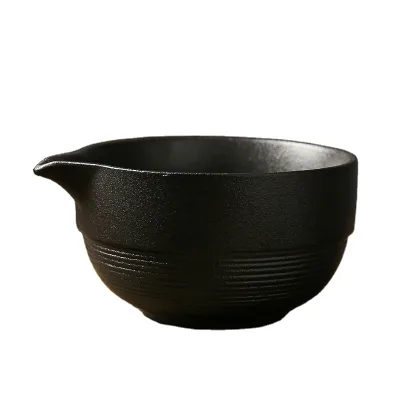
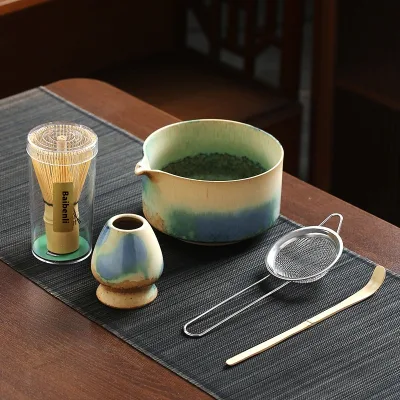
$1.10 - $10.10
MOQ: 100 Minimum
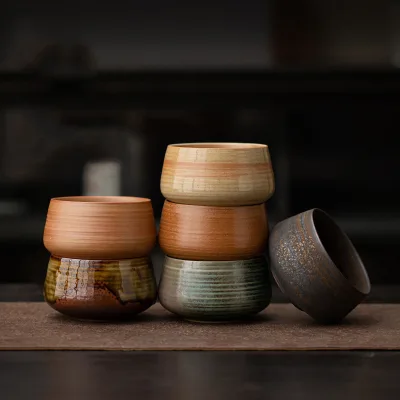
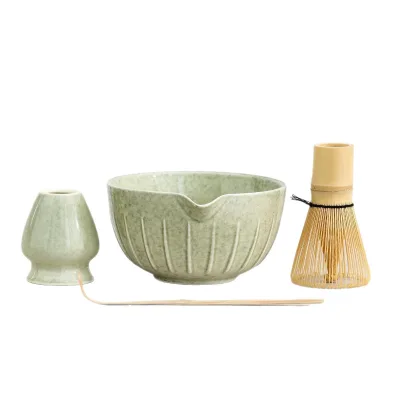
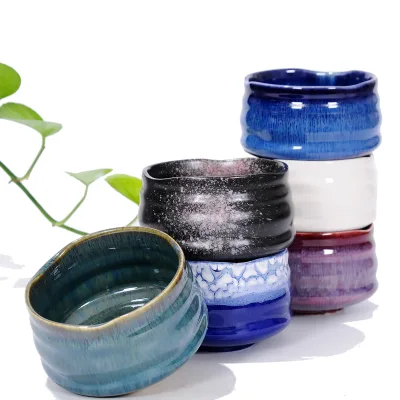
Wholesale Food Grade Handmade Thread Textured Fambe Blaze Chawan Custom Ceramic Matcha Tea Bowl
$2.68 - $4.00
MOQ: 50 pieces
Shenzhen Armhorse Industry Co., Ltd.
- Verified by SGS Group
- Trading Company
- Lead time7 days
- Avg. response≤ 2h
Main productsDinnerware, Plates, Cup Set, Bowl, Bakeware
Main marketsNorth America(40%), Oceania(10%), Mid East(10%)

Changchun Jinsheng Zhuoyu Trading Co., Ltd.
- Trading Company
- Jilin, China
- Lead time0 days
- Avg. response≤ 5h
Main productsTea,Ginseng,Herbs,Tea accessory,Gift
Main marketsWestern Europe(20.00%), North America(20.00%), Northern Europe(10.00%), Central America(10.00%), South America(10.00%), Southern Europe(5.00%), Mid East(5.00%), Eastern Europe(5.00%), Eastern Asia(4.00%), Southeast Asia(4.00%), Oceania(4.00%), Africa(2.00%), South Asia(1.00%)
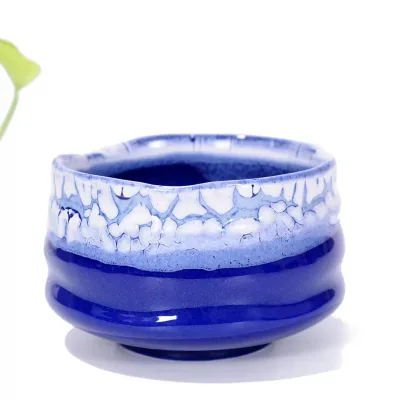
Hot Sell Japanese Style Matcha Bowl Colorful Ceramic Matcha Tea Bowl 500 ml Matcha Accessories
$5.50 - $6.50
MOQ: 10 pieces
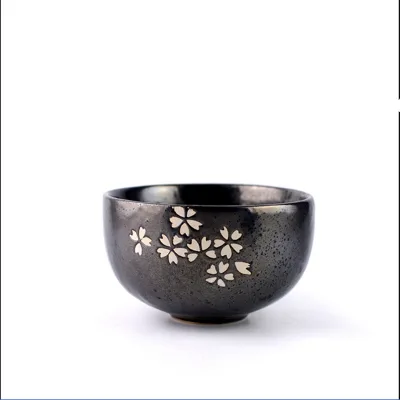
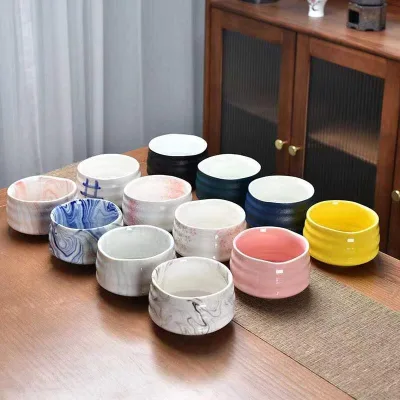
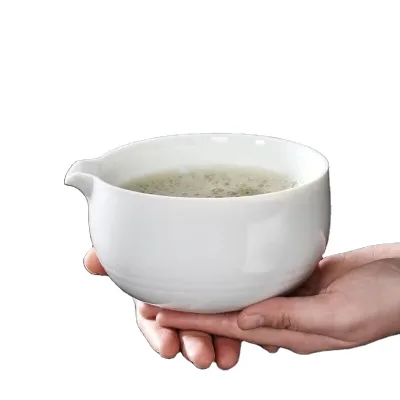
400 ML Ceramic Chawan Hand-made Ceremony Matcha Bowl With Spout Matcha Kit
$3.08 - $4.11
MOQ: 10 pieces

Xiamen Athome Household Products Co., Ltd.
- Verified by SGS
- Trading Company
- China Fujian
- Lead time30 days
- Avg. response≤ 5h
Main productsXiamen Athome Household Products Co. Ltd. Is a, Custom Matcha Tea Set, Wooden &Bamboo Kitchenware, Custom Gifts & Souvenirs, Home & Seasonal Decor, Tableware &Dinner Set, Custom Candle Holer, Seasonal & Promotional Gifts, Drinkware, Sourdough & Baking Tools
Main marketsSoutheast Asia/ Mideast,East Asia(Japan/ South Korea)
Shenzhen Yifan Founder Electronics Co., Ltd.
- Trading Company
- Lead time旺季: "1 - 500":10,"501 - 3000":15,"3001 - 50000":30,"> 50000":"To be negotiated", 淡季: "1 - 500":10,"501 - 3000":15,"3001 - 50000":30,"> 50000":"To be negotiated"
- Avg. response≤ 2h
Main productsFlatware, Ceramic Tableware, Chopsticks, Straw, Kitchenware

- Verified by BV
- Combined
- China Anhui
- Lead time15 days
- Avg. response≤ 5h
Main productsStorage Basket, Laundry Basket, Kitchen Rack, Storage Shelf, Storage Jar, RPET Tableware Set, Matcha Whisk, Handmade Storage Basket, Wall & Table Decoration, Hamper
Main marketsSouth America,Southeast Asia/ Mideast,North America


High Quality Handmade Ceramic Japanese Matcha Power Bowl with Spout Matcha Set Bowl
$2.99 - $3.09
MOQ: 500 Pieces

High Quality Large Spouted Ceramic Matcha Bowl Colorful Matcha Bowl Matcha Set for Japanese Ceremony
$2.99 - $3.09
MOQ: 500 Pieces

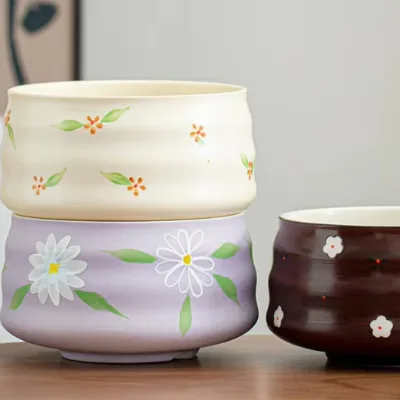
Custom Serving Tea Mixing Colourful Large Ceramic Bowl Matcha Bowl with Design
$2.99 - $3.09
MOQ: 500 Pieces

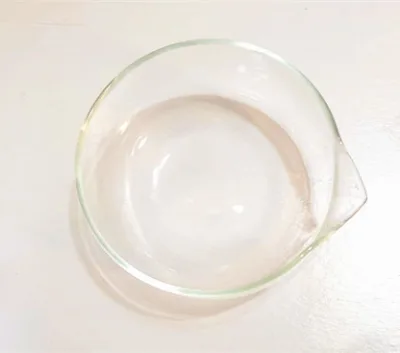
Clear Glass Matcha Bowl with Whisk Holder Custom Design Box Matcha Tea Set
$12.19 - $12.85
MOQ: 2 Sets

Handmade Japanese Style Matcha Chawan Colorful Matcha Bowl with Spout Matcha Whisk Set
$7.99 - $8.25
MOQ: 200 Sets

Chaozhou Jiayuehui Tableware Co., Ltd.
- Verified by SGS
- Manufacturer
- China Guangdong
- Lead time45 days
- Avg. response≤ 25h

New Designed Matcha Bowl with Spout in Various Types Ceramic Matcha Bowl with Different Color
$0.50 - $2.00
MOQ: 500 Pieces

Customize Color Eco-Friendly Wellway Small Ceramic Japanese Matcha Bowl for Matcha Tea
$0.50 - $2.00
MOQ: 500 Pieces


Hot Selling Colorful Pottery Handmade Salad Bowl Ceramic Ceremonial Matcha Bowl
$0.50 - $2.00
MOQ: 500 Pieces


Harmony Colorful Pottery New Arrival Handmade Salad Bowl Ceramic Ceremonial Matcha Bowl
$0.50 - $2.00
MOQ: 500 Pieces

Quanzhou Comain Ceramic Co., Ltd
- Trading Company
- China Fujian
- Lead time0 days
- Avg. response≤ 1h
Main productsCeramic Products
Zhengzhou Huirunda Trading Co., Ltd.
- Trading Company
- Henan, China
- Lead time15 days
- Avg. response≤ 10h
Main productskitchen products,coffee tea cups and teapot,matcha bowl,glass bowl cup,bamboo spoon
Main marketsNorth America(30.00%), Mid East(20.00%), Southeast Asia(10.00%), Eastern Asia(7.00%), South Asia(5.00%), Southern Europe(5.00%), Northern Europe(5.00%), Western Europe(5.00%), Eastern Europe(5.00%), South America(5.00%), Domestic Market(3.00%)
Hangzhou Qianghua Cup Industry Co., Ltd.
- Verified by TüVRheinland
- Manufacturer, Trading Company
- Lead time15 days
- Avg. response≤ 2h
Main productsCeramic Mug, Glass Cup, Water Bottle, Thermos Series, Stylish Vase
Main marketsNorth America(25%), Eastern Europe(15%), South America(10%)

Shuifu Huiyang Agricultural Technology Co., Ltd.
- Verified by SGS
- Trading Company
- China Yunnan
- Lead time23 days
- Avg. response≤ 3h
Main productsBamboo Products, Bamboo Crafts, Bamboo Chopsticks, Bamboo Skewers, Bamboo Weaving, Bamboo Tray, Bamboo Box, Bamboo Placemat, Bamboo Fruit Bowl, Lamp Shades
Main marketsDomestic
Harmony Houseware(Yantai) Co., Ltd.
- Verified by SGS Group
- Manufacturer, Trading Company
- Lead time20 days
- Avg. response≤ 3h
Main productsCoffee & Tea Sets
Main marketsNorth America(45%), Oceania(10%), Eastern Europe(10%)
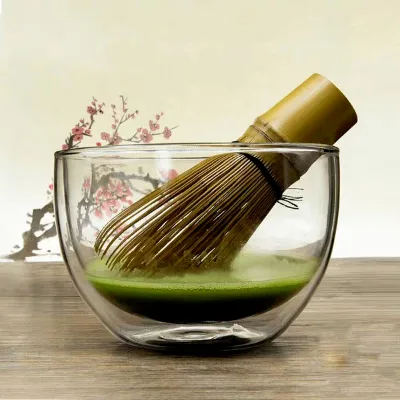
Matcha Bowl, Ceramic, Bamboo Matcha Whisk, Japanese Tea Ceremony Gift Box for Making Matcha.
$3.68 - $3.97
MOQ: 100 pieces
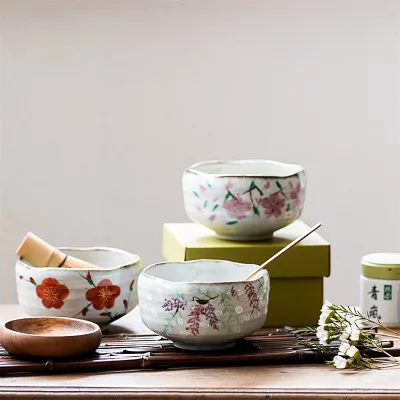
Harmony Chawan Matcha Japanese Green Tea Bowl Mino Ware Clematis Purple Made in Japan
$10.32 - $12.07
MOQ: 100
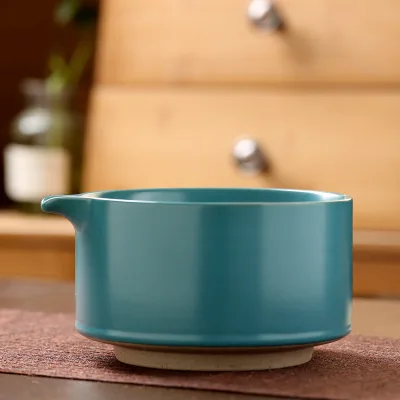
Matcha Bowl Ceramic Tea Set Accessories Tea Art Tools Salad Special Bowl
$3.93 - $4.16
MOQ: 100 pieces
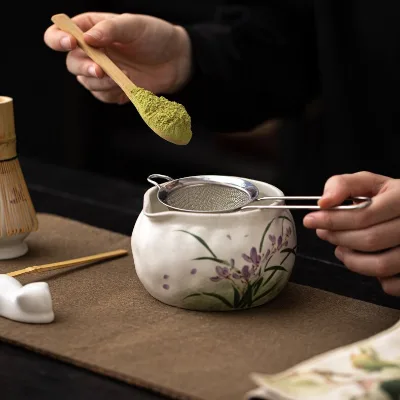
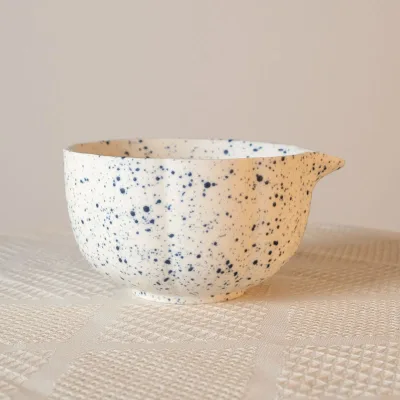
Japanese Green Tea Bowl with Green Tea Utensils for Making Green Tea and Serving Green Tea in a Bowl
$3.56 - $3.80
MOQ: 100 pieces
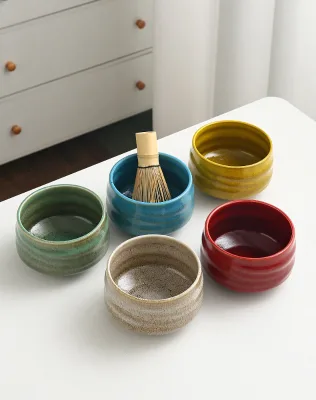
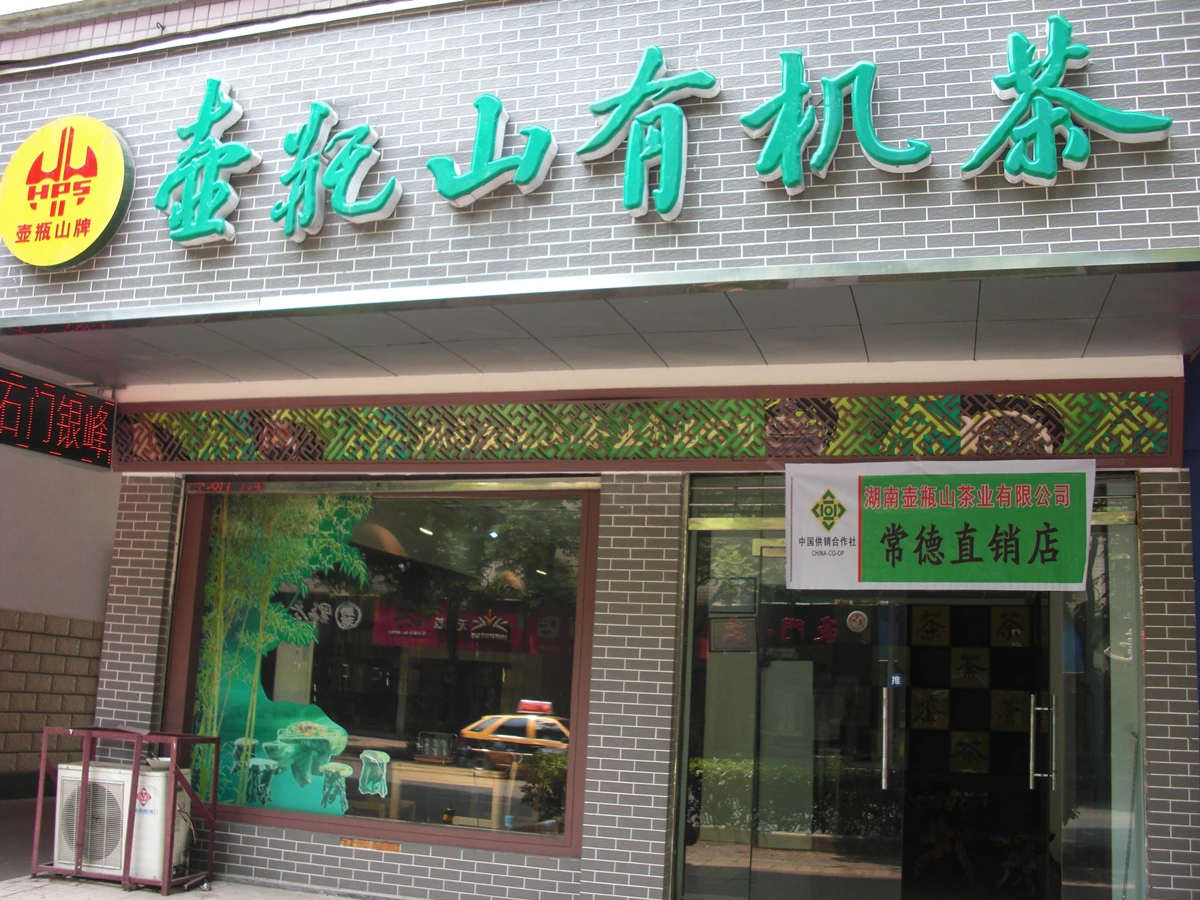
- Trading Company
- Hunan, China
- Lead time7 days
- Avg. response≤ 4h
Main productsGreen Tea & Matcha Green Tea,Black Tea & Puer Tea,Oolong Tea,Flower & Herb Tea,Teaware & Tea Accessories
Main marketsNorth America(16.00%), Oceania(15.00%), Southern Europe(9.50%), Eastern Asia(9.20%), Northern Europe(8.70%), Africa(8.00%), Eastern Europe(8.00%), Western Europe(7.60%), Mid East(7.00%), Southeast Asia(4.00%), Domestic Market(3.00%), South America(3.00%), South Asia(1.00%)
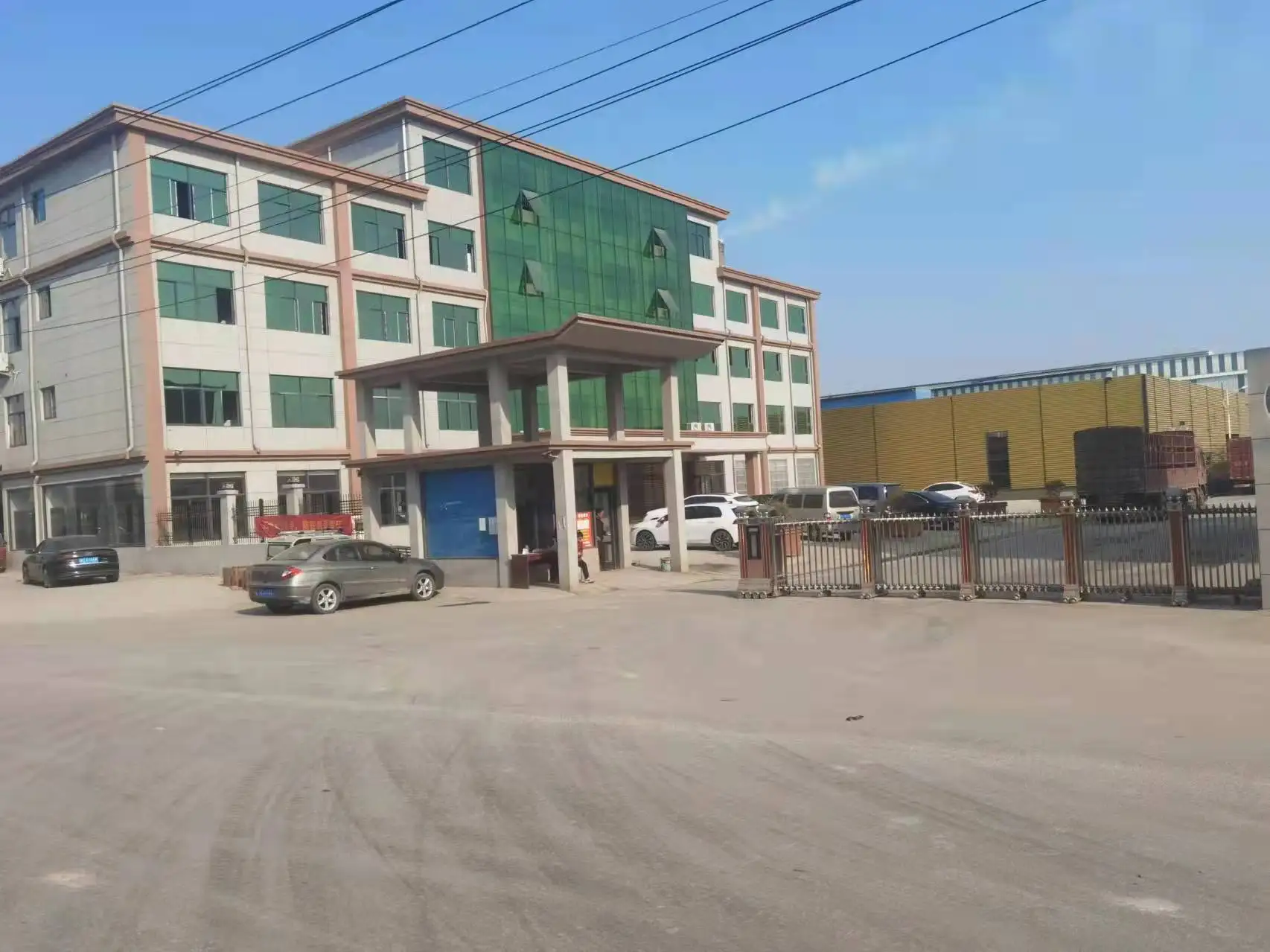
Changsha Banbo Bamboo and Wood Co., Ltd
- Manufacturer, Trading Company
- Hunan, China
- Lead time15 days
- Avg. response≤ 5h
Main productsBamboo and wood products,Matcha Whisk,Matcha Set,Matcha Kits,Teaware
Main marketsNorthern Europe(30.00%), North America(30.00%), Oceania(10.00%), Southern Europe(10.00%), Western Europe(10.00%), Eastern Europe(5.00%), Africa(3.00%), South America(2.00%)
Shaowu Shengheng Bamboo Products Co., Ltd.
- Manufacturer, Trading Company
- Fujian, China
- Lead time25 days
- Avg. response≤ 2h
Main productsBamboo Sticks, Bamboo Knotted Picks, Bamboo Skewer, Bamboo Chopsticks, Bamboo Steamer
Main marketsNorth America(30.00%), Western Europe(30.00%), Domestic Market(28.00%), Southeast Asia(12.00%)
Yantai Fochi Kitchenware Co., Ltd.
- Verified by SGS Group
- Manufacturer, Trading Company
- Lead time20 days
- Avg. response≤ 2h
Main productsBamboo Whisk, Matcha Whisk Set, Kongfu Tea Set, Coffee and Tea Tools, Coffee and Tea Set
Main marketsNorth America(35%), Western Europe(15%), Southeast Asia(10%)
Guangzhou Chenxuan Technology Co., Ltd.
- Trading Company, Distributor/Wholesaler, Other
- Guangdong, China
- Lead time10 days
- Avg. response≤ 2h
Main productssteel kitchenware,round dinner plate,retro cutlery set,gold dinner plate,korean gold dinner plate
Main marketsWestern Europe(30.00%), North America(30.00%), Mid East(15.00%), Oceania(15.00%), South America(10.00%)
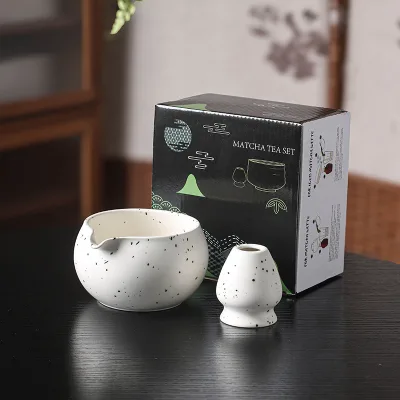
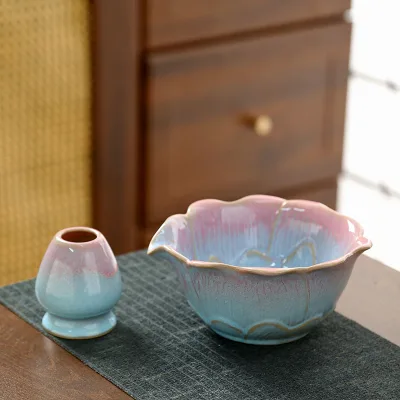
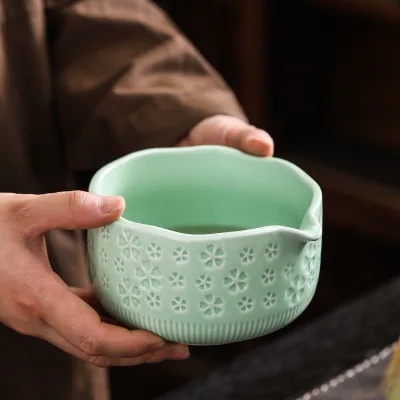
A Ceramic Matcha Bowl with a Lotus Flower-shaped Mouth, a pink and Blue Song Dynasty Tea Whisk Bowl
$1.32 - $3.93
MOQ: 20 Minimum
Chaozhou Fengxi Dongyang Porcelain Factory
- Verified by SGS Group
- Manufacturer, Trading Company
- Lead time35 days
- Avg. response≤ 4h
Main productsCeramic Cup, Ceramic Plate, Ceramic Pot & Kettle, Ceramic Bowl, Custom Porcelain
Main marketsNorth America(25%), Domestic Market(20%), South America(15%)
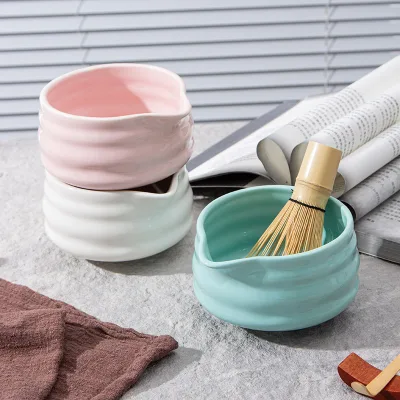
Matcha Equipments for Matcha Ceremony Set Custom Color Ceramic Matcha Bowl With Spout
$0.59 - $2.77
MOQ: 500 sets
Foshan Cheng Fan Technology Co., Ltd.
- Manufacturer, Trading Company, Distributor/Wholesaler
- Guangdong, China
- Lead time9 days
- Avg. response≤ 3h
Main productsTableware,Housewear & Furnishings,Kitchenware,Gifts,Stationery
Main marketsNorth America(30.00%), Central America(5.00%), South Asia(5.00%), Mid East(3.00%), Southeast Asia(2.00%)

Ningbo General Union Co., Ltd.
- Verified by SGS
- Trading Company
- China Zhejiang
- Lead time45 days
- Avg. response≤ 10h
Main productsChristmas Tree, Party Supply, Christmas Ball, LED Light Strip, Halloween Product, Holiday Decoration, Santa Claus, Valentine's Day Product, Balloon Decoration, Birthday Decoration
Main marketsSouth America,Europe,North America
Yantai Estick Bamboo And Wooden Products Co., Ltd.
- Verified by SGS Group
- Manufacturer, Trading Company
- Lead time30 days
- Avg. response≤ 1h
Main productsBamboo Whisk, Matcha Whisk Set, Disposable Tableware, Flatware, Bamboo Steamer
Main marketsNorth America(35%), Western Europe(15%), Southeast Asia(10%)
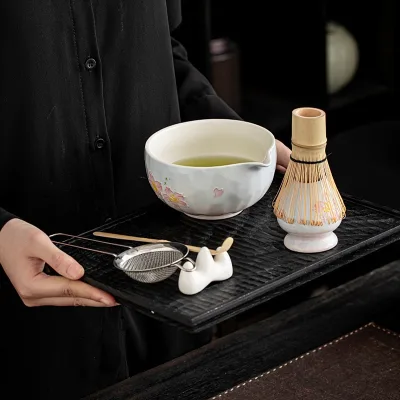
$15.07 - $16.95
MOQ: 50 sets
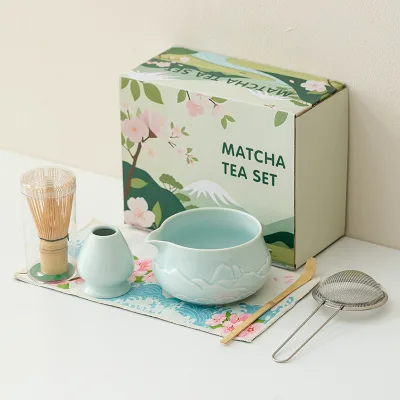

Dongguan ShunTa Melamine Products Co., Ltd.
- Verified by CTI
- Combined
- China Guangdong
- Lead time15 days
- Avg. response≤ 10h
Main productsMelamine, Table Ware, Tableware, Household, Kitchen Ware, Pets Accessories, Chopsticks, Ashtray, Cushions, Bowls
Main marketsSoutheast Asia/ Mideast,East Asia(Japan/ South Korea),Domestic,Europe,Australia,North America

MOQ: 100 Pieces

High Quality Shunta Melamine Salad Bowl White Fruit Bowl
MOQ: 50 Pieces

MOQ: 100 Pieces


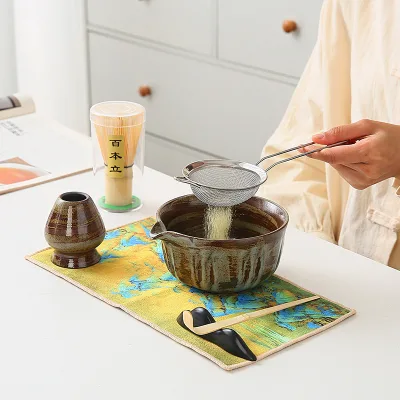
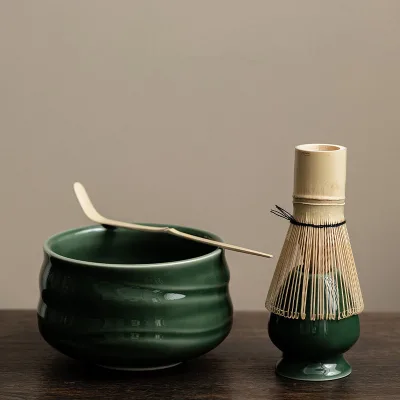
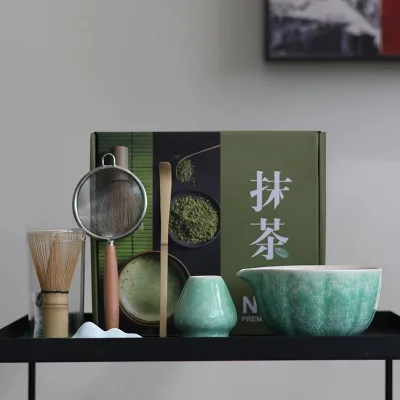
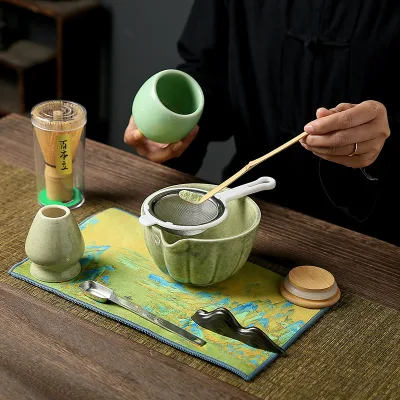
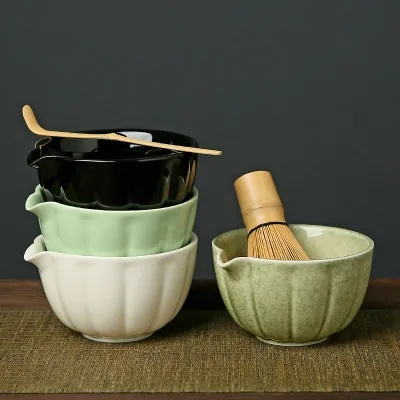


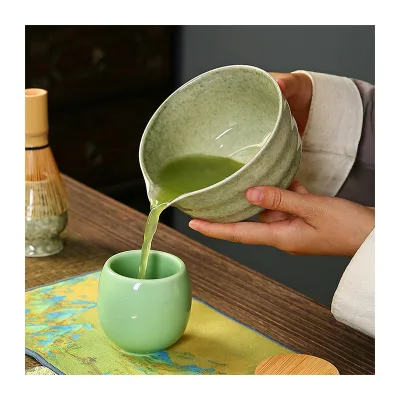
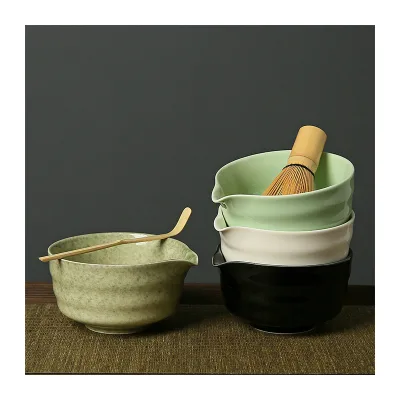


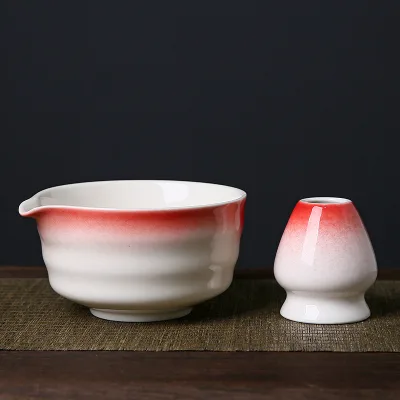


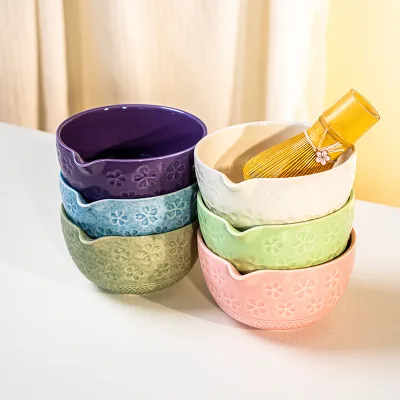
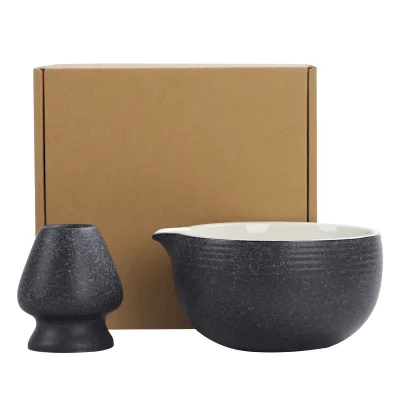
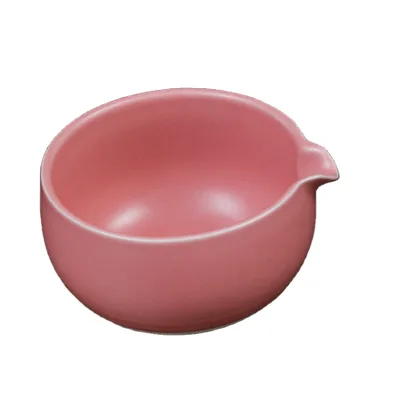
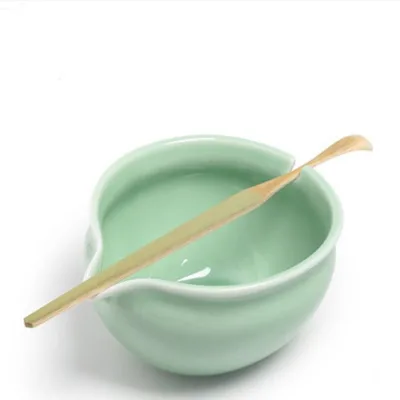
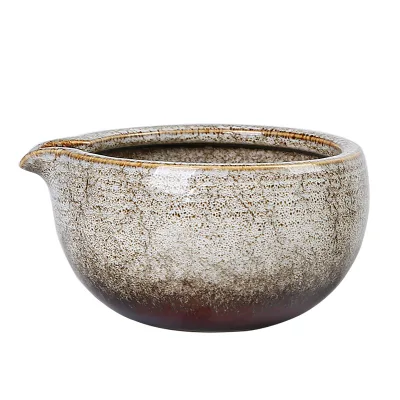
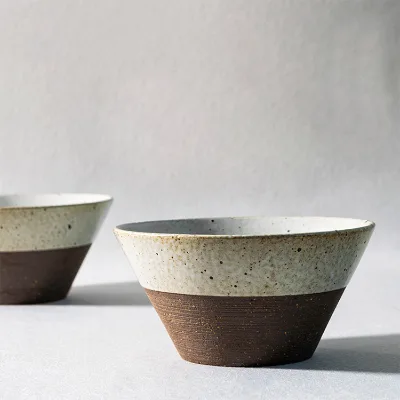
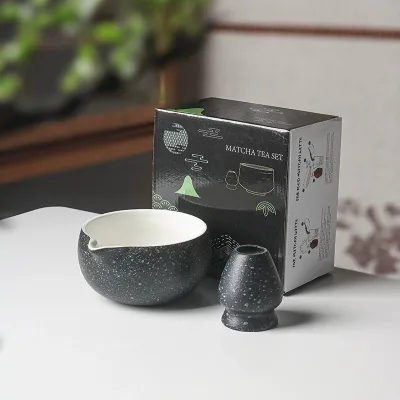


Comprehensive Sourcing Guide
Japandi Matcha Bowl Supplier Concentration and Factory Types
Current data indicates a concentration of suppliers in Fujian and Guangdong, China, which are known for ceramic and resin manufacturing capabilities. These regions host a mix of combined entities, manufacturers, trading companies, and distributors who specialize in home and garden dinnerware. The product evidence shows that some suppliers offer ODM and OEM services with their own brands, while others focus on sample processing and graphic customization. This variety suggests that buyers can find both direct factory production and trading intermediaries within these specific provinces.
When evaluating the factory type, it is crucial to distinguish between a pure manufacturer and a combined entity that may also trade. Some suppliers list their company type as a combination of manufacturer and trading company, which can impact pricing and communication flow. The main products observed include ceramic matcha bowls, resin crafts, and complete tea sets, indicating that these facilities often produce multiple related items. Buyers should verify if the specific facility handling the order has the actual production capacity for the desired material, whether it is ceramic or polyresin, as this affects quality control and lead time consistency.
How to Verify Japandi Matcha Bowl Suppliers
Verification of supplier credibility relies heavily on third-party audit reports and specific platform verification badges. The available data shows that some suppliers hold BV verification, while others possess TüVRheinland certification, which serves as a strong indicator of operational stability and compliance. Buyers must check for these specific verification statuses rather than assuming all listed suppliers are equally vetted. The presence of system certifications like FCC, FDA CPG 7117, RoHS, and CE further validates the supplier's ability to meet international safety and environmental standards for their products.
Beyond verification badges, buyers should examine the specific product attributes and customization capabilities listed in the supplier profiles. Evidence shows that some suppliers offer custom logo printing with decal technology, while others welcome OEM and ODM design requests. It is essential to confirm that the supplier explicitly states their ability to handle the specific customization required, such as unique shapes or specific color palettes like the Japandi style. If a supplier does not list a specific certification or verification status, the buyer should request proof of these credentials before proceeding, as the absence of such data does not imply a lack of quality but rather a need for further due diligence.
What to Compare Across Japandi Matcha Bowl Suppliers
Comparing suppliers requires a detailed analysis of lead times, minimum order quantities, and response speeds to ensure alignment with project timelines. The observed data reveals significant variation, with response times ranging from 2 to 9.11 hours and lead times spanning from 9 to 40 days depending on the product and order size. Some suppliers offer a lead time of 23 days, while others require 40 to 50 days for delivery after sample confirmation. Buyers must prioritize suppliers whose lead times match their specific schedule, as a shorter lead time does not always guarantee better quality or lower costs.
Minimum order quantities (MOQ) and pricing structures also vary widely across the supplier base, necessitating a careful review of each offer. The data indicates MOQs can be as low as 30 pieces for certain ceramic items or as high as 1000 pieces for resin and custom ceramic products. Price ranges observed span from $0.60 to $3.65 per unit, heavily influenced by material, customization level, and order volume. Buyers should compare the total cost of ownership, including sample fees and shipping, rather than focusing solely on the unit price. It is vital to verify if the quoted price includes specific packaging requirements or if custom boxes incur additional charges, as these factors can significantly impact the final budget.
Common Japandi Matcha Bowl Sourcing Risks
One primary risk involves the discrepancy between the claimed material and the actual product composition, particularly when dealing with resin versus ceramic options. Product evidence shows that some items are described as ceramic while others are explicitly listed as polyresin, which affects durability and weight. Buyers must ensure that the material specification matches the intended use, as polyresin items may be lighter and less durable than ceramic counterparts. Misalignment in material expectations can lead to product rejection or customer dissatisfaction, especially if the product is marketed as a premium ceramic item but delivered as resin.
Another significant risk is the variability in production time and sample approval processes, which can delay the entire supply chain. Some suppliers state a sample time of 15 days, while others require 15 to 20 days, and full production can take up to 50 days after sample confirmation. If a supplier does not clearly define the production timeline or if the sample approval process is ambiguous, the buyer risks missing critical market windows. Additionally, the lack of standardized certifications across all suppliers means that some products may not meet specific regional safety standards, requiring the buyer to verify compliance for their target market before placing a large order.
Japandi Matcha Bowl Regional Sourcing and Logistics
Sourcing from Fujian and Guangdong offers access to established manufacturing clusters, but logistics planning must account for regional shipping nuances. Suppliers in these locations typically handle export logistics, but the specific lead times observed, such as 23 days or 40 to 50 days, include the time required for production and initial shipping preparation. Buyers should confirm whether the quoted lead time includes inland transportation to the port or if it starts only after the order is confirmed. Understanding the specific logistics chain is essential for accurate delivery date forecasting, especially when dealing with time-sensitive orders.
Packaging standards also vary by region and supplier, impacting the safety of goods during transit. Product attributes indicate options for normal safe packing or customized boxes, which can influence the overall shipping volume and cost. Some suppliers list specific package dimensions and weights, such as a single package size of 15.5x14x8 cm, which helps in calculating freight charges. Buyers should verify if the packaging is robust enough to prevent breakage, particularly for ceramic items, and whether the supplier offers protective measures like reinforced corners or specialized cushioning. Ensuring that the packaging meets the requirements of the destination country is a critical step in the regional sourcing strategy.
Japandi Matcha Bowl Commercial Terms and Order Planning
Commercial terms regarding customization and branding are central to the order planning process for Japandi matcha bowls. Evidence shows that many suppliers offer custom logo printing and design services, with some explicitly welcoming OEM and ODM requests. Buyers must clarify the specific requirements for logo placement, printing technology, and design approval timelines, as these can extend the production schedule. The availability of sample processing and graphic processing capabilities suggests that suppliers are equipped to handle complex branding needs, but the exact turnaround time for these customizations must be confirmed before finalizing the order.
Payment terms and sample policies are equally critical components of the commercial agreement. While some suppliers indicate that samples are available, the cost and shipping terms for these samples are often negotiable. Buyers should establish clear expectations regarding sample fees, whether they are refundable upon bulk order, and the timeline for sample delivery. Additionally, the production time of 30 days or more, as noted in some product attributes, requires careful inventory planning to avoid stockouts. It is advisable to negotiate a clear production schedule that includes buffer time for quality checks and potential revisions, ensuring that the final delivery aligns with the buyer's sales strategy.
FAQs
What is the price range for Japandi matcha bowls?
Prices for Japandi matcha bowls typically range from $0.60 to $3.65 per unit depending on material and customization. Ceramic options generally start around $1.65, while polyresin sculptures may cost as low as $0.60. Higher-end polished ceramic pieces often reach up to $3.65. Buyers should verify specific pricing based on order volume and design requirements.
What are the minimum order quantities for these bowls?
Minimum order quantities vary significantly by supplier and product type. Some manufacturers require a minimum of 1000 pieces for standard ceramic or polyresin items. Others offer lower thresholds, with some suppliers accepting orders as small as 30 pieces. Buyers must check individual product listings to confirm the exact MOQ applicable to their specific design and material choices.
How long does production take for custom orders?
Production times generally range from 23 to 50 days after sample confirmation. Standard ceramic items may take approximately 30 days, while polyresin sculptures can require 40 to 50 days. Sample preparation usually takes 15 to 20 days. Lead times are negotiable, so buyers should confirm specific schedules with suppliers before placing bulk orders.
Are Japandi matcha bowls available with custom logos?
Yes, custom logo printing is widely available for Japandi matcha bowls. Suppliers offer OEM and ODM services, allowing for personalized branding. Decal printing is a common technique used for applying logos to ceramic surfaces. Buyers can request custom packaging and specific logo placements to align with their brand identity and marketing strategies.
What certifications do these matcha bowls hold?
Certifications vary by supplier and product line. Some ceramic items comply with SGS, FDA, PROP65, and LFGB standards. Other suppliers may hold FCC, RoHS, CE, or specific FDA CPG certifications. Buyers should verify the exact compliance documents for each product to ensure they meet local regulatory requirements and safety standards for food contact materials.
Where are Japandi matcha bowls manufactured?
These bowls are primarily manufactured in China, specifically in the Fujian and Guangdong provinces. Fujian suppliers often specialize in ceramic and polyresin crafts, while Guangdong suppliers focus on ceramic tea tools and sets. Buyers can filter results by these locations to find suppliers with established manufacturing capabilities and supply chain efficiency for their specific product needs.