Japanese Style Ceramic Coffee Mug Suppliers and Manufacturers
Explore 21 verified options for Japanese Style Ceramic Coffee Mug from Hunan and Guangdong. Compare response times, lead times, and customization capabilities like ODM and OEM. Contact suppliers directly to request quotes; review the available evidence before requesting comparable quotations from suitable candidates.
Suppliers List
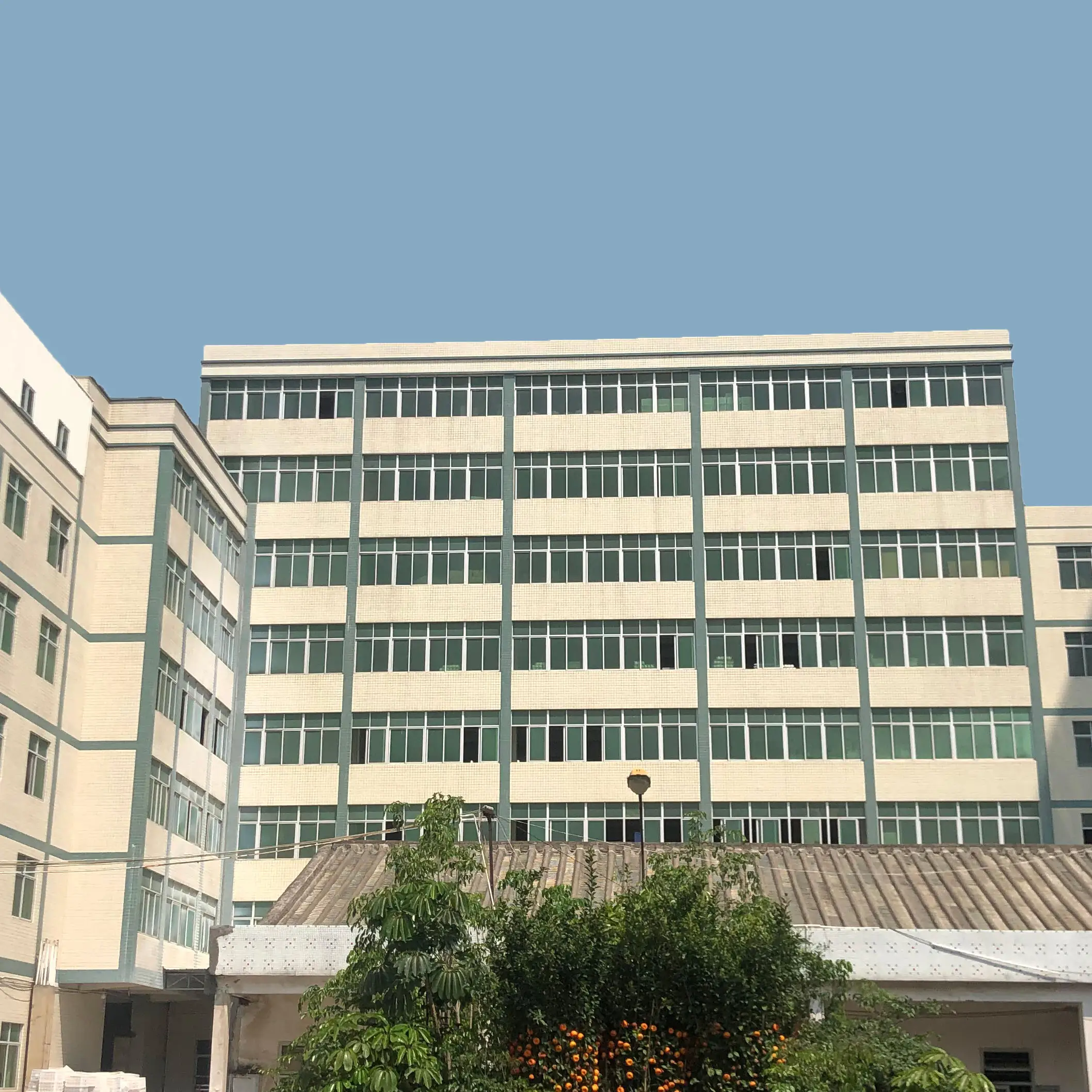
Liuyang Jersey Import Export Co., Ltd.
- Trading Company
- Hunan, China
- Lead time15 days
- Avg. response≤ 4h
Main productsdinnerware,dinnersets,tableware,ceramic plates,ceramic mugs
Main marketsSouth America(30.00%), Northern Europe(10.00%), Central America(10.00%), Eastern Asia(10.00%), Mid East(10.00%), Africa(10.00%), Southeast Asia(10.00%), North America(10.00%)

Chaozhou City Cha'an District Fengtang Town Sai Si Ceramics Factory
- Verified by CTI
- Combined
- China Guangdong
- Lead time30 days
- Avg. response≤ 6h
Main productsMugs, Ceramic Tissue Boxes, Ceramic Pet Bowls, Ceramic Vases
Main marketsDomestic

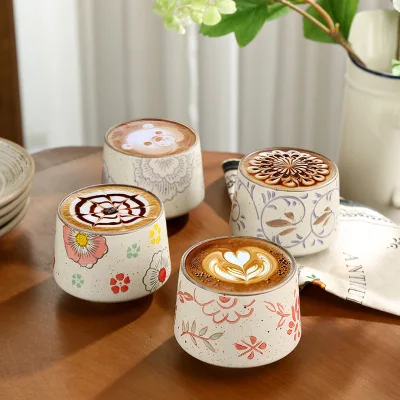
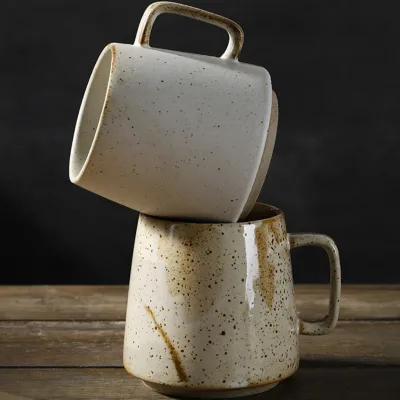
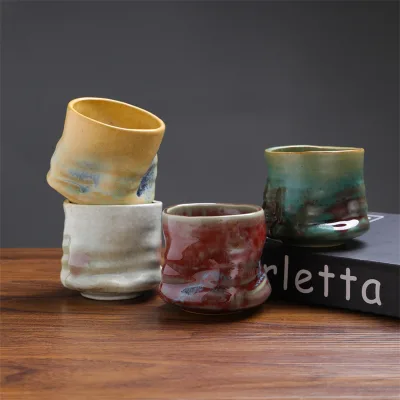
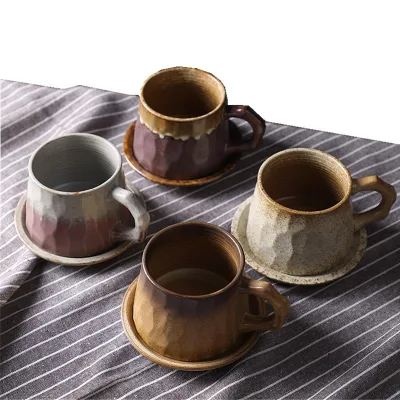
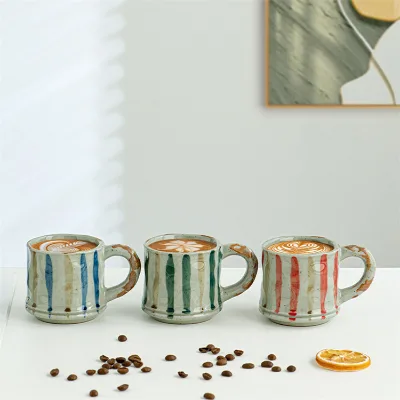
230ml Ceramic Cup Retro Pottery Coffee Cup Japandi Style Afternoon Tea Breakfast Coffee Cup Mug
$2.00 - $4.00
MOQ: 1000 Pieces

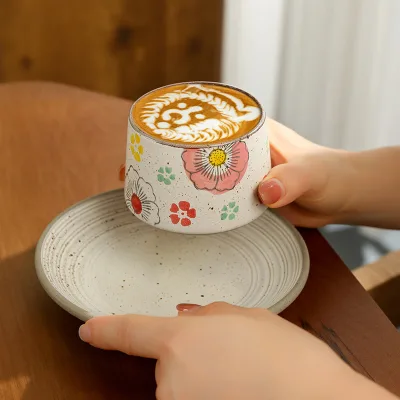
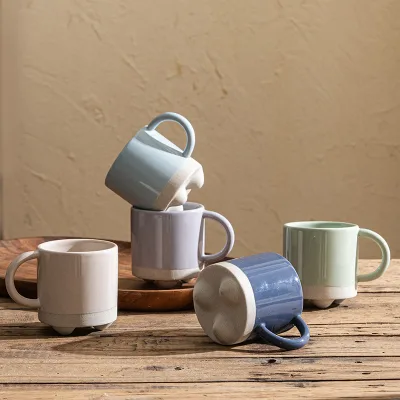
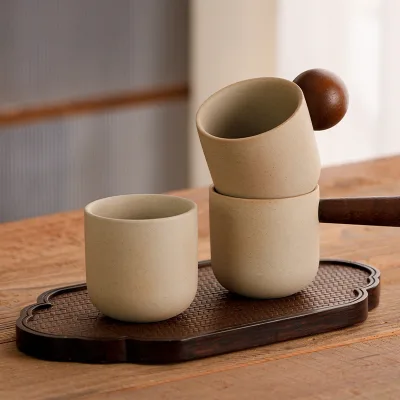
Ceramic Coffee Cup Custom Logo 120ml Creative Japanese Coarse Pottery Coffee Mug with Base
$2.00 - $4.00
MOQ: 1000 Pieces


$4.00 - $8.00
MOQ: 1000 Pieces

Japanese Style Ceramics Porcelain Coffee Cup Mug Set Ceramic Coffee Mug Cup
$4.00 - $8.00
MOQ: 1000 Pieces

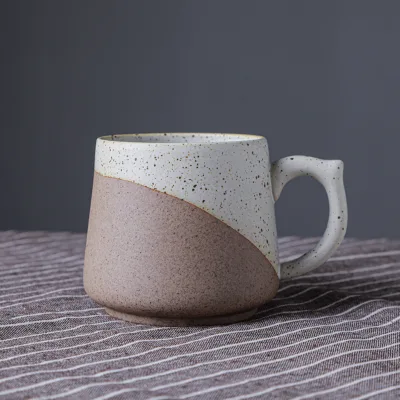
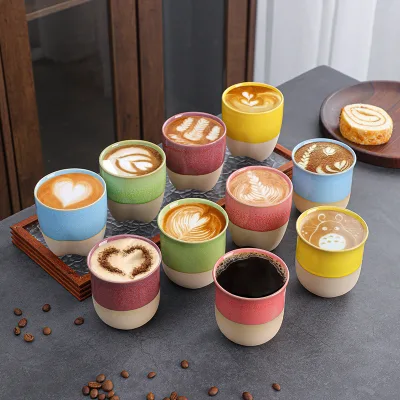
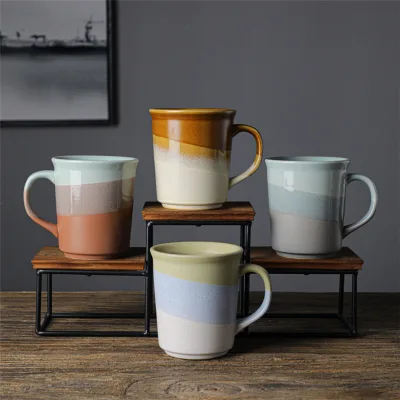
Customized Hot Sale Japanese Style Ceramic Coffee Mug Cup Coarse Pottery Colored Mugs
$4.00 - $8.00
MOQ: 1000 Pieces

- Verified by CTI
- Combined
- China Guangdong
- Lead time45 days
- Avg. response≤ 4h
Main productsCasserole, Dish, Bowl, Mug
Main marketsEast Asia(Japan/ South Korea),Domestic,Europe,North America


Japanese Classic Custom Ceramic Cafe Mug Round Durable Portable Coffee Tea Cup
$1.49 - $2.02
MOQ: 500 Pieces

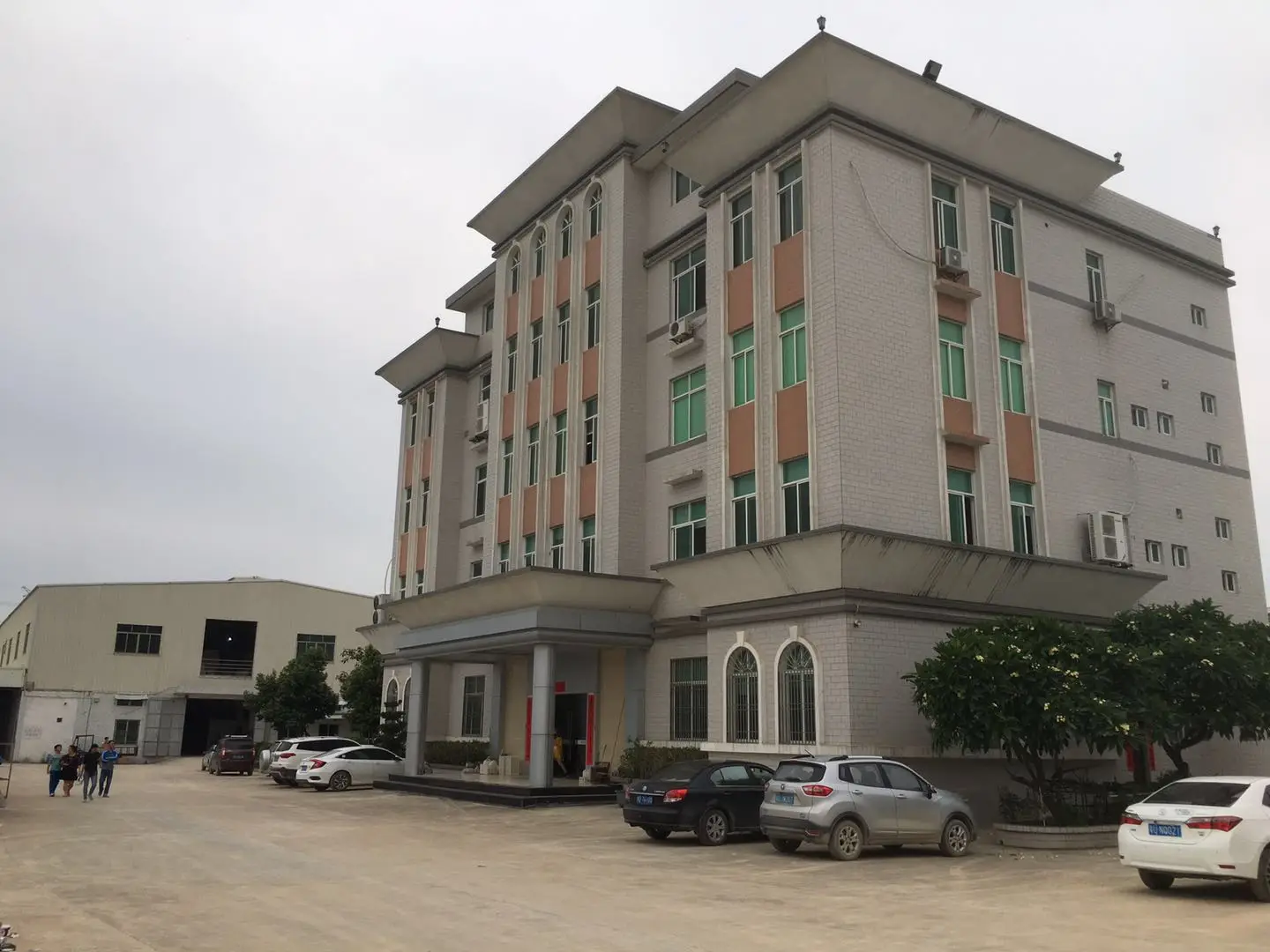
Xiamen Hinwell Manufacture And Trade Co., Ltd.
- Trading Company
- Fujian, China
- Lead time30 days
- Avg. response≤ 4h
Main productsCeramic Pots, Ceramic Vases, Porcelain Mug, Resin Figurines, Cement Planter and Decorations
Main marketsNorth America(30.00%), Western Europe(30.00%), South America(20.00%), Eastern Europe(10.00%), Southeast Asia(10.00%)
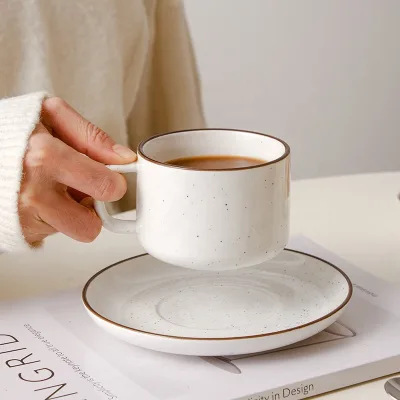
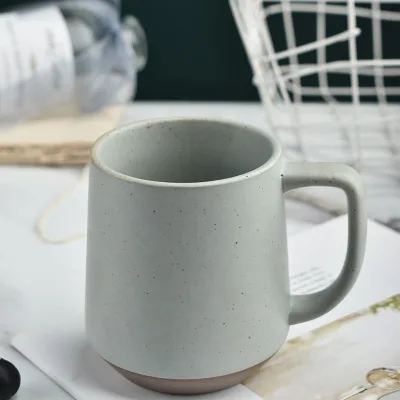
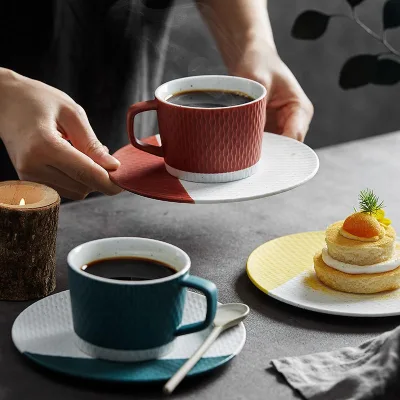
Wholesale Office Coffee Cup Japanese Kiln Porcelain Ceramic Mug Latte Coffee Mug
$2.90 - $3.42
MOQ: 50
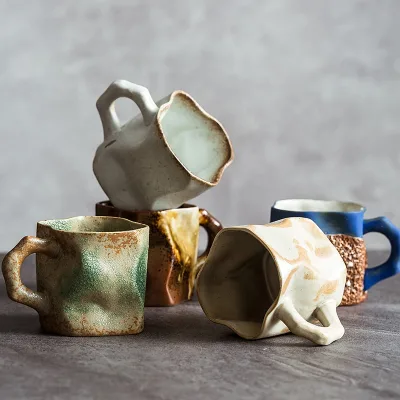
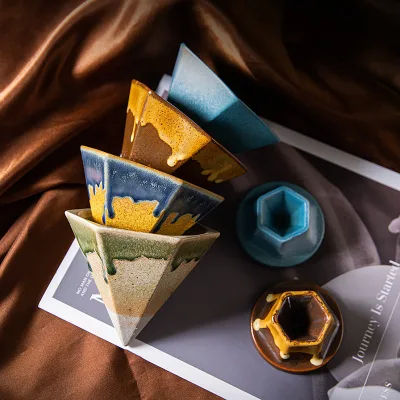
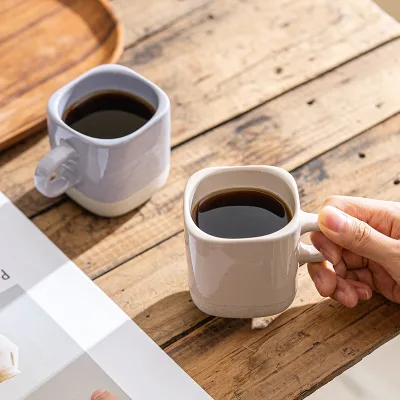
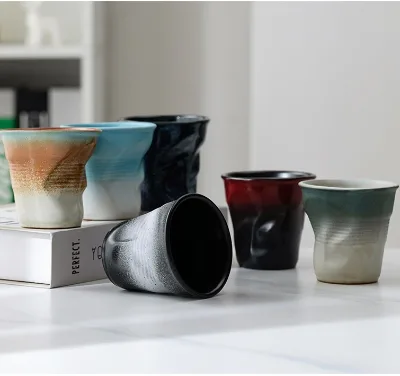
Japanese Style Personalized Irregular Coffee Mug Ceramic Coffee Tea Cup Ceramic With Handle
$4.50 - $5.30
MOQ: 50 pieces

Jinjiang Jiaxing Import and Export Co., Ltd.
- Verified by CTI
- Manufacturer/Factory
- China Fujian
- Lead time120 days
- Avg. response≤ 1h
Main productsShoes, Slipper, Clothes, Promotion Gifts, Silicone Products, Outdoor Sports Products, Bags, Fashion Accessories, Consumer Electronics
Main marketsSouth America,Eastern Europe,Mid East,North America,Southeast Asia,Eastern Asia,Oceania,Western Europe,Africa
Shenzhen Bogart Kitchenware Co., Ltd.
- Verified by TüVRheinland
- Trading Company
- Lead time15 days
- Avg. response≤ 2h
Main productsCoffee & Tea Sets, Matcha Tools, Portable Coffee Maker, Coffee Tumbler & Mugs, Coffee Accessories
Main marketsMid East(30%), North America(20%), Western Europe(13%)
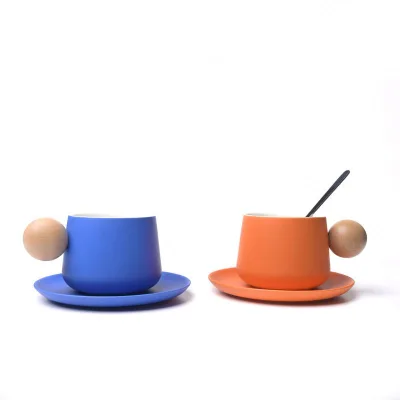
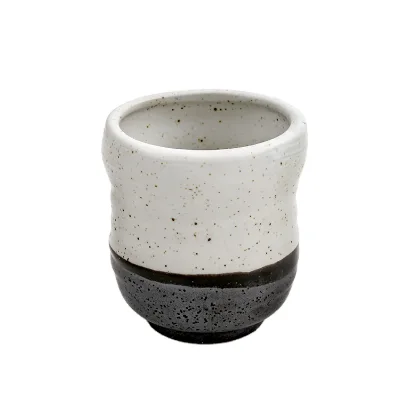
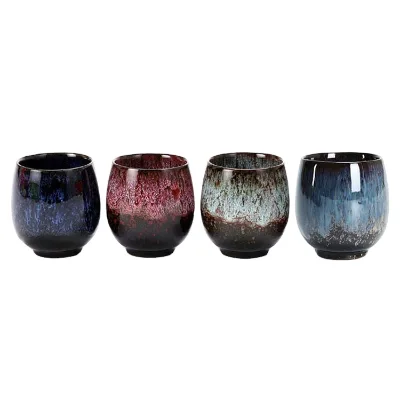
$2.88 - $3.55
MOQ: 10 pieces
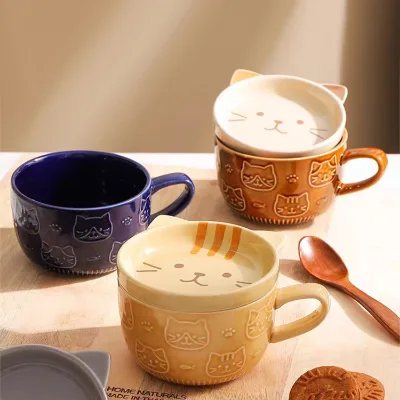
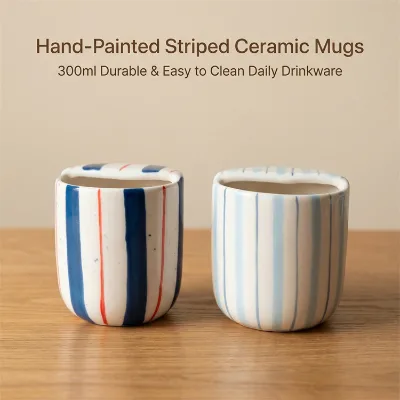
300ml Japanese Style Creative Animals Pattern Coffee Cup Breakfast Ceramic Handmade Tea Cup and Lid
$2.14 - $2.77
MOQ: 10 pieces

Changsha Sofly Industry Co.,Ltd
- Verified by BV
- Trading Company
- China Hunan
- Lead time15 days
- Avg. response≤ 6h
Main productsPower Bank, Digital Luggage Scale, USB Flash Drive, LED Light, LED, Mobile Battery Charger, USB Stick, USB 2.0 USB 3.0, Digital Hanging Portable Scale, Digital Scale
Main marketsEurope

$3.00 - $4.00
MOQ: 36 Pieces

100ml Tea Cups Japanese Coarse Ceramic Mugs Retro Ceramic Water Coffee Cups
$1.30 - $2.00
MOQ: 120 Pieces


$2.00 - $3.00
MOQ: 100 Pieces

- Manufacturer, Trading Company
- Guangdong, China
- Lead time60 days
- Avg. response≤ 4h
Main productsCasserole,Dish,Bowl,Mug,Jar
Main marketsNorth America(30.00%), Western Europe(25.00%), Northern Europe(12.00%), Eastern Asia(10.00%), Oceania(8.00%), Southeast Asia(5.00%), Domestic Market(2.00%), Southern Europe(2.00%), Eastern Europe(2.00%), South America(2.00%), Mid East(2.00%)
Shanghai Fine-V Intl Trade Co., Ltd.
- Manufacturer, Trading Company
- Shanghai, China
- Lead time45 days
- Avg. response≤ 16h
Main productsTea Pot Set,Coffee Cup,Ceramic Mugs,Handicraft Ceramics,Decorative Porcelain
Main marketsNorth America(20.00%), Mid East(10.00%), Domestic Market(10.00%), Northern Europe(10.00%), Eastern Europe(10.00%), Western Europe(10.00%), Oceania(5.00%), Southern Europe(5.00%), Southeast Asia(5.00%), Central America(5.00%), South America(5.00%), Eastern Asia(5.00%)
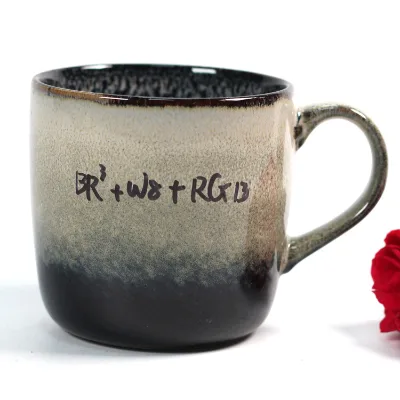
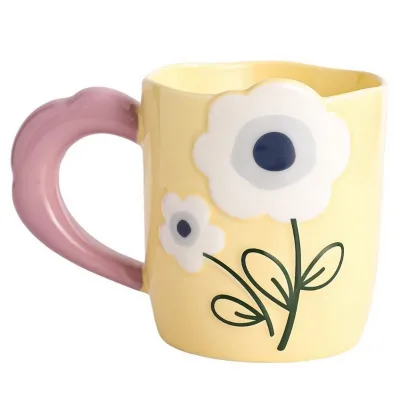
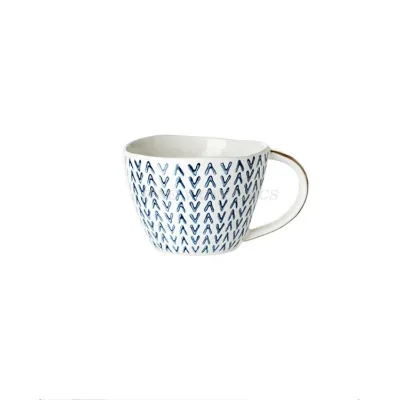
custom Nordic Japanese vintage ceramic mug breakfast cereal home couple large coffee cup drink mug
$1.94 - $2.85
MOQ: 1 pieces
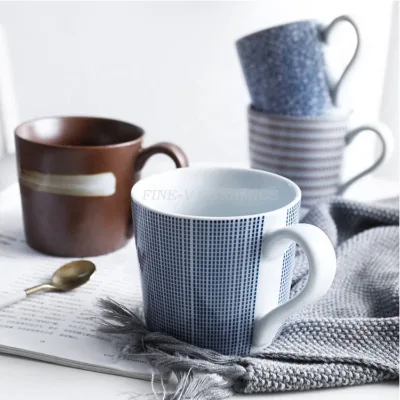
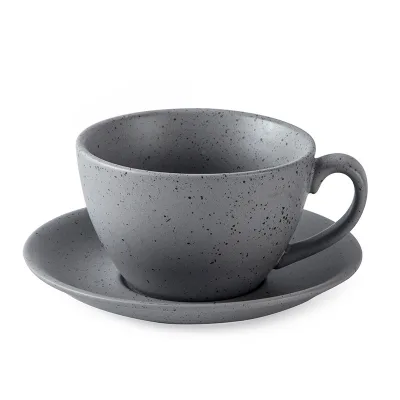
Custom Logo Italian Coffee Cups and Saucers
$1.80 - $2.20
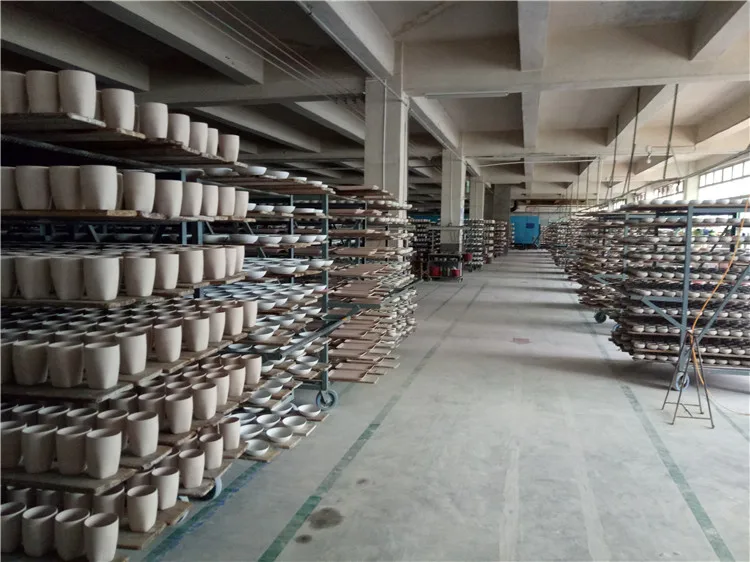
Fujian Dehua Jimo Ceramic Co., Ltd.
- Trading Company
- Fujian, China
- Lead time15 days
- Avg. response≤ 2h
Main productsceramic mug,coffee cup,ceramic vase,ceramic plate,resin crafts
Main marketsNorth America(30.00%), Central America(15.00%), Northern Europe(10.00%), South America(10.00%), Western Europe(10.00%), Southern Europe(10.00%), Eastern Europe(10.00%), Eastern Asia(5.00%)

- Verified by TUVRHEINLAND
- Trading Company
- China Zhejiang
- Lead time30 days
- Avg. response≤ 11h
Main productsSports and Outdoor
Main marketsSoutheast Asia/ Mideast,Europe

- Verified by BV
- Trading Company
- China Shandong
- Lead time30 days
- Avg. response≤ 2h
Main productsCeramic Mugs, Ceramic Dinnerware, Ceramic Tea Set, Ceramic Kitchen Ware, Custom Drum Shape Ceramic Coffee Mug, 24oz Large Capacity 3D Embossed Mug, Porcelain Cappuccino Cup and Saucer, 14oz Custom Souvenirs Ceramic Mug, 12 Sets Vintage Reactive Glazed Tableware, Custom Royal White Ceramic Milk Jar
Main marketsNorth America


High Quality Japanese Style Tea Mug No Handle Custom Glazed Ceramic Mug
$0.50 - $1.50
MOQ: 5000 Pieces

Japanese Tea Set White Porcelain Water Mug Ceramic Tea Mug with Design
$1.00 - $10.00
MOQ: 5000 Pieces
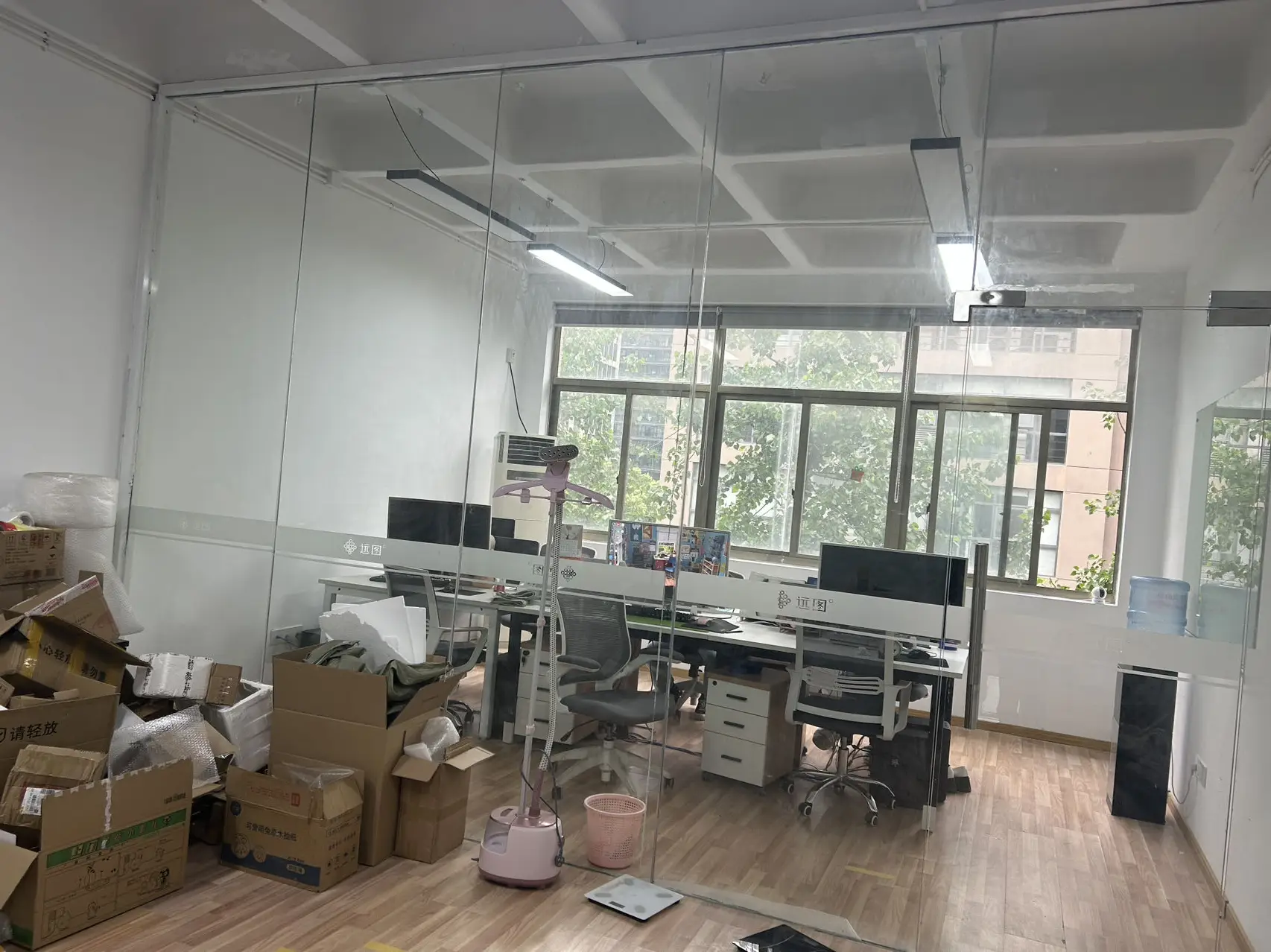
Yongkang Taige Daily Necessities Business Department.
- Trading Company
- Jinhua, China
- Lead time15 days
- Avg. response≤ 2h
Main productscup,bottle,Musical Instruments,bicycle,camping
Main marketsCentral America(30.00%), North America(20.00%), South America(20.00%), Southern Europe(10.00%), Northern Europe(10.00%), Western Europe(10.00%)
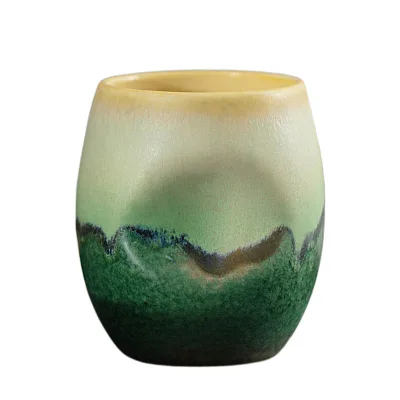
Handmade Japanese Style Coffee Tea Cup Unique Stoneware Ceramic Arabic Teaware Mug Pottery Cups Gift
$1.75 - $3.01
MOQ: 10 pieces
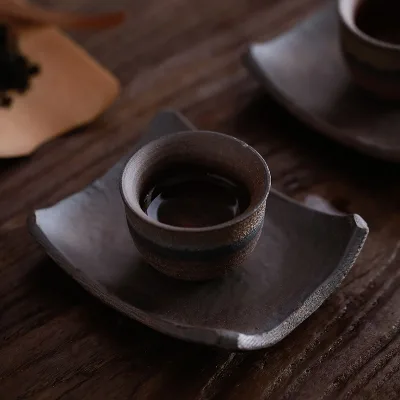
- Trading Company
- Jilin, China
- Lead time0 days
- Avg. response≤ 6h
Main productsHookak,Hookah Accessories&Charcoal,Candle Supplies,Cups
Main marketsMid East(25.00%), Africa(20.00%), North America(10.00%), Southeast Asia(10.00%), South America(10.00%), Northern Europe(5.00%), Central America(5.00%), Eastern Europe(5.00%), Western Europe(5.00%), Eastern Asia(5.00%)
Guangzhou Chenxuan Technology Co., Ltd.
- Trading Company, Distributor/Wholesaler, Other
- Guangdong, China
- Lead time10 days
- Avg. response≤ 2h
Main productssteel kitchenware,round dinner plate,retro cutlery set,gold dinner plate,korean gold dinner plate
Main marketsWestern Europe(30.00%), North America(30.00%), Mid East(15.00%), Oceania(15.00%), South America(10.00%)
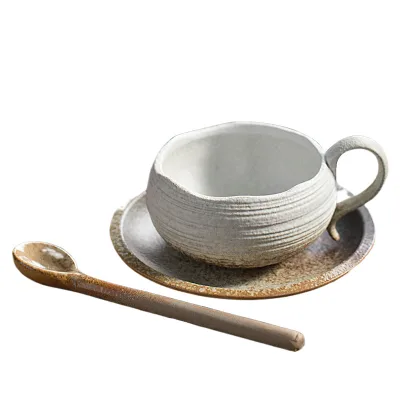
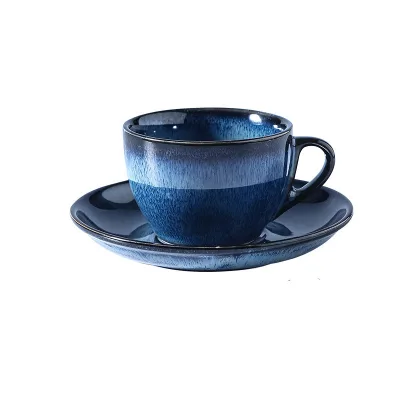
Coarse Pottery Clay Cup; Western European Style Latte Coffee Cup; Milk Coffee Cup
$3.50 - $4.47
MOQ: 10 pieces
Xiamen Dashuiwa Network Technology Co., Ltd.
- Trading Company
- Fujian, China
- Lead time7 days
- Avg. response≤ 3h
Main productsCeramic Vases, Glass Vases, Ceramic Flowerpots, Ceramic Candlesticks, Artificial Flowers
Main marketsNorth America(60.00%), Western Europe(30.00%), Oceania(10.00%)
Fujian Dehua Best Ceramic Co., Ltd.
- Manufacturer
- Fujian, China
- Lead time40 days
- Avg. response≤ 7h
Main productsceramic mug porcelain mug,ceramic oil burner ceramic neti pot,ceramic follow pot,ceramic jar canister,ceramic cup and saucers
Main marketsSouth America(30.00%), Western Europe(20.00%), North America(20.00%), Northern Europe(15.00%), Southern Europe(5.00%), Southeast Asia(5.00%), Eastern Europe(5.00%)

Foshan Ron Hospitality Supplies Co., Ltd.
- Verified by BV
- Manufacturer/Factory,Group Corporation
- China Guangdong
- Lead time45 days
- Avg. response≤ 2h
Main productsRestaurant Furniture, Restaurant Booth, Restaurant Chair, Restaurant Table, Bar Stools, Wedding Chairs, Flatware Sets, Dinnerware Sets, Garden Chairs, Disposable Dinnerware & Tableware
Main marketsSouth America,Eastern Europe,Mid East,North America,Southeast Asia,Eastern Asia,Oceania,Western Europe,Africa

Shanghai Touch Industrial Development Co., Ltd.
- Verified by TUVRHEINLAND
- Combined
- China Shanghai
- Lead time15 days
- Avg. response≤ 5h
Main productsInstant Hot Pack, Hot Cold Pack, Gel Eye Mask, Gel Ice Pack, Gel Bottle Cooler, Instant Ice Pack, Hand Warmer, Heat Pack, Cooling Scarf, Gel Beads
Main marketsSouth America,Others(foreignTradeCapacity.exportBusinessCapacityMarketOther),Southeast Asia/ Mideast,East Asia(Japan/ South Korea),Domestic,Europe,Australia,North America

Rollin Porcelain Industrial Co., Ltd.
- Verified by BV
- Manufacturer/Factory
- China Guangdong
- Lead time45 days
- Avg. response≤ 6h
Main productsPorcelain Dinnerware, Tableware, Dinner Set, Dinner Plate, Hotel and Restaurant Tableware, Bone China, Cutlery, Glassware, Ceramic Plate, Porcelain
Main marketsEastern Europe,Mid East,North America,Southeast Asia,Eastern Asia,Oceania,Western Europe
Harmony Houseware(Yantai) Co., Ltd.
- Verified by SGS Group
- Manufacturer, Trading Company
- Lead time20 days
- Avg. response≤ 2h
Main productsCoffee & Tea Sets
Main marketsNorth America(45%), Oceania(10%), Eastern Europe(10%)






Comprehensive Sourcing Guide
Japanese Style Ceramic Coffee Mug Supplier Concentration and Factory Types
Current data indicates a concentration of suppliers in Hunan, China, where trading companies and combined entities actively list dinnerware and ceramic mugs. These suppliers often specialize in products like Japanese-style coffee cups with specific features such as heat resistance or minimalist designs. The presence of trading companies suggests a model where sourcing is managed through intermediaries rather than direct factory ownership, which can impact communication speed and customization flexibility. Buyers should note that some entities in this region operate as combined firms, potentially offering a broader range of ceramic items including tissue boxes and pet bowls alongside standard mugs.
When evaluating factory types, it is essential to distinguish between pure trading companies and those with combined capabilities or direct manufacturing roots. Some suppliers in the dataset display ODM and OEM capacities, indicating they can handle custom designs and branding, while others may focus on stock items. The distinction matters because trading companies might offer faster access to existing inventory but less control over the production process. Buyers must verify if a supplier's "combined" status implies in-house production or merely a diversified product portfolio. Without explicit factory verification, the assumption of direct manufacturing control should be avoided, and the buyer should inquire about the specific nature of the supply chain for custom orders.
How to Verify Japanese Style Ceramic Coffee Mug Suppliers
Verification processes should prioritize checking for specific credentials like CTI verification, which appears in the current supplier results as a marker of reliability. Buyers must confirm if a supplier holds this status before proceeding, as it serves as a tangible indicator of third-party assessment. In the absence of such visible badges, the buyer should request proof of business registration and factory audits directly from the supplier. Relying solely on platform badges without independent confirmation can be risky, especially when dealing with trading companies that may not own the production facilities. The verification step is critical to ensure the entity claiming to be a manufacturer or a reliable trader actually possesses the stated capabilities.
Response time and communication efficiency are also key verification metrics that buyers should test before committing to an order. The data shows response times varying from approximately four to five hours, which can indicate the level of service and operational readiness. A supplier with a slow response time might struggle with urgent customization requests or quality control issues during production. Buyers should initiate contact to gauge the speed and professionalism of the reply, noting that a quick response does not guarantee quality but a slow one often signals operational bottlenecks. Additionally, checking the supplier's main product list against the specific Japanese style mug requirements ensures they are not a generalist seller with limited expertise in this niche.
What to Compare Across Japanese Style Ceramic Coffee Mug Suppliers
Comparing suppliers requires a detailed analysis of lead times, which currently range from 15 to 45 days depending on the specific entity and order complexity. A supplier offering a 15-day lead time may be better suited for urgent restocking, while those with 45-day timelines might be optimized for large, custom batches. Buyers must align these timelines with their own inventory planning to avoid stockouts or overstocking situations. It is also necessary to compare the minimum order quantities (MOQ), as some suppliers list an MOQ of 1000 units, which may be prohibitive for smaller buyers or new market entrants. Understanding these thresholds is vital for determining the financial feasibility of working with a specific supplier.
Price ranges and product attributes provide another layer of comparison that directly impacts the total cost of ownership. Current data shows prices varying from roughly 0.99 to 8.00 per unit, influenced by factors like material quality, customization level, and packaging. Buyers should compare not just the unit price but also the specifications such as microwave safety, dishwasher compatibility, and weight, which affect shipping costs and product durability. Some suppliers offer eco-friendly features or color-changing capabilities, which may command a premium but add value to the final product. A thorough comparison involves weighing these attributes against the budget to find the optimal balance between cost and quality for the specific Japanese style ceramic mug requirements.
Common Japanese Style Ceramic Coffee Mug Sourcing Risks
One significant risk involves the discrepancy between the claimed product style and the actual manufacturing capability, particularly when dealing with trading companies. Suppliers may list "Japanese Style" as a keyword but lack the specific craftsmanship or glazing techniques required for authentic designs. This can lead to products that look similar but fail to meet the expected aesthetic or functional standards. Buyers must verify the specific production techniques, such as hand-painting or stone ware usage, to ensure the final product matches the visual and tactile expectations of the target market. Relying on generic product descriptions without detailed technical validation increases the likelihood of receiving substandard goods.
Another risk is the variability in packaging and shipping logistics, which can lead to damage or increased costs. The data indicates single package sizes ranging from 10x10x10 cm to 45x45x45 cm, suggesting significant differences in how suppliers prepare their goods for transport. Inconsistent packaging standards can result in higher breakage rates during transit, especially for fragile ceramic items. Buyers should explicitly request packaging details and test samples to ensure the protection methods are robust enough for international shipping. Furthermore, the lack of standardized export cartons across different suppliers can complicate logistics planning and increase the risk of damage, making it essential to clarify packaging requirements before finalizing the order.
Japanese Style Ceramic Coffee Mug Regional Sourcing and Logistics
Sourcing from Hunan, China, offers access to a specific cluster of ceramic manufacturers, but buyers must account for the logistical implications of this location. The distance from major ports and the specific infrastructure of the region can influence shipping times and costs. While the data confirms Hunan as a production hub, buyers should verify the exact shipping routes and transit times from the supplier's warehouse to the destination port. Understanding the regional logistics network is crucial for accurate delivery estimates, as inland locations may require additional trucking or rail transport before reaching the sea. This knowledge helps in planning the supply chain more effectively and avoiding unexpected delays.
For suppliers located in other regions like Guangdong, the logistics profile may differ significantly, potentially offering faster access to international shipping lanes. Buyers should compare the logistical advantages of different regions based on their specific destination markets. If the target market is in North America, a supplier closer to a major port might reduce transit time and freight costs. However, the data does not provide a complete map of all supplier locations, so buyers must actively inquire about the specific shipping origin for each quote. This proactive approach ensures that the chosen supplier can meet the delivery deadlines and cost constraints of the project, regardless of their geographic location within China.
Japanese Style Ceramic Coffee Mug Commercial Terms and Order Planning
Commercial terms regarding customization and branding are critical for buyers seeking unique Japanese style ceramic mugs. The data shows that customization is available from several suppliers, including options for custom logos, colors, and shapes. However, the extent of these services varies, with some suppliers requiring high MOQs for custom orders while others may offer more flexible terms. Buyers must clearly define their customization needs and confirm the supplier's ability to meet them before placing an order. Understanding the specific requirements for logo placement, color matching, and design approval is essential to avoid misunderstandings and ensure the final product aligns with the brand's identity.
Order planning must also consider the establishment of clear communication channels and payment terms to mitigate financial risks. While specific payment terms are not detailed in the current data, buyers should negotiate escrow services or secure payment methods to protect their investment. The response times observed suggest that communication efficiency can vary, so establishing a dedicated point of contact is advisable. Additionally, buyers should plan for the lead times identified, ranging from 15 to 45 days, to ensure timely delivery. Proper planning involves aligning production schedules with marketing campaigns and inventory needs, ensuring that the supply chain remains flexible enough to handle any unforeseen delays or changes in demand.
FAQs
Where are japanese style ceramic coffee mugs typically produced in China?
Listed suppliers in these results are based in China, with some located in Hunan province and others in Guangdong. Hunan suppliers focus on dinnerware, tableware, ceramic plates and mugs, while a Guangdong supplier covers mugs, ceramic tissue boxes, pet bowls and vases. Production region can affect freight cost and port access, so confirm each factory's exact location before ordering samples.
What lead times should I expect for japanese style ceramic coffee mugs?
Quoted lead times in the current results range from 15 to 45 days depending on the supplier. The 15-day option comes from a Hunan trading company, while suppliers offering 30 and 45 days tend to handle more customization such as hand-painted or custom logo work. Confirm the schedule in writing, since glazed or personalized decoration often extends production beyond standard stock items.
Can suppliers add a custom logo to japanese style ceramic coffee mugs?
Yes, customization is widely available. Several listings explicitly offer customized logos, custom shapes, custom colors and personalized designs, and multiple suppliers advertise ODM or OEM capability. A Guangdong combined manufacturer supports hand-painted multicolor finishes with logo printing. Provide your artwork early and request a pre-production sample so glaze color, print placement and firing results match your brand expectations.
What is the typical MOQ for custom ceramic coffee mugs?
One supplier in these results lists a minimum order quantity of 1000 pieces for its hand-painted customizable mug, which is a common entry point for promotional and gift programs. Other listings do not display MOQ values, so MOQ can vary by design complexity and glaze type. Always confirm the per-SKU minimum, including mixed-color allowances, before committing to a purchase order.
How quickly do these ceramic mug suppliers respond to inquiries?
Average response times recorded in the results range from roughly 3.78 to 5.37 hours, with a Hunan trading company at about 4 hours. These figures reflect typical inquiry handling rather than a guarantee for every message. For time-sensitive projects, state your deadline in the first inquiry and test responsiveness with a detailed request covering quantities, customization and target pricing.
What price ranges apply to japanese style ceramic coffee mugs?
Listed unit prices vary widely by design. A minimalist 11 to 12 oz porcelain mug lists at about 0.99 to 2.36 dollars, a hand-painted customizable mug at 2.00 to 4.00 dollars, and vintage or gradient glazed designs at 4.00 to 8.00 dollars. An irregular-shaped Japanese coffee mug falls between 3.12 and 3.95 dollars. Price depends on capacity, decoration and order volume.
Are these mugs safe for microwave and dishwasher use?
Some listings confirm both. One porcelain mug is marked dishwasher safe and microwave safe, while another Japanese style cup highlights heat-resistant construction suitable for hot coffee and tea. However, not every listing states these properties, and hand-painted or metallic decoration may require gentler care. Ask each supplier for food-contact compliance documents and care instructions covering your chosen finish before mass production.
What product options fit cafe and gift use cases?
The catalog includes 180 ml Japanese style coffee cups, 230 ml retro pottery breakfast mugs, 380 ml master cups, and 120 ml coarse pottery mugs with bases, in capacities up to 12 oz. Features include withstanding high temperatures, eco-friendly materials and color-changing glazes. Listed applications cover promotional use, business gifts, weddings, home, hotel, office and restaurant settings, so matching capacity and style to your channel is straightforward.