Knife Case Suppliers and Manufacturers in China
Source 29 verified Knife Case suppliers from China Zhejiang and Fujian. Compare response times, lead times, certifications like ISO and CE, and MOQs. Review product specs and request quotes directly; review the available evidence before requesting comparable quotations from suitable candidates.
Suppliers List

Jinhua Yidi Medical Appliance Co., Ltd.
- Combined
- China Zhejiang
- Lead time30 days
- Avg. response≤ 18h
Main productsMicrotome, Histology, Lab Equipment, Pathology Equipment, Embedding Center, Cryostat, Tissue Processor, Laboratory Apparatus, Tissue Floatation Processor, Lab Consumables
Main marketsSouth America,Africa,Southeast Asia/ Mideast,East Asia(Japan/ South Korea),Domestic,Europe,Australia,North America


MOQ: 1 Pieces

QUANZHOU DANKIN IMP AND EXP CO., LTD.
- Manufacturer/Factory
- China Fujian
- Lead time45 days
- Avg. response≤ 3h
Main productsBackpack, Cooler Bag, Tool Bag, Laptop Bag, Gun Bag, Travel Bag, Hiking Bag, Tennis Bag, Running Bag, Diaper Bag
Main marketsSouth America,Eastern Europe,Mid East,North America,Southeast Asia,Eastern Asia,Oceania,Western Europe,Africa

NINGBO MATCH-LIGHT HARDWARE CO., LTD.
- Verified by TUVRHEINLAND
- Trading Company
- China Zhejiang
- Lead time30 days
- Avg. response≤ 20h
Main productsCamlock Coupling, Universal Coupling, Air Hose Coupling, Fire Hose Coupling, Guillemin Coupling, Bauer Coupling, Industrial Coupling, Hose Clamp, Garden Hose Coupling, Storz Coupling
Main marketsSoutheast Asia/ Mideast,Europe,North America

Changzhou Junye Aluminum Case Co., Ltd.
- Verified by TUVRHEINLAND
- Trading Company,Manufacturer/Factory
- China Jiangsu
- Lead time23 days
- Avg. response≤ 15h
Main productsAluminum Case, Aluminium Case, Tool Case, Aluminum Tool Box, Gun Case, Aluminium Box, Travel Case, Aluminum Instrument Case, Makeup Box, Medical Case
Main marketsSouth America,Eastern Europe,Mid East,North America,Southeast Asia,Eastern Asia,Western Europe,Africa
Foshan Nanhai Bingo Case Factory
- Verified by SGS Group
- Manufacturer, Trading Company
- Lead time20 days
Main productsAluminum Case, Makeup Case, Flight Case, Tool Case, Foam Case
Main marketsNorth America(40%), Eastern Europe(30%), South America(10%)
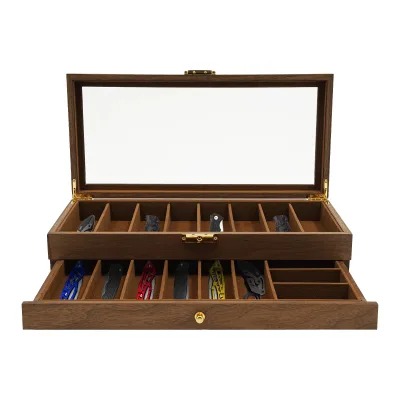
Knife Display Case, Knife Storage Box, 2-Tier Knife Display Case Organizer
$6.00 - $8.00
MOQ: 100 pieces

Portable Knife Storage Case Large Capacity for Knife Organizing and Carrying
$8.00 - $12.00
MOQ: 50 pieces
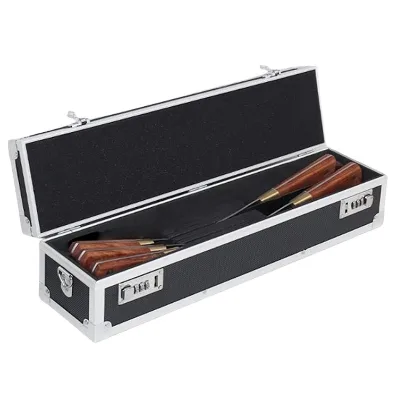
Aluminum Knife Case,Kitchen Knife Tools Case ,Portable Knife Organizer Case
$11.00 - $13.00
MOQ: 50 pieces
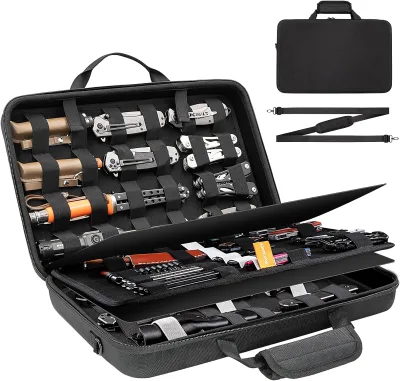
Knife Case Portable Knife Organizer Block Holders Protectors OEM/ODM Support
$11.34 - $13.41
MOQ: 50 pieces

Dongguan Hengqiang Leather Goods Co., Ltd.
- Manufacturer, Trading Company
- Guangdong, China
- Lead time35 days
- Avg. response≤ 4h
Main productsBackpack; Handbag; Garment Bag; Apron; Play Mat
Main marketsNorth America(60.00%), Oceania(15.00%), Western Europe(5.00%), South America(5.00%), Eastern Asia(5.00%), Mid East(5.00%), Eastern Europe(5.00%)

Maanshan Songlin Doctor Blade & Saw Manufacture Co., Ltd.
- Verified by SGS
- Combined
- China Jiangsu
- Lead time23 days
- Avg. response≤ 13h
Main productsCircular Blade, Cutting Kinfe, Log Saw Blade, Paper Converting Machine, Slitting Knife, Knife Grinding Machine, Slitting Kinfe, Knife for Tissue Machine, Knife for Packing Machine, Creping Doctor
Main marketsAfrica,Domestic,North America

DB Imps&exps Co.(Guangzhou) Ltd.
- Manufacturer, Trading Company, Buying Office
- Guangdong, China
- Lead time10 days
- Avg. response≤ 17h
Main productswaterproof hard case,gun case,camera case,pistol case,hard plastic case
Main marketsNorthern Europe(10.00%), South America(10.00%), North America(10.00%), Oceania(8.00%), Southeast Asia(6.00%), Mid East(5.00%), Southern Europe(5.00%), Western Europe(4.00%), Eastern Europe(4.00%), South Asia(3.00%), Central America(3.00%), Eastern Asia(2.00%), Africa(2.00%), Domestic Market(1.00%)
Suzhou Beyond Packaging Co., Ltd.
- Trading Company
- Jiangsu, China
- Lead time20 days
- Avg. response≤ 5h
Main productseva case,tool case,zipper case,aluminum case,plastic case
Main marketsEastern Europe(20.00%), North America(20.00%), Central America(5.00%), Western Europe(5.00%), Eastern Asia(5.00%), Mid East(5.00%), Oceania(5.00%), Africa(5.00%), Southeast Asia(5.00%), South America(5.00%)

$1.52 - $2.32
MOQ: 500 pieces

Custom Knife Storage Organizer Carrier Carry Storage Pocket Knives Display Case
$1.76 - $2.25
MOQ: 500

Ningbo Uworthy Electronic Technology Co., Ltd.
- Manufacturer
- China Zhejiang
- Lead time15 days
- Avg. response≤ 6h
Main productsTool Case, Plastic Case, Plastic Box, Aluminum Case, Tool Box, Aluminum Box, Aluminum Enclosure, Storage Box, Equipment Case
Main marketsSoutheast Asia/ Mideast,Europe,North America


$2.01 - $4.00
MOQ: 1 Pieces
Foshan Junming Luggage Products Co., Ltd.
- Verified by TüVRheinland
- Manufacturer, Trading Company
- Lead time30 days
Main productsMakeup Case, Tool Case, Makeup Chair, Makeup Lighting Case, Flight Case
Main marketsNorth America(40%), South America(5%), Eastern Europe(5%)
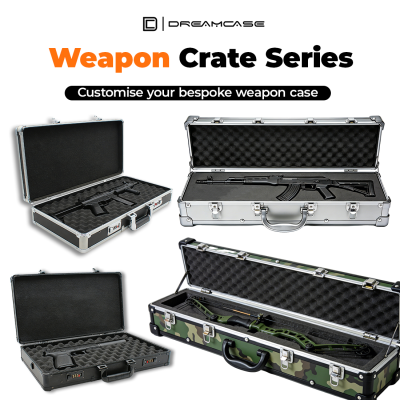
Light Weight Gun Carrying Case Storage Case with Foam for Handguns Equipment Carrying Case Tool Box
$16.32 - $20.40
MOQ: 100 pieces


- Verified by BV
- Trading Company
- China Zhejiang
- Lead time30 days
- Avg. response≤ 4h
Main productsOEM/ODM Hard Plastic Tool Cases, OEM/ODM Aluminum Cases, OEM/ODM Bags
Main marketsSouth America,Southeast Asia/ Mideast,Europe,North America

Plastic Waterproof Gun Box Gun Safety Case Plastic Waterproof Case Foam Gun Case
$140.00 - $160.00
MOQ: 1 Pieces

$25.00 - $30.00
MOQ: 50 Pieces


Shenzhen Xinda Package Technology Co., Ltd.
- Manufacturer
- Guangdong, China
- Lead time30 days
- Avg. response≤ 4h
Main productsClear Top Canvas Bag,Tailgate Bag,Car Detailing Tool Bag,Lineman Tool Apron,Hard EVA Case
Main marketsNorth America(40.00%), Oceania(20.00%), Northern Europe(20.00%), Mid East(10.00%), Africa(5.00%), Eastern Asia(5.00%)


Carbon Fiber Pattern Folding Knives EVA Storage Case Hard Shell Knife Case with Ziplock
$8.46 - $15.49
MOQ: 1000 pieces

Wenzhou Meters Int'l Trade Co., Ltd.
- Trading Company,Manufacturer/Factory
- China Zhejiang
- Lead time23 days
- Avg. response≤ 19h
Main productsHose Clamp, Utility Knife, Safety Products, Cutting Tools, Strike Tools, Fastening Tools, Safety Helmet, Hammer, Warming Tape, Plastic Injection
Main marketsSouth America,Eastern Europe,Mid East,North America,Southeast Asia,Eastern Asia,Oceania,Western Europe,Africa
Tkc Technology (huizhou) Co., Ltd.
- Manufacturer, Trading Company
- Guangdong, China
- Lead time40 days
- Avg. response≤ 8h
Main productsHARD CASE,PP CASE,WATERPROOF CASE,PLASTIC CASE,TOOL CASE
Main marketsNorth America(30.00%), Northern Europe(20.00%), Eastern Europe(10.00%), Oceania(10.00%), Southern Europe(10.00%), South America(5.00%), Western Europe(5.00%), Central America(5.00%), South Asia(5.00%)
Ningbo Sunyoung Enclosure Co., Ltd.
- Verified by TUVRHEINLAND
- Manufacturer/Factory
- China Zhejiang
- Lead time15 days
- Avg. response≤ 5h
Main productsPlastic Case, Aluminum Case, Rotomolded Case, Tool Storage Case, Aluminum Enclosure, Plastic Enclosure, Tool Box, Organizer Box, Cooler Box, EVA Case
Main marketsSouth America,Eastern Europe,Mid East,North America,Southeast Asia,Eastern Asia,Oceania,Western Europe,Africa


Hot Selling Waterproof Shockproof Plastic Hard Case with Rubber Handle for Equipment
$20.00 - $30.00
MOQ: 1 Pieces

Nanjing Hangjin Machinery Equipment Co., Ltd.
- Verified by CTI
- Trading Company
- China Jiangsu
- Lead time30 days
- Avg. response≤ 6h
Main productsBlade, Knife, Machine Cutter, Rubber Blade, Machine Knife, Circle Blade, Cutting Tools Knife, Cutting Tools Blade, Processing Knives, Cutting Blade
Main marketsSouth America,Southeast Asia/ Mideast,Europe
Guangzhou HIBO Industries Co., Ltd.
- Verified by Intertek
- Manufacturer, Trading Company
- Lead time60 days
Main productsHunting Accessories, Racket Sports Bag, Golf Bag And Accessories, Tool Accessories, Luggage
Main marketsWestern Europe(35%), Northern Europe(25%), North America(20%)
- Combined
- China Zhejiang
- Lead time30 days
- Avg. response≤ 11h
Main productsButcher Knife, Meat Grinder Knife, Commercial Kitchen Knives, Slaughtering Knives, Butchery Supply Knives Tools, Meat Mincer Knives Blades
Main marketsSouth America,Africa,Southeast Asia/ Mideast,East Asia(Japan/ South Korea),Domestic,Europe,Australia,North America


MOQ: 2000 Pieces

MOQ: 1000 Pieces
Jiangxi Brilliant Technology Co., Ltd.
- Verified by TüVRheinland
- Manufacturer, Trading Company
- Lead time20 days
Main productsEVA Bags & Cases
Main marketsNorth America(50%), Eastern Asia(20%), Domestic Market(11%)

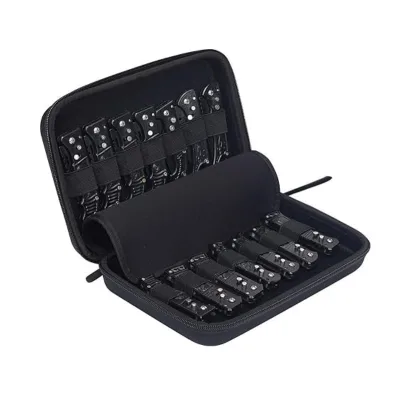
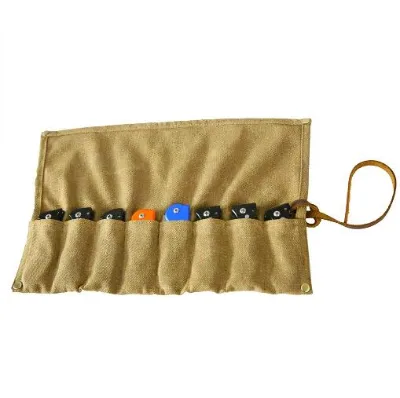
Brilliant Customized Knife Roll Collection Carrying case for Survival Tactics Outdoor
$2.55 - $3.16
MOQ: 500 pieces


Dongguan BillionHin Luggage Co., Ltd.
- Verified by SGS Group
- Manufacturer, Trading Company
- Guangdong, China
- Lead time30 days
Main productsEVA Case, EVA Bag, EVA Box, Pencil Case
Main marketsDomestic Market(50%), North America(10%), Southern Europe(10%)

Customized Shockproof Hard Shell Eva Bullet case for Bullet , 9mm Bullet Storage Box
$2.60 - $3.20
MOQ: 500


- Verified by TUVRHEINLAND
- Combined
- China Jiangsu
- Lead time30 days
- Avg. response≤ 4h
Main productsAluminum Case, Tool Bag, Tool Case, Flight Case, Cosmetic Case, Briefcase, Poker Chip Case, Road Case, Tool Kit, Equipment Case
Main marketsSoutheast Asia/ Mideast,Europe,North America
- Verified by TüVRheinland
- Manufacturer, Trading Company
- Lead time20 days
Main productsAluminum Case, Flight Case, Display Case, Makeup Case And Bag, Aluminum Hardware
Main marketsNorth America(15%), Western Europe(15%), Southern Europe(15%)
- Verified by Intertek
- Trading Company
- Lead time35 days
Main productsWaterproof Case, Tool Case, Hunting Case, Equipment Case, Camera Drone Case
Main marketsWestern Europe(10%), Southern Europe(10%), North America(9%)
Henan Jusen Measuring Tools Co., Ltd.
- Manufacturer, Trading Company
- Henan, China
- Lead time30 days
- Avg. response≤ 3h
Main productsmeasureing tapes, utility knifes and utility knife blades, screwdriver, mini tape measure
Main marketsSouth America(40.00%), Africa(10.00%), Southeast Asia(10.00%), Mid East(10.00%), Northern Europe(5.00%), Southern Europe(5.00%), Eastern Europe(5.00%), South Asia(5.00%), Eastern Asia(4.00%), Domestic Market(3.00%), Oceania(3.00%)

Plenty Harvest Manufacturing Limited
- Manufacturer/Factory
- China Guangdong
- Lead time45 days
- Avg. response≤ 14h
Main productsMulti Tool, Pocket Knife LED, Wine Corkscrew Opener, Multi Function Pliers, Multi Function Knife
Main marketsNorth America,Oceania,Western Europe


Stainless Steel Knife Folding Knife Pocket Knife with Pocket Clip (#31126)
$1.00 - $10.00
MOQ: 600 Pieces


Nanjing Tiby Import & Export Co., Ltd.
- Verified by SGS
- Trading Company
- China Jiangsu
- Lead time30 days
- Avg. response≤ 14h
Main productsKnife, Multi Tool, Survival Kit, Survival Bracelet, Compass, Machete, Wire Saw, Carabiner Knife, Hunting Knife, Bowie
Main marketsEast Asia(Japan/ South Korea),Europe,North America

Nanjing KELISAIKE Safety Equipment Co., Ltd.
- Verified by BV
- Combined
- China Jiangsu
- Lead time15 days
- Avg. response≤ 14h
Main productsGas Detector, Multi Gas Detector, Online Gas Analyzer, Air Breathing Apparatus, Personal Protection Equipment, Gas Detector Remote Controller, Alcohol Tester, Gas Sensor, Gas Monitor, Continuous Emission Monitoring System
Main marketsSouth America,Africa,Southeast Asia/ Mideast,East Asia(Japan/ South Korea),Domestic,Europe,Australia,North America
Suzhou Boxplus Plastics Co., Ltd.
- Verified by TüVRheinland
- Manufacturer, Trading Company
- Lead time20 days
Main productsPlastic Case, Tool Cases
Main marketsNorth America(40%), Southeast Asia(10%), Oceania(10%)







Comprehensive Sourcing Guide
Knife Case Supplier Concentration and Factory Types
The current supplier landscape for knife cases reveals a diverse mix of company types, primarily comprising manufacturers, trading companies, and combined entities. This variety allows buyers to select partners based on their specific operational needs, whether they require direct factory pricing, flexible trading services, or a hybrid approach. Manufacturers often provide greater control over production processes and customization options, while trading companies may offer broader product assortments and streamlined logistics. Combined entities attempt to bridge this gap by offering both manufacturing capabilities and trading services, potentially simplifying the sourcing process for buyers who want a single point of contact for multiple needs. Understanding these distinctions is crucial for aligning supplier selection with your business model, as each type presents different advantages in terms of cost structure, communication efficiency, and supply chain flexibility.
When evaluating factory types, it is essential to look beyond the basic company classification and examine the specific capabilities listed in their profiles. For instance, some suppliers highlight their ability to provide OEM and ODM services, indicating a strong capacity for custom design and branding. Others may emphasize their role as a manufacturer with a factory, suggesting direct oversight of quality control and production timelines. The presence of specific main products, such as specialized bags or cases, can also indicate a supplier’s core competency and experience in the niche. Buyers should verify these claims by reviewing the supplier’s product catalog and asking detailed questions about their production lines. This due diligence helps ensure that the supplier’s stated capabilities match your actual requirements, reducing the risk of miscommunication or unmet expectations during the manufacturing process.
How to Verify Knife Case Suppliers
Verification is a critical step in mitigating risk when sourcing knife cases from international suppliers. One of the most reliable indicators of a supplier’s credibility is third-party verification, such as the TÜV Rheinland certification observed in some results. This type of verification provides an independent assessment of the supplier’s business legitimacy and operational standards, offering buyers a higher degree of confidence in their partnership. Additionally, system certifications like ISO 9001, BSCI, and SEDEX are valuable markers of quality management and social responsibility. These certifications indicate that the supplier adheres to internationally recognized standards for production quality and ethical labor practices. Buyers should prioritize suppliers who display these credentials, as they often reflect a commitment to continuous improvement and compliance with global market requirements.
Beyond certifications, buyers should actively engage with suppliers to assess their responsiveness and transparency. Response time is a key metric that can indicate the supplier’s efficiency and willingness to communicate. A quick response time suggests that the supplier has dedicated customer service teams and is likely to be more responsive to inquiries and issues throughout the order process. Buyers should also request detailed product specifications, including materials, dimensions, and customization options, to ensure that the supplier can meet their specific needs. Asking for samples before placing a large order is another effective verification strategy, allowing buyers to physically inspect the quality of the knife cases. This hands-on approach helps validate the supplier’s claims and ensures that the final product will meet your quality standards and functional requirements.
What to Compare Across Knife Case Suppliers
When comparing suppliers, it is important to evaluate a range of commercial and operational factors to find the best fit for your business. Lead time is a critical consideration, as it directly impacts your inventory management and ability to meet customer demand. Some suppliers may offer shorter lead times, which is beneficial for urgent orders, while others might have longer production cycles due to higher customization levels or capacity constraints. Minimum Order Quantity (MOQ) is another key factor, with some suppliers requiring large bulk orders and others offering lower MOQs for smaller businesses or trial orders. Price is also a significant variable, with costs varying based on materials, customization, and order volume. Buyers should request detailed quotes that break down these costs to understand the total landed cost of the products.
In addition to price and lead time, buyers should compare the range of products and services offered by each supplier. Some suppliers may specialize in specific types of knife cases, such as waterproof or shockproof models, while others may offer a broader selection. Customization options, such as logo printing or material selection, can also vary significantly between suppliers. It is important to assess the supplier’s ability to accommodate your specific customization requests and any associated costs. Response time is another comparative metric, as faster responses can indicate better communication and support throughout the sourcing process. By systematically comparing these factors, buyers can make informed decisions that balance cost, quality, and service levels to optimize their sourcing strategy.
Common Knife Case Sourcing Risks
Sourcing knife cases from international suppliers involves several potential risks that buyers must proactively manage to ensure a smooth procurement process. One common risk is quality inconsistency, where the final product may not meet the expected standards due to variations in materials or manufacturing processes. This risk is particularly relevant when dealing with suppliers who offer extensive customization options, as changes in design or materials can introduce new variables that affect quality. Buyers should mitigate this risk by establishing clear quality specifications and conducting regular quality checks during production. Requesting pre-shipment inspections or hiring third-party inspection services can also help identify and address quality issues before the goods are shipped.
Another significant risk is supply chain disruption, which can be caused by factors such as raw material shortages, production delays, or logistical challenges. These disruptions can lead to missed deadlines and increased costs, impacting your business operations. To manage this risk, buyers should maintain open communication with their suppliers and stay informed about potential issues in the supply chain. Having backup suppliers or alternative sourcing options can also provide a safety net in case of unexpected disruptions. Additionally, buyers should carefully review the supplier’s production capacity and lead times to ensure they can meet your demand. By anticipating and planning for these risks, buyers can minimize their impact and maintain a stable and reliable supply of knife cases.
Knife Case Regional Sourcing and Logistics
The geographic location of suppliers can significantly influence logistics costs, lead times, and overall sourcing efficiency. In the current results, suppliers are located in regions such as Zhejiang and Fujian in China, which are known for their manufacturing capabilities. Zhejiang is particularly noted for its expertise in laboratory equipment and related accessories, while Fujian has a strong presence in bag and case manufacturing. Buyers should consider the proximity of these regions to major ports and transportation hubs when planning their logistics strategy. Understanding the regional strengths of suppliers can help buyers select partners who are best positioned to meet their specific needs, whether it is for high-volume production or specialized customization.
Logistics planning is a critical component of sourcing knife cases, as it affects the total cost and delivery timeline. Buyers should work closely with their suppliers to determine the most efficient shipping methods, whether by sea, air, or rail. Sea freight is often the most cost-effective option for large orders, while air freight may be necessary for urgent shipments. Buyers should also consider the packaging and labeling requirements to ensure that the goods are protected during transit and comply with destination country regulations. Collaborating with experienced freight forwarders can help streamline the logistics process and reduce the risk of delays or damage. By carefully planning the logistics, buyers can optimize their supply chain and ensure timely delivery of their knife cases.
Knife Case Commercial Terms and Order Planning
Commercial terms and order planning are essential elements of a successful sourcing strategy for knife cases. Payment terms, such as T/T (Telegraphic Transfer), are commonly used in international trade and should be clearly defined in the contract to avoid disputes. Buyers should negotiate favorable payment terms that align with their cash flow needs and risk tolerance, such as requiring a deposit before production and the balance upon shipment. Escrow services can also provide an additional layer of security by holding the payment until the goods are received and verified. Understanding these financial arrangements is crucial for managing financial risk and ensuring a smooth transaction process.
Order planning involves forecasting demand, determining order quantities, and scheduling production to meet delivery deadlines. Buyers should work with their suppliers to develop a realistic production schedule that accounts for lead times, customization requirements, and potential delays. Maintaining open communication and providing accurate forecasts can help suppliers plan their production more effectively and reduce the risk of stockouts or overproduction. Buyers should also consider the total cost of ownership, including shipping, duties, and handling fees, when planning their orders. By carefully managing commercial terms and order planning, buyers can optimize their sourcing operations and achieve better cost efficiency and supply chain reliability.
FAQs
What types of knife cases can I source from suppliers?
Buyers typically source hard waterproof and shockproof protective cases with pre-cut or egg-crate foam, wheeled or hand-held styles, as well as soft polyester knife roll bags with 10 or 16 pockets. Hard cases list prices roughly between 20 and 40 US dollars, while roll bags range from about 4 to 13 US dollars. Confirm foam customization and size options before ordering.
What is the typical MOQ for knife cases?
Minimum order quantities vary widely by product type. Some hard protective knife cases list an MOQ of just one unit, which suits sample testing or small buyers, while soft knife roll bags commonly start at 500 pieces per order. Always confirm the MOQ for your exact model, since customized colors, logos, or foam layouts may carry different minimums than catalog listings.
How long does production and delivery take?
Published lead times range from about 30 days for certain knife holders and cases to 45 to 60 days for customized knife roll bags, with sample production taking 7 to 10 days. Lead time depends on order size, customization level, and shipping method. Ask suppliers to confirm current production schedules in writing and factor in transit time before planning inventory.
Can knife cases be customized with my logo and specifications?
Yes, customization is listed as available on most relevant products, including logo printing on bags and customized foam inserts for hard cases. Suppliers offering OEM and ODM capability can adapt materials, colors, sizes, and packing. Provide artwork and dimensional requirements early, request a pre-production sample, and confirm that customization does not change the stated MOQ or quoted unit price.
Which certifications should I check when buying knife cases?
Look for suppliers with ISO 9001 quality management certification, and note that some suppliers also hold BSCI or SEDEX social compliance audits. Relevant product certifications mentioned include CE, FDA, and SGS listings on lab knife holders. For protective cases, verify material safety and drop-test documentation directly with the supplier, and confirm any certificate number is valid and current before committing.
How do I compare Knife Case suppliers quickly?
Compare verified suppliers on response time, listed lead time, MOQ, and whether they are a manufacturer, trading company, or combined type. Some suppliers respond within about 2 hours while others take longer, which affects sampling speed. Third-party verification such as TUV Rheinland adds confidence. Shortlist three to five candidates, request quotes with the same specifications, and compare landed costs.
Where are most Knife Case suppliers located?
The suppliers in these results are based in China, including Zhejiang and Fujian provinces. Zhejiang suppliers tend to focus on lab and pathology knife holders and equipment, while Fujian manufacturers specialize in bags and cases such as knife rolls. Location affects shipping ports, freight cost, and lead time, so confirm the exact origin of your chosen product before booking logistics.