Knitted T-Shirt Suppliers and Manufacturers in China
Explore 25 verified suppliers offering Knitted T-Shirt options from Zhejiang, Guangdong, and Anhui. Compare response times, lead times, certifications like SGS and BSCI, and pricing to find the right partner. Contact suppliers directly to request samples or place orders.
Suppliers List
Hangzhou Changuo Garments Co., Ltd.
- Verified by SGS
- Trading Company
- China Zhejiang
- Lead time15 days
- Avg. response≤ 11h
Main productsSuit, Formal Wear, Sweater, Knitwear, Office Outfit
Main marketsDomestic,Europe,North America
- Verified by BV
- Trading Company,Manufacturer/Factory
- China Guangdong
- Lead time23 days
- Avg. response≤ 3h
Main productsJeans, Shorts, Skirts, Jacket, T-Shirt, Sweater, Dressess, Shirt, Pajamas, Knitted Trousers
Main marketsSouth America,Eastern Europe,Mid East,North America,Southeast Asia,Eastern Asia,Oceania,Western Europe,Africa

- Verified by CTI
- Trading Company
- China Anhui
- Lead time23 days
- Avg. response≤ 1h
Main productsFurniture, Home Furniture
Main marketsSoutheast Asia/ Mideast

Jinan Nanfei Information Technology Co., Ltd.
- Verified by CTI
- Trading Company
- China Shandong
- Lead time15 days
- Avg. response≤ 7h
Main productsWomen/Men Activewear, Women Tops Blouses & Tee, Women Dresses, Women Bottoms, Women Sweatshirts, Women Outerwear, Women Beachwear, Men Co-Ords, Men Hoodies & Sweatshirts, Men Bottoms
Main marketsDomestic

Suning County Xiangbird Clothing Co., Ltd.
- Verified by SGS
- Combined
- China Hebei
- Lead time30 days
- Avg. response≤ 2h
Main productsT-Shirt, Hooded Sweatshirt, Seluar Jeans, Pakaian Pelindung Matahari
Main marketsDomestic
Ningbo Z & H Foreign Trade Co., Ltd.
- Trading Company
- China Zhejiang
- Lead time45 days
- Avg. response≤ 15h
Main productsGarment T Shirt Hoody Polo Fashion Cloth
Main marketsSouth America,Africa,Southeast Asia/ Mideast,East Asia(Japan/ South Korea),Europe,Australia,North America


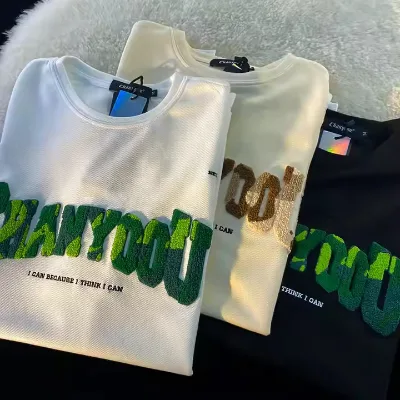
Casual Knitted T-Shirt Embroidered Applique Top Tees O-Neck Pullover Thin Shirt
$3.05 - $4.05
Moq: 100


Shanghai Easun Group Imp & Exp Co., Ltd.
- Verified by BV
- Trading Company
- China Shanghai
- Lead time15 days
- Avg. response≤ 17h
Main productsHoodies, Pajamas, T-Shirt, Bath Robe, Sleepwear, Polo Shirts, Safety Shoes
Main marketsAfrica

Yan Cheng Jie Chanel Fashion Co., Ltd.
- Verified by TUVRHEINLAND
- Combined
- China Jiangsu
- Lead time15 days
- Avg. response≤ 6h
Main productsThe North Face-Summit, Outdoor Equipment, Outdoor Travel Shoes, Backpack (Outdoor Bag), Sunscreen Clothes, Quick Drying, Fleece, Outdoor Shirt, Tactical Trousers, Winter Clothes
Main marketsDomestic

Guangzhou Vision Clothing Co., Ltd.
- Verified by BV
- Combined
- China Guangdong
- Lead time15 days
- Avg. response≤ 6h
Main productsT-Shirt, Hoodie, Polo Shirt, Sweatpants
Main marketsSouth America,Southeast Asia/ Mideast,Europe,Australia,North America

Jiangxi Komar Clothing Co., Ltd.
- Manufacturer, Trading Company
- Jiangxi, China
- Lead time30 days
- Avg. response≤ 5h
Main productsT shirts,hoodies,shorts,sports sets,yoga clothes
Main marketsSouth America(30.0%), Eastern Europe(25.0%), North America(25.0%), Southern Europe(5.0%), Northern Europe(5.0%), Western Europe(5.0%), Southeast Asia(5.0%)

- Verified by TUVRHEINLAND
- Combined
- China Shanghai
- Lead time15 days
- Avg. response≤ 2h
Main productsInfant Clothes, Baby Clothes, Kids Wear, Underwear, Sock, Pajama, Night Dress, Sleep Bag, Yoga Clothes, Nursing Tee
Main marketsEurope,Australia,North America

Power Ascent (Xiamen) International Ltd.
- Verified by BV
- Trading Company,Manufacturer/Factory
- China Fujian
- Lead time90 days
- Avg. response≤ 25h
Main productsMen's Suit, Business Suit, Shirt, Trousers, Casual Jacket, Ski Wears, Softshell Jacket, Function Garments, Office Uniform, Worker Uniform
Main marketsSouth America,Eastern Europe,Mid East,North America,Oceania,Western Europe


Contact supplier

QUANZHOU LONGHUA TRADING CO., LTD.
- Trading Company,Manufacturer/Factory
- China Fujian
- Lead time90 days
- Avg. response≤ 15h
Main productsShoes & Garments, Jacket, Shorts, Pants Joggers, Hoodies, Kid Shoes, Sport Shoes, Casual Shoes
Main marketsSouth America,Eastern Europe,Mid East,North America,Southeast Asia,Eastern Asia,Western Europe

Shanghai J&D International Co., Ltd.
- Trading Company
- China Shanghai
- Lead time23 days
- Avg. response≤ 25h
Main productsShirts, Necktie, Ties, Scarves, Waistcoat, Cufflink, Neckwear, Accessories
Main marketsSoutheast Asia/ Mideast,Domestic,Europe,Australia,North America

- Verified by TUVRHEINLAND
- Trading Company,Manufacturer/Factory
- China Chongqing
- Lead time38 days
- Avg. response≤ 5h
Main productsBaseball Cap, Beanie Hat, Trucker Hat, Bucket Hat, Snapback Hat, Scarf, Gloves, Apron, Sock, T Shirt&Polo Shirt
Main marketsSouth America,Eastern Europe,Mid East,North America,Southeast Asia,Eastern Asia,Oceania,Western Europe,Africa
Fuzhou Jin'anqu Anhengxin Technology Co., Ltd.
- Verified by TüVRheinland
- Manufacturer, Trading Company
- Lead time30 days
- Avg. response≤ 2h
Main productsMen's T-Shirts, Plus Size Men's Shirts, Men's Hoodies & Sweatshi, Plus Size Men's Hoodies & Sweatshirts
Main marketsWestern Europe(45%), North America(40%), Eastern Asia(10%)

Shanghai Touch Industrial Development Co., Ltd.
- Verified by TUVRHEINLAND
- Combined
- China Shanghai
- Lead time15 days
- Avg. response≤ 4h
Main productsInstant Hot Pack, Hot Cold Pack, Gel Eye Mask, Gel Ice Pack, Gel Bottle Cooler, Instant Ice Pack, Hand Warmer, Heat Pack, Cooling Scarf, Gel Beads
Main marketsSouth America,Others(foreignTradeCapacity.exportBusinessCapacityMarketOther),Southeast Asia/ Mideast,East Asia(Japan/ South Korea),Domestic,Europe,Australia,North America

Shandong Rangde Garments Co.,Ltd
- Verified by CTI
- Trading Company
- China Shandong
- Lead time30 days
- Avg. response≤ 3h
Main productsT-Shirt, Clothing
Main marketsEast Asia(Japan/ South Korea)


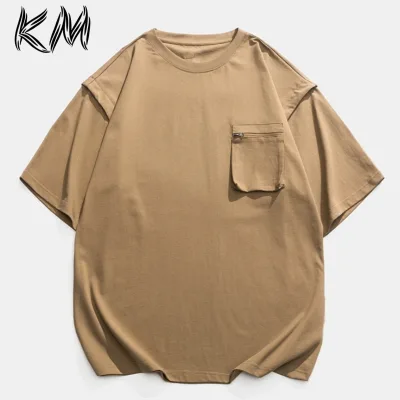
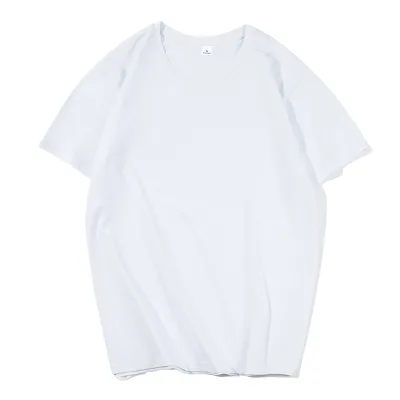
Men's T-Shirts Oversized Cotton O-Neck Breathable Short Sleeves Pure Color T-Shirts
$2.50 - $3.50
Moq: 1500


Wujiang Benmore Textile Imp and Exp Co., Ltd.
- Verified by TUVRHEINLAND
- Trading Company,Manufacturer/Factory
- China Jiangsu
- Lead time15 days
- Avg. response≤ 11h
Main productsFabric, Polyester Fabric, Coated Fabric, Bonded Fabric, Functional Fabric, Nylon Fabric, Oxford Fabric, Waterproof and Breathable Fabric, Fluorescent Fabric, Flame Retardant Fabric
Main marketsSouth America,Eastern Europe,Mid East,North America,Southeast Asia,Eastern Asia,Oceania,Western Europe,Africa
Guangzhou Tianyuan Clothing Co., Ltd
- Verified by SGS
- Combined
- China Guangdong
- Lead time30 days
- Avg. response≤ 2h
Main productsPolo Shirt, Shirt, Suit, T-Shirt, School Uniform, Hooded Sweatshirt, Medical Uniform, Chef's Uniform, Trousers, Work Clothes
Main marketsDomestic
Guangdong Textiles Imp.&exp. Co., Limited
- Verified by Intertek
- Manufacturer, Trading Company
- Lead time20 days
- Avg. response≤ 4h
Main productsMen Hoodies, Men T-shirts, Men Denim, Women Sweaters, Women Jeans
Main marketsNorth America(38%), Western Europe(32%), Oceania(15%)
Guangzhou Yinimei Trading Firm
- Trading Company
- China Guangdong
- Lead time30 days
- Avg. response≤ 2h
Main productsApparel & Accessories, Men's Wear, Children's Clothing, Ladies' Clothing, Shoes, Children's Toys, "Bag", Hair
Main marketsSouth America,Eastern Europe,Mid East,North America,Southeast Asia,Eastern Asia,Oceania,Western Europe,Africa
Guangzhou Tianhe Huangcun Lookfie Commercial And Trade Department
- Manufacturer, Trading Company, Distributor/Wholesaler
- Guangdong, China
- Lead time30 days
- Avg. response≤ 10h
Main productsHoodie,T-shirt,Polo shirt,Jogger,Jacket
Main marketsNorth America(80.0%)
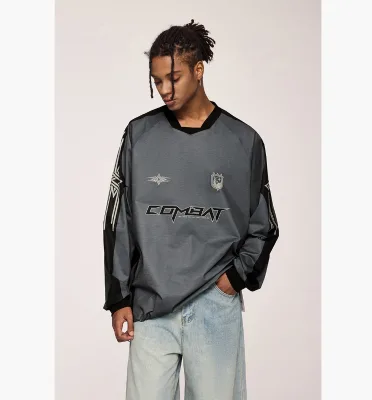
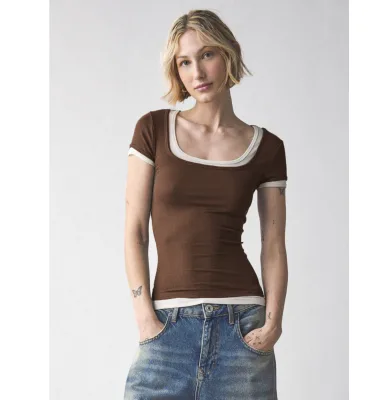
Summer square Collar T Shirt New Ribbed Knit T-shirt Slim Fit t Shirt Women Crop Top
$8.85 - $10.93
Moq: 200
Shantou Chao Jin Sheng Clothing Co., Ltd.
- Trading Company
- Guangdong, China
- Lead time10 days
- Avg. response≤ 5h
Main productsT-shirt,Polo shirt,Sweatshirt
Main marketsNorth America(50.0%), Southern Europe(10.0%), Northern Europe(10.0%), Western Europe(10.0%), Eastern Europe(10.0%), South America(10.0%)
Guangzhou Tianhe District Shadong Donglijia Clothing Co., Ltd.
- Verified by SGS
- Trading Company
- China Guangdong
- Lead time15 days
- Avg. response≤ 2h
Main productsSweaters, Hoodies, T Shirt, Sweatpants, Jeans, Yoga Sets
Main marketsSoutheast Asia/ Mideast,Europe,North America










Comprehensive Sourcing Guide
Knitted T-Shirt Supplier Concentration and Factory Types
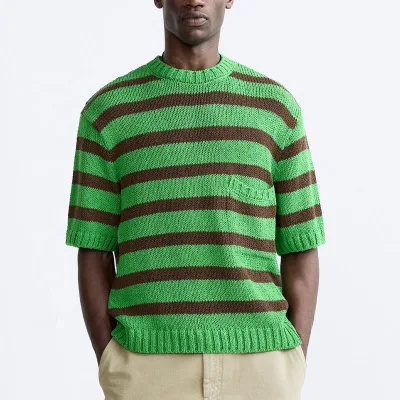
Knitted T-Shirt sourcing often reveals distinct manufacturing clusters within specific Chinese provinces, though exact concentrations depend on real-time supplier data. Current results indicate activity in Zhejiang, Guangdong, and Anhui, where suppliers list locations explicitly. Zhejiang-based entities frequently specialize in women's knitwear and formal wear, while Guangdong suppliers often handle men's apparel and diverse casual lines. Anhui appears in results with furniture focus, yet some listings there also include knitted garments, suggesting mixed industrial zones. Buyers should verify the specific province listed in supplier profiles rather than assuming a cluster exists without evidence. If a supplier lists a location, that confirms a physical presence; if no location is provided, the buyer must request this detail before proceeding.
Factory types vary significantly across the Knitted T-Shirt landscape, ranging from pure trading companies to integrated manufacturers. Some suppliers identify as trading companies, acting as intermediaries that source from multiple factories, while others claim manufacturer status with in-house production capabilities. This distinction affects control over quality and lead times. A supplier listing both trading and manufacturing roles may offer flexibility but requires verification of actual production capacity. Buyers should check the company type field in supplier profiles to understand the supply chain structure. If a profile lists only trading, the buyer must ask for factory details to ensure direct communication channels exist for production issues.
How to Verify Knitted T-Shirt Suppliers
Verification of Knitted T-Shirt suppliers relies on third-party audit reports and platform-specific badges rather than self-declared claims. Current data shows suppliers holding SGS, BV, and CTI verification statuses, which indicate external validation of business legitimacy. These badges suggest the supplier has undergone specific checks, but the scope varies by auditor. Buyers should look for these verification tags in the supplier profile and confirm the issuing body matches the badge shown. If a supplier lacks a visible verification badge, the buyer must request a recent audit report before placing any order. Relying solely on platform claims without external proof increases the risk of engaging with unverified entities.
Beyond verification badges, response time and sample availability serve as practical indicators of supplier reliability. Some suppliers demonstrate rapid response times, such as under three hours, while others take over ten hours to reply. Fast response often correlates with active sales teams and efficient communication channels. Buyers should test communication by sending a specific inquiry and measuring the reply duration. Additionally, sample lead times, such as ten to fifteen days, provide insight into production readiness. If a supplier cannot provide a sample within a reasonable window, it may indicate capacity constraints. Buyers should prioritize suppliers who offer clear sample timelines and demonstrate consistent responsiveness in initial interactions.
What to Compare Across Knitted T-Shirt Suppliers
Comparing Knitted T-Shirt suppliers requires analyzing multiple dimensions including lead time, minimum order quantity, and pricing structures. Lead times in current results range from fifteen to twenty-three days, reflecting differences in production scheduling and capacity. Some suppliers offer lower minimum order quantities, such as one piece, while others require hundreds of units, like three hundred or two thousand. Buyers must align these constraints with their inventory needs and cash flow. A supplier with a low MOQ may be ideal for testing designs, whereas high-volume buyers might prefer suppliers with established mass-production lines. Comparing these metrics side-by-side helps identify the best fit for specific order sizes.
Pricing and customization options also vary widely among suppliers, influencing total landed costs. Unit prices for knitted T Shirts can range from under one dollar to over twenty dollars, depending on material, design complexity, and order volume. Some suppliers offer customization services, allowing for logo printing or fabric changes, while others sell standard stock items. Buyers should request detailed quotes that include customization fees and packaging costs. Additionally, comparing product attributes like fabric composition, collar style, and sleeve length ensures the final product matches requirements. A supplier offering a lower base price might charge extra for customization, so the total cost must be calculated before selection.
Common Knitted T-Shirt Sourcing Risks
One significant risk in sourcing Knitted T Shirts involves mismatched expectations regarding product specifications and quality standards. Suppliers may list attributes like "breathable" or "knitted" without providing detailed test results or material certifications. Buyers must verify that the fabric composition matches the description, such as 100% cotton or bamboo fiber, rather than accepting generic claims. If a supplier lists a specific material, the buyer should request a lab report or certificate of analysis to confirm the claim. Without this verification, there is a risk of receiving substandard materials that do not meet the intended performance criteria.
Another risk stems from inconsistent lead times and production delays that can disrupt supply chains. While some suppliers promise fifteen-day lead times, others may extend to twenty-three days or longer due to capacity issues. Buyers should clarify the exact production timeline in the contract and include penalties for delays. Additionally, packaging standards vary, with some suppliers using simple polybags while others use cartons with specific dimensions. If the packaging does not meet the buyer's shipping requirements, additional costs may arise. Buyers must specify packaging details in the purchase order and confirm the supplier's ability to meet these requirements before production begins.
Knitted T-Shirt Regional Sourcing and Logistics
Regional sourcing for Knitted T Shirts impacts logistics costs and delivery speed, depending on the supplier's location. Current data shows suppliers located in Zhejiang, Guangdong, and Anhui, each with different port access and shipping routes. Guangdong suppliers often benefit from proximity to major ports like Guangzhou, potentially reducing inland transport costs. Zhejiang suppliers may have access to Ningbo or Shanghai ports, offering alternative shipping options. Buyers should calculate the total logistics cost, including inland freight and ocean freight, based on the supplier's specific city. If a supplier lists a location but does not specify the nearest port, the buyer must ask for this detail to estimate shipping accurately.
Logistics planning also involves understanding packaging dimensions and weight, which affect container loading efficiency. Some suppliers provide standard packing dimensions, such as 50 by 45 by 5 centimeters, while others list customized sizes. Buyers should request the exact packed dimensions and weight per unit to optimize container space. If the packaging is non-standard, it may reduce the number of units per container, increasing the per-unit shipping cost. Buyers should negotiate packaging standards that maximize container utilization. Additionally, verifying the origin city helps in assessing potential customs duties and import regulations in the destination country, ensuring compliance with local laws.
Knitted T-Shirt Commercial Terms and Order Planning
Commercial terms for Knitted T Shirts include payment methods, escrow options, and contract clauses that protect both parties. While some platforms offer escrow services, buyers must confirm if the specific supplier supports this feature before transferring funds. If escrow is unavailable, buyers should consider using secure payment methods like letters of credit or partial payments. The contract should clearly define the payment schedule, linking milestones to production progress. Buyers should also verify if the supplier offers any warranty or return policy for defective goods. Without clear commercial terms, disputes over quality or delivery can become costly and time-consuming.
Order planning requires aligning production schedules with market demand to avoid stockouts or overstock situations. Buyers should consider the lead time, which ranges from fifteen to twenty-three days, and factor in additional time for shipping and customs clearance. If the supplier offers a sample lead time of ten to fifteen days, this should be included in the overall timeline. Buyers should also plan for potential delays by ordering earlier than the peak season. Additionally, reviewing the supplier's capacity to handle volume spikes is crucial. If the supplier has limited capacity, the buyer may need to split orders across multiple suppliers to ensure timely delivery.
FAQs
What MOQ can I expect when ordering knitted t shirts from China?
Minimum order quantities vary widely. The observed listings range from 1 piece on a Zhejiang knitwear listing and 200 pieces on an Anhui bamboo-fiber polo shirt, up to 300 pieces on a Guangdong striped men's tee and 10,000 pieces on an infant cotton style. Confirm MOQ directly with each supplier, since it often depends on fabric, customization level, and order size.
How long does production take for custom Knitted T-Shirt orders?
Lead times in the current supplier results run from 15 days to 23 days after order confirmation. Sampling typically adds more time, with one Guangdong listing quoting a sample time of 10 to 15 days. Plan your schedule around both figures, and confirm the exact lead time in writing before placing a deposit, especially for printed or embroidered designs.
Which regions in China produce knitted t shirts?
The suppliers shown are based in Zhejiang, Guangdong, and Anhui. Guangdong suppliers also list jeans, shorts, skirts, jackets, and dresses alongside tees, while Zhejiang suppliers focus on suits, sweaters, and knitwear. Zhejiang products list Hangzhou as an origin city and Guangdong products list Guangzhou. Match the region to your product mix and logistics preferences before shortlisting.
Can suppliers customize the Knitted T-Shirt design?
Yes, customization is marked as available on every product listing observed. Options include printing, embroidery, striped or plain patterns, round neck or V-neck collars, short or long sleeves, and OEM or ODM development. One Guangdong supplier advertises both OEM and ODM capability. Provide your tech pack early so the supplier can confirm feasibility, sample cost, and any effect on MOQ.
How much do knitted t shirts cost per unit?
Observed prices range from about 0.50 to 20 US dollars per piece. A plain Anhui men's tee starts at 0.50, a bamboo-fiber embroidered style at 2.00, a Guangdong printed cotton tee at 5.90, striped breathable knits at 8.40, and Zhejiang women's knit tees at 13 to 20. Fabric, customization, and order volume drive the final quoted price.
How quickly do these suppliers respond to buyer inquiries?
Response times differ significantly between suppliers. The fastest observed is under one hour at 0.62, followed by 2.41 hours in Guangdong and 10.11 hours in Zhejiang. If your project is time-sensitive, prioritize suppliers with faster response times and test responsiveness during the inquiry stage before committing, since slow early replies often predict slower communication later in production.
What verification and certifications do these suppliers hold?
Observed credentials include third-party verification by SGS, BV, and CTI, plus a BSCI system certification at one Guangdong supplier. These indicate independent audits of the company or its social compliance, not product quality guarantees. Ask each supplier for the scope and expiry date of its certificates, and request recent audit reports that match your market's compliance requirements before ordering.
What materials are used in these knitted t shirts?
Observed listings include 100% bamboo fiber for an embroidered polo-style tee, 100% cotton for an infant V-neck style, and modal fabric for a Zhejiang oversized long-sleeve knit described as breathable. Knitted construction and garment washing also appear. Always request fabric composition certificates and physical samples, since material blends, GSM weight, and finishing strongly affect hand feel and durability.