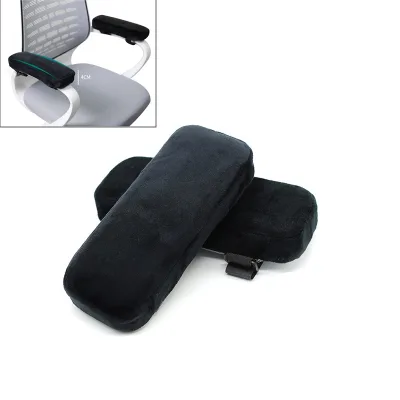
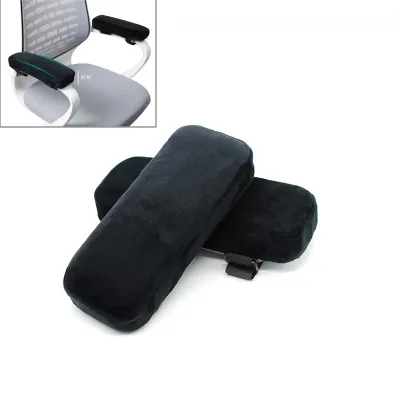
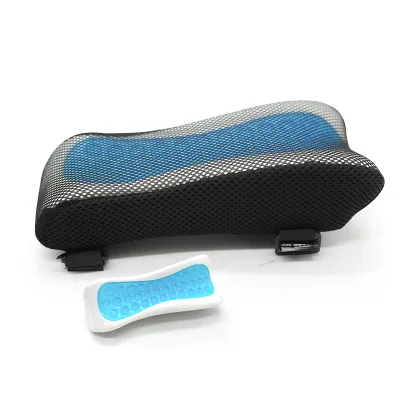
Knitted Velvet Chair Armrest Cushion Suppliers and Manufacturers
Compare 23 verified suppliers offering knitted velvet chair armrest cushions with details on response times, lead times, and certifications. Review product attributes like filling material and customization options to select the right partner for your needs; review the available evidence before requesting comparable quotations from suitable candidates.
Updated
Suppliers List
Guangzhou Yuesenran Household Products Co., Ltd.
- Manufacturer, Trading Company
- Guangdong, China
- Lead time10 days
- Avg. response≤ 2h
Main productsMemory Foam Pillow
Main marketsSouthern Europe(50.00%), North America(30.00%), Central America(10.00%), Southeast Asia(10.00%)
Jiangsu Jialei Household Products Co., Ltd.
- Verified by SGS Group
- Manufacturer, Trading Company
- Lead time7 days
- Avg. response≤ 1h
Main productsMemory Foam Pillow, Cervical Pillow, Waist Cushion, Cushion
Main marketsDomestic Market(40%), North America(35%), Southeast Asia(18%)

Dongguan Julisheng New Material Technology Co., Ltd.
- Verified by BV
- Combined
- China Guangdong
- Lead time30 days
- Avg. response≤ 3h
Main productsPU Foam, PU Corner Guard, Accessories PU Armrest, PU Self-Skinning, PU High Rebound, PU Slow Rebound, PU Imitation Wood Hard Foam, PU Foam Rugby, PU Traction Pillow, PU Foam Wheel
Main marketsDomestic
Guangzhou Qianfeng Print Co., Ltd.
- Verified by SGS Group
- Manufacturer, Trading Company
- Lead time15 days
- Avg. response≤ 3h
Main productsKnitting Fabric, Mattress Fabric, Jacquard Fabric, Tricot Fabric, Pillow Fabric
Main marketsMid East(40%), Southeast Asia(20%), Domestic Market(20%)

Zhengzhou Yuexiu Industrial Co., Ltd
- Trading Company,Manufacturer/Factory
- China Henan
- Lead time23 days
- Avg. response≤ 5h
Main productsPU Integral Skin Foam, High Resilience PU Foam, Low Resilience PU Foam, Molded PU Foam, Corner Guard, PU Handles, Foam Seat, Foam Insert, PU Suspension Bushing, PU Foam Products
Main marketsSouth America,Eastern Europe,Mid East,North America,Southeast Asia,Eastern Asia,Oceania,Western Europe,Africa

Nantong Javian Textile Co., Ltd
- Verified by SGS
- Manufacturer/Factory,Other
- China Jiangsu
- Lead time23 days
- Avg. response≤ 18h
Main productsBedding and Sleeping Products, Mattress- Memory Foam or Letax Mattress, Pillows and Cushions, Vaccumed Packed Mattress Topper, Textile Bedding Set, Blanket Quilt Duvet and Comforter, Textile Fabric, Sheet Set in Microfiber Cotton Bamboo and Othe, U-Shaped Travel Pillow, Textile Tape and Lace
Main marketsSouth America,Eastern Europe,North America,Southeast Asia,Oceania,Western Europe

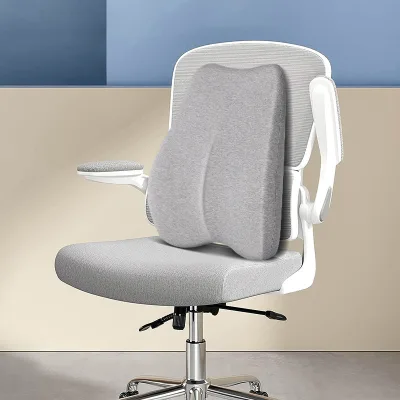
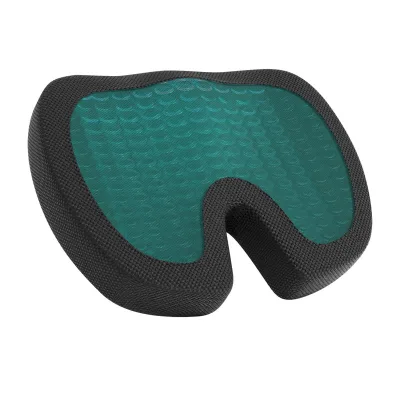
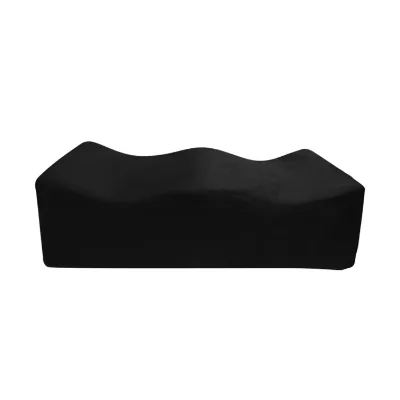
Memory Foam Backrest-Pillow-Cushion Pillow Seat Lumbar Support Velvet Covers Cushions
$2.70 - $3.50
MOQ: 1000 Pieces


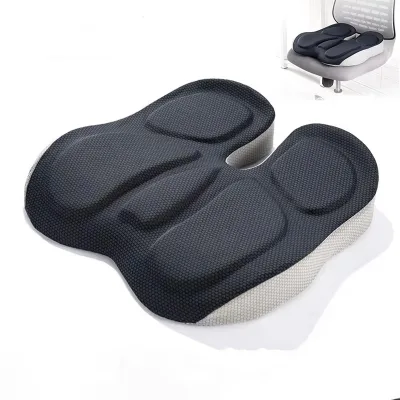
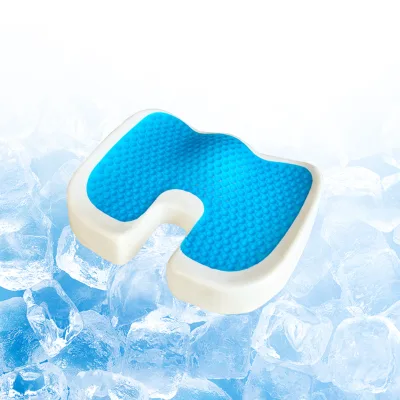
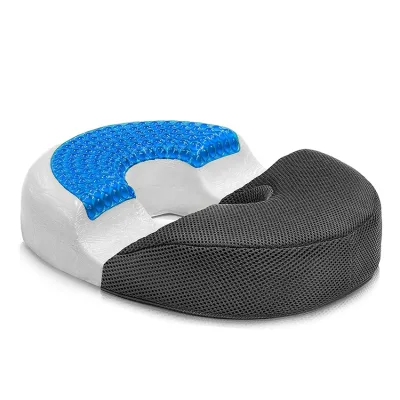
Sleep Textile Seat Cushion Gel Memory Foam Pillow Chair Support Cousion
$3.85 - $4.40
MOQ: 1000 Pieces

Yiwu Desheng Home Textile Co., Ltd
- Verified by SGS
- Combined
- China Zhejiang
- Lead time23 days
- Avg. response≤ 5h
Main productsCushion, Hug Pillow, Pillow, Seat Cushion, Floor Cushion, Cushion Cover, Pillow Case, Bay Window Seat Chushion, Chair Cushion, Leather Cushion
Main marketsOthers(foreignTradeCapacity.exportBusinessCapacityMarketOther)


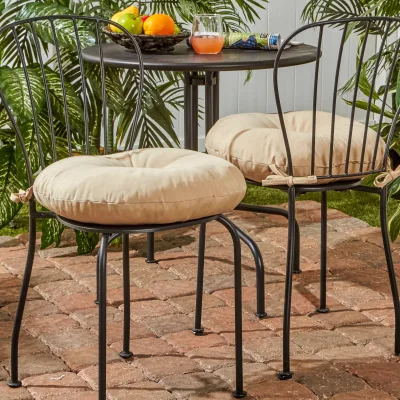
Simple High-Quality Sturdy Elastic Seasonal Soft Cozy Home Use Chair Cushions
$2.90 - $9.90
MOQ: 100 Pieces
- Verified by TüVRheinland
- Manufacturer, Trading Company
- Lead time15 days
- Avg. response≤ 2h
Main productsFaux Fur Rug, Color Felt Products, Cap, Polishing Pad, Pet Bed
Main marketsDomestic Market(50%), North America(10%), Mid East(10%)

Shanghai Huaqi Industrial Co., Ltd.
- Verified by TUVRHEINLAND
- Trading Company
- China Shanghai
- Lead time15 days
- Avg. response≤ 5h
Main productsCar Mats, Seat Cover, Car Cover, Wiper Blade, Air Compressor, Steering Wheel Cover, Car Lock, Baby Mirror, Car Jack, Racing Seat
Main marketsSouth America,Africa,Southeast Asia/ Mideast,Europe,Australia,North America
Guangzhou Yuntao Sleep Technology Co., Ltd.
- Verified by Intertek
- Manufacturer, Trading Company
- Lead time15 days
- Avg. response≤ 3h
Main productsPillow
Main marketsDomestic Market(50%), North America(8%), South America(8%)
Henan E-Choice Household Products Co., Ltd.
- Trading Company
- Henan, China
- Lead time15 days
- Avg. response≤ 1h
Main productsMemory foam neck pillow,Memory foam mattress,Cushion,Modular sofa
Main marketsDomestic Market(35.00%), South America(30.00%), Mid East(15.00%), North America(15.00%), Eastern Europe(5.00%)
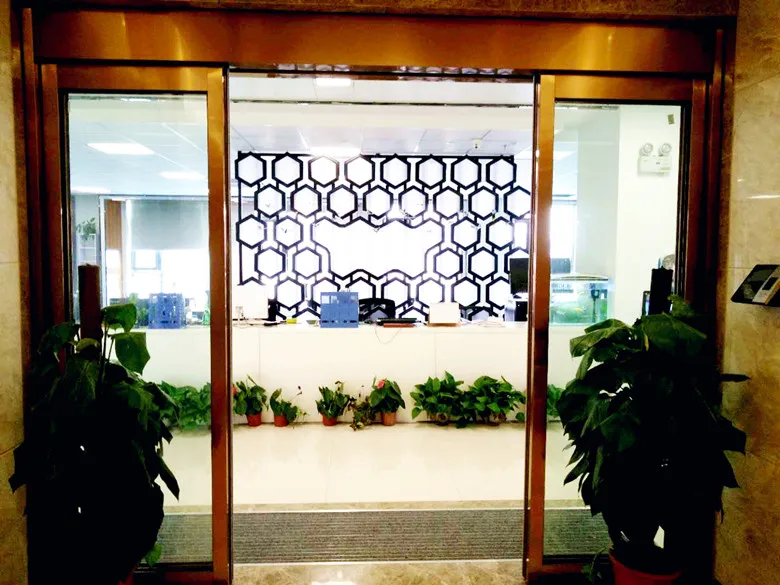
Henan Koncen Import And Export Trade Co., Ltd.
- Manufacturer, Trading Company
- Henan, China
- Lead time20 days
- Avg. response≤ 6h
Main productsU-shape pillow,lumbar cushion,seat cushion,pregnancy pillow,shredded memory pillow
Main marketsWestern Europe(30.00%), Mid East(20.00%), Eastern Europe(13.00%), South Asia(12.00%), South America(10.00%), Northern Europe(10.00%), Southern Europe(5.00%)

Changzhou Onestopflag Co., Ltd.
- Combined
- China Jiangsu
- Lead time15 days
- Avg. response≤ 4h
Main productsFeather Flag, Nation Flag, Garden Flag, Car Flag, Advertising Flag, Outdoor Banner, Beach Flag
Main marketsDomestic,Europe,North America
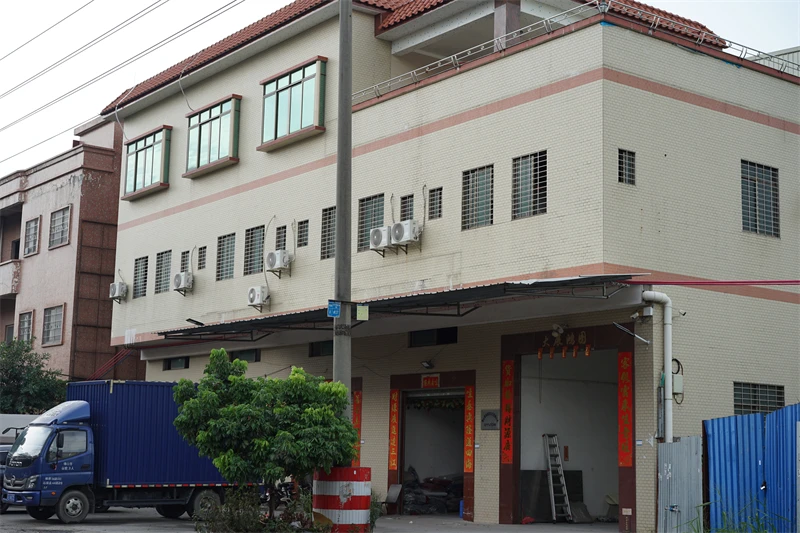
Foshan Aoteweisi Fabric Co., Ltd.
- Manufacturer, Trading Company
- Guangdong, China
- Lead time30 days
- Avg. response≤ 1h
Main productsSeat Cushion, Outdoor cushion, Throw Pillow, Lumbar Pillow, Back Cushion
Main marketsNorth America(45.00%), Oceania(20.00%), Eastern Europe(15.00%), Mid East(10.00%), Western Europe(5.00%), Eastern Asia(5.00%)
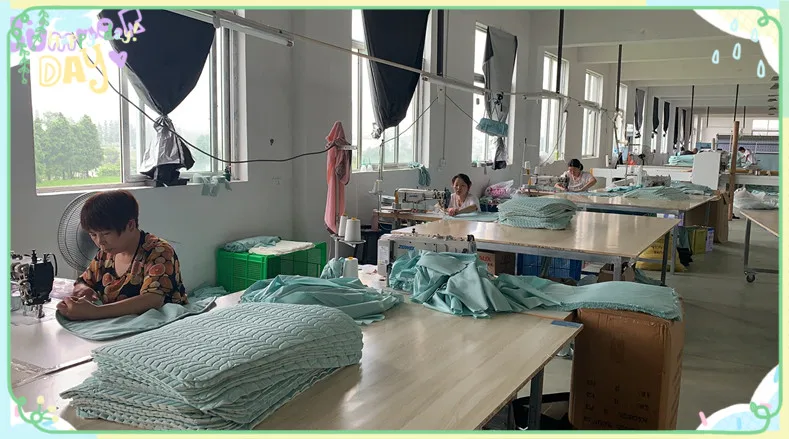
Wenzhou Mumeng Home Textiles Co., Ltd.
- Manufacturer
- Zhejiang, China
- Lead time15 days
- Avg. response≤ 2h
Main productspillow,latex mattress,latex slipper,pillow case,quilt
Main marketsDomestic Market(42.00%), North America(10.00%), South America(8.00%), Northern Europe(8.00%), Central America(8.00%), Western Europe(8.00%), Mid East(8.00%), Eastern Europe(8.00%)

Pujiang Damai Household Products Co., Ltd.
- Verified by SGS
- Combined
- China Zhejiang
- Lead time15 days
- Avg. response≤ 6h
Main marketsDomestic
Beijing Flamingo International Trading Co., Ltd.
- Trading Company
- Beijing, China
- Lead time0 days
- Avg. response≤ 2h
Main productsChair & Sofa,Table & Desk,Chair Cushion,Plastic Folding Chair,Plastic Folding Table
Main marketsNorth America(40.00%), Northern Europe(10.00%), Central America(10.00%), Western Europe(10.00%), Africa(10.00%), Eastern Europe(10.00%), South America(10.00%)
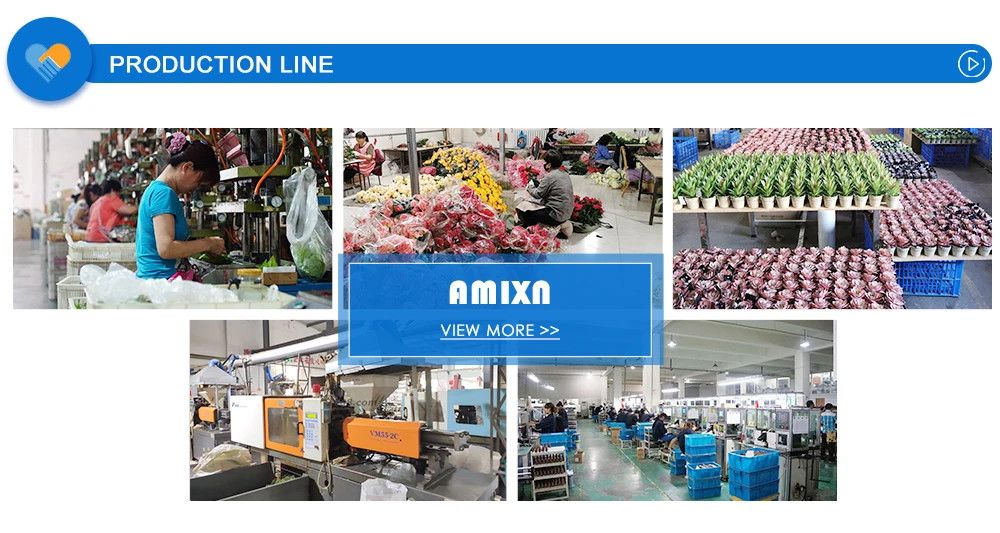
Hefei Amixn E-Commerce Co., Ltd.
- Trading Company
- Anhui, China
- Lead time25 days
- Avg. response≤ 2h
Main productsParty Decor,Garden,Metal Raised Garden Beds,Hydroponic Planters,Macrame Planters
Main marketsNorth America(60.00%), Eastern Europe(30.00%), South America(5.00%)
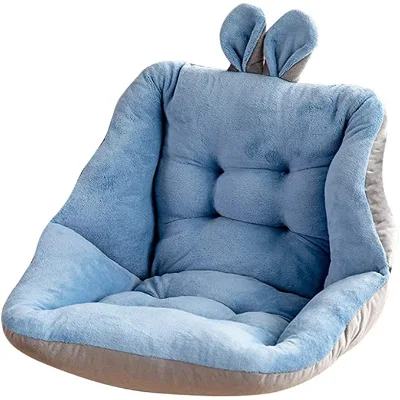
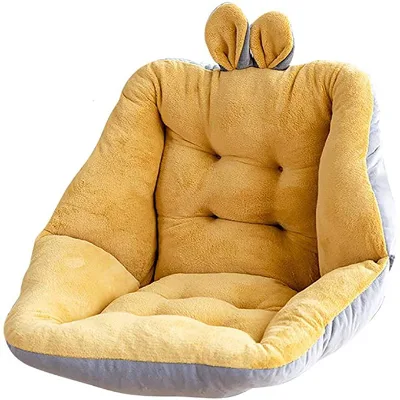
$3.3952 - $3.7739
MOQ: 2 Minimum
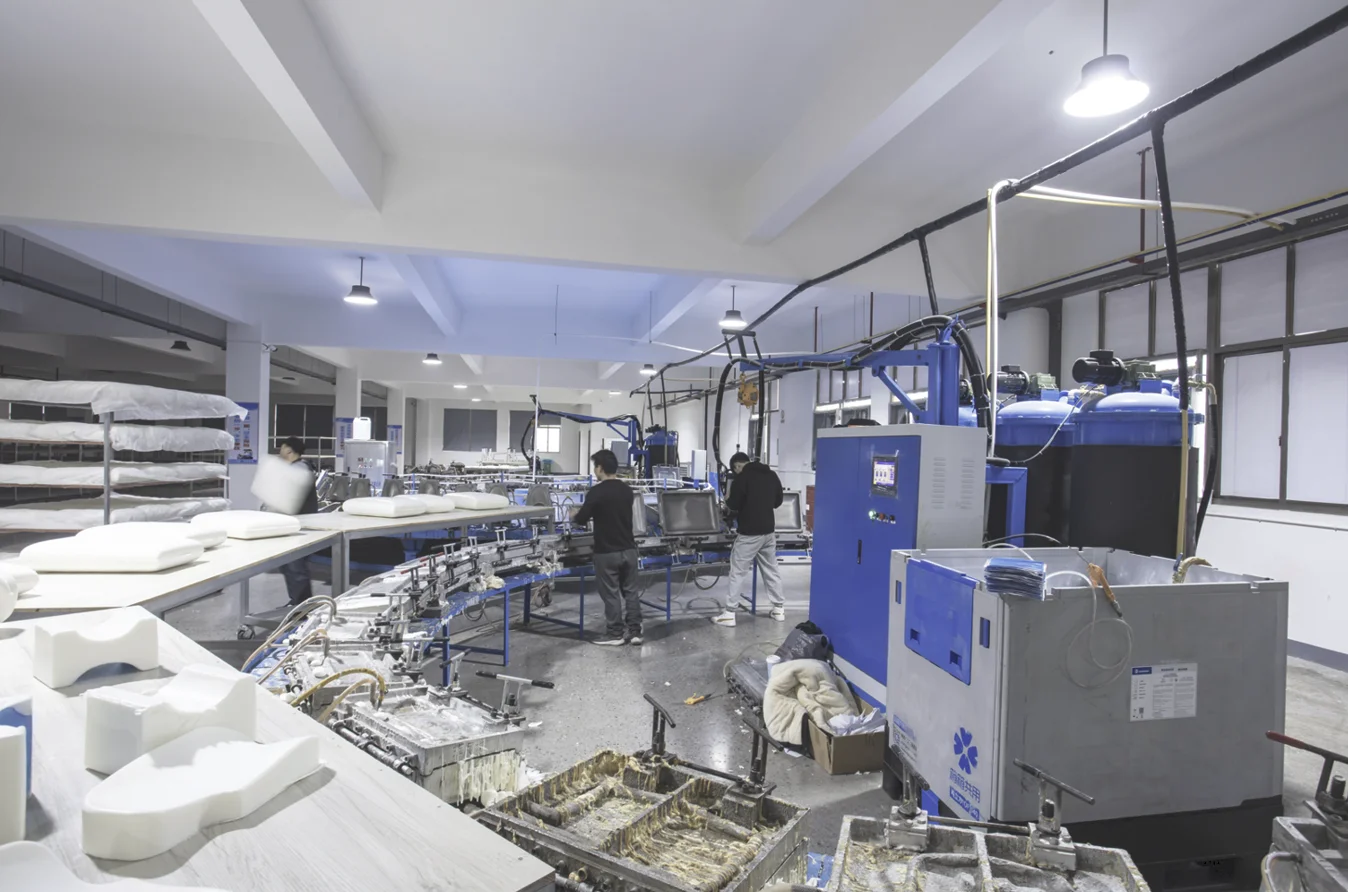
Ningbo Kaiweida Household Co., Ltd.
- Trading Company
- Zhejiang, China
- Lead time28 days
- Avg. response≤ 4h
Main productsMemory Foam Pillow, Seat Cushion, Reading Pillow, Mattress Cover, Fiber Pillow
Main marketsNorth America(65.00%), Western Europe(10.00%), Eastern Asia(10.00%), Southeast Asia(7.00%), Africa(3.00%), Mid East(3.00%), Northern Europe(2.00%)
Linhai Juhui Trading Co., Ltd.
- Verified by TüVRheinland
- Trading Company
- Lead time45 days
- Avg. response≤ 1h
Main productsParasol, Furniture
Main marketsWestern Europe(50%), North America(20%), Oceania(10%)
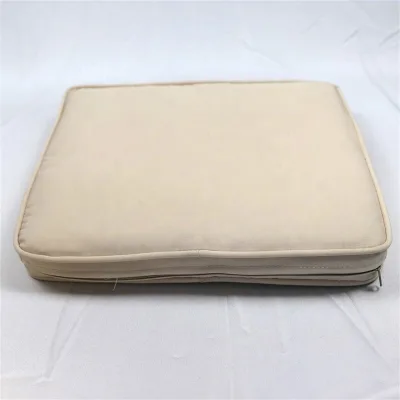
New Design Customization Size Soft Comfort Durable Seat Cushion Chair Cushion for Daily Use
$7.4955 - $7.6497
MOQ: 500 cartons
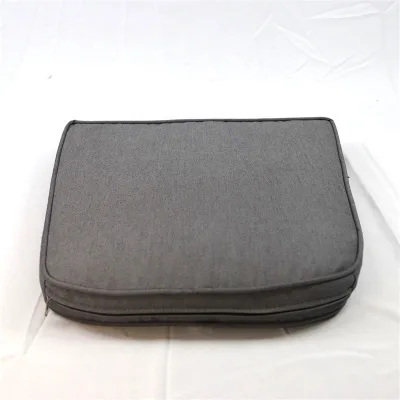
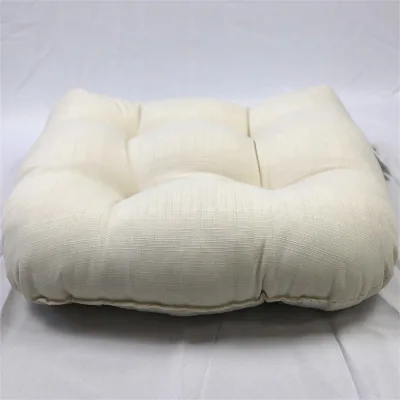
$7.6048 - $9.2829
MOQ: 500 cartons
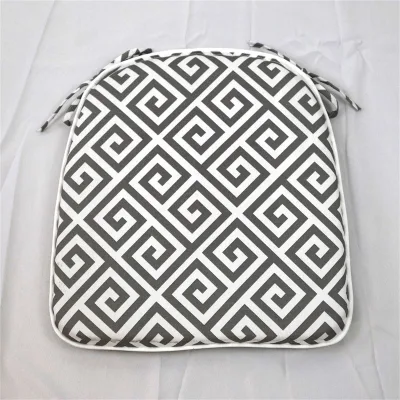
$3.1587 - $3.22
MOQ: 500 cartons
Nantong FA Household Co., Ltd.
- Verified by Intertek
- Trading Company
- Lead time20 days
- Avg. response≤ 2h
Main productsMemory Foam Pillows, Cushions, Wedge Pillow, Mattress, Sofa Play
Main marketsNorth America(65%), Eastern Europe(8%), South America(5%)

Dafeng Claire Import And Export Trading Co., Ltd.
- Trading Company
- Jiangsu, China
- Lead time0 days
- Avg. response≤ 5h
Main productsDoor Stopper, Draught Excluder, Plush Stuffed Toys; Cloth Dolls, Cushions and Pillows
Main marketsOceania(40.00%), South America(25.00%), Western Europe(10.00%), Eastern Asia(10.00%), North America(5.00%), Southern Europe(5.00%), Northern Europe(5.00%)

Shaoxing City Xinlan Textile CO., LTD.
- Verified by TUVRHEINLAND
- Combined
- China Zhejiang
- Lead time23 days
- Avg. response≤ 3h
Main productsHome Textile, Curtain, Cushion Cover, Shower Curtain, Macrame Handmade Products, Curtain Fabric, Tablecloth, Placemat, Blankets, Bedding
Main marketsNorth America

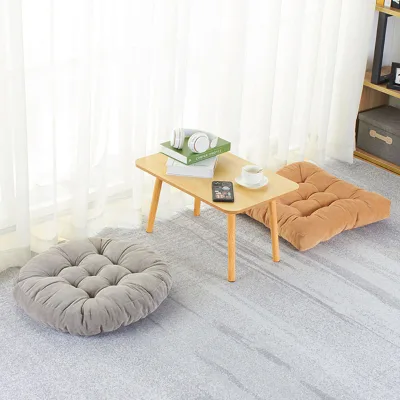
Modern Wine Velvet Pumpkin Soft Cushion Living Room Bedroom Car Hotel Cushion
$4.70 - $6.00
MOQ: 100 pieces

Modern Velvet Pumpkin Soft Cushion Living Room Bedroom Car Hotel Cushion
$2.30 - $3.00
MOQ: 100 pieces

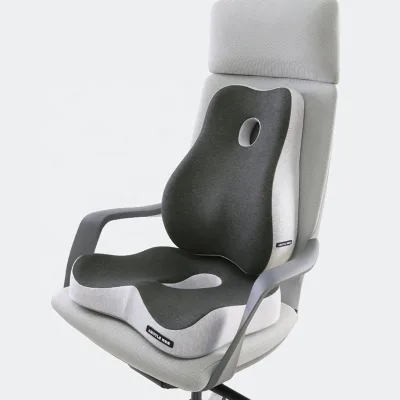
Wholesale Modern Knotted Soft Dark Green Cushion Living Room Bedroom Car Hotel Cushion
$7.70 - $8.50
MOQ: 100 pieces


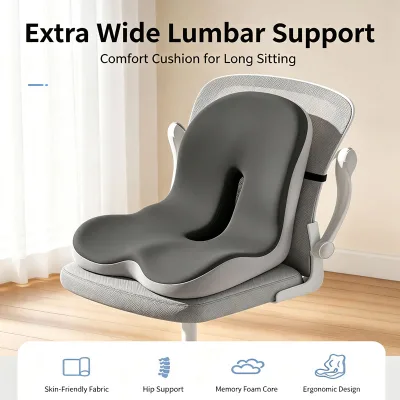
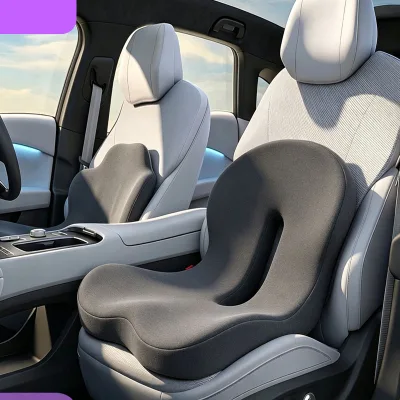
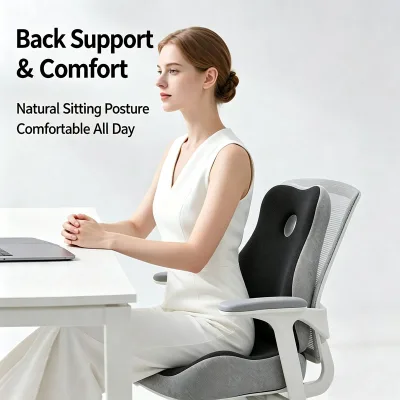
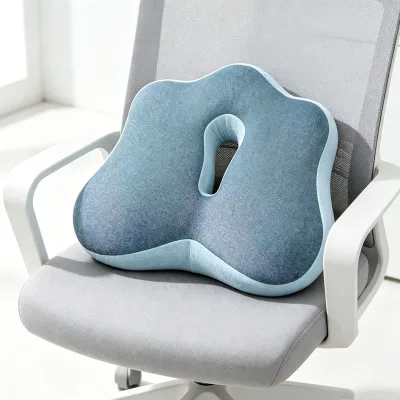
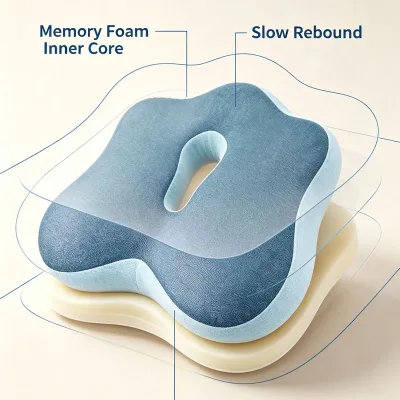


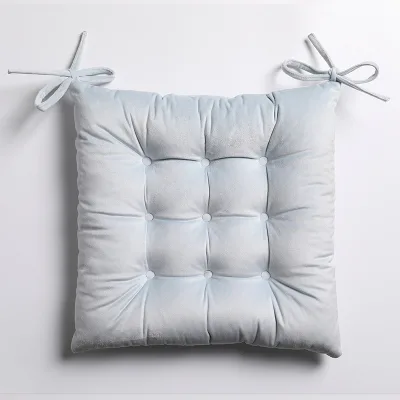
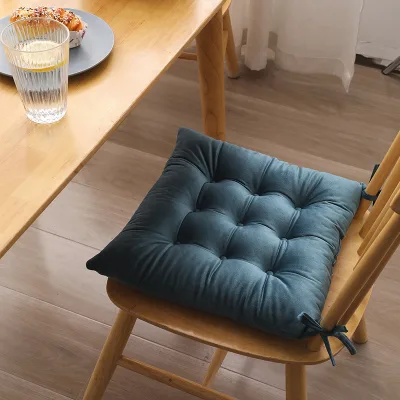


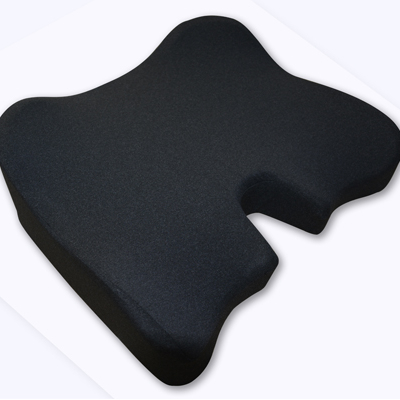
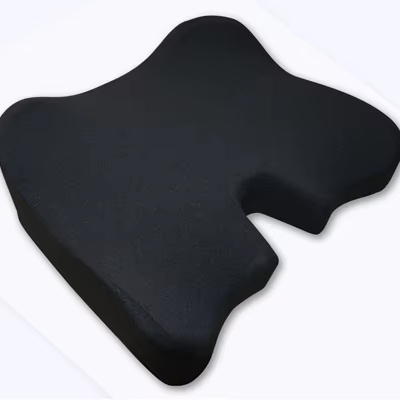
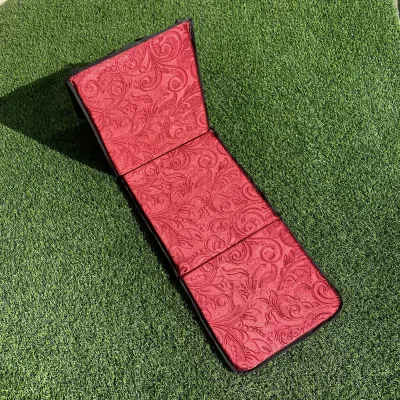
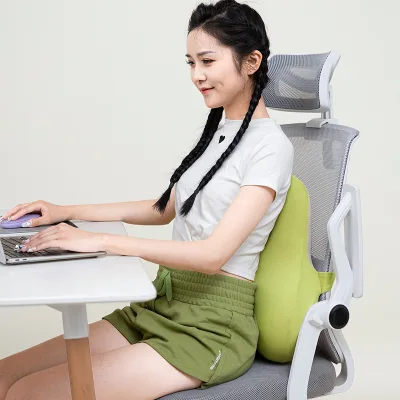
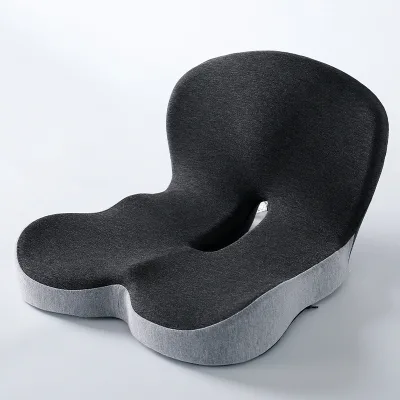




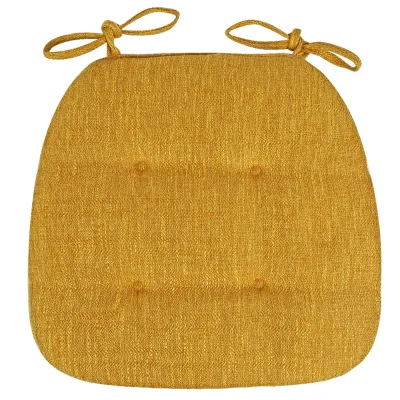
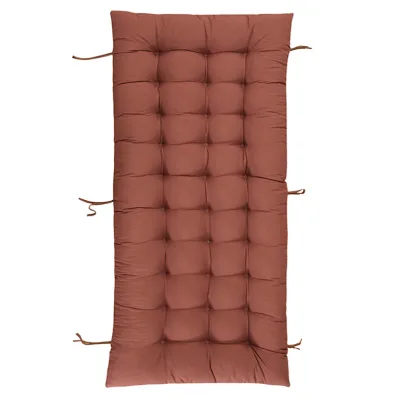
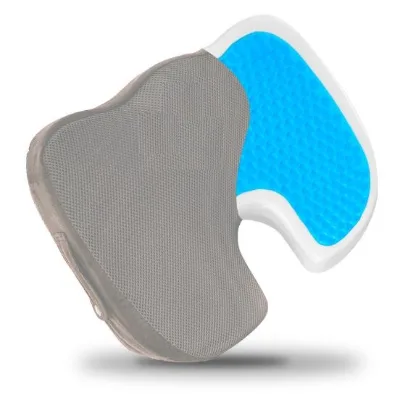
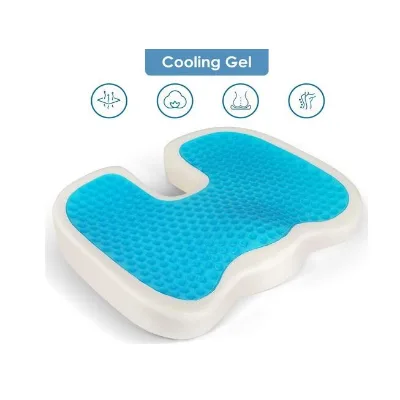
Comprehensive Sourcing Guide
Knitted Velvet Chair Armrest Cushion Supplier Concentration and Factory Types
The available data indicates that manufacturers and trading companies for knitted velvet chair armrest cushions are concentrated in Guangdong, China, with specific product evidence also pointing to Jiangsu, China as a production origin for related armrest items. This geographic clustering suggests that buyers should prioritize regions where the supply chain for memory foam filling and knitted velvet outer covers is established, as these areas often host the necessary textile and foam processing infrastructure. When evaluating potential partners, it is crucial to distinguish between pure manufacturers who control the production line and trading companies that may source from multiple factories. The presence of both company types in the results implies that buyers must verify the actual production capability rather than assuming a trading company owns the facility.
Factory types vary significantly in their capacity for customization and scale. Some suppliers offer light customization, sample processing, and graphic processing, which is essential for buyers seeking branded armrest cushions with specific velvet textures or logo placements. Others may focus on standard inventory items with limited modification options. The distinction matters because a manufacturer with in-house knitting and foam molding capabilities can often respond faster to design changes than a trading company that must coordinate with external vendors. Buyers should look for evidence of "OEM / ODM" acceptance and specific capabilities like "customized on demand" to ensure the supplier can meet unique product requirements. Without explicit confirmation of these capabilities, the assumption that a supplier can handle complex customization requests should be treated with caution.
How to Verify Knitted Velvet Chair Armrest Cushion Suppliers
Verification of Knitted Velvet Chair Armrest Cushion suppliers requires a rigorous check of system certifications and third-party audit results to ensure compliance with international safety and quality standards. The observed data includes certifications such as RoHS, ISO 12952, ISO 9001, REACH, CE, and Oeko-Tex 100, which are critical indicators of a supplier's commitment to material safety and quality management systems. Buyers must confirm that these certifications are current and specifically cover the production of memory foam and velvet textiles, as general certifications may not apply to every product line. Additionally, verification status from groups like SGS Group provides an external layer of trust, confirming that the supplier's business operations and product claims have been independently assessed.
Beyond certifications, buyers should validate the supplier's response time and lead time to gauge operational reliability. The data shows response times ranging from one to two days and lead times between seven and ten days, which are key metrics for planning inventory and managing customer expectations. A supplier with a one-day response time may indicate a more agile operation, while a seven-day lead time suggests a streamlined production process. However, these figures should be treated as baseline expectations rather than guarantees, as actual performance can fluctuate based on order volume and raw material availability. Buyers should request proof of these metrics through recent transaction records or direct communication tests to ensure the supplier can maintain these standards during peak seasons.
What to Compare Across Knitted Velvet Chair Armrest Cushion Suppliers
When comparing suppliers, buyers should focus on specific product attributes such as filling material, outer cover composition, and customization options to ensure the final product meets functional requirements. The available evidence highlights that filling materials often include memory foam, while outer covers may be made of velvet, short plush, or bamboo fiber. Buyers must verify if the supplier offers specific features like "Therapy, Memory, Massage" or "Anti-static" properties, as these directly impact the product's marketability and utility. Additionally, the availability of "Logo/graphic design" acceptance and "is_customized" options allows for brand differentiation, which is a critical factor for buyers seeking private label solutions.
Pricing and order flexibility are also essential comparison points, with observed price ranges varying from 3.40 to 5.00 per unit depending on the specific model and customization level. Buyers should compare the minimum order quantities (MOQ) and the flexibility of the selling units, as some suppliers may offer single-item purchases while others require bulk orders. The data indicates that some products have specific dimensions and weights, such as a single gross weight of 0.58 kg or 0.6 kg, which affects shipping costs and logistics planning. By systematically comparing these attributes, buyers can identify suppliers that offer the best balance of cost, quality, and flexibility for their specific business needs without relying on generic assumptions about market pricing.
Common Knitted Velvet Chair Armrest Cushion Sourcing Risks
One significant risk in sourcing knitted velvet chair armrest cushions is the potential mismatch between the advertised material composition and the actual product delivered. While suppliers may claim the use of 100% polyester or specific memory foam densities, buyers must verify these claims through physical samples and third-party testing to avoid receiving substandard goods. The data shows variations in care instructions, such as "Handwash" versus "dry in shade," which can indicate differences in material durability and construction quality. If a supplier cannot provide clear evidence of material composition or fails to offer samples for inspection, the risk of receiving products that do not meet the buyer's quality standards increases substantially.
Another risk involves the reliability of lead times and the ability to scale production during high-demand periods. Although some suppliers list lead times as short as seven days, this may not account for delays in raw material sourcing or production bottlenecks. Buyers should be cautious of suppliers who promise rapid turnaround without a clear explanation of their production capacity or inventory levels. The presence of "Single package size" variations, such as 43.0X38.0X10.0 cm versus 47.0X37.0X9.0 cm, suggests that different product lines may have different logistical challenges. Without a clear understanding of these variables, buyers risk facing delays that could disrupt their supply chain and damage customer relationships.
Knitted Velvet Chair Armrest Cushion Regional Sourcing and Logistics
Regional sourcing decisions should be guided by the specific production locations identified in the supplier data, primarily Guangdong and Jiangsu in China, which are known for their textile and foam manufacturing capabilities. These regions offer established supply chains for memory foam and knitted fabrics, reducing the complexity of sourcing raw materials and ensuring consistent quality. However, buyers must consider the logistical implications of shipping from these locations, including transit times and customs procedures. The data indicates that products are often shipped in single packages with specific dimensions, which can affect freight costs and storage requirements. Understanding the regional logistics network is essential for optimizing the total cost of ownership and ensuring timely delivery.
Logistics planning also involves evaluating the supplier's packaging and shipping practices to minimize damage during transit. The observed product attributes include specific single package sizes and weights, which are critical for calculating shipping costs and selecting appropriate freight methods. Buyers should verify if the supplier uses protective packaging to prevent damage to the velvet cover and memory foam filling during long-distance transport. Additionally, the availability of "Sample" processing and "OEM / ODM" services may influence the logistics strategy, as custom orders often require more careful handling and coordination. By aligning regional sourcing with robust logistics planning, buyers can mitigate risks associated with shipping delays and product damage.
Knitted Velvet Chair Armrest Cushion Commercial Terms and Order Planning
Commercial terms for knitted velvet chair armrest cushions should be clearly defined to avoid misunderstandings regarding payment, delivery, and quality assurance. Buyers should negotiate terms that include escrow protection to safeguard funds until the product meets the agreed-upon specifications. The data shows that some suppliers offer "Sample" availability, which can be a valuable tool for verifying quality before committing to a larger order. Establishing clear terms for sample approval and bulk production ensures that both parties are aligned on expectations and reduces the risk of disputes. Additionally, buyers should clarify the supplier's policy on returns and replacements in case the product does not meet the required standards.
Order planning must account for the supplier's capacity to handle customization and volume fluctuations. The evidence suggests that suppliers offer "light customization" and "customized on demand" services, which require careful coordination to ensure timely delivery. Buyers should plan their orders well in advance to accommodate the lead times of seven to ten days, allowing for buffer time for quality checks and potential adjustments. The availability of specific product models, such as those with model numbers like SFZDP-168 or BC-053, indicates that buyers should maintain a clear inventory of SKUs to streamline the ordering process. By integrating these commercial terms and planning strategies, buyers can build a resilient supply chain that supports their business growth and customer satisfaction.
FAQs
What certifications do these cushions hold?
Manufacturers in Guangdong, China, typically hold RoHS, ISO 12952, ISO 9001, REACH, CE, and Oeko-Tex 100 certifications. These credentials ensure the memory foam and polyester materials meet international safety and quality standards for office and home use.
How fast do suppliers respond to inquiries?
Response times vary between one and two days depending on the supplier. Fast responders often provide quicker quotes for customized knitted velvet armrest cushions. Buyers should expect initial replies within this window to facilitate efficient procurement planning.
What is the typical lead time for orders?
Production lead times generally range from seven to ten days. This timeframe allows for sample processing, graphic customization, and light customization requests. Buyers should confirm exact schedules with suppliers to align with their inventory needs.
Can I customize the cushion design?
Yes, suppliers accept logo and graphic design customization. Options include bamboo fiber covers, velvet, and short plush materials. Customization supports OEM and ODM requirements, allowing buyers to tailor products for specific hotel or office branding needs.
What are the price ranges for these items?
Prices typically range from $3.40 to $5.00 per unit. Costs depend on features like ergonomic design, memory foam filling, and specific fabric choices. Buyers can find competitive rates for bulk orders of knitted velvet chair armrest cushions.
Are samples available for quality testing?
Samples are available for most suppliers. This allows buyers to verify the memory foam quality, stitching durability, and velvet texture before placing large orders. Suppliers often support sample processing to ensure the product meets specific ergonomic and aesthetic requirements.