Laptop Motherboard Suppliers and Manufacturers in China
Explore 29 verified Laptop Motherboard suppliers offering products from Guangzhou with response times of 12 hours and lead times of 7 days. Buyers can compare specifications like chipset types, memory support, and pricing ranges from 16.84 to 380.00 before requesting quotes.
Suppliers List
Shenzhen Qianbao Technology Co., Ltd.
- Trading Company
- Guangzhou, China
- Lead time7 days
- Avg. response≤ 12h
Main productsGraphic card,CPU,Motherboard,Cooling plate,Fans
Main marketsNorth America(20.00%), Northern Europe(10.00%), Domestic Market(10.00%), Eastern Europe(10.00%), Mid East(10.00%), Western Europe(8.00%), Southern Europe(8.00%), Southeast Asia(5.00%), South America(5.00%), Eastern Asia(5.00%), Central America(3.00%), Africa(2.00%), South Asia(2.00%), Oceania(2.00%)
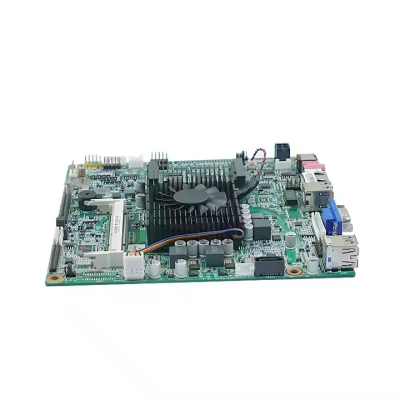
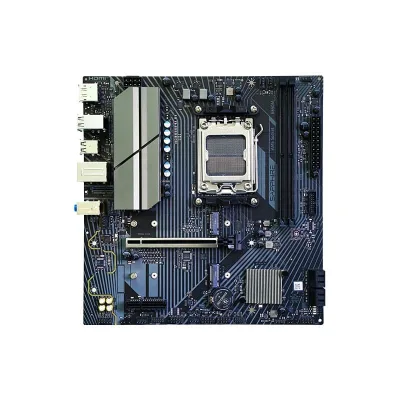
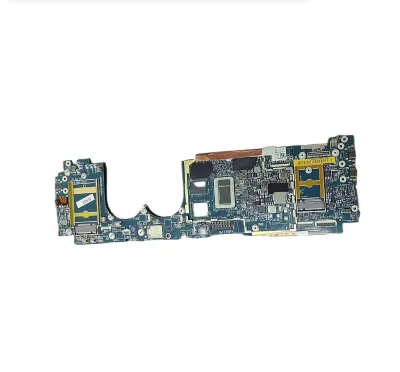
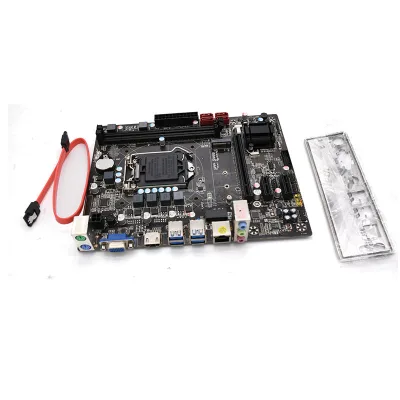
PC Motherboard for Intel Skylake-U Kabylake-U I3 2310M Processor Desktop Motherboard
$16.84 - $32.00
MOQ: 1 pieces
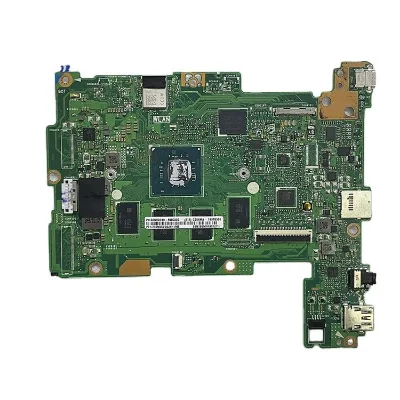
$48.00 - $60.00
MOQ: 100 Minimum
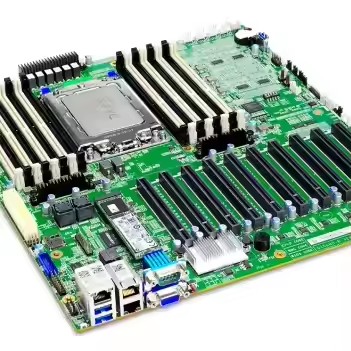
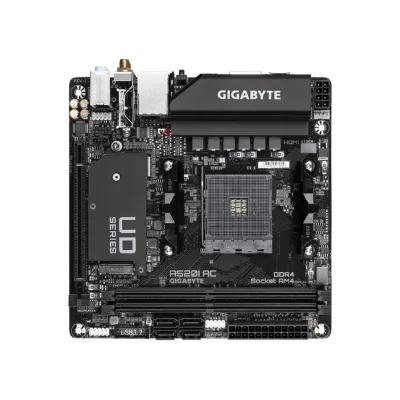
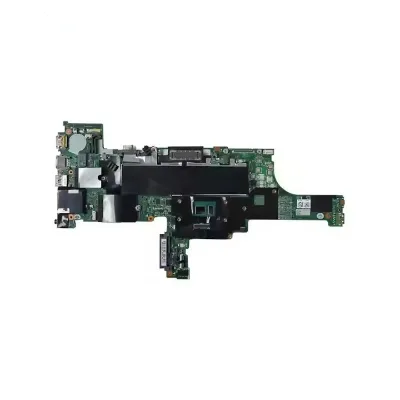
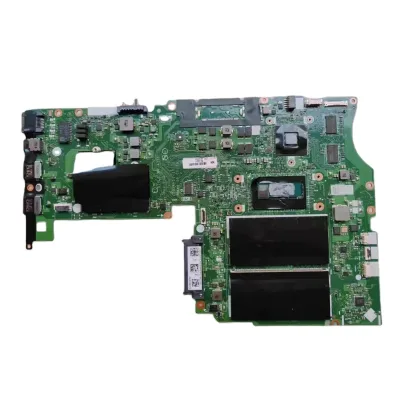
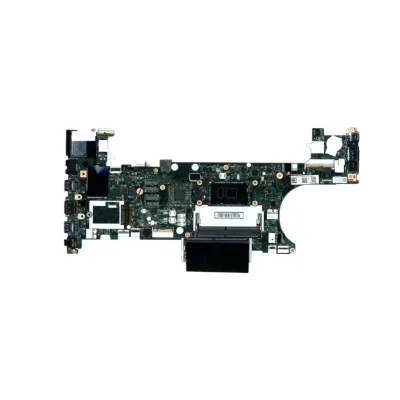
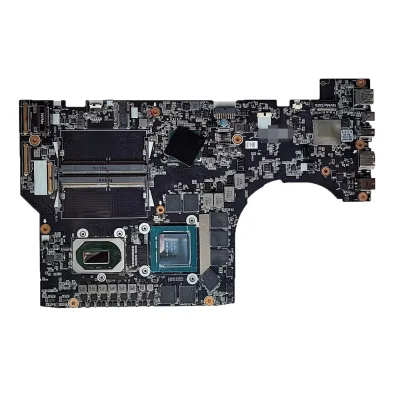
01AW336 ThinkPad T460 I5-6300U Win Laptop Motherboard with UMA, AMT, TPM Support
$56.00 - $107.00
MOQ: 2 pieces
$80.00 - $95.00
MOQ: 2 pieces

Shenzhen Grandtop Electronics Co., Ltd.
- Trading Company,Manufacturer/Factory
- China Guangdong
- Lead time30 days
- Avg. response≤ 12h
Main productsPCB Assembly, Robotic Control PCB Assembly, Industrial Control PCBA, Medical PCBA, Financial PCBA, Contract Manufacturer, Automatic Control PCB Assembly, OEM &ODM PCBA, Turnkey Service PCBA, One Stop PCB Assembly
Main marketsSouth America,Eastern Europe,Mid East,North America,Southeast Asia,Eastern Asia,Western Europe,Africa
Shenzhen Jiageer Technology Co., Ltd.
- Trading Company
- Guangdong, China
- Lead time0 days
- Avg. response≤ 6h
Main productsLaptop Keyboard, Laptop Adapter, Laptop Memory
Main marketsNorth America(50.00%), South America(20.00%), Western Europe(5.00%), Southern Europe(5.00%), Central America(5.00%), Eastern Europe(5.00%), Oceania(3.00%), Southeast Asia(3.00%), Eastern Asia(1.00%), Northern Europe(1.00%), Africa(1.00%), Mid East(1.00%)
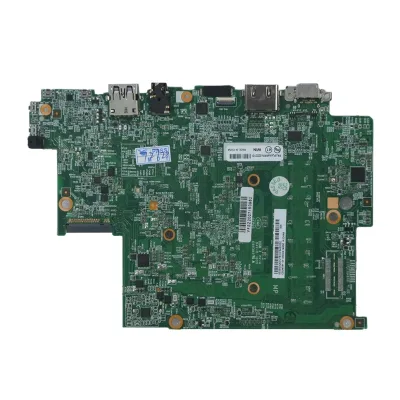
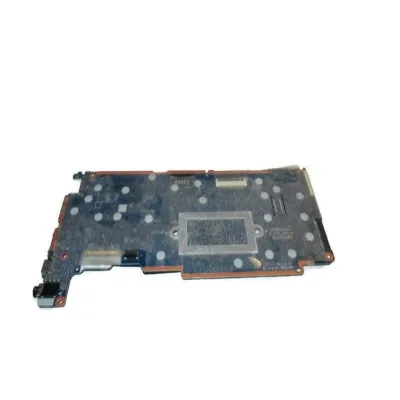
N4100 02DC101 Laptop Motherboard for WIN N4100 02DC101Motherboard(4GB 128GB)
$50.00 - $100.00
MOQ: 10 Minimum
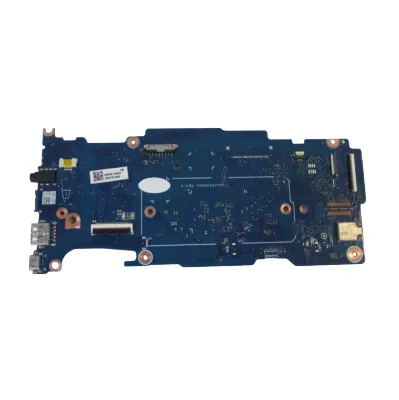
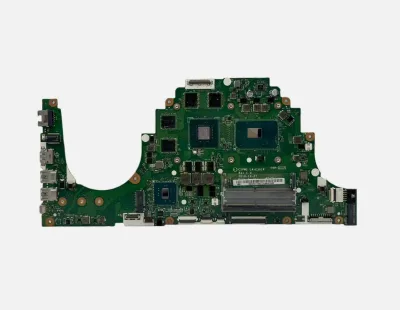
High Quality Laptop Motherboard for HP Chromebook 14A-NA0012TG 14A-NA0023NR Cel N4020 4GB 32 GeMMC
$50.00 - $100.00
MOQ: 10 Minimum

Hebei Rui Lex Engineering Equipment Co., Limited.
- Manufacturer/Factory
- China Hebei
- Lead time45 days
- Avg. response≤ 10h
Main productsElectrolytic Copper Equipment, Copper Electrolytic Tank, Stainless Steel Mother Board, Titanium Heating Tube, Cathode Copper Production Equipment, Solid Waste Crushing Treatment Equipment, Shredder, Solid Waste Treatment Equipment, Waste Metal Treatment Equipment, Intelligent Environmental Protection Processing
Main marketsSouth America,Eastern Europe,Mid East,North America,Southeast Asia,Eastern Asia,Oceania,Western Europe,Africa

Shenzhen Dulcimer Technology Co., Ltd.
- Verified by TUVRHEINLAND
- Trading Company
- China Guangdong
- Lead time30 days
- Avg. response≤ 6h
Main productsLight-Emitting Diode Chip, Lto Tape Drive, Avaya IP Phones, Electrolytic Capacitors, Tantalum Capacitors, Transistors, IC, Resistors, Paste Capacitors, Network Products
Main marketsNorth America
Shenzhen CHY Technology Co., Ltd.
- Distributor/Wholesaler
- Guangdong, China
- Lead time3 days
- Avg. response≤ 10h
Main productslaptop screen,laptop keyboard,laptop motherboard,laptop battery,laptop charger
Main marketsEastern Europe(30.00%), South Asia(30.00%), Mid East(20.00%), Domestic Market(20.00%)

R&O Industrial Technology Co., Limited
- Manufacturer/Factory,Group Corporation
- China Guangdong
- Lead time23 days
- Avg. response≤ 6h
Main productsMotherboard, Firewall Motherboard, Electronic Components, IC, Network Security Appliance, Mini PC, Chipset, Industrial Embedded Computer, OEM, Mainboard
Main marketsSouth America,Eastern Europe,Mid East,North America,Southeast Asia,Eastern Asia,Oceania,Western Europe,Africa


8th Gen Intel Processor 6*LAN 1*COM 32GB DDR4 Multi-Network Port Motherboard
$120.00 - $280.00
MOQ: 1 Pieces


- Trading Company
- Guangdong, China
- Lead time0 days
- Avg. response≤ 7h
Main productsmobile phone refurbishing machine,mobile phone spare parts,laptop parts,glue dispenser,laser machine
Main marketsWestern Europe(50.00%), North America(50.00%)

Beijing Pinghe Chuangye Technology Development Co., Ltd.
- Combined
- China Beijing
- Lead time15 days
- Avg. response≤ 4h
Main productsIsolated Safety Barriers, Signal Conditioners, Signal Isolator, Surge Protective Devices, Safety Relays, Isolated I/O Modules, Signal Converter
Main marketsSouth America,Europe,North America
Shenzhen Itzr Technology Co., Ltd.
- Manufacturer, Trading Company
- Lead time旺季: "1 - 10000":15,"> 10000":"To be negotiated", 淡季: "1 - 10000":15,"> 10000":"To be negotiated"
- Avg. response≤ 7h
Main productsLaptop PC, Tablet PC, Motherboards, All In One PC, Mini PC
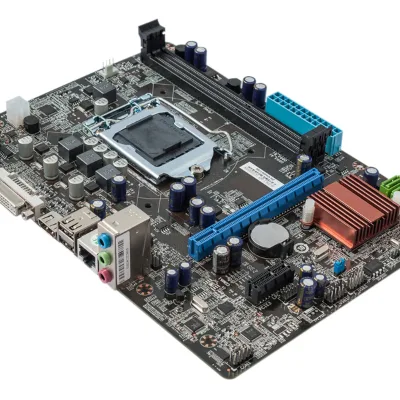
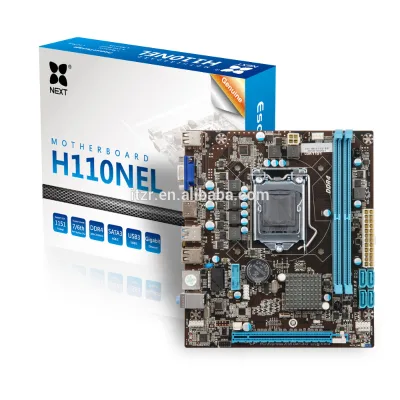
Good Quality Notebook New Brand Small and Portable Support Warranty Mine Board Desktop Motherboard
$15.36 - $30.72
MOQ: 100 Minimum
Shenzhen Kudesai Technology Co., Ltd.
- Trading Company, Buying Office, Distributor/Wholesaler
- Guangdong, China
- Lead time5 days
- Avg. response≤ 6h
Main productsKeyboard,motherboard,CPU GPU,screen,Internal parts of the computer
Main marketsEastern Europe(30.00%), North America(20.00%), South Asia(10.00%), Eastern Asia(7.00%), Central America(5.00%), Domestic Market(5.00%), Western Europe(5.00%), Africa(5.00%), South America(5.00%), Northern Europe(3.00%), Southeast Asia(2.00%), Southern Europe(1.00%), Mid East(1.00%), Oceania(1.00%)

Shenzhen Piesia Electronic Technology Co., Ltd.
- Manufacturer/Factory
- China Guangdong
- Lead time15 days
- Avg. response≤ 8h
Main productsMotherboard, Mini Itx Motherboard, 3.5 Inch Embedded Motherboard, Industrial Motherboard, Industrial PC Parts, Main Board, Industrial PC, Network Motherboard, X86 Motherboard, Sbc Motherboard
Main marketsSouth America,Eastern Europe,Mid East,North America,Southeast Asia,Eastern Asia,Oceania,Western Europe,Africa

Onboard Mobile I7-1165g7 11th Processor 8GB DDR4 2*LAN 6*COM Laptop Motherboards
$359.00
MOQ: 1 Pieces


Gaming PC Motherboard Edp X6413 USB VGA PC Motherboard Lvds J6413 Display HD Motherboards J6412 CPU
$112.00 - $125.00
MOQ: 1 Pieces


$112.00 - $125.00
MOQ: 1 Pieces

- Trading Company
- Hong Kong S.A.R.
- Lead time5 days
- Avg. response≤ 11h
Main productsCollaborative Robot,Palletizing Robot,AMR/AGV transport robot,Electric Forklifts,Computer parts
Main marketsAfrica(20.00%), Western Europe(15.00%), Eastern Asia(10.00%), Mid East(10.00%), North America(10.00%), Southeast Asia(10.00%), South America(10.00%), Northern Europe(5.00%), Central America(5.00%), Eastern Europe(5.00%)
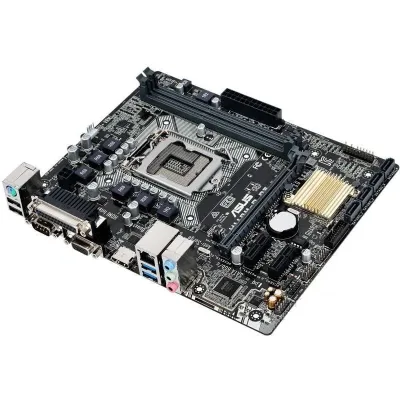
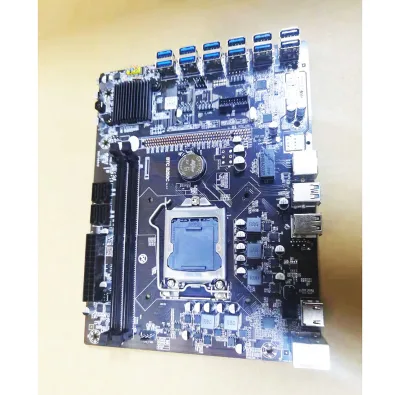
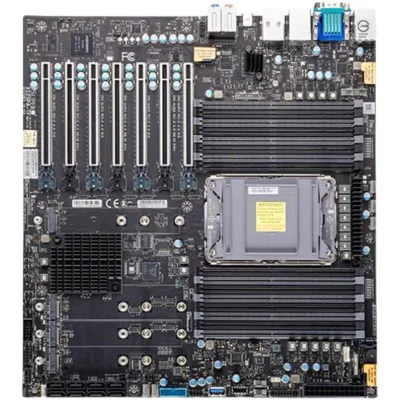
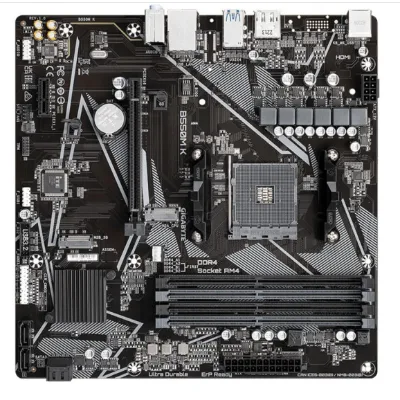
$670.00 - $695.00
MOQ: 2 pieces

Shenzhen STHL Technology Co., Ltd.
- Verified by TUVRHEINLAND
- Combined
- China Guangdong
- Lead time15 days
- Avg. response≤ 10h
Main productsPCBA, PCB, PCB Board, PCB Assembly, Circuit Board, PCB Design, PCB Layout, Printed Circuit Board, LED Circuit Board, Electronic Components
Main marketsSouth America

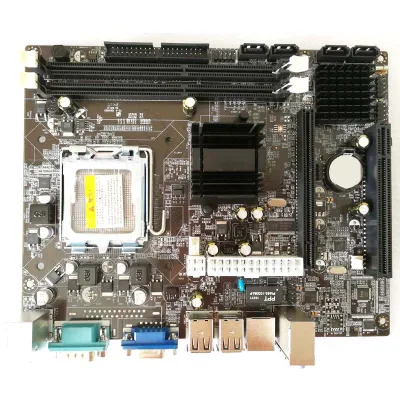
G41 Socket 775 DDR3 Motherboard for Lenovo G580 Laptop Motherboard Laser Control Board
$1.00 - $20.00
MOQ: 1 pcs

Electronic Component Circuit PCB Board Industrial Control Computer Parts Motherboard
$10.00 - $30.00
MOQ: 1 pcs


Shenzhen Elsky Technology Co., Ltd.
- Verified by SGS
- Combined
- China Guangdong
- Lead time30 days
- Avg. response≤ 7h
Main productsMotherboard, Mini PC, OPS Mini PC, Industrial PC
Main marketsDomestic


2COM 6COM 1 or 2LAN Core I5 2*DDR3 Laptop SODIMM Memory Mini-Itx Motherboard
$165.00 - $185.00
MOQ: 50 Pieces


Shenzhen Jiaxiang Electronics Co., Ltd.
- Manufacturer, Trading Company, Buying Office
- Guangdong, China
- Lead time7 days
- Avg. response≤ 2h
Main productsLCD Screen,Laptop parts,Computer parts,Laptop Keyboard,Laptop Cover
Main marketsDomestic Market(15.00%), South America(15.00%), North America(15.00%), Eastern Europe(5.00%), South Asia(5.00%), Southern Europe(5.00%), Northern Europe(5.00%), Central America(5.00%), Western Europe(5.00%), Eastern Asia(5.00%), Mid East(5.00%), Oceania(5.00%), Africa(5.00%), Southeast Asia(5.00%)
Lesicheng Technology (dongguan City) Co., Ltd.
- Trading Company
- Guangdong, China
- Lead time3 days
- Avg. response≤ 6h
Main productsMotherboard,Computer motherboard,Notebook Motherboard,Laptop Mainboard,CPU
Main marketsSouth Asia(20.00%), North America(20.00%), Southeast Asia(10.00%), Mid East(10.00%), Domestic Market(7.00%), Central America(5.00%), South America(5.00%), Eastern Asia(5.00%), Northern Europe(5.00%), Oceania(5.00%), Western Europe(2.00%), Africa(2.00%), Southern Europe(2.00%), Eastern Europe(2.00%)
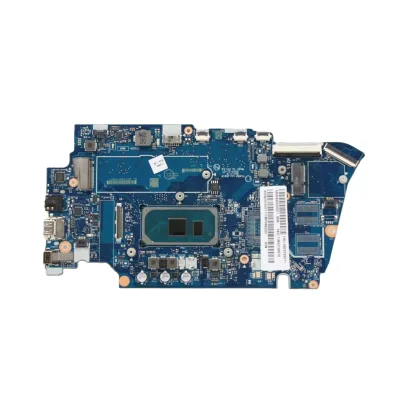
$162.74 - $452.61
MOQ: 1 Minimum
Xiamen Jianglun Import And Export Co., Ltd.
- Manufacturer, Trading Company, Distributor/Wholesaler
- Fujian, China
- Lead time3 days
- Avg. response≤ 2h
Main productsLCD Screen,Laptop Case Cover,Laptop Cooling Fan,Laptop Keyboard,DC Power Jack
Main marketsNorth America(20.00%), Western Europe(15.00%), Southern Europe(8.00%), Oceania(8.00%), Northern Europe(6.00%), Eastern Europe(6.00%), South Asia(6.00%), Southeast Asia(5.00%), Mid East(5.00%), Central America(5.00%), South America(5.00%), Eastern Asia(5.00%), Africa(4.00%), Domestic Market(2.00%)

Shenzhen ITZR Technology Co., Ltd.
- Verified by TUVRHEINLAND
- Combined
- China Guangdong
- Lead time15 days
- Avg. response≤ 10h
Main productsLaptop, Motherboard, Tablet PC, All in One PC, Mobile, Graphics Cards, Mini PC, VGA Card, Ipc, Mainboard
Main marketsSouth America,Southeast Asia/ Mideast

Esonic Motherboard H61 Support 2ND/ 3rd Gen. LGA1155 Processor, Motherboard Mainboard
$13.90 - $15.90
MOQ: 10 Pieces


Shenzhen Hootel Century Technology Co., Ltd.
- Trading Company
- Guangdong, China
- Lead time7 days
- Avg. response≤ 8h
Main productsMini PC,Memory Rams,Solid State Drives,Motherboards,Hard Disk
Main marketsSouth America(35.00%), Mid East(15.00%), Western Europe(8.00%), Domestic Market(8.00%), Eastern Asia(5.00%), North America(5.00%), Southeast Asia(5.00%), South Asia(5.00%), Eastern Europe(5.00%), Africa(5.00%), Oceania(2.00%), Northern Europe(1.00%), Southern Europe(1.00%)

- Trading Company,Manufacturer/Factory
- China Guangdong
- Lead time15 days
- Avg. response≤ 11h
Main productsONU, Ont, Olt, Router, FTTH, Fiber Optic Equipment, PLC Splitter, Fast Connector, Patch Cord, Fiber Optic Box
Main marketsSouth America,Mid East,Southeast Asia,Eastern Asia,Oceania,Africa

Shenzhen Faiyifa Technology Co., Ltd.
- Trading Company
- Guangdong, China
- Lead time0 days
- Avg. response≤ 3h
Main productsLaptop LCD,Motherboard,keyboard,Battery,Cover Case
Main marketsNorth America(60.00%), South Asia(15.00%), South America(10.00%), Oceania(5.00%), Eastern Europe(3.00%), Southeast Asia(3.00%), Domestic Market(1.00%), Western Europe(1.00%), Southern Europe(1.00%), Northern Europe(1.00%)
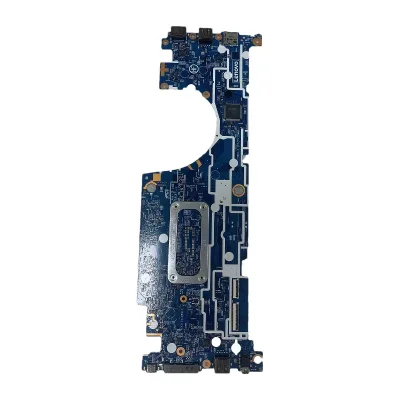
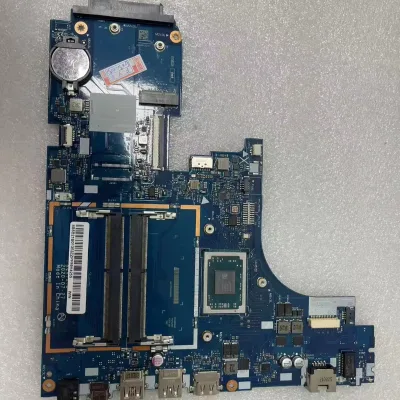
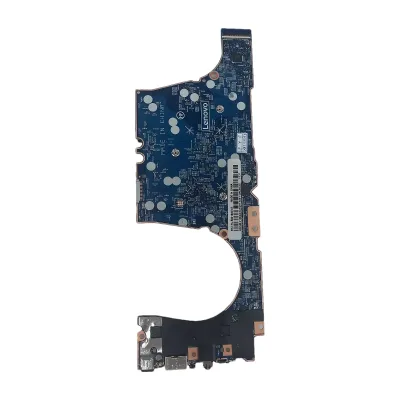
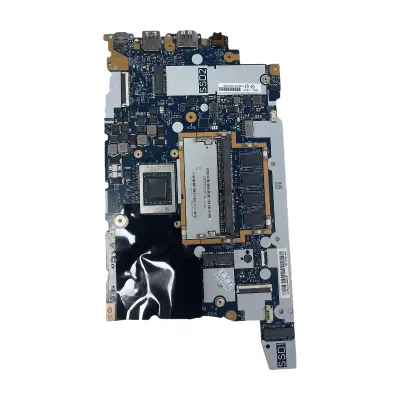
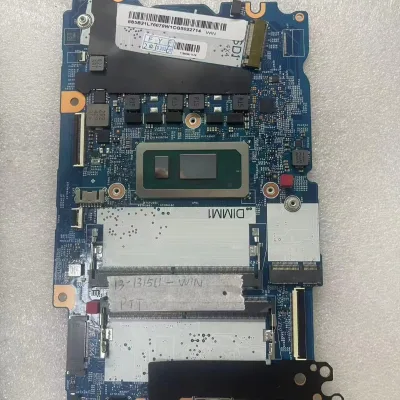
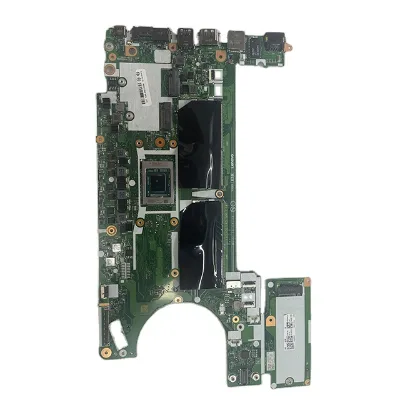
5B20W77606 Laptop Motherboard Compatible R5 4500U WIN for Lenovo Thinkpad L14 L15
$97.00 - $102.00
MOQ: 1

- Verified by TUVRHEINLAND
- Combined
- China Fujian
- Lead time30 days
- Avg. response≤ 6h
Main productsRF Remote Control, Remote Control Duplicator, RF Receiver, Gate Opener, Auto Gate Door Motor, Remote Control, Rolling Code, Motorcycle Alarm System, Sliding Gate Opener, Car Remote Alarm
Main marketsEurope,Australia,North America


DC Motherboard Main Board Control Panel PCB for DC Sliding Gate Motor
Contact supplier
MOQ: 500 Pieces
Beijing Xinchuang Miracle Technology Co., Ltd.
- Trading Company
- Beijing, China
- Lead time2 days
- Avg. response≤ 5h
Main productsServers,CPU,Motherboard,Hard Disk,RAM Module
Main marketsSouth America(18.00%), North America(10.00%), Southeast Asia(9.00%), Domestic Market(5.00%), South Asia(5.00%), Southern Europe(5.00%), Northern Europe(5.00%), Central America(5.00%), Western Europe(5.00%), Eastern Asia(5.00%), Oceania(5.00%), Africa(5.00%), Eastern Europe(5.00%)
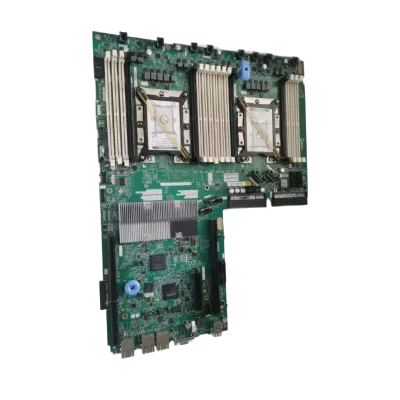
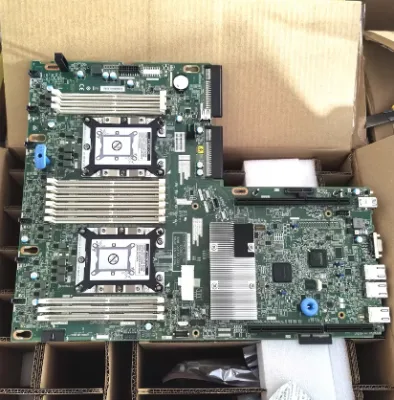
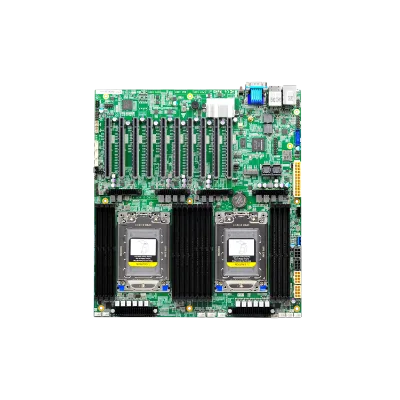
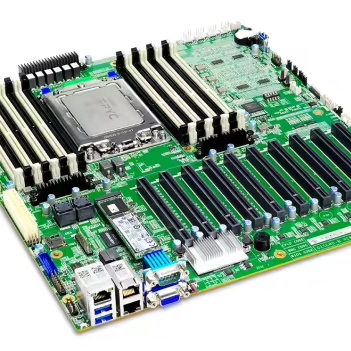
The SR588 server motherboard supports up to 16 2.5-inch hot-swap hard drives
$766.00 - $786.00
MOQ: 1 pieces

Shenzhen Sy Smartlink Technology Co., Ltd.
- Verified by SGS
- Trading Company
- China Guangdong
- Lead time30 days
- Avg. response≤ 4h
Main productsMotherboard, Notebook, Laptop, All-in-One PC, Tablet, Smart Industry, Desktop, Others
Main marketsEurope

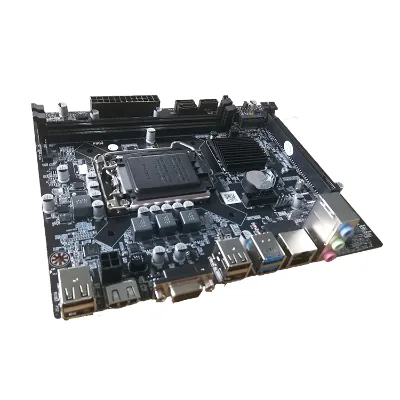
PC Motherboard LGA1155 Intel 2th/3th Core I3/I5/I7 Micro ATX Motherboard for Desktop
$10.00 - $100.00
MOQ: 5 Pieces

Shenzhen Angxun Technology Co., Ltd.
- Verified by TüVRheinland
- Manufacturer, Trading Company
- Lead time15 days
- Avg. response≤ 4h
Main productsMotherboards, Graphics Card
Main marketsDomestic Market(35%), North America(15%), South America(8%)
Shenzhen Jiexingtong Technology Co., Ltd.
- Manufacturer
- Guangdong, China
- Lead time7 days
- Avg. response≤ 1h
Main productsindustrial computer,Mini pc,Network server,Industrial panel pc,industrial mainboard
Main marketsNorth America(30.00%), South America(20.00%), Western Europe(14.00%), Eastern Europe(11.00%), Northern Europe(5.00%), Southern Europe(4.00%), Oceania(3.00%), Southeast Asia(3.00%), Eastern Asia(2.00%), Domestic Market(2.00%), Central America(2.00%), South Asia(2.00%), Africa(1.00%), Mid East(1.00%)
Shenzhen Gooxi Digital Intelligence Technology Co., Ltd.
- Verified by TüVRheinland
- Manufacturer, Trading Company
- Lead time0 days
- Avg. response≤ 5h
Main productsServer, Server Barebone, Chassis, Motherboard, GPU Cards
Main marketsDomestic Market(30%), Western Europe(12%), Southeast Asia(11%)

Shenzhen Buyee Technology Development Co., Ltd.
- Manufacturer, Trading Company
- Guangdong, China
- Lead time3 days
- Avg. response≤ 6h
Main productsLaptop LCD,Laptop batteries,Laptop keyboard,Laptop charger,Laptop repair parts
Main marketsNorthern Europe(20.00%), North America(16.00%), Central America(15.00%), Southern Europe(10.00%), Eastern Europe(10.00%), Western Europe(10.00%), South America(5.00%), Domestic Market(2.00%), South Asia(2.00%), Oceania(2.00%), Mid East(2.00%), Africa(2.00%), Southeast Asia(2.00%), Eastern Asia(2.00%)






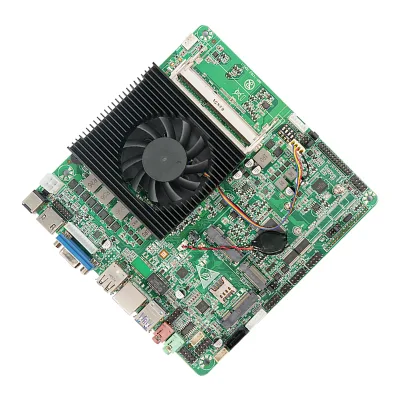
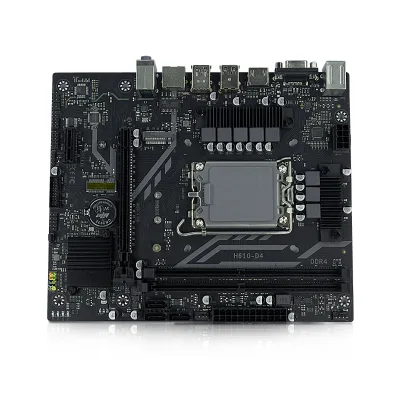
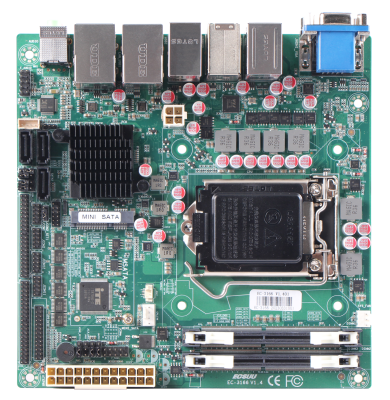
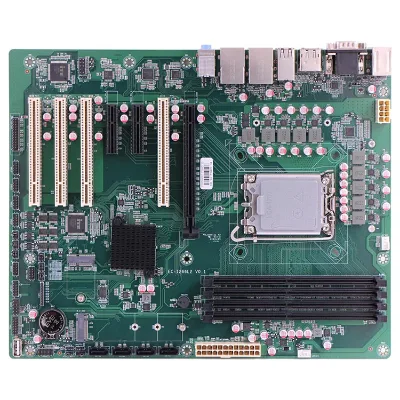
Comprehensive Sourcing Guide
Laptop Motherboard Supplier Concentration and Factory Types
The current supplier landscape for laptop motherboards shows a distinct concentration in Guangzhou, China, where multiple vendors operate as trading companies rather than direct manufacturers. This geographic clustering suggests a specialized ecosystem for computer hardware components, particularly for consumer electronics and desktop or laptop replacement parts. Buyers observing this pattern should recognize that trading companies often aggregate inventory from various factories, which can streamline the sourcing process for smaller orders but may introduce an additional layer between the buyer and the actual production facility. The presence of these entities in a specific city indicates a mature supply chain hub, yet it does not guarantee that every listed supplier possesses in-house manufacturing capabilities for custom designs.
When evaluating the factory types within this cluster, it is critical to distinguish between trading firms and actual production units. The available data indicates that many suppliers in this category identify their company type as a trading company, which implies they facilitate the sale of goods like motherboards without necessarily controlling the fabrication process. For buyers seeking custom specifications or deep technical collaboration, this distinction is vital, as trading companies may have limited ability to alter product designs or manage complex quality control protocols directly. Buyers should verify whether a supplier can provide evidence of direct factory relationships or if they are merely resellers, as this impacts the ability to negotiate on lead times, pricing, and technical support for specific Laptop Motherboard models.
How to Verify Laptop Motherboard Suppliers
Verification of Laptop Motherboard suppliers requires a rigorous check of their response times and product evidence to ensure reliability. The data shows a response time of 12 hours for some suppliers, which serves as a baseline metric for communication efficiency. Buyers should prioritize suppliers who demonstrate consistent and rapid responsiveness, as this often correlates with better order management and problem resolution capabilities. However, a fast response time alone is insufficient; it must be paired with concrete product details. Buyers must examine the specific product attributes listed, such as the chipset manufacturer, memory type, and form factor, to confirm that the supplier can actually deliver the exact specifications required for their laptop repair or assembly needs.
Beyond communication speed, verifying the authenticity of product claims is essential to avoid receiving mismatched or substandard components. The product evidence includes detailed attributes like socket types, memory channels, and item conditions, which buyers must cross-reference against their technical requirements. For instance, some listings specify a "New" condition with specific DDR3 memory support, while others may list "Used" items with different configurations. Buyers should request physical samples or detailed certification documents, such as FCC certification where applicable, to validate the quality and safety of the motherboards. Without such verification, there is a risk of sourcing components that do not fit the intended hardware or fail to meet performance standards, leading to project delays and financial loss.
What to Compare Across Laptop Motherboard Suppliers
Comparing suppliers effectively involves analyzing key operational dimensions such as lead times, minimum order quantities, and pricing structures. The observed data reveals a lead time of 7 days for certain suppliers, which is a critical factor for buyers needing urgent replacements or production runs. However, lead times can vary significantly based on stock availability and order volume, so buyers should not assume this is a universal standard. Additionally, the minimum order quantity (MOQ) ranges from 1 piece to 100 pieces depending on the specific product and supplier. Buyers must align their order volume with these MOQs to avoid unnecessary costs or the inability to place an order, ensuring that the supplier's constraints match their procurement strategy.
Pricing and product specifications are equally important comparison points when selecting a Laptop Motherboard supplier. The price range for these components varies widely, with some items listed between $16.84 and $32.00, while others range from $48.00 to $60.00 or even higher for specialized server-grade boards. Buyers should compare these prices against the specific features offered, such as the number of PCIe slots, memory capacity, and processor support. A lower price might indicate a used or refurbished item, whereas a higher price could reflect a new, high-performance board with advanced features. By systematically comparing these variables, buyers can identify the most cost-effective and technically suitable supplier for their specific Laptop Motherboard requirements without compromising on quality or delivery speed.
Common Laptop Motherboard Sourcing Risks
One of the primary risks in sourcing laptop motherboards is the potential mismatch between product descriptions and actual specifications. The data shows instances where product attributes like socket types or memory channels may be listed as "Other" or "Standard," which can lead to confusion and compatibility issues. Buyers must be vigilant in verifying these details, as a motherboard designed for a specific socket type may not fit a different laptop model, rendering the purchase useless. This risk is compounded by the presence of trading companies that may not have direct access to the technical nuances of the products they sell, increasing the likelihood of errors in product information.
Another significant risk involves the condition of the components, particularly when dealing with used or refurbished motherboards. Some listings explicitly state an item condition of "Used," which implies potential wear and tear that could affect performance and longevity. Buyers must carefully assess the condition claims and request detailed inspection reports or warranty information to mitigate this risk. Additionally, the lack of standardized certifications for some products can pose safety and compliance issues, especially for buyers operating in regulated markets. Without proper verification of certifications like FCC, buyers risk importing non-compliant goods that could be rejected by customs or cause safety hazards in the field.
Laptop Motherboard Regional Sourcing and Logistics
Sourcing laptop motherboards from Guangzhou, China, offers logistical advantages due to the region's established infrastructure for electronics manufacturing and export. The concentration of suppliers in this area facilitates efficient shipping and handling, as many logistics providers are familiar with the specific packaging and documentation requirements for computer hardware. However, buyers must account for the time required for international shipping, which can extend beyond the initial lead time provided by the supplier. The 7-day lead time observed for some suppliers refers to the preparation period, not the total delivery time, so buyers should plan for additional transit days to ensure timely receipt of goods.
Logistics planning also involves understanding the customs and import regulations of the destination country. Different regions may have varying requirements for electronic components, including tariffs, duties, and safety certifications. Buyers should verify that the supplier can provide all necessary documentation, such as commercial invoices and packing lists, to facilitate smooth customs clearance. Additionally, the choice of shipping method can impact the cost and speed of delivery, with options ranging from air freight for urgent orders to sea freight for larger, less time-sensitive shipments. By carefully managing these logistical factors, buyers can minimize delays and ensure that their Laptop Motherboard orders arrive in good condition and on schedule.
Laptop Motherboard Commercial Terms and Order Planning
Commercial terms for Laptop Motherboard orders often include specific conditions regarding payment, shipping, and returns that buyers must negotiate carefully. The data indicates varying minimum order quantities, which can influence the total cost and payment structure. For example, some suppliers require a minimum of 100 pieces, while others accept single-unit orders. Buyers should clarify these terms before placing an order to avoid unexpected costs or order rejections. Additionally, the price range for these components can fluctuate based on market conditions, so buyers should lock in prices through formal agreements or escrow services to protect against sudden increases.
Order planning for laptop motherboards requires a strategic approach to inventory management and demand forecasting. Given the variability in lead times and MOQs, buyers should maintain a buffer stock to accommodate potential supply chain disruptions or sudden spikes in demand. It is also important to establish clear communication channels with suppliers to track order status and address any issues promptly. Buyers should consider the total cost of ownership, including shipping, duties, and potential return costs, when planning their orders. By developing a comprehensive order plan that accounts for these variables, buyers can ensure a steady supply of high-quality laptop motherboards while minimizing risks and optimizing their procurement budget.
FAQs
What is the minimum order quantity for laptop motherboards?
The minimum order quantity varies by product. Some listings require only one piece, while others demand 100 units. Buyers should check specific product details to confirm the exact MOQ before placing an order for their needs.
How long does it take to receive these motherboards?
Lead times for these items are typically seven days. This duration applies to standard processing and shipping arrangements. Buyers should verify specific delivery windows with the supplier to ensure the timeline meets their project requirements.
Where are these computer motherboards manufactured?
Most products originate from Guangzhou, China, or Guangdong province. This location is a major hub for computer hardware manufacturing. Buyers can expect the place of origin to be listed as Guangdong or Guangzhou on product pages.
What is the price range for desktop motherboards?
Prices for desktop motherboards range from approximately 16.84 to 32.00 dollars. Higher-end server boards may cost between 195.00 and 380.00 dollars. Specific pricing depends on the model, chipset, and included features like RAM capacity.
Do these motherboards come with a processor installed?
Most listings indicate the processor is not included with the board. Some server units may include the CPU, but standard desktop and laptop replacements usually require a separate purchase. Buyers must verify if the CPU is included in the package.
What certifications do these motherboards hold?
Some server motherboards carry FCC certification for safety and compliance. Other consumer electronics may not list specific certifications in the provided data. Buyers should request certification documents from the supplier to ensure regulatory compliance for their region.
How quickly do suppliers respond to inquiries?
Suppliers typically respond within 12 hours of receiving an inquiry. This response time helps facilitate quick communication regarding product availability and specifications. Buyers can expect a reply within half a day for most standard questions.