Lace Flower Wedding Bridal Veil Suppliers and Manufacturers
Source 22 Lace Flower Wedding Bridal Veil suppliers from Zhejiang and Guangdong. Compare response times, lead times, MOQs, and prices to verify capabilities. Contact suppliers directly to request samples and confirm production schedules; review the available evidence before requesting comparable quotations from suitable candidates.
Suppliers List

Yiwu Wetong Clothing Co., Ltd.
- Trading Company
- Zhejiang, China
- Lead time25 days
- Avg. response≤ 3h
Main productsWedding Dresses,Evening Dress,Wedding Accerssories,Lace Fabric,Sewing Accessories
Main marketsNorth America(30.00%), Oceania(10.00%), Southern Europe(10.00%), Northern Europe(10.00%), Eastern Europe(10.00%), Western Europe(10.00%), Africa(5.00%), Southeast Asia(5.00%), South America(5.00%), Mid East(5.00%)
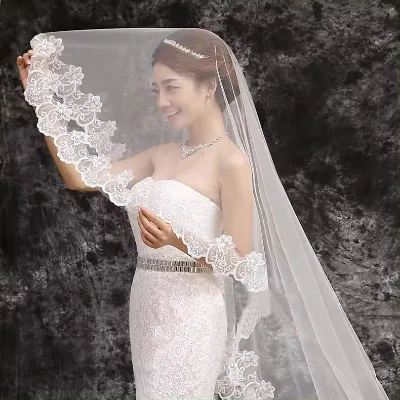
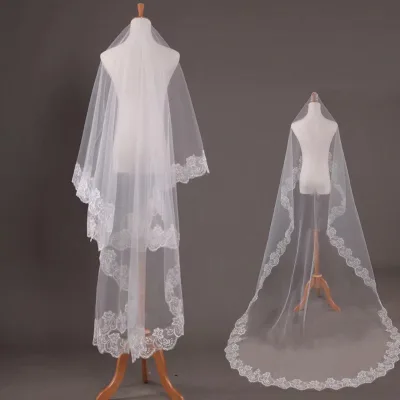
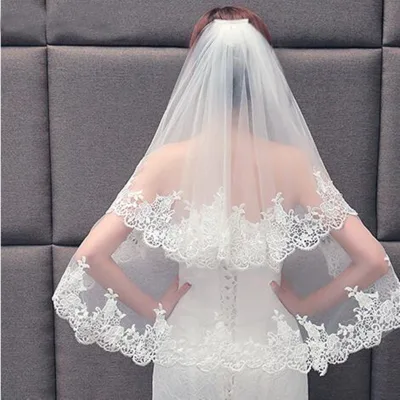
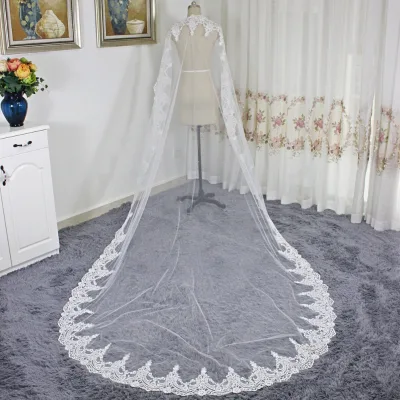
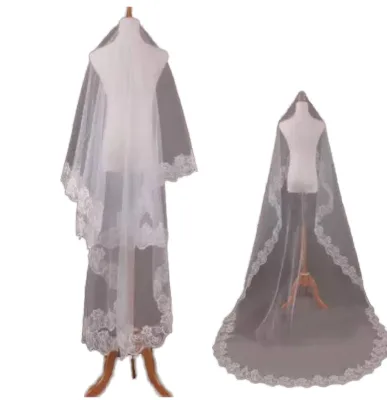
Bridal Veil Lengthened Veil Bridal Wedding Trailing Wedding Dress Lace Lace Veil
$3.00 - $5.00
MOQ: 2 pieces
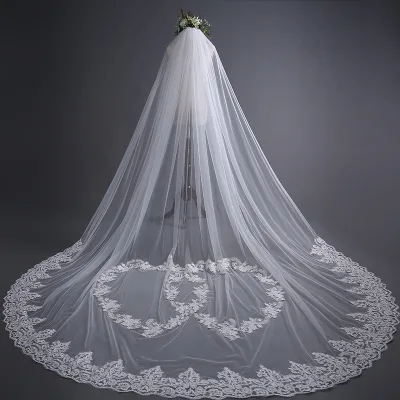
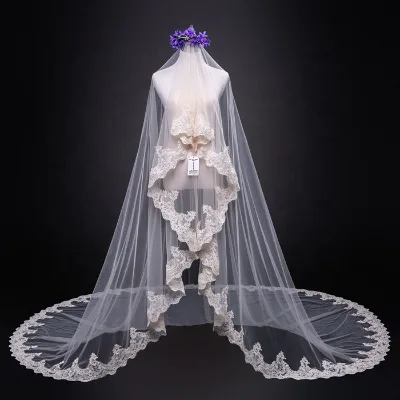
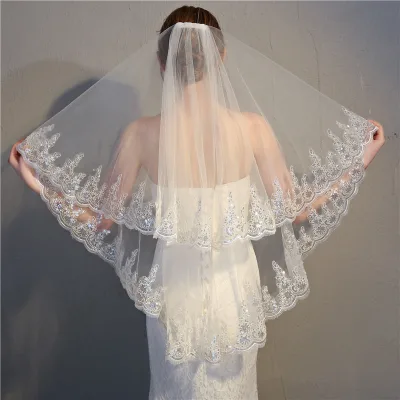
Bridal Veil 3 Meters Long Wide Door Width Lace Wedding Veil with Insert Comb Wedding Accessories
$16.36 - $17.39
MOQ: 2 pieces
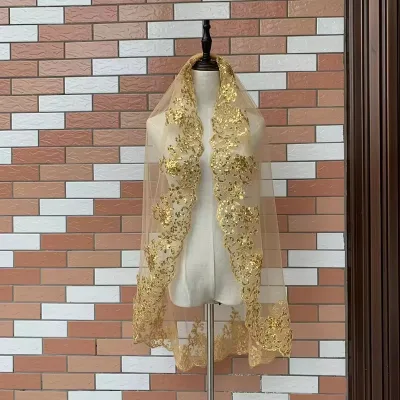
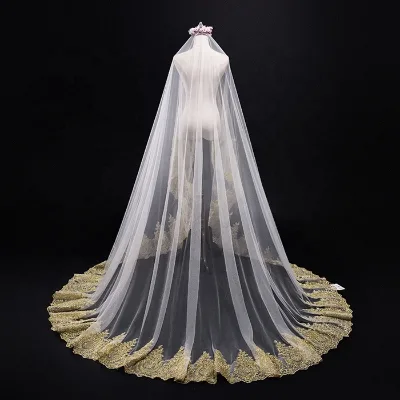
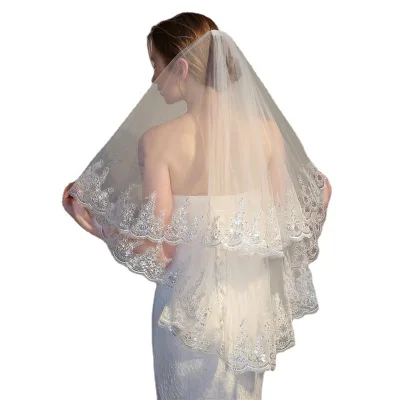
Gold Sequins Lace Veil Green With Comb Bridal Headdress Europe and the United States Wedding Veil
$5.00 - $8.00
MOQ: 2 pieces
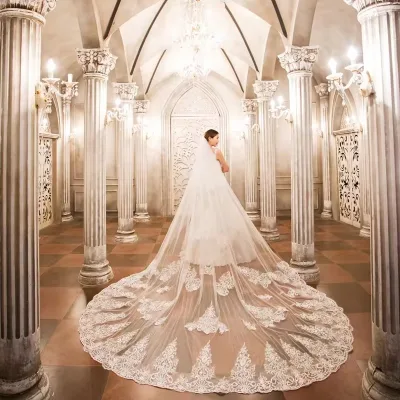
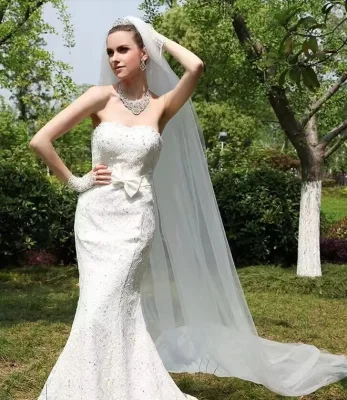
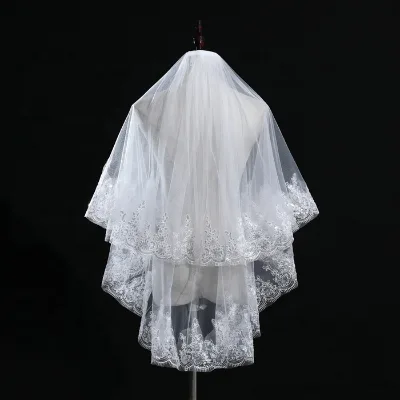
Retro Classic Design Veil Popular Two-layer Swiss Yarn Material Church Wedding Bridal Veil
$2.00 - $3.00
MOQ: 2 pieces
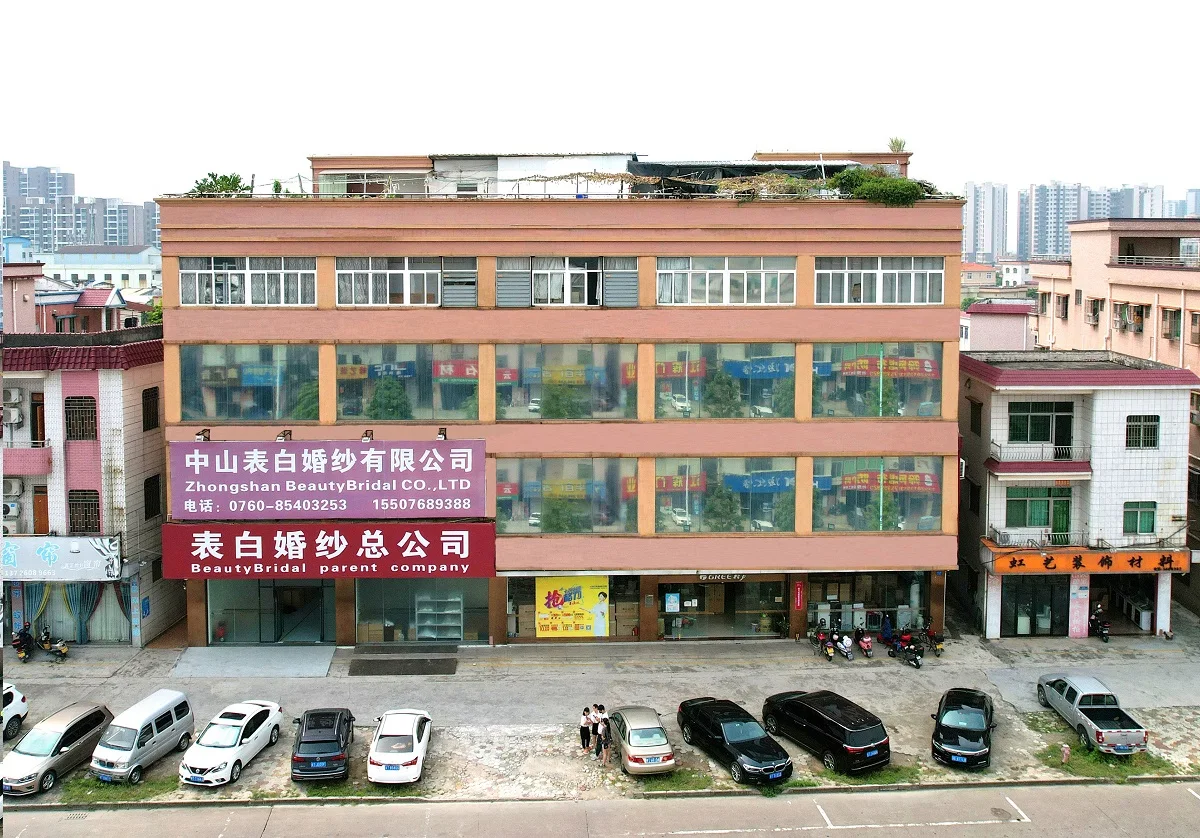
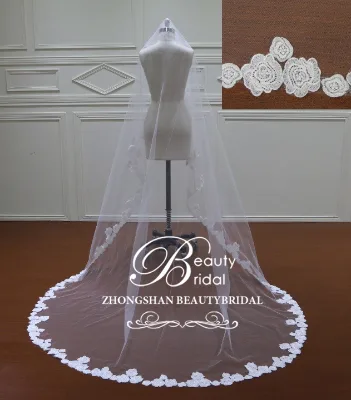
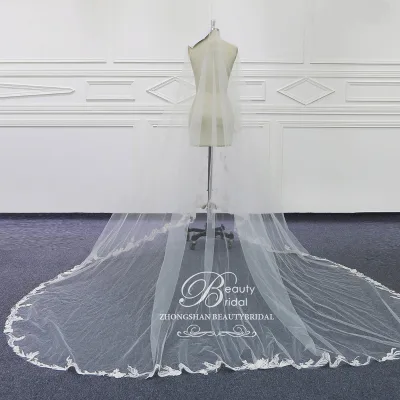
Zhongshan Biaobai Wedding Dress Co., Ltd.
- Manufacturer, Trading Company
- Guangdong, China
- Lead time30 days
- Avg. response≤ 7h
Main productsWedding Dress
Main marketsNorth America(40.00%), Oceania(25.00%), Western Europe(20.00%), Northern Europe(5.00%), Southeast Asia(4.00%), South America(3.00%), Africa(3.00%)

Suzhou Gilka Trading Co., Ltd.
- Trading Company
- China Jiangsu
- Lead time23 days
- Avg. response≤ 5h
Main productsClothing and Apparel Wholesale, Wedding Dresses, Embroidery Lace Fabrics, Glliter Tulle Fabrics, Wedding Gowns, Party Dresses, Trimming Lace, Factory OEM Fabrics, Western Fabrics, Vestidos Fabrica
Main marketsSouth America,North America

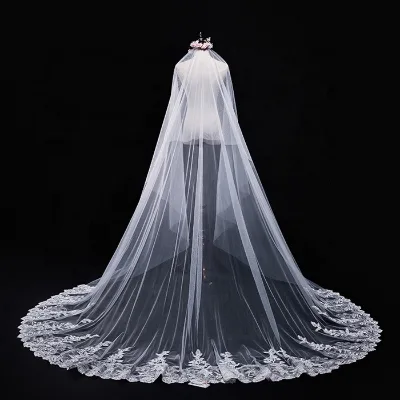
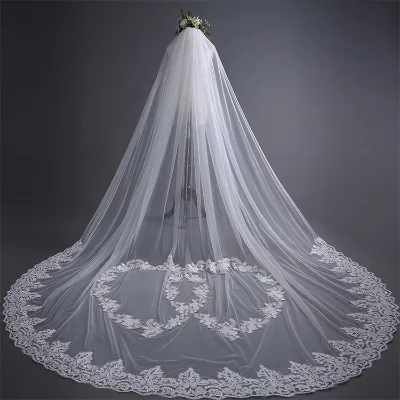
Tulle Applique Long Veil Bridal Accessories Bride Flower Lace Cathedral Wedding Veil
$14.30 - $19.28
MOQ: 1 Pieces

Romantic Customized Beautiful Wedding Dress Pearly Long Veil Ivory Bridal Veil
$19.10 - $28.89
MOQ: 1 Pieces

Lace Bridal Wedding Veils Women Accessories 3m/4m/5m Double Layer Veil with Comb
$14.30 - $19.28
MOQ: 1 Pieces

Customized White Lace Applique Wedding Accessories Bride Long Floral Wedding Veils
$16.30 - $28.50
MOQ: 1 Pieces


Suzhou Chengjun Wedding Dress Co., Ltd.
- Manufacturer, Trading Company
- Jiangsu, China
- Lead time0 days
- Avg. response≤ 7h
Main productsWedding Dress,Prom Dress,Wvening Dress,Party Dress,Bridesmaid Dress
Main marketsWestern Europe(30.00%), North America(30.00%), South Asia(15.00%), Southeast Asia(15.00%), Northern Europe(10.00%), Southern Europe(10.00%)

Ningbo Shinein Import & Export Co., Ltd
- Verified by CTI
- Manufacturer/Factory
- China Zhejiang
- Lead time15 days
- Avg. response≤ 14h
Main productsHair Extensions, Face Jewels, Body Glitter, Tattoos, Braiding Hair, Glitters, Plastic Buttons, Shell Buttons, Nipple Covers, Rhinestone Stickers
Main marketsSouth America,Eastern Europe,Mid East,North America,Southeast Asia,Eastern Asia,Oceania,Western Europe,Africa

Bachelorette Short Tulle Pearl Bride Veil Bowknot Lace Bridal Wedding White Veil
$0.70 - $0.99
MOQ: 100 Pieces

One Tier Embroidery Floral Tulle Bridal Lace Veils White Cathedral Wedding Veil
$0.90 - $1.30
MOQ: 100 Pieces

Pearl White Cathedral Veil Headdress Tulle Trailing Long Bridal Wedding Veil
$2.70 - $3.90
MOQ: 100 Pieces

Luxury Tulle White Pearl Bridal Veil Headdress Bachelorette Party Pearl Wedding Veil
$1.80 - $2.40
MOQ: 100 Pieces

Luxury Long Bridal Wedding Veil Double Layer Tulle Pearl Cathedral Bride Veil
$1.80 - $2.40
MOQ: 100 Pieces

Quanzhou Minshan Import And Export Trading Co., Ltd.
- Trading Company
- Fujian, China
- Lead time0 days
- Avg. response≤ 6h
Main productsWaist Trainer, Sexy Lingerie, Costume, Ladies Dress, Men Suit
Main marketsNorth America(40.00%), Oceania(20.00%), Western Europe(12.00%), Eastern Europe(8.00%), Mid East(5.00%), Southeast Asia(5.00%), South America(5.00%), Northern Europe(5.00%)

Weihai Sisco International Trade Co., Ltd
- Verified by SGS
- Trading Company
- China Shandong
- Lead time23 days
- Avg. response≤ 18h
Main marketsSoutheast Asia/ Mideast,East Asia(Japan/ South Korea)

Marigold Garment Accessories Co., Ltd.
- Trading Company
- China Guangdong
- Lead time15 days
- Avg. response≤ 13h
Main productsLace, Lace Trimming, Rhinestone Trimming, Embroidery, Patches, Elastic Trim, Brooches, Button, Rhinestone Patch, Lace Fabric
Main marketsSouth America,Africa,Southeast Asia/ Mideast,Europe,North America
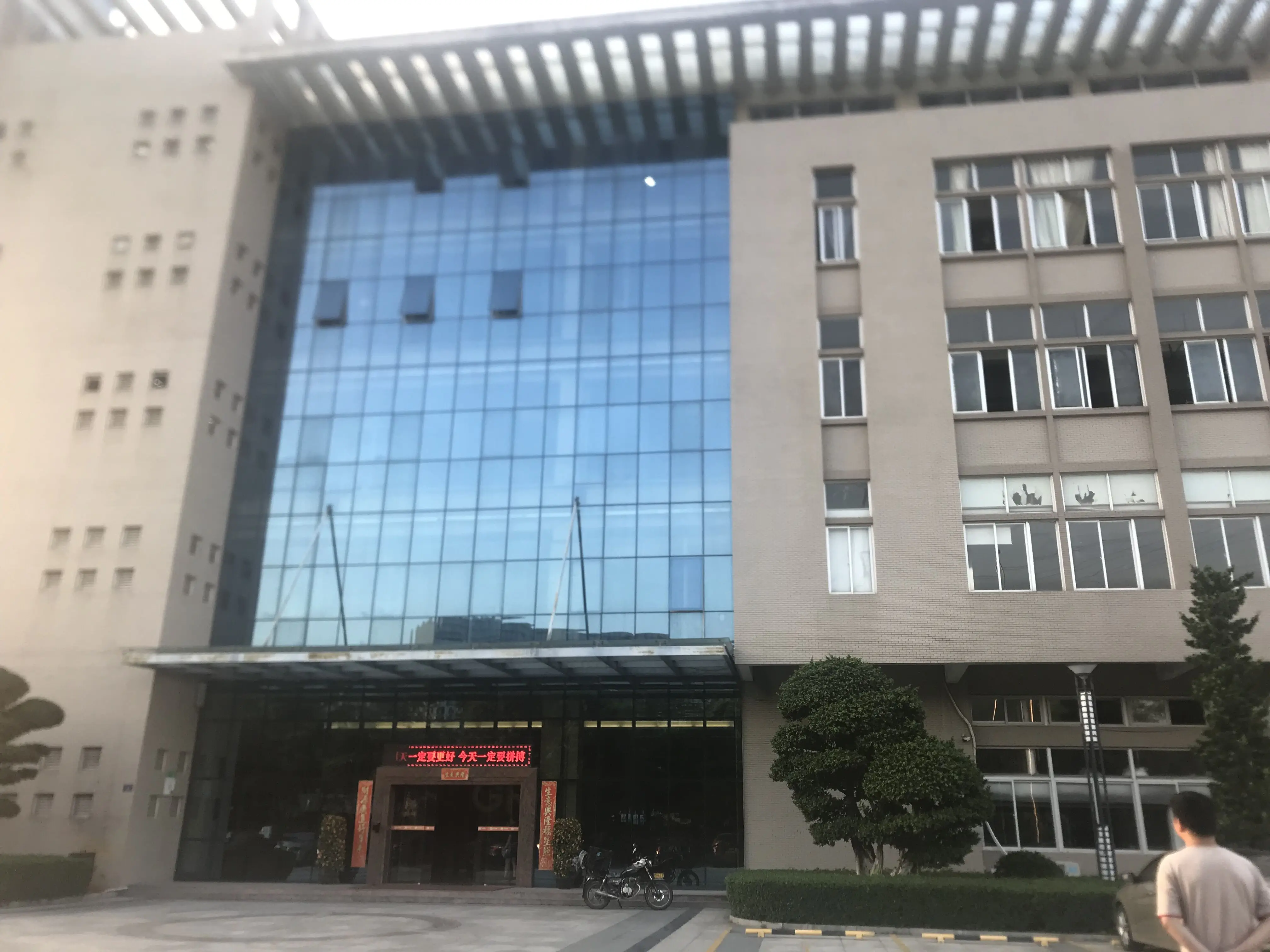
Quanzhou Huasheng Supply Chain Management Co., Ltd.
- Trading Company
- Fujian, China
- Lead time5 days
- Avg. response≤ 6h
Main products2 piece set women,casual dress,waist trainer,sexy lingerie,women clothes
Main marketsNorth America(35.00%), South America(20.00%), Western Europe(17.00%), Oceania(11.00%), Eastern Europe(3.00%), Southern Europe(3.00%), South Asia(2.00%), Africa(2.00%), Mid East(2.00%), Domestic Market(1.00%), Southeast Asia(1.00%), Eastern Asia(1.00%), Northern Europe(1.00%), Central America(1.00%)

Suzhou Leader Apparel Co., Ltd.
- Combined
- China Jiangsu
- Lead time23 days
- Avg. response≤ 7h
Main productsWedding Dress Manufacturer, Custom Wedding Dresses, Evening Dress, Prom Dress, Ball Gown, Mother of The Bride Dress, Bridesmaid Dress, Stock Flower Girl Dress, Men Suits, Dresses
Main marketsSouth America,Domestic,Europe,Australia,North America


Strapless Sweetheart Bridal Dresses Lace Beaded Flowers Wedding Gown We111
$129.00 - $219.00
MOQ: 1 Pieces


Flower Wedding Dresses Lace 3D Flowers Beading Custom Long Sleeves Bridal Gown W15229
$149.00 - $299.00
MOQ: 1 Pieces


Changsha Ayhhed Biotechnology Co., Ltd.
- Trading Company
- Hunan, China
- Lead time10 days
- Avg. response≤ 8h
Main productsBicycle Accessories,Mom and baby goods,Fashion Clothes,Wedding and evening dress,Herbal & Flower Tea
Main marketsSouthern Europe(10.00%), Northern Europe(10.00%), Oceania(10.00%), Central America(10.00%), Western Europe(10.00%), Eastern Europe(10.00%), South America(10.00%), North America(10.00%), Mid East(5.00%), Africa(5.00%), Southeast Asia(5.00%), Eastern Asia(3.00%), South Asia(2.00%)
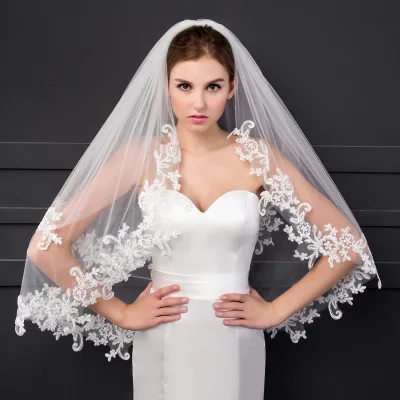
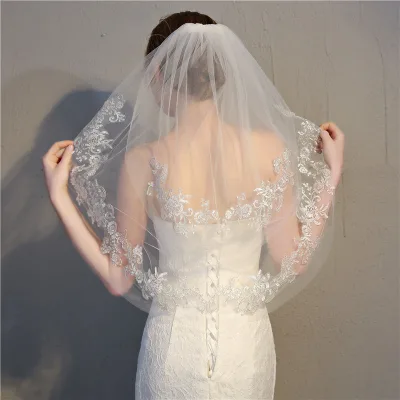
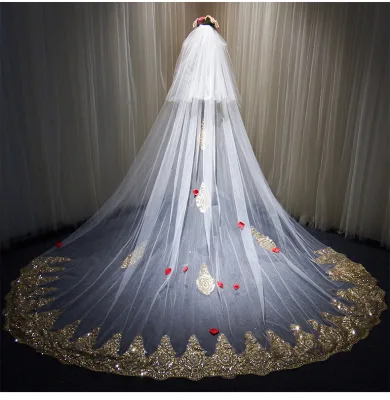
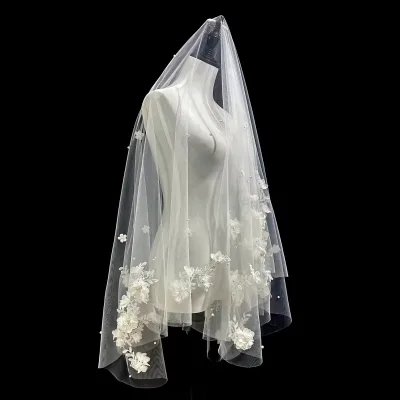
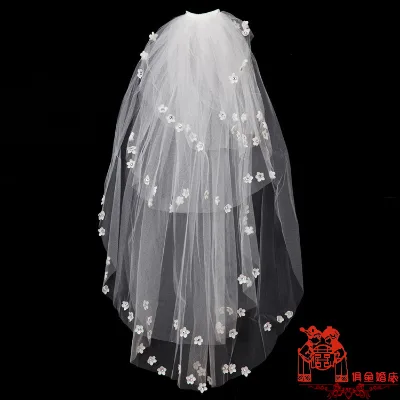
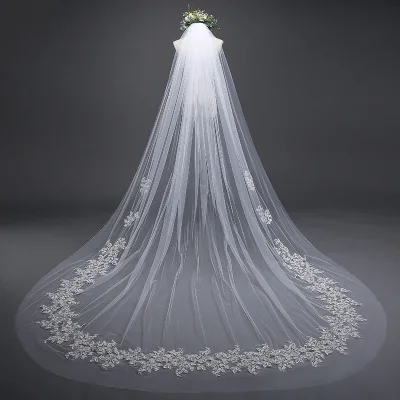
Net Flower Applique Wedding Veil Wedding Dress Flowers Long Trailing Ivory One-Layer Bride Veil
$19.42 - $22.48
MOQ: 1 Minimum
- Trading Company
- Zhejiang, China
- Lead time0 days
- Avg. response≤ 2h
Main productsChristmas crafts,hats,pillow,festival party accessories,eye mask
Main marketsNorth America(30.00%), Oceania(15.00%), Eastern Europe(15.00%), Southern Europe(10.00%), Northern Europe(10.00%), Western Europe(10.00%), Southeast Asia(10.00%)
Jinhua Agata Trading Co., Ltd.
- Trading Company
- Zhejiang, China
- Lead time7 days
- Avg. response≤ 2h
Main productsWomen's Clothes,Kids Clothes,Shoes,Jewelry,Bags
Main marketsEastern Europe(20.00%), North America(20.00%), Central America(10.00%), Western Europe(10.00%), Southern Europe(10.00%), South America(10.00%), Southeast Asia(5.00%), Northern Europe(3.00%), Domestic Market(3.00%), South Asia(3.00%), Oceania(2.00%), Africa(2.00%), Eastern Asia(2.00%)

- Verified by TUVRHEINLAND
- Combined
- China Zhejiang
- Lead time30 days
- Avg. response≤ 7h
Main productsThread, Zipper, Lace, Button, Webbing & Tape, Ribbon, Interlining, Fabric, Tailoring Materials, Hook & Loop
Main marketsSouth America,Africa,Europe,Australia

- Verified by SGS
- Trading Company
- China Zhejiang
- Lead time15 days
- Avg. response≤ 20h
Main marketsEurope

Sophisticated Veil Crystal Headpiece Evening Wedding Gown Adornment Luxury Bridal Veil
$2.31 - $2.58
MOQ: 388 Sets

Elegant French Bridal Veil Luxe Lace Headpiece Wedding Dress Photoshoot Accessories
$2.09 - $2.33
MOQ: 428 Sets

Elegant Soft Lightweight Long Bridal Wedding Tulle Classic Bridal Wedding Veil
$2.16 - $2.42
MOQ: 414 Pieces

Elegant Soft Lightweight Long Bridal Wedding Tulle Classic Bridal Wedding Veil
$3.73 - $4.17
MOQ: 240 Pieces
Yiwu Amelie Import And Export Co., Ltd.
- Trading Company
- Zhejiang, China
- Lead time2 days
- Avg. response≤ 2h
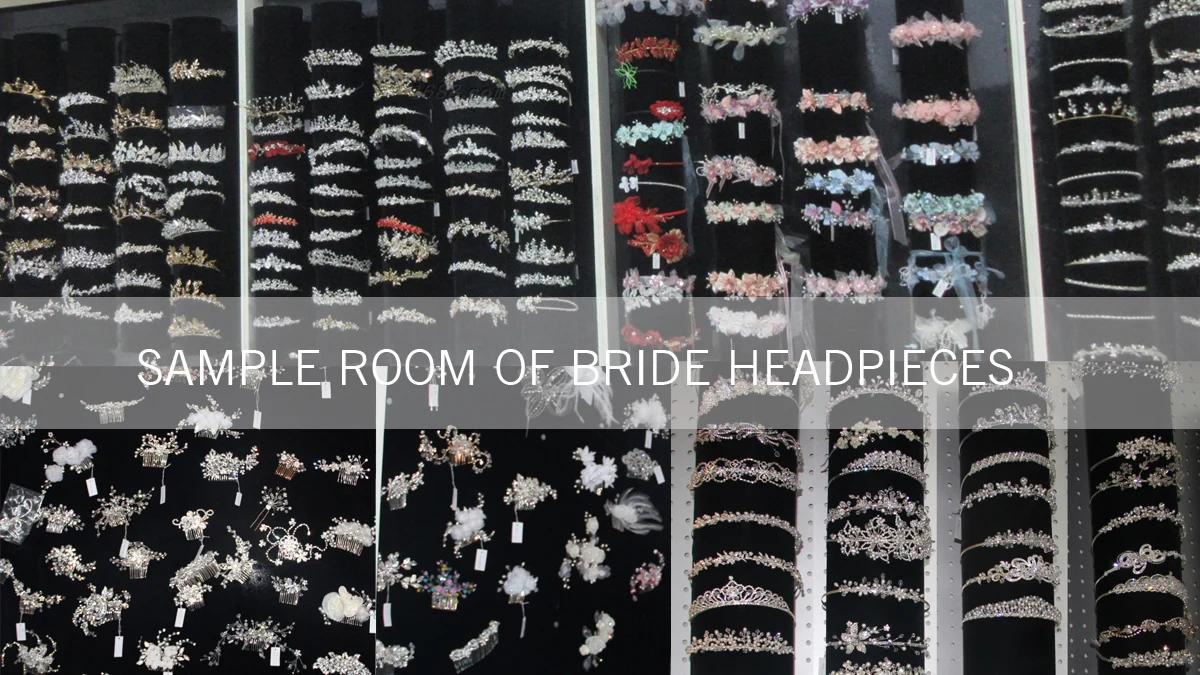
Main productsWedding Jewelry,Bride Headpieces,Weding Dress Belts,Party Accessories,Bridal Veils
Main marketsSouth Asia(8.33%), Southern Europe(8.33%), Northern Europe(8.33%), Central America(8.33%), Western Europe(8.33%), Mid East(8.33%), Oceania(8.33%), Africa(8.33%), Southeast Asia(8.33%), Eastern Europe(8.33%), South America(8.33%), North America(8.33%)

NINGBO NCJN IMPORT AND EXPORT CO., LTD.
- Verified by TUVRHEINLAND
- Trading Company
- China Zhejiang
- Lead time15 days
- Avg. response≤ 12h
Main productsGarment Accessories, Zipper, Button, Lace, Tape, Velcro Tape, Hook and Eye Tape, Ring and Slider, Bra Cup
Main marketsSouth America,Africa,Southeast Asia/ Mideast,East Asia(Japan/ South Korea),Europe,Australia,North America

Yiwu Easy Source Jewelry Co., Ltd.
- Trading Company
- zhejiang, China
- Lead time15 days
- Avg. response≤ 8h
Main productsbridal hair accessory,wedding tiara and crowns,rhinestone brooches,wedding favor box,jewelry set
Main marketsNorth America(20.00%), Western Europe(15.00%), Central America(15.00%), Southern Europe(12.00%), Northern Europe(10.00%), South Asia(10.00%), Eastern Europe(8.00%), South America(5.00%), Eastern Asia(2.00%), Southeast Asia(2.00%), Mid East(1.00%)
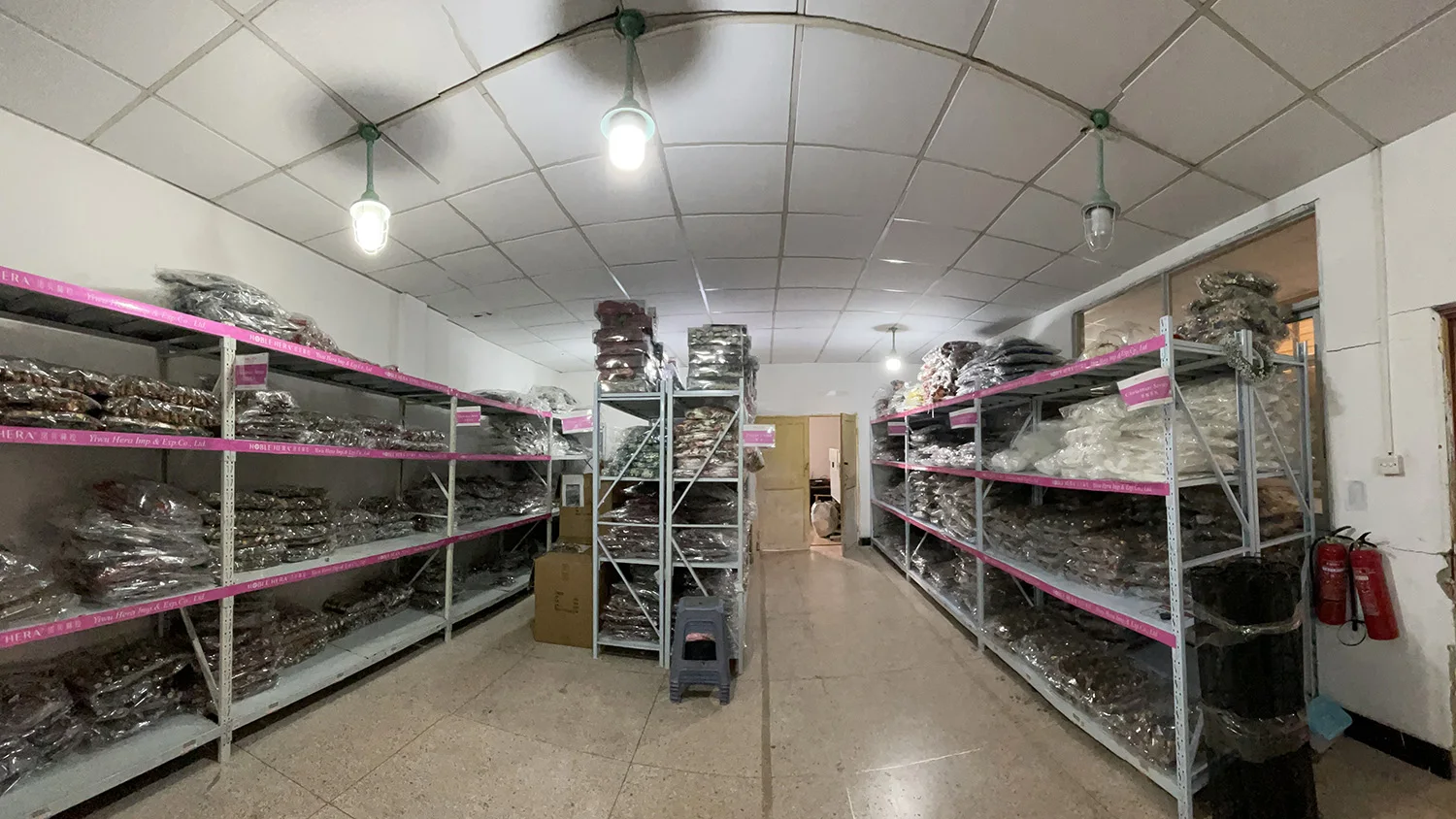
Yiwu Hela Import & Export Co., Ltd.
- Trading Company
- Zhejiang, China
- Lead time15 days
- Avg. response≤ 6h
Main productsFlower Crown,Bride Headpiece,Festival Hair Accessory,Hat,Daily Hair Accessory
Main marketsDomestic Market(46.00%), North America(20.00%), Oceania(5.00%), Africa(5.00%), Western Europe(5.00%), Eastern Europe(5.00%), Eastern Asia(3.00%), Central America(3.00%), Northern Europe(2.00%), Southern Europe(2.00%), Southeast Asia(2.00%), South America(1.00%), Mid East(1.00%)
Suzhou Zhongsheng Dress Company Limited
- Trading Company
- Jiangsu, China
- Lead time30 days
- Avg. response≤ 10h
Main productsWedding Dress,girl dress,Bedding sets,evening dress,wedding gift
Main marketsDomestic Market(7.14%), South Asia(7.14%), Southern Europe(7.14%), Northern Europe(7.14%), Central America(7.14%), Western Europe(7.14%), Eastern Asia(7.14%), Mid East(7.14%), Oceania(7.14%), Africa(7.14%), Southeast Asia(7.14%), Eastern Europe(7.14%), South America(7.14%), North America(7.14%)
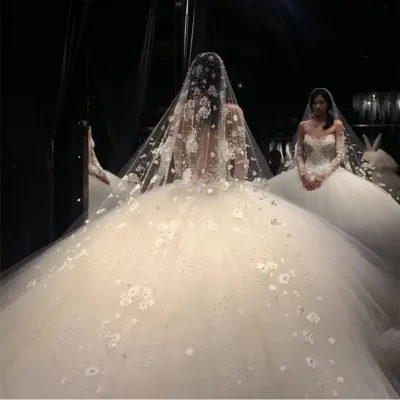
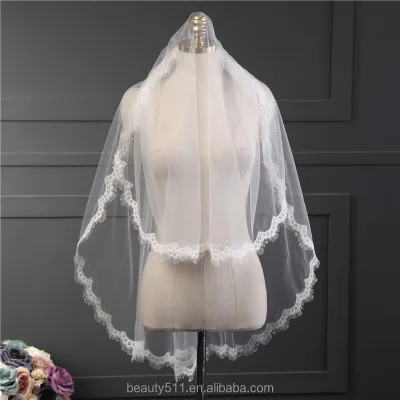
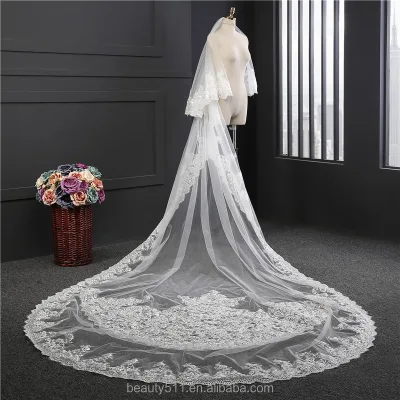
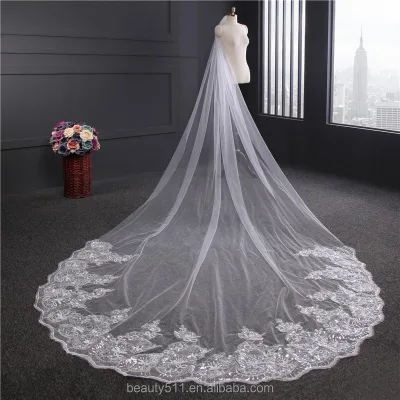
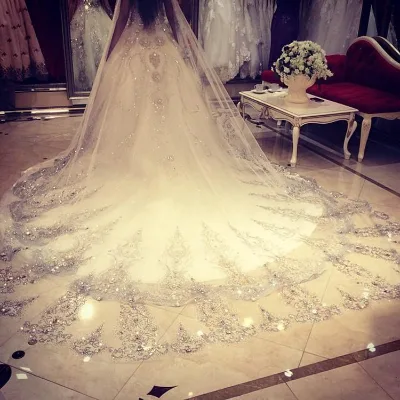
LUOXIN Wedding Veil 3D Flowers Pearls Bridal Veils Chapel Length Elegant Beaded Bride Veils
$23.24 - $27.85
MOQ: 3 pieces
Guangzhou Cheerfeel Trading Co., Ltd.
- Trading Company
- Guangdong, China
- Lead time10 days
- Avg. response≤ 5h
Main productsClothes , Bodice Applique, Wedding hair accessories
Main marketsNorth America(40.00%), Western Europe(15.00%), Eastern Europe(15.00%), South America(10.00%), South Asia(5.00%), Central America(5.00%), Northern Europe(5.00%), Southeast Asia(5.00%)
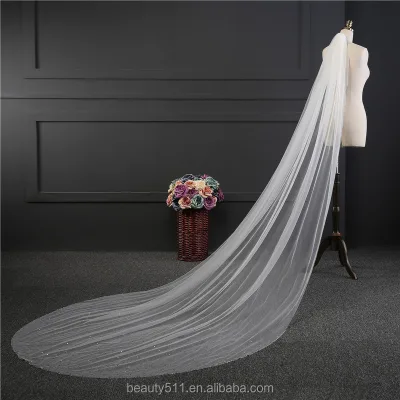
$12.75 - $13.77
MOQ: 10 pieces
Shenzhen Chenyangguang Garment Accessory Co., Ltd.
- Verified by SGS Group
- Manufacturer, Trading Company
- Lead time7 days
- Avg. response≤ 2h
Main productsWedding Dress Accessories, Corset Boning, Webbing, Underwear and Swimwear Accessories, Fabric
Main marketsNorth America(28%), South America(15%), Oceania(10%)


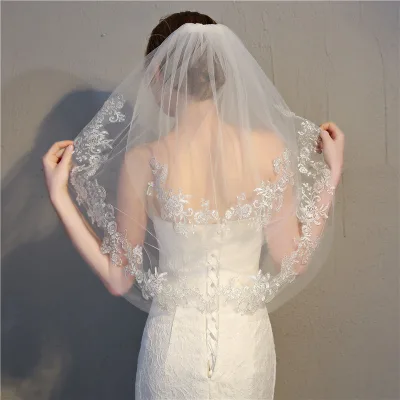
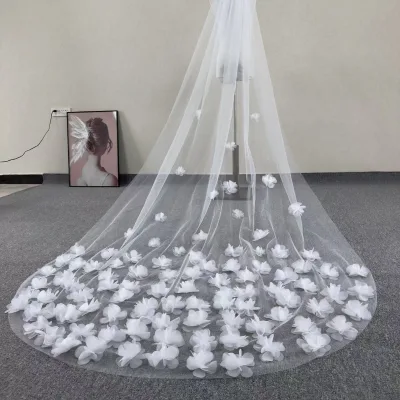
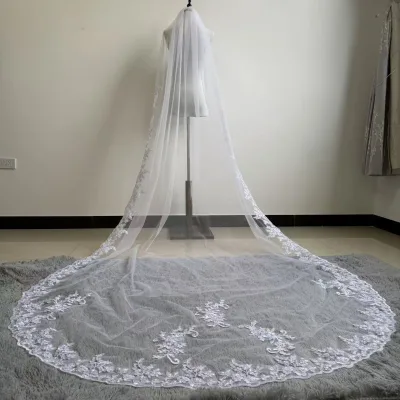
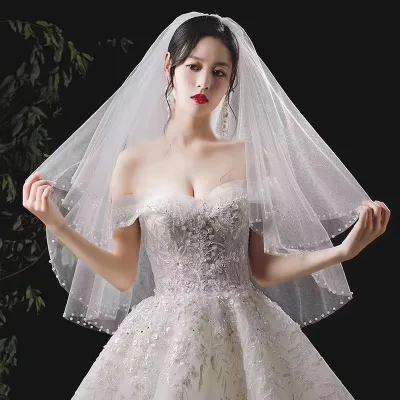
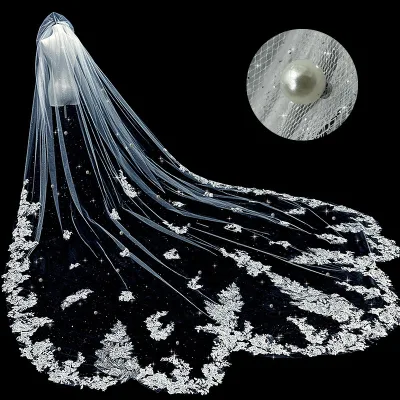
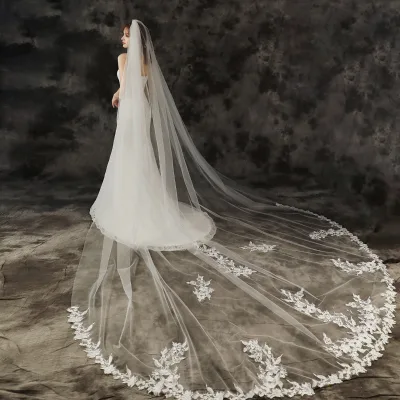
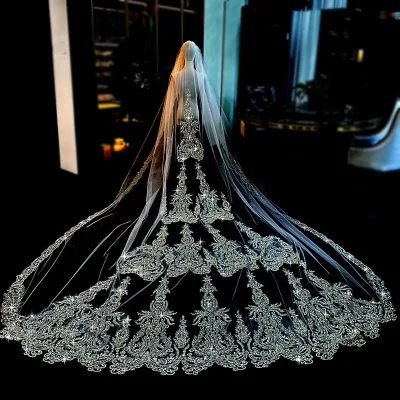
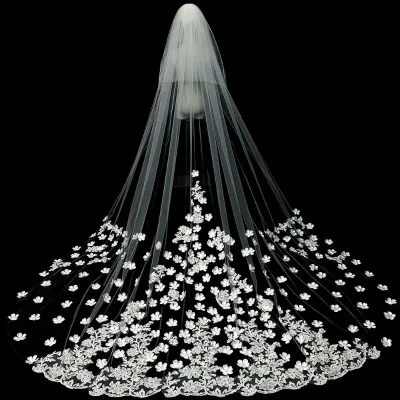
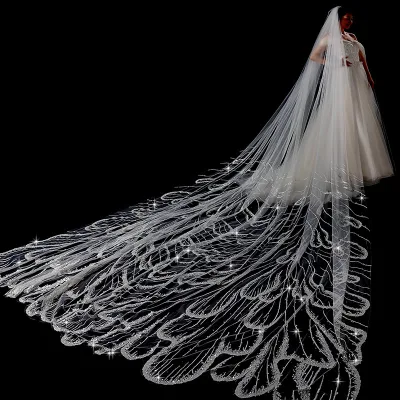


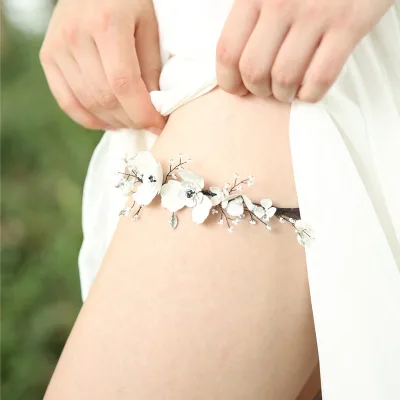
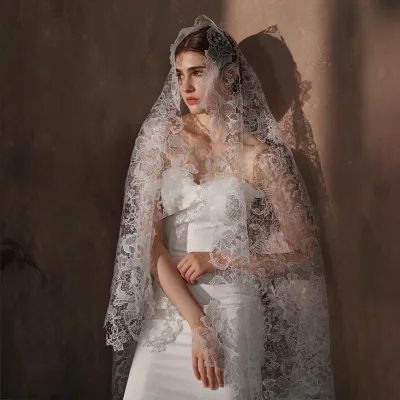


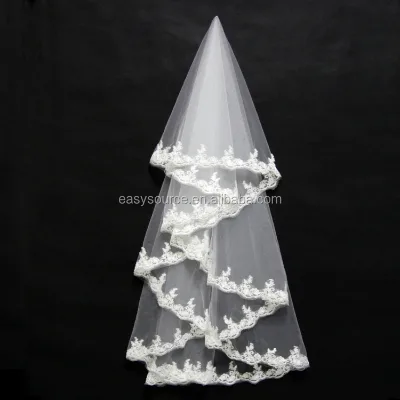
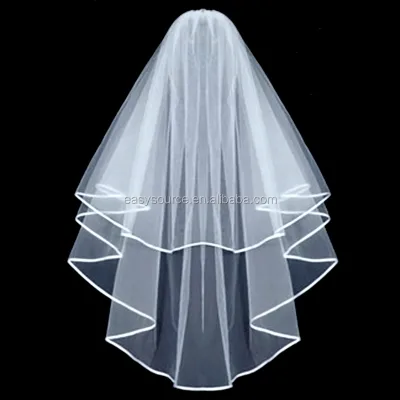
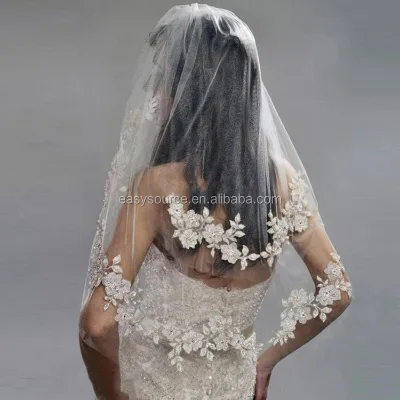
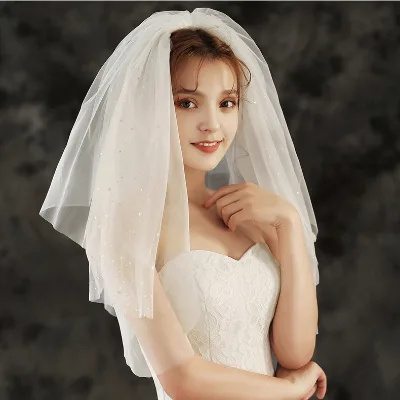
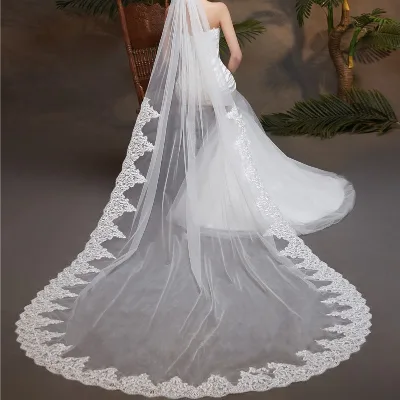
Comprehensive Sourcing Guide
Lace Flower Wedding Bridal Veil Supplier Concentration and Factory Types
The available data indicates a significant concentration of suppliers in Zhejiang, China, where many trading companies and manufacturers operate within the wedding apparel sector. These entities frequently list main products including wedding dresses, evening dresses, and various lace fabrics alongside bridal accessories. Some suppliers in this region explicitly state they offer OEM services and produce items like one-layer lace veils with custom sizing options. The presence of multiple product listings originating from this province suggests a robust local ecosystem for Lace Flower Wedding Bridal Veil production, though specific factory counts cannot be confirmed without real-time verification.
In contrast, a smaller subset of results points to suppliers located in Guangdong, China, which often combine manufacturer and trading company capabilities. These entities may focus on specific product attributes such as two-layer veils or those with built-in bra features, distinguishing their offerings from the single-layer lace options found elsewhere. While the data confirms the existence of these distinct operational types, buyers must verify the exact nature of each supplier's facility. It is essential to determine whether a listed entity is a direct factory capable of custom lace molding or a trading company sourcing from third-party workshops, as this distinction impacts quality control and communication efficiency.
How to Verify Lace Flower Wedding Bridal Veil Suppliers
Verification begins with scrutinizing the response time and lead time metrics provided in supplier profiles, as these are critical indicators of operational reliability. The observed data shows response times ranging from three days to seven days, with lead times varying between twenty-five and thirty days depending on the order quantity and complexity. Buyers should request proof of these timelines by asking for recent shipment records or sample delivery dates. A supplier claiming a three-day response time must demonstrate consistent communication speed, while those listing a thirty-day lead time should provide a clear production schedule to ensure it aligns with the buyer's wedding season requirements.
Beyond logistical metrics, buyers must validate the specific product attributes listed against physical samples to confirm accuracy. The data includes detailed specifications such as material composition, veil layers, and model numbers like E240165 or V504, which serve as verification anchors. For instance, a supplier claiming a "Lace Edge" style or "One-Layer" construction must provide a sample that matches these exact descriptions. Buyers should also check if the supplier supports OEM and ODM services as advertised, ensuring they can accommodate custom designs for lace flower patterns. Without physical verification of these attributes, the listed specifications remain unproven claims that could lead to product mismatches upon bulk order fulfillment.
What to Compare Across Lace Flower Wedding Bridal Veil Suppliers
When evaluating potential partners, buyers should prioritize comparing minimum order quantities (MOQ) and pricing structures to align with their budget and inventory strategy. The available evidence reveals a wide range of MOQs, with some suppliers accepting orders as low as one piece while others require a minimum of two units. Price points also vary significantly, with some lace veils listed between three and five dollars and others ranging from fifteen to seventeen dollars depending on material and design complexity. Buyers must calculate the total cost of ownership, including shipping, rather than focusing solely on the unit price, to ensure the selected supplier offers genuine value for their specific order volume.
Another critical comparison factor is the shipping mode and delivery terms offered by each supplier, which directly impacts the timeline and cost of receiving goods. The data indicates that many suppliers offer multiple shipping options, including sea freight, air freight, and courier services like DHL, FedEx, or UPS. Buyers should compare these options against their urgency needs; for example, a supplier offering air freight might be preferable for urgent orders despite higher costs, while sea freight may be more economical for large, non-urgent batches. Additionally, comparing the production time estimates, which range from twenty-five days to thirty days, helps buyers plan their inventory replenishment cycles effectively to avoid stockouts during peak wedding seasons.
Common Lace Flower Wedding Bridal Veil Sourcing Risks
One significant risk involves the discrepancy between advertised product attributes and the actual quality of the finished lace veils. The data lists various materials such as lace, polyester, and knitted fabrics, but without third-party testing or physical inspection, buyers cannot confirm the durability or texture of these materials. A supplier might claim a product is made of high-quality lace while delivering a polyester blend that lacks the desired aesthetic or structural integrity. This risk is particularly acute for custom orders where the design relies heavily on specific lace patterns or edge styles that may not be accurately replicated without rigorous quality assurance protocols.
Another major risk is the potential for delays in production and shipping due to unverified lead times and capacity constraints. While some suppliers list a lead time of twenty-five days, others indicate that production time depends on quantity, which can introduce uncertainty. If a supplier fails to meet the stated timeline, it could disrupt the buyer's entire wedding season schedule, leading to financial losses and reputational damage. Furthermore, the reliance on third-party logistics for shipping modes like sea or air freight introduces variables beyond the supplier's direct control, such as port delays or customs issues, which can further extend the delivery window beyond the initially promised timeframe.
Lace Flower Wedding Bridal Veil Regional Sourcing and Logistics
Sourcing from Zhejiang, China, offers access to a dense network of suppliers specializing in wedding accessories, but buyers must navigate the logistics of this specific region carefully. The data confirms that many products originate from this province, suggesting a mature supply chain for lace and bridal wear. However, buyers should verify the specific port of loading and the efficiency of local logistics providers to ensure timely dispatch. Understanding the regional infrastructure helps in estimating transit times accurately, as suppliers in Zhejiang may have different shipping routes compared to those in other provinces, affecting the overall delivery schedule to international markets.
For suppliers located in Guangdong, China, the logistics landscape may differ, potentially offering alternative shipping routes or faster access to certain international ports. The data indicates that these suppliers often combine manufacturing and trading capabilities, which can streamline the logistics process if the factory is located near major shipping hubs. Buyers should inquire about the specific shipping terms, such as FOB or CIF, to understand who bears the risk and cost during transit. Additionally, comparing the single package size and gross weight provided in the product data helps in calculating freight costs more accurately, ensuring that the regional choice does not inadvertently inflate the total landed cost of the lace flower wedding bridal veils.
Lace Flower Wedding Bridal Veil Commercial Terms and Order Planning
Commercial terms regarding payment and customization must be clearly defined before placing any order to avoid disputes. The data shows that many suppliers support OEM and ODM services, allowing for custom designs, but buyers must confirm the specific terms for sample orders and bulk production. Some suppliers offer a seven-day sample order lead time, which is a valuable metric for planning the design approval phase. Buyers should negotiate clear terms for sample costs, including whether they are refundable upon bulk order placement, and establish a timeline for design approvals to ensure the production phase begins without unnecessary delays.
Order planning requires a strategic approach to managing production time and inventory levels based on the supplier's stated lead times. With lead times ranging from twenty-five to thirty days, buyers must factor in this duration when scheduling their orders to meet wedding season deadlines. It is crucial to plan for potential variations in production time, as some suppliers note that time depends on quantity. Buyers should also consider the selling units and packaging methods, such as plastic and carton packing, to ensure the products arrive in good condition. By aligning order quantities with the supplier's MOQ and production capacity, buyers can optimize their cash flow and minimize the risk of overstocking or understocking critical bridal accessories.
FAQs
Where are lace flower wedding bridal veils manufactured?
Most lace flower wedding bridal veils originate from Zhejiang and Guangdong provinces in China. Suppliers in these regions offer both trading companies and manufacturers. This location ensures access to specialized lace fabrics and efficient production lines for custom bridal accessories.
What is the typical lead time for custom bridal veils?
The standard production time for custom bridal veils ranges from 25 to 30 days depending on the supplier. Some vendors support sample orders within 7 days, while bulk production times vary based on order quantity. Always confirm specific timelines before placing large orders.
What is the minimum order quantity for lace bridal veils?
Minimum order quantities for lace bridal veils typically start at 1 piece or 2 pieces per item. Some suppliers accept single items for samples, while others require a small batch for custom designs. Check specific product listings to verify the exact MOQ for your chosen style.
How quickly do suppliers respond to inquiries about veils?
Supplier response times for bridal veil inquiries generally range from 3 to 7 days. Faster responses often come from trading companies, while manufacturers may take slightly longer. Prompt communication helps clarify customization details and shipping options for your specific wedding timeline.
What materials are commonly used for lace wedding veils?
Common materials for lace wedding veils include lace, polyester, and knitted fabrics. Some products feature one-layer or two-layer constructions with lace edges. Materials are selected to ensure durability and a soft drape suitable for various wedding styles and photography needs.
Are OEM and ODM services available for bridal veils?
Yes, many suppliers offer OEM and ODM services for custom bridal veils. You can request specific designs, colors, and sizes to match your brand. Customization options often include unique lace patterns and comb attachments to create a personalized look for your wedding collection.
What shipping methods are available for bridal veil orders?
Shipping methods for bridal veil orders include sea freight, air freight, and courier services like DHL, FedEx, UPS, and TNT. The choice depends on urgency and budget. Sea freight is cost-effective for large batches, while air freight ensures faster delivery for time-sensitive wedding events.