Lampworking Murano Glass Pen Suppliers and Manufacturers
Source 30 verified suppliers for Lampworking Murano Glass Pen products. Compare key dimensions including location, lead time, MOQ, and response time to find the right partner. Review product specifications and pricing details to make an informed sourcing decision today; review the available evidence before requesting comparable quotations from suitable candidates.
Suppliers List
NANJING C.PATRICK TRADING CO., LTD
- Trading Company
- Jiangsu, China
- Lead time30 days
- Avg. response≤ 8h
Main productsStretched canvas,wooden easel,Artist painting set,painting brush,piant color
Main marketsWestern Europe(30.00%), Domestic Market(10.00%), Southern Europe(10.00%), North America(10.00%), South America(10.00%), Southeast Asia(5.00%), Central America(5.00%), Eastern Europe(5.00%), South Asia(5.00%), Mid East(5.00%), Eastern Asia(3.00%), Oceania(2.00%)
Huaian Xinda Glass Arts & Crafts Factory
- Verified by TüVRheinland
- Manufacturer, Trading Company
- Lead time11 days
- Avg. response≤ 5h
Main productsGlass Crafts
Main marketsNorth America(15%), Southeast Asia(15%), Mid East(15%)

- Trading Company,Manufacturer/Factory
- China Zhejiang
- Lead time23 days
- Avg. response≤ 16h
Main productsCandle, Candle Holder, Reed Diffuser, Keychain
Main marketsSouth America,Eastern Europe,Mid East,North America,Southeast Asia,Eastern Asia,Oceania,Western Europe,Africa
Heleyou Cultural and Creative(Wuxi) Co., Ltd.
- Verified by TUVRHEINLAND
- Trading Company
- China Jiangsu
- Lead time23 days
- Avg. response≤ 3h
Main productsBall Pen, Gel Pen, Customized Pen, Gift Pen, Signature Pen, Creative Stationery, Office School Supply, Bamboo Wooden Pen, Stationery Gift Box, Promotional Pen
Main marketsSouth America,Eastern Europe,Mid East,North America,Southeast Asia,Eastern Asia,Oceania,Western Europe,Africa

NINGBO SEVEN STAR STATIONERY & GIFT CO., LTD.
- Verified by SGS
- Trading Company
- China Zhejiang
- Lead time60 days
- Avg. response≤ 5h
Main productsPen, Pencil, Box, Mug, Water Bottle, Stationery, Highlighter Pen, Permanet Marker
Main marketsSouth America

Ningbo Inmax Cultural Technology Co., Ltd
- Verified by SGS
- Trading Company,Manufacturer/Factory
- China Zhejiang
- Lead time45 days
- Avg. response≤ 4h
Main productsPen, Stationery, Pencils, Ballpoint Pens, Highlighter, Notebook, Marker, Erasers, Rulers, School Stationery
Main marketsSouth America,Eastern Europe,Mid East,North America,Southeast Asia,Eastern Asia,Oceania,Western Europe,Africa


$0.50 - $0.80
MOQ: 3000 set

Ningbo Becol Stationery & Gifts Co., Ltd.
- Verified by BV
- Trading Company
- China Zhejiang
- Lead time23 days
- Avg. response≤ 8h
Main productsPromotion Pen, Ball Pen, Marker Pen, Highlighter, Gel Pen, Cutter Knife, File Folder, Stapler, Scissor, Stamp
Main marketsSouth America,Africa,Southeast Asia/ Mideast,East Asia(Japan/ South Korea),Europe,Australia,North America
Difanmax Tech Lianyungang Co., Ltd.
- Verified by BV
- Manufacturer/Factory
- China Jiangsu
- Lead time23 days
- Avg. response≤ 4h
Main productsConsumer Electronics, Kinesiology Tape Adhesive Tapes, Industrial Tools, Home & Garden, Gifts & Crafts, Sport Products Entertainment, Health & Medical, Auto Parts E-Bike Auto Tools & Components, Clothes Apparel, Bicycle Hardware Laboratory Measuring Protective
Main marketsSouth America,North America,Southeast Asia,Oceania,Western Europe
Yancheng Jiatian Arts & Crafts Corp., Ltd.
- Trading Company
- Jiangsu, China
- Lead time15 days
- Avg. response≤ 3h
Main productsGlass Figurine,Glass Jewelry,Glass Straws,Glass Mosaic,DIY Combination
Main marketsNorth America(70.00%), Western Europe(10.00%), Domestic Market(5.00%), Oceania(5.00%), Southern Europe(5.00%), Eastern Asia(5.00%)

Guangzhou Qianji Stationery Limited
- Verified by SGS
- Combined
- China Guangdong
- Lead time30 days
- Avg. response≤ 2h
Main productsPen, Notebook, Stationery, Promotion Pen, Agenda, Gift Pen, School Pen, LED Pen, Metal Pen, Plastic Ball Pen
Main marketsAfrica,Europe,North America

LION PROMOTIONAL GIFT CO., LIMITED
- Trading Company,Manufacturer/Factory
- China Zhejiang
- Lead time15 days
- Avg. response≤ 25h
Main productsPromotional Gifts, Giveaways, Advertising Gift, Premium Items, Publicity Material, Freebie Items, Marketing Gifts, Campaign Gifts, Promotional Products, China Gifts Supplier
Main marketsSouth America,Mid East,North America,Southeast Asia,Oceania,Western Europe,Africa
- Verified by TUVRHEINLAND
- Trading Company,Manufacturer/Factory
- China Jiangsu
- Lead time23 days
- Avg. response≤ 4h
Main productsMedal, Coin, Lapel Pin, PVC Patch, Embroidery Patch, Keychain, Button Badge, Silicone Wristband, Lanyards, Gift
Main marketsSouth America,Eastern Europe,Mid East,North America,Oceania,Western Europe
Hangzhou Haotian Trade Co., Ltd.
- Trading Company
- Zhejiang, China
- Lead time30 days
- Avg. response≤ 8h
Main productsmetal pen,aluminum ballpen,plastic ballpen,highlighters,markers
Main marketsDomestic Market(30.00%), Southern Europe(10.00%), Central America(10.00%), Western Europe(10.00%), Eastern Asia(10.00%), Eastern Europe(10.00%), South America(10.00%), North America(10.00%)
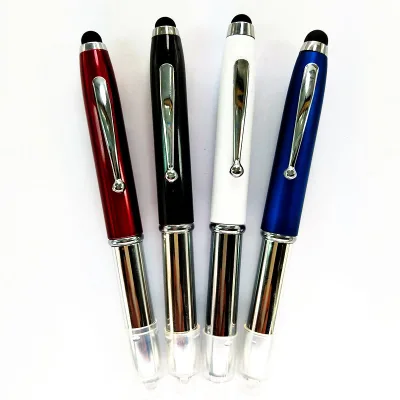
$0.37 - $0.50
MOQ: 1000 Minimum
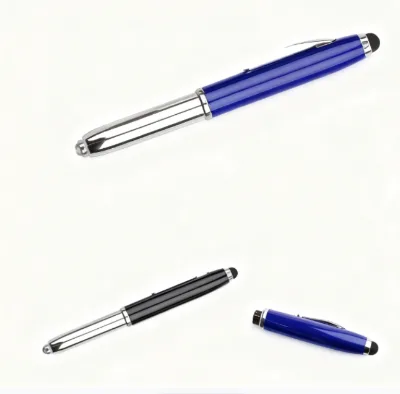
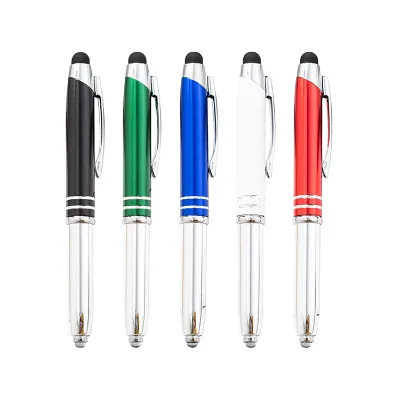
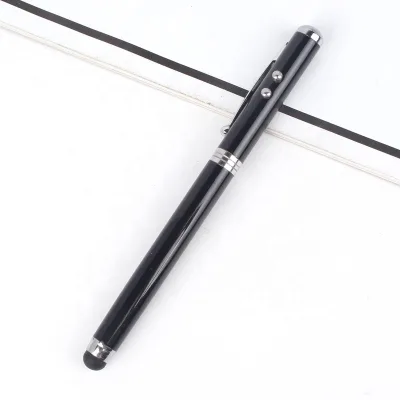
Comfort Grip Metal Ball Pen Integrated Light Source Black Touchscreen Stylus Durable
$0.46 - $0.81
MOQ: 100 pieces
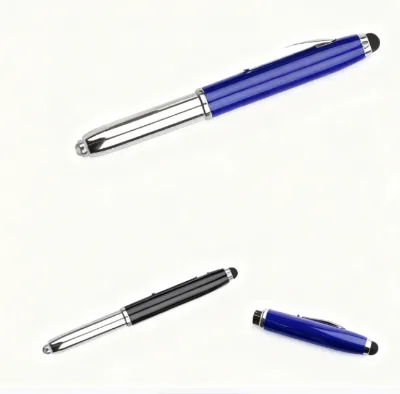
Engineered Aluminum Pen Precision Ballpoint Stylus LED Light Black Plastic
$0.46 - $0.81
MOQ: 100 pieces
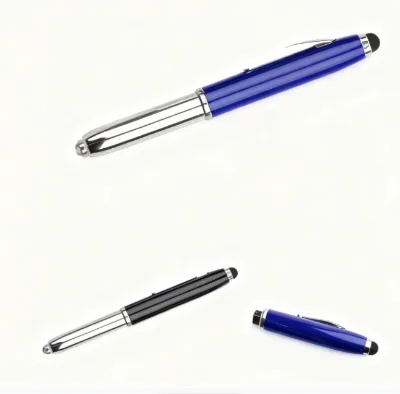
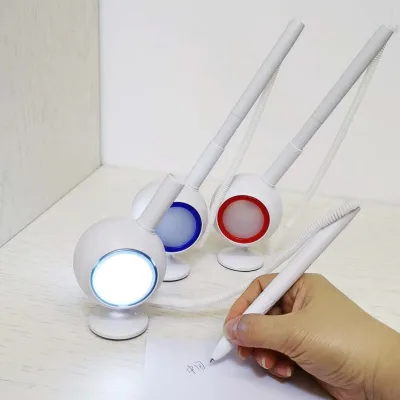
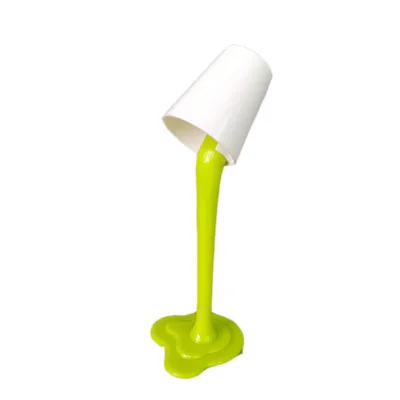
Promotional Durable Plastic LED Table Lamp Lighting Pen with 1.0mm Writing Width Logo Pen
Contact supplier
MOQ: 100
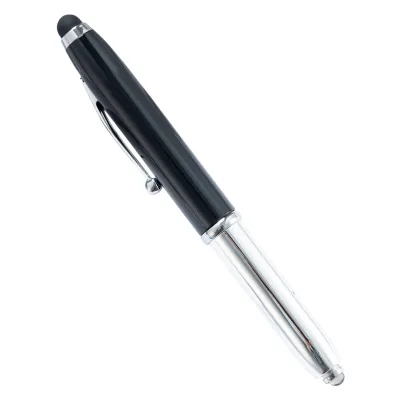
Shenzhen Shenghuihuang Electronics Co., Ltd.
- Manufacturer, Trading Company
- Guangdong, China
- Lead time30 days
- Avg. response≤ 12h
Main productsFlashing Gift Series,Concert Series,Garland String Lights Series,Party Supplies,Holiday Supply
Main marketsEastern Asia(36.33%), North America(33.44%), Southeast Asia(10.00%), Oceania(9.00%), Africa(5.00%), Western Europe(2.43%), Mid East(2.00%), Central America(1.00%), Northern Europe(0.63%), Eastern Europe(0.17%)

Yiwu Jinghao Stationery Co., Ltd.
- Manufacturer, Trading Company
- Zhejiang, China
- Lead time15 days
- Avg. response≤ 8h
Main productspens,pencils,gift boxes,notebooks,calculators
Main marketsNorth America(30.00%), Northern Europe(15.00%), Western Europe(10.00%), Eastern Europe(10.00%), Domestic Market(5.00%), Mid East(5.00%), Oceania(5.00%), South America(5.00%), Southern Europe(5.00%), Southeast Asia(3.00%), Africa(3.00%), Eastern Asia(2.00%), Central America(2.00%)

Shenzhen Jason Yuen Gift Co., Ltd.
- Combined
- China Guangdong
- Lead time23 days
- Avg. response≤ 15h
Main productsFan Pen, Projector Pen, Projector Torch, Liquid Pen, Laser Pen, Metal Pen, Plastic Pen, Banner Pen, LED Light Pen
Main marketsSoutheast Asia/ Mideast,Europe,North America

Novelty Promotional Gift LED Light up Touch Stylus Ballpoint Pen with Logo
$0.27 - $0.35
MOQ: 100 Pieces


Light-up Ballpoint Pen with Green Light for Writting and Read in Darkness Night
$0.55 - $0.75
MOQ: 200 Pieces

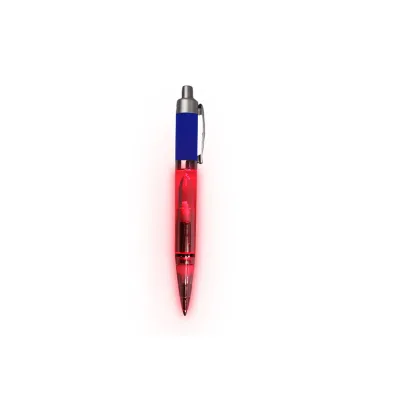
LED Liquid Ballpoint Pens with 3D Floater Inside Metal Liquid Floating Pens with LED Light
$0.90 - $1.05
MOQ: 3000 Pieces
Shanghai Shanyin Trading Co., Ltd.
- Trading Company
- Shanghai, China
- Lead time0 days
- Avg. response≤ 6h
Main productsStationery,Office Supplies,Craft gift,General merchandise,sports goods
Main marketsCentral America(20.00%), North America(15.00%), Southeast Asia(15.00%), Western Europe(10.00%), Northern Europe(10.00%), Oceania(5.00%), Eastern Europe(5.00%), Africa(5.00%), South America(5.00%), South Asia(5.00%), Domestic Market(5.00%)
Ningbo Brt Imp. &Exp. Co., Ltd.
- Verified by TUVRHEINLAND
- Trading Company
- China Zhejiang
- Lead time23 days
- Avg. response≤ 3h
Main productsSchool Stationery, Water Bottle, Office Stationery, School Bag, Promotional Pen, Marker, Promotional Gift, Notebook
Main marketsAfrica,East Asia(Japan/ South Korea),North America
Yiwu Yilan Stationery Co., Ltd.
- Verified by Intertek
- Trading Company
- Lead time15 days
- Avg. response≤ 4h
Main productsNotebook, Pen, Sticky Note, Gift Set, Cups
Main marketsNorth America(40%), Western Europe(30%), Domestic Market(10%)

- Combined
- China Guangdong
- Lead time23 days
- Avg. response≤ 4h
Main productsPromotion Gift, Toy, Flashing Item, Free Gift, Business Gift, Novelty
Main marketsAfrica,Europe,North America

$0.52 - $0.55
MOQ: 1000 Pieces

$0.52 - $0.55
MOQ: 1000 Pieces


Hongsu Promotion & Advertising Products (Yancheng) Co., Ltd.
- Trading Company
- Jiangsu, China
- Lead time30 days
- Avg. response≤ 3h
Main productsFlag Banner,Advertising Tents,Advertising Inflatables,Indoor and Outerdoor Displays,Gift Promotion
Main marketsNorth America(50.00%), Western Europe(40.00%), Mid East(10.00%)

- Verified by SGS
- Manufacturer/Factory
- China Zhejiang
- Lead time38 days
- Avg. response≤ 8h
Main productsBar Mat, Ice Bucket, Cocktail Shaker, Barware, Jigger, Mug, Ss Cup, Bar Spoon, Strainer, Muddler
Main marketsSouth America,Eastern Europe,Mid East,North America,Southeast Asia,Eastern Asia,Oceania,Western Europe,Africa
Jinxian Huahao Writing Instrument Co., Ltd.
- Manufacturer, Trading Company
- Jiangxi, China
- Lead time30 days
- Avg. response≤ 14h
Main productsPens
Main marketsWestern Europe(40.00%), North America(20.00%), Domestic Market(20.00%), Southeast Asia(10.00%), Northern Europe(5.00%), Mid East(5.00%)
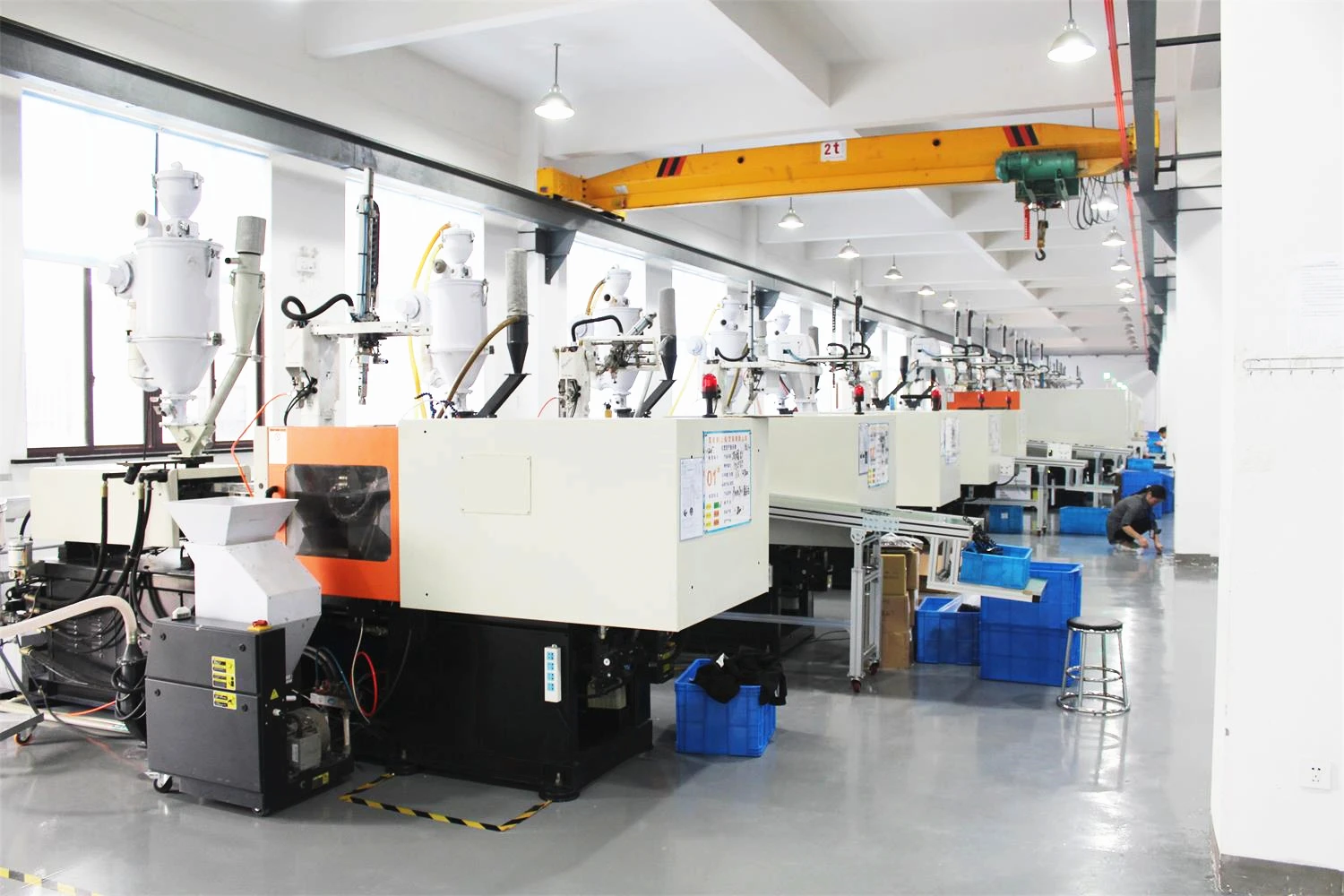
Hangzhou Eurolucky Trading Co., Ltd.
- Trading Company
- Zhejiang, China
- Lead time45 days
- Avg. response≤ 9h
Main productsBallpoint Pen,Pencil,Ruler,Notebook,Stationery
Main marketsNorth America(60.00%), Northern Europe(20.00%), Western Europe(20.00%)
Nanchang Qunpeng Technology Development Co., Ltd.
- Verified by SGS
- Manufacturer/Factory
- China Jiangxi
- Lead time45 days
- Avg. response≤ 9h
Main productsStationery, Metal Pen, Gift, Ball Pen, Pencil, Markers, Notebook, Art Material, Outdoor Products, Board
Main marketsSouth America,Eastern Europe,North America,Southeast Asia,Eastern Asia,Western Europe


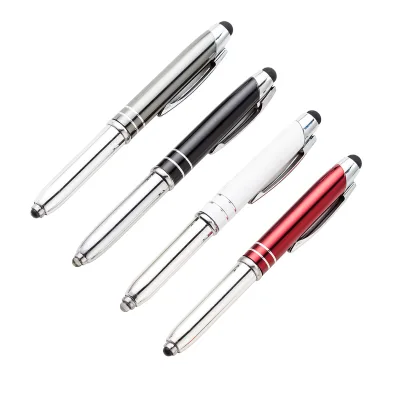
Business 2 in 1 LED Metal Pen Light Tip Ball Flashlight LED Ballpoint Pen
$0.50 - $1.50
MOQ: 1000 Pieces
Guangzhou Kasun Stationery Co., Ltd.
- Manufacturer, Trading Company
- Guangdong, China
- Lead time25 days
- Avg. response≤ 3h
Main productsMetal ball pen,Metal roller pen,Metal gift pens,Fountain pen,Eternal pencil
Main marketsMid East(25.00%), Oceania(25.00%), North America(25.00%), Northern Europe(10.00%), Central America(5.00%), Eastern Asia(5.00%), South Asia(1.00%), Africa(1.00%), Southeast Asia(1.00%), Western Europe(1.00%), Eastern Europe(1.00%)
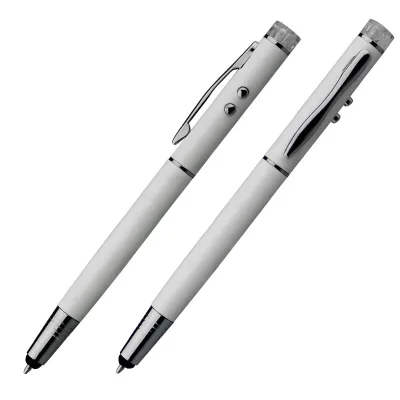
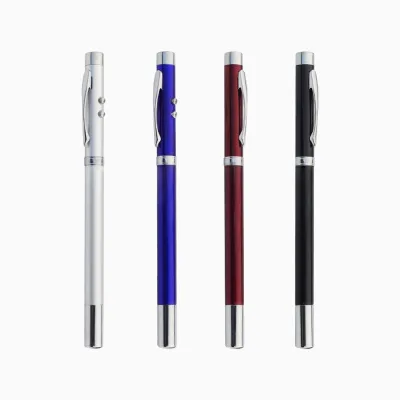
$0.70 - $0.83
MOQ: 500 pieces
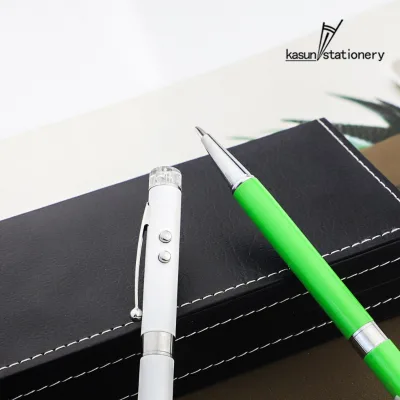
Customized Logo 2 in 1 Led Metal Pen Light Tip Ball Ballpen Wholesale Flashlight Led Ballpoint Pen
$0.71 - $0.93
MOQ: 500 pieces

Ningbo Klaid Imp & Exp Co., Ltd.
- Verified by TUVRHEINLAND
- Trading Company
- China Zhejiang
- Lead time30 days
- Avg. response≤ 2h
Main productsChafing Fuel, Gel Fuel, Wire Chafing Dish Racks, Butane Gas Refill, Lighter Gas Refill, Chafing Fuel Cans, Disposable Biodegradable Packaging
Main marketsSouth America,Southeast Asia/ Mideast,Europe,North America

Contact supplier

Contact supplier

Chengdu Jiayu Crafts co., ltd.
- Trading Company
- Sichuan, China
- Lead time15 days
- Avg. response≤ 3h
Main productskeychain,key chain accessories,Metal craft,Promotional Gifts,Gift Wrapping
Main marketsSouth America(20.00%), North America(20.00%), Eastern Europe(15.00%), Eastern Asia(10.00%), Southeast Asia(10.00%), Western Europe(5.00%), Africa(5.00%), Mid East(5.00%)
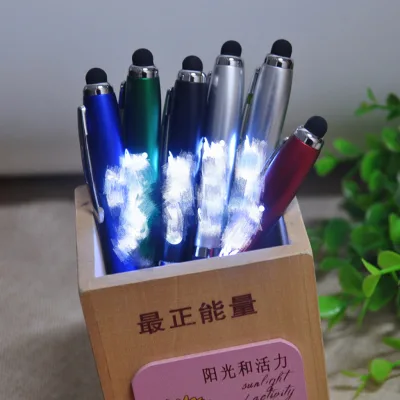
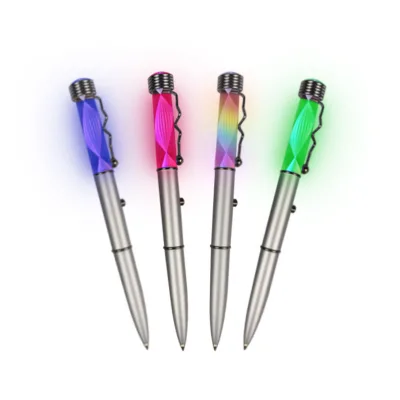
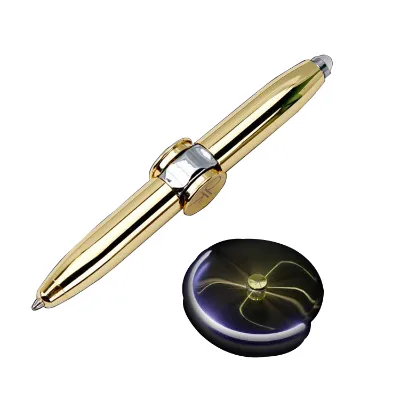
Spinning Light up Touch Screen Stylus Pen parker Luxury Ball Pen Laser Rotating
$0.32 - $0.52
MOQ: 100 pieces
Hefei Desent International Trade Co., Ltd.
- Manufacturer, Trading Company
- Anhui, China
- Lead time20 days
- Avg. response≤ 4h
Main productsSilicone Wristband,Keychain,Luggage Tag,Lanyard,PVC Patches
Main marketsNorth America(60.00%), South America(20.00%), Southern Europe(5.00%), Northern Europe(5.00%), Western Europe(5.00%), Eastern Europe(5.00%)
Yiwu Bangmu Import And Export Co., Ltd.
- Trading Company
- Zhejiang, China
- Lead time15 days
- Avg. response≤ 2h
Main productsBags & Tote,Sports & Outdoor,Apparel & Accessories,Drinkware,Office & Tech
Main marketsNorth America(90.00%), Central America(4.00%), Southern Europe(1.00%), Northern Europe(1.00%), South America(1.00%), Western Europe(1.00%), Oceania(1.00%), Eastern Europe(1.00%)
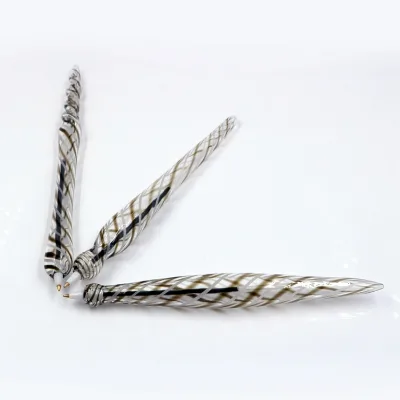
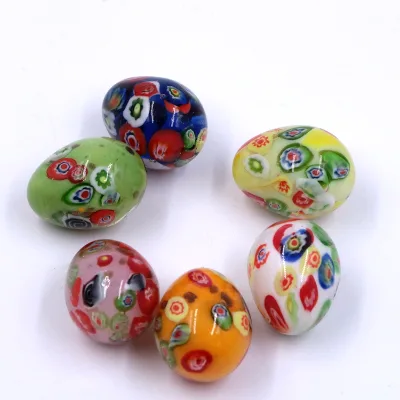


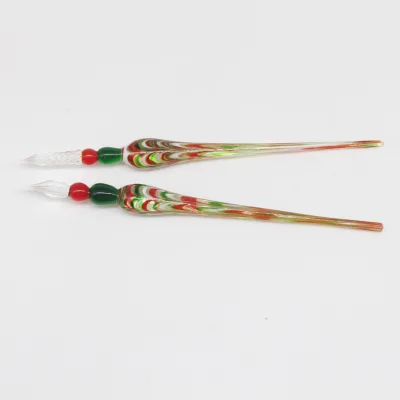
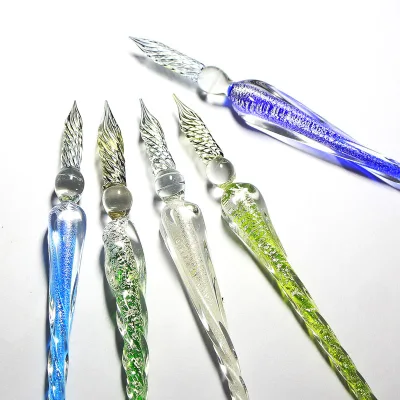


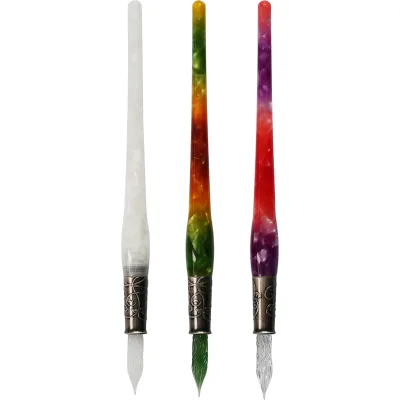
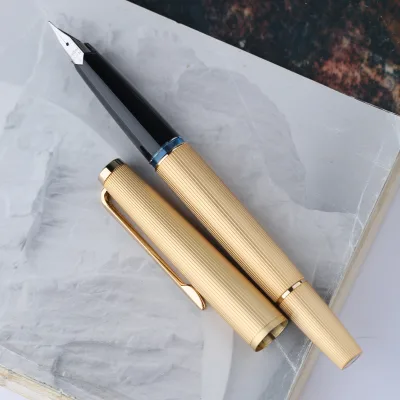
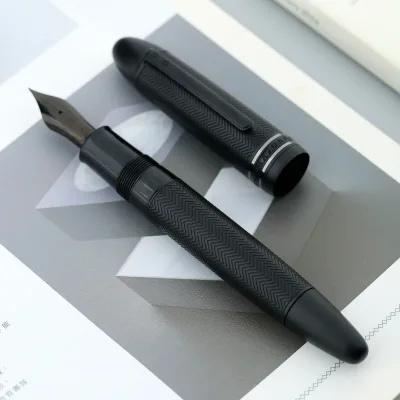
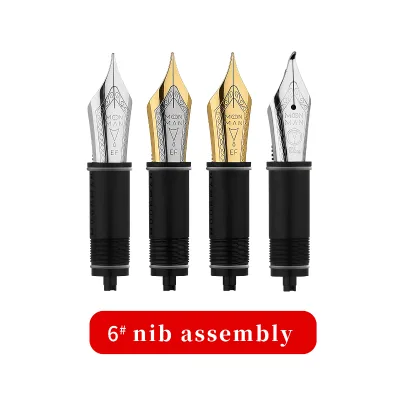





Comprehensive Sourcing Guide
Lampworking Murano Glass Pen Supplier Concentration and Factory Types
Current data indicates that suppliers offering Lampworking Murano Glass Pen products are concentrated in Jiangsu, China, with specific product origins also noted in Zhejiang. The available supplier profiles reveal a mix of company types, including Trading Companies and entities operating as both Manufacturers and Trading Companies. This dual classification suggests that some suppliers may manage their own production lines for glass crafts while others facilitate trade between multiple factories. The presence of Jiangsu as a primary location for glass pen products aligns with regional manufacturing clusters known for glass crafts and artistic supplies. Buyers should verify if a supplier's stated location matches the actual factory site, as trading companies often list a different operational base than their manufacturing partners.
When evaluating the factory type, it is crucial to distinguish between pure trading entities and those with direct production capabilities. Some suppliers in the results list "Manufacturer, Trading Company" as their type, indicating they possess in-house capacity for sample processing and graphic processing. This capability allows for customized on-demand production, which is a significant advantage for buyers seeking unique designs. However, other suppliers are listed strictly as Trading Companies, which may imply they source from third-party workshops. Buyers must confirm whether the supplier can directly control the lampworking process or if they rely on external partners, as this distinction impacts quality control and lead time reliability.
How to Verify Lampworking Murano Glass Pen Suppliers
Verification of Lampworking Murano Glass Pen suppliers requires checking for specific third-party credentials and response metrics. One observed supplier holds a TüVRheinland verification status, which serves as a concrete indicator of a validated business profile. Buyers should prioritize suppliers displaying such recognized certifications to ensure the entity has undergone external scrutiny regarding their business legitimacy. In addition to certifications, response time is a critical metric for assessing supplier reliability. The data shows response times ranging from 5 to 8 hours, with faster responses often correlating with higher engagement levels. A supplier with a five-hour response time may be more attentive to inquiries than one taking eight hours, though this should be confirmed through direct communication.
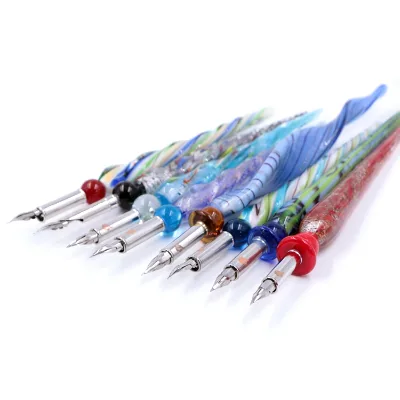
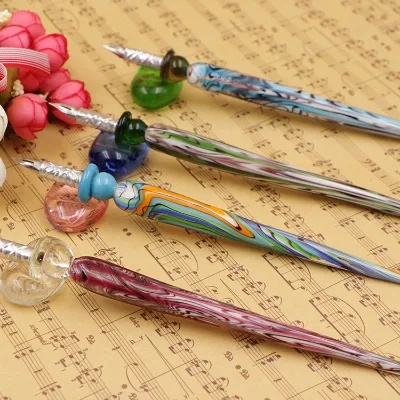
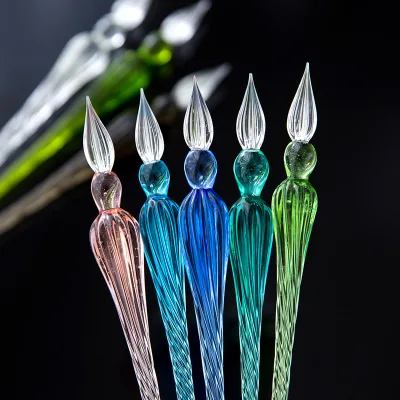
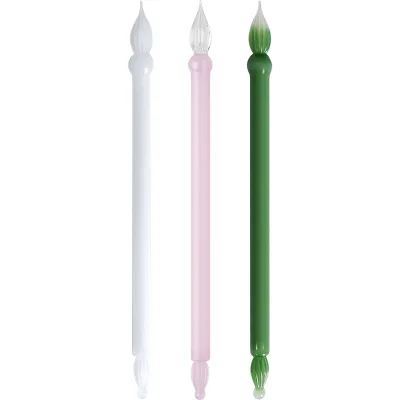
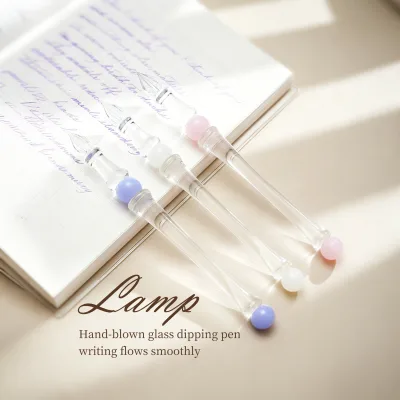
Beyond certifications and speed, buyers must verify the specific product attributes listed in the supplier's catalog to ensure authenticity. For instance, product evidence confirms that Lampworking Murano Glass Pens are made from glass using a blown or lampworking technique, with specific model numbers like BLB-02 or XD-GP-L1. Buyers should cross-reference these details with the supplier's claims to ensure the product matches the description of handmade Murano glass. Additionally, checking the "Place of Origin" field is essential, as some products originate from Jiangsu while others may come from Zhejiang. Confirming that the stated origin matches the actual manufacturing location helps prevent misrepresentation and ensures the buyer receives the correct regional product characteristics.
What to Compare Across Lampworking Murano Glass Pen Suppliers
Comparing suppliers requires a detailed analysis of lead times, minimum order quantities, and pricing structures. The observed data reveals significant variation in lead times, with some suppliers offering a 30-day window while others provide an 11-day turnaround. This difference is critical for buyers with tight deadlines, as a shorter lead time can significantly impact project scheduling. Similarly, Minimum Order Quantities (MOQ) vary, with some suppliers requiring 500 pieces for glass pens, while others may have different thresholds. Buyers must calculate whether their order volume meets these MOQs to avoid unnecessary costs or the need to consolidate orders with other buyers.
Pricing and supply ability are also key comparison points that vary across the supplier base. Product evidence shows price ranges for Lampworking Murano Glass Pens, with some items listed between $2.05 and $2.62, while others range from $0.12 to $0.16 depending on the specific type and material. It is important to note that these prices are subject to change based on order volume and customization requirements. Furthermore, supply ability metrics, such as 2000 pieces per month, indicate the maximum production capacity a supplier can handle. Buyers should compare these capacity figures against their projected demand to ensure the supplier can fulfill large orders without delays. Additionally, comparing sample times, which range from 5 to 7 days, helps buyers assess how quickly they can validate product quality before committing to a bulk order.
Common Lampworking Murano Glass Pen Sourcing Risks
One primary risk in sourcing Lampworking Murano Glass Pens involves the discrepancy between product descriptions and actual manufacturing capabilities. While some suppliers claim to be manufacturers, others may be trading companies sourcing from unverified workshops. This distinction can lead to inconsistencies in quality, particularly regarding the lampworking technique and the authenticity of the Murano glass. Buyers must verify that the "Technique" listed as Blown or Lampworking is genuinely applied by the supplier's team. Without direct factory access, there is a risk of receiving products that do not meet the artistic standards expected of handmade glass items, potentially leading to customer dissatisfaction and returns.
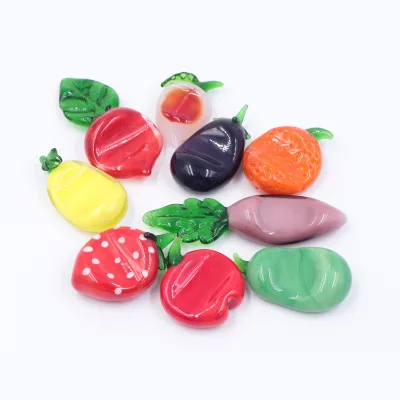
Another significant risk relates to the variability in packaging and shipping details. Product evidence indicates that some suppliers offer exquisite gift box packaging, while others use safety packaging or standard boxes. The single gross weight and package dimensions also vary, affecting shipping costs and logistics planning. For example, a pen rest holder may weigh approximately 12-20 grams, while a single pen might weigh 0.12 kg. If a supplier underestimates the weight or dimensions, it can lead to unexpected shipping fees or delays. Additionally, the "Port of dispatch" is listed as Shanghai for some products, but buyers must confirm if this applies to their specific order. Inconsistent logistics data can result in supply chain disruptions, making it essential to verify all shipping parameters before finalizing an agreement.
Lampworking Murano Glass Pen Regional Sourcing and Logistics
Regional sourcing for Lampworking Murano Glass Pens is heavily influenced by the concentration of suppliers in Jiangsu and Zhejiang provinces. These regions are known for their glass craft industries, providing a robust ecosystem for sourcing high-quality glass pens. However, buyers must be aware that not all suppliers in these regions may have the same level of expertise or equipment. The "Place of Origin" field in product data confirms that many items are indeed from Jiangsu, but some may originate from Zhejiang. Buyers should request specific factory addresses to ensure they are dealing with a legitimate production hub rather than a distribution center. Understanding the regional strengths helps in selecting suppliers who are best equipped to handle the specific demands of lampworking glass.
Logistics planning must account for the specific shipping ports and packaging requirements associated with these regions. The data indicates that the Port of dispatch for certain glass pen products is Shanghai, which is a major logistics hub in China. Buyers should verify if this port applies to their specific order, as shipping from different ports can affect transit times and costs. Additionally, the single package size and gross weight vary significantly between products, such as a pen rest holder versus a standard pen. These dimensions impact the total volume and weight of the shipment, which directly influences freight charges. Buyers should calculate the total shipping cost based on the specific product dimensions and weights provided by the supplier to avoid budget overruns.
Lampworking Murano Glass Pen Commercial Terms and Order Planning
Commercial terms for Lampworking Murano Glass Pen orders often include specific requirements for samples and customization. Product evidence shows that sample times can range from 5 to 7 days, which is a critical factor in the order planning phase. Buyers should plan their timeline to accommodate this sample period before proceeding to bulk production. Furthermore, the MOQ of 500 pieces for certain glass pens means that buyers must ensure their order volume meets this threshold. If the order is smaller, buyers may need to negotiate with the supplier or combine orders with other buyers to meet the minimum requirement. Understanding these terms early helps in avoiding delays and ensuring a smooth production process.
Pricing and payment terms are also essential components of order planning. The observed price ranges for Lampworking Murano Glass Pens vary, with some items priced around $2.05 and others at $0.12. Buyers must clarify whether these prices include customization costs, such as custom branding or specific color requests. Additionally, the "Selling Units" are listed as single items, but bulk pricing may apply for larger orders. Buyers should request a detailed quotation that breaks down the cost per unit, including any additional fees for packaging or shipping. It is also important to verify the payment terms, such as whether escrow services are available to protect the buyer's funds. Clear communication regarding these commercial terms ensures that both parties have a mutual understanding of the financial obligations and expectations for the order.
FAQs
Where are these glass pens manufactured?
Most of the listed Murano glass pens originate from Jiangsu, China. Some plastic promotional pens come from Zhejiang. Buyers should verify the specific place of origin for each product listing before placing an order to ensure accurate sourcing.
What is the minimum order quantity for these pens?
The minimum order quantity for handmade Murano glass pens is typically 500 pieces. This requirement applies to specific models like the ink pen with metal nib. Buyers seeking smaller quantities may need to negotiate or look for different suppliers.
How long does it take to receive samples?
Sample processing time for these glass pens is generally between 5 to 7 days. This duration allows for the creation of customized designs or standard models. Buyers should confirm exact sample lead times with the supplier before finalizing their purchase plan.
What is the price range for these glass pens?
Prices for Murano glass pens vary from approximately 0.12 to 10.00 USD per unit depending on the design. Simple promotional pens cost less, while intricate fruit design holders are more expensive. Buyers should check specific product listings for current pricing details.
Are these pens suitable for promotional gifts?
Yes, many of these glass pens are designed specifically for promotional use or conference gifts. They often feature custom packaging and unique designs suitable for branding. Buyers can request customized gift box packaging to enhance the presentation for their specific marketing needs.
What materials are used to make these pens?
The primary material for these pens is glass, often created using the lampworking technique. Some promotional versions may use plastic materials instead. Buyers should review the product attributes to confirm the exact material composition for their specific requirements.
Do suppliers offer customized sizes for these pens?
Yes, suppliers accept custom sizes for certain glass pen models. This flexibility allows buyers to tailor the product dimensions to their specific branding or functional needs. Buyers should discuss their size requirements directly with the supplier to ensure feasibility.