Laser Engraved PU Leather Notebook Suppliers and Manufacturers
Compare 27 verified suppliers offering Laser Engraved PU Leather Notebook options with varying lead times, MOQs, and response speeds. Review product attributes like offset printing and embossing finishes before contacting factories in Guangdong or Fujian for quotes; review the available evidence before requesting comparable quotations from suitable candidates.
Updated
Suppliers List

Shenzhen Longyin Printing Packing Co., Ltd.
- Verified by SGS
- Trading Company
- China Guangdong
- Lead time15 days
- Avg. response≤ 4h
Main marketsSouth America,Africa,Southeast Asia/ Mideast,East Asia(Japan/ South Korea),Domestic,Europe,Australia,North America

Jinjiang Jiayi Supply Chain Management Co., Ltd.
- Verified by BV
- Trading Company
- China Fujian
- Lead time30 days
- Avg. response≤ 2h
Main productsGift, Shoe, Garment, Machine
Main marketsDomestic

Shenzhen Flying Supply Chain Co., Ltd.
- Verified by SGS
- Trading Company
- China Guangdong
- Lead time15 days
- Avg. response≤ 6h
Main productsPacking Bag, Gift Bag, Folding Bag, Laptop Bag, Carton, Toy Puzzle, Stationery, Label, Hot Melt Paper, 3D Printing Consumables
Main marketsNorth America


Promotion Cheap Custom PU Leather Notebook Hardcover Diary Notebook Leather Note Book
$3.58 - $14.30
MOQ: 200 Pieces

Promotio Custom PU Leather Notebook Fashionable PU Leather Diary Custom Leather Note Book
$0.50 - $2.50
MOQ: 300 Pieces


Notebook Softcover Leather Journal Notebooks Custom Printed PU Leather Notebook School Supplies
$3.57 - $14.26
MOQ: 200 Pieces

Quanzhou Changyi Crafts Gifts Limited
- Verified by TUVRHEINLAND
- Manufacturer/Factory
- China Fujian
- Lead time23 days
- Avg. response≤ 6h
Main productsBallpoint Pen, Silicone Bracelet, Name Card Holder, Luggage Tag, Gift Set, Mobile Phone Accessory, Passport Cover, Ceramic Coaster, Gift Bag, Gift Box
Main marketsSouth America,Mid East,North America,Southeast Asia,Eastern Asia,Oceania,Western Europe,Africa

Custom Leather Notebook PU Leather Hardcover Diary Notebooks with Logo Journal Notebook
$0.84 - $1.06
MOQ: 100 Sets

Wholesale Notepad Laser Engraving Notebook Customization PU Leather Notebook
$1.56 - $1.66
MOQ: 100 Pieces

Luxury PU Leather Hardcover Business Logo Stationery Customised Notebook and Pen Gift Set Notebook
$3.45 - $3.75
MOQ: 100 Sets


Hefei Colorfly Stationery Co., Ltd.
- Verified by SGS
- Combined
- China Anhui
- Lead time30 days
- Avg. response≤ 13h
Main productsExercise Book, Notebook, Spiral Notebook, Composition Book, Copy Book, Soft Cover Notebook, Stationery Set, Drawing Book, PP Exercise Book, Counter Book
Main marketsAfrica,Southeast Asia/ Mideast
Shenzhen Jinhao Color Printing Co., Ltd.
- Manufacturer, Trading Company
- Lead time旺季: "1 - 1000":14,"1001 - 5000":21,"5001 - 10000":28,"> 10000":"To be negotiated", 淡季: "1 - 1000":14,"1001 - 5000":21,"5001 - 10000":28,"> 10000":"To be negotiated"
- Avg. response≤ 3h
Main productsNotebook Printing, Hardcover Books, Softcover Books, Board Books, Tarot Card
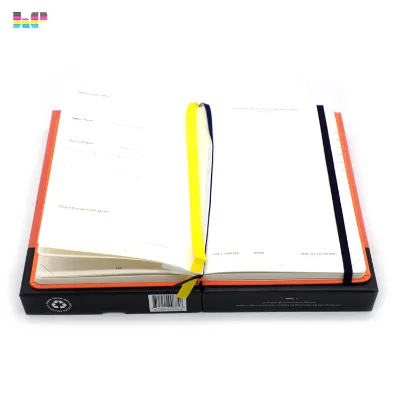
Custom Hardcover PU Leather Notebook Printing
$1.05 - $1.26
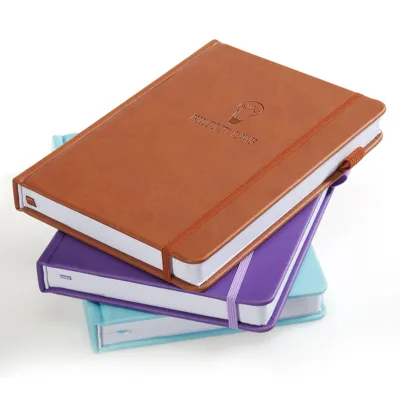
Pu Leather Notebook OEM Planner Notebook Printing
$0.89 - $1.18
Yancheng Pulsen Digital Science & Technology Co., Ltd.
- Verified by Intertek
- Manufacturer, Trading Company
- Lead time5 days
- Avg. response≤ 3h
Main productsWallet, Watchband Keychain, Leather Golf Product, Notebook, Hat Patch
Main marketsNorth America(40%), Western Europe(20%), South America(10%)

Shenzhen Lionstar Technology Co., Ltd.
- Verified by SGS
- Combined
- China Guangdong
- Lead time15 days
- Avg. response≤ 4h
Main productsFace Mask, KN95, 3ply Disposable Face Mask, Protective Face Cover, FFP2 KN95 CE FDA Face Mask, Protective Goggle, Face Shield, Gloves, Gowns, Thermometer
Main marketsAfrica,Europe,North America
Hangzhou Keteng Trade Co., Ltd.
- Verified by SGS Group
- Trading Company
- Lead time12 days
- Avg. response≤ 2h
Main productsStationery, Paper Box, Paper Bags, Packaging Bags, Promotion Gifts
Main marketsNorth America(50%), Oceania(15%), Western Europe(15%)
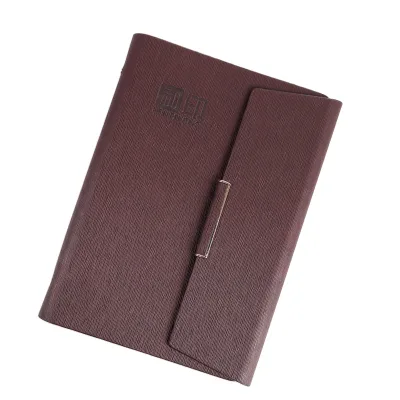
Custom Printed Logo Pu Hardcover Recycled Leather Grid Lined Planner Agenda Notebook
$1.10 - $1.90
MOQ: 200
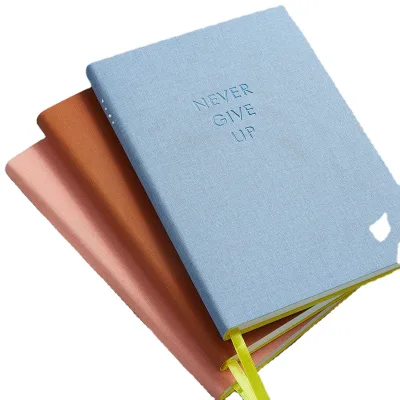
Dongguan Qishi Saidebao Leather Goods Produce Factory
- Manufacturer, Trading Company
- Guangdong, China
- Lead time15 days
- Avg. response≤ 5h
Main productsnotebook,portfolio,passport holder,card holder,certificate holder
Main marketsSouthern Europe(12.00%), Central America(10.00%), North America(10.00%), Western Europe(8.00%), Northern Europe(8.00%), Eastern Europe(7.00%), South Asia(7.00%), South America(7.00%), Mid East(6.00%), Africa(6.00%), Eastern Asia(5.00%), Domestic Market(5.00%), Southeast Asia(5.00%), Oceania(4.00%)

Guangzhou Zhongtian Paper Product Co., Ltd.
- Verified by TUVRHEINLAND
- Trading Company,Manufacturer/Factory,Group Corporation
- China Guangdong
- Lead time38 days
- Avg. response≤ 4h
Main productsBible, Book, Children Book, Paper Box, Jigsaw Puzzle, Notebook Printing, Board Game, Calendar, Paper Bags, Seed Paper Cards
Main marketsSouth America,Eastern Europe,Mid East,North America,Southeast Asia,Oceania,Western Europe,Africa

Shanghai David International Trade Co., Ltd.
- Verified by TUVRHEINLAND
- Combined
- China Shanghai
- Lead time15 days
- Avg. response≤ 9h
Main productsPromotional Gifts, Gift Sets, Tshirts, Hats, Hot Packs, Hot Cold Packs, Ice Packs, Bags, Umbrellas, Water Bottles
Main marketsSouth America,Africa,Southeast Asia/ Mideast,East Asia(Japan/ South Korea),Domestic,Europe,Australia,North America
Hangzhou Jiusi Import And Export Co., Ltd.
- Verified by TüVRheinland
- Trading Company
- Lead time15 days
- Avg. response≤ 2h
Main productsLanyard, Coaster, Luggage Tag, Handfan, Business Gift
Main marketsNorth America(40%), Southern Europe(24%), Western Europe(20%)

TAIZHOU RONGYI IMPORT AND EXPORT CO., LTD.
- Trading Company
- China Zhejiang
- Lead time15 days
- Avg. response≤ 2h
Main productsNotebook, Diary, Organiser, Certificate Folder, Journal, Greeting Card, Notepad, Sticky Notes
Main marketsSouth America,Southeast Asia/ Mideast,East Asia(Japan/ South Korea),Europe,North America

PU Leather Notebook with Card Holder Business Journal & Planner for Office School
$0.88 - $1.09
MOQ: 300 Pieces

Wholesale High Quality A5 PU Leather Custom Diary Embossing Logo Notebook
$1.40 - $1.70
MOQ: 300 Pieces
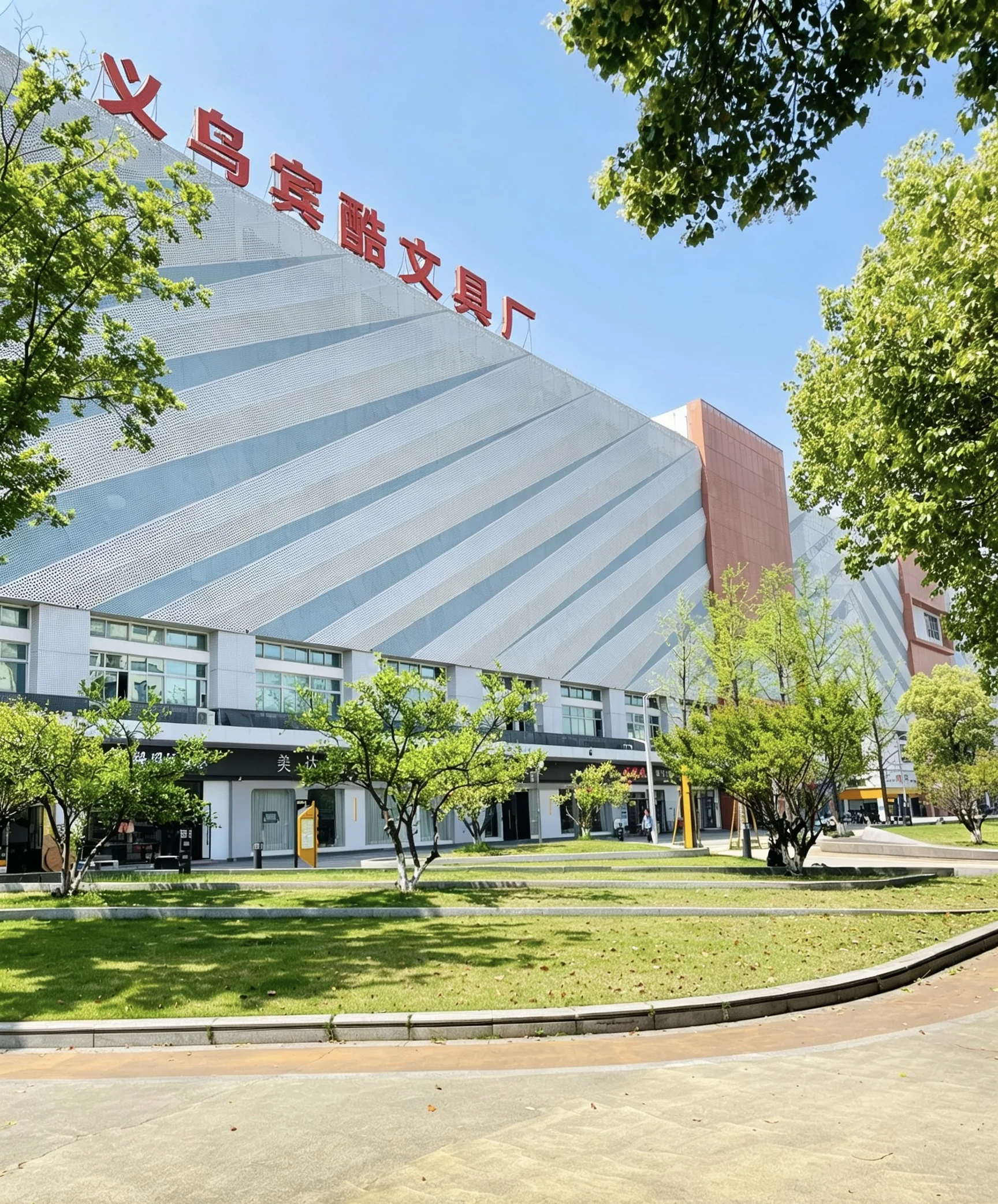
- Manufacturer
- Zhejiang, China
- Lead time20 days
- Avg. response≤ 2h
Main productsPens,markers,gifts,stationery,marker pen
Main marketsNorth America(29.00%), South America(10.00%), Western Europe(8.00%), Northern Europe(8.00%), Eastern Europe(7.00%), Southeast Asia(6.00%), Eastern Asia(6.00%), Mid East(5.00%), Central America(5.00%), Southern Europe(5.00%), Domestic Market(5.00%), Africa(3.00%), South Asia(3.00%)
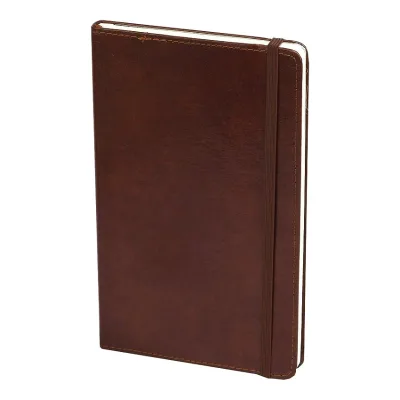
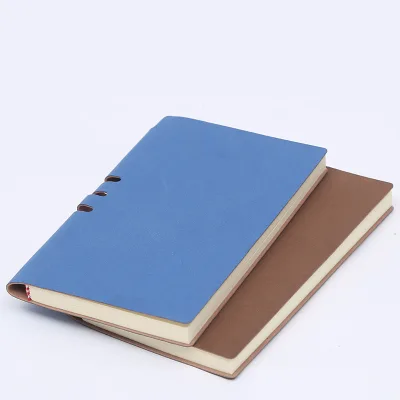
Custom logo Design Business Gift A5 Dairy Pu Leather Notebook with Elastic
$0.9215 - $2.8663
MOQ: 100 Minimum
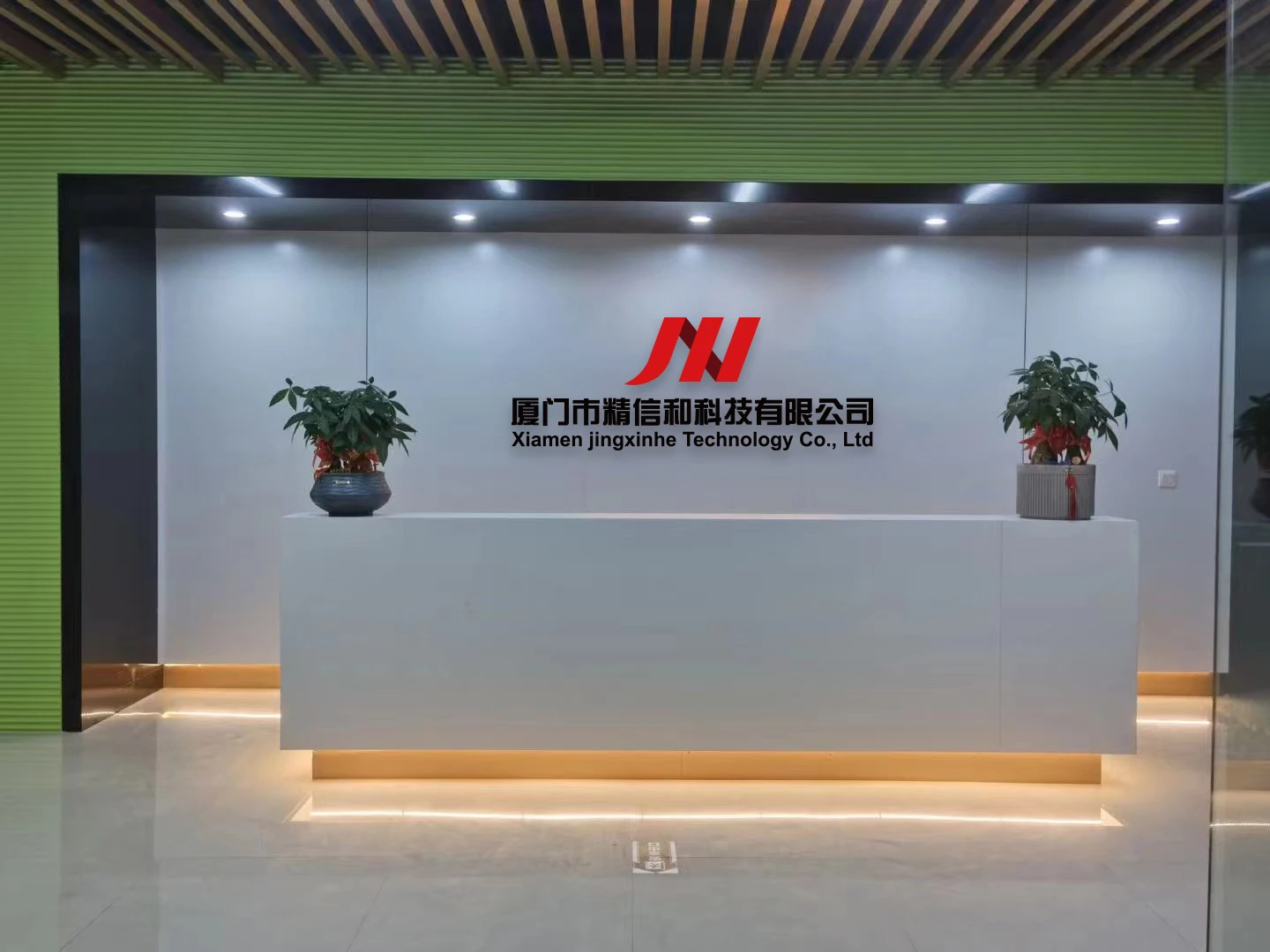
Xiamen Jingxinhe Technology Co., Ltd.
- Manufacturer
- Fujian, China
- Lead time0 days
- Avg. response≤ 1h
Main productsgift box,paper bag,notebook,desk calendar,postcard
Main marketsNorth America(50.00%), Eastern Europe(30.00%), South America(20.00%)
Dongguan Liyang Technology Co., Ltd.
- Verified by TüVRheinland
- Trading Company
- Lead time5 days
- Avg. response≤ 2h
Main productsNotebook, Sticky Notes, Lamination Film, Washi Tape, Spring Coil
Main marketsNorth America(24%), Oceania(10%), Eastern Asia(10%)
Hefei Colorfly Stationery Co., Ltd.
- Verified by SGS Group
- Manufacturer, Trading Company
- Lead time30 days
- Avg. response≤ 6h
Main productsExercise Book, Notebook, PU leather Book
Main marketsAfrica(40%), Mid East(15%), Domestic Market(10%)
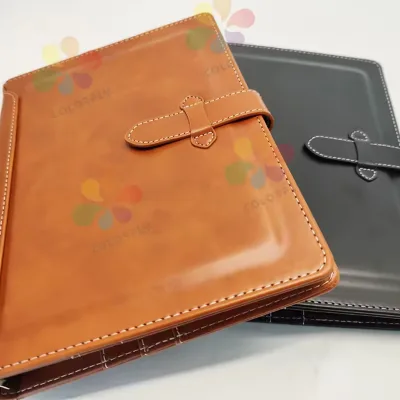
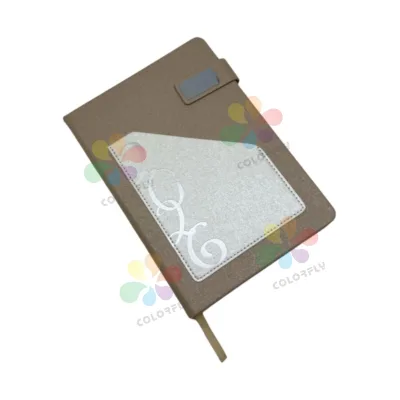
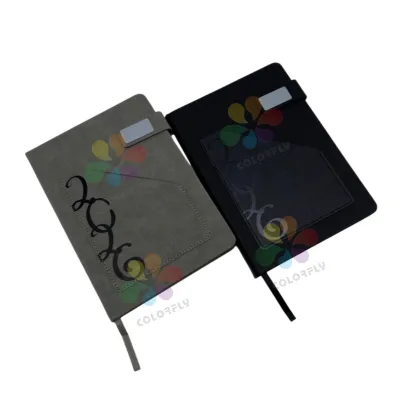
A5 Notebook Pu Leather Stationery Notebook With Pen Reusable Erasable Printing Note Book for Gifts
$1.20 - $1.25
MOQ: 2000 pieces
HonorHope (Zhengzhou) Technology Industrial Co., Ltd.
- Manufacturer, Trading Company
- Henan, China
- Lead time15 days
- Avg. response≤ 14h
Main productsPaper Bag,Gift Box,Calendar,Nowoven bag,Notebook
Main marketsMid East(30.00%), North America(20.00%), Western Europe(15.00%), South America(10.00%), Eastern Europe(5.00%), Eastern Asia(5.00%), Southeast Asia(5.00%), Oceania(5.00%), Africa(5.00%)

- Verified by SGS
- Trading Company
- China Shaanxi
- Lead time15 days
- Avg. response≤ 4h
Main productsBusiness Gift Set, Corporate Gift Set, Promotion Gift Set, Notebook Gift Set, Weeding Gift Set for Guests, Birthday Gift Set, Gift Sets, Custom Gift Set, Notebook with Pen, Gifts
Main marketsAfrica,Southeast Asia/ Mideast,Europe,Australia,North America


Custom Leather Notebook PU Leather Hardcover Diary Notebooks with Logo Journal Notebook Gift Set
$5.99 - $6.99
MOQ: 50 sets

High Quality Custom Notebook PU Leather Hardcover Journal Notebook with Pen
$6.25 - $6.76
MOQ: 100 pieces

Hardcover Promotional Planner A5 Journal Diary Hardbound PU Leather Notebook Set
$2.25 - $3.52
MOQ: 100 pieces


Wenzhou Yanhe Technology Co., Ltd.
- Verified by BV
- Combined
- China Zhejiang
- Lead time30 days
- Avg. response≤ 6h
Main productsNotebook
Main marketsSouth America,Africa,Southeast Asia/ Mideast,East Asia(Japan/ South Korea),Europe,Australia,North America
Wenzhou Base Camp Cultural Goods Co., Ltd.
- Manufacturer, Trading Company
- Zhejiang, China
- Lead time20 days
- Avg. response≤ 3h
Main productsNotebook,Yearly Calendar
Main marketsDomestic Market(100.00%), South Asia(100.00%), Southern Europe(100.00%), Northern Europe(100.00%), Central America(100.00%), Western Europe(100.00%), Eastern Asia(100.00%), Mid East(100.00%), Oceania(100.00%), Africa(100.00%), Southeast Asia(100.00%), Eastern Europe(100.00%), South America(100.00%), North America(100.00%)
$0.3112 - $0.6208
MOQ: 100 pieces
Shenzhen Gift Joint Promo Co., Ltd.
- Verified by SGS Group
- Trading Company
- Lead time20 days
- Avg. response≤ 2h
Main productsCar Sunshade, Beach Ball, Stress Ball, Letter Opener, Kraft Notebook
Main marketsNorth America(30%), South America(10%), Eastern Europe(10%)

Jiangxi Danger Technology Co., Ltd.
- Trading Company
- Jiangxi, China
- Lead time0 days
- Avg. response≤ 4h
Main productshandicrafts,Lanyards,Sublimation mugs,Shopping Bag,keyholders
Main marketsAfrica(50.00%), Eastern Europe(30.00%), North America(10.00%), Southeast Asia(3.00%), Southern Europe(2.00%), South Asia(2.00%), Western Europe(2.00%), South America(1.00%)

Tianjin Caile Printing Co., Ltd
- Verified by TUVRHEINLAND
- Trading Company
- China Tianjin
- Lead time60 days
- Avg. response≤ 7h
Main productsPlanner, Journal, Notebook, Calendar, Box, Diary, PU Leather Binder, Pop up Book, First Aid Kit, Gift Set
Main marketsEurope,Australia,North America

Shenzhen Osea Technology Co., Ltd.
- Verified by BV
- Trading Company
- China Guangdong
- Lead time15 days
- Avg. response≤ 15h
Main productsPromotional Gift, Office & Bussiness Gifts, Craft, Home Garden, Sport Products, Customized Gifts
Main marketsSouth America,Eastern Europe,Mid East,North America,Southeast Asia,Eastern Asia,Oceania,Western Europe,Africa


Customized Life A4 Hardcover Custom Journal PU Notebooks Leather Notebook A5 Notebook
$1.11 - $1.66
MOQ: 100 Pieces

Hangzhou Shengtu Bomei Import and Export Co., Ltd.
- Verified by SGS
- Trading Company
- China Zhejiang
- Lead time15 days
- Avg. response≤ 3h
Main productsNotebook Printing, Paper Card Printing, Gift Wrapping Paper, Hangtags Printing, Flyer Printing, Flower Wrapping Paper, Paper Box Printing, Label Printing, Brochures Printing, Business Card Printing
Main marketsEurope,North America







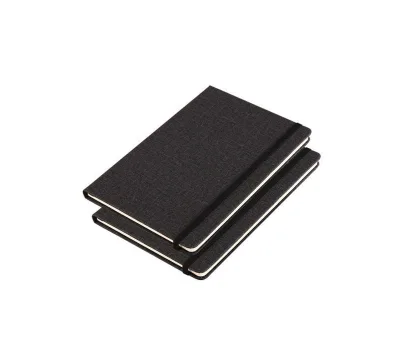
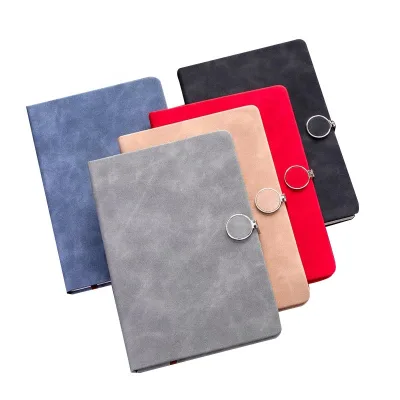
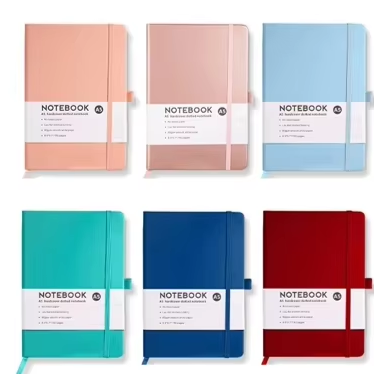
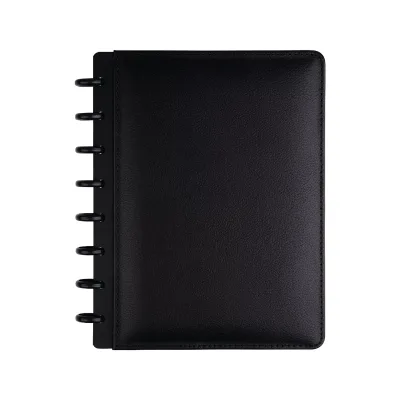


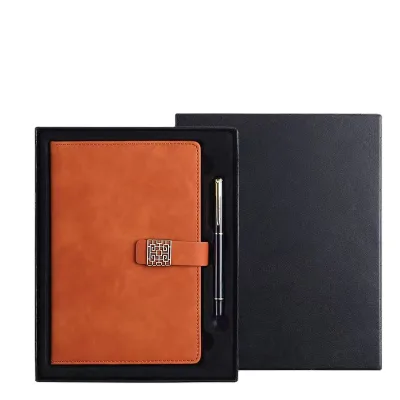
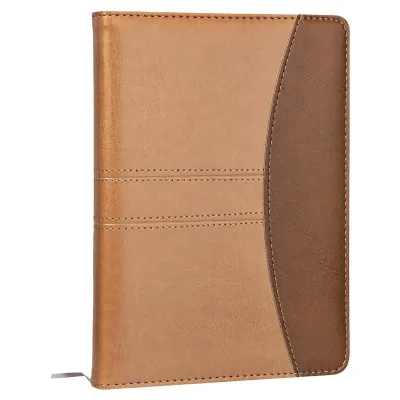


Comprehensive Sourcing Guide
Laser Engraved PU Leather Notebook Supplier Concentration and Factory Types
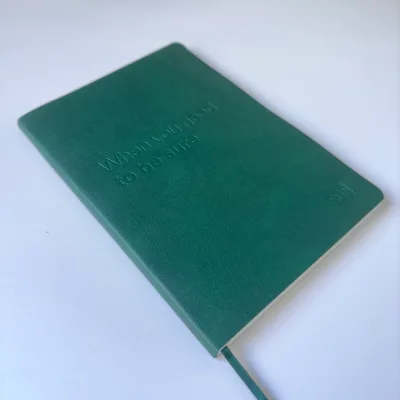
The current supplier landscape for laser engraved PU leather notebooks reveals a distinct geographic concentration in China, with specific manufacturing hubs identified in Guangdong and Fujian provinces. Suppliers located in Guangdong are predominantly classified as trading companies, which suggests a business model focused on sourcing and coordination rather than direct factory production. This structural distinction is critical for buyers to understand, as trading companies often act as intermediaries that aggregate products from various smaller workshops or factories. In contrast, suppliers based in Fujian appear to operate with a broader product portfolio, listing main products that include gift items, shoe accessories, garments, and machines alongside stationery. This diversification indicates that some manufacturers in Fujian may treat notebooks as part of a larger OEM service offering, potentially leveraging existing production lines for leather goods or packaging. The presence of these specific regional clusters allows buyers to narrow their search geographically, but it also necessitates careful verification of whether the listed entity is the actual manufacturer or a reseller. Understanding this factory type distinction helps in predicting communication styles, pricing structures, and the flexibility of the supply chain.
Beyond geographic location, the operational capabilities of these suppliers vary significantly in terms of customization and production scale. Many suppliers in the current results highlight capabilities such as ODM (Original Design Manufacturer) and own brand development, indicating a capacity for creative input and private labeling. The product evidence shows a strong emphasis on customization, with attributes like "Customized" size, logo, and surface finish being standard offerings. This suggests that the market is highly responsive to specific buyer requirements, whether for corporate gifts, promotional items, or specialized office supplies. However, the classification of some suppliers as trading companies implies that the actual production might be outsourced to third-party factories, which could introduce additional layers of complexity in quality control and lead time management. Buyers must therefore assess not just the supplier's stated capabilities but also the underlying production infrastructure. The focus on PU leather and offset printing techniques further defines the technical scope of these suppliers, ensuring that they possess the necessary machinery for high-volume, consistent printing and binding processes. This technical alignment is essential for maintaining the quality of laser engraving on leather surfaces, which requires precise material handling and finishing expertise.
How to Verify Laser Engraved PU Leather Notebook Suppliers
Verification is a critical step in ensuring the reliability of suppliers offering laser engraved PU leather notebooks, particularly given the mix of trading companies and potential manufacturers in the current results. Buyers should prioritize suppliers who have undergone third-party verification processes, as this provides an additional layer of trust regarding their business legitimacy and operational capacity. In the observed data, some suppliers display verification badges from recognized agencies such as SGS and BV. These verifications often involve on-site inspections that confirm the existence of the business, its physical location, and its claimed capabilities. For instance, a supplier verified by SGS or BV has likely had their facilities and processes audited, which can reduce the risk of dealing with fraudulent entities. However, buyers should not rely solely on the presence of a verification badge; they must also review the specific scope of the verification to ensure it covers the relevant product categories and production processes. This due diligence is especially important when dealing with trading companies, as the verification might only confirm the trading entity's existence rather than the actual factory's capabilities.
In addition to third-party verification, buyers should actively assess the supplier's responsiveness and communication efficiency, which are strong indicators of their operational maturity. The current results show varying response times, with some suppliers responding within a few hours, while others take significantly longer. A rapid response time, such as under four hours, often correlates with a dedicated sales team and efficient internal processes, which are crucial for handling custom orders and resolving issues quickly. Buyers should test the supplier's responsiveness by sending detailed inquiries about laser engraving specifications, material samples, and production timelines. The quality and speed of the reply can reveal much about the supplier's professionalism and attention to detail. Furthermore, buyers should request detailed product specifications and samples to verify the quality of the PU leather and the precision of the laser engraving. This hands-on verification helps ensure that the supplier can meet the specific aesthetic and functional requirements of the order. By combining third-party verification data with direct communication testing, buyers can build a more accurate profile of each supplier's reliability and suitability for their needs.
What to Compare Across Laser Engraved PU Leather Notebook Suppliers
When evaluating multiple suppliers for laser engraved PU leather notebooks, buyers must compare key operational metrics such as lead times, minimum order quantities (MOQs), and pricing structures to determine the best fit for their project. The current data reveals a wide range in lead times, with some suppliers offering production within 15 days, while others require up to 30 days. This variation can significantly impact inventory planning and delivery schedules, making it essential for buyers to align their order timing with the supplier's capacity. Similarly, MOQs vary considerably, with some suppliers accepting small quantities for testing or niche markets, while others require bulk orders of thousands of units. For example, certain suppliers list MOQs as low as 50 units, which is ideal for small businesses or promotional campaigns, whereas others may have higher thresholds. Buyers should also compare pricing, which ranges from approximately $0.98 to $6.50 per unit depending on the complexity of the design, material quality, and order volume. Understanding these cost drivers helps buyers budget accurately and negotiate better terms.
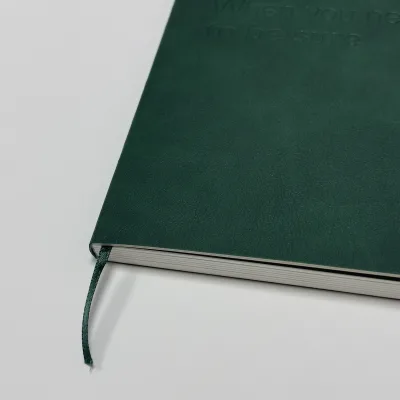
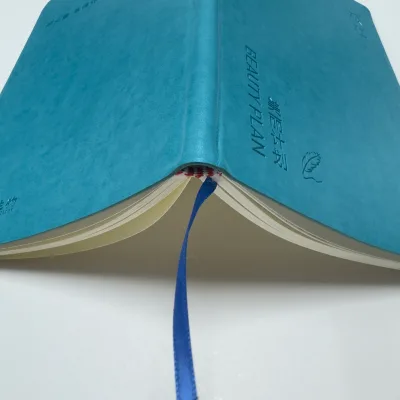
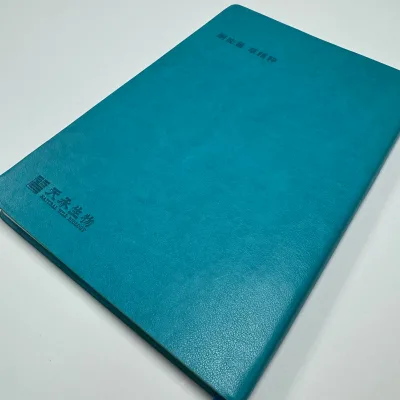
Beyond basic metrics, buyers should compare the specific customization options and product attributes offered by each supplier to ensure they meet their brand requirements. The product evidence shows that many suppliers offer offset printing, embossing, and custom logo placement, which are critical for creating unique and branded notebooks. Buyers should inquire about the available sizes, cover colors, and binding styles to ensure the final product aligns with their design vision. Additionally, the type of verification and certification held by the supplier can influence the decision, as some buyers may require specific quality standards or ethical manufacturing practices. For instance, suppliers with SGS or BV verification may be preferred for their demonstrated commitment to quality control. Buyers should also consider the supplier's main product focus, as those specializing in stationery may offer more expertise and variety in notebook designs compared to general trading companies. By systematically comparing these factors, buyers can identify suppliers that not only meet their logistical needs but also deliver the quality and customization required for their specific market segment.
Common Laser Engraved PU Leather Notebook Sourcing Risks
One of the primary risks in sourcing laser engraved PU leather notebooks is the potential discrepancy between the supplier's claimed capabilities and their actual production capacity, especially when dealing with trading companies. Since many suppliers in the current results are classified as trading companies, there is a risk that they may not have direct control over the manufacturing process, leading to potential delays or quality inconsistencies. Buyers must be cautious of suppliers who cannot provide clear information about their factory locations or production workflows. This lack of transparency can make it difficult to verify the quality of materials and the precision of the laser engraving process. Additionally, the reliance on third-party factories can introduce communication barriers and increase the complexity of resolving issues. To mitigate this risk, buyers should request detailed information about the supply chain, including the names and locations of the actual manufacturing facilities. This due diligence helps ensure that the supplier has a robust and reliable production network capable of meeting the buyer's requirements.
Another significant risk is the variability in product quality and customization accuracy, which can lead to customer dissatisfaction and financial losses. The laser engraving process requires precise control over depth, contrast, and alignment, and any deviation from the agreed specifications can result in defective products. Buyers should be aware that some suppliers may use lower-quality PU leather or substandard inks, which can affect the durability and appearance of the final product. Furthermore, the risk of intellectual property infringement is a concern, especially when dealing with custom designs and logos. Buyers must ensure that their designs are protected and that the supplier adheres to strict confidentiality agreements. To address these risks, buyers should request samples before placing large orders and conduct thorough quality inspections upon receipt. Establishing clear quality standards and inspection protocols in the contract can also help protect the buyer's interests. By proactively identifying and addressing these risks, buyers can minimize the potential for disruptions and ensure a successful sourcing experience.
Laser Engraved PU Leather Notebook Regional Sourcing and Logistics
Sourcing laser engraved PU leather notebooks from China offers significant advantages in terms of cost efficiency and manufacturing expertise, but it also presents logistical challenges that buyers must manage carefully. The current results indicate that suppliers are primarily located in Guangdong and Fujian provinces, which are well-established manufacturing hubs with extensive infrastructure for export. Guangdong, in particular, is known for its strong supply chain networks and proximity to major ports, facilitating efficient shipping to global markets. Buyers should consider the impact of these geographic locations on shipping times and costs, as suppliers in different provinces may have varying logistics capabilities. For instance, suppliers in Guangdong may benefit from faster access to international shipping routes, potentially reducing transit times. However, buyers must also account for customs clearance procedures and import regulations in their destination countries, which can add complexity and cost to the supply chain. Understanding these logistical factors helps buyers plan their inventory and delivery schedules more effectively.
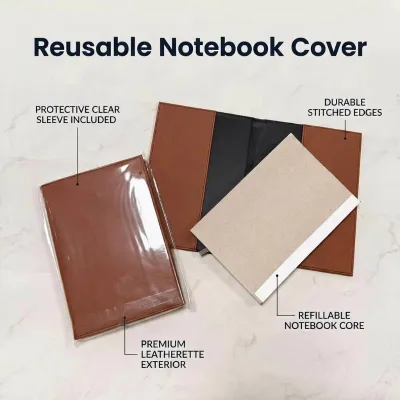
In addition to geographic considerations, buyers should evaluate the supplier's packaging and shipping practices to ensure the safe delivery of their orders. The product evidence shows that many suppliers use polybag packaging for individual notebooks, which is a common and cost-effective method for protecting products during transit. However, buyers should verify that the packaging is sufficient to prevent damage, especially for high-value or delicate items. Some suppliers may offer additional packaging options, such as cardboard boxes or pallets, which can provide extra protection for bulk orders. Buyers should also inquire about the supplier's experience with international shipping and their ability to handle documentation and compliance requirements. A supplier with a strong track record in export logistics can help streamline the shipping process and reduce the risk of delays or errors. By carefully assessing the logistical capabilities of their suppliers, buyers can ensure that their orders are delivered safely and on time, maintaining the integrity of their supply chain.
Laser Engraved PU Leather Notebook Commercial Terms and Order Planning
Effective order planning for laser engraved PU leather notebooks requires a thorough understanding of the commercial terms offered by suppliers, including payment methods, warranty policies, and after-sales support. The current data shows that suppliers have varying MOQs and lead times, which directly impact the financial planning and cash flow management of the buyer. Buyers should negotiate favorable payment terms, such as partial upfront payments and balance upon shipment, to mitigate financial risk. Additionally, it is crucial to clarify the warranty and return policies for defective products, as this can provide a safety net in case of quality issues. Some suppliers may offer escrow services, which can enhance transaction security by holding funds until the buyer confirms receipt and satisfaction with the goods. Understanding these commercial terms helps buyers establish a fair and transparent business relationship with their suppliers.
Furthermore, buyers should plan their orders strategically to optimize costs and minimize lead times, especially when dealing with custom designs and high-volume production. The variation in lead times, ranging from 15 to 30 days, suggests that buyers should place orders well in advance to avoid delays. Buyers should also consider the impact of seasonal demand and holidays on production schedules, as these factors can affect the supplier's capacity and availability. By maintaining open communication with suppliers and providing accurate forecasts, buyers can help ensure that their orders are prioritized and processed efficiently. Additionally, buyers should explore opportunities for volume discounts and long-term partnerships, which can lead to better pricing and more flexible terms. By carefully managing commercial terms and order planning, buyers can enhance their operational efficiency and achieve better value from their sourcing activities. This strategic approach helps build a
FAQs
What is the price range for custom PU leather notebooks?
Prices for custom PU leather notebooks typically range from $0.98 to $6.50 per unit. The final cost depends on the specific customization options, such as embossing, offset printing, and the quantity ordered. Suppliers often accept small quantities, which may affect the per-unit price.
What is the minimum order quantity for these notebooks?
Minimum order quantities vary significantly among suppliers. Some manufacturers accept small quantities, while others require a minimum of 50, 200, or even 10,000 units. Buyers should verify the specific MOQ with the supplier before placing an order to ensure it aligns with their procurement needs.
How long does production take for custom orders?
Production lead times generally range from 15 to 30 days. This duration depends on the complexity of the customization, such as embossing or specific printing types like offset printing. Buyers should confirm the exact timeline with the supplier to plan their inventory and delivery schedules effectively.
Can I customize the logo and cover design?
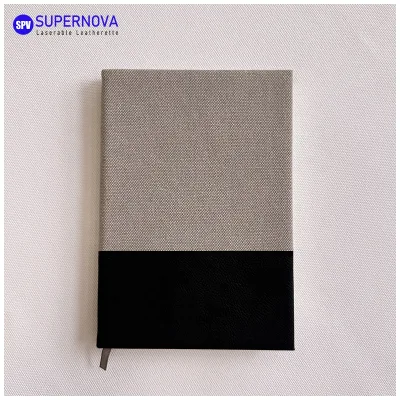
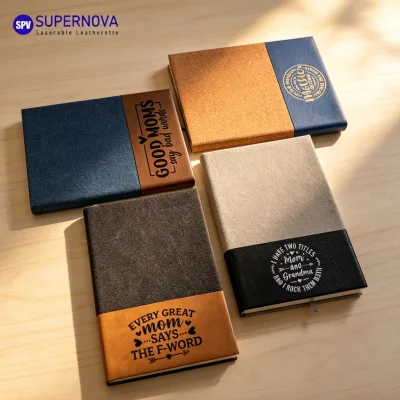
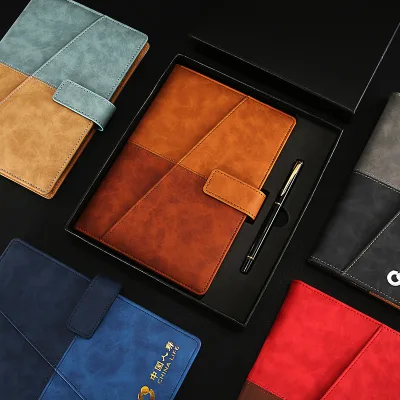
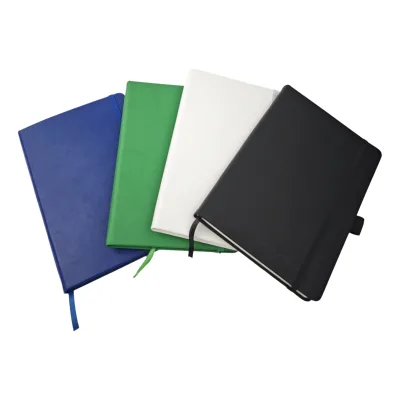
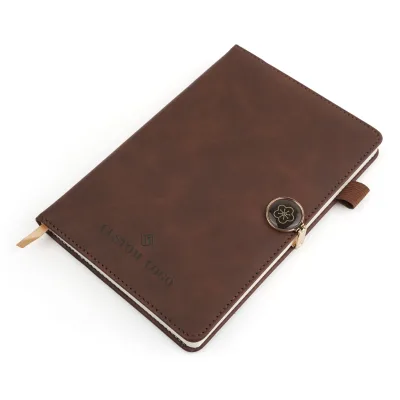
Yes, customization is widely available for PU leather notebooks. Buyers can request customized logos, slogans, and cover designs. Options include embossing, offset printing, and various cover colors like black, brown, or khaki. Suppliers typically offer OEM services to meet specific branding requirements.
Where are these notebooks manufactured?
These notebooks are primarily manufactured in China, specifically in the Guangdong and Fujian provinces. Guangdong suppliers often specialize in trading and offer ODM services, while Fujian suppliers may focus on different product lines. Buyers can verify the exact origin and supplier location during the sourcing process.
What certifications do the suppliers hold?
Supplier certifications vary, with some holding SGS or BV verification. System certifications may not be explicitly listed for all suppliers. Buyers should request specific certification documents directly from the supplier to ensure compliance with their quality and safety standards before finalizing any purchase agreements.