Vacuum Insulated Flask Suppliers and Manufacturers in China
Compare 30 verified suppliers offering Vacuum Insulated Flask products with varying lead times, MOQs, and certifications. Review response times and factory locations in Shanghai and Zhejiang to source stainless steel options with LFGB, FDA, or CE standards; review the available evidence before requesting comparable quotations from suitable candidates.
Updated
Suppliers List

Shanghai Touch Industrial Development Co., Ltd.
- Verified by TUVRHEINLAND
- Combined
- China Shanghai
- Lead time15 days
- Avg. response≤ 5h
Main productsInstant Hot Pack, Hot Cold Pack, Gel Eye Mask, Gel Ice Pack, Gel Bottle Cooler, Instant Ice Pack, Hand Warmer, Heat Pack, Cooling Scarf, Gel Beads
Main marketsSouth America,Others(foreignTradeCapacity.exportBusinessCapacityMarketOther),Southeast Asia/ Mideast,East Asia(Japan/ South Korea),Domestic,Europe,Australia,North America


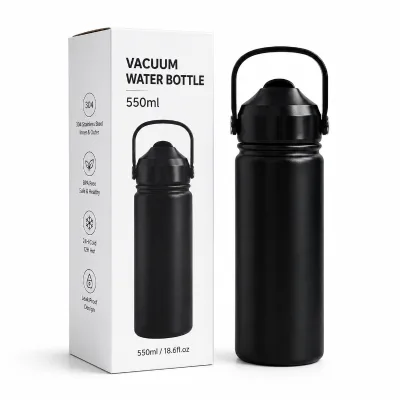
Stainless Steel Insulated Thermal Water Bottle Double Wall Vacuum Flask
$1.50 - $2.50
MOQ: 1000 Pieces

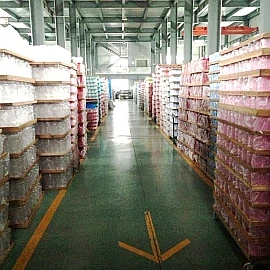
Taizhou Julin Industry And Trade Co., Ltd.
- Trading Company
- Zhejiang, China
- Lead time20 days
- Avg. response≤ 4h
Main productsWater Bottle,Lunch Box & Food Storage,Tumbler & Mug
Main marketsMid East(15.00%), South America(14.00%), Eastern Asia(10.00%), North America(8.00%), Western Europe(7.00%), Southern Europe(7.00%), Central America(7.00%), Domestic Market(7.00%), Eastern Europe(6.00%), Southeast Asia(5.00%), South Asia(5.00%), Northern Europe(4.00%), Oceania(3.00%), Africa(2.00%)
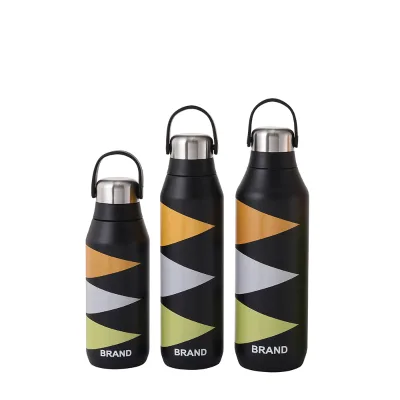
$3.26 - $3.29
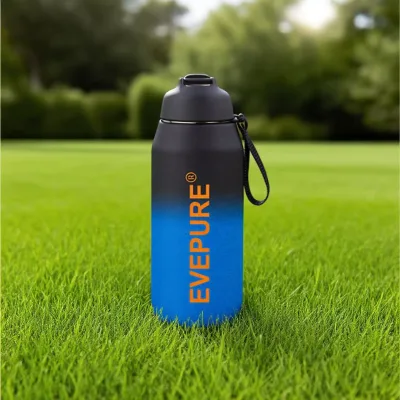
$3.26 - $3.29
MOQ: 1000 sets

Yongkang Heecn Stainless Steel Co., Ltd.
- Manufacturer/Factory
- China Zhejiang
- Lead time45 days
- Avg. response≤ 10h
Main productsMug, Cup, Flask, Bottle, Coffee Mug, Drink Bottle, Camping Mug, Advsing Mug, Gift Mug, Shot Glass
Main marketsSouth America,Eastern Europe,North America,Western Europe

Yongkang Senhe Hardware Products Co., Ltd.
- Verified by CTI
- Trading Company
- China Zhejiang
- Lead time23 days
- Avg. response≤ 8h
Main productsAuto Mug, Vacuum Flask, Plastic Mug, Water Bottle, Travel Mug, Coffee Cup, Sports Bottle, Coffee Pot, Advertise Mug, Coffee Mug
Main marketsSouth America,Africa,Southeast Asia/ Mideast,Europe

500ml Double Wall 304 Stainless Steel Vacuum Flask, Insulated Travel Flask
$2.30 - $3.50
MOQ: 3000 Pieces


Zhang Jia Gang Stone Mechanical Equipment Co., Ltd.
- Manufacturer/Factory
- China Jiangsu
- Lead time45 days
- Avg. response≤ 18h
Main productsPlastic Machinery, Blow Moulding Machine, Plastic Molding Machine, Plastic Mould, Beverage Filling Machine, Package Machine, Filling Line, Extrusion Line, Plastic Auxliary Equipment
Main marketsSouth America,Eastern Europe,Mid East,Southeast Asia,Eastern Asia,Oceania,Western Europe,Africa
- Trading Company
- Taiwan, China
- Lead time35 days
- Avg. response≤ 2h
Main productsbar accessories,living accessories,home accessories,wine accessories,seasonal items
Main marketsNorth America(35.00%), Western Europe(15.00%), Northern Europe(12.00%), Oceania(10.00%), Southern Europe(9.00%), Domestic Market(8.00%), Eastern Asia(6.00%), South America(5.00%)

Anhui Dream-China Technology Co., Ltd.
- Verified by SGS
- Combined
- China Anhui
- Lead time23 days
- Avg. response≤ 4h
Main productsUHF/VHF/Yagi/TV Antenna, LNB, MMDS Downconverter, Power Supply/Adapter, Cables, Diseqc Swithes/Spliter/Sat-Finder, Travel Mug, Fishing Net, Security Seal, SPD/Thermostat
Main marketsDomestic,Europe

Guangzhou Diller Daily Necessities Co., Ltd.
- Verified by CTI
- Trading Company
- China Guangdong
- Lead time60 days
- Avg. response≤ 6h
Main productsGlass Water Bottles, Plastic Water Bottles, Thermos Bottles, Baby Water Bottles, Kids Water Bottles
Main marketsSoutheast Asia/ Mideast,East Asia(Japan/ South Korea),Europe,North America


Double Wall Insulation Screen Printing None Color Box Vacuum Flasks Bottles
$3.22 - $4.41
MOQ: 50 Pieces


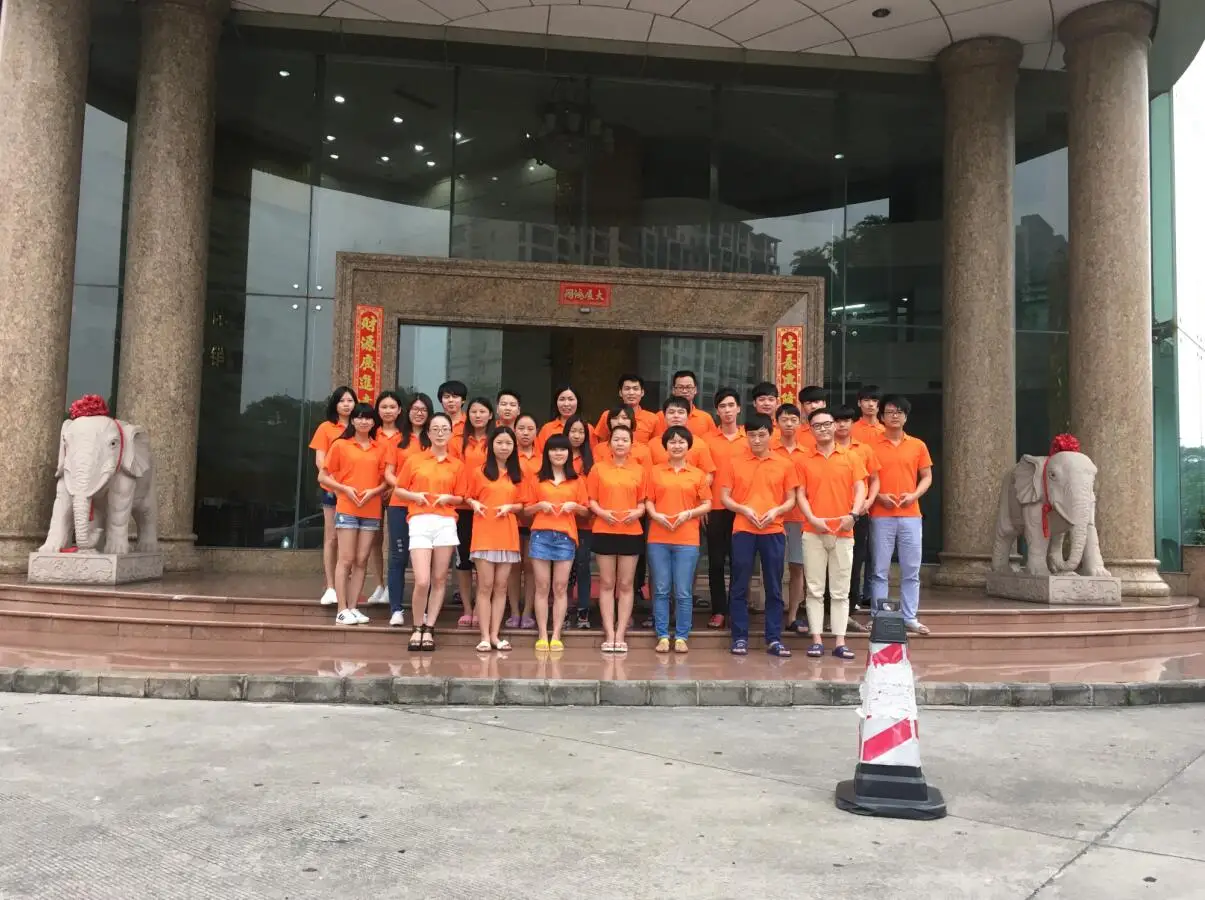
YIWU STAR PEAK COMMODITY CO.,LTD.
- Manufacturer, Trading Company
- Zhejiang, China
- Lead time20 days
- Avg. response≤ 7h
Main productsgift plastic spoon,gift tape measure keychains,gift water bottle,promotional gift,promotional gifts
Main marketsNorth America(18.00%), Eastern Europe(12.00%), Southern Europe(7.69%), Mid East(7.69%), Northern Europe(7.69%), Central America(7.69%), Western Europe(7.69%), South America(7.69%), Eastern Asia(5.00%), Oceania(5.00%), South Asia(5.00%), Southeast Asia(5.00%), Africa(3.86%)
Yongkang Rayko Industry & Trade Co., Ltd.
- Trading Company
- Zhejiang, China
- Lead time20 days
- Avg. response≤ 5h
Main productsMug; Bottle; Food Box
Main marketsNorth America(50.00%), South America(20.00%), Eastern Europe(15.00%), Western Europe(5.00%), Southeast Asia(5.00%), Northern Europe(2.00%), Mid East(2.00%), Africa(1.00%)

Wuyi Yuxin Outdoors Products Co., Ltd
- Trading Company
- China Zhejiang
- Lead time0 days
- Avg. response≤ 4h
Main productsStainless Steel Cup, Coffee Mug, Tumbler Cup, Sports Bottles, Travel Mug, Thermos, Water Flask, Beer Mug, Metal Bottles, Jug

- Verified by TUVRHEINLAND
- Trading Company
- China Beijing
- Lead time30 days
- Avg. response≤ 11h
Main productsWater Bottle, Tumbler, Vacuum Flask, Lunch Box/Food Jar, Travel Mug, Water Jug/Pot, Stainless Steel Cup, Thermo
Main marketsEurope

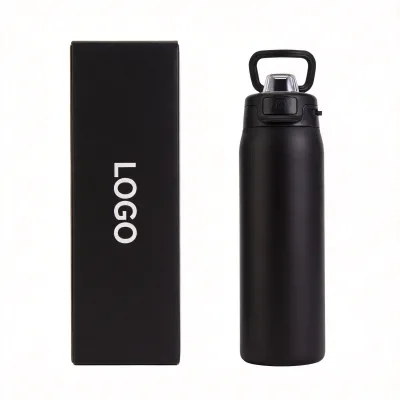
Customized Stainless Steel Vacuum Flask Water Bottle Insulated Sports Bottle
$3.87 - $5.43
MOQ: 100 Pieces

2023 New Insulated Water Bottle Sublimation Termos Hydro Flask Packaging Daydays Vacuum Flasks
$2.25 - $3.53
MOQ: 100 Pieces

Shanghai David International Trade Co., Ltd.
- Verified by TUVRHEINLAND
- Combined
- China Shanghai
- Lead time15 days
- Avg. response≤ 9h
Main productsPromotional Gifts, Gift Sets, Tshirts, Hats, Hot Packs, Hot Cold Packs, Ice Packs, Bags, Umbrellas, Water Bottles
Main marketsSouth America,Africa,Southeast Asia/ Mideast,East Asia(Japan/ South Korea),Domestic,Europe,Australia,North America


Custom Double Walls Stainless Steel Insulated Vacuum Flask 18oz 32oz 40oz
$3.00 - $3.20
MOQ: 1000 Pieces

Dongsun Homeware Products Industry and Trade Co., Ltd.
- Verified by SGS
- Trading Company,Manufacturer/Factory
- China Zhejiang
- Lead time15 days
- Avg. response≤ 3h
Main productsVacuum Flask, Sports Water Bottle, Thermos Bottle, Smart Trash Can, Stainless Steel Tumbler, Stainless Steel Cup, Stainless Steel Coffee Mug, Thermos Flask
Main marketsSouth America,Eastern Europe,Mid East,North America,Southeast Asia,Eastern Asia,Oceania,Western Europe,Africa

Hot Sale 304 Stainless Steel Vacuum Sports Water Bottle Insulated Thermal Flask
$1.93 - $2.69
MOQ: 3000 Pieces

350ml 420ml Wholesale 304 Stainless Steel Double Wall Vacuum Insulated Thermal Flask
$1.69 - $2.58
MOQ: 50 Pieces

1.2L Wholesale Stainless Steel Bottle Insulated Vacuum Flask with Large Capacity
$3.93 - $5.50
MOQ: 50 Pieces

12oz Portable Double Wall Stainless Steel Insulated Vacuum Flask with Various Lids
$2.64 - $3.70
MOQ: 50 Pieces

Jingfeng International Co., Ltd.
- Verified by SGS
- Trading Company,Manufacturer/Factory
- China Anhui
- Lead time15 days
- Avg. response≤ 2h
Main productsWater Bottle, Perfume Bottle, Cup, Thermos, Plastic Water Bottles, Sports Bottles, The Wine Bottle, Tumblers, Glass Bottles, Lunch Box
Main marketsSouth America,Eastern Europe,Mid East,North America,Southeast Asia,Eastern Asia,Oceania,Western Europe,Africa


600ml High Quality Double Walled Thermal Flask Stainless Steel Vacuum Insulated Sport Water Bottle
$2.53 - $2.97
MOQ: 200 Pieces

GUANGZHOU UME TECHNOLOGY CO., LTD.
- Verified by TUVRHEINLAND
- Trading Company
- China Guangdong
- Lead time30 days
- Avg. response≤ 7h
Main productsRice Cooker, Electric Kettle, Kettle, Cooker, Electric Rice Cooker, Air Cooker, Mixer
Main marketsOthers(foreignTradeCapacity.exportBusinessCapacityMarketOther)

Premium Double Wall Vacuum Insulated Stainless Steel Flask Long-Lasting Warmth Vacuum Bottle
$2.96 - $3.31
MOQ: 1000 Pieces

Superior Performance Eco Friendly Durable Thermal Flask Exceptional Insulation Vacuum Bottle
$1.79 - $1.98
MOQ: 1000 Pieces
Atrih Ningbo Import & Export Co., Ltd.
- Verified by SGS Group
- Trading Company
- Lead time30 days
- Avg. response≤ 2h
Main productsGifts & Promotion, Home and Garden Products, Personal Care and Household Cleaning Products, Package Printing Products
Main marketsNorth America(40%), South America(30%), Eastern Europe(5%)
Ningbo Joywards Commodity Co., Ltd.
- Trading Company
- Zhejiang, China
- Lead time15 days
- Avg. response≤ 5h
Main productsWater Bottle,Mug,Tumbler,Flask,Aluminum bottle
Main marketsNorth America(29.00%), Northern Europe(20.00%), Eastern Europe(19.00%), Western Europe(15.00%), Oceania(5.00%), South America(2.00%), Southeast Asia(2.00%), Central America(2.00%), Africa(1.00%), Mid East(1.00%), Eastern Asia(1.00%), Southern Europe(1.00%), South Asia(1.00%), Domestic Market(1.00%)
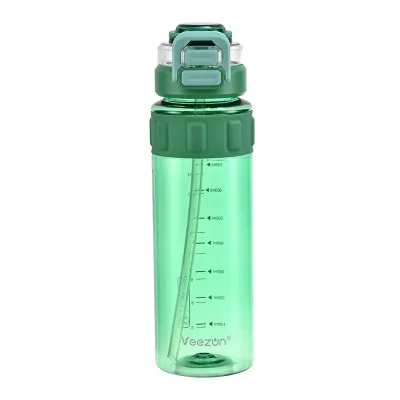
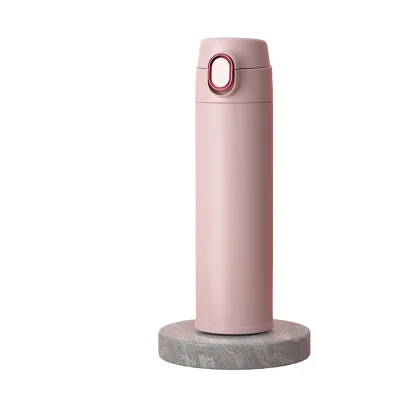
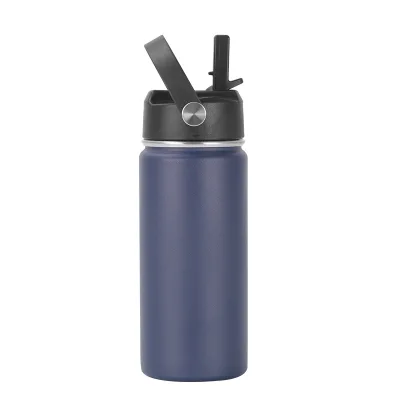
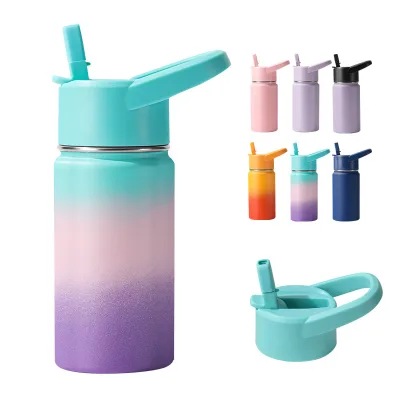
350ml Vacuum Insulated Double Wall Sports Bottle with Easy Carried Handle and Straw Gym Use
$2.69 - $3.69
MOQ: 2000 pieces
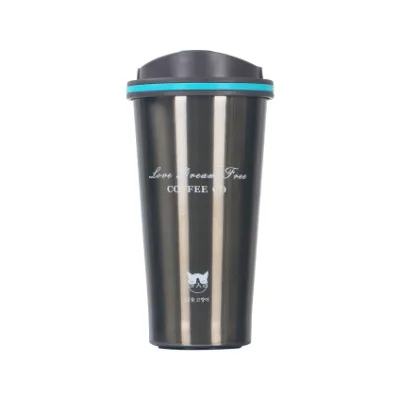
Vacuum Insulated Coffee Mug Stainless Steel High appearance level portable car
$2.2694
MOQ: 2000 Minimum
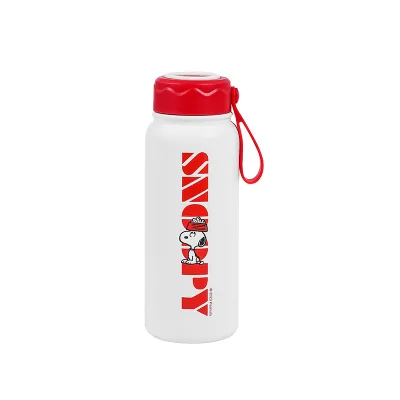

Zhejiang Qualflask Industry and Trade Co., Ltd.
- Verified by BV
- Combined
- China Zhejiang
- Lead time30 days
- Avg. response≤ 1h
Main productsTumbler, Vacuum Flask, Stainless Steel Lunch Box, Stainless Steel Water Bottle, Vacuum Water Bottle, Water Bottle, Mug, Insulated Water Bottle, Sport Water Bottle, Stainless Steel Jug
Main marketsDomestic


Vacuum Insulated Flask Small Mouth Cup Keep Cold Stainless Steel Water Bottle
$2.90 - $3.90
MOQ: 500 Pieces

Zhejiang Yunuo Industrial Co., Ltd.
- Verified by SGS
- Combined
- China Zhejiang
- Lead time30 days
- Avg. response≤ 25h
Main productsInsulated Container, Tumbler, Hydration, Food Container, Air Pressure Pot, Kettle
Main marketsSoutheast Asia/ Mideast,East Asia(Japan/ South Korea),Europe,Australia,North America

Zhejiang Daian Commodity Co., Ltd.
- Verified by TUVRHEINLAND
- Combined
- China Shanghai
- Lead time45 days
- Avg. response≤ 8h
Main productsTumbler, Water Bottle, Stainless Steel Water Bottle, Travel Mug, Coffee Mug, Stainless Steel Tumbler, Mug, Plastic Cup, Barware, Pet Bowl
Main marketsSouth America,East Asia(Japan/ South Korea),Australia,North America

Customized 12oz Stainless Steel Vacuum Flask Water Bottle Insulated Sports Water Bottle
$4.30 - $4.58
MOQ: 3000 pieces

Custom Logo Stainless Steel Insulated Vacuum Flasks with Wide Mouth Stainless Steel Sports Bottle
$2.30 - $2.87
MOQ: 1000 pieces

Customized Stainless Steel Vacuum Flask Water Bottle Insulated 32 Oz Wide Mouth Sports Bottle
$4.00 - $5.00
MOQ: 1000 pieces

32oz 20oz Stainless Steel Water Bottles Vacuum Insulated Water Bottle Thermal Flask
$4.00 - $5.00
MOQ: 1000 pieces


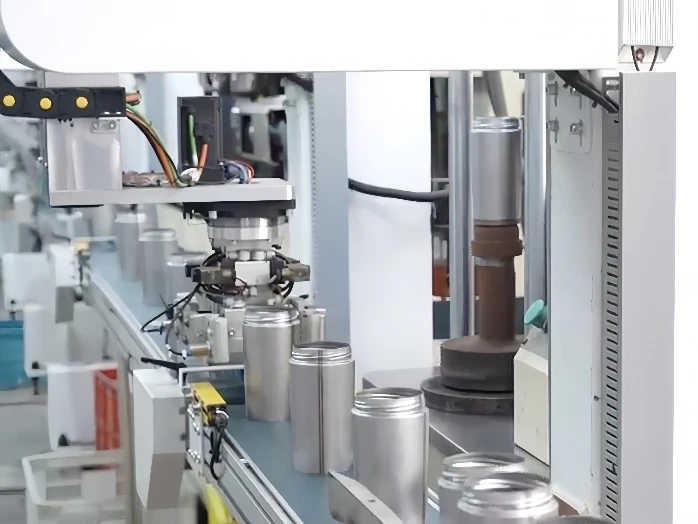
Hangzhou Macys Houseware Co., Ltd.
- Trading Company
- Zhejiang, China
- Lead time30 days
- Avg. response≤ 4h
Main productsThermal Bottle,Thermal Tumblers,Plastic Water Bottles,Protein shakers,Glass Drink Bottle
Main marketsNorth America(42.00%), Western Europe(20.00%), Oceania(20.00%), Northern Europe(5.00%), Mid East(5.00%), South America(5.00%), Eastern Europe(2.00%), Southern Europe(1.00%)

Wenzhou Cathylin International Trade Co., Ltd.
- Verified by TUVRHEINLAND
- Trading Company
- China Zhejiang
- Lead time15 days
- Avg. response≤ 5h
Main productsFlatware, Cutlery, Kitchen Tools, Tableware, Cookware, Bakeware, Drinkware
Main marketsNorth America
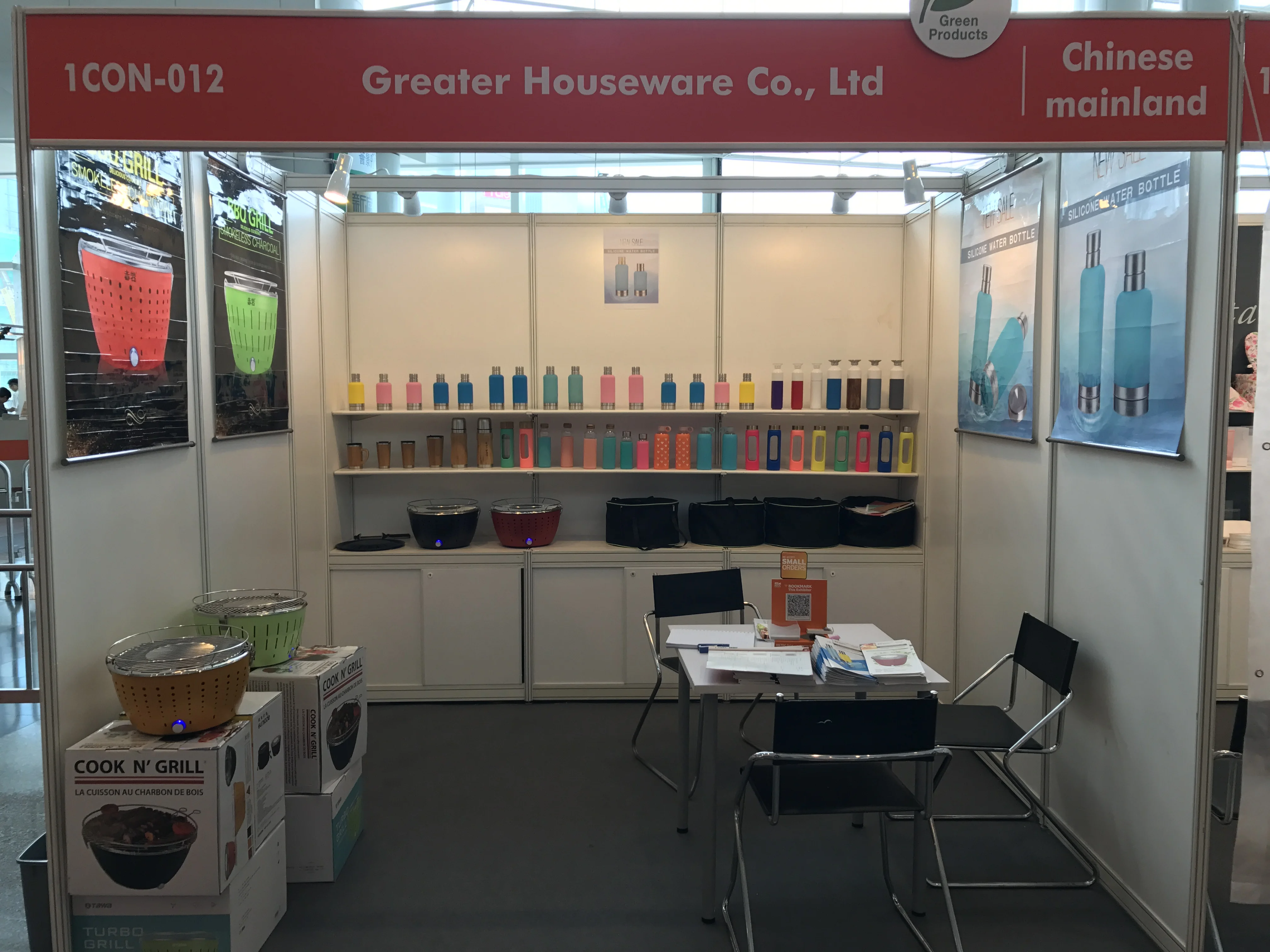
Yongkang Greater Houseware Co., Ltd.
- Trading Company
- Zhejiang, China
- Lead time30 days
- Avg. response≤ 4h
Main productsWater Bottle,Coffee Mug,Vacuum Flask,Pet Bottle,Tumbler
Main marketsEastern Europe(43.00%), Western Europe(13.00%), Oceania(12.00%), Eastern Asia(11.00%), Northern Europe(8.00%), Africa(5.00%), North America(3.00%), Southeast Asia(2.00%), Mid East(2.00%), South America(1.00%)

ZHOUKOU BEST KITCHENWARE CO., LTD.
- Verified by TUVRHEINLAND
- Trading Company
- China Henan
- Lead time15 days
- Avg. response≤ 10h
Main productsEnamelware, Enamel Mug, Enamel Casserole, Enamel Storage Bowl, Enamel Kettle, Enamel Basin, Round Tray, Cup, Enamel Pot, Enamel Plate
Main marketsAfrica,Europe


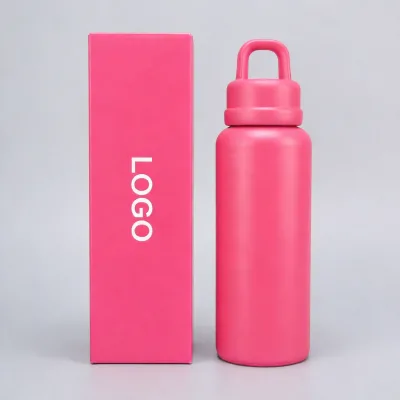
a Variety of Simple and Environmentally Friendly Vacuum Flasks in Different Colors Can Be Customized
$1.95 - $2.95
MOQ: 3000 Pieces

Portable, Simple and Environmentally Friendly Vacuum Flasks Can Be Customized
$1.95 - $2.95
MOQ: 3000 Pieces
Guangzhou Fayren Economic Development Co., Ltd.
- Manufacturer, Distributor/Wholesaler, Other
- Guangdong, China
- Lead time30 days
- Avg. response≤ 3h
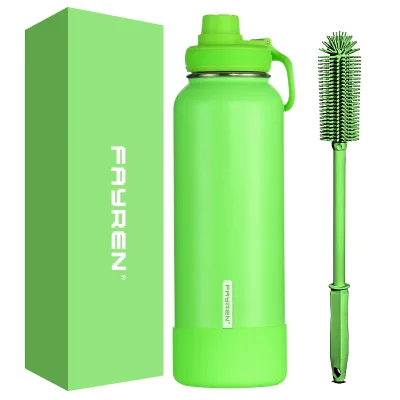
Main productsVacuum Flask,Water Bottle,Thermos Mug,Travel Mug,silicone bottle
Main marketsEastern Europe(27.00%), Southeast Asia(20.00%), North America(20.00%), South America(20.00%), Northern Europe(2.00%), Central America(2.00%), Western Europe(2.00%), Domestic Market(1.00%), South Asia(1.00%), Southern Europe(1.00%), Mid East(1.00%), Oceania(1.00%), Africa(1.00%), Eastern Asia(1.00%)
Everich Commerce Group Limited
- Verified by SGS Group
- Manufacturer, Trading Company
- Lead time25 days
- Avg. response≤ 7h
Main productsWater Bottles, Tumblers, Mugs, Lunch Boxes, Coolers & Jugs
Main marketsNorth America(53%), Eastern Asia(20%), Southeast Asia(15%)

- Verified by BV
- Trading Company
- China Zhejiang
- Lead time30 days
- Avg. response≤ 15h
Main marketsSouth America,Africa,Southeast Asia/ Mideast,East Asia(Japan/ South Korea),Europe,Australia,North America
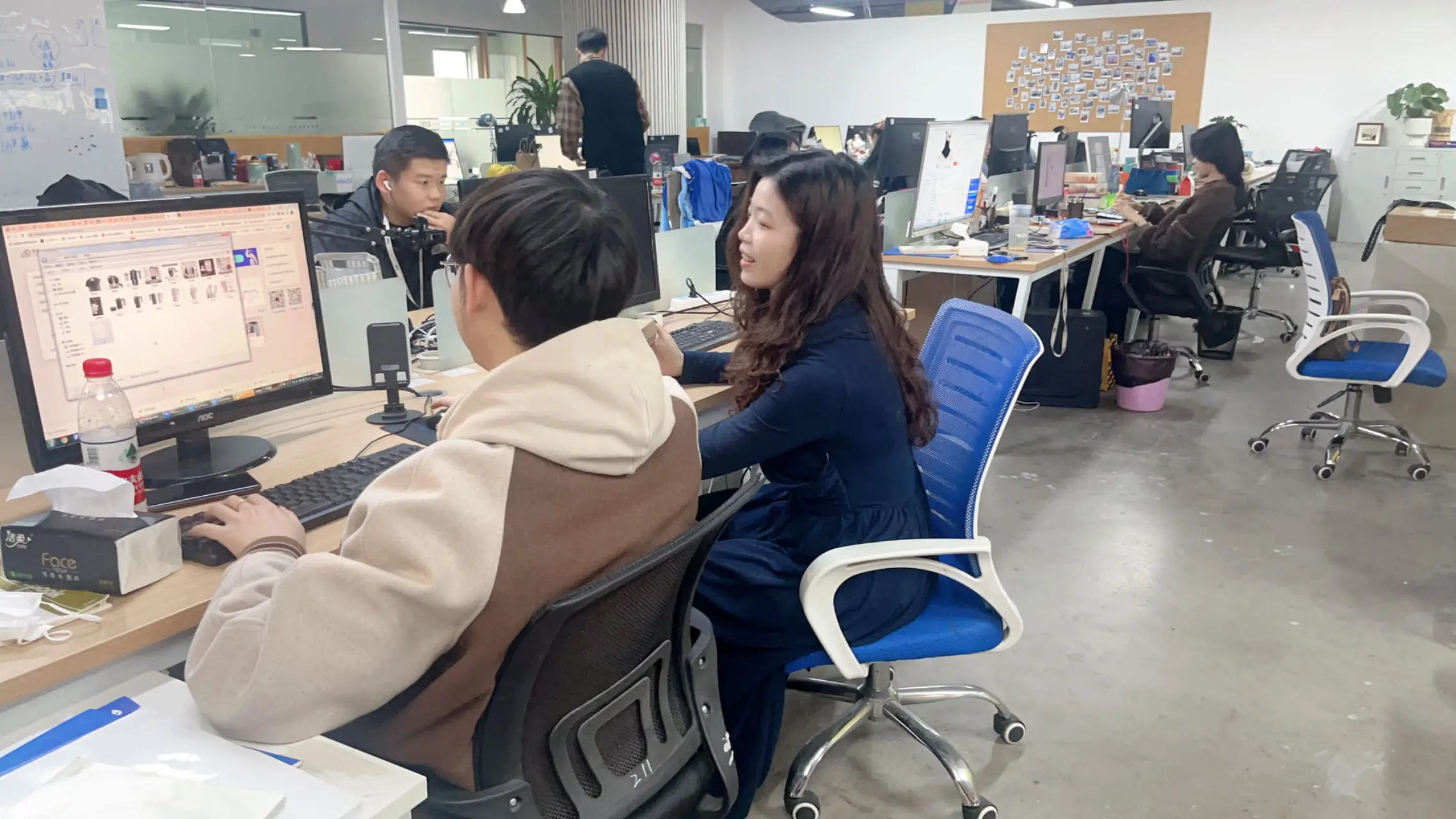
Chengdu Baifumei Import & Export Trading Ltd.
- Trading Company
- Sichuan, China
- Lead time15 days
- Avg. response≤ 1h
Main productsWater Bottles,Water Bottles,Tumblers,Mugs,Drinkware
Main marketsNorth America(70.00%), Mid East(10.00%), Western Europe(10.00%), Oceania(8.00%), Southeast Asia(2.00%)
Zhejiang Chengpeng Industry & Trade Co., Ltd.
- Verified by Intertek
- Manufacturer, Trading Company
- Lead time35 days
- Avg. response≤ 11h
Main productsSport Bottle, Water Bottle, Vacuum Tumbler, Travel Mug, Can Cooler
Main marketsNorth America(50%), Northern Europe(13%), Western Europe(11%)


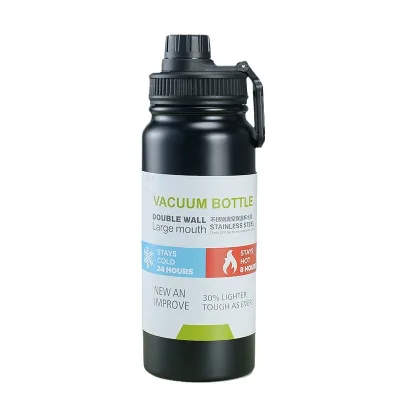
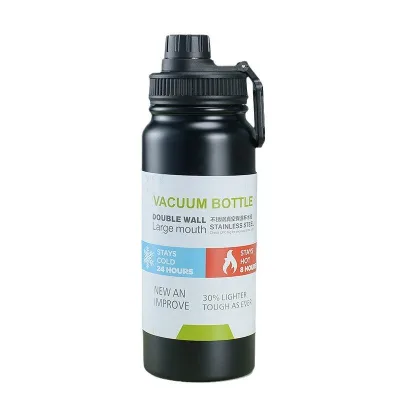
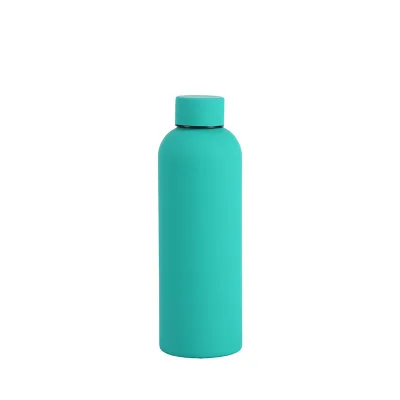
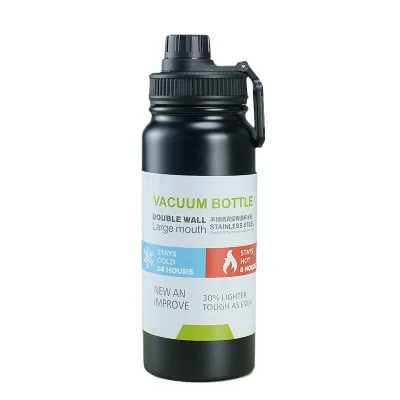
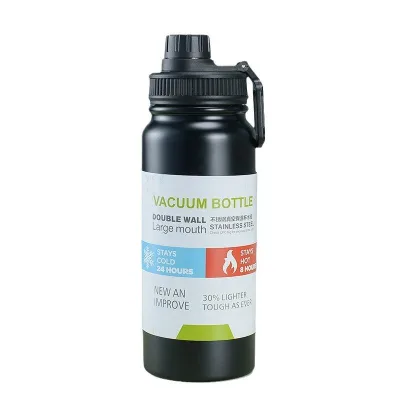
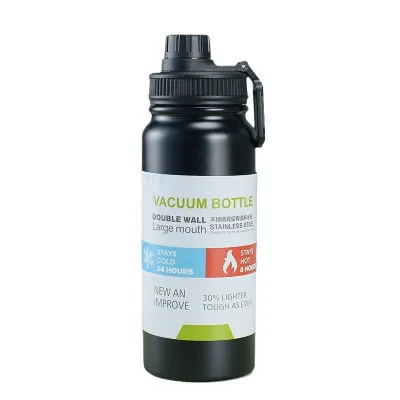


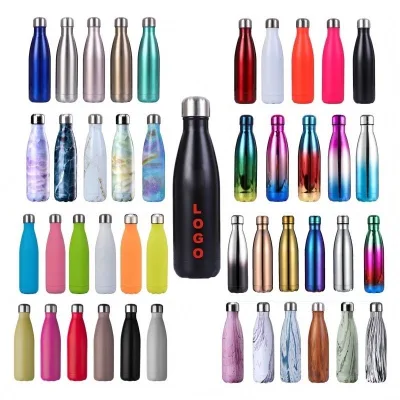
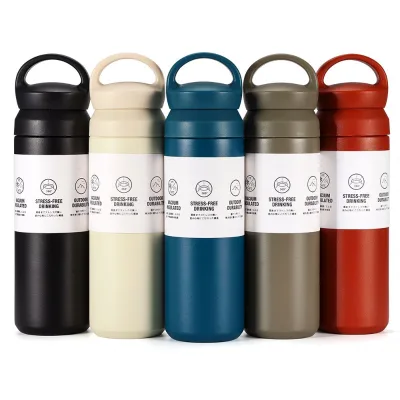
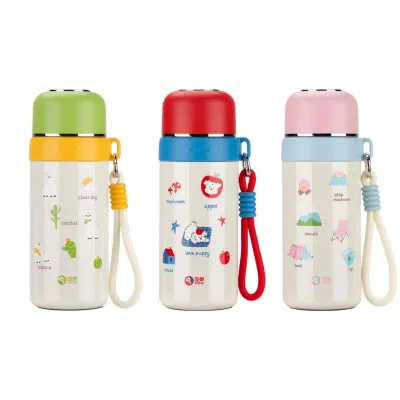




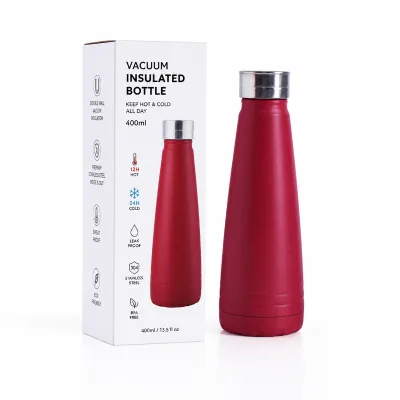
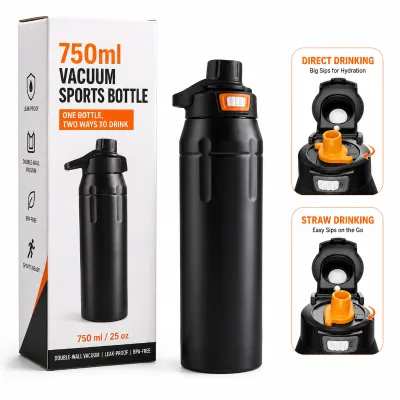
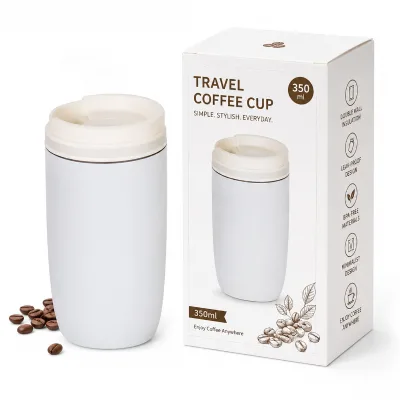




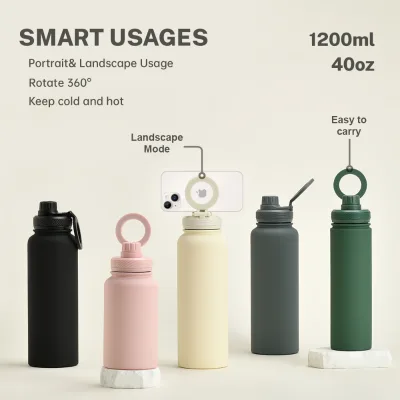
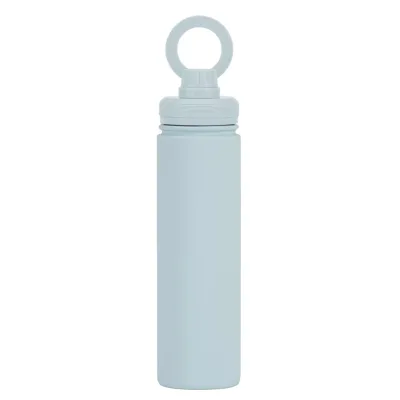
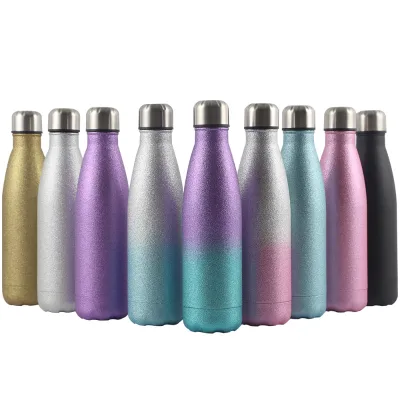
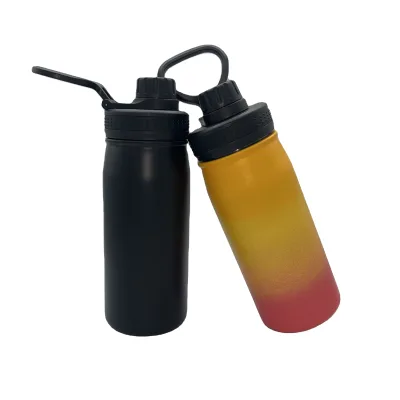
Comprehensive Sourcing Guide
Vacuum Insulated Flask Supplier Concentration and Factory Types
The current supplier landscape for vacuum insulated flasks reveals a distinct geographic and structural diversity that buyers must navigate carefully. Evidence indicates that manufacturing operations are concentrated in specific industrial hubs, with Shanghai and Zhejiang province in China emerging as key locations for production. These regions host a mix of combined manufacturing entities and dedicated trading companies, each offering different value propositions to international procurement teams. The presence of these varied company types suggests that buyers can access both direct factory pricing and the logistical flexibility provided by trading intermediaries. Understanding this concentration allows purchasers to tailor their search strategies based on whether they prioritize direct manufacturing relationships or streamlined supply chain management services.
Within these geographic clusters, the supplier base includes entities capable of handling both Original Design Manufacturing (ODM) and Original Equipment Manufacturing (OEM) requirements. This dual capability is particularly relevant for brands seeking customized vacuum insulated flasks with specific branding, materials, or functional features. The main products listed by these suppliers often extend beyond simple flasks to include related drinkware such as stainless steel tumblers, lunch boxes, and thermal mugs, indicating a broad production capacity. Buyers should recognize that while some suppliers focus exclusively on vacuum technology, others offer a wider range of drinkware solutions. This variety means that sourcing strategies must account for the specific product mix required, ensuring that the selected supplier has the necessary infrastructure to deliver consistent quality across all ordered items.
How to Verify Vacuum Insulated Flask Suppliers
Verification is a critical step in mitigating risk when sourcing vacuum insulated flasks from international manufacturers. Buyers should prioritize suppliers who have undergone third-party verification processes, such as those conducted by TÜV Rheinland, which provides an additional layer of confidence regarding the supplier’s operational legitimacy. This verification status serves as a preliminary filter, helping to distinguish established businesses from potentially unreliable entities. However, verification alone is not sufficient; buyers must also scrutinize the specific certifications associated with the products themselves. For instance, stainless steel drinkware often requires compliance with food safety standards such as FDA, LFGB, CE/EU, CIQ, and EEC. These certifications ensure that the materials used in the flasks, particularly the inner and outer stainless steel layers, are safe for consumer use and meet international regulatory requirements.
Beyond certifications, buyers should evaluate the supplier’s responsiveness and track record through available performance metrics. Response times, such as those averaging around 4.70 or 4.00 on a given scale, can indicate the efficiency of the supplier’s communication channels. A faster response time often correlates with better project management and quicker resolution of inquiries, which is vital during the sampling and negotiation phases. Additionally, buyers should request detailed information about the supplier’s production capabilities, including their ability to handle customizations like logo printing, color variations, and packaging designs. It is essential to confirm that the supplier can provide samples that match the final product specifications, as discrepancies between samples and bulk orders are a common source of dissatisfaction. Verifying these aspects ensures that the supplier is not only legitimate but also capable of meeting the specific quality and service expectations of the buyer.
What to Compare Across Vacuum Insulated Flask Suppliers
When evaluating multiple suppliers for vacuum insulated flasks, buyers must compare several key operational metrics to determine the best fit for their needs. Lead times are a crucial factor, with some suppliers offering production cycles of 15 days while others may require up to 20 days. These variations can significantly impact inventory planning and delivery schedules, especially for time-sensitive promotional campaigns or seasonal launches. Buyers should also pay close attention to Minimum Order Quantities (MOQs), which can range from 500 pieces to 1000 pieces or more. Lower MOQs may be advantageous for smaller businesses or initial test orders, while higher MOQs might offer better unit economics for large-scale procurement. Comparing these thresholds helps buyers align their order volumes with their financial and logistical capabilities.
Price ranges and customization options are another critical area for comparison. Product prices for vacuum insulated flasks can vary widely, with some items priced between $1.11 and $2.61 per unit, while others may cost between $3.26 and $3.80. These differences often reflect variations in material quality, such as the use of 304 versus 201 stainless steel, or differences in insulation performance, such as 12-24 hour thermal retention. Buyers should also assess the extent of customization available, including options for logo printing, color customization, and packaging design. Some suppliers offer free samples, while others may charge for them or require negotiation. By systematically comparing these factors, buyers can identify suppliers that offer the best balance of cost, quality, and service, ensuring that their sourcing decisions are data-driven and aligned with their business objectives.
Common Vacuum Insulated Flask Sourcing Risks
Sourcing vacuum insulated flasks involves several inherent risks that buyers must proactively manage to ensure successful procurement outcomes. One significant risk is the variability in product quality, particularly regarding the insulation performance and material durability. While some suppliers advertise thermal insulation capabilities of 12-24 hours, others may not provide such detailed specifications, leading to potential discrepancies between expected and actual performance. Buyers must verify these claims through rigorous sampling and testing processes to avoid receiving products that fail to meet their functional requirements. Additionally, the risk of non-compliance with international standards is a concern, especially if suppliers lack proper certifications like FDA or LFGB. Ensuring that all products meet the necessary safety and quality standards is essential to avoid regulatory issues and protect brand reputation.
Another common risk is the potential for delays in production and delivery, which can disrupt supply chains and impact customer satisfaction. Lead times can vary significantly between suppliers, and unexpected delays may occur due to material shortages, production bottlenecks, or logistical challenges. Buyers should establish clear communication channels and set realistic expectations regarding delivery schedules. Furthermore, the risk of poor customer service or unresponsive suppliers can hinder the resolution of issues that arise during the procurement process. Buyers should prioritize suppliers with proven track records of responsiveness and reliability, as indicated by their response times and verification status. By identifying and mitigating these risks through careful supplier selection and contract management, buyers can minimize disruptions and ensure a smoother sourcing experience for vacuum insulated flasks.
Vacuum Insulated Flask Regional Sourcing and Logistics
Regional sourcing plays a pivotal role in determining the efficiency and cost-effectiveness of procuring vacuum insulated flasks. The concentration of suppliers in Shanghai and Zhejiang province in China offers buyers access to well-established manufacturing clusters with robust supply chain infrastructure. These regions benefit from proximity to major ports and logistics hubs, facilitating smoother export processes and reducing transit times to international destinations. Buyers should consider the logistical advantages of sourcing from these areas, as they often provide more reliable shipping options and competitive freight rates. Additionally, the presence of both manufacturing and trading companies in these regions allows buyers to choose between direct factory engagements and the added services provided by trading intermediaries, such as consolidated shipping and quality control inspections.
Logistics planning must also account for the specific requirements of vacuum insulated flasks, which are often bulky and require careful handling to prevent damage. Buyers should work with suppliers who offer customized packaging solutions, such as inner boxes and cartons, to ensure that products are protected during transit. The choice of packaging can impact shipping costs and storage efficiency, so buyers should evaluate these factors in conjunction with their logistical needs. Furthermore, buyers should consider the impact of regional trade policies and tariffs on their overall sourcing costs. Understanding the regulatory environment in both the sourcing and destination countries can help buyers anticipate potential additional costs or compliance requirements. By integrating regional logistics considerations into their sourcing strategy, buyers can optimize their supply chain and enhance the overall efficiency of their Vacuum Insulated Flask procurement.
Vacuum Insulated Flask Commercial Terms and Order Planning
Commercial terms and order planning are essential components of a successful sourcing strategy for vacuum insulated flasks. Buyers must carefully negotiate payment terms, delivery schedules, and quality assurance protocols to protect their interests and ensure smooth transactions. Common commercial terms include the use of escrow services, which provide a secure payment mechanism that releases funds only upon confirmation of order fulfillment. This protects buyers from financial loss in the event of non-delivery or significant quality issues. Additionally, buyers should establish clear specifications for product customization, including logo placement, color codes, and packaging designs, to avoid misunderstandings during production. Detailed product specifications should be documented in the purchase order and confirmed by the supplier before production begins.
Order planning should also consider the lead times and production capacities of the selected suppliers. Buyers must align their order volumes with the supplier’s ability to meet deadlines, especially for large orders or time-sensitive projects. It is advisable to place orders well in advance to accommodate any potential delays or adjustments. Buyers should also plan for sample approval processes, which typically take 5-10 days after artwork receipt, to ensure that the final product meets their expectations before bulk production commences. Furthermore, buyers should consider the total cost of ownership, including shipping, duties, and potential returns, when evaluating supplier quotes. By developing a comprehensive order plan that accounts for these commercial and logistical factors, buyers can minimize risks and maximize the value of their sourcing investments in vacuum insulated flasks.
FAQs
What is the price range for vacuum insulated flasks?
Vacuum insulated flasks are available from $1.00 to $3.80 per unit. Prices vary based on material quality, capacity, and customization options. Buyers should expect different tiers depending on whether they require basic stainless steel models or premium double-wall vacuum designs with specific certifications.
What is the minimum order quantity for these products?
Minimum order quantities typically range from 500 to 1000 pieces. Some suppliers require 500 units for customized souvenir bottles, while others set the threshold at 1000 units for standard thermal water bottles. Buyers must confirm the specific MOQ with their chosen supplier before placing orders.
How long does production take for these flasks?
Production lead times generally span 15 to 20 days. Suppliers located in Shanghai often report a 15-day turnaround, while those in Zhejiang may require 20 days. Buyers should account for sample approval time, which usually takes an additional 5 to 10 days after artwork receipt.
What certifications are available for stainless steel bottles?
Common certifications include LFGB, FDA, CE/EU, CIQ, and EEC. These ensure the products meet international safety and quality standards for food contact. Buyers should verify specific certification requirements with suppliers to ensure compliance with their target market regulations before finalizing procurement agreements.
Can I customize the logo and packaging?
Yes, customization is available for logos and packaging. Options include laser printing, silk-screen printing, and thermal transfer printing. Packaging can be customized to white boxes or specific carton designs. Buyers should provide artwork files to suppliers to initiate the customization process for their branded products.
What is the thermal insulation performance of these bottles?
Thermal insulation performance typically lasts between 12 to 24 hours. Some advanced models claim to keep drinks cold for 48 hours and hot for 24 hours. The double-wall vacuum design effectively maintains temperature, making these flasks suitable for daily use, sports, and outdoor activities.