LFGB Food Grade Drink Dispenser Suppliers and Manufacturers
Source LFGB Food Grade Drink Dispenser from 34 verified suppliers in Jiangxi and Guangdong. Compare certifications like ISO 9001, lead times, and MOQs. Filter results to identify suitable manufacturers for your commercial needs; review the available evidence before requesting comparable quotations from suitable candidates.
Updated
Suppliers List
Jiangxi Eco Technology Industrial Co., Ltd.
- Verified by Intertek
- Manufacturer, Trading Company
- Jiangxi, China
- Lead time15 days
- Avg. response≤ 2h
Main productsGravity Bin, Bulk Bin, Fresh Products, OEM Plastic Bin
Main marketsDomestic Market(40%), Mid East(20%), Western Europe(15%)

Guangzhou Sunrry Kitchen Equipment Co., Ltd.
- Verified by CTI
- Trading Company,Manufacturer/Factory
- China Guangdong
- Lead time30 days
- Avg. response≤ 3h
Main productsCommercial Kitchen Solutions, Turnkey Kitchen Solutions, Catering Equipment, Restaurant Equipment, Commercial Refrigeration Equipment, Commercial Bakery Equipment, Commercial Cooking Equipment, Stainless Steel Equipment, Commercial Food Prep Equipment, Commercial Kitchen Equipment
Main marketsSouth America,Eastern Europe,Mid East,North America,Southeast Asia,Eastern Asia,Oceania,Western Europe,Africa

Guangzhou Nantian Sources Co., Ltd.
- Manufacturer/Factory
- China Guangdong
- Lead time15 days
- Avg. response≤ 6h
Main productsKitchen Equipment, Kitchenware, Food Machine, Kitchen Appliance, Glassware, Food Machinery, Bakery Equipment, Dinnerware, Kitchen Utensils, Food Processor
Main marketsSouth America,Mid East,Southeast Asia,Eastern Asia,Oceania,Africa

Eagle Catering Equipment Co., Ltd.
- Manufacturer/Factory
- China Guangdong
- Lead time30 days
- Avg. response≤ 12h
Main productsTrolleys, Gastronorm Containers, Table, Shelves, Sink, Barrier Post, Cookware, Buffetware, Barware, Kitchen Utensils
Main marketsSouth America,Eastern Europe,Mid East,North America,Southeast Asia,Eastern Asia,Oceania,Western Europe,Africa

- Trading Company,Manufacturer/Factory
- China Guangdong
- Lead time45 days
- Avg. response≤ 7h
Main productsStainless Steel Trolley, Mobile Trolley, Flatform Trolley, Bakery Trolley, Trash Bag Holder, Insulated Container, Stock Pot, Worktable, Kitchen Sink, Buffet
Main marketsSouth America,Eastern Europe,Mid East,North America,Southeast Asia,Eastern Asia,Oceania,Western Europe,Africa
Guangzhou Glead Kitchen Equipment Co., Ltd.
- Manufacturer, Trading Company
- Lead time旺季: "1 - 100":23,"> 100":"To be negotiated", 淡季: "1 - 100":23,"> 100":"To be negotiated"
- Avg. response≤ 9h
Main productsOne Stop Kitchen Solution,Cooking Equipment,Bakery Equipment,Fast Food Equipment,Refrigeration Equipment
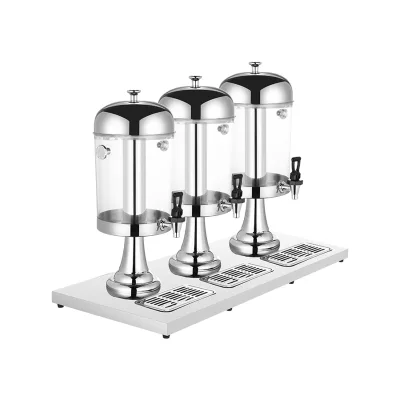
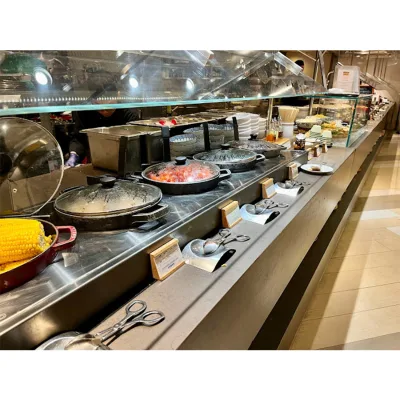
$559.00 - $2799.00
MOQ: 1 Minimum

WELLCOOLING INTELLIGENT TECHNOLOGY (JM) CO., LTD.
- Manufacturer
- China Guangdong
- Lead time23 days
- Avg. response≤ 13h
Main productsIce Cream Machine, Slush Machine, Popsicle Machine, Juice Dispenser, Ice Cream Cone Machine, Ice Making Machine, Water Vending Machine, Frozen Yogurt Machine, Food Mixer, Ice Cream Display Freezer
Main marketsSoutheast Asia/ Mideast,Europe,North America
Jiangxi Jinde Plastic Products Co., Ltd.
- Verified by TüVRheinland
- Manufacturer, Trading Company
- Lead time30 days
- Avg. response≤ 5h
Main productsIngredient Bin, Insulated Products, Shelvings, Food Pan, Base Rack
Main marketsNorth America(30%), Domestic Market(30%), Eastern Europe(12%)
Chaozhou Chaoan Yunfan Stainless Steel Product Co., Ltd.
- Trading Company
- Guangdong, China
- Lead time30 days
- Avg. response≤ 5h
Main productsStainless Steel Cookware Sets, Stainless Steel Stock Pot, Stainless Steel Lunch Box, Stainless Steel Chafing Dishes, Stainless Steel Tray
Main marketsMid East(36.00%), Eastern Asia(20.00%), Southeast Asia(20.00%), North America(15.00%), Africa(5.00%), South America(4.00%)
Henan VC Arts & Crafts Co., Ltd.
- Trading Company
- Henan, China
- Lead time60 days
- Avg. response≤ 16h
Main productsGlassware, Dinner Set, Wooden Product, Candle Light
Main marketsOceania(40.00%), Western Europe(20.00%), North America(15.00%), Southern Europe(15.00%), Eastern Asia(10.00%)
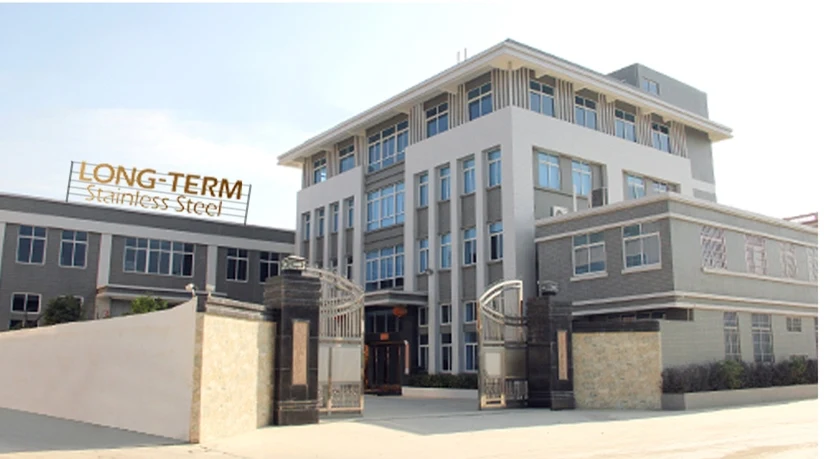
Chaozhou Chaoan Long-Term Stainless Steel Products Co., Ltd.
- Manufacturer, Trading Company
- Guangdong, China
- Lead time30 days
- Avg. response≤ 21h
Main productsStainless Steel Water Kettles, Coffee Pots, Milk Pots, Cookware
Main marketsMid East(60.00%), Mid East(60.00%), North America(20.00%), North America(20.00%), Eastern Europe(15.00%), Eastern Europe(15.00%), Oceania(3.00%), Oceania(3.00%), Southeast Asia(2.00%), Southeast Asia(2.00%), South Asia(0.00%), Eastern Asia(0.00%), South America(0.00%), Western Europe(0.00%), Southern Europe(0.00%), Central America(0.00%), Northern Europe(0.00%), Africa(0.00%), Domestic Market(0.00%), South Asia(0.00%), Eastern Asia(0.00%), South America(0.00%), Western Europe(0.00%), Southern Europe(0.00%), Central America(0.00%), Northern Europe(0.00%), Africa(0.00%), Domestic Market(0.00%)
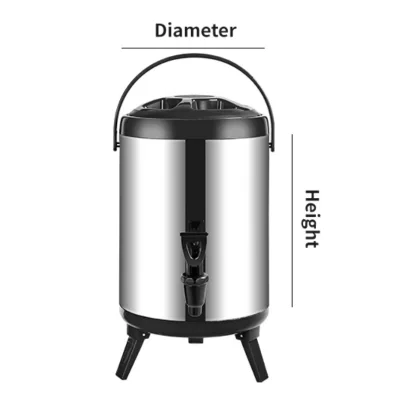
Restaurant Cold Juicer Dispenser Tower Drink Dispenser with Beer Tower Dispenser
$5.80 - $8.00
MOQ: 1 pieces
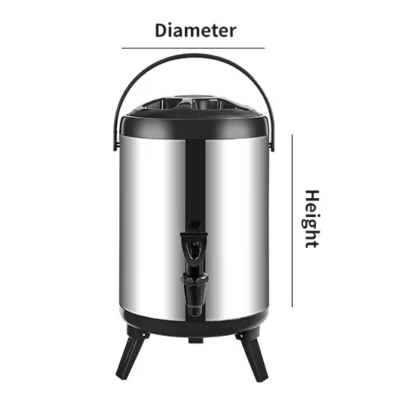
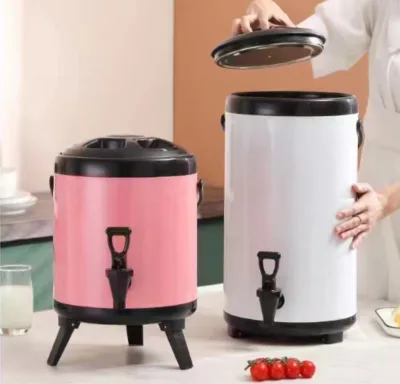
Restaurant Supplies Bottoms up Beer Dispenser for New Stainless Steel Drink Dispensers in Sale
$5.80 - $8.00
MOQ: 1 pieces

Chaozhou Chao'an Yusheng Hardware Products Co., Ltd
- Verified by SGS
- Manufacturer
- China Guangdong
- Lead time15 days
- Avg. response≤ 3h
Main productsStainless Steel Gn Pan, Stainless Steel Buffet Dish, Stainless Steel Chafing Dish, Stainless Steel Juice Dispenser, Stainless Steel Milk Can, Stainlese Steel Barral, PC Gn Pan, Stainless Steel Deep Tray, Stainless Steel Soup Kettle, Stainless Steel Food Warmer
Main marketsDomestic

PE Body Stainless Steel Milk Juice Dispenser 12L Coffee Dispenser China Beverage Dispenser
$23.50 - $26.00
MOQ: 20 Pieces

Stainless Steel Body Golden Color Stainless Steel Milk Juice Dispenser 13L Coffee Dispenser
$23.50 - $26.00
MOQ: 20 Pieces

$23.50 - $26.00
MOQ: 20 Pieces

Jiangsu Xinyuehai Commercial Kitchenware Co., Ltd
- Verified by SGS
- Combined
- China Jiangsu
- Lead time15 days
- Avg. response≤ 2h
Main productsCatering Equipment, Chinese Stove, Kitchen Equipment, Kitchen Appliance, Gas Stove, Ice Maker Machine, Stainless Steel Shelf, Kitchen Workbench, Refrigerator, Induction Cooker
Main marketsDomestic,Europe

Body Stainless Steel Juice Dispenser Coffee Dispenser China Beverage Dispenser
$61.00 - $71.00
MOQ: 1 Pieces

Transparency Stainless Steel Juice Dispenser Coffee Dispenser China Beverage Dispenser
$56.00 - $66.00
MOQ: 1 Pieces

Guangzhou Junjian Kitchen Appliances & Refrigeration Equipment Co., Ltd.
- Verified by BV
- Combined
- China Guangdong
- Lead time15 days
- Avg. response≤ 5h
Main productsKitchen Refrigerator, Commercial Freezer, Cake Showcase, Ice Maker, Ice Cream Machine, Salad Bar, Beverage Cooler, Working Table, Juice Dispenser, Stainless Steel Kitchen Equipment
Main marketsOthers(foreignTradeCapacity.exportBusinessCapacityMarketOther)

Hebei Xingchen Glass Technology Co., Ltd.
- Verified by CTI
- Combined
- China Hebei
- Lead time30 days
- Avg. response≤ 9h
Main productsGlass Cup, French Press, Coffee Pot, Glass Jar, Teapot, Syphon Coffee Maker, Glass Cooking Pot, Glass Pitcher, Glass Straw, Glass Teacup
Main marketsSouth America,Africa,Others(foreignTradeCapacity.exportBusinessCapacityMarketOther),Southeast Asia/ Mideast,East Asia(Japan/ South Korea),Europe,Australia,North America

Factory Direct Stainless Steel Glass Restaurant Juice Dispenser Cold Drink Dispenser
$12.50 - $15.50
MOQ: 200 Pieces

Hot Sales Food Grade High Borosilicate Glass Drink Dispenser Beverage Dispenser with Tap
$10.42 - $13.19
MOQ: 4 Pieces
Shenzhen Diduo Arts & Crafts Co., Ltd.
- Verified by SGS Group
- Trading Company
- Lead time20 days
- Avg. response≤ 3h
Main productsAcrylic Box, , Acrylic Bencher, , Acrylic Washing Cups
Main marketsNorth America(80%), Western Europe(10%), South America(5%)
Guangzhou Hadi Catering Ware Co., Ltd.
- Trading Company
- Guangdong, China
- Lead time15 days
- Avg. response≤ 1h
Main productsChafing Dish, Food Display Stand, Food Lamp, Wood Display Stand, Juice Dispenser
Main marketsMid East(60.00%), North America(20.00%), Western Europe(7.00%), Northern Europe(7.00%), Southeast Asia(6.00%)

Guangzhou Foodsense Catering Equipment Co., Ltd.
- Trading Company,Manufacturer/Factory
- China Guangdong
- Lead time23 days
- Avg. response≤ 6h
Main productsWestern Kitchen Equipment, Food Processing Machine, Bakery Equipment, Refrigeration Equipment, Bar Beverage Equipment, Stainless Steel Series
Main marketsSouth America,Eastern Europe,Mid East,North America,Southeast Asia,Eastern Asia,Oceania,Western Europe,Africa


Electric Refrigerated Beverage Dispenser Juice Dispenser with High Quality
$280.00 - $294.00
MOQ: 1 Pieces
Jiangsu Brother Glass Products Co., Ltd.
- Manufacturer, Trading Company
- Jiangsu, China
- Lead time30 days
- Avg. response≤ 1h
Main productsglass jar,glass bottle,custom glass,glass vase,masson jar
Main marketsNorth America(30.00%), Eastern Europe(25.00%), Northern Europe(15.00%), Africa(15.00%), Southern Europe(10.00%), South Asia(5.00%)

- Verified by TUVRHEINLAND
- Trading Company,Manufacturer/Factory
- China Guangdong
- Lead time45 days
- Avg. response≤ 4h
Main productsStainless Steel Cookware, Stainless Steel Untensil, Stainless Steel Kitchenware, Stainless Steel Colander Bowl, Stainless Steel G. N Pan, Stainless Steel Pressure Cooker, Stainless Steel Buckets, Stainless Steel Dishes Rack, Stainless Steel Chafing Dishes, Stainless Steel Fittings
Main marketsSouth America,Eastern Europe,Mid East,North America,Southeast Asia,Eastern Asia,Oceania,Western Europe,Africa


3L/6L Cylindrical Stainless Steel Juice Dispenser Single Head Beverage Dispenser
$38.61 - $42.82
MOQ: 100 Sets


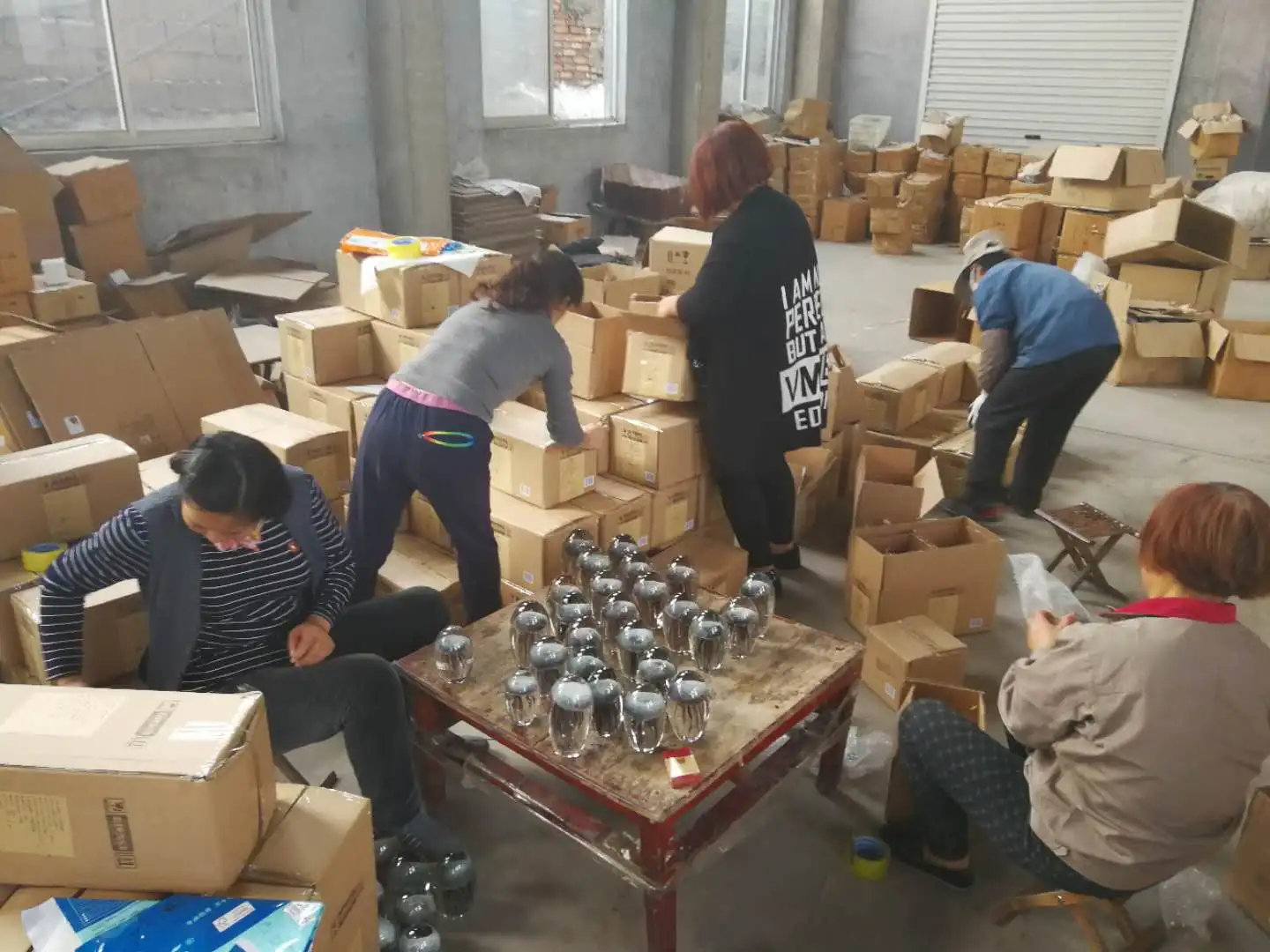
Shandong Boshan Jingyuan Glass Handicraft Co., Ltd.
- Manufacturer, Trading Company
- Shandong, China
- Lead time10 days
- Avg. response≤ 4h
Main productsGLASS HANDICRAFT,GLASS ANIMAL,GLASS VASE,GLASS HANDLE,GLASS BLOCKS
Main marketsNorth America(45.00%), Eastern Europe(20.00%), Domestic Market(5.00%), Southern Europe(5.00%), Northern Europe(5.00%), Western Europe(5.00%), Eastern Asia(5.00%), Mid East(5.00%), Oceania(5.00%)
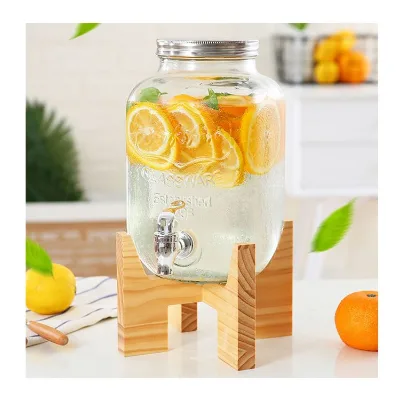
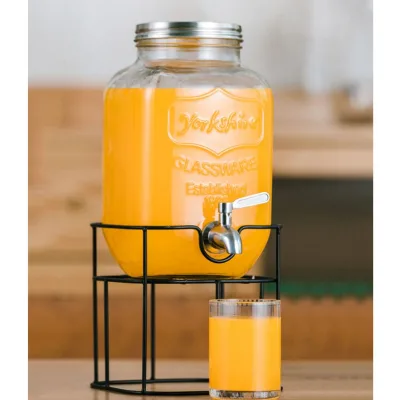
$3.29 - $3.59
MOQ: 600 pieces
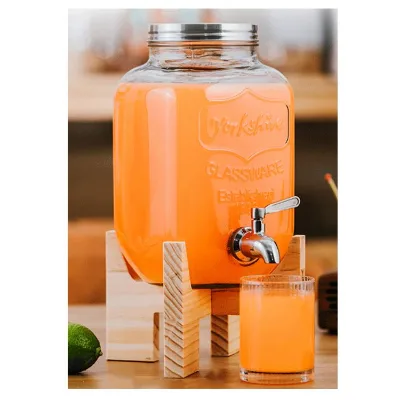
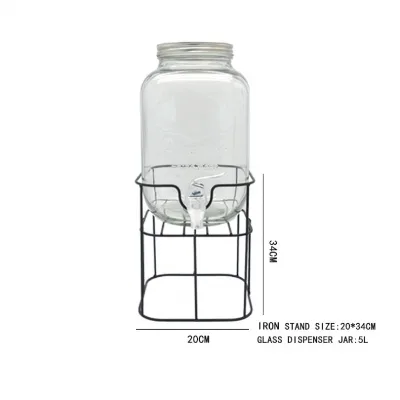
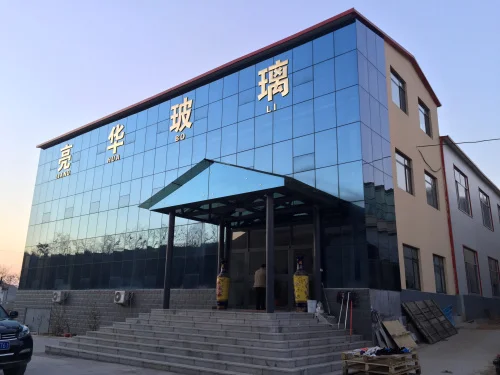
Zibo Lianghua Glass Products Co., Ltd.
- Manufacturer, Trading Company
- Shandong, China
- Lead time30 days
- Avg. response≤ 6h
Main productsGlass Jar,glass bee catcher,Glass vase,Glass Bottle,Candle
Main marketsEastern Asia(27.00%), Eastern Europe(24.00%), North America(22.00%), Domestic Market(6.00%), South America(5.00%), Southern Europe(4.00%), Southeast Asia(3.00%), Western Europe(3.00%), Africa(1.00%), South Asia(1.00%), Oceania(1.00%), Northern Europe(1.00%), Central America(1.00%), Mid East(1.00%)
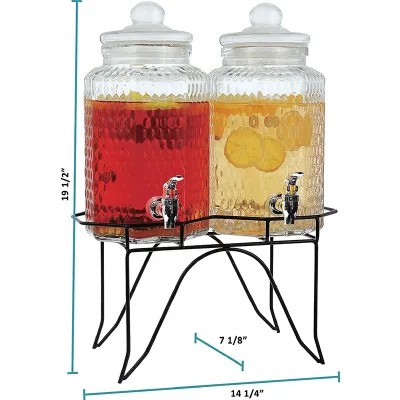
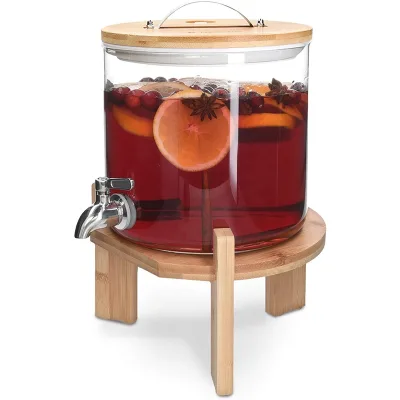
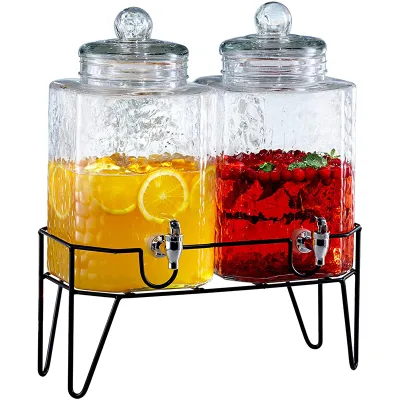
$8.979 - $11.3384
MOQ: 1000 pieces
Shaanxi Ruitai Commercial Kitchen Technology Co., Ltd.
- Verified by TüVRheinland
- Trading Company
- Lead time7 days
- Avg. response≤ 2h
Main productsOne Stop Kitchen Solution, Commercial Kitchen Equipment, Cooking Equipment, Refrigeration Equipment, Bakery Equipment
Main marketsSoutheast Asia(30%), Central America(30%), North America(20%)

HANGZHOU VENDING ROBOT MANUFACTURING CO., LTD.
- Verified by TUVRHEINLAND
- Combined
- China Zhejiang
- Lead time15 days
- Avg. response≤ 4h
Main productsCoffee Vending Machine, Snack Vending Machine, Orange Juice Vending Machine, Drink Vending Machine, Ice Cream Machine, Tea Vending Machine, Toy Vending Machine
Main marketsSouth America
Guangzhou Garbo International Trading Co., Ltd.
- Trading Company
- Lead time旺季: "1 - 50000":35,"> 50000":"To be negotiated", 淡季: "1 - 50000":35,"> 50000":"To be negotiated"
- Avg. response≤ 4h
Main productsGlassware, Opal Glassware, High Borosilicate Glassware, Stainless Steel Flatware, Kitchenware
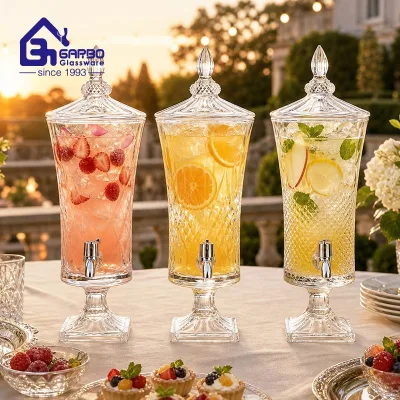
Wholesaler Cheap Price Beverage Dispenser for Home China Supplier Juice Designs
$5.28 - $5.30
MOQ: 2000
Guangdong Winners Stainless Steel Industry Co., Ltd.
- Verified by Intertek
- Manufacturer, Trading Company
- Lead time30 days
- Avg. response≤ 10h
Main productsInsulation Barrel, Electric Boiler, Chafing Dish, Soup Warmer, Juice Dispenser
Main marketsDomestic Market(75%), Eastern Asia(8%), Eastern Europe(6%)

Heavybao Commercial Kitchenware Co., Ltd.
- Verified by SGS
- Combined
- China Guangdong
- Lead time30 days
- Avg. response≤ 3h
Main productsRestaurant Equipment / Catering Equipment, Kitchen Equipment / Fast Food Equipment, Cooking Equipment / Bakery Equipment, Coffee Urn / Coffee Maker / Coffee Percolator, Electric Grill / Deep Fryer / Electric Fryer, Gn Pan/Toaster / Salamander / Waffle Maker, Dog Wash / Dog Cage / Pet Bathtub / Pet Dryer, Workbench / Working Table / Folding Table, Trolley Cart / Trolley / Service Trolley / Cart, Buffet Chafing Dish / Food Warmer / Chafing Dish
Main marketsSouth America,Europe,North America

Cixi Zhuoyue Electric Appliance Co., Ltd.
- Combined
- China Zhejiang
- Lead time30 days
- Avg. response≤ 12h
Main productsWater Cooler, Chest Freezer
Main marketsSouth America,Africa,Southeast Asia/ Mideast,East Asia(Japan/ South Korea),Domestic,Europe

Ningbo Aofukang Intelligent Technology Co., Ltd
- Verified by SGS
- Combined
- China Zhejiang
- Lead time30 days
- Avg. response≤ 8h
Main productsWater Dispenser, RO System, Water Purifier, Tea Bar Machine
Main marketsSouth America,Africa,Others(foreignTradeCapacity.exportBusinessCapacityMarketOther),Southeast Asia/ Mideast,Europe
Foshan Shunde Maoduoyu Trading Co., Ltd.
- Manufacturer, Trading Company, Distributor/Wholesaler
- Guangdong, China
- Lead time0 days
- Avg. response≤ 1h
Main productsIndustrial machinery,Commercial machinery,Packaging machinery,Filling machinery,Food machinery
Main marketsNorth America(50.00%), Southeast Asia(10.00%), Mid East(10.00%), Central America(10.00%), Domestic Market(5.00%), Western Europe(5.00%), Northern Europe(3.00%), South Asia(2.00%), Oceania(1.00%), Eastern Asia(1.00%), Eastern Europe(1.00%), South America(1.00%), Africa(1.00%)

- Verified by BV
- Combined
- China Guangdong
- Lead time15 days
- Avg. response≤ 4h
Main productsHood Type Dishwasher, Conveyor Type Dishwasher, Ultrasonic Dishwasher, Undercounter Dishwasher, Bakery Equipment, Food Processor
Main marketsSouth America,Africa,Others(foreignTradeCapacity.exportBusinessCapacityMarketOther),North America

ZHEJIANG GRANT REFRIGERATION EQUIPMENT MANUFACTURING CO., LTD.
- Verified by TUVRHEINLAND
- Manufacturer
- China Zhejiang
- Lead time30 days
- Avg. response≤ 3h
Main productsIce Machine, Flake Ice Machine, Granular Ice Machine, Cube Ice Machine, Flake Ice Making System, Flake Ice Generator
Xiamen Homex Houseware Co., Ltd.
- Verified by TüVRheinland
- Manufacturer, Trading Company
- Lead time60 days
- Avg. response≤ 5h
Main productsBamboo & Wood Bathroom Items, Bamboo & Wood Housewares, Bamboo & Wood Kitchenware, Bamboo & Wood Home Furniture, Bamboo & Wood Drawer Organizer
Main marketsNorth America(80%), Western Europe(20%)

Guangzhou Future Smart Manufacturing Co., Ltd.
- Verified by BV
- Manufacturer
- China Guangdong
- Lead time15 days
- Avg. response≤ 3h
Main productsAutomatic Vending Machine, Vending Machine, Snack Vending Machine, Commercial Popcorn Machine, Cotton Candy Vending Machine, Popcorn Vending Machine, Coffee Vending Machine, Self Vending Machine, Food Vending Machine, Helmet Cleaning Machine

Smart Automatic Drink Dispenser with Customizable Settings for Coffee
$5288.00 - $5888.00
MOQ: 1 Pieces

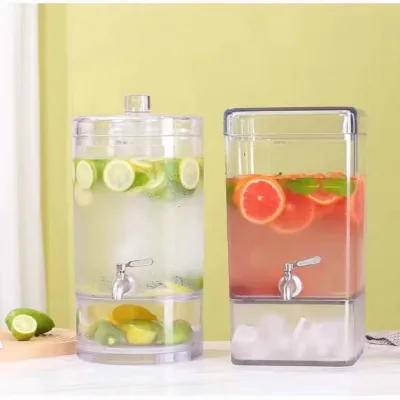
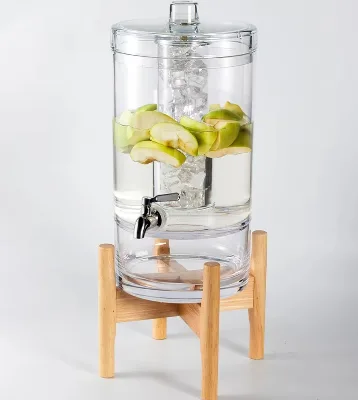
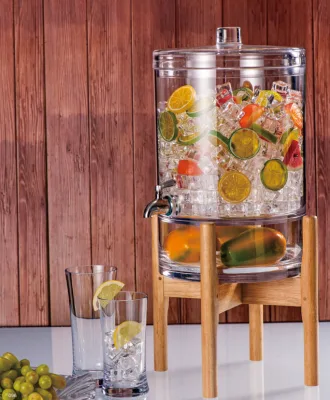


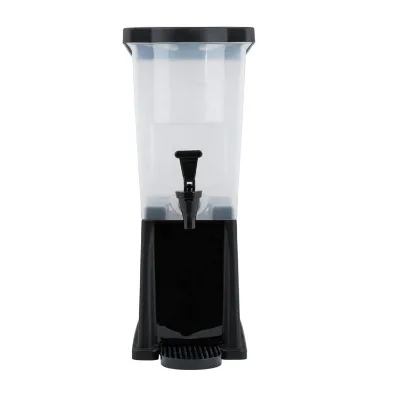
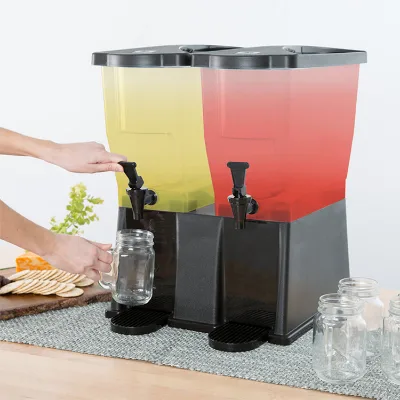
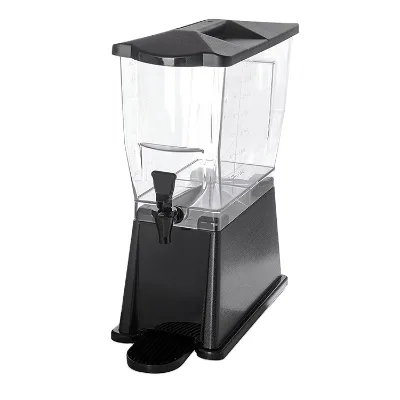
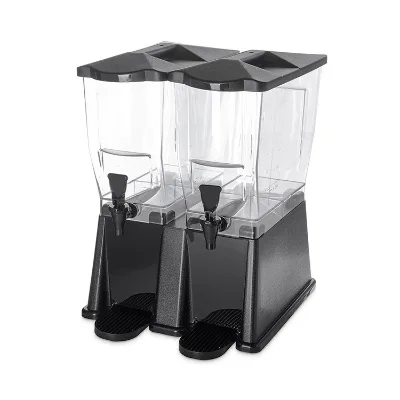








Comprehensive Sourcing Guide
LFGB Food Grade Drink Dispenser Supplier Concentration and Factory Types
The current supplier landscape for LFGB Food Grade Drink Dispenser products reveals a distinct geographic concentration in Jiangxi, China, where manufacturers and trading companies operate in close proximity. This regional clustering suggests a specialized industrial ecosystem dedicated to plastic molding and beverage equipment assembly, allowing for efficient supply chain coordination. Suppliers in this area often highlight their location as a key advantage, indicating that raw material sourcing and logistics are optimized for this specific manufacturing hub. Buyers should recognize that this concentration does not necessarily imply a monopoly, but rather a mature cluster of expertise in food-grade plastic processing. The presence of both manufacturers and trading companies in Jiangxi offers buyers a choice between direct factory engagement and the flexibility of trading partners who may aggregate products from multiple smaller workshops.
In addition to the Jiangxi cluster, there is a notable presence of suppliers located in Guangdong, China, who focus on commercial kitchen solutions and turnkey equipment. These suppliers often operate as trading companies or manufacturer-factory hybrids, providing a broader range of commercial catering equipment beyond simple plastic dispensers. The distinction between these two regional groups is critical for buyers, as Guangdong-based suppliers may offer more complex, electrically powered units with higher voltage requirements, such as 220V systems, compared to the passive gravity-fed plastic dispensers common in Jiangxi. Understanding this split helps buyers align their sourcing strategy with their specific product needs, whether they require simple, durable plastic bins or sophisticated, temperature-controlled beverage stations. The diversity in company types, ranging from pure manufacturers to trading entities, ensures that buyers can find partners that match their desired level of customization and service support.
How to Verify LFGB Food Grade Drink Dispenser Suppliers
Verification of LFGB Food Grade Drink Dispenser suppliers requires a multi-layered approach that goes beyond basic profile checks, focusing on tangible evidence of compliance and operational stability. Buyers should prioritize suppliers who have undergone third-party verification processes, such as those conducted by Intertek or CTI, as these audits provide an independent assessment of the supplier’s business legitimacy and manufacturing capabilities. The presence of specific system certifications is another critical indicator of quality management; for instance, some suppliers display compliance with EU regulations including (EU) 2020/1245, (EC) 1935/2004, and EU NO 10/2011, which are essential for food contact materials in European markets. Buyers must carefully review these certification documents to ensure they cover the specific materials used in the drink dispensers, such as food-grade PC plastic or PCTG, rather than accepting generic claims without supporting documentation.
Beyond certifications, buyers should assess the supplier’s response time and historical performance metrics to gauge their reliability and communication efficiency. A rapid response time, such as two hours or less, often indicates a well-staffed sales team that can address technical queries and customization requests promptly, which is vital for complex commercial orders. Additionally, examining the supplier’s stated advantages, such as ten-plus years of experience or specific warranty periods like two years, provides insight into their confidence in product durability. Buyers should also look for evidence of past product attributes, such as BPA-free claims and specific thickness ranges like 3-5MM, which serve as proxies for manufacturing precision. By cross-referencing these verification markers with the supplier’s claimed capabilities, buyers can build a more accurate picture of their trustworthiness and reduce the risk of engaging with unreliable partners.
What to Compare Across LFGB Food Grade Drink Dispenser Suppliers
When evaluating multiple LFGB Food Grade Drink Dispenser suppliers, buyers must systematically compare key operational dimensions to identify the best fit for their specific procurement goals. One of the most critical factors is the minimum order quantity (MOQ), which can vary significantly from as low as two pieces for certain plastic models to single-unit orders for more complex commercial equipment. This variation allows buyers to test market demand with minimal risk or to place larger bulk orders depending on their inventory strategy. Alongside MOQ, the lead time is a crucial metric, with some suppliers offering a fifteen-day turnaround for standard items, while others may require thirty days for customized or electrically powered units. Buyers should align these lead times with their sales cycles to avoid stockouts or excessive inventory holding costs, ensuring that their supply chain remains agile and responsive to market fluctuations.
Price and capacity for customization are also essential comparison points that directly impact the total cost of ownership and product differentiation. While some suppliers offer fixed pricing structures, others provide flexible options for graphic processing, logo customization, and on-demand design changes, which are vital for branding purposes. Buyers should compare the range of available capacities, such as 5L to 20L options, and material specifications like food-grade PC plastic versus top-grade PCTG, to ensure the product meets their functional requirements. Additionally, the supplier’s ability to handle light customization or sample processing can be a decisive factor for buyers seeking unique product features. By creating a detailed comparison matrix that includes these variables, buyers can objectively assess which suppliers offer the best balance of cost, speed, and flexibility, ultimately leading to more informed and strategic sourcing decisions.
Common LFGB Food Grade Drink Dispenser Sourcing Risks
Sourcing LFGB Food Grade Drink Dispenser products carries inherent risks related to material safety and regulatory compliance that buyers must actively manage. One significant risk is the potential discrepancy between claimed food-grade standards and actual material composition, particularly when suppliers use generic terms like "plastic" without specifying the exact polymer type, such as PC or PCTG. Buyers must verify that the materials used are explicitly certified as BPA-free and compliant with relevant food contact regulations, as non-compliant materials can lead to product recalls and legal liabilities. Another risk involves the accuracy of product specifications, such as thickness and capacity, which may vary between samples and mass production. Buyers should request detailed product attributes, including single package dimensions and gross weight, to ensure that the final products match the agreed-upon standards and fit within their logistical constraints.
Logistical and operational risks also pose challenges, particularly when dealing with suppliers who have varying levels of verification and response capabilities. For instance, suppliers with longer response times or less rigorous verification processes may be less reliable in handling urgent orders or resolving quality issues. Additionally, the risk of miscommunication regarding customization requirements, such as logo placement or color specifications, can lead to costly errors if not clearly documented. Buyers should be cautious of suppliers who offer overly broad customization options without clear guidelines, as this can result in inconsistent product quality. Furthermore, the reliance on single-source suppliers for critical components, such as taps or stands, can create supply chain vulnerabilities. To mitigate these risks, buyers should establish clear communication protocols, request detailed product evidence, and maintain a diversified supplier base to ensure continuity and quality control.
LFGB Food Grade Drink Dispenser Regional Sourcing and Logistics
The geographic location of LFGB Food Grade Drink Dispenser suppliers significantly influences logistics costs, lead times, and overall supply chain efficiency. Suppliers located in Jiangxi, China, benefit from a concentrated manufacturing ecosystem that facilitates rapid production and streamlined shipping processes for plastic-based products. This regional advantage allows for shorter lead times, such as fifteen days, and potentially lower freight costs due to established logistics routes. Buyers sourcing from this region should consider the implications of transit times and customs clearance procedures, which can affect the final delivery date. Additionally, the proximity of raw material suppliers in Jiangxi may reduce production delays, ensuring a more stable supply of food-grade plastics and other essential components.
In contrast, suppliers in Guangdong, China, often focus on more complex commercial equipment, which may involve heavier materials like stainless steel and electrical components. These products typically have higher gross weights and larger packing dimensions, such as 740550720 mm for certain models, which can impact shipping costs and handling requirements. Buyers sourcing from Guangdong should be prepared for longer lead times, potentially up to thirty days, and higher freight expenses due to the size and weight of the shipments. The regional specialization in commercial kitchen solutions also means that buyers may need to coordinate with multiple suppliers for turnkey projects, adding complexity to the logistics process. Understanding these regional differences allows buyers to optimize their sourcing strategy, balancing cost, speed, and product complexity to meet their specific business needs.
LFGB Food Grade Drink Dispenser Commercial Terms and Order Planning
Effective order planning for LFGB Food Grade Drink Dispenser products requires careful attention to commercial terms, warranty policies, and payment structures to ensure a smooth transaction. Buyers should prioritize suppliers who offer clear warranty periods, such as two years, which provide assurance of product durability and after-sales support. This warranty coverage is particularly important for commercial equipment that undergoes heavy use, as it reduces the risk of unexpected repair costs and downtime. Additionally, buyers should verify the supplier’s return and replacement policies, ensuring that they are fair and clearly defined in the contract. The availability of escrow services or secure payment methods can also provide an extra layer of protection, safeguarding the buyer’s funds until the goods are received and inspected.
Customization and branding terms are another critical aspect of order planning, as they directly impact the final product’s marketability. Buyers should confirm the supplier’s capabilities for logo customization, color options, and graphic processing, ensuring that these services are included in the agreed-upon price. It is also essential to clarify the minimum order quantities for customized items, as these may differ from standard product MOQs. Buyers should request detailed packing information, such as export carton or plywood cases, to ensure that the products are protected during transit. By establishing clear commercial terms and planning for customization needs, buyers can minimize risks and ensure that their orders are fulfilled accurately and efficiently, supporting their long-term business success.
FAQs
What certifications ensure the drink dispenser meets food safety standards?
Suppliers offer products certified under EU regulations including (EC) 1935/2004 and EU NO 10/2011. These standards verify that materials like food-grade PC plastic are safe for direct contact with beverages. Buyers should verify specific system certifications with the manufacturer to ensure compliance with local import requirements and health regulations.
What is the typical lead time for manufacturing these dispensers?
Manufacturing lead times generally range from 15 to 30 days depending on the supplier location and order volume. Suppliers in Jiangxi often report a 15-day turnaround, while those in Guangdong may require up to 30 days. Buyers should confirm exact production schedules during the inquiry phase to align with their inventory needs.
What is the minimum order quantity for plastic drink dispensers?
The minimum order quantity is typically low, starting at just 2 pieces for standard plastic models. Some commercial units may have a minimum of 1 piece. This low MOQ allows buyers to test product quality before placing larger bulk orders. Always verify the specific MOQ with the supplier as it varies by model.
How quickly do suppliers typically respond to sourcing inquiries?
Response times are generally fast, averaging around 2 to 2.5 hours for active suppliers. This rapid communication helps buyers clarify specifications and negotiate terms efficiently. Quick responses often indicate a mature trading operation. Buyers should expect prompt replies when contacting verified manufacturers or trading companies for immediate quotes.
Are these drink dispensers made from BPA-free materials?
Yes, most plastic drink dispensers are explicitly marketed as BPA-free and made from food-grade PC or PCTG plastic. These materials are chosen for their safety and durability in contact with cold beverages. Buyers should check product attributes to confirm the specific plastic type and ensure it meets their health and safety requirements.
What is the price range for basic plastic beverage dispensers?
Basic plastic drink dispensers typically range from $40 to $85 per unit. Higher-end commercial models with stainless steel stands or cooling functions may cost significantly more, around $620. Prices depend on capacity, material thickness, and customization options. Buyers should request detailed quotes to understand the final cost including shipping.