Commercial Shaved Ice Machine Suppliers and Manufacturers
Source Commercial Shaved Ice Machine options from 25 verified suppliers in China. Compare ISO 9001 certified factories with response times under 6 hours, lead times around 15 days, and prices from $130 to $1990. Request quotes to evaluate OEM capabilities and MOQs.
Updated
Suppliers List

Zhengzhou BaoPin Machinery Co., Ltd.
- Verified by CTI
- Manufacturer/Factory
- China Henan
- Lead time15 days
- Avg. response≤ 3h
Main productsComercial Ice Machine, Granular Ice Machine, Nugget Ice Machine, Flake Ice Machine, Cube Ice Machine, Industrial Ice Machine, Bullet Ice Machine, Block Ice Machine, Ice Cream Machine
Main marketsNorth America

Snow Ice Shaving Machine Shaved Ice Machine Commercial Outdoor Shaved Ice Machine Commercial
$255.00 - $315.00
MOQ: 1 Pieces

Commercial Ice Crusher Machine Snow Ice Shaver Machine Other Ice Cream Machines Shaved Ice Machine
$200.00 - $360.00
MOQ: 1 Pieces

Ice Shaver Commercial Ice Shaver Machine Block Shaved Ice Machine for Sale
$280.00 - $360.00
MOQ: 1 Pieces

$600.00 - $1990.00
MOQ: 1 Pieces


High Quality Best Selling Ice Shaver Machine Ice Slicer Shaved Ice Machine
$200.00 - $360.00
MOQ: 1 Pieces

Guangdong Lejie Electrical Appliance Co., Ltd.
- Verified by SGS
- Combined
- China Guangdong
- Lead time15 days
- Avg. response≤ 6h
Main productsSnowflake Ice Machine, Milk Tea Shaking Machine, Smoothie Machine, Intelligent Can Sealing Machine, Ice Brick Machine, Fruit and Vegetable Slicer, Fried Ice Cream Machine, Tapioca Inteligent Pearls Pot, Snow-Making Machine, Shaved Ice Machine
Main marketsOthers(foreignTradeCapacity.exportBusinessCapacityMarketOther),Southeast Asia/ Mideast

110V/60Hz White 120W Commercial Electric Shaved Ice Machine Ice Block Shaved Ice Machine
$130.00 - $160.00
MOQ: 10 Pieces


High-Performance Commercial Shaved Ice Machine for Delicious Smoothies
$120.00 - $150.00
MOQ: 1 Pieces

110V/60Hz-120W 0.1-3mm Commercial Shaved Ice Machine Block Shaving Machine
$130.00 - $160.00
MOQ: 10 Pieces


Guangzhou Tailang Industrial Co., Ltd.
- Verified by TüVRheinland
- Trading Company
- Lead time20 days
- Avg. response≤ 2h
Main productsKitchen Equipments, Snack Machines, Stainless Steel Equipments, Bakery Equipments, Refrigerating Machines
Main marketsSouth America(30%), Mid East(20%), North America(10%)
Guangzhou Ding Sheng Catering Equipment Co., Ltd.
- Verified by TüVRheinland
- Trading Company
- Lead time7 days
- Avg. response≤ 1h
Main productsBubble Tea Equipment, Ice Maker Machine, Kitchen Equipment, Ingredients, Package Product
Main marketsNorth America(36%), Oceania(20%), Southeast Asia(10%)
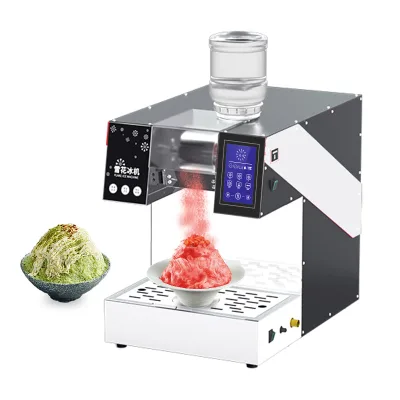
Best Shave Ice Commercial Electric Ice Shaving Machine Snowflake Ice Bingsu Machine
$803.00 - $1112.00
MOQ: 1 Minimum
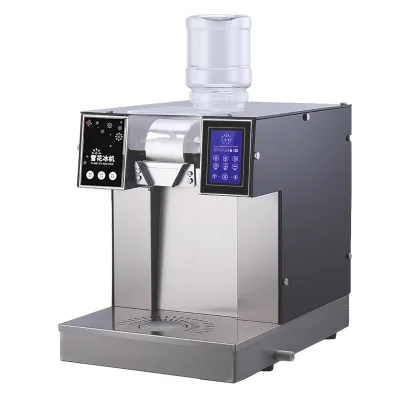
$1180.7793 - $1223.9045
MOQ: 1 pieces

Shanghai Prime Technology Co., Ltd.
- Verified by SGS
- Trading Company
- China Shanghai
- Lead time45 days
- Avg. response≤ 2h
Main productsCoffee Machine Bread Machine, Blender Food Processor Juicer, Air Fryer Hair Dryer Ect.
Main marketsSouth America,Eastern Europe,Mid East,North America,Southeast Asia,Eastern Asia,Oceania,Western Europe,Africa

Shandong Shenglang Kitchen Co., Ltd.
- Verified by TUVRHEINLAND
- Combined
- China Shandong
- Lead time15 days
- Avg. response≤ 3h
Main marketsSoutheast Asia/ Mideast

Jiangsu Icema Refrigeration Equipment Co., Ltd.
- Verified by TUVRHEINLAND
- Combined
- China Jiangsu
- Lead time23 days
- Avg. response≤ 4h
Main productsIce Maker, Ice Machine, Ice Maker Machine, Cube Ice Machine, Flake Ice Machine, Ice Block Machine, Ice Cube Maker, Tube Ice Machine, Ice Crusher, Commercial Ice Maker
Main marketsDomestic
Jiaozuo Zhoufeng Machinery Co., Ltd.
- Trading Company
- Henan, China
- Lead time5 days
- Avg. response≤ 9h
Main productsFood machine,Farm machine,environmental protection machine,Home use machine,Biomass briquette production line
Main marketsMid East(10.00%), South Asia(10.00%), Africa(10.00%), Southeast Asia(10.00%), Domestic Market(10.00%), Central America(10.00%), North America(10.00%), South America(8.00%), Eastern Asia(7.00%), Northern Europe(5.00%), Western Europe(5.00%), Oceania(2.00%), Eastern Europe(2.00%), Southern Europe(1.00%)
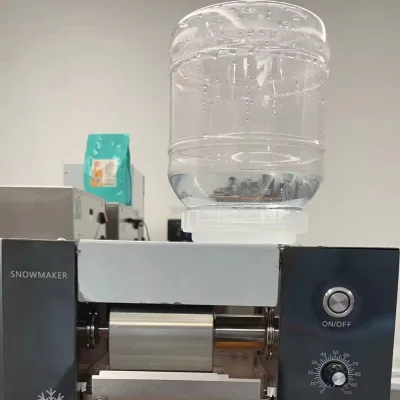
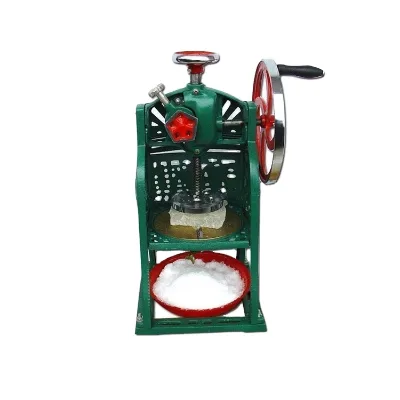
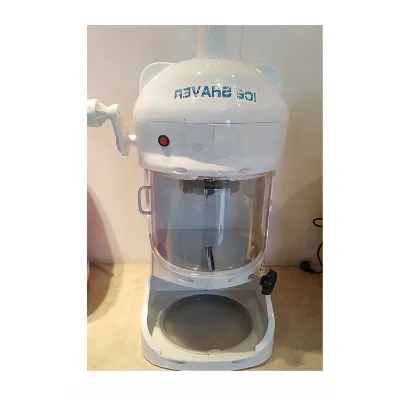
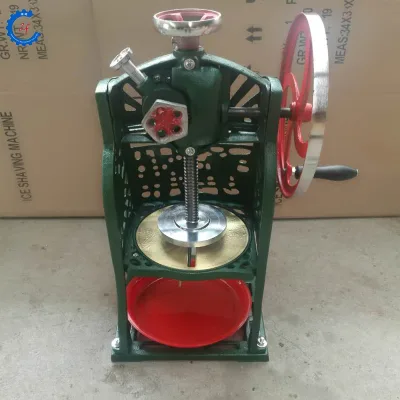
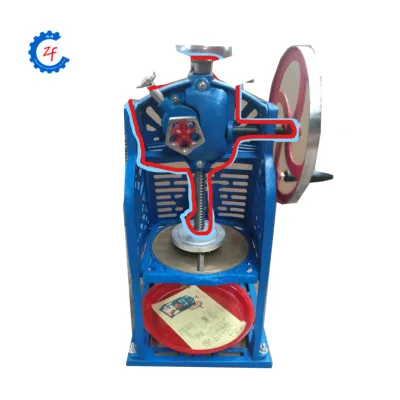
Manual Green Ice Shaver for Commercial Usage
MOQ: 1 Minimum
Chongqing Fuchuanggui Trade Co., Ltd.
- Trading Company
- Chongqing, China
- Lead time20 days
- Avg. response≤ 2h
Main productsFood Dryer,Popcorn Machine,Ercial Meat Slicing Machine,Dumpling Machine
Main marketsAfrica(15.00%), South Asia(15.00%), South America(10.00%), Central America(10.00%), North America(10.00%), Northern Europe(8.00%), Eastern Asia(8.00%), Southern Europe(5.00%), Oceania(5.00%), Mid East(5.00%), Domestic Market(5.00%), Western Europe(2.00%), Southeast Asia(2.00%)
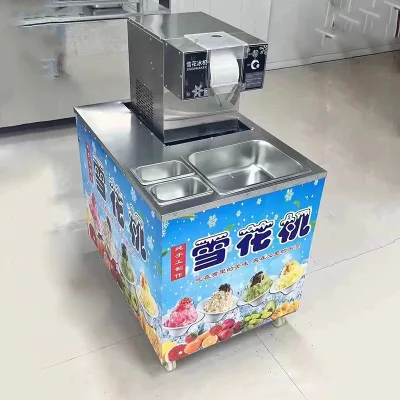
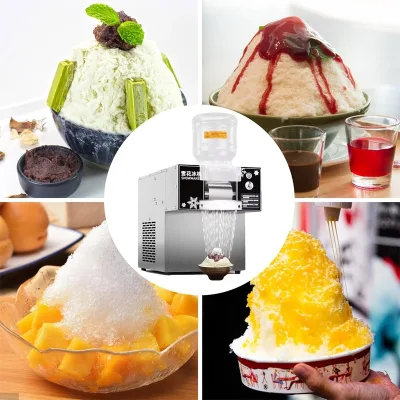
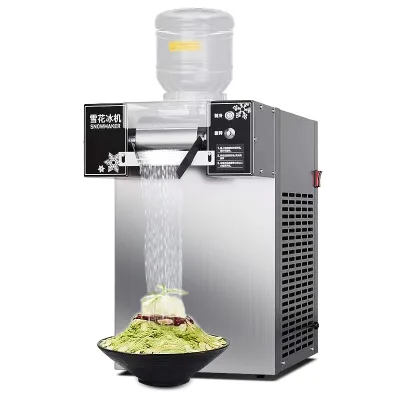
Custom Solutions Shaved Ice and Snow Cone Machine Delicious Shave Snow Ice Block Shaving Machine
$207.9141 - $244.2998
MOQ: 1 pieces
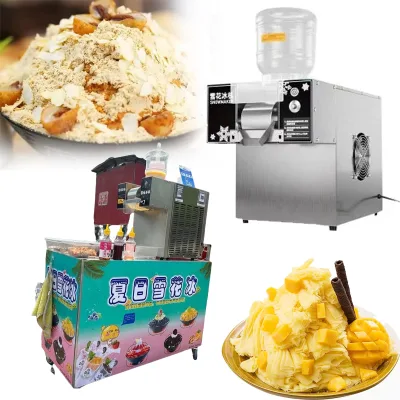
Henan Xifa Network Technology Co., Ltd.
- Verified by Intertek
- Manufacturer, Trading Company
- Lead time7 days
- Avg. response≤ 1h
Main productsAnimal Cages, Tractors, Feed Processing Machinery, Excavators
Main marketsNorth America(20%), Domestic Market(20%), Africa(15%)
Henan Shanpu Machinery Equipment Co., Ltd.
- Trading Company
- Henan, China
- Lead time0 days
- Avg. response≤ 2h
Main productsoil press machine,package machine,juicer machine,Woodworking machinery,Rubber and plastic machinery
Main marketsNorth America(15.00%), Mid East(10.00%), Northern Europe(10.00%), Western Europe(10.00%), Southeast Asia(10.00%), Eastern Europe(10.00%), Southern Europe(10.00%), Oceania(5.00%), South Asia(5.00%), Africa(5.00%), South America(5.00%), Central America(2.00%), Eastern Asia(2.00%), Domestic Market(1.00%)

WELLCOOLING INTELLIGENT TECHNOLOGY (JM) CO., LTD.
- Manufacturer
- China Guangdong
- Lead time23 days
- Avg. response≤ 14h
Main productsIce Cream Machine, Slush Machine, Popsicle Machine, Juice Dispenser, Ice Cream Cone Machine, Ice Making Machine, Water Vending Machine, Frozen Yogurt Machine, Food Mixer, Ice Cream Display Freezer
Main marketsSoutheast Asia/ Mideast,Europe,North America
Shandong Chenxiang Machinery Equipment Co., Ltd.
- Manufacturer, Trading Company
- Shandong, China
- Lead time7 days
- Avg. response≤ 2h
Main productsFood Trucks,Commercial Equipment and Machinery,Packaging Supplies,Cargo Bundling Services,Transportation Services
Main marketsNorth America(36.00%), Central America(16.00%), South America(15.00%), Northern Europe(13.00%), Western Europe(10.00%), Oceania(10.00%)
Guangzhou ITO Catering Equipment Co., Ltd.
- Manufacturer, Trading Company
- Lead time旺季: "1 - 100":31,"> 100":"To be negotiated", 淡季: "1 - 100":31,"> 100":"To be negotiated"
- Avg. response≤ 2h
Main productsFryer/Oven/Ice Cream Machine/Beverage Dispenser/Popcorn Machine
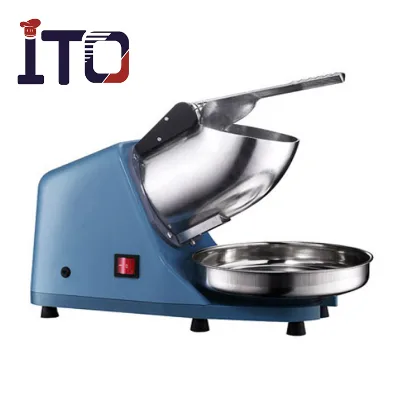
$30.00 - $59.00
MOQ: 5 sets
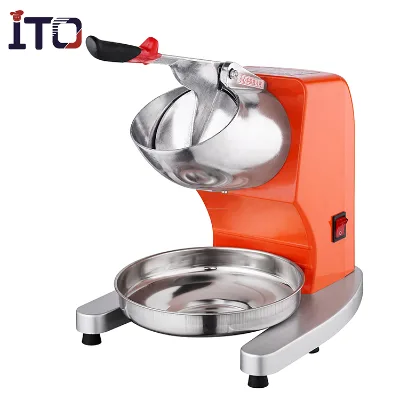
$30.00 - $90.00
MOQ: 2 pieces

Zhengzhou Shuogui Machinery Co., Ltd
- Verified by SGS
- Trading Company
- China Henan
- Lead time15 days
- Avg. response≤ 4h
Main productsFresh Noodle Machine, Ice Cream Machine, Ice Maker, Food Dryer, Fryer, Tortilla Maker, Pizza Oven, Meat Processing Machine
Main marketsSouth America,Southeast Asia/ Mideast,North America

Snow Ice Shaving Machine Commercial Snowflake Ice Shaved Machine with 4 Flavors
$479.00 - $589.00
MOQ: 1 Pieces

4-Flavor Ice Shaved Machine Air-Cooling Snowflake Machine for Commercial Use
$379.00 - $495.00
MOQ: 1 Pieces

Adjustable Speed Snowflake Machine Milk Shaved Ice Machine with Self-Cleaning Function
$421.00 - $515.00
MOQ: 1 Pieces

Commercial Use Quick Ice Shaving/Snowflake Ice Crushing Machine with Ail-Cooling for Sale
$265.00 - $310.00
MOQ: 1 Pieces
LUOHE NINE LEMON IMPORT & EXPORT CO., LTD.
- Verified by SGS Group
- Trading Company
- Lead time15 days
- Avg. response≤ 8h
Main productsBread Production Line, Vegetable and Fruit Processing Equipment, Meat Processing Equipment, Bakery Equipment, Packing Solution
Main marketsMid East(30%), North America(20%), South America(10%)
ZHE CHENG HONGXIN MACHINRERY FACTORY
- Verified by TüVRheinland
- Manufacturer, Trading Company
- Lead time15 days
- Avg. response≤ 3h
Main productsIntestine Case Cleaning Machine, Sesame Peeling Machine, Cardboard Expanding Shredder Machine, Flax Brake, Grain Thresher Machine
Main marketsNorth America(20%), Southeast Asia(20%), Africa(20%)
Henan Maggie Trading Co., Ltd.
- Trading Company
- Lead time旺季: "1 - 10":16,"11 - 50":20,"51 - 100":25,"> 100":"To be negotiated", 淡季: "1 - 10":16,"11 - 50":20,"51 - 100":25,"> 100":"To be negotiated"
- Avg. response≤ 1h
Main productsSnacks,meat,vegetables,and grain processing machinery,Vending machines and packaging machines

Henan Jiahuang Mechanical And Electrical Equipment Co., Ltd.
- Trading Company
- Henan, China
- Lead time0 days
- Avg. response≤ 1h
Main productsFood machinery,Packaging machinery,Fruit processing machine,Meat processing machine,Commercial Equipment & Machinery
Main marketsSouth America(40.00%), North America(25.00%), Western Europe(20.00%), Africa(15.00%)
Henan Dibangni Industrial Development Co., Ltd.
- Manufacturer, Trading Company
- Henan, China
- Lead time3 days
- Avg. response≤ 7h
Main productsHome Storage & Organization,Kitchen & Tabletop
Main marketsNorth America(30.00%), Southeast Asia(10.00%), Northern Europe(10.00%), Western Europe(10.00%), Eastern Europe(5.00%), Central America(5.00%), South America(5.00%), South Asia(5.00%), Southern Europe(5.00%), Oceania(5.00%), Domestic Market(5.00%), Eastern Asia(2.00%), Mid East(2.00%), Africa(1.00%)

Zhengzhou Yize Machinery Co., Ltd.
- Verified by BV
- Trading Company
- China Henan
- Lead time15 days
- Avg. response≤ 3h
Main productsCutting Machine, Quilting Machine, Printing Machine, Brick Making Machine, Fiber Machine, Chaff Cutter, Animail Feed Pellet Machine, Wood Crusher
Main marketsSouth America,Africa
Guangzhou Zhong Bei Mechanical Equipment Co., Ltd.
- Verified by Intertek
- Manufacturer, Trading Company
- Lead time7 days
- Avg. response≤ 3h
Main productsSnow Ice Machine, Ice Cream Machine, Slush Machine, Ice Popsicle, Ice Frying Machine
Main marketsWestern Europe(20%), Mid East(20%), Africa(15%)
Jiaozuo Zhiyou Machinery Co., Ltd.
- Trading Company
- henan, China
- Lead time7 days
- Avg. response≤ 2h
Main productsFood machine,Farm machine,Drying machine,Pellet machine,Recycling Machine
Main marketsMid East(12.00%), Africa(11.00%), North America(10.00%), Oceania(10.00%), Southeast Asia(9.00%), Eastern Asia(8.00%), South Asia(7.00%), South America(6.00%), Southern Europe(6.00%), Northern Europe(5.00%), Eastern Europe(5.00%), Western Europe(4.00%), Domestic Market(4.00%), Central America(3.00%)
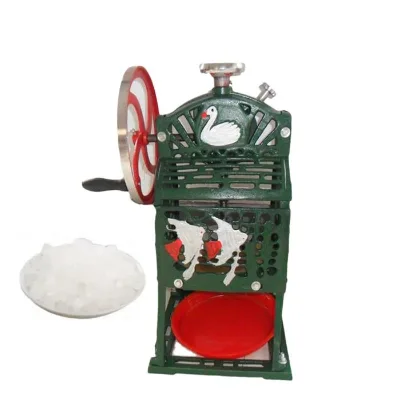
Shopping Mall Store Shaved Ice Machinery for Hotel
$79.00 - $99.00
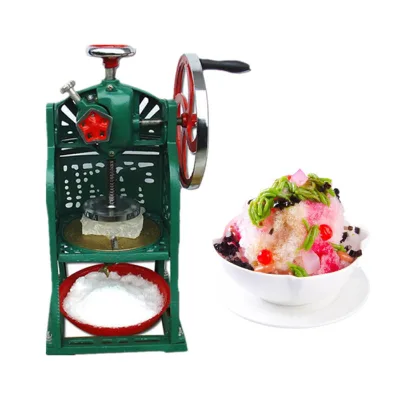
High Speed Manual Ice Shaving Machine for Commercial Use
$79.00 - $99.00
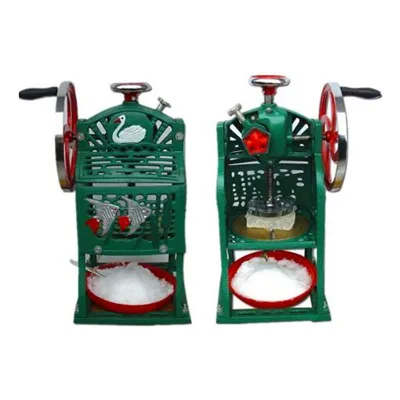
Stable Performance Snow Ice Shaver for Sale
$79.00 - $99.00
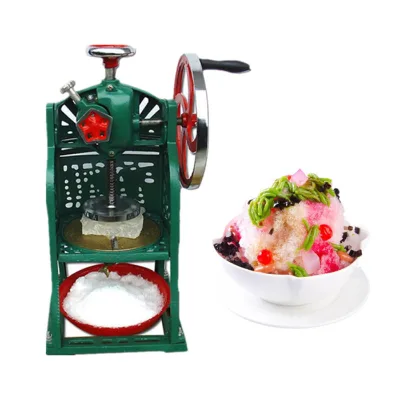
Labor Saving Manual Snow Ice Shaver Machine for Sale
$79.00 - $99.00
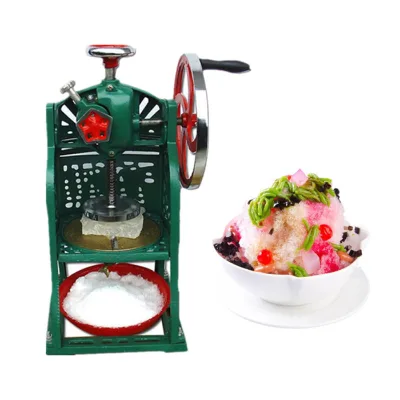
Hollow Ice Shaver Crusher Machine for Sale
$79.00 - $99.00
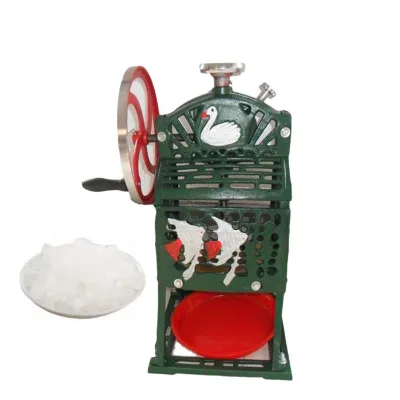
full-automatic Manual Ice Shaver for sale
$79.00 - $99.00

Zhengzhou Hento Machinery Co., Ltd.
- Verified by SGS
- Trading Company,Manufacturer/Factory,Group Corporation
- China Henan
- Lead time15 days
- Avg. response≤ 6h
Main productsMeat Processing Machinery, Egg Processing Machinery, Dairy Processing Machinery, Fruit & Vegetable Processing Machinery, Grain Product Making Machines, Snack Machines, Nuts Processing Machinery, Packing Machines, Drying Machines, Commodity Making Machines
Main marketsSouth America,Eastern Europe,Mid East,North America,Southeast Asia,Eastern Asia,Oceania,Western Europe,Africa
Luohe Langrui Electromechanical Equipment Co., Ltd.
- Verified by TüVRheinland
- Trading Company
- Lead time15 days
- Avg. response≤ 2h
Main productsFruit And Vegetable Processing Equipment, Meat Processing Machinery, Nut Processing Machinery, Snack Processing Machinery, Packaging Machinery
Main marketsAfrica(25%), North America(20%), Southeast Asia(18%)




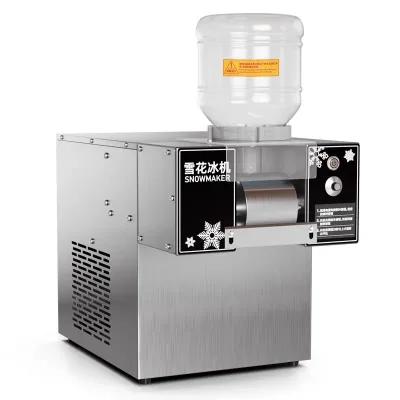
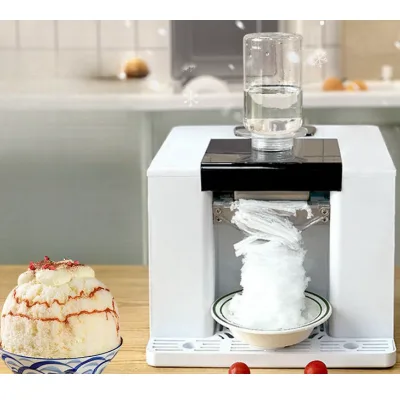
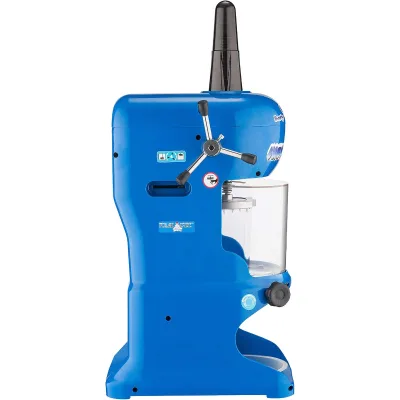


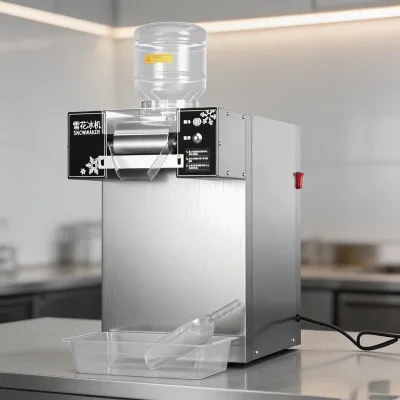
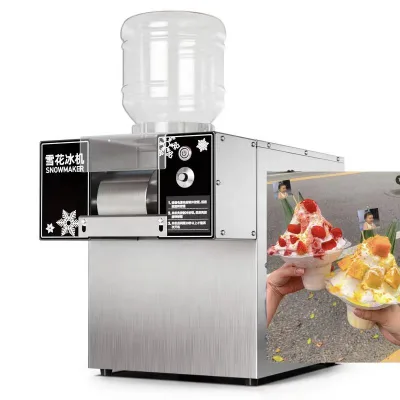
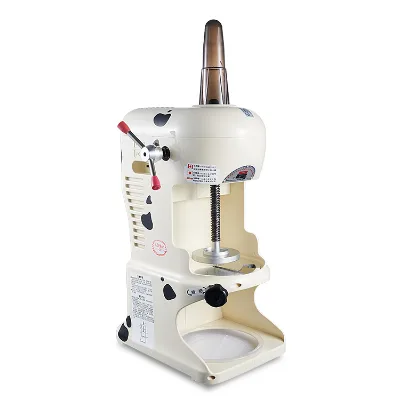


Comprehensive Sourcing Guide
Commercial Shaved Ice Machine Supplier Concentration and Factory Types
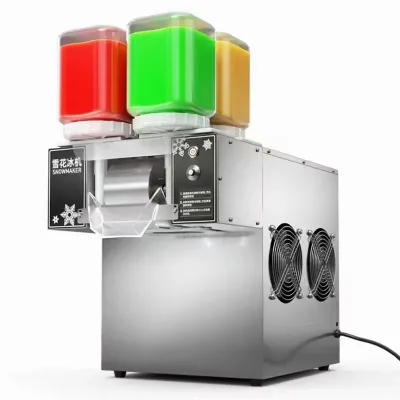
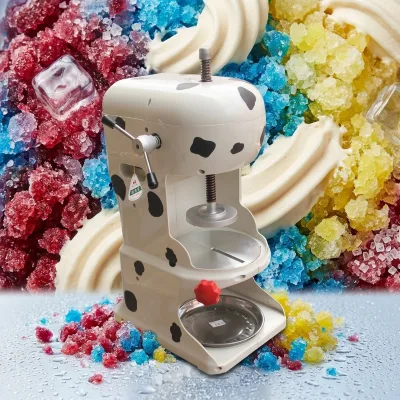
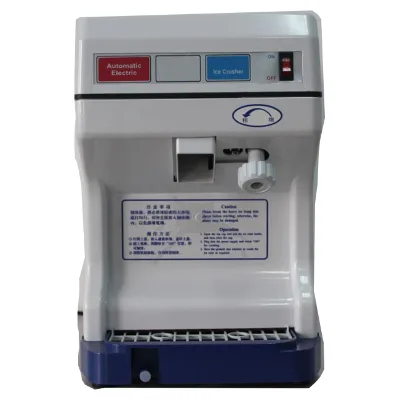
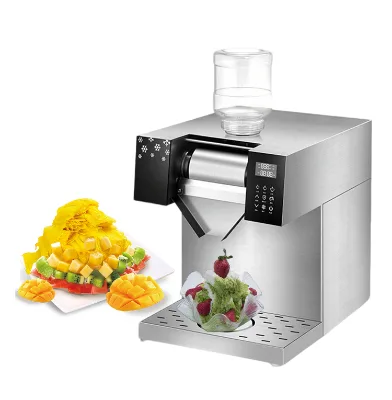
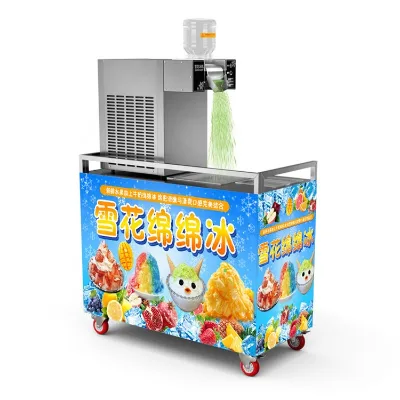
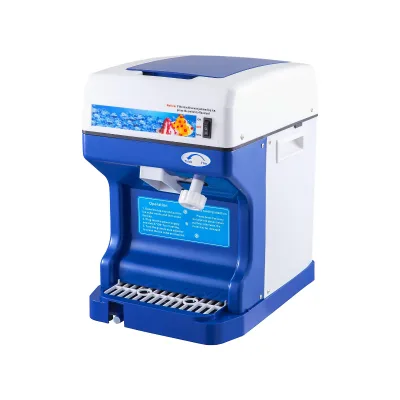
The current supplier landscape for commercial shaved ice machines reveals a distinct geographic concentration in China, with specific manufacturing hubs identified in Henan and Guangdong provinces. These regions serve as primary centers for the production of various ice-related equipment, ranging from granular and nugget ice machines to specialized shaved ice and snow ice shavers. Suppliers in these locations often operate as manufacturers or factories, indicating a direct link to production capabilities rather than purely trading operations. This structural advantage allows for greater control over the manufacturing process, ensuring that specific technical requirements for ice shaving mechanisms, such as blade sharpness and motor durability, can be met with precision. The presence of established industrial clusters in these areas suggests a mature supply chain ecosystem, where components like stainless steel frames, electric control systems, and air-cooled condensing units are readily available. Buyers can leverage this concentration to find suppliers who specialize in niche products, such as bingsu ice machines or automatic ice shaving devices, which require specific engineering expertise. The diversity of main products offered by these suppliers, including commercial ice crushers and slush machines, indicates a broad capability to serve different market segments, from household use to large-scale commercial applications in restaurants and coffee shops. Understanding this geographic and structural layout helps buyers narrow their search to regions with proven expertise in ice machine manufacturing, reducing the risk of sourcing from less specialized entities.
Supplier types in this category vary, with many entities identifying as manufacturers or combined entities that offer both production and trading services. This distinction is crucial for buyers evaluating the depth of their supply chain. Manufacturer-focused suppliers often provide OEM and ODM services, allowing for custom branding and design modifications, which is essential for businesses looking to establish a unique market presence. The availability of own brands, such as HUAYU XIONGDI, further demonstrates the capacity for independent product development and quality control. These suppliers typically hold certifications like ISO 9001, which signifies adherence to international quality management standards. The verification status of these suppliers, often marked by third-party inspections from entities like CTI or SGS, adds an additional layer of trust regarding their operational legitimacy. Buyers should prioritize suppliers who clearly state their company type and verification status, as this information provides insight into their reliability and commitment to quality. The combination of manufacturing capability and verified status ensures that buyers can source high-quality commercial shaved ice machines with confidence, knowing that the products are produced under controlled conditions and meet established industry standards. This transparency in supplier type and location facilitates more informed decision-making and reduces the potential for miscommunication regarding production capabilities.
How to Verify Commercial Shaved Ice Machine Suppliers
Verifying the credibility of Commercial Shaved Ice Machine suppliers requires a multi-faceted approach that goes beyond simple product listings. Buyers should prioritize suppliers who have undergone third-party verification processes, such as those conducted by CTI or SGS. These verifications provide objective assessments of a supplier’s business legitimacy, manufacturing capabilities, and quality control systems. The presence of a verification badge is a strong indicator that the supplier has been inspected and meets certain baseline standards for operation. Additionally, buyers should look for suppliers who hold relevant system certifications, such as ISO 9001 or ISO 9001:2015. These certifications demonstrate a commitment to maintaining consistent quality in their manufacturing processes, which is critical for producing reliable ice machines that perform consistently over time. Buyers should request copies of these certificates and verify their validity through the issuing bodies. Furthermore, examining the supplier’s response time can provide insights into their operational efficiency and customer service quality. A faster response time, such as under three hours, suggests a well-staffed and responsive team that can address inquiries and resolve issues promptly. This responsiveness is particularly important during the initial stages of sourcing, where clear communication is essential for defining product specifications and negotiating terms.
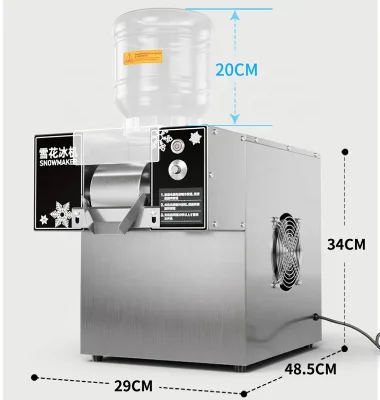
Beyond certifications and response times, buyers should assess the supplier’s product evidence and technical specifications. Detailed product attributes, such as condensing mode, material composition, and power ratings, indicate a level of transparency and technical expertise. For instance, suppliers providing specific details about air-cooled condensing modes, stainless steel or ABS plastic materials, and electric control systems demonstrate a thorough understanding of their products. Buyers should also look for suppliers who offer video outgoing inspections, which allow for real-time verification of the product’s condition and functionality before shipment. This feature is particularly valuable for high-value items or large orders, as it provides visual confirmation of the product’s quality. Additionally, checking the supplier’s main products and category alignment can help ensure they are specialized in ice machines rather than general machinery. Suppliers who focus on refrigeration and heat exchange equipment or commercial catering equipment are more likely to have the necessary expertise and experience. By combining verification badges, certifications, response times, and detailed product evidence, buyers can build a comprehensive profile of each supplier, enabling them to make informed decisions and mitigate the risks associated with sourcing from unfamiliar entities. This rigorous verification process ensures that buyers partner with suppliers who are not only legitimate but also capable of delivering high-quality commercial shaved ice machines.
What to Compare Across Commercial Shaved Ice Machine Suppliers
When evaluating multiple suppliers for commercial shaved ice machines, buyers must systematically compare key operational and commercial metrics to identify the most suitable partner. One critical dimension is the lead time, which indicates how quickly a supplier can fulfill an order. Suppliers with shorter lead times, such as those offering 15-day delivery windows, are often more attractive for buyers with tight inventory requirements or urgent market demands. Comparing lead times across different suppliers helps buyers assess their ability to meet specific delivery schedules and plan their supply chain accordingly. Another essential factor is the minimum order quantity (MOQ), which varies significantly among suppliers. Some suppliers may offer an MOQ of just one unit, catering to small businesses or trial orders, while others may require larger quantities, such as ten units, which is typical for wholesale or distribution channels. Understanding these MOQ differences allows buyers to align their purchasing strategy with their sales volume and storage capacity. Additionally, comparing the price ranges provided by suppliers is crucial for budget management. Prices for commercial shaved ice machines can range from approximately $130 to over $1,900, depending on features, capacity, and customization options. Buyers should analyze these price points in conjunction with the product specifications to determine the best value for their specific needs.
Beyond lead time, MOQ, and price, buyers should also compare the response times and customization capabilities of suppliers. A supplier’s response time, measured in hours, reflects their efficiency in handling inquiries and providing quotations. Faster response times, such as under three hours, can significantly accelerate the sourcing process, allowing buyers to make quicker decisions. Customization options, including OEM and ODM services, are another vital comparison point. Suppliers who offer customization allow buyers to tailor products to their brand identity or specific operational requirements, such as voltage adjustments or material preferences. Buyers should also compare the main products offered by each supplier to ensure they align with their desired product mix. For example, some suppliers may specialize in snowflake ice machines, while others may focus on block ice shavers or slush machines. Evaluating the breadth and depth of a supplier’s product portfolio helps buyers determine if they can serve as a comprehensive partner for various ice-related equipment needs. Additionally, comparing the certifications and verification statuses of suppliers provides insight into their reliability and quality standards. By systematically comparing these dimensions, buyers can create a weighted evaluation matrix that highlights the strengths and weaknesses of each supplier, facilitating a more objective and data-driven selection process. This comparative approach ensures that buyers choose suppliers who not only offer competitive pricing but also align with their operational and strategic requirements.
Common Commercial Shaved Ice Machine Sourcing Risks
Sourcing commercial shaved ice machines from international suppliers, particularly those located in China, introduces several potential risks that buyers must proactively manage. One significant risk is the variability in product quality and performance, which can arise from differences in manufacturing standards and component sourcing. Without proper verification, buyers may receive machines that do not meet their specified technical requirements, such as incorrect voltage, inadequate power output, or substandard materials like ABS plastic instead of stainless steel. This discrepancy can lead to operational failures, increased maintenance costs, and customer dissatisfaction. Another risk is the potential for miscommunication regarding product specifications and customization options. Suppliers may provide vague or incomplete product descriptions, making it difficult for buyers to accurately assess the machine’s capabilities. This lack of clarity can result in orders that do not align with the buyer’s needs, leading to delays and additional costs for modifications or returns. Additionally, buyers face the risk of supply chain disruptions, which can affect lead times and delivery schedules. Factors such as raw material shortages, production bottlenecks, or logistical challenges can delay shipments, impacting the buyer’s ability to meet market demand. These disruptions can be particularly problematic for buyers who rely on just-in-time inventory systems or have strict delivery deadlines.
Furthermore, buyers must be cautious of financial risks associated with payment terms and supplier reliability. Without secure payment methods, such as escrow services, buyers may be exposed to fraud or non-delivery of goods. It is essential to verify the supplier’s financial stability and track record to mitigate these risks. Another risk is the lack of after-sales support and warranty coverage. Suppliers may not provide adequate technical assistance or spare parts, leaving buyers vulnerable to prolonged downtime in case of machine failures. Buyers should also consider the risk of intellectual property infringement, particularly when working with suppliers who offer OEM services. Ensuring that designs and branding are protected is crucial to maintaining a competitive advantage. Additionally, buyers must be aware of regulatory and compliance risks, such as meeting local safety and electrical standards in their target markets. Machines that do not comply with these regulations may face customs clearance issues or legal penalties. To mitigate these risks, buyers should conduct thorough due diligence, request detailed product documentation, and establish clear communication channels with suppliers. Implementing robust quality control measures, such as pre-shipment inspections and video outgoing inspections, can also help ensure that products meet the required standards. By identifying and addressing these common risks, buyers can protect their investments and build a more resilient supply chain for commercial shaved ice machines.
Commercial Shaved Ice Machine Regional Sourcing and Logistics
The geographic location of suppliers plays a pivotal role in determining the logistics and shipping costs associated with sourcing commercial shaved ice machines. Suppliers located in China, particularly in provinces like Henan and Guangdong, offer distinct logistical advantages due to their proximity to major ports and established export infrastructure. Guangdong, being a major manufacturing hub, often provides faster access to international shipping routes, which can reduce transit times and enhance supply chain efficiency. Buyers should consider the specific location of each supplier when evaluating shipping options, as this can impact the overall cost and speed of delivery. For instance, suppliers in Guangdong may benefit from a more developed network of freight forwarders and logistics partners, leading to more competitive shipping rates and reliable service. Additionally, the type of packaging used by suppliers can affect logistics efficiency. Suppliers who use standardized packaging, such as honeycomb boxes, wooden frames, or molded foam with cardboard boxes, ensure that products are protected during transit, reducing the risk of damage. Buyers should inquire about the packaging methods and dimensions provided by suppliers, as this information is crucial for calculating shipping volumes and costs. Understanding the logistical landscape of different regions helps buyers make informed decisions about which suppliers to engage with, balancing cost, speed, and reliability.
Logistics planning also involves considering the import regulations and customs procedures in the buyer’s home country. Buyers must ensure that the commercial shaved ice machines they source comply with local safety, electrical, and environmental standards. This may require additional documentation, such as certificates of conformity or test reports, which suppliers should be able to provide. Buyers should also evaluate the supplier’s experience with international shipping and their ability to handle export documentation accurately
FAQs
What is the price range for commercial shaved ice machines?
Prices typically range from $130 to $1990 depending on the model and capacity. Basic units start around $130, while advanced snowflake ice shavers can cost up to $1990. Buyers should check specific product listings for exact pricing tiers and bulk discounts.
What is the minimum order quantity for these machines?
The minimum order quantity varies by supplier, with some accepting just one unit while others require ten. Most listings show an MOQ of one for standard models, but specific commercial variants may have higher thresholds. Always verify the MOQ on the individual product page before ordering.
How long does delivery take for these machines?
Standard lead times are approximately 15 days for production and shipping. This timeframe applies to most manufacturers offering these ice shavers. Buyers should confirm exact delivery schedules with the supplier, as expedited options or custom orders may alter this standard production window significantly.
Are these machines suitable for commercial and household use?
Yes, many models are designed for both household and commercial applications. Specifications often list applications as household, commercial, or industrial. Features like electric control and automatic cleaning devices make them versatile for restaurants, coffee shops, and home use depending on the specific capacity required.
What certifications do these suppliers hold?
Suppliers often hold ISO 9001 or ISO9001:2015 system certifications. These credentials indicate adherence to quality management standards. Buyers should verify specific certification documents provided by the manufacturer to ensure compliance with local safety and operational regulations for commercial food equipment.
What materials are used in the construction of these machines?
Common materials include stainless steel and ABS plastic for durability and hygiene. Some models feature stainless steel structures for commercial environments, while others use ABS plastic for lighter, portable units. The choice of material affects the machine's weight, cleaning requirements, and overall lifespan.