Leopard Acetate Headband Suppliers and Manufacturers
Source 30 verified suppliers for Leopard Acetate Headband products. Compare key dimensions including location, lead time, MOQ, and response time to find the right partner. Review product details and pricing to streamline your sourcing process; review the available evidence before requesting comparable quotations from suitable candidates.
Suppliers List

HuBei Honey Jewelry & Crafts Co., Ltd.
- Manufacturer, Trading Company
- Hubei, China
- Lead time15 days
- Avg. response≤ 5h
Main productsHair comb,Hair claws,Head band,Hair Clips,Fashion jewelry
Main marketsNorth America(35.0%), Oceania(15.0%), South America(15.0%), Central America(10.0%), Mid East(10.0%), South Asia(10.0%), Southeast Asia(5.0%)
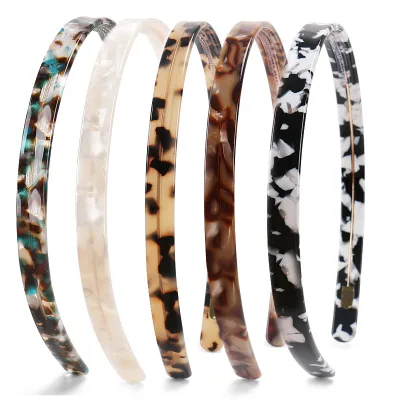
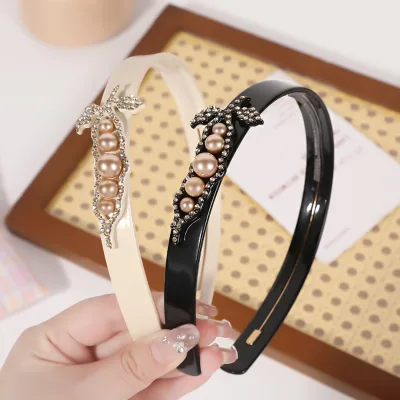
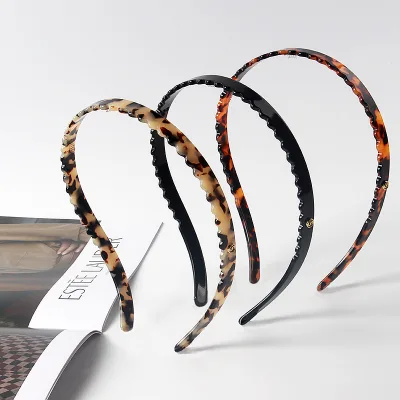
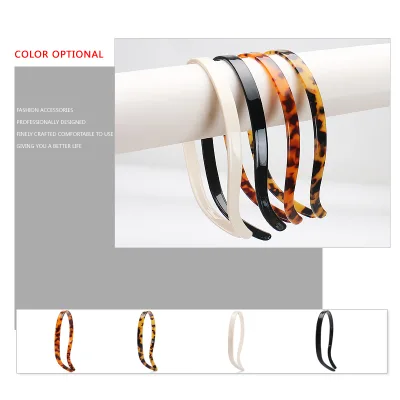
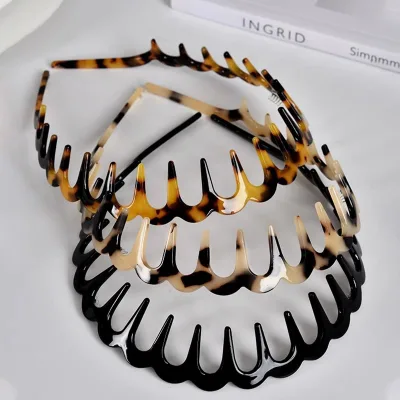
HONEY 2025 New Genuine Acetic Acid Headband From Alexander Same Style Pea Pod Headband
$8.90 - $11.90
MOQ: 3 pieces
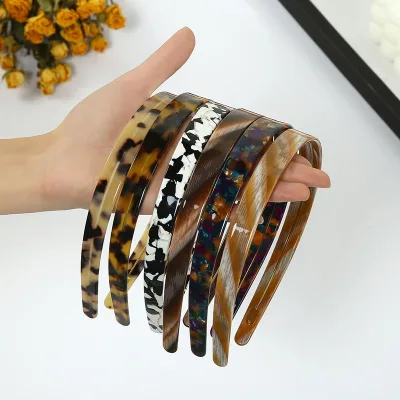

Yiwu Jinhe Jewelry Company Ltd.
- Trading Company
- Zhejiang, China
- Lead time20 days
- Avg. response≤ 6h
Main productsHair Clips,Hair Accessories,Hair Claw,Hair Jewelry,Headband
Main marketsNorthern Europe(30.0%), Eastern Asia(20.0%), North America(20.0%), Western Europe(10.0%), Domestic Market(10.0%), Southeast Asia(5.0%), South America(5.0%)
Yiwu Glory Hair Accessories Co., Ltd.
- Verified by SGS Group
- Manufacturer, Trading Company
- Lead time30 days
- Avg. response≤ 2h
Main productsHair Clips, Headbands, Scrunchies, Hair Combs
Main marketsNorth America(23%), Western Europe(22%), Oceania(18%)
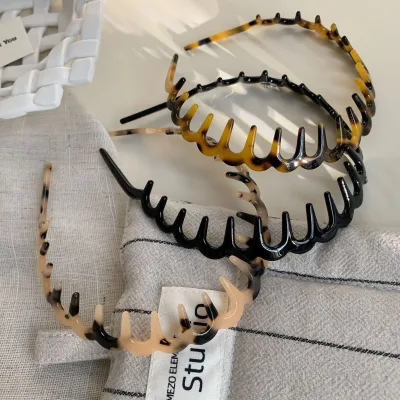
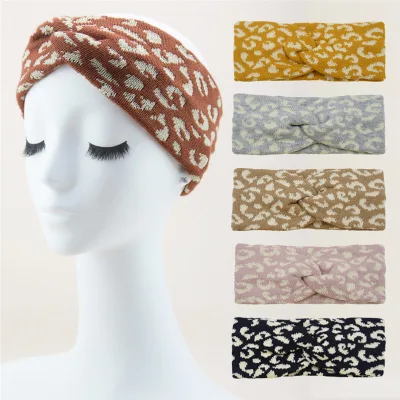
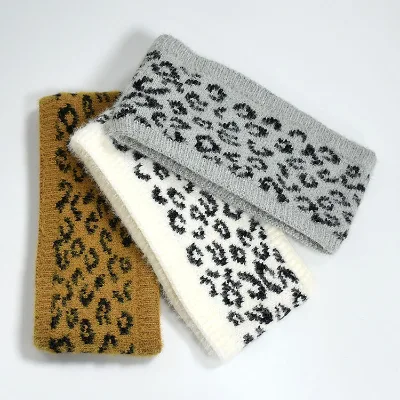
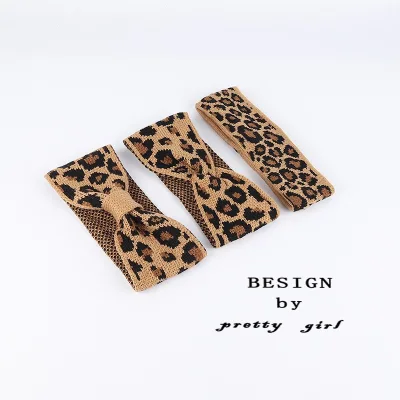
Knit Cross Headband Leopard Printed Headband for Women Elastic Head Wraps Wholesale
$0.83 - $1.28
MOQ: 60 pieces
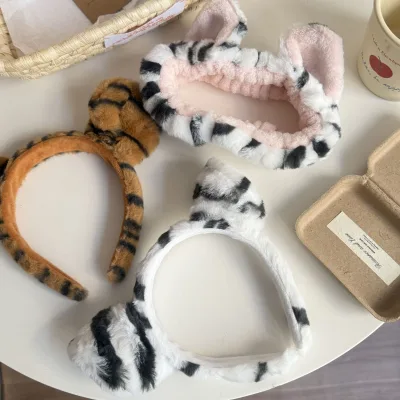
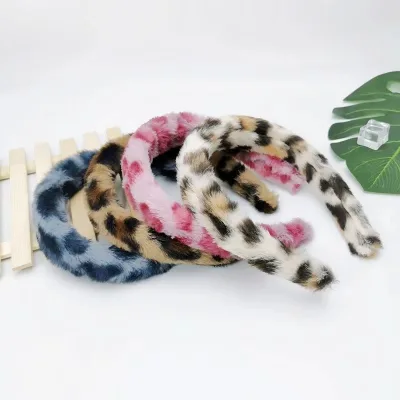
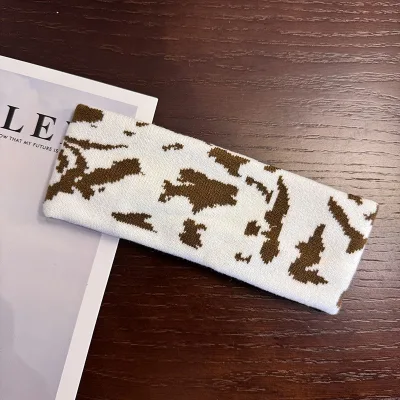
Cute Tiger Leopard Print Headband Funny Animal Party Hairband for Women Girls
$0.54 - $0.71
MOQ: 20 pieces
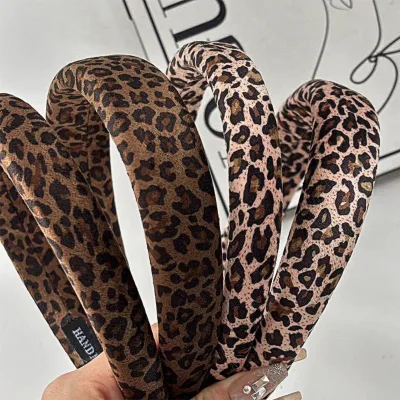
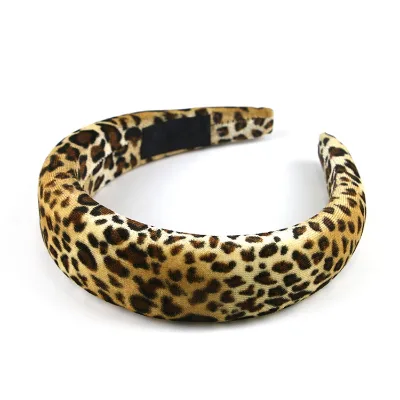
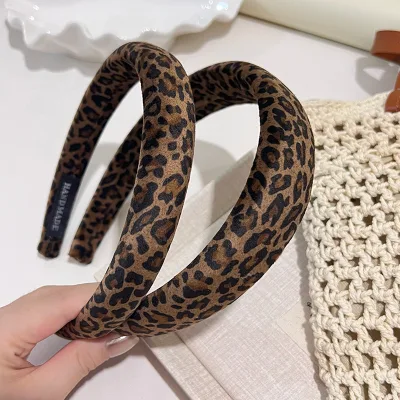
Padded Non Slip Headband with Leopard Print Head Bands Comfortable Cute Hair Accessories
$0.93 - $1.46
MOQ: 30 pieces
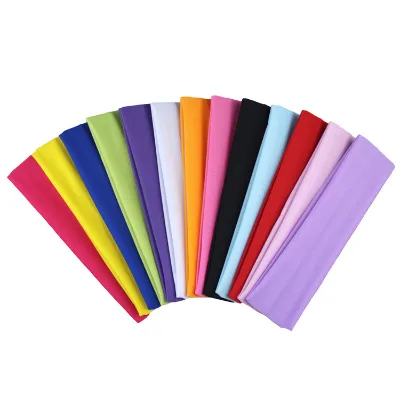
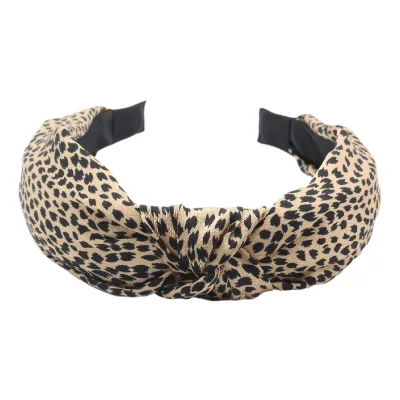

Yiwu Chun Surplus Jewelry & Accessories Co., Ltd.
- Manufacturer, Trading Company
- Zhejiang, China
- Lead time0 days
- Avg. response≤ 3h
Main productshair accessories,fashion jewelry,hair clips,earrings,hair claws
Main marketsNorth America(40.0%), Eastern Europe(20.0%), South America(15.0%), Domestic Market(10.0%), Western Europe(10.0%), Northern Europe(5.0%)

Huizhou Mairuidi Trade Co., Ltd.
- Trading Company
- Guangdong, China
- Lead time0 days
- Avg. response≤ 8h
Main productsdiy jewelry,earring,necklace,sunglasses
Main marketsNorth America(70.0%), Domestic Market(5.0%), Southern Europe(5.0%), Northern Europe(5.0%), Western Europe(5.0%), Eastern Europe(5.0%), South America(5.0%)
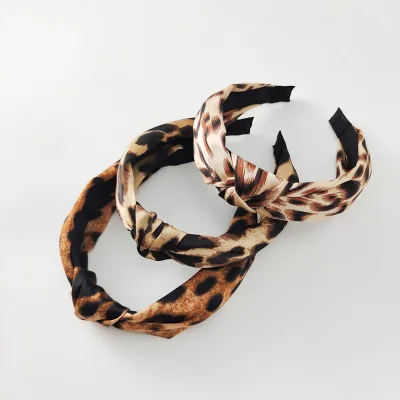
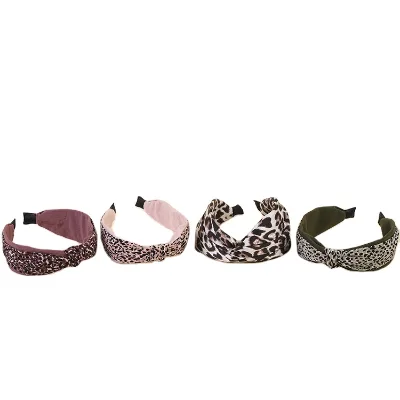
Leopard Headband for Women Girls, Wide Knotted Bow Leopard Print Headband
$0.62 - $0.72
MOQ: 10 pieces
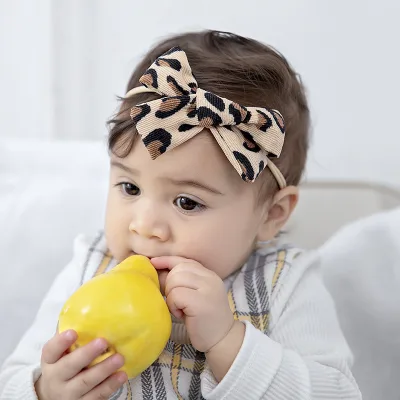
Qingdao Finestyle Fashion Accessory Co., Ltd.
- Verified by Intertek
- Manufacturer, Trading Company
- Lead time30 days
- Avg. response≤ 6h
Main productsHairband, Bag Charm, Bags, Fashion Jewelry
Main marketsNorth America(80%), Western Europe(10%), Eastern Asia(5%)
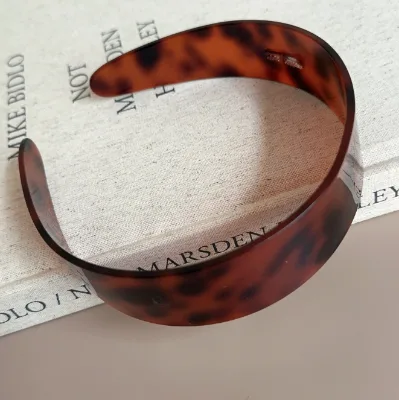
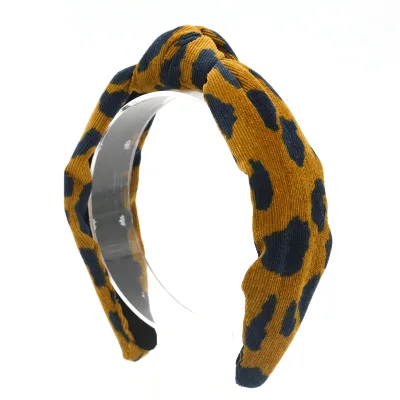
New Style Retro Wide Cross Hairband Leopard Print Hair Band Snakeskin Wholesale Headbands for Ladies
$2.96 - $3.16
MOQ: 2 pieces
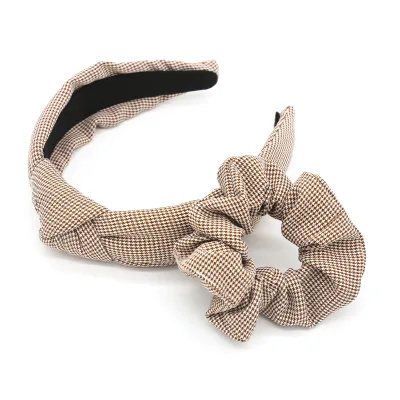
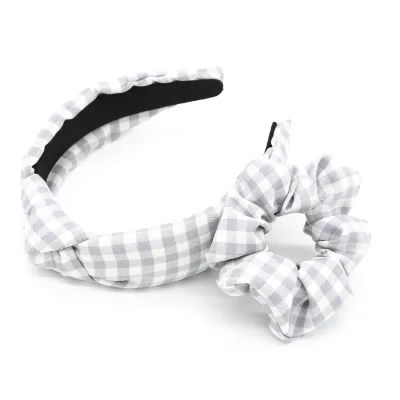
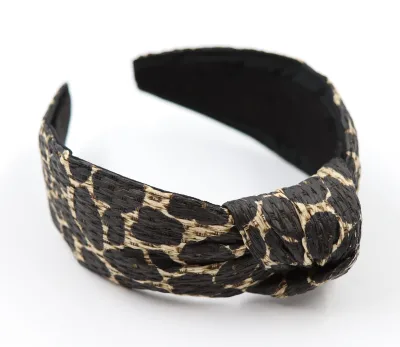
Yiwu Jiayu Import And Export Co., Ltd.
- Trading Company
- Lead time旺季: "1 - 12":7,"13 - 300":15,"> 300":"To be negotiated", 淡季: "1 - 12":7,"13 - 300":15,"> 300":"To be negotiated"
- Avg. response≤ 1h
Main productsHeadwear

Wenzhou Success Group Co., Ltd.
- Trading Company
- China Zhejiang
- Lead time23 days
- Avg. response≤ 8h
Main productsT-Shirt, Umbrella, Flip Flop, Scarf, Baseball Cap, Flag, Beach Towel, Beach Ball, Lanyard
Main marketsAfrica,Europe,North America

NINGBO AOVEA IMPORT & EXPORT CO., LTD.
- Verified by TUVRHEINLAND
- Trading Company
- China Zhejiang
- Lead time30 days
- Avg. response≤ 6h
Main productsMakeup Brush, Cosmetic Brush, Make up Brush, Cosmetic Bag Case, Makeup Tools, Jade Roller and Gua Sha, Hair Brush, Body Brush, Hair Accessories, Makeup Sponge
Main marketsSouth America,Africa,Southeast Asia/ Mideast,Europe,Australia,North America


Animal Makeup Headband Reindeer Wash Face Hair Band Christmas Antler Headband
$0.69 - $0.79
MOQ: 100 Pieces


Ningbo Two Birds Industry Co., Ltd.
- Verified by BV
- Trading Company,Manufacturer/Factory
- China Zhejiang
- Lead time45 days
- Avg. response≤ 6h
Main productsCosmetic & Makeup Items, Cleaning Tool, Pet Supplies, Bathroom Products, Bags, Kitchen Accessories, Hair Accessories, Home Textile, Consumable Items, Home Storage
Main marketsSouth America,Eastern Europe,Mid East,North America,Southeast Asia,Eastern Asia,Oceania,Western Europe,Africa
Zhejiang Extra Accessorise Co., Ltd.
- Verified by TüVRheinland
- Manufacturer, Trading Company
- Lead time15 days
Main productsHair Claw & Clip, Headbands, Scrunchies, Bandana, Party Accessories
Main marketsWestern Europe(35%), North America(30%), Mid East(10%)
Dongguan Blue Queen Accessories Co., Limited
- Verified by SGS
- Manufacturer/Factory
- China Guangdong
- Lead time23 days
- Avg. response≤ 2h
Main productsHair Accessories, Apparel Accessories, Bag Charms, Bags
Main marketsSouth America,Eastern Europe,North America,Southeast Asia,Eastern Asia,Western Europe

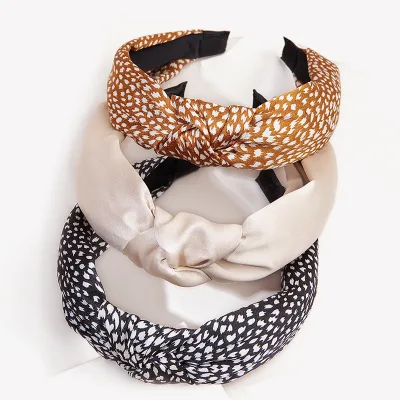
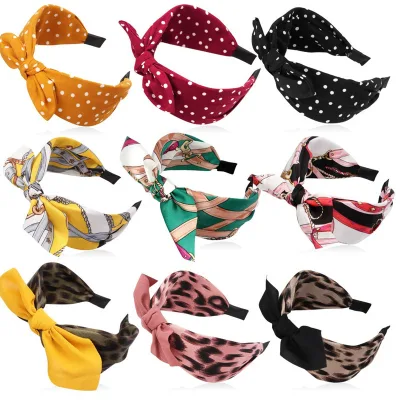
Fashion Hair Decoration Stretchy & Comfortable Leopard Print Headband for Women
$0.10 - $1.10
MOQ: 300 Pieces

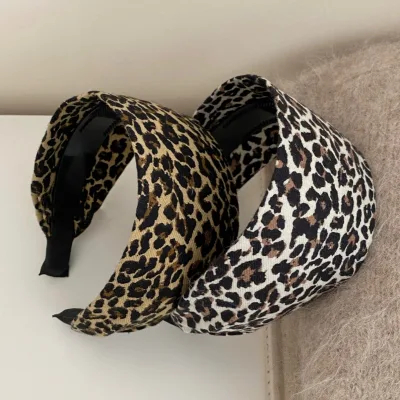
Trendy Hair Accessory Retro Yellow-Brown Leopard Print Elastic Fabric Metal-Ring Headband
$0.10 - $1.10
MOQ: 300 Pieces

Versatile Hair Accessory Minimalist Black-White Leopard Print Elastic Fabric Metal-Ring Headband
$0.10 - $1.10
MOQ: 300 Pieces


Jinjiang Jiaxing Supply Management Co., Ltd.
- Verified by TUVRHEINLAND
- Trading Company
- China Fujian
- Lead time30 days
- Avg. response≤ 1h
Main productsEVA Clogs, Flip Flop, Shoe Charms, Shopping Bags, Wristbands, Gifts, Promotional Gifts, Slipper, Sport Cap, Ball
Main marketsNorth America
Dongyang Yilibei Hair Accessory Factory
- Verified by Intertek
- Manufacturer, Trading Company
- Lead time25 days
- Avg. response≤ 4h
Main productsHair Accessories, Jewelry
Main marketsNorth America(30%), Eastern Europe(30%), Western Europe(30%)
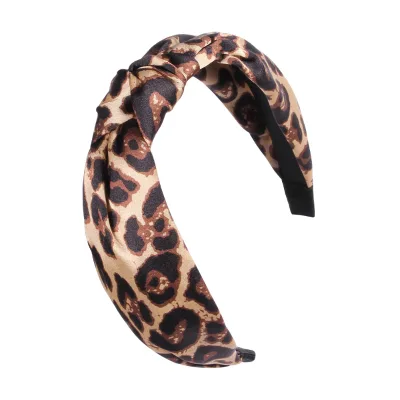
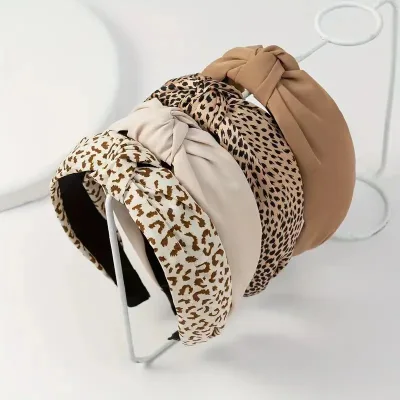
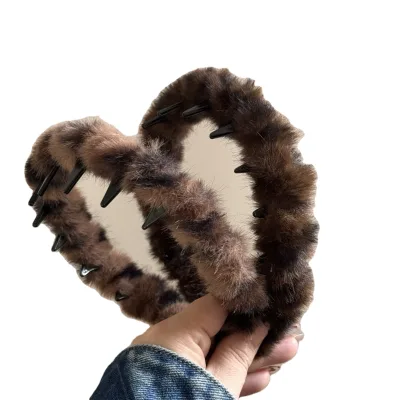
Leopard Print Headband Vintage Knotted Headband Fashion Hair Accessories for Women Girls
$0.77 - $0.92
MOQ: 12 pieces

Fujian Yidai Premiums Mfg Co., Ltd.
- Manufacturer/Factory
- China Fujian
- Lead time15 days
- Avg. response≤ 4h
Main productsLanyards, Wristbands, Tube Bandana, Flags, Bags, Luggage Belts, Sport Bags
Main marketsSouth America,Eastern Europe,Mid East,North America,Southeast Asia,Eastern Asia,Oceania,Western Europe,Africa

- Verified by SGS
- Trading Company,Manufacturer/Factory
- China Zhejiang
- Lead time15 days
- Avg. response≤ 2h
Main productsMicrofiber Cleaning Mops, Microfiber Towels, Microfiber Cleaning Cloth, Hair Turban, Hair Schrunchy, Hairband/Headbands, Bamboo&Cotton Towel, Floor Mops, Hooded Towel, Hand Towel
Main marketsSouth America,Eastern Europe,Mid East,North America,Southeast Asia,Eastern Asia,Oceania,Western Europe,Africa
Yiwu Qianjin Jewelry Co., Ltd.
- Verified by SGS Group
- Manufacturer, Trading Company
- Lead time15 days
- Avg. response≤ 2h
Main productsHair claw clip, headband, scrunchie, hair pin, hair clip
Main marketsNorth America(80%), Eastern Europe(10%), Western Europe(10%)
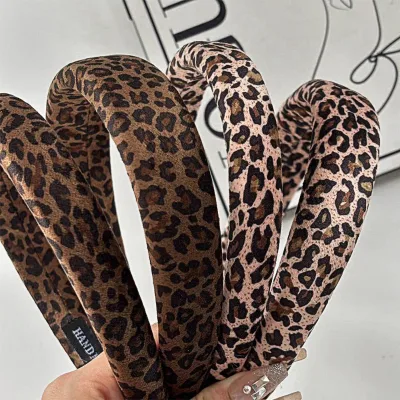
$0.74 - $0.84
MOQ: 24 Minimum
Yiwu Jianyin E-Commerce Co., Ltd.
- Trading Company
- Zhejiang, China
- Lead time30 days
- Avg. response≤ 5h
Main productsFashion accessories,Hair accessories,Ties,Brooches,Keychain
Main marketsNorth America(50.0%), Northern Europe(5.0%), Western Europe(5.0%), Eastern Asia(5.0%), Southern Europe(5.0%), Oceania(5.0%), Africa(5.0%), Southeast Asia(5.0%), Eastern Europe(5.0%), South America(5.0%), South Asia(2.0%), Domestic Market(1.0%), Central America(1.0%), Mid East(1.0%)
- Manufacturer, Trading Company
- Zhejiang, China
- Lead time35 days
- Avg. response≤ 4h
Main productsheadbands,hair bows,scrunchies,hair scarfs,children hair styles
Main marketsNorth America(40.0%), Southern Europe(20.0%), Western Europe(20.0%), Eastern Europe(20.0%)
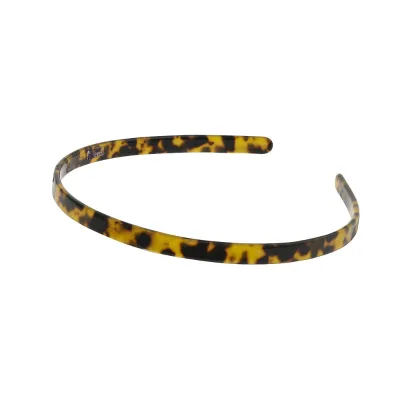
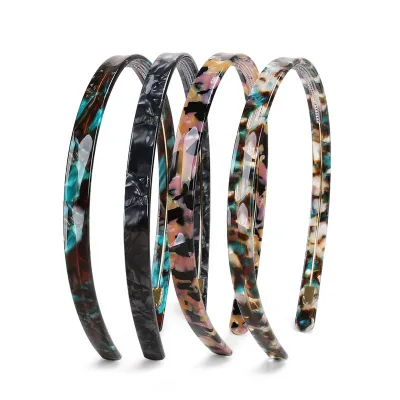
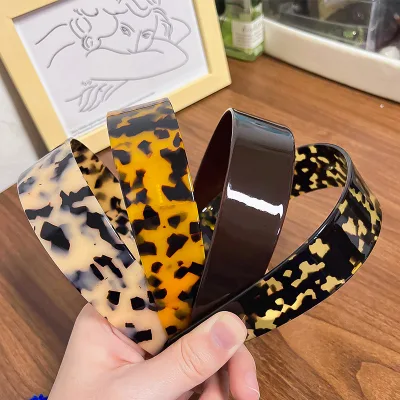
Cross Border Hot Sale Simple Leopard Printing Acrylic Headband for Women and Girls
$1.39 - $1.59
MOQ: 12 pieces
- Trading Company
- Zhejiang, China
- Lead time30 days
- Avg. response≤ 2h
Main productsHair Claws,hair clip,necklace,earring,elastic band
Main marketsNorth America(50.0%), Northern Europe(20.0%), South America(10.0%), Southern Europe(5.0%), Eastern Europe(5.0%), Western Europe(5.0%), Mid East(5.0%)

Yiwu Zhuola Accessories Co., Ltd.
- Verified by CTI
- Combined
- China Zhejiang
- Lead time15 days
- Avg. response≤ 16h
Main productsHair Accessories, Hair Ornaments, Elastic Hair Bands, Hair Band, Hair Tie, Ponytail Holder, Hair Clips, Headband, Hair Decoration, Rubber Hair Band
Main marketsAfrica
Foshan Youyan Clothing Co., Ltd.
- Manufacturer, Trading Company
- Lead time旺季: "1 - 500":30,"501 - 1000":60,"1001 - 10000":120,"> 10000":"To be negotiated", 淡季: "1 - 500":30,"501 - 1000":60,"1001 - 10000":120,"> 10000":"To be negotiated"
- Avg. response≤ 4h
Main productsHeadband, Hairband, Hair Clip, Scrunchies, Socks

Yiwu Heite Electronic Commerce Co., Ltd.
- Trading Company
- Zhejiang, China
- Lead time15 days
- Avg. response≤ 7h
Main productshair accessory,headband,False beards,hair ties
Main marketsSouth America(50.0%), Eastern Europe(20.0%), Northern Europe(10.0%), Western Europe(10.0%), Mid East(10.0%)
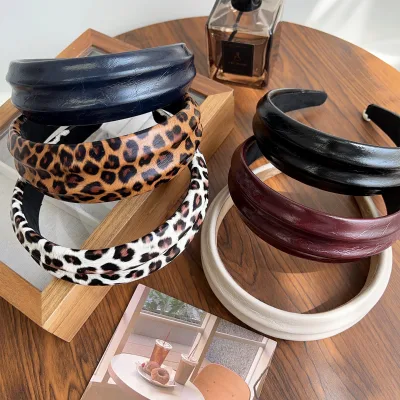
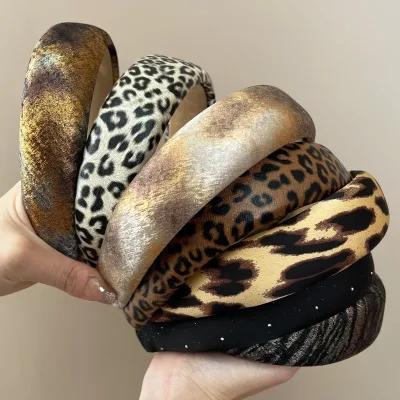
New Autumn and Winter Leopard Print Leather Headband Wide Edge Fashionable Simple Hair Accessory
$1.59 - $1.89
MOQ: 6 pieces
- Verified by SGS Group
- Manufacturer, Trading Company
- Lead time25 days
- Avg. response≤ 4h
Main productsHair Accessories, Earrings, Necklaces, Rings, Bracelets
Main marketsEastern Asia(50%), Western Europe(20%), North America(15%)
Shenzhen Kingyard Int'l Trading Co., Ltd.
- Trading Company
- Lead time旺季: "1 - 500":30,"> 500":"To be negotiated", 淡季: "1 - 500":30,"> 500":"To be negotiated"
- Avg. response≤ 3h
Main productsHair Accessories, Sport Accessories, Fashion Jewellery, Beauty Tools, Cosmetic Bag
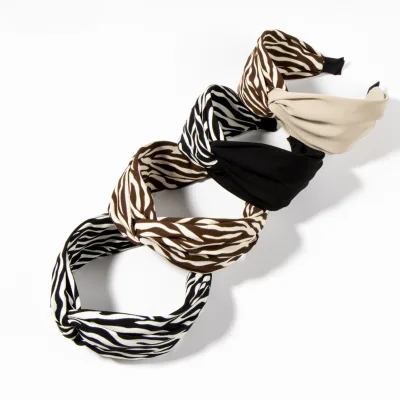
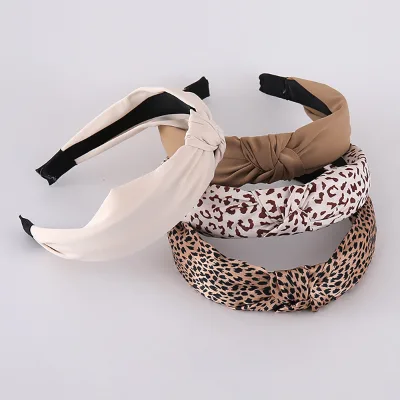
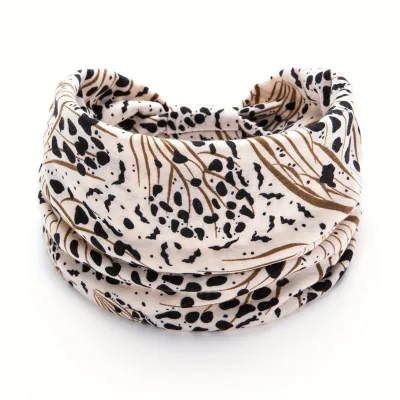
New Wide Edge Cross Contrast Zebra Leopard Style Hair Accessories Headband for Girls
$1.18 - $1.54
MOQ: 500 pieces
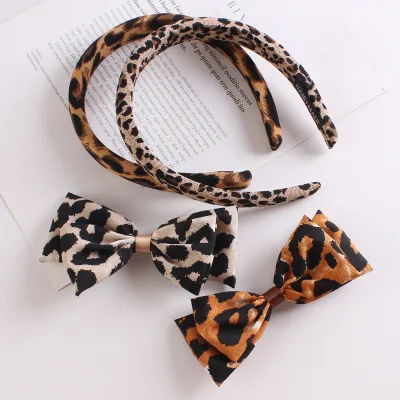
Wholesale Sell Well Temperament Leopard Print Sweet and Cool Head Bands for Women
$0.78 - $0.96
MOQ: 100 pieces
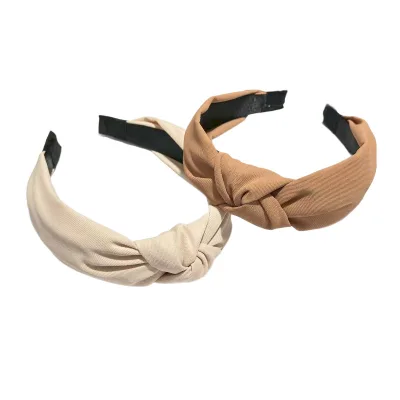
$0.55 - $0.63
MOQ: 500 pieces

Yiwu Kaka Accessories Co., Ltd.
- Manufacturer, Trading Company
- Zhejiang, China
- Lead time7 days
- Avg. response≤ 4h
Main productsHair Clip,Jaw clip,necklace,earring,ring
Main marketsWestern Europe(30.0%), North America(25.0%), Eastern Asia(10.0%), Eastern Europe(10.0%), South America(5.0%), Southern Europe(5.0%), Northern Europe(5.0%), Southeast Asia(5.0%), Oceania(5.0%)
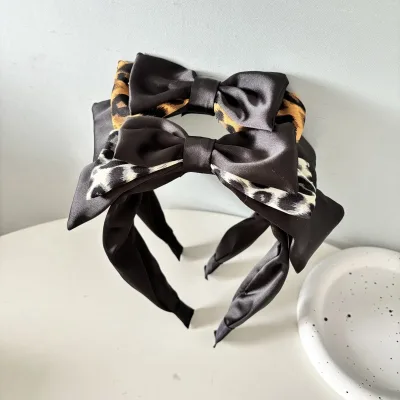
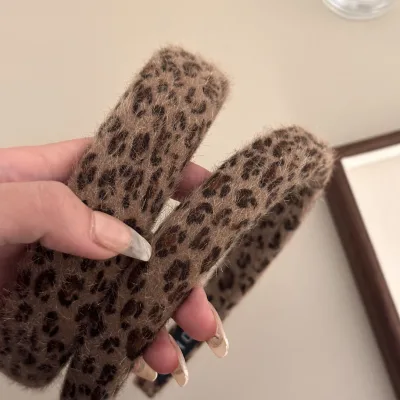
Women's Luxury Velvet Leopard Printed Sponge Headband 's Hot Selling Fashion Accessory
$1.19 - $1.29
MOQ: 60 Minimum
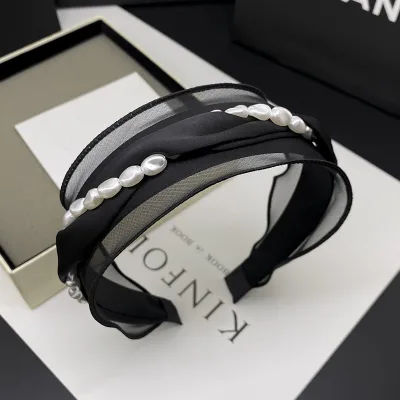
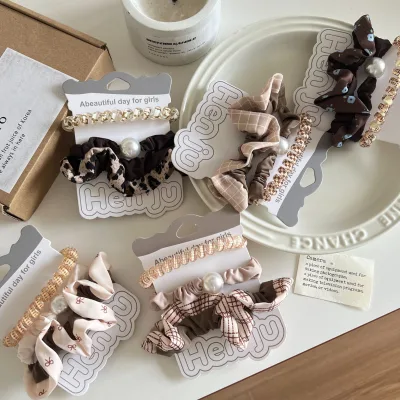
Beautiful Headband Pearl Rhinestone Pleated Fabric Scrunchy Hairband Wide Edge Headband
$0.99 - $1.49
MOQ: 12 pieces

Yiwu Sifan Import & Export Co., Ltd.
- Verified by BV
- Trading Company
- China Zhejiang
- Lead time30 days
- Avg. response≤ 10h
Main productsSoccer Ball Football PU Ball, Football PVC Football PU Football, Promotional Football Cheap Sosccer Ball, Soccer Jersey T-Shirts Football Jersey, Volleyball Rubber Ball Rubber Volleyball, Football Jersey Soccer Jersey Tshirts, Sports Goods Sporting Goods, T-Shirts Soccer T-Shirts Football T-Shirts, Soccer Uniform Football Uniform, Basketball Rubber Ball Rubber Basketball
Main marketsEurope,North America


Fabric Headband, Headband, Adult Hairband, Baby Headband, Hair Headband, Plain Headband, Bowknot
$0.17 - $0.29
MOQ: 2000 Pieces
Zhengzhou Letiao Beauty Trading Co., Ltd.
- Trading Company
- Henan, China
- Lead time5 days
- Avg. response≤ 3h
Main productsSynthetic Hair,Human Hair,False Eyelashes,Beauty Products,Personal Articles
Main marketsNorth America(30.0%), Eastern Europe(20.0%), South America(20.0%), Northern Europe(5.0%), Western Europe(5.0%)

Tianjin Smile Imp & Exp Co., Ltd.
- Verified by TUVRHEINLAND
- Trading Company
- China Tianjin
- Lead time30 days
- Avg. response≤ 2h
Main productsBalloon, Curtain, Tablecloth, Iron Arch, Bunting, Paper Garland, Tiara, Paper Tableware, Gift Bag, Confetti
Main marketsOthers(foreignTradeCapacity.exportBusinessCapacityMarketOther),Europe,North America
- Trading Company
- Zhejiang, China
- Lead time0 days
- Avg. response≤ 2h
Main productshair clip,hair tie,charm&pendant,bracelet,jewelry accessories
Main marketsNorth America(35.0%), Western Europe(30.0%), Mid East(10.0%), Southern Europe(5.0%), Eastern Europe(5.0%), South America(5.0%), Africa(3.0%), Eastern Asia(2.0%)
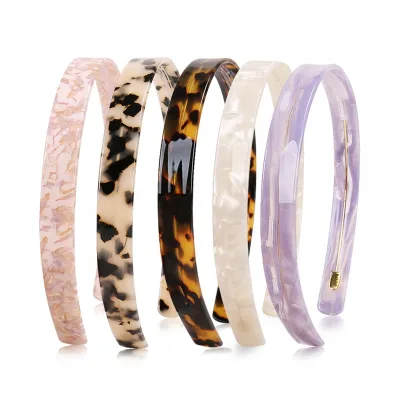
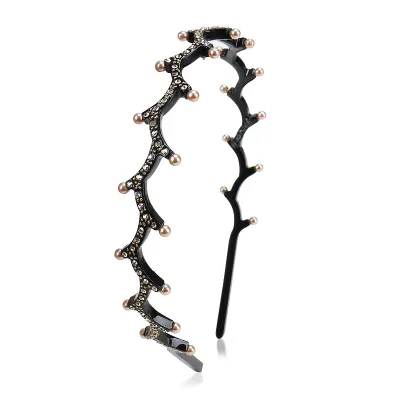
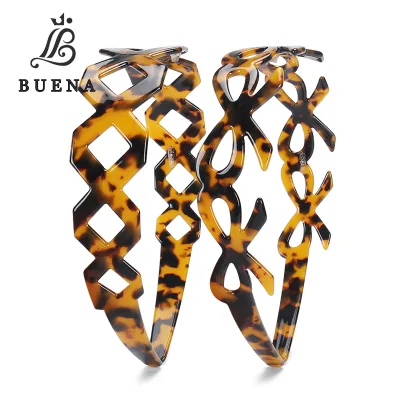
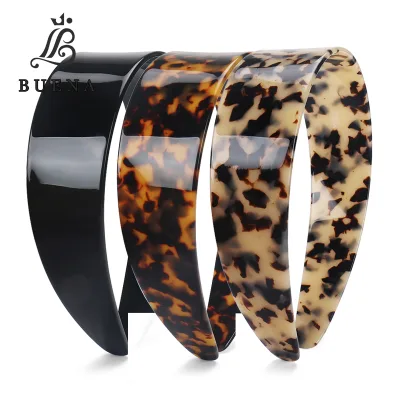








Comprehensive Sourcing Guide
Leopard Acetate Headband Supplier Concentration and Factory Types
Current data indicates that verified suppliers for leopard acetate headbands are concentrated in specific Chinese provinces, with Hubei and Zhejiang appearing as documented locations for active manufacturers and trading companies. These regions host a mix of factory types, including direct manufacturers and trading companies, which influences the supply chain structure for acetate hair accessories. Buyers should note that while some entities operate as manufacturers, others function as trading companies, meaning the physical production site may differ from the corporate registration address. The presence of both types in the same geographic clusters suggests a dense ecosystem where raw material sourcing and final assembly often occur within close proximity.
When evaluating supplier concentration, buyers must distinguish between the registered location and the actual production facility. Some product listings specify a place of origin such as Zhejiang, China, while the company profile might list Hubei, China, requiring careful verification of the manufacturing base. This distinction is critical because trading companies may source from multiple factories, whereas manufacturers typically control the entire production process. Buyers should request proof of the factory location to ensure the supplier can deliver the specific acetate quality and leopard print patterns required. Understanding this concentration helps in assessing the logistical feasibility of visiting facilities or coordinating quality control inspections directly at the source.
How to Verify Leopard Acetate Headband Suppliers
Verification begins by cross-referencing the company type listed in the profile against the actual product capabilities. The available data shows suppliers identified as either manufacturers or trading companies, each requiring a different verification approach. For manufacturers, buyers should request factory audit reports or video tours that confirm the presence of acetate molding and printing equipment. For trading companies, the focus shifts to verifying their relationship with the actual production facilities and their ability to manage quality control on behalf of the buyer. It is essential to confirm that the entity claiming to be a manufacturer is not merely a reseller without direct oversight of the production line.
Buyers must also validate the specific product attributes listed in the supplier catalog to ensure they match the physical samples. Product evidence indicates specific materials like cellulose acetate and wood, along with detailed dimensions and packaging requirements. Verification involves checking if the supplier can consistently produce items with the stated model numbers, such as BF181 or BF209, and if the color customization options like "1,2,3,4,5,6,7,8,9,10,11" are genuinely available. Additionally, response times listed as 5 or 6 hours should be tested through direct communication to confirm the speed and quality of the interaction. This process ensures the supplier is not only listing products but possesses the operational capacity to fulfill orders with the specified technical details.
What to Compare Across Leopard Acetate Headband Suppliers
Comparing suppliers requires a systematic analysis of key operational metrics such as lead time, minimum order quantity, and response speed. The data reveals varying lead times, with some suppliers indicating 15 days and others 20 days, which directly impacts inventory planning and delivery schedules. Minimum order quantities also differ significantly, ranging from as low as 3 pieces for certain items to bulk requirements like 120 pieces per color for custom orders. Buyers should create a comparison matrix that weighs these constraints against their specific volume needs and budget, ensuring they select a partner whose operational thresholds align with their business model.
Beyond logistics, buyers must compare the product specifications and pricing structures to identify the best value proposition. Price ranges observed in the data span from approximately 1.31 to 11.90 per unit, depending on the complexity of the design, such as the inclusion of pearls or specific acetate thickness. Suppliers offering custom colors and eco-friendly features may command higher prices, but these attributes often justify the cost for premium market segments. Additionally, the main products listed, such as hair claws, clips, and headbands, indicate the supplier's breadth of inventory. A supplier with a diverse range of hair accessories might offer better bundling opportunities, whereas a specialized manufacturer might provide superior quality control for specific acetate headband styles.
Common Leopard Acetate Headband Sourcing Risks
One significant risk involves the discrepancy between the stated place of origin and the actual manufacturing location. While product attributes frequently list Zhejiang, China, as the origin, the company profile might indicate Hubei, China, creating potential confusion regarding regulatory compliance and shipping logistics. This inconsistency can lead to delays in customs clearance or unexpected changes in shipping costs if the goods are routed through different ports. Buyers must clarify the exact production site to ensure that all documentation matches the physical goods being shipped, preventing administrative bottlenecks that could disrupt the supply chain.
Another critical risk is the variability in minimum order quantities and customization capabilities. Some suppliers require bulk orders of 120 pieces per color for custom designs, while others accept small batches of just 3 pieces. This disparity can be problematic for buyers testing new designs or managing limited inventory. Furthermore, the reliance on specific materials like cellulose acetate or wood means that supply chain disruptions in raw material sourcing could halt production. Buyers should assess the supplier's ability to handle these fluctuations and ensure they have contingency plans in place. Verifying the supplier's track record with similar customization requests is essential to mitigate the risk of receiving substandard or non-compliant products.
Leopard Acetate Headband Regional Sourcing and Logistics
Regional sourcing strategies must account for the specific locations identified in the supplier data, primarily Hubei and Zhejiang. These provinces offer distinct logistical advantages, with Zhejiang being a major hub for manufacturing and export, often providing more streamlined shipping routes to international ports. Hubei, while also a manufacturing center, may have different transit times and freight costs depending on the destination. Buyers should evaluate the proximity of the supplier to major shipping hubs to minimize transit time and reduce the overall cost of goods sold. Understanding the regional infrastructure helps in planning efficient logistics and selecting the most cost-effective shipping methods for the specific order volume.
Logistics planning also involves considering the packaging details and weight specifications provided in the product attributes. Items like the "Camellia clip" have a single gross weight of 0.25 kg, while other headbands weigh as little as 0.017 kg, significantly affecting freight calculations. Packaging details, such as inner OPP bags and outer cartons, must be verified to ensure they meet the buyer's requirements for protection during transit. Buyers should confirm that the supplier's packaging standards align with their distribution needs to prevent damage during shipping. Additionally, the lead times of 15 to 20 days must be factored into the overall delivery schedule, ensuring that the goods arrive in time for market launches or seasonal demands.
Leopard Acetate Headband Commercial Terms and Order Planning
Commercial terms for leopard acetate headbands vary based on the supplier's type and the specific product configuration. Minimum order quantities can range from 3 pieces to 120 pieces per color, requiring buyers to plan their orders carefully to meet these thresholds. Pricing structures also fluctuate, with some items priced as low as 1.31 per unit and others reaching up to 11.90, depending on features like color customization and material quality. Buyers should negotiate terms that align with their cash flow and inventory strategies, ensuring that the total cost of ownership, including shipping and duties, remains within budget.
Order planning must also consider the response times and lead times provided by the suppliers. With response times of 5 to 6 hours and lead times of 15 to 20 days, buyers need to initiate orders well in advance to avoid delays. It is crucial to establish clear communication channels to track production progress and address any issues promptly. Buyers should also verify if the supplier offers escrow services or other payment protections to mitigate financial risks. By aligning commercial terms with realistic production schedules and maintaining open communication, buyers can ensure a smooth procurement process and timely delivery of high-quality leopard acetate headbands.
FAQs
What is the typical lead time for leopard acetate headbands?
The typical lead time for these items ranges from 15 to 20 days depending on the supplier. Manufacturers in Hubei often quote 15 days, while trading companies in Zhejiang may require up to 20 days. Buyers should confirm the exact schedule with their chosen vendor before placing orders to ensure timely delivery.
What is the minimum order quantity for custom acetate headbands?
The minimum order quantity varies significantly by product type. Some classic leopard print styles require a low MOQ of just 3 pieces. However, custom width or specific color options often demand higher volumes, such as 100 or 120 pieces per color. Always check the specific product listing for accurate MOQ requirements.
How much do leopard print acetate headbands cost?
Prices for leopard print acetate headbands generally range from $1.31 to $11.90 per unit. Simple cellulose acetate styles start around $1.31, while more complex designs with pearls or specific branding can cost up to $11.90. The final price depends on material thickness, customization level, and order volume.
Where are leopard acetate headbands typically manufactured?
These accessories are primarily manufactured in China, with key production hubs in Zhejiang and Hubei provinces. Zhejiang suppliers often specialize in cellulose acetate materials and offer various customization options. Hubei-based manufacturers also provide competitive pricing and reliable production capabilities for standard leopard print designs.
How quickly do suppliers respond to inquiries?
Supplier response times for leopard acetate headbands typically range from 5 to 6 hours. Most trading companies and manufacturers in the search results demonstrate prompt communication within this window. Quick responses indicate active inventory management and efficient customer service processes for potential buyers.
What materials are used for leopard print headbands?
Most leopard print headbands are made from cellulose acetate, known for its durability and eco-friendly properties. Some variations may include wood or other decorative elements like pearls or rhinestones. The acetate material allows for smooth finishes and vibrant tortoiseshell or leopard patterns suitable for daily wear or special occasions.