Countertop Multifunctional Slush Machine Suppliers and Manufacturers
Source 30 verified suppliers for Countertop Multifunctional Slush Machine units. Compare CE-certified models with capacities from 2L to 80L/h, stainless steel construction, and prices between $500 and $1,260. Request quotes to evaluate lead times and MOQs; review the available evidence before requesting comparable quotations from suitable candidates.
Updated
Suppliers List
Luohe Tengli Mechanical And Electrical Equipment Co., Ltd.
- Verified by SGS Group
- Manufacturer, Trading Company
- Lead time0 days
- Avg. response≤ 2h
Main productsVegetable Cutter, Packaging Machine, Pasta Machinery, Meat Machinery
Main marketsNorth America(28%), Africa(21%), Northern Europe(17%)
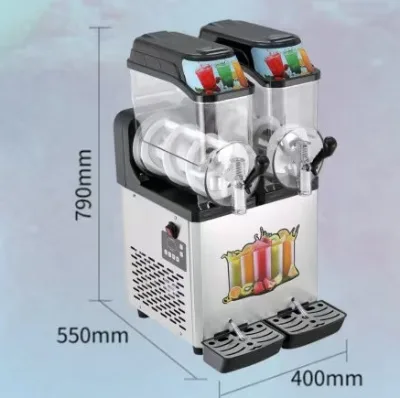
$617.0865 - $769.0472
MOQ: 1 pieces
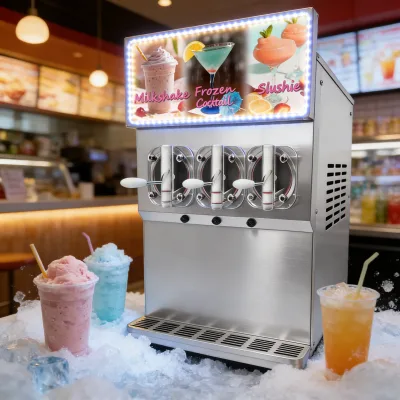

WELLCOOLING INTELLIGENT TECHNOLOGY (JM) CO., LTD.
- Manufacturer
- China Guangdong
- Lead time23 days
- Avg. response≤ 14h
Main productsIce Cream Machine, Slush Machine, Popsicle Machine, Juice Dispenser, Ice Cream Cone Machine, Ice Making Machine, Water Vending Machine, Frozen Yogurt Machine, Food Mixer, Ice Cream Display Freezer
Main marketsSoutheast Asia/ Mideast,Europe,North America
Guangzhou Foodsense Catering Equipment Co., Ltd.
- Verified by SGS Group
- Trading Company
- Lead time20 days
- Avg. response≤ 2h
Main productsFood Processing Machine, Bakery Equipment, Western Kitchen Equipment, Refrigeration Equipment, Bar Beverage Equipment
Main marketsAfrica(15%), South America(10%), Southeast Asia(10%)
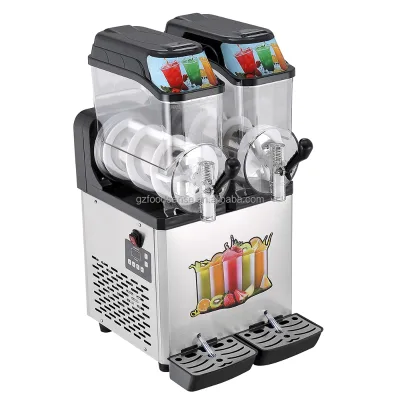
New Style 12l Mini Slush Machine Commercial 850w Multi-function Slush Machine for Sale
$468.00 - $597.00
MOQ: 1 pieces
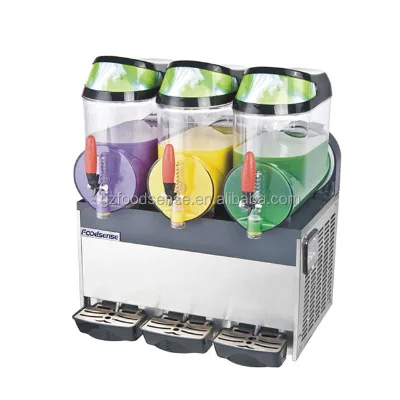
Stainless Steel Durable Ice Maker Slush Slushie Instant Ice Slushy Machine
$720.00 - $800.00
MOQ: 1 pieces

Jiangsu Xinyuehai Commercial Kitchenware Co., Ltd
- Verified by SGS
- Combined
- China Jiangsu
- Lead time15 days
- Avg. response≤ 2h
Main productsCatering Equipment, Chinese Stove, Kitchen Equipment, Kitchen Appliance, Gas Stove, Ice Maker Machine, Stainless Steel Shelf, Kitchen Workbench, Refrigerator, Induction Cooker
Main marketsDomestic,Europe

Commercial Frozen Drink Machine Countertop Double-Cylinder Slush Machine
$600.00 - $700.00
MOQ: 1 Pieces

Slush Machine Three Bowls Slush Machine Juicer Margarita Machine for Commerical Use
$799.00 - $1065.00
MOQ: 1 Pieces
LUOHE NINE LEMON IMPORT & EXPORT CO., LTD.
- Verified by SGS Group
- Trading Company
- Lead time15 days
- Avg. response≤ 8h
Main productsBread Production Line, Vegetable and Fruit Processing Equipment, Meat Processing Equipment, Bakery Equipment, Packing Solution
Main marketsMid East(30%), North America(20%), South America(10%)
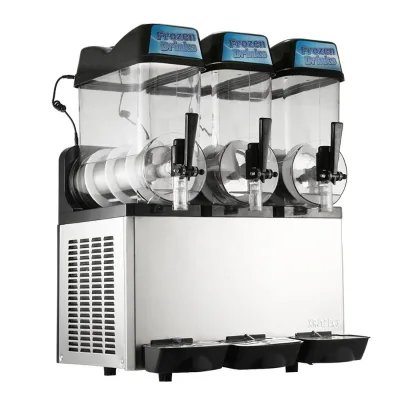
Slush Machine 3 Bowl Slush Machine Price 2 tank Slush Machine
$1499.00 - $1599.00
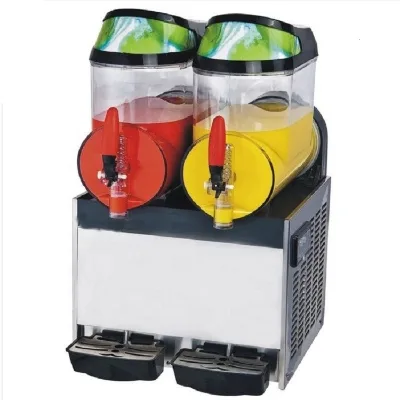
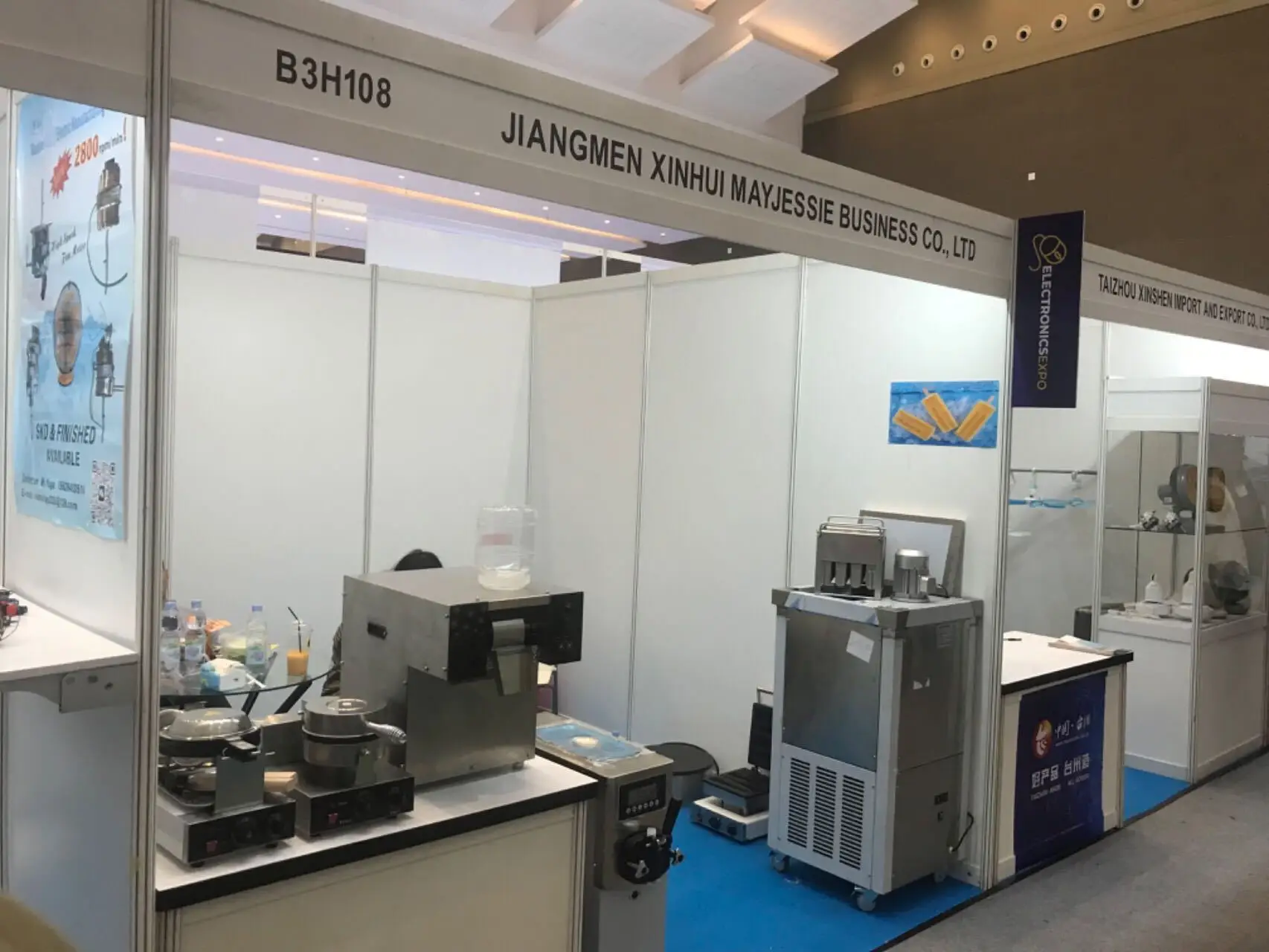
Jiangmen Xinhui Mayjessie Industrial Co., Ltd.
- Trading Company
- Guangdong, China
- Lead time5 days
- Avg. response≤ 7h
Main productsice cream machine,kitchen equipment,food equipment,beverage machinery
Main marketsNorth America(40.00%), Southern Europe(20.00%), Western Europe(20.00%), Eastern Europe(10.00%), South America(10.00%)
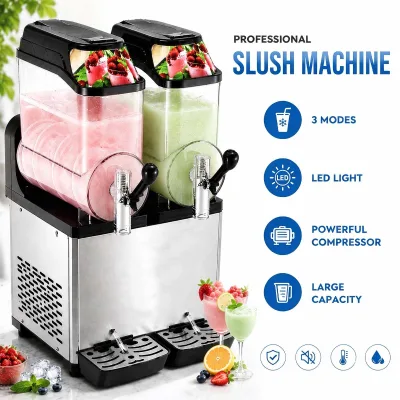
$520.00 - $580.00

Guangzhou Tailang Industrial Co., Ltd.
- Verified by TUVRHEINLAND
- Combined
- China Guangdong
- Lead time15 days
- Avg. response≤ 2h
Main productsDeep Fryer, Popcorn Machine, Crepe Maker, Cotton Candy Machine, Panini Grill, Griddle, Waffle Maker, Fishball Grill, Bain Marie
Main marketsSouth America


Commercial Slush Machine Industrial Slush Machine Frozen Drink Machine
$787.00 - $794.00
MOQ: 5 Pieces


- Verified by BV
- Trading Company,Manufacturer/Factory
- China Henan
- Lead time15 days
- Avg. response≤ 5h
Main productsOil Expeller, Oil Press Machine, Oil Refinery, Pellet Machine, Food Processing Machine, Animal Feed Machine, Packing Machine, Filling Machine, Briquette Machine, Brick Machine
Main marketsSouth America,Eastern Europe,Mid East,North America,Southeast Asia,Eastern Asia,Oceania,Western Europe,Africa
FOSHAN LIBOSA HOTEL SUPPLIES CO., LTD.
- Manufacturer, Trading Company
- Guangdong, China
- Lead time15 days
- Avg. response≤ 2h
Main productsoven,mixer,proffer,ice maker,cakeshowcase
Main marketsMid East(20.00%), Eastern Europe(10.00%), South America(10.00%), North America(10.00%), Southeast Asia(5.00%), Domestic Market(5.00%), South Asia(5.00%), Southern Europe(5.00%), Northern Europe(5.00%), Central America(5.00%), Western Europe(5.00%), Eastern Asia(5.00%), Oceania(5.00%), Africa(5.00%)
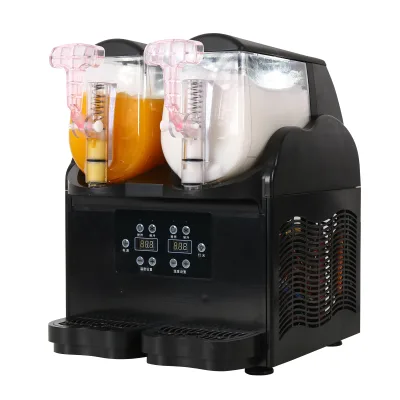
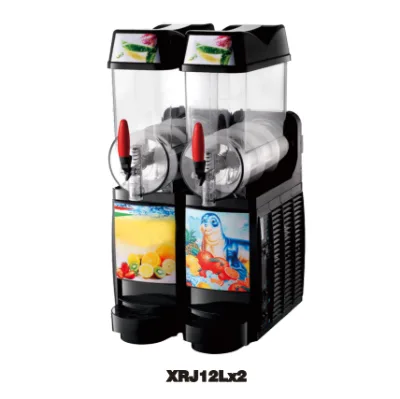
Slush Machine Xrj Commercial Restaurant Slush Machine for Sale Uk
$515.00 - $639.00
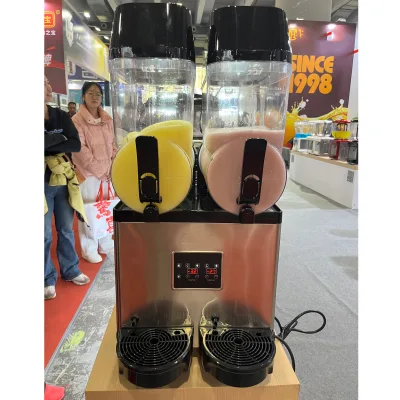
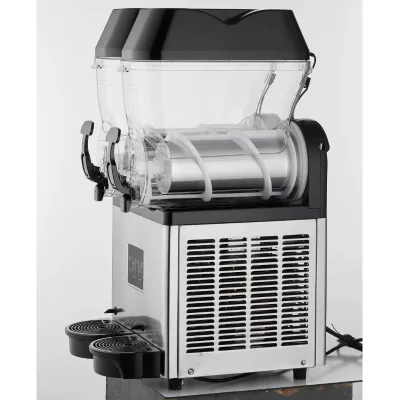
Best Sell New Style Slush-machine Table Top Slush Machine in China
$609.00 - $666.00
Jiangmen City Xinhui District Mayhope Machinery Co., Ltd.
- Manufacturer
- Guangdong, China
- Lead time5 days
- Avg. response≤ 5h
Main productsIce Cream Machine,Ice Slush Machine,Popsicle Machine
Main marketsSouth America(30.00%), North America(30.00%), Southern Europe(10.00%), Northern Europe(10.00%), Western Europe(10.00%), Eastern Europe(10.00%)
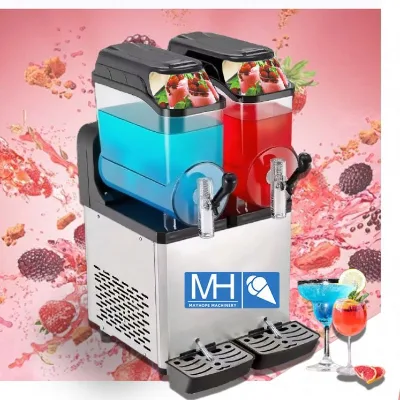
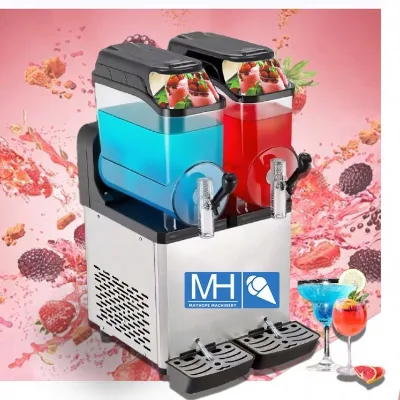
$490.00 - $580.00
MOQ: 1 sets
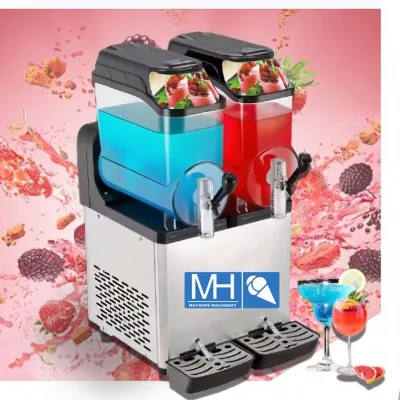
Commercial Slush Machine Ice Slushy Juicer Machine Wholesale 2 tank Ice Slush Sluskie Tea
$490.00 - $580.00
MOQ: 1 sets
Henan Shanpu Machinery Equipment Co., Ltd.
- Trading Company
- Henan, China
- Lead time0 days
- Avg. response≤ 2h
Main productsoil press machine,package machine,juicer machine,Woodworking machinery,Rubber and plastic machinery
Main marketsNorth America(15.00%), Mid East(10.00%), Northern Europe(10.00%), Western Europe(10.00%), Southeast Asia(10.00%), Eastern Europe(10.00%), Southern Europe(10.00%), Oceania(5.00%), South Asia(5.00%), Africa(5.00%), South America(5.00%), Central America(2.00%), Eastern Asia(2.00%), Domestic Market(1.00%)

Zhengzhou Shuogui Machinery Co., Ltd
- Verified by SGS
- Trading Company
- China Henan
- Lead time15 days
- Avg. response≤ 4h
Main productsFresh Noodle Machine, Ice Cream Machine, Ice Maker, Food Dryer, Fryer, Tortilla Maker, Pizza Oven, Meat Processing Machine
Main marketsSouth America,Southeast Asia/ Mideast,North America

Countertop Single Flavor Ice Slush Machine Commercial Smoothies Machine for Sale
$1459.00 - $1499.00
MOQ: 1 Pieces

Hot Sale Slush Machine Wholesale Price Commercial 2-Tank Slushy Machine
$689.00 - $719.00
MOQ: 1 Pieces

Portable Ice Slush Machine Table Top Slushy Machine for Commercial Business
$529.00 - $559.00
MOQ: 1 Pieces


Henan Smile Technology Industrial Co., Ltd.
- Verified by SGS
- Trading Company,Manufacturer/Factory
- China Henan
- Lead time0 days
- Avg. response≤ 8h
Main productsBaking Oven, Industrial Mixer, Laboratory Equipment, Bakery Equipment, Bakery Processor, Kitchen Equipment, Refrigeration Series, Fast Food Equipment, Juicer Extractor Machine


Catering Equipment Double Tanks Slush Machine 13lx3 Commercial Slushie Machine
$470.00 - $870.00
MOQ: 1 Pieces

Commercial Counter Top Use Electric Slush Machine Ice Drink Maker Slush Machine for Sale.
$470.00 - $870.00
MOQ: 1 Pieces

Ningbo Sicen Refrigeration Equipment Co., Ltd.
- Verified by TUVRHEINLAND
- Combined
- China Zhejiang
- Lead time15 days
- Avg. response≤ 9h
Main productsIce Cream Machine, Frozen Yogurt Machine, Slush Machine, Juice Dispenser, Soda Fountain Machine, Ice Cream Maker, Mini Ice Cream Maker, Frozen Yogurt Maker, Soft Serve Ice Cream and Frozen Yogurt Machine, Ice Cream Maker for Home Use
Main marketsSouth America,Domestic,Europe


2 Flavors Stainless Steel 304 Milkshake Machine Best Quality Bench Top Slush Machine
$1200.00 - $2000.00
MOQ: 1 unit


Shandong Chenxiang Machinery Equipment Co., Ltd.
- Manufacturer, Trading Company
- Shandong, China
- Lead time7 days
- Avg. response≤ 2h
Main productsFood Trucks,Commercial Equipment and Machinery,Packaging Supplies,Cargo Bundling Services,Transportation Services
Main marketsNorth America(36.00%), Central America(16.00%), South America(15.00%), Northern Europe(13.00%), Western Europe(10.00%), Oceania(10.00%)
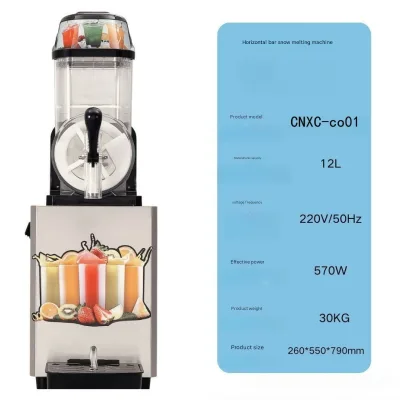
Stainless Steel Slush Machine for Long-Lasting Performance
$395.00 - $467.00
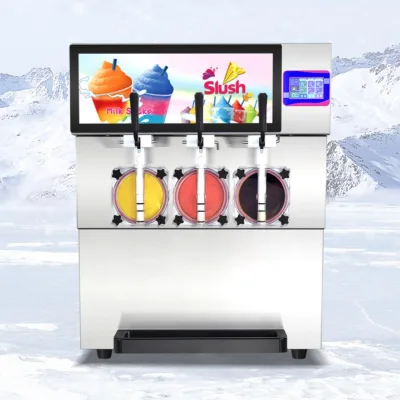
Slush Machine 3 Tanks - Triple Flavor Variety
$2083.00 - $2361.00
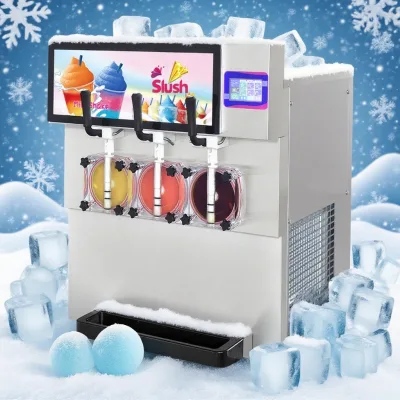
Slush Machine for Home Use - Compact & User-Friendly
$2083.00 - $2361.00
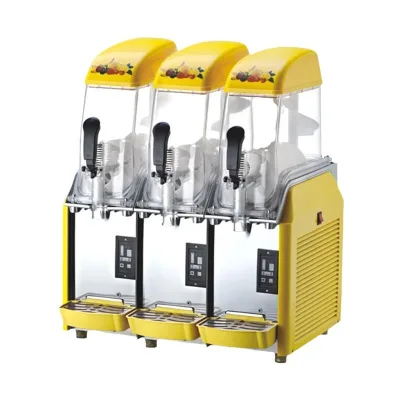
New slush machines for sale, ready to use
$670.00 - $860.00
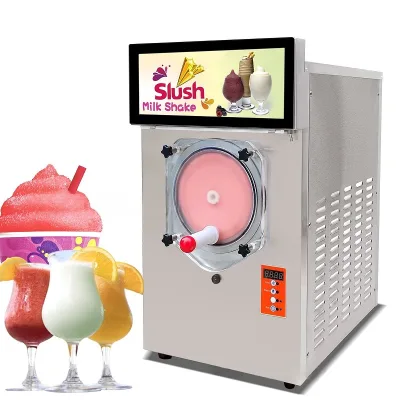
Compact Slushie Machine Space Saving Design Ideal for Mobile Vendors
$1413.00 - $1694.00
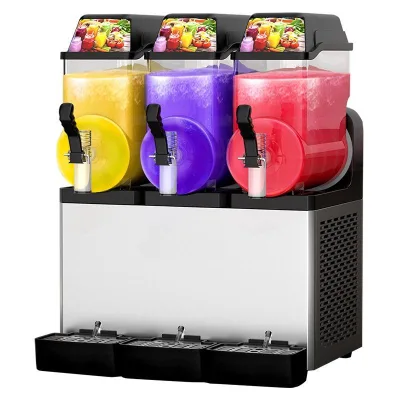
Foshan Longmai Food Machine Co., Limited
- Verified by Intertek
- Trading Company
- Lead time20 days
- Avg. response≤ 4h
Main productsBaking Oven, Dough Mixer, Dough Sheeter, Proofer, Dough Divider
Main marketsSoutheast Asia(30%), North America(10%), South America(10%)
Foshan Keku Electrical Appliance Co., Ltd.
- Verified by Intertek
- Manufacturer, Trading Company
- Lead time30 days
- Avg. response≤ 4h
Main productsIce Cream Machine, Ice Machine, Juice Dispenser, Ice Slush Machine
Main marketsDomestic Market(50%), North America(20%), South America(10%)
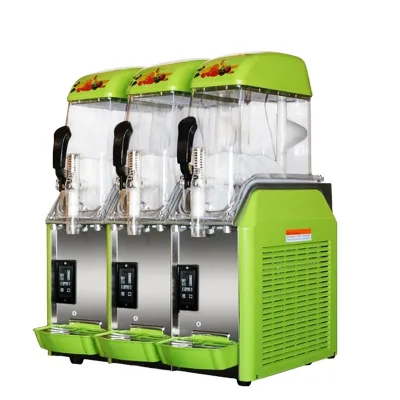
2020 Quality Assurance Electric Stainless Steel Automatic 3 Tank Commercial Slush Machine
$450.00 - $650.00
MOQ: 10 chains
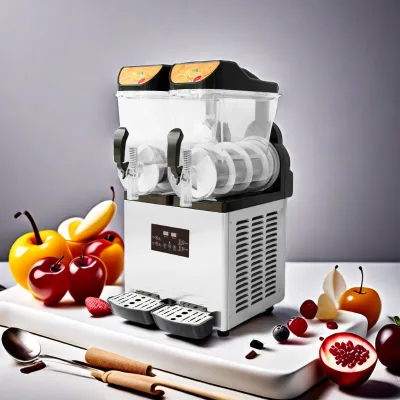
$470.00 - $489.00
MOQ: 1 pieces

- Verified by BV
- Combined
- China Guangdong
- Lead time15 days
- Avg. response≤ 4h
Main productsHood Type Dishwasher, Conveyor Type Dishwasher, Ultrasonic Dishwasher, Undercounter Dishwasher, Bakery Equipment, Food Processor
Main marketsSouth America,Africa,Others(foreignTradeCapacity.exportBusinessCapacityMarketOther),North America


Premium Heavy-Duty Slush Machine Reliable Commercial Slush Machine for Events
$652.00 - $702.00
MOQ: 5 Pieces


Commercial Slush Machine with High Efficiency for Instant Ice Solutions
$804.00 - $864.00
MOQ: 5 Pieces

Shanghai Keshi Refrigeration Equipment Co., Ltd.
- Verified by TüVRheinland
- Manufacturer, Trading Company
- Lead time7 days
- Avg. response≤ 3h
Main productsIce Cream Machine, Orange Juicer, Slush Machine, Ice Machine, Juice Dispenser
Main marketsWestern Europe(30%), Domestic Market(30%), North America(20%)
Guangzhou Dongpei Kitchen Equipment Co., Ltd.
- Verified by SGS Group
- Trading Company
- Lead time2 days
- Avg. response≤ 2h
Main productsCooking Equipment, Refrigeration Equipment, Bakery Equipment, Fast Food Equipment, Buffer Equipment
Main marketsMid East(40%), North America(30%), Southeast Asia(20%)
Jiangmen Jin Li Sheng Machinery Co., Ltd.
- Manufacturer
- Guangdong, China
- Lead time15 days
- Avg. response≤ 4h
Main productsSoft Ice Cream Machine, Hard Ice Cream Machine, Fried Ice Cream Machine, Popsicle Machine, Gelato Ice Cream Display Showcase
Main marketsSouth America(15.00%), Western Europe(13.00%), Eastern Europe(13.00%), Northern Europe(12.00%), North America(10.00%), Domestic Market(10.00%), Southeast Asia(7.00%), South Asia(5.00%), Oceania(5.00%), Southern Europe(5.00%), Eastern Asia(5.00%)
Guangzhou ITO Catering Equipment Co., Ltd.
- Manufacturer, Trading Company
- Lead time旺季: "1 - 1":25,"2 - 100":35,"> 100":"To be negotiated", 淡季: "1 - 1":25,"2 - 100":35,"> 100":"To be negotiated"
- Avg. response≤ 2h
Main productsFryer/Oven/Ice Cream Machine/Beverage Dispenser/Popcorn Machine

GGMGASTRO (QINGDAO) INTERNATIONAL CO., LTD.
- Verified by BV
- Trading Company,Manufacturer/Factory
- China Shandong
- Lead time23 days
- Avg. response≤ 1h
Main productsCommercial Refrigerator, Kitchen Equipment, Catering Equipment, Bakery Eqipment, Ice Maker, Stainless Steel Sink, Meat Slicer, Fryer, Induction Cooker, Contact Grill
Main marketsSouth America,Eastern Europe,Mid East,Southeast Asia,Western Europe

Guangzhou Red Rabbit Intelligent Co., Ltd.
- Verified by SGS
- Combined
- China Guangdong
- Lead time15 days
- Avg. response≤ 4h
Main productsCotton Candy Vending Machine
Main marketsDomestic


Best Commercial Slushie Machine High Capacity and Reliable for Fast Beverage Service
$4380.00
MOQ: 1 Pieces
Guangzhou Longterm Kitchen Equipment Co., Ltd.
- Verified by SGS Group
- Trading Company
- Lead time15 days
- Avg. response≤ 2h
Main productsFood Processing Machine, Bakery Equipment, Western Kitchen Equipment, Refrigeration Equipment, Bar Beverage Equipment
Main marketsSouthern Europe(15%), South America(10%), Africa(10%)
Guangzhou Zhong Bei Mechanical Equipment Co., Ltd.
- Verified by Intertek
- Manufacturer, Trading Company
- Lead time7 days
- Avg. response≤ 3h
Main productsSnow Ice Machine, Ice Cream Machine, Slush Machine, Ice Popsicle, Ice Frying Machine
Main marketsWestern Europe(20%), Mid East(20%), Africa(15%)
Guangdong Leeyo Pilot Electrical Technology Co., Ltd.
- Verified by TüVRheinland
- Manufacturer, Trading Company
- Lead time25 days
- Avg. response≤ 5h
Main productsAir Purifier, Humidifier
Main marketsNorth America(88%), Southeast Asia(6%), Domestic Market(6%)

Foshan Yueyueyue Intelligent Technology Co., Ltd.
- Verified by SGS
- Combined
- China Guangdong
- Lead time30 days
- Avg. response≤ 1h
Main productsCommercial Refrigerator, Commercial Freezer, Display Freezer, Display Cooler, Ice Maker, Icecream Maker, Mini Fridge, Beef Cabinet, Air Dryer, Blast Freezer
Main marketsDomestic

Henan Topp Machinery Co., Ltd.
- Verified by BV
- Trading Company,Manufacturer/Factory
- China Henan
- Lead time23 days
- Avg. response≤ 2h
Main productsFruit Juicing Machine, Fruit Stone Extractor, Fruit and Vegetable Peeling Machine, Fruit Sorting Machine, Snack Machinery, Soft Ice Cream Machine, Peanut Brittle Machine, Donut Making Machine, Candy Cane Production Line, Cookies Making Machine
Main marketsSouth America,Eastern Europe,Mid East,North America,Southeast Asia,Eastern Asia,Oceania,Western Europe,Africa

Shandong Shenglang Kitchen Co., Ltd.
- Verified by TUVRHEINLAND
- Combined
- China Shandong
- Lead time15 days
- Avg. response≤ 3h
Main marketsSoutheast Asia/ Mideast


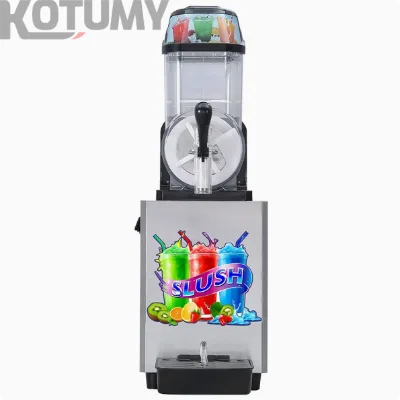
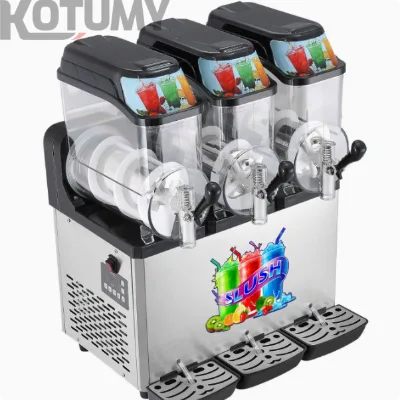
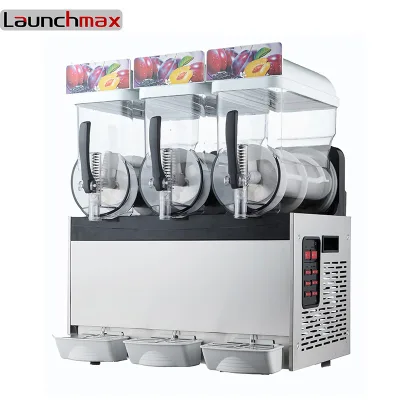
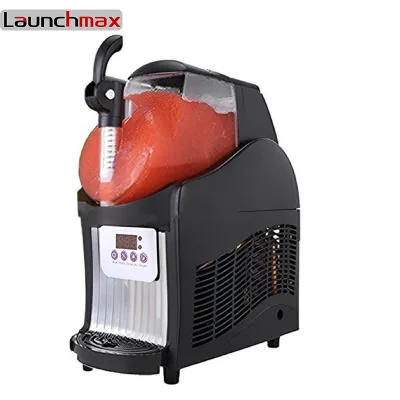
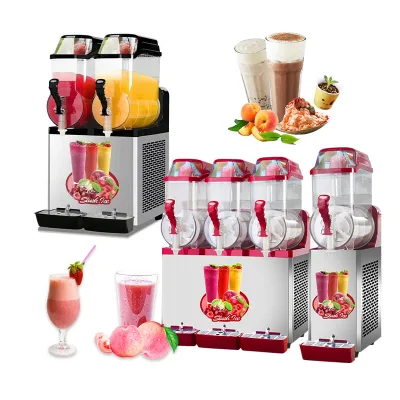
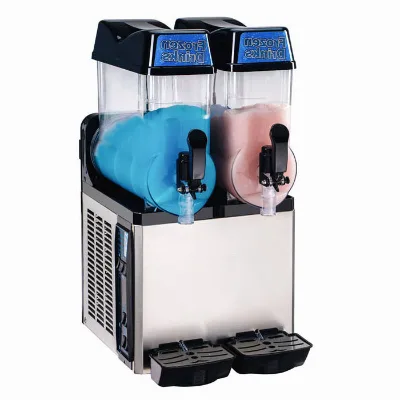
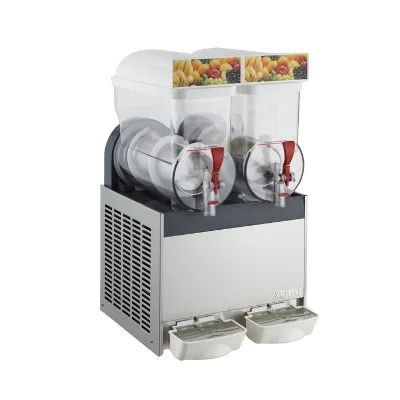
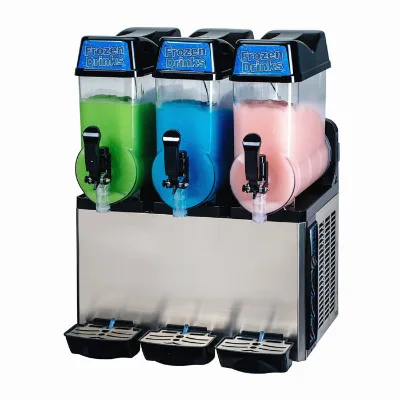
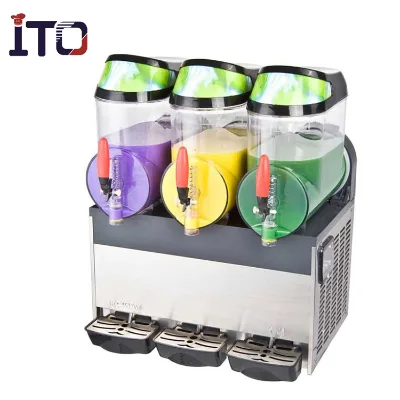
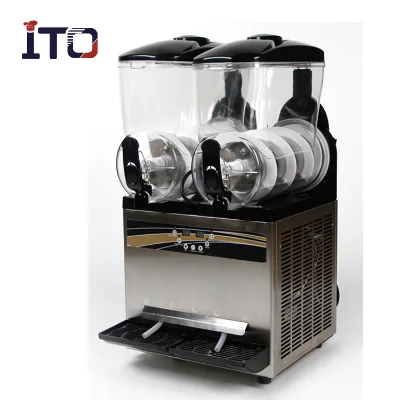
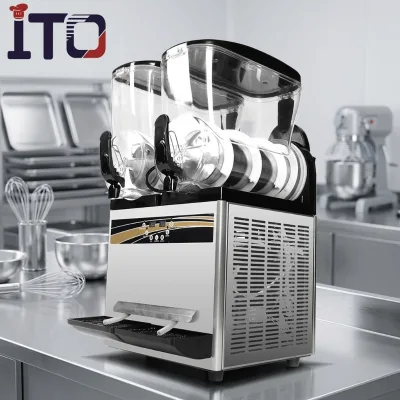


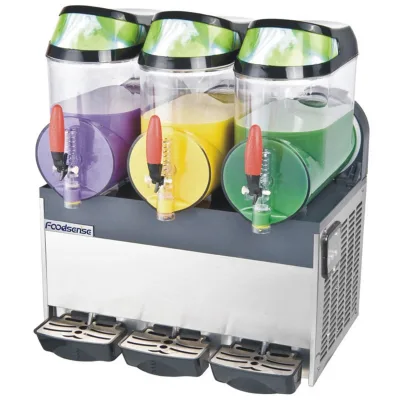
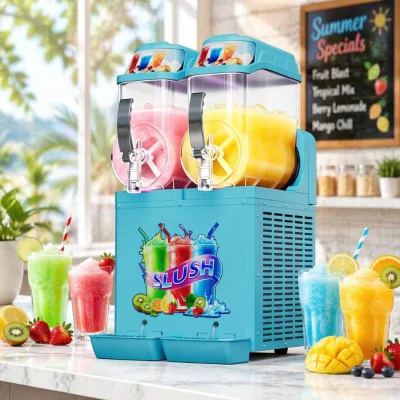
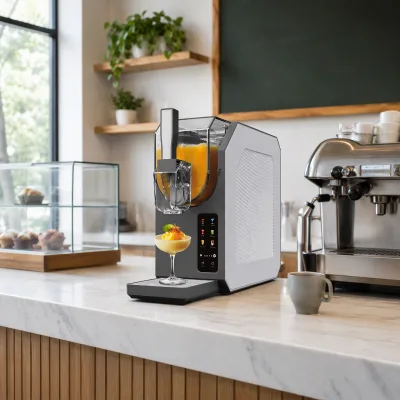
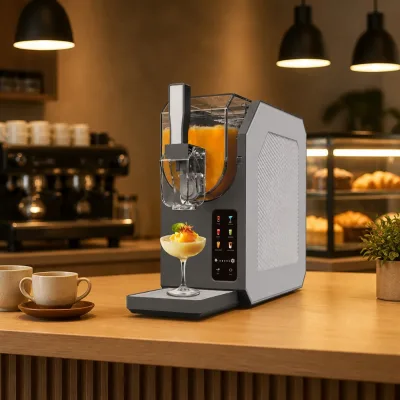


Comprehensive Sourcing Guide
Countertop Multifunctional Slush Machine Supplier Concentration and Factory Types
The current supplier landscape for countertop multifunctional slush machines reveals a mix of manufacturers and trading companies operating within the commercial equipment sector. Evidence indicates that some suppliers list main products including vegetable cutters, pasta machinery, and meat machinery alongside slush equipment, suggesting a broader industrial food processing focus. Other specialized entities concentrate specifically on ice cream machines, popsicle makers, and frozen yogurt dispensers, indicating a dedicated cluster for frozen beverage technology. One verified result places a supplier in China Guangdong, which serves as a tangible anchor for identifying regional manufacturing hubs, though buyers must verify if other facilities exist in different provinces.
Factory types vary significantly in their operational capabilities and service models. Some entities are identified as manufacturers with their own brands and offer ODM and OEM services, allowing for deep customization of machinery. Others function as trading companies that may aggregate products from various factories. The presence of specific certifications like CE on certain products confirms that some factories adhere to international safety standards, while others list "Others" for system certification, requiring further inquiry. Buyers should distinguish between these types by examining the company type field and checking if the supplier claims to have their own brand or if they act as an intermediary for multiple brands.
How to Verify Countertop Multifunctional Slush Machine Suppliers
Verification of suppliers requires a multi-layered approach focusing on third-party validation and response metrics. One key indicator found in the data is the SGS Group verification status, which provides a baseline of trust regarding the supplier's business legitimacy. Buyers should prioritize suppliers displaying this specific verification badge over those without it. Additionally, response times serve as a practical metric for supplier engagement; data shows response times ranging from 2 hours to over 13 hours. A faster response time often correlates with better customer service and more active sales teams, which is critical when negotiating complex orders for specialized machinery.
Beyond digital badges, buyers must scrutinize product evidence to confirm the supplier's actual capabilities. The presence of detailed product attributes, such as specific model numbers like TA112 or XRJ-12L*1, and technical specifications like refrigerant types (R134A, R404A) and compressor brands (Embraco), indicates a supplier with genuine inventory and technical knowledge. Certifications like CE are explicitly listed on several product listings, serving as a proxy for the factory's compliance with safety regulations. However, if a supplier lists "Others" for certification or lacks specific technical data, buyers should request direct proof of these credentials before proceeding. The combination of verified status, rapid response, and detailed technical documentation forms a robust verification framework.
What to Compare Across Countertop Multifunctional Slush Machine Suppliers
When evaluating potential partners, buyers must compare specific operational dimensions to ensure alignment with their business needs. Lead times vary significantly, with some suppliers indicating a lead time of 23 days while others show zero days, likely representing immediate stock availability. Minimum Order Quantities (MOQ) also differ, with some suppliers offering a single piece as the minimum, while others may have higher thresholds not explicitly detailed in the summary. Response times, ranging from 2 to 13 hours, should be weighed against the urgency of the procurement cycle. Buyers should create a comparison matrix that includes these logistical metrics alongside the supplier's main product focus to identify the best fit.
Price and warranty terms are equally critical factors in the comparison process. Product data reveals price ranges for similar slush machines, with some models listed between $500 and $700, while others range from $617 to $769, and high-capacity units reaching up to $1,260. These variations often reflect differences in capacity, such as 2L versus 15L bowls, or the number of tanks, ranging from single to triple configurations. Warranty periods are also a point of differentiation, with some products explicitly offering a 1-year warranty. Buyers should not assume all suppliers offer the same warranty or pricing structure; instead, they must request specific quotes that detail the total cost of ownership, including shipping and potential customization fees, to make an informed financial decision.
Common Countertop Multifunctional Slush Machine Sourcing Risks
One significant risk in sourcing this equipment involves the discrepancy between advertised capabilities and actual factory output. While some suppliers claim "High Productivity" and "Easy Operating" features, the underlying machinery may vary in quality depending on the specific factory line. The presence of different refrigerant types, such as R134A versus R404A, suggests that not all machines are built to the same environmental or performance standards. Buyers risk receiving units that do not meet their specific operational requirements if they do not verify the exact model specifications and compressor brands before placing an order. This risk is heightened when dealing with trading companies that may not have direct control over the manufacturing process.
Another critical risk relates to the variability in lead times and the potential for supply chain disruptions. While some data points show a lead time of zero, indicating immediate availability, other entries show a 23-day lead time. This inconsistency can lead to inventory shortages or delayed project launches if a buyer relies on a supplier who appears to have stock but actually faces production delays. Furthermore, the lack of standardized certifications across all suppliers, with some listing "Others" instead of specific standards, creates a compliance risk. Buyers must ensure that the machinery they receive meets local safety and electrical standards, which may not be guaranteed if the supplier's certification status is vague or unverified.
Countertop Multifunctional Slush Machine Regional Sourcing and Logistics
Regional sourcing strategies should leverage the confirmed location data to optimize logistics and reduce shipping costs. One verified supplier location is China Guangdong, a known manufacturing hub for commercial equipment. Buyers targeting this region can benefit from established supply chains and potentially lower freight rates due to the density of exporters in the area. However, since not all suppliers list specific locations, buyers must actively request the place of origin for each product. The product attributes confirm that some items originate from Henan, China, indicating that manufacturing is not limited to a single province. Understanding the specific origin allows buyers to calculate accurate shipping times and duties based on the port of departure.
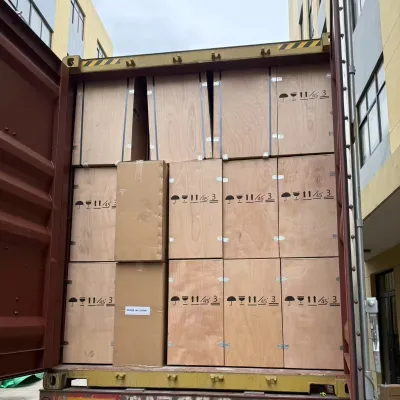
Logistics planning must also account for the physical dimensions and packaging of the machinery. Product data provides specific dimensions, such as 260550790mm for smaller units and 670520820mm for larger multi-bowl models, along with single package sizes like 31X61X93 cm. These measurements are crucial for determining container space and freight costs. Packaging types vary, with some items shipped in wooden cases and others in fiber wooden boxes, which impacts the durability of the shipment and the need for additional protective measures. Buyers should verify the gross weight, which can reach 44 kg for single items, to ensure their logistics partners can handle the load and to avoid unexpected surcharges for heavy or oversized cargo.
Countertop Multifunctional Slush Machine Commercial Terms and Order Planning
Commercial terms for these machines often include specific warranty periods and customization options that must be clearly defined in the purchase agreement. Evidence shows that some products come with a 1-year warranty, while others do not explicitly state a warranty period, creating a potential gap in post-sales support. Customization is another key term; while some suppliers offer ODM and OEM services with available customization, others list products as non-customized. Buyers must clarify whether the price includes the cost of custom branding or specific modifications, as this can significantly alter the final order value. Understanding these terms upfront prevents disputes regarding product specifications and after-sales service obligations.
Order planning should be structured around the confirmed MOQ and lead time data to ensure smooth inventory management. With some suppliers offering an MOQ of just one piece, buyers can test the market with small orders before scaling up. However, for larger commercial deployments, buyers should plan for the longer lead times, such as the 23 days observed in some cases, to avoid stockouts. The pricing structure, ranging from approximately $500 to $1,260, suggests that budget planning must account for different capacity levels and feature sets. Buyers should also consider the power requirements, such as 570W or 2KW, to ensure their facilities have the necessary electrical infrastructure. A detailed order plan that integrates these variables will facilitate a more efficient procurement process.
FAQs
What is the price range for countertop slush machines?
Prices for countertop slush machines typically range from $500 to $1,260. Specific models vary based on capacity and features. For instance, a single-bowl unit starts around $500, while a high-efficiency double-tank machine can cost up to $1,260. Buyers should check specific product listings for exact pricing details.
What is the minimum order quantity for these machines?
The minimum order quantity is generally one piece for most countertop slush machines. This allows buyers to test the equipment with a low initial investment. Some suppliers may offer bulk discounts, but the standard MOQ remains flexible for small businesses or individual restaurant owners looking to start their beverage service.
Are these machines certified for commercial use?
Yes, many countertop slush machines carry CE certification, ensuring they meet European safety and quality standards. This certification is crucial for commercial operations requiring compliance with regulatory frameworks. Buyers should verify the specific certification status on product pages to ensure the equipment meets local operational requirements and safety guidelines.
What materials are used in construction?
Most countertop slush machines are constructed from stainless steel, providing durability and hygiene for commercial environments. This material resists corrosion and is easy to clean. Some models may feature specific color options, but the primary construction material remains stainless steel to ensure longevity and compliance with food safety standards in busy settings.
What is the typical lead time for delivery?
Lead times can vary, with some suppliers indicating a lead time of 23 days. However, other sources may show different timelines depending on stock availability. Buyers should confirm the exact lead time with the supplier before placing an order to ensure it aligns with their operational schedule and launch requirements.
What power specifications do these machines require?
Power requirements vary by model, ranging from 570W for smaller units to 2KW for high-capacity machines. Voltage is typically 220V. Buyers must ensure their facility has the appropriate electrical infrastructure to support these power levels. Checking the specific power rating on the product specification sheet is essential for proper installation.