Low Latency Wireless Sports Earphones Suppliers and Manufacturers
Source Low Latency Wireless Sports Earphones from 28 verified suppliers in China. Compare lead times, MOQs, certifications, and response rates to find the right partner. Review product specs and request samples to validate quality; review the available evidence before requesting comparable quotations from suitable candidates.
Updated
Suppliers List

Shenzhen Tina Nis Electronics Co., Ltd.
- Verified by SGS
- Trading Company
- China Guangdong
- Lead time15 days
- Avg. response≤ 8h
Main productsEarphone, Headphone, Adapter, Phone Case, Speaker, Stylus, Earbuds
Main marketsEurope

Shantou Jia Sheng Tai Electronic Factory
- Verified by SGS
- Combined
- China Guangdong
- Lead time15 days
- Avg. response≤ 12h
Main marketsDomestic

Earphones New in-Ear Wireless Bluetooth Earphones Long Battery High Sound for Calling Sports
$1.95 - $3.50
MOQ: 1 Pieces

Earphones in-Ear Wireless Bluetooth Earphones Sports Game Noise Reduction
$10.50 - $11.25
MOQ: 1 Pieces

Headphones High-Quality Long Battery Noise Reduction in-Ear Sports Bluetooth Earphones
$2.25 - $3.07
MOQ: 1 Pieces

Huizhou Simba Technology Co., Ltd.
- Verified by CTI
- Manufacturer/Factory
- China Guangdong
- Lead time15 days
- Avg. response≤ 6h
Main productsSmart Sweeping Robot, Ai Glasses, 4G Smart Watch, Smart Watch, Bluetooth Earphone, Charger, Cable, Bluetooth Speaker, Microphone, Air Fryer
Main marketsSouth America,Eastern Europe,Mid East,North America,Southeast Asia,Eastern Asia,Oceania,Western Europe,Africa


Wireless Headphones Bluetooth in-Ear Headphone Noise Canceling Earphones
$7.10 - $7.30
MOQ: 100 Pieces
Shenzhen Kakiya Technology Co., Limited
- Manufacturer, Trading Company, Distributor/Wholesaler
- Guangdong, China
- Lead time7 days
- Avg. response≤ 4h
Main productsphone cable,wall charger,earphone,speaker,power bank
Main marketsWestern Europe(29.00%), North America(29.00%), Eastern Europe(20.00%), Southern Europe(10.00%), Northern Europe(5.00%), Eastern Asia(2.00%), Mid East(2.00%), Africa(2.00%), Central America(1.00%)

Shenzhen Jilianuo Technology Co., Ltd. (Group)
- Verified by TUVRHEINLAND
- Trading Company
- China Guangdong
- Lead time30 days
- Avg. response≤ 3h
Main productsBluetooth Speaker, Tws Earbuds, Ai Glass
Main marketsEast Asia(Japan/ South Korea),Europe,North America
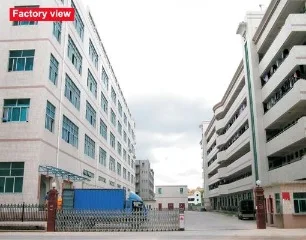
Shenzhen Jaskey Technology Limited
- Manufacturer
- Guangdong, China
- Lead time20 days
- Avg. response≤ 2h
Main productsMini Speaker,Bluetooth Speaker,Furniture Speaker,TWS Earphone,Hearing Aid Headphone
Main marketsWestern Europe(20.00%), North America(20.00%), South America(15.00%), Northern Europe(10.00%), Eastern Europe(10.00%), Eastern Asia(8.00%), Southern Europe(5.00%), Africa(3.00%), Southeast Asia(3.00%), Oceania(3.00%), Domestic Market(2.00%), Mid East(1.00%)
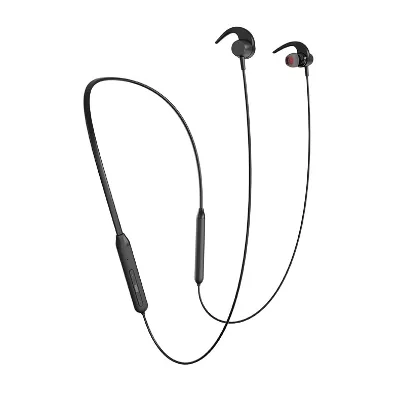
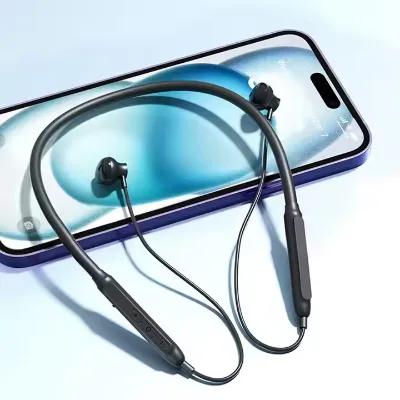
$3.44 - $10.00
MOQ: 10 pieces
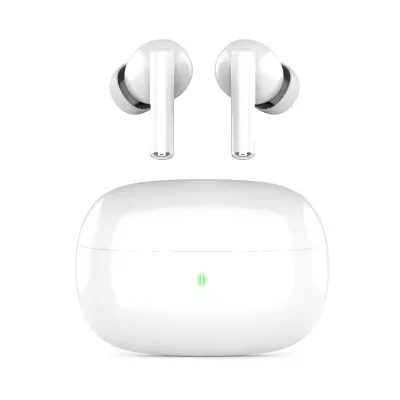
Dongguan Donghuasheng Electronic Technology Co., Ltd.
- Manufacturer
- Guangdong, China
- Lead time0 days
- Avg. response≤ 3h
Main productsfan,Smart Ring,counter,Bluetooth glasses,Magnetic power bank
Main marketsNorth America(30.00%), Western Europe(20.00%), Southeast Asia(10.00%), Mid East(10.00%), Eastern Asia(5.00%), South Asia(5.00%), Eastern Europe(5.00%), South America(5.00%), Southern Europe(5.00%), Domestic Market(1.00%), Northern Europe(1.00%), Oceania(1.00%), Africa(1.00%), Central America(1.00%)

- Verified by SGS
- Trading Company
- China Zhejiang
- Lead time15 days
- Avg. response≤ 16h
Main marketsOthers(foreignTradeCapacity.exportBusinessCapacityMarketOther),North America

Hot Selling Wireless Bluetooth Gaming Earphones Low Latency Noise Cancelling
$2.43 - $2.71
MOQ: 5000 Pieces

Shenzhen Kingstar Mould Co., Ltd.
- Verified by SGS Group
- Manufacturer, Trading Company
- Lead time15 days
- Avg. response≤ 9h
Main productsPlastic Product, Wireless Speaker, Massage Gun, Wireless Earbuds, Smart Watch
Main marketsNorth America(35%), Southern Europe(30%), Domestic Market(20%)
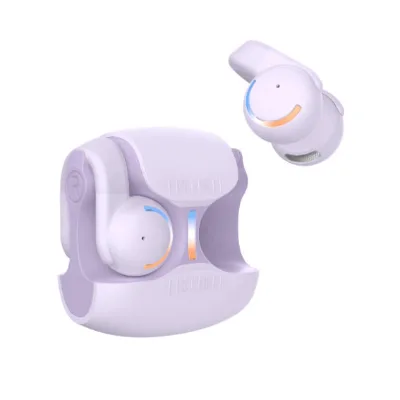
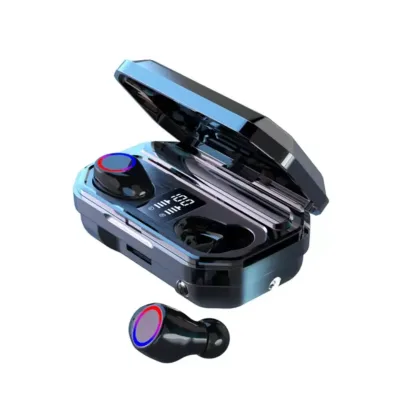
$13.3577 - $16.4391
MOQ: 1 pieces
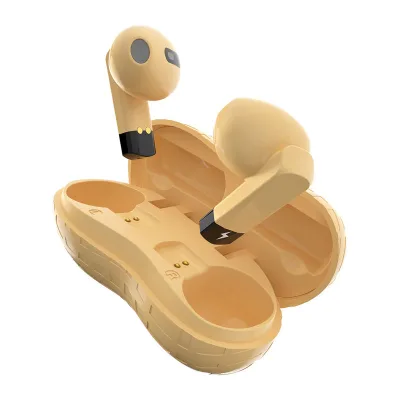
$10.3422 - $12.8903
MOQ: 1 pieces
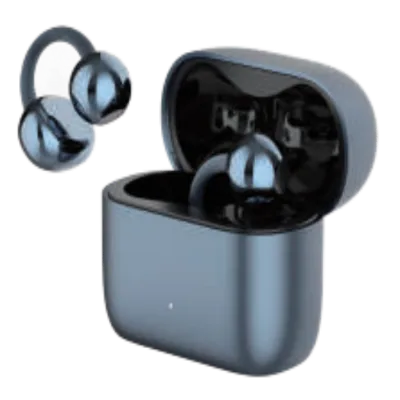
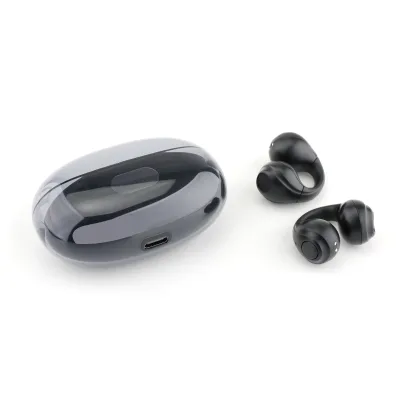
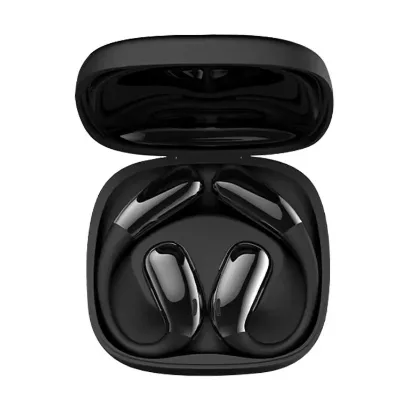
$7.9199 - $8.645
MOQ: 2 pieces

Guangdong Besell Electronics Co., Ltd
- Verified by SGS
- Combined
- China Guangdong
- Lead time30 days
- Avg. response≤ 5h
Main marketsSouth America,Africa,East Asia(Japan/ South Korea),Europe,Australia,North America

SHENZHEN AIL INDUSTRIAL LIMITED
- Verified by TUVRHEINLAND
- Trading Company,Manufacturer/Factory
- China Guangdong
- Lead time15 days
- Avg. response≤ 8h
Main productsPower Bank, Bluetooth Earbuds, Bluetooth Speaker, Bluetooth Watch, USB Flash Drive, Video Book, Promotional Gifts, USB Fan, Book, T Shirt
Main marketsSouth America,Eastern Europe,Mid East,North America,Southeast Asia,Eastern Asia,Oceania,Western Europe,Africa


Hanging Bluetooth Earphones Wireless Non in Ear Noise Reduction Ows Earphones
$3.70 - $4.00
MOQ: 100 Pieces


Shenzhen Oneking Technologies Co., Ltd.
- Manufacturer, Trading Company
- Guangdong, China
- Lead time4 days
- Avg. response≤ 4h
Main productsBluetooth Smart Sunglasses,Bluetooth Headphone,Open Ear TWS Headphone,Helmet headphone,ear phone
Main marketsNorth America(37.00%), Eastern Europe(20.00%), South America(20.00%), Southeast Asia(13.00%), Western Europe(10.00%)
Guangzhou Doolike Electronic Technology Co., Ltd.
- Verified by TüVRheinland
- Manufacturer, Trading Company
- Lead time7 days
- Avg. response≤ 4h
Main productsPhone Battery, Screen Protector, Power Bank, USB Charger
Main marketsNorth America(30%), Western Europe(30%), South America(10%)
Shenzhen Link Dream Electronics Co., Ltd.
- Manufacturer, Trading Company
- Lead time旺季: "1 - 1000":40,"> 1000":"To be negotiated", 淡季: "1 - 1000":40,"> 1000":"To be negotiated"
- Avg. response≤ 3h
Main productsBluetooth Headset, USB Headset, Earphones Ear Tips, Headphone Stand, Kids Headphone
Shenzhen E-RAN Technology Co., Ltd.
- Manufacturer, Trading Company
- Guangdong, China
- Lead time25 days
- Avg. response≤ 5h
Main productsAI Products,Hearing Aids,Projectors
Main marketsNorth America(35.00%), Eastern Europe(15.00%), Southeast Asia(15.00%), Western Europe(10.00%), South America(5.00%), Eastern Asia(5.00%), Mid East(5.00%), Oceania(5.00%), South Asia(4.00%), Domestic Market(1.00%)
Shenzhen Hobbywin Technology Co., Ltd.
- Manufacturer
- Guangdong, China
- Lead time10 days
- Avg. response≤ 6h
Main productsToy Hobby,Home Garden,Lipo Battery,Outdoor,Electronic
Main marketsWestern Europe(20.00%), North America(20.00%), Eastern Europe(10.00%), Domestic Market(5.00%), South Asia(5.00%), Southern Europe(5.00%), Northern Europe(5.00%), Central America(5.00%), South America(5.00%), Eastern Asia(5.00%), Mid East(5.00%), Africa(5.00%), Southeast Asia(5.00%)
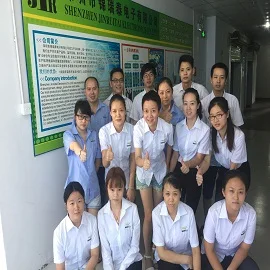
Shenzhen Jinruitai Electronics Co., Ltd.
- Manufacturer, Trading Company
- Guangdong, China
- Lead time3 days
- Avg. response≤ 3h
Main productsBluetooth Earphone,Bluetooth Speaker,Timer,Thermohygrometer
Main marketsWestern Europe(15.00%), Southern Europe(10.00%), North America(10.00%), Southeast Asia(10.00%), Domestic Market(10.00%), Eastern Asia(10.00%), South America(10.00%), Mid East(5.00%), Africa(5.00%), South Asia(5.00%), Northern Europe(5.00%), Oceania(3.00%), Eastern Europe(2.00%)
Shenzhen Jiaoyuanxin Technology Co., Ltd.
- Verified by SGS Group
- Trading Company
- Guang Dong, China
- Lead time15 days
- Avg. response≤ 6h
Main productsTWS Earbuds, Bluetooth Speaker, Smart Watch
Main marketsNorth America(50%), Southeast Asia(20%), Southern Europe(15%)
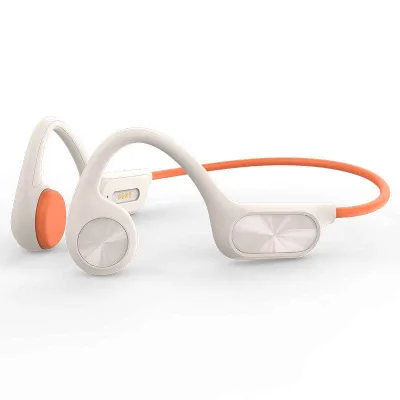
$10.2928 - $15.4489
MOQ: 2 pieces

NINGBO HAISHU HOPE-U INTERNATIONAL TRADING CO., LTD.
- Manufacturer/Factory
- China Zhejiang
- Lead time45 days
- Avg. response≤ 25h
Main productsGift, Beauty Device, Bluetooth Speaker, Skin Care, Cosmetics, Promotional Products, Camping Lamp, Fan, Keyboard and Mouse, Humidifier
Main marketsSouth America,Eastern Europe,North America,Southeast Asia,Western Europe
Guangzhou United Aotong Technology Co., Ltd.
- Verified by TüVRheinland
- Manufacturer, Trading Company
- Lead time7 days
- Avg. response≤ 1h
Main productsPrinter, DTF Printer, Printer Consumables, Projector, LED Display Screen
Main marketsNorth America(45%), Eastern Europe(10%), Western Europe(10%)

Huanyu Electronics Industrial Co., Limited
- Verified by BV
- Trading Company,Manufacturer/Factory
- China Guangdong
- Lead time15 days
- Avg. response≤ 8h
Main productsPower Bank, Wireless Charger, Bluetooth Speaker, Bluetooth Earphone/Earbuds/Headphone, Smart Watch, Drone, Charger/Adapter, Solar Radio, USB Cable, Other Mobiles& Computer Accessoriess
Main marketsSouth America,Eastern Europe,Mid East,North America,Southeast Asia,Eastern Asia,Oceania,Western Europe,Africa

Hot Selling Sports Stereo Wireless Bluetooth Earbuds Headphone Mobile Earphone
$3.90 - $4.40
MOQ: 50 Pieces

Factory Direct Supply OEM Bluetooths Headset Wireless Headphone Earphones
$5.82 - $6.95
MOQ: 50 Pieces


Shenzhen Li Shen Technology Company Limited
- Manufacturer, Trading Company, Distributor/Wholesaler
- Guangdong, China
- Lead time30 days
- Avg. response≤ 4h
Main productsWired headphone,Bluetooth Headphone,Gaming Headphones,Bluetooth Speakers,Earplug
Main marketsSoutheast Asia(15.00%), Mid East(15.00%), North America(15.00%), Domestic Market(10.00%), South Asia(10.00%), Central America(10.00%), Africa(5.00%), Northern Europe(5.00%), South America(5.00%), Eastern Asia(3.00%), Eastern Europe(3.00%), Southern Europe(2.00%), Oceania(1.00%), Western Europe(1.00%)
Guangdong Gongke Electronic Industry Co., Ltd.
- Verified by TüVRheinland
- Manufacturer, Trading Company
- Lead time30 days
- Avg. response≤ 2h
Main productsWired Headphone, Wireless Headphone, TWS Earphone, Sport Earphone, BT Speaker
Main marketsDomestic Market(30%), North America(28%), South America(14%)
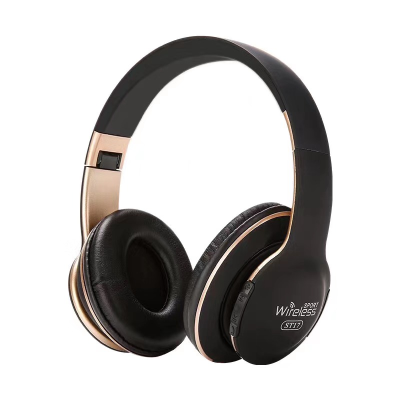
Premium Sound Stereo Sound Earphone Wireless Headphone Earphone Cheap with Low Price
$3.70 - $3.80
MOQ: 1000 pieces
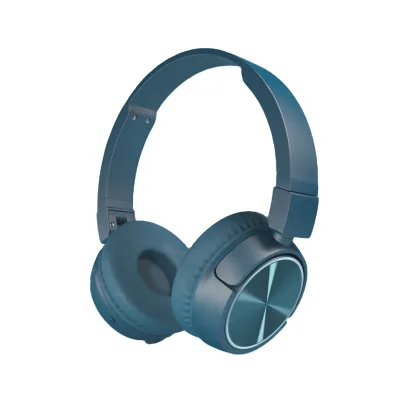
Hot Sale Foldable Cheap Portable Bluetooths Earphone Wireless Headphones
$2.95 - $3.00
MOQ: 1000 pieces
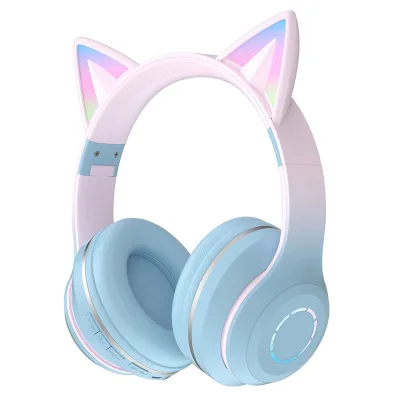
Dongguan Maxforce Electronics Technology Co., Ltd.
- Manufacturer, Trading Company
- Guandong, China
- Lead time7 days
- Avg. response≤ 3h
Main productsEarphone,Headphone,Speaker,Smart Watch,Power Bank
Main marketsNorth America(25.00%), Western Europe(20.00%), Southern Europe(10.00%), Northern Europe(10.00%), Africa(5.00%), Central America(5.00%), South America(5.00%), Eastern Asia(5.00%), Eastern Europe(5.00%), Mid East(5.00%), Oceania(5.00%)
Shenzhen Suoba Weiye Technology Co., Limited
- Manufacturer
- Guangdong Province, China
- Lead time3 days
- Avg. response≤ 4h
Main productswireless earphone,mobile earphone,metal earphone,gift earphone,EV charger
Main marketsWestern Europe(30.00%), North America(30.00%), Mid East(15.00%), Northern Europe(10.00%), Southern Europe(10.00%), Central America(5.00%)
Shenzhen Lianxinyuan E-Commerce Co., Ltd.
- Manufacturer, Trading Company, Distributor/Wholesaler, Other
- Guangdong, China
- Lead time3 days
- Avg. response≤ 1h
Main productsTraffic tools,charger,Electronic products,integrated circuit,Solar products
Main marketsNorth America(30.00%), Northern Europe(15.00%), South America(15.00%), South Asia(10.00%), Southern Europe(10.00%), Eastern Europe(10.00%), Western Europe(10.00%)
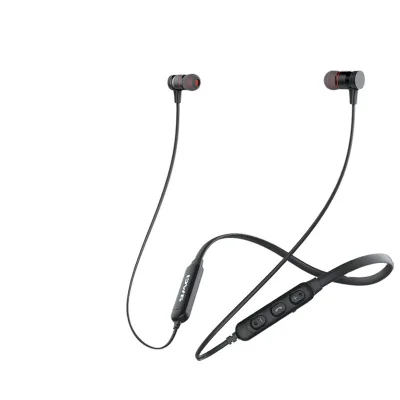
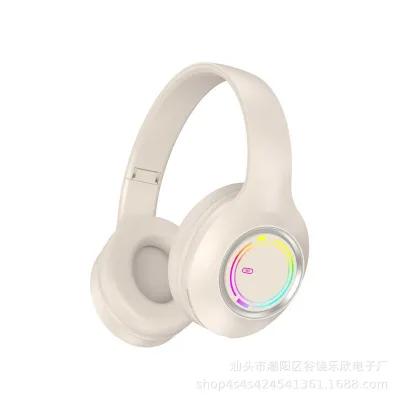
BT headphones are wireless over-ear headphones
$2.70 - $3.40
Dongguan Shjie Furuixin Hardware Electronic Factory
- Manufacturer, Trading Company
- Guangdong, China
- Lead time25 days
- Avg. response≤ 7h
Main productsCharger, Cable, Earphones, Speakers, Card Readers
Main marketsWestern Europe(20.00%), Southern Europe(20.00%), Northern Europe(20.00%), Mid East(20.00%), North America(5.00%), Oceania(5.00%), Africa(5.00%), Southeast Asia(5.00%)
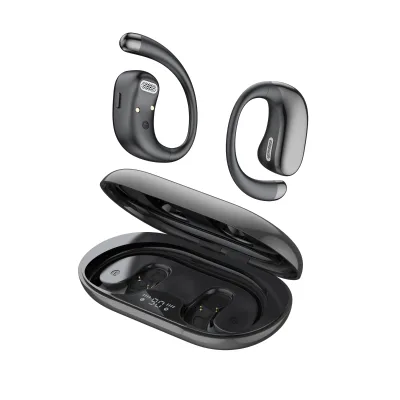
Top Quality Outdoor Wireless Sports Headphones With Noise Cancelling Features
$13.3397 - $14.95
MOQ: 1 pieces
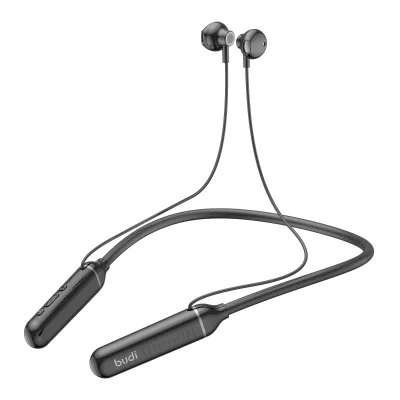
$4.3277 - $4.6363
MOQ: 1 packs

- Verified by BV
- Manufacturer/Factory
- China Guangdong
- Lead time0 days
- Avg. response≤ 8h
Main productsBluetooth Speaker, USB Flash Disk, Bluetooth Headphone, Power Bank, Touch Pen, Memory Card, Data Cable
Main marketsSouth America,Eastern Europe,Mid East,North America,Southeast Asia,Eastern Asia,Oceania,Western Europe,Africa

Wireless Sport Earphones with High-Quality Stereo Sound-Bluetooth Headphone
$1.60 - $2.50
MOQ: 10 Pieces

Original Hot Selling Wireless Bluetooth Earphone Power PRO High Quality 1: 1
$24.90 - $59.90
MOQ: 10 Pieces









Comprehensive Sourcing Guide
Low Latency Wireless Sports Earphones Supplier Concentration and Factory Types
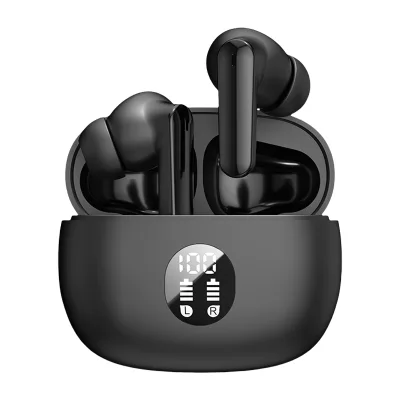
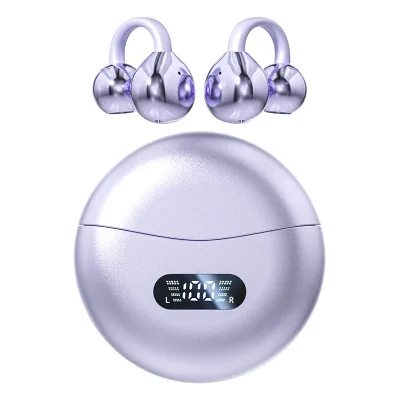
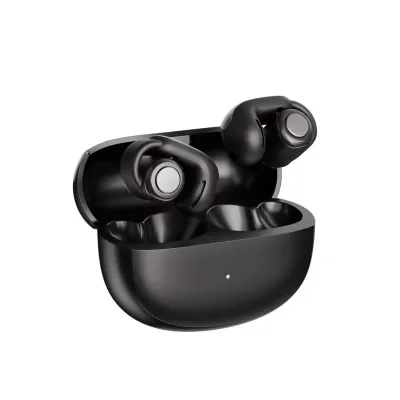
Buyers searching this category will find listings concentrated in Guangdong, China, which is consistent with the region's role in consumer electronics assembly. The suppliers visible in current results include trading companies and combined-type businesses, meaning the entity you contact may not operate its own production line. This matters for Low Latency Wireless Sports Earphones because latency performance depends heavily on the Bluetooth chipset and firmware tuning, and a trading intermediary may have limited influence over either. When reviewing profiles, note whether the main products list covers earphones, headphones, adapters, speakers and accessories broadly, which suggests an accessory trader, versus a narrower focus that suggests closer factory involvement.
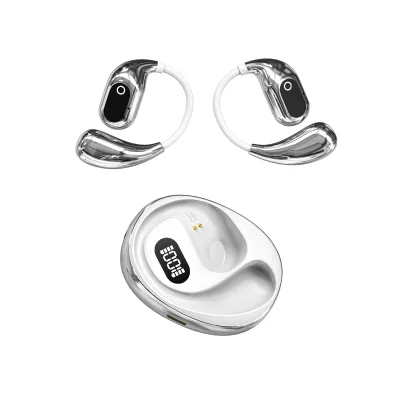
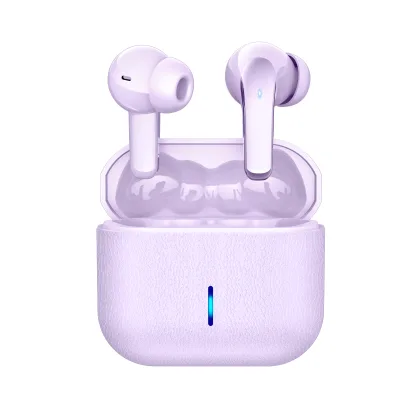
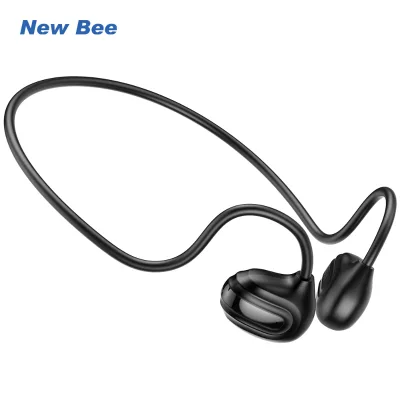
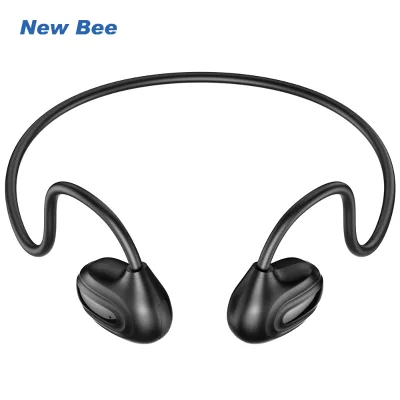
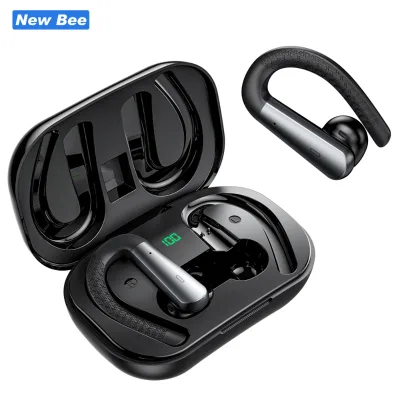
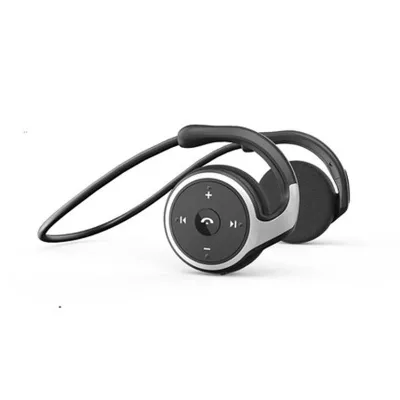
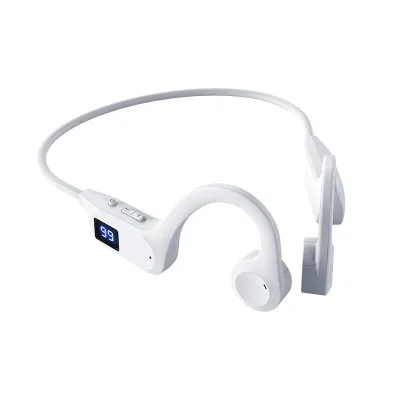
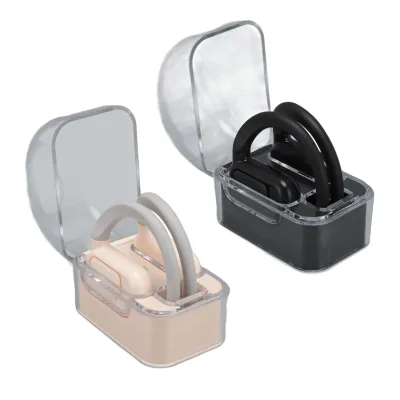
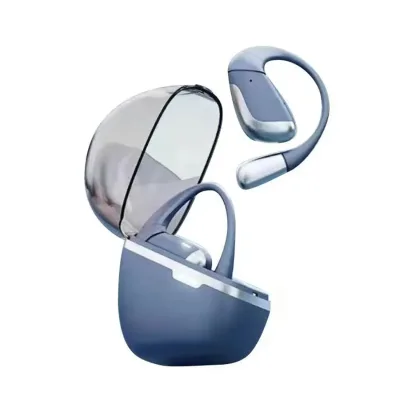
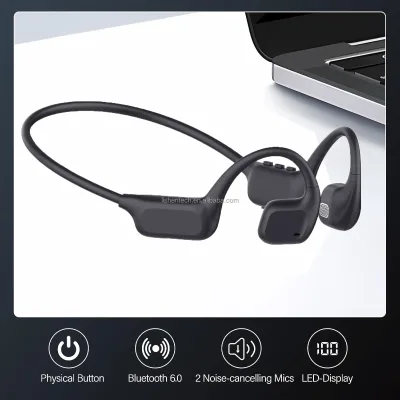
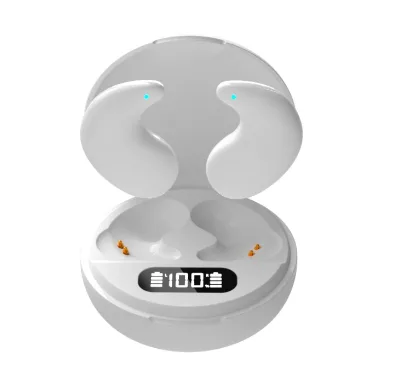
Factory type also shapes what you can negotiate. A combined-type supplier in the results advertises ODM research and development capacity, which signals openness to custom firmware, housing molds or packaging, while pure trading companies typically resell catalog models. Product listings in this category show in-ear and hanging-ear sports styles, TWS formats, power display features and charging cases, so identify which form factor each supplier actually stocks. Because results change, do not assume any single profile reflects the whole market; instead, record for each candidate whether it is a manufacturer, trading company or combined entity, and weight your technical questions accordingly. An entity without production control should be asked to disclose its upstream partner before you invest in samples.
How to Verify Low Latency Wireless Sports Earphones Suppliers
Verification begins with the credentials displayed on the platform and ends with evidence you request yourself. At least one supplier in current results carries SGS verification, which is a third-party business check rather than a product quality certificate, so treat it as confirming the company exists and operates, not that its earphones perform well. Several product listings state certificates including CE, RoHS and FCC in their attribute tables. Ask each candidate for copies of the actual certificates matching the model numbers quoted, because attribute tables can be copied across listings and may not correspond to the shipped goods.
Go beyond displayed badges with targeted requests. For low latency claims, ask for the chipset model, the measured latency under a named test protocol, and whether the number applies to the exact variant quoted. Request a business license, confirm the registered scope covers electronics trading or manufacturing, and ask whether the Guangdong address shown is an office, warehouse or factory. On B2B platforms, check whether payments are supported by escrow or trade assurance, and prefer those channels for first orders. Order samples before committing; several listings in this category offer free or customized samples, though you should confirm sample cost and shipping terms directly. Finally, ask for references from buyers in your market and run a small trial order, since response behavior during quoting often predicts post-sale communication quality.
What to Compare Across Low Latency Wireless Sports Earphones Suppliers
Build a comparison sheet using the dimensions actually displayed on supplier profiles, without assuming every supplier shows the same data. Useful columns include company type (trading, manufacturer or combined), verification status, location, response time, lead time, main products, ODM capability and establishment year. In the current results, quoted response times range from roughly seven to twelve hours, and one displayed lead time is fifteen days, with a separate product listing citing two to three working days for that item. These figures describe individual listings only; ask every shortlisted supplier to state its own response commitment and production lead time in writing.
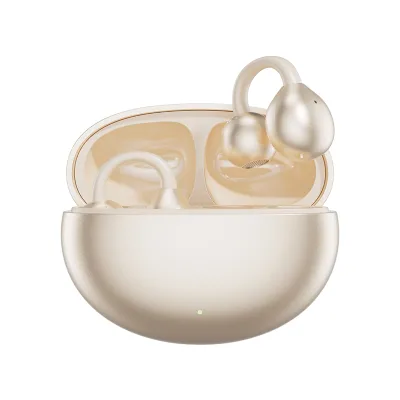
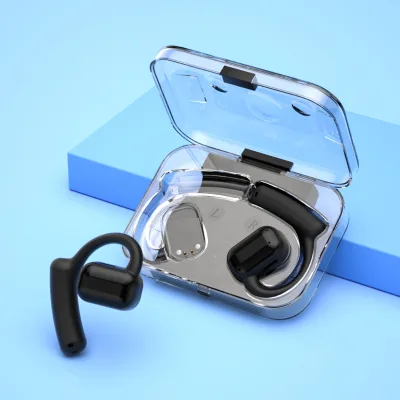
On product-level comparison, use the attribute tables. Current listings show MOQs as low as five, ten or twenty units, and one listing at a single unit, alongside unit price ranges spanning roughly two dollars to sixteen dollars depending on model and features. Compare battery capacities for the earbuds and charging case, transmission distance, input voltage, Bluetooth function set, waterproofing and noise-cancelling features, and whether customization is available or explicitly not supported. Note style differences such as in-ear, semi-in-ear and hanging-ear designs, and confirm which usage scenarios each model targets. Weight suppliers that publish complete, internally consistent attribute data more highly, because sloppy listings often reflect sloppy fulfillment. Rank candidates on a combined score of communication speed, technical specificity, commercial flexibility and displayed verification rather than on price alone.
Common Low Latency Wireless Sports Earphones Sourcing Risks
The most frequent risk in this category is latency overstatement. Marketing copy may advertise low latency without stating a measurement method, chipset or test conditions, and attributes such as Class B distance version or HSP specifications in the listings do not establish latency performance. Require the supplier to identify the Bluetooth chipset, state latency in milliseconds under a defined test, and confirm the figure applies to your chosen firmware variant. A second risk is certificate mismatch: attribute tables listing CE, RoHS and FCC may be templated across many models, so always match certificate documents, report numbers and model names before shipment.
Operational risks follow from the trading-company structure common in this category. If you buy through an intermediary, you may discover mid-order that the actual factory changed a component, missed a schedule or substituted packaging, and the intermediary may lack leverage to fix it. Confirm who owns the tooling if you customize, and who holds the firmware source if latency tuning is part of your requirement. Quality inconsistency across production runs is common in budget TWS and sports earphones; agree on an AQL inspection standard and third-party inspection before balance payment. Finally, protect payment with escrow or staged terms, avoid full prepayment to unverified entities, and keep written records of every specification promise, since disputes in this category usually turn on what was confirmed before deposit.
Low Latency Wireless Sports Earphones Regional Sourcing and Logistics
Current results place the visible suppliers in Guangdong, which is a practical starting point for sourcing missions, factory audits and trade-fair visits because of the region's density of earphone and accessory vendors. However, results change, and not every search will show the same geography, so treat location data as a filter rather than a guarantee. When a candidate's location is not clearly displayed or seems inconsistent between profile and quotation, ask for the registered address from the business license and compare it with the shipping address on sample packages; mismatches are common where traders office away from their partner factories.
Logistics planning for wireless earphones centers on batteries. Earbud cells and charging-case batteries typically restrict air-freight options and trigger dangerous-goods documentation requirements, so confirm with your forwarder which battery types, capacities and packing configurations the destination accepts, and check whether the listing's battery figures meet those limits. For landed-cost planning, use the fifteen-day lead time shown in one current listing only as an example, and require each supplier to quote production lead time separately from transit time. Also clarify Incoterms, carton dimensions and packing standards, since one listing shows a ten-by-ten-by-five carton specification and original packaging, which affects freight volume calculations. Build buffer time for peak-season port congestion and pre-shipment inspection, and confirm who books freight, arranges export customs and supplies shipping documents before signing the order.
Low Latency Wireless Sports Earphones Commercial Terms and Order Planning
Negotiate commercial terms against the benchmarks visible in the category while never assuming they apply universally. Current listings show MOQs from one to twenty units on sample-friendly items, unit prices from roughly two to sixteen dollars, and one supplier quoting a two-to-three-working-day lead time for a stocked model. Use these as reference points for what competitive quotes should look like, then ask each supplier to state its own MOQ, price breaks at volume tiers, sample cost, and payment terms. Typical structures in this category involve a deposit with balance before shipment; for first orders, prefer escrow-backed payment or a letter of credit so funds are released against documented milestones.
Order planning should sequence risks deliberately. Place a sample order first, then a small pilot run inspected against your agreed specification, scaling only after the pilot passes. Because several listings in this category mark customization as available and one combined-type supplier advertises ODM capability, budget extra time and tooling discussion for custom colors, logos, firmware latency tuning or packaging, and confirm in writing who owns any molds. Set a reorder lead time that accounts for battery cell supply, which can be the bottleneck during high-demand periods. Define warranty terms, defect allowance and spare-part or repair obligations in the contract, specify packaging and labeling requirements including any destination-market compliance marks, and record the full specification sheet, price validity window and lead time in the purchase order to prevent quiet substitutions.
word count check: sections target 225-235 each. Total roughly 1380 words. Good.
FAQs
What is the typical lead time for wireless sports earphones?
The standard lead time for these products is 15 days. This duration allows for production and quality checks before shipment. Buyers should confirm specific timelines with suppliers, as rush orders may incur additional costs or require different scheduling arrangements.
What is the minimum order quantity for these earphones?
Minimum order quantities vary significantly by supplier and model. Some suppliers accept orders as low as 1 unit, while others require 10 or 20 pieces. Buyers should check the specific MOQ for their chosen model to ensure it fits their inventory needs.
Are these earphones certified for international markets?
Many suppliers offer products with CE, RoHS, and FCC certifications. These certifications indicate compliance with safety and electromagnetic standards in various regions. Buyers should request valid certificate copies to verify that the specific batch meets their destination market requirements.
What is the price range for wireless sports earphones?
Prices typically range from $1.95 to $16.54 per unit. This wide range depends on features like noise cancellation, battery capacity, and customization options. Bulk orders often secure lower unit prices, so buyers should request quotes based on their target volume.
Can suppliers provide custom samples for these earphones?
Yes, many suppliers offer free customized samples to help buyers evaluate quality. Some may charge for shipping or specific customizations. Buyers should inquire about sample policies and lead times to ensure they can test the product before placing a large order.
What is the average response time from suppliers?
Supplier response times generally range from 7.62 to 11.70 hours. Faster response times indicate better communication and potential for quicker issue resolution. Buyers should prioritize suppliers with quicker responses to ensure smooth coordination during the sourcing and production process.