eco-friendly melamine decorative paper Suppliers and Manufacturers
Source 16 verified suppliers of eco-friendly melamine decorative paper from Jiangsu and Shandong. Compare response times, lead times, certifications, and prices to find the right factory for your furniture or construction needs. Request samples today; review the available evidence before requesting comparable quotations from suitable candidates.
Updated
Suppliers List
Zhangjiagang Bangrui New Material Technology Co., Ltd.
- Manufacturer, Trading Company
- Jiangsu, China
- Lead time15 days
- Avg. response≤ 9h
Main productsPress Plate,Hot Press Plate,Stainless Steel Press Plate,Cushion Pad,Press Pad
Main marketsSouth America(30.00%), Western Europe(15.00%), Southeast Asia(15.00%), Eastern Europe(15.00%), Africa(10.00%), Mid East(10.00%), Domestic Market(5.00%)

Honsoar New Building Material Co., Ltd.
- Verified by TUVRHEINLAND
- Combined
- China Shandong
- Lead time30 days
- Avg. response≤ 14h
Main productsParticle Board, Plywood, MDF, Kitchen Cabinet
Main marketsSouth America,Africa,Southeast Asia/ Mideast,Europe,Australia,North America


Eco-Environmental Printed Decorative Paper for Melamine Impregnated Paper
$2000.00 - $3000.00
MOQ: 5 Tons


Dongguan Xingliyuan Decorative Material Co; Ltd.
- Manufacturer/Factory
- China Guangdong
- Lead time15 days
- Avg. response≤ 2h
Main productsPU Paper, Melamine Paper, Melamine Paper Sheet, PVC Edge Banding, Melamine Edge Banding, Wood Grain Foil Paper, Melamine Impregnated Paper, Edge Banding, Decorative Paper, Wood Grain Paper
Main marketsSouth America,Mid East,North America,Southeast Asia,Eastern Asia,Africa

Chn Mulzza Construction Materials Co., Ltd
- Verified by BV
- Manufacturer/Factory
- China Shandong
- Lead time0 days
- Avg. response≤ 3h
Main productsMelamine MDF/Particle Board, Plywood, PVC Cabinet Door, Furniture, Transfer Paper
Main marketsSouth America,Mid East,Southeast Asia,Oceania,Africa
Shandong Linquan Import And Export Co., Ltd.
- Verified by Intertek
- Trading Company
- Lead time15 days
- Avg. response≤ 2h
Main productsMDF, Particleboard, Plywood, Melamine Laminated Board, Melamine Paper
Main marketsMid East(40%), Africa(20%), Western Europe(20%)
LINYI LEBERG INTERNATIONAL TRADE CO., LTD.
- Verified by SGS Group
- Trading Company
- Lead time20 days
- Avg. response≤ 2h
Main productsFurniture Board, PET Panel, Melamine Board, HPL, Building Wood Panel
Main marketsNorth America(31%), Southeast Asia(16%), South America(14%)
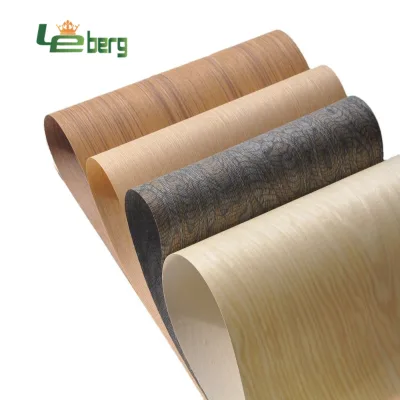
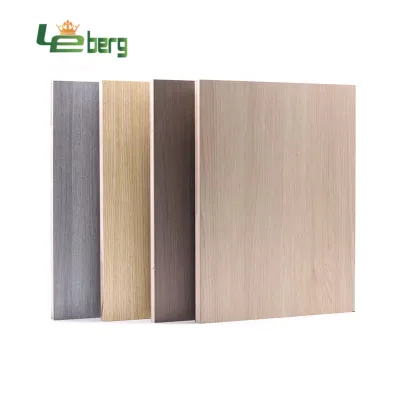
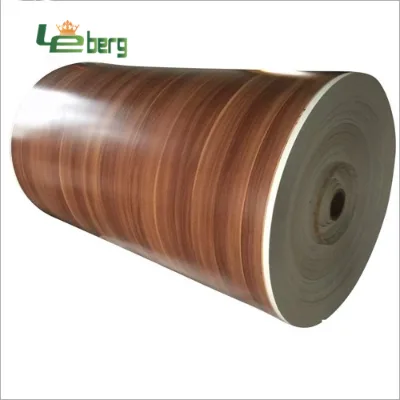
Melamine Plywood Hot Press Impregnated Melamine Paper for Melamine Plywood
$13.087 - $15.1799
MOQ: 1 pieces

Shandong Junke Import And Export Trade Co., Ltd.
- Manufacturer, Trading Company
- Shandong, China
- Lead time15 days
- Avg. response≤ 5h
Main productsPlywood, MDF, Chipboard, Melamine Board , Melamine Paper
Main marketsSoutheast Asia(40.00%), North America(20.00%), Eastern Europe(15.00%), South Asia(5.00%), South America(5.00%), Oceania(5.00%), Africa(5.00%), Mid East(5.00%)
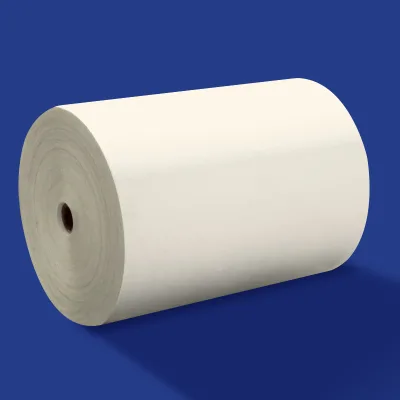
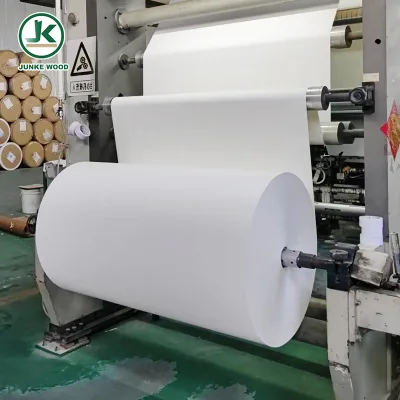
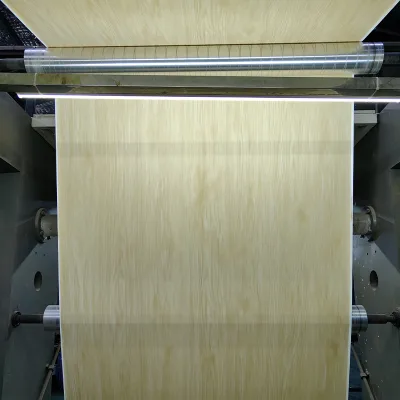
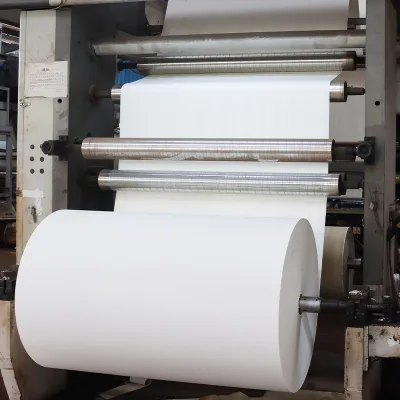
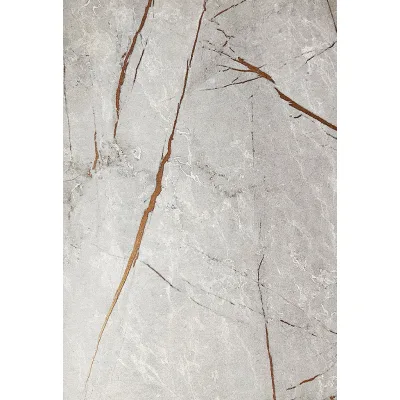
$1980.00 - $2063.00
MOQ: 500
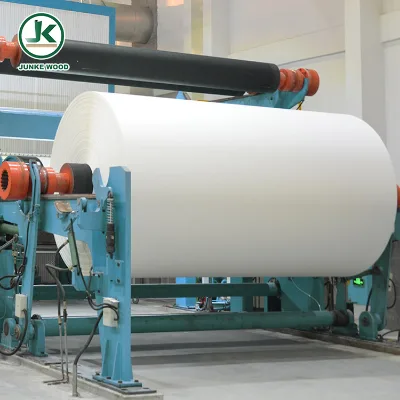
Good Quality Print Decor Paper Printing Base Paper for Melamine Paper
$1200.00 - $1300.00
Guangxi Hengxian Yige Wood Co., Ltd.
- Verified by TüVRheinland
- Manufacturer, Trading Company
- Lead time14 days
- Avg. response≤ 4h
Main productsParticle Board, Plywood, MDF, Film Faced Plywood
Main marketsOceania(25%), Southeast Asia(20%), Western Europe(20%)
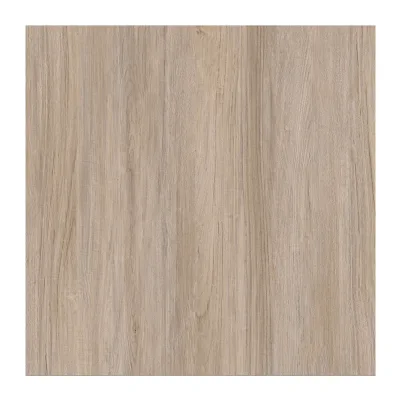
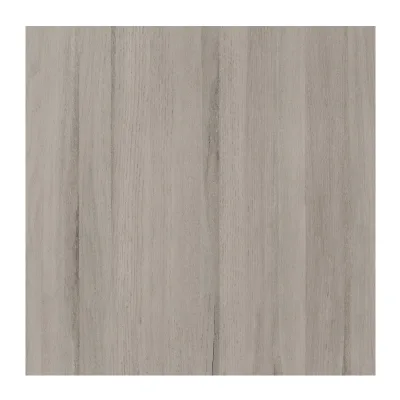
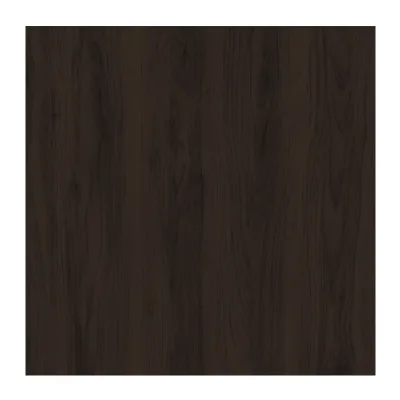
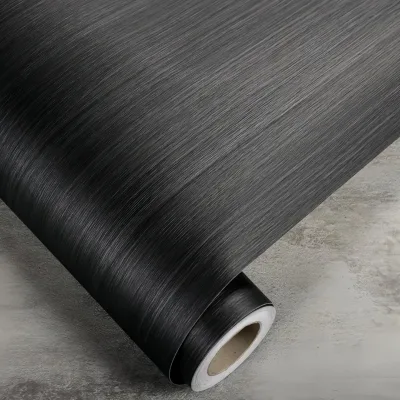
Melamine Paper Sheets Prices Dark Grey Self Adhesive Melamine Impregnated Decorative Paper
$4.2023 - $4.4072
MOQ: 500 kilograms
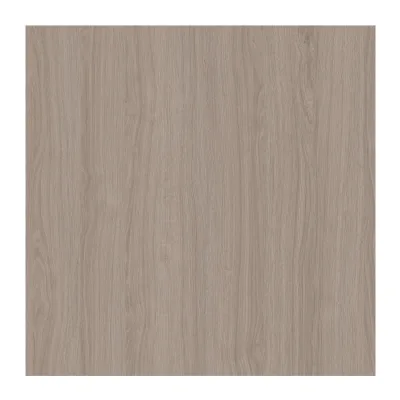
White Melamine Phenolic Board Gum Dipping Paper Plywood Melamine Laminate Roll Paper
$4.2307 - $4.4371
MOQ: 500 kilograms
Plain Melamine Impregnated Base Paper Melamine Paper for Particle Board Lamination
$4.2307 - $4.4371
MOQ: 500 kilograms

Dongguan Good Forever Decorative Materials Co., Ltd.
- Manufacturer, Trading Company
- Guangdong, China
- Lead time15 days
- Avg. response≤ 1h
Main productsamino paper,edge banding,wrapping paper,finish foil paper,pu paper
Main marketsDomestic Market(45.00%), Southeast Asia(30.00%), North America(5.00%), Western Europe(5.00%), South Asia(4.00%), Mid East(3.00%), Eastern Asia(3.00%), Northern Europe(2.00%), Oceania(1.00%), Eastern Europe(1.00%), Southern Europe(1.00%)

Romeroca Industry Co., Limited
- Verified by SGS
- Trading Company,Manufacturer/Factory,Group Corporation
- China Jiangsu
- Lead time45 days
- Avg. response≤ 2h
Main productsSpc Flooring Production Line, Spc Flooring Raw Matericals, PVC Decor Film for PVC/Spc Flooring, Raw Materials for Spc Flooring, Laminate Flooring Production Line, Raw Materials for Laminate Flooring, Spare Parts for Spc Flooring Machine, Spare Parts for Laminate Flooring Machine
Main marketsSouth America,Eastern Europe,Mid East,North America,Southeast Asia,Eastern Asia,Africa

Wood Pattern Melamine Decorative Paper for Furniture Andlaminate Flooring
$1.55 - $1.65
MOQ: 3000 Meters

Factory Supply New Design Melamine Decorative Paper Impregnated Paper for Boards Decoration
$1.55 - $1.65
MOQ: 3000 Meters

High Quality Melamine Decorative Paper / Original Paper for HPL or Laminate Flooring
$1.55 - $1.65
MOQ: 3000 Meters


Factory Supply High Quality Melamine Decorative Paper for MDF Laminate Flooring
$3.20 - $3.50
MOQ: 3000 kg


Hangzhou Yaoyang Technology Co., Ltd.
- Trading Company,Manufacturer/Factory
- China Zhejiang
- Lead time15 days
- Avg. response≤ 25h
Main productsPolyester Fiber, Plush Toys, Fabric, Air Cepration Plant, Paper
Main marketsSouth America,Eastern Europe,Mid East,North America,Southeast Asia,Eastern Asia,Oceania,Western Europe,Africa
Hebei Yanshang Trading Co., Ltd.
- Verified by TüVRheinland
- Trading Company
- Lead time0 days
- Avg. response≤ 1h
Main productsPlywood, MDF, Particle Board, Melamine Board, Mirror
Main marketsNorth America(20%), South America(18%), Eastern Europe(10%)
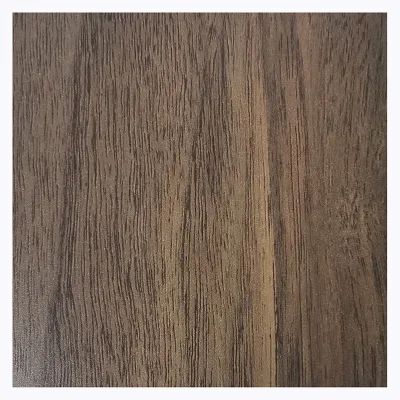
$0.7839 - $0.8258
MOQ: 500 pieces
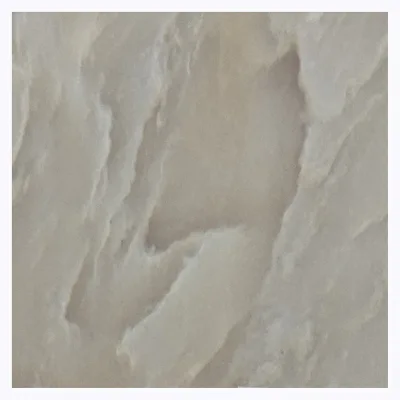
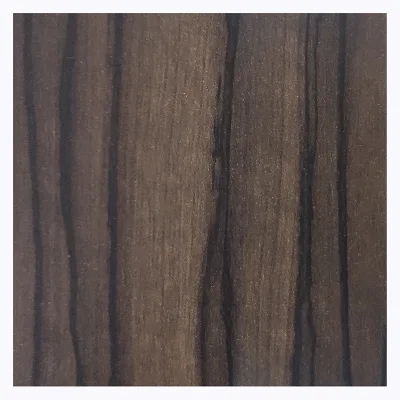
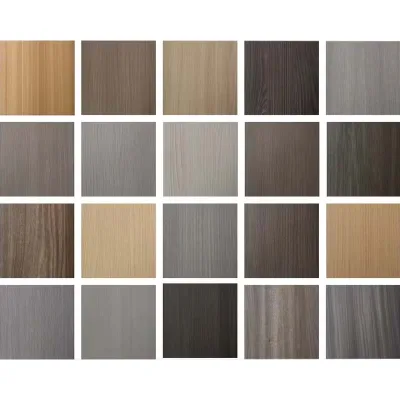

LINYI 33WOOD INDUSTRY CO., LTD
- Verified by SGS
- Manufacturer/Factory
- China Shandong
- Lead time23 days
- Avg. response≤ 4h
Main productsPlywood, Engineered Veneer, Aku Panel, MDF, Melamine Plywood, Table, Wall Panel, Formica, Melamine Paper
Main marketsSouth America,Eastern Europe,Mid East,North America,Southeast Asia,Eastern Asia,Oceania,Western Europe,Africa

Decorative Melamine Printing Paper/Decorative Base Paper for MDF Board/Laminated Board
$1648.00 - $1800.00
MOQ: 1 Tons


Factory Price Melamine Paper Wood Grain Melamine Impregnated Paper for Melamine Board
$1.16 - $2.00
MOQ: 10000 pc
Linyi Qichen Import And Export Co., Ltd.
- Verified by SGS Group
- Manufacturer, Trading Company
- Lead time10 days
- Avg. response≤ 2h
Main productsPlywood, MDF, Particalboard, Blockboard, Door Panel
Main marketsAfrica(50%), North America(25%), Western Europe(25%)
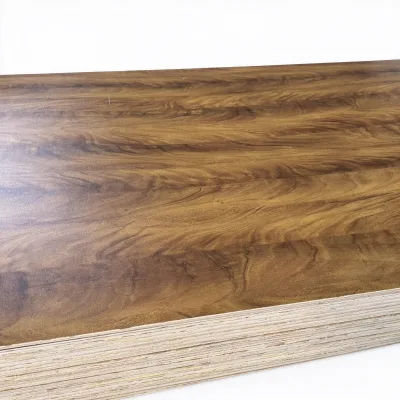
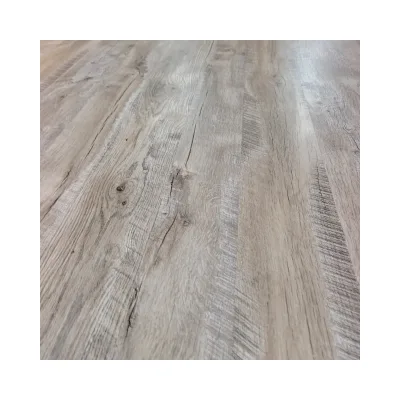

Melamine Paper Pasted EV Veneer Customized Moisture-Proof Melamine Paper Laminated
$2.5178 - $3.0324
MOQ: 500 pieces
$0.6149 - $1.0248
MOQ: 500 square

Changzhou Weideda Laminate-Flooring Co., Ltd.
- Verified by TUVRHEINLAND
- Combined
- China Jiangsu
- Lead time30 days
- Avg. response≤ 5h
Main productsHigh Pressure Laminate, Compact Laminate, Solid Phenolic Board, Decorative Material, HPL
Main marketsSouth America,Africa,Domestic,Europe,Australia


China Crafted Decorative Overlay Melamine Paper for Melamine Board Lamination
$5.00 - $10.00
MOQ: 50 Pieces

Anti Bacterial Waterproof Melamine Decorative Paper for Public Area Flooring Use
$5.00 - $10.00
MOQ: 50 Pieces

Superior Home Excellent Grade Decorative Melamine Paper for Wood Veneer Look
$5.00 - $10.00
MOQ: 50 Pieces
Foshan Jiujiu Building Materials Co., Ltd.
- Verified by SGS Group
- Manufacturer, Trading Company
- Guangdong Province, China
- Lead time0 days
- Avg. response≤ 2h
Main productsEdgeband, Melamine Board, Melamine Paper, Indoor Furniture, Furniture Hardware
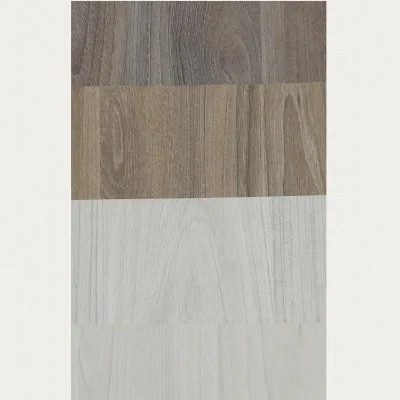
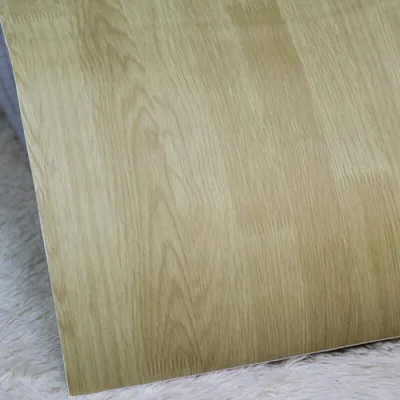
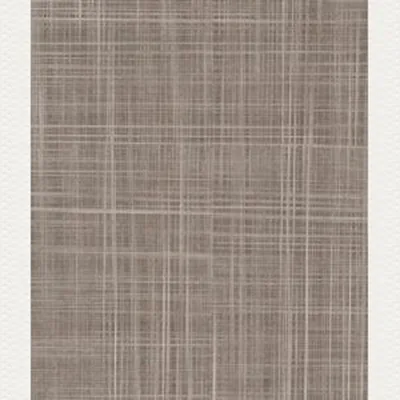
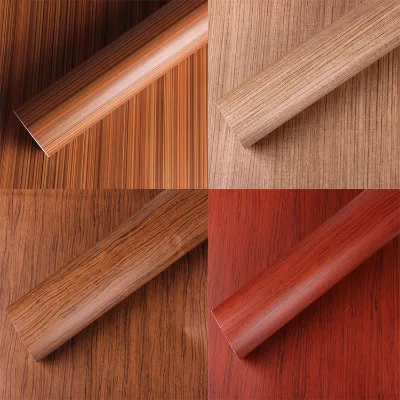






Comprehensive Sourcing Guide
Eco-Friendly Melamine Decorative Paper Supplier Concentration and Factory Types
The sourcing landscape for eco-friendly melamine decorative paper reveals a distinct concentration of manufacturing capabilities within specific Chinese industrial hubs, particularly Jiangsu and Shandong provinces. These regions serve as critical nodes for the production of decorative films and impregnated papers, offering buyers access to established supply chains that support both raw material processing and final product finishing. When evaluating potential partners, it is essential to distinguish between pure manufacturers and trading companies, as this distinction directly impacts pricing structures, communication efficiency, and quality control protocols. The current market data indicates that a significant portion of suppliers operate as manufacturers, providing direct oversight of the impregnation and curing processes that define the paper’s durability and aesthetic consistency. Conversely, trading companies may offer broader product assortments but might lack the technical depth required for complex customization requests or rapid troubleshooting of production issues.
Understanding the company type is equally important when assessing the main products offered by these entities. Many suppliers in these clusters specialize in a narrow range of decorative materials, such as wood texture pattern papers or fabric design laminations, while others maintain diversified portfolios that include particle board, plywood, and MDF. This specialization often correlates with higher technical proficiency in specific product lines, ensuring that the melamine resin application meets precise standards for furniture and construction applications. Buyers should carefully review the main products listed for each supplier to ensure alignment with their specific design requirements, whether they need standard wood grain finishes or unique eco-friendly printed designs. The presence of combined company types suggests some entities may blend manufacturing with trading functions, potentially offering flexibility in order sizes but requiring careful verification of their actual production capacity and quality assurance capabilities.
How to Verify Eco-Friendly Melamine Decorative Paper Suppliers
Verification of supplier credentials is a critical step in mitigating risk when sourcing eco-friendly melamine decorative paper, particularly given the varying levels of environmental compliance and quality standards in the market. Buyers should prioritize suppliers who display recognized third-party verifications, such as TÜV Rheinland certification, which indicates a rigorous assessment of business legitimacy and operational standards. Additionally, checking for specific system certifications like ISO9001:2015 and ISO14001:2015 provides assurance that the supplier adheres to international quality management and environmental management systems, respectively. These certifications are not merely decorative; they reflect a structured approach to production consistency and environmental responsibility, which is paramount when sourcing materials marketed as eco-friendly. The presence of product-level certifications such as CE, ISO, and RoHS further validates that the decorative paper meets safety and environmental restrictions for use in various applications, including furniture and interior design projects.
Beyond certifications, buyers must verify the supplier’s responsiveness and operational reliability through direct engagement and data analysis. The response time metric serves as a preliminary indicator of the supplier’s customer service efficiency, with faster response times often correlating with better communication throughout the order lifecycle. It is advisable to test this responsiveness by submitting detailed inquiries about customization options, such as available colors, surface treatments, and self-adhesive properties. Furthermore, examining the product attributes listed, such as the use of water-based non-toxic printing ink and high-quality specialty base paper, provides tangible evidence of the supplier’s commitment to eco-friendly practices. Buyers should also look for details regarding the base paper weight, such as 70/80GSM, and the type of ink used, as these factors significantly influence the final product’s environmental impact and performance. Verifying these specific technical details ensures that the supplier’s claims align with actual product specifications.
What to Compare Across Eco-Friendly Melamine Decorative Paper Suppliers
When comparing suppliers, buyers must evaluate a range of operational metrics that directly impact project timelines, cost efficiency, and supply chain stability. Lead time is a crucial factor, with some suppliers offering rapid turnaround times of around 15 days, while others may require up to 30 days for production and delivery. This variance can significantly affect inventory management and project scheduling, making it essential to align supplier lead times with your specific delivery deadlines. Additionally, the minimum order quantity (MOQ) varies widely, ranging from as low as 2 units for certain samples or small batches to 2000 units for standard bulk orders. Understanding these MOQ thresholds helps buyers determine the feasibility of testing new designs or placing large-scale orders without excessive inventory holding costs. Suppliers with lower MOQs may be more suitable for startups or projects requiring frequent design changes, whereas those with higher MOQs might offer better economies of scale for established manufacturers.
Price and customization capabilities are equally important dimensions for comparison, as they influence both the initial investment and the long-term flexibility of the supply chain. The price range for melamine decorative paper can vary significantly, with some products starting as low as $1.00 per unit and others reaching up to $10.00, depending on the complexity of the design, the quality of the base paper, and the specific certifications required. Buyers should also assess the customization options available, such as the ability to produce specific models like 1220*2440mm or customized sizes, and the availability of various surface treatments and colors. Suppliers that offer extensive customization, including water-based non-toxic inks and specific base paper grades, may command higher prices but provide greater value through enhanced product differentiation and environmental compliance. Comparing these factors across multiple suppliers allows buyers to identify the best balance between cost, quality, and flexibility for their specific needs.
Common Eco-Friendly Melamine Decorative Paper Sourcing Risks
One of the primary risks in sourcing eco-friendly melamine decorative paper is the potential discrepancy between marketing claims and actual product specifications, particularly regarding environmental compliance. Buyers must be cautious of suppliers who use vague terms like "eco-friendly" without providing concrete evidence, such as specific certifications or detailed material compositions. For instance, while some suppliers explicitly state the use of water-based non-toxic printing ink and first-class specialty base paper, others may not disclose these details, leaving buyers uncertain about the true environmental impact of the product. This lack of transparency can lead to compliance issues in markets with strict environmental regulations, such as the European Union, where RoHS and CE certifications are often mandatory. Therefore, it is crucial to verify that the supplier’s claims are backed by verifiable data and third-party certifications, rather than relying solely on product descriptions or marketing materials.
Another significant risk is the variability in product quality and consistency, which can arise from differences in manufacturing processes and raw material sources. Even among suppliers with similar certifications, the actual performance of the melamine paper, including its durability, color fastness, and resistance to heat and water, can vary. Buyers should pay close attention to product attributes such as the surface treatment, self-adhesive properties, and specific applications listed, as these details indicate the intended use and expected performance of the paper. For example, some papers are designed for door and window applications, while others are suitable for furniture and flooring, each requiring different levels of durability and aesthetic quality. Additionally, the packing method, such as pallet packing versus standard export packaging, can affect the condition of the product during transit, potentially leading to damage or quality degradation. Mitigating these risks requires thorough due diligence, including requesting samples and conducting independent quality checks before placing large orders.
Eco-Friendly Melamine Decorative Paper Regional Sourcing and Logistics
Sourcing melamine decorative paper from specific regions in China, such as Jiangsu and Shandong, offers logistical advantages due to the concentration of manufacturing facilities and established export infrastructure. These regions are well-connected to major ports, facilitating efficient shipping and reducing transit times for international buyers. However, buyers must also consider the potential impact of regional supply chain dynamics on lead times and costs. For instance, suppliers in Shandong may have different logistical capabilities compared to those in Jiangsu, affecting the overall delivery schedule and freight costs. Understanding these regional nuances allows buyers to optimize their sourcing strategy by selecting suppliers that align with their preferred shipping routes and delivery timelines. Additionally, the proximity of suppliers to raw material sources, such as specialty base paper manufacturers, can influence production efficiency and cost stability, making regional sourcing a strategic consideration for long-term supply chain resilience.
Logistics planning also involves evaluating the supplier’s packaging standards and export capabilities, which are critical for ensuring the safe delivery of delicate decorative papers. Suppliers that utilize pallet packing or specialized export packaging are better equipped to protect the product during transit, reducing the risk of damage and ensuring that the paper arrives in optimal condition. Buyers should inquire about the specific packing methods used by each supplier and verify that they meet international shipping standards. Furthermore, the origin of the product, often listed as China or specific provinces like Shandong, provides insight into the supply chain’s transparency and traceability. By understanding the regional origins and logistical capabilities of suppliers, buyers can make informed decisions that balance cost, speed, and reliability, ultimately enhancing the overall efficiency of their sourcing operations.
Eco-Friendly Melamine Decorative Paper Commercial Terms and Order Planning
Effective order planning for eco-friendly melamine decorative paper requires a clear understanding of commercial terms, including payment structures, delivery schedules, and after-sales support. Buyers should negotiate terms that align with their cash flow requirements and risk tolerance, such as using escrow services for secure transactions or establishing clear payment milestones based on production progress. The lead time, which can range from 15 to 30 days, should be factored into the order planning process to ensure timely delivery and avoid production delays. Additionally, buyers should clarify the supplier’s capacity for handling large orders, as some suppliers may have production limits, such as 1000 tons, which could impact the ability to fulfill bulk requests. Understanding these commercial terms helps buyers establish realistic expectations and build a reliable supply chain that supports their business goals.
Customization and after-sales support are also key components of commercial terms that can significantly impact the success of the sourcing relationship. Suppliers that offer extensive customization options, such as specific models, colors, and surface treatments, provide greater flexibility for buyers to meet unique market demands. However, these customizations may come with higher MOQs or longer lead times, requiring careful planning and coordination. Buyers should also assess the supplier’s experience and track record, as some suppliers may have decades of experience in exporting, indicating a mature understanding of international market requirements and customer service expectations. By thoroughly evaluating these commercial terms and aligning them with their strategic objectives, buyers can establish a robust and sustainable sourcing partnership that delivers consistent quality and value.
FAQs
What is the price range for melamine decorative paper?
Prices typically range from $1.00 to $10.00 per unit depending on specifications. Some specialized wood-grain designs cost between $1.54 and $5.16. Premium eco-friendly options with water-based inks may reach $20.00 to $30.00 per roll. Buyers should verify exact costs based on quantity and customization needs.
What certifications are available for these papers?
Suppliers offer ISO, RoHS, CE, and ISO9001:2015 certifications. Some products also hold ISO14001:2015 certificates for environmental management. These credentials ensure compliance with international safety and quality standards. Buyers should request specific certificates to verify that the materials meet their regulatory requirements for furniture and construction applications.
What are the minimum order quantities for melamine paper?
MOQs vary significantly by product type. Some suppliers require a minimum of just two units for samples. Others demand 500 units or 2000 units for bulk orders. Eco-friendly rolls may have an MOQ of five. Buyers must check specific listings to confirm the minimum quantity required for their desired design and material specifications.
Where are these suppliers located?
Manufacturers are primarily located in Jiangsu and Shandong provinces in China. These regions are known for producing particle board, plywood, and decorative films. Buyers can filter results by these specific locations to find suppliers with established manufacturing capabilities and efficient logistics for exporting melamine impregnated papers globally.
How fast do suppliers respond to inquiries?
Response times generally range from nine to thirteen hours. Some suppliers respond within thirteen hours, while others may take slightly longer. Quick response speeds indicate active customer service teams. Buyers should prioritize suppliers with faster response times to ensure efficient communication regarding custom designs, pricing, and production schedules.
What is the typical lead time for orders?
Lead times typically range from fifteen to thirty days. Some suppliers offer faster production cycles for standard items. Longer lead times may apply to customized wood-grain designs or large volume orders. Buyers should confirm specific delivery schedules with suppliers to align production timelines with their project deadlines and inventory requirements.