Matte Glass Dropper Perfume Bottle Suppliers and Manufacturers
Source Matte Glass Dropper Perfume Bottle options from 28 verified suppliers. Compare ISO 9001 certifications, 5-30 day lead times, and MOQs starting from 150 units. Review sample availability and pricing to identify suitable partners for your packaging needs; review the available evidence before requesting comparable quotations from suitable candidates.
Updated
Suppliers List
Jiangyin Beauty Packaging Material Co., Ltd.
- Verified by SGS Group
- Trading Company
- Lead time20 days
- Avg. response≤ 5h
Main productsPlastic Bottles, Glass Bottles, Aluminum Bottle, Sprayer, Cap
Main marketsNorth America(30%), Eastern Europe(10%), Southeast Asia(10%)

- Verified by CTI
- Trading Company
- China Zhejiang
- Lead time30 days
- Avg. response≤ 3h
Main productsAirless Bottle, Glass Bottle, Comb, Cosmetic Packaging, Food Packaging, Sprayer, Lotion Pump Machine, Gift, Roll on Ball
Main marketsAfrica,Southeast Asia/ Mideast
Jiangyin Eu-Beauty Packing Industry Co., Ltd.
- Manufacturer, Trading Company
- Lead time旺季: "1 - 50000":31,"> 50000":"To be negotiated", 淡季: "1 - 50000":31,"> 50000":"To be negotiated"
- Avg. response≤ 4h
Main productsGlass Bottle/Perfume Glass Bottle/Cream Glass Bottle/Essential OilBottle/Perfume Pump/Aluminum Cap/Magnetic Perfume Cap/Plasticbottles/Trigger Sprayer Pump/Foam Pump
Beyaqi Cosmetics (hangzhou) Co., Ltd.
- Verified by TüVRheinland
- Manufacturer, Trading Company
- Lead time30 days
- Avg. response≤ 5h
Main productsAirless Bottle, Deodorant Bottle, Glass Bottle, Foam Pump, Trigger Sprayer
Main marketsNorth America(38%), Mid East(20%), Northern Europe(8%)

Advantrio Packaging (Shandong) LLC
- Verified by TUVRHEINLAND
- Trading Company
- China Shandong
- Lead time23 days
- Avg. response≤ 3h
Main productsPlastic Bottles, Plastic Caps, Glass Bottles, Glass Vials, Droppers, Perfume Glass Bottles, Food Glass Jars, Juice Bottles, Medicine Bottles, PET Bottles
Main marketsSouth America,North America,Southeast Asia
Shenzhen Manyi Packaging Co., Ltd.
- Manufacturer, Trading Company
- Guangdong, China
- Lead time0 days
- Avg. response≤ 4h
Main productsPaper boxes,Food box,Tissue paper,Paper tubes,Paper bags
Main marketsNorth America(15.00%), Western Europe(8.00%), Southern Europe(8.00%), Northern Europe(8.00%), Oceania(8.00%), Domestic Market(8.00%), Southeast Asia(8.00%), Eastern Europe(8.00%), South America(8.00%), Eastern Asia(5.00%), Mid East(5.00%), Central America(5.00%), Africa(3.00%), South Asia(3.00%)

Wuxi Sunmart Science and Technology Co., Ltd.
- Verified by BV
- Combined
- China Jiangsu
- Lead time15 days
- Avg. response≤ 4h
Main productsFoam Pump, Fine Mist Spray Pump, Lotion Pump, Pen Atomizers, Cream Spray Pump, Perfume Atomizers, Foam(Soap) Pump Trigger Spray Pump, Regular Spray Pumps Nasal Sprayers Oral, Droppers and Glass Pipettes, Plastic Caps
Main marketsDomestic,Europe,Australia,North America

Frosted Dropper Perfume Glass Bottle Sprayer Bottle for Cosmetic and Perfume Use
$0.10 - $1.00
MOQ: 10000 Pieces

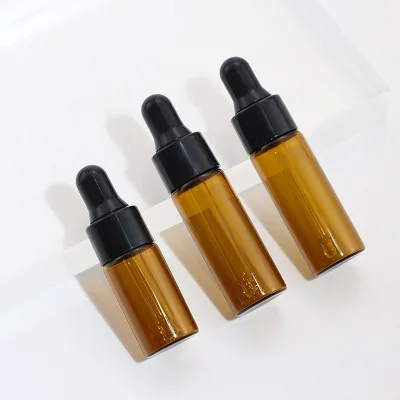
Dropper Type Perfume Bottle with Glass Pipette for Precise Oil Dispensing
$0.15 - $0.40
MOQ: 10000 Pieces


Jinhua Allies Import and Export Co., Ltd.
- Verified by SGS
- Manufacturer/Factory
- China Zhejiang
- Lead time23 days
- Avg. response≤ 6h
Main productsCanister, Container, Bottle, Cosmetic, Make up, Plastic Packaging, Eyeshadow, Palette, Box, Compact Case
Main marketsSouth America,Mid East

Ningbo Beixuan International Trading Co., Ltd.
- Verified by TUVRHEINLAND
- Manufacturer/Factory
- China Zhejiang
- Lead time15 days
- Avg. response≤ 9h
Main productsPlastic Bottle, Plastic Cup, Plastic Honey Jar, Plastic Food Container, Glass Juice/ Beverage Bottle, Glass Jar, Glass Wine Bottle, Glass Essential Oil Bottles, Cosmetic & Perfume Glass Bottles, Paper Cup
Main marketsSouth America,Eastern Europe,Mid East,North America,Southeast Asia,Eastern Asia,Oceania,Western Europe,Africa


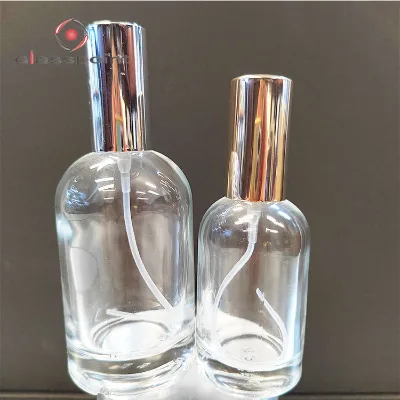
30ml Oval Clear Glass Droppper Bottle with Dropper for Essential Oil Perfume
$0.14 - $0.25
MOQ: 5000 Pieces
Nanning Yuebo Packaging Solutions Co., Ltd.
- Verified by Intertek
- Trading Company
- Lead time30 days
- Avg. response≤ 2h
Main productsGlass Bottle, Glass Jar, Perfume Bottle, Medicine Bottle, Cosmetic Bottle
Main marketsNorth America(20%), Southeast Asia(20%), South America(8%)
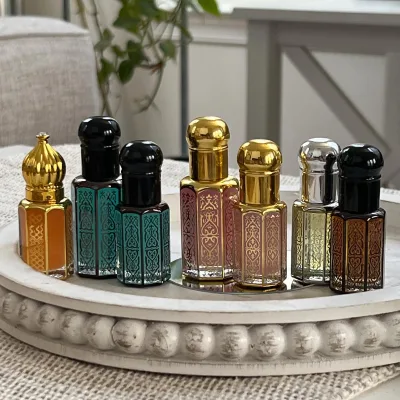
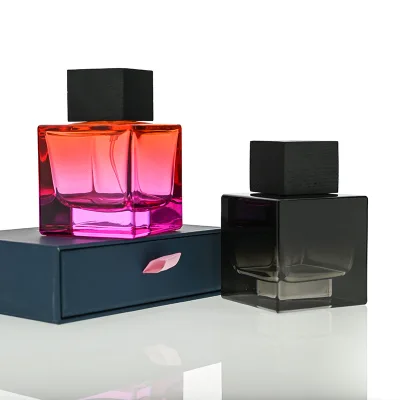
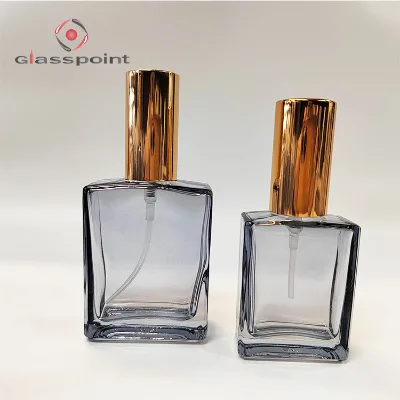
Perfume glass bottle supplier colored square perfume bottle new design perfume bottle 120ml with box
$0.15 - $0.32
MOQ: 5000 pieces

Yiwu Daimeng Glass Products Co., Ltd.
- Trading Company
- Zhejiang, China
- Lead time30 days
- Avg. response≤ 4h
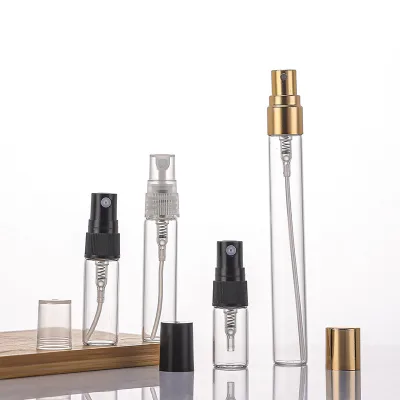
Main products10ml Glass Tubular Bottle,5ml Glass Tubular Bottle,Glass Bottle,Tubular Bottle,Mini Perfume Bottle
Main marketsDomestic Market(12.50%), South Asia(12.50%), Eastern Asia(12.50%), Mid East(12.50%), Africa(12.50%), Eastern Europe(12.50%), South America(12.50%), North America(12.50%)
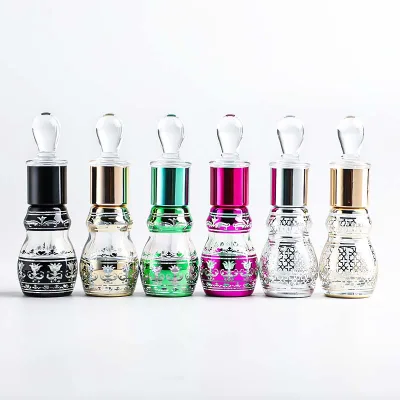
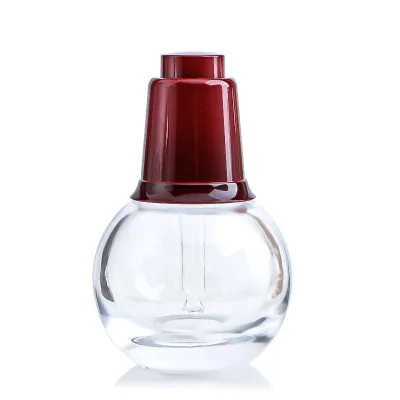
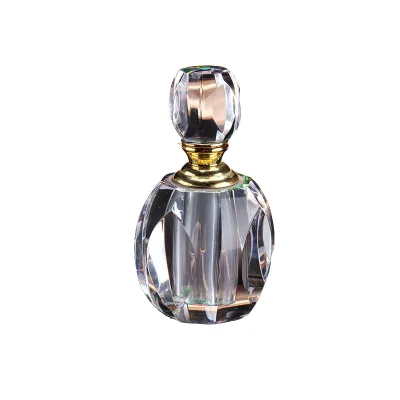
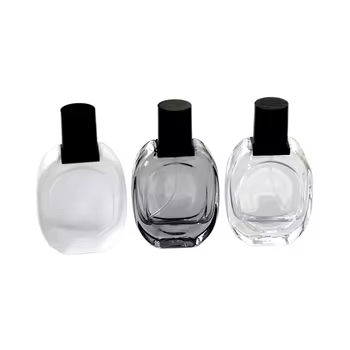
12ml Empty Vintage Design Perfume Glass Bottles with Dropper for Essential Oils & Attar
$0.29 - $0.31
MOQ: 1000
Kunshan Alviss International Trade Co., Ltd.
- Trading Company
- Jiangsu, China
- Lead time15 days
- Avg. response≤ 7h
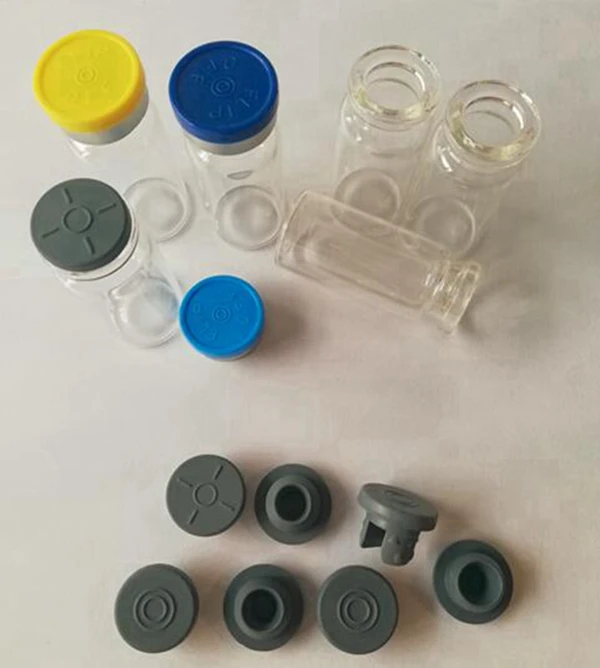
Main productsbutyl rubber stopper,glass vial,aluminum cap,glass bottle,plastic vial
Main marketsAfrica(30.00%), Mid East(20.00%), South America(20.00%), Southeast Asia(20.00%), Domestic Market(10.00%)

Anhui Everecosip Packaging Co., Ltd
- Trading Company
- Anhui, China
- Lead time15 days
- Avg. response≤ 6h
Main productsGlass Bottles,Aluminum Bottles,Boxes,Candles Jars,thermos cup
Main marketsNorth America(25.00%), Domestic Market(16.00%), Southeast Asia(11.00%), Western Europe(10.00%), Southern Europe(7.00%), Africa(5.00%), Eastern Asia(5.00%), Eastern Europe(5.00%), Mid East(5.00%), Oceania(4.00%), South America(2.00%), South Asia(2.00%), Northern Europe(2.00%), Central America(1.00%)
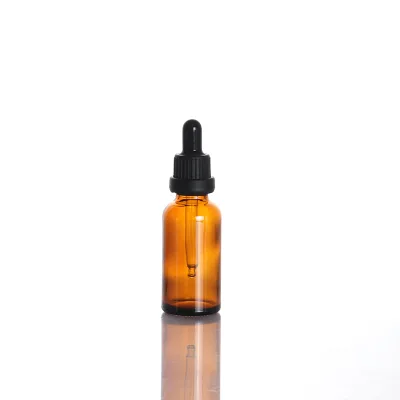
$0.05 - $0.07
MOQ: 1000 pieces
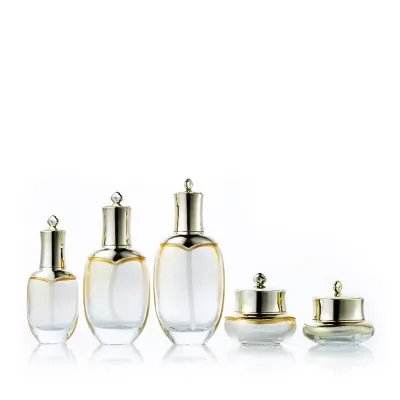
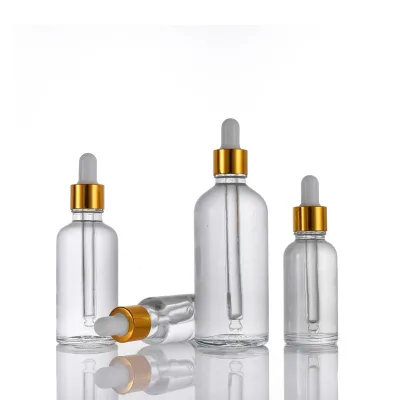
Essential Oil Dispensing Bottle Dropper Empty Bottle for Essential Oil Packaging
$0.05 - $0.07
MOQ: 1000
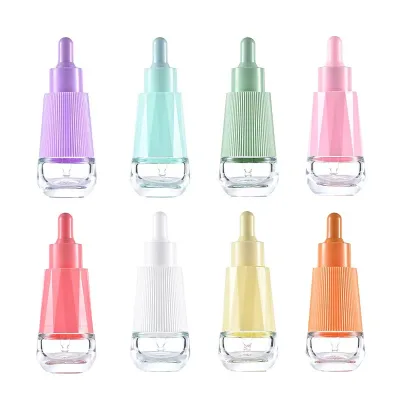
30ml Colorful Conical Shoulder Dropper Bottle Travel Essential Oil Bottle
$0.05 - $0.07
MOQ: 1000 pieces
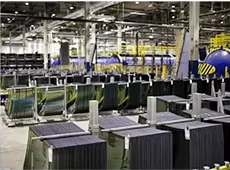
Shenyang Jingrui Import And Export Co., Ltd.
- Trading Company
- Liaoning, China
- Lead time0 days
- Avg. response≤ 2h
Main productsplastic bottle,glass bottle,Airless Pump Bottle,lotion bottle,cream bottle
Main marketsSoutheast Asia(15.00%), Eastern Europe(15.00%), South America(15.00%), North America(15.00%), Southern Europe(5.00%), Northern Europe(5.00%), Central America(5.00%), Western Europe(5.00%), Eastern Asia(5.00%), Mid East(5.00%), Oceania(5.00%), Africa(5.00%)
Shijiazhuang Baotou Import And Export Trade Co., Ltd.
- Trading Company
- Hebei, China
- Lead time5 days
- Avg. response≤ 2h
Main productsplastic Bottle,glass Bottle,cream jar,sticker,Paper Box
Main marketsNorth America(50.00%), Oceania(15.00%), South America(10.00%), Eastern Asia(5.00%), South Asia(5.00%), Southeast Asia(5.00%), Northern Europe(2.00%), Western Europe(2.00%), Eastern Europe(2.00%), Southern Europe(2.00%), Africa(1.00%), Mid East(1.00%)
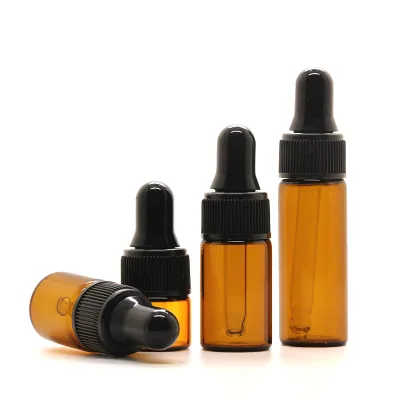
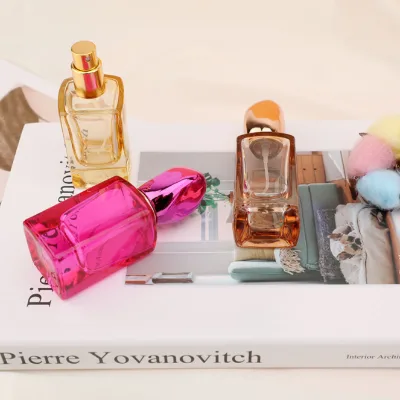
Factory Direct Supply Perfume Bottles Empty Perfume Bottles 30ml Perfume Bottles
$0.20 - $0.30
MOQ: 200 pieces
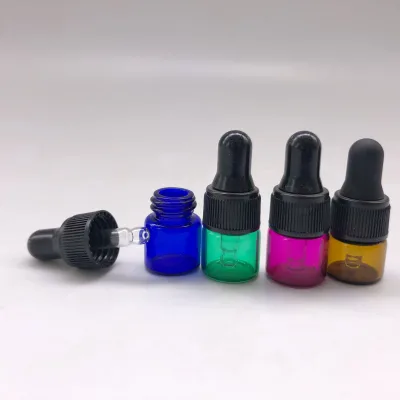
$0.16 - $0.17
MOQ: 500 pieces
Guangzhou Lanjing Glass Products Co., Ltd.
- Verified by SGS Group
- Trading Company
- Lead time10 days
- Avg. response≤ 3h
Main productsScrew Bottles/Schering Bottles/Oral Liquid Bottles/Essential Oil Bottles/Cosmetic Glass Bottle Sets
Main marketsNorth America(45%), Western Europe(25%), South America(5%)
- Verified by Intertek
- Trading Company
- Lead time30 days
- Avg. response≤ 2h
Main productsPerfume Bottles, Perfume Caps, Perfume Boxes, Candle Jars, Diffuser Bottles
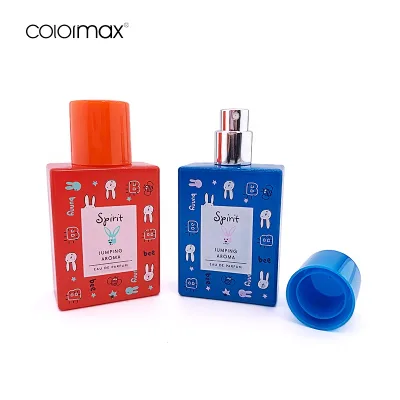
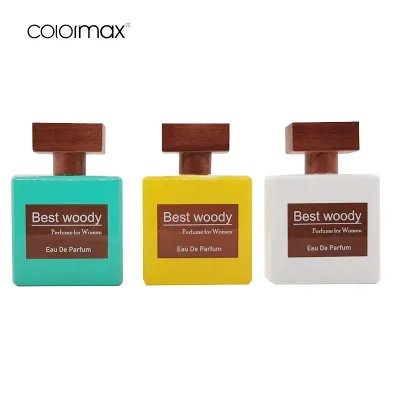
50ml/100ML Perfume Bottle with Solid Spray Color Glass Perfume Bottle with Wood Cap
$0.4623 - $1.8476
MOQ: 10000 pieces
Pujiang Meg Art&Craft Co., Ltd.
- Trading Company
- Zhejiang, China
- Lead time15 days
- Avg. response≤ 6h
Main productscrystal trophy,metal trophy,crystal perfume bottle,crystal keychain,crystal block
Main marketsNorth America(30.00%), Southeast Asia(10.00%), Central America(10.00%), Mid East(10.00%), South Asia(5.00%), Southern Europe(5.00%), Northern Europe(5.00%), Eastern Europe(5.00%), Western Europe(5.00%), South America(5.00%), Eastern Asia(5.00%), Africa(5.00%)

Shijiazhuang Fengka Trading Co., Ltd.
- Trading Company
- Hebei, China
- Lead time6 days
- Avg. response≤ 8h
Main productsglass bottle,essential oil bottle,plastic dropper bottle,glass jar,cosmetic bottle
Main marketsNorth America(24.00%), Southeast Asia(14.00%), South America(12.00%), Western Europe(11.00%), Central America(8.00%), Northern Europe(6.00%), Southern Europe(6.00%), Eastern Europe(6.00%), Eastern Asia(3.00%), Oceania(3.00%), South Asia(3.00%), Mid East(2.00%), Domestic Market(1.00%), Africa(1.00%)
HONG KONG AQUIMAN TRADING CO., LIMITED
- Verified by SGS Group
- Trading Company
- Lead time10 days
- Avg. response≤ 2h
Main productsCosmetic Packaging, Glass Bottles, Plastic Bottles, Jar, Boxes
Hebei Laiyan Technology Co., Ltd.
- Trading Company
- Hebei, China
- Lead time7 days
- Avg. response≤ 2h
Main productsglass storage jar,glass bottles and jars,plastic bottles and jars,aluminum bottles and tins,caps accessories
Main marketsEastern Europe(20.00%), Eastern Asia(20.00%), Africa(15.00%), Western Europe(10.00%), South America(10.00%), North America(10.00%), Oceania(8.00%), Southeast Asia(5.00%), Mid East(2.00%)

Xuzhou Sheenland Glass Products Co., Ltd.
- Verified by CTI
- Trading Company
- China Jiangsu
- Lead time45 days
- Avg. response≤ 4h
Main productsGlass Bottle, Glass Jar, Glass Container
Main marketsSouth America,Africa,Southeast Asia/ Mideast,East Asia(Japan/ South Korea),Domestic,Europe,Australia,North America

Customized 120ml Cylinder Glass Bottle with Dropper Cap Empty Dropper Bottle
$0.27 - $0.38
MOQ: 5000 Pieces


Wuxi Bokas Imp & Exp Co., Ltd.
- Verified by TUVRHEINLAND
- Manufacturer/Factory
- China Jiangsu
- Lead time0 days
- Avg. response≤ 8h
Main productsPerfume Bottle, Perfume Cap, Deodorant Cap, Perfume Box, Gift Box, Jewelry Box, Watch Box, Paper Box, Wine Box, Aerosol Cap
Suzhou Glass Point Packaging Co., Ltd.
- Trading Company
- Jiangsu, China
- Lead time0 days
- Avg. response≤ 4h
Main productsGlass bottle, Lids, Bottle caps, Closures
Main marketsNorth America(48.00%), South America(10.00%), Eastern Europe(8.00%), Western Europe(7.00%), Southern Europe(5.00%), Eastern Asia(5.00%), Northern Europe(5.00%), Domestic Market(5.00%), Southeast Asia(4.00%), Mid East(3.00%)

Xuzhou Youchum International Trade Co., Ltd.
- Verified by SGS
- Trading Company
- China Jiangsu
- Lead time15 days
- Avg. response≤ 8h
Main productsGlass Bottle, Cosmetic Packaging, Household, Liquor Packagin, Food Packaging, Cartons, Cardboard Box, Essential Oil Packaging
Main marketsEurope

- Verified by CTI
- Trading Company
- China Shanghai
- Lead time23 days
- Avg. response≤ 8h
Main productsGlass Bottle, Bottle, Vodka Glass Bottle, Whisky Glass Bottle, Glass Beer Bottle, Glass Wine Bottle, Beer Bottle, Glass Decanter, Glass Jars, Glass
Main marketsSouth America,Africa,Europe,Australia,North America

Customizable Small-Capacity Roller Dropper Crystal Glass Essential Oil Perfume Bottle
$0.25 - $0.50
MOQ: 30000 Pieces

Bottle Perfume Glass Perfume Empty Bottles Custom Perfume Bottles with Box
$0.25 - $0.50
MOQ: 30000 Pieces

New Arrival Customizable Small-Capacity Roller Dropper Crystal Glass Essential Oil Perfume Bottle
$0.25 - $0.50
MOQ: 30000 Pieces

OLILA (GUANGZHOU) COSMETIC PACKAGE CO., LTD.
- Trading Company,Manufacturer/Factory
- China Guangdong
- Lead time45 days
- Avg. response≤ 11h
Main productsCosmetic Packaging, Perfume Bottles, Perfume Cap, Spray Cap, Aerosol Can, Aerosol Valve, Cream Jars, Cosmetic Packages, Perfume Bottle Caps, Olila Cosmetic Containers
Main marketsSouth America,Eastern Europe,Mid East,North America,Southeast Asia,Eastern Asia,Oceania,Western Europe,Africa


Bottle Perfume Glass Perfume Empty Bottles Custom Perfume Bottles with Box
$0.15 - $0.48
MOQ: 10000 Pieces


Ningbo Kylin Packaging Solutions Co., Ltd.
- Verified by TUVRHEINLAND
- Manufacturer/Factory
- China Zhejiang
- Lead time23 days
- Avg. response≤ 9h
Main productsTrigger Sprayer, Lotion Pump, Fine Mist Sprayer, Plastic Cap, Dropper, Cream Pump, Airless, Glass Bottle, Alum. Bottle, Mini Trigger
Main marketsSouth America,Eastern Europe,North America,Oceania,Western Europe

High Quality Super Clear Empty Perfume Glass 50ml Bottles Glass Perfume Bottle
$0.30 - $0.40
MOQ: 10000 Pieces

Hot Sale Customized Cosmetic Packaging 100ml Durable Glass Bottle Perfume Bottle
$0.30 - $0.40
MOQ: 10000 Pieces
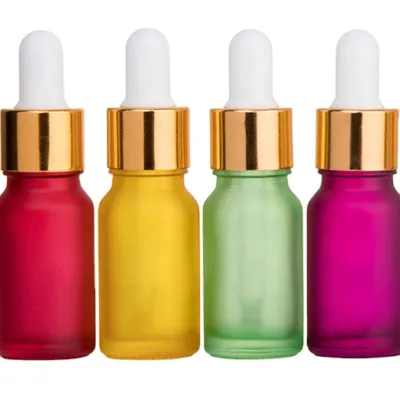
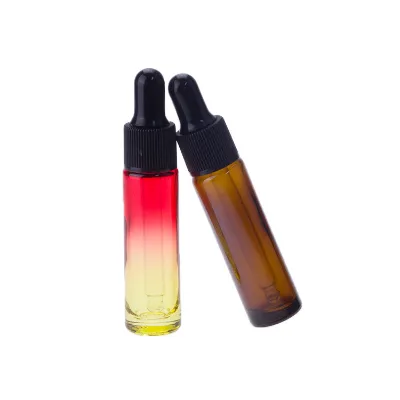


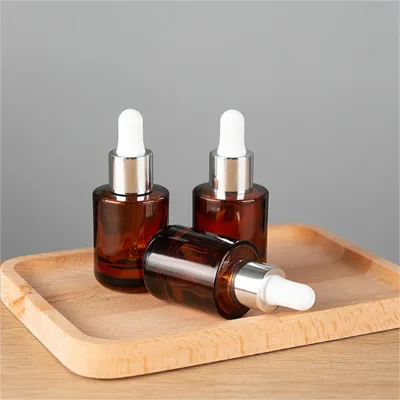
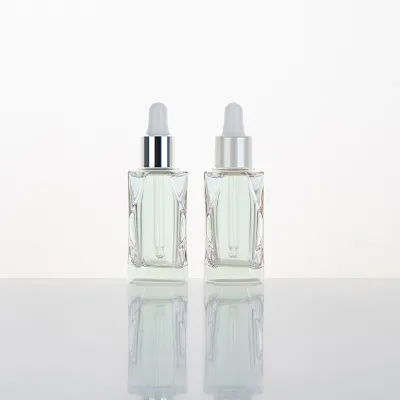
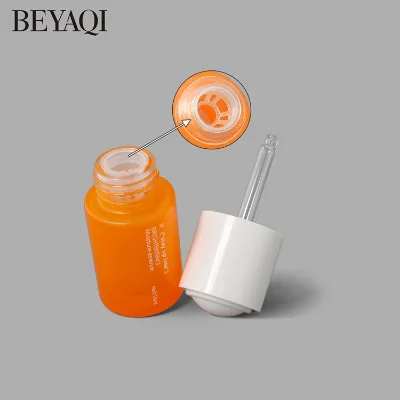
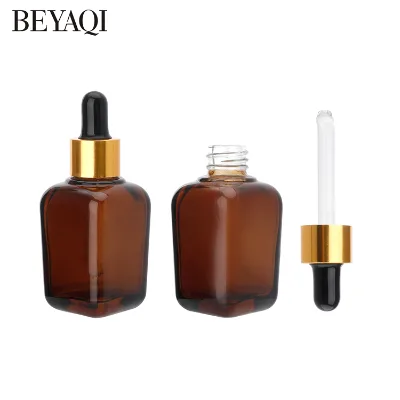


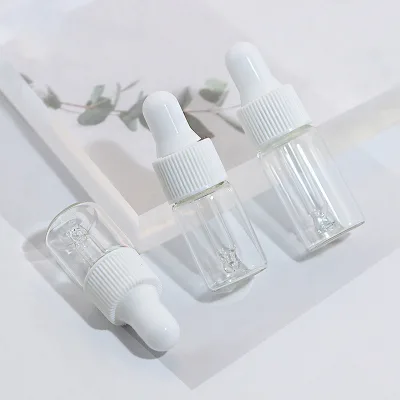
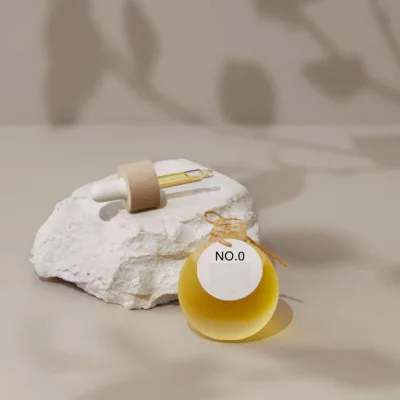


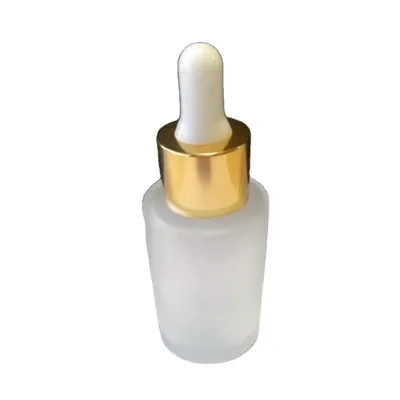
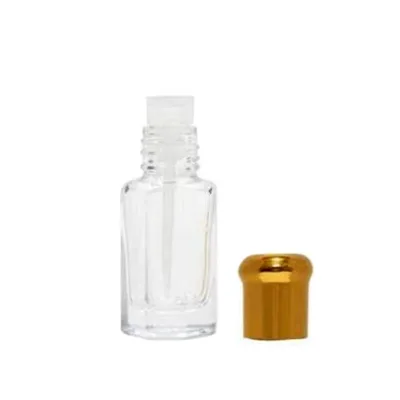
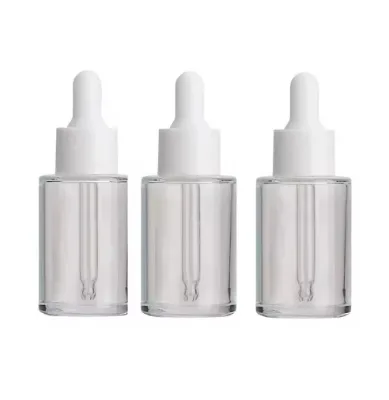
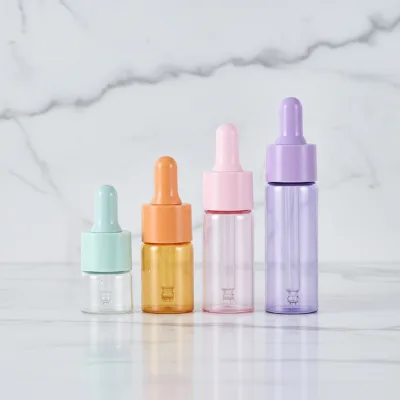
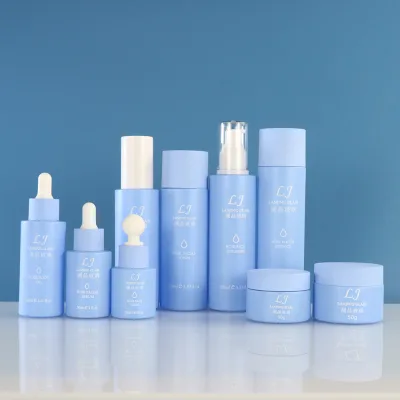




Comprehensive Sourcing Guide
Matte Glass Dropper Perfume Bottle Supplier Concentration and Factory Types
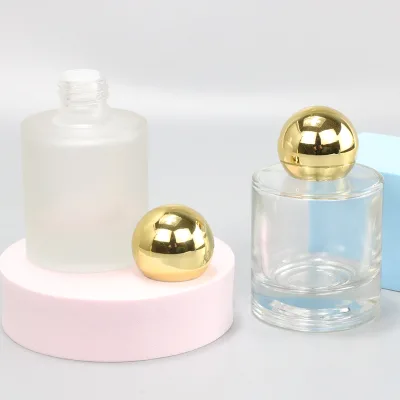
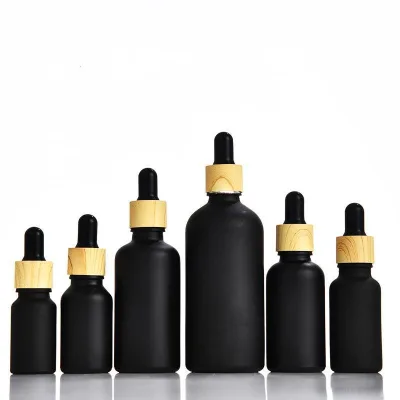
Sourcing results for the Matte Glass Dropper Perfume Bottle category show a heavy concentration of suppliers in China, with Zhejiang Province appearing repeatedly as a listed location, and Ningbo cited as a production origin on individual product listings. Zhejiang's coastal position near major container ports supports both the glass-forming supply chain and the accessory ecosystem of droppers, collars, and sprayers that these bottles require. When evaluating listings, treat a stated provincial or municipal origin as a starting point for cluster identification, then ask each supplier where its glass furnaces and decoration lines actually sit, because trading companies often quote a regional base while production occurs at partner workshops elsewhere.
Supplier types in this category split into manufacturers with in-house forming and frosting capability, and trading companies that consolidate glass bottles, sprayers, caps, and other packaging components into mixed orders. One observed trading company, for example, lists plastic bottles, glass bottles, aluminum bottles, sprayers, and caps as its main product range, which signals a consolidation model rather than direct glass production. The practical implication is that matte finishing, collar fitting, and dropper assembly may each happen at a different site. Ask which processes are controlled internally and which are subcontracted, then request consistency controls for the frosted surface across every batch, since subcontracted decoration is where shade and texture variation most often appears.
How to Verify Matte Glass Dropper Perfume Bottle Suppliers
Verification for a Matte Glass Dropper Perfume Bottle supplier should begin with the platform's own layers: several results carry third-party verification badges from inspection organizations such as SGS Group and CTI, and one supplier displays a system certification of ISO 9001 alongside EC 1907/2006 and EU 2025/40 references. These are useful screening signals but they are not substitutes for your own checks. Confirm that the certificate body, scope, and validity date match what the listing claims, and ask for the certificate number so you can validate it against the issuing body's registry rather than trusting a cropped image.
Beyond badges, demand production evidence specific to this product type. Request recent photographs or a live video walkthrough showing matte coating or acid-frost application lines, dropper collar fitting stations, and the leak-testing method used on finished 10ml-class bottles. Order pre-production samples and compare surface texture, collar torque, and dropper dosing against your approved golden sample before releasing mass production. Check business registration details, export license, and how long the company has operated, since young distributors of glass packaging may disappear between deposit and shipment. Finally, contact references from buyers in cosmetics or essential oil packaging and ask specifically about batch-to-batch matte consistency and breakage rates on arrival, which are the two failure modes buyers in this category report most often.
What to Compare Across Matte Glass Dropper Perfume Bottle Suppliers
Build a comparison sheet across the dimensions suppliers actually display. Lead times in current listings range from about 20 days to 30 days, with several glass bottle products quoting 25 days for delivery; treat these as quoted production windows only, excluding transit and decoration lead time for custom colors. MOQs vary enormously: one 10ml rainbow dropper bottle lists a 150-piece MOQ with free samples, while other suppliers require 5,000 pieces for a standard model and 20,000 pieces for customized colors or frosted treatments. Response times are also displayed, with observed figures around 2.5 to 5 hours; a fast responder is easier to work with during sampling, though it says nothing about production quality.
Compare the product evidence itself. Current listings show 10ml matte and colored dropper bottles priced roughly between 0.09 and 0.80 USD per piece depending on volume, size (5ml to 100ml ranges appear), surface treatment, and decoration such as screen printing. Note which suppliers offer free samples, which accept light customization such as graphic processing versus full custom molds, and which list main products beyond dropper bottles, since a supplier offering airless bottles, lotion pumps, and cosmetic packaging can consolidate a wider order. Never assume every supplier displays every attribute; where a field is blank, ask directly and record the answer in your sheet rather than the listing.
Common Matte Glass Dropper Perfume Bottle Sourcing Risks
The dominant risk in this category is matte surface inconsistency. A frosted or matte finish applied to glass can shift noticeably between batches in tone and texture, especially when color MOQs are high and a supplier runs your 20,000-piece color order months after the approved sample. Mitigate this by sealing a physical golden sample, specifying a measurable finish standard in the purchase contract, and requiring a first-article approval from each production batch before packing. A second risk is dropper function: collars that thread loosely, pipettes that dose inconsistently, and seals that leak under air pressure changes during shipping. Listings in this category describe standard export carton packing, but glass bottles with fitted droppers still need dividers and drop-test validation.
Third, watch for listing-versus-reality gaps. Some observed listings show a low MOQ of 150 pieces on a specific stock model while the same supplier requires 20,000 pieces for any customization, so a buyer planning a branded run can be caught out after sampling. Attribute typos also appear, such as an improbable 0.6mm wall thickness entry on a 10ml glass bottle listing, which should prompt a clarification question rather than acceptance. Finally, confusion between trading companies and factories can inflate cost and extend communication loops, and long lead times combined with peak-season port congestion can push a quoted 25-day delivery into a much longer window. Build schedule buffer and confirm production start dates in writing.
Matte Glass Dropper Perfume Bottle Regional Sourcing and Logistics
Zhejiang Province, and Ningbo in particular, appears as the operative cluster in current results, and that geography matters for logistics. Ningbo's port offers frequent sailings to major markets, and proximity means factory visits, third-party inspections, and sample collection can be done within a single day trip from the port city. When suppliers list Zhejiang or Ningbo as origin, plan an in-person or agent-attended audit of the glass-forming and decoration sites, and ask whether the matte finishing is done on-site or shipped out, because every extra transfer adds breakage and coordination risk. If a supplier is based elsewhere, weigh whether its freight consolidation offsets the convenience of a Zhejiang visit.
On the shipping side, glass dropper bottles are heavy relative to their value, so freight cost per unit is significant and worth modeling before ordering. Confirm gross weights from listings, such as the observed 0.060 kg single-item figure on a 10ml model, and carton dimensions like the cited 47x38x26 cm export carton, then calculate cubic volume and container utilization. Ask each supplier about carton-in-carton reinforcement, palletization, and whether drop tests are performed on packed cartons. For air freight of samples, confirm whether dropper assemblies count as liquids or carry restrictions. Finally, agree on Incoterms early and check who arranges export customs clearance, since trading companies and factories handle this differently.
Matte Glass Dropper Perfume Bottle Commercial Terms and Order Planning
Structure commercial terms around the MOQ tiers visible in this category. For market testing, a 150-piece stock-model order with free samples, as some listings offer, lets you validate demand cheaply, though you will be limited to existing colors and finishes. For a branded launch, budget for the 20,000-piece color MOQ that several suppliers attach to customized shades and frosted treatments, or split a run across a standard stock bottle plus custom secondary packaging. Negotiate staged payments, hold a meaningful retention until post-shipment inspection, and confirm whether the platform's trade protections or escrow-style arrangements apply to your order, asking each supplier directly since this is not uniform across listings.
Plan the calendar backward from your launch date: add sampling rounds, mold or color-plate time for customized orders, the quoted 20 to 30 day production windows, and ocean transit plus customs clearance. Order 3 to 5 percent above theoretical need to absorb glass breakage and decoration rejects, and specify that packaging be standard export cartons with dividers for this fragile category. Lock the golden sample, the finish specification, the dropper dosing standard, and the packing diagram into the contract annex. Finally, re-confirm lead time and price at each reorder, since glass, coating inputs, and freight all fluctuate, and a supplier's quoted terms at sampling are not guaranteed at the next purchase order.
FAQs
What is the price range for matte glass dropper bottles?
Prices typically range from $0.09 to $0.80 per unit depending on volume and customization. Specific listings show costs between $0.25 and $0.30 for mixed color options, while frosted black variants start around $0.094. Bulk orders generally secure lower unit rates compared to smaller quantities.
What is the minimum order quantity for these bottles?
MOQs vary significantly by supplier and product type. Some suppliers require a minimum of 10,000 pieces for standard glass bottles, while others accept orders as low as 150 pieces for specific rainbow dropper designs. Customization requests often trigger higher thresholds, such as 20,000 pieces for color changes.
How long does production take for these orders?
Standard lead times generally fall between 20 and 30 days. Specific product listings indicate delivery times of approximately 25 days for customized orders. Buyers should confirm exact timelines with suppliers, as rush orders or complex graphic processing may extend the production schedule beyond standard estimates.
Are free samples available for matte glass dropper bottles?
Many suppliers offer free samples to help buyers evaluate quality before placing bulk orders. Specific listings mention providing two to three free samples for evaluation. Buyers should verify sample availability and shipping costs directly with the supplier, as policies may vary based on the specific bottle design requested.
What certifications do these suppliers hold?
Verified suppliers often hold ISO 9001 certification for quality management systems. Some also comply with (EC) 1907/2006 and (EU) 2025/40 standards for chemical safety. Third-party verification by groups like SGS or CTI further confirms supplier reliability and product compliance with international packaging regulations.
Can these bottles be customized for branding?
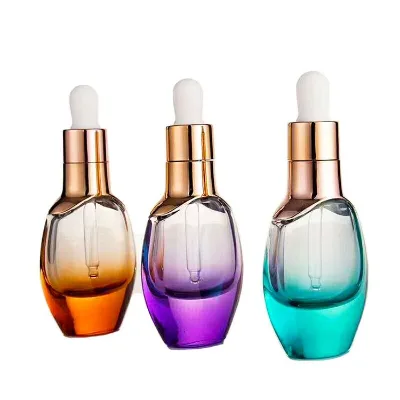
Customization is widely available, including graphic processing, screen printing, and color matching. Suppliers offer light customization and customized-on-demand services for various capacities like 10ml or 50ml. Buyers can request specific colors, such as frosted black or gradient finishes, subject to minimum order quantity requirements for color changes.