uv protective roll-on bottle Suppliers and Manufacturers
Source uv protective roll-on bottle options from 29 verified suppliers in China. Compare key dimensions including lead times, MOQs, and ISO certifications to identify suitable partners. Request quotes directly to evaluate pricing and production capabilities; review the available evidence before requesting comparable quotations from suitable candidates.
Updated
Suppliers List

Ningbo YMS Imp & Exp Co., Ltd.
- Trading Company
- China Zhejiang
- Lead time45 days
- Avg. response≤ 8h
Main productsLipstick Case, Cosmetic Compact, Lip Gloss Case, Mascara Tube, Eyeliner Bottle, Cosmetic Pen, Acrylic Jar, Cosmetic Pot, Loose Powder Container, Airless Lotion Bottle
Main marketsSouth America,Southeast Asia/ Mideast,Europe
- Trading Company
- Shandong, China
- Lead time35 days
- Avg. response≤ 5h
Main productsAirless Bottle,Lotion Bottle,Cosmetic Jar,Plastic cap,Trigger Sprayer
Main marketsWestern Europe(44.00%), North America(20.00%), Eastern Europe(15.00%), Mid East(12.00%), Oceania(5.00%), Southeast Asia(3.00%), Eastern Asia(1.00%)
Guangzhou Tricoin Business Co., Ltd.
- Manufacturer, Trading Company
- Guangdong, China
- Lead time25 days
- Avg. response≤ 8h
Main productsPlastic Bottle,Plastic Jar,Cosmetic tube,make-up container,glass bottle
Main marketsWestern Europe(30.00%), North America(22.00%), Domestic Market(21.00%), Mid East(5.00%), Central America(5.00%), South America(5.00%), Southeast Asia(5.00%), Eastern Europe(1.00%), South Asia(1.00%), Southern Europe(1.00%), Northern Europe(1.00%), Oceania(1.00%), Africa(1.00%), Eastern Asia(1.00%)

Shangyu Shengruisi Packaging Co., Ltd.
- Verified by CTI
- Combined
- China Zhejiang
- Lead time60 days
- Avg. response≤ 9h
Main productsRoll on Bottle, Roller Bottle, Airless Bottle, Perfume Bottle, Essential Oil Bottle, Cosmetic Packaging, Plastic Bottle, Make up Series, Pet Bottle, Cosmetic Jar
Main marketsSouth America,Southeast Asia/ Mideast,East Asia(Japan/ South Korea),Europe,Australia,North America
Ningbo Boolong Packaging Co., Ltd.
- Verified by TüVRheinland
- Manufacturer, Trading Company
- Lead time15 days
- Avg. response≤ 3h
Main productsCream Pump, Roll On Bottle, Airless Bottle, All Plastic Trigger Sprayer, Deodorant Stick Tube
Main marketsNorth America(28%), Eastern Europe(19%), Western Europe(16%)
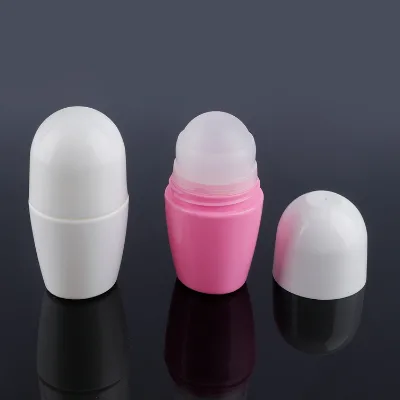
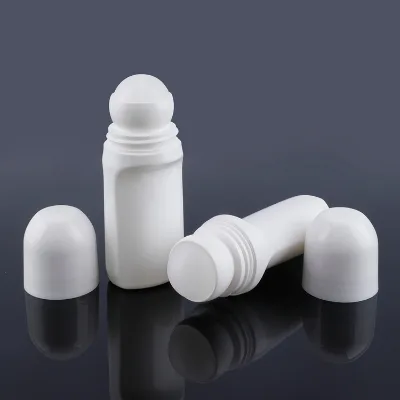
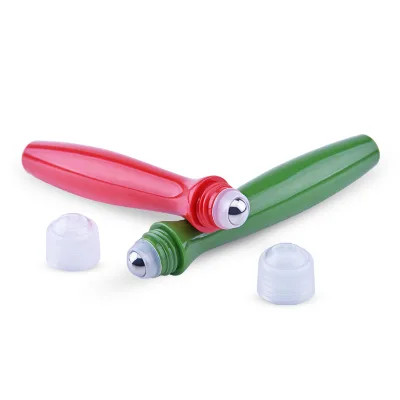
Customized PETG Roller Ball Bottles for Essential Oils & Lotion Roll-On Sealing Custom Logo Option
$0.2079
MOQ: 10000 Minimum

Hangzhou Bona Packaging Co., Ltd.
- Verified by SGS
- Trading Company,Manufacturer/Factory,Group Corporation
- China Zhejiang
- Lead time23 days
- Avg. response≤ 2h
Main productsPlastic Tube, Cosmetic Tube, Cosmetic Packaging, Plastic Jar, Plastic Bottle, Airless Bottle, Cosmetic Bottle, Bottle, Jar, Packing Bottle
Main marketsSouth America,Eastern Europe,Mid East,Southeast Asia,Eastern Asia,Oceania,Western Europe

HANG ZHOU KOSMETEK INDUSTRY CO., LTD.
- Verified by CTI
- Trading Company,Manufacturer/Factory
- China Zhejiang
- Lead time23 days
- Avg. response≤ 25h
Main productsTrigger Sprayer, Lotion Pump, Mist Sprayer, Foam Pump, Nail Polish Bottle, Perfume Sprayer, Pet Preforms, Nail Polish Pump, Plastic Cap, Pet Bottles
Main marketsSouth America,Eastern Europe,Mid East,North America,Southeast Asia,Eastern Asia,Oceania,Western Europe,Africa
Beyaqi Cosmetics (hangzhou) Co., Ltd.
- Verified by TüVRheinland
- Manufacturer, Trading Company
- Lead time30 days
- Avg. response≤ 5h
Main productsAirless Bottle, Deodorant Bottle, Glass Bottle, Foam Pump, Trigger Sprayer
Main marketsNorth America(38%), Mid East(20%), Northern Europe(8%)
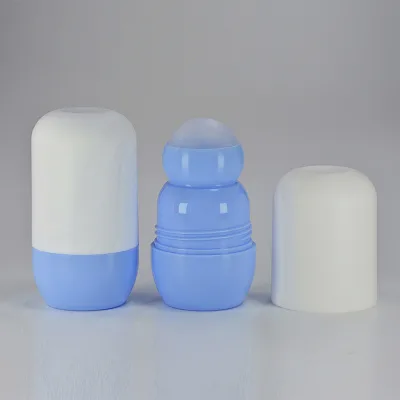
$0.1392 - $0.1464
MOQ: 30000 Minimum
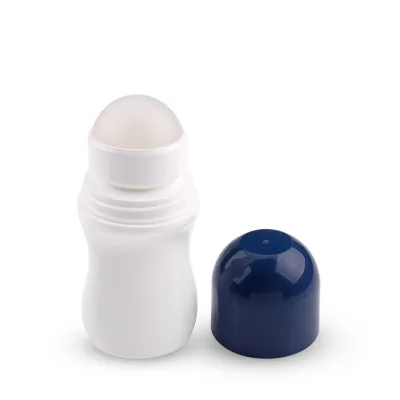
$0.1334 - $0.1406
MOQ: 30000 Minimum
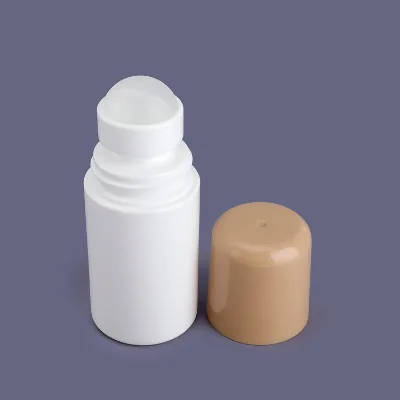
$0.1661 - $0.2064
MOQ: 30000 pieces
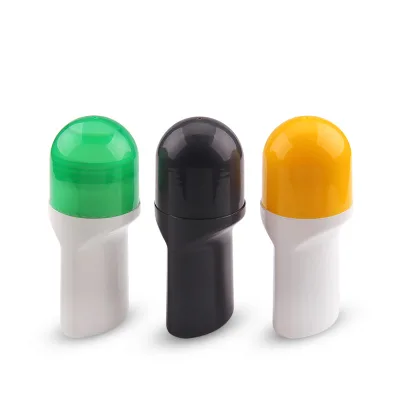

Ningbo Subir Commodity Co., Ltd
- Verified by TUVRHEINLAND
- Combined
- China Zhejiang
- Lead time30 days
- Avg. response≤ 7h
Main productsSpray Bottle, Credit Card Spray Bottle, Card Spray Bottle, Refillable Spray Bottle, Hand Sanitizing Spray Bottle, Perfume Tester, Perfume Vials, Perfume Spray Bottle, Pocket Spray Bottle, Plastic Bottle
Main marketsEurope,North America

- Verified by CTI
- Trading Company
- China Zhejiang
- Lead time30 days
- Avg. response≤ 3h
Main productsAirless Bottle, Glass Bottle, Comb, Cosmetic Packaging, Food Packaging, Sprayer, Lotion Pump Machine, Gift, Roll on Ball
Main marketsAfrica,Southeast Asia/ Mideast


High Quality Plastic Roll on Bottle for Convenient and Mess-Free Application
$0.10 - $0.11
MOQ: 5000 Pieces

High Quality Cosmetic Roll on Bottle with Plastic Cap for Massage Application
$0.10 - $0.11
MOQ: 5000 Pieces

Shaoxing Chunsili Plastic Co., Ltd.
- Verified by SGS Group
- Manufacturer, Trading Company
- Lead time25 days
- Avg. response≤ 3h
Main productsRoll on Bottle, Airless Bottle, Cream Jar
Main marketsSoutheast Asia(40%), North America(10%), Africa(10%)
Guangdong Ever Bright Pack Co., Ltd.
- Trading Company
- Guangdong, China
- Lead time25 days
- Avg. response≤ 3h
Main productsMolded Glass Bottles,Aluminum Perfume Bottles,Aerosol Cans,Nasal Inhaler Stick,Cosmetic Tubes
Main marketsNorth America(90.00%), Southeast Asia(5.00%), South America(5.00%)
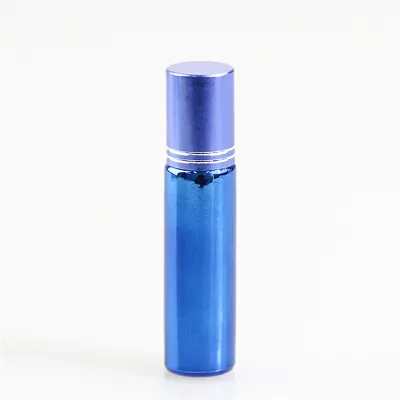
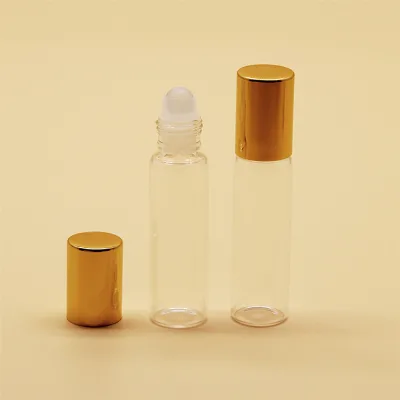
5ml 8ml 10ml Glass Roller Bottles with Screw Lids Roll-on Glass Bottles
$0.1661 - $0.187
MOQ: 10000 pieces
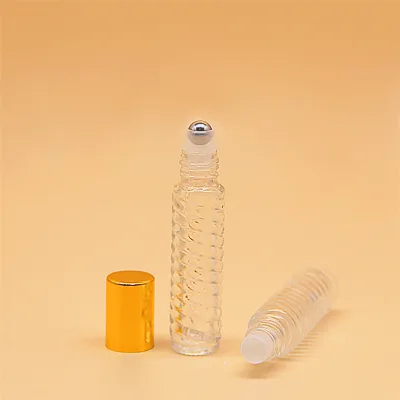
Hangzhou Rainbow Packaging Co., Ltd.
- Verified by SGS Group
- Manufacturer, Trading Company
- Lead time30 days
- Avg. response≤ 7h
Main productsGlass Bottle, Plastic Bottle
Main marketsNorth America(33%), South America(15%), Western Europe(12%)
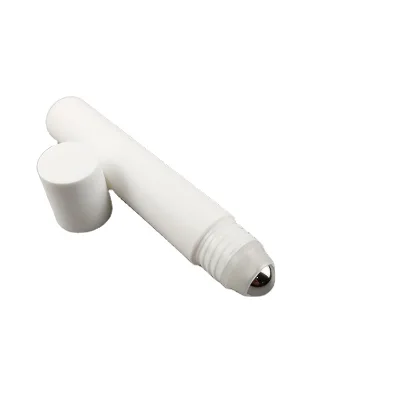
$0.205 - $0.6867
MOQ: 10000 Minimum
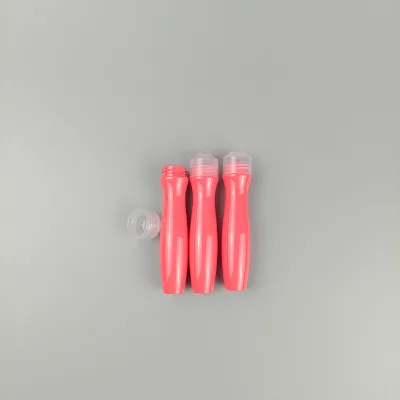
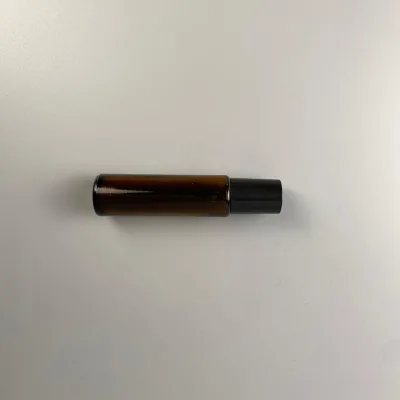
OEM Supplier 10ML Amber Glass Roll on Bottle with Stainless Steel Roller and Plastic Over Cap
$0.04 - $0.095
MOQ: 5000 Minimum
Yuyao Blooming Commodity Co., Ltd.
- Verified by TüVRheinland
- Manufacturer, Trading Company
- Lead time15 days
- Avg. response≤ 3h
Main productsCream Pump, Roll On Bottle, Airless Bottle, All Plastic Trigger Sprayer, Deodorant Stick Tube
Main marketsNorth America(26%), Eastern Europe(22%), Domestic Market(15%)
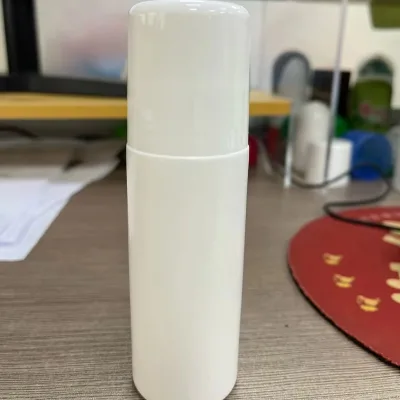
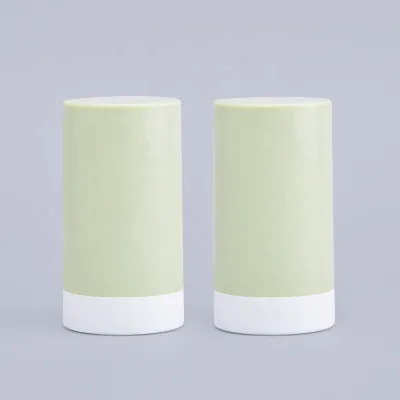
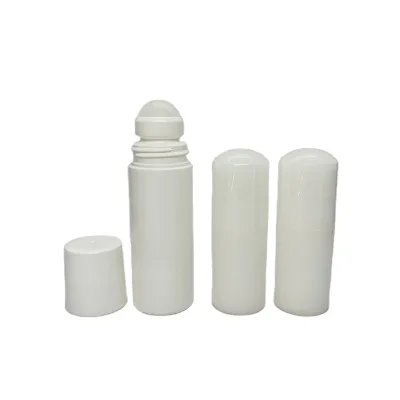
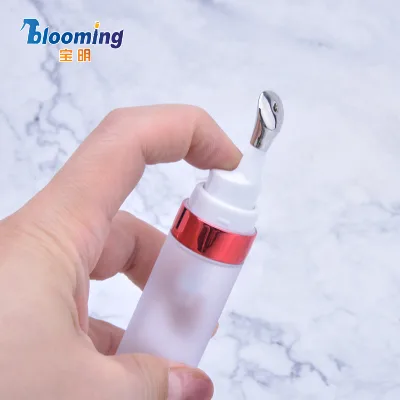
25ml PP Plastic Roll-on Bottle with Custom Color, Logo Printing, and Screw Cap for Packaging
$0.1646 - $0.175
MOQ: 20 pieces
Hebei Meibo Packaging Products Co., Ltd.
- Verified by SGS Group
- Trading Company
- Lead time20 days
- Avg. response≤ 2h
Main productsPlastic Bottle, Glass Bottle, Glass Jar, Candle Jar, Food Jar
Main marketsNorth America(50%), South America(10%), Eastern Europe(5%)

OLILA (GUANGZHOU) COSMETIC PACKAGE CO., LTD.
- Trading Company,Manufacturer/Factory
- China Guangdong
- Lead time45 days
- Avg. response≤ 11h
Main productsCosmetic Packaging, Perfume Bottles, Perfume Cap, Spray Cap, Aerosol Can, Aerosol Valve, Cream Jars, Cosmetic Packages, Perfume Bottle Caps, Olila Cosmetic Containers
Main marketsSouth America,Eastern Europe,Mid East,North America,Southeast Asia,Eastern Asia,Oceania,Western Europe,Africa


Hot Sale Matte Black Glass Roll on Bottle with Stainless Steel Roller Ball Popular Roller Bottles
$0.10 - $0.50
MOQ: 20000 Pieces
Shijiazhuang Fujiu Packing Products Co., Ltd.
- Trading Company
- Hebei, China
- Lead time0 days
- Avg. response≤ 3h
Main productsGlass bottle,Plastic bottle,Cosmetic bottle,Paper box,Shrink film
Main marketsNorth America(40.00%), Eastern Europe(30.00%), Domestic Market(10.00%), South America(5.00%), Southeast Asia(5.00%), Central America(3.00%), Western Europe(2.00%), Northern Europe(2.00%), Africa(1.00%), Mid East(1.00%), Oceania(1.00%)
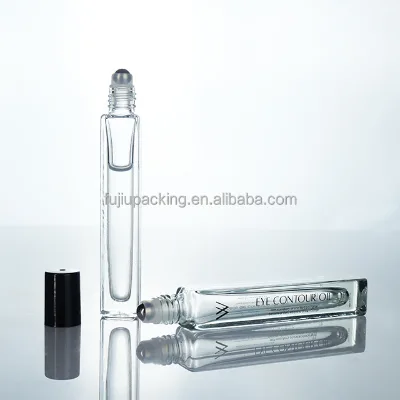
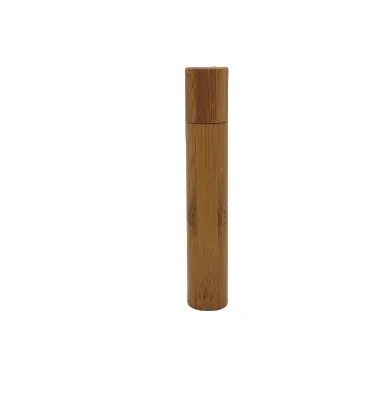
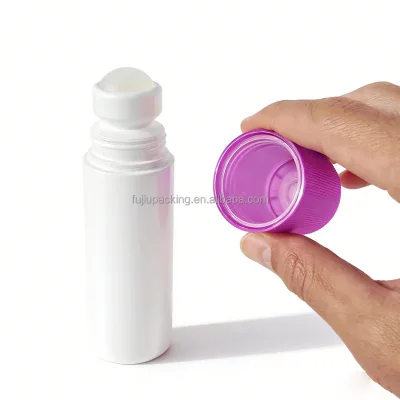
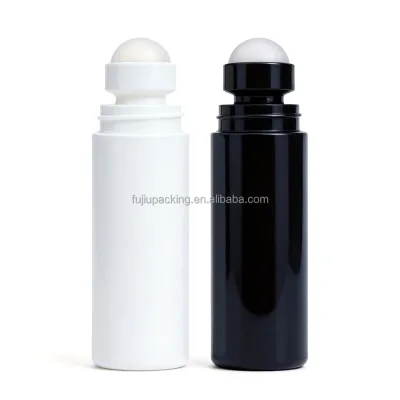
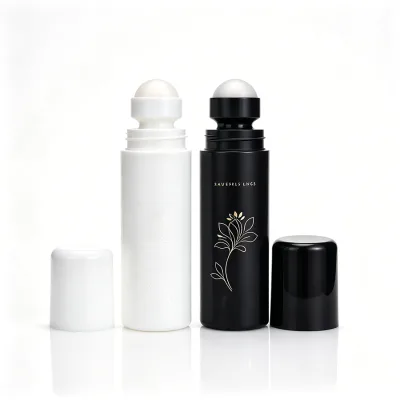
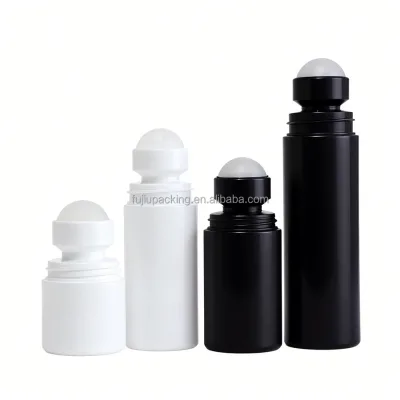
10 ml High-grade Glass Long Tube Essence Roll-on Bottle With Steel Roller Ball
$0.055 - $0.35
MOQ: 1000 Minimum

Kinpack(Ningbo) Packaging Technology Co., Ltd.
- Manufacturer/Factory
- China Zhejiang
- Lead time23 days
- Avg. response≤ 9h
Main productsAirless Bottle, Glass Bottle, Trigger Sprayer
Main marketsSouth America,Eastern Europe,Mid East,North America,Southeast Asia,Eastern Asia,Oceania,Western Europe,Africa
Hangzhou Sunshine Packaging Technology Co., Ltd.
- Verified by SGS Group
- Trading Company
- Lead time30 days
- Avg. response≤ 4h
Main productsBottles
Main marketsNorth America(35%), Mid East(30%), Eastern Asia(15%)
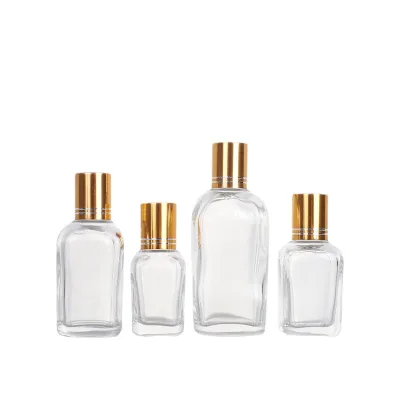
Roll on Glass Vial Bottle with Stainless Steel Roller and Aluminum Cap
$0.205 - $0.5116
MOQ: 100 pieces
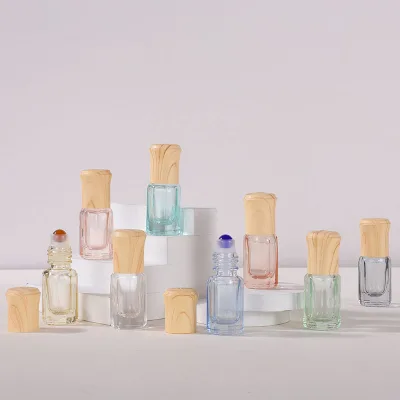
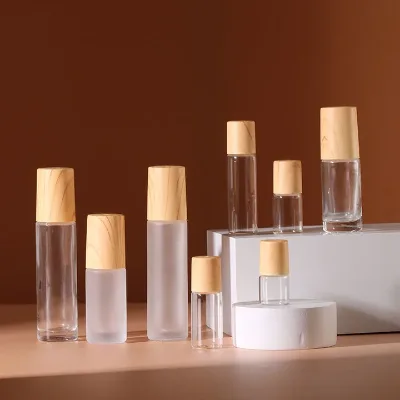
High Quality 3ml Thick Wall Glass Roll-on Bottle with Wooden Lid Essential Oil Glass Bottles
$0.18 - $0.31
MOQ: 5000 pieces
Shijiazhuang Baotou Import And Export Trade Co., Ltd.
- Trading Company
- Hebei, China
- Lead time5 days
- Avg. response≤ 2h
Main productsplastic Bottle,glass Bottle,cream jar,sticker,Paper Box
Main marketsNorth America(50.00%), Oceania(15.00%), South America(10.00%), Eastern Asia(5.00%), South Asia(5.00%), Southeast Asia(5.00%), Northern Europe(2.00%), Western Europe(2.00%), Eastern Europe(2.00%), Southern Europe(2.00%), Africa(1.00%), Mid East(1.00%)
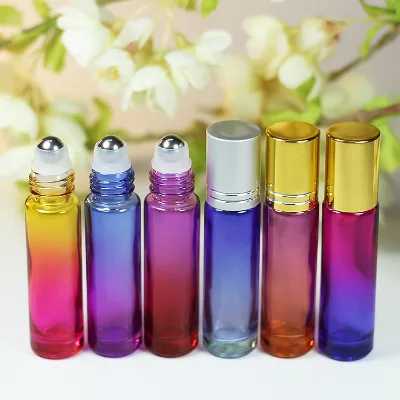
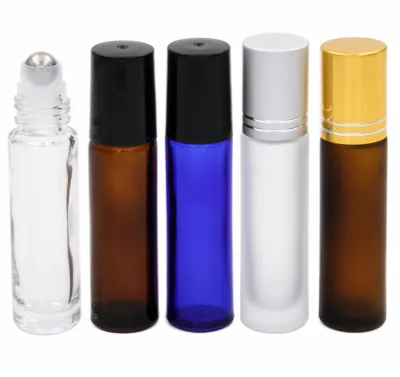
Wholesale 10ml Glass Roll-On Bottles Factory Price
$0.15 - $0.28
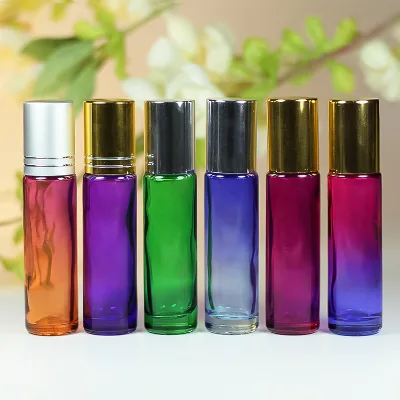
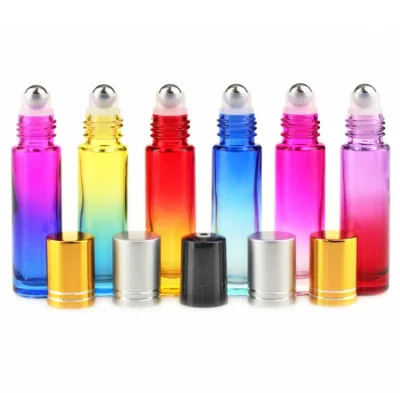
High Quality Color Gradient Glass Roll on Bottles 5ml and 10ml Sizes
$0.2678 - $0.2783
MOQ: 100 pieces
Xuzhou Iguest International Co., Ltd.
- Trading Company
- Jiangsu, China
- Lead time0 days
- Avg. response≤ 5h
Main productsglass bottle,cosmetics bottle,essential oil bottle,car bottle,pet products
Main marketsNorth America(20.00%), Eastern Europe(15.00%), Southeast Asia(15.00%), Mid East(15.00%), Northern Europe(15.00%), Oceania(10.00%), South Asia(5.00%), Domestic Market(5.00%)
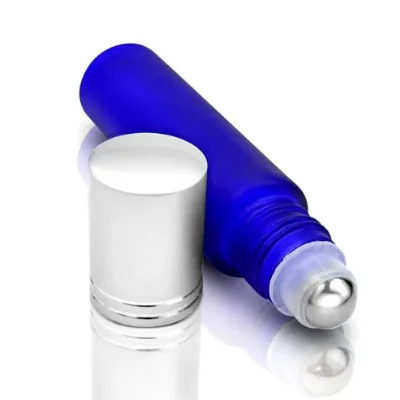
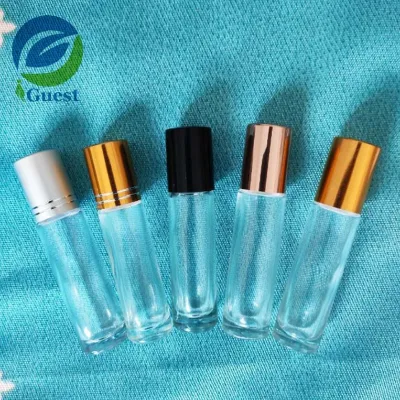
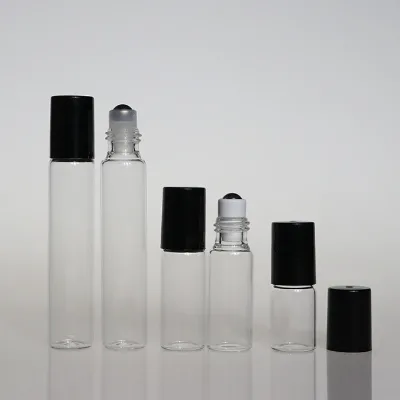
1ML 2ml 3ml 5ml 10ml Essential oil amber clear metal roll on bottle with black white lid
$0.0308 - $0.0514
MOQ: 2 Minimum
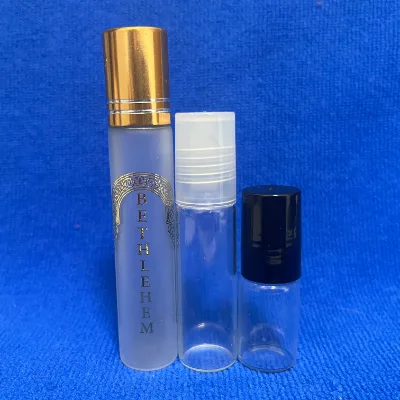
$0.0307 - $0.0512
MOQ: 1 Minimum

Hangzhou Wanmei Packaging Co., Ltd.
- Trading Company
- Zhejiang, China
- Lead time30 days
- Avg. response≤ 8h
Main productsPE soft tube,cosmetic bottle,lotion bottles,laminated tube,jar
Main marketsDomestic Market(20.00%), North America(15.00%), Central America(15.00%), South America(15.00%), Western Europe(8.00%), Mid East(8.00%), Southeast Asia(8.00%), Eastern Europe(5.00%), South Asia(3.00%), Southern Europe(2.00%), Oceania(1.00%)
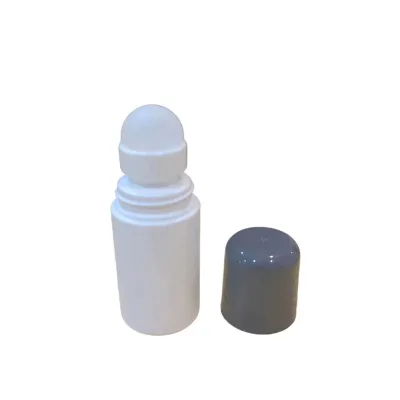
$0.21 - $0.22
MOQ: 10000 pieces
$0.23 - $0.25
MOQ: 10000 pieces
Jiangyin Beauty Packaging Material Co., Ltd.
- Verified by SGS Group
- Trading Company
- Lead time20 days
- Avg. response≤ 5h
Main productsPlastic Bottles, Glass Bottles, Aluminum Bottle, Sprayer, Cap
Main marketsNorth America(30%), Eastern Europe(10%), Southeast Asia(10%)
Taizhou Jiemao Plastic Co., Ltd.
- Manufacturer
- Zhejiang, China
- Lead time15 days
- Avg. response≤ 16h
Main productsPlastic Products(Plastic Tube,Plastic Bottle)
Main marketsDomestic Market(70.00%), North America(15.00%), Africa(5.00%), Mid East(3.00%), Northern Europe(3.00%), Southeast Asia(2.00%), Eastern Asia(2.00%)
Lucky Monkey Trading Co., Ltd.
- Trading Company
- Beijing, China
- Lead time7 days
- Avg. response≤ 7h
Main productscarpet,Packing bottle,wall to wall carpet,carpet tiles,Packing& bottle
Main marketsSoutheast Asia(20.00%), Eastern Europe(15.00%), Western Europe(12.00%), Eastern Asia(10.00%), Domestic Market(8.00%), Central America(7.00%), South Asia(7.00%), Southern Europe(5.00%), Mid East(4.00%), Northern Europe(4.00%), Oceania(3.00%), South America(2.00%), North America(2.00%), Africa(1.00%)
Xuzhou Easypack Glassware Co., Ltd.
- Verified by SGS Group
- Trading Company
- Lead time20 days
- Avg. response≤ 3h
Main productsGlass Bottle, Glassware, Glass Jar
Main marketsNorth America(40%), South America(10%), Eastern Europe(10%)
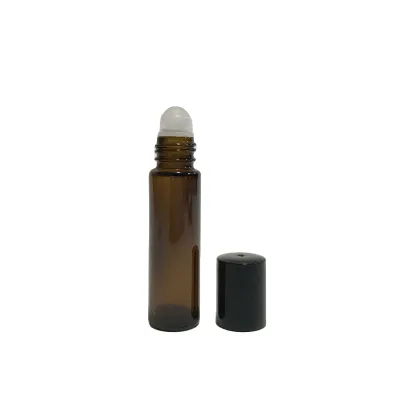
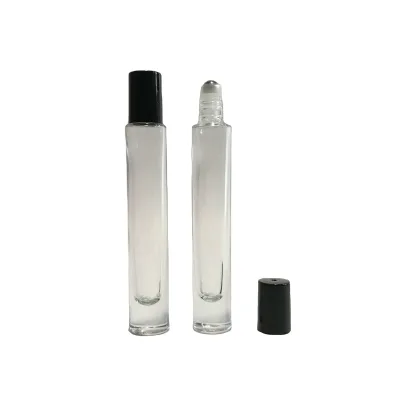
10ml 0.33oz High Quality Thick Bottom Glass Roll on Bottle with Steel Ball and Cap
$0.19 - $0.35
MOQ: 1000 pieces
Yiwu Yujin Import And Export Co., Ltd.
- Verified by SGS Group
- Trading Company
- Lead time20 days
- Avg. response≤ 3h
Main productsPerfume Bottle / Parfum Glass Bottle / Aluminum Atomizer / Mini Spray Bottle / Car Perfume Bottle
Main marketsNorth America(30%), Mid East(30%), Western Europe(25%)
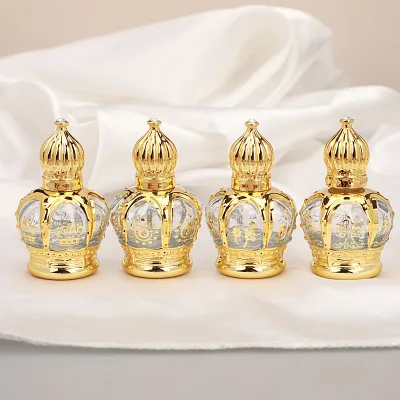
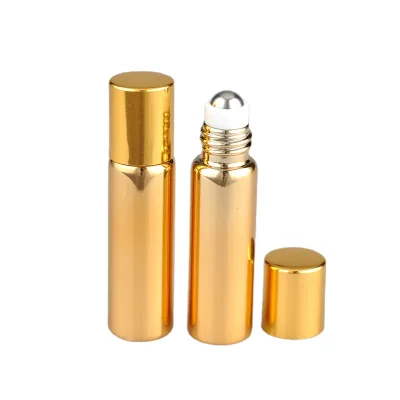
New Design 5ml 10ml Gold Silver Black Coating Glass Bottle Steel Roller Essential Oil Bottle
$0.2379 - $0.3321
MOQ: 100 pieces

HK MAIRUN INDUSTRIAL CO., LIMITED
- Trading Company
- Hong Kong S.A.R.
- Lead time30 days
- Avg. response≤ 6h
Main productsMetal card,PVC Card,Metal bookmark,Metal badge,Metal Label
Main marketsNorth America(42.00%), Western Europe(28.00%), Northern Europe(14.00%), South Asia(14.00%), South America(2.00%), Eastern Europe(2.00%), Southeast Asia(2.00%), Africa(2.00%), Mid East(2.00%), Eastern Asia(2.00%), Central America(2.00%), Southern Europe(2.00%)
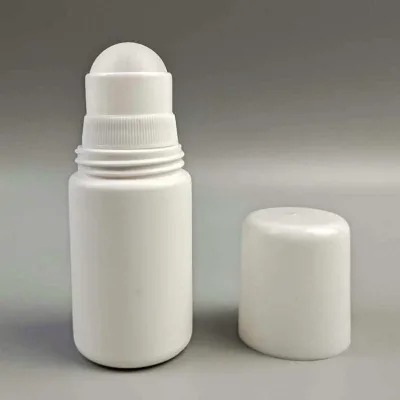
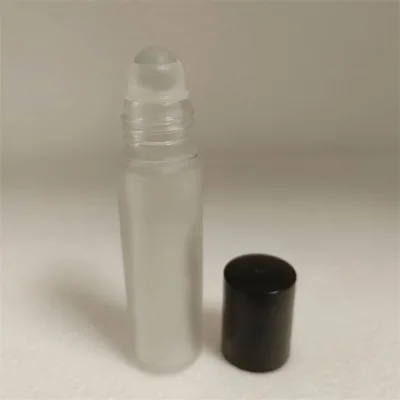
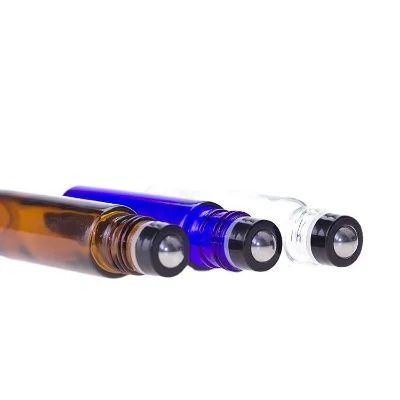
Wholesale 10ml Frost Blue Amber Clear Roll on Glass Essential Oil Roller Bottles
$0.15 - $0.19
MOQ: 200
Jiangxi Hi-Union Packaging Co.,ltd
- Trading Company
- Jiangxi, China
- Lead time20 days
- Avg. response≤ 6h
Main productsperfume atomizer,essential oil bottles,nasal inhaler bottle,box packaging,glass bottles
Main marketsNorth America(50.00%), Western Europe(10.00%), South America(5.00%)






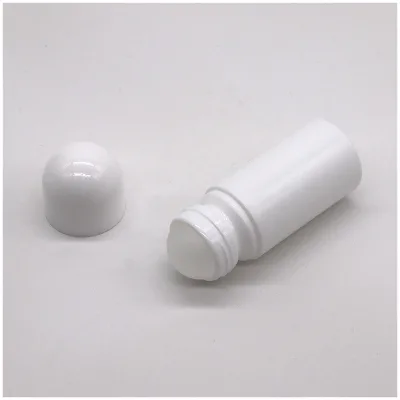
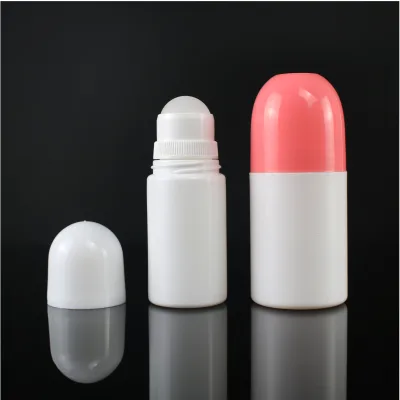
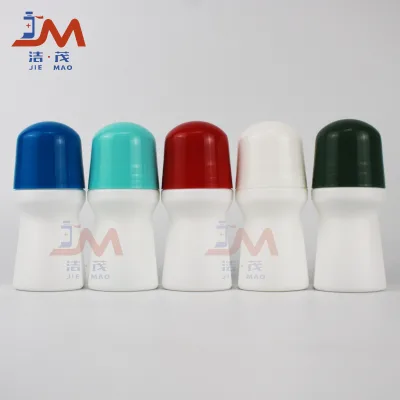
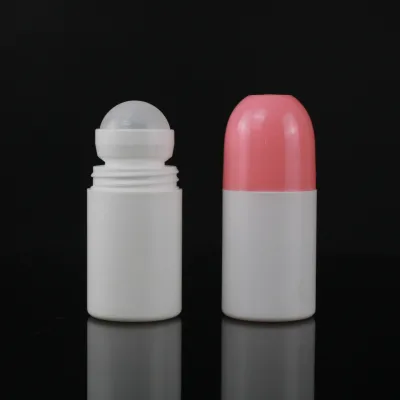
Comprehensive Sourcing Guide
Uv Protective Roll-On Bottle Supplier Concentration and Factory Types
The current supplier landscape for packaging components reveals a distinct geographic concentration in China, with active manufacturing and trading entities located in Zhejiang, Shandong, and Guangdong provinces. These regions serve as primary hubs for plastic and glass packaging production, offering varying degrees of vertical integration depending on the specific factory type. Buyers evaluating potential partners must distinguish between pure trading companies and manufacturers, as this distinction directly impacts pricing flexibility, customization capabilities, and communication efficiency. In Zhejiang, the supplier base includes trading companies that specialize in a broad array of cosmetic containers, including lipstick cases, compacts, and airless lotion bottles. These entities often aggregate products from multiple factories, providing a one-stop solution for diverse packaging needs but potentially adding layers to the supply chain. The presence of ISO9001:2015 certification among some Zhejiang-based suppliers indicates a baseline commitment to quality management systems, which is a critical factor when sourcing components that require consistent dimensional accuracy and material integrity.
In contrast, suppliers in Shandong and Guangdong often present a mix of manufacturer and trading company profiles, focusing heavily on specific bottle types such as HDPE and PP roll-on bottles. The Shandong cluster, for instance, features suppliers producing items like the 60ml HDPE roll-on bottle and the 15ml PP plastic bottle with stainless steel balls. These suppliers often highlight specific material compositions, such as HDPE bodies with PP caps, and offer surface printing options like screen printing. The Guangdong suppliers similarly focus on plastic bottles, jars, and tubes, indicating a strong regional expertise in plastic molding and finishing. When assessing these clusters, buyers should note that while Zhejiang suppliers may offer a wider variety of cosmetic packaging types, the Shandong and Guangdong suppliers appear more specialized in roll-on and personal care bottle formats. This specialization can lead to deeper technical knowledge regarding the specific mechanical requirements of roll-on applicators, such as ball retention and seal integrity, which are crucial for the functionality of uv protective roll-on bottles.
How to Verify Uv Protective Roll-On Bottle Suppliers
Verifying the legitimacy and capability of a supplier requires a multi-layered approach that goes beyond simple profile reviews. Buyers should prioritize suppliers who display clear system certifications, such as the ISO9001:2015 certificate observed in some Zhejiang-based results, as this provides evidence of standardized quality control processes. However, certification alone is insufficient; buyers must also scrutinize the specific product attributes listed to ensure they align with the technical requirements of uv protective roll-on bottles. For example, checking the material specifications is critical, as some products may list plastic materials like PP or HDPE, while others might incorrectly list glass for plastic containers, as seen in one product attribute set. Such discrepancies can indicate a lack of attention to detail or potential misrepresentation, which poses a significant risk for product performance. Buyers should request detailed product datasheets that confirm the material grade, UV resistance properties, and compatibility with specific cosmetic formulations, ensuring that the packaging will not degrade or leach chemicals when exposed to light or active ingredients.
Response time and communication efficiency are also key indicators of supplier reliability. The observed response times vary, with some suppliers showing a response time of 5, while others show 7.95. A faster response time often correlates with better customer service and quicker resolution of technical queries, which is essential when discussing customizations like UV protection additives or specific cap designs. Buyers should test this by sending detailed inquiries about material safety standards, such as FDA or LFGB compliance, and observing the speed and depth of the response. Additionally, verifying the place of origin is crucial; suppliers claiming origins in Ningbo, Shandong, or Guangdong should be able to provide consistent documentation matching these locations. Buyers should also look for evidence of past performance, such as detailed product packing methods like layer packing in cartons, which suggests organized logistics capabilities. By cross-referencing certification claims, material accuracy, response speeds, and origin consistency, buyers can build a reliable profile of each supplier’s operational maturity and trustworthiness.
What to Compare Across Uv Protective Roll-On Bottle Suppliers
When evaluating multiple suppliers, buyers must systematically compare key operational metrics to identify the best fit for their specific volume and timeline requirements. Lead time is a critical differentiator, with observed values ranging from 35 to 45 days. A shorter lead time of 35 days, as seen with some Shandong suppliers, may be advantageous for buyers with tight inventory cycles, while a 45-day lead time might be acceptable for those planning further in advance. Alongside lead time, the Minimum Order Quantity (MOQ) presents another significant variable. Suppliers show MOQs ranging from 12,000 to 30,000 pieces, which can significantly impact cash flow and storage costs for smaller buyers. For instance, a supplier offering an MOQ of 12,000 for a 7ml bottle is more accessible than one requiring 30,000 for a 60ml bottle. Buyers should align these MOQs with their projected sales volumes to avoid overstocking or incurring high per-unit costs due to small batch production fees.
Pricing and product specifications must also be compared side-by-side to ensure value for money. While specific unit prices are listed for some items, such as $0.20 for a 7ml bottle and up to $0.58 for a 10ml glass-style bottle, buyers should recognize that these prices are likely indicative and subject to negotiation based on volume and customization. The material composition is another vital comparison point; some suppliers offer plastic PP bottles with stainless steel balls, while others provide HDPE options. Buyers should assess the durability and aesthetic appeal of each material, considering that PP offers good chemical resistance, while HDPE provides excellent moisture barrier properties. Additionally, comparing the sealing types and ball materials, such as 304 stainless steel versus plastic balls, is essential for ensuring product integrity and user experience. By creating a comparison matrix that includes lead time, MOQ, price range, material type, and sealing mechanism, buyers can objectively rank suppliers and select the partner that offers the optimal balance of cost, speed, and quality.
Common Uv Protective Roll-On Bottle Sourcing Risks
One of the primary risks in sourcing roll-on bottles is the potential for material mismatch or inaccurate product descriptions. As observed in the data, some product attributes list glass as the material for items clearly described as plastic roll-on bottles, such as the RO-118 model. This inconsistency can signal a lack of rigorous quality control or intentional misrepresentation, which could lead to receiving products that do not meet the specified UV protection or durability requirements. Buyers must be vigilant in verifying the actual material composition through samples or third-party testing, as relying solely on listed attributes can result in significant discrepancies between ordered and delivered goods. Another risk is the variability in manufacturing standards across different regions and factory types. While some suppliers display ISO certifications, others may not, leading to inconsistent quality levels. Without a standardized quality assurance process, buyers may encounter issues such as uneven wall thickness, poor seal integrity, or defective roll-on mechanisms, which can compromise the functionality of the final cosmetic product.
Logistical and communication risks also pose significant challenges, particularly when dealing with suppliers who have slower response times or unclear communication channels. A response time of 7.95, for example, may indicate a delay in addressing critical issues such as production delays or quality defects. Additionally, the complexity of customizing uv protective roll-on bottles, including the addition of UV inhibitors or specific colorations, can lead to misunderstandings if not clearly documented. Buyers should be aware that some suppliers may offer limited customization options, restricting the ability to achieve the desired UV protection levels or aesthetic finishes. Furthermore, the risk of supply chain disruptions is heightened when relying on suppliers with longer lead times or those located in regions prone to logistical bottlenecks. To mitigate these risks, buyers should establish clear communication protocols, request detailed production timelines, and conduct regular quality checks throughout the manufacturing process. By proactively addressing these potential pitfalls, buyers can reduce the likelihood of costly errors and ensure a smoother sourcing experience.
Uv Protective Roll-On Bottle Regional Sourcing and Logistics
The geographic location of suppliers significantly influences logistics costs, lead times, and overall supply chain resilience. Suppliers located in Zhejiang, Shandong, and Guangdong provinces in China offer distinct advantages based on their proximity to major ports and manufacturing infrastructure. Zhejiang suppliers, often operating as trading companies, may benefit from established logistics networks that facilitate efficient export processes, potentially reducing transit times to international destinations. However, the trading company model may add a layer of markup to the final price. In contrast, manufacturers in Shandong and Guangdong may offer more direct pricing and greater control over the production process, which can be crucial for ensuring the specific UV protection properties of the bottles. The place of origin, such as Ningbo in Zhejiang or Shandong, should be verified to ensure consistency with the supplier’s claimed location, as this affects customs documentation and shipping routes.
Logistics planning must also account for the specific packaging requirements of roll-on bottles, which are prone to damage if not packed correctly. Suppliers listing packing methods like "layer packed in carton" or "carton" provide insight into their handling practices, which is critical for preventing leaks or breakage during transit. Buyers should consider the volume and weight of the orders when selecting a supplier, as larger MOQs from Shandong suppliers may require more robust shipping solutions. Additionally, the choice of supplier location can impact the ability to conduct factory audits or quality inspections. Proximity to major transportation hubs in Guangdong and Zhejiang may facilitate easier access for third-party inspection agencies, allowing buyers to verify production quality before shipment. By carefully evaluating the logistical implications of each supplier’s location, buyers can optimize their supply chain for cost-efficiency, speed, and reliability, ensuring that the uv protective roll-on bottles arrive in perfect condition and on time.
Uv Protective Roll-On Bottle Commercial Terms and Order Planning
Effective order planning requires a thorough understanding of the commercial terms offered by suppliers, including payment structures, sample policies, and after-sales support. Many suppliers indicate that samples are available, often with freight collect terms, which allows buyers to evaluate product quality before committing to large orders. This is particularly important for uv protective roll-on bottles, where the effectiveness of UV protection cannot be easily verified without physical testing. Buyers should budget for sample costs and shipping fees, as these are typically not included in the unit price. Additionally, understanding the MOQ requirements is essential for financial planning, as orders below the specified minimum may incur higher per-unit costs or be rejected entirely. Suppliers with MOQs of 12,000 to 30,000 pieces require buyers to have sufficient sales channels to absorb the inventory, making accurate demand forecasting crucial.
Negotiating favorable commercial terms can significantly impact the overall profitability of the sourcing project. Buyers should explore options for volume discounts, especially if they plan to place repeat orders or combine multiple product types from the same supplier. Clear agreements on lead times, such as the 35 to 45 days observed, should be included in contracts to manage expectations and avoid delays. Furthermore, buyers should inquire about the supplier’s policy on defective goods and returns, as this provides a safety net in case of quality issues. Establishing a long-term relationship with a reliable supplier can lead to better terms, such as extended payment periods or priority production scheduling. By carefully planning the commercial aspects of the order, including sample acquisition, MOQ management, and contract negotiations, buyers can secure a stable and cost-effective supply of uv protective roll-on bottles, ensuring consistent product availability and quality for their customers.
FAQs
What is the typical lead time for roll-on bottles?
Manufacturers in China generally require 35 to 45 days for production. This timeframe depends on order volume and customization needs. Buyers should confirm specific schedules with suppliers before placing bulk orders to ensure timely delivery for their product launches.
What is the minimum order quantity for plastic roll-on bottles?
Minimum order quantities typically range from 12,000 to 30,000 pieces. Specific requirements vary by supplier and bottle model. For example, some 15ml bottles require 20,000 units, while 7ml options may start at 12,000 units. Always verify the exact MOQ with the supplier.
Are ISO certifications available for cosmetic packaging suppliers?
Yes, many suppliers hold ISO9001:2015 system certifications. This indicates adherence to quality management standards. Buyers should request valid certificates to verify compliance. Certification ensures consistent manufacturing processes and product quality for cosmetic packaging applications.
What materials are used for roll-on bottle bodies?
Common materials include HDPE, PP, and plastic. Some listings mention glass, though plastic is standard for roll-ons. HDPE and PP offer durability and chemical resistance. Buyers should select materials based on product compatibility and desired aesthetic finish for their specific cosmetic formulations.
How quickly do suppliers respond to inquiries?
Response times vary, with some suppliers averaging around 5 to 8 hours. Faster response times indicate active sales teams. Buyers should prioritize suppliers with quick reply rates to streamline communication and resolve questions about pricing, samples, and production details efficiently.
What is the price range for empty roll-on bottles?
Prices for empty bottles range from $0.20 to $0.58 per unit. Costs depend on material, capacity, and customization. For instance, 7ml plastic bottles may cost $0.20, while 10ml options can reach $0.58. Bulk orders often secure better pricing tiers.
Where are these cosmetic packaging suppliers located?
Suppliers are primarily located in Zhejiang, Shandong, and Guangdong provinces in China. These regions are hubs for plastic and glass packaging manufacturing. Buyers can source from multiple locations to compare logistics costs and supplier capabilities for their specific packaging requirements.