Bohemia Style Perfume Bottle Suppliers and Manufacturers
Source 22 Bohemia Style Perfume Bottle suppliers from China Guangdong and Jiangsu. Compare ISO 9001 certified factories with response times under 11 hours, lead times as low as 23 days, and MOQs starting at 1,000 units. Verify pricing between $0.10 and $0.48 and request free samples to validate quality.
Updated
Suppliers List

OLILA (GUANGZHOU) COSMETIC PACKAGE CO., LTD.
- Trading Company,Manufacturer/Factory
- China Guangdong
- Lead time45 days
- Avg. response≤ 11h
Main productsCosmetic Packaging, Perfume Bottles, Perfume Cap, Spray Cap, Aerosol Can, Aerosol Valve, Cream Jars, Cosmetic Packages, Perfume Bottle Caps, Olila Cosmetic Containers
Main marketsSouth America,Eastern Europe,Mid East,North America,Southeast Asia,Eastern Asia,Oceania,Western Europe,Africa


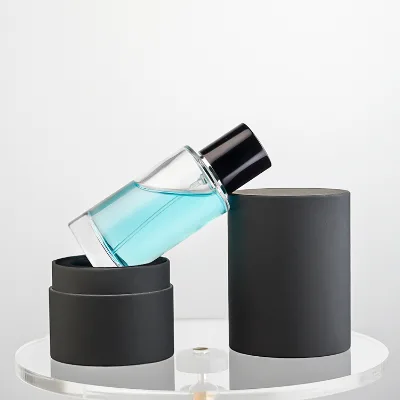
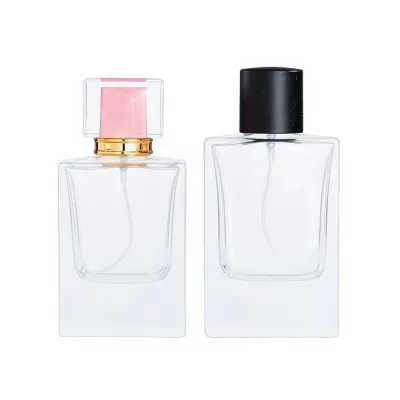
Bottle Perfume Glass Perfume Empty Bottles Custom Perfume Bottles with Box
$0.15 - $0.48
MOQ: 10000 Pieces


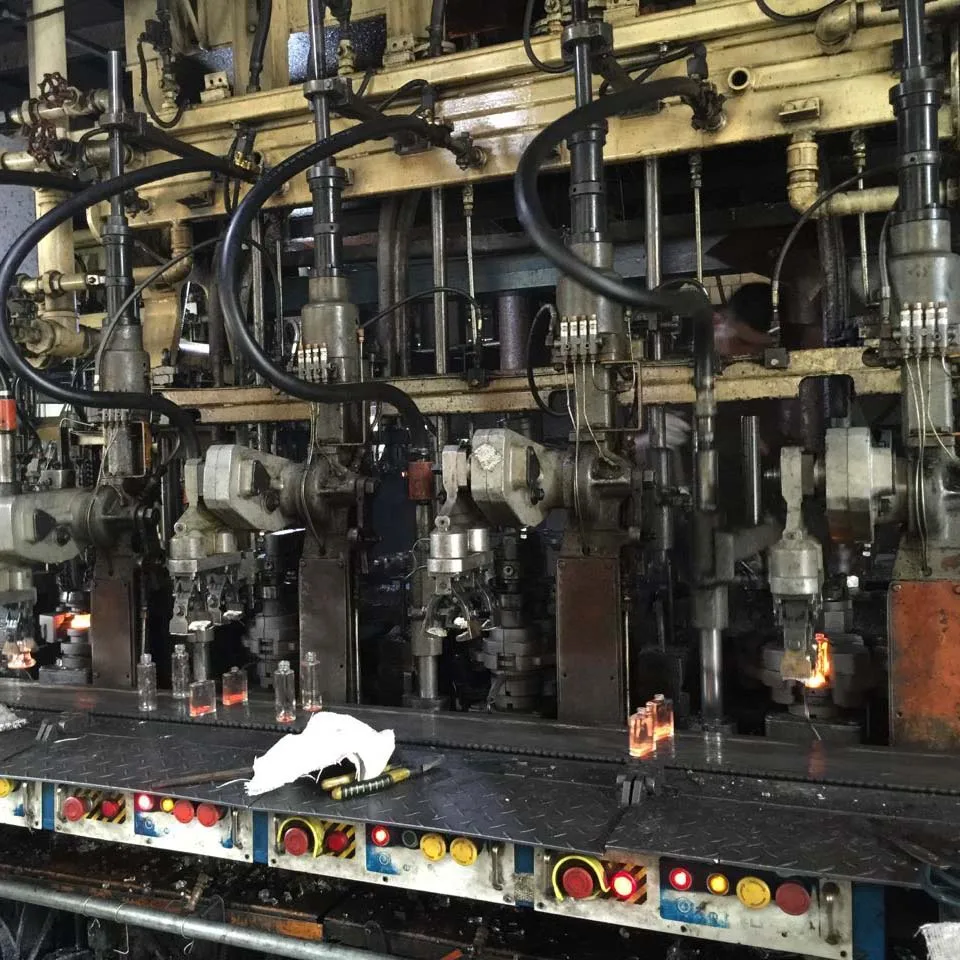
Xuzhou Brilliant Glass Products Co., Ltd.
- Trading Company
- Jiangsu, China
- Lead time30 days
- Avg. response≤ 5h
Main productsPerfume Glass Bottle, Nail Polish Glass Bottle, Liquor Bottle, Mason Jar, Diffuser Glass Bottle
Main marketsWestern Europe(40.00%), North America(30.00%), South America(10.00%), Oceania(10.00%), Southeast Asia(10.00%)

OLILA (GUANGZHOU) COSMETIC PACKAGE CO., LTD.
- Verified by TUVRHEINLAND
- Trading Company
- China Guangdong
- Lead time23 days
- Avg. response≤ 5h
Main productsPerfume Bottles, Diffuser Bottle, Perfume Bottle Caps, Cosmetic Packaging, Essential Oil Bottle
Main marketsSoutheast Asia/ Mideast


Bottle Perfume Glass Perfume Empty Bottles Custom Perfume Bottles with Box
$0.25 - $0.39
MOQ: 10000 Pieces

Perfume Crystal Bottle Glass Perfume Bottles Empty Perfume Spray Bottles
$0.25 - $0.39
MOQ: 10000 Pieces


Perfume Bottle Modern Perfume Bottle with Box 50ml 100ml Glass Perfume Bottle Luxury
$0.25 - $0.39
MOQ: 10000 Pieces

Perfume Bottle Modern Perfume Bottle with Box 50ml 100ml Glass Perfume Bottle Luxury
$0.25 - $0.39
MOQ: 10000 Pieces

Wuxi Bokas Imp & Exp Co., Ltd.
- Verified by TUVRHEINLAND
- Manufacturer/Factory
- China Jiangsu
- Lead time0 days
- Avg. response≤ 8h
Main productsPerfume Bottle, Perfume Cap, Deodorant Cap, Perfume Box, Gift Box, Jewelry Box, Watch Box, Paper Box, Wine Box, Aerosol Cap

Pujiang Jadevertu Crystal Crafts & Decoration Co., Ltd.
- Manufacturer, Trading Company
- Zhejiang, China
- Lead time25 days
- Avg. response≤ 5h
Main productsCrystal Trophy,Crystal Stained Glass Trophy,Crystal Crafts,Crystal Cube,3D Laser Engraving
Main marketsDomestic Market(50.00%), Mid East(5.00%), North America(5.00%), Southern Europe(5.00%), Southeast Asia(5.00%), South Asia(5.00%), Northern Europe(5.00%), Central America(4.00%), Africa(3.00%), South America(3.00%), Eastern Asia(3.00%), Western Europe(3.00%), Oceania(2.00%), Eastern Europe(2.00%)
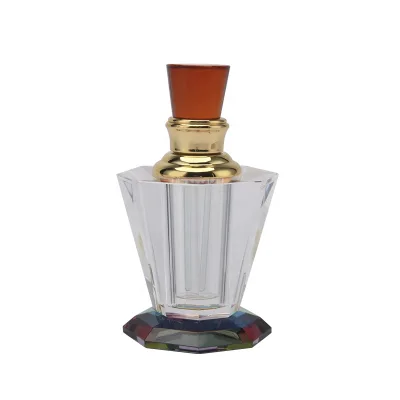
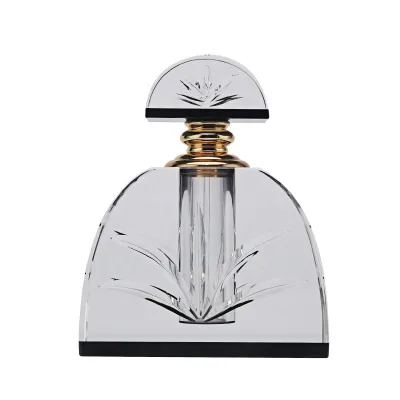
Hot-selling elegant perfume bottle glass bottle crystal perfume bottle for gift
$20.00 - $22.90
MOQ: 1000

Wuxi Sunmart Science and Technology Co., Ltd.
- Verified by BV
- Combined
- China Jiangsu
- Lead time15 days
- Avg. response≤ 4h
Main productsFoam Pump, Fine Mist Spray Pump, Lotion Pump, Pen Atomizers, Cream Spray Pump, Perfume Atomizers, Foam(Soap) Pump Trigger Spray Pump, Regular Spray Pumps Nasal Sprayers Oral, Droppers and Glass Pipettes, Plastic Caps
Main marketsDomestic,Europe,Australia,North America
Yantai LSL Wood Arts &Crafts Co., Ltd.
- Verified by SGS Group
- Trading Company
- Lead time30 days
- Avg. response≤ 2h
Main productsWooden Holder and Rack, Wooden Cutting Board, Wooden Photo Frame, Storage Box and Bin, Wooden Box
Main marketsNorth America(29%), South America(10%), Eastern Europe(10%)
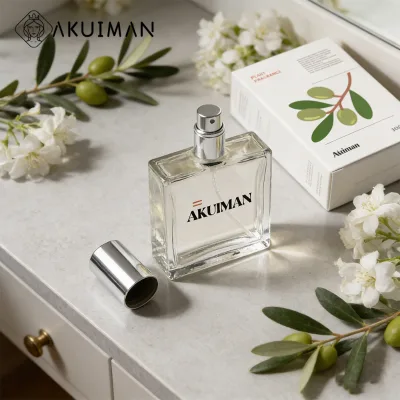
Akuiman (Guangzhou) Packaging Products Co., Ltd.
- Verified by SGS Group
- Trading Company
- Lead time7 days
- Avg. response≤ 2h
Main productsCosmetic Packaging, Glass Bottle, Plastic Bottle, Jar, Paper Boxes
Main marketsNorth America(40%), South America(10%), Eastern Europe(10%)
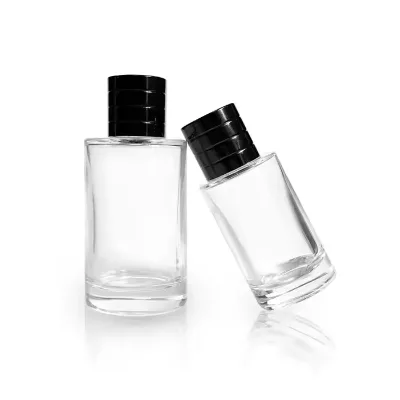
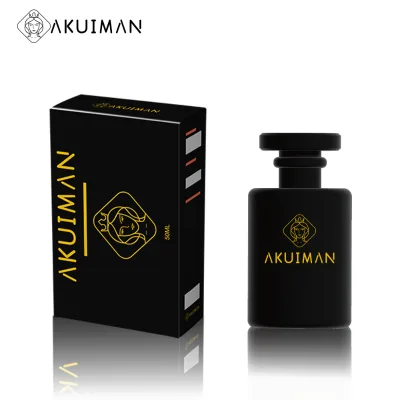
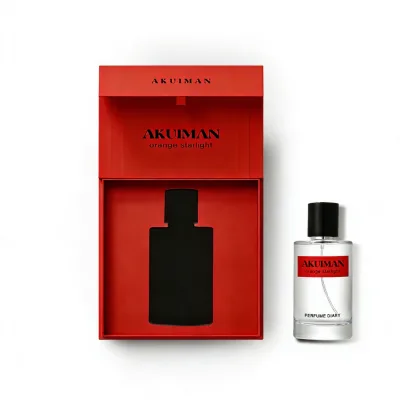
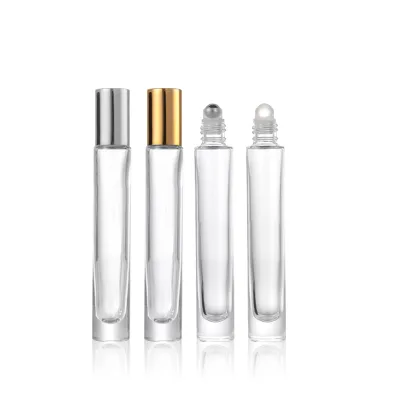
50ml Cylindrical Customise Perfume Glass Bottle
$0.13 - $0.15
Nanning Yuebo Packaging Solutions Co., Ltd.
- Verified by Intertek
- Trading Company
- Lead time30 days
- Avg. response≤ 2h
Main productsGlass Bottle, Glass Jar, Perfume Bottle, Medicine Bottle, Cosmetic Bottle
Main marketsNorth America(20%), Southeast Asia(20%), South America(8%)
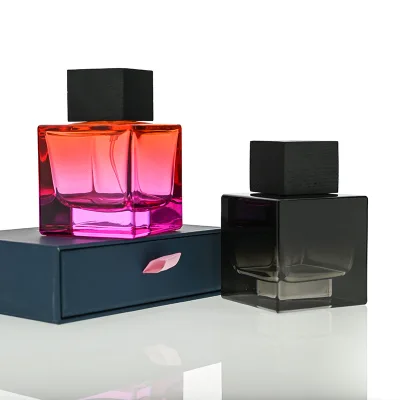
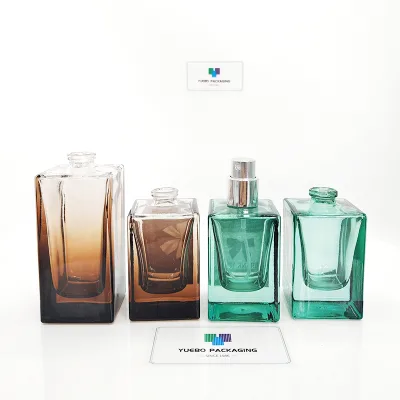
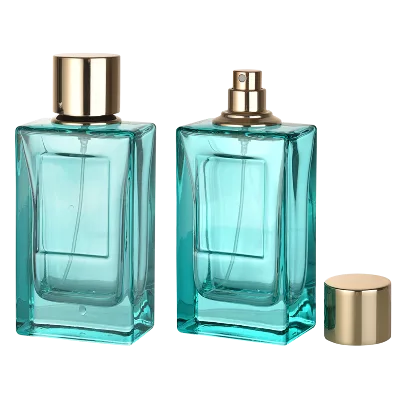
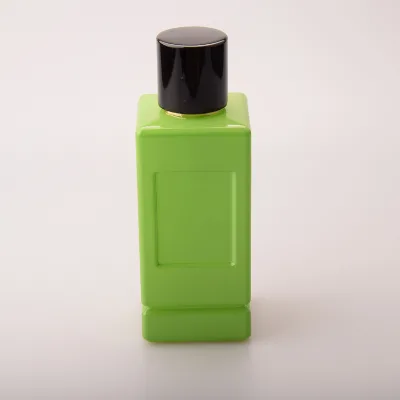
Perfume glass bottle supplier colored square perfume bottle new design perfume bottle 120ml with box
$0.15 - $0.32
MOQ: 5000 pieces
$0.12 - $0.25
MOQ: 500 pieces
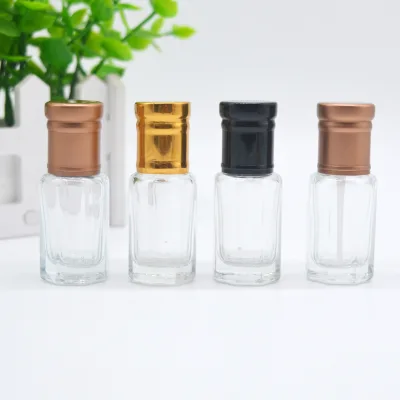
3ml glass perfume bottle glass perfume bottle 3ml glass roll on bottles for perfume oil 3mls
$0.1046 - $0.2094
MOQ: 5000
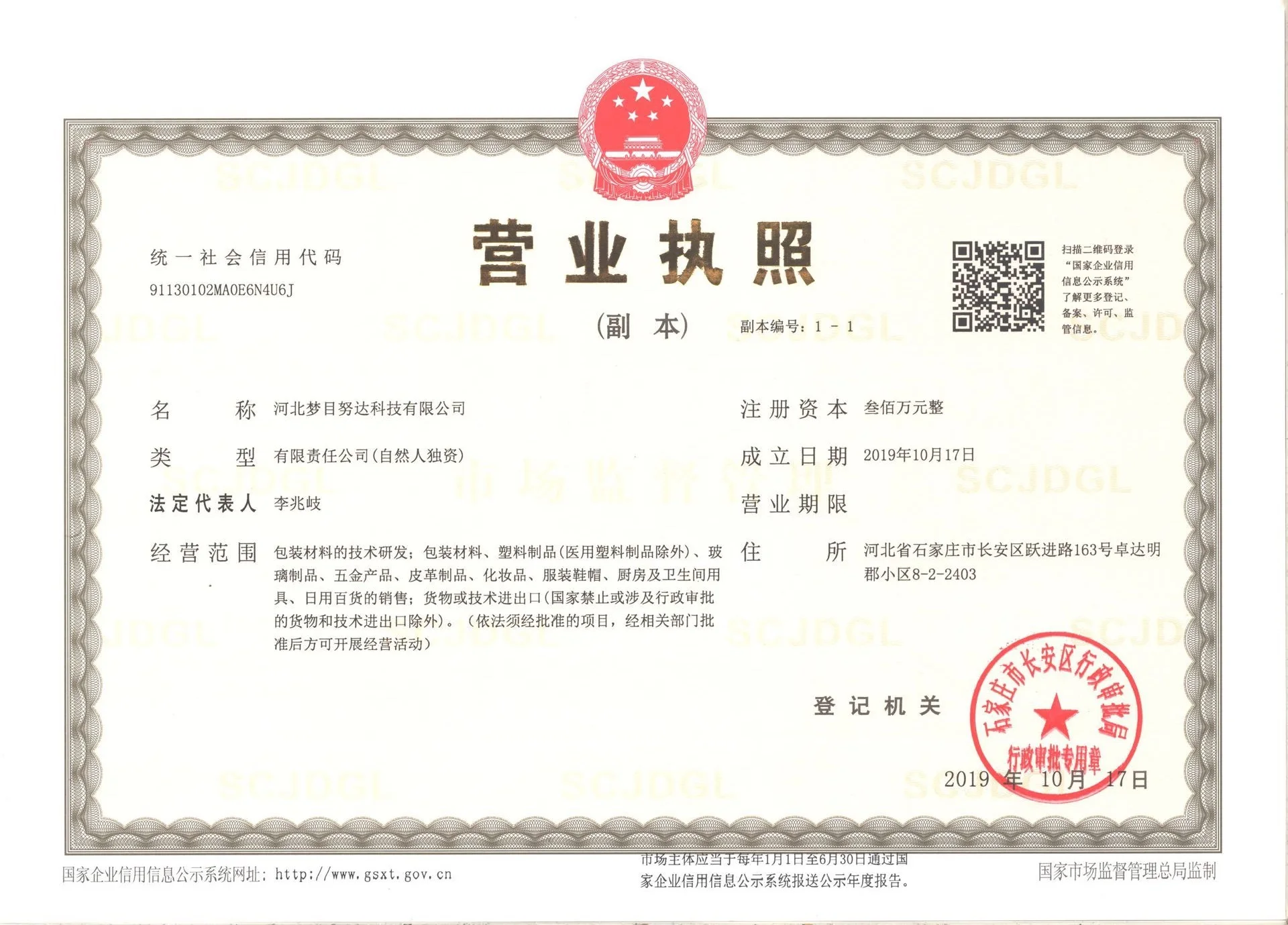
Hebei Mengmunuda Technology Co., Ltd.
- Trading Company
- Hebei, China
- Lead time10 days
- Avg. response≤ 2h
Main productsbottle,glass bottle,perfume bottle,Cosmetic bottles,Plastic bottle
Main marketsSoutheast Asia(20.00%), South America(20.00%), North America(20.00%), Oceania(5.00%), Africa(5.00%), Eastern Europe(5.00%), Domestic Market(4.00%), Mid East(3.00%), South Asia(3.00%), Southern Europe(3.00%), Northern Europe(3.00%), Central America(3.00%), Western Europe(3.00%), Eastern Asia(3.00%)
HONG KONG AQUIMAN TRADING CO., LIMITED
- Verified by SGS Group
- Trading Company
- Lead time10 days
- Avg. response≤ 2h
Main productsCosmetic Packaging, Glass Bottles, Plastic Bottles, Jar, Boxes
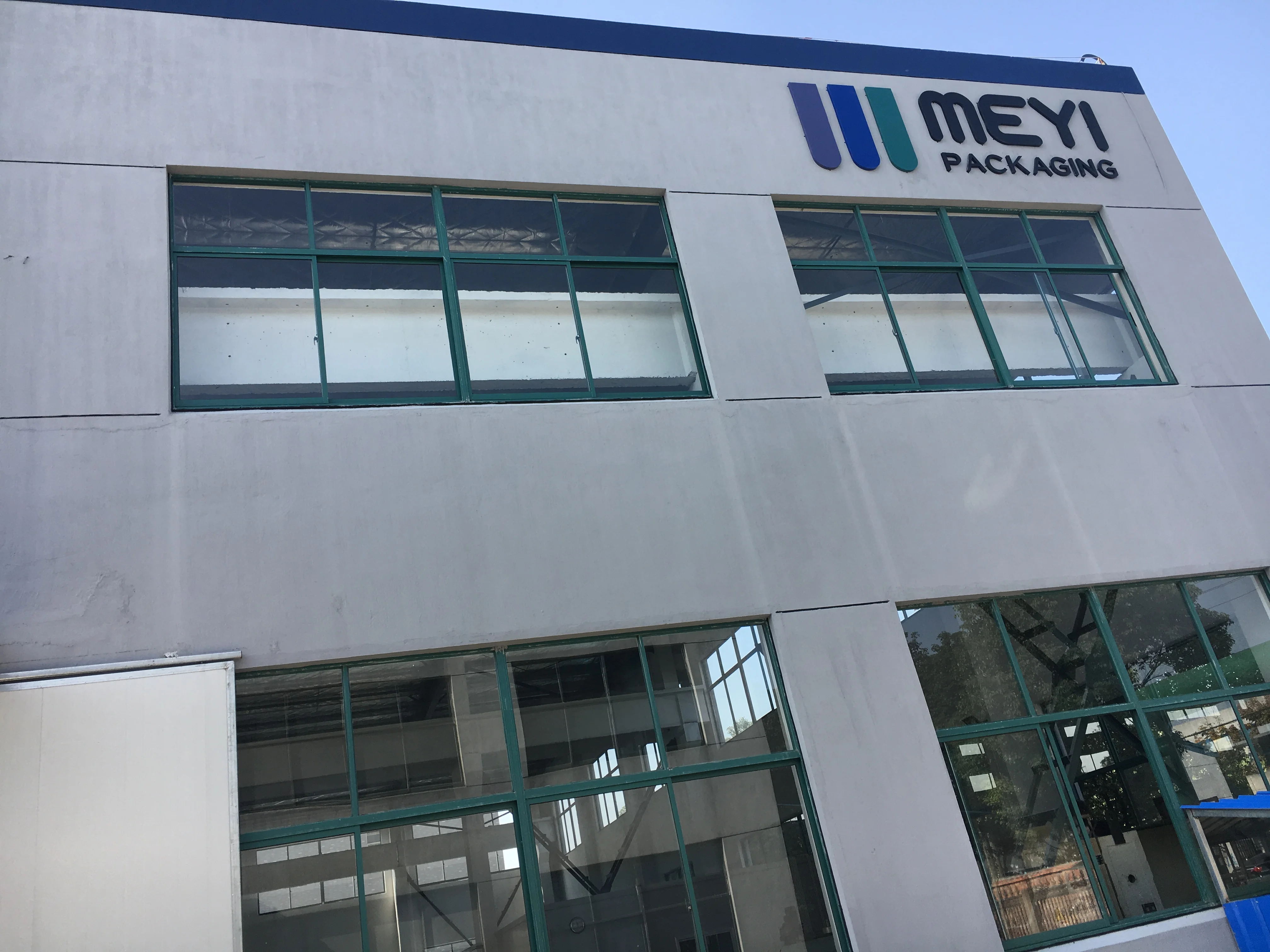
Jiangsu Meyi Science And Technology Co., Ltd.
- Manufacturer, Trading Company
- Jiangsu, China
- Lead time20 days
- Avg. response≤ 7h
Main productsPerfume Packaging,Cosmetic pump,Glass dropper,Glass bottle,Plastic bottle
Main marketsNorth America(50.00%), Eastern Europe(10.00%), South America(10.00%), Mid East(10.00%), Southeast Asia(5.00%), Northern Europe(5.00%), Western Europe(5.00%), Africa(5.00%)

- Verified by CTI
- Trading Company
- China Shanghai
- Lead time23 days
- Avg. response≤ 8h
Main productsGlass Bottle, Bottle, Vodka Glass Bottle, Whisky Glass Bottle, Glass Beer Bottle, Glass Wine Bottle, Beer Bottle, Glass Decanter, Glass Jars, Glass
Main marketsSouth America,Africa,Europe,Australia,North America


Bottle Perfume Glass Perfume Empty Bottles Custom Perfume Bottles with Box
$0.25 - $0.50
MOQ: 30000 Pieces


- Trading Company
- Zhejiang, China
- Lead time30 days
- Avg. response≤ 6h
Main productsCosmetic package,Plastic bottle,Glass bottle,Tubular bottle,Cosmetic jars
Main marketsEastern Europe(20.00%), North America(15.00%), South America(15.00%), Southern Europe(10.00%), Northern Europe(8.00%), South Asia(8.00%), Oceania(5.00%), Western Europe(5.00%), Eastern Asia(3.00%), Southeast Asia(3.00%), Central America(3.00%), Mid East(3.00%), Africa(2.00%)

Wuxi Meishang Packaging Technology Co., Ltd.
- Verified by BV
- Trading Company,Manufacturer/Factory
- China Jiangsu
- Lead time23 days
- Avg. response≤ 7h
Main productsPerfume Bottle, Dropper, Spray, Plastic Bottle, Essential Oil Bottle, Lotion Pump, Plastic Cap, Trigger Spray, Glass Bottle, Disc Top Cap
Main marketsSouth America,Mid East,North America,Southeast Asia,Western Europe,Africa

NOVA PACKAGING TECHNOLOGY(SHANDONG) Co., LTD
- Verified by CTI
- Manufacturer/Factory
- China Shandong
- Lead time45 days
- Avg. response≤ 4h
Main productsPerfume Bottle, Glass Bottle, Dropper Bottle, Essential Oil Bottle, Perfume Cap, Custom Perfume Bottle, Perfume Pump Sprayer, Car Perfume Bottle, Diffuser Bottle, Mini Perfume Bottle
Main marketsSouth America,Eastern Europe,Mid East,North America,Southeast Asia,Eastern Asia,Oceania,Western Europe,Africa

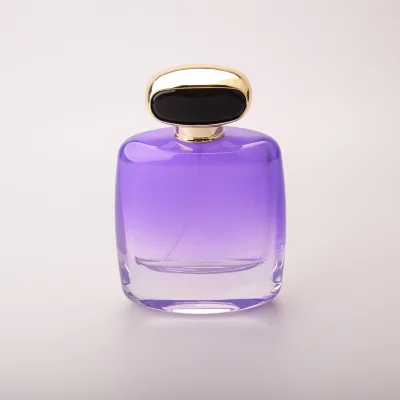
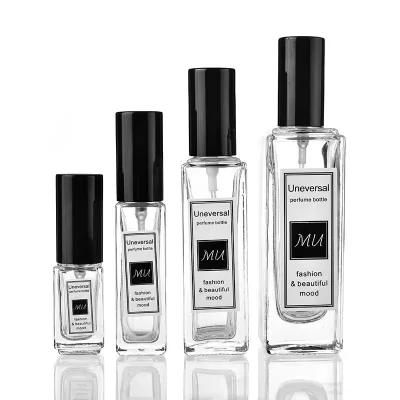
Modern Aesthetic Perfume Bottle with Various Capacities Andblack Sphere Cap
$0.39 - $0.56
MOQ: 2000 Pieces


Classic and Elegant Chic 50ml Glass Bottle with Golden Detailing for Perfume
$0.44 - $0.56
MOQ: 2000 Pieces

Xuzhou Youchum International Trade Co., Ltd.
- Verified by SGS
- Trading Company
- China Jiangsu
- Lead time15 days
- Avg. response≤ 8h
Main productsGlass Bottle, Cosmetic Packaging, Household, Liquor Packagin, Food Packaging, Cartons, Cardboard Box, Essential Oil Packaging
Main marketsEurope
Guangzhou Aboland Cosmetics Co., Limited
- Verified by SGS Group
- Manufacturer, Trading Company
- Lead time25 days
- Avg. response≤ 3h
Main productsPerfume Bottle, Perfume
Main marketsNorth America(30%), Mid East(20%), Western Europe(15%)
Jiangsu Feng Love Zhen Ai Network Technology Co., Ltd.
- Trading Company
- Jiangsu, China
- Lead time0 days
- Avg. response≤ 10h
Main productsglass bottle,perfume bottle,Reed Diffuser Bottle,Candle jar,spirit bottle
Main marketsEastern Asia(10.00%), Mid East(10.00%), South Asia(10.00%), Africa(10.00%), Southeast Asia(10.00%), South America(10.00%), Northern Europe(10.00%), North America(10.00%), Central America(10.00%), Domestic Market(5.00%), Southern Europe(2.00%), Western Europe(1.00%), Oceania(1.00%), Eastern Europe(1.00%)
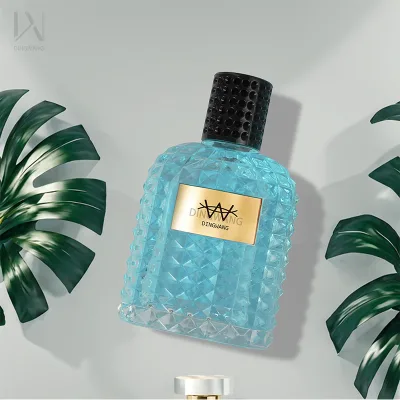
Dingwang (guangzhou) Packaging Products Co., Ltd.
- Verified by SGS Group
- Manufacturer, Trading Company
- Lead time15 days
- Avg. response≤ 2h
Main productsPerfume Oil Bottles, Nail Polish Bottles, Essential Oil Bottles
Xuzhou Abeisi Glass Products Co., Ltd.
- Trading Company
- Jiangsu, China
- Lead time35 days
- Avg. response≤ 5h
Main productsOud glass bottle &box,Glass Food Jar,Glass Perfume Bottle,Glass Cream Jar,Glass Aroma Diffuser Bottle
Main marketsNorth America(29.00%), Eastern Asia(21.00%), Western Europe(19.00%), South America(14.00%), Eastern Europe(12.00%), South Asia(5.00%)
Shanghai Family Industry Development Co., Ltd.
- Verified by TüVRheinland
- Trading Company
- Lead time10 days
- Avg. response≤ 2h
Main productsCandle Jar, Storage Jar, Diffuser Bottle, Candle Accessories, Paper Box
Main marketsNorth America(40%), Southeast Asia(15%), Western Europe(15%)





Comprehensive Sourcing Guide
Bohemia Style Perfume Bottle Supplier Concentration and Factory Types
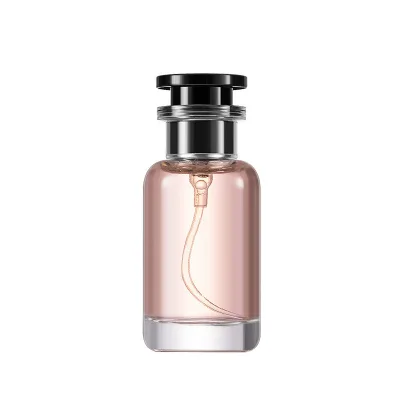
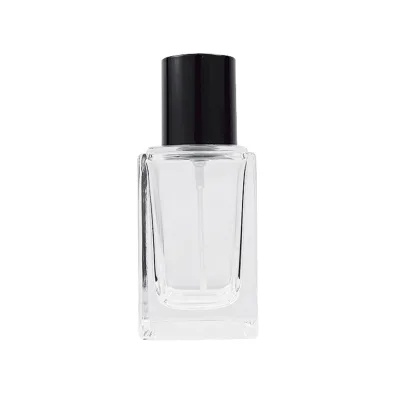
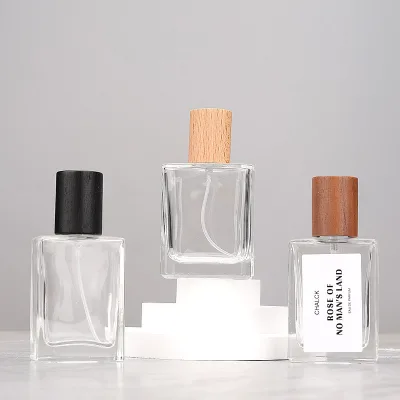
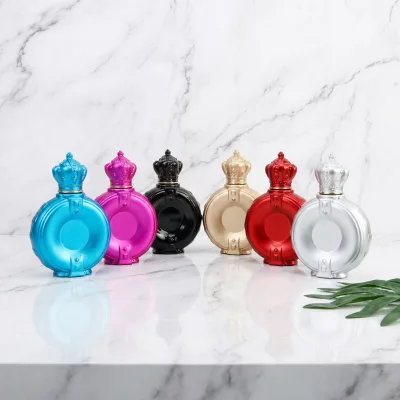
The current supplier landscape for Bohemia style perfume bottles is heavily concentrated in China, with specific manufacturing hubs identified in Guangdong and Jiangsu provinces. These regions serve as primary centers for glass packaging production, offering a dense ecosystem of raw material suppliers and specialized finishing services. Buyers evaluating these locations will find a mix of trading companies and direct manufacturers, each offering distinct advantages in terms of pricing flexibility and production control. Guangdong-based entities often present a broader range of main products, including cosmetic packaging, aerosol cans, and various perfume bottle caps, indicating a mature supply chain capable of handling complex assembly requirements. In contrast, Jiangsu-based suppliers frequently focus on specific glass bottle designs, such as unique rectangular or square shapes, suggesting a specialization in aesthetic customization rather than broad industrial packaging. This geographic clustering allows for efficient logistics and rapid prototyping, which are critical for buyers seeking the intricate designs associated with Bohemia style aesthetics.
Company types vary significantly across these regions, influencing the buyer’s negotiation strategy and quality assurance processes. Trading companies in these clusters act as intermediaries, aggregating products from multiple factories to offer a wider catalog, including items like diffuser bottles, nail polish glass bottles, and liquor bottles alongside perfume containers. This diversification can be beneficial for buyers seeking a one-stop-shop solution for their entire cosmetic packaging needs. On the other hand, manufacturer/factory entities provide direct access to production lines, often emphasizing their capability for OEM and ODM services. Some factories highlight their own brand capabilities, such as Olila, while others focus purely on white-label production. The presence of ISO 9001 certification among some suppliers indicates a baseline commitment to quality management systems, which is a crucial factor when sourcing delicate glass products. Buyers must carefully distinguish between these entity types to understand who holds the actual production responsibility and who manages the commercial relationship, as this distinction impacts communication efficiency and problem resolution during the sourcing process.
How to Verify Bohemia Style Perfume Bottle Suppliers
Verifying the legitimacy and capability of Bohemia Style Perfume Bottle suppliers requires a multi-layered approach that goes beyond simple profile reviews. Buyers should prioritize suppliers who display third-party verification badges, such as TÜV Rheinland certification, which provides an independent assessment of the company’s business operations and product quality. This verification is a strong indicator of reliability, reducing the risk of engaging with fraudulent entities or poorly managed operations. Additionally, examining the supplier’s response time is a practical metric for assessing their operational efficiency and customer service commitment. Suppliers with response times under five hours, such as those recorded at 4.41 or 5 hours, demonstrate a high level of engagement and readiness to address buyer inquiries promptly. This responsiveness is particularly important for custom orders where design specifications and material choices require frequent clarification. Buyers should also look for detailed product attributes, such as specific sealing types like pump sprayers or cap materials including ABS, PP, and Zamac, as these details reflect the supplier’s technical knowledge and inventory depth.
Beyond digital metrics, buyers must verify the physical and operational realities of the supplier’s claims. It is essential to confirm the actual location of the factory, distinguishing between Guangdong and Jiangsu, as this affects logistics costs and lead times. Buyers should request evidence of the supplier’s main products to ensure they specialize in glass packaging rather than general trading. For instance, a supplier listing "Perfume Glass Bottle" and "Cosmetic Packaging" as main products is more likely to have the necessary expertise than one with a disparate product range. Furthermore, checking for specific product certifications and standards is crucial, although not all suppliers currently display comprehensive certification lists. Buyers should ask for recent test reports or quality control documents, especially if the supplier claims to meet international standards. The presence of customization options, such as available logo printing or volume variations like 50ml, 100ml, and 200ml, should be validated through direct communication. This verification process ensures that the supplier can deliver the specific Bohemia style aesthetics and functional requirements demanded by the buyer’s brand.
What to Compare Across Bohemia Style Perfume Bottle Suppliers
When evaluating multiple suppliers for Bohemia style perfume bottles, buyers must systematically compare key operational dimensions to identify the most suitable partner. Lead time is a critical factor, with observed ranges varying from 23 days to 45 days, and in some cases, zero days for immediate stock availability. Suppliers with shorter lead times, such as those offering 23-day turnaround, are preferable for buyers with tight inventory cycles or urgent market launches. However, buyers should also consider the trade-off between speed and cost, as expedited production may incur higher premiums. Minimum Order Quantity (MOQ) is another vital comparison point, with values ranging from 1,000 pieces to 10,000 pieces. Suppliers with lower MOQs, such as 1,000 or 3,000 units, offer greater flexibility for startups or limited-edition releases, while higher MOQs may indicate better unit pricing for large-scale production. Buyers should align their order volume with the supplier’s MOQ structure to optimize cost efficiency and inventory management.
Price and customization capabilities are equally important aspects of the comparison. Unit prices for glass perfume bottles can vary significantly, with ranges observed from $0.10 to $0.48 per piece, depending on material thickness, design complexity, and volume. Buyers should request detailed quotes that break down costs for different volumes and customization options, such as UV coating or unique cap materials. The availability of OEM and ODM services should be explicitly confirmed, as this determines the supplier’s ability to create unique Bohemia style designs. Some suppliers offer free samples, which is a valuable service for verifying quality before committing to a large order. Additionally, buyers should compare the range of main products offered, as suppliers with diverse portfolios may provide better bundling opportunities for complementary items like perfume caps or boxes. Response time also plays a role in the overall supplier experience, with faster responders often providing more proactive support throughout the sourcing process. By systematically comparing these dimensions, buyers can make informed decisions that balance cost, quality, and operational efficiency.
Common Bohemia Style Perfume Bottle Sourcing Risks
Sourcing Bohemia style perfume bottles from international suppliers introduces several risks that buyers must proactively manage to ensure a successful procurement process. One significant risk is the potential for quality inconsistencies in glass products, which are fragile and susceptible to damage during transit. Buyers must verify the supplier’s packaging standards, as inadequate protection can lead to high breakage rates. Some suppliers mention "Standard Export Carton" or "Paper Pack" packaging, but buyers should insist on detailed packaging specifications, including the use of pallets, paper dividers, and reinforced corners to minimize damage. Another risk is the discrepancy between sample quality and mass production output. While suppliers may provide high-quality samples, the final batch may exhibit variations in color, thickness, or sealing integrity. Buyers should establish clear quality control protocols and consider hiring third-party inspection services to verify production quality before shipment. This is particularly important for custom designs where aesthetic details are critical to the brand’s identity.
Communication and cultural barriers can also pose risks, especially when dealing with trading companies that may not have direct control over the manufacturing process. Misunderstandings regarding design specifications, material requirements, or delivery timelines can lead to costly errors and delays. Buyers should maintain clear and documented communication channels, requesting written confirmations for all critical details. Additionally, there is a risk of intellectual property infringement if the supplier shares proprietary designs with competitors. Buyers should include strict confidentiality clauses in their contracts and verify the supplier’s track record for protecting client IP. Another potential risk is the reliability of the supplier’s supply chain, particularly for specialized components like unique caps or sprayers. If a supplier relies on multiple sub-suppliers, any disruption in their network can impact the final delivery. Buyers should assess the supplier’s supply chain resilience and request backup plans for critical components. By identifying and mitigating these risks early in the sourcing process, buyers can protect their investment and ensure a smooth production cycle.
Bohemia Style Perfume Bottle Regional Sourcing and Logistics
The geographic location of suppliers significantly impacts the logistics and cost structure for sourcing Bohemia style perfume bottles. Suppliers located in Guangdong and Jiangsu provinces in China offer distinct logistical advantages due to their proximity to major ports and manufacturing infrastructure. Guangdong, being a major manufacturing hub, often provides faster access to international shipping routes, which can reduce transit times for buyers in North America and Europe. Jiangsu, another key region, also benefits from well-developed logistics networks, particularly for shipments to East Asia and Southeast Asia. Buyers should consider the specific location of the supplier when calculating total landed costs, as freight charges can vary based on the origin city and available shipping options. Some suppliers offer multiple shipping methods, including by ship, air, and courier, allowing buyers to choose the most cost-effective or time-efficient option based on their inventory needs.
Logistics planning must also account for the fragility of glass products, which requires careful handling and specialized packaging. Buyers should work with suppliers who have experience in exporting glass items to ensure that packaging meets international shipping standards. The use of pallets and paper dividers, as mentioned by some suppliers, is essential for protecting bottles during long-haul transport. Additionally, buyers should consider the impact of seasonal demand on logistics capacity, as peak seasons can lead to port congestion and delayed shipments. Establishing a clear shipping schedule and maintaining open communication with the supplier’s logistics team can help mitigate these risks. For buyers in regions with high import duties, understanding the HS codes and tariff classifications for glass perfume bottles is crucial for accurate cost estimation. By carefully planning the logistics strategy and leveraging the supplier’s regional advantages, buyers can optimize their supply chain efficiency and reduce overall procurement costs.
Bohemia Style Perfume Bottle Commercial Terms and Order Planning
Effective order planning for Bohemia style perfume bottles requires a thorough understanding of commercial terms and payment structures. Buyers should negotiate clear payment terms, such as a deposit followed by balance payment upon shipment, to balance risk and cash flow. Some suppliers may offer escrow services, which provide an additional layer of security by holding funds until the buyer confirms receipt and quality of the goods. This is particularly useful for new supplier relationships where trust has not yet been established. Buyers should also clarify the validity period of quotes, as raw material costs and exchange rates can fluctuate, affecting the final price. Understanding the supplier’s return and refund policies is essential, especially in cases of defective products or non-conforming orders. Buyers should ensure that these policies are explicitly stated in the contract to avoid disputes later.
Lead time management is a critical component of order planning, as delays can disrupt the buyer’s market launch schedule. Buyers should request a detailed production schedule from the supplier, including milestones for sample approval, raw material procurement, production, and quality inspection. This schedule should be aligned with the buyer’s inventory requirements to prevent stockouts or excess inventory. Additionally, buyers should consider the impact of customization on lead times, as unique designs and special finishes may require additional processing time. Some suppliers offer expedited production services for an additional fee, which can be valuable for urgent orders. Buyers should also plan for potential delays by building buffer time into their inventory management strategy. By carefully managing commercial terms and order planning, buyers can ensure a smooth and efficient sourcing process, minimizing risks and maximizing the value of their investment in Bohemia style perfume bottles.
FAQs
What is the price range for glass perfume bottles?
Glass perfume bottles typically range from $0.10 to $0.48 per unit depending on customization and volume. Prices vary based on material thickness, cap complexity, and order quantity. Bulk orders often secure lower rates, while premium finishes or unique designs may increase costs. Buyers should request quotes for specific volume requirements to determine exact pricing.
What is the minimum order quantity for these bottles?
Minimum order quantities generally start at 1,000 pieces for standard designs and rise to 10,000 pieces for customized options. Some suppliers offer lower MOQs for basic rectangular or square bottles, while complex shapes require higher volumes. Buyers should verify specific MOQs with suppliers to ensure alignment with their production needs and budget constraints.
How long does production take for custom orders?
Production lead times typically range from 23 to 45 days depending on the supplier and order complexity. Some manufacturers offer faster turnaround times for standard items, while custom designs may require additional time for mold creation and quality checks. Buyers should confirm specific lead times with suppliers to plan inventory and shipping schedules effectively.
Are samples available for quality verification?
Many suppliers provide free samples to allow buyers to verify quality before placing bulk orders. These samples help assess material thickness, cap functionality, and overall finish. Buyers should request samples early in the sourcing process to ensure the product meets their standards and to avoid potential issues during mass production.
What certifications do these suppliers hold?
Reputable suppliers often hold ISO 9001 certification, ensuring adherence to quality management standards. Some suppliers may also undergo third-party verifications like TÜV Rheinland for additional assurance. Buyers should request certification documents to verify compliance and ensure the supplier meets international quality and safety requirements for cosmetic packaging.
What materials are used for perfume bottle caps?
Perfume bottle caps are commonly made from ABS, PP, acrylic, Zamac, or wood, offering various aesthetic and functional options. Suppliers may also provide leather or Surlyn caps for premium designs. Buyers should select cap materials based on their brand identity and product requirements, ensuring compatibility with the bottle neck and sprayer mechanism.
Can suppliers offer OEM and ODM services?
Many manufacturers provide OEM and ODM services, allowing buyers to customize bottle shapes, colors, and packaging. Suppliers may also offer private labeling and unique design solutions to meet specific brand needs. Buyers should discuss their customization requirements with suppliers to ensure they can deliver the desired product specifications and quality standards.