Refillable Vintage Glass Perfume Bottle Suppliers and Manufacturers
Source Refillable Vintage Glass Perfume Bottle options from 20 verified manufacturers in China. Compare grounded dimensions including ISO certifications, lead times, MOQs, and response speeds. Contact suppliers directly to request samples and pricing details; review the available evidence before requesting comparable quotations from suitable candidates.
Updated
Suppliers List

NOVA PACKAGING TECHNOLOGY(SHANDONG) Co., LTD
- Verified by CTI
- Manufacturer/Factory
- China Shandong
- Lead time45 days
- Avg. response≤ 4h
Main productsPerfume Bottle, Glass Bottle, Dropper Bottle, Essential Oil Bottle, Perfume Cap, Custom Perfume Bottle, Perfume Pump Sprayer, Car Perfume Bottle, Diffuser Bottle, Mini Perfume Bottle
Main marketsSouth America,Eastern Europe,Mid East,North America,Southeast Asia,Eastern Asia,Oceania,Western Europe,Africa


Sustainable and Stylish 30ml Refillable Glass Perfume Bottle for Custom Scents
$0.51 - $0.65
MOQ: 2000 Pieces

50ml Refillable Glass Perfume Bottle Great for Essential Oils or Cologne
$0.38 - $0.50
MOQ: 2000 Pieces


Refillable Glass Perfume Bottles for Eco-Friendly Perfume Lovers - 30ml 50ml 100ml
$0.29 - $0.42
MOQ: 2000 Pieces

Xuzhou Shine Packaging Technology Co., Ltd.
- Verified by SGS
- Manufacturer/Factory
- China Jiangsu
- Lead time45 days
- Avg. response≤ 4h
Main productsCosmetic Packaging, Cosmetic Jar, Lotion Bottle, Shampoo Bottle, Sprayer Bottle, Foam Bottle, Acrylic Jar, Dropper Bottle, Airless Bottle, Pet Cosmetic Jar
Main marketsSouth America,Eastern Europe,Mid East,North America,Southeast Asia,Eastern Asia,Oceania,Western Europe,Africa


Vintage Refill 50ml Screw Fragrance Packaging Spray Glass Perfume Bottle with Cap
$0.50 - $0.59
MOQ: 500 Pieces


Wuxi Sunmart Science and Technology Co., Ltd.
- Verified by BV
- Combined
- China Jiangsu
- Lead time15 days
- Avg. response≤ 4h
Main productsFoam Pump, Fine Mist Spray Pump, Lotion Pump, Pen Atomizers, Cream Spray Pump, Perfume Atomizers, Foam(Soap) Pump Trigger Spray Pump, Regular Spray Pumps Nasal Sprayers Oral, Droppers and Glass Pipettes, Plastic Caps
Main marketsDomestic,Europe,Australia,North America


Wholesale Custom Label Luxury Refillable Glass Perfume Bottle with Label and Cap
$0.20 - $0.25
MOQ: 10000 Pieces


Wuxi Meishang Packaging Technology Co., Ltd.
- Verified by BV
- Trading Company,Manufacturer/Factory
- China Jiangsu
- Lead time23 days
- Avg. response≤ 7h
Main productsPerfume Bottle, Dropper, Spray, Plastic Bottle, Essential Oil Bottle, Lotion Pump, Plastic Cap, Trigger Spray, Glass Bottle, Disc Top Cap
Main marketsSouth America,Mid East,North America,Southeast Asia,Western Europe,Africa


Recyclable Glass Perfume Bottle Sprayer 30ml 50ml Perfume Glass Bottle Glass Bottles for Perfume
$0.15 - $0.45
MOQ: 10000 Pieces

50ml Black Square Perfume Glass Bottle with Refillable Design for Fragrance Packaging
$0.23 - $0.65
MOQ: 10000 Pieces

OLILA (GUANGZHOU) COSMETIC PACKAGE CO., LTD.
- Trading Company,Manufacturer/Factory
- China Guangdong
- Lead time45 days
- Avg. response≤ 11h
Main productsCosmetic Packaging, Perfume Bottles, Perfume Cap, Spray Cap, Aerosol Can, Aerosol Valve, Cream Jars, Cosmetic Packages, Perfume Bottle Caps, Olila Cosmetic Containers
Main marketsSouth America,Eastern Europe,Mid East,North America,Southeast Asia,Eastern Asia,Oceania,Western Europe,Africa


Custom 10ml 30ml 50ml Vintage Spray Empty Refillable Glass Perfume Bottle Perfume Bottles with Box
$0.10 - $0.40
MOQ: 10000 Pieces

$0.15 - $0.48
MOQ: 10000 Pieces


. Luxury Recyclable 30ml 50ml 100ml Frosted Glass Perfume Bottle with Pump Spray Cap
$0.15 - $0.48
MOQ: 10000 Pieces
Yiwu Hongyuan Glass Products Co., Ltd.
- Verified by SGS Group
- Trading Company
- Lead time25 days
- Avg. response≤ 5h
Main productsPerfume Bottle, Nail Polish Bottle, Essential Oil Bottle, Diffuser Bottle, Glass Tube Bottle
Main marketsSoutheast Asia(30%), Mid East(25%), North America(20%)

Xuzhou Youchum International Trade Co., Ltd.
- Verified by SGS
- Trading Company
- China Jiangsu
- Lead time15 days
- Avg. response≤ 8h
Main productsGlass Bottle, Cosmetic Packaging, Household, Liquor Packagin, Food Packaging, Cartons, Cardboard Box, Essential Oil Packaging
Main marketsEurope

Custom Unique High Quality Empty Glass Refillable Fragrance Perfume Bottle
$0.27 - $0.31
MOQ: 20000 Pieces

Luxury Glass Perfume Bottle with Private Label Classical Fragrance Refillable Glass Bottles
$0.13 - $0.21
MOQ: 1000 Pieces


Custom Luxury Refillable Perfume Spray Bottle Fragrance Empty Perfume Glass Bottle
$0.29 - $0.37
MOQ: 500 Pieces


Jinhua Allies Import and Export Co., Ltd.
- Verified by SGS
- Manufacturer/Factory
- China Zhejiang
- Lead time23 days
- Avg. response≤ 6h
Main productsCanister, Container, Bottle, Cosmetic, Make up, Plastic Packaging, Eyeshadow, Palette, Box, Compact Case
Main marketsSouth America,Mid East


Custom Wholesale Perfume Bottles Recyclable Empty Glass Perfume Bottle
$0.22 - $0.85
MOQ: 10000 Pieces

OLILA (GUANGZHOU) COSMETIC PACKAGE CO., LTD.
- Verified by TUVRHEINLAND
- Trading Company
- China Guangdong
- Lead time23 days
- Avg. response≤ 5h
Main productsPerfume Bottles, Diffuser Bottle, Perfume Bottle Caps, Cosmetic Packaging, Essential Oil Bottle
Main marketsSoutheast Asia/ Mideast

$0.25 - $0.39
MOQ: 10000 Pieces

New Design Parfum Bottle Clear Refillable Perfume Glass Bottle with Box
$0.25 - $0.39
MOQ: 10000 Pieces


Shenzhen Bright Glassware Co., Ltd.
- Verified by SGS
- Trading Company
- China Guangdong
- Lead time30 days
- Avg. response≤ 5h
Main productsGlassware, Candle Jar, Glass Candle Holder, Reed Diffuser Bottle, Glass Perfume Bottle, Drinkware, Food Storage Jar, Candle Lid, Packaging Gift Box
Shijiazhuang Baotou Import And Export Trade Co., Ltd.
- Trading Company
- Hebei, China
- Lead time5 days
- Avg. response≤ 2h
Main productsplastic Bottle,glass Bottle,cream jar,sticker,Paper Box
Main marketsNorth America(50.00%), Oceania(15.00%), South America(10.00%), Eastern Asia(5.00%), South Asia(5.00%), Southeast Asia(5.00%), Northern Europe(2.00%), Western Europe(2.00%), Eastern Europe(2.00%), Southern Europe(2.00%), Africa(1.00%), Mid East(1.00%)
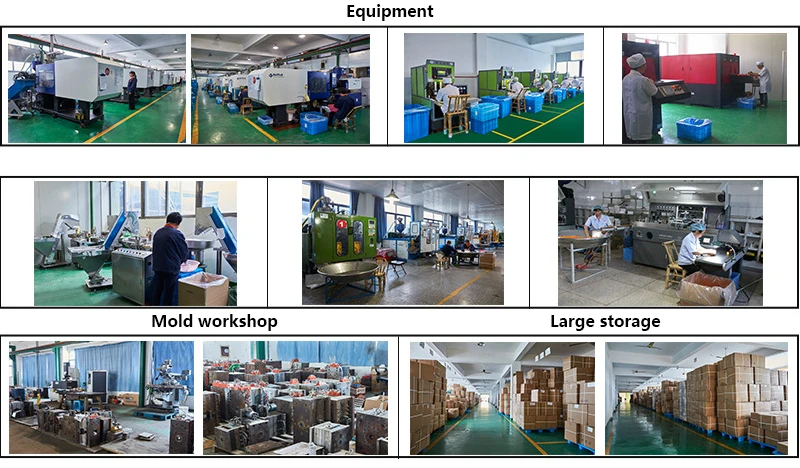
Xingtai Anmei Technology Co., Ltd.
- Trading Company
- Hebei, China
- Lead time10 days
- Avg. response≤ 8h
Main productsGlass Bottle,Plastic Bottle,Glass Jar,Plastic Jar,Paper Packaging
Main marketsNorth America(25.00%), Oceania(12.50%), Western Europe(12.50%), Northern Europe(10.00%), Eastern Europe(10.00%), Southeast Asia(10.00%), Southern Europe(5.00%), Mid East(5.00%), South America(5.00%), Eastern Asia(5.00%)
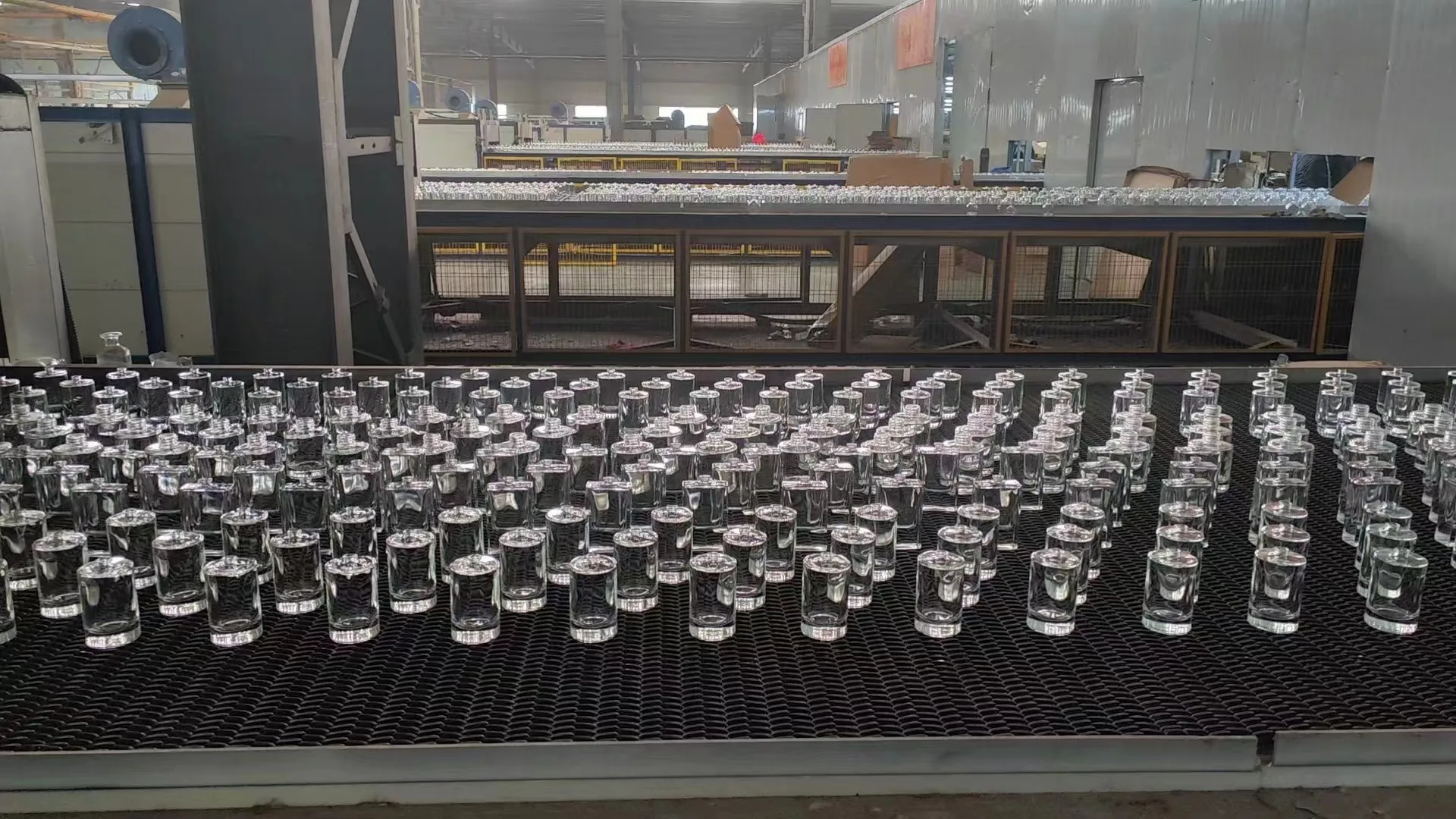
Xuzhou Huiju Glass Products Co., Ltd.
- Manufacturer, Trading Company
- Jiangsu, China
- Lead time20 days
- Avg. response≤ 3h
Main productsSupplement Bottle,Unishell Cap,Oud Oil Bottles,Candle Jars,Amber Jars
Main marketsNorth America(40.00%), Mid East(20.00%), Oceania(10.00%), Southeast Asia(7.00%), South America(5.00%), Southern Europe(3.00%), Northern Europe(3.00%), Western Europe(3.00%), South Asia(2.00%), Africa(2.00%), Central America(2.00%), Eastern Europe(2.00%), Eastern Asia(1.00%)
Akuiman (Guangzhou) Packaging Products Co., Ltd.
- Verified by SGS Group
- Trading Company
- Lead time7 days
- Avg. response≤ 2h
Main productsCosmetic Packaging, Glass Bottle, Plastic Bottle, Jar, Paper Boxes
Main marketsNorth America(40%), South America(10%), Eastern Europe(10%)
Nanning Yuebo Packaging Solutions Co., Ltd.
- Verified by Intertek
- Trading Company
- Lead time30 days
- Avg. response≤ 2h
Main productsGlass Bottle, Glass Jar, Perfume Bottle, Medicine Bottle, Cosmetic Bottle
Main marketsNorth America(20%), Southeast Asia(20%), South America(8%)
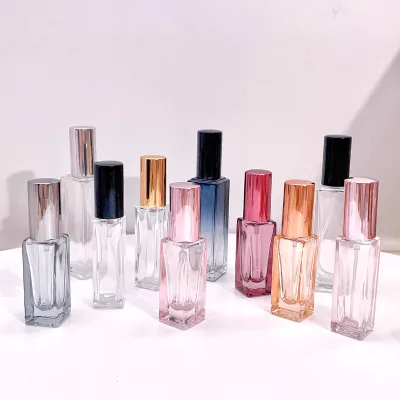
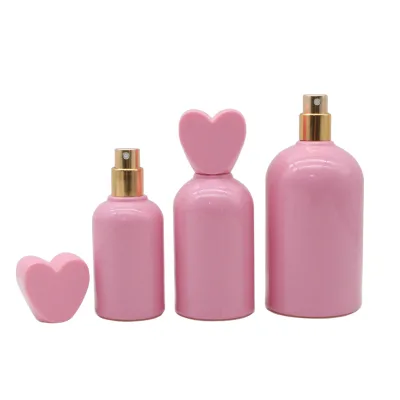
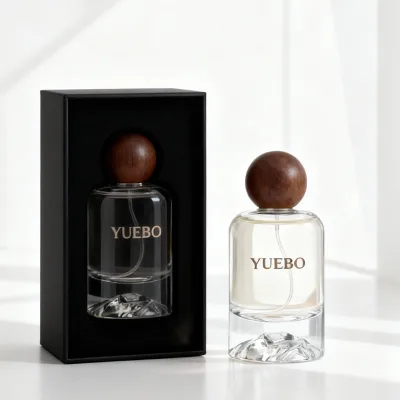
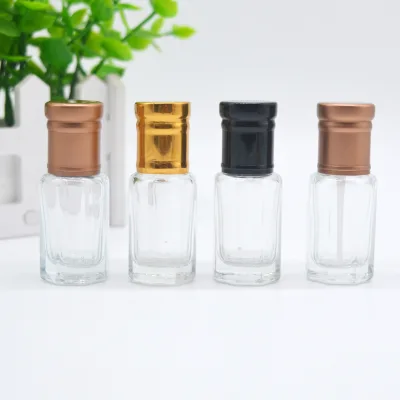
3ml glass perfume bottle glass perfume bottle 3ml glass roll on bottles for perfume oil 3mls
$0.1046 - $0.2094
MOQ: 5000
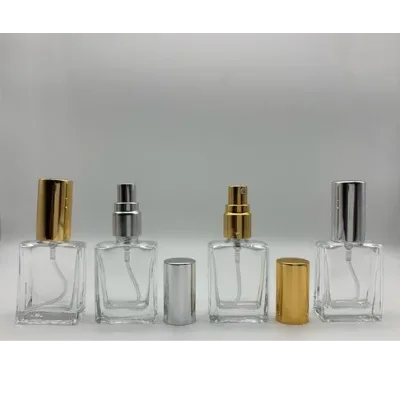
30ml rectangle perfume spray refillable bottle amber perfume spray bottle 15ml perfume bottle spray
$0.10 - $0.20
MOQ: 500 pieces
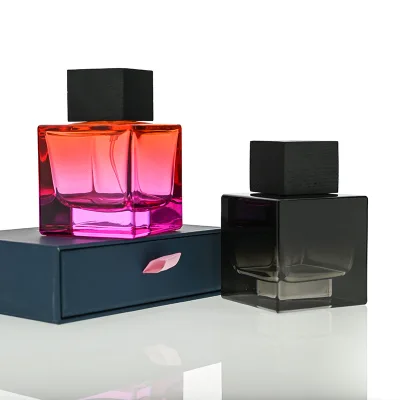
Perfume glass bottle supplier colored square perfume bottle new design perfume bottle 120ml with box
$0.15 - $0.32
MOQ: 5000 pieces
Yiwu Leyan Packaging Co., Ltd.
- Manufacturer, Trading Company
- Zhejiang, China
- Lead time7 days
- Avg. response≤ 3h
Main productsGlass Bottle,Glass Jar,perfume bottle/spray bottle,Dropper bottle,rollen bottle
Main marketsNorth America(25.00%), Domestic Market(15.00%), Central America(10.00%), South America(10.00%), Eastern Asia(8.00%), Western Europe(6.00%), Southern Europe(5.00%), Oceania(5.00%), Eastern Europe(5.00%), Mid East(5.00%), Southeast Asia(2.00%), Northern Europe(2.00%), Africa(1.00%), South Asia(1.00%)
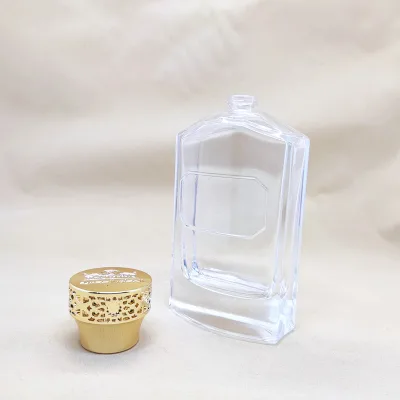
Reusable 30ml 50ml Unique Square Luxury Perfume Glass Bottle With Vintage Caps
$0.30 - $0.35
MOQ: 1000
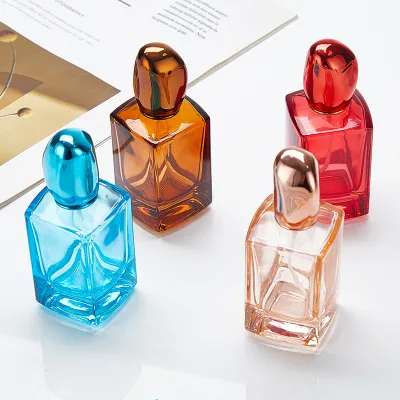
Luxury Perfume Bottle 50 ml Customized Perfume Bottle and Box Perfume Bottle Rectangle
$0.55
MOQ: 1000 Minimum

Wuxi Bokas Imp & Exp Co., Ltd.
- Verified by TUVRHEINLAND
- Manufacturer/Factory
- China Jiangsu
- Lead time0 days
- Avg. response≤ 8h
Main productsPerfume Bottle, Perfume Cap, Deodorant Cap, Perfume Box, Gift Box, Jewelry Box, Watch Box, Paper Box, Wine Box, Aerosol Cap

- Verified by CTI
- Trading Company
- China Zhejiang
- Lead time30 days
- Avg. response≤ 3h
Main productsAirless Bottle, Glass Bottle, Comb, Cosmetic Packaging, Food Packaging, Sprayer, Lotion Pump Machine, Gift, Roll on Ball
Main marketsAfrica,Southeast Asia/ Mideast


Perfume Bottle High Quality Fragrance Bottles Glass Perfume Bottle with Acrylic Rectangle Cap
$0.25 - $0.34
MOQ: 10000 Pieces
HONG KONG AQUIMAN TRADING CO., LIMITED
- Verified by SGS Group
- Trading Company
- Lead time10 days
- Avg. response≤ 2h
Main productsCosmetic Packaging, Glass Bottles, Plastic Bottles, Jar, Boxes

Guangzhou Jialian Trading Co., Ltd.
- Manufacturer, Trading Company
- Guangdong, China
- Lead time20 days
- Avg. response≤ 3h
Main productsGlass Bottlle,Plastic Bottle,Soft Tubes,Lipstick Tubes,Paper Boxes
Main marketsNorth America(30.00%), Mid East(10.00%), Oceania(10.00%), Eastern Europe(10.00%), South America(10.00%), Africa(5.00%), Southeast Asia(5.00%), Eastern Asia(4.00%), Southern Europe(3.00%), Northern Europe(3.00%), Central America(3.00%), Western Europe(3.00%), Domestic Market(2.00%), South Asia(2.00%)




Comprehensive Sourcing Guide
Refillable Vintage Glass Perfume Bottle Supplier Concentration and Factory Types
Suppliers of the Refillable Vintage Glass Perfume Bottle category appear across several Chinese provinces in the current results, with Shandong and Jiangsu represented among active listings. Shandong-based manufacturers list fragrance packaging as their core range, covering perfume bottles, dropper bottles, essential oil bottles, caps, pump sprayers, diffuser bottles, and mini formats, which signals a factory focused specifically on glass fragrance containers rather than a general packaging trader. Jiangsu suppliers in this category tend to sit within broader cosmetic packaging portfolios, combining perfume bottles with cosmetic jars, lotion and shampoo bottles, airless systems, and acrylic jars. Understanding this distinction matters: a fragrance-specialist factory is more likely to hold molds for vintage shapes and atomizer assemblies, while a diversified cosmetic-packaging plant may offer competitive pricing on standard refill formats but less depth in decorative vintage designs.
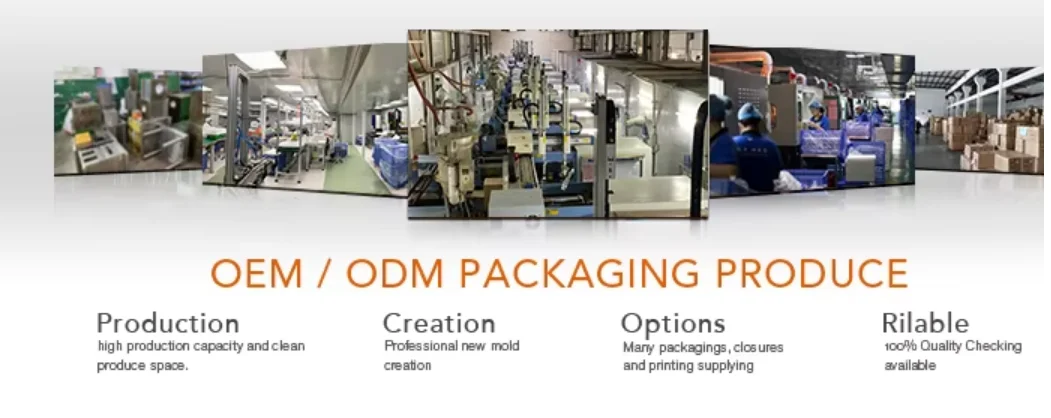
Company type labels on these pages identify most listings as Manufacturer/Factory, which typically means direct mold ownership, in-house glass forming, and finishing operations such as hot stamping, printing, and frosting done on site. Some listings also disclose own brands alongside OEM and ODM capabilities, which indicates established design and tooling resources. When your search surfaces clusters you cannot confirm from the results, identify them yourself by filtering for province, main-product overlap, and whether the same factory appears across multiple bottle sizes and closure types, which is a practical signal of genuine manufacturing depth.
How to Verify Refillable Vintage Glass Perfume Bottle Suppliers
Verification on these supplier pages relies on two visible signals: third-party verification status and system certifications. One Shandong fragrance-packaging factory displays verification by CTI together with a certification set that includes ISO 9000, ISO 9001, ISO 14001, ISO 14000, ISO 20000, GMP, and ISO 14064, covering quality management, environmental management, and fragrance-sector hygiene expectations. A Jiangsu packaging supplier displays SGS verification. Treat these as screening tools rather than guarantees: a verified badge confirms the listing's company identity has been audited by the named body, while certificates confirm management systems at a point in time. Request certificate copies with scope statements and check that the certified entity name matches the company receiving your purchase order, because certificates sometimes belong to a parent or affiliate.
Beyond the page labels, build your own verification routine around this category's specific risks. Glass perfume bottles combine a formed container, a pump sprayer or screw cap, and decorative finishing, so a factory strong in glass blowing may outsource sprayers and stamping. Ask which operations are in-house and request the supply chain for closures and pumps. Order pre-production samples of the exact vintage shape and finish you intend to buy, test leak resistance with your fragrance formula, and check atomizer dosage consistency across multiple sprays. Confirm whether response-time figures shown on the platform reflect recent behavior, and ask for a named contact responsible for your account.
What to Compare Across Refillable Vintage Glass Perfume Bottle Suppliers
Comparison should start with the attributes actually displayed, since not every supplier shows every field. The Shandong fragrance factory in the results shows a lead time around 45 days and a response time of roughly 3.3 hours, while the Jiangsu supplier shows a response time near 3.4 hours; use these as reference points but reconfirm current figures during quoting, because displayed metrics can age. Lead time matters more for customized vintage bottles than stock items, since new molds and multi-stage finishing extend production. Record response speed across several message cycles rather than one interaction, as early responsiveness does not always persist once an order is in production.
Compare product and commercial dimensions next. Main-product focus tells you whether fragrance glass is a core line or a sideline; Shandong listings center on perfume bottles and components, while Jiangsu listings embed them in wider cosmetic packaging. Review OEM and ODM capability, own-brand presence, and whether customization is explicitly marked as available on individual products. Examine each product listing's attributes: material described as glass or crystal glass, closure type listed as spray pump or screw cap, transparent square or round shapes, and finishing options such as hot stamping, printing, and frosting. Note packing format, typically cartons, and origin province. Build a simple matrix with lead time, response time, MOQ, price band, customization, and closure options per supplier, then shortlist two or three for sampling rather than requesting full quotations from every listing.
Common Refillable Vintage Glass Perfume Bottle Sourcing Risks
The most frequent risk in this category is the mismatch between vintage appearance and functional reliability. Decorative finishes such as frosting, hot stamping, and heat transfer printing can hide surface defects in the glass, and elaborate caps or gold-toned spray mechanisms may use components from subcontractors the factory does not control. A bottle that looks correct in a photograph can still leak at the pump seat, mis-spray, or chip during carton transport. Insist on samples filled with liquid, stored inverted, and shipped to you in the actual export packing before committing, and test every closure variant you plan to order, since screw-cap and spray-pump listings in these results behave very differently in use.
Second is the scope-of-customization risk. Many listings state customization is available, but the cost and lead-time consequences vary enormously between printing a logo and creating a new vintage mold with a colored or ombre finish. Confirm mold ownership, mold fees, and who retains the tooling. A third risk is attribute drift between listing and delivery: product pages show specific shapes, materials, and standards such as 30ml, 50ml, and 100ml, yet production tolerances for handblown or crafted pieces can vary. The Jiangsu listings describe handblown and crafted production, which is inherently less dimensionally uniform than machine-made glass. Put dimensional tolerances, finish colors, pump specifications, and defect classifications into a written specification sheet, and reference it in the purchase contract rather than relying on the product listing.
Refillable Vintage Glass Perfume Bottle Regional Sourcing and Logistics
The confirmed locations in these results are Shandong and Jiangsu, both established Chinese manufacturing provinces, but they carry different logistics profiles. Jiangsu sits in the Yangtze Delta near major ports and dense packaging-industry infrastructure, which shortens inland legs and supports frequent consolidated shipments; its Xuzhou-origin listings reflect an inland position within the province, so confirm the actual loading point and freight routing. Shandong fragrance-glass factories likewise ship nationally, and glass weight makes container utilization a meaningful cost lever for this category. With displayed lead times around 45 days for customized production, plan a total timeline that adds sampling, mold making for vintage shapes, and vessel transit to your launch date.
Glass is fragile and heavy, so packaging engineering directly affects your landed cost and damage rate. Listings here typically specify carton packing, with one Jiangsu item noting carton and pallet, so ask how bottles are separated, whether dividers or molded trays are included, and what damage allowance the supplier will accept. Request palletized loading with corner protection for ocean freight, and consider drop tests on the export carton before the first full order. For air freight of samples, pump sprayers are pressurized components, so confirm shipping restrictions on filled units. Finally, match the province to your priorities: a fragrance-glass specialist in Shandong may reduce tooling risk for vintage designs, while a Jiangsu cosmetic-packaging supplier can consolidate mixed packaging orders in one container.
Refillable Vintage Glass Perfume Bottle Commercial Terms and Order Planning
Price and MOQ in these results give useful anchors. Shandong listings span roughly 0.29 to 0.67 per piece depending on size and closure, with one 100ml spray-pump model at 0.58 to 0.67 and a MOQ of 2000, while smaller screw-cap and 50ml formats quote lower bands. Jiangsu listings show a 50ml to 100ml refillable bottle from about 0.45 with an MOQ of 500, and a sprayer variant at 0.65 to 0.70 with an MOQ of 1000. Use these as negotiation references, not quotes: prices move with finish complexity, closure type, and glass thickness, and vintage tooling can change them substantially. Confirm whether quoted prices include printing, caps, pumps, and export cartons.
Structure orders in stages to control risk. A common pattern is a sample order, a pilot run at or near the stated MOQ, then volume ordering once defect rates and finish quality are proven against your specification. With customized vintage molds, negotiate mold fees separately and clarify repayment terms if volumes scale. Put payment milestones against inspection points, such as approval of golden samples and a pre-shipment inspection, rather than paying fully upfront. Since displayed lead times run around 45 days, order with a buffer covering sampling and any rework. Reconfirm MOQ, price validity, and certification status in writing at each reorder, because supplier pages can change between your searches.
The complete article: six sections, 225–235 words each, totaling approximately 1,375 words.
FAQs
What is the price range for refillable vintage glass perfume bottles?
Prices typically range from $0.29 to $0.70 per unit depending on size and customization. Smaller 30ml bottles often start around $0.29, while larger 100ml options with premium finishes may reach $0.70. Costs vary based on material thickness, printing methods, and order volume.
What is the minimum order quantity for these bottles?
Minimum order quantities generally range from 500 to 2000 pieces. Some suppliers accept orders as low as 500 units for specific designs, while standard production runs often require 1000 or 2000 pieces. Buyers should verify the exact MOQ with the supplier before placing an order.
How long does production take for custom orders?
Standard lead times are approximately 45 days for production. This duration covers material preparation, molding, printing, and quality control. Buyers should confirm if expedited options are available, as rush orders may incur additional fees or require specific supplier capacity checks.
Are these bottles available with custom printing or logos?
Yes, customization is widely available including hot stamping, printing, frosting, and gold stamping. Suppliers offer OEM and ODM services to accommodate specific brand requirements. Buyers can choose from various shapes, colors, and closure types to match their vintage aesthetic and branding needs.
What certifications do these manufacturers hold?
Manufacturers often hold ISO 9001, ISO 14001, and GMP certifications. These standards ensure quality management and environmental responsibility. Buyers should verify specific certification validity with the supplier, as compliance levels may vary between different production facilities and product lines.
Where are these glass perfume bottles manufactured?
Most suppliers are located in China, specifically in Shandong and Jiangsu provinces. These regions are known for glass manufacturing expertise. Buyers can source from verified manufacturers in these areas, ensuring proximity to established supply chains and efficient logistics for international shipping.