Medium Diesel Crawler Loader Suppliers and Manufacturers
Source 34 verified suppliers for Medium Diesel Crawler Loader equipment. Compare grounded dimensions including ISO9001:2015 certification, 15-day lead times, and hydraulic transmission specs. Verify response times and pricing directly to streamline procurement; review the available evidence before requesting comparable quotations from suitable candidates.
Updated
Suppliers List

SHANDONG TIAN LU HEAVY INDUSTRY TECHNOLOGY CO., LTD
- Verified by SGS
- Combined
- China Shandong
- Lead time15 days
- Avg. response≤ 5h
Main productsBoom Lift, Excavator, Loader, Skid Steer Loader, Punning Machinery, Port Machinery, Digger, Digging Machine, Mini Excavator, Mini Digger
Main marketsDomestic


$20500.00 - $23000.00
MOQ: 1 Pieces

Qingdao JinChengYu Machinery Co., Ltd.
- Verified by BV
- Trading Company
- China Shandong
- Lead time23 days
- Avg. response≤ 1h
Main productsForklift, Electric Forklift, Diesel Forklift, LPG Forklift, Rough Terrain Forklift, Self Loading Concrete Mixer, Loader, Warehouse Equipment, Used Forklift, Excavator
Main marketsAfrica,Southeast Asia/ Mideast,Europe

Front Loader Diesel Mini Wheel Loaders Crawler Driving Style Mini Loader
$5000.00 - $12000.00
MOQ: 1 Pieces

Crawler Loader with Backhoe Mini Mechanical Wheel Loader Tractor Front Loader
$5000.00 - $12000.00
MOQ: 1 Pieces

Qingdao Tunnel Mine Equipment Technology Co., Ltd.
- Verified by SGS
- Trading Company,Manufacturer/Factory
- China Shandong
- Lead time38 days
- Avg. response≤ 17h
Main productsUnderground Loader, Underground Mining Truck, Underground LHD, Scooptram, Diesel LHD, Utility Vehicle, Multifunction Service Car, Transmission, Torque Converter, Axle
Main marketsSouth America,Eastern Europe,Mid East,Southeast Asia,Oceania,Africa

Crawler Diesel Loader Front End Loader Large Loader 30t Working Weight
$150000.00 - $300000.00
MOQ: 1 Pieces


Hebei Jin Pai Sheng Import And Export Co., Ltd.
- Trading Company
- He'bei, China
- Lead time10 days
- Avg. response≤ 2h
Main productsDiesel forklift,Electrical forklift,Farm tractor,Excavator,Crane
Main marketsSoutheast Asia(25.00%), Africa(20.00%), Mid East(10.00%), Eastern Asia(10.00%), South Asia(10.00%), Central America(5.00%), Eastern Europe(5.00%), South America(3.00%), Domestic Market(3.00%), North America(3.00%), Northern Europe(2.00%), Oceania(2.00%), Western Europe(1.00%), Southern Europe(1.00%)
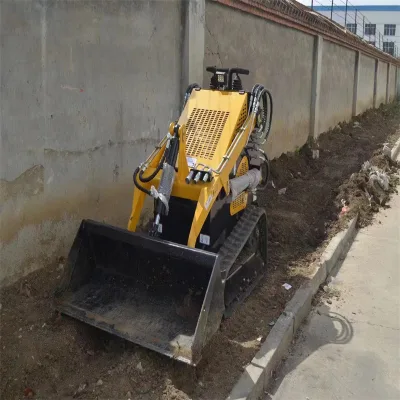
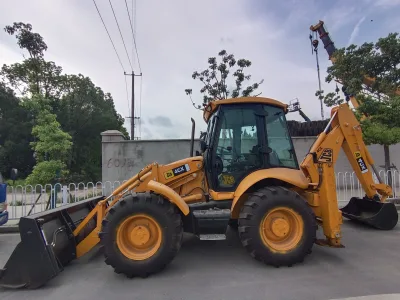
Mini Backhoe Loader With Price Mini Tractor Loader Backhoe Excavator With Digger Machine
$16226.7305 - $17482.9935
MOQ: 1 pieces
Shandong Infront Machinery Co., Ltd.
- Verified by TüVRheinland
- Manufacturer, Trading Company
- Lead time7 days
- Avg. response≤ 2h
Main productsMini Excavator, Skid Steer Loader, Lawn Mower, Dump Truck, Roller
Main marketsNorth America(50%), Western Europe(30%), Oceania(5%)
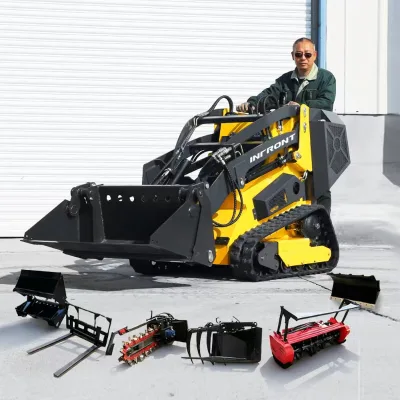
480KGTrack Skid Steer Loader - Professional Grade Hydraulic Digging Arm
$1526.5259 - $2035.3678
MOQ: 1 sets
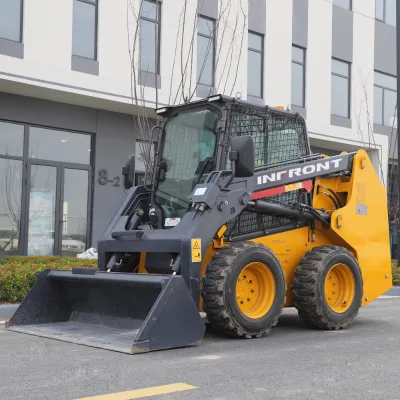
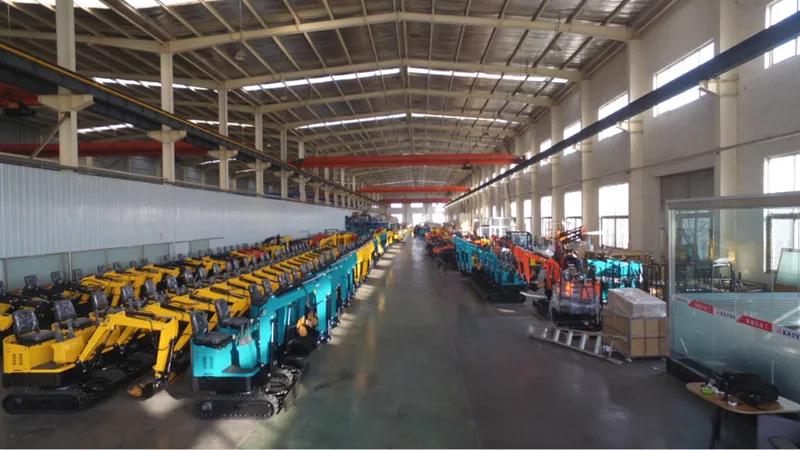
Etoo Machinery (Jining) Co.,Ltd
- Trading Company
- Shandong, China
- Lead time7 days
- Avg. response≤ 4h
Main productsTRICYCLE,loader,mower,mini dumper,foaming machine
Main marketsNorth America(38.00%), Mid East(25.00%), Northern Europe(16.00%), Eastern Europe(8.00%), Southern Europe(8.00%), Eastern Asia(5.00%)
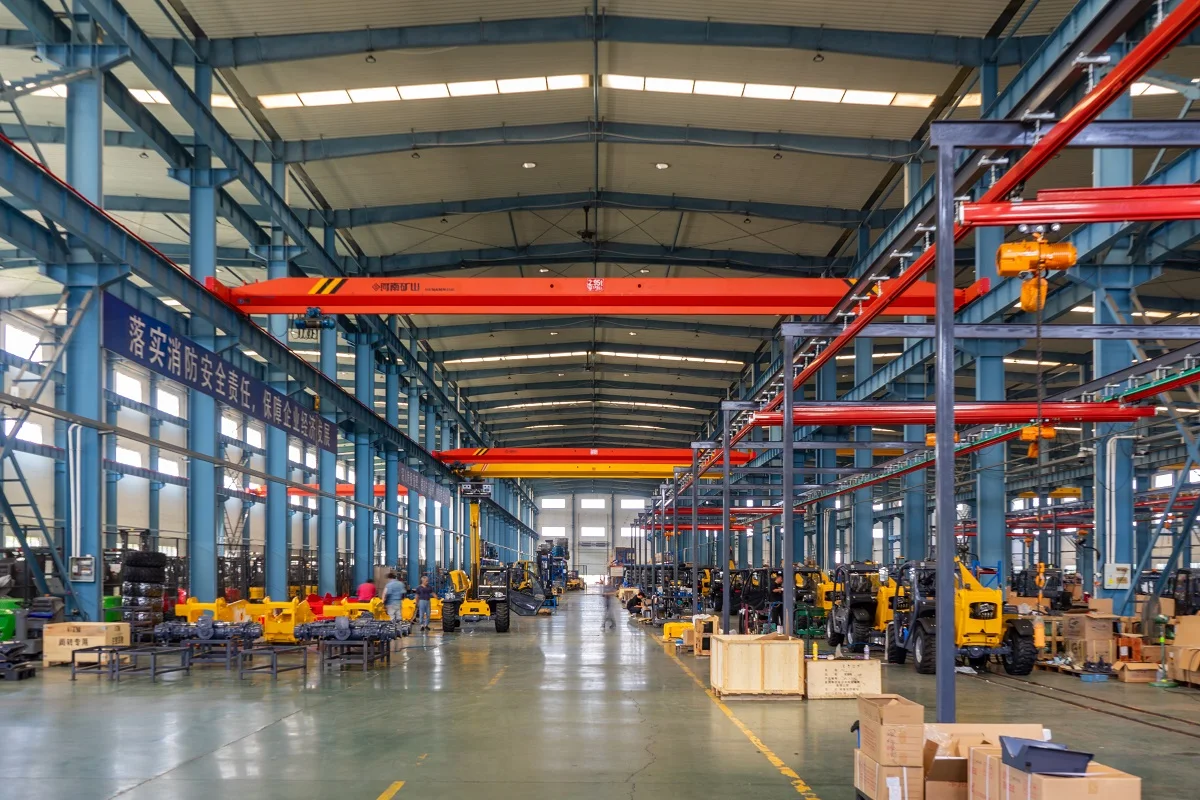
Jiangsu Shangqi Import And Export Co., Ltd.
- Trading Company
- Jiangsu, China
- Lead time30 days
- Avg. response≤ 1h
Main productsForklift,loader,excavator,pallet truck,stacker
Main marketsWestern Europe(70.00%), Eastern Europe(10.00%), Africa(5.00%), Southeast Asia(5.00%), North America(5.00%), Domestic Market(1.00%), Northern Europe(1.00%), Central America(1.00%), South America(1.00%), Mid East(1.00%)
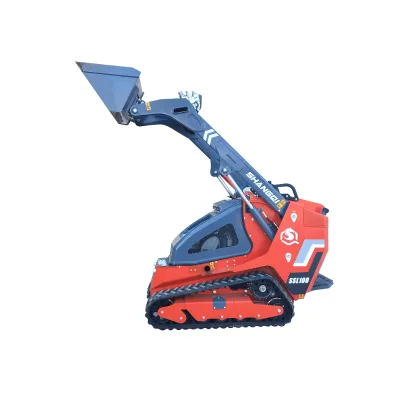
450kg Capacity Grapple Compact Track Crawler Skid Steer diesel Loader with Attachment
$12475.3834 - $15594.2292
MOQ: 1 units
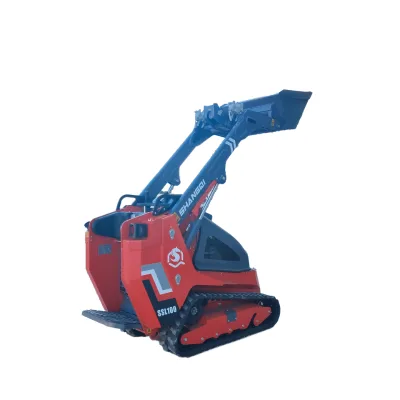
Upper Ti SSL100 Diesel Closed System Skid Steer Loader with Attachment Skid Steer Loader for Sale
$12000.00 - $14500.00
MOQ: 1 units
Shandong Songsheng Heavy Industry Machinery Co., Ltd.
- Verified by TüVRheinland
- Manufacturer, Trading Company
- Lead time15 days
Main productsSkid Steer Loader, Battery Loader, Excavator, Concrete Mixer, Attachments
Main marketsDomestic Market(40%), North America(20%), Africa(10%)
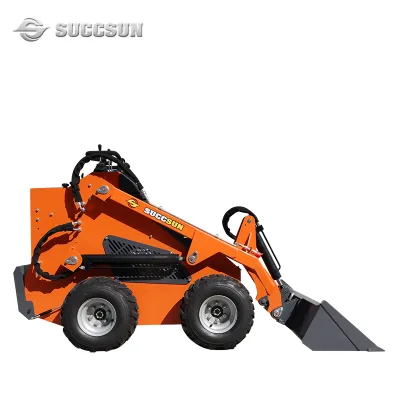
Diesel Mini Loader Wheel Crawler Optional for Compact Jobsites Meet Various Construction Needs
$10163.999 - $10321.1419
MOQ: 1 Minimum
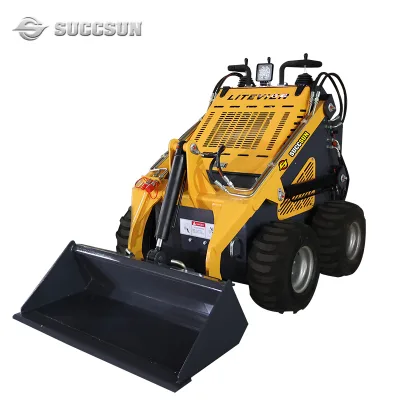
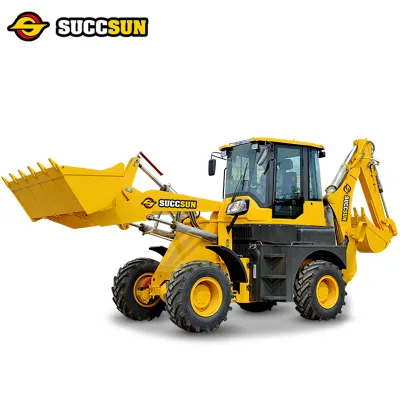
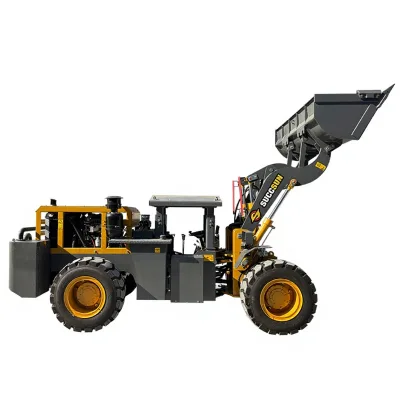
$23636.0311 - $23943.0058
MOQ: 1 sets

Shandong Beijun Group Co.,Ltd.
- Verified by BV
- Combined
- China Shandong
- Lead time15 days
- Avg. response≤ 8h
Main productsLawn Mower, Skid Steer Loader, Electric Forklift, off Road Forklift, Diesel Forklift
Main marketsAfrica,Southeast Asia/ Mideast


Hot Sale Hydraulic with Diesel Engine Earth-Moving Machinery Mini Skid Steer Loader
$4399.00 - $6200.00
MOQ: 1 Pieces

Henan Dh Machinery Equipment Co., Ltd.
- Trading Company
- Henan, China
- Lead time5 days
- Avg. response≤ 2h
Main productswater well drilling rigs,paper cup machine,Concrete pump,horizontal directional drill,Submersible drilling rig
Main marketsEastern Europe(40.00%), North America(30.00%), Africa(20.00%), South Asia(10.00%)
Jining ToHo Machinery Co., Ltd.
- Verified by TüVRheinland
- Trading Company
- Lead time10 days
- Avg. response≤ 1h
Main productsExcavator, Wheel Loader, Lawn Mower, Bulldozer, Forklift
Main marketsNorth America(20%), Africa(13%), South America(10%)

Shandong Jufenglong Construction Machinery Co., Ltd.
- Verified by BV
- Combined
- China Shandong
- Lead time30 days
- Avg. response≤ 10h
Main productsMini Wheel Loader, Wheel Loader, Front Loader, Small Loader, Concrete Mixer Truck, Concrete Mixer, Diesel Concrete Mixer, Agricultural Machinery, Construction Machinery, Self Loading Concrete Mixer
Main marketsSoutheast Asia/ Mideast

SHANDONG CCHC HYDRAULICS CO., LTD.
- Verified by BV
- Combined
- China Shandong
- Lead time15 days
- Avg. response≤ 3h
Main productsHydraulic Pump, Hydraulic Valve, Hydraulic Motor, Reduction Gear, Speed Reducer, Travel Assembly, Swing Motor Assembly, Excavator Hydraulic Parts, Excavator Parts, Hydraulic Parts
Main marketsSoutheast Asia/ Mideast,Europe,North America
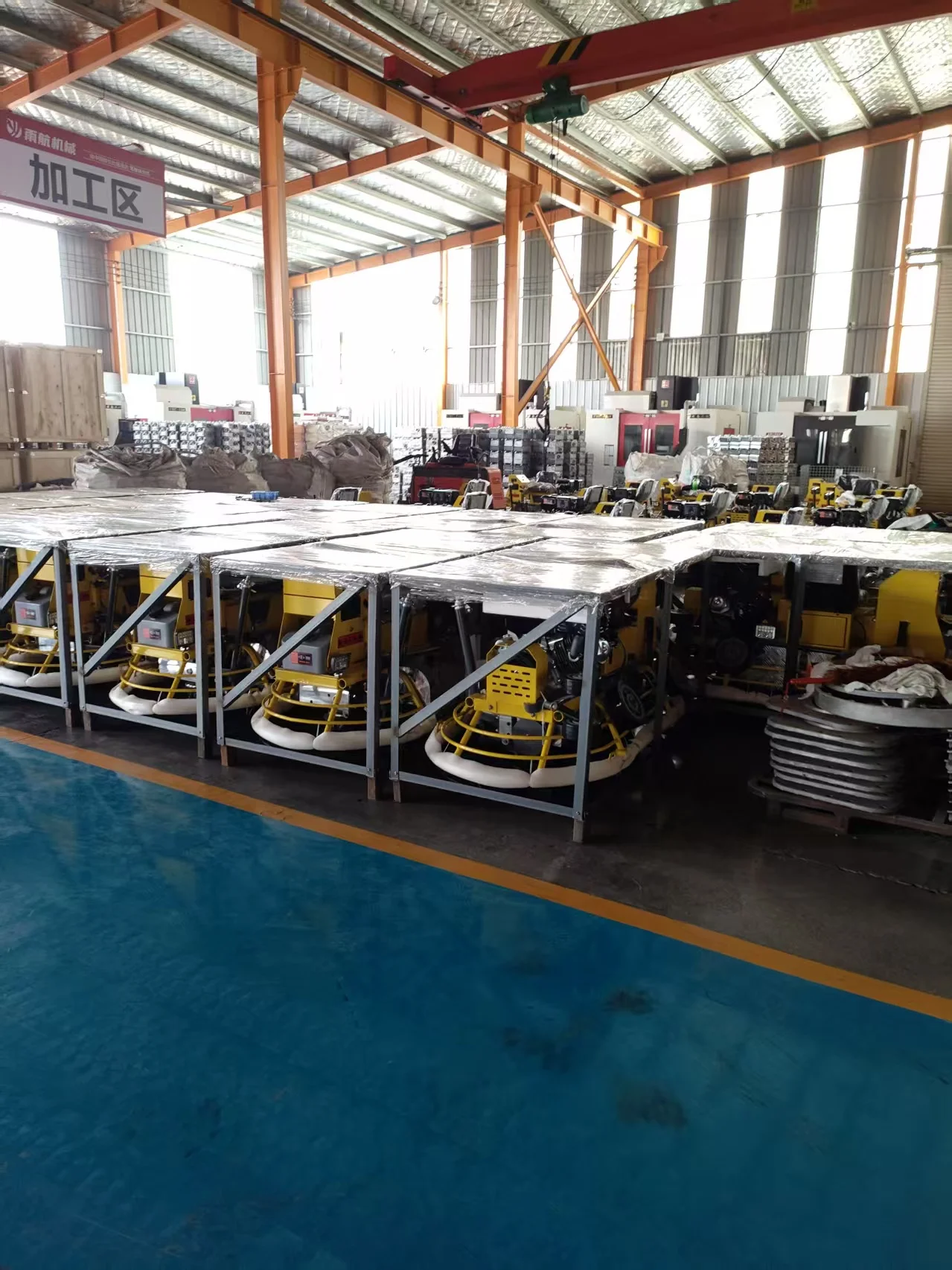
Luohe Ao Jianqing Intelligent Equipment Co., Ltd.
- Trading Company
- Henan, China
- Lead time15 days
- Avg. response≤ 3h
Main productstrowel,trephine,Cutting machine,backhoe,vibrators
Main marketsDomestic Market(40.00%), North America(10.00%), Africa(10.00%), South Asia(10.00%), Eastern Asia(10.00%), Oceania(5.00%), Southern Europe(5.00%), Southeast Asia(5.00%), South America(5.00%)
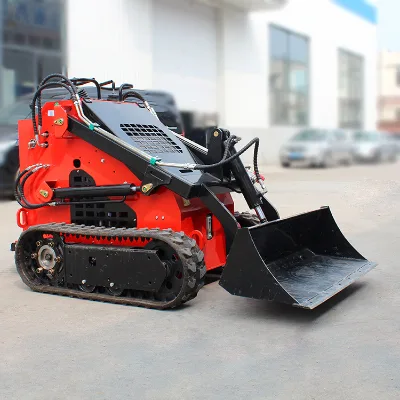
Chinese-made Small Crawler-type Loader, High-quality Crawler-type Loader
$2089.00 - $2689.00
MOQ: 1 pieces
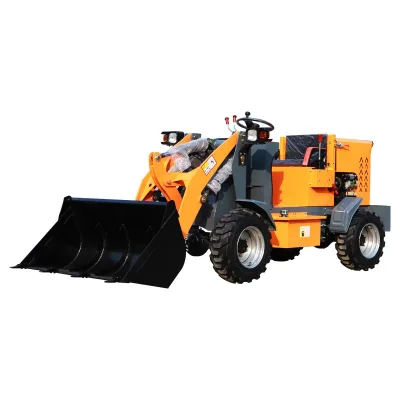
$1690.00 - $2899.00
MOQ: 1 Minimum

Taian Mountain Machinery Science and Technology Co., Ltd.
- Combined
- China Shandong
- Lead time60 days
- Avg. response≤ 21h
Main productsMini Dumper, Mini Wheel Loader, Mini Skid Steer Loader, Skid Steer Loader, Mini Excavator, Attachment
Main marketsSouth America,Europe,Australia,North America
Henan Xifa Network Technology Co., Ltd.
- Verified by Intertek
- Manufacturer, Trading Company
- Lead time7 days
- Avg. response≤ 1h
Main productsAnimal Cages, Tractors, Feed Processing Machinery, Excavators
Main marketsNorth America(20%), Domestic Market(20%), Africa(15%)

Shandong Shante Heavy Industry Machinery Co., Ltd.
- Verified by TUVRHEINLAND
- Combined
- China Shandong
- Lead time30 days
- Avg. response≤ 4h
Main productsMining Machinery, Mining Loader, Wheel Mucking Loader, Tunnel Mucking Loader in Mining, Haggloader with Breaking Hammer, Underground Mining Loader, Electric Excavator
Main marketsSoutheast Asia/ Mideast

Crawler Loader with Integrated Crusher Saves Construction Cost and Enhances Efficiency
$30000.00 - $40000.00
MOQ: 1 SET

Crawler-Type Excavator Loader Integrated with Transport for Various Tunnel Profiles
$30000.00 - $40000.00
MOQ: 1 SET
Jining Hengwang Mining Machinery Co., Ltd.
- Verified by SGS Group
- Manufacturer, Trading Company
- Lead time14 days
- Avg. response≤ 3h
Main productsWater Well Drill Rig, Core Drill Rig, DTH Drilling Rig, Hydraulic Drilling Rig, Pile Driver
Main marketsSouth America(25%), Eastern Europe(20%), Africa(20%)
Shandong Huateng Machinery Co., Ltd.
- Verified by SGS Group
- Manufacturer, Trading Company
- Lead time15 days
- Avg. response≤ 2h
Main productsElectric forklift, Diesel forklift, Excavator, Lift tables, Electric stacker
Main marketsDomestic Market(50%), Eastern Asia(20%), Eastern Europe(10%)

Qingzhou Huizhong Machinery Co., Ltd.
- Combined
- China Shandong
- Lead time15 days
- Avg. response≤ 7h
Main productsWheel Loader, Mini Loader, Backhoe Loader, Radlader, Construction Machinery, Front End Loader, Small Loader, Mini Wheel Loader, Wood Machine, Farm Machine
Main marketsEurope,Australia

Shandong Xianggong Machinery Manufacturing Co., Ltd.
- Verified by SGS
- Manufacturer/Factory
- China Shandong
- Lead time15 days
- Avg. response≤ 3h
Main productsExcavator, Backhoe Loader, Wheel Loader, Skid Steer Loader, Forklift, Mobile Lighting Tower, Concrete Mixer Truck, Dumper, Lawn Mower
Main marketsSouth America,Eastern Europe,Mid East,North America,Southeast Asia,Eastern Asia,Oceania,Western Europe,Africa

Jinkung Industrial (Shandong) Corporation
- Verified by TUVRHEINLAND
- Combined
- China Shandong
- Lead time30 days
- Avg. response≤ 3h
Main productsPolyurethane Foam Machine, Mining Machinery, Construction Engineering Equipment, Excavators, Rollers, Agriculture Equipments, Loaders
Main marketsSouth America,East Asia(Japan/ South Korea),Europe,North America
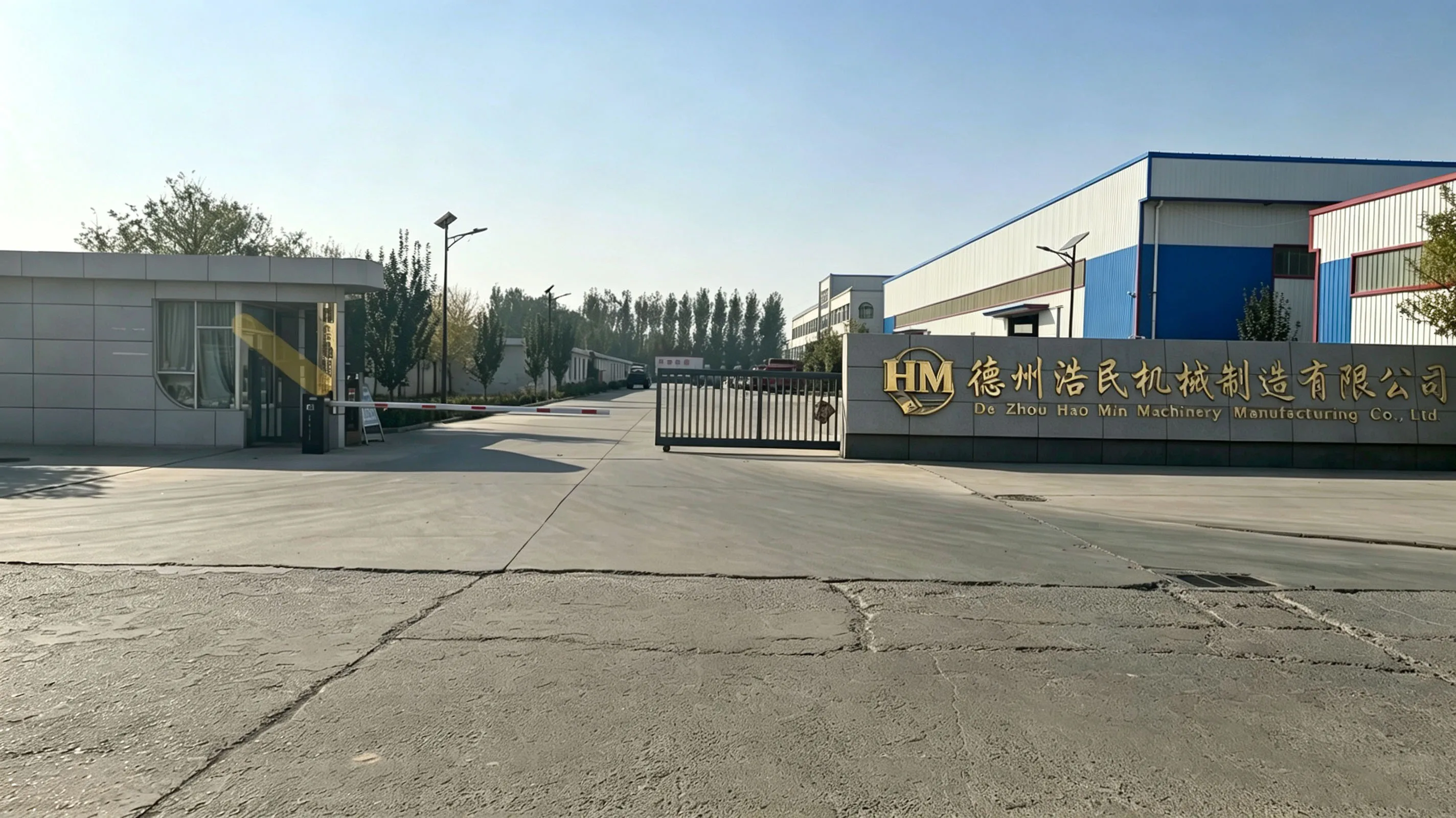
Dezhou Haomin Machinery Equipment Co., Ltd.
- Trading Company
- Shandong Province, China
- Lead time10 days
- Avg. response≤ 1h
Main productsTillage machinery,Harvesting machinery,Fertilizer,Sowing machinery,Spraying machinery
Main marketsDomestic Market(46.00%), Africa(20.00%), Southeast Asia(15.00%), South America(8.00%), Eastern Asia(3.00%), Central America(2.00%), North America(2.00%), South Asia(2.00%), Oceania(1.00%), Mid East(1.00%)
Shandong Landward Heavy Industry Machinery Co., Ltd.
- Verified by TüVRheinland
- Manufacturer, Trading Company
- Lead time10 days
- Avg. response≤ 5h
Main productsExcavator, Loader, Forklift, Lawn Mower, Mini Dumper
Main marketsWestern Europe(31%), Southern Europe(20%), North America(15%)
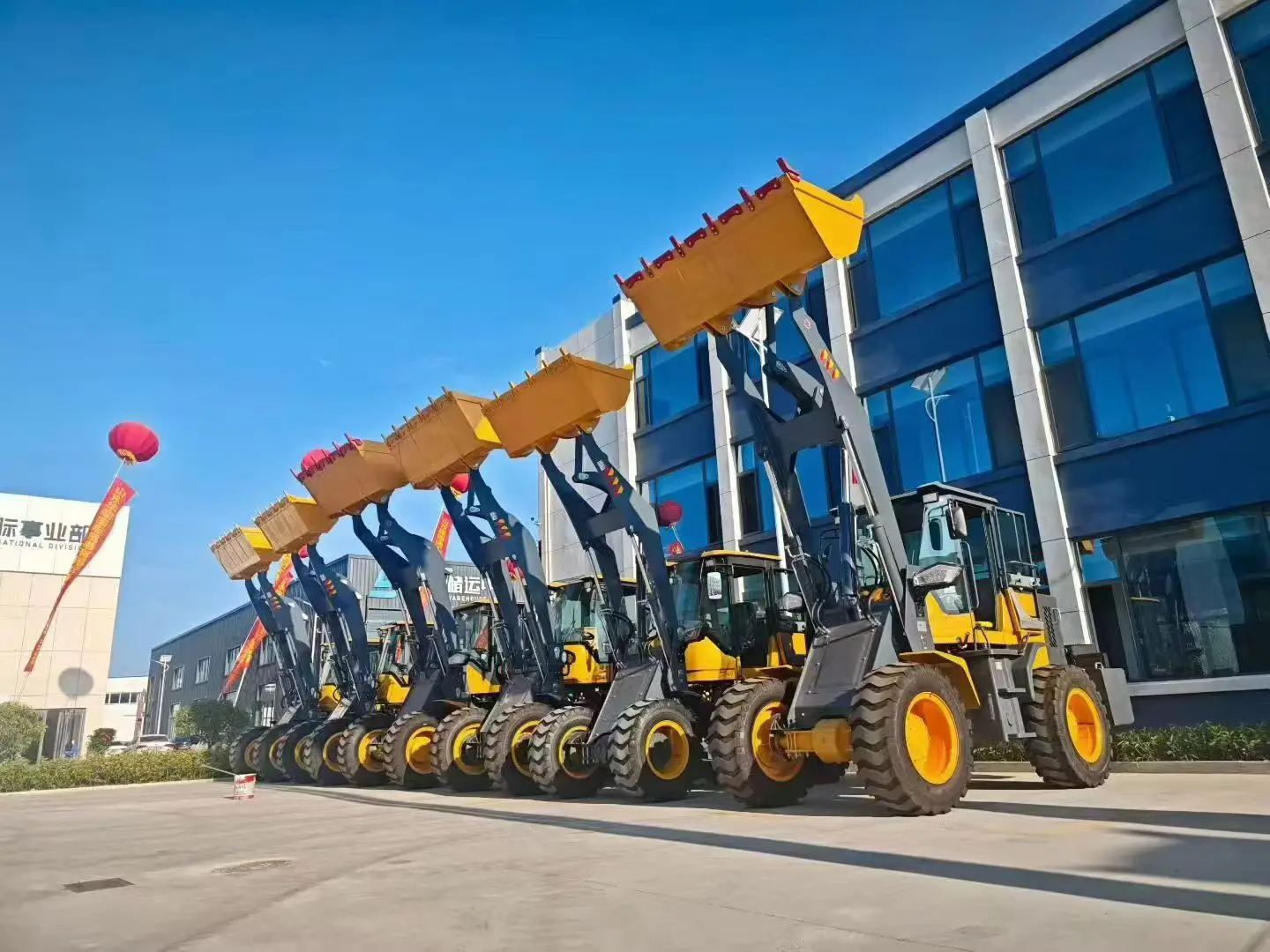
Laizhou Lida Machinery Co., Ltd.
- Manufacturer, Trading Company
- Shandong, China
- Lead time7 days
- Avg. response≤ 1h
Main productsForklifts,Mini Loader,Concrete Mixer Trucks,Pile Driver,Backhoe Loader
Main marketsOceania(20.00%), North America(10.00%), Africa(10.00%), Western Europe(10.00%), Mid East(10.00%), South America(10.00%), Southern Europe(5.00%), Northern Europe(5.00%), Central America(5.00%), Southeast Asia(5.00%), Eastern Asia(5.00%), Eastern Europe(5.00%)

Xuzhou Hengxing Jinqiao Machinery Technology Co., Ltd.
- Verified by TUVRHEINLAND
- Combined
- China Jiangsu
- Lead time15 days
- Avg. response≤ 8h
Main productsPile Driver, Drilling Machine, Kelly Bar, Drilling Tools
Main marketsSouth America,Africa,Southeast Asia/ Mideast,Europe

QIXIA DALI MINING MACHINERY CO., LTD.
- Verified by BV
- Combined
- China Shandong
- Lead time30 days
- Avg. response≤ 1h
Main productsUnderground Truck, Underground Mining Equipment, Load Haul Dumper, Underground Loader, Underground Vehicle, Scooptram, Battery Locomotive, Mobile Rock Splitter, Underground LHD, Underground Utility Vehicle
Main marketsSouth America,Africa,Others(foreignTradeCapacity.exportBusinessCapacityMarketOther),North America


Good price underground loader Highly popular underground loading
$437000.00 - $446000.00
MOQ: 1 Pieces
Jining Shengheng Heavy Industry Machinery Co., Ltd.
- Manufacturer
- Shandong, China
- Lead time3 days
- Avg. response≤ 2h
Main productsDismantling equipment,Mowing and logging,Road maintenance,Drilling machine,Loading and unloading screening
Main marketsSouth America(20.00%), Mid East(15.00%), Western Europe(15.00%), Eastern Europe(15.00%), North America(15.00%), Africa(12.00%), Domestic Market(8.00%)
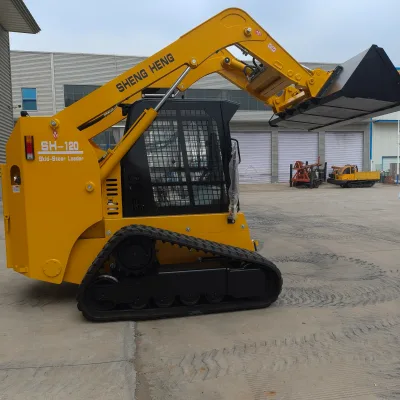
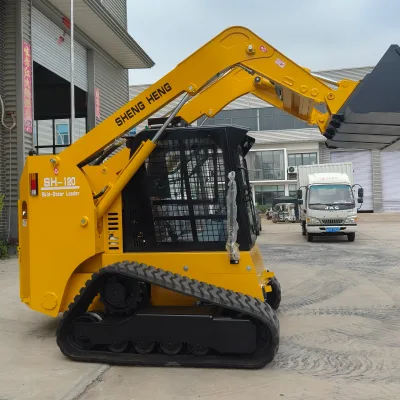
All-terrain tracked sliding loader with bulldozer function - clearing forest fire isolation belts
$12152.00 - $13770.00
MOQ: 1
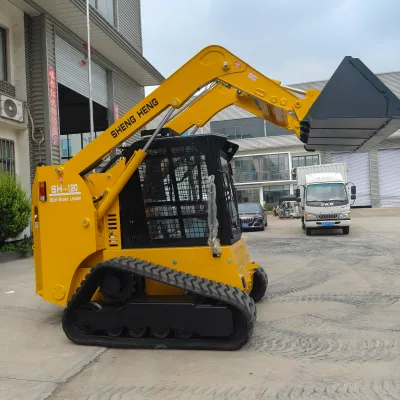
All-terrain tracked sliding loader with bulldozer function, shrub and grassland crushing equipment
$10299.00 - $12377.00
MOQ: 1
Sinomada Heavy Industry (Changsha) Co., Ltd.
- Verified by SGS Group
- Trading Company
- Lead time7 days
- Avg. response≤ 5h
Main productsLifting Machinery, Earthmoving Machinery, Road Construction Machinery, Drilling Machinery, Concrete Machinery
Main marketsAfrica(40%), Southeast Asia(22%), South America(20%)

Daso Machinery (Changzhou) Co., Ltd.
- Verified by SGS
- Trading Company
- China Jiangsu
- Lead time15 days
- Avg. response≤ 2h
Main productsConcrete Cutter, Concrete Scarifier Machine, Crack Sealing Machine, Plate Compactor, Mini Skid Steer Loader, Tamping Rammer, Power Trowe, High Pressure Water Cleaner, Vacuum Cleaner, Router
Main marketsSouth America,Southeast Asia/ Mideast,Europe,Australia,North America
Xuzhou Das Machinery Technology Co., Ltd.
- Trading Company
- Jiangsu, China
- Lead time14 days
- Avg. response≤ 3h
Main productsSkid Steer Loader, Epa Engine Loaders, Diesel Wheel Loader, Crawler Loader, Mini Excavator
Main marketsSouth Asia(10.00%), North America(10.00%), South America(10.00%), Oceania(10.00%), Western Europe(10.00%), Central America(10.00%), Eastern Europe(10.00%), Mid East(10.00%), Southeast Asia(10.00%), Eastern Asia(2.00%), Southern Europe(2.00%), Northern Europe(2.00%), Africa(2.00%), Domestic Market(2.00%)

Shandong Mingko Industry Corporation
- Verified by SGS
- Trading Company
- China Shandong
- Lead time15 days
- Avg. response≤ 7h
Main productsSkid Steer, Skid Loader, Mini Skid Steer, Mining Electric Locomotive, Electric Locomotive, Underground Mining Locomotive, Hydraulic Prop Underground Mining Support, Scraper Conveyor for Coal, Scraper Conveyer, Underground Tunnel Mucking Loader
Main marketsNorth America
Shandong Oujin Engineering Machinery Co., Ltd.
- Manufacturer, Trading Company
- Lead time旺季: "1 - 100":15,"> 100":"To be negotiated", 淡季: "1 - 100":15,"> 100":"To be negotiated"
- Avg. response≤ 6h
Main productsWheel Loader , Forklift, Telescopic Loader , Skid Steer Loader
Jining Daric Machinery Co., Ltd.
- Trading Company
- Shandong, China
- Lead time10 days
- Avg. response≤ 2h
Main productsLoader,Excavator,Forklift,Lawn mower,Large construction machinery
Main marketsNorth America(25.00%), Eastern Europe(15.00%), South America(10.00%), Africa(10.00%), Western Europe(10.00%), Southern Europe(10.00%), Oceania(5.00%), Eastern Asia(5.00%), Central America(5.00%), South Asia(5.00%)
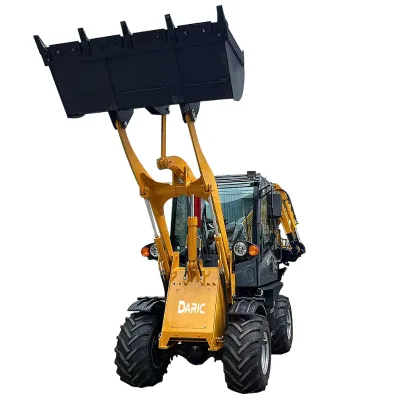
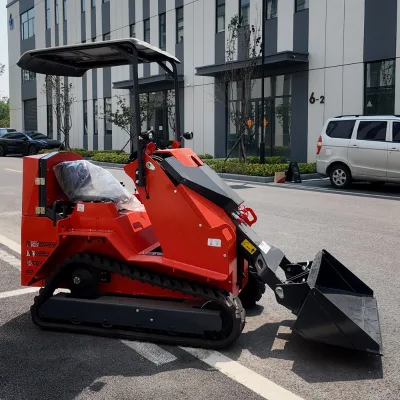
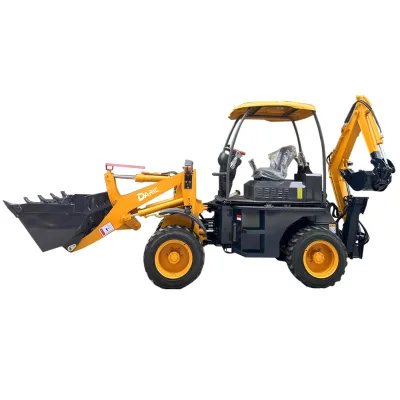
Cheap loader , small , construction machinery, can add cab, change big tires
$2060.6203 - $2421.2296
MOQ: 1 units
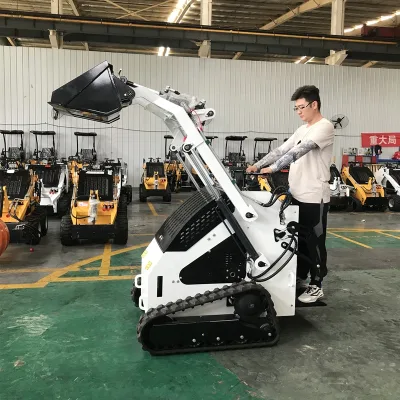
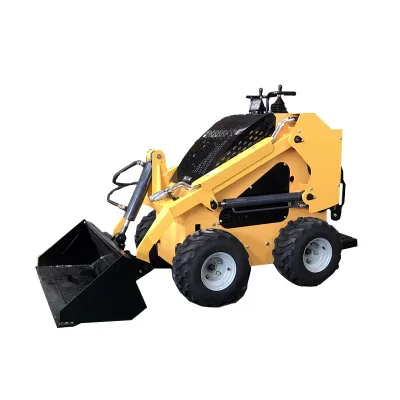
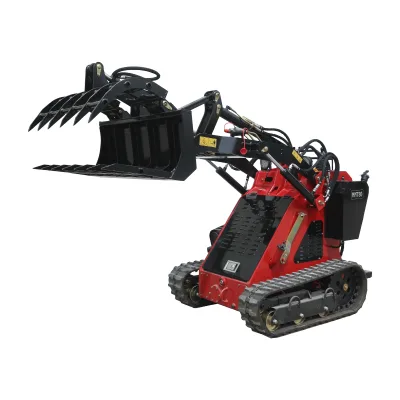
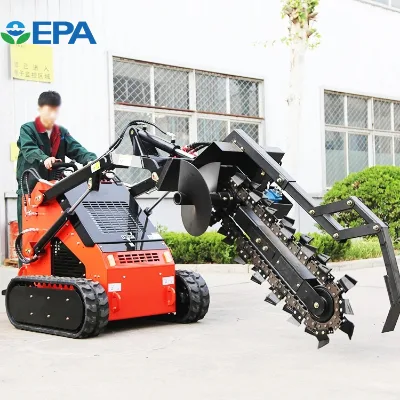
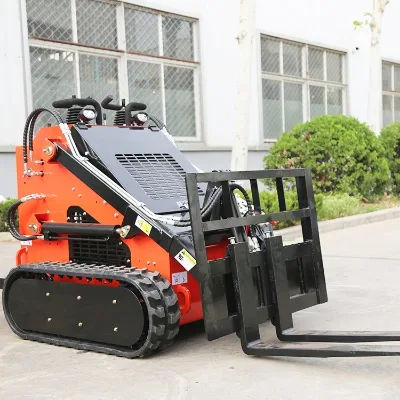
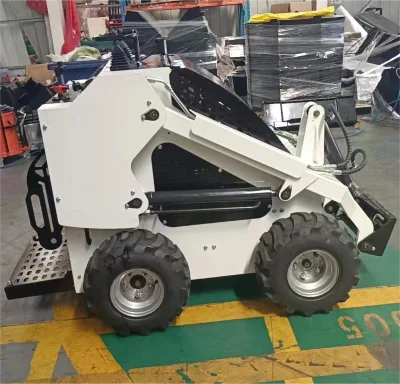
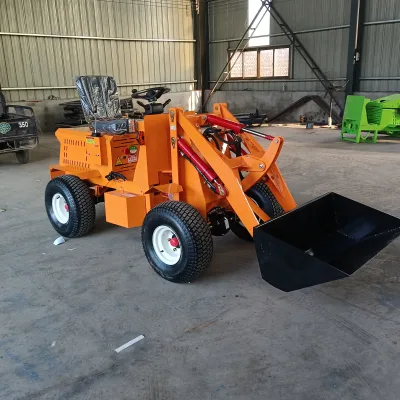
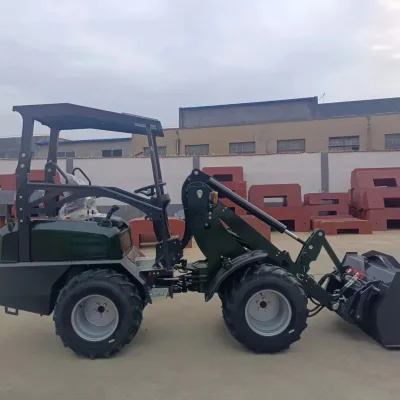


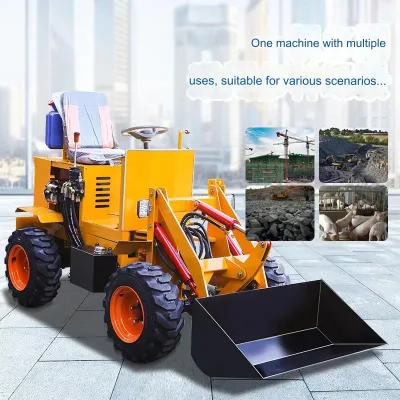
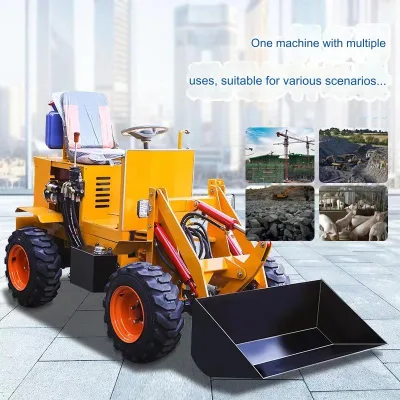
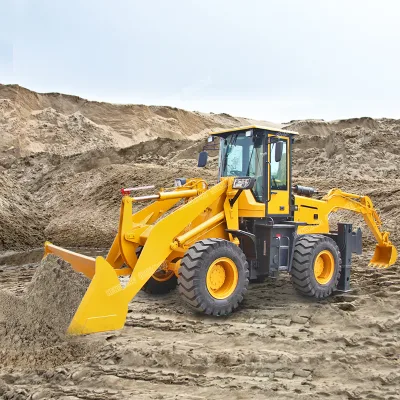
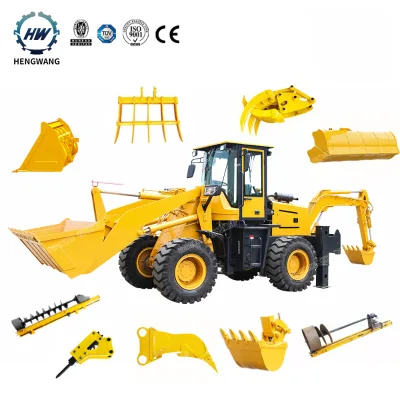
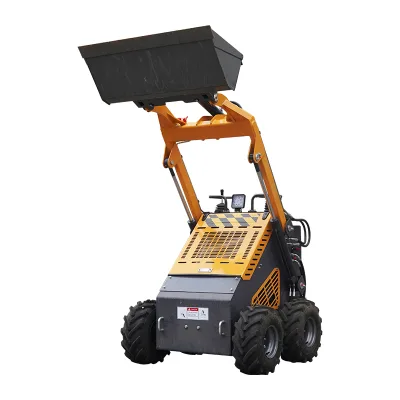
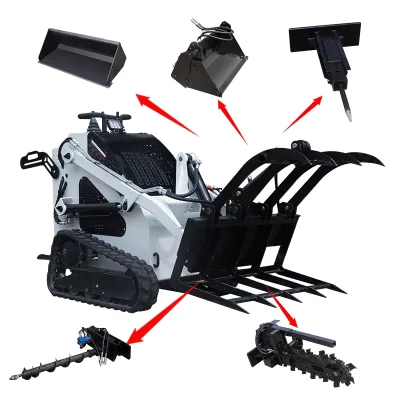


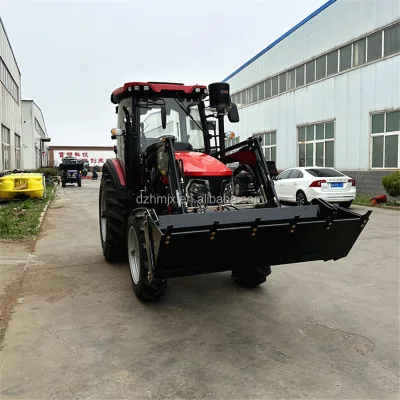
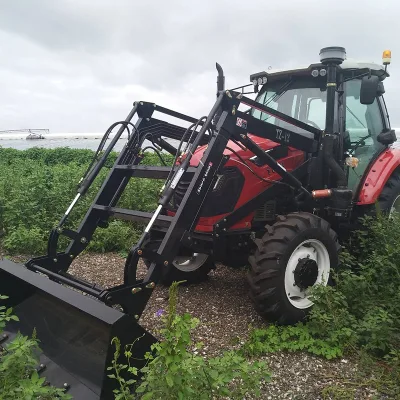
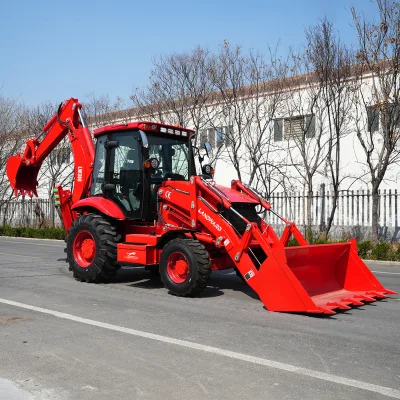
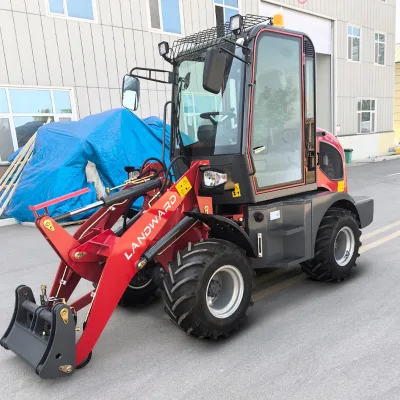
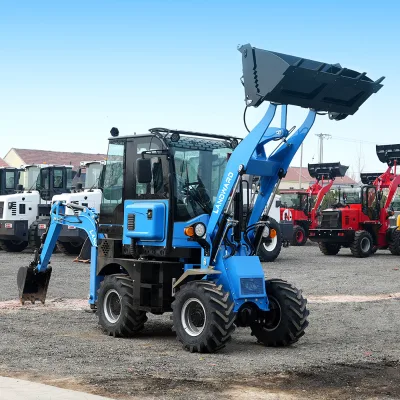
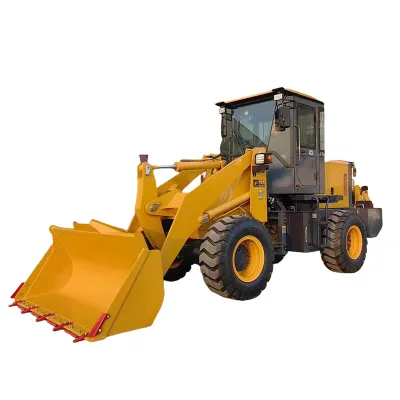
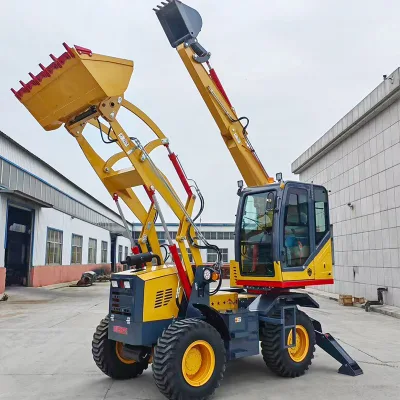


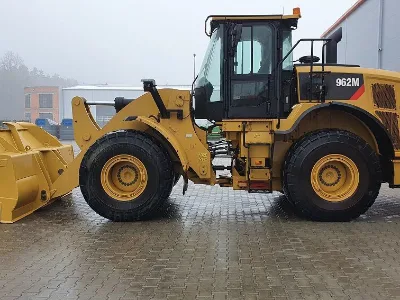
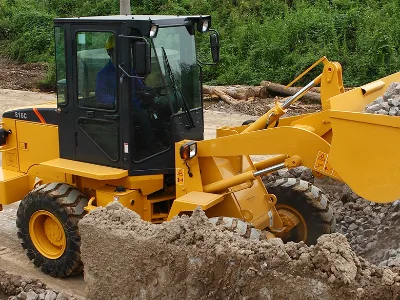
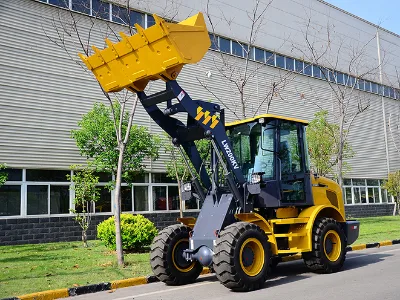




Comprehensive Sourcing Guide
Medium Diesel Crawler Loader Supplier Concentration and Factory Types
Supplier results for this category point strongly to Shandong Province in China, with several listed machines carrying a production origin of Tai'an, a city that appears repeatedly in product attribute data for tracked loaders. This concentration matters because a regional cluster typically means multiple competing factories, shared component supply chains, and easier multi-supplier comparison within one trip. Buyers should note that the listings also show a mix of machine types under the same supplier roofs — boom lifts, excavators, loaders, skid steers, port machinery and digging equipment — which suggests some suppliers are multi-line construction machinery makers rather than dedicated crawler loader specialists.
The company type in the observed data is listed as "Combined," a label that usually signals a hybrid of manufacturing and trading activity. That is not automatically negative, but it changes what you should verify: whether the quoted factory actually produces the loader line, or assembles and resells. Other signals in the listings point toward manufacturing capability, including ODM, OEM and own-brand capacity, system certifications such as ISO9001:2015 and ISO14001:2015, and SGS verification on the supplier level. When screening candidates, favor those whose main products genuinely center on loaders and earth-moving machinery, and treat a broad generalist catalog as a prompt to ask which models are built in-house versus sourced from partner workshops.
How to Verify Medium Diesel Crawler Loader Suppliers
Start with the verifiable credentials shown in supplier data and confirm them independently. Listings in this category display ISO9001:2015 and ISO14001:2015 system certificates and an SGS verification badge; ask the supplier for certificate numbers and check them against the issuing bodies rather than accepting PDF copies at face value. Product-level certification claims — CE, RoHS, ISO and TUV appear across the loader listings — should also be validated with test reports naming the exact model, since a certificate covering one small loader does not automatically cover a 1200 kg rated-load machine from the same range.
Next, verify production reality. The product data shows origins in Shandong and specifically Tai'an, so request a live or in-person factory audit in that region and confirm the welding, machining and final assembly lines for crawler loaders exist on site. Ask which models are engineered in-house, given the displayed ODM, OEM and own-brand capacity, and request the engineering team's scope. Practical checks include a video walk-through of the assembly floor, a reference call with an existing exporter in your market, and a sample inspection against the published specification sheet. Finally, cross-check business registration details, export license and years in operation. Where a listing shows a fast response time, treat it as a positive screening signal but not proof of engineering depth — verification must cover both commercial responsiveness and manufacturing substance.
What to Compare Across Medium Diesel Crawler Loader Suppliers
Build a comparison sheet using the attributes actually displayed in supplier listings rather than assumptions. Useful dimensions here include lead time — one observed figure is around 15 days, which sets a benchmark for stock or standard-configuration machines — minimum order quantity, with at least one listing showing an MOQ of one unit, and average response time, where the observed data shows roughly four hours. Add location, company type, main product lines, certifications, verification status, and customization capability. Not every supplier will display every attribute, so record "not disclosed" rather than guessing, and treat missing data as a question to put to the supplier directly.
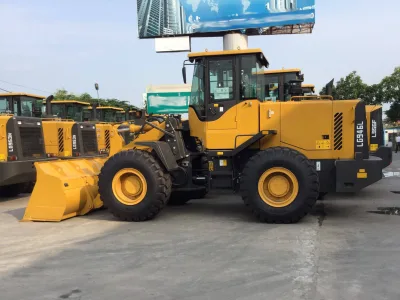
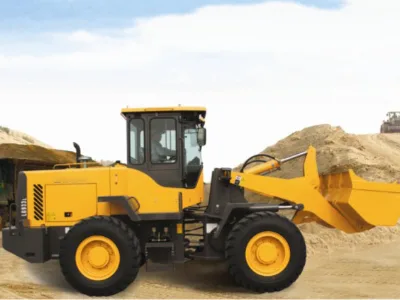
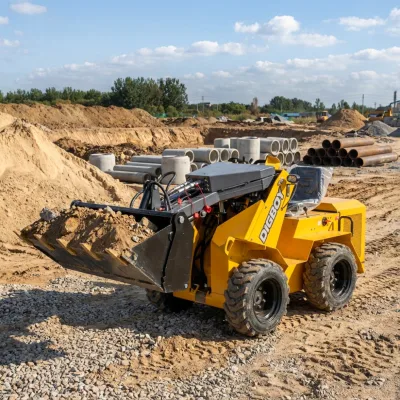
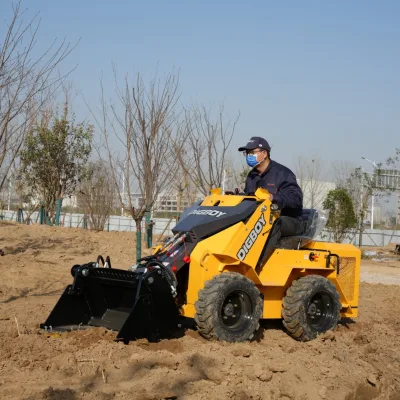
Then compare the machines themselves using the published specification attributes. The category listings show a spread from compact units with rated loads under one ton, 0.06 m³ buckets and 900 kg operating weight, up to medium diesel crawler loaders with 1200 kg rated load, 0.6 m³ buckets, hydraulic transmission and traction of 30 kN or more. Compare operating height, dumping height and reach, bucket rollback angles, ground clearance, crawler track specification, engine displacement and system pressure side by side. Also compare packaging — nude in container versus wooden box — and customization availability, which is listed as available across the observed products. Suppliers with ODM/OEM capability can adapt specifications; confirm any deviation is documented on drawings before you commit.
Common Medium Diesel Crawler Loader Sourcing Risks
The most common risk in this category is specification drift between the listing and the delivered machine. Published attributes such as 1200 kg rated load, 4070 mm overall operating height, or a 4.088 L engine displacement are marketing figures until they appear on a signed specification sheet with tolerance ranges. Another frequent issue is certification mismatch: listings display CE, RoHS, ISO and TUV claims at product level, but these may predate the current model year or apply to a different variant. Always request certificates that reference the exact model number and production batch you are buying.
Commercial risks cluster around the hybrid "Combined" company type. A supplier that both manufactures and trades may subcontract your order to a neighboring workshop, which can affect quality control and lead time. Lead-time optimism is another hazard — a 15-day figure may apply only to standard-configuration units in stock, while customized hydraulic or engine packages can take far longer. Finally, watch for pricing that looks inconsistent with specification: the observed price ranges span roughly one thousand to several tens of thousands of dollars across different loader classes, so a low quote against a heavy-spec machine usually means a smaller model, stripped options, or non-original components. Mitigate all of these with pre-shipment inspection, a detailed contract annex listing every attribute, and staged payments tied to inspection milestones.
Medium Diesel Crawler Loader Regional Sourcing and Logistics
The supplier data anchors this category in Shandong, China, with Tai'an appearing as the production origin on multiple crawler loader listings. Sourcing from a single concentrated region simplifies logistics in several ways: inland transport to major Chinese ports follows established routes for construction machinery, several competing factories sit within a short drive of each other for combined audit trips, and local freight forwarders are experienced with tracked equipment. If you are shortlisting, mapping supplier locations within Shandong lets you plan one visit covering multiple candidates rather than scattering trips across provinces.
From a shipping standpoint, the packing methods shown in the listings matter. Smaller loaders are listed as packed nude in container, while others ship in wooden boxes; both approaches require you to confirm container dimensions against machine dimensions. The published machine envelopes — for example, overall lengths around 2160 mm to 2650 mm and widths near one meter for compact units — fit standard container loading, but you should still request the actual loading plan, including whether units ship disassembled, with tracks removed, or stacked. Confirm responsibilities for inland haulage from Tai'an to the port, export customs clearance, and marine insurance in your Incoterms. For destination-side planning, verify port handling capability for crawler machinery at discharge and whether local import regulations require additional documentation beyond the certificates shown in the supplier listings.
Medium Diesel Crawler Loader Commercial Terms and Order Planning
Anchor your order plan to the commercial data visible in listings and then negotiate outward. Observed price ranges for crawler loaders run from roughly $1,000–$1,800 for the smallest compact units, $8,000–$10,000 for a tracked mini loader, and $41,500–$58,000 for a 1200 kg medium machine — a spread that shows how much specification drives cost in this category. MOQs can be as low as one unit, which enables pilot orders; use a first unit to validate quality before scaling. Lead-time references around 15 days should be treated as a starting point, with written confirmation of the actual production and dispatch schedule for your configuration.
Structure payment and quality terms to match the risks described earlier: an agreed specification annex, inspection rights before shipment, and payment milestones tied to verified stages rather than a single upfront transfer. Given the ODM/OEM capacity shown, decide early whether you want standard configuration or customization, since customized hydraulic, engine or attachment packages affect both price and lead time. Clarify warranty scope for the crawler undercarriage and hydraulic system in writing, including spare parts availability and documentation. Finally, align order timing with your project calendar — machine production, inland transport from Shandong to port, ocean freight and destination customs each consume time, so build buffer weeks into the plan rather than assuming the headline lead time applies end to end.
FAQs
What is the price range for diesel crawler loaders?
Prices for diesel crawler loaders typically range from $1,000 to $58,000 depending on capacity and specifications. Smaller models under one ton start near $1,000, while medium-sized units with higher capacities can reach up to $58,000. Buyers should verify specific pricing for their required load capacity and configuration.
What certifications do these loaders have?
Manufacturers generally provide CE, RoHS, ISO, and TUV certifications for their diesel crawler loaders. Additionally, many suppliers hold ISO9001:2015 and ISO14001:2015 system certifications. These credentials ensure compliance with international safety and quality standards for construction machinery operations.
What is the typical lead time for delivery?
The standard lead time for these loaders is approximately 15 days. This timeframe allows for production and preparation before shipment. Buyers should confirm exact delivery schedules with suppliers, as lead times may vary based on order volume and specific customization requirements.
What is the minimum order quantity?
The minimum order quantity is typically one unit. This low MOQ allows buyers to purchase single machines for testing or immediate operational needs. It provides flexibility for small contractors or businesses looking to acquire specialized construction equipment without committing to large bulk orders.
Where are these loaders manufactured?
These loaders are primarily manufactured in China, specifically in the Shandong province. Key production hubs include Tai'an and other areas within Shandong. Buyers should verify the exact origin on product listings to ensure alignment with their sourcing preferences and logistics planning.
What is the response time for suppliers?
Supplier response times average around 4.13 hours. This indicates a relatively quick turnaround for inquiries and quotations. Buyers can expect timely communication regarding product details, pricing, and shipping options, facilitating efficient decision-making during the sourcing process.