Metallic Decorative Tassel Suppliers and Manufacturers
Explore 20 verified suppliers offering Metallic Decorative Tassel options with varying lead times, MOQs, and locations in Zhejiang. Compare response times, certifications, and product specifications to select the right partner for your needs; review the available evidence before requesting comparable quotations from suitable candidates.
Suppliers List
Hangzhou Dan Hong Import&Export Co. Ltd
- Verified by Intertek
- Trading Company
- Zhejiang, China
- Lead time30 days
- Avg. response≤ 7h
Main productsCurtain Tape, Curtain Tassel, Curtain Fringe, Curtain Hook, Curtain
Main marketsAfrica(50%), Southeast Asia(25%), Mid East(15%)
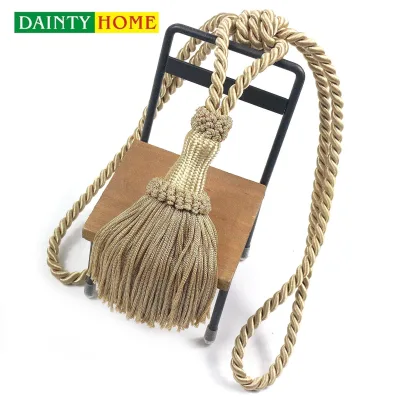
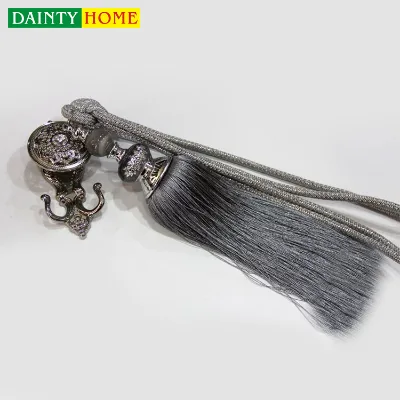
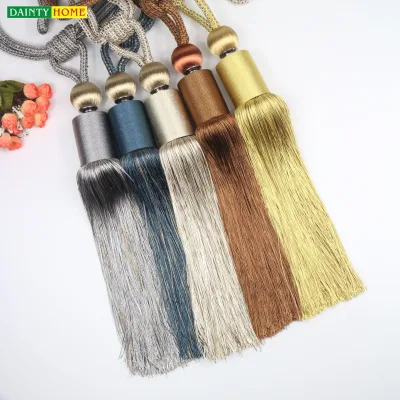
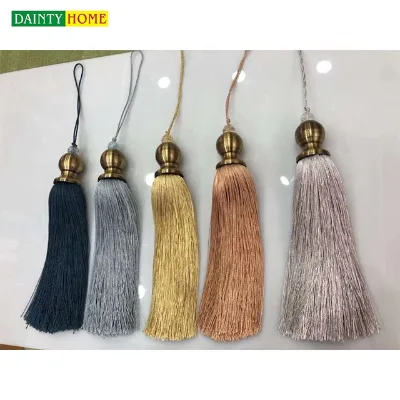
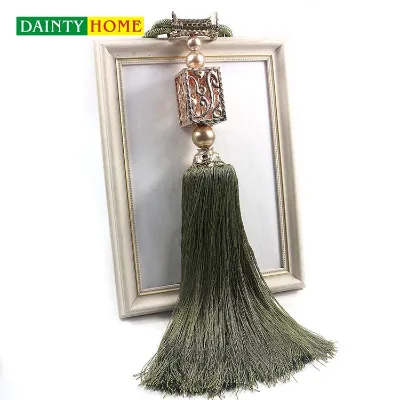
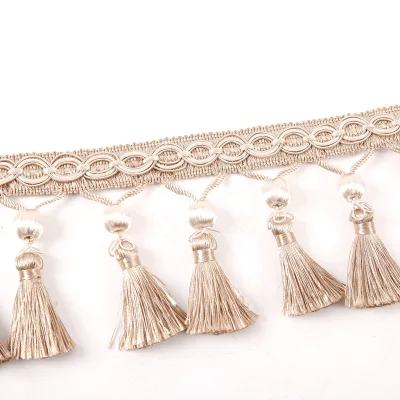
High Quality 2021 New Product Metal Bead Type Small Tassel for Curtain Accessories
$0.25 - $0.45
Moq: 500


XIAMEN POPTRIMS TEXTILE CO.,LTD.
- Verified by BV
- Trading Company
- China Fujian
- Lead time15 days
- Avg. response≤ 7h
Main productsElastic Webbing, Elastic Suspender, Custom Lanyard, Garment Label, Rubber Patch, Shoelace, Strings & Drawcords, Fancy Satin Grosgrain Ribbon, Jacquard Ribbon, Custom Print Ribbon
Main marketsSouth America,Africa,Southeast Asia/ Mideast,East Asia(Japan/ South Korea),Europe,Australia,North America
Hangzhou Xiaoshan Y&Z Textile Co., Ltd.
- Manufacturer, Trading Company
- Zhejiang, China
- Lead time10 days
- Avg. response≤ 3h
Main productsCurtain Tassel Fringe,Bullion Fringe,Tassel Fringe,Graduation Cord,Graduation Tassel
Main marketsSouthern Europe(8.33%), Northern Europe(8.33%), Central America(8.33%), Western Europe(8.33%), Eastern Asia(8.33%), Mid East(8.33%), Oceania(8.33%), Africa(8.33%), Southeast Asia(8.33%), Eastern Europe(8.33%), South America(8.33%), North America(8.33%)
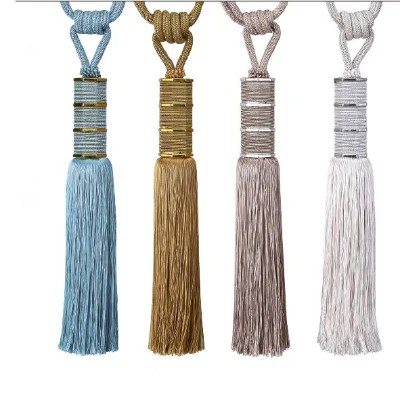
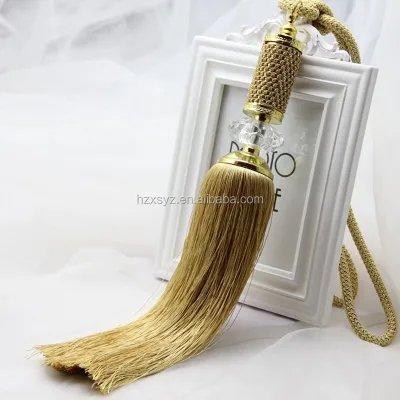
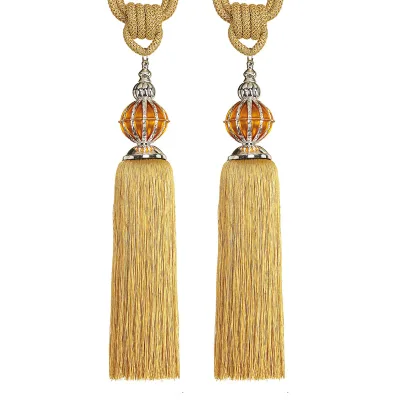
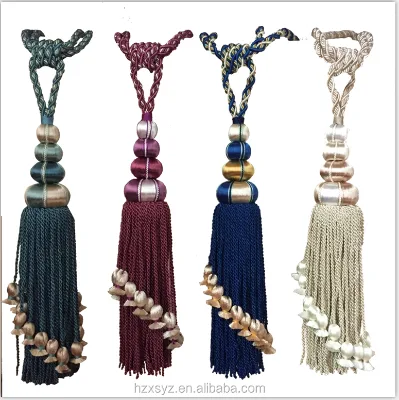
YIZHONG Factory Wholesale New Designs Decorative Elegant Wood Curtain Tassel Tieback
$5.00 - $5.50
Moq: 100
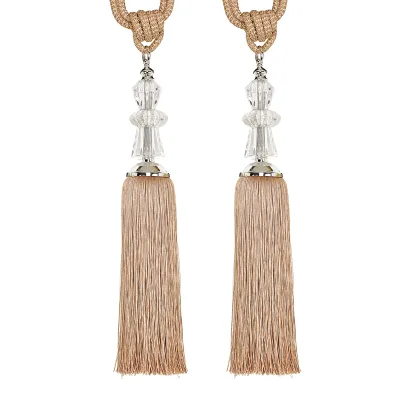
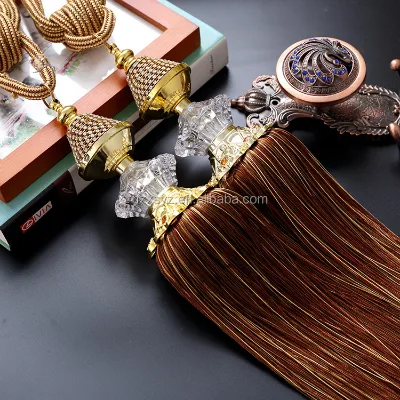

Shantou Feifan Curtain Accessories Co., Ltd.
- Verified by SGS
- Combined
- China Guangdong
- Lead time30 days
- Avg. response≤ 3h
Main productsCurtain Tassels, Curtain Tieback, Trimming Fringes, Solar Energy, Curtain Eyelet, Roller Blind, Honeycomb Shutter, Zebra Blinds, Venitian Blinds, Muslim Dresses
Main marketsDomestic
Hangzhou Fudi Textile Co., Ltd.
- Trading Company
- Zhejiang, China
- Lead time0 days
- Avg. response≤ 3h
Main productsaccessories,fringe,tassel,ribbon
Main marketsMid East(30.0%), South Asia(20.0%), Domestic Market(20.0%), Africa(10.0%)
Shijiazhuang Followmee Trade Co., Ltd.
- Trading Company
- Hebei, China
- Lead time15 days
- Avg. response≤ 2h
Main productsFashion keychain,Clothing and Accessories,Fashion Sock sand Gloves,Fur balls & Tassels,Fur Product Accessories
Main marketsNorth America(40.0%), South America(15.0%), Northern Europe(7.000000000000001%), Southern Europe(7.000000000000001%), South Asia(7.000000000000001%), Africa(7.000000000000001%), Southeast Asia(7.000000000000001%), Eastern Europe(7.000000000000001%), Western Europe(2.0%), Eastern Asia(1.0%)

NINGBO HOBA INTERNATIONAL TRADING CO., LTD.
- Verified by BV
- Trading Company
- China Zhejiang
- Lead time30 days
- Avg. response≤ 6h
Main productsThread, Button, Lace Tape, Zipper, Hot Fix Stone, Crystal, Rope, Jewelry Accessory, Ribbon, Reflecting Material
Main marketsSouth America,Africa,Southeast Asia/ Mideast,East Asia(Japan/ South Korea),Europe,Australia,North America

Shijiazhuang Deaishangshi Jewelry Trade Co., Ltd.
- Trading Company
- Hebei, China
- Lead time10 days
- Avg. response≤ 4h
Main products14K Gold Filled Findings,925 Sterling Silver Findings,Thread & Cord,Pearls,Tassel
Main marketsNorth America(30.0%), Western Europe(15.0%), Northern Europe(4.0%), Mid East(2.0%)

Guangzhou Govolon Trade Co., Ltd.
- Trading Company,Manufacturer/Factory
- China Guangdong
- Lead time15 days
- Avg. response≤ 25h
Main productsGarment Accessories, Lace, Button, Zipper, Fringe and Tassels, Belt Ribbon, Garment Trimming, Patch Badge, Buckle, Hotfix
Main marketsSouth America,Mid East,North America,Southeast Asia,Western Europe,Africa

NINGBO NCJN IMPORT AND EXPORT CO., LTD.
- Verified by TUVRHEINLAND
- Trading Company
- China Zhejiang
- Lead time15 days
- Avg. response≤ 14h
Main productsGarment Accessories, Zipper, Button, Lace, Tape, Velcro Tape, Hook and Eye Tape, Ring and Slider, Bra Cup
Main marketsSouth America,Africa,Southeast Asia/ Mideast,East Asia(Japan/ South Korea),Europe,Australia,North America
Hangzhou Jiayuan Textile Co. , Ltd.
- Manufacturer
- Zhejiang, China
- Lead time30 days
- Avg. response≤ 3h
Main productslace,tassel,Rolling rope,Rope row,Hanging ball
Main marketsDomestic Market(40.0%), Africa(20.0%), Mid East(15.0%), Southeast Asia(10.0%), South America(3.0%), Eastern Asia(3.0%), North America(2.0%), Northern Europe(2.0%), Oceania(1.0%), South Asia(1.0%), Central America(1.0%), Eastern Europe(1.0%), Western Europe(1.0%)
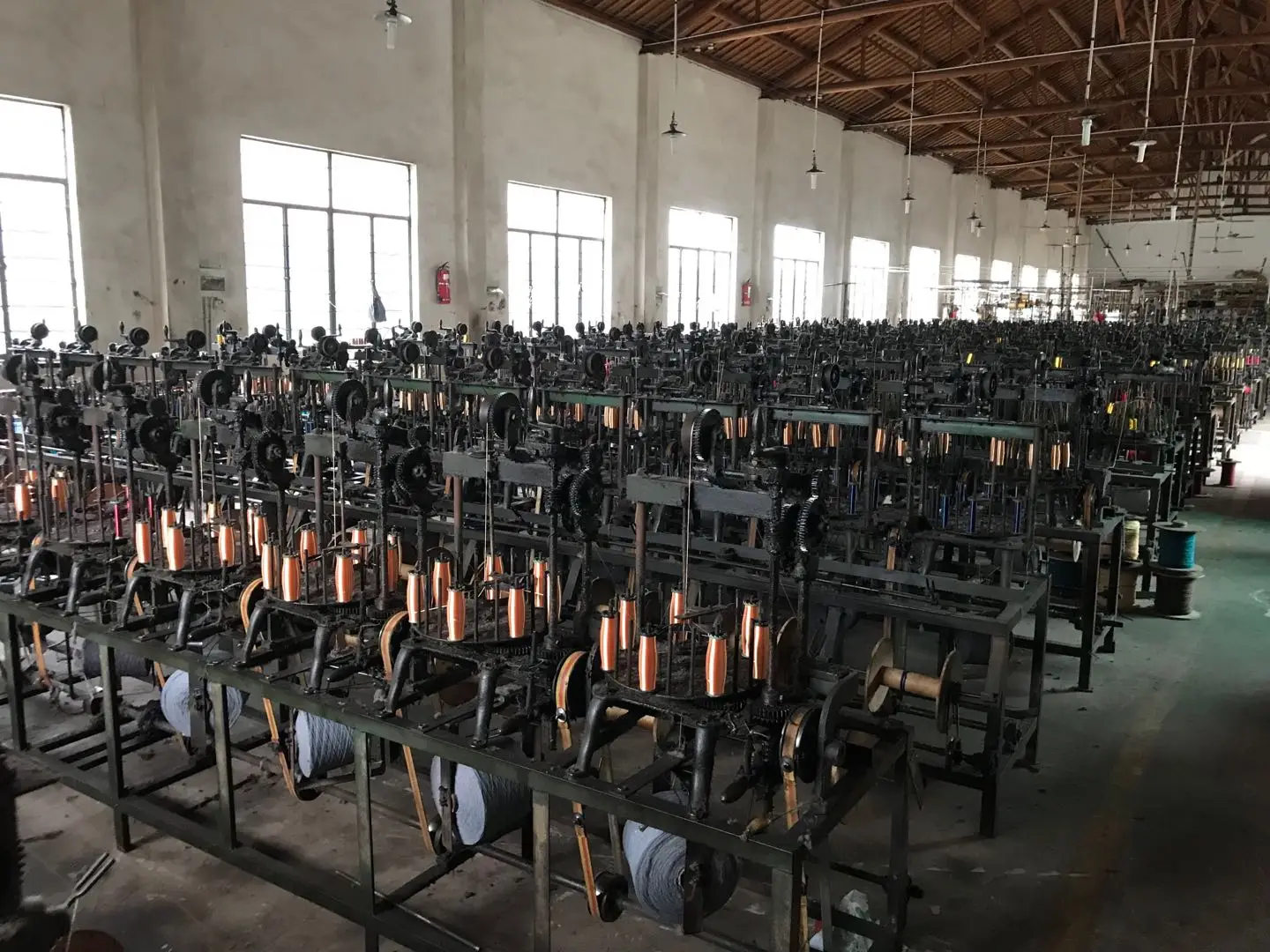
Hangzhou Haohao Tassel Fringe Factory
- Manufacturer
- Zhejiang, China
- Lead time20 days
- Avg. response≤ 8h
Main productsTASSEL,TRIM,bullion firnge,fringe,BEADED FRINGE
Main marketsMid East(60.0%), Eastern Asia(20.0%), Southeast Asia(20.0%)

Lanxi Sange Industry Co., Ltd.
- Verified by TUVRHEINLAND
- Trading Company
- China Zhejiang
- Lead time15 days
- Avg. response≤ 18h
Main productsLace, Lace Fabric, Cotton Lace, Chemical Lace, Fringe Tassel, Tassel Fringe, Garment Accessories, Chainette Fringe, Embroidery Lace, Crochet Lace
Main marketsSouth America,Africa,Others(foreignTradeCapacity.exportBusinessCapacityMarketOther),Southeast Asia/ Mideast,Europe,North America

Marigold Garment Accessories Co., Ltd.
- Trading Company
- China Guangdong
- Lead time15 days
- Avg. response≤ 11h
Main productsLace, Lace Trimming, Rhinestone Trimming, Embroidery, Patches, Elastic Trim, Brooches, Button, Rhinestone Patch, Lace Fabric
Main marketsSouth America,Africa,Southeast Asia/ Mideast,Europe,North America

- Verified by TUVRHEINLAND
- Combined
- China Zhejiang
- Lead time30 days
- Avg. response≤ 7h
Main productsThread, Zipper, Lace, Button, Webbing & Tape, Ribbon, Interlining, Fabric, Tailoring Materials, Hook & Loop
Main marketsSouth America,Africa,Europe,Australia

Guangzhou fulfill garment accessories ltd
- Trading Company
- Guangdong, China
- Lead time25 days
- Avg. response≤ 2h
Main productsApparel & Garments, Knitted & Woven Fabric, Lace Trim Fabric, Garment Packaging Kit, Embroidered Patch
Main marketsWestern Europe(16.0%), Eastern Asia(16.0%), Mid East(16.0%), South America(16.0%), North America(16.0%), Domestic Market(4.0%), Oceania(2.0%), South Asia(2.0%), Southern Europe(2.0%), Northern Europe(2.0%), Central America(2.0%), Africa(2.0%), Southeast Asia(2.0%), Eastern Europe(2.0%)

- Trading Company,Manufacturer/Factory
- China Zhejiang
- Lead time30 days
- Avg. response≤ 13h
Main productsFabric, Trimming, Lace, Tape, Zipper, Sewing Thread, Button, Scissors, Garments Accessories, Sewing Machine Parts
Main marketsSouth America,Eastern Europe,Mid East,North America,Southeast Asia,Eastern Asia,Oceania,Western Europe,Africa

Ningbo Yuena Import & Export Co., Ltd.
- Verified by TUVRHEINLAND
- Trading Company
- China Zhejiang
- Lead time23 days
- Avg. response≤ 3h
Main productsLace, Thread, Button, Ribbon, Zipper, Tailors Materials, Fabric, Reflective Materials, Sewing Machine Part, Bra Parts
Main marketsSouth America,Africa,Southeast Asia/ Mideast,Europe,North America

- Verified by CTI
- Trading Company
- China Jiangxi
- Lead time60 days
- Avg. response≤ 1h
Main productsGuitar Picks, Fabric, Lace Trim, Handmade Flowers, Guitar Strap, Handicraft, Musical Instrument Accessories, Finger Pick, Tassels, Buttons
Main marketsSouth America,Africa,Southeast Asia/ Mideast,East Asia(Japan/ South Korea),Domestic,Europe,Australia,North America

Ningbo DH Textile Industry&Trade Co., Ltd.
- Verified by TUVRHEINLAND
- Trading Company
- China Zhejiang
- Lead time15 days
- Avg. response≤ 13h
Main productsLace, Interlining, Embroidery Thread, Poplin, Hook and Loop, Satin Ribbon, Sewing Thread, Button, Zipper, Lace Fabric
Main marketsAfrica,Southeast Asia/ Mideast,North America










Comprehensive Sourcing Guide
Metallic Decorative Tassel Supplier Concentration and Factory Types
The sourcing landscape for metallic decorative tassels reveals a distinct concentration of manufacturing activity within specific industrial regions, with Zhejiang, China emerging as a primary hub for this category. This geographic clustering is not arbitrary but reflects a mature ecosystem of textile processing, metal bead fabrication, and finishing capabilities that support high-volume production. Buyers evaluating potential partners should recognize that suppliers located in this region often benefit from established supply chains for raw materials such as polyester yarns, wooden components, and plastic molds, which are essential for constructing the complex structures of curtain tassels. The presence of these specialized inputs allows for greater efficiency in production cycles and reduces the logistical friction associated with sourcing disparate components from multiple distant locations. Consequently, identifying suppliers based in Zhejiang can serve as a strong initial filter for those seeking reliable partners with proven infrastructure. However, it is crucial to understand that location alone does not guarantee quality or competitive pricing, as the region hosts a wide spectrum of operations ranging from small workshops to large-scale factories.
Within this concentrated region, the supplier base is predominantly composed of trading companies rather than direct manufacturers, a structural reality that significantly impacts the sourcing dynamic. These trading entities act as intermediaries, aggregating products from various factories and presenting them to international buyers under unified brand names or OEM arrangements. This model offers buyers the advantage of a single point of contact for diverse product lines, including curtain tapes, fringes, hooks, and tassels, simplifying the procurement process for those needing comprehensive home decor solutions. Nevertheless, the trading company structure introduces a layer of separation between the buyer and the actual production floor, which can sometimes obscure critical details regarding manufacturing capacity, quality control protocols, and raw material sourcing. Buyers must therefore look beyond the company type designation to assess the true depth of the supplier’s operational capabilities. Understanding whether a supplier is a pure trader or has integrated manufacturing ties is essential for negotiating favorable terms and ensuring consistent product quality, as the latter often provides greater control over production schedules and material specifications.
How to Verify Metallic Decorative Tassel Suppliers
Verification of supplier credentials is a critical step in mitigating risk when sourcing metallic decorative tassels, particularly given the prevalence of trading companies in the market. One of the most reliable indicators of a supplier’s legitimacy is third-party verification, such as certification from Intertek, which provides an independent assessment of the company’s business scope and operational integrity. Buyers should prioritize suppliers who display such verification badges, as these signals indicate a commitment to transparency and adherence to international business standards. However, verification is only the first layer of due diligence; it does not automatically guarantee product quality or delivery reliability. Therefore, buyers must complement third-party checks with direct engagement and detailed inquiry into the supplier’s specific capabilities. This includes requesting detailed company profiles, asking for references from previous international clients, and verifying the authenticity of any claimed certifications or factory audits. The goal is to build a comprehensive picture of the supplier’s reliability, ensuring that they have the capacity and consistency to meet your specific order requirements.
Beyond basic verification, assessing the supplier’s responsiveness and communication efficiency is vital for establishing a smooth sourcing relationship. A supplier’s response time can serve as a proxy for their operational efficiency and customer service quality, with faster responses often indicating a more organized and attentive team. In the context of metallic decorative tassels, where customization and specific material requirements are common, clear and prompt communication is essential to avoid misunderstandings that could lead to production errors or delays. Buyers should test the supplier’s responsiveness by asking detailed questions about product specifications, customization options, and production processes. Additionally, evaluating the supplier’s ability to provide comprehensive product information, such as detailed dimensions, material compositions, and packaging details, can reveal their level of professionalism and attention to detail. Suppliers who provide thorough and accurate information upfront are more likely to deliver high-quality products and maintain effective communication throughout the order fulfillment process, reducing the risk of disputes and ensuring a smoother transaction.
What to Compare Across Metallic Decorative Tassel Suppliers
When evaluating multiple suppliers for metallic decorative tassels, buyers must systematically compare key operational metrics to identify the most suitable partner for their specific needs. One of the most critical factors is the Minimum Order Quantity (MOQ), which can vary significantly across different suppliers and product lines. For instance, some suppliers may require a minimum of 200 pairs per color, while others might set the bar at 201 pairs or even 500 pieces, depending on the complexity of the design and the materials used. Understanding these MOQ requirements is essential for aligning supplier capabilities with your inventory strategy and budget constraints. Additionally, buyers should compare the supply ability, which indicates the supplier’s production capacity and their ability to handle large orders within a reasonable timeframe. Suppliers with higher supply abilities, such as those capable of producing 100,000 pairs per month, are better suited for large-scale projects, while those with lower capacities may be more appropriate for smaller, niche orders. This comparison helps buyers balance volume requirements with production flexibility.
Another crucial aspect of comparison is the lead time and shipment duration, which directly impact your supply chain efficiency and time-to-market. Suppliers may offer different lead times for production and shipment, with some promising delivery within 15 days and others requiring up to 30 days. These variations can be influenced by factors such as order volume, customization requirements, and current production loads. Buyers should also consider the supplier’s response time, as quicker responses can facilitate faster decision-making and problem resolution during the sourcing process. Furthermore, comparing product attributes such as material composition, design style, and available colors is essential to ensure that the supplier’s offerings align with your brand’s aesthetic and quality standards. For example, some suppliers may specialize in contemporary designs with gold metallic accents, while others may offer a wider range of colors and styles. By systematically comparing these factors, buyers can make informed decisions that optimize cost, quality, and delivery performance, ensuring that they select a supplier who can consistently meet their business objectives.
Common Metallic Decorative Tassel Sourcing Risks
Sourcing metallic decorative tassels involves several inherent risks that buyers must proactively manage to ensure a successful procurement outcome. One significant risk is the potential for quality inconsistencies, particularly when dealing with suppliers who rely on multiple subcontractors or have limited quality control processes. Metallic components, such as beads and hooks, can be prone to tarnishing or breaking if not manufactured with high-quality materials and proper finishing techniques. Additionally, the textile portions of the tassels, often made from polyester, may vary in texture, colorfastness, and durability depending on the source of the raw materials and the dyeing processes used. Buyers must therefore implement rigorous quality assurance measures, including requesting pre-production samples and conducting third-party inspections, to verify that the final products meet their specified standards. Failure to do so can result in customer dissatisfaction, returns, and damage to brand reputation, making quality control a non-negotiable aspect of the sourcing strategy.
Another common risk is the discrepancy between quoted prices and final costs, which can arise from hidden fees, currency fluctuations, or changes in material costs. Suppliers may offer attractive initial quotes that do not account for additional charges such as packaging, shipping, or customization fees, leading to unexpected expenses later in the process. Furthermore, the use of trading companies can sometimes obscure the true cost structure, as intermediaries may add their own margins without providing proportional value. Buyers should therefore request detailed breakdowns of all costs, including unit prices, packaging fees, and shipping charges, to ensure transparency and avoid budget overruns. Additionally, there is a risk of supply chain disruptions, particularly if suppliers face raw material shortages or production bottlenecks. To mitigate this, buyers should diversify their supplier base and maintain open communication with their partners to stay informed about potential delays. By anticipating and addressing these risks early in the sourcing process, buyers can protect their interests and ensure a more stable and predictable procurement experience.
Metallic Decorative Tassel Regional Sourcing and Logistics
The regional concentration of Metallic Decorative Tassel suppliers in Zhejiang, China, offers distinct logistical advantages that can streamline the sourcing and shipping process for international buyers. This region is well-connected to major ports such as Ningbo and Shanghai, which are among the busiest container ports in the world, facilitating efficient export operations. Buyers sourcing from this area can benefit from shorter transit times and more frequent shipping schedules, reducing the overall lead time from order placement to delivery. Additionally, the proximity of suppliers to these ports can lower inland transportation costs, contributing to more competitive overall logistics expenses. However, buyers must also consider the complexities of international shipping, including customs clearance, documentation requirements, and potential delays due to port congestion or regulatory changes. Understanding these logistical factors is essential for planning inventory levels and managing cash flow effectively.
Logistics planning also involves selecting the appropriate shipping method and incoterms to balance cost, speed, and risk. For metallic decorative tassels, which are relatively lightweight but may require careful packaging to prevent damage, buyers often opt for sea freight for large orders to minimize costs, while using air freight for urgent or smaller shipments. The choice of incoterms, such as FOB (Free on Board) or CIF (Cost, Insurance, and Freight), determines who is responsible for various aspects of the shipping process, including transportation, insurance, and customs duties. Buyers should carefully review these terms to ensure they align with their risk tolerance and logistical capabilities. Furthermore, working with suppliers who have experience in international shipping can provide valuable insights into packaging standards and documentation requirements, reducing the likelihood of delays or disputes. By leveraging the logistical advantages of the Zhejiang region and planning shipping strategies carefully, buyers can optimize their supply chain efficiency and ensure timely delivery of their orders.
Metallic Decorative Tassel Commercial Terms and Order Planning
Effective order planning for metallic decorative tassels requires a thorough understanding of commercial terms, including pricing structures, payment conditions, and sample policies. Suppliers often offer tiered pricing based on order volume, with lower unit prices for larger quantities, which can help buyers optimize costs. However, buyers must also consider the impact of MOQs on their inventory management, as high minimums may tie up capital in stock that is not immediately needed. Additionally, some suppliers provide free samples, which can be invaluable for evaluating product quality and suitability before committing to a large order. Buyers should take advantage of these opportunities to verify that the supplier’s products meet their specifications and quality standards. Understanding these commercial terms is essential for negotiating favorable conditions and ensuring that the total cost of ownership aligns with your budget and business goals.
Payment terms and escrow services are also critical components of order planning, as they provide security for both buyers and suppliers. Many platforms offer escrow services that hold payment until the buyer confirms receipt and satisfaction with the goods, reducing the risk of fraud or non-delivery. Buyers should prioritize suppliers who offer these secure payment options, as they provide an additional layer of protection against potential disputes. Furthermore, establishing clear communication channels and documentation protocols can help prevent misunderstandings regarding order specifications, delivery dates, and quality expectations. Buyers should request detailed proforma invoices that outline all costs, including unit prices, packaging, and shipping, to ensure transparency. By carefully planning commercial terms and leveraging secure payment methods, buyers can minimize financial risks and build a more resilient and trustworthy sourcing relationship with their suppliers.
FAQs
What is the minimum order quantity for curtain tassels?
The minimum order quantity typically ranges from 200 to 500 pairs depending on the specific product design. Some suppliers require 200 pairs per color, while others set the threshold at 201 pairs per color or 500 pieces for metal bead types. Buyers should verify the exact MOQ for their chosen style before placing an order.
How long does production and shipment take?
Standard lead times are approximately 30 days for production. Specific product listings indicate a shipment time of 15 days. These timelines may vary based on order volume and customization requirements. Buyers should confirm the exact delivery schedule with the supplier to ensure it aligns with their project deadlines.
What materials are used for decorative tassels?
Most decorative curtain tassels are made from 100% polyester. Some designs incorporate metal beads, wood, or plastic molds for the core structure. The material choice affects the texture and durability. Buyers can select from various materials based on their aesthetic preferences and functional needs for home textiles.
Are samples available for quality verification?
Yes, suppliers often provide samples freely to allow buyers to check quality before bulk ordering. This helps ensure the product meets your standards for material and finish. Buyers should request samples early in the sourcing process to evaluate the tassel design, color accuracy, and overall craftsmanship.
Where are these curtain accessories manufactured?
These curtain accessories are manufactured in Zhejiang, China. This region is known for its textile industry and production capabilities. Buyers sourcing from this location can expect established supply chains and competitive pricing. The port of dispatch is typically Ningbo or Shanghai for international shipping.
What is the price range for curtain tassels?
Prices for curtain tassels generally range from approximately 2.97 to 3.58 per pair. The cost varies based on design complexity, material quality, and order quantity. Buyers should compare quotes from multiple suppliers to find the best value. Bulk orders may offer more competitive pricing options.
What customization options are available for tassels?
Customization options include size, color, and design style. Some suppliers offer OEM services with customizable diameters and lengths. Buyers can choose from various colors like gold, blue, or grey. Custom designs allow for unique aesthetic integration into home decor projects, ensuring a perfect match for specific interior themes.