Metallic Compound Bicycle Brake Pad Suppliers and Manufacturers
Compare 25 verified suppliers offering metallic compound bicycle brake pads with varying lead times, certifications, and locations. Review response times and MOQs to select the right factory for your needs; review the available evidence before requesting comparable quotations from suitable candidates.
Suppliers List

Hangzhou Xiaoai Mechanical Equipment Factory
- Manufacturer/Factory
- China Zhejiang
- Lead time23 days
- Avg. response≤ 2h
Main productsFriction Material, Bicycle Parts, Metal Parts
Main marketsSouth America,North America,Western Europe


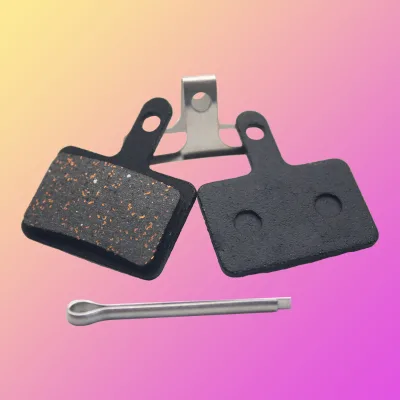
Disc Brake Pad Wet Paper-Based Friction Materials for Bicycle Brake Systems
$10.00 - $25.00
MOQ: 100 kg
Nanning Bernee Machinery Technology Co., Ltd.
- Trading Company
- Guangxi, China
- Lead time0 days
- Avg. response≤ 2h
Main productsbicycle forks manufacturer,bicycle parts supply,ebike parts supply,bicycle assembly,electric bicycle assembly
Main marketsDomestic Market(50.0%), Eastern Europe(20.0%), Southeast Asia(20.0%), Northern Europe(15.0%), Western Europe(15.0%), Eastern Asia(15.0%), Mid East(15.0%), Africa(15.0%), North America(15.0%), South America(10.0%), Southern Europe(10.0%)
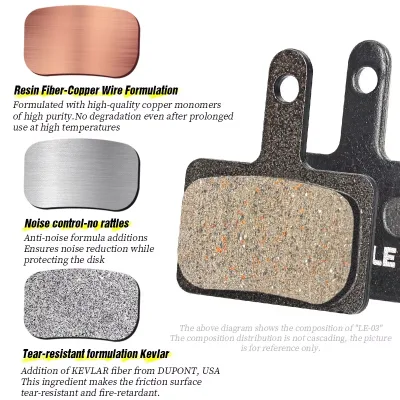
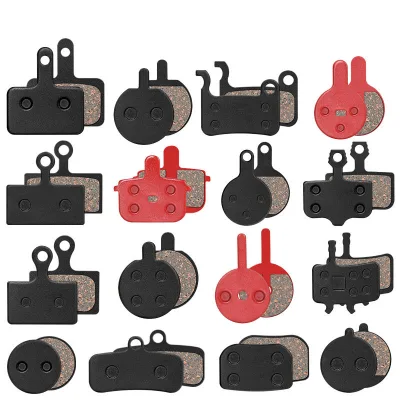
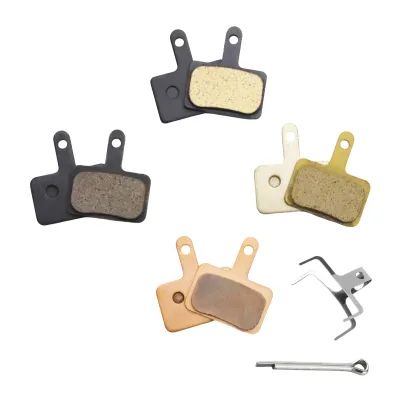
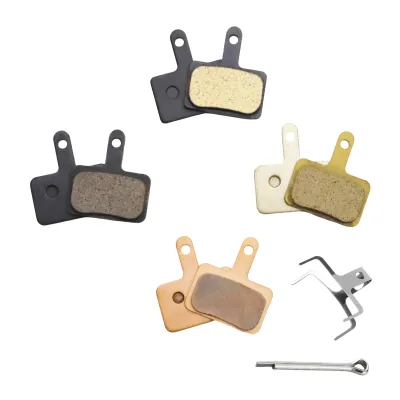
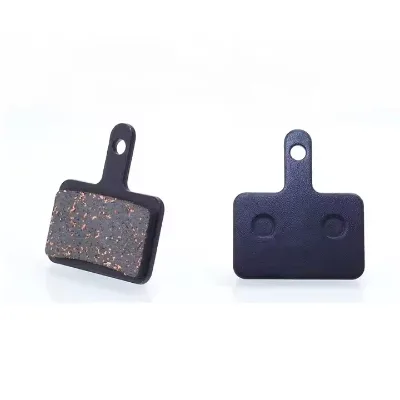
Wholesale Cheap Bicycle Brake Pad Custom Semi-Metallic Bike Disc Brake Pads
$0.24 - $0.27
MOQ: 50 pairs
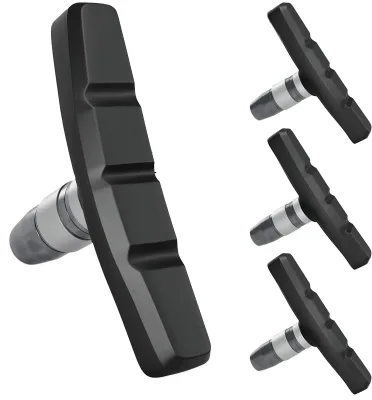
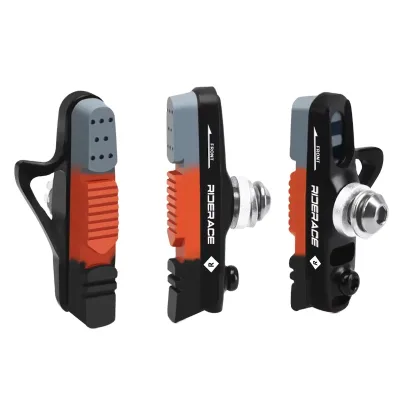
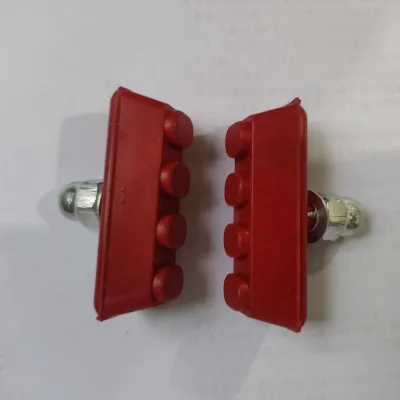
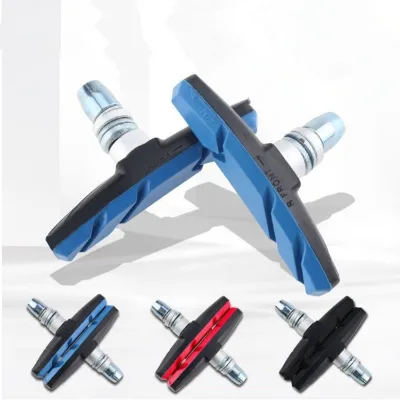
1 Pair High Quality Bike V Brake Pads Rubber for BMX MTB & Road Bikes V-Brake
$0.17 - $0.26
MOQ: 99 pieces
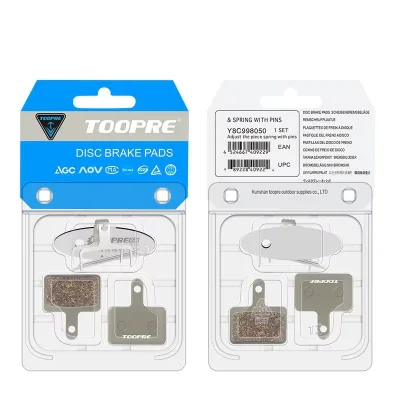

Xingtai Tianjiu Bicycle Parts Co., Ltd
- Verified by SGS
- Combined
- China Hebei
- Lead time30 days
- Avg. response≤ 4h
Main productsBicycle Parts, Bicycle, Bicycle Crank&Chainwheel, Bicycle Brake Sets, Saddle, Pedal, Bicycle Accessories, Bicycle Tire, Children Toy Vehicle, Bike Parts
Main marketsAfrica,Domestic,Europe
Huizhou Lecheng E-Commercial Co., Ltd.
- Trading Company
- Guangdong, China
- Lead time30 days
- Avg. response≤ 5h
Main productsCycle,Golf,Baseball
Main marketsNorth America(25.0%), Northern Europe(15.0%), Western Europe(10.0%), South America(10.0%), South Asia(10.0%), Africa(5.0%), Eastern Asia(5.0%), Southeast Asia(5.0%), Central America(5.0%), Mid East(3.0%), Southern Europe(3.0%), Eastern Europe(2.0%), Oceania(2.0%)
Anhui Fumei International Trade Co., Ltd.
- Manufacturer, Trading Company
- Anhui, China
- Lead time15 days
- Avg. response≤ 1h
Main productsElectric Bicycle Accessories/Electric Motorcycle Accessories/Electric Tricycle Accessories,Electric Tricycles,Electric motorcycle
Main marketsSouth America(30.0%), Southeast Asia(25.0%), Mid East(20.0%), North America(10.0%), Africa(10.0%), Eastern Asia(5.0%)

Anhui Hongjian Electronic Technology Co., Ltd.
- Verified by CTI
- Combined
- China Anhui
- Lead time15 days
- Avg. response≤ 3h
Main marketsAfrica,Southeast Asia/ Mideast,Domestic,Europe

Aluminum Alloy Drum Brake Shoes 110 Brake Pads for Electric Bicycles Brake Pads
$0.75 - $0.77
MOQ: 500 Pieces

Dual Drive Oil Ceramic Brake Pads Road Bike Cycling Parts Hydraulic Disc Brake
$16.20 - $17.20
MOQ: 150 Pieces

Ningbo Jalyn International Trading Co., Ltd.
- Trading Company,Manufacturer/Factory
- China Zhejiang
- Lead time30 days
- Avg. response≤ 21h
Main productsMotorcycle Parts, Motorcycle Accessories, Aftermarket Motorcycle Parts, ATV Parts, Bicycle Parts, Motorcycle Plastic Parts, Motorcycle Mirror, Motorcycle Handle Grips, Motorcycle Engine, Bicycle Accessories
Main marketsSouth America,Eastern Europe,North America,Eastern Asia,Oceania,Western Europe,Africa
Shenzhen Aiqi Bicycle Industry Co., Ltd.
- Manufacturer
- Guangdong, China
- Lead time30 days
- Avg. response≤ 6h
Main productsHydraulic Disc Brake Kit,Mechanical Brake Caliper,Power cut off brake Lever,Brake Rotor/Pad,brake line
Main marketsDomestic Market(60.0%), Northern Europe(10.0%), Western Europe(10.0%), Eastern Europe(10.0%), South America(5.0%), Southern Europe(5.0%)
Hebei Gefeida Trading Co., Ltd.
- Verified by SGS Group
- Trading Company
- Lead time20 days
- Avg. response≤ 8h
Main productsBicycle, Bicycle Accessories, Kids Toy
Main marketsNorth America(12%), Eastern Europe(12%), Oceania(10%)
Tianjin Hengsheng New Energy Technology Co., Ltd.
- Trading Company
- Tianjin, China
- Lead time20 days
- Avg. response≤ 7h
Main productsEbike Motors,Controllers,Displays,Mobil Phone Holders,Battery Boxes
Main marketsEastern Europe(20.0%), South America(20.0%), North America(20.0%), Africa(10.0%), Southeast Asia(10.0%)

TTP Power Development Co., Ltd.
- Verified by SGS
- Trading Company
- China Guangdong
- Lead time30 days
- Avg. response≤ 8h
Main productsMotorcycle Parts, Motorcycle Accessory, Motorcycle Engine Parts, Motorcycle Body Parts, Motorcycle Electrical Parts, Pockit Bike, ATV, Scooter, Motorcycle Cylinder, Crankshaft
Main marketsEurope,North America
Shangrao Goodman Trading Co., Ltd.
- Trading Company
- Jiangxi, China
- Lead time25 days
- Avg. response≤ 7h
Main productsTricycle parts,scooter parts,E-bike parts,wheel hub,tyre
Main marketsSoutheast Asia(30.0%), Mid East(15.0%), Eastern Asia(15.0%), Eastern Europe(10.0%), South America(10.0%), Western Europe(10.0%), Africa(5.0%), North America(5.0%)

Runda Accessories Import and Export Co., Ltd
- Verified by SGS
- Trading Company
- China Hebei
- Lead time23 days
- Avg. response≤ 22h
Main productsMotorcycle Accessories, Motorcycle Parts
Main marketsSouth America,North America,Southeast Asia,Africa

Hebei Hongchi Bicycles Co., Ltd
- Verified by BV
- Manufacturer
- China Hebei
- Lead time15 days
- Avg. response≤ 8h
Main productsChainwheel&Crank, Bicycle Parts, Bicycle Accessories, Children Bike, Children Toy, Scooter, Stroller, Electric Car, Saddle, Basket
Dipu Industry (Hangzhou) Co., Ltd.
- Manufacturer, Trading Company
- Zhejiang, China
- Lead time0 days
- Avg. response≤ 7h
Main productsbicycle brake pads,brake disc,disc brake,Bicycle repair tool,motorcycle accessories
Main marketsNorth America(30.0%), Domestic Market(20.0%), South Asia(15.0%), Eastern Asia(15.0%), Eastern Europe(14.000000000000002%), South America(5.0%), Mid East(1.0%)
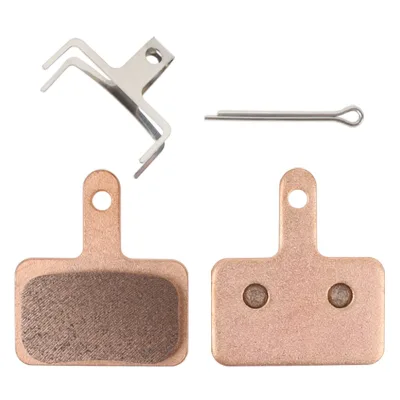
$0.83 - $2.08
MOQ: 20 Minimum
Jinhua Beite Industry And Trade Co., Ltd.
- Manufacturer
- Zhejiang, China
- Lead time20 days
- Avg. response≤ 4h
Main productsElectric bike,Fat ebike,Folding ebike,Horse carriage,Mobility Scooter
Main marketsWestern Europe(50.0%), North America(20.0%), Mid East(10.0%), Southern Europe(10.0%), Eastern Europe(5.0%), South America(5.0%)
Nanjing Hiking Star Sports Products Co., Ltd.
- Verified by SGS Group
- Manufacturer, Trading Company
- Lead time7 days
- Avg. response≤ 2h
Main productsBicycle Saddle, Bicycle Frame, Electric Bicycle, Bicycle Accessory
Main marketsNorthern Europe(40%), Southern Europe(30%), North America(20%)
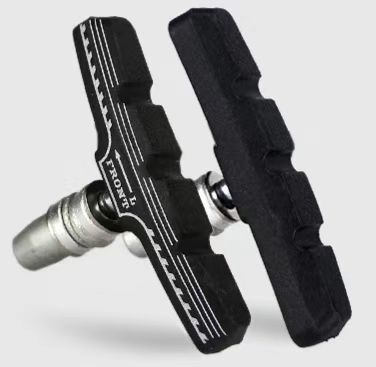
High Quality Bicycle V Brake Pads 1 Pair Rubber Bike Brake Pads Road Bike Mountain Bicycle Parts
$0.89 - $1.10
MOQ: 10 pieces
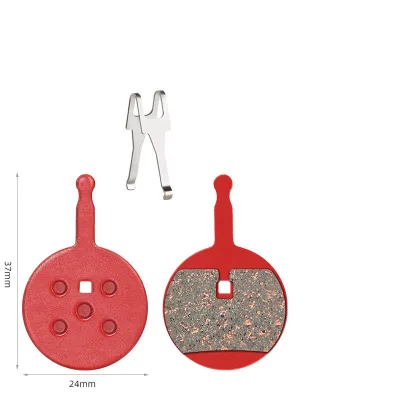
High Temperature Resistance Semi-metallic Oil Disc Brake Pads for Bike Scooter Motorcycle
$0.45 - $0.51
MOQ: 2 units
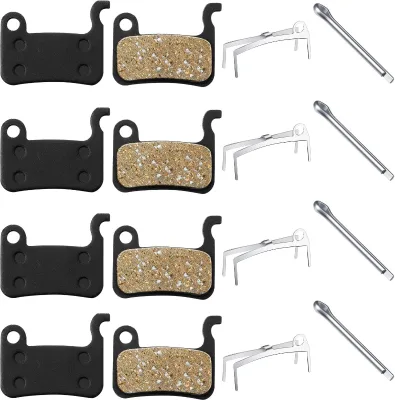
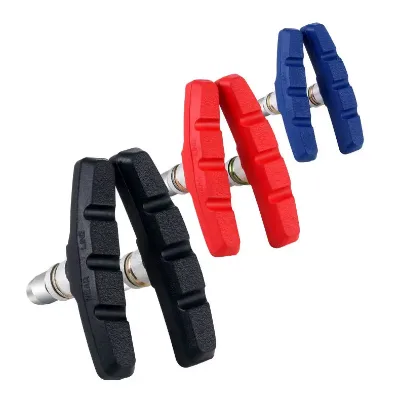
Mountain/road Bike V Brake Pads, Rubber Brake Leather Silent Wear Brake Pads
$0.72 - $0.92
MOQ: 100 pieces
Guangxi Bernee Trading Co., Ltd.
- Manufacturer, Trading Company
- Guangxi, China
- Lead time20 days
- Avg. response≤ 2h
Main productsmaking forks oem&odm,all bicycle parts selling,ebike parts selling,mtb bicycle selling,ebike selling
Main marketsEastern Europe(15.0%), Western Europe(15.0%), South Asia(10.0%), Northern Europe(10.0%), South America(10.0%), Domestic Market(5.0%), Africa(5.0%), Southern Europe(5.0%), Southeast Asia(5.0%), Central America(5.0%), North America(5.0%), Eastern Asia(5.0%), Mid East(5.0%), Oceania(5.0%)
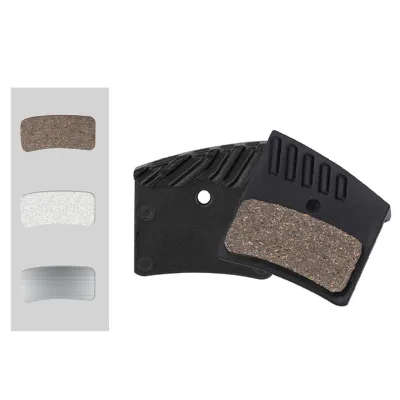
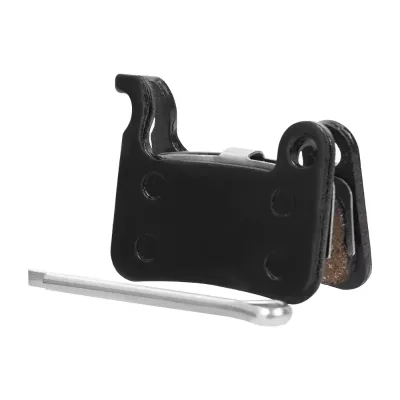
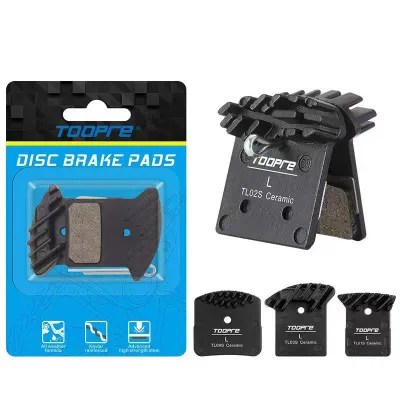
Brake Pads Resin Semi-metallic Bicycle Cooling Brake Rotors Disc Brake Pads for Electric Scooter
$1.40 - $1.80
MOQ: 20 pieces
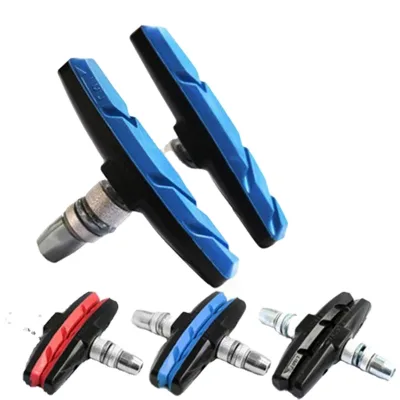
$0.38 - $0.58
MOQ: 50 pairs
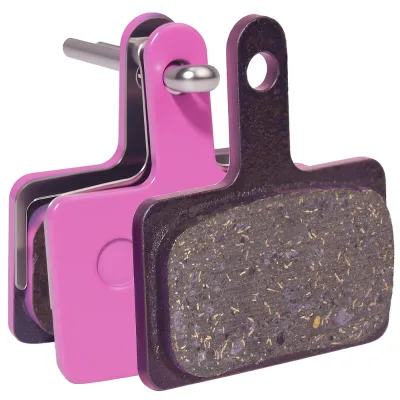
Hebei Haozun Trading Co., Ltd.
- Trading Company
- Hebei, China
- Lead time10 days
- Avg. response≤ 7h
Main productsMountain Bike, Bike Cassette, Bike Chain, Bike Tires, Shimano Parts
Main marketsWestern Europe(25.0%), North America(20.0%), South America(10.0%), Eastern Europe(10.0%), Mid East(10.0%), Oceania(7.000000000000001%), Southeast Asia(5.0%), Northern Europe(4.0%), Southern Europe(3.0%), Central America(3.0%), Africa(2.0%), Eastern Asia(1.0%)
Jiangxi Huabo Motorcycle Parts Co., Ltd.
- Manufacturer, Trading Company
- Jiangxi, China
- Lead time0 days
- Avg. response≤ 6h
Main productsmotorcycle brake pads,bicycle brake pads,e-bilke brake pads
Main marketsSouth America(50.0%), Eastern Asia(30.0%)

- Verified by TUVRHEINLAND
- Trading Company
- China Tianjin
- Lead time30 days
- Avg. response≤ 4h
Main productsBicycle, Electric Bicycle, Tricycle, Electric Motorcycle, Electric Scooter, Children Motorcycle, Children Scooter
Main marketsSouth America,Southeast Asia/ Mideast,Europe

Nanpi County Bo Hao Hardware Manufacturing Co., Ltd.
- Verified by BV
- Combined
- China Hebei
- Lead time23 days
- Avg. response≤ 23h
Main productsbrake pad clip
Main marketsDomestic,North America
- Manufacturer, Trading Company
- Taiwan, China
- Lead time30 days
- Avg. response≤ 7h
Main productsCar brake pads,motorcycle brake pads,bicycle disc brake pads,industry application,Rail vehicles
Main marketsDomestic Market(74.0%), Western Europe(10.0%), North America(8.0%), Southeast Asia(5.0%), Eastern Europe(1.0%), South America(1.0%), Eastern Asia(1.0%)

Guangzong Shuanglong Bicycle Industry Co., Ltd.
- Manufacturer
- China Hebei
- Lead time30 days
- Avg. response≤ 13h
Main productsMountain Bike, Children Bicycle, Bicycle, Bicycle Parts
Main marketsSouth America,Africa,Southeast Asia/ Mideast


Bike V Brake Bicycle Parts Accessories Aluminum Bicycle Brake Pads V Brake
$1.00 - $1.80
MOQ: 1000 Pieces

Road Bike Brake Fixed Gear Bike Brake Rim Fixie Bicycle Brake Rear and Front
$0.70 - $1.70
MOQ: 1000 Pieces

Bicycle Brake System Caliper Brake, Coaster Brake for Parts and Accessories
$1.50 - $1.80
MOQ: 1000 Pieces


Hangzhou Yongli Friction Material Co., Ltd.
- Verified by SGS Group
- Manufacturer, Trading Company
- Lead time45 days
Main productsBrake Pad
Main marketsSouth America(37%), Southeast Asia(37%), North America(9%)










Comprehensive Sourcing Guide
Metallic Compound Bicycle Brake Pad Supplier Concentration and Factory Types
The current search results indicate a concentration of manufacturers and factories located in China, specifically within the Zhejiang province and Guangxi region. These entities primarily list friction materials, bicycle parts, and metal components as their core offerings, suggesting a specialized industrial cluster for bicycle braking systems. Some suppliers explicitly identify as manufacturers capable of OEM customization, while others operate as trading companies focusing on supply chain aggregation. This distinction is critical because manufacturers often control the production process for semi-metallic compounds, whereas trading companies may source from multiple factories to offer broader catalogs. Buyers should verify the specific company type listed in the supplier profile to understand the directness of the supply chain and the potential for technical support during the manufacturing of brake pads.
When evaluating the factory types, it is essential to note that not all suppliers in the results possess the same production capabilities. The data shows a mix of entities with varying main products, ranging from specific brake pad models to broader bicycle assembly services. Some suppliers highlight OEM capacity, indicating they can produce custom semi-metallic formulations, while others may focus on standard inventory items. The presence of ISO 9001 certification among some manufacturers suggests a baseline for quality management systems, though this is not universal across all listed entities. Buyers must carefully review the company type and main product descriptions to ensure the supplier aligns with their specific needs for metallic compound brake pads, rather than assuming all listed bicycle parts suppliers have the requisite friction material expertise.
How to Verify Metallic Compound Bicycle Brake Pad Suppliers
Verification begins with scrutinizing the specific certifications and system standards listed in the supplier profile. The available data includes ISO 9001 system certification for certain manufacturers, which serves as a tangible indicator of quality management adherence. However, other suppliers may only provide a Declaration of Conformity or lack explicit certification details in the summary. Buyers should request direct proof of these certifications, such as valid certificate numbers and expiration dates, to confirm the supplier's compliance with international standards. It is crucial to distinguish between product-specific certifications and broader company system certifications, as the latter does not guarantee that every specific brake pad model meets the required friction material specifications for metallic compounds.
Beyond certifications, buyers must validate the supplier's response time and lead time capabilities to ensure operational reliability. The observed data includes response times ranging from approximately one hour to two days, and lead times that vary significantly, with some entries showing zero days while others indicate twenty-three days. These metrics are vital for assessing whether a supplier can meet urgent production schedules or if they require long-term planning. A supplier with a fast response time but a long lead time may be suitable for planned inventory replenishment but risky for urgent orders. Buyers should verify these figures by requesting current production schedules and confirming the actual turnaround time for a sample order before committing to a larger purchase agreement.
What to Compare Across Metallic Compound Bicycle Brake Pad Suppliers
When comparing suppliers, the primary focus should be on the minimum order quantity (MOQ) and the price range per unit, as these directly impact procurement costs and inventory strategy. The data reveals a wide variance in MOQs, ranging from as low as twenty units to one hundred units, and price points spanning from roughly $0.17 to $25.00 depending on the specific product configuration and material composition. Some suppliers offer semi-metallic pads at very low entry prices with higher MOQs, while others provide premium pricing for specialized models with lower order thresholds. Buyers must calculate the total landed cost, including shipping and potential tariffs, to determine the true economic viability of each supplier option, rather than relying solely on the listed unit price.
In addition to cost and volume, buyers should compare the customization options and product attributes offered by different suppliers. The results indicate that customization is available for many products, allowing for specific material formulations or branding, but the extent of this customization varies. Some suppliers list specific models like "Xiaoai" or "DLZ" with defined attributes such as mechanical brake modes or specific packing standards, while others offer generic descriptions. The ability to customize the friction material composition, such as the ratio of steel to other metallic compounds, is a key differentiator for performance. Buyers should request detailed technical specifications for the semi-metallic compound to ensure the product meets the performance requirements of their target market, whether for mountain bikes or ordinary road bicycles.
Common Metallic Compound Bicycle Brake Pad Sourcing Risks
One significant risk involves the discrepancy between the stated product attributes and the actual material composition delivered. While suppliers list products as "semi-metallic" or "steel-based," the specific friction material formulation can vary widely, affecting braking performance and heat dissipation. Some product listings mention "wet paper based friction material" alongside metallic options, which could lead to confusion if the buyer is not explicit about requiring a metallic compound. Without rigorous testing or third-party verification, there is a risk of receiving pads that do not match the expected performance characteristics, potentially leading to safety issues or customer returns. Buyers must insist on material safety data sheets and performance test reports to validate the actual composition of the brake pads before finalizing any order.
Another critical risk is the inconsistency in lead times and the potential for supply chain disruptions. The data shows lead times ranging from zero to twenty-three days, which suggests a lack of standardized production scheduling across different suppliers. A supplier claiming a zero-day lead time might be selling from existing stock rather than manufacturing to order, which could limit customization options or result in stockouts if demand spikes. Conversely, a supplier with a twenty-three-day lead time might be a dedicated manufacturer with a more stable but slower production cycle. Buyers should assess the supplier's capacity to handle volume fluctuations and verify their inventory management practices to mitigate the risk of delays that could disrupt their own sales cycles or production schedules.
Metallic Compound Bicycle Brake Pad Regional Sourcing and Logistics
The primary sourcing region identified in the results is China, with specific manufacturing hubs in Zhejiang and Guangxi provinces. These regions are known for their established bicycle component industries, offering a dense network of suppliers for friction materials and metal parts. The concentration of manufacturers in these areas often leads to competitive pricing and efficient logistics for bulk shipments. However, buyers should be aware that the specific origin of the product, such as Hangzhou or Guangdong, can influence shipping costs and transit times. Verifying the exact place of origin listed in the product attributes is essential for accurate freight calculations and for understanding the local regulatory environment that may affect export procedures.
Logistics planning must also account for the packaging standards and shipping units provided by the suppliers. The data indicates various packing methods, including carton packaging and palletized shipments, with specific dimensions and weights listed for individual units. For example, some products are packed in cartons with specific gross weights, while others are shipped on pallets to optimize container space. Buyers should evaluate these packaging details to determine the most cost-effective shipping method for their order volume. Additionally, the main market destinations listed by suppliers, such as North America or Western Europe, can provide insight into the supplier's experience with international shipping regulations and their ability to handle customs clearance for specific regions.
Metallic Compound Bicycle Brake Pad Commercial Terms and Order Planning
Commercial terms regarding payment and escrow services are critical for securing a safe transaction, though specific details on escrow availability vary among suppliers. While the data does not explicitly confirm escrow usage for every entity, buyers should prioritize suppliers who offer secure payment protection mechanisms to mitigate financial risk. It is advisable to negotiate clear terms for deposits, balance payments, and penalties for late delivery, ensuring that the contract reflects the agreed-upon lead times and quality standards. Buyers must also clarify the Incoterms, such as FOB or CIF, to understand who bears the responsibility for shipping costs and insurance, as these terms can significantly impact the final cost of the goods.
Order planning should be aligned with the supplier's production capacity and response capabilities to ensure timely delivery. The observed response times and lead times suggest that some suppliers can accommodate urgent requests, while others require advance planning. Buyers should establish a communication protocol with the supplier to track production progress and address any potential issues before they escalate. Additionally, planning for seasonal demand fluctuations is essential, as the availability of semi-metallic brake pads may be subject to raw material constraints or production bottlenecks. By maintaining a proactive relationship with the supplier and understanding their capacity limits, buyers can better manage their inventory levels and avoid stockouts during peak demand periods.
FAQs
What is the price range for semi metallic bicycle disc brake pads?
Prices for semi metallic bicycle disc brake pads typically range from 0.17 to 25.00 per unit depending on specifications. Some standard models start as low as 0.17 while specialized friction materials can reach 25.00. Buyers should verify specific pricing based on order quantity and customization needs before finalizing purchases.
What are the minimum order quantities for these brake pads?
Minimum order quantities vary significantly across different product listings. Some suppliers require orders as low as 20 units, while others set the threshold at 50 or 100 units. Buyers must check the specific MOQ for each product model to ensure their order meets the supplier requirements before proceeding with payment.
How long does it take to receive these brake pads after ordering?
Lead times for delivery generally range from zero to 23 days depending on the supplier and product type. Some manufacturers offer immediate availability with zero lead time, while others require up to 23 days for production and shipping. Buyers should confirm the exact timeline with the specific supplier before placing an order.
Which certifications do these brake pad suppliers hold?
Many suppliers hold ISO 9001 system certification for their manufacturing processes. Some products also carry specific ISO classifications related to disc brake systems. Buyers should verify the exact certification status for each supplier to ensure compliance with their quality standards and safety requirements before making a purchase decision.
Where are these bicycle brake pad manufacturers located?
Manufacturers are primarily located in Zhejiang and Guangxi provinces within China. Some specific products originate from Hangzhou or Guangdong regions. Buyers should confirm the exact place of origin for each supplier to understand logistics costs and shipping times associated with their specific order requirements.
What types of bicycles are compatible with these brake pads?
These brake pads are designed for ordinary bicycles, mountain bikes, and downhill cycling applications. They support both mechanical and hydraulic disc brake systems. Some models are also suitable for V-brake systems on road bikes and BMX bicycles. Buyers should match the brake mode to their specific bicycle type.
Do suppliers offer customization for these brake pad models?
Customization is available for many semi metallic brake pad models including logo and packaging options. Some suppliers allow custom dimensions and material specifications to meet unique requirements. Buyers should confirm the extent of customization services and any associated costs with the supplier before finalizing their order specifications.