Micro Cultivating Gasoline Cultivator Suppliers and Manufacturers
Explore 16 verified options for Micro Cultivating Gasoline Cultivator from factories in China. Compare response times, lead times, certifications, and pricing to find the right fit. Contact suppliers directly to request quotes and verify specifications; review the available evidence before requesting comparable quotations from suitable candidates.
Suppliers List

HENSEN POWER TECHNOLOGY CO., LIMITED
- Verified by TUVRHEINLAND
- Manufacturer/Factory
- China Chongqing
- Lead time23 days
- Avg. response≤ 4h
Main productsTractor, Tiller, Weeder, Cultivator
Main marketsSouth America,Eastern Europe,Mid East,Southeast Asia,Eastern Asia,Western Europe,Africa

Taizhou Bozhou Machinery Co., Ltd.
- Verified by BV
- Combined
- China Zhejiang
- Lead time30 days
- Avg. response≤ 12h
Main productsPower Tiller, Brush Cutter, Tracked Lawn Mower, Chainsaws, Wood Chipper, Gasoline Water Pump, Gasoline Generator, Centrifugal Priming Pump, Gasoline Engine, Gasoline Lawn Mower
Main marketsDomestic

ZHEJIANG GREEN POWER MACHINERY INCORPORATED CO., LTD.
- Verified by SGS
- Combined
- China Zhejiang
- Lead time30 days
- Avg. response≤ 14h
Main productsGasoline Water Pump, Gasoline Engine, Gasoline Generator, Gasoline Tiller, Diesel Water Pump, Diesel Engine, Diesel Tiller, Power Tiller, Rotary Cultivator, Half Engine
Main marketsAfrica,Others(foreignTradeCapacity.exportBusinessCapacityMarketOther),Europe


Gasoline Cultivator Agricultural Machinery Mini Garden Tiller with Rotary Tillage
$190.00
MOQ: 10 Pieces

170 Gasoline Mini Power Cultivator Tiller with Rotary Tillage and Weeding Equipment
$190.00
MOQ: 10 Pieces

Taizhou Baisen Machinery Technology Co., Ltd
- Verified by TUVRHEINLAND
- Manufacturer
- China Zhejiang
- Lead time30 days
- Avg. response≤ 2h
Main productsPower Generators, Tiller Cultivator, High Pressure Washer, Water Pump, Engines

Modern Agricultural Machinery Gasoline Micro Cultivator Mini Cultivator Tiller
$223.07 - $232.77
MOQ: 1 Pieces

Gasoline Powered Multifunctional Tines Mini Micro Cultivator Rotary Tiller Cultivator
$223.07 - $232.77
MOQ: 1 Pieces

Multifunction Soil Weeding Machine Micro Tiller Cultivator Gasoline Power Tiller
$223.07 - $232.77
MOQ: 1 Pieces

Four Stroke Gasoline Micro-Cultivator Mini Arable Machine Rotary Cultivator
$226.00 - $279.00
MOQ: 5 Pieces


188f Multifunction Soil Weeding Machine Micro Tiller Cultivator Gasoline Power Tiller
$226.00 - $279.00
MOQ: 5 Pieces

Taizhou Kesiwo Garden Tools Co., Ltd.
- Verified by SGS
- Trading Company,Manufacturer/Factory
- China Zhejiang
- Lead time23 days
- Avg. response≤ 14h
Main productsPower Sprayer, Water Pump, Brush Cutter, Seeder, Multi-Function Weeder, Tiller, Garden Tools, Saw, Earth Augur, Lithium Battery Scissors
Main marketsSouth America,Eastern Europe,Mid East,North America,Southeast Asia,Eastern Asia,Oceania,Western Europe,Africa
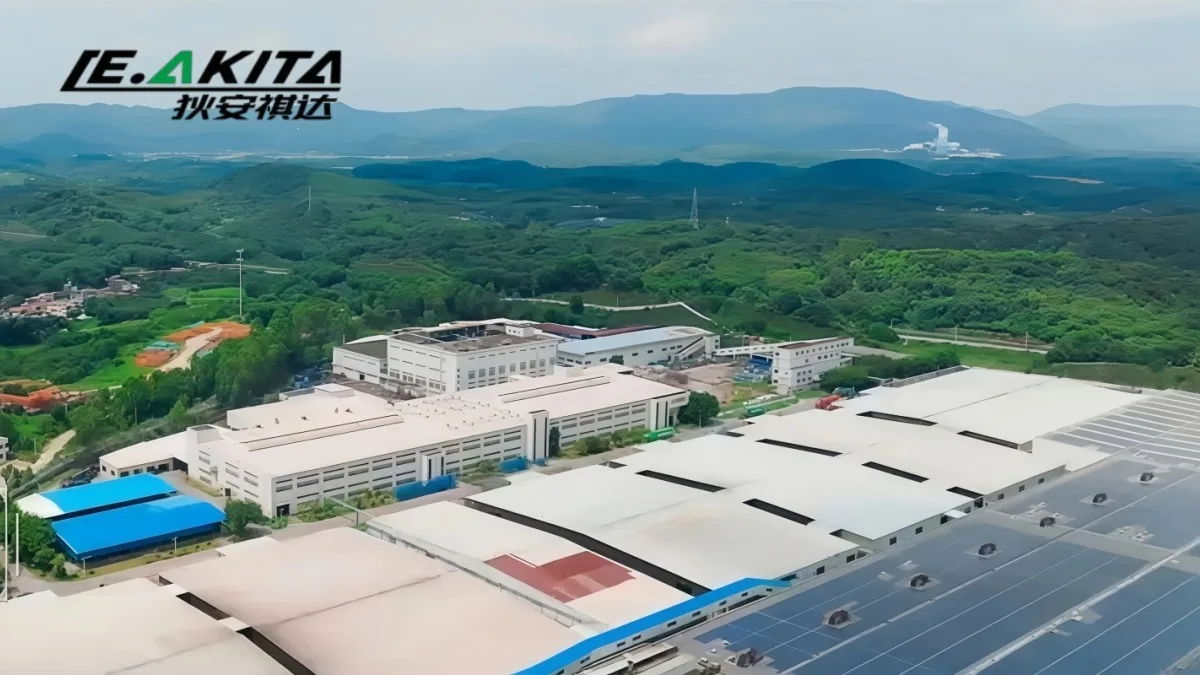
Henan Formend Imp. & Exp. Co., Ltd
- Verified by SGS Group
- Trading Company
- Lead time10 days
- Avg. response≤ 3h
Main productsTractor, Sprayer, Grass Mower, Rice Mill, Disc Mill
Main marketsAfrica(40%), Southeast Asia(30%), Eastern Europe(10%)
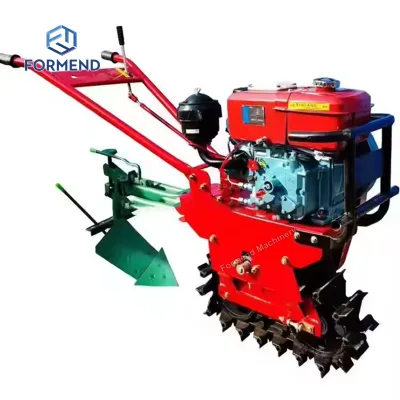
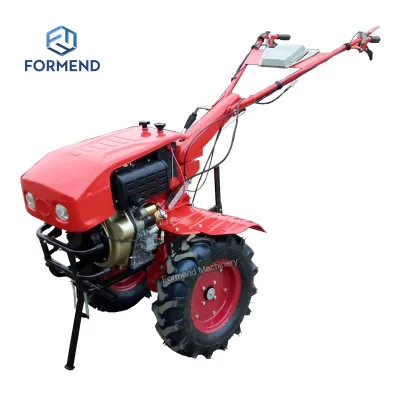
High Quality Micro Tiller Gasoline/Diesel Powered Farm Cultivator Agricultural Machinery
$330.00 - $360.00
MOQ: 1
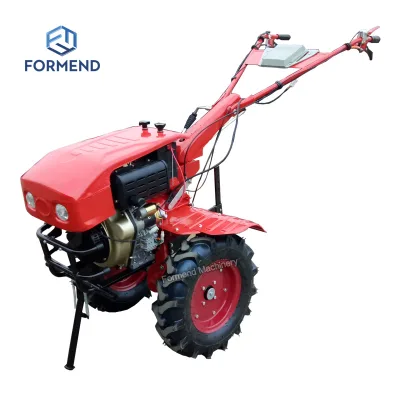
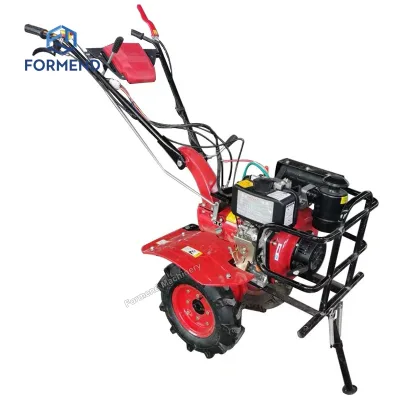
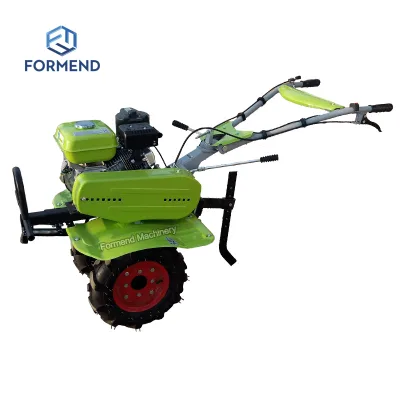
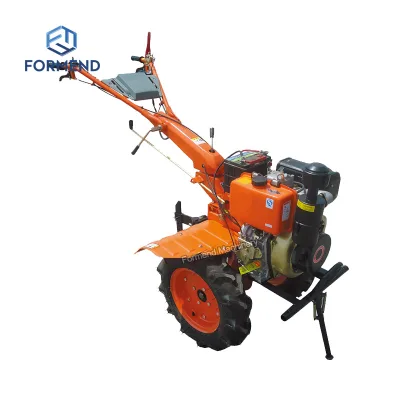
High Efficiency China Automatic Motor Tiller Cultivator Machine
$345.00 - $350.00
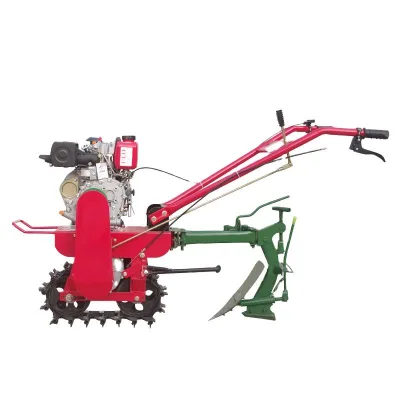
High Efficiency China Plough Cultivator Ditching Machine
$345.00 - $350.00
Shenzhen Shuxiao Machinery Equipment Co., Ltd.
- Manufacturer
- Guangdong, China
- Lead time0 days
- Avg. response≤ 2h
Main productsIndustrial machinery,commercial equipment and machinery,Food & Beverage Machinery
Main marketsEastern Europe(30.00%), North America(20.00%), South America(10.00%), Domestic Market(5.00%), Northern Europe(5.00%), Western Europe(5.00%), Eastern Asia(5.00%), Mid East(5.00%), Oceania(5.00%), Africa(5.00%), Southeast Asia(5.00%)

Chongqing Eagle Sino Machinery Co., Ltd.
- Verified by SGS
- Trading Company
- China Chongqing
- Lead time15 days
- Avg. response≤ 5h
Main productsPower Tiller, Cultivator, Generator, Water Pump, Small Engine, Brush Cutter
Main marketsDomestic,Europe

Agricultural Tools Farm Machinery Small Gasoline Micro Tillers Cultivator Mini Tiller
$140.00 - $160.00
MOQ: 20 Pieces


Es 170f Mini Handheld Gasoline Tiller Cultivator for Soil Cultivation
$162.00 - $180.00
MOQ: 20 Pieces

Yongkang Semli Hardware Products Co., Ltd.
- Verified by TUVRHEINLAND
- Trading Company,Manufacturer/Factory
- China Zhejiang
- Lead time45 days
- Avg. response≤ 4h
Main productsChain Saw, Brush Cutter, Earth Auger, Hedge Trimmer, Outboard Motor, Water Pump, Cultivator, Tiller
Main marketsSouth America,Eastern Europe,Mid East,Southeast Asia,Eastern Asia,Western Europe,Africa

GREENWORKS MACHINERY SOLUTIONS LTD
- Verified by SGS
- Trading Company
- China Jiangxi
- Lead time15 days
- Avg. response≤ 1h
Main productsBrush Cutter, Electric Chainsaw, Grass Mower, Earth Auger, Tiller Cultivator, Construction Machine, Garden Machine, Forestry Machine, Chainsaw, Agriculture Machine
Main marketsSouth America,Eastern Europe,Mid East,North America,Southeast Asia,Eastern Asia,Oceania,Western Europe,Africa


4-Stroke Gasoline Mini Rotary Tiller Cultivator, Small Scarifier for Farm Machinery
$250.00 - $300.00
MOQ: 100 Pieces

Farm Gasoline Mini Tiller Cultivator, Multi-Function Soil Loosening, Weeding
$350.00 - $450.00
MOQ: 10 Pieces

Shandong Grander Equipment Co., Ltd.
- Verified by TUVRHEINLAND
- Trading Company
- China Shandong
- Lead time15 days
- Avg. response≤ 7h
Main productsWood Chipper, Safety Products, Garden Tools, Disc Mower, Drum Mower, Tiller, Safety Gloves, Farm Machine, Garden Machine, Safety Shoes
Main marketsSouth America,Southeast Asia/ Mideast,Europe

Shandong Liying Agricultural Technology Development Co., Ltd.
- Verified by BV
- Trading Company
- China Shandong
- Lead time15 days
- Avg. response≤ 5h
Main productsTractor, Disc Plough, Disc Harrow, Power Tiller, Corn Seeder, Vegetable Seeder, Farm Trailer, Fertilizer Spreader, Mower, Potato Harvester
Main marketsSouth America,Africa,Southeast Asia/ Mideast

Low Fuel Consumption Paddy Field Tillage Machine Power Tiller Cultivator
$290.00 - $368.00
MOQ: 1 Sets


Rotary Tiller for Tractor Power Cultivator Agricultural Machinery Weeder
$218.00 - $490.00
MOQ: 1 Sets

Henan Xifa Network Technology Co., Ltd.
- Verified by Intertek
- Manufacturer, Trading Company
- Lead time7 days
- Avg. response≤ 2h
Main productsAnimal Cages, Tractors, Feed Processing Machinery, Excavators
Main marketsNorth America(20%), Domestic Market(20%), Africa(15%)

Jiangsu Yueda Intelligent Agricultural Equipment Co., Ltd.
- Verified by CTI
- Combined
- China Jiangsu
- Lead time23 days
- Avg. response≤ 10h
Main productsTractor, Farm Tractor, Jinma Tractor, Small Tractor, Tractor Parts, Jinma Tractor Parts, Agricultural Tractor, Jinma Tractor Spare Parts, 4WD Tractor, Mini Tractor
Main marketsSouth America,Africa,Southeast Asia/ Mideast,Domestic,Europe,Australia,North America


7HP 7.5HP Mini Petrol Power Tiller cultivating Machine
Contact supplier

Yantai Lansu Measurement & Control Equipment Co., Ltd.
- Verified by CTI
- Trading Company,Manufacturer/Factory,Other
- China Shandong
- Lead time23 days
- Avg. response≤ 16h
Main productsAgricultural Machine, Tractor, Sprayer Machine, Cultivator, Power Tiller, Walking Tractor, Thresher Machine, Diesel Engine
Main marketsSouth America,Eastern Europe,Mid East,North America,Southeast Asia,Eastern Asia,Oceania,Western Europe,Africa

Hot Sale! Agriculture Farm Machinery & Equipment Mini Gasoline Tiller & Cultivator
$205.00 - $467.00
MOQ: 1 Pieces


Jinhua Jusen Garden Machinery Co., Ltd.
- Verified by TUVRHEINLAND
- Manufacturer/Factory,Group Corporation
- China Zhejiang
- Lead time23 days
- Avg. response≤ 9h
Main productsChain Saw, Brush Cutter, Earth Auger, Gasoline Water Pump, Electric Chain Saw, Lithium Electric Lawn Mower, Lithium Chain Saw, Car Washer
Main marketsSouth America,Eastern Europe,Mid East,North America,Southeast Asia,Eastern Asia,Oceania,Western Europe,Africa







Comprehensive Sourcing Guide
Micro Cultivating Gasoline Cultivator Supplier Concentration and Factory Types
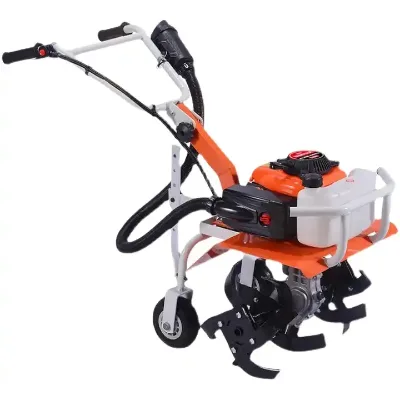
The current supplier landscape for micro cultivating gasoline cultivators shows a distinct concentration of manufacturing activity in China, specifically within the Chongqing region. Fact-based observations confirm that multiple entities operating in this area are classified as Manufacturer/Factory types, indicating direct production capabilities rather than pure trading operations. These facilities specialize in a core product range that includes tractors, tillers, weeders, and cultivators, suggesting a deep supply chain integration for agricultural machinery components. The presence of established brands such as SHINKON, HENSENPOWER, and TIANYU within the capacity data of these manufacturers points to a mature industrial cluster capable of handling both OEM and own-brand production requirements.
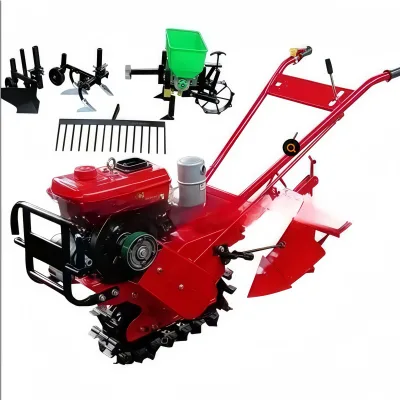
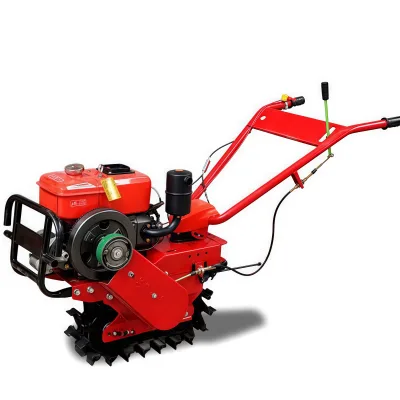
In contrast to the manufacturing-heavy profile of Chongqing, other regions like Zhejiang host suppliers with a different operational structure. Data indicates that suppliers in this area often operate as Combined entities, offering a broader portfolio that extends beyond cultivators to include power tillers, brush cutters, chainsaws, and gasoline generators. This diversification suggests that while Chongqing suppliers focus intensely on the specific niche of micro-cultivating machinery, Zhejiang-based entities may offer more flexible sourcing options for buyers needing a wider array of garden and farm equipment. Buyers should verify the specific company type for each potential partner, as the distinction between a dedicated Manufacturer/Factory and a Combined supplier can significantly impact production control, customization flexibility, and the depth of technical expertise available for specific cultivator models.
How to Verify Micro Cultivating Gasoline Cultivator Suppliers
Verification of suppliers in this category relies heavily on third-party audit results and system certifications that are explicitly recorded in supplier profiles. For instance, specific manufacturers have achieved verification status through TUVRHEINLAND, a recognized international inspection body, which provides a concrete layer of trust regarding their operational compliance and quality management systems. Additionally, system certifications such as ISO 9001 and the more specific ISO9001:2015 and ISO14001:2015 certificates are documented for various suppliers, serving as evidence of adherence to international quality and environmental management standards. These credentials are not merely marketing claims but are listed as factual attributes that buyers can cross-reference to ensure the supplier maintains a structured approach to production and safety.
Beyond certifications, the responsiveness of a supplier serves as a practical metric for verification during the initial engagement phase. Response time data indicates significant variation among suppliers, with some entities demonstrating a rapid response capability measured at approximately 3.65 units, while others show a slower engagement rate of around 11.83 units. This disparity suggests that buyers must actively test communication channels before committing to an order, as a slow response time could indicate logistical bottlenecks or a lack of dedicated sales support. Furthermore, the presence of specific product attributes like CE certification on the machinery itself, alongside the supplier's own ISO certifications, creates a dual-layer verification process. Buyers should prioritize suppliers who can simultaneously demonstrate both corporate-level system certifications and product-level compliance marks to ensure the final equipment meets regulatory requirements for their target markets.
What to Compare Across Micro Cultivating Gasoline Cultivator Suppliers
When evaluating potential partners, buyers must compare lead times and minimum order quantities (MOQ) as these factors directly influence inventory planning and cash flow. Current data reveals that lead times can vary, with some suppliers indicating a standard delivery window of 23 days, while others specify a 30-day production and shipping period. Similarly, MOQ requirements differ significantly across the supplier base; certain models require a minimum order of 20 units, whereas others demand a commitment of 50 or even 30 units. These variations mean that a buyer with a smaller budget or a need for rapid restocking must carefully filter suppliers based on these specific thresholds to avoid overstocking or facing production delays that could disrupt their sales cycle.
Product specifications and pricing structures also require rigorous comparison to ensure value alignment. The market offers a range of models with distinct technical configurations, such as vertical shaft versus horizontal axis arbor configurations, and gear drive versus chain drive systems. Pricing data shows a spread from approximately $212 to $325 per unit, depending on the specific model features, such as the inclusion of full-range implements or specific engine horsepower ratings like 7HP. Buyers should not assume all suppliers offer the same customization options; while some explicitly list customization as available for branding and design, others may have more rigid product lines. A detailed comparison of these technical attributes, combined with the unit price and MOQ, allows buyers to identify the most cost-effective solution that meets their specific agricultural application needs without compromising on essential performance characteristics.
Common Micro Cultivating Gasoline Cultivator Sourcing Risks
One significant risk in sourcing micro cultivating gasoline cultivators involves the variability of product specifications and the potential for mismatched expectations regarding technical performance. The product evidence shows diverse configurations, including different traction types like semi-hanging versus traction, and varying working widths ranging from 700mm to 900mm. If a buyer does not explicitly verify these details against their specific farming requirements, they may receive machinery that is ill-suited for their terrain, such as a model designed for dry cultivating machinery being used in paddy fields without the necessary adaptations. The presence of different drive types, such as chain drives versus gear drives, further complicates the risk profile, as these components affect maintenance needs and durability under heavy load conditions.
Another critical risk pertains to the reliability of delivery timelines and the consistency of quality control across different supplier types. While some suppliers list a lead time of 23 days, others indicate 30 days, and the verification status varies between TUVRHEINLAND and BV. This inconsistency can lead to supply chain disruptions if a buyer assumes a faster turnaround based on one supplier's data while ordering from another with a longer production cycle. Additionally, the packaging methods differ, with some units shipped in plywood boxes and others in carton packing with steel frames. Inadequate packaging can lead to damage during transit, especially for heavy machinery like cultivators. Buyers must verify the specific packing standards and delivery commitments for each order to mitigate the risk of receiving damaged goods or facing unexpected delays that could impact their operational schedules.
Micro Cultivating Gasoline Cultivator Regional Sourcing and Logistics
The geographic concentration of suppliers in China, particularly in Chongqing and Zhejiang, offers distinct logistical advantages and challenges for international buyers. Chongqing-based manufacturers, identified as the primary hub for dedicated cultivator production, benefit from established industrial infrastructure that supports the heavy machinery sector. The specific location data confirms that products originate from Chongqing, which implies a mature local supply chain for components like engines and metal castings. However, buyers must account for the inland location of Chongqing when planning logistics, as shipping times and costs may differ from coastal manufacturing hubs. Understanding the specific origin of the goods is essential for accurate freight calculation and for determining the most efficient shipping routes to the buyer's destination.
In contrast, suppliers located in Zhejiang offer a different logistical profile, often associated with a broader range of agricultural and garden machinery. The presence of combined suppliers in this region suggests a potentially more flexible approach to shipping multiple product types in a single container, which can reduce overall freight costs. However, the response time data indicates that communication efficiency may vary by region, with some suppliers taking longer to engage. Buyers should verify the specific shipping terms and the origin of the goods for each order, as the distance from the factory to the port of loading can impact the total landed cost. By analyzing the regional distribution of suppliers, buyers can optimize their sourcing strategy to balance cost, speed, and reliability, ensuring that the logistics of importing micro cultivating gasoline cultivators align with their business requirements.
Micro Cultivating Gasoline Cultivator Commercial Terms and Order Planning
Commercial terms for micro cultivating gasoline cultivators are heavily influenced by the specific pricing tiers and customization options available from each supplier. The market data indicates a price range from $212 to $325, with variations driven by factors such as engine power, certification levels, and the inclusion of accessories. Buyers must carefully review the price minimums and maximums for each model to ensure they are budgeting accurately, as the cost can fluctuate based on the specific configuration requested. Furthermore, the availability of customization, including OEM branding, color options, and design modifications, often comes with additional costs or minimum order requirements that must be factored into the total order value. Understanding these pricing dynamics is crucial for negotiating favorable terms and ensuring that the final purchase price aligns with the buyer's financial constraints.
Order planning must also account for the specific production capacities and delivery commitments of the selected supplier. The data shows that some suppliers offer OEM and own-brand capabilities, while others focus on ODM services, which affects the timeline for product development and final delivery. Buyers should verify the stated lead times, such as the 23-day or 30-day windows, and confirm whether these timelines include the time required for customization and quality inspection. Additionally, the MOQ requirements, which range from 20 to 50 units, play a critical role in determining the feasibility of an order. By aligning the order quantity with the supplier's capacity and lead time, buyers can avoid production bottlenecks and ensure a smooth flow of goods from the factory to their distribution channels, minimizing the risk of stockouts or excess inventory.
FAQs
What is the price range for mini gasoline cultivators?
Prices typically range from $212 to $325 per unit depending on the model and specifications. Buyers should check the specific product listing for exact pricing tiers. Costs vary based on features like engine power and included accessories. Always confirm the final quote with the supplier before placing an order.
What is the minimum order quantity for these machines?
Minimum order quantities generally start at 20 units for certain models. Other variants may require a minimum of 30 or 50 units. The exact MOQ depends on the specific cultivator model selected. Buyers must verify the MOQ directly with the manufacturer to ensure their order meets production requirements.
How long does delivery take for these orders?
Lead times typically range from 23 to 30 days after order confirmation. Some suppliers specify a delivery time of 30 days for standard production runs. Buyers should confirm the exact lead time with their chosen supplier. Production schedules may vary based on order volume and customization requirements.
Are these cultivators certified for international markets?
Many models carry CE certification for compliance with European standards. Some suppliers also hold ISO 9001 or ISO 14001 system certifications. Third-party verifications like TÜV Rheinland or BV may be available. Buyers should request valid certificates to ensure the products meet their local regulatory requirements.
What power sources do these micro cultivators use?
These machines primarily use gasoline engines for power. Common specifications include 7HP petrol engines with displacements around 212cc. The power output is typically rated at 4.2kW. Buyers should verify the exact engine model and fuel requirements with the supplier to match their operational needs.
Can I customize the color or branding of the machine?
OEM customization is available for branding, colors, and accessories. Suppliers offer options for custom logos and specific color schemes. Buyers can request tailored designs to match their brand identity. Customization options should be discussed directly with the manufacturer to confirm feasibility and any associated costs.