Micro Insert Brooch Suppliers and Manufacturers in China
Compare 26 verified suppliers offering Micro Insert Brooch with details on location, lead time, and pricing. Review product attributes like plating and design before contacting factories for samples. Check response times and MOQ requirements to ensure the selected partner meets your specific sourcing needs effectively.
Updated
Suppliers List

Yiwu Baiyao Clothing Accessories Co., Ltd.
- Manufacturer, Trading Company
- Zhejiang, China
- Lead time15 days
- Avg. response≤ 13h
Main productsJewelry, Clothing Accessories, Brooch Accessories
Main marketsNorth America(60.00%), Southeast Asia(10.00%), Western Europe(6.00%), South America(5.00%), Eastern Europe(5.00%), Southern Europe(4.00%), Northern Europe(4.00%), Oceania(2.00%), Africa(2.00%), Eastern Asia(1.00%), Mid East(1.00%)
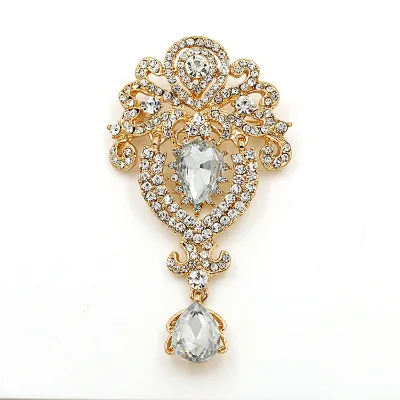
High End Fashion Crystal Brooches Alloy Plating Clothing Accessory Brooch
$0.96 - $1.10
MOQ: 12 pieces
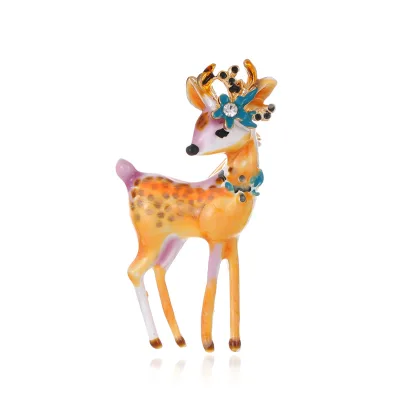
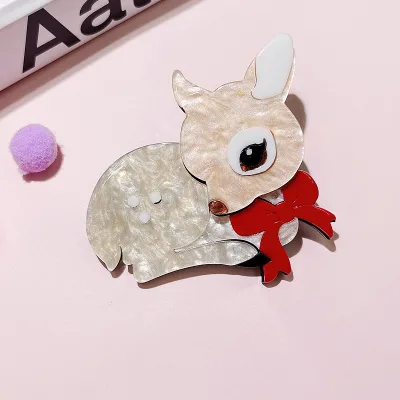
Painted Oil Dripping Deer Small Animal Brooch Creative Cute Anti-exposure Brooch
$0.70 - $0.90
MOQ: 6 pieces

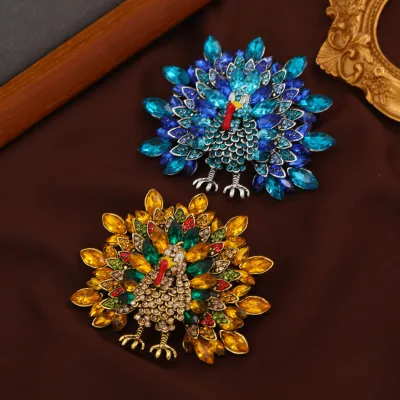
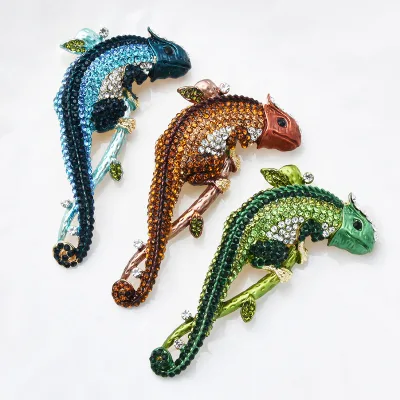
New Retro Full Diamond Lizard Brooch Creative Personality European and American Style Brooch
$2.0105 - $2.1542
MOQ: 6 pieces
Yiwu Alianna Accessories Co., Ltd.
- Verified by TüVRheinland
- Manufacturer, Trading Company
- Lead time0 days
- Avg. response≤ 3h
Main productsEarrings, Hair Accessories, Necklaces, Rings, Bracelets
Main marketsNorth America(41%), Western Europe(11%), Eastern Europe(10%)
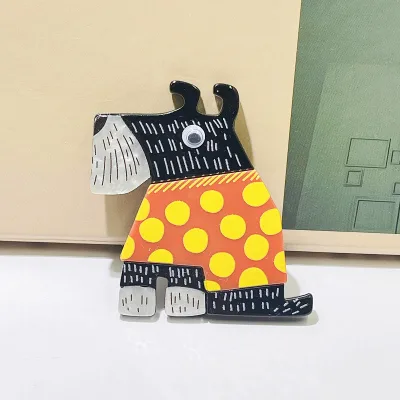
$1.729 - $1.9701
MOQ: 1 pieces
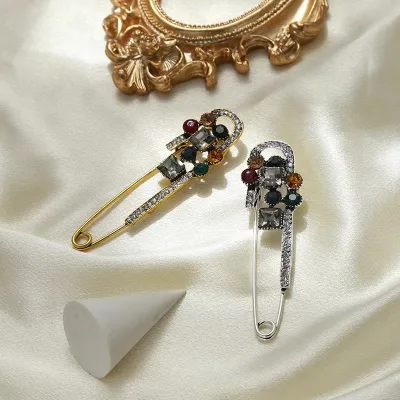
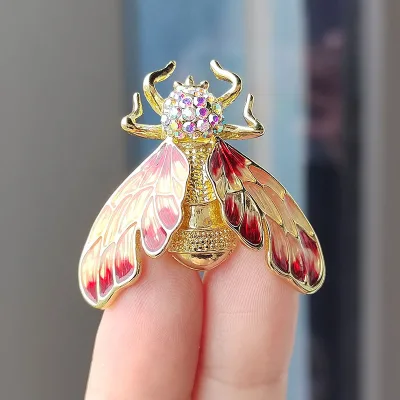

Jinjiang Jiaxing Supply Management Co., Ltd.
- Verified by TUVRHEINLAND
- Trading Company
- China Fujian
- Lead time30 days
- Avg. response≤ 1h
Main productsEVA Clogs, Flip Flop, Shoe Charms, Shopping Bags, Wristbands, Gifts, Promotional Gifts, Slipper, Sport Cap, Ball
Main marketsNorth America

Zhongshan Xinyihong Metal Craft Products Factory
- Verified by TUVRHEINLAND
- Combined
- China Guangdong
- Lead time15 days
- Avg. response≤ 2h
Main productsBadge, Lape Pin, Coin, Medal, Key Chain, Cufflink, Tie Clip, Bottle Opener, Golf Divolt, Name Plate
Main marketsNorth America
Huizhou Mairuidi Trade Co., Ltd.
- Trading Company
- Guangdong, China
- Lead time0 days
- Avg. response≤ 11h
Main productsdiy jewelry,earring,necklace,sunglasses
Main marketsNorth America(70.00%), Domestic Market(5.00%), Southern Europe(5.00%), Northern Europe(5.00%), Western Europe(5.00%), Eastern Europe(5.00%), South America(5.00%)
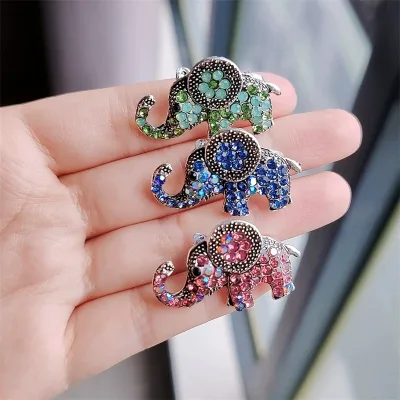

Fashion Brooches,Lovely Ant Brooch for Women Copper Animal Insect Lapel Pins
$0.79 - $0.89
MOQ: 12 pieces

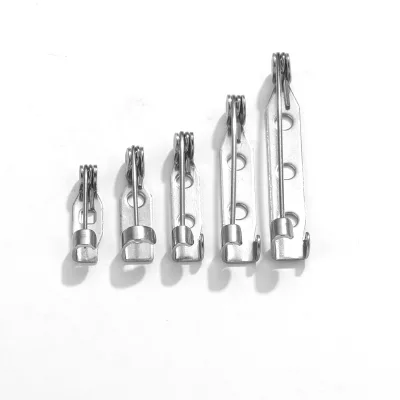
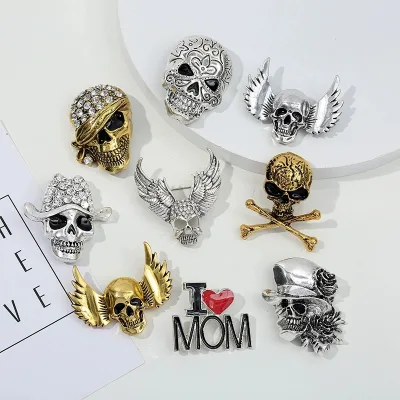
Fashion Brooches,New Arrival High-Grade Halloween Skeleton Vintage Brooch
$0.89 - $0.98
MOQ: 12 pieces
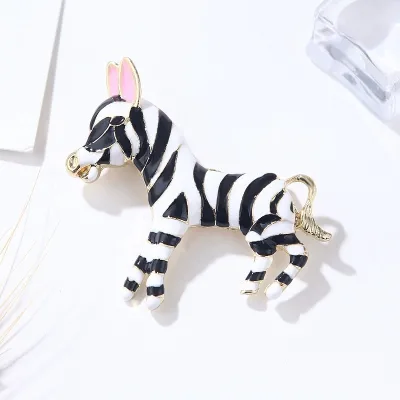
Fashion Brooches,2026 New Arrivals European American Style Retro Ancient Zebra Brooches for Girl
$1.0045 - $1.2799
MOQ: 12 pieces

Dongguan Xinyi Jewelry Co., Ltd.
- Trading Company
- Guangdong, China
- Lead time20 days
- Avg. response≤ 3h
Main productsJewelry rings,necklace,Bracelet,Earings,Anklet
Main marketsNorth America(20.00%), South Asia(10.00%), Southern Europe(10.00%), Northern Europe(10.00%), Western Europe(10.00%), Oceania(10.00%), Southeast Asia(10.00%), Eastern Europe(10.00%), South America(10.00%)
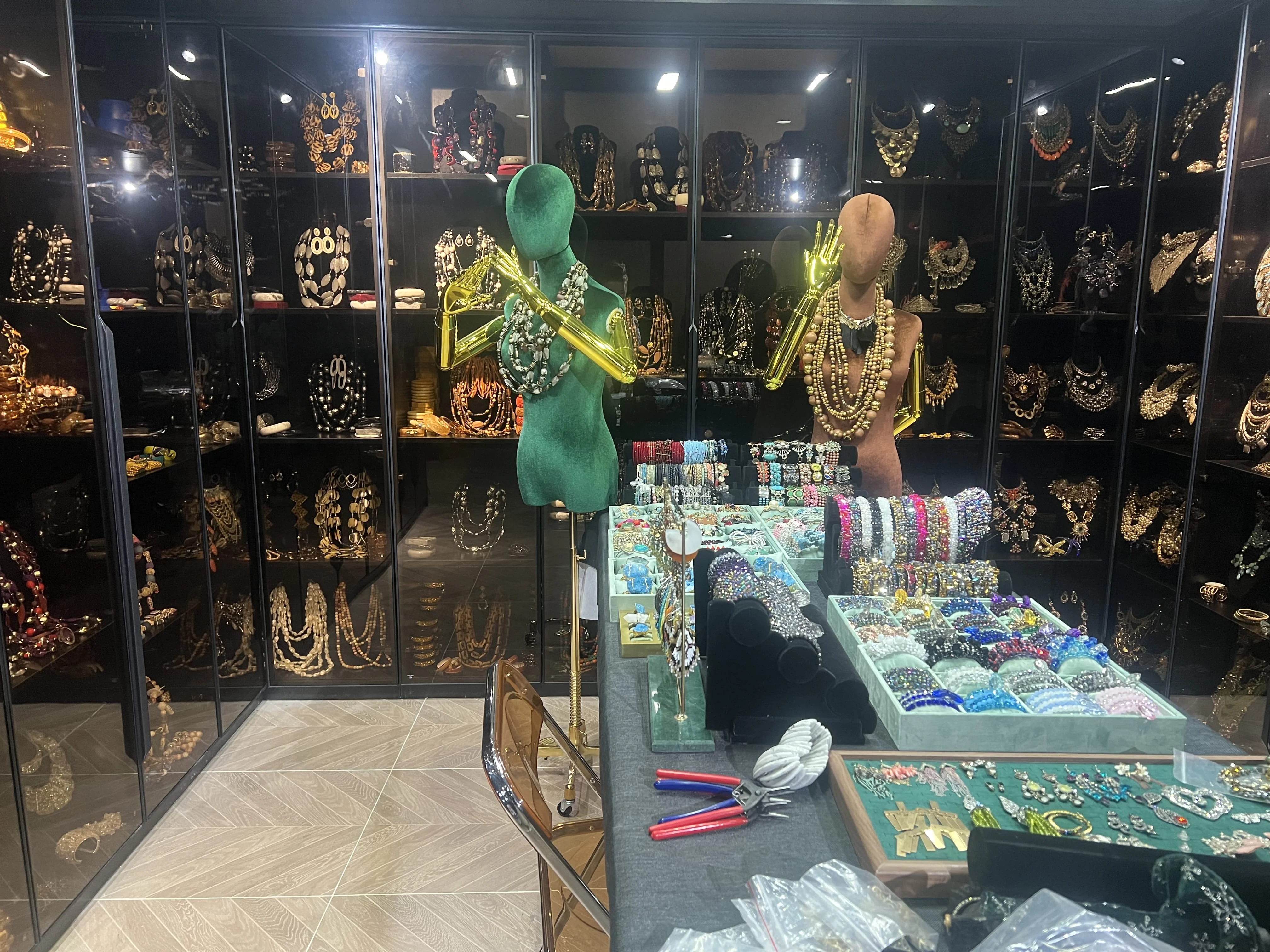
Yiwu Duye E-Commerce Co., Ltd.
- Trading Company
- Zhejiang, China
- Lead time25 days
- Avg. response≤ 16h
Main productsJewelry Set,Necklace,Ring,Bangle,Earring
Main marketsSouthern Europe(10.00%), Northern Europe(10.00%), Western Europe(10.00%), Mid East(10.00%), Oceania(10.00%), Africa(10.00%), Southeast Asia(10.00%), Eastern Europe(10.00%), South America(10.00%), North America(10.00%)
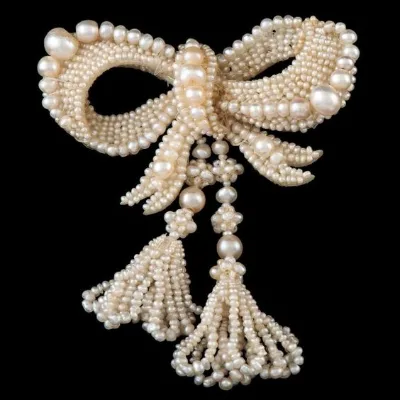
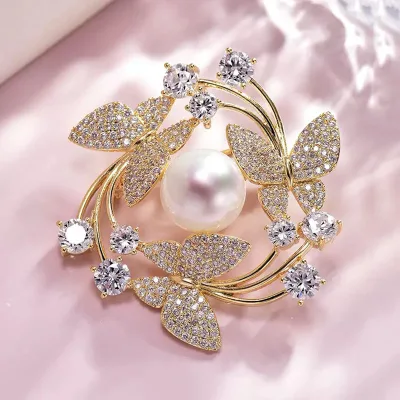
Pearl Brooch Pearl Fashion Zircon Flower Brooch
$2.54 - $2.98
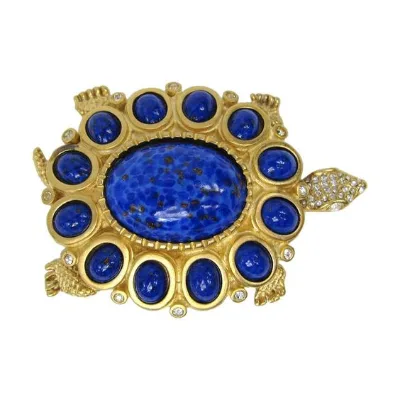
Big Brooch Luxury Brooches Design
$2.54 - $2.98
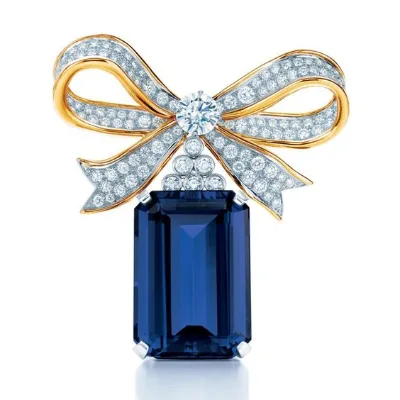
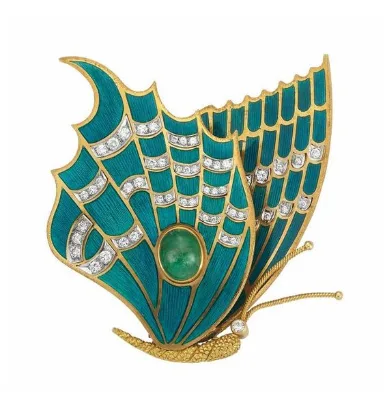
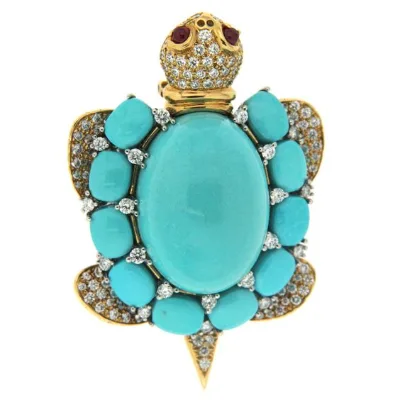
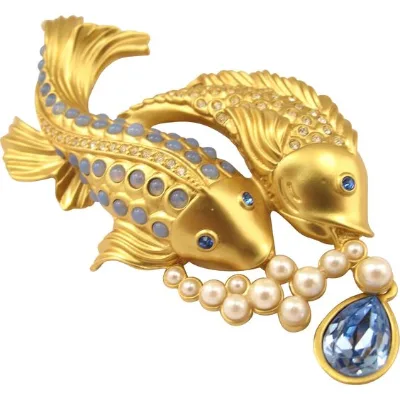
Professional Customized logo Brooch for Gift
$2.54 - $2.98

- Verified by TUVRHEINLAND
- Trading Company,Manufacturer/Factory
- China Jiangsu
- Lead time23 days
- Avg. response≤ 4h
Main productsMedal, Coin, Lapel Pin, PVC Patch, Embroidery Patch, Keychain, Button Badge, Silicone Wristband, Lanyards, Gift
Main marketsSouth America,Eastern Europe,Mid East,North America,Oceania,Western Europe
Hefei Kaining Trading Co., Ltd.
- Trading Company
- Anhui, China
- Lead time15 days
- Avg. response≤ 4h
Main productsNecklace,Ring,Bracelet,Hair Sticks,Earrings
Main marketsNorth America(25.00%), Africa(15.00%), Southeast Asia(15.00%), Eastern Europe(15.00%), South America(15.00%), Mid East(10.00%), Oceania(5.00%)
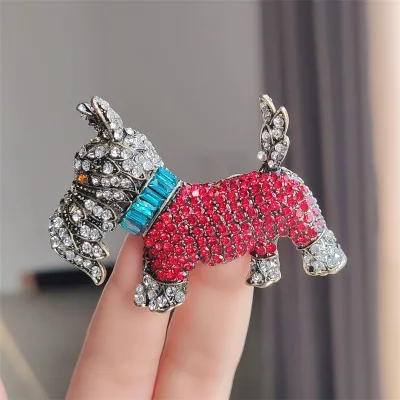

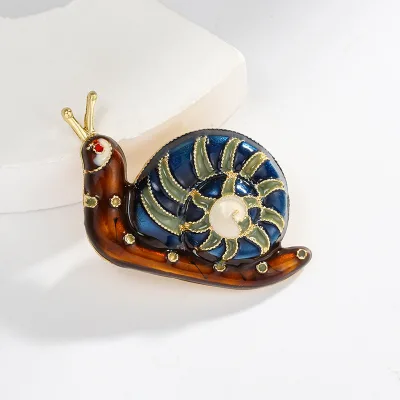
$0.8683 - $1.0928
MOQ: 12 pieces
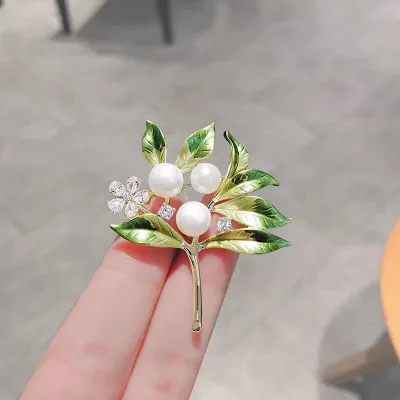
$0.6392 - $0.8952
MOQ: 12 pieces
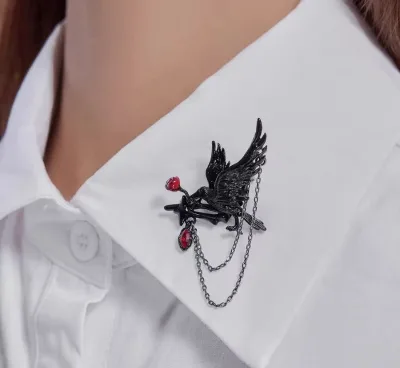
$0.3608 - $1.0299
MOQ: 12 pieces
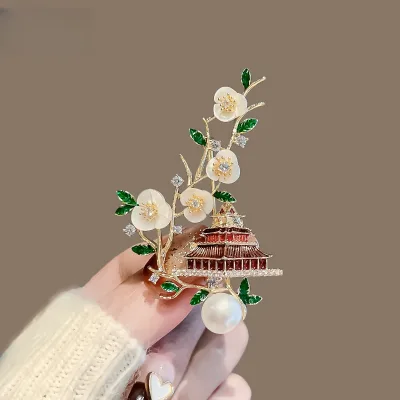
$0.7081 - $1.1796
MOQ: 12 pieces

Meishan Shunjieru Arts & Crafts Co., Ltd.
- Verified by SGS
- Trading Company
- China Sichuan
- Lead time15 days
- Avg. response≤ 3h
Main productsBadge Coin Emblem Medal
Main marketsSoutheast Asia/ Mideast,Europe,Australia,North America


Hot Sale Enamel Pin Badge - Top Quality Wholesale Manufacturer Custom Metal Brooch
$0.15 - $0.95
MOQ: 5 Pieces


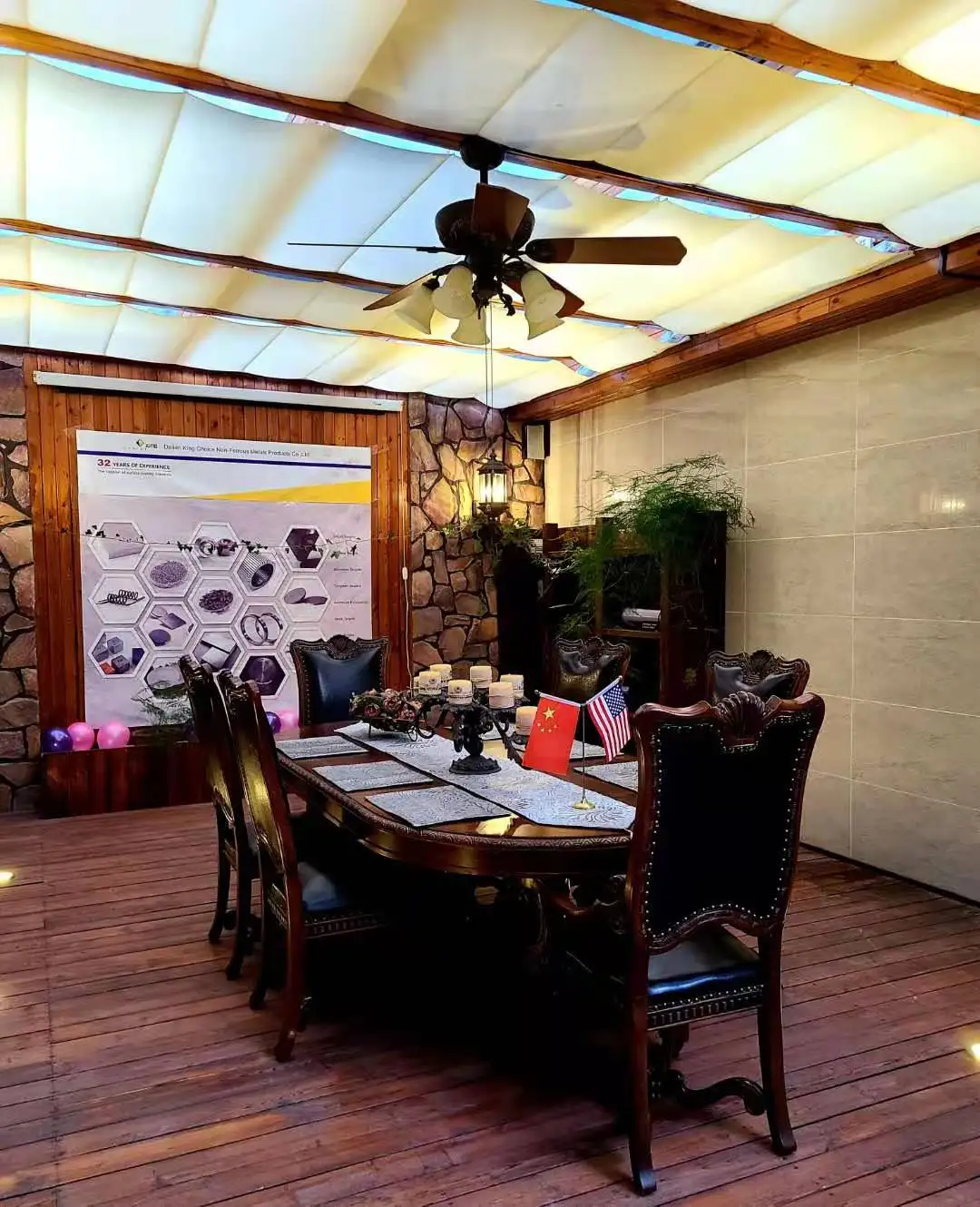
Dalian King Choice International Trading Co., Ltd.
- Trading Company
- Liaoning, China
- Lead time25 days
- Avg. response≤ 11h
Main productsMetal Accessories,Metal handicrafts,Metal jewelry,Metal decoration,Other decorations
Main marketsNorth America(75.00%), South America(10.00%), Domestic Market(5.00%), Western Europe(5.00%), Eastern Europe(5.00%)

Jinjiang Jiayi Supply Chain Management Co., Ltd.
- Verified by BV
- Trading Company
- China Fujian
- Lead time30 days
- Avg. response≤ 1h
Main productsGift, Shoe, Garment, Machine
Main marketsDomestic

Zhongshan Yibao Gift Co., Ltd.
- Verified by SGS
- Combined
- China Guangdong
- Lead time15 days
- Avg. response≤ 2h
Main productsMedals, Badges, Keychains, Coins, Air Freshener, Lanyard, Embroidery Patch, Fridge Magnets, Cufflinks, Packing Box
Main marketsDomestic

- Verified by SGS
- Combined
- China Hunan
- Lead time15 days
- Avg. response≤ 25h
Main productsBadge/Pin, Medal/Fiesta Medal, Coin/Challenge Coin, Pendant/Charm, Cufflink/Tie Clip/Money Clip, Golf Ball Marker/Hat Clip, Printed Pins/Patches/PVC, Belt Buckle, Keychain/Bottle Opener, Invitation Card
Main marketsSouth America,Africa,Southeast Asia/ Mideast,Europe,Australia,North America

Zhongshan Junchuan Crafts Co., Ltd
- Verified by SGS
- Trading Company
- China Guangdong
- Lead time15 days
- Avg. response≤ 2h
Main productsLapel Pins, Medals, Challenge Coin, Keychains, Bottle Opener, Champion Rings, Dog Tags, Cufflinks / Tie Clips, Lanyards, Embroidery Patches
Main marketsNorth America


Hot Sale Professional Custom Promotion Badge Brooch Portable Sublimation Printed Badge
$0.18 - $0.45
MOQ: 50 Pieces

Custom Metal Lapel Enamel Pin Soft Hard Enamel Pin Brooch for Decorations
$0.25 - $0.52
MOQ: 50 Pieces
Shenzhen Europa Industrial Co., Ltd.
- Trading Company
- Guangdong, China
- Lead time15 days
- Avg. response≤ 7h
Main productsEarring, Ring, Necklace Chain, Bracelets Bangles, Brooch
Main marketsNorth America(40.00%), Eastern Asia(25.00%), Western Europe(10.00%), South America(5.00%), Oceania(5.00%), Domestic Market(5.00%), Mid East(5.00%), Southeast Asia(5.00%)

- Trading Company
- Zhejiang, China
- Lead time15 days
- Avg. response≤ 2h
Main productshair scrunchies,sunglasses,jewelry packing,jewelry,body chain
Main marketsNorth America(20.00%), South Asia(8.00%), Mid East(8.00%), Oceania(8.00%), Central America(8.00%), Southeast Asia(8.00%), Eastern Europe(8.00%), South America(8.00%), Domestic Market(4.00%), Eastern Asia(4.00%), Southern Europe(4.00%), Northern Europe(4.00%), Africa(4.00%), Western Europe(4.00%)

Shenzhen Yanlsle Cultural and Creative Technology Co., Ltd.
- Verified by SGS
- Trading Company
- China Guangdong
- Lead time15 days
- Avg. response≤ 6h
Main productsBrooch/Coin/Badge/Medal/Pin/Keychain
Main marketsDomestic


Classic Popular Meme Culture Series Badges Brooches Customizable for Making Friends and Gift Giving
$0.20 - $0.72
MOQ: 100 Pieces

- Verified by CTI
- Trading Company
- China Zhejiang
- Lead time15 days
- Avg. response≤ 6h
Main productsJewelry, Brooch, Belt, Necklace, Agent, Bracelet, China Trim, China Ring, China Hair Accessory, China Earring
Main marketsSouth America

Zhongshan Unique Gifts & Crafts Co., LTD
- Verified by BV
- Combined
- China Guangdong
- Lead time15 days
- Avg. response≤ 3h
Main productsLapel Pin, Medal, Keychain, Souvenir Coins, Metal Cuffinks, Tie -Pins, Belt Buckle, Bottle Opener, Fridge Magnet, PVC Keychain
Main marketsSouth America,Africa,Southeast Asia/ Mideast,East Asia(Japan/ South Korea),Europe,Australia,North America

Cute Mini Brooch Different Types Car Shape Metal Custom Hard Enamel Pin Badge
$0.15 - $0.45
MOQ: 100 Pieces


- Verified by TUVRHEINLAND
- Trading Company
- China Anhui
- Lead time30 days
- Avg. response≤ 15h
Main productsCoffee Syphon, Coffee Grinder, Coffee Tampers, Coffee Dripper, Iced Brewer, Coffee Mugs, Coffee Pitcher, Tamper Mat, Coffee Mug, Coffee Maker
Main marketsSoutheast Asia/ Mideast,North America

Shenzhen Awells Gift Co., Ltd.
- Verified by SGS
- Combined
- China Guangdong
- Lead time15 days
- Avg. response≤ 1h
Main productsEmbroidery Patch, PVC Patch, Woven Patch, Chenille Patch, Embroidery Keychain, Woven Keychain, PVC Keychain, Lanyard, Lapel Pin, Cap
Main marketsSoutheast Asia/ Mideast,Europe,Australia,North America

Zhongshan Keychain Gifts & Crafts Co., Ltd.
- Combined
- China Guangdong
- Lead time15 days
- Avg. response≤ 6h
Main productsKey Ring, Key Chain, Metal Key Chain, Bag Hanger, Compact Mirror, Medal, Key Chain with Bottle Opener, Promotional Gift, Souvenir, Badge
Main marketsSouth America,Europe,Australia,North America


Offset Print Cheapest Metal Stainless Iron Print Epoxy Brooch with Epoxy
$0.11 - $0.18
MOQ: 100 Pieces
Quanzhou Duozhi Arts And Crafts Co., Ltd.
- Verified by TüVRheinland
- Manufacturer, Trading Company
- Lead time5 days
- Avg. response≤ 5h
Main productsCroc Charms, Focal Bead, Enamel Pin, Watch Band Charms, Keychain
Main marketsNorth America(80%), Western Europe(10%), Oceania(5%)

Zhongshan Ruijing Hardware Products Co., Ltd
- Verified by SGS
- Combined
- China Guangdong
- Lead time15 days
- Avg. response≤ 1h
Main marketsDomestic

Inspire Souvenirs Manufacturing Limited
- Manufacturer
- China Guangdong
- Lead time30 days
- Avg. response≤ 25h
Main productsKeychain, Key Ring, Bottle Opener, Dinner Bell, Souvenir Spoon, Souvenir Keychain, Fridge Magnet, Key Holder, Brooch, Ashtray
Main marketsSouth America,Europe,North America











Comprehensive Sourcing Guide
Micro Insert Brooch Supplier Concentration and Factory Types
When you begin sourcing a Micro Insert Brooch, the first structural question is where the relevant suppliers actually sit. In the observed results, the strongest concentration signal points to Zhejiang, China, where suppliers list jewelry, clothing accessories and brooch accessories among their main products, and where a large share of the displayed brooch items originate. A second location appears in the results in Fujian, China, though that supplier's main product list leans toward footwear items such as EVA clogs, shoe charms and slippers, which suggests the brooch results there may come from a broader gift and promotional-goods catalog rather than a jewelry-specialist line. Treat this distinction as a practical filter: a factory whose catalog is dominated by brooches and fashion jewelry will generally speak your product language more fluently than a general gift house that happens to carry pins.
The factory types you will encounter also differ. Some suppliers in the results identify as manufacturers, others as trading companies, and some as both. Manufacturer-traders can be useful for a Micro Insert Brooch program because they combine in-house plating and assembly capability with the sourcing flexibility to fill gaps. Traders, by contrast, may add margin but can simplify communication and consolidation when you want to mix brooch designs across several small workshops. Note that observed results do not consistently show establishment years, so you should request founding dates directly rather than assuming experience from listing polish or product photography quality.
How to Verify Micro Insert Brooch Suppliers
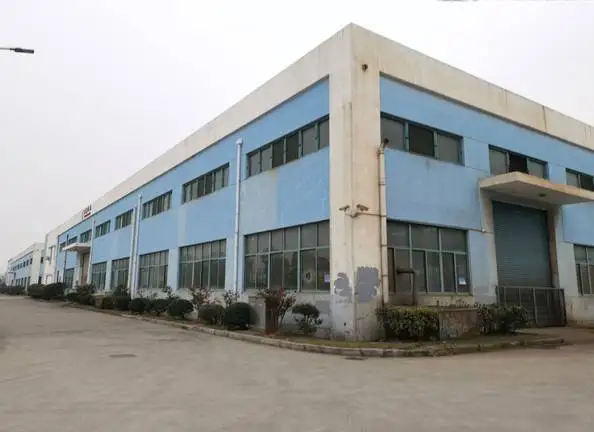
Verification for a Micro Insert Brooch supplier should start with the credentials and behaviors that are actually visible in the listing data. At least one supplier in the results carries a third-party verification badge, specifically TüV Rheinland, which typically involves an on-site or documented assessment of the company rather than the products themselves. Treat such a badge as a company-existence check, not a quality certificate for plating, stone setting or enamel work. Other suppliers in the results show no verification label at all, so absence of a badge is normal in this category and should prompt deeper manual diligence rather than automatic disqualification. Ask each candidate for its business license, the exact registered entity name, and photos of the workshop or production floor for the brooch line.
Response behavior is a second verification signal with real evidence behind it. In the observed results, one supplier reports an average response time of around three hours while another reports roughly thirteen hours, a meaningful spread when you are iterating on design files, sampling instructions or plating references. A supplier that answers slowly before you have paid will rarely speed up afterward. Also verify capability claims directly: one supplier lists sample processing, graphic processing and customized-on-demand services, which you should confirm by requesting an actual pre-production sample of your Micro Insert Brooch design, including the insert mechanism. Never rely on catalog photos alone, since many listings across suppliers appear to share similar design families.
What to Compare Across Micro Insert Brooch Suppliers
Build a comparison table using only dimensions that the supplier results actually display, and mark unknowns as unknown. Useful visible dimensions in this category include location, company type, main products, verification status, response time and stated lead time. For example, one jewelry-focused supplier in Zhejiang shows a lead time of around fifteen days, while another supplier's result shows a lead time of zero, which likely means the field is unfilled rather than genuinely instant fulfillment. Comparing an unfilled field as if it were data is one of the most common table-building mistakes, so normalize your spreadsheet before drawing conclusions. Main-product fit also matters: suppliers whose catalogs center on brooches and clothing accessories deserve a higher fit score than those whose catalogs center on unrelated goods.
Price and MOQ comparisons are possible from the product listings, but read them as per-design figures, not category-wide promises. Displayed brooch prices in the results range from roughly half a dollar to just over two dollars per piece, with MOQs as low as one or six pieces on some designs and twelve on another. That spread reflects design complexity, materials such as alloy, acrylic, rhinestone or zircon, and plating choices including gold, silver and 14K gold plating. Record price bands per design family, note which suppliers display MOQs at all, and require written quotations for your specific Micro Insert Brooch specification before treating any displayed number as binding.
Common Micro Insert Brooch Sourcing Risks
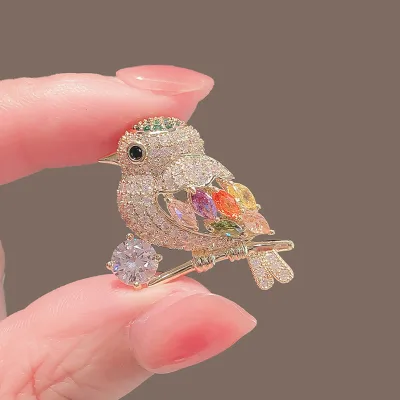
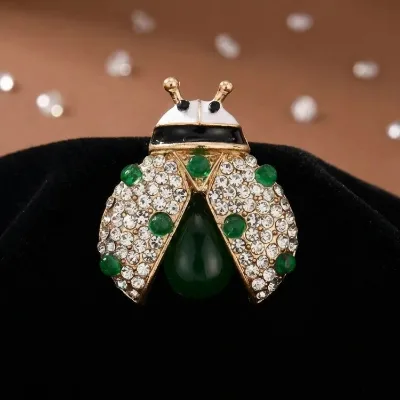
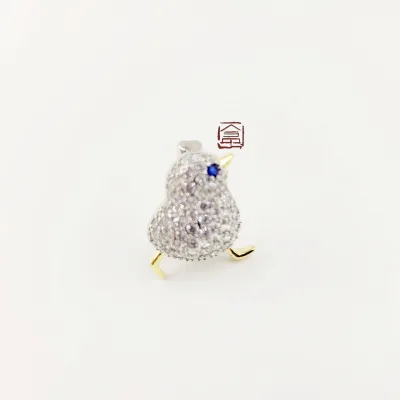
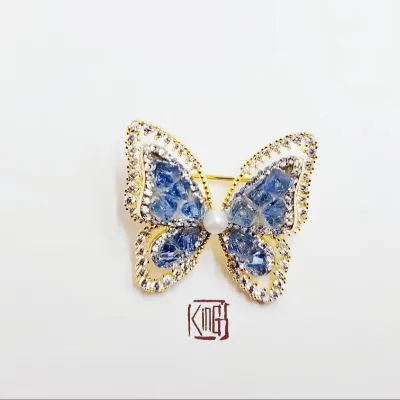
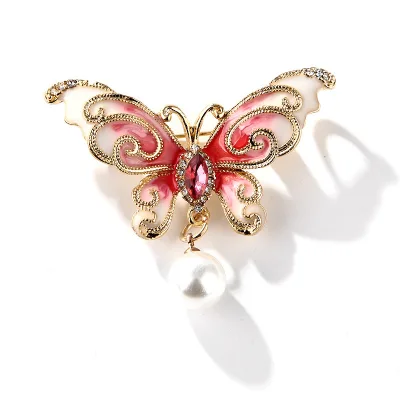
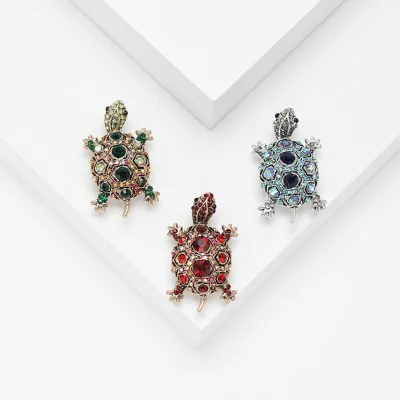
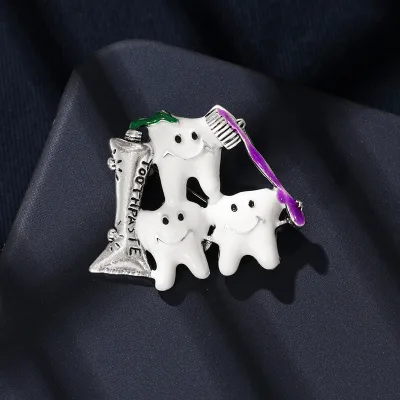
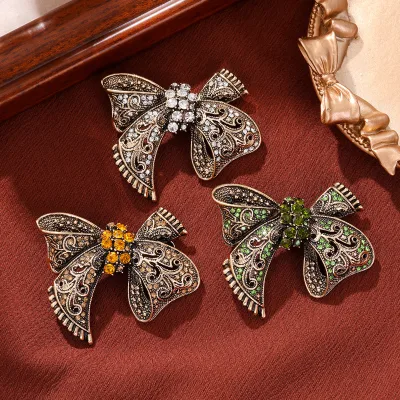
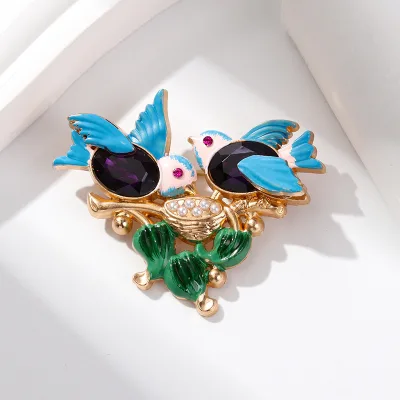
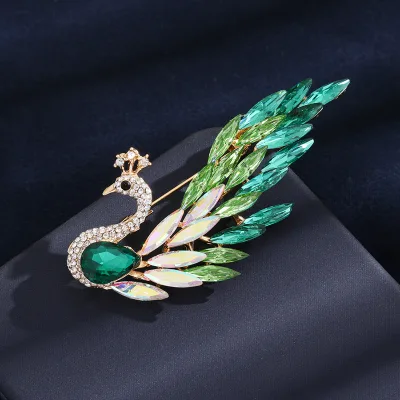
The first risk cluster for a Micro Insert Brooch concerns design provenance and assortment drift. Many listings in the results describe trendy animal and character motifs, including butterflies, deer, birds, bees, ladybugs, lizards and cherries, with plating described only in broad terms such as gold plated, silver plated or 14K gold plated. Broad plating labels hide real differences in base metal, coating thickness and tarnish resistance; one listing even markets a small non-tarnish finish, which you should substantiate with your own wear and sweat testing rather than accepting from a keyword. Similarly, colors described as "as the picture shown" leave room for substitution, so lock colorways, pantone references and stone grades into a signed specification sheet before deposit.
The second risk cluster concerns fulfillment and communication assumptions. A supplier with a low per-piece price but a thirteen-hour average response time can stall your sampling cycle far more than a slightly higher price would, while an unfilled lead-time field can hide a queue of pending orders ahead of yours. MOQs in this category appear low in the listings, which tempts buyers into spreading orders across many suppliers; that strategy multiplies sampling fees, mixed-carton shipping complexity and per-supplier quality variance. Also note that some suppliers are dual-role manufacturer-traders, so the entity quoting you may not be the entity making the brooch. Confirm who physically controls tooling, plating baths and inventory, and get the answer in writing with the production address attached.
Micro Insert Brooch Regional Sourcing and Logistics
The evidence in the results supports a Zhejiang-centered view of this category, with the jewelry, clothing accessories and brooch accessories catalog and the largest cluster of displayed designs anchored there. Sourcing from one province simplifies consolidation: samples and bulk cartons from multiple Zhejiang brooch suppliers can often combine into one freight booking, reducing per-shipment cost for low-weight, high-value-density goods like micro insert brooches. Individual items in the results show single gross weights around twenty-five grams and compact package dimensions, so even a few thousand pieces remain a light shipment, and air express or consolidated air freight is usually practical for samples and initial bulk runs alike.
Fujian appears in the results as a secondary sourcing location, but the supplier there lists main products such as EVA clogs, flip flops, shoe charms, shopping bags, wristbands and promotional gifts. That profile can still be relevant if your Micro Insert Brooch doubles as a shoe charm or promotional giveaway, since such a supplier understands small decorative hardware and gift packaging. Otherwise, treat Fujian listings as opportunistic rather than core. When you cannot verify cluster membership from listing data, identify clusters yourself by asking each supplier where its plating, casting and assembly partners physically sit, then mapping the addresses. Suppliers within the same industrial zone can share toolmakers and electroplating subcontractors, which shortens critical-path delays when one process step falls behind during peak season.
Micro Insert Brooch Commercial Terms and Order Planning
Commercial terms for a Micro Insert Brooch program should be negotiated per design, not per catalog. The displayed price bands in the results, from under a dollar for simple rhinestone fruit designs to slightly over two dollars for zircon-set animal motifs, show how quickly value accumulates with stone count, plating grade and enamel detail. Negotiate tiered pricing against realistic volume steps, confirm whether displayed MOQs apply per colorway or per design, and clarify whether sample fees are credited against bulk orders. Because some results show MOQs of one to twelve pieces, small pilot orders are feasible; use them to test plating durability, pin-back strength and insert fit before committing to larger runs.
Order planning should also incorporate the timing evidence visible in the listings. A stated lead time of roughly fifteen days from one jewelry supplier gives you a working baseline, but treat it as a production-only figure and add sampling, quality inspection and shipping time separately. One result shows a zero lead-time value, which you should read as missing data and confirm by asking for the current production calendar. Escrow and payment protection were not visible in the observed supplier data, so verify what payment mechanisms each supplier accepts and prefer arrangements that release funds after inspection. Finally, plan reorders against response-time realities: a supplier answering in about three hours supports fast replenishment, while a thirteen-hour responder suits planned seasonal buys better than urgent top-ups.
FAQs
What is the price range for micro insert brooches?
Micro insert brooches typically range from $0.43 to $2.15 per unit. Prices vary based on materials like alloy, crystal, or acrylic, and plating options such as gold or silver. Buyers should check specific product listings for exact pricing tiers and volume discounts.
What is the minimum order quantity for these brooches?
The minimum order quantity varies by supplier, with some requiring as few as 6 pieces while others set the bar at 12 units. Certain trendy acrylic designs may allow orders of just 1 piece. Buyers should verify the MOQ on individual product pages before placing orders.
Where are these brooches manufactured?
Manufacturers are primarily located in Zhejiang and Fujian, China. These regions specialize in fashion jewelry and accessories. Buyers can filter suppliers by these specific locations to ensure alignment with their sourcing preferences and logistical requirements for international shipping.
How fast do suppliers respond to inquiries?
Response times vary significantly among suppliers. Some manufacturers respond within 3 hours, while others may take up to 13 hours. Buyers seeking rapid communication should prioritize suppliers with faster response metrics to ensure efficient negotiation and order processing.
What materials are used in these brooches?
Common materials include alloy, acrylic, and enamel, often accented with crystals, rhinestones, or pearls. Plating options typically feature gold, silver, or 14K gold finishes. Buyers should review product attributes to select the specific material composition that matches their design and durability needs.
Are suppliers verified for quality assurance?
Some suppliers hold TüV Rheinland verification, indicating adherence to specific quality and safety standards. Buyers should look for this certification badge to ensure the manufacturer meets international quality benchmarks. Verification status helps mitigate risks associated with product consistency and reliability.
What is the typical lead time for production?
Lead times generally range from 0 to 15 days depending on the supplier and order complexity. Some suppliers offer immediate availability for stock items, while others require up to two weeks for production. Buyers should confirm lead times directly with the supplier to plan inventory effectively.