Industrial Garden Spade Suppliers and Manufacturers
Compare 25 suppliers of Industrial Garden Spade products across verified company type, certifications, lead times, MOQs, and customization support such as OEM and ODM. Review specifications including blade material, handle type, and pricing, then send inquiries to shortlisted suppliers to request samples and quotes.
Suppliers List
Tianjin Jinyuan International Ltd
- Verified by SGS Group
- Trading Company
- Lead time0 days
Main productsAgricultural Tools, Gardening Tools, Shovels, Rakes, Lawn mower
Main marketsNorth America(30%), Eastern Europe(30%), Western Europe(20%)

Tangshan Las Import & Export Co., Ltd.
- Trading Company,Manufacturer/Factory
- China Hebei
- Lead time45 days
- Avg. response≤ 17h
Main productsHandle Shovel, Pick, Hoe, Fork, Axe and Hammer, Shovel Head, Nails, Sickle, Wire Mesh, Machete
Main marketsSouth America,Mid East,Southeast Asia,Eastern Asia,Africa

Ningbo Two Birds Industry Co., Ltd.
- Verified by BV
- Trading Company,Manufacturer/Factory
- China Zhejiang
- Lead time45 days
- Avg. response≤ 6h
Main productsCosmetic & Makeup Items, Cleaning Tool, Pet Supplies, Bathroom Products, Bags, Kitchen Accessories, Hair Accessories, Home Textile, Consumable Items, Home Storage
Main marketsSouth America,Eastern Europe,Mid East,North America,Southeast Asia,Eastern Asia,Oceania,Western Europe,Africa
Huamaoji Construction Machinery Trading (beijing) Co., Ltd.
- Trading Company
- Beijing, China
- Lead time10 days
- Avg. response≤ 9h
Main productsshovel,Machete,Undercarriage Part,Rubber track,Diesel Engine Assy
Main marketsAfrica(30.0%), Eastern Asia(20.0%), Domestic Market(10.0%), Southeast Asia(7.000000000000001%), Oceania(6.0%), South America(5.0%), Mid East(5.0%), South Asia(5.0%), Eastern Europe(2.0%), North America(2.0%), Southern Europe(2.0%), Northern Europe(2.0%), Central America(2.0%), Western Europe(2.0%)

Guangzhou 247 International Co., Ltd
- Trading Company,Manufacturer/Factory
- China Guangdong
- Lead time23 days
- Avg. response≤ 13h
Main productsIron Nails, Screws, Welding Rods, Iron Wire, Welding Wires, Wire Mesh, Safety Products, Welding Gloves, Fastener, Labour Protection Tools
Main marketsSouth America,Eastern Europe,Mid East,North America,Southeast Asia,Eastern Asia,Oceania,Western Europe,Africa
Chengde Greenlife Home Product Co., Ltd.
- Manufacturer, Trading Company
- Hebei, China
- Lead time45 days
- Avg. response≤ 8h
Main productsfire pit,grill, shovel, rake,post hole digger,hoe,spade, table,chair,Kitchen Cart,sofa,bracket
Main marketsNorth America(75.0%), Oceania(20.0%), Africa(5.0%)
Dingzhou Gemlight Cutting Tools Co., Ltd.
- Verified by SGS
- Combined
- China Hebei
- Lead time30 days
- Avg. response≤ 2h
Main productsShovel, Hoe, Sickle, Pickaxe, Farm Fork, Rake, Hand Tools, Wheelbarrows, Farm Tools
Main marketsAfrica,Southeast Asia/ Mideast,Domestic

Shandong Yifa Casting & Forging Co., Ltd.
- Verified by SGS
- Manufacturer/Factory
- China Shandong
- Lead time45 days
- Avg. response≤ 5h
Main productsRigging Hardware, Shackle G209 G210 G2130 G2150, Load Binder L140 L150 EU. Safety Type, Wire Rope Clip DIN741 DIN1142 JIS Type, Hook G70 G80 Grab Hook Slip Hook Rtj Hook, Power Line Fittings Turnbuckle Wire Rope, Carabiner& Belt Hook Quick Links, Chain En818-2 G100 Alloy Lifting&Lashing DIN766, Stainless Steel Items&Swivel&Thimble&Block, Construction Accessories Links Eyebolt&Nut
Main marketsSouth America,Eastern Europe,Mid East,North America,Southeast Asia,Eastern Asia,Oceania,Western Europe,Africa

Garden Plastic Spade Aluminum Rod Wooden Handle Iron Plastic Garden Snow Shovel
$1.50 - $2.50
Moq: 500


Tianjin Perfect Machinery Co. Ltd.
- Verified by CTI
- Trading Company
- China Tianjin
- Lead time30 days
- Avg. response≤ 4h
Main productsHoe, Shovel, Pickaxe, Matchet
Main marketsSoutheast Asia/ Mideast

Zhangzhou Green-Lake Import & Export Co., Ltd.
- Verified by TUVRHEINLAND
- Trading Company
- China Fujian
- Lead time15 days
- Avg. response≤ 18h
Main productsCanned Food
Main marketsSouth America,Eastern Europe,Mid East,North America,Southeast Asia,Eastern Asia,Oceania,Western Europe,Africa

Metins Machinery Trading Co., Ltd.
- Verified by TUVRHEINLAND
- Trading Company,Manufacturer/Factory
- China Tianjin
- Lead time23 days
- Avg. response≤ 12h
Main productsStamping Parts, Fabrication & Laser Cutting Parts, CNC Parts, Plastic Injection Parts, Casting Parts, Metal Wire Forming Part, Custom-Made Fastener, Assemble Welded Structural Parts
Main marketsEastern Europe,North America,Western Europe
Ningbo Gamry Import & Export Co., Ltd.
- Trading Company
- Zhejiang, China
- Lead time30 days
- Avg. response≤ 7h
Main productsGarden,thermometer,Pet items,Stationary
Main marketsNorth America(20.0%), Eastern Europe(15.0%), Northern Europe(10.0%), Western Europe(10.0%), Southern Europe(10.0%), South America(10.0%), Central America(6.0%), Oceania(5.0%), Mid East(4.0%), Southeast Asia(4.0%), Domestic Market(3.0%), Eastern Asia(2.0%), South Asia(1.0%)

- Verified by SGS
- Trading Company,Manufacturer/Factory
- China Jiangsu
- Lead time45 days
- Avg. response≤ 7h
Main productsTrowel, Pliers, Tool Set, Socket Set, Adjustable Wrench, Knife, Hand Saw, Safety Googles, Hammer, Shear
Main marketsSouth America,Eastern Europe,North America,Western Europe,Africa
Tangshan Renhe Hardware Tools Co., Ltd.
- Verified by SGS
- Combined
- China Hebei
- Lead time45 days
- Avg. response≤ 1h
Main productsShovel, Hoe, Fork, Pickaxe, Rake, Garden Tool, Snow Shovel, Plastic Shovel, Hand Tools, Agricultural Tool
Main marketsSouth America,Africa,Others(foreignTradeCapacity.exportBusinessCapacityMarketOther),Southeast Asia/ Mideast,East Asia(Japan/ South Korea),Europe,North America

TANGSHAN KAITU IMPORT AND EXPORT CO., LTD.
- Trading Company
- China Hebei
- Lead time30 days
- Avg. response≤ 25h
Main productsShovel, Pickaxe, Fork, Spade, Axe, Hammer, Machete, Hoe, Nail, Rake
Main marketsSouth America,Africa,Southeast Asia/ Mideast,East Asia(Japan/ South Korea),Europe,Australia,North America

TANGSHAN MIRACLE IMPORT AND EXPORT CO., LTD.
- Verified by SGS
- Combined
- China Hebei
- Lead time15 days
- Avg. response≤ 14h
Main productsShovel, Hoe, Pickaxe, Machete, Fork, Rake, Farming Tools, Garden Tools
Main marketsOthers(foreignTradeCapacity.exportBusinessCapacityMarketOther)


Spain Type Agricultural Tools Carbon Steel Garden Shovel Square Spade with Wood Handle
$1.00 - $4.00
Moq: 3000

Factory Wholesale Heavy Duty One Piece Metal Shovel Gardening Tools Shovel Spade
$1.98 - $2.19
Moq: 3000

Exact Commerce Qingdao Co., Ltd.
- Manufacturer, Trading Company
- Shandong, China
- Lead time45 days
- Avg. response≤ 24h
Main productsLawn & Garden Tools
Main marketsNorth America(100.0%)
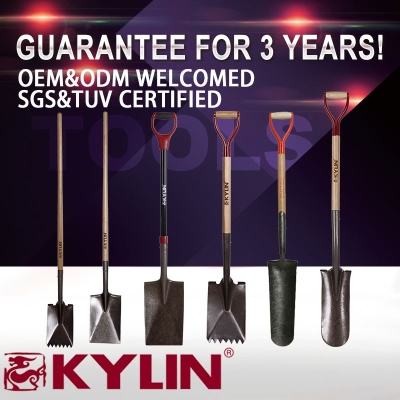
5% Off Garden Tools Types of Spade Shovel Function of Tree Spade
Contact supplier
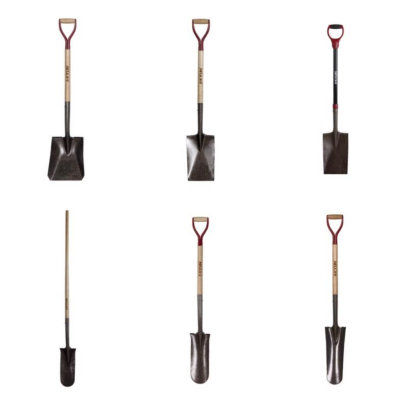
Types of Spade Shovel Forged Drain Steel Spade
Contact supplier
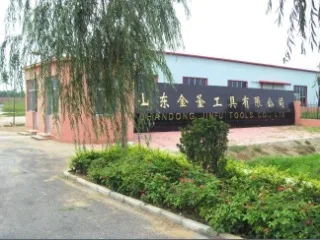
Shandong Jinfu Tools Co., Ltd.
- Manufacturer, Trading Company
- Shandong, China
- Lead time40 days
- Avg. response≤ 8h
Main productsHand tools,Firefighting tools,Machine Knives
Main marketsSouth Asia(7.690000000000001%), Southern Europe(7.690000000000001%), Northern Europe(7.690000000000001%), Central America(7.690000000000001%), Western Europe(7.690000000000001%), Eastern Asia(7.690000000000001%), Mid East(7.690000000000001%), Oceania(7.690000000000001%), Africa(7.690000000000001%), Southeast Asia(7.690000000000001%), Eastern Europe(7.690000000000001%), South America(7.690000000000001%), North America(7.690000000000001%)
Tangshan Yutong Import And Export Corporation
- Manufacturer, Trading Company
- Lead time旺季: "1 - 10000":60,"> 10000":"To be negotiated", 淡季: "1 - 10000":60,"> 10000":"To be negotiated"
- Avg. response≤ 11h
Main productsShovel,Fork,Pick,Hoe,Hammer

- Verified by SGS
- Trading Company
- China Zhejiang
- Lead time15 days
- Avg. response≤ 15h
Main productsMop, Kitchen Knife, Chopping Board, Blanket, Mosquito Net, Cushion, Slipper, Broom, Luggage, Educational Toy
Main marketsEurope,Australia
Denaiyou Intelligent Technology (Shanghai) Co., Ltd.
- Verified by SGS
- Combined
- China Shanghai
- Lead time30 days
- Avg. response≤ 9h
Main productsCylinder Mower, Reel Mower, Triplex Mower, Turf Aerator, Lawn Mower.
Main marketsSoutheast Asia/ Mideast,Europe


High - Quality Steel Spade Suitable for Gardening and Construction Deposit Price Is
$14.00 - $18.00
Moq: 20

Shandong Jinshan Construction Machinery Co., Ltd.
- Verified by TUVRHEINLAND
- Manufacturer/Factory
- China Shandong
- Lead time38 days
- Avg. response≤ 1h
Main productsIntelligent Front-End Attachment for Excavator, OEM Rock/ Mud Bucket, Excavator Screen Bucket, Wood/ Rock Grab, Crushing Bucket, Tilt Bucket, Tree Spade, Hydraulic Plate Compactor, Heavy Hydraulic Shear, Rotating Screen Bucket
Main marketsSouth America,Eastern Europe,Mid East,North America,Southeast Asia,Oceania,Western Europe,Africa

CE Certified High Quality 10t Excavator Tree Spade/ Iron Spade/ 5 Petals Spade
$10000.00 - $21000.00
Moq: 1

Jining Optimal Construction Machinery Co., Ltd.
- Verified by SGS
- Combined
- China Shandong
- Lead time15 days
- Avg. response≤ 3h
Main productsZero Turn Lawn Mower, Robot Lawn Mower, Remote Control Lawn Mower, Ride on Lawn Mower, Four-Wheel Drive Riding Lawn Mower, Tractor, Tree Spade, Skid Steer Loader, Seedling Tray Sowing Machine, Electric Hedge Trimmer
Main marketsSouth America,Europe,Australia

Ningbo Yinzhou Guoten Industrial Co., Ltd.
- Verified by TUVRHEINLAND
- Trading Company
- China Zhejiang
- Lead time30 days
- Avg. response≤ 11h
Main productsElectric Tools, Garden Tools, Hand Tools, Power Tools, Air Tools
Main marketsSoutheast Asia/ Mideast,Europe,North America

Yucheng Dingshengyuan Machinery Manufacturing Co., Ltd
- Verified by TUVRHEINLAND
- Combined
- China Shandong
- Lead time15 days
- Avg. response≤ 3h
Main productsMachinery
Main marketsSoutheast Asia/ Mideast
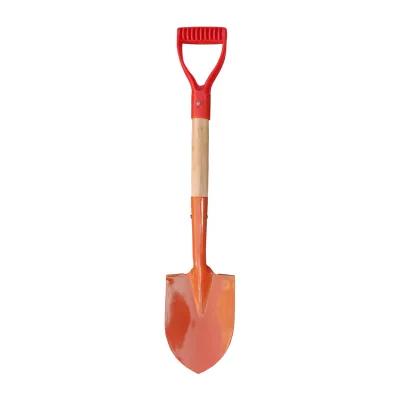
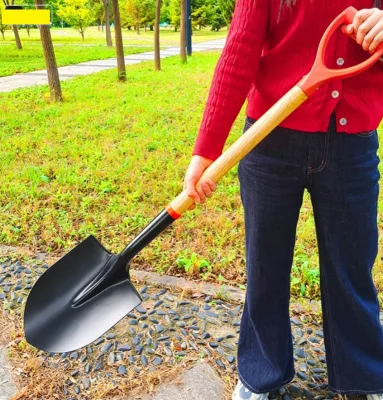


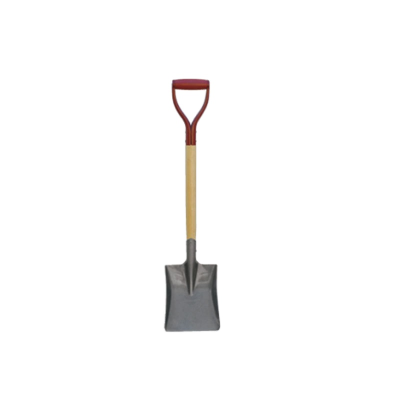
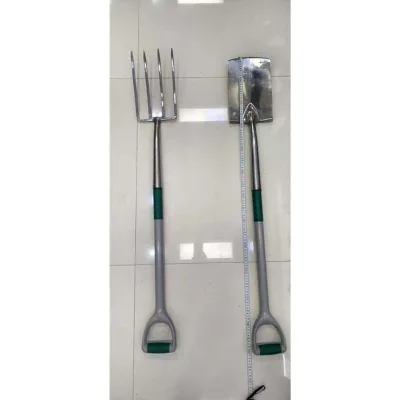


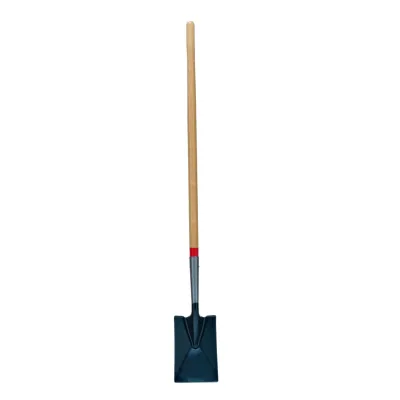
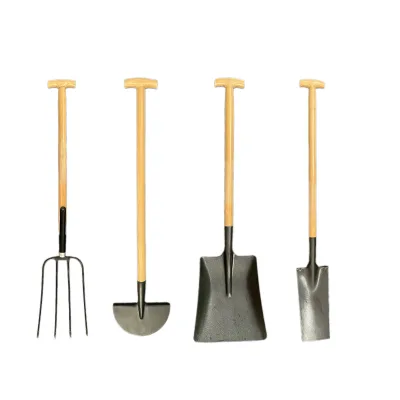
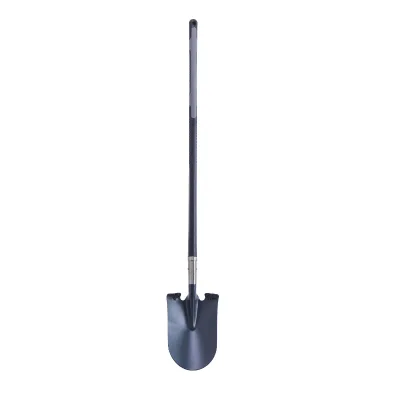
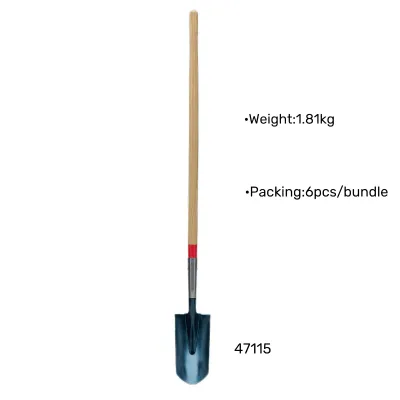


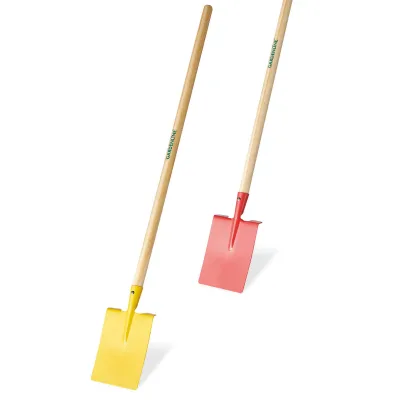
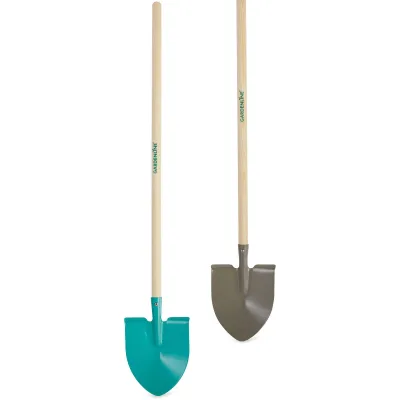


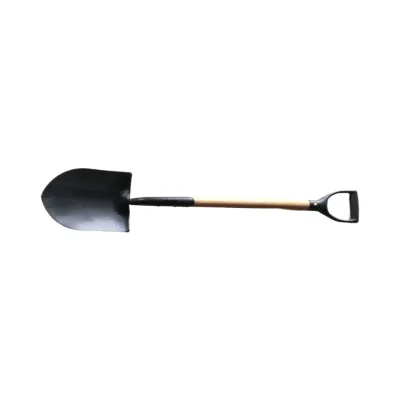
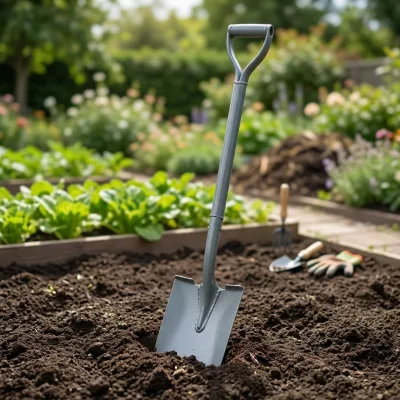
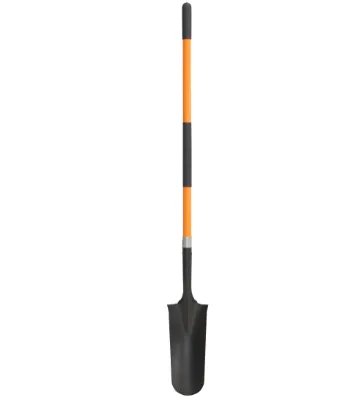
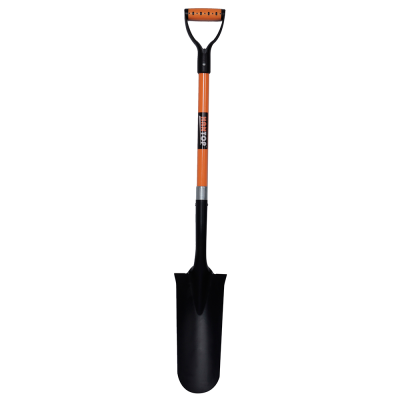


Comprehensive Sourcing Guide
Industrial Garden Spade Supplier Concentration and Factory Types
The current supplier landscape for industrial garden spades reveals a mix of trading companies and manufacturers, with specific facility types identified in the data. Some entities operate strictly as trading companies, while others function as combined manufacturers and factories, offering distinct advantages in production control and supply chain flexibility. The presence of both company types suggests that buyers must carefully distinguish between direct factory sources and intermediaries when evaluating potential partners for large-scale orders. This distinction is critical because factory-direct relationships often provide better access to customization capabilities and production capacity, whereas trading companies may offer broader product ranges and consolidated shipping options.
Geographic concentration of these suppliers is evident in specific regions, with Tianjin and Hebei appearing as key locations for industrial-grade shovel production. These areas host facilities capable of producing carbon steel and wooden-handled spades, often with specific certifications like ISO 9001 or SGS verification. Buyers should prioritize suppliers located in these clusters to leverage established supply chains and specialized labor pools. However, if a specific location is not confirmed in the search results, buyers should verify the physical address and request proof of facility ownership or lease to ensure the supplier is not merely a broker. Understanding the factory type and location helps in assessing the reliability of the supply chain and the potential for long-term partnership stability.
How to Verify Industrial Garden Spade Suppliers
Verification of Industrial Garden Spade suppliers requires a rigorous check of their credentials, certifications, and operational history. The data indicates that some suppliers hold system certifications such as GS, FSC, ISO 9000, TS 16949, and QC 080000, which are essential for ensuring quality management and environmental compliance. Additionally, third-party verification by groups like SGS provides an independent layer of trust regarding the supplier's business legitimacy and product standards. Buyers should request current certification documents and verify their validity through the issuing bodies before proceeding with any significant order. This step is crucial to avoid suppliers who may claim certifications without actual compliance or those whose certifications have expired.
Beyond certifications, buyers must assess the supplier's response time and production capacity to ensure they can meet project timelines. The observed response times vary, with some suppliers showing a response time of approximately 16.30 hours, while others may have different metrics. It is important to confirm that the supplier has the necessary R&D capacity for sample processing and graphic customization, as well as the ability to handle OEM and ODM requests. Buyers should also verify the supplier's establishment year and track record to gauge their experience in the market. If specific details like establishment year or response time are not explicitly provided, buyers should ask for this information directly to make an informed decision about the supplier's reliability and operational efficiency.
What to Compare Across Industrial Garden Spade Suppliers
When comparing suppliers, buyers should focus on key operational metrics such as lead time, minimum order quantity (MOQ), and pricing structures. The data shows that lead times can vary significantly, with some suppliers indicating a lead time of 45 days, while others may have different timelines. MOQs also differ, ranging from 500 pieces to 1200 pieces, which impacts the initial investment required for a new product line. Buyers must evaluate these figures against their own inventory needs and cash flow constraints to determine which supplier offers the most suitable terms. Additionally, price ranges vary, with some products listed between $0.90 and $1.00, while others range from $1.50 to $5.16, reflecting differences in material quality, customization, and production complexity.
Another critical factor is the range of main products and customization support offered by each supplier. Some suppliers specialize in a broad range of agricultural and gardening tools, including shovels, rakes, and lawn mowers, while others focus on specific industrial-grade spades. The ability to support OEM, OBM, and ODM requests is a significant differentiator, allowing buyers to tailor products to their brand requirements. Buyers should also compare warranty terms, which are often listed as one year, and verify the specific materials used, such as carbon steel blades or wooden handles. If a supplier does not explicitly state their customization capabilities or warranty terms, buyers should request detailed specifications to ensure the product meets their quality and performance expectations.
Common Industrial Garden Spade Sourcing Risks
One of the primary risks in sourcing industrial garden spades is the potential mismatch between claimed capabilities and actual production capacity. Suppliers may advertise high customization support or rapid response times, but without verified evidence, these claims can be misleading. Buyers should be cautious of suppliers who do not provide clear details on their R&D capacity or sample processing capabilities, as this can lead to delays and quality issues. Additionally, the variability in lead times, such as the 45-day window observed in some cases, can disrupt supply chains if not properly managed. Buyers must ensure that the supplier has a proven track record of meeting deadlines and delivering products that meet the specified standards.
Another significant risk involves the authenticity of certifications and the quality of materials used in production. While some suppliers list certifications like ISO 9001 or SGS, others may not provide verifiable proof, leaving buyers vulnerable to substandard products. The use of materials such as carbon steel or wooden handles must be confirmed through physical inspection or third-party testing to ensure durability and safety. Buyers should also be wary of suppliers who do not clearly state their warranty terms or who offer vague descriptions of their product specifications. If a supplier cannot provide concrete evidence of their certifications or material quality, buyers should consider alternative options to mitigate the risk of receiving defective or non-compliant products.
Industrial Garden Spade Regional Sourcing and Logistics
Regional sourcing plays a vital role in the logistics and cost-efficiency of Industrial Garden Spade procurement. The data highlights specific regions like Tianjin and Hebei as key manufacturing hubs, where suppliers have established infrastructure for producing high-quality spades. These locations offer advantages in terms of proximity to raw material sources and established shipping routes, which can reduce lead times and transportation costs. Buyers should prioritize suppliers located in these clusters to benefit from the local supply chain ecosystem and potentially negotiate better shipping rates. However, if a supplier is located in a different region, buyers should verify their logistics capabilities and ensure they have the necessary experience in handling international shipments.
Logistics planning also involves understanding the packaging and shipping requirements for industrial garden spades. The data indicates that products are often packed in PVC bags or other standard packaging methods, with specific dimensions and weights that affect shipping costs. Buyers should confirm the packaging details and ensure they align with their storage and distribution needs. Additionally, the lead time for production and shipping must be factored into the overall timeline to avoid delays. If a supplier does not provide clear information on packaging or shipping terms, buyers should request a detailed breakdown to plan their logistics effectively. Understanding the regional logistics landscape helps buyers optimize their supply chain and minimize the risk of disruptions.
Industrial Garden Spade Commercial Terms and Order Planning
Commercial terms for industrial garden spades include pricing, payment conditions, and order planning strategies that buyers must carefully evaluate. The data shows a range of prices, from $0.90 to $5.16, depending on the product specifications and customization level. Buyers should negotiate terms that align with their budget and volume requirements, considering factors like MOQ and lead time. Payment terms, such as escrow or advance payments, should be clearly defined to protect both parties and ensure a smooth transaction. Buyers should also plan their orders well in advance, accounting for production lead times and potential delays, to maintain a steady supply of products.
Order planning involves coordinating with suppliers to ensure timely delivery and quality assurance. Buyers should establish clear communication channels and set expectations for production milestones and quality checks. The data indicates that some suppliers offer customization support, which requires detailed planning to ensure the final product meets the buyer's specifications. Buyers should also consider the warranty terms, which are typically one year, and ensure they have a process for handling any potential issues. If a supplier does not provide clear commercial terms or order planning guidelines, buyers should request a detailed proposal to avoid misunderstandings and ensure a successful partnership. Effective order planning and clear commercial terms are essential for managing the complexities of Industrial Garden Spade sourcing.
FAQs
What is the price range for industrial garden spades?
Industrial garden spades are available from $0.90 to $5.16 per unit. Pricing varies based on material, handle type, and customization options. Buyers can find budget-friendly carbon steel models starting at $0.90 or premium folding spades with wood handles around $4.67. Minimum order quantities also influence the final cost per piece.
What is the minimum order quantity for these spades?
Minimum order quantities typically range from 500 to 1200 pieces. Some suppliers require a minimum of 500 units for standard digging shovels, while others set the threshold at 1200 pieces for customized or folding models. Buyers should check specific product listings to confirm the exact MOQ required for their order size.
Are these spades customizable for branding?
Yes, many suppliers offer OEM, ODM, and OBM customization support. Buyers can request customized logos, colors, and handle materials. Some models allow for specific blade angles and handle lengths. This flexibility ensures that the tools meet specific brand requirements or functional needs for different gardening and agricultural applications.
What materials are used for the spade blades?
Blades are primarily made from industrial-grade steel, including carbon steel and high-carbon steel. Some models feature steel handles, while others use wooden handles for comfort. The steel construction ensures durability for heavy-duty tasks like trench digging, soil transport, and farming. Surface treatments may vary to enhance corrosion resistance.
Where are these garden tools manufactured?
These industrial garden spades are manufactured in China, specifically in regions like Tianjin and Hebei. Suppliers in these areas specialize in producing high-quality steel tools. The location ensures access to robust manufacturing infrastructure and raw materials, supporting consistent production quality and efficient logistics for international buyers.
What certifications do these suppliers hold?
Suppliers hold various certifications including ISO 9001, ISO 9000, TS 16949, and SGS verification. Some also possess FSC and GS certifications. These credentials indicate adherence to international quality management standards and safety requirements. Buyers can verify these certifications to ensure the products meet specific regulatory or quality expectations.
What is the typical lead time for orders?
Lead times vary by supplier, with some listing 45 days for production. Other suppliers may have different timelines depending on order volume and customization needs. Buyers should confirm the exact lead time with the supplier before placing an order. Early communication helps in planning inventory and ensuring timely delivery for projects.