Micro Insert Phoenix Brooch Suppliers and Manufacturers
Compare 24 suppliers of Micro Insert Phoenix Brooch designs by location, supplier type, lead time, response speed, MOQ and customization options for OEM or ODM orders. Review the listing details, then contact shortlisted suppliers to request quotes and samples; review the available evidence before requesting comparable quotations from suitable candidates.
Updated
Suppliers List

Jinjiang Jiaxing Supply Management Co., Ltd.
- Verified by TUVRHEINLAND
- Trading Company
- China Fujian
- Lead time30 days
- Avg. response≤ 1h
Main productsEVA Clogs, Flip Flop, Shoe Charms, Shopping Bags, Wristbands, Gifts, Promotional Gifts, Slipper, Sport Cap, Ball
Main marketsNorth America

GOODLINESS JEWELLERY CO., LIMITED
- Verified by SGS
- Manufacturer
- China Guangdong
- Lead time23 days
- Avg. response≤ 6h
Main productsFashion Glasses, Fashion Watch, Fashion Hair Accessory, Stainless Steel Necklace, Stainless Steel Ring, Stainless Steel Earrings, Key Chain, Brooch
Main marketsSoutheast Asia/ Mideast,Europe,North America
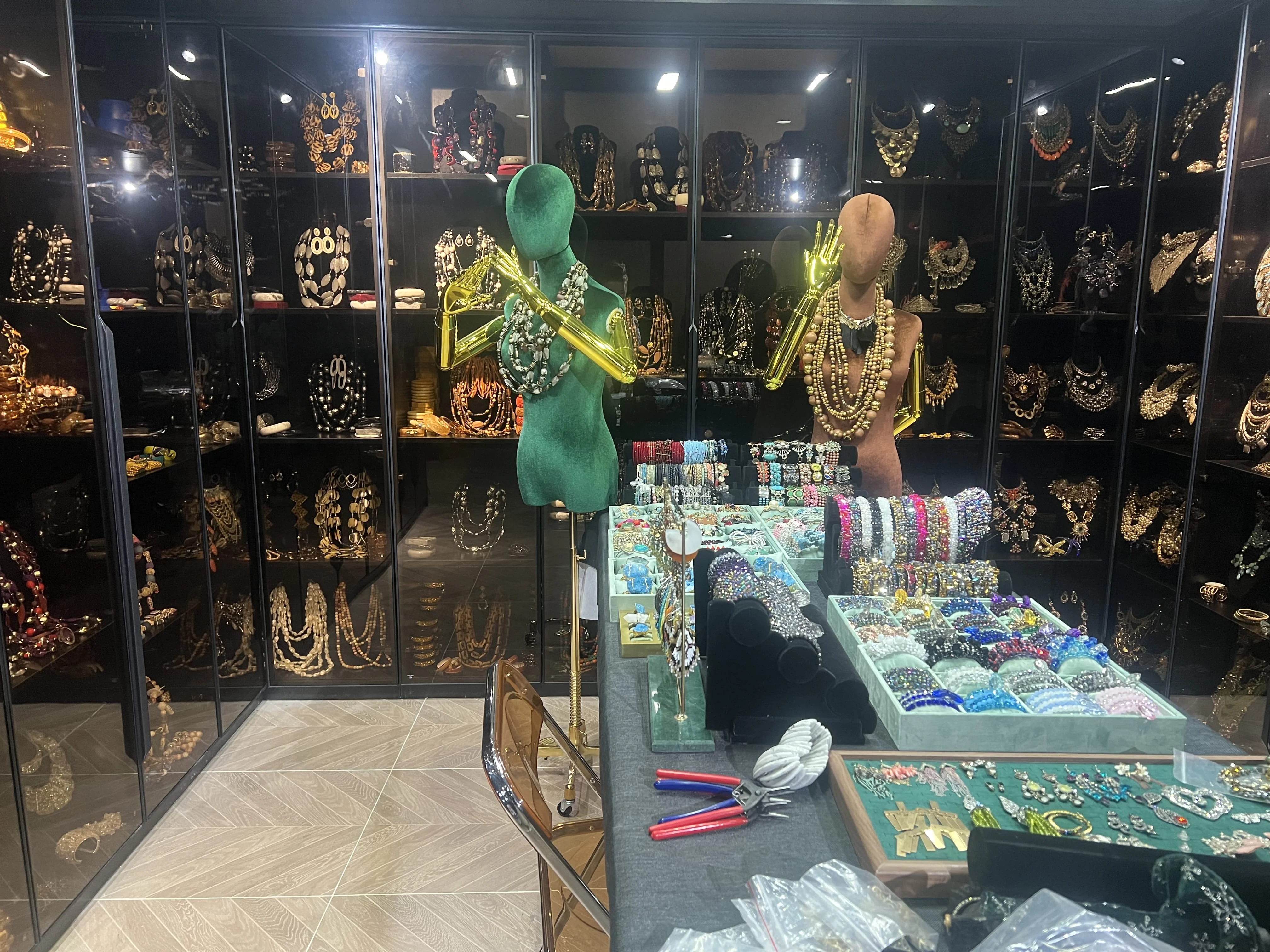
Yiwu Duye E-Commerce Co., Ltd.
- Trading Company
- Zhejiang, China
- Lead time25 days
- Avg. response≤ 15h
Main productsJewelry Set,Necklace,Ring,Bangle,Earring
Main marketsSouthern Europe(10.00%), Northern Europe(10.00%), Western Europe(10.00%), Mid East(10.00%), Oceania(10.00%), Africa(10.00%), Southeast Asia(10.00%), Eastern Europe(10.00%), South America(10.00%), North America(10.00%)

Zhongshan Xinyihong Metal Craft Products Factory
- Verified by TUVRHEINLAND
- Combined
- China Guangdong
- Lead time15 days
- Avg. response≤ 1h
Main productsBadge, Lape Pin, Coin, Medal, Key Chain, Cufflink, Tie Clip, Bottle Opener, Golf Divolt, Name Plate
Main marketsNorth America
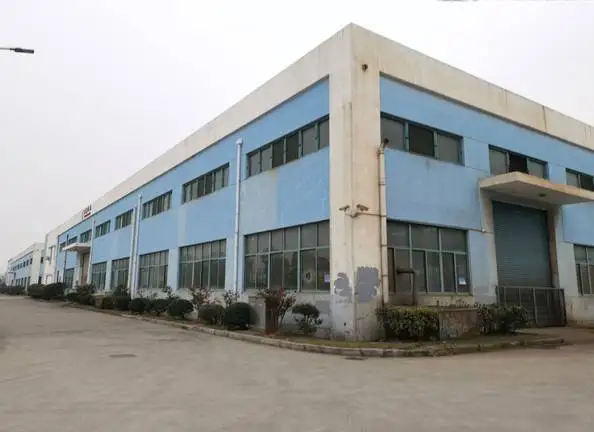
Huizhou Mairuidi Trade Co., Ltd.
- Trading Company
- Guangdong, China
- Lead time0 days
- Avg. response≤ 11h
Main productsdiy jewelry,earring,necklace,sunglasses
Main marketsNorth America(70.00%), Domestic Market(5.00%), Southern Europe(5.00%), Northern Europe(5.00%), Western Europe(5.00%), Eastern Europe(5.00%), South America(5.00%)

Fashion Brooches,Lovely Ant Brooch for Women Copper Animal Insect Lapel Pins
$0.79 - $0.89
MOQ: 12 pieces
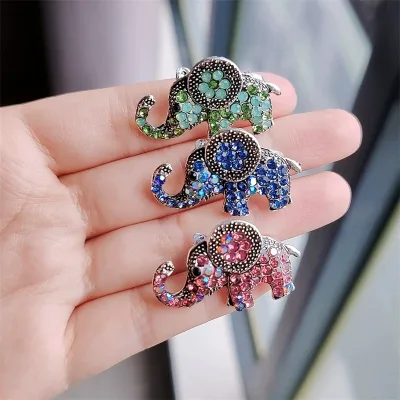
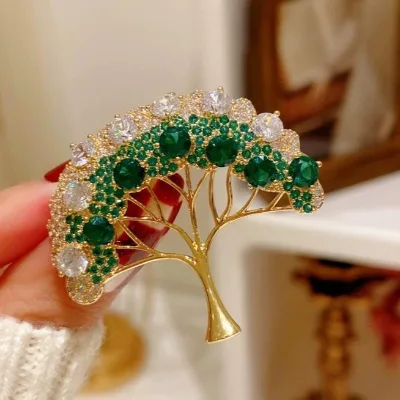

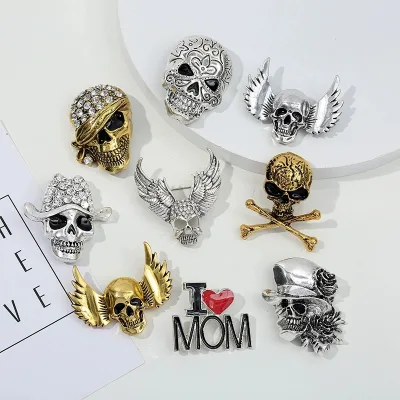
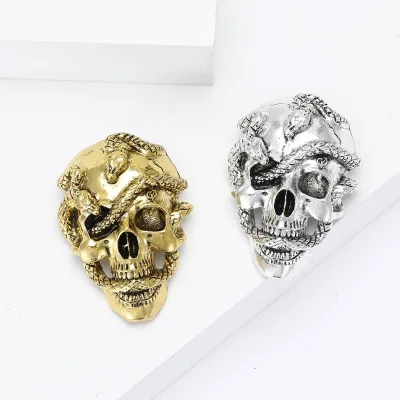
Fashion Brooches,New Arrival High-Grade Halloween Skeleton Vintage Brooch
$0.89 - $0.98
MOQ: 12 pieces
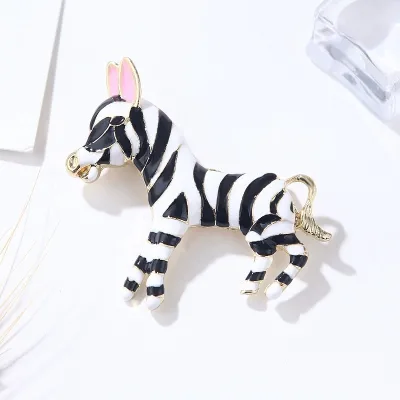
Fashion Brooches,2026 New Arrivals European American Style Retro Ancient Zebra Brooches for Girl
$1.0045 - $1.2799
MOQ: 12 pieces

Dongguan Xinyi Jewelry Co., Ltd.
- Trading Company
- Guangdong, China
- Lead time20 days
- Avg. response≤ 4h
Main productsJewelry rings,necklace,Bracelet,Earings,Anklet
Main marketsNorth America(20.00%), South Asia(10.00%), Southern Europe(10.00%), Northern Europe(10.00%), Western Europe(10.00%), Oceania(10.00%), Southeast Asia(10.00%), Eastern Europe(10.00%), South America(10.00%)

Jinjiang Jiayi Supply Chain Management Co., Ltd.
- Verified by BV
- Trading Company
- China Fujian
- Lead time30 days
- Avg. response≤ 1h
Main productsGift, Shoe, Garment, Machine
Main marketsDomestic

Yiwu Baiyao Clothing Accessories Co., Ltd.
- Manufacturer, Trading Company
- Zhejiang, China
- Lead time15 days
- Avg. response≤ 12h
Main productsJewelry, Clothing Accessories, Brooch Accessories
Main marketsNorth America(60.00%), Southeast Asia(10.00%), Western Europe(6.00%), South America(5.00%), Eastern Europe(5.00%), Southern Europe(4.00%), Northern Europe(4.00%), Oceania(2.00%), Africa(2.00%), Eastern Asia(1.00%), Mid East(1.00%)
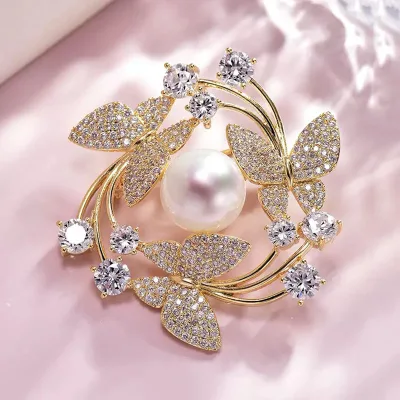
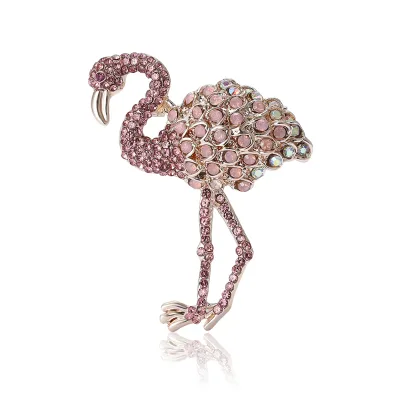
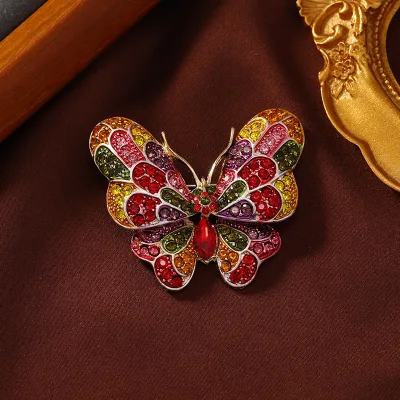
Best-selling Exquisite Alloy Rhinestone Flamingo Brooch Elegant Versatile Animal Brooch
$1.1287 - $1.2305
MOQ: 6 pieces
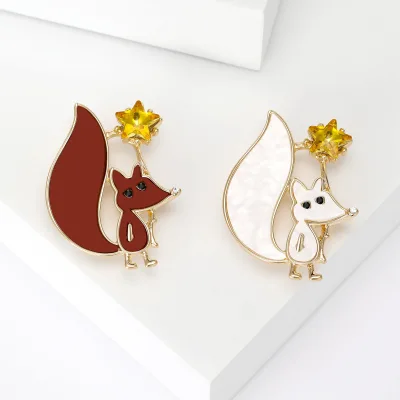
New Cute Fox Yellow Star Brooch Fashion High-end Temperament Animal Brooch
$0.9236 - $1.1287
MOQ: 6 pieces
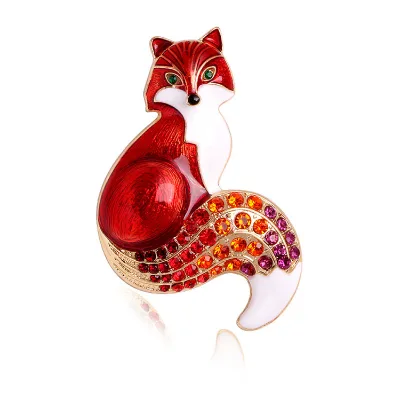
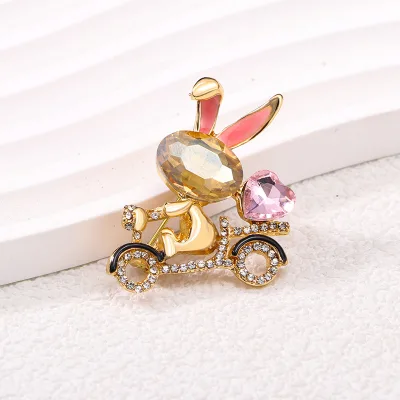
Retro Simple Alloy Designer Brooch Fox Sweater Brooches Accessories Hijab Pin
$0.68 - $0.92
MOQ: 3 pieces
Yiwu Alianna Accessories Co., Ltd.
- Verified by TüVRheinland
- Manufacturer, Trading Company
- Lead time0 days
- Avg. response≤ 4h
Main productsEarrings, Hair Accessories, Necklaces, Rings, Bracelets
Main marketsNorth America(41%), Western Europe(11%), Eastern Europe(10%)
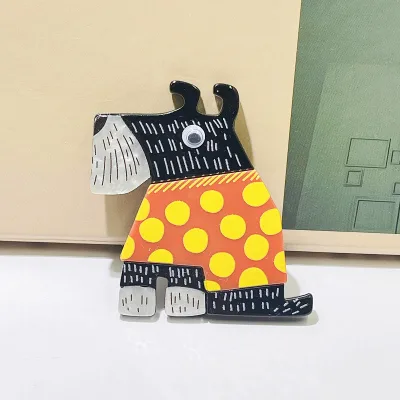
$1.729 - $1.9701
MOQ: 1 pieces

Zhongshan Yibao Gift Co., Ltd.
- Verified by SGS
- Combined
- China Guangdong
- Lead time15 days
- Avg. response≤ 2h
Main productsMedals, Badges, Keychains, Coins, Air Freshener, Lanyard, Embroidery Patch, Fridge Magnets, Cufflinks, Packing Box
Main marketsDomestic

- Verified by TUVRHEINLAND
- Trading Company,Manufacturer/Factory
- China Jiangsu
- Lead time23 days
- Avg. response≤ 4h
Main productsMedal, Coin, Lapel Pin, PVC Patch, Embroidery Patch, Keychain, Button Badge, Silicone Wristband, Lanyards, Gift
Main marketsSouth America,Eastern Europe,Mid East,North America,Oceania,Western Europe


Act The Role Ofing Cute Badges Brooch Letter Series Animal Penguin Pig Brooch Women
$0.48 - $0.66
MOQ: 500 Pieces
Hefei Kaining Trading Co., Ltd.
- Trading Company
- Anhui, China
- Lead time15 days
- Avg. response≤ 4h
Main productsNecklace,Ring,Bracelet,Hair Sticks,Earrings
Main marketsNorth America(25.00%), Africa(15.00%), Southeast Asia(15.00%), Eastern Europe(15.00%), South America(15.00%), Mid East(10.00%), Oceania(5.00%)

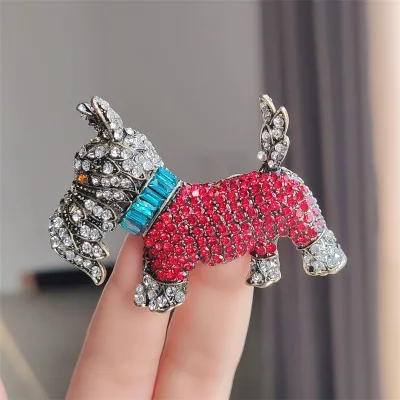
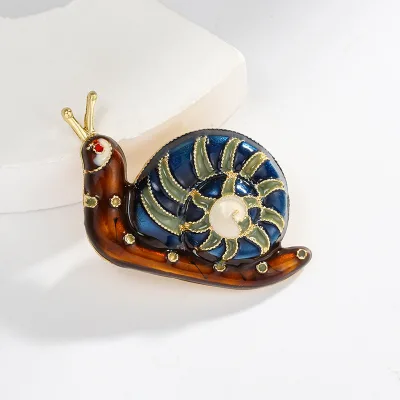
$0.8683 - $1.0928
MOQ: 12 pieces
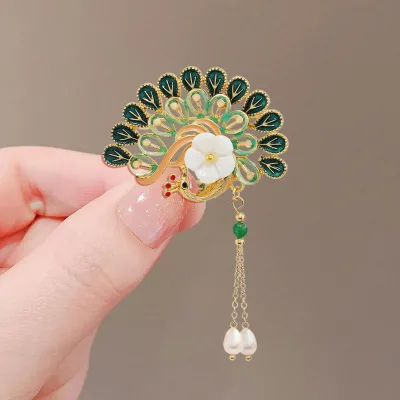
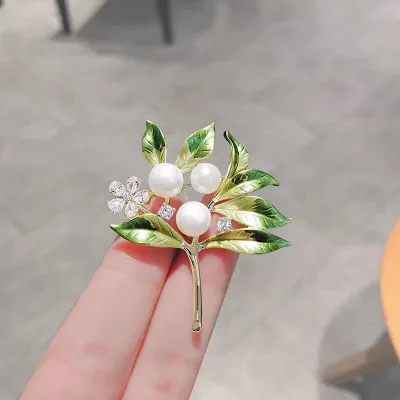
$0.6392 - $0.8952
MOQ: 12 pieces

Zhuji Shanxia Lake Beizhijia Jewelry Firm
- Trading Company
- Zhejiang, China
- Lead time30 days
- Avg. response≤ 1h
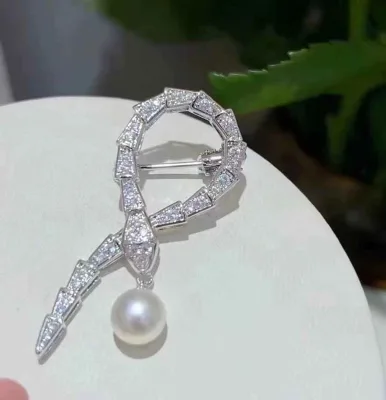
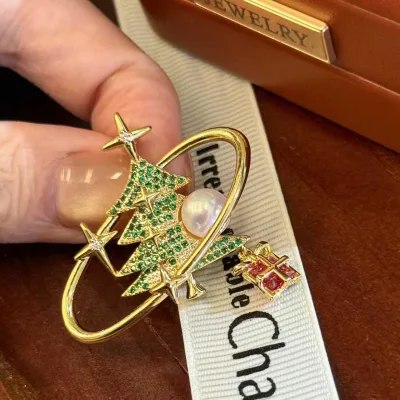
Main productsPearl necklace,Pearl bracelet,Pearl earrings,The Pearl Set,Shell necklace
Main marketsNorth America(50.00%), Western Europe(40.00%), South America(5.00%), Eastern Asia(5.00%)
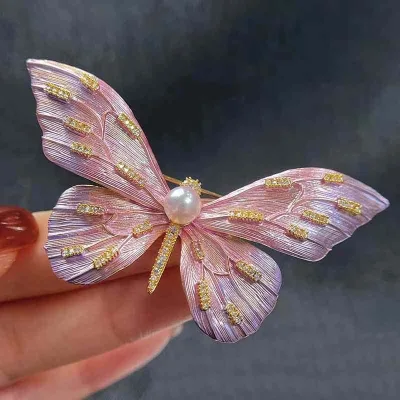
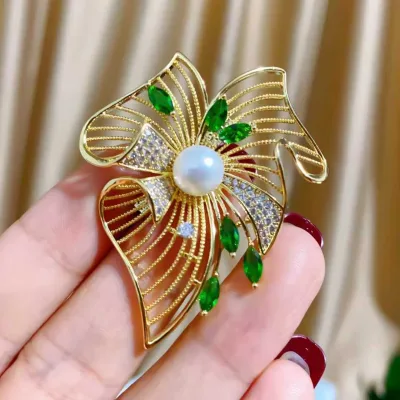
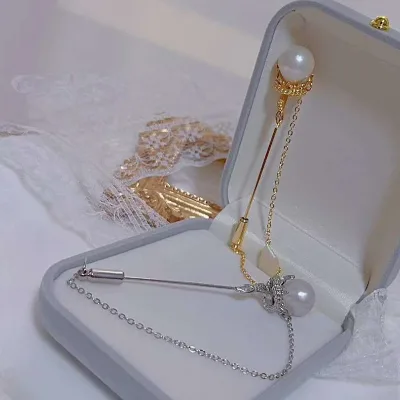
$11.4056 - $12.0224
MOQ: 1 pieces
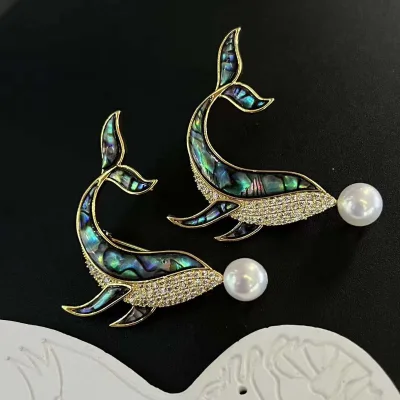

Zhongshan Leon crafts and gifts Co., Ltd.
- Verified by SGS
- Trading Company,Manufacturer/Factory
- China Guangdong
- Lead time23 days
- Avg. response≤ 3h
Main productsMetal Pin Badge, Wallet Badge, Sports Medal, Honor Medal, Belt & Buckle, Challenge Coins, Fridge Magnet, Different Kind of Security Products, Keychain, Embroidery Patch
Main marketsSouth America,Eastern Europe,Mid East,North America,Southeast Asia,Eastern Asia,Oceania,Western Europe,Africa

$0.45 - $0.68
MOQ: 100 Pieces

Factory Wholesale Animated Flash Hard and Soft Custom Enamel Badge Brooch
$0.68 - $1.20
MOQ: 100 Pieces

- Verified by CTI
- Trading Company
- China Zhejiang
- Lead time15 days
- Avg. response≤ 6h
Main productsJewelry, Brooch, Belt, Necklace, Agent, Bracelet, China Trim, China Ring, China Hair Accessory, China Earring
Main marketsSouth America


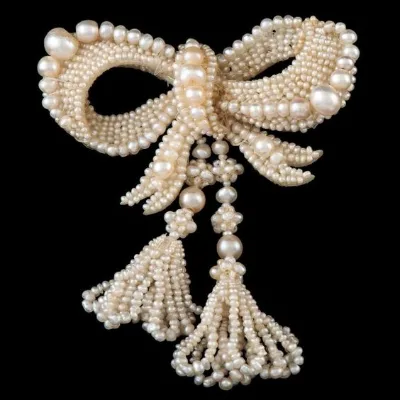
Retro Niche Design Antique Bow Brooch for The Collar Opening of The Shirt, Decorative Element
$1.94 - $1.96
MOQ: 100 Pieces

Meishan Shunjieru Arts & Crafts Co., Ltd.
- Verified by SGS
- Trading Company
- China Sichuan
- Lead time15 days
- Avg. response≤ 2h
Main productsBadge Coin Emblem Medal
Main marketsSoutheast Asia/ Mideast,Europe,Australia,North America


Hot Sale Enamel Pin Badge - Top Quality Wholesale Manufacturer Custom Metal Brooch
$0.15 - $0.95
MOQ: 5 Pieces

Personalized Enamel Name Pins Factory China Wholesale Custom Logo Lapel Brooch
$0.15 - $0.95
MOQ: 5 Pieces


Yiwu Zhuofang Jewelry Co., Ltd.
- Manufacturer, Trading Company
- Lead time旺季: "1 - 100":9,"101 - 500":15,"> 500":"To be negotiated", 淡季: "1 - 100":9,"101 - 500":15,"> 500":"To be negotiated"
- Avg. response≤ 2h
Main productsNecklace , Earring, Rings, Bracelet , Brooch
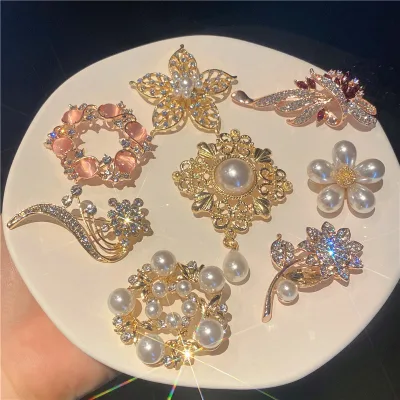
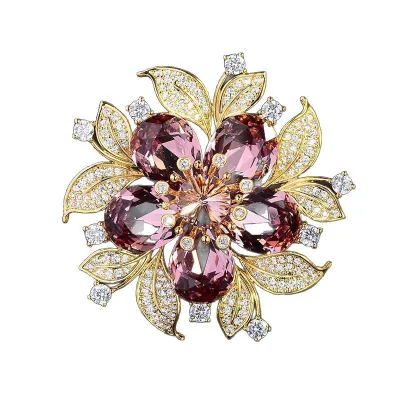
$0.6572 - $0.9551
MOQ: 20 pieces
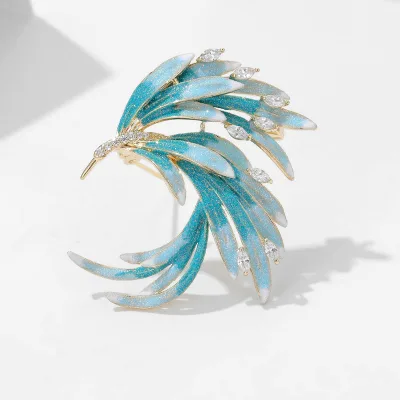
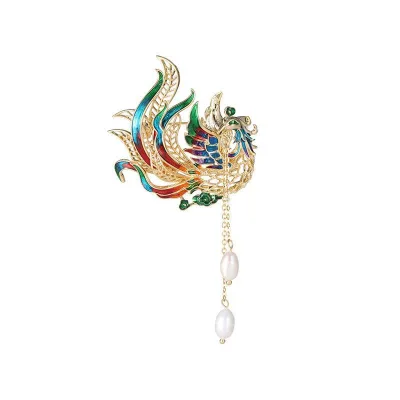
$0.9551 - $1.3248
MOQ: 50 pieces
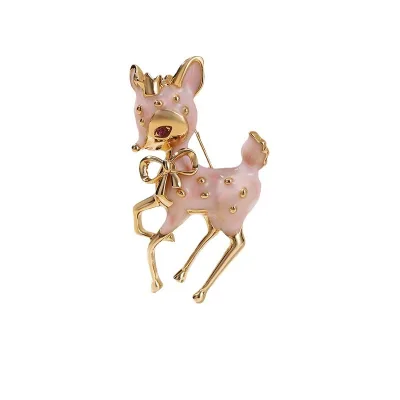
Wholesale Factory Cute Deer Brooch Women's Creative Enamel Corsage Pin Suit Pin Accessory
$0.9042 - $1.2111
MOQ: 50 pieces
- Verified by SGS Group
- Trading Company
- Lead time0 days
- Avg. response≤ 3h
Main productsJewelry Set, Earrings, Brooch, Rings, Bracelet
Main marketsNorth America(50%), Mid East(20%), Eastern Europe(15%)

Longyuan (Guangzhou) Industrial Development Co., Ltd.
- Verified by TUVRHEINLAND
- Manufacturer/Factory
- China Guangdong
- Lead time23 days
- Avg. response≤ 6h
Main productsJewelry, Fashion Watch, Hair Accessories, Men Jewelry, Women Jewelry, Pendants, Brooches, Bracelets, Crowns, Necklaces
Main marketsSouth America,Eastern Europe,Mid East,North America,Western Europe

Yiwu Kaka Accessories Co., Ltd.
- Manufacturer, Trading Company
- Zhejiang, China
- Lead time7 days
- Avg. response≤ 4h
Main productsHair Clip,Jaw clip,necklace,earring,ring
Main marketsWestern Europe(30.00%), North America(25.00%), Eastern Asia(10.00%), Eastern Europe(10.00%), South America(5.00%), Southern Europe(5.00%), Northern Europe(5.00%), Southeast Asia(5.00%), Oceania(5.00%)
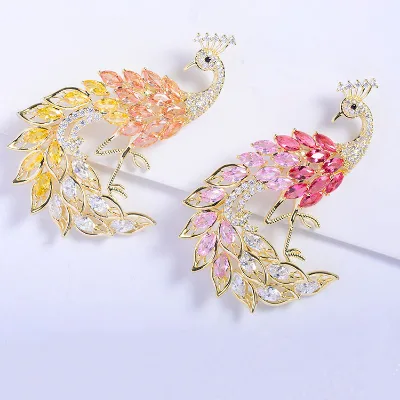
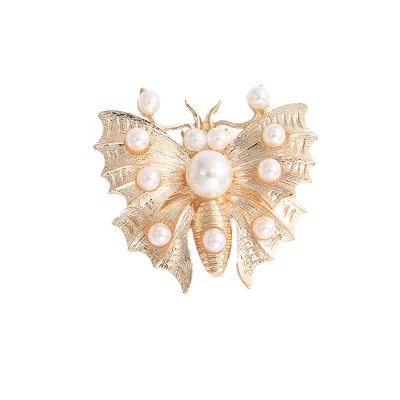
$0.6033 - $0.7365
MOQ: 8 pieces
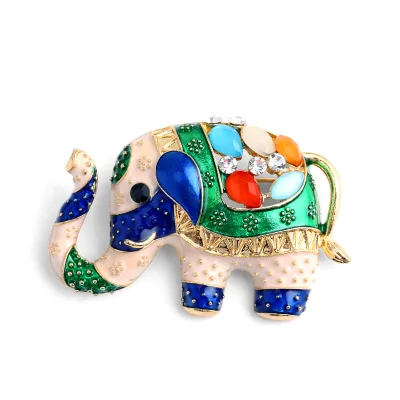

Shenzhen Yanlsle Cultural and Creative Technology Co., Ltd.
- Verified by SGS
- Trading Company
- China Guangdong
- Lead time15 days
- Avg. response≤ 7h
Main productsBrooch/Coin/Badge/Medal/Pin/Keychain
Main marketsDomestic


$0.20 - $0.72
MOQ: 100 Pieces

Classic Popular Meme Culture Series Badges Brooches Customizable for Making Friends and Gift Giving
$0.20 - $0.72
MOQ: 100 Pieces

$0.20 - $0.72
MOQ: 100 Pieces
Guangzhou Yabead Jewelry Co., Ltd.
- Manufacturer, Distributor/Wholesaler
- Guangdong, China
- Lead time7 days
- Avg. response≤ 3h
Main productsjewelry,accessories,Wedding,Jewelry Making,Beading
Main marketsDomestic Market(7.14%), South Asia(7.14%), Southern Europe(7.14%), Northern Europe(7.14%), Central America(7.14%), Western Europe(7.14%), Eastern Asia(7.14%), Mid East(7.14%), Oceania(7.14%), Africa(7.14%), Southeast Asia(7.14%), Eastern Europe(7.14%), South America(7.14%), North America(7.14%)

- Verified by SGS
- Combined
- China Hunan
- Lead time15 days
- Avg. response≤ 25h
Main productsBadge/Pin, Medal/Fiesta Medal, Coin/Challenge Coin, Pendant/Charm, Cufflink/Tie Clip/Money Clip, Golf Ball Marker/Hat Clip, Printed Pins/Patches/PVC, Belt Buckle, Keychain/Bottle Opener, Invitation Card
Main marketsSouth America,Africa,Southeast Asia/ Mideast,Europe,Australia,North America
Yiwu Tianyun E-Commerce Co., Ltd.
- Trading Company
- Zhejiang Province, China
- Lead time0 days
- Avg. response≤ 5h
Main productsBrooch,badge
Main marketsSouth Asia(10.00%), Central America(10.00%), Mid East(10.00%), Southeast Asia(10.00%), North America(10.00%)
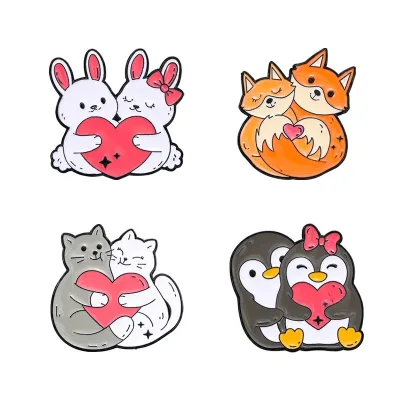
Heart Shape Kitten Brooch Creative Animal Rabbit Penguin Fox Badge Lapel Pin
$0.29 - $0.35
MOQ: 2 pieces
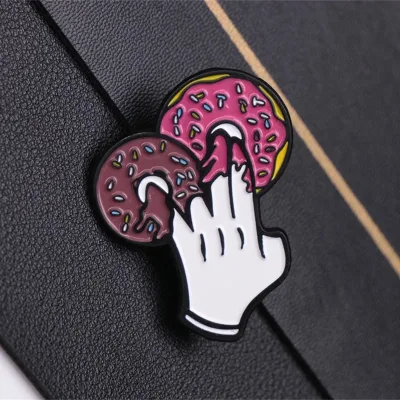
Chic Donut & Finger Art Enamel Pin - Punk/Minimalist Style Alloy Brooch for Hats, Backpacks
$0.25 - $0.32
MOQ: 2 pieces










Comprehensive Sourcing Guide
Micro Insert Phoenix Brooch Supplier Concentration and Factory Types
The current supplier landscape for micro insert phoenix brooches reveals a distinct split between manufacturing capabilities and trading operations, primarily concentrated in specific Chinese provinces. Evidence indicates that suppliers are located in China Fujian and China Guangdong, with Zhejiang also appearing in the broader results. These geographic clusters are critical for buyers to understand, as they often correlate with specialized supply chains for fashion accessories and metal crafts. In Guangdong, the supplier base includes manufacturers who explicitly list capabilities such as ODM and OEM services, suggesting a higher degree of vertical integration and control over the production process. This is particularly relevant for complex items like enamel or micro-insert brooches, where precision in setting stones or applying enamel finishes is paramount. The presence of manufacturers in this region implies that buyers may have more direct access to production lines, potentially allowing for greater customization of designs, materials, and packaging compared to trading companies.
Conversely, suppliers in Fujian are identified as trading companies, which may offer a different value proposition focused on aggregation and logistics rather than direct manufacturing. These entities often source from multiple factories, providing buyers with a wider variety of styles, such as crystal, alloy, or pearl brooches, under one roof. The main products listed for these suppliers include a diverse range of fashion jewelry, including brooches, necklaces, and earrings, indicating a broad inventory that can simplify sourcing for buyers looking for complementary items. However, the trading company model may introduce additional layers in the communication chain, potentially affecting lead times and quality control consistency. Buyers must carefully distinguish between these factory types when evaluating potential partners, as the choice between a direct manufacturer and a trading company will significantly impact pricing structures, minimum order quantities, and the flexibility to implement custom designs. Understanding this structural difference is the first step in aligning supplier capabilities with specific project requirements.
How to Verify Micro Insert Phoenix Brooch Suppliers
Verification is a critical step in mitigating risk when sourcing micro insert phoenix brooches, as the visual appeal and material quality can vary significantly between suppliers. Buyers should prioritize suppliers who hold third-party verification badges, such as those from TÜV Rheinland or SGS, which provide an additional layer of confidence regarding business legitimacy and operational standards. In the current results, one supplier is verified by TÜV Rheinland, while another holds SGS verification. These certifications often involve audits of the supplier’s business operations, quality management systems, and sometimes factory conditions. While the presence of a verification badge is a strong positive indicator, it is not a guarantee of product quality for every single order. Buyers should view these badges as a baseline filter to eliminate unverified entities and then proceed with deeper due diligence. It is also important to note that some suppliers may have system certifications listed as NIL, which does not necessarily disqualify them but suggests that buyers should rely more heavily on other verification methods, such as requesting recent factory audit reports or video calls to inspect production facilities directly.
Beyond verification badges, buyers should assess the responsiveness and professionalism of the supplier’s communication channels. Response time is a key metric that can indicate the efficiency of the supplier’s customer service and order processing teams. For instance, one supplier demonstrates a response time of 0.06, which is exceptionally fast, while another shows a response time of 5.19. A faster response time often correlates with better project management and quicker resolution of issues during the sourcing process. Buyers should test this by sending detailed inquiries about micro insert phoenix brooches, including questions about material composition, plating durability, and customization options. The quality and speed of the reply can provide insights into the supplier’s expertise and willingness to engage. Additionally, buyers should verify the supplier’s main products to ensure they have specific experience with brooches rather than general jewelry. A supplier listing brooches as a core product, alongside items like fashion glasses or watches, may have dedicated expertise in this niche, whereas a generalist might lack the specialized knowledge required for intricate designs.
What to Compare Across Micro Insert Phoenix Brooch Suppliers
When evaluating multiple suppliers for micro insert phoenix brooches, buyers must compare key operational metrics to determine the best fit for their specific needs. Lead time is a crucial factor, especially for time-sensitive fashion cycles or promotional campaigns. Current data shows lead times ranging from 23 to 30 days, which buyers should align with their inventory planning. A shorter lead time, such as 23 days, may be preferable for rapid restocking or agile fashion brands, while a 30-day lead time might be acceptable for planned seasonal collections. Minimum Order Quantity (MOQ) is another critical comparison point, as it directly impacts cash flow and inventory risk. Some suppliers offer MOQs as low as 10 pieces, which is ideal for testing new designs or small boutique orders, while others require MOQs of 500 or 1000 pieces, which suits larger volume buyers. Buyers should also compare price ranges, which vary from $0.10 to $11.80 per piece, depending on materials, complexity, and customization levels. A lower price point may indicate simpler designs or less expensive materials, while higher prices often reflect intricate craftsmanship, such as micro-insert techniques or premium enamel work.
In addition to quantitative metrics, buyers should compare the customization capabilities and product attributes offered by each supplier. The ability to customize size, logo, design, and packaging is essential for brands seeking unique identity. Evidence shows that many suppliers offer customized logos and designs, with some allowing specific shape variations like flower-shaped or phoenix-tail designs. Buyers should inquire about the feasibility of creating a Micro Insert Phoenix Brooch with specific crystal or enamel finishes, as not all suppliers may have the technical expertise for such detailed work. Furthermore, comparing the product standards and packing methods can reveal differences in quality control and logistics efficiency. Some suppliers provide standard packing, while others offer customized packing solutions, which can affect shipping costs and product protection. Buyers should also consider the supplier’s main product focus; a supplier specializing in fashion jewelry may have more relevant experience and innovation in brooch design compared to a general trading company. By systematically comparing these dimensions, buyers can make informed decisions that balance cost, quality, and operational efficiency.
Common Micro Insert Phoenix Brooch Sourcing Risks
Sourcing micro insert phoenix brooches involves several inherent risks that buyers must proactively manage to ensure successful outcomes. One significant risk is the discrepancy between sample quality and mass production quality. Suppliers may provide high-quality samples that do not reflect the consistency of bulk orders, particularly when dealing with intricate designs like micro-inserts or enamel finishes. Buyers should mitigate this by requesting pre-production samples and conducting thorough inspections before authorizing full production runs. Another risk is the variability in material quality, such as the durability of plating or the clarity of crystals. Evidence shows that materials range from crystal to metal alloy, with plating options like silver. Buyers should specify exact material requirements in their contracts and request material test reports to ensure compliance with safety and quality standards. Additionally, the risk of communication errors is heightened when working with trading companies or suppliers with slower response times. Misunderstandings regarding design specifications, packaging requirements, or delivery dates can lead to costly delays or incorrect shipments. Buyers should maintain clear, documented communication and use detailed technical drawings or reference images to minimize ambiguity.
Logistical and compliance risks are also prevalent in international sourcing. Buyers must ensure that suppliers adhere to import regulations in their target markets, including restrictions on certain materials or chemicals. While some suppliers list certifications, others may have NIL certifications, requiring buyers to verify compliance independently. The risk of supply chain disruptions, such as raw material shortages or production delays, can impact lead times. Buyers should establish contingency plans, such as identifying backup suppliers or negotiating penalty clauses for late deliveries. Furthermore, the risk of intellectual property infringement is a concern when sourcing custom designs. Buyers should ensure that their designs are protected and that suppliers agree to confidentiality and non-compete clauses. By anticipating these risks and implementing robust mitigation strategies, buyers can protect their investments and maintain the integrity of their brand reputation. Regular audits and continuous monitoring of supplier performance are essential to identifying and addressing issues before they escalate.
Micro Insert Phoenix Brooch Regional Sourcing and Logistics
The geographic location of suppliers significantly influences logistics costs, lead times, and overall supply chain efficiency for micro insert phoenix brooches. Current results indicate that suppliers are primarily located in China Fujian, China Guangdong, and Zhejiang. Guangdong is known for its robust manufacturing infrastructure and proximity to major ports, which can facilitate faster shipping and lower logistics costs for international buyers. Suppliers in this region, particularly manufacturers, may offer more streamlined production processes due to the concentration of related industries, such as metalworking and jewelry making. This clustering effect can lead to better access to raw materials and specialized labor, potentially reducing production costs and improving quality consistency. Buyers sourcing from Guangdong should consider the benefits of shorter transit times to major global markets, which can enhance inventory turnover and responsiveness to market trends. Additionally, the presence of verified manufacturers in this region may provide greater transparency and control over the production process, allowing buyers to conduct more effective factory audits and quality inspections.
In contrast, suppliers in Fujian and Zhejiang may offer different logistical advantages, such as lower labor costs or specialized expertise in certain types of jewelry production. Trading companies in these regions may aggregate products from multiple factories, providing buyers with a wider selection of styles and designs. However, this aggregation can sometimes lead to longer lead times due to the coordination required between multiple suppliers. Buyers should evaluate the shipping options available from each region, considering factors such as freight costs, customs clearance efficiency, and reliability of carriers. For time-sensitive orders, buyers may prefer suppliers with established logistics partnerships or those located closer to major shipping hubs. Additionally, buyers should consider the environmental and social impact of their sourcing decisions, as regional regulations and practices can vary. By understanding the logistical implications of each supplier’s location, buyers can optimize their supply chain for cost, speed, and reliability, ensuring that their micro insert phoenix brooches reach the market efficiently and competitively.
Micro Insert Phoenix Brooch Commercial Terms and Order Planning
Effective commercial terms and order planning are essential for managing the financial and operational aspects of sourcing micro insert phoenix brooches. Buyers should negotiate clear payment terms, such as deposits and balance payments upon shipment, to protect their financial interests. The price range for these brooches varies significantly, from $0.10 to $11.80 per piece, depending on factors such as material quality, design complexity, and customization level. Buyers should request detailed quotations that break down costs for materials, labor, and overhead, allowing for accurate budgeting and comparison. Minimum Order Quantities (MOQs) also play a crucial role in order planning, with some suppliers requiring as few as 10 pieces and others demanding 1000 or more. Buyers should align their order sizes with their sales forecasts and inventory capacity, considering the trade-off between lower unit prices for larger orders and the risk of excess inventory for smaller orders. Additionally, buyers should clarify the terms for customization, including any additional costs for design development, mold creation, or logo printing, to avoid unexpected expenses.
Lead time and delivery schedules are critical components of order planning, as they impact inventory management and market readiness. Current data shows lead times ranging from 23 to 30 days, which buyers should incorporate into their production and marketing calendars. Buyers should negotiate realistic lead times based on order complexity and supplier capacity, and include penalty clauses for delays to ensure accountability. Furthermore, buyers should establish clear quality acceptance criteria and inspection procedures before shipment, specifying the acceptable level of defects and the process for handling non-conforming goods. Packaging requirements should also be detailed, as
FAQs
What is the price range for micro insert phoenix brooches?
Prices for these brooches typically range from $0.10 to $11.80 per piece depending on material and complexity. Basic alloy versions start near $0.19, while luxury enamel designs with cubic zirconia can reach $11.80. Buyers should verify specific unit costs based on their chosen customization and order volume.
What are the minimum order quantities for these brooches?
Minimum order quantities vary significantly by supplier and product style. Some manufacturers accept orders as low as 10 pieces, while others require 500 or 1000 pieces. Customized designs often have higher MOQs, so buyers must confirm the specific threshold with the supplier before placing an order.
How long does production take for these brooches?
Standard lead times generally range from 23 to 30 days after order confirmation. Faster response times are available from some suppliers, but production duration depends on customization complexity. Buyers should confirm exact delivery schedules with the manufacturer to ensure timely receipt for events or retail launches.
Are these brooches customizable for branding?
Yes, most suppliers offer customization services including logo printing, size adjustments, and design modifications. OEM and ODM services are available from many manufacturers. Buyers can request custom packaging and specific material finishes to align with their brand identity and product requirements.
Where are these brooches manufactured?
These brooches are primarily manufactured in China, with suppliers located in Fujian, Guangdong, and Zhejiang provinces. These regions are known for strong jewelry and accessory manufacturing capabilities. Buyers can filter suppliers by specific province to align with logistics preferences or regional sourcing strategies.
What certifications do these suppliers have?
Supplier verification status varies, with some holding TUVRHEINLAND or SGS certifications. System certifications may be listed as NIL for certain manufacturers. Buyers should verify specific compliance documents and quality standards directly with the supplier to ensure they meet international safety and quality requirements.