Micro Beads Breastfeeding Nursing Pillow Suppliers and Manufacturers
Source 23 verified suppliers for Micro Beads Breastfeeding Nursing Pillow products. Compare key dimensions including price, MOQ, lead time, and response time to find the right partner. Contact suppliers directly to request samples and negotiate terms; review the available evidence before requesting comparable quotations from suitable candidates.
Suppliers List
Jinhua Ivy Home Textile Co., Ltd.
- Manufacturer, Trading Company
- Lead time旺季: , 淡季:
Main productsBaby Products
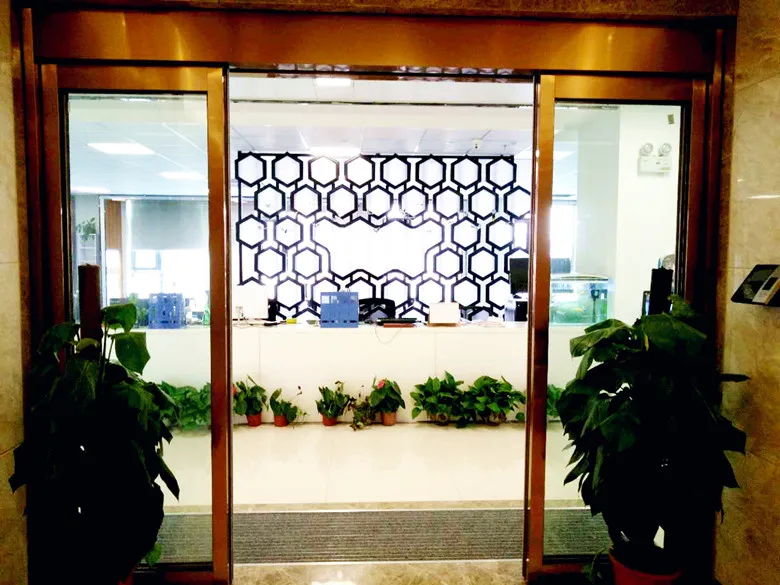
Henan Koncen Import And Export Trade Co., Ltd.
- Manufacturer, Trading Company
- Henan, China
- Lead time20 days
- Avg. response≤ 5h
Main productsU-shape pillow,lumbar cushion,seat cushion,pregnancy pillow,shredded memory pillow
Main marketsWestern Europe(30.0%), Mid East(20.0%), Eastern Europe(13.0%), South Asia(12.0%), South America(10.0%), Northern Europe(10.0%), Southern Europe(5.0%)

Hangzhou Grand Home Textile Co., Ltd.
- Combined
- China Zhejiang
- Lead time30 days
- Avg. response≤ 11h
Main productsPillow, Quilt, Blanket, Mattress, Cushion, Mattress Top, Quilt Cover Set, Down Duvet
Main marketsSouth America,Southeast Asia/ Mideast,East Asia(Japan/ South Korea),Europe,Australia,North America

Ningbo Jiangbei Ringlong Import & Export Co., Ltd.
- Verified by BV
- Combined
- China Zhejiang
- Lead time23 days
- Avg. response≤ 3h
Main productsKitchenware, Textile, Memory Foam Series, Household Items, Outdoor Products, Packing Box, Air Conditioning System, TV Products, Fitness, Baby Products
Main marketsEurope

Jinjiang Jiaxing Supply Management Co., Ltd.
- Verified by TUVRHEINLAND
- Trading Company
- China Fujian
- Lead time30 days
- Avg. response≤ 1h
Main productsEVA Clogs, Flip Flop, Shoe Charms, Shopping Bags, Wristbands, Gifts, Promotional Gifts, Slipper, Sport Cap, Ball
Main marketsNorth America
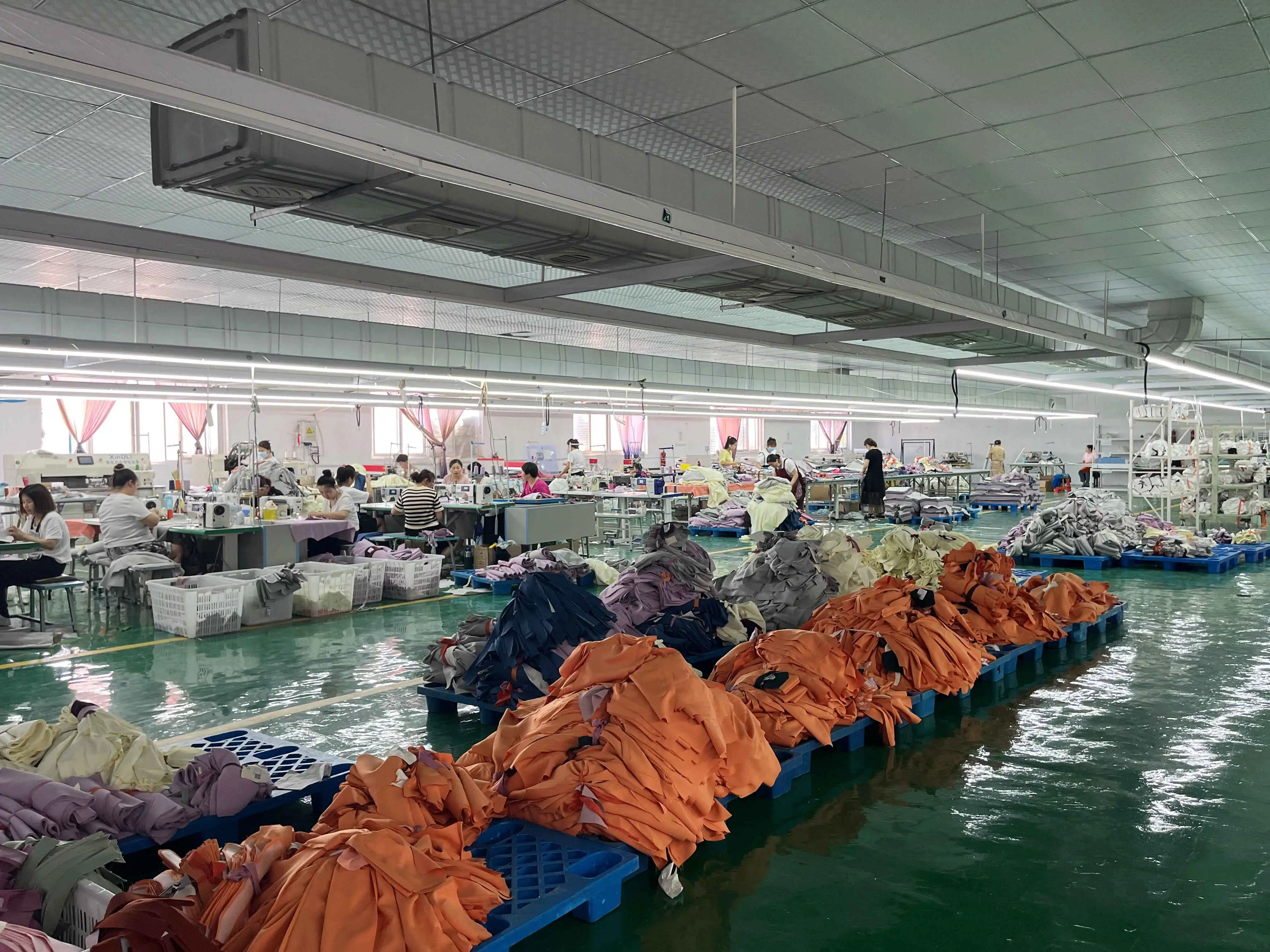
Yiwu Keqin Baby Products Factory
- Manufacturer, Trading Company
- Zhejiang, China
- Lead time0 days
- Avg. response≤ 2h
Main productsbaby carrier,baby walking assistant,Mommy bag,Children's anti-lost rope,Baby sleeping bag
Main marketsSoutheast Asia(10.0%), Domestic Market(5.0%), South Asia(5.0%), Southern Europe(5.0%), Northern Europe(5.0%), Central America(5.0%), Western Europe(5.0%), Eastern Asia(5.0%), Mid East(5.0%), Oceania(5.0%), Africa(5.0%), North America(5.0%), Eastern Europe(5.0%), South America(5.0%)

Hangzhou Mosheng Textiles Co., Ltd.
- Verified by BV
- Trading Company,Manufacturer/Factory
- China Zhejiang
- Lead time45 days
- Avg. response≤ 9h
Main productsWeighted Blanket, Comforter, Bed Sheet Set, Pillow, Mattress Topper, Mattress Pad, Mattress Protector, Fabric, Reading Pillow, Cushion
Main marketsSouth America,Eastern Europe,Mid East,North America,Southeast Asia,Eastern Asia,Oceania,Western Europe,Africa

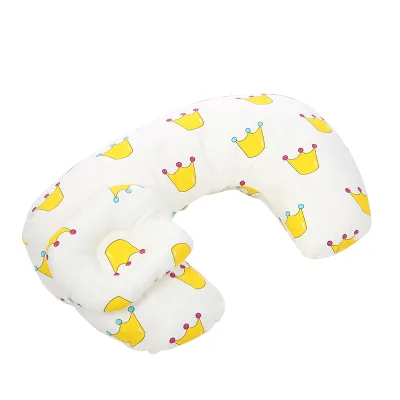
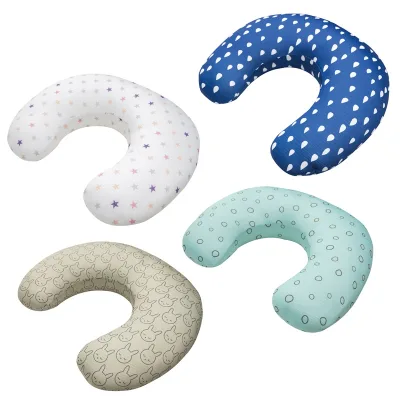
Pregnancy Pillow Memory Foam Pillow Cover Nursing Pillow Maternity Body Pillow
$9.80 - $15.80
Moq: 200

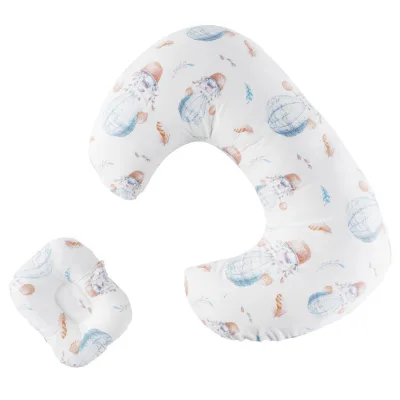
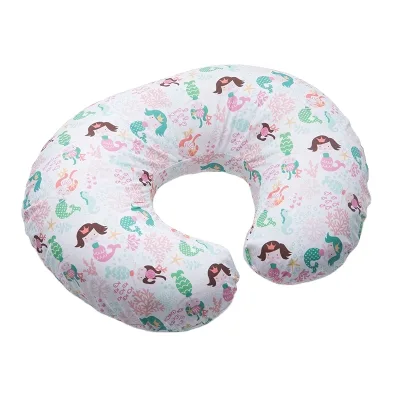
Bedding Pillow Nursing Pillow U Shape Pillow Baby Throw Memory Foam Pillow Maternity Pillow
$12.50 - $15.50
Moq: 200


Multifunction U-Shaped Pillow for Newborn Baby Maternity Breastfeeding Nursing Pillows
$9.80 - $15.80
Moq: 200

Pregnancy Pillow Memory Foam Pillow Cover Baby Nursing Pillow Massage Maternity Body Pillow
$13.99 - $17.99
Moq: 200


Shandong Haosong New Material Technology Co., Ltd.
- Verified by BV
- Combined
- China Shandong
- Lead time30 days
- Avg. response≤ 5h
Main productsPolyurethane Foam, Car Seat, PU Foam, PU Armrest
Main marketsDomestic
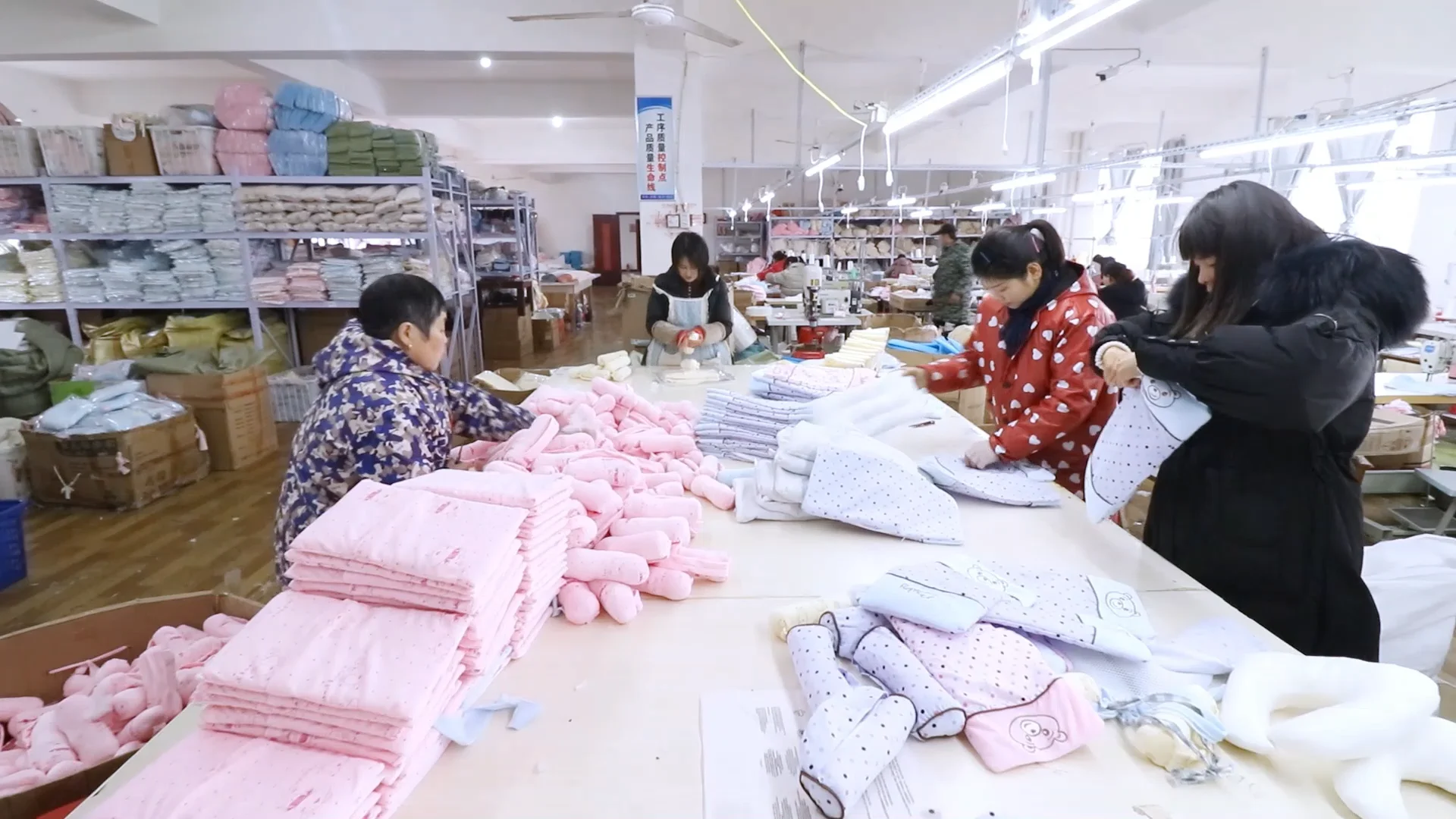
Shucheng Yulan childrens products Co., Ltd
- Manufacturer, Trading Company
- Anhui, China
- Lead time15 days
- Avg. response≤ 2h
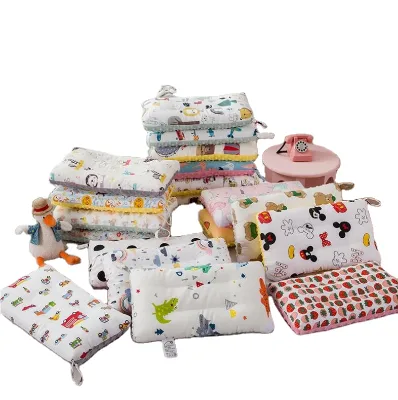
Main productsNap Mat,Baby Nest,Baby Pillow,Footmuff,Baby Nest
Main marketsSoutheast Asia(50.0%), Western Europe(10.0%), Oceania(10.0%), North America(10.0%), Eastern Europe(10.0%), South America(10.0%)
- Verified by TüVRheinland
- Trading Company
- Lead time10 days
- Avg. response≤ 3h
Main productsReceiving Blankets, Baby's Bedding, Baby Clothing, Baby Play Mat, Baby Beach Towel
Main marketsNorth America(48%), Southeast Asia(24%), Northern Europe(10%)

Jinjiang Jiaxing Import and Export Co., Ltd.
- Verified by CTI
- Manufacturer/Factory
- China Fujian
- Lead time120 days
- Avg. response≤ 1h
Main productsShoes, Slipper, Clothes, Promotion Gifts, Silicone Products, Outdoor Sports Products, Bags, Fashion Accessories, Consumer Electronics
Main marketsSouth America,Eastern Europe,Mid East,North America,Southeast Asia,Eastern Asia,Oceania,Western Europe,Africa
Dongguan Chuangguo Daily Products Co., Ltd.
- Manufacturer
- Guangdong, China
- Lead time45 days
- Avg. response≤ 6h
Main productsBaby Travel Booster Seat,Baby Stroller Footmuff,Baby Stroller Rain Cover,Baby Carriers,Pet Products
Main marketsNorth America(54.0%), Western Europe(26.0%), Eastern Asia(12.0%), Northern Europe(4.0%), Domestic Market(3.0%), Southern Europe(1.0%)
Henan Ibel Mum & Baby Products Co., Ltd.
- Trading Company
- Henan, China
- Lead time15 days
- Avg. response≤ 2h
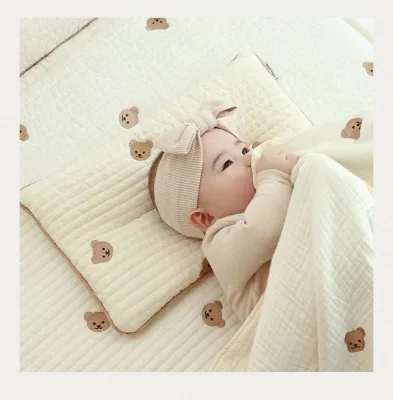
Main productsBaby Nest,Baby Pillow,Baby Play Mat,Baby Mosquito Net,Baby Sofa Chair
Main marketsNorth America(30.0%), Eastern Europe(15.0%), Southeast Asia(10.0%), South America(10.0%), Africa(7.000000000000001%), Southern Europe(5.0%), Northern Europe(5.0%), Western Europe(5.0%), Mid East(5.0%), Oceania(5.0%), South Asia(2.0%), Eastern Asia(1.0%)
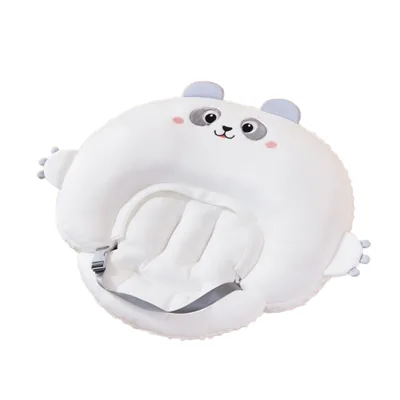
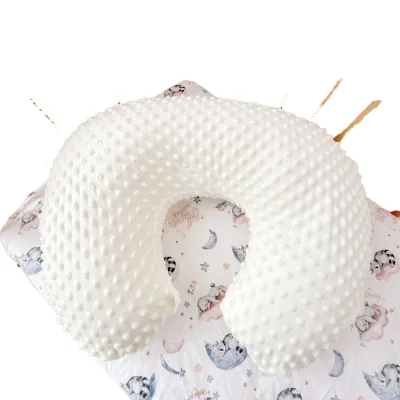
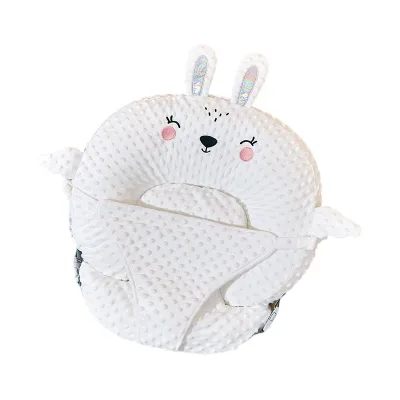
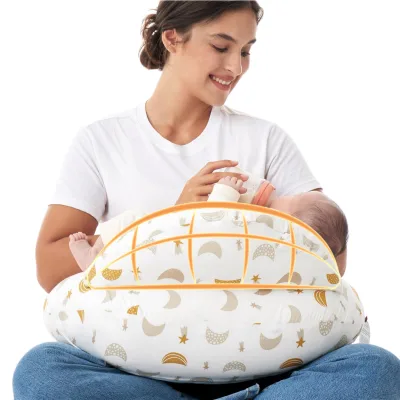
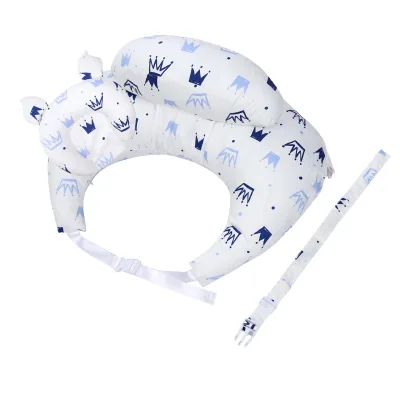
Cushion Nursing Pillow Trade Feeding Slope Pillow Feeding Pillow Manufacturer
$11.05 - $14.15
Moq: 500

Kingsun Baby Products Co., Ltd.
- Verified by TUVRHEINLAND
- Trading Company,Manufacturer/Factory
- China Guangdong
- Lead time23 days
- Avg. response≤ 5h
Main productsBaby Bottle, Nipple, Pacifier, Breast Pump, Teethers, Baby Water Bottle, Nasal Aspirator, Baby Dinner Set, Baby Products, Feeding Accessories
Main marketsSouth America,Eastern Europe,Mid East,North America,Southeast Asia,Oceania,Western Europe,Africa
Nantong FA Household Co., Ltd.
- Verified by Intertek
- Trading Company
- Lead time20 days
- Avg. response≤ 2h
Main productsMemory Foam Pillows, Cushions, Wedge Pillow, Mattress, Sofa Play
Main marketsNorth America(65%), Eastern Europe(8%), South America(5%)

Yiwu Joyful Commodity Co., Ltd.
- Trading Company
- Zhejiang, China
- Lead time0 days
- Avg. response≤ 5h
Main productsBaby bibs,Baby name blanket,Newborn baby products,clothing,custom textile
Main marketsWestern Europe(30.0%), North America(30.0%), South Asia(10.0%), Northern Europe(10.0%), South America(10.0%), Southeast Asia(10.0%)
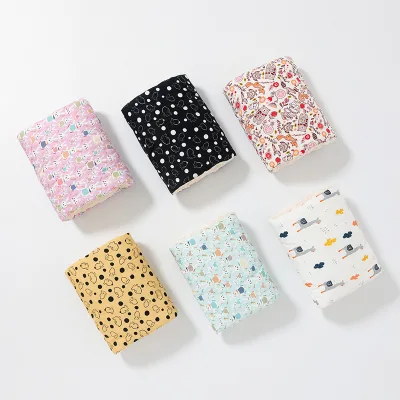
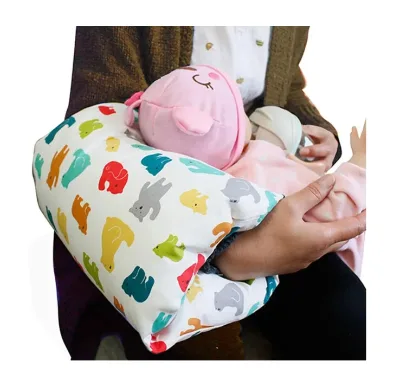
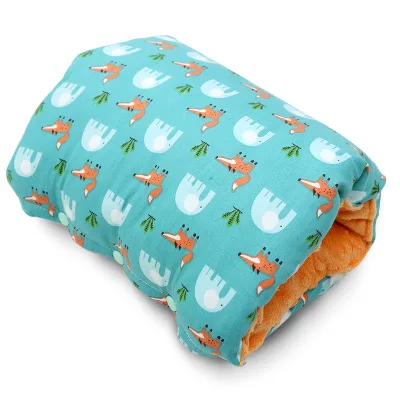
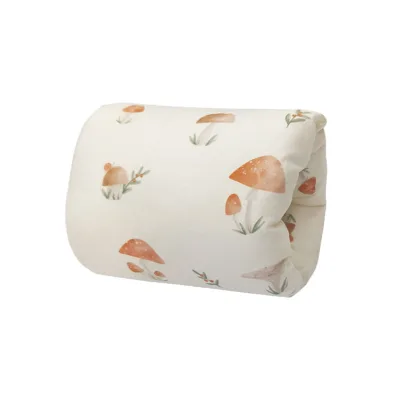
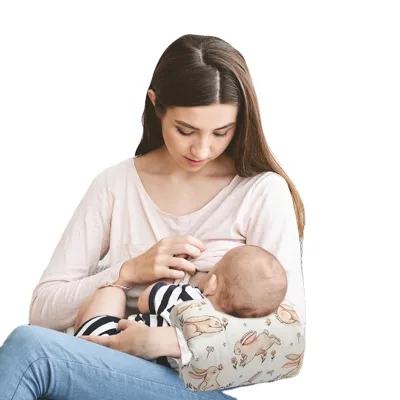
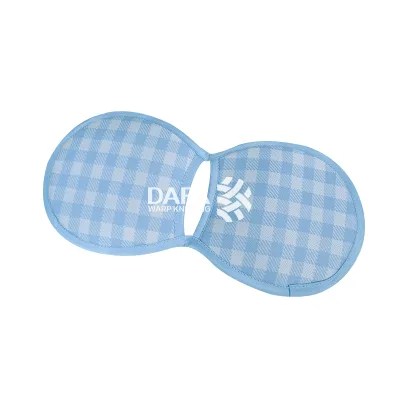
Portable Travel Cotton Nursing Arm Pillow Sleeve Newborn Baby Breastfeeding Pillow
$2.30 - $2.40
Moq: 100
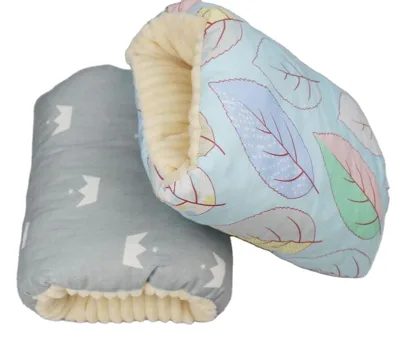
Qingdao Hongwanjia Industry Trading Co., Ltd.
- Manufacturer, Trading Company
- Shandong, China
- Lead time0 days
- Avg. response≤ 3h
Main productsBaby clothes,Baby bed,Baby rompers,Baby sleeping bag,bed sheets set
Main marketsSouth America(10.0%), North America(10.0%)
Suzhou Mygreen Textiles Co., Ltd.
- Verified by Intertek
- Trading Company
- Lead time15 days
Main productsBaby Blanket, Plush Toy, Baby Clothes, Baby Towel
Main marketsNorth America(35%), Eastern Europe(25%), South America(5%)

Dongguan Julisheng New Material Technology Co., Ltd.
- Verified by BV
- Combined
- China Guangdong
- Lead time30 days
- Avg. response≤ 4h
Main productsPU Foam, PU Corner Guard, Accessories PU Armrest, PU Self-Skinning, PU High Rebound, PU Slow Rebound, PU Imitation Wood Hard Foam, PU Foam Rugby, PU Traction Pillow, PU Foam Wheel
Main marketsDomestic
Changshu Dafa Warp Knitting Co., Ltd.
- Verified by TüVRheinland
- Manufacturer, Trading Company
- Lead time30 days
- Avg. response≤ 5h
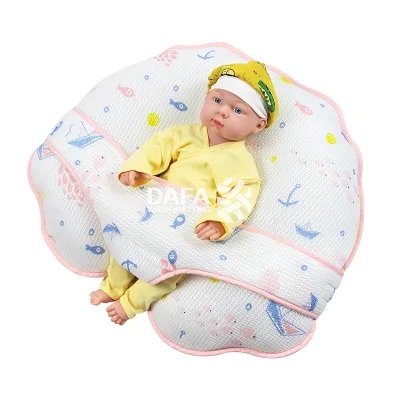
Main products3D Spacer Fabric, Home Textile Product, Baby Product, Air Mesh Fabric, 3D Breathable Pillow
Main marketsDomestic Market(70%), Southeast Asia(8%), Western Europe(8%)

Dongguan Yuexin Industrial Co., Ltd.
- Manufacturer
- China Guangdong
- Lead time15 days
- Avg. response≤ 6h
Main productsFelt, Wadding/Padding/Batting, Fiber Fillings, Pillow Insert, Christmas Decoration, Non Woven Fabric, Non Slip Rug Pad, Moving Blanket, Filter Medium, Fire Barrier
Main marketsSouth America,Europe,North America

Hangzhou Yiying Trade Co., Ltd.
- Verified by CTI
- Trading Company,Manufacturer/Factory
- China Zhejiang
- Lead time23 days
- Avg. response≤ 19h
Main productsComforter, Bed Lines, Pillow, Mattress Topper, Mattress Protector, Blankets, Raw Material of Polyester Down Feather, Pet Bed, Down Products, Fabric
Main marketsSouth America,Eastern Europe,Mid East,North America,Southeast Asia,Eastern Asia,Oceania,Western Europe,Africa

Shenzhen Jintongyuan Technology Co., Ltd.
- Verified by TUVRHEINLAND
- Manufacturer/Factory
- China Guangdong
- Lead time30 days
- Avg. response≤ 7h
Main productsMemory Foam Pillow, Travel Neck Pillow, Knee Pillow, Lumbar Cushion, Topper, Mattress, Wedge Pillow, Pet Pat, Reading Pillow, Baby Pillow
Main marketsSouth America,Eastern Europe,Mid East,North America,Southeast Asia,Eastern Asia,Oceania,Western Europe,Africa
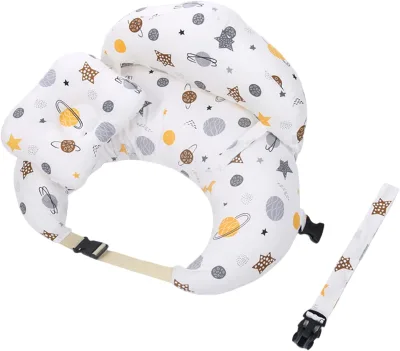
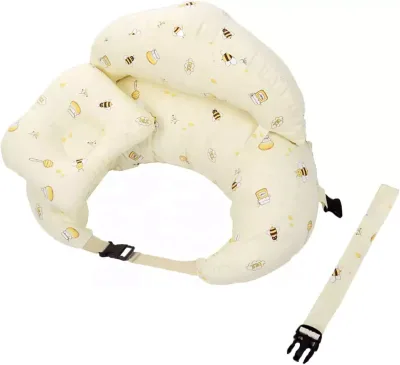
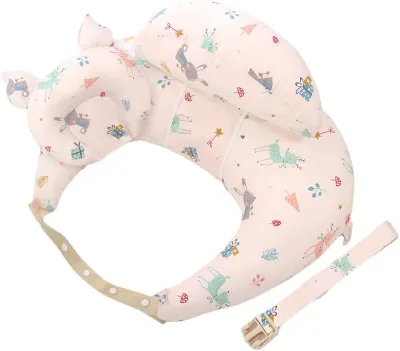


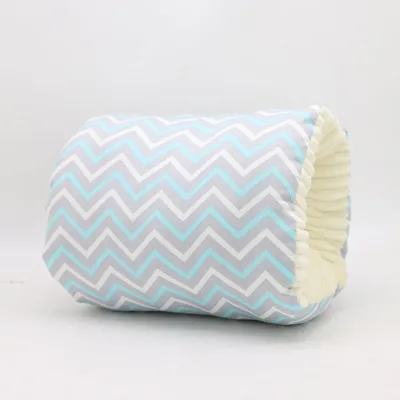
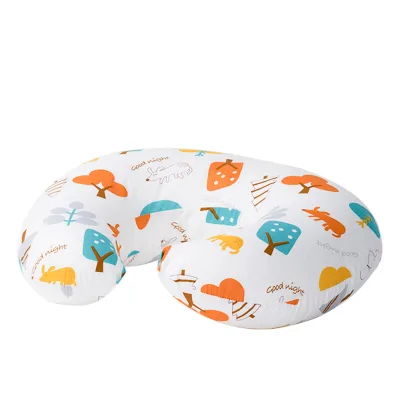
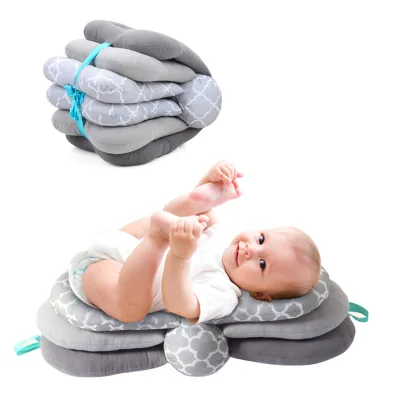
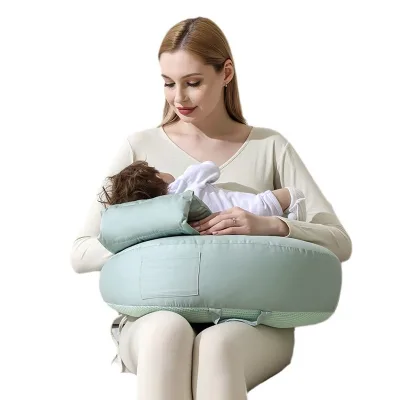
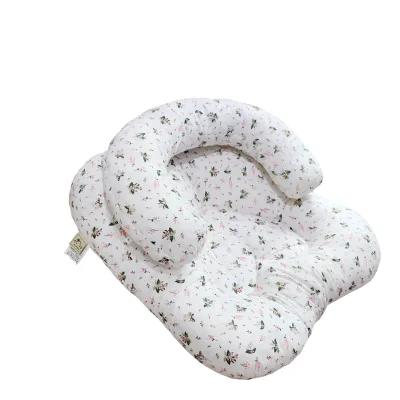
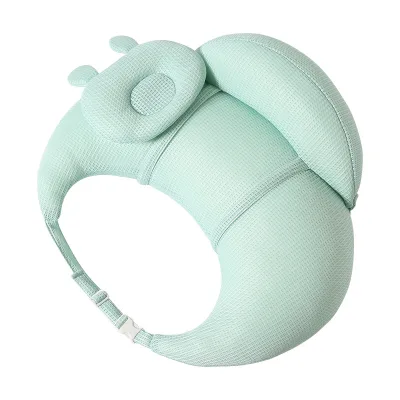


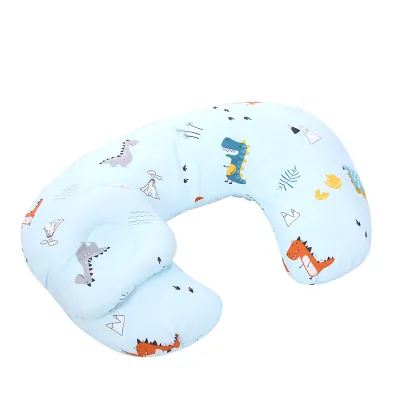
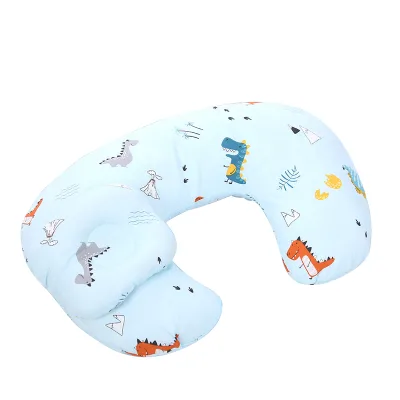
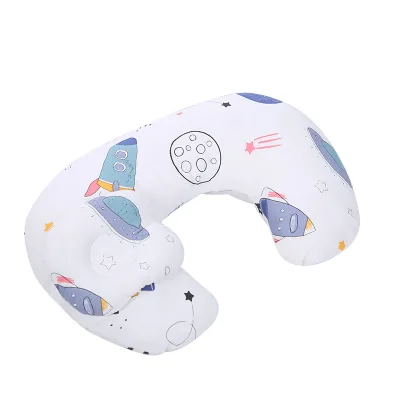


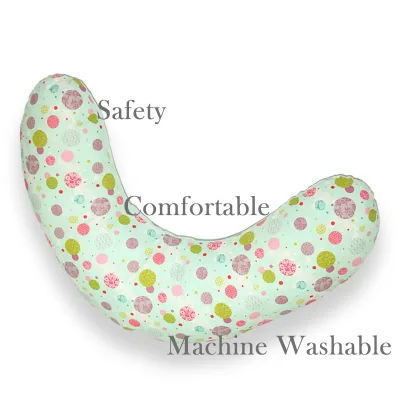
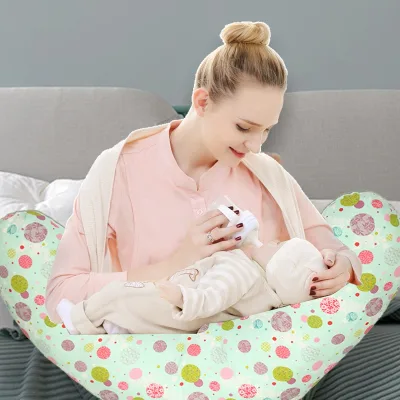


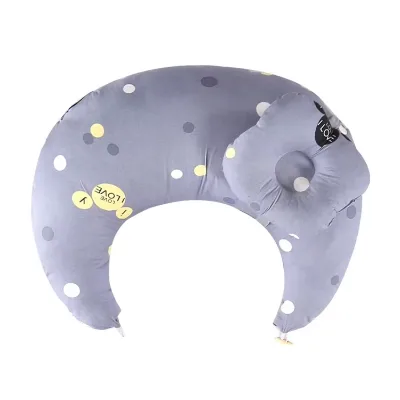
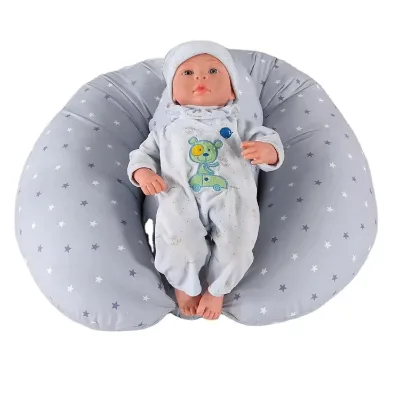




Comprehensive Sourcing Guide
Micro Beads Breastfeeding Nursing Pillow Supplier Concentration and Factory Types
The current search results indicate a mix of manufacturer and trading company profiles offering micro beads breastfeeding nursing pillows, with specific product attributes pointing to specialized production capabilities. One observed supplier profile lists a supply ability of 5000 pieces per month, suggesting a dedicated manufacturing line capable of handling volume orders for U-shape pillows filled with micro beads. Another profile highlights a company type that includes both manufacturing and trading functions, which often implies a direct factory presence alongside a sales division for broader market reach. These entities typically focus on home textiles and maternity products, with main product lists including lumbar cushions, seat cushions, and pregnancy pillows alongside the core nursing pillow items.
When evaluating the concentration of these suppliers, buyers should note that specific locations like Henan and Zhejiang are mentioned in product origin data, though a single dominant cluster is not explicitly defined for all results. The presence of Ningbo or Shanghai as a port of dispatch for one product line suggests that logistics hubs in coastal regions are utilized for export efficiency. Buyers must verify if the supplier is a direct factory or a trading company by checking their main product list and company type designation. A manufacturer will typically list specific machinery or production processes, while a trading company might aggregate products from various sources. Understanding this distinction is critical for negotiating prices and ensuring quality control on micro bead filling and cotton fabric construction.
How to Verify Micro Beads Breastfeeding Nursing Pillow Suppliers
Verification begins with scrutinizing the product attributes provided in the search results, such as the specific filling material and fabric composition. One listing confirms a filling material of micro bead and a material composition of 100% cotton with a thread count of 200TC, which serves as a baseline for quality assessment. Buyers should request physical samples to confirm that the micro bead filling is evenly distributed and that the cotton fabric meets the stated thread count and softness requirements. It is essential to verify the brand name and model number, such as IVY or IVYP001, to ensure the product matches the specific design specifications required for the target market.
Beyond product specs, buyers must validate the supplier's operational capacity and responsiveness. The data shows a response time of 5 hours for one entity, which is a strong indicator of active communication channels. However, this metric should be cross-referenced with the supplier's actual reply to initial inquiries to ensure consistency. Buyers should also check for the presence of escrow services or trade assurance, which are not explicitly detailed in the current facts but are standard for secure transactions. Confirming the supplier's establishment year and checking for relevant certifications like ISO or BSCI is necessary to gauge long-term stability. Without explicit evidence of these credentials in the current results, buyers must directly ask for documentation before proceeding with any order.
What to Compare Across Micro Beads Breastfeeding Nursing Pillow Suppliers
Comparing suppliers requires a detailed analysis of their minimum order quantities (MOQ) and pricing structures, which vary significantly across the results. One product listing shows an MOQ of 500 pieces with a price range of 11.00 to 15.00 USD, while another offers an MOQ of 200 pieces at a much lower price point of 1.04 to 2.59 USD. A third option presents an MOQ of 300 pieces with prices between 5.73 and 6.53 USD. These discrepancies highlight the importance of aligning order volume with budget constraints and inventory needs. Buyers should calculate the total landed cost, including shipping, to determine the true value of each option rather than relying solely on the unit price.
Lead times and customization capabilities are equally critical comparison factors. One supplier lists a lead time of 20 days, which is a concrete figure for production planning, while others may have different timelines not explicitly stated in the summary. Customization options vary, with some suppliers accepting logo, color, and packaging changes, while others may have stricter limits. The ability to customize the pillow size, such as the 7050cm dimension versus the 2523cm option, allows buyers to target different customer segments. Additionally, comparing the supply ability, such as the 5000 pieces per month capacity, helps ensure the supplier can meet peak demand without delays. Buyers must weigh these variables to select a partner that balances cost, speed, and flexibility.
Common Micro Beads Breastfeeding Nursing Pillow Sourcing Risks
One significant risk involves the inconsistency of product specifications, particularly regarding the micro bead filling and fabric quality. While one listing specifies a weight of 1-1.5 Kg and another lists 0.5 Kg, these variations can lead to customer dissatisfaction if the product does not match the expected feel or support level. Buyers must ensure that the micro bead filling is secure and does not leak, as this is a common failure point in nursing pillows. The absence of explicit test results or safety certifications in the current data means buyers cannot assume the products meet international safety standards for baby products without further verification.
Another risk is the potential for supply chain disruptions due to unclear lead times or production bottlenecks. Although one supplier cites a 20-day lead time, this figure may not apply to all orders or during peak seasons. If a supplier is a trading company rather than a direct factory, they may face delays in coordinating with their upstream manufacturers. The reliance on ports like Ningbo or Shanghai is standard, but any disruption in these logistics hubs can impact delivery schedules. Buyers should also be wary of suppliers who do not clearly state their return policies or warranty terms for defective goods. Without clear evidence of escrow protection or dispute resolution mechanisms, financial losses from non-delivery or substandard goods remain a tangible threat.
Micro Beads Breastfeeding Nursing Pillow Regional Sourcing and Logistics
Logistics planning must account for the specific ports of dispatch mentioned in the product data, such as Ningbo or Shanghai, which are major hubs for textile exports. These locations offer robust shipping infrastructure, but buyers should verify the actual shipping costs and transit times to their destination. The single package size and gross weight, such as 35X30X30 cm and 1.000 kg, are crucial for calculating freight charges and container utilization. Buyers should request a detailed shipping quote that includes inland transportation from the factory to the port, as this can vary significantly between suppliers in different regions like Henan or Zhejiang.
Regional sourcing also impacts the ability to inspect goods before shipment. Suppliers located in Zhejiang or Henan may have different local regulations and inspection protocols. Buyers should consider whether they can arrange third-party inspections at the factory site to verify the micro bead filling and cotton fabric quality before the goods leave the facility. The distance from the factory to the port can affect the lead time, so understanding the specific location of the manufacturing unit is vital. If a supplier is a trading company, they may not have a physical factory in the region, which could complicate inspection efforts. Buyers must clarify the exact origin of the goods to ensure they can effectively manage the logistics and quality control processes.
Micro Beads Breastfeeding Nursing Pillow Commercial Terms and Order Planning
Commercial terms must be clearly defined to avoid disputes, particularly regarding payment methods and delivery schedules. The current data shows varying MOQs and price ranges, which necessitates a clear agreement on the final unit price based on the order volume. Buyers should negotiate payment terms that align with their cash flow, such as using escrow services to protect funds until the goods are verified. It is also essential to confirm the packaging details, such as the use of PVC bags or OPP bags, to ensure the products arrive in good condition. The supplier's ability to handle customized packaging, including logo printing, should be confirmed in writing before the order is placed.
Order planning requires a realistic assessment of the supplier's production capacity and lead times. With a stated supply ability of 5000 pieces per month, a supplier can handle large orders, but buyers should confirm if this capacity is consistent year-round. The lead time of 20 days is a specific data point that should be used as a baseline for scheduling, but buyers must account for potential delays due to raw material shortages or other unforeseen circumstances. Planning for seasonal demand is also critical, as the product is suitable for all seasons but may see spikes during pregnancy and newborn periods. Buyers should establish a buffer in their inventory planning to mitigate the risk of stockouts and ensure a steady supply of micro beads breastfeeding nursing pillows to their customers.
FAQs
What is the price range for micro beads nursing pillows?
Micro beads breastfeeding nursing pillows typically range from $1.04 to $15.00 per unit depending on specifications. Basic cotton models with microfiber filling start near $1.04, while premium micro bead options with custom branding and higher thread counts can reach up to $15.00. Prices vary based on material quality and order volume.
What is the minimum order quantity for these pillows?
Minimum order quantities vary by product type, generally ranging from 200 to 500 pieces. Specific models require 200, 300, or 500 units as a baseline. Buyers should verify the exact MOQ for their chosen model number, as customized features or specific fabric counts may influence the required purchase volume.
Are these pillows customizable for branding and packaging?
Yes, most micro beads nursing pillows support customization including logos, colors, and packaging. Suppliers accept OEM and ODM requests, allowing for digital printing or woven logos. Buyers can specify custom sizes, colors, and packaging details like OPP bags or PVC bags to align with their brand identity and market requirements.
What materials are used in these nursing pillows?
These pillows primarily use 100% cotton fabric with micro bead or microfiber filling. The cotton offers breathability and softness, while the micro beads provide ergonomic support. Some models feature a 200TC thread count for durability. The filling material ensures the pillow maintains its shape while offering comfort for both mother and baby during nursing.
Where are these pillows manufactured and shipped from?
Manufacturing locations include Zhejiang and Henan in China. Shipments are typically dispatched from ports like Ningbo or Shanghai. Buyers should confirm the specific place of origin for each product model, as this can impact shipping logistics and lead times. The suppliers are established manufacturers and trading companies based in these regions.
What is the typical lead time for production?
The typical lead time for production is approximately 20 days. This duration allows for manufacturing, quality control, and packaging preparation. Buyers should plan their inventory accordingly, as lead times may vary slightly based on order size and customization requirements. Confirming the exact schedule with the supplier is recommended before placing orders.