Portable Lightweight Camera Tripod Suppliers and Manufacturers
Compare 21 verified Portable Lightweight Camera Tripod suppliers in China Guangdong and Jiangsu. Review ISO certifications, response times, lead times, and product specs like aluminum material and flexible tripod types before requesting quotes; review the available evidence before requesting comparable quotations from suitable candidates.
Suppliers List

Zhongshan Yunteng Photographic Equipment Co., Ltd.
- Verified by SGS
- Combined
- China Guangdong
- Lead time45 days
- Avg. response≤ 3h
Main productsTripod, Stand, Selfi, Stick, Camera Accessory, Phone Accessory, Monopod, Light Stand, Mobile Holder, Panhead
Main marketsEast Asia(Japan/ South Korea),Europe


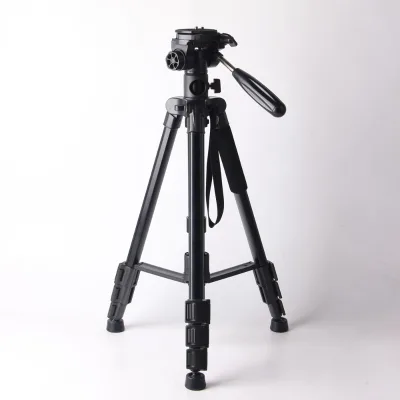
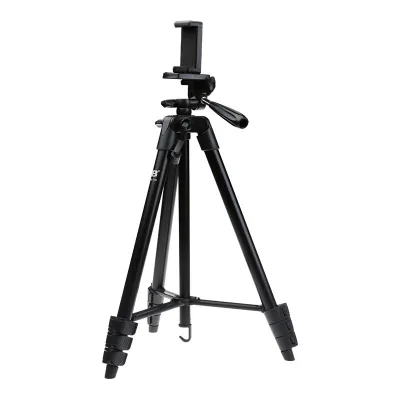
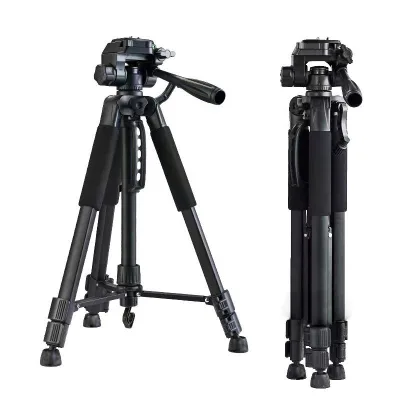
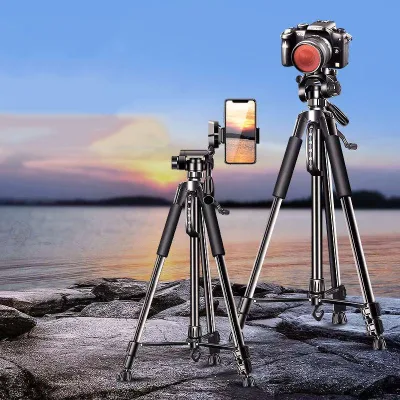
Lightweight Compact Tripod for Video Camera Phones and DSLR 184cm (669)
$12.00 - $15.00
MOQ: 10 Pieces


Xuzhou Angju International Trade Co., Ltd.
- Trading Company
- Jiangsu, China
- Lead time10 days
- Avg. response≤ 5h
Main productsPhotography accessories,Tripod,Led Ring Light,phone holder,Excavator Simulator
Main marketsDomestic Market(20.00%), Western Europe(20.00%), North America(20.00%), Eastern Europe(5.00%), Southern Europe(5.00%), Central America(5.00%), South America(5.00%), Eastern Asia(5.00%), Mid East(5.00%), Oceania(5.00%), Southeast Asia(5.00%)
Guangdong Futulong Photography Equipment Co., Ltd.
- Manufacturer
- Guangdong, China
- Lead time3 days
- Avg. response≤ 3h
Main productsPhotography lighting,live streaming lighting,photography accessories,Photography fill-in light,Selfie stick
Main marketsSouth America(30.00%), Africa(10.00%), North America(5.00%), Eastern Europe(5.00%), Southeast Asia(5.00%), Oceania(5.00%), Mid East(5.00%), Eastern Asia(5.00%), Western Europe(5.00%), Central America(5.00%), Northern Europe(5.00%), Southern Europe(5.00%), South Asia(5.00%), Domestic Market(5.00%)
Fotopro (Guangdong) Image Industrial Co., Ltd.
- Verified by SGS Group
- Manufacturer, Trading Company
- Guangdong, China
- Lead time30 days
- Avg. response≤ 3h
Main productsTripod, Selfie Stick, Light Tripod
Main marketsNorthern Europe(42%), Domestic Market(23%), North America(10%)

Guangdong Yisitu Tech Optical Instrument Co., Ltd.
- Verified by SGS
- Combined
- China Guangdong
- Lead time23 days
- Avg. response≤ 3h
Main productsTripod, Bipod, Scope Sight
Main marketsDomestic


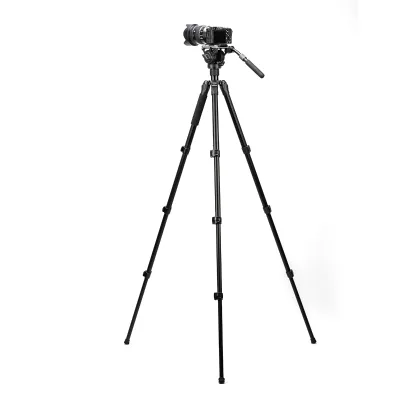
Lightweight Carbon Fiber Tripod for Professional Photography and Videography
$150.00 - $155.00
MOQ: 50 Pieces


- Verified by TüVRheinland
- Trading Company
- Lead time15 days
- Avg. response≤ 6h
Main productsPhotographic Flash, Continuous Light, LED Panel Light, Light Stand, Photography Accessories
Main marketsNorth America(15%), South America(15%), Southeast Asia(10%)
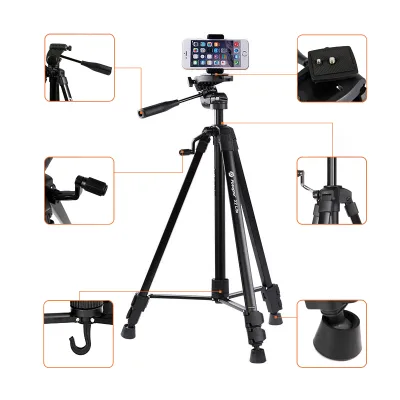
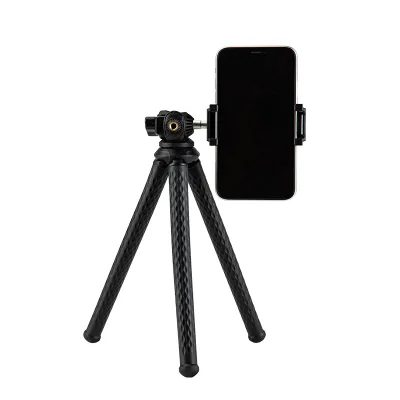
X2 Lite Professional Aluminum Photo Tripod Flexible Mini Camera Tripod Stand
$10.95 - $11.50
MOQ: 1 pieces

Chongqing Dontop Optics Co., Ltd.
- Trading Company,Manufacturer/Factory
- China Chongqing
- Lead time38 days
- Avg. response≤ 5h
Main productsBinoculars, Rifle Scope, Range Finder, Spotting Scope, Telescope, Lenses, Red DOT, Night Vision, Monoculars, Mount
Main marketsSouth America,Eastern Europe,Mid East,North America,Southeast Asia,Eastern Asia,Oceania,Western Europe,Africa
- Manufacturer, Trading Company
- Shandong, China
- Lead time3 days
- Avg. response≤ 4h
Main productsBackdrops,Video Lights,Softboxes,Light Stands,Backdrop Support System
Main marketsCentral America(15.00%), South America(15.00%), North America(15.00%), Western Europe(10.00%), Northern Europe(10.00%), Africa(10.00%), Eastern Europe(10.00%), Southern Europe(5.00%), Eastern Asia(5.00%), Southeast Asia(5.00%)
$39.16 - $49.33
MOQ: 2 pieces
Zhongshan Antcaus Photographic Equipment Co., Ltd.
- Manufacturer, Trading Company
- Guandong, China
- Lead time15 days
- Avg. response≤ 3h
Main productsQuick Release Plate,Gopro Adapter,Photographic Stand Set
Main marketsDomestic Market(68.00%), Eastern Europe(12.00%), North America(10.00%), Western Europe(10.00%)
Dongguan Xintan Hardware Products Co., Ltd.
- Manufacturer, Trading Company
- Guangdong, China
- Lead time15 days
- Avg. response≤ 9h
Main productsTripod Stand,Photographic Lighting,LED Ring Light,Grow Tent,Hardware Accessories
Main marketsNorth America(40.00%), South America(15.00%), Western Europe(10.00%), Mid East(10.00%), Africa(10.00%), South Asia(5.00%), Southern Europe(5.00%), Northern Europe(5.00%)
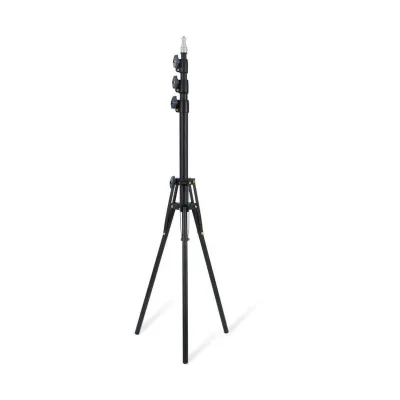
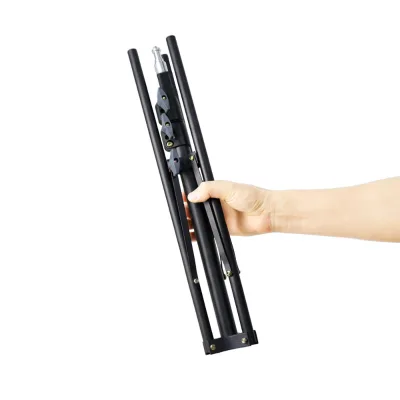
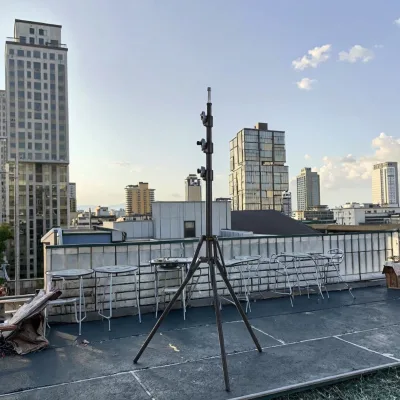
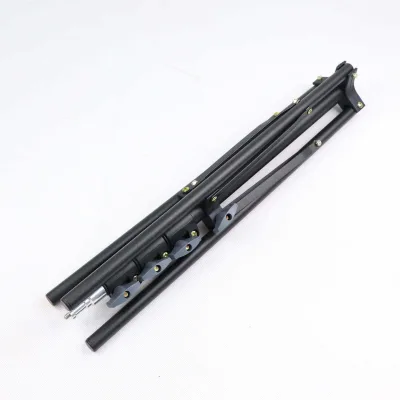
Professional Tripod for Outdoor Live Streaming Lightweight Stable for Hunting Vlogging
$5.03 - $5.27
MOQ: 20 pieces
Ningbo Evertop Metal Products Co., Ltd.
- Manufacturer, Trading Company
- Lead time旺季: "1 - 6000":30,"> 6000":"To be negotiated", 淡季: "1 - 6000":30,"> 6000":"To be negotiated"
- Avg. response≤ 1h
Main productsTablet Kiosk Stand,Tablet Stand,Tripod,Photographic accessories,iPad Stand
Ningbo E-Reise Photographic Equipment Co., Ltd.
- Manufacturer
- Zhejiang, China
- Lead time0 days
- Avg. response≤ 12h
Main productsPhotographic Equipment,comsumer electronics
Main marketsDomestic Market(30.00%), Western Europe(30.00%), South America(20.00%), Southeast Asia(10.00%), North America(10.00%)
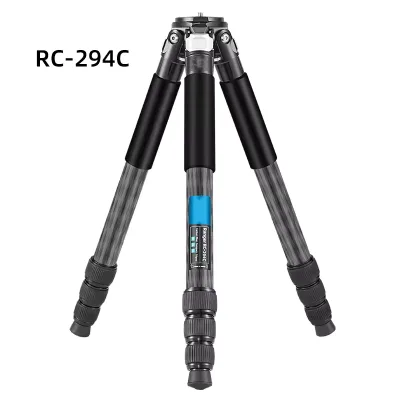
Professional Camera Portable Tripod Stand Carbon Fiber Camera Tripod for Photography Adapter
$88.00 - $138.00
MOQ: 2 Minimum
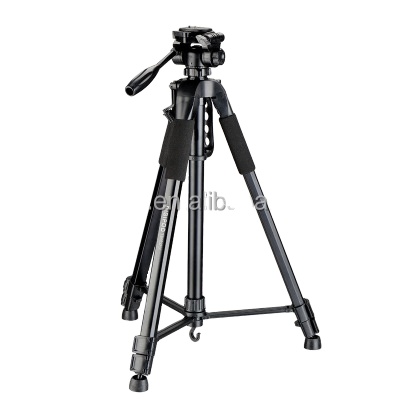
E-REISE Light Weight Tripod DSLR Camera Tripod for Outdoor Photography Tripod
$5.00 - $20.00
MOQ: 20 Minimum
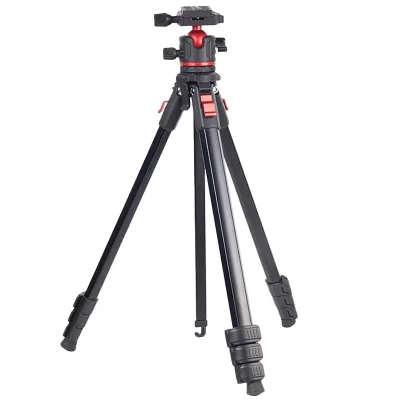
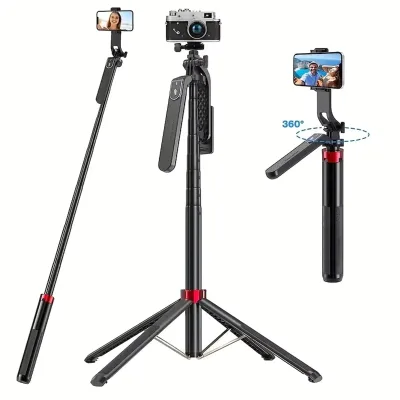
Camera Tripod with Ball Head Panoramic Shooting Function Outdoor Portable Stand & Fill Light Bracket
$30.00 - $40.00
MOQ: 2 Minimum
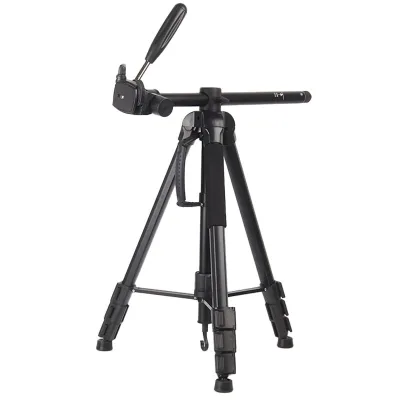
Overhead Shooting Tripod - 360° Rotation for Panoramic Photography & Videography
$20.57 - $25.71
MOQ: 2 Minimum

Rizhao Fenghua Scaffoldings Co., Ltd.
- Verified by BV
- Combined
- China Shandong
- Lead time45 days
- Avg. response≤ 14h
Main productsScaffolding, Scaffold, Forging, Formwork, Scaffold Couplers, Swivel Coupler, Frame System, Hand Tools, Scaffold Plank
Main marketsSouth America,East Asia(Japan/ South Korea),Europe,North America

Dongyang Baiyun Erains Optics Co., Ltd.
- Trading Company
- China Zhejiang
- Lead time45 days
- Avg. response≤ 12h
Main productsLaser Sight, Tactical Flashlight, Red DOT, Compass, Laser Scope, Mini Plant, Power Ball, LED Flashlight, Love Pearl
Main marketsEurope,North America


Short Description/Comments: Advanced Level Professional Photography Camera Tripod
Contact supplier
MOQ: 10 Pieces

- Verified by SGS
- Manufacturer/Factory
- China Guangdong
- Lead time23 days
- Avg. response≤ 21h
Main productsCNC Machining Parts
Main marketsSouth America,Eastern Europe,Mid East,North America,Southeast Asia,Eastern Asia,Oceania,Western Europe


OEM Die Casted Mini Portable Aluminum Camera Tripod of Photographic Equipment
$1.50 - $1.90
MOQ: 100 Pieces

Guangzhou Miao Figure Digital Technology Co, Ltd
- Verified by TUVRHEINLAND
- Manufacturer/Factory
- China Guangdong
- Lead time68 days
- Avg. response≤ 2h
Main productsPhotography Lights, Photography Background, Photography Props, Camera Stand, Photography Stand, Background Stand, Camera Accessories, Action Camera Accessories, Photography Softbox, Photography Light Stand
Main marketsEastern Europe,Mid East,North America,Western Europe,Africa
Guangzhou Meizhi Guang Photographic Equipment Co., Ltd.
- Manufacturer
- Guangdong, China
- Lead time3 days
- Avg. response≤ 3h
Main productsPhotography lighting,live streaming lighting,photography accessories,Photography fill-in light,Selfie stick
Main marketsAfrica(30.00%), North America(10.00%), Southeast Asia(10.00%), Eastern Asia(10.00%), Mid East(10.00%), Domestic Market(5.00%), Southern Europe(5.00%), Northern Europe(5.00%), Western Europe(5.00%), Eastern Europe(5.00%), South America(5.00%)
Shenzhen Ecostar Technology Co., Ltd
- Manufacturer
- Guangdong, China
- Lead time7 days
- Avg. response≤ 2h
Main productscamera,camera accessories,mouse keyboard,smart watch,projector
Main marketsNorth America(28.00%), Western Europe(18.00%), Domestic Market(10.00%), Northern Europe(9.00%), Eastern Europe(5.00%), Mid East(5.00%), South Asia(4.50%), Southern Europe(4.00%), Southeast Asia(4.00%), Oceania(4.00%), South America(3.50%), Central America(2.00%), Eastern Asia(1.50%), Africa(1.50%)
Ningbo Efoto Technology Co., Ltd.
- Manufacturer, Trading Company
- Zhejiang, China
- Lead time30 days
- Avg. response≤ 2h
Main productsStudio Equipment, Photography Accessories, Camera Tripods
Main marketsDomestic Market(49.00%), North America(10.00%), South America(8.00%), Southern Europe(7.00%), Northern Europe(7.00%), Western Europe(6.00%), Central America(5.00%), South Asia(3.00%), Eastern Europe(3.00%), Africa(2.00%)

Shanghai Rainbow Industry and Trade Co., Ltd.
- Verified by TUVRHEINLAND
- Trading Company,Manufacturer/Factory
- China Shanghai
- Lead time45 days
- Avg. response≤ 3h
Main productsSpirit Level, Torpedo and Pocket Spirit Level, Box Torpedo Spirit Level, Heavy Duty I-Beam Spirit Level, Cast Torpedo Spirit Level, Heavy Duty Tripod, Self Inking Stamp, Carpenter Pencil, Tamper Proof Void Seal, Label
Main marketsEastern Europe,North America,Africa
Shenzhen Genyuanfa Industrial Co., Ltd.
- Trading Company, Distributor/Wholesaler
- Guangdong, China
- Lead time7 days
- Avg. response≤ 3h
Main productsLED Ring Light,display stand,mobile phone stand,selfie stick,Wireless microphone
Main marketsDomestic Market(50.00%), North America(10.00%), Eastern Asia(6.00%), South America(5.00%), Mid East(5.00%), Southeast Asia(5.00%), Africa(4.00%), Central America(3.00%), Oceania(2.00%), South Asia(2.00%), Southern Europe(2.00%), Northern Europe(2.00%), Eastern Europe(2.00%), Western Europe(2.00%)






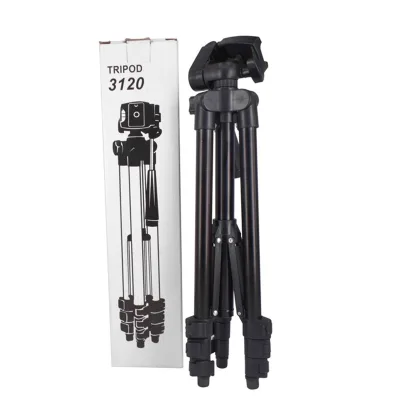
Comprehensive Sourcing Guide
Portable Lightweight Camera Tripod Supplier Concentration and Factory Types
Current data indicates that manufacturing for portable lightweight camera tripods is concentrated in specific regions within China, with Guangdong and Jiangsu provinces appearing as primary production hubs. Suppliers in these areas often operate as combined entities or trading companies, offering a mix of direct manufacturing capabilities and sourcing services. The presence of ODM and own-brand capacities suggests that many factories in these clusters can handle custom design requests while maintaining their standard product lines. Buyers should verify if a supplier's stated location matches their actual factory address, as trading companies may list a different city than their manufacturing partners.
When evaluating the type of company, it is essential to distinguish between manufacturers and trading firms based on their declared company type and product evidence. Some suppliers list main products that include tripods alongside other electronics like ring lights or simulators, which may indicate a broader trading scope rather than specialized manufacturing. A combined company type often implies a hybrid model where the entity manages both production and sales, potentially offering more flexibility in customization. However, buyers must confirm if the specific product they need is manufactured in-house or sourced from a third party, as this affects quality control and lead time reliability.
How to Verify Portable Lightweight Camera Tripod Suppliers
Verification of supplier credibility relies heavily on third-party audit results and system certifications rather than self-reported claims. Available data shows that some suppliers hold ISO9001:2015 and ISO14001:2015 certificates, which indicate adherence to quality and environmental management standards. Additionally, verification status from agencies like SGS provides an external layer of trust regarding the supplier's business legitimacy. Buyers should request current copies of these certificates and cross-reference the audit dates to ensure they are not expired, as outdated documentation does not reflect current operational standards.
Beyond certifications, response time and verification badges serve as practical indicators of supplier engagement and reliability. A response time of approximately two days suggests a functional communication channel, whereas longer delays may signal operational bottlenecks or a lack of dedicated sales support. Buyers should test the supplier's responsiveness by asking specific technical questions about product materials, such as aluminum composition or leg section configurations, to gauge their expertise. It is also critical to confirm that the supplier's claimed location matches the origin stated on product specifications, ensuring that the goods are not being mislabeled to bypass trade regulations or shipping constraints.
What to Compare Across Portable Lightweight Camera Tripod Suppliers
Comparing suppliers requires a systematic review of key operational metrics including lead time, minimum order quantity, and pricing structures. Lead times in the current dataset vary significantly, with some suppliers offering ten-day turnaround while others require up to forty-five days. This variance often correlates with the supplier's capacity for ODM services or their current production load. Buyers must align their project timelines with these lead times, understanding that shorter durations may come with higher costs or limited customization options. Minimum order quantities also differ, ranging from eight pieces to twenty pieces, which impacts the initial investment required for small-scale testing or bulk distribution.
Pricing and product specifications provide another critical dimension for comparison, with unit costs fluctuating based on material quality and feature sets. Prices for lightweight tripods can range from approximately seven dollars to over thirty dollars, reflecting differences in aluminum grade, load capacity, and included accessories like mobile holders or bubble levels. Buyers should compare the price per unit against the specific attributes listed, such as maximum working height or folded length, to determine value. It is important to note that lower prices may correspond to lower load capacities or fewer leg sections, so the total cost of ownership must be evaluated against the intended use case, whether for professional video production or casual smartphone vlogging.
Common Portable Lightweight Camera Tripod Sourcing Risks
One significant risk in sourcing portable lightweight camera tripods involves the discrepancy between claimed specifications and actual product performance. While product data lists attributes like "Flexible Tripod" type and "Aluminum" material, buyers must verify these claims through physical samples before committing to large orders. Inconsistent quality in leg sections or locking mechanisms can lead to product failure during use, damaging the buyer's brand reputation. Additionally, the inclusion of accessories like mobile clamps or remote controls may vary between production batches, creating confusion if the final shipment does not match the initial sample provided.
Another risk pertains to the reliability of shipping and packaging standards, which can affect the condition of goods upon arrival. Carton dimensions and packing quantities vary across suppliers, with some listing specific carton sizes while others provide generic descriptions. Inadequate packaging can result in damage to the tripod legs or head during transit, especially for lightweight models that are prone to bending. Buyers should explicitly request detailed packing lists and photos of the packaging process to ensure that the goods are protected adequately. Furthermore, relying on a single supplier without a backup plan can expose the buyer to supply chain disruptions if that factory faces production delays or capacity issues.
Portable Lightweight Camera Tripod Regional Sourcing and Logistics
Regional sourcing decisions are heavily influenced by the location of the manufacturing base, which dictates shipping costs and transit times. Current data points to Guangdong and Jiangsu as the primary regions for tripod production, each offering distinct logistical advantages depending on the destination port. Suppliers in Guangdong often have access to major shipping hubs, potentially reducing ocean freight costs for international buyers. However, buyers must verify the exact place of origin listed on product specifications, as some trading companies may list a different province than the actual factory location, leading to unexpected shipping delays or higher freight charges.
Logistics planning also requires attention to the supplier's ability to handle export documentation and compliance with destination country standards. While some suppliers provide detailed product attributes like weight and dimensions, buyers must ensure these figures are accurate for calculating freight charges and customs duties. The weight of a single tripod, often around one kilogram, combined with the carton gross weight, determines the total shipping volume. Buyers should request a proforma invoice that clearly separates product costs from shipping and insurance fees to avoid hidden charges. Additionally, understanding the supplier's experience with export procedures can prevent delays at customs, ensuring that the portable lightweight camera tripods reach the market on schedule.
Portable Lightweight Camera Tripod Commercial Terms and Order Planning
Commercial terms for portable lightweight camera tripods often include specific warranty periods and customization options that must be clearly defined in the purchase agreement. Available data indicates that many suppliers offer a one-year warranty, which provides a baseline for after-sales support and product reliability. Buyers should confirm the scope of this warranty, including whether it covers manufacturing defects or accidental damage, and understand the process for filing claims. Customization availability, such as OEM branding or specific color requests, should be documented in writing to ensure that the final product meets the buyer's branding requirements without additional costs.
Order planning must account for the supplier's production capacity and the flexibility of their order quantities. With minimum order quantities ranging from eight to twenty pieces, buyers can start with smaller test orders to validate product quality before scaling up. However, the lead time of up to forty-five days for some suppliers requires careful inventory management to prevent stockouts. Buyers should establish a clear communication channel for order updates and request production schedules to track progress. It is also advisable to negotiate payment terms that protect the buyer's interests, such as using escrow services or partial payments, to mitigate financial risk while ensuring the supplier has the necessary capital to fulfill the order.
FAQs
What does a Portable Lightweight Camera Tripod typically cost?
Typical factory prices for portable lightweight camera tripods on this page range from about $7.60 to $32 per unit, depending on height, material, and features. Smaller aluminum models sit near the lower end, while taller professional units cost more. Quotes vary with order quantity, customization, and current material costs, so request a current quotation before budgeting.
What is the usual minimum order quantity for these tripods?
Minimum order quantities listed for these lightweight tripods are quite low, starting at 8 to 20 pieces depending on the model. This makes small trial orders practical before committing to volume. Confirm the exact MOQ for the specific model you want, since requirements differ between product listings and may change with customization requests.
How long does production take after an order is confirmed?
Listed lead times for the suppliers on this page range from 10 to 45 days. The shorter figure suits in-stock trading stock or smaller orders, while longer timelines reflect manufacturer production schedules. Ask each supplier to confirm the lead time for your quantity, customization level, and destination before you finalize a purchase contract.
Can these tripods be customized with my brand?
Yes, several listings explicitly state OEM availability and that customization is supported. Suppliers describe themselves as offering ODM services and their own brands alongside OEM work. You can typically customize branding, packaging, and some product features. Discuss minimum quantities for custom orders, artwork requirements, and sample approval steps with each supplier before placing a production order.
What materials and warranty should I expect?
The tripods listed are aluminum models marketed for digital cameras, video cameras, and smartphones. Most listings state a one-year warranty, and mobile phone holders are included with several models. Aluminum keeps weight low while supporting working heights from roughly 138cm to 184cm. Verify load capacity, folded length, and warranty terms in writing for the exact model you select.
Which regions do these tripod suppliers come from?
The suppliers featured on this page are located in Guangdong and Jiangsu, China. Both provinces are established hubs for photography accessories and consumer electronics manufacturing. Guangdong suppliers include a combined manufacturer-trader verified by SGS with ISO9001:2015 and ISO14001:2015 certificates, while Jiangsu suppliers include trading companies. Consider location when planning factory visits and shipping arrangements.
How quickly do these suppliers respond to inquiries?
Average response times listed on this page range from about 2.2 hours to 5 hours. Faster responders help you move quickly through sampling and quotation stages, especially across time zones. Response speed can vary with workload and season, so send a detailed inquiry covering model, quantity, and customization, then compare reply quality as well as speed.
Are these suppliers verified or certified?
One Guangdong supplier on this page is SGS-verified and holds ISO9001:2015 and ISO14001:2015 system certifications. Not every listing displays the same credentials, so verification levels differ. Before committing, review each supplier's profile for verification badges, certification documents, and transaction history, and request current certificate copies directly if certification matters to your compliance requirements.