Modern Decorative Wooden Soundproofing Panels Suppliers and Manufacturers
Explore 28 verified suppliers offering Modern Decorative Wooden Soundproofing Panels with varying lead times, certifications, and response speeds. Compare dimensions, fire ratings, and pricing to find the right fit for your project and request quotes today; review the available evidence before requesting comparable quotations from suitable candidates.
Updated
Suppliers List

TH-STAR Acoustic PANEL (Zhejiang) Co., Ltd.
- Verified by BV
- Combined
- China Zhejiang
- Lead time38 days
- Avg. response≤ 2h
Main productsAcoustic Panel, Acoustic Ceiling Panel, 3D Acoustic Wall Panel, Print Acoustic Panel, Acoustic Blanket, Fabric Clothing Acoustic Panel, Wooden Acoustic Panel, Acoustic Panel for Office Furniture, Fabric Covered Acoustic Panel, Acoustic Foam
Main marketsSouth America,Others(foreignTradeCapacity.exportBusinessCapacityMarketOther),Southeast Asia/ Mideast,Europe,North America

Shandong Rongchang Intelligent Technology Co., Ltd.
- Verified by BV
- Trading Company
- China Shandong
- Lead time23 days
- Avg. response≤ 5h
Main productsLED Mirror, Smart Mirror, Acoustic Panel, Wall Panel, Shower Room, LED Bathroom Mirror, Salon Mirror, Dressing Mirror, Drcorative Mirror, WPC Wall Panel
Main marketsSouth America,Southeast Asia/ Mideast,Europe,Australia,North America


Sound Absorption Acoustic Panels Soundproof Wall Panel Wooden Slat Acoustic Ceiling Panel
$19.90 - $25.00
MOQ: 100 Square Meters

Modern Interior Wall Decoration Acoustic Panel Wooden Sound Isolation Acoustic Wall Panel
$16.90 - $20.80
MOQ: 100 Square Meters


Suzhou Vigor New Materials Co., Ltd.
- Verified by TUVRHEINLAND
- Combined
- China Jiangsu
- Lead time30 days
- Avg. response≤ 2h
Main productsAcoustic Wall Panel, Acoustic Panel, Painter Felt, White Sticky Felt
Main marketsEurope


Soundproofing Board Easy Install Decorative Sound Absorption Panels
$7.50 - $8.70
MOQ: 300 Square Meters


Modern Wall Panels: Decorative Wood Design for Superior Soundproofing
$11.80 - $13.00
MOQ: 100 Square Meters

Premium Wooden Soundproofing Panels for Sustainable Modern Home Decor
$11.80 - $13.00
MOQ: 100 Square Meters


Shanghai Colorbo Industrial Co., Ltd.
- Verified by BV
- Combined
- China Shanghai
- Lead time15 days
- Avg. response≤ 1h
Main productsAcoustic Panel, Wall Panel, Office Partition, Lampshade, Desk Screen, Meeting Space, Pet Supplies, Props Supplies, Storage, Phone Booth
Main marketsSouth America,Southeast Asia/ Mideast,East Asia(Japan/ South Korea),Domestic,Europe,Australia


New Decorative Soundproofing Timber Wooden Grooved Acoustic Panel
$20.00 - $30.00
MOQ: 100 Square Meters


Room Decoration Wooden Timber Soundproof Material Acoustic Panels
$20.00 - $30.00
MOQ: 100 Square Meters

Shanghai Kunnuo Building Materials Co., Ltd.
- Verified by SGS Group
- Manufacturer, Trading Company
- Lead time15 days
- Avg. response≤ 2h
Main productsPolyester Fiber Acoustic Panel, Wooden Slat Wall Panels, Acoustic Panel Foam, Damping Sound Insulation Felt, Decorative Materials of Different Substrates
Main marketsNorth America(30%), Domestic Market(30%), Western Europe(20%)
Haining UV Decoration Material Co., Ltd.
- Trading Company
- Lead time旺季: "1 - 500":5,"501 - 3000":10,"3001 - 10000":15,"> 10000":"To be negotiated", 淡季: "1 - 500":5,"501 - 3000":10,"3001 - 10000":15,"> 10000":"To be negotiated"
- Avg. response≤ 3h
Main productsWPC WALL PANEL, UV MARBLE SHEET, PVC PANEL, SPC FLOOR, PU STONE
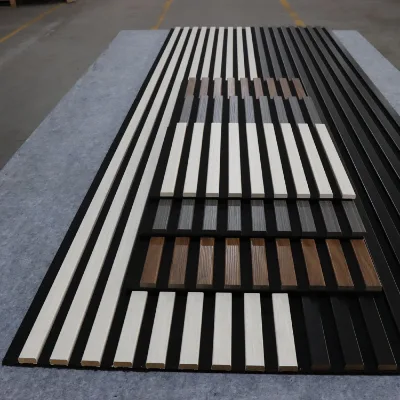
Acoustic Panel Sound Proof Wall Panels Acoustic Hexagon Polyester Acoustic Foam Panels Soundproofing
$16.4275 - $18.4812
MOQ: 500 square
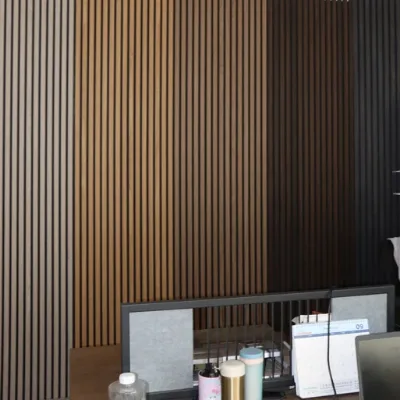
Modern Interior Wall Decoration Acoustic Panel Wooden Sound Isolation Acoustic Slat Wall Panel
$16.3616 - $18.4062
MOQ: 500 square


Keiward New Materials (Jinan) Co., Ltd
- Verified by TUVRHEINLAND
- Trading Company
- China Shandong
- Lead time0 days
- Avg. response≤ 4h
Main productsWall Panel
Main marketsEurope

Modern Wood Wall Panel Soundproofing Noise Reduction Acoustic Panel for House
$10.00 - $16.00
MOQ: 300 Pieces


Easy Install Soundproofing Panels Decoration Wood Acoustic Panel for Bedrooms
$10.00 - $16.00
MOQ: 300 Pieces

Noise Reduction Wood Panel Soundproofing Decoration Acoustic Panel for Small Offices
$10.00 - $16.00
MOQ: 300 Pieces

Most Popular Oak Soundproofing Panels Decoration Acoustic Panel for Soundproofing Wall
$10.00 - $16.00
MOQ: 300 Pieces
Shandong Zhuoyi Leju New Material Technology Co., Ltd.
- Verified by SGS Group
- Manufacturer, Trading Company
- Lead time154 days
- Avg. response≤ 2h
Main productsWall Panel, Bamboo Wall Panel, SPC Wall Panel, WPC Wall Panel, PU Wall Panel
Main marketsNorth America(20%), Domestic Market(20%), Southeast Asia(10%)
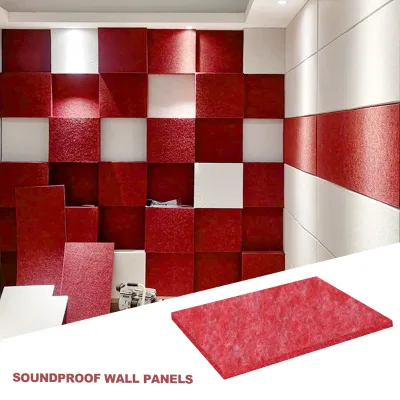
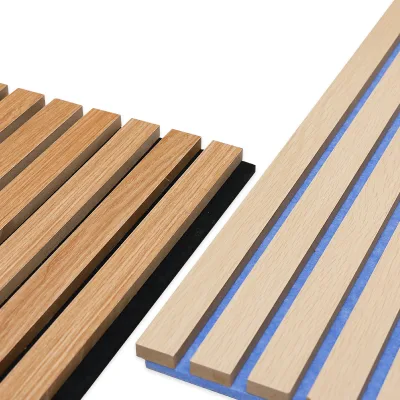
Sound Proofing Acoustic Wall Panels Indoor Decorative Fluted Grooved Wooden Slat Acoustic Panel
$10.10 - $10.80
MOQ: 100 meters
Shandong Chengze Decoration Materials Co., Ltd.
- Verified by SGS Group
- Manufacturer, Trading Company
- Lead time10 days
- Avg. response≤ 1h
Main productsWall Panel, WPC Decking, SPC Flooring
Main marketsNorth America(30%), Southeast Asia(18%), South America(10%)
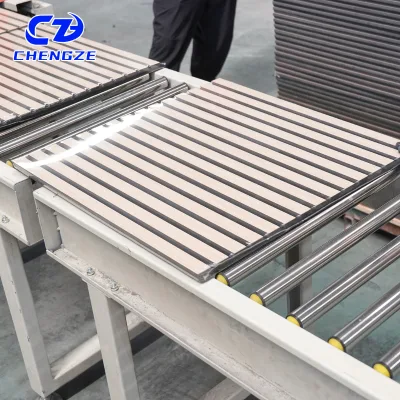
3D Decorative Acoustic Ceiling Panels for Soundproofing Public Halls and Auditoriums
$11.4014 - $14.5133
MOQ: 500 pieces
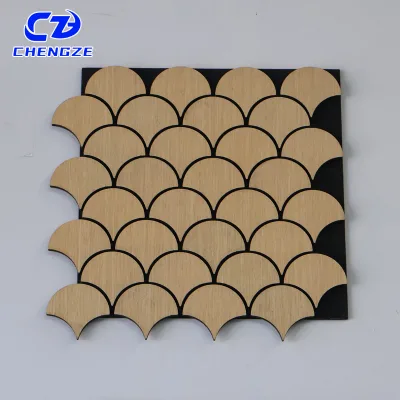
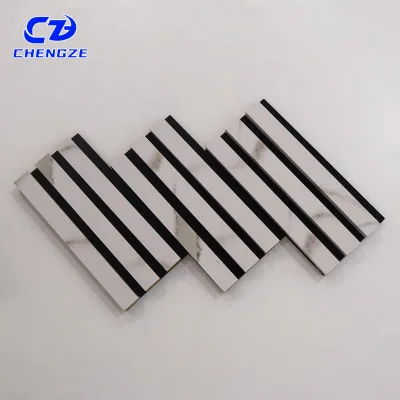
$14.99 - $20.99
MOQ: 100 pieces
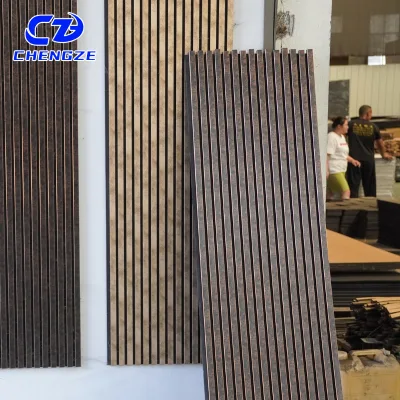
$11.1825 - $14.3304
MOQ: 500 pieces
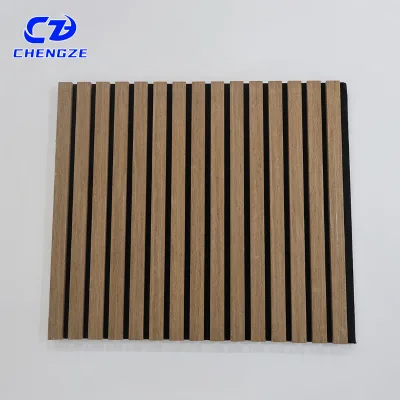
Wooden Decorate Sound-adsorbing Wall Panel Acoustic for Music Studio
$8.3824 - $12.5781
MOQ: 200 pieces
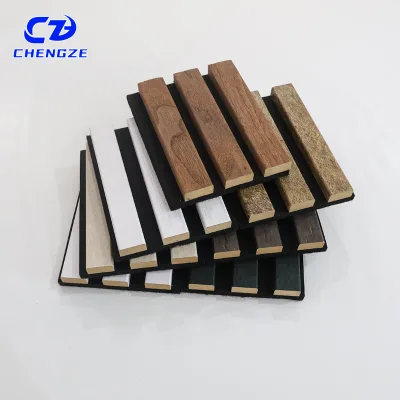
High Quality Flexible Colorful Wooden Slatted Acoustic Panels for Home Hotel Office
$9.024 - $13.8418
MOQ: 150 pieces
Linyi Ziterlan New Material Co., Ltd.
- Verified by Intertek
- Manufacturer, Trading Company
- Lead time0 days
- Avg. response≤ 1h
Main productsWPC Wall Panel, PVC Wall Panel, Polyester Sound-absorbing Wall Panel
Linyi Yonghong International Trading Co., Ltd.
- Verified by SGS Group
- Manufacturer, Trading Company
- Lead time14 days
- Avg. response≤ 2h
Main productsWPC Wall Panel, UV Marble Sheet, Plywood, Acoustic Wall Panel, SPC Flooring
Main marketsSouth America(26%), Northern Europe(11%), North America(9%)
Jiangsu Haiyin Import And Export Co., Ltd.
- Verified by TüVRheinland
- Manufacturer, Trading Company
- Lead time20 days
- Avg. response≤ 1h
Main products3D Cube Polyester Panel, Polyester Fiber Acoustic Panel, Wooden Slat Panel, Furniture Sheet, Acoustic Cotton
Main marketsDomestic Market(26%), Western Europe(15%), North America(10%)
Oriental Construction Material (suzhou) Co., Ltd.
- Verified by TüVRheinland
- Trading Company
- Jiangsu, China
- Lead time15 days
- Avg. response≤ 4h
Main productsMgo Board, Decorative Board, Fiber Cement Board, Sandwich Panels, Acoustic Panels
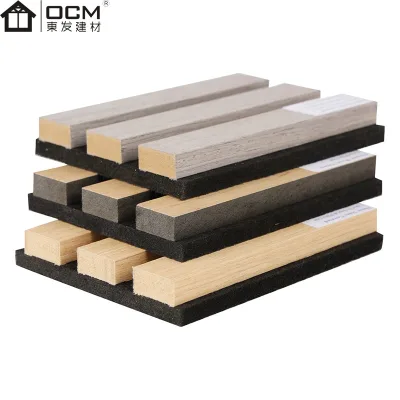
Wooden Acoustic Panels Acoustic Panel Wood Sound Isolation
$17.00 - $32.00
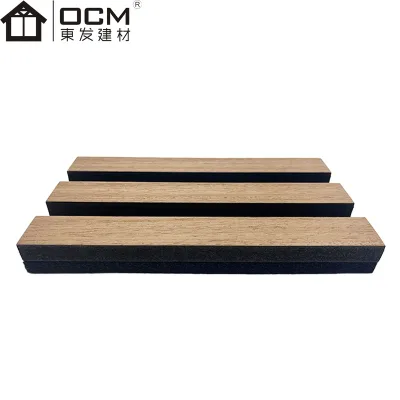

Jiangsu Xihong Building Materials Co., Ltd.
- Verified by SGS Group
- Trading Company
- Lead time20 days
- Avg. response≤ 2h
Main productsWPC Wall Panel, PVC Marble Sheet, PS Panel, SPC floor, Acoustics Panel
Main marketsNorth America(30%), South America(25%), Southeast Asia(15%)

Guangdong Hayhoe Decoration Materials Co., Ltd.
- Manufacturer, Trading Company
- Guangdong, China
- Lead time12 days
- Avg. response≤ 3h
Main productsacoustic panel,sound insulation board,sound diffuser,slat wall panel,upholstered wall panel
Main marketsMid East(30.00%), Southeast Asia(30.00%), Domestic Market(20.00%), South America(3.00%), North America(3.00%), Central America(2.00%), Western Europe(2.00%), Eastern Asia(2.00%), Eastern Europe(2.00%), Oceania(2.00%), Africa(1.00%), South Asia(1.00%), Southern Europe(1.00%), Northern Europe(1.00%)

LINYI NOVA DECORATION MATERIALS CO., LTD.
- Manufacturer/Factory
- China Shandong
- Lead time23 days
- Avg. response≤ 3h
Main productsSpc Flooring, Flexible Stone, WPC Panel, PVC Marble Sheet, Bamboo Charcoal Wood Venner, PU Stone, PS Wall Panel, Artifucal Turf, Bamboo Wall Panel, Lvt Flooring
Main marketsSouth America,Eastern Europe,Mid East,North America,Southeast Asia,Eastern Asia,Oceania,Western Europe,Africa
Hebei Yiteng Import And Export Trading Co., Ltd.
- Trading Company
- Hebei, China
- Lead time0 days
- Avg. response≤ 6h
Main productsFelt Pet Supplies; Felt Storage,Wooden Acoustic Wall Panel,Felt Car Supplies,Felt Educational Toys
Main marketsNorth America(40.00%), South America(20.00%), Eastern Europe(10.00%), Africa(5.00%), Oceania(5.00%), Southern Europe(2.00%), Northern Europe(2.00%), Central America(2.00%), Western Europe(2.00%), Eastern Asia(2.00%), Mid East(2.00%), Southeast Asia(2.00%)

Hebei Wan Er Decoration Engineering Co., Ltd.
- Trading Company
- Hebei, China
- Lead time15 days
- Avg. response≤ 2h
Main productsaerogel felt,aerogel coating,aerogel powder,vacuum insulated panel,mass loaded vinyl
Main marketsAfrica(50.00%), Oceania(10.00%), Domestic Market(10.00%), South America(10.00%), North America(5.00%), South Asia(5.00%), Southern Europe(5.00%), Central America(5.00%)

Guangzhou Yiju Soundproof Building Materials Co., Ltd.
- Manufacturer, Trading Company
- Guangdong, China
- Lead time5 days
- Avg. response≤ 1h
Main productsAcoustic Foam, Acoustic PET Panel, Acoustic Blanket, Akupanel, Acoustic Fabric Panel
Main marketsNorth America(20.00%), South Asia(10.00%), Oceania(10.00%), Eastern Europe(10.00%), Mid East(10.00%), Southeast Asia(10.00%), Eastern Asia(5.00%), South America(5.00%), Africa(5.00%), Domestic Market(5.00%), Western Europe(3.00%), Southern Europe(3.00%), Central America(2.00%), Northern Europe(2.00%)
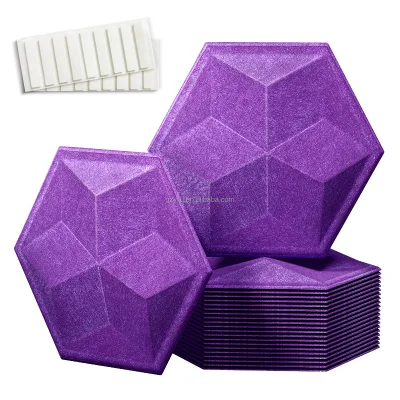
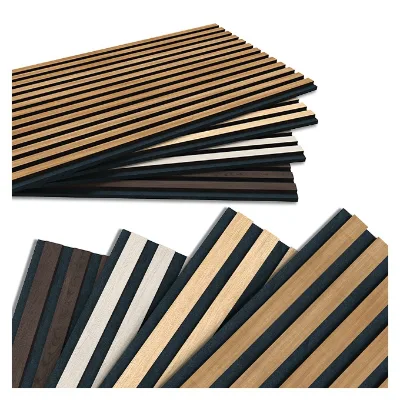
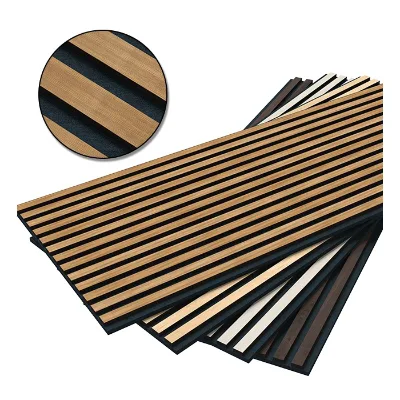
Economical Custom Logo Design Soundproof Acoustic Sound Proof Wall Panels
$15.4547 - $20.5033
MOQ: 4 pieces
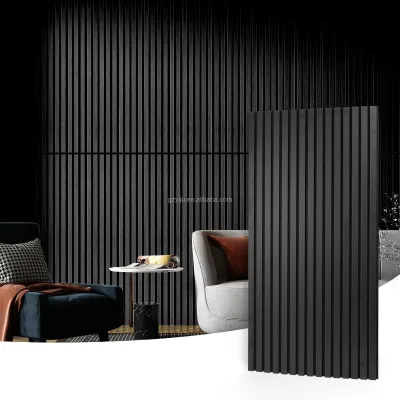
$9.7885 - $10.3026
MOQ: 4 pieces
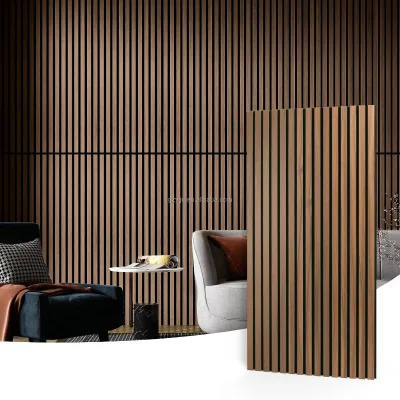
$9.7615 - $10.2741
MOQ: 4 pieces
Shandong Braces International Trade Co., Ltd.
- Verified by SGS Group
- Manufacturer, Trading Company
- Lead time0 days
- Avg. response≤ 2h
Main productsWPC Wall Panel, PVC Wall Panel, WPC Ceiling Panel, Integrated Wallboard, Bamboo Charcal Wood Veneer, Carbon Crystal Plate, PVC Marble Sheet, UV Board, PU Stones, Flexible Stone, WPC Decking, SPC Flooring
Main marketsMid East(32%), Southeast Asia(18%), South America(11%)
Shandong Hangxu New Material Co., Ltd.
- Trading Company
- Shandong, China
- Lead time0 days
- Avg. response≤ 4h
Main productsplywood,mdf,particleboard,pvc edge banding,furniture
Main marketsDomestic Market(35.00%), Africa(20.00%), North America(20.00%), Eastern Europe(8.00%), Central America(5.00%), South America(5.00%), Mid East(4.00%), Northern Europe(3.00%)
Linyi Guanou New Materials Co., Ltd.
- Verified by SGS Group
- Manufacturer, Trading Company
- Lead time10 days
- Avg. response≤ 2h
Main productsWPC Wall Panel, PU Stone, UV Marble Sheet, Soft Stone, Acoustic Wall Panel
Main marketsNorth America(35%), Southeast Asia(25%), South America(10%)
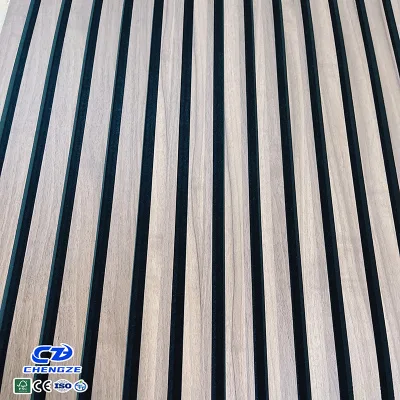
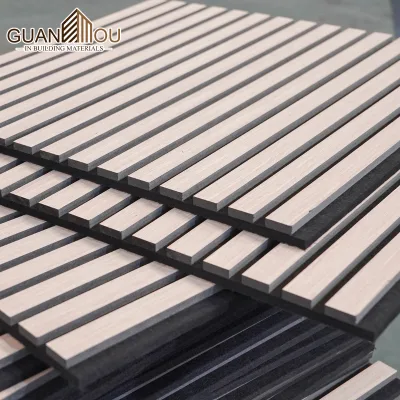
Professional Acoustic Panels for Wall Sound Proof & Absorption Class a Fire Rating
$7.1173 - $7.8533
MOQ: 100 square
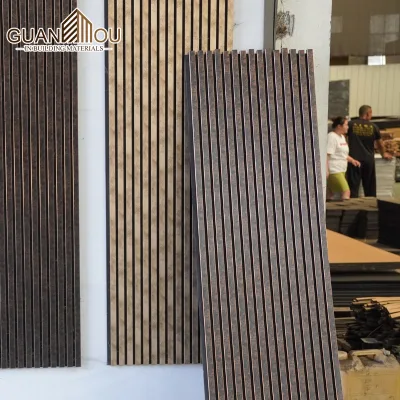
High Quality Soundproof Materials Acoustic Panel for Studio Reception Desk
$4.6919 - $8.3404
MOQ: 500 pieces

Shouguang Semmel Furniture CO., LTD
- Verified by SGS
- Combined
- China Shandong
- Lead time30 days
- Avg. response≤ 8h
Main productsFurniture, Bathroom Furniture, Shelf, Wardrobe
Main marketsAustralia


High Quality Wooden Slat Acoustic Panel Soundproof Wall Panel for Decoration
$8.00 - $9.00
MOQ: 400 Pieces


Hot Sale Wooden Slat Acoustic Panel Soundproof Wall Panel for Decoration
$8.00 - $9.00
MOQ: 400 Pieces
Linyi Dayin Building Materials Co., Ltd.
- Verified by TüVRheinland
- Trading Company
- Lead time0 days
Main productsBuilding Planks, Plywood, SPC Wall Panel, Particle Board, Density Board
Main marketsSouthern Europe(15%), North America(12%), Southeast Asia(12%)
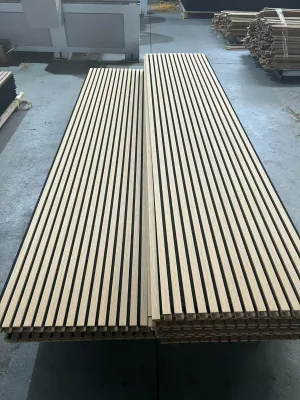
$13.3486 - $20.5348
MOQ: 50 Minimum
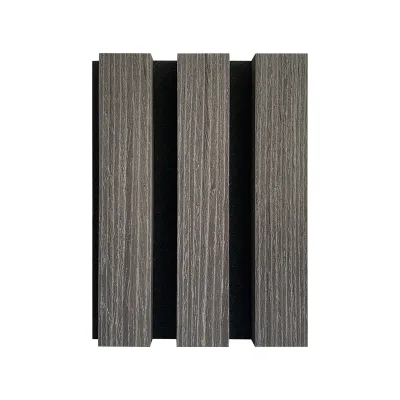
3D Wooden Sound Pet Panel Acoustic Wooden Cheap Price Big Acoustic Panel
$13.00 - $20.00
MOQ: 50 Minimum
Jiangsu Tiptop Building Material Co., Ltd.
- Verified by SGS Group
- Manufacturer, Trading Company
- Lead time0 days
- Avg. response≤ 4h
Main productsPVC Panel, Ceiling T Grid, Steel Channel, WPC Wall Panel, PVC Wall Panel
Main marketsAfrica(35%), Mid East(35%), Southeast Asia(20%)

- Verified by BV
- Manufacturer/Factory
- China Zhejiang
- Lead time30 days
- Avg. response≤ 3h
Main productsBrush Cutter, Tiller, Garden Equipment, Chain Saw, Bike Rack, Motorcycle Lift, Furniture, Hooks, Garage Rack, Storage Bin
Main marketsSouth America,Eastern Europe,Mid East,North America,Southeast Asia,Eastern Asia,Oceania,Western Europe,Africa
Shenzhen Vinco Soundproofing Co., Ltd.
- Manufacturer, Trading Company, Buying Office
- Guangdong, China
- Lead time0 days
- Avg. response≤ 24h
Main productsMass loaded vinyl,Acoustic Diffuser,Sound Barrier,Acoustic Panel
Main marketsSouth Asia(20.00%), Africa(20.00%), North America(15.00%), South America(5.00%)
Guangdong Liyin Acoustics Technology Co., Ltd.
- Manufacturer, Trading Company
- Lead time旺季: "1 - 10000":31,"> 10000":"To be negotiated", 淡季: "1 - 10000":31,"> 10000":"To be negotiated"
- Avg. response≤ 4h
Main productsWooden Slat Panel, Polyester Fiber Acoustic Panel, Wooden Acoustic Panel, Acoustic Booth, Movable Partition
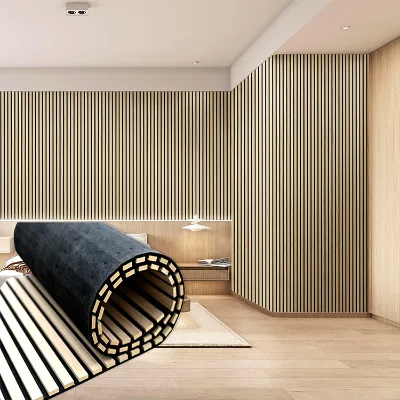
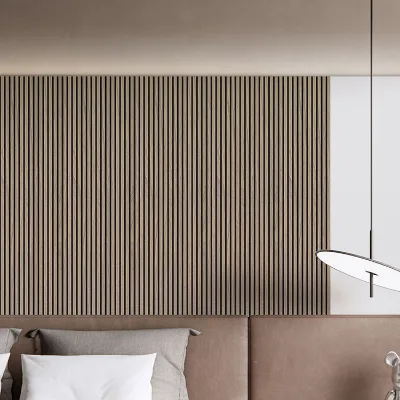
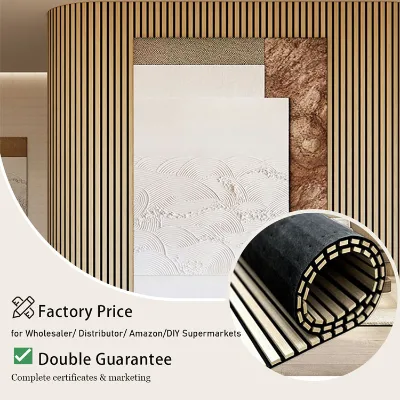
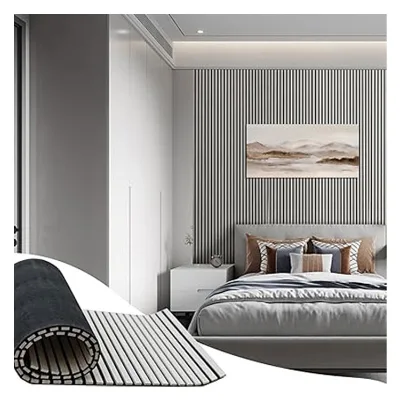
$5.01 - $12.01
MOQ: 100 Minimum


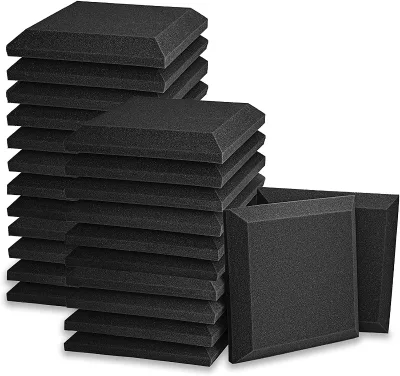
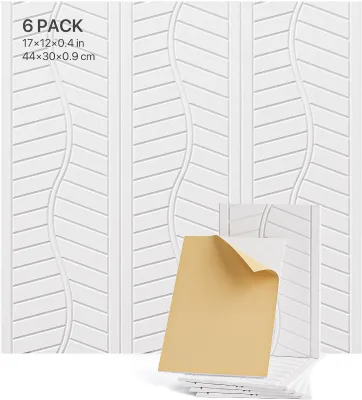







Comprehensive Sourcing Guide
Modern Decorative Wooden Soundproofing Panels Supplier Concentration and Factory Types
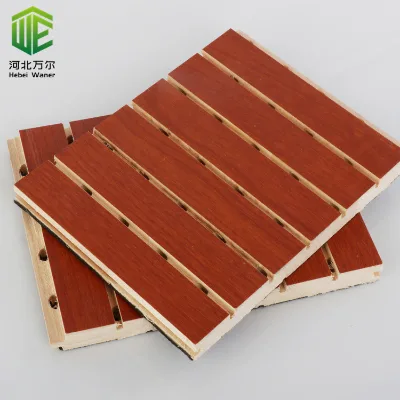
The current supplier landscape for Modern Decorative Wooden Soundproofing Panels reveals a distinct geographic concentration in China, specifically within the Zhejiang and Shandong provinces. These regions serve as primary manufacturing hubs where factories and trading companies converge to produce a wide array of acoustic solutions. In Zhejiang, suppliers often operate as combined entities, blending manufacturing capabilities with trading functions to offer diverse product lines that include acoustic panels, ceiling tiles, and wall cladding. This dual nature allows for greater flexibility in production scales and customization options, catering to both large-scale construction projects and smaller interior design needs. The presence of these combined companies suggests a mature supply chain infrastructure where raw material sourcing, such as polyester fiber and wood veneer, is readily available, facilitating efficient production cycles for high-volume orders.
In contrast, suppliers located in Shandong tend to operate more distinctly as trading companies, focusing on connecting buyers with specialized manufacturing capabilities. These entities often highlight specific product niches, such as LED mirrors and smart acoustic panels, indicating a strategic focus on integrated interior solutions rather than pure volume manufacturing. The distinction between factory types is crucial for buyers, as combined companies may offer more direct control over production timelines and quality assurance, while trading companies might provide broader access to varied designs and competitive pricing through aggregated orders. Understanding this structural difference helps buyers align their sourcing strategy with their specific operational needs, whether they prioritize direct factory engagement for cost efficiency or the flexibility of a trading partner for diverse product portfolios.
How to Verify Modern Decorative Wooden Soundproofing Panels Suppliers
Verifying the credibility and operational capacity of suppliers requires a multi-layered approach that goes beyond basic company profiles. Buyers should prioritize suppliers who have undergone third-party verification processes, such as BV certification, which provides an additional layer of trust regarding the authenticity of business licenses and operational capabilities. This verification is particularly important in the acoustic panel industry, where claims about material composition and acoustic performance must be substantiated by independent audits. Additionally, examining the system certifications held by the supplier, such as ISO9001:2015 for quality management and ISO14001:2015 for environmental management, offers insight into their standardized processes. These certifications indicate that the supplier adheres to international standards for production consistency and environmental responsibility, which are critical for projects requiring strict compliance with building codes and sustainability goals.
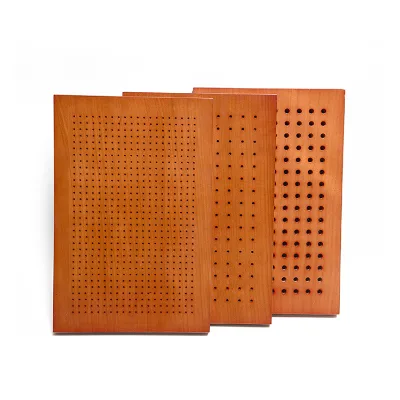
Beyond certifications, buyers must scrutinize the specific product attributes and test results provided in supplier listings to ensure they match project requirements. For instance, verifying the Noise Reduction Coefficient (NRC) ratings, which can range from 0.75 to 1.1 depending on the product, is essential for achieving desired acoustic outcomes. Buyers should also check for fire rating certifications, such as Class B or Class A, and environmental standards like E0 formaldehyde emissions, which are vital for indoor air quality. The presence of CE and ISO product certifications further validates that the panels meet European and international safety and quality benchmarks. By cross-referencing these technical specifications with the supplier’s stated capabilities, buyers can mitigate the risk of receiving substandard materials that fail to meet acoustic or safety requirements, ensuring that the final installation performs as intended in environments like recording studios, offices, or home theaters.
What to Compare Across Modern Decorative Wooden Soundproofing Panels Suppliers
When evaluating multiple suppliers, buyers must compare key operational metrics such as lead times, minimum order quantities (MOQ), and response speeds to determine the best fit for their project timeline and budget. Lead times can vary significantly, with some suppliers offering production cycles as short as 23 days, while others may require up to 38 days. This variance is often influenced by the supplier’s location, production capacity, and the complexity of customization requests. Similarly, MOQs can range from as low as 10 pieces for highly customized or premium products to 150 pieces for standard bulk orders. Understanding these thresholds helps buyers assess whether a supplier can accommodate their order size without incurring excessive costs or facing long delays. Response time is another critical factor, with some suppliers responding within hours, which is crucial for resolving technical queries or negotiating custom specifications quickly.
Price and customization options also play a pivotal role in supplier comparison, as costs can fluctuate based on material composition and design complexity. Prices for acoustic panels may range from $3.00 to $15.00 per unit, depending on factors such as the use of recycled PET, wood veneer, or polyester fiber. Buyers should also evaluate the extent of customization available, including the ability to tailor sheet sizes, shapes, and surface finishes to specific architectural requirements. Suppliers offering ODM and OEM services provide greater flexibility for unique project needs, allowing for bespoke designs that align with brand identity or specific acoustic performance criteria. By systematically comparing these dimensions, buyers can identify suppliers that offer the optimal balance of cost, speed, and customization, ensuring that their sourcing decisions support both immediate project demands and long-term business objectives.
Common Modern Decorative Wooden Soundproofing Panels Sourcing Risks
One of the primary risks in sourcing Modern Decorative Wooden Soundproofing Panels is the discrepancy between claimed acoustic performance and actual product results. Suppliers may advertise high NRC ratings, such as 0.9 to 1.1, but without independent testing or clear documentation, buyers cannot be certain that the panels will perform as expected in real-world applications. This risk is compounded by variations in material composition, where some panels may use a mix of polyester, MDF, and veneer, while others are made from 100% polyester fiber. These differences can significantly impact sound absorption capabilities and durability, making it essential for buyers to request detailed material specifications and test reports before placing orders. Failure to verify these details can lead to installations that do not meet acoustic standards, resulting in costly replacements and project delays.
Another significant risk involves the reliability of after-sales service and warranty claims. While some suppliers offer free replacement services or multi-year warranties, others may provide limited support or unclear terms. Buyers must carefully review the warranty conditions, such as the duration and coverage scope, to ensure they are protected against defects or performance issues. Additionally, the risk of inconsistent quality control is heightened when working with trading companies that may not have direct oversight of the manufacturing process. This can lead to variations in product finish, color consistency, or dimensional accuracy, which are critical for decorative applications. To mitigate these risks, buyers should establish clear communication channels, request sample evaluations, and include specific quality assurance clauses in their contracts to hold suppliers accountable for meeting agreed-upon standards.
Modern Decorative Wooden Soundproofing Panels Regional Sourcing and Logistics
Sourcing acoustic panels from different regions in China involves navigating distinct logistical advantages and challenges based on the supplier’s location. Suppliers in Zhejiang benefit from proximity to major ports and established manufacturing clusters, which can facilitate faster shipping times and more efficient supply chain management. This region’s concentration of combined factories and trading companies allows for streamlined coordination between production and export processes, reducing the potential for delays in order fulfillment. Buyers sourcing from Zhejiang may also find it easier to coordinate factory visits or quality inspections due to the density of suppliers in the area, enabling more direct oversight of production activities. This logistical efficiency is particularly valuable for projects with tight deadlines or those requiring frequent replenishment of materials.
In contrast, suppliers located in Shandong may offer different logistical considerations, often relying on trading companies to manage the export process. While this can provide access to a wider variety of products, it may also introduce additional layers of communication and potential delays. Buyers should consider the impact of regional logistics on overall lead times and shipping costs, as transportation from Shandong may involve different routes or port facilities compared to Zhejiang. Additionally, the choice of supplier location can influence the availability of local support services, such as installation guidance or technical assistance, which may be more readily accessible in certain regions. By understanding these regional dynamics, buyers can make informed decisions about where to source their acoustic panels, balancing logistical efficiency with the specific needs of their projects.
Modern Decorative Wooden Soundproofing Panels Commercial Terms and Order Planning
Effective order planning for Modern Decorative Wooden Soundproofing Panels requires careful attention to commercial terms, including payment structures, shipping arrangements, and customization agreements. Buyers should negotiate clear terms regarding the timing of payments, such as deposits and balance payments upon shipment, to manage cash flow and mitigate financial risk. Additionally, understanding the supplier’s packing and shipping standards is crucial, as improper packaging can lead to damage during transit, especially for fragile materials like wood veneer or perforated panels. Suppliers may offer customized packing solutions to meet specific customer requirements, which can enhance product protection and reduce the likelihood of claims due to transit damage. Buyers should also clarify the responsibilities for import duties and taxes, ensuring that the total landed cost is accurately calculated and budgeted for.
Customization agreements are another critical aspect of commercial terms, as many acoustic panels are tailored to specific project specifications. Buyers must ensure that all customization details, including dimensions, colors, and acoustic performance criteria, are explicitly documented in the purchase order to avoid misunderstandings. Suppliers offering ODM and OEM services may require additional lead time for design approval and prototype production, which should be factored into the overall project schedule. Furthermore, buyers should establish clear protocols for handling changes or cancellations, as customization often limits the ability to return or exchange products. By meticulously planning these commercial terms, buyers can ensure a smooth procurement process, minimizing disruptions and ensuring that the final delivered products meet their exact requirements.
FAQs
What is the typical lead time for these panels?
The typical lead time observed is 38 days for some suppliers and 23 days for others. Buyers should verify specific timelines with the manufacturer before placing an order to ensure the schedule meets project deadlines.
What are the minimum order quantities for these products?
Minimum order quantities vary significantly, ranging from 10 units to 150 units depending on the specific product model and supplier. Buyers must check the exact MOQ listed for each item to ensure it fits their procurement volume.
What certifications do these acoustic panels hold?
Many suppliers hold ISO9001:2015 and ISO14001:2015 certifications, while others may have CE or BV verification. Some products also carry Class A or Class B fire ratings and E0 formaldehyde emission standards for safety compliance.
What materials are used to make these panels?
Materials include 100% polyester fiber, recycled PET, MDF, and wood veneer. Some panels combine polyester with MDF and veneer, while others are made entirely of PVC or pure polyester fiber for specific acoustic and aesthetic requirements.
Where are these manufacturers located?
Manufacturers are primarily located in China, specifically in the Zhejiang and Shandong provinces. Buyers should confirm the exact origin of the goods to understand shipping logistics and potential import duties associated with these regions.
What is the price range for these panels?
Prices range from 3.00 to 15.00 per unit depending on the material, size, and customization options. Specific models like polyester fiber panels start at 3.00, while premium wooden fiber options can reach up to 15.00 per unit.
How fast do suppliers typically respond to inquiries?
Response times vary, with some suppliers responding in under two hours and others taking nearly five hours. Buyers should expect response times around 1.92 to 4.86 hours and should follow up if a quicker reply is needed.