Stainless Steel Sinks Suppliers and Manufacturers in China
Explore 29 verified Stainless Steel Sinks suppliers offering ODM and OEM capabilities with ISO certifications. Compare response times, lead times, and product specifications like material and installation type to find the right partner for your needs; review the available evidence before requesting comparable quotations from suitable candidates.
Updated
Suppliers List

Taizhou Bolang Kitchenware Co., Ltd.
- Verified by TUVRHEINLAND
- Combined
- China Zhejiang
- Lead time30 days
- Avg. response≤ 18h
Main productsSink, Stainless Steel Sink, Kitchen Sink, Kitchenware, Stainless Steel Basin, Kitchen Basin, Topmount Sink, Double Sink, Undermount Sink, Single Sink
Main marketsSouth America,Southeast Asia/ Mideast,Europe

Shandong Wilk Kitchen Equipment Co., Ltd
- Verified by SGS
- Trading Company
- China Shandong
- Lead time15 days
- Avg. response≤ 2h
Main productsStainless Steel Work Table, Stainless Steel Sink, Commercial Rice Steamer, Drink Display Frrezer, Deep Freezer, Four/Six Door Refrigerator, Commercial Oven, Egg/Dough Mixer, Electric/Gas Deep Fryer, Electric/Gas Griddle
Main marketsSoutheast Asia/ Mideast


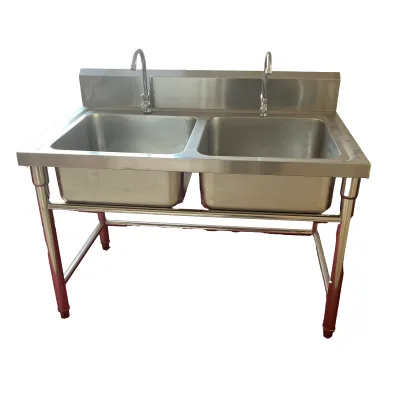
All Stainless Steel Sink 304 Stainless Steel Sink Durable Structural Sink
$35.00 - $115.00
MOQ: 5 Sets


Shenzhen Vibetop Technology Co., Ltd.
- Verified by SGS
- Manufacturer/Factory
- China Guangdong
- Lead time15 days
- Avg. response≤ 8h
Main productsCNC Machining Precision Part, Bathroom Hardware Fittings, Customized CNC Machine Parts, Aluminium CNC Machining, Casting Parts, Machinery Parts, Car Auto Parts, Pogo Pin, 5 Axis CNC Machining Parts, CNC Machining Service
Main marketsSouth America,Eastern Europe,Mid East,North America,Southeast Asia,Eastern Asia,Oceania,Western Europe,Africa
Shaanxi Ruitai Kitchen Industry Co., Ltd.
- Verified by SGS Group
- Manufacturer, Trading Company
- Lead time7 days
- Avg. response≤ 2h
Main productsKitchen Equipment, Kitchenware, Wok Stove
Main marketsSoutheast Asia(40%), North America(30%), Africa(10%)
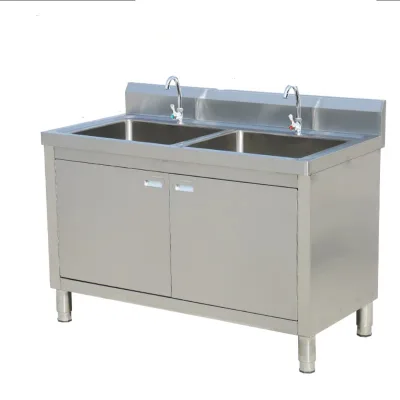
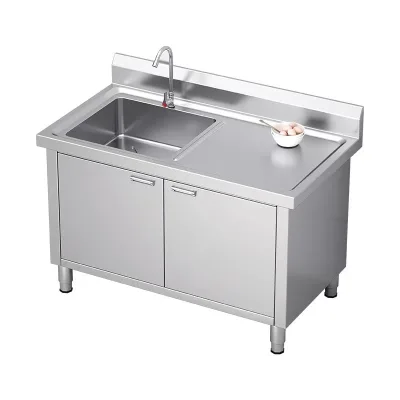
Cabinet Type Stainless Steel Work Sink Hotel and Restaurant Supplies Restaurant Kitchen Sinks
$67.4295 - $93.3637
MOQ: 15 sets
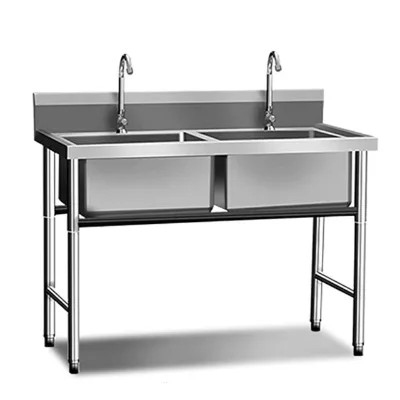
Factory Custom Made Stainless Steel Factory Supplier Wholesale Price Stainless Steel Sink
$35.985 - $205.6238
MOQ: 1 Minimum

Jiangmen como kitchen& Bathroom Limited
- Verified by BV
- Combined
- China Guangdong
- Lead time30 days
- Avg. response≤ 7h
Main productsStainless Steel Sink, Drainer Fittings, Ringsing Basket, Soap Dispenser, Chopping Board, Trashbin, Clips, Kitchen Sink, Faucet, Tap
Main marketsSouth America,Africa,Europe

Shandong Boxing Wangquan Commercial Kitchenware Co., Ltd.
- Verified by SGS
- Combined
- China Shandong
- Lead time15 days
- Avg. response≤ 2h
Main productsStainless Steel Sink, Stainless Steel Table, Shelf, Stainless Steel Cabinet / Locker, Stainless Steel Cart and Trolley, Stinless Steel Tableware / Utensils
Main marketsDomestic
Hangzhou Garyton Hotel Equipment Company Limited
- Verified by SGS Group
- Trading Company
- Lead time15 days
- Avg. response≤ 4h
Main productsMeat Grinder, Sausage Stuffer, Bone Saw, French Fry Cutter, Tomato Slicer
Main marketsWestern Europe(25%), Mid East(20%), Southeast Asia(14%)

Yichu (Qingdao) Kitchen Equipment Co., Ltd
- Verified by SGS
- Trading Company
- China Shandong
- Lead time45 days
- Avg. response≤ 4h
Main productsShowcase, Commercial Refrigerator, Neutral Stainless Steel, Gn Pan, Gas Range, Ice Maker, Meat Ager, Working Table, Wine Cooler, Bottle Cooler
Main marketsSoutheast Asia/ Mideast,Europe,North America


European Style Stainless Steel Sink with One Basin in Center Square Stainless Steel Legs
$225.00 - $395.00
MOQ: 5 Pieces
- Verified by Intertek
- Trading Company
- Lead time20 days
- Avg. response≤ 2h
Main productsSteel Locker, Steel Cabinet, Steel Bed, Steel Rack, School Furniture
Zhongshan LiangShun Kitchen&Bath.Co.,Ltd
- Verified by SGS Group
- Manufacturer, Trading Company
- Lead time30 days
- Avg. response≤ 2h
Main productsKitchen Sinks
Main marketsSouth America(40%), Mid East(30%), Africa(10%)
Beijing Jingzhilan Environmental Protection Equipment Co., Ltd.
- Verified by SGS Group
- Manufacturer, Trading Company
- Lead time15 days
- Avg. response≤ 1h
Main productsStainless Steel Hood, Stainless Steel Worktable, Oil Fume Purification Integrated Machine, High-Pressure Air Cabinet, Oil Fume Purifier
Main marketsWestern Europe(30%), North America(20%), South America(20%)

Foshan Hanse Industrial Co., Ltd.
- Verified by CTI
- Trading Company
- China Guangdong
- Lead time45 days
- Avg. response≤ 8h
Main productsMassage Bathtub, Hot Tub, SPA, Steam Room, Sauna Room, Shower Room, Royal Tub, Baby Tub, Swimming Pool, Sanitary Ware
Main marketsSoutheast Asia/ Mideast,North America

Jiangmen Yide Technology Kitchen & Sanitary Ware Co., Limited
- Verified by CTI
- Combined
- China Guangdong
- Lead time30 days
- Avg. response≤ 3h
Main productsSink, Kitchen Sink, Stainless Steel Sink, Handmade Sink, Pressed Sink, Machine Sink
Main marketsDomestic


Hot Sale Great Quality Easy to Clean Multifunctional SUS304 Stainless Steel Stainless Steel Sink
$36.00 - $46.80
MOQ: 50 Pieces

High Quality Great Quality Modern Style Modern Kitchen Sink Stainless Steel Sink
$20.00 - $35.00
MOQ: 50 Pieces

Zhongshan Ibey Kitchen&Bathroom Co., Ltd
- Verified by BV
- Combined
- China Guangdong
- Lead time30 days
- Avg. response≤ 2h
Main productsStainless Steel Sink, Kitchen Sink, Sink, Handmade Sink
Main marketsSouth America,Africa,Southeast Asia/ Mideast,East Asia(Japan/ South Korea),Europe,North America
Zhongshan Evson Science And Technology Development Co., Ltd.
- Verified by SGS Group
- Manufacturer, Trading Company
- Lead time25 days
- Avg. response≤ 2h
Main productsKithchen Sink, Kitchen Faucet, Shower Set, Floor Drain, Kitchen Bath Accessories
Main marketsMid East(20%), Africa(19%), Southeast Asia(17%)
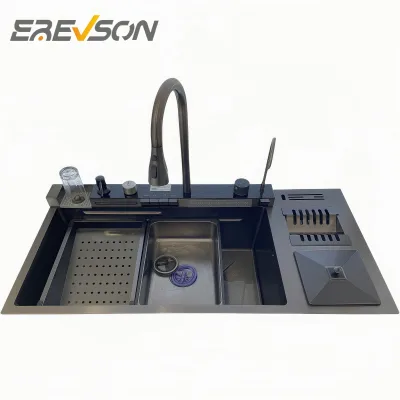
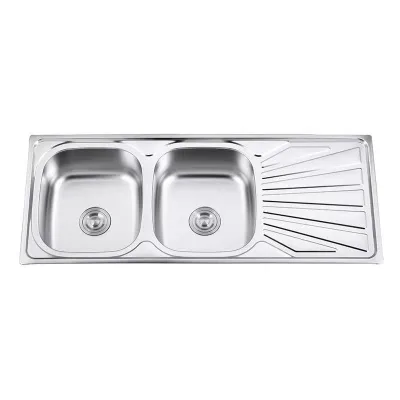
$14.1895 - $19.4315
MOQ: 50 pieces
Kaiping Aida Sanitary Ware Co., Ltd.
- Verified by SGS Group
- Manufacturer, Trading Company
- Lead time5 days
- Avg. response≤ 2h
Main productsBasin Faucet, Kitchen Faucet, Shower Faucet, Bathroom Faucet, Bathtub Faucet
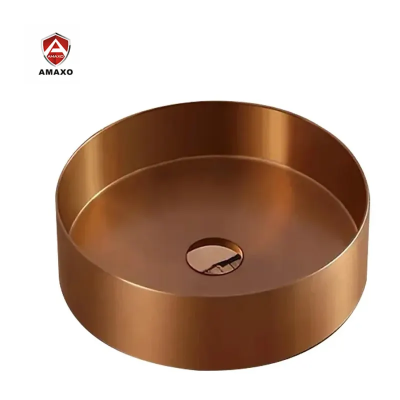
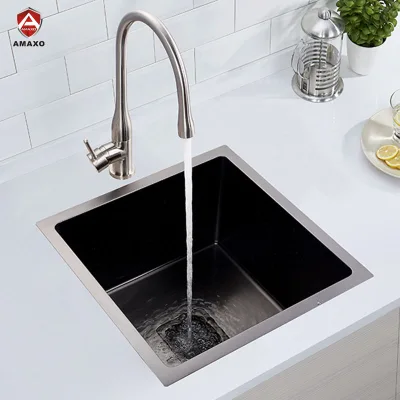
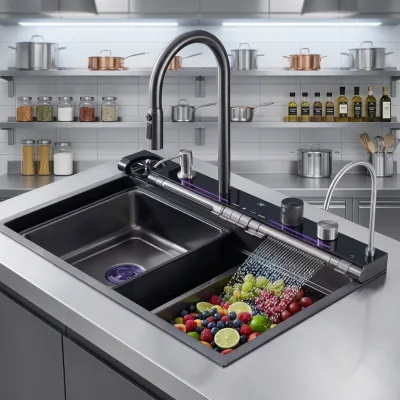
Hand Make Square Single Bowl Kitchen Sink 304 Stainless Steel Brushed Grey Sink
$79.50 - $128.50
MOQ: 10 Minimum
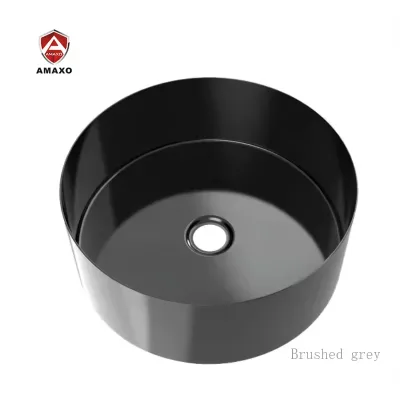
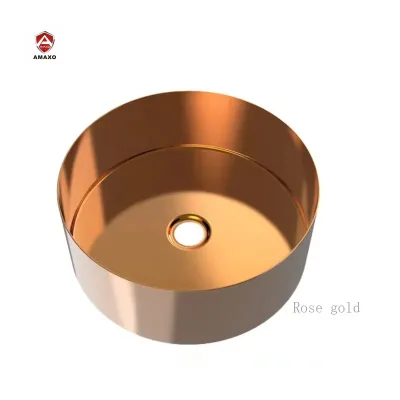
Modern Apartment Single Slot 304 Stainless Steel Sink Mini Circular Basin Sink
$98.50 - $106.80
MOQ: 30
Foshan XY Best Industrial Co., Ltd.
- Verified by TüVRheinland
- Manufacturer, Trading Company
- Lead time45 days
- Avg. response≤ 2h
Main productsRestaurant Machine, Restaurant Furniture, Hotel Furniture, Outdoor Furniture, Metal Products
Main marketsAfrica(20%), South America(10%), Southeast Asia(10%)

ZHONGSHAN JSD KITCHEN & BATH CO., LTD.
- Verified by SGS
- Combined
- China Guangdong
- Lead time30 days
- Avg. response≤ 1h
Main productsKitchen Sink
Main marketsSouth America,East Asia(Japan/ South Korea),Europe
Foshan Tianquan Decoration Material Co., Ltd.
- Manufacturer
- Guangdong, China
- Lead time60 days
- Avg. response≤ 4h
Main productsAluminum cladding panel,stainless railing,aluminum wall panel,stainless steel panel,stainless steel grating
Main marketsSouth Asia(10.00%), Southern Europe(10.00%), Northern Europe(10.00%), Western Europe(10.00%), Eastern Asia(10.00%), Mid East(10.00%), Oceania(10.00%), Africa(10.00%), Eastern Europe(10.00%), South America(10.00%), North America(10.00%)

Shaoxing Anruiqi Home Co., Ltd.
- Trading Company
- Zhejiang, China
- Lead time0 days
- Avg. response≤ 2h
Main productsbasin,faucet,kitchen sinks,bathroom hardware set,shower set
Main marketsWestern Europe(30.00%), North America(30.00%), Eastern Europe(20.00%), Southeast Asia(10.00%), South Asia(5.00%), Oceania(5.00%), Mid East(5.00%)
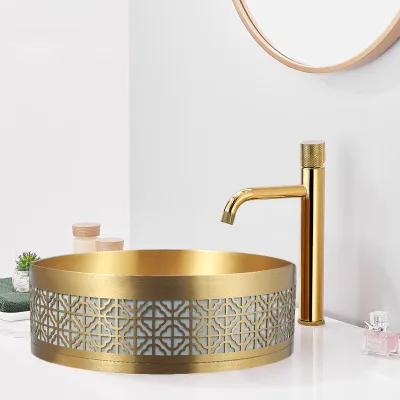
$60.00 - $70.00
MOQ: 20 Minimum
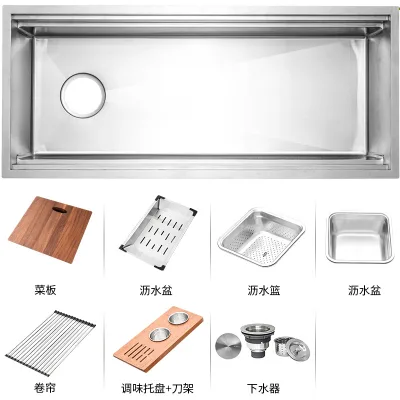
$10.2397 - $358.3674
MOQ: 1 Minimum


Jiangmen Tianhao Hardware And Electric Appliance Co.,Ltd
- Verified by TUVRHEINLAND
- Manufacturer/Factory
- China Guangdong
- Lead time30 days
- Avg. response≤ 14h
Main productsDrawer Slides, Cabinet Hinges, Door Hinges, Kitchen Accessories, Wardrobe Accessories, Kitchen Drawer Basket, Ball Bearing Slides, Furniture Hardware, Furniture Fittings, Cabinet Handles
Main marketsSouth America,Eastern Europe,North America,Oceania,Western Europe

Huigao Kitchen and Bathroom (Zhongshan) Co., Ltd.
- Verified by SGS
- Manufacturer
- China Guangdong
- Lead time30 days
- Avg. response≤ 3h
Main productsStainless Steel Kitchen Sink, Stainless Steel Waterfall Sink, Bathroom Basin, Sink Drainer, Kitchen Faucet, Cutting Board, Cup Washer, Toilet Niche, Handmade Sink, Sintered Stone
Jiangmen Hehuan Metal Products Co., Ltd.
- Verified by Intertek
- Manufacturer, Trading Company
- Lead time30 days
- Avg. response≤ 4h
Main productsKitchen Sink, Faucet
Main marketsNorth America(65%), Western Europe(15%), Northern Europe(10%)

Fuzhou Wincontex Trading Co., Ltd.
- Verified by BV
- Trading Company
- China Fujian
- Lead time15 days
- Avg. response≤ 25h
Main productsFaucets, Bathroom Faucets, Kitchen Faucets, Shower Faucets, Toilet, Mobile Toilet, Towel Rack, Bathroom Accessories
Main marketsSouth America,Southeast Asia/ Mideast

Stainless Steel Modern Sink Kitchen Items Equipment Products Modern Kitchen Sinks
$26.80 - $83.20
MOQ: 20 Sets

Kitchen Bathroom Stainless Sinks Equipment Products Laundry Sink Kitchen Sink
$26.80 - $83.20
MOQ: 20 Sets

Commercial Kitchen Stainless Steel Houseware Kitchenware Kitchen Products Sink
$26.80 - $83.20
MOQ: 20 Sets
Caoxian Dingyi Home Supplies Limited
- Verified by SGS Group
- Manufacturer, Trading Company
- Lead time0 days
- Avg. response≤ 2h
Main productsStainless steel sink, Stainless steel kitchen accessories
Main marketsNorth America(30%), South America(20%), Eastern Europe(10%)
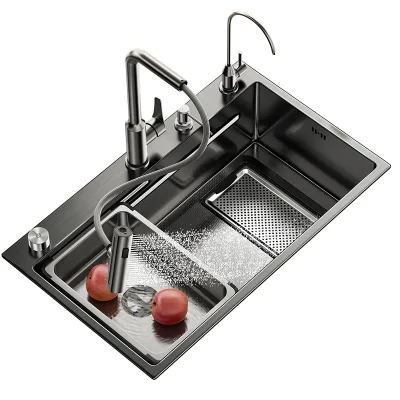
Undermount Gunmetal Gray Kitchen Sink Stainless Steel Volcano Surface Handmade Sink With Basin
$36.2833 - $57.016
MOQ: 50 pieces
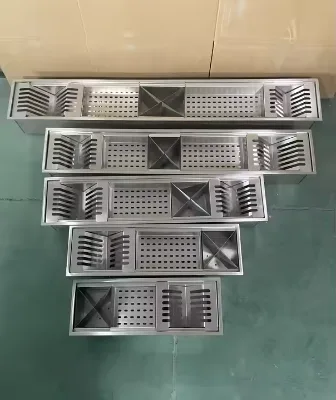
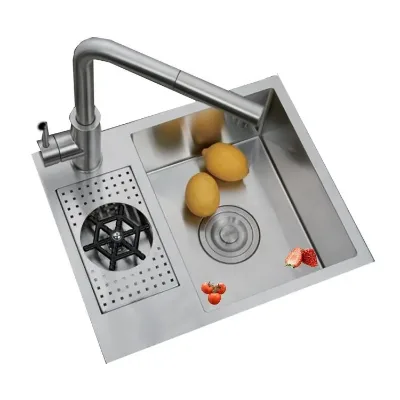
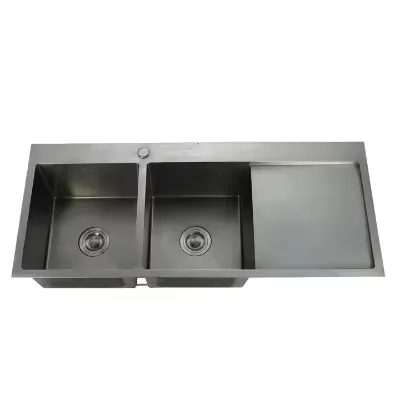
OEM Style Customized Stainless Steel Kitchen Sinks With Water Flow Drainboard Work Table
$35.00 - $48.00
MOQ: 20 pieces

Zhongshan Liangshun Kitchen & Bath Co., Ltd.
- Verified by SGS
- Combined
- China Guangdong
- Lead time30 days
- Avg. response≤ 2h
Main productsKitchen Sinks, Stainless Steel Sink, Handmade Sink, Sink, Basin, Commercial Sink, Kitchen Sinks Workstation, Corner Sink, Smart Sink, SUS 201 Stainless Steel Sink
Main marketsSouth America,Africa,Southeast Asia/ Mideast,Europe,Australia,North America

Chinese Factory Discount Price High Quality Standard Stainless Steel Sinks
$25.00 - $27.00
MOQ: 300 Pieces

Hangzhou Bode Trading Co., Ltd.
- Verified by SGS Group
- Trading Company
- Lead time60 days
- Avg. response≤ 2h
Main productsTRV, Column Radiators, Designer Radiators, Towel Warmer, Brass Valves
Main marketsWestern Europe(40%), North America(25%), Southern Europe(10%)

Zhongshan Liangshunyu Kitchen Supplies Co., Ltd.
- Verified by SGS
- Manufacturer
- China Guangdong
- Lead time30 days
- Avg. response≤ 3h

- Verified by SGS
- Manufacturer/Factory
- China Shandong
- Lead time30 days
- Avg. response≤ 9h
Main productsStainless Steel Sink, Sink, Water Tap, Kitchen Sink, Sink Accessory, Faucet, Commercial Restaurant Equipment, Portable Sink, Stainless Steel Niche
Main marketsSouth America,Eastern Europe,Mid East,North America,Southeast Asia,Eastern Asia,Oceania,Western Europe,Africa




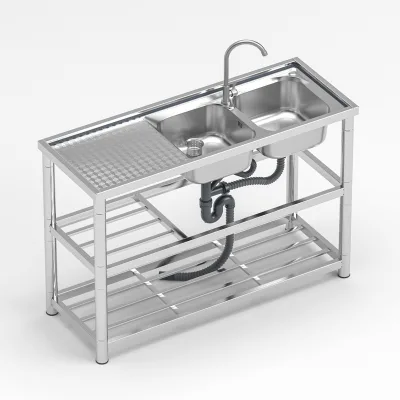


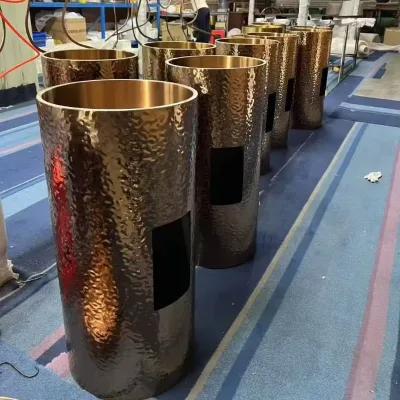
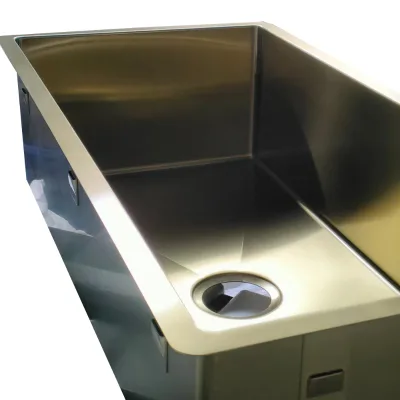


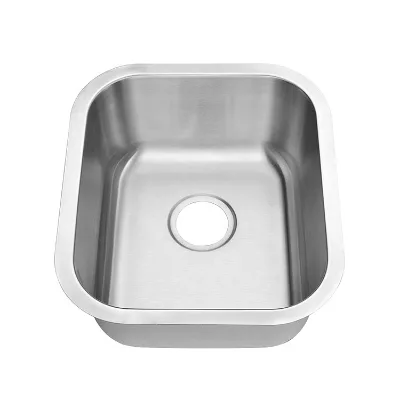
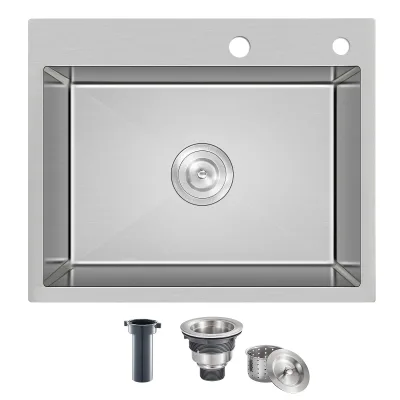
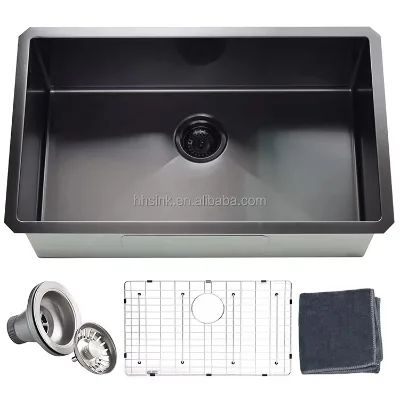
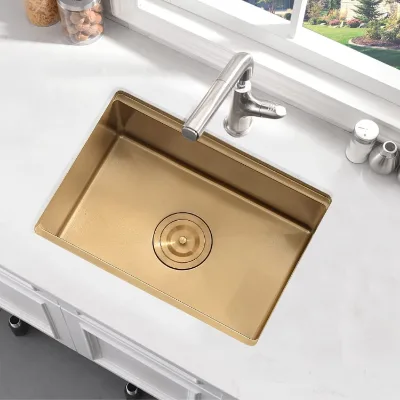
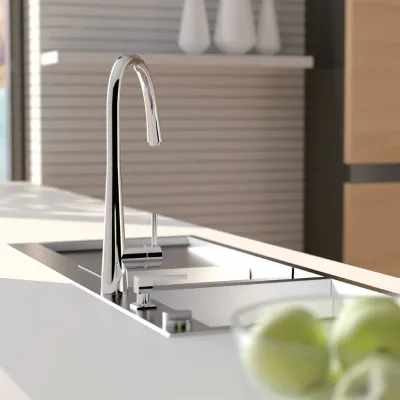


Comprehensive Sourcing Guide
Stainless Steel Sinks Supplier Concentration and Factory Types
The landscape for sourcing Stainless Steel Sinks features a mix of combined manufacturers and specialized trading companies, each offering distinct advantages for different procurement strategies. Evidence indicates that suppliers are located in key industrial regions such as Zhejiang and Shandong, which are known for their robust manufacturing ecosystems. In Zhejiang, suppliers often operate as combined entities, meaning they may handle both production and sales under one roof, potentially streamlining communication for complex orders. These facilities frequently hold ISO9001:2015 and ISO14001:2015 certifications, signaling a commitment to quality management and environmental standards. This dual certification is particularly relevant for buyers who need to ensure their supply chain meets international compliance requirements. The presence of these specific certifications suggests that these factories have undergone rigorous audits, providing a layer of assurance regarding their operational consistency and product reliability.
In contrast, suppliers in Shandong often present as trading companies, which can offer a broader range of commercial equipment beyond just sinks. These entities may specialize in items like stainless steel work tables, commercial rice steamers, and deep freezers, allowing buyers to consolidate orders for multiple kitchen components. This consolidation can simplify logistics and reduce administrative overhead. While trading companies might not own the factories, they often have established relationships with manufacturers, enabling them to offer competitive pricing and flexible order quantities. The distinction between a combined manufacturer and a trading company is crucial for buyers to understand, as it affects lead times, customization capabilities, and direct communication channels. Understanding this structural difference helps buyers align their sourcing strategy with their specific needs for control versus convenience.
How to Verify Stainless Steel Sinks Suppliers
Verification is a critical step in mitigating risk when sourcing Stainless Steel Sinks from international suppliers. Buyers should prioritize suppliers who have undergone third-party verification processes, as this provides an independent assessment of their business legitimacy and operational capabilities. For instance, some suppliers in the current results are verified by TÜV Rheinland, a globally recognized testing and certification organization. This verification status indicates that the supplier has met specific criteria for business operations and product quality. Similarly, other suppliers may hold SGS verification, which further validates their compliance with international standards. These third-party endorsements serve as a strong indicator of reliability, reducing the uncertainty associated with remote procurement. Buyers should actively look for these verification badges on supplier profiles to ensure they are dealing with legitimate and vetted entities.
Beyond verification badges, buyers should examine the specific certifications and standards held by the supplier. The presence of ISO9001:2015 and ISO14001:2015 certificates, as seen with some Zhejiang-based suppliers, demonstrates a structured approach to quality and environmental management. These certifications are not merely decorative; they reflect ongoing processes for continuous improvement and compliance. Additionally, buyers should verify the material specifications of the sinks, such as the use of 304 stainless steel, which is standard for durability and corrosion resistance. Some suppliers explicitly mention material grades and thickness options, such as 1.0mm, 1.2mm, 1.5mm, or 2.0mm, which are critical for commercial applications. Requesting detailed product specifications and cross-referencing them with the supplier’s stated capabilities can help ensure that the products meet the required performance standards. This due diligence is essential for maintaining product quality and customer satisfaction.
What to Compare Across Stainless Steel Sinks Suppliers
When evaluating multiple suppliers, buyers must compare key operational metrics to determine the best fit for their business needs. Response time is a significant indicator of supplier efficiency and customer service quality. For example, some suppliers demonstrate a response time of approximately 17.13 hours, while others may respond much faster, such as within 1.62 hours. A quicker response time can be crucial for resolving issues promptly and maintaining smooth communication throughout the procurement process. Lead time is another critical factor, with some suppliers offering a lead time of 30 days, while others may provide faster turnaround times of 15 days. Faster lead times can be beneficial for buyers with urgent orders or tight inventory schedules. Comparing these metrics across different suppliers helps buyers identify those who can best align with their operational timelines.
Minimum Order Quantity (MOQ) and pricing structures also vary significantly among suppliers. Some suppliers may have an MOQ of 100 units, while others might accept orders as low as 5 units, offering greater flexibility for smaller buyers or trial orders. Pricing can range from approximately $31.80 to $115.00 per unit, depending on the product specifications, customization options, and order volume. Buyers should also consider the customization capabilities of each supplier, such as ODM (Original Design Manufacturing) and OEM (Original Equipment Manufacturing) services. Suppliers offering ODM and OEM options can provide tailored solutions that meet specific brand or functional requirements. Additionally, the range of main products offered by each supplier can influence the decision, as some may provide a comprehensive suite of kitchen equipment, allowing for consolidated purchasing. By systematically comparing these factors, buyers can make informed decisions that balance cost, quality, and service.
Common Stainless Steel Sinks Sourcing Risks
Sourcing Stainless Steel Sinks involves several potential risks that buyers must proactively manage to ensure a successful procurement process. One significant risk is the variability in product quality, particularly regarding material thickness and finish. While some suppliers specify thicknesses like 1.0mm or 1.2mm, others may not provide detailed specifications, leading to potential discrepancies between ordered and received goods. Buyers should request detailed product attributes, such as surface treatment (e.g., polished or brushed) and installation type (e.g., undermount or above counter), to ensure the products meet their specific requirements. Another risk is the reliability of lead times, which can be affected by production delays or logistical issues. Suppliers with longer lead times, such as 30 days, may pose a risk for buyers with tight deadlines, whereas those with 15-day lead times offer more predictability.
Customization challenges also present a notable risk, especially when dealing with complex specifications. Suppliers offering ODM and OEM services may have varying levels of expertise and capacity to handle custom designs. Buyers should verify the supplier’s ability to meet specific customization requests, such as unique sink styles or dimensions, before placing large orders. Additionally, the risk of communication barriers cannot be overlooked, particularly when working with suppliers in different regions. Differences in language and business practices can lead to misunderstandings regarding product specifications, packaging, or shipping instructions. To mitigate these risks, buyers should establish clear communication channels and request detailed documentation for all orders. Regular follow-ups and clear confirmation of all details can help prevent errors and ensure that the final products align with the buyer’s expectations.
Stainless Steel Sinks Regional Sourcing and Logistics
Regional sourcing strategies can significantly impact the efficiency and cost of procuring Stainless Steel Sinks. Suppliers located in Zhejiang and Shandong offer distinct logistical advantages based on their proximity to major ports and industrial hubs. Zhejiang-based suppliers, often combined manufacturers, may benefit from established supply chains for raw materials and components, potentially reducing production costs and lead times. These suppliers frequently hold ISO certifications, indicating a mature manufacturing environment. On the other hand, Shandong-based suppliers, often trading companies, may leverage their location to offer a diverse range of commercial kitchen equipment, allowing for consolidated shipping. This consolidation can reduce per-unit shipping costs and simplify logistics for buyers purchasing multiple items.
Logistics planning should also consider the packaging and shipping requirements of the suppliers. Some suppliers use air bubble film, carton boxes, or plywood boxes for packaging, which can affect the durability of the products during transit. Buyers should verify the packaging methods to ensure that the sinks are protected against damage. Additionally, the origin of the products, typically China, should be considered in terms of import regulations and tariffs. Buyers should be aware of any specific requirements for importing stainless steel products, such as material certifications or safety standards. Understanding the regional strengths of suppliers in Zhejiang and Shandong can help buyers optimize their sourcing strategy, balancing cost, quality, and logistical efficiency. By aligning their sourcing decisions with the strengths of these regions, buyers can enhance their supply chain resilience.
Stainless Steel Sinks Commercial Terms and Order Planning
Effective order planning requires a thorough understanding of the commercial terms offered by suppliers, including pricing, payment terms, and after-sales support. Pricing for Stainless Steel Sinks can vary widely, with some products priced between $31.80 and $32.80 per unit, while others may cost up to $115.00. Buyers should request detailed quotes that include all costs, such as shipping and taxes, to avoid unexpected expenses. Payment terms should be clearly defined, with options like escrow services providing an additional layer of security for buyers. Escrow ensures that funds are released only after the buyer confirms receipt and satisfaction with the products, reducing financial risk.
After-sales support is another critical aspect of commercial terms. Some suppliers offer free spare parts and technical video support, which can be invaluable for maintaining the installed sinks. Buyers should verify the availability of such support services before finalizing their orders. Additionally, the customization options available, such as the number of holes, sink style, and installation type, should be carefully planned to meet the end-user’s needs. Buyers should also consider the MOQ and lead times when planning their inventory, ensuring that they have sufficient stock to meet demand without overstocking. By carefully evaluating these commercial terms and planning their orders accordingly, buyers can minimize risks and maximize the value of their procurement efforts. This strategic approach ensures a smooth and efficient sourcing process for Stainless Steel Sinks.
FAQs
What certifications do stainless steel sink suppliers hold?
Suppliers in Zhejiang hold ISO9001:2015 and ISO14001:2015 certificates. These credentials verify quality management and environmental standards. Buyers should verify specific documentation during the sourcing process to ensure compliance with international trade requirements and safety regulations.
What is the typical lead time for Stainless Steel Sinks?
Lead times vary by supplier location and capacity. Zhejiang suppliers typically require 30 days for production. Shandong suppliers offer faster turnaround times of 15 days. Buyers should confirm exact schedules with the supplier before placing orders to avoid delays.
What is the minimum order quantity for Stainless Steel Sinks?
Minimum order quantities depend on the specific product model. Some models require a minimum of 100 units, while others may accept orders as low as 5 units. Buyers should check the specific product details to determine the applicable MOQ for their needs.
What is the price range for Stainless Steel Sinks?
Prices vary based on material thickness and customization. One model ranges from 31.80 to 32.80 USD per unit. Another commercial model ranges from 35.00 to 115.00 USD. Buyers should request quotes for specific models to get accurate pricing information.
How quickly do suppliers respond to inquiries?
Response times differ among suppliers. Zhejiang suppliers have an average response time of 17.13 hours. Shandong suppliers respond much faster, averaging 1.62 hours. Buyers can expect quicker communication from suppliers with shorter response times for urgent sourcing needs.
Are Stainless Steel Sinks customizable for commercial use?
Yes, customization is available for many stainless steel sink models. Suppliers offer ODM and OEM services to meet specific requirements. Buyers can request custom sizes, materials, and features to suit their commercial kitchen or restaurant needs effectively.