Silicone American Football Mouthguard Suppliers and Manufacturers
Compare 16 verified suppliers of Silicone American Football Mouthguard based on location, lead time, and response time. Review product specifications like material and model numbers to select the right factory for your needs; review the available evidence before requesting comparable quotations from suitable candidates.
Updated
Suppliers List
Shenzhen Epic Technology Co., Ltd.
- Manufacturer
- Guangdong, China
- Lead time3 days
- Avg. response≤ 3h
Main productsFootball Visor,Back Plate,Mouth Guard,Hockey Trainer,Draft Board
Main marketsNorth America(35.00%), Northern Europe(15.00%), Eastern Europe(15.00%), Western Europe(15.00%), Southern Europe(10.00%), Africa(2.00%), Domestic Market(1.00%), South Asia(1.00%), Oceania(1.00%), Southeast Asia(1.00%), Central America(1.00%), South America(1.00%), Eastern Asia(1.00%), Mid East(1.00%)
Shenzhen Epic Feat Technology Co., Limited
- Manufacturer
- Guangdong, China
- Lead time3 days
- Avg. response≤ 4h
Main productsFootball visor,Hockey trainer,Football Tropyi,Hockey passer,Football helmet cilips
Main marketsNorthern Europe(10.00%), Central America(10.00%), Western Europe(10.00%), Southeast Asia(10.00%), Eastern Europe(10.00%), South America(10.00%), North America(10.00%), Southern Europe(5.00%), Mid East(5.00%), South Asia(5.00%), Africa(5.00%), Eastern Asia(5.00%), Domestic Market(3.00%), Oceania(2.00%)

Qingdao Tide Sports Products Co., Ltd.
- Combined
- China Shandong
- Lead time23 days
- Avg. response≤ 4h
Main productsMouth Guard, Taekwondo Sparring Gear Set, Interlocking Foam Mat, Tatami Mat, Baby Play Mat, Rubber Mat, PDGA Approved Disc Golf Discs, Folding Wagon, Taekwondo & Judo Uniform, Martial Arts Belts
Main marketsEurope,Australia,North America

American Football & Rugby Sports Safety Accessories Breathable Mouth Guard
$1.00 - $2.20
MOQ: 50 Pieces


Mouthguard, Sports Teeth Protector & Boxing Mouth Guard with Strap for American Football
$0.95 - $2.09
MOQ: 50 pieces

Boxing Sports Shield Silicone Teeth Protector Mouthguard Adult Mouth Guard
$0.89 - $2.99
MOQ: 50 Pieces


Shenzhen Jiantaisheng Silicone Rubber Co., Ltd.
- Manufacturer
- Guangdong, China
- Lead time20 days
- Avg. response≤ 6h
Main productsMouth Guard,Gum shield,Dental Case,Dental Guard,Silicone Rubber Products
Main marketsNorth America(50.00%), Western Europe(40.00%), Northern Europe(5.00%), Southern Europe(1.00%), Southeast Asia(1.00%), Eastern Europe(1.00%), Eastern Asia(1.00%), Oceania(1.00%)
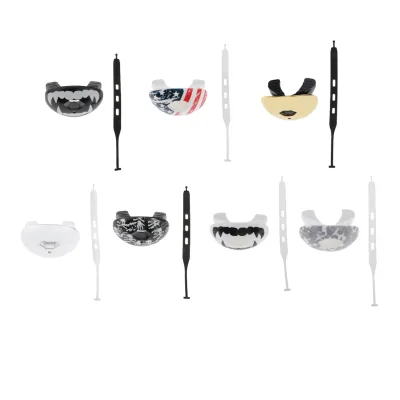
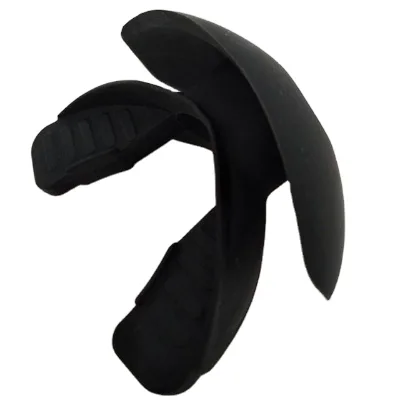
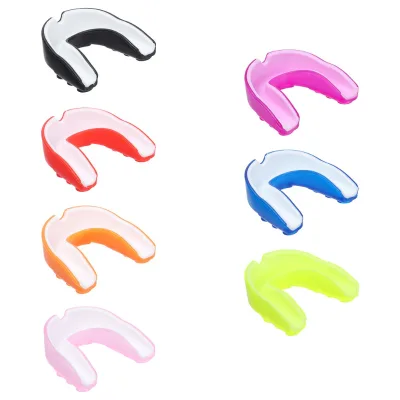
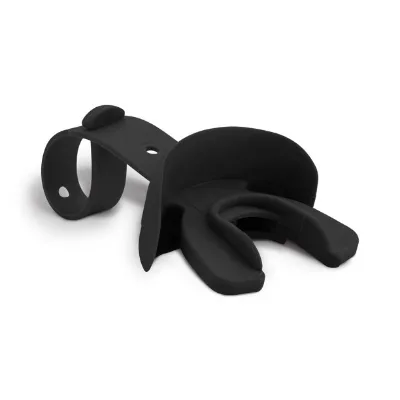
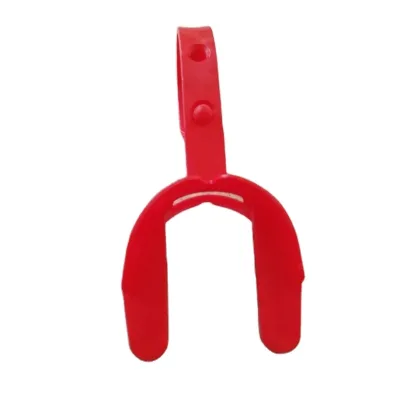
JTS Mouth Guard Silicone Teeth Protector Mouthguard for Boxing Sports Football
$0.9333 - $1.5564
MOQ: 500 pieces
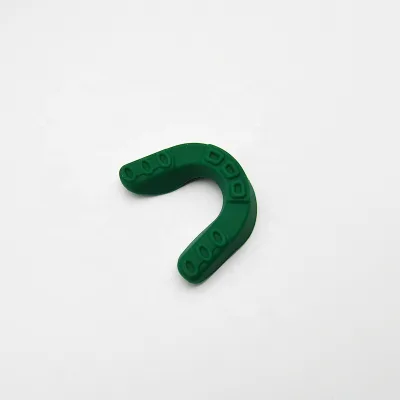
$0.5767 - $1.0082
MOQ: 500 pieces

Xiamen Comfortlife Electronics Co., Ltd.
- Verified by SGS
- Manufacturer
- China Fujian
- Lead time30 days
- Avg. response≤ 8h
Main productsAnti Snore Device, Foot Massage, Personal Care Products
Main marketsSouth America,Australia,North America


Custom Sports Mouthguard Boxing Protection Basketball Football EVA Mouthguard
$1.08 - $1.15
MOQ: 100 Pieces

Teeth Grinding Silicone Mouthpiece Mouth Guard Bruxism Mouthpiece Boxing Guard
$0.82 - $2.00
MOQ: 2 Pieces

Boxing Football Basketball Teeth Protection Sports Mouth Guard with Case
$1.50 - $1.70
MOQ: 100 Pieces
Shenzhen Xinjianli Technology Co., Ltd.
- Verified by Intertek
- Manufacturer, Trading Company
- Lead time30 days
- Avg. response≤ 3h
Main productsMouth Guard, Football & Soccer Shin Guard, Knee Brace, Headgear
Main marketsNorth America(45%), Western Europe(20%), South America(15%)
Dongguan Huachen Sporting Goods Co., Ltd.
- Manufacturer, Trading Company
- Guangdong, China
- Lead time30 days
- Avg. response≤ 8h
Main productsYoga Wear,Sports Wear,Swim Wear,MMA Products,Mouth Guard
Main marketsNorth America(30.00%), Oceania(30.00%), Western Europe(25.00%), Southeast Asia(10.00%), South America(5.00%)
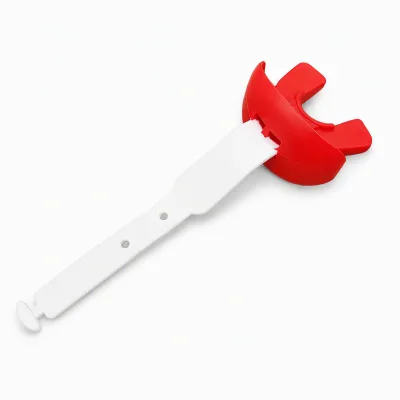
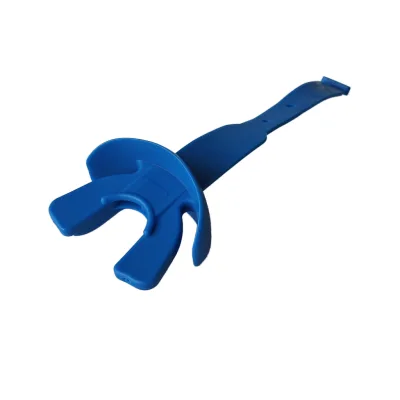
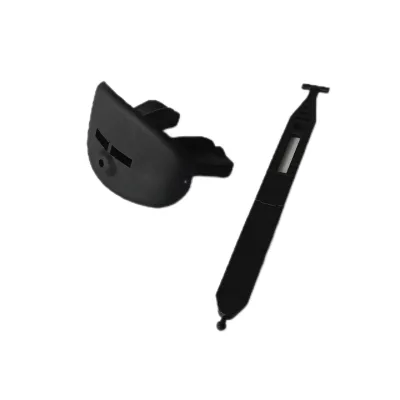
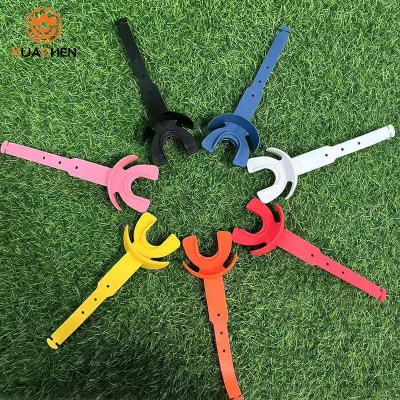
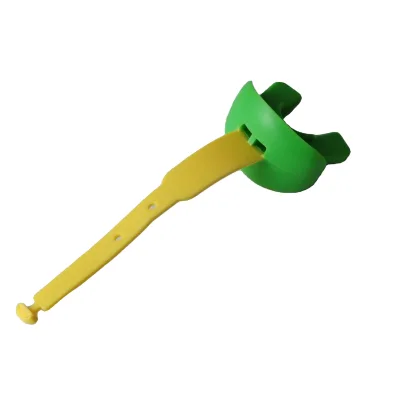
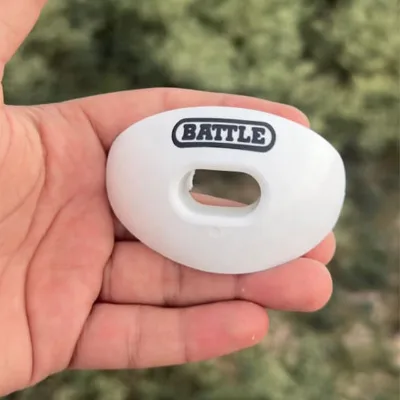
HUACHEN American Football Mouth Guard With Strap Lip Guard/Mouthpiece/Gum Shield
$1.58 - $3.50
MOQ: 100 pieces

Qingdao Workercare Tools Manufacture Co., Ltd.
- Verified by SGS
- Combined
- China Shandong
- Lead time30 days
- Avg. response≤ 5h
Main productsWheelbarrow, Hand Trolley, Tool Cart, Inner Tube, Rubber Tyre, Wheel, Wheel Chock, Motorcycle Tire, Trash Can, Trash Can Wheel
Main marketsSouth America,Africa,Southeast Asia/ Mideast,East Asia(Japan/ South Korea),Europe,North America

Gumshield Mouth Guard Mouthguard Gum Shield Football Boxing Teeth Protection
$0.49 - $1.99
MOQ: 50 Pieces


Shenzhen Daywons Technology Co., Limited
- Trading Company
- Guangdong, China
- Lead time3 days
- Avg. response≤ 9h
Main productsAnti-snore Devices,Stop Snore nose vent,Sports Mlouth Guard,Nasal Strips,Sleeping Tapes
Main marketsNorth America(35.00%), Northern Europe(20.00%), South America(20.00%), Southern Europe(10.00%), Central America(10.00%), Eastern Europe(5.00%)
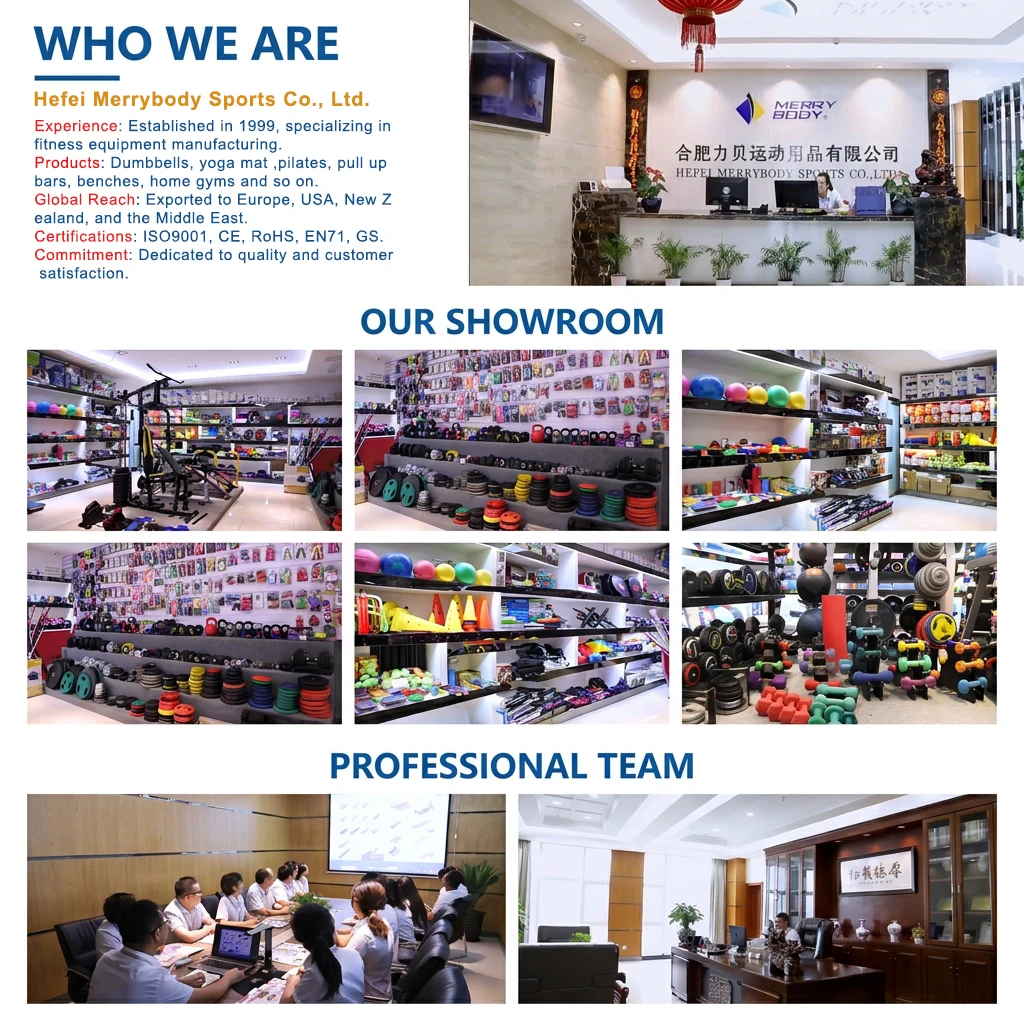
Hefei Merrybody Sports Co., Ltd.
- Trading Company
- Anhui, China
- Lead time30 days
- Avg. response≤ 5h
Main productsFitness Equipment,Sporting Goods
Main marketsWestern Europe(20.00%), North America(12.00%), Southern Europe(10.00%), South America(10.00%), Mid East(10.00%), Southeast Asia(8.00%), Central America(5.00%), Northern Europe(5.00%), Eastern Asia(5.00%), Eastern Europe(5.00%), Africa(4.00%), South Asia(4.00%), Oceania(2.00%)

HEFEI MERRYBODY SPORTS CO., LTD.
- Verified by TUVRHEINLAND
- Trading Company
- China Anhui
- Lead time30 days
- Avg. response≤ 11h
Main productsDumbbell, Gym Ball, Exercise Mat, Boules Set, Bench, Foam Roller, Barbell, Pilate Ring, Pilate Products
Main marketsSouth America,Southeast Asia/ Mideast,East Asia(Japan/ South Korea),Europe,Australia,North America

EVA Sports MMA Football Boxing Mouth Guard Custom Color Boxing Mouth Guard Teeth Protector
$0.45 - $0.85
MOQ: 1000 Pieces


Sport Mouth Guard EVA Teeth Protector Kids Youth Mouth Guard Tooth Brace Protection for Basketball
$0.45 - $0.85
MOQ: 1000 Pieces


- Verified by SGS
- Trading Company
- China Hebei
- Lead time23 days
- Avg. response≤ 2h
Main productsMartail Art Uniform, Protectors
Main marketsSoutheast Asia/ Mideast

Nanjing Bewe Intl Trading Co., Ltd.
- Verified by BV
- Trading Company
- China Jiangsu
- Lead time38 days
- Avg. response≤ 16h
Main productsPadel, Beach Tennis, Pickleball Paddle, Volleyball, Squash, Badminton, Golf, Tennis, Soccer Ball, Basketball
Main marketsSouth America,Eastern Europe,Mid East,North America,Southeast Asia,Eastern Asia,Oceania,Western Europe,Africa

$0.80 - $1.56
MOQ: 100 Pieces

$0.80 - $1.56
MOQ: 100 Pieces

$0.80 - $1.56
MOQ: 100 Pieces

$0.80 - $1.56
MOQ: 100 Pieces

$0.80 - $1.56
MOQ: 100 Pieces

$0.80 - $1.56
MOQ: 100 Pieces
Zhangjiagang Kingway Import & Export Co., Ltd.
- Verified by SGS Group
- Manufacturer, Trading Company
- Lead time30 days
- Avg. response≤ 5h
Main productsShoe Laces, Shoe Brushes, Shoe Care, High Heel Protector
Main marketsNorth America(54%), Western Europe(20%), Eastern Europe(10%)
Hebei Kang Sheng Yuan Sports Goods Co., Ltd.
- Manufacturer, Trading Company
- Lead time旺季: "1 - 10":7,"11 - 500":35,"> 500":"To be negotiated", 淡季: "1 - 10":7,"11 - 500":35,"> 500":"To be negotiated"
- Avg. response≤ 3h
Main productsWaist Support; Back Posture Corrector; Knee Brace; Body Shaper Corset; Hip Resistance Bands
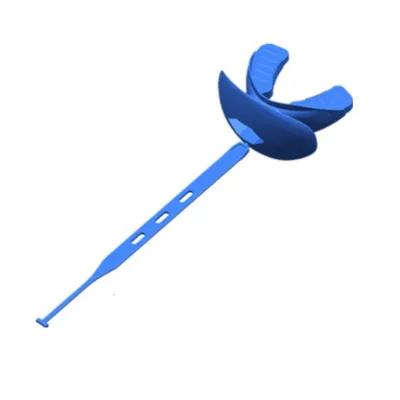
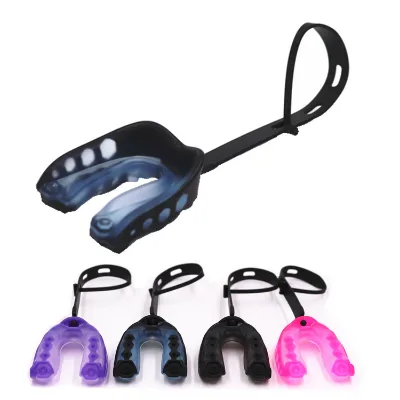
$1.2224 - $1.4276
MOQ: 10 pieces
Henan Geesion Medical Devices Co., Ltd.
- Trading Company
- Lead time旺季: "1 - 3000":15,"> 3000":"To be negotiated", 淡季: "1 - 3000":15,"> 3000":"To be negotiated"
- Avg. response≤ 4h
Main productsNose Patch, Foot Patch, Medical Antipyretic Patch, Breathable Tape, Pressure-Sensitive Tape
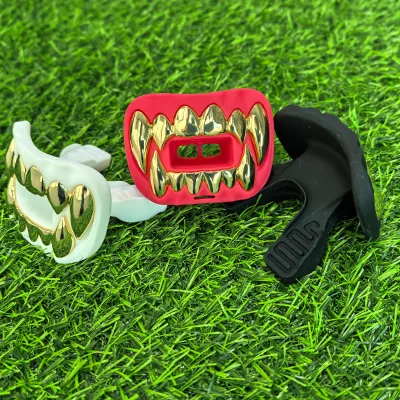
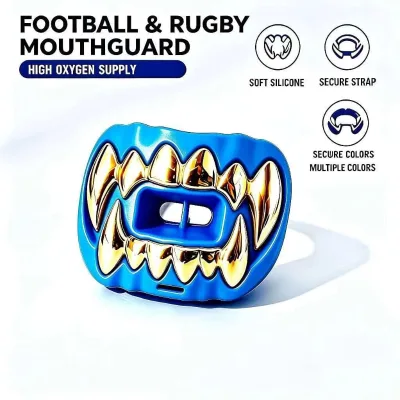
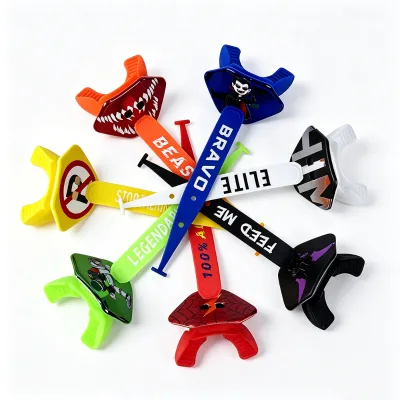


Comprehensive Sourcing Guide
Silicone American Football Mouthguard Supplier Concentration and Factory Types
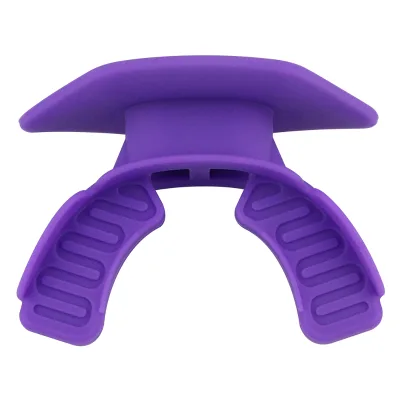
The current supplier landscape for silicone American football mouthguards reveals a distinct concentration of manufacturing capabilities within Guangdong, China. This region serves as a primary hub for sports protective equipment, offering buyers access to established industrial clusters that specialize in polymer processing and injection molding. When evaluating potential partners, it is crucial to distinguish between pure trading companies and actual manufacturers, as this distinction directly impacts pricing flexibility, customization depth, and quality control consistency. The observed data indicates that many suppliers in this category identify themselves as manufacturers, which suggests they possess the internal machinery and technical expertise required to produce complex silicone products like custom-molded mouthpieces. These facilities are typically equipped to handle various material specifications, ranging from standard silica gel to more advanced non-toxic TPR compounds, ensuring that the final product meets the rigorous durability and safety standards required for high-impact sports.
Understanding the factory type is equally important when assessing the range of main products offered by a supplier. Many manufacturers in this sector do not limit themselves to a single item but instead offer a broader portfolio of sports equipment, including football visors, back plates, mouth guards, and hockey trainers. This diversification often indicates a mature production line capable of switching between different product molds efficiently, which can be beneficial for buyers seeking to consolidate their supply chain. However, it also requires careful vetting to ensure that the supplier’s primary focus remains on the quality of the mouthguard rather than treating it as a secondary accessory. Buyers should look for evidence of specialized tooling and dedicated quality assurance processes for mouthguards, as these are critical for ensuring proper fit and protection. The presence of specific model numbers and detailed product attributes in supplier listings further supports the likelihood of genuine manufacturing capability, providing a clearer picture of their operational scale and technical proficiency in this niche market.
How to Verify Silicone American Football Mouthguard Suppliers
Verifying the legitimacy and capability of a Silicone American Football Mouthguard supplier requires a multi-layered approach that goes beyond surface-level profile reviews. One of the most immediate indicators of supplier reliability is their response time, which serves as a proxy for operational efficiency and customer service commitment. In the current market, response times can vary, with some suppliers demonstrating rapid engagement while others may take longer to provide detailed quotations or technical specifications. Buyers should prioritize suppliers who consistently demonstrate quick and thorough communication, as this trait often correlates with better project management and fewer delays during the production phase. Additionally, examining the detailed product attributes listed by suppliers can provide valuable insights into their technical knowledge. For instance, accurate descriptions of material composition, such as distinguishing between silica gel and food-grade TPR, or specifying exact dimensions and packaging requirements, suggest a supplier that is well-versed in the intricacies of mouthguard manufacturing.
Another critical step in verification is assessing the supplier’s ability to provide transparent and verifiable product evidence. Buyers should look for detailed product listings that include specific model numbers, brand names, and clear descriptions of features like shock absorption, breathability, and strap inclusion. The presence of comprehensive product properties, such as single package sizes, gross weights, and color options, indicates a standardized production process rather than ad-hoc manufacturing. Furthermore, checking for certifications or compliance with relevant safety standards is essential, although specific certification details may not always be explicitly listed in initial search results. In such cases, buyers must directly inquire about the supplier’s adherence to international safety norms and request documentation to verify these claims. It is also advisable to review the supplier’s main product categories to ensure that mouthguards are a core offering rather than an afterthought. By combining these verification steps, buyers can build a more accurate profile of each supplier’s reliability and technical competence, reducing the risk of partnering with entities that lack the necessary expertise or infrastructure.
What to Compare Across Silicone American Football Mouthguard Suppliers
When comparing suppliers, buyers must evaluate a range of operational metrics to determine the best fit for their specific needs. Lead time is a critical factor, as it directly impacts inventory management and market readiness. Some suppliers may offer faster turnaround times, which is advantageous for urgent orders or seasonal demand spikes, while others might have longer lead times due to more complex customization processes or higher production volumes. Similarly, response speed plays a significant role in the efficiency of the sourcing process; suppliers with quicker response times can facilitate faster decision-making and problem resolution. Buyers should also consider the minimum order quantity (MOQ) requirements, as these can vary widely depending on the supplier’s production capacity and business model. Lower MOQs may be suitable for smaller businesses or trial orders, whereas higher MOQs might offer better unit pricing for large-scale procurement.
In addition to operational metrics, buyers should compare the specific product features and customization options available from different suppliers. This includes evaluating the material quality, such as the use of non-toxic silicone or TPR, and the availability of custom branding options like laser logo printing or silk screen printing. The inclusion of accessories, such as helmet straps or protective covers, can also be a differentiating factor. Buyers should also assess the packaging options, as secure and professional packaging is essential for maintaining product integrity during shipping. Furthermore, comparing the price ranges offered by different suppliers can provide insights into their cost structures and value propositions. However, price should not be the sole determinant; buyers must balance cost with quality, reliability, and service levels. By systematically comparing these dimensions, buyers can identify suppliers that offer the best combination of performance, flexibility, and value, ensuring a successful sourcing outcome.
Common Silicone American Football Mouthguard Sourcing Risks
Sourcing silicone American football mouthguards from international suppliers introduces several potential risks that buyers must proactively manage. One of the primary concerns is quality inconsistency, which can arise from variations in material sourcing or manufacturing processes. Since mouthguards are critical protective equipment, any deviation from specified standards can compromise athlete safety and lead to product failures. Buyers must ensure that suppliers adhere to strict quality control protocols and provide consistent product specifications across all batches. Another significant risk is intellectual property infringement, particularly when dealing with custom branding and logo printing. Buyers must verify that suppliers have the legal right to produce branded items and that they respect trademark protections to avoid legal complications. Additionally, communication barriers can lead to misunderstandings regarding product requirements, leading to delays or incorrect shipments. Establishing clear and detailed specifications upfront can mitigate this risk.
Logistical challenges also pose a substantial risk in international sourcing, including potential delays in shipping, customs clearance issues, and damage during transit. Buyers must work with suppliers who have experience in international logistics and can provide reliable shipping solutions. Furthermore, the risk of supplier insolvency or operational disruptions cannot be ignored, especially when dealing with smaller or less established manufacturers. Buyers should assess the financial stability and operational resilience of potential suppliers to ensure continuity of supply. Another risk is the lack of transparency in pricing, where hidden costs such as tooling fees, sample charges, or shipping surcharges may emerge later in the process. Buyers must request detailed quotations that include all potential costs to avoid budget overruns. By identifying and addressing these risks early in the sourcing process, buyers can protect their interests and ensure a smoother procurement experience.
Silicone American Football Mouthguard Regional Sourcing and Logistics
The geographic concentration of Silicone American Football Mouthguard manufacturers in Guangdong, China, offers distinct advantages for international buyers in terms of logistics and supply chain efficiency. This region is well-connected to major global shipping routes, facilitating faster and more cost-effective transportation of goods to various markets. Buyers sourcing from this area can benefit from the established infrastructure for export, including efficient customs clearance processes and a wide range of logistics providers. However, the distance between the manufacturing hub and end markets can still impact delivery times and shipping costs. Buyers must carefully evaluate shipping options, such as sea freight for bulk orders or air freight for urgent shipments, to balance cost and speed. Additionally, understanding the local regulatory environment and export requirements is essential to ensure smooth cross-border transactions.
Regional sourcing also influences the availability of raw materials and component suppliers, which can affect production lead times and cost stability. Guangdong’s robust manufacturing ecosystem provides easy access to high-quality silicone and TPR materials, as well as specialized packaging and accessory suppliers. This proximity can reduce lead times and enhance flexibility in responding to market changes. Buyers should consider the potential for regional disruptions, such as natural disasters or policy changes, and develop contingency plans to mitigate these risks. Furthermore, leveraging local logistics partners with experience in handling sports equipment can help optimize shipping routes and reduce the risk of damage. By understanding the logistical landscape of the sourcing region, buyers can make informed decisions that enhance supply chain resilience and operational efficiency.
Silicone American Football Mouthguard Commercial Terms and Order Planning
Effective order planning and negotiation of commercial terms are essential for successful sourcing of silicone American football mouthguards. Buyers must clearly define their order quantities, delivery schedules, and payment terms to align with supplier capabilities and expectations. Common payment methods include telegraphic transfer (TT) and letters of credit (LC), each with its own advantages and risks. Buyers should negotiate favorable payment terms, such as partial upfront payment and balance upon shipment, to protect their financial interests. Additionally, understanding the supplier’s return and refund policies is crucial, especially in cases of quality issues or non-conformance to specifications. Buyers should also consider the cost of samples, which may be charged separately, and whether these costs can be credited against future bulk orders.
Customization and branding requirements significantly impact commercial terms, as they often involve additional costs for tooling, design, and printing. Buyers must clarify these costs upfront and ensure they are included in the final quotation. Furthermore, intellectual property agreements should be established to protect brand assets and prevent unauthorized use of logos or designs. Buyers should also consider the impact of currency fluctuations on pricing and negotiate fixed-price contracts where possible to mitigate financial risk. Finally, establishing clear communication channels and regular progress updates can help manage expectations and resolve issues promptly. By carefully planning commercial terms and order logistics, buyers can build strong, mutually beneficial relationships with suppliers and ensure a smooth sourcing process.
FAQs
What materials are used for silicone football mouthguards?
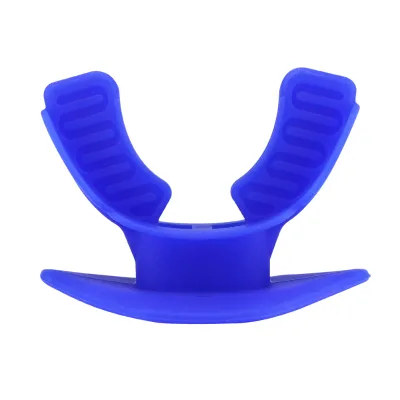
Manufacturers primarily use silicone and food-grade TPR to construct these protective devices. Silicone options offer durability and shock absorption, while TPR variants provide breathability and comfort. Both materials are selected for their ability to protect lips and teeth during high-impact sports like American football and rugby.
Where are these mouthguards manufactured?
The suppliers listed are located in Guangdong, China. This region is a major hub for sports equipment manufacturing, ensuring efficient production and logistics. Buyers can expect consistent quality standards and reliable supply chains from these facilities when sourcing custom or standard mouthguard models.
What is the typical response time for suppliers?
Suppliers generally respond within three to four days. This timeframe allows buyers to receive initial quotes and product specifications promptly. Quick response times facilitate smoother communication, enabling faster decision-making and order placement for businesses looking to secure inventory for upcoming sports seasons or events.
Are custom logos and branding available?
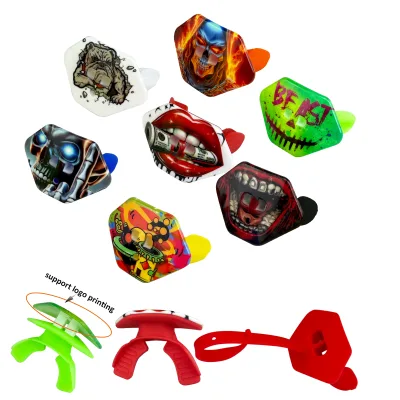
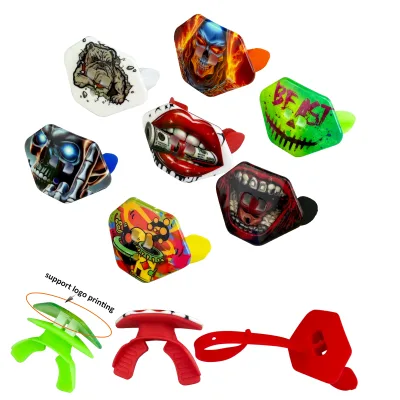
Yes, many manufacturers offer OEM services including laser logo printing and silk printing. Buyers can customize colors and packaging to match their brand identity. This flexibility supports team branding and retail differentiation, allowing businesses to create unique products that stand out in the competitive sports equipment market.
What sizes are available for these mouthguards?
Products are typically available in adult and youth sizes. Some models specify dimensions like 75x58x48mm for standard fit. Buyers should verify specific size charts with suppliers to ensure proper fit for their target demographic. Proper sizing is crucial for effective protection and comfort during athletic activities.
Do these mouthguards come with straps?
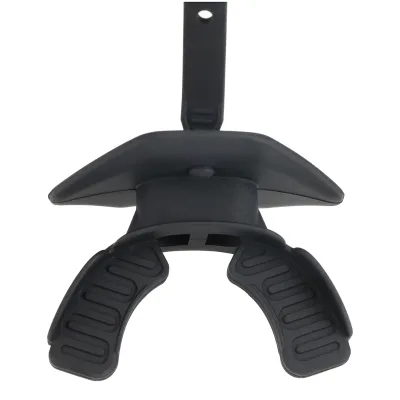
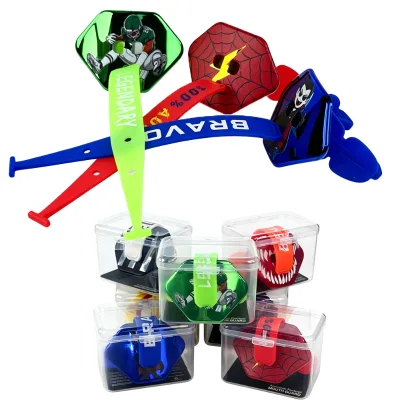
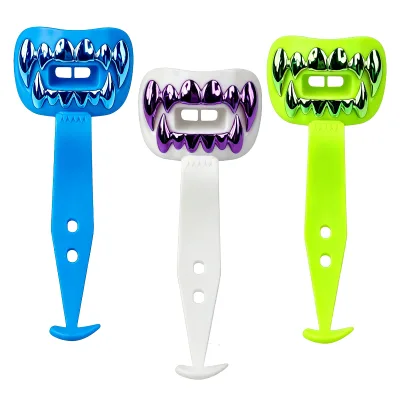
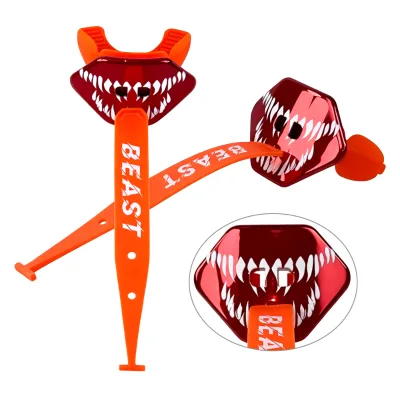
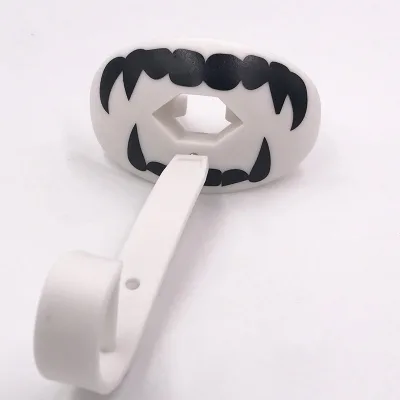
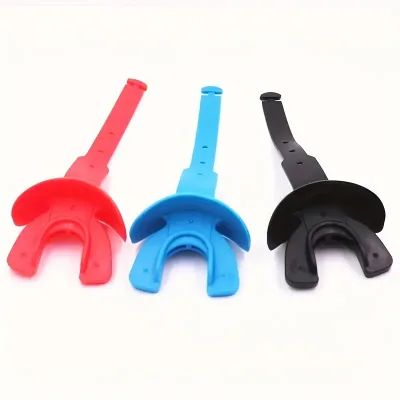
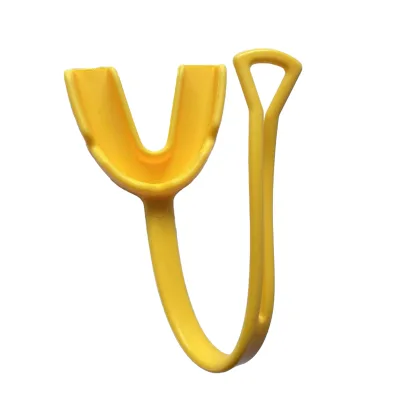
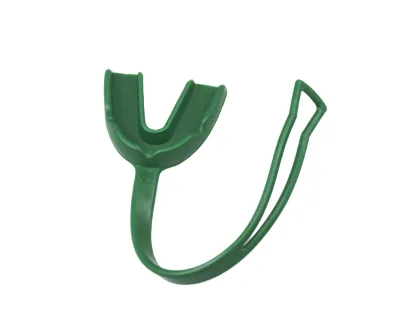
Many models include helmet straps or wide straps for secure retention. These accessories help keep the mouthguard in place during intense physical activity. Buyers looking for enhanced safety features should specifically request products with included straps to prevent loss or displacement during games and training sessions.