Modern Design Ceramic Tableware Suppliers and Manufacturers
Explore 18 verified options for Modern Design Ceramic Tableware from China Guangdong and Hunan. Compare ISO 9001 and FDA certified factories with response times under 6 hours and lead times around 45 days. Review product specifications and pricing to select a suitable partner.
Suppliers List

Rollin Porcelain Industrial Co., Ltd.
- Verified by BV
- Manufacturer/Factory
- China Guangdong
- Lead time45 days
- Avg. response≤ 6h
Main productsPorcelain Dinnerware, Tableware, Dinner Set, Dinner Plate, Hotel and Restaurant Tableware, Bone China, Cutlery, Glassware, Ceramic Plate, Porcelain
Main marketsEastern Europe,Mid East,North America,Southeast Asia,Eastern Asia,Oceania,Western Europe

New Design Durable Porcelain Tableware Ceramic Tableware for Hotels and Restaurants
$1.76 - $2.19
MOQ: 100 Pieces


Hot Sale Dinnerware Classical Black Tableware for Restaurant Hotel Wedding Dinner Set
$2.73 - $2.85
MOQ: 100 Pieces


- Verified by TUVRHEINLAND
- Trading Company
- China Hunan
- Lead time45 days
- Avg. response≤ 2h
Main productsCeramic Mug, Vacuum Flask, Dinner Set, Cup, Mug, Thermal Bottle, Ceramic Dinner Set, Glass Jar, Glass Cup, Wine Cup
Main marketsSoutheast Asia/ Mideast

Changsha Happy Go Products Developing Co., Ltd.
- Trading Company
- China Hunan
- Lead time45 days
- Avg. response≤ 6h
Main productsCoffee Mug, Dinner Set, Bowl, Mug, Dinnerware, Tableware, Plate, Porcelain, Crockery, Coffee Cup
Main marketsSouth America,Africa,Southeast Asia/ Mideast,East Asia(Japan/ South Korea),Europe,Australia,North America
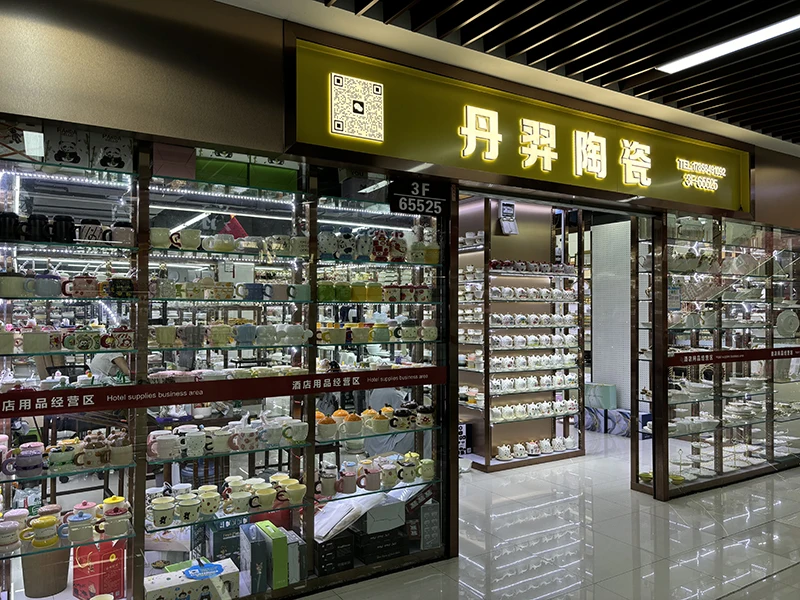
Yiwu Danyi Import And Export Co., Ltd.
- Trading Company
- Zhejiang, China
- Lead time30 days
- Avg. response≤ 4h
Main productsTableware,Coffee Cup
Main marketsCentral America(100.0%), Northern Europe(100.0%), Domestic Market(100.0%), South Asia(100.0%), Africa(100.0%), Eastern Europe(100.0%), Southern Europe(100.0%), North America(40.0%), Western Europe(20.0%), Mid East(15.0%), Oceania(10.0%), Eastern Asia(5.0%), Southeast Asia(5.0%), South America(5.0%)
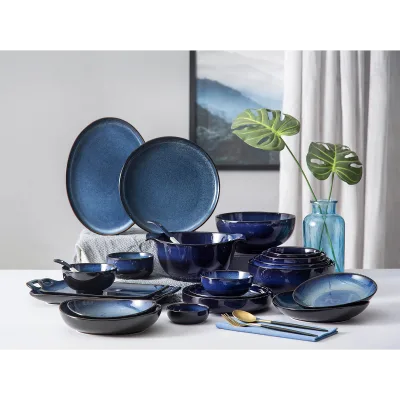
Wholesale Porcelain Blue Irregular Shape Fish Plate Cup Bowl Ceramic Tableware Set
$0.35 - $4.54
MOQ: 1000 Minimum

- Verified by CTI
- Combined
- China Guangdong
- Lead time45 days
- Avg. response≤ 4h
Main productsCasserole, Dish, Bowl, Mug
Main marketsEast Asia(Japan/ South Korea),Domestic,Europe,North America


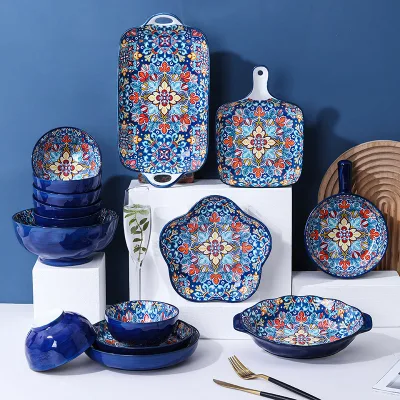
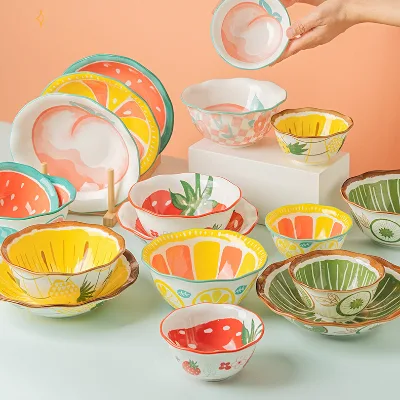
High Quality Restaurant Tableware Plates Bowls Sets Ceramic Dinnerware for Gift
$0.54 - $3.24
MOQ: 500 Pieces

- Verified by BV
- Trading Company
- China Shandong
- Lead time30 days
- Avg. response≤ 2h
Main productsCeramic Mugs, Ceramic Dinnerware, Ceramic Tea Set, Ceramic Kitchen Ware, Custom Drum Shape Ceramic Coffee Mug, 24oz Large Capacity 3D Embossed Mug, Porcelain Cappuccino Cup and Saucer, 14oz Custom Souvenirs Ceramic Mug, 12 Sets Vintage Reactive Glazed Tableware, Custom Royal White Ceramic Milk Jar
Main marketsNorth America

$0.50 - $3.00
MOQ: 5000 Pieces

New Design Chinese Dinnerware Luxury Ceramic Tableware Custom Porcelain Dinnerware
$1.00 - $15.00
MOQ: 5000 Pieces

Wholesale Porcelain Tableware for Restaurants Round White Ceramic Salad Bowl
$1.00 - $5.00
MOQ: 5000 Pieces

Foshan Ron Hospitality Supplies Co., Ltd.
- Verified by BV
- Manufacturer/Factory,Group Corporation
- China Guangdong
- Lead time45 days
- Avg. response≤ 2h
Main productsRestaurant Furniture, Restaurant Booth, Restaurant Chair, Restaurant Table, Bar Stools, Wedding Chairs, Flatware Sets, Dinnerware Sets, Garden Chairs, Disposable Dinnerware & Tableware
Main marketsSouth America,Eastern Europe,Mid East,North America,Southeast Asia,Eastern Asia,Oceania,Western Europe,Africa

Stackable Design Minimalist White Ceramic Bowl and Plate Tableware for Home & Restaurant
$5.00 - $50.00
MOQ: 100 Pieces


- Verified by BV
- Trading Company
- China Guangdong
- Lead time60 days
- Avg. response≤ 4h
Main productsCeramic Decal Mug, Ceramic Dinner Set, Ceramic Aromatherapy Bottle, Ceramic Vase
Main marketsSouth America,Southeast Asia/ Mideast,Europe,North America


18PCS Ceramic Dinner Set New Bone China Tableware with Bowls and Plates
$22.50 - $25.20
MOQ: 500 Pieces


Linyi Longying International Trade Co., Ltd.
- Verified by TUVRHEINLAND
- Trading Company
- China Shandong
- Lead time15 days
- Avg. response≤ 4h
Main productsTableware, Dinnerware, Porcelainware, Dinner Set, Hotel Porcelain, Ceramic Dinner Set, Ceramic Plate and Bowl, Tableware Plate and Bowl, Stoneware, Glassware
Main marketsOthers(foreignTradeCapacity.exportBusinessCapacityMarketOther),Europe

Modern Minimalist Floral-Designed Porcelainware Ceramic Tableware 20PCS Dinner Set
$8.60 - $8.80
MOQ: 800 Sets


$6.93 - $7.30
MOQ: 800 Sets


Chaozhou Jiayuehui Tableware Co., Ltd.
- Verified by SGS
- Manufacturer
- China Guangdong
- Lead time45 days
- Avg. response≤ 25h

$1.80 - $2.00
MOQ: 500 Pieces


$0.50 - $2.00
MOQ: 500 Pieces

More Surface China Factory Serving Long-Shaped Ceramic Tableware with Glaze for Formal
$1.20 - $1.50
MOQ: 500 Pieces

Hot-Selling Round Ceramic Dinner Plates Set Custom Tableware for Home & Restaurant
$1.80 - $2.00
MOQ: 500 Pieces

Luxury Customized Plate New Bone China Dinnerware Restaurant Tableware for Hotel
$1.80 - $2.00
MOQ: 500 Pieces

Jinhua Hengyang Cross-Border Trade Limited Liability Company
- Verified by SGS
- Trading Company
- China Zhejiang
- Lead time15 days
- Avg. response≤ 7h
Main productsCoffee Maker Air Fryer Storage Box Knife Set, Silicone Baking Mold Robot Vacuum Cleaning Table, Shower Head Non-Slip Shower Curtain Vacuum Stora, Collapsible Laundry Basket Bohemian Wall Tapestr, Fringe Pillow Cover Bedding Set Memory Foam Pill, Bamboo Tissue Biodegradable Trash Bags LED Fair, Smart Plug Fairy Lights Pet Food Bowl, Household Daily Necessities Kitchen Cleaning, Bathroom Storage and Care Fabric Home Decor, Bedding Daily Chemical Paper Products
Main marketsEurope

- Verified by SGS
- Combined
- China Fujian
- Lead time30 days
- Avg. response≤ 18h
Main productsGlass Sand Glass Cullet
Main marketsAfrica

Zibo Timestone International Co., Ltd.
- Manufacturer/Factory
- China Shandong
- Lead time45 days
- Avg. response≤ 14h
Main productsCeramic Dinnerware, Ceramic Mugs, Stainless Steel Bottles Mugs and Tumblers, Glass Bottles Mugs and Tumblers, Dinnerware, Tableware, Glassware, Kitchenware, Household Items, Ceramic Granding Balls and Filters
Main marketsSouth America,Eastern Europe,Mid East,North America,Southeast Asia,Eastern Asia,Oceania,Western Europe,Africa

Foshan Ron Hospitality Supplies Co., Ltd.
- Manufacturer/Factory,Group Corporation
- China Guangdong
- Lead time23 days
- Avg. response≤ 4h
Main productsRestaurant Furniture, Customized Restaurant Product, Restaurant Table, Restaurant Chair, Restaurant Booth, Cafe Furniture, Bar Furniture, Coffee Shop Furniture, Dinnerware, Glassware
Main marketsSouth America,Eastern Europe,Mid East,North America,Southeast Asia,Eastern Asia,Oceania,Western Europe,Africa

Factory Direct Sales Restaurant Hotel Ceramic Dinnerware Tableware Round Salad Plate
$4.50 - $8.31
MOQ: 100 Pieces

$2.70 - $3.50
MOQ: 100 Pieces

Chaozhou Junbin Ceramics Co., Ltd.
- Verified by TUVRHEINLAND
- Combined
- China Guangdong
- Lead time30 days
- Avg. response≤ 17h
Main productsTableware, Bowl, Plate
Main marketsDomestic

Smooth Surface Eco-Friendly Customizable Ceramic Tableware for Household Daily Dining
$1.50 - $3.00
MOQ: 40 Pieces

Polished Finish Customizable Ceramic Modern-Style Tableware for Travel Portable Usage
$1.50 - $3.00
MOQ: 40 Pieces
Changsha Jiuwang Department Store Trading Co., Ltd.
- Verified by SGS Group
- Trading Company
- Lead time14 days
- Avg. response≤ 3h
Main productsCeramic Tableware, Ceramic Mug, Ceramic Pots, Ceramic Tea Set, Stoneware Set
Main marketsSouth America(30%), Mid East(15%), Domestic Market(10%)

JIEYANG CITY JIESHI HARDWARE PLASTIC CO., LTD.
- Verified by TUVRHEINLAND
- Trading Company,Manufacturer/Factory
- China Guangdong
- Lead time30 days
- Avg. response≤ 2h
Main productsCutlery, Kitchenware, Flatware, Bar Accessories, Children Tableware, Kitchen Utensils, Bakeware, Dinnerware, Dinner Sets, Kitchen Tools
Main marketsSouth America,Eastern Europe,Mid East,North America,Southeast Asia,Eastern Asia,Oceania,Western Europe,Africa


High-Quality Factory-Priced Children's Tableware with Carrot-Shaped Handle
$0.50 - $3.00
MOQ: 3000 Sets

- Verified by SGS
- Trading Company,Manufacturer/Factory,Other
- China Zhejiang
- Lead time38 days
- Avg. response≤ 16h
Main productsBath Mat, Cushion, Wooden Toys, Fitness Equipment, Cosmetic Bag, Luggage, Festival Products, Gym Items, Face Mask, Paracord Bracelet
Main marketsSouth America,Eastern Europe,Mid East,North America,Southeast Asia,Eastern Asia,Oceania,Western Europe,Africa




Comprehensive Sourcing Guide
Modern Design Ceramic Tableware Supplier Concentration and Factory Types
Current supplier data indicates a concentration of manufacturers and factories located in China Guangdong, specializing in porcelain dinnerware, bone china, and ceramic plates. These entities typically list main products including hotel and restaurant tableware alongside cutlery and glassware, suggesting a robust industrial cluster for high-volume production. The presence of ISO 9001 system certification among these Guangdong-based suppliers signals adherence to standardized quality management processes for their ceramic output. Buyers seeking direct factory relationships should prioritize entities explicitly labeled as Manufacturer/Factory rather than Trading Companies, as the latter may add layers to the supply chain.
In contrast, other results show suppliers based in China Hunan operating as Trading Companies, offering a different sourcing dynamic. These trading entities often aggregate products like ceramic mugs, vacuum flasks, and thermal bottles alongside dinner sets, indicating a broader but potentially less specialized inventory focus. While the Guangdong cluster appears deeply rooted in specific ceramic manufacturing, the Hunan-based trading companies may offer more diverse product mixes including glass jars and wine cups. Buyers must verify the actual company type for each potential partner, as the distinction between a direct factory and a trading intermediary significantly impacts pricing structures and communication efficiency. Understanding this geographic and structural split is essential for aligning procurement strategy with specific volume and customization needs.
How to Verify Modern Design Ceramic Tableware Suppliers
Verification of supplier credibility relies heavily on third-party audit reports and specific certification badges displayed in the search results. Several suppliers in the dataset hold BV verification status, while others display TUVRHEINLAND credentials, providing independent validation of their business operations. Additionally, product-level certifications such as FDA, CE/EU, LFGB, and CIQ are frequently listed, confirming that the ceramic materials meet international safety standards for food contact. Buyers should treat these badges as primary evidence of compliance rather than assuming all listed suppliers possess identical credentials without explicit confirmation. The presence of these specific marks helps distinguish suppliers capable of meeting rigorous export requirements from those with unverified claims.
Beyond external audits, buyers must scrutinize the response time metrics provided in supplier profiles to gauge operational readiness. Data shows response times varying significantly, with some suppliers averaging 5.34 units while others demonstrate a faster 1.11 unit response rate. A rapid response time often correlates with a dedicated sales team and efficient internal communication channels, which are critical for resolving technical queries regarding glaze finishes or custom mold designs. However, a fast response does not guarantee product quality, so it must be weighed alongside the supplier's verification status and established certifications. Buyers should request proof of these certifications directly from the supplier to ensure the badges are current and applicable to the specific product lines being sourced.
What to Compare Across Modern Design Ceramic Tableware Suppliers
When evaluating potential partners, buyers should compare lead times and minimum order quantities (MOQ) to determine supply chain compatibility. The observed data reveals a lead time of 45 days for certain porcelain dinnerware items, while other suppliers may have different production schedules not explicitly detailed in the summary. MOQs also vary, with some listings showing a minimum of 100 units for specific tableware sets, whereas others require a substantial 5000-unit threshold for ceramic plates. These figures directly influence inventory planning and cash flow, making them critical comparison points before initiating negotiations. Buyers must ensure that the stated MOQ aligns with their initial order volume to avoid unnecessary capital tie-up or rejection of smaller trial orders.
Price ranges and payment terms represent another vital dimension for comparison across the supplier pool. Product listings indicate price points ranging from approximately 0.25 to 7.60 per unit, depending on the specific design, size, and material complexity. Payment terms are frequently cited as T/T with a 30% to 50% deposit, though some suppliers accept LC at Sight or Western Union for larger transactions. Comparing these financial terms helps buyers assess the total cost of ownership and the risk exposure associated with different payment structures. Additionally, customization options such as logo printing, size adjustments, and packaging design should be verified, as availability varies between suppliers who offer full customization and those who only provide standard non-customized stock.
Common Modern Design Ceramic Tableware Sourcing Risks
One significant risk involves the discrepancy between claimed certifications and actual product compliance, particularly regarding food safety standards. While many suppliers list FDA or LFGB certifications, buyers must verify that these apply to the specific glazes and materials used in the final product, as ceramic coatings can vary. The presence of "Eco-Friendly" features in product attributes is common, but without specific test reports, this claim remains unverified and could lead to regulatory issues in target markets. Buyers should demand third-party test reports for the specific batch of goods to ensure that the ceramic tableware does not leach harmful substances, as generic certification claims do not guarantee batch-specific safety.
Another risk stems from the variability in customization capabilities and the potential for production delays. Some suppliers explicitly state that customization is available for logo, size, and design, while others list products as non-customized or offer limited options. This inconsistency can lead to misunderstandings regarding the final product appearance and functionality, especially for complex designs like irregular shapes or specific color requirements. Furthermore, the reliance on standard export cartons for packing may not be sufficient for fragile ceramic items during long transit times, increasing the risk of breakage. Buyers must clarify packing specifications and confirm the supplier's ability to handle custom requests before finalizing the order to mitigate these operational risks.
Modern Design Ceramic Tableware Regional Sourcing and Logistics
Geographic location plays a pivotal role in determining shipping costs and transit times for ceramic tableware orders. The concentration of manufacturers in China Guangdong suggests proximity to major ports, which often facilitates efficient logistics for international shipments. Suppliers in this region typically handle standard export cartons, which are designed to protect fragile items during sea freight. However, buyers sourcing from other regions, such as the Hunan-based trading companies, may face different logistical challenges or longer inland transit times before reaching the port. Understanding the specific origin of the goods is essential for calculating accurate landed costs and estimating delivery schedules to the final destination.
Logistics planning must also account for the fragility of ceramic materials and the specific packing standards employed by the supplier. The data indicates that most suppliers use standard export cartons, but the internal packing methods for items like 17.75-inch rectangular plates or 4.5-inch bowls may vary. Buyers should inquire about the specific packing density and cushioning materials used to prevent breakage during transit. Additionally, the response time of the supplier can impact logistics coordination, as delays in communication may lead to missed shipping windows or incorrect documentation. Ensuring that the supplier has a robust logistics network and clear communication channels is vital for maintaining the integrity of the ceramic tableware throughout the shipping process.
Modern Design Ceramic Tableware Commercial Terms and Order Planning
Commercial terms regarding payment and deposit requirements are fundamental to order planning and financial risk management. The majority of suppliers in the dataset require a T/T deposit ranging from 30% to 50% before production begins, which is a standard practice in the industry. Buyers must ensure that these terms are clearly defined in the proforma invoice and that the balance payment conditions are agreed upon prior to shipment. Some suppliers may offer alternative payment methods such as LC at Sight or Western Union, which can provide additional security for larger transactions. Understanding these financial obligations helps buyers allocate the necessary capital and plan their cash flow effectively.
Order planning must also consider the production lead times and the specific model numbers associated with the requested designs. With lead times observed at 45 days for certain items, buyers need to factor in this duration when scheduling inventory replenishment or marketing campaigns. The availability of specific models, such as the RYXBYH3319 or RYG01, should be confirmed to ensure that the desired designs are in production and not subject to long wait times. Additionally, buyers should verify the customization lead times, as adding logos or unique designs may extend the standard production schedule. Careful coordination of these timelines ensures that the order arrives when needed, preventing stockouts or delays in market launch.
FAQs
What certifications are available for modern ceramic tableware?
Suppliers offer FDA, CE/EU, LFGB, and CIQ certifications for modern ceramic tableware. These ensure the products meet international safety standards for food contact. Buyers should verify specific certificates for their target market to guarantee compliance and product safety during use.
What is the typical lead time for orders?
Typical lead times are around 45 days for manufacturing modern ceramic tableware. This duration allows for production, quality control, and packaging. Buyers should confirm exact timelines with suppliers, as rush orders or complex custom designs may require additional processing time.
What are the minimum order quantities for these products?
Minimum order quantities vary significantly, ranging from 100 pieces to 5000 pieces depending on the supplier and product type. Lower MOQs are often available for standard items, while higher volumes may be required for custom designs or specific packaging requirements.
Where are these ceramic tableware suppliers located?
Suppliers are primarily located in China, specifically in Guangdong and Hunan provinces. These regions are known for their robust manufacturing capabilities and established supply chains for ceramic and porcelain tableware products suitable for hotels, restaurants, and home use.
What payment terms are commonly accepted?
Common payment terms include T/T with 30%-50% deposit, T/T, D/P at sight, L/C at sight, and Western Union. Buyers should discuss specific payment structures with suppliers to ensure secure transactions and align with their financial processing capabilities.
Can I customize the design and logo?
Customization is widely available for logo, size, design, and packaging. Suppliers offer OEM services to create unique modern ceramic tableware sets. Buyers should provide detailed specifications to ensure the final product meets their branding and aesthetic requirements.
What is the price range for ceramic tableware?
Prices range from approximately $0.25 to $7.60 per piece depending on the item. Factors influencing cost include material quality, design complexity, certification requirements, and order volume. Buyers should request detailed quotes to understand the total cost for their specific needs.