Fast Install Sandwich Panel Suppliers and Manufacturers
Source Fast Install Sandwich Panel options from 25 verified suppliers in China. Compare lead times, MOQs, certifications, and prices to find the right partner. Contact suppliers directly to request quotes and samples for your project; review the available evidence before requesting comparable quotations from suitable candidates.
Updated
Suppliers List

Xiamen Zhongjingtai Building Materials Co., Ltd.
- Verified by BV
- Trading Company,Manufacturer/Factory
- China Fujian
- Lead time38 days
- Avg. response≤ 5h
Main productsEPS Cement Sandwich Panel, Decorate Wall Panels, Fireproof Wall Panel, Paving Stone, Color Steel Sandwich Panel, Rockwool Sandwich Panel, Insulation Panel, Countertops, EPS Panel, WPC Panel
Main marketsSouth America,Eastern Europe,Mid East,North America,Southeast Asia,Eastern Asia,Oceania,Western Europe,Africa

Soundproof Fast Install Sandwich Panel Cement Board Sandwich Panel
$9.12 - $15.58
MOQ: 300 Square Meters


Light Weight Easy Installation and Fireproof Composite Sandwich Wall Panel
$9.90 - $10.56
MOQ: 300 Square Meters

$10.78 - $16.78
MOQ: 300 Square Meters

Jiangsu Green Bio-Environmental Protection Technology Co., Ltd.
- Verified by TUVRHEINLAND
- Trading Company
- China Jiangsu
- Lead time30 days
- Avg. response≤ 2h
Main productsCold Room Panels, Cold Room Doors, Cold Closet, Refrigeration Units, Accessories, Fittings
Main marketsSouth America,Southeast Asia/ Mideast


Prefabricated and Wall Sandwich Panel for Fast and Easy Installation
$5.90 - $19.90
MOQ: 1000 Square Meters


Hangzhou Sukalp Trading Co., Ltd.
- Verified by TUVRHEINLAND
- Trading Company,Manufacturer/Factory
- China Zhejiang
- Lead time0 days
- Avg. response≤ 11h
Main productsPrepainted Steel Coil, Galvanized Steel Coil, Galvalume Steel Coil, Corrugated Steel Sheet, Metal Roofing/Wall Sheet, Sandwich Panel, Steel Strips, C & Z Purlin, Steel Pipes, Galvanized Steel Pipes
Dongguan Feixia Industry And Trade Co., Ltd.
- Verified by Intertek
- Manufacturer, Trading Company
- Lead time15 days
- Avg. response≤ 3h
Main productsCleanroom Door, Air Shower, Rolling Door, Sliding Door, FFU
Main marketsSoutheast Asia(50%), Eastern Europe(25%), Mid East(8%)
- Verified by TüVRheinland
- Manufacturer, Trading Company
- Lead time15 days
- Avg. response≤ 1h
Main productsCold Room, Cold Storage Equipment, Cold Room Door, Cold Room Panel, Cold Room Accessories
Main marketsSoutheast Asia(31%), Africa(22%), Mid East(19%)

Shandong Yahui Machinery Manufacturing Co., Ltd.
- Verified by SGS
- Combined
- China Shandong
- Lead time15 days
- Avg. response≤ 1h
Main productsSandwich Panel, Spray Booth, Curing Oven, Powder Coating Equipment, Auto Paint Booth, Dust Collection, Cleanroom Panel, Paint Booth, Garage Equipment, Powder Coating Oven
Main marketsSouth America,Africa,Southeast Asia/ Mideast,Europe,Australia,North America

Lightweight EPS Foam Sandwich Panel for Quick Installation Projects
$10.00 - $20.50
MOQ: 300 Square Meters

High-Quality EPS Sandwich Panel Solutions for Rapid Installations
$10.00 - $20.50
MOQ: 300 Square Meters

Prefab EPS Sandwich Panel Solutions for Quick and Easy Installations
$10.00 - $20.50
MOQ: 300 Square Meters
WUHAN DUOQIA IMPORT&EXPORT CO.,LTD
- Trading Company
- Hubei, China
- Lead time7 days
- Avg. response≤ 5h
Main productsPrefab House,EPS Cement Sandwich Panel,Hollow Concrete Panel,Calcium Silicate Board
Main marketsDomestic Market(50.00%), South Asia(10.00%), Western Europe(10.00%), Northern Europe(5.00%), North America(5.00%), Mid East(5.00%), South America(5.00%), Southern Europe(5.00%), Southeast Asia(2.00%), Africa(2.00%), Oceania(1.00%)

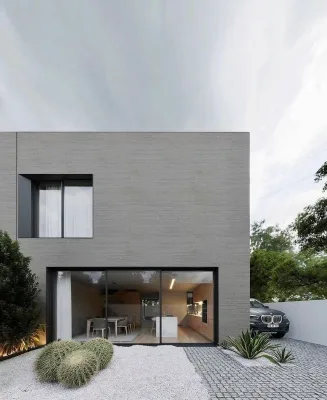
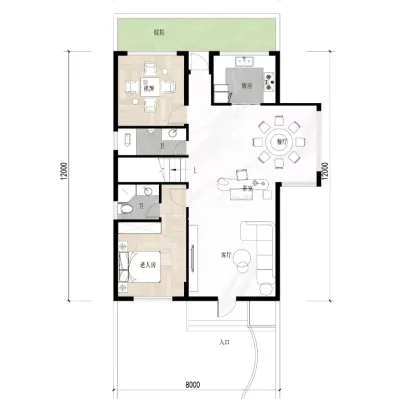
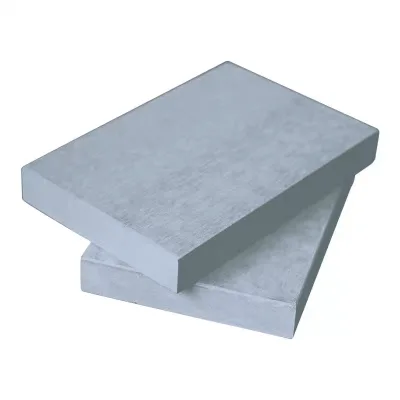
Quick Installation Warehouse Panel - Eco-Friendly & Easy Assemble Design
$5000.00 - $10000.00
MOQ: 1 Minimum
Linyi Juanna Import & Export Co., Ltd.
- Verified by SGS Group
- Manufacturer, Trading Company
- Lead time20 days
- Avg. response≤ 2h
Main productsIndoor Outdoor Wall Panels, SPC Flooring, Furniture Wooden Panel, Fancy Acoustic Wall Cladding, Exterior WPC Decking
Main marketsNorth America(24%), South America(14%), Mid East(14%)
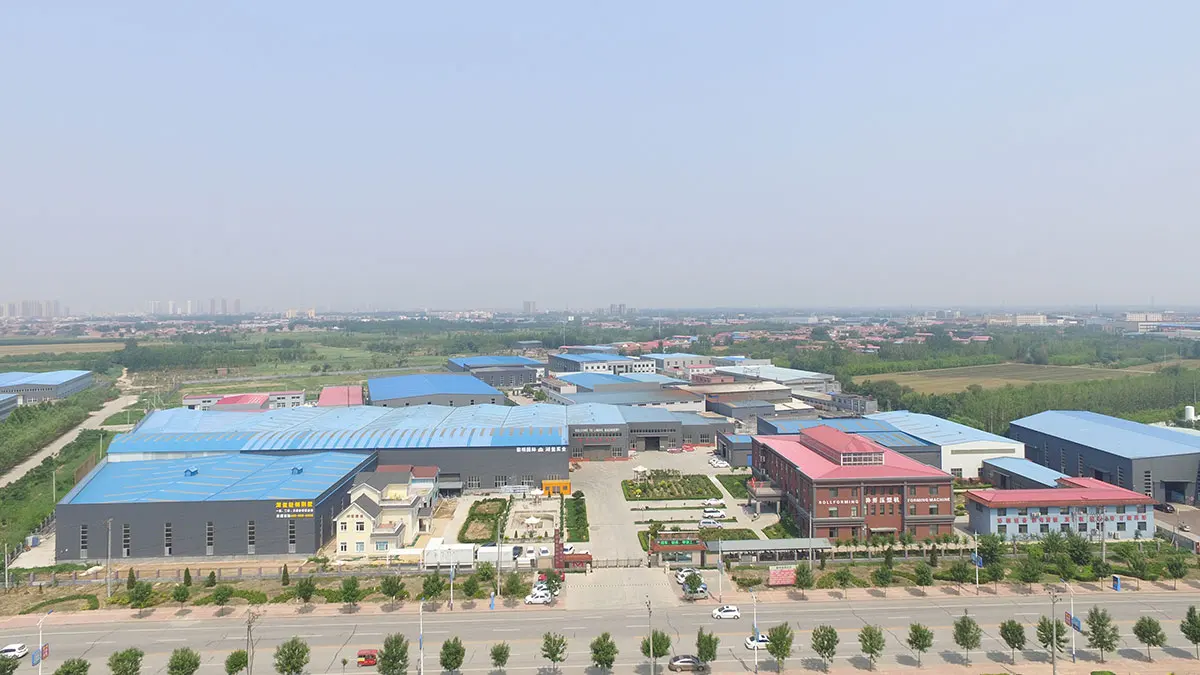
Hebei Liming Stamping Form Machine Co., Ltd.
- Manufacturer, Trading Company
- Hebei, China
- Lead time10 days
- Avg. response≤ 5h
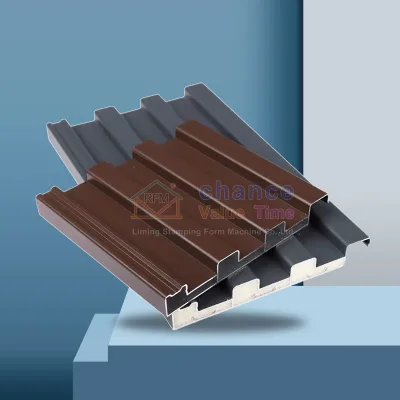
Main productsPU roof panel,pu roof sandwich panel,steel pallet,light steel pallet,metal pallet
Main marketsSouth America(18.00%), Central America(15.00%), Western Europe(15.00%), North America(15.00%), Oceania(10.00%), Southern Europe(8.00%), South Asia(5.00%), Southeast Asia(5.00%), Eastern Europe(5.00%), Northern Europe(2.00%), Africa(2.00%)
Linyi Zhuo Zhu New Materials Co., Ltd.
- Verified by SGS Group
- Manufacturer, Trading Company
- Lead time30 days
- Avg. response≤ 2h
Main productsASA Roof Tile, Daylighting Tile, Metal Carving Board, Polycarbonate Panels, Polyester Sandwich Board

Suzhou Daxiang Container House Co., Ltd.
- Verified by TUVRHEINLAND
- Combined
- China Jiangsu
- Lead time15 days
- Avg. response≤ 2h
Main productsContainer House, Prefab House, Folding House, Flat Pack Container House, Foldable House, Expandable House, Prefabricated Container House, Modular Container House, Detachable Container House, Assembled Container House
Main marketsSoutheast Asia/ Mideast,East Asia(Japan/ South Korea),Europe,North America


High-Quality Prefabricated Sandwich Panels for Efficient Wall Construction
$5.00 - $15.00
MOQ: 100 Meters

Luohe Tianshun Refrigeration Equipment Co., Ltd.
- Verified by Intertek
- Manufacturer, Trading Company
- Lead time5 days
- Avg. response≤ 2h
Main productsPolyurethane Panel, Cold Room, Condenser Unit, PUR Panel , Heat Pump Dryer
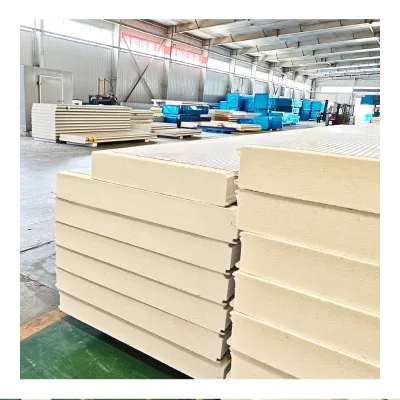
Fireproof & High-Insulation Cold Storage Panel: Easy Assembly & Energy-Saving Design" "Quick-Install
$4.9809 - $13.2618
MOQ: 10 pieces
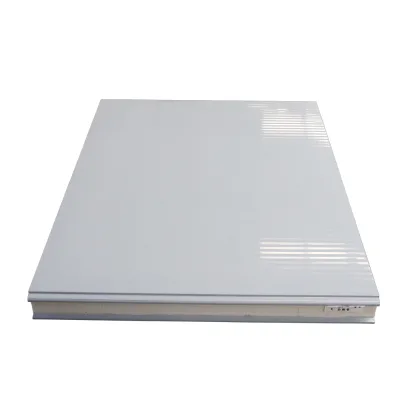
$4.9524 - $13.2094
MOQ: 10 pieces
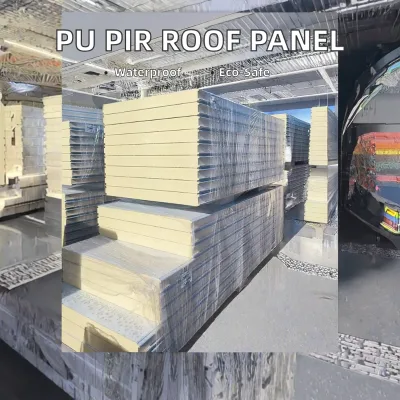
Modern Design Sandwich Panel Durable Anti-Corrosion for Concrete Reinforcement Floor Wall Office
$7.1679 - $13.2169
MOQ: 10 pieces
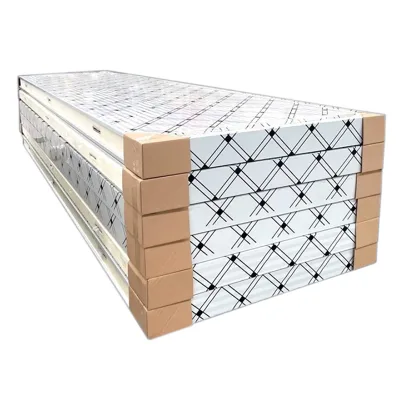
- Verified by SGS Group
- Manufacturer, Trading Company
- Lead time25 days
- Avg. response≤ 4h
Main productsSandwich Panel, Roof Panel, External Wall Panel, Cold Storage Panel, Rock Wool Panel
Main marketsNorth America(40%), Southeast Asia(30%), Oceania(10%)
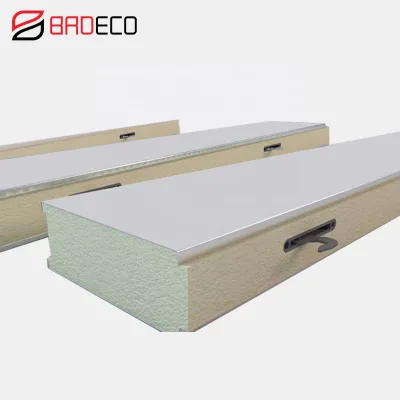
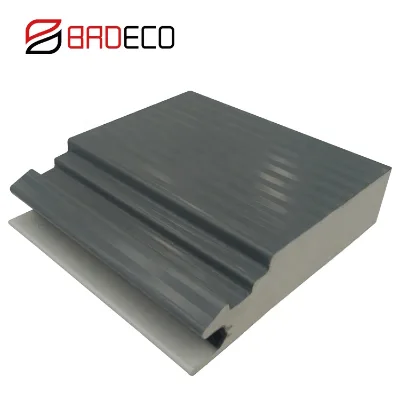
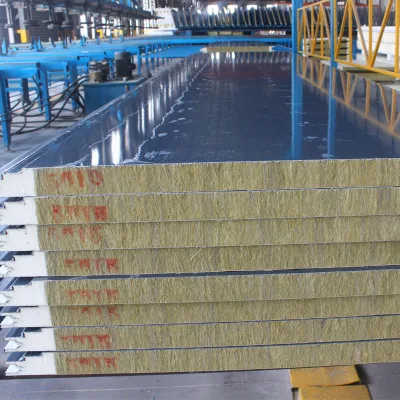
PNS High Quality Good Insulation Sound-absorbing Rock Wool Sandwich Panel Best Quality Cheap Price
$5.3359 - $6.6706
MOQ: 100 square
Oriental Construction Material (suzhou) Co., Ltd.
- Verified by TüVRheinland
- Trading Company
- Jiangsu, China
- Lead time15 days
- Avg. response≤ 4h
Main productsMgo Board, Decorative Board, Fiber Cement Board, Sandwich Panels, Acoustic Panels
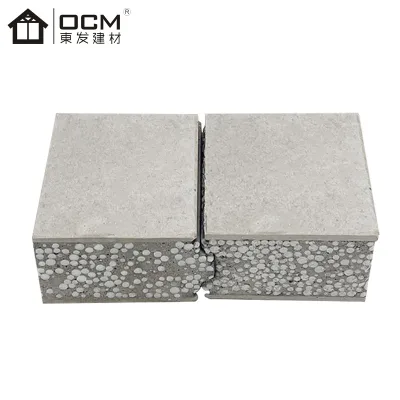
$8.7214 - $13.1345
MOQ: 300 pieces
$4.094 - $7.1724
MOQ: 200 pieces
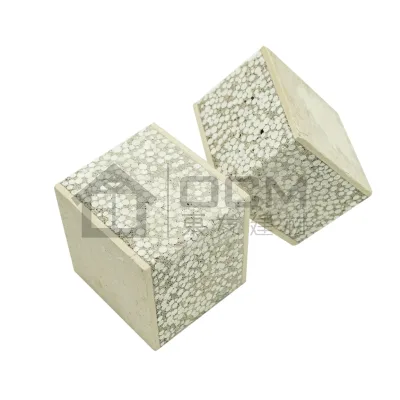
Energy Saving Cement Composite Panel EPS Core Lightweight Precast Concrete Board Fast Installation
$8.7214 - $13.1345
MOQ: 300 pieces

Zhanghe (Ningbo) Equipment Manufacturing Co., Ltd.
- Verified by BV
- Combined
- China Zhejiang
- Lead time15 days
- Avg. response≤ 9h
Main productsPrefabricate House
Main marketsDomestic

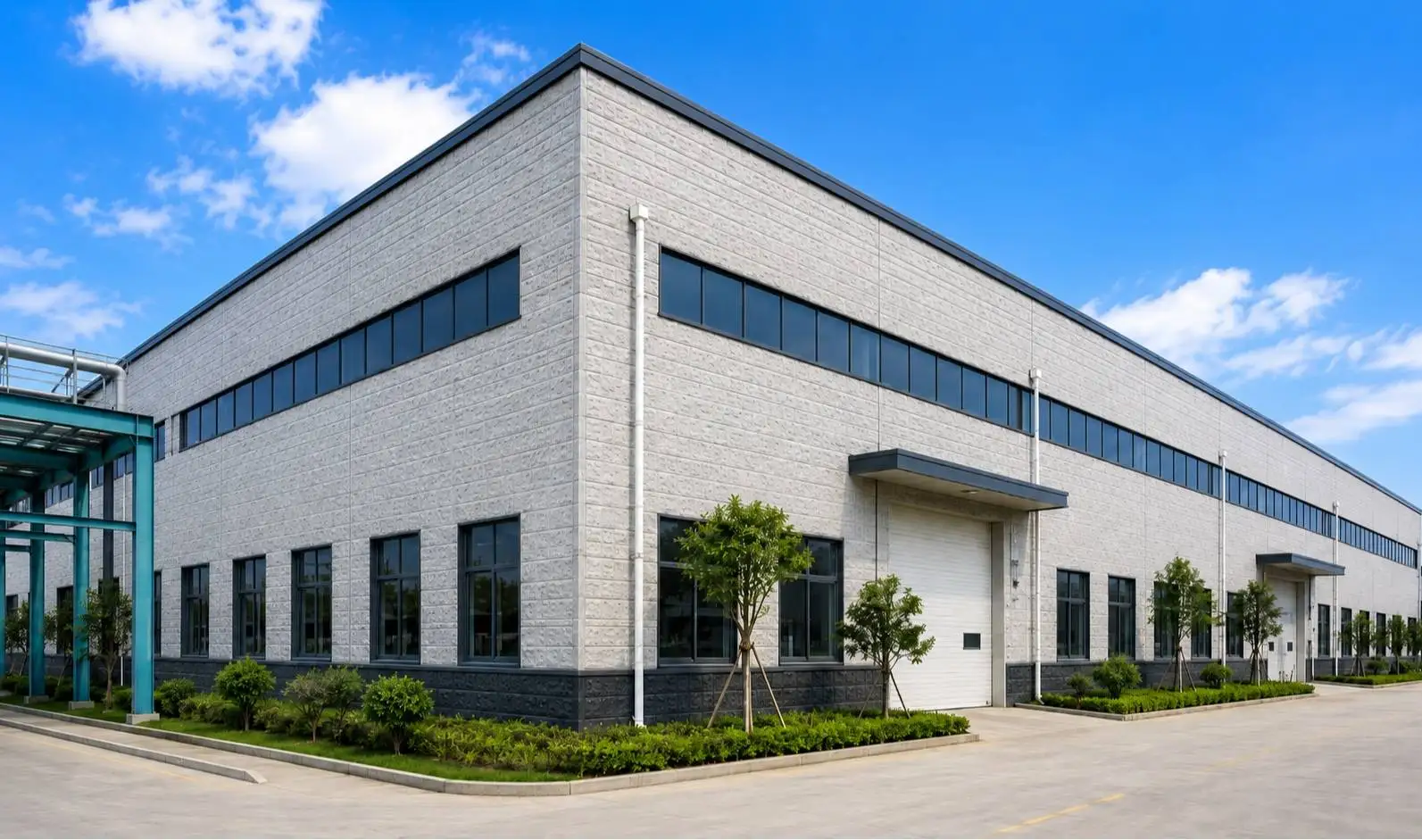
Sandwich Wall Panel for Economic and Fast Installation Steel Structure Workshop
$7.00
MOQ: 100 Square Meters


Lightweight Sandwich Panel for Fast Assembly Prefabricated Building Solutions
$7.00
MOQ: 100 Square Meters


POLYGREEN New Material Co., Ltd.
- Manufacturer, Trading Company
- shandong, China
- Lead time10 days
- Avg. response≤ 1h
Main productsWPC Wall Panel,PVC Ceiling Panel,PVC Marble Sheet,PU Stone Wall Panel,Metal Carved Sandwich Wall Panels
Main marketsSouth America(60.00%), South Asia(10.00%), Western Europe(10.00%), Southeast Asia(10.00%), Eastern Europe(10.00%)
Jinan Nobong New Materials Co., Ltd.
- Trading Company
- Shandong, China
- Lead time20 days
- Avg. response≤ 3h
Main productsmetal carved board,sandwich panels,wall panel,sip panels,rockwool sandwich panel
Main marketsNorth America(30.00%), Eastern Europe(15.00%), South Asia(10.00%), South America(10.00%), Oceania(10.00%), Mid East(10.00%), Southeast Asia(10.00%), Eastern Asia(5.00%)
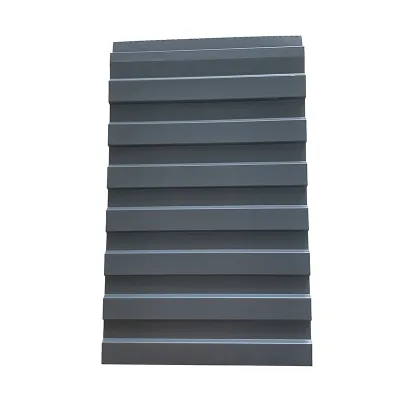
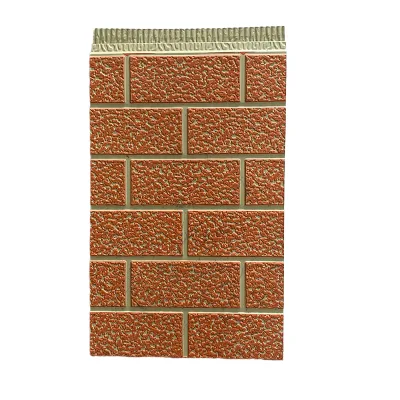
$5.3539 - $5.9725
MOQ: 200 square

Hangzhou Tedun Building Materials Co., Ltd.
- Verified by TUVRHEINLAND
- Combined
- China Zhejiang
- Lead time30 days
- Avg. response≤ 22h
Main productsStanding Seam Roofing Panel, Corrugated Steel Sheet, Floor Deck, Flat-Lock Roofing Sheets, Steel Roof Tile, Copper Roofing, Galvanized Zinc Sheets, Sandwich Panels, Interlocking Shingles Panel, Customized Roofing and Wall Sheets
Main marketsSouth America,Southeast Asia/ Mideast,Australia
Foshan Desuman Building Materials Technology Co., Ltd.
- Verified by Intertek
- Manufacturer, Trading Company
- Lead time10 days
- Avg. response≤ 2h
Main productsSteel Sandwich Panel, Container Houses
Main marketsSoutheast Asia(30%), Domestic Market(17%), Oceania(15%)
Guangzhou Moneybox Steel Structure Engineering Co., Ltd.
- Manufacturer, Trading Company
- Lead time旺季: "1 - 2":10,"> 2":"To be negotiated", 淡季: "1 - 2":10,"> 2":"To be negotiated"
Main productsEmergency House, Prefab House, Container House

Square Technology Group Co., Ltd.
- Verified by SGS
- Combined
- China Jiangsu
- Lead time60 days
- Avg. response≤ 3h
Main productsHeat Exchanger, Insulated Panel, Spiral Freezer, Refrigeration System, Tunnel Freezer, IQF Freezer, Plate Freezer, Spiral Oven, Continuous Fryer
Main marketsSouth America,Southeast Asia/ Mideast,Europe,North America

Square New Design PIR Sandwich Panel FM Approvals Foam Insulation Panels
$8.00 - $40.50
MOQ: 1 Square Meters


Dalian Tenghui Innovative Construction Materials Co., Ltd.
- Manufacturer, Trading Company
- Liaoning, China
- Lead time3 days
- Avg. response≤ 3h
Main productsdecorative panel,tenghui siding,pu sandwich panel,exterior wall panel,insulated panel
Main marketsDomestic Market(35.20%), Eastern Asia(10.50%), South Asia(9.53%), Eastern Europe(9.21%), Northern Europe(7.14%), Southern Europe(5.21%), Western Europe(4.72%), North America(4.32%), Central America(3.25%), South America(2.75%), Oceania(2.52%), Southeast Asia(2.44%), Mid East(1.75%), Africa(0.54%)
Linyi Guanou New Materials Co., Ltd.
- Verified by SGS Group
- Manufacturer, Trading Company
- Lead time10 days
- Avg. response≤ 2h
Main productsWPC Wall Panel, PU Stone, UV Marble Sheet, Soft Stone, Acoustic Wall Panel
Main marketsNorth America(35%), Southeast Asia(25%), South America(10%)
Hebei Qijia Construction Materials Co., Ltd.
- Verified by TüVRheinland
- Manufacturer, Trading Company
- Lead time20 days
- Avg. response≤ 1h
Main productsSteel Structure, Profiled Steel Sheet, Integrated House, Tile Press
Main marketsDomestic Market(50%), North America(5%), Eastern Europe(5%)

SHANDONG LINGFAN TECHNOLOGY CO., LTD.
- Verified by SGS
- Trading Company
- China Shandong
- Lead time15 days
- Avg. response≤ 3h
Main productsBeverage Cooler, Walkin Cooling, Cold Room Storage, Meat Display Chiller, Feezer and Refrigerator, Supermarket Display Chiller, Islan Chest Freezer, Cold Cabinet Fridge
Main marketsSouth America,Africa,Southeast Asia/ Mideast,Europe


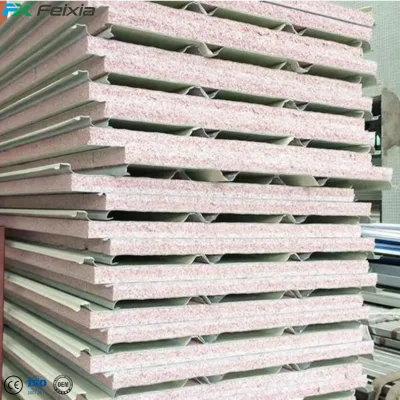
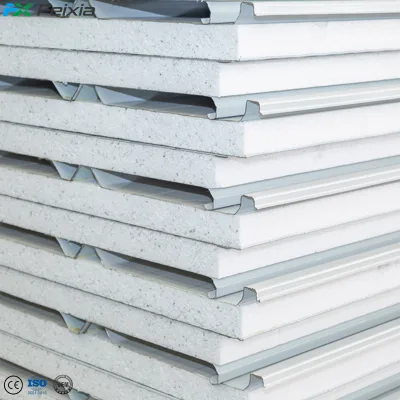




Comprehensive Sourcing Guide
Fast Install Sandwich Panel Supplier Concentration and Factory Types
Buyers searching for fast install sandwich panels will find most suppliers concentrated in specific Chinese provinces, with Fujian standing out prominently in current supplier results. Multiple listings in this category originate from Xiamen and the broader Fujian area, where factories produce cement-based sandwich panels, EPS sandwich wall panels, and composite wall panels for prefabricated buildings. This concentration matters because it allows buyers to visit several factories in a single trip, compare production lines side by side, and consolidate shipments from one region rather than coordinating multiple origin points. When your own search does not reveal a cluster, look at where verified suppliers repeat their listed origins across result pages rather than trusting a single profile.
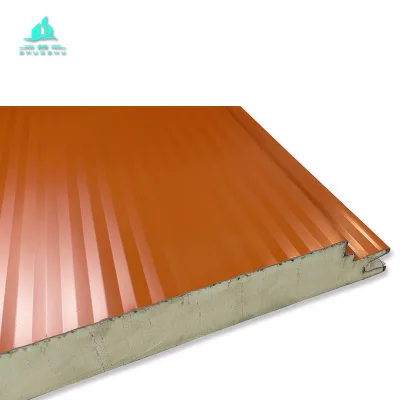
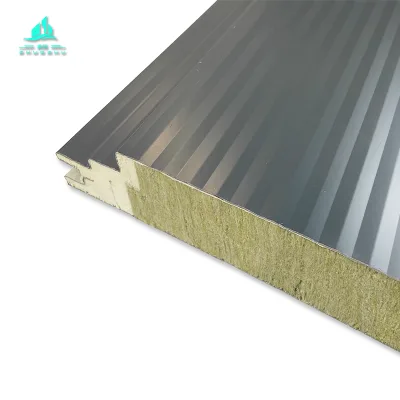
Supplier types in this category split between manufacturers and trading companies, and many suppliers hold both labels. Manufacturer-direct sources tend to control panel production, mould tooling, and quality testing in-house, while trading companies may aggregate panels from several factories and handle export documentation. Review the supplier's main product list alongside its company type: a supplier listing EPS cement sandwich panels, fireproof wall panels, rockwool panels, and insulation panels alongside the sandwich panel you need is more likely to have stable panel production than a generalist. Check whether OEM capability is stated, since panel sizing, facings, and core materials often need project-specific configuration for wall, floor, or roof applications.
How to Verify Fast Install Sandwich Panel Suppliers
Verification should start with third-party assessments. Several suppliers in this category show on-platform verification by BV, and system certifications listed across supplier profiles include ISO 9001 and ISO 14001, among a long menu of labels. Do not assume every displayed certification applies to the panel line you are buying; ask the supplier which certificates cover the specific sandwich panel model and request the certificate number so you can confirm scope and validity independently. Verification badges confirm an audit occurred at a point in time, not that current production meets the same standard, so re-confirm audit dates during negotiation.
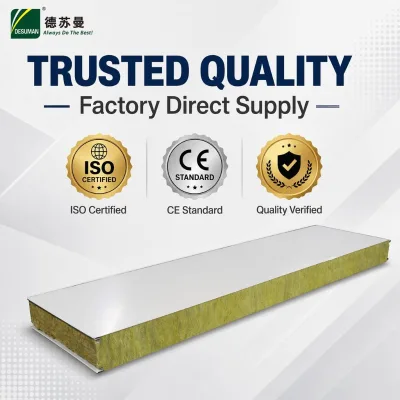
Product-level evidence is equally important. One listed panel shows CE, SGS, and ISO as stated standards, while another lists SGS and TUV; these are supplier-stated claims and should be backed by test reports you can verify with the issuing body. Ask for the fire rating documentation supporting any fire-resistance claim, the test method used, and which thickness it applies to, because fire performance varies across the 60mm to 180mm thickness range this category offers. Confirm the production address matches the stated origin, since listings show origins in Xiamen and Fujian and you should know whether you are dealing with a factory there or a trader forwarding elsewhere. A short video call walking the production floor, plus a sample order before volume commitment, closes most remaining gaps.
What to Compare Across Fast Install Sandwich Panel Suppliers
Build a comparison table using the attributes suppliers actually display, but verify which fields are missing before you weight them. Useful dimensions include supplier location, company type, whether the supplier is independently verified, average response time, quoted lead time, MOQ, establishment year, and main product range. In current results, lead time for one supplier is listed at 38 days and average response time at roughly 4.8 hours, but these are per-supplier values and you should not generalize them across the category. Record each supplier's stated figures and re-confirm them in writing when you request quotations, since displayed values can be stale.
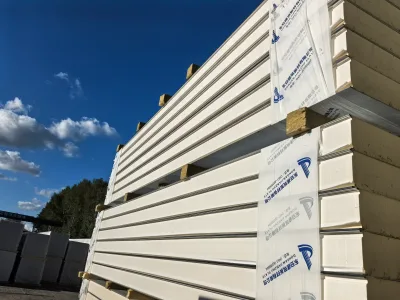
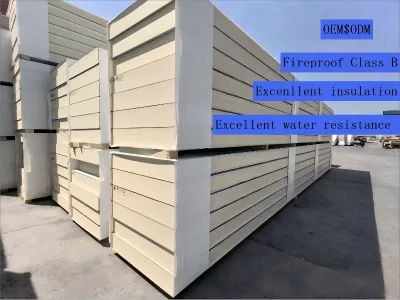
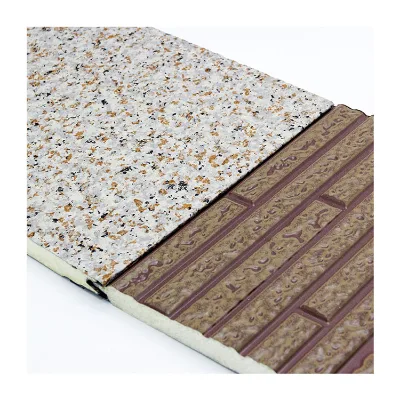
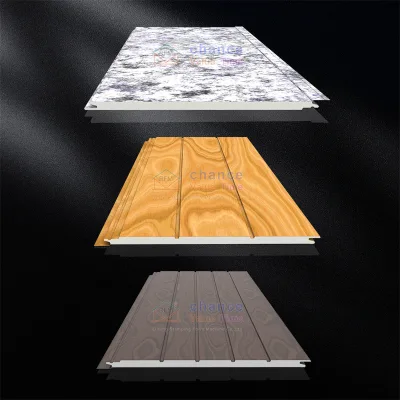
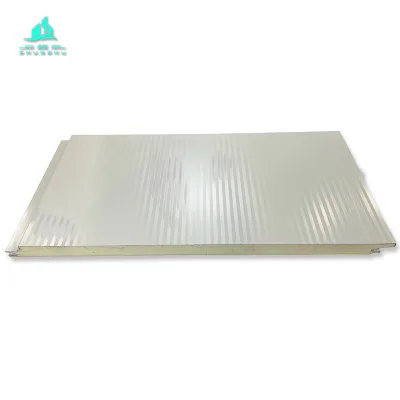
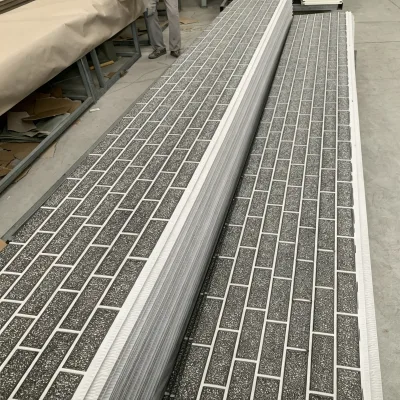
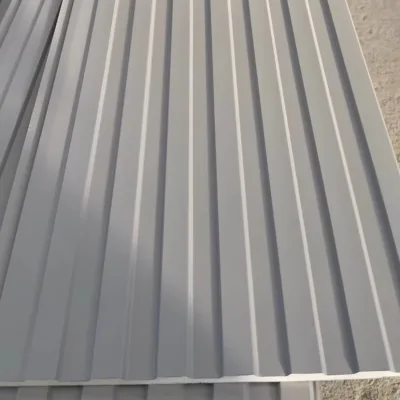
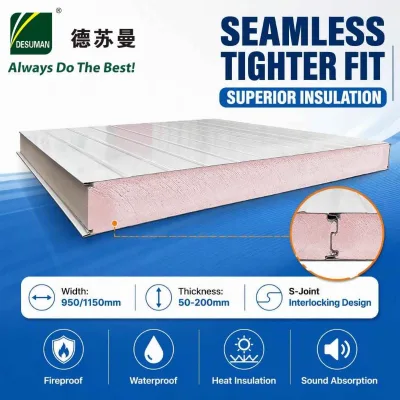
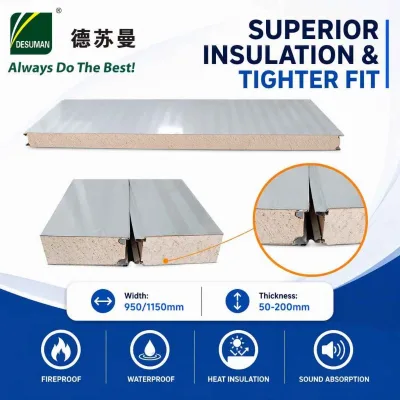
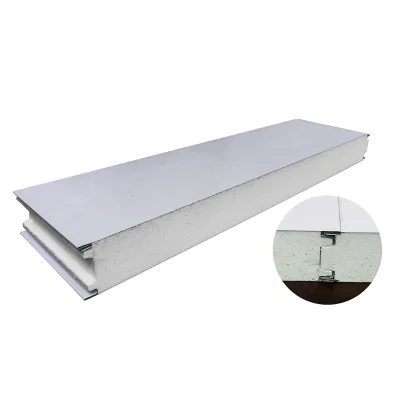
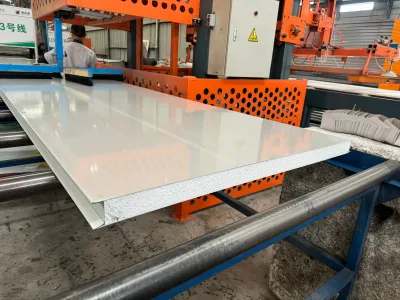
Compare products on the same basis: panel thickness options, width and length, board facings, core material, stated fire rating, sound insulation figures, and customization availability. One listing states a 610mm width, 2440mm or 2270mm lengths, and thicknesses from 60mm to 180mm; another covers 60mm to 150mm. These differences affect structural detailing and shipping volume, so normalize specifications before comparing prices. Also compare whether customization is available versus fixed configurations, whether OEM service is offered, and whether packing methods protect edges and surfaces during transit. Supplier main-product breadth matters too: a panel specialist is preferable when you need consistent core quality across repeated orders.
Common Fast Install Sandwich Panel Sourcing Risks
The most frequent risk in this category is specification drift between the quoted sample and volume production. Panels are sold under model numbers with stated thicknesses, facings, and core compositions, but the same model range can cover multiple thicknesses and board types, so a quotation that only names a model number is insufficient. Insist that proforma invoices repeat every attribute: thickness, width, length, facing board, core material, density where stated, fire rating, and packing method. Without this, disputes after arrival become arguments about intentions rather than documents.
Pricing and compliance risks follow. Quoted unit prices in current listings span roughly the high-single-digit to mid-teens dollar range per panel depending on specification, but treating the lowest price as comparable is a mistake when facing board, thickness, and certification scope differ. Confirm which certifications cover the shipped batch, not just the catalogue. A second risk is quantity minimums: MOQs around 300 units appear in current listings, and buyers planning mixed thicknesses for one project may find the combined order exceeds a practical single MOQ structure, forcing compromises. Finally, watch for traders presenting factory photos that are not their own; verifying the production address against the stated origin, as noted earlier, and requiring a pre-shipment inspection both reduce this exposure materially.
Fast Install Sandwich Panel Regional Sourcing and Logistics
Fujian province, with Xiamen as a recurring origin in this category's listings, functions as a practical sourcing base for cement and EPS sandwich panels, and the region's export orientation supports container consolidation. Jiangsu also appears among supplier locations, though its listed suppliers in these results lean toward cold room panels and refrigeration rather than construction wall panels, which illustrates why province-level sourcing decisions should follow product fit, not geography alone. When planning visits, group factory audits within one province to control travel time and compare curing, lamination, and cutting processes directly.
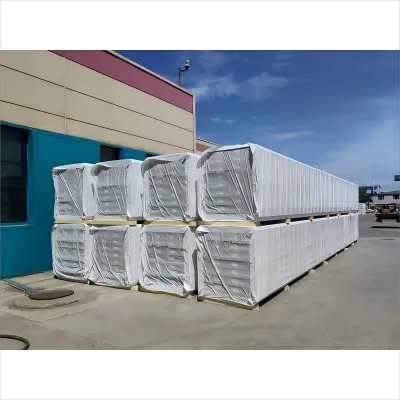
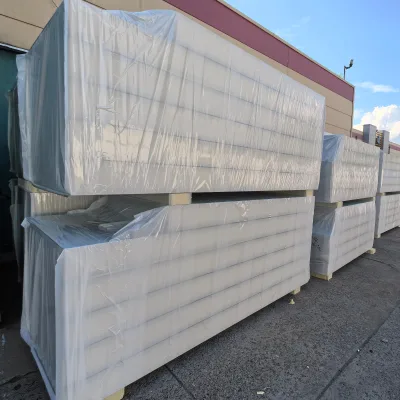
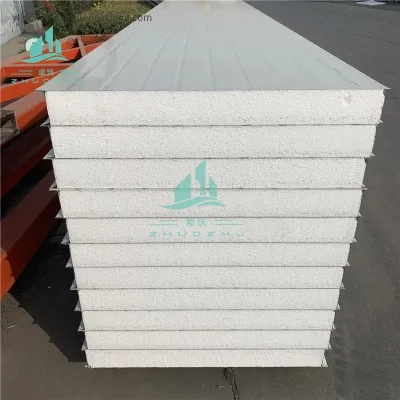
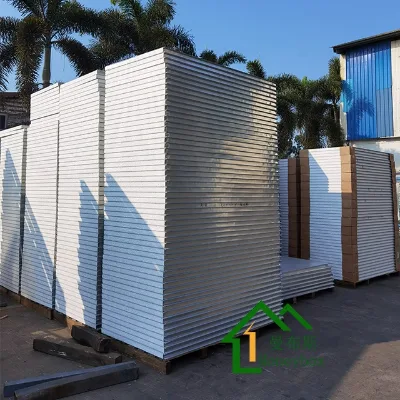
Logistics planning should account for panel dimensions and weight. Standard lengths near 2440mm and 2270mm with 610mm width stack efficiently into containers, but thickness choices change how many panels fit per load and therefore your landed cost per square meter. Packing matters as much as loading: current listings describe palletized packing with plastic film, edge protection, corner paper, and strapping, and you should specify these in the contract because sandwich panel edges and facing boards are vulnerable to transit damage. Confirm the quoted lead time covers production only or production plus booking and inspection time; the 38-day figure shown for one supplier should be treated as that supplier's production window, not a delivery promise to your port. Ask which nearby ports the factory ships from and whether inland haulage to port is included.
Fast Install Sandwich Panel Commercial Terms and Order Planning
Structure commercial terms around documented specifications and staged payment. Request quotations that itemize unit price by thickness and specification, packing cost, and loading quantity per container, then align payment milestones with verifiable checkpoints: deposit, post-production inspection approval, and balance against shipping documents. Where escrow or platform-protected payment is available, use it for first orders; it is not universally offered, so confirm per supplier rather than assuming it. Get the fire rating, standards, and material composition printed on the proforma invoice and referenced in any inspection brief.
Order planning should respect the MOQ and lead-time realities of the category. With MOQs near 300 panels appearing in current listings and production lead times around 38 days stated by one supplier, a project timeline needs to reserve at least that production window plus inspection, booking, and ocean transit before your installation date. Order samples of each thickness you intend to install, since facing quality and edge finish can differ across the 60mm to 180mm range. Confirm customization terms in writing where panels must match project dimensions, and agree on spares for breakage allowance. Finally, plan the second order early: if the first shipment passes inspection, reordering from a verified, responsive supplier shortens your next cycle considerably compared with restarting supplier evaluation.
Word count check: sections target 225–235 each; total approximately 1390 words.
FAQs
What is the price range for fast install sandwich panels?
Prices typically range from $7.80 to $16.78 per unit depending on specifications. Factors such as thickness, material composition, and certification requirements influence the final cost. Buyers should request detailed quotes to confirm exact pricing for their specific project needs and volume.
What is the minimum order quantity for these panels?
The minimum order quantity is generally set at 300 units. This threshold ensures efficient production and shipping logistics for suppliers. Buyers planning larger projects may benefit from negotiating volume discounts while maintaining the standard minimum requirement for initial orders.
How long does production and delivery take?
The standard lead time is approximately 38 days from order confirmation. This duration covers manufacturing, quality control, and packaging processes. Buyers should account for this timeline when planning construction schedules and coordinate with suppliers for expedited options if available.
What certifications are available for these sandwich panels?
Common certifications include ISO 9001, CE, SGS, and TUV. These validate quality management, safety standards, and material compliance. Buyers should verify specific certification requirements with suppliers to ensure the panels meet local building codes and project specifications.
Where are these panels manufactured?
Manufacturing locations are primarily in Fujian and Jiangsu provinces in China. These regions are known for construction material production. Buyers can verify specific factory locations during the sourcing process to assess logistics costs and supply chain reliability.
What materials are used in these panels?
Panels typically use EPS, cement, fly ash, and calcium silicon boards. These materials provide lightweight, fireproof, and thermal insulation properties. The specific composition varies by model, so buyers should review technical data sheets to confirm material suitability for their application.