Modern Solid Wood Interior Door Suppliers and Manufacturers
Compare 26 verified suppliers of Modern Solid Wood Interior Door from China Guangdong, Jiangsu, and Chongqing. Review response times, lead times, certifications, and pricing to source secure, sound-insulating doors for residential or hotel projects; review the available evidence before requesting comparable quotations from suitable candidates.
Updated
Suppliers List

Foshan Aqua Gallery Company Limited
- Verified by TUVRHEINLAND
- Combined
- China Guangdong
- Lead time15 days
- Avg. response≤ 3h
Main productsFaucets and Shower Mixers, Bathroom Cabinets, Bathtubs, Toilets and Basins, Mirrors and Mirror Cabinets, Shower Rooms, Kitchen Cabinets, Wardrobes, Interior Doors, TV Units&Other Cabinets
Main marketsSouth America,North America


Top Quality Oak Wooden Interior Doors Modern Internal Door Interior Door
$577.00 - $681.00
MOQ: 1 Pieces

Wuxi Artisanaura Joinery Co., Ltd.
- Verified by SGS
- Trading Company
- China Jiangsu
- Lead time15 days
- Avg. response≤ 4h
Main productsInterior Doors, Composite Door, Wooden Door, Entrance Doors, Wall Panel, Door Frame, WPC Door, MDF/HDF Door, PVC Door, Pivot Door
Main marketsSoutheast Asia/ Mideast,Australia

Chongqing Priority Home Furnishings Co., Ltd.
- Verified by SGS
- Trading Company
- China Chongqing
- Lead time23 days
- Avg. response≤ 1h
Main productsentrance door
Main marketsSoutheast Asia/ Mideast,Europe,North America

Shenzhen Ace Architectural Products Co., Limited
- Trading Company,Manufacturer/Factory
- China Guangdong
- Lead time23 days
- Avg. response≤ 9h
Main productsStaircase, Railing, Balustrade, Stainless Steel Balustrade, Stainless Steel Wire Balustrade, Stainless Steel Glass Balustrade, Glass Balustrade, Aluminum U Base Channel Glass Balustrade, Aluminum Balustrade, Aluminium Glass Balustrade
Main marketsSouth America,Eastern Europe,Mid East,North America,Southeast Asia,Eastern Asia,Oceania,Western Europe,Africa

- Verified by CTI
- Trading Company
- China Guangdong
- Lead time30 days
- Avg. response≤ 8h
Main productsStaircase, Raliing, Aluminum Doors and Windows, Interior and Exterior Door, Kitchen Cabinet, Wardrobe, Custom Whole-House Cabinet, Curtain Wall
Main marketsSoutheast Asia/ Mideast,Domestic,Europe,North America

Shandong Jinyuan Door Industry Co., Ltd.
- Verified by SGS
- Combined
- China Shandong
- Lead time15 days
- Avg. response≤ 1h
Main productsBedroom Door, Wood Door, Entrance Door
Main marketsAustralia
Foshan Grandsea Building Material Co., Ltd.
- Manufacturer, Trading Company
- Lead time旺季: "1 - 20":31,"21 - 100":45,"> 100":"To be negotiated", 淡季: "1 - 20":31,"21 - 100":45,"> 100":"To be negotiated"
- Avg. response≤ 4h
Main productsAluminum Window, Aluminum Door, Steel Door, Kitchen Cabinet, Wood Door
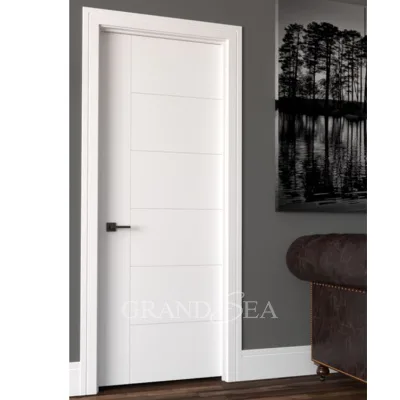
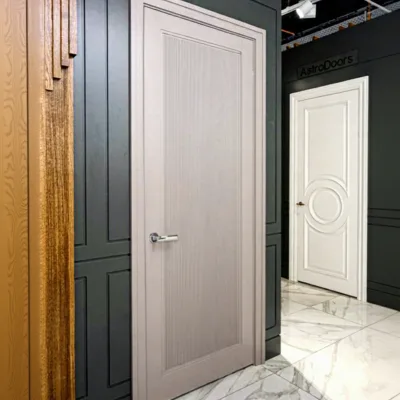
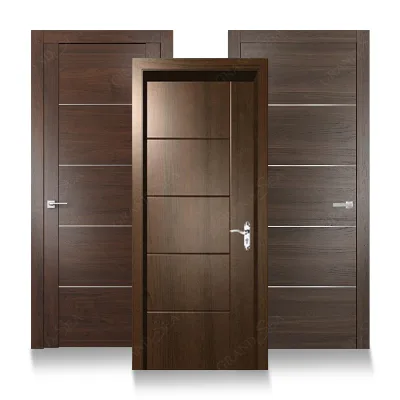
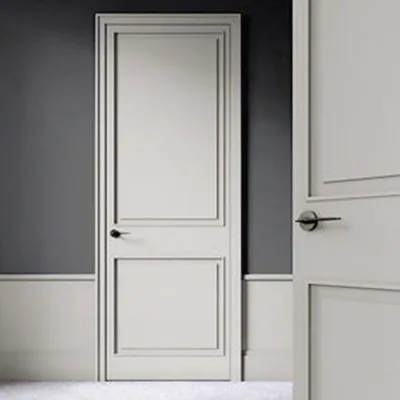
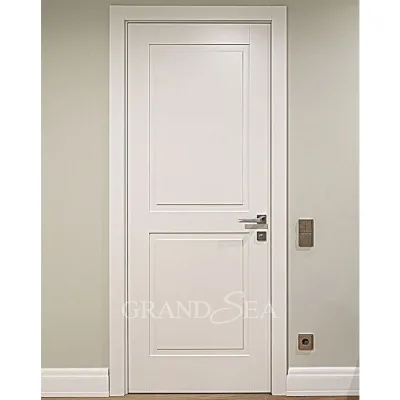
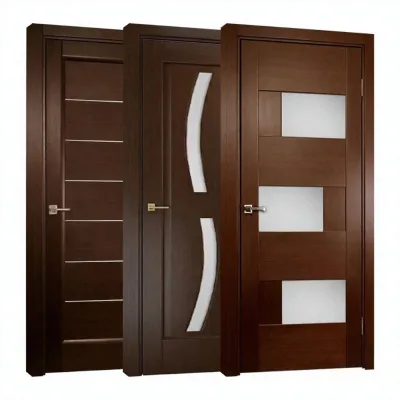
$23.1576 - $24.3859
MOQ: 5 square

Chongqing Yixinmao Industry and Trade Co., LTD
- Verified by SGS
- Trading Company
- China Chongqing
- Lead time30 days
- Avg. response≤ 5h
Main productsWooden Veneer Door, Interior Door, Wooden Lacquered Door, Wardrobe Closet, Kitchen Cabinet, Closet, Aluminum Widow, Wall Panel
Main marketsDomestic
Foshan LM Building Material Co., Ltd.
- Verified by Intertek
- Trading Company
- Lead time15 days
- Avg. response≤ 3h
Main productsAluminum Windows, Aluminum Doors, Steel Doors, Iron Doors, Garage Doors
Main marketsNorth America(40%), Africa(20%), Oceania(20%)

- Verified by BV
- Combined
- China Zhejiang
- Lead time30 days
- Avg. response≤ 10h
Main productsInterior Door, PVC Door, Wooden Door, MDF Door, WPC Door, Panel Door, Glasses Door
Main marketsSouth America,Africa,Domestic,Europe,North America

Guangdong Sinpolo Home Furnishings Group Co., Ltd.
- Verified by TUVRHEINLAND
- Manufacturer
- China Guangdong
- Lead time30 days
- Avg. response≤ 22h
Main productsAluminum Window, Aluminum Door, Wooden Door, Timber Door, Wallpaper, Sunroom

Zhejiang Kings Home Decor Co., Ltd.
- Verified by BV
- Combined
- China Zhejiang
- Lead time30 days
- Avg. response≤ 2h
Main productsDoors, Interior Doors, Wooden Doors, Veneer Doors, MDF PVC Doors, Solid Wood Doors, MDF Combined Doors, Melamine Doors
Main marketsNorth America
Chongqing Kangtelan Industry And Trade Co., Ltd.
- Manufacturer, Trading Company
- Chongqing, China
- Lead time0 days
- Avg. response≤ 8h
Main productscopper door,copper handrail,Metal door,Copper handle,Other ciopper fittings
Main marketsDomestic Market(20.00%), North America(20.00%), Southeast Asia(10.00%), Mid East(10.00%), Northern Europe(9.00%), Eastern Asia(8.00%), South America(5.00%), Eastern Europe(5.00%), Southern Europe(3.00%), Oceania(2.00%), South Asia(2.00%), Western Europe(2.00%), Africa(2.00%), Central America(2.00%)
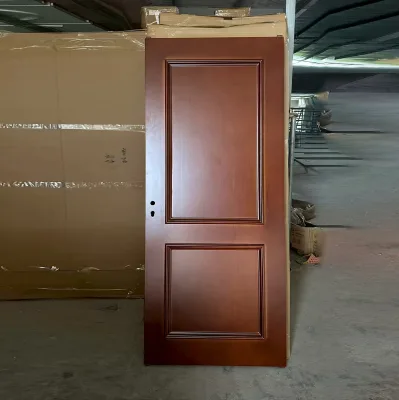
Modern Wood Doors, Interior Room Doors, Front Entry Doors, Paint Colors, Solid Wood.
$102.4198 - $112.7649
MOQ: 2 square
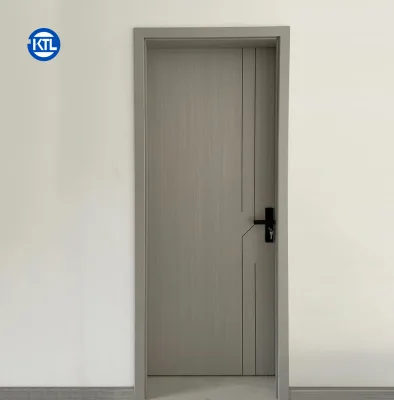
$92.0746 - $101.3846
MOQ: 2 square
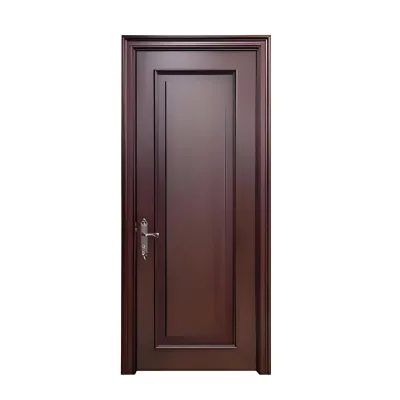
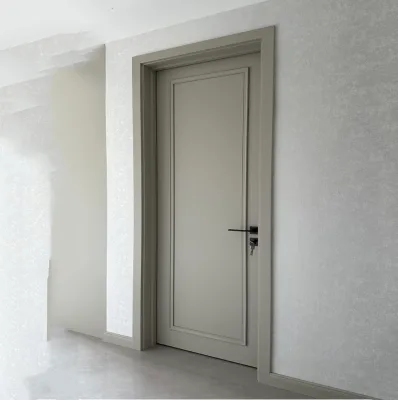
JWhite Primer Smooth 2 Panel Interior Solid Door with Sliding System - Top Square Design for
$90.9436 - $100.1398
MOQ: 2 square

MINQING FULITONG INDUSTRIAL AND TRADING CO., LTD.
- Trading Company,Manufacturer/Factory
- China Fujian
- Lead time23 days
- Avg. response≤ 15h
Main productsSteel Door, Security Door, Aluminum Door, Glass Door, Melamine Door, Fireproof Door, Stainless Door, Copper Door, America Steel Panel Door
Main marketsSouth America,Mid East,North America,Africa
Shandong Bastion Doors And Windows Co., Ltd.
- Verified by Intertek
- Manufacturer, Trading Company
- Lead time30 days
- Avg. response≤ 1h
Main productsFireproof Doors, Aluminum Window & Door

Foshan Kudas Household Products Co., Ltd.
- Verified by SGS
- Trading Company
- China Guangdong
- Lead time30 days
- Avg. response≤ 3h
Main productsWood Door, Steel Door, Aluminum Door, Iron Door, Metal Door, Aluminum Window, Staircase, Hardware, Interior Door, Exterior Door
Main marketsAustralia,North America

- Verified by CTI
- Trading Company,Manufacturer/Factory
- China Shanghai
- Lead time45 days
- Avg. response≤ 8h
Main productsVinyl/Lvt/Looselay/Dry Back/WPC Vinyl Floor, Engineered Wood/Hardwood Flooring/Wooden Floor, Spc Flooring/ABA Rigid Spc/ Wood Spc Flooring, WPC Decking/Wall Panel/Wall Cladding, Interior Door/Exterior Door/Fire Rated Door, Bamboo Floor/Laminate Floor/Parquet Floor, HDF Moulded Door/Wooden Door/Kitchen Cabinet, Cordless Drill, Angle Grinder, Electric Mixer
Main marketsSouth America,Eastern Europe,Mid East,North America,Southeast Asia,Eastern Asia,Oceania,Western Europe,Africa
Shenzhen Ace Architectural Products Co., Ltd.
- Verified by TüVRheinland
- Manufacturer, Trading Company
- Lead time35 days
- Avg. response≤ 2h
Main productsStairs, Railing, Window, Door
Main marketsNorth America(60%), Oceania(10%), Central America(10%)
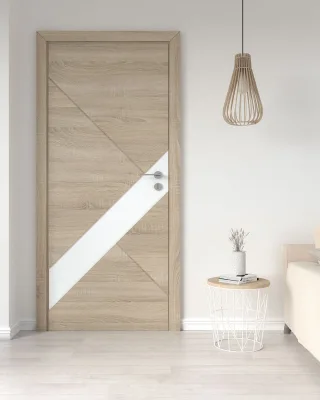
Economical Solid Wood Doors Interiors Wood Doors Interior Room for Hotel and Villa House
$75.00 - $181.00
MOQ: 10
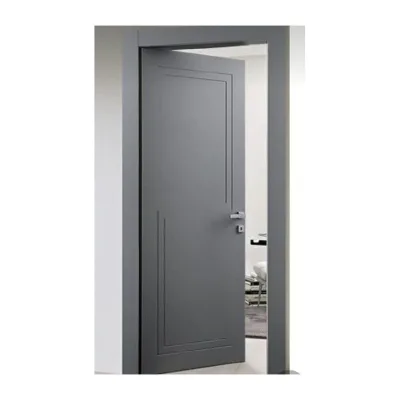
Internal Wooden House Interior Door for Houses Modern White Bedroom Interior Doors
$68.00 - $180.00
MOQ: 10
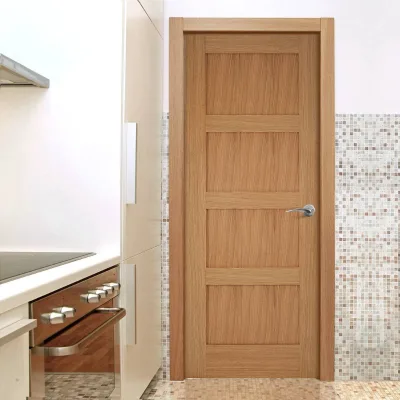
Prefabricated Solid Wood Door Wooden Interior Doors for House and Villa Apartment
$78.00 - $168.00
MOQ: 10
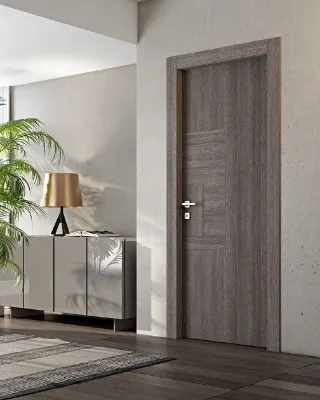
Teak Wooden Main Doors Entrance Solid Wood Doors Interior Room Doors for House
$68.00 - $180.00
MOQ: 10
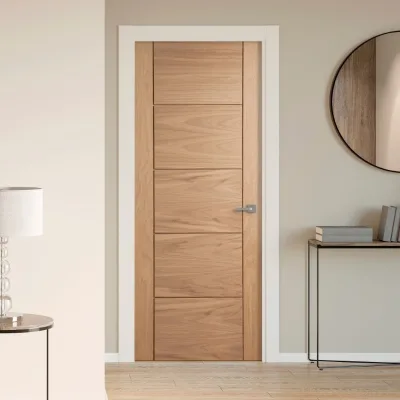
ACE Modern Design Customized Natural Solid Wood Doors Interiors Slab Doors for Houses
$76.00 - $110.00
MOQ: 10
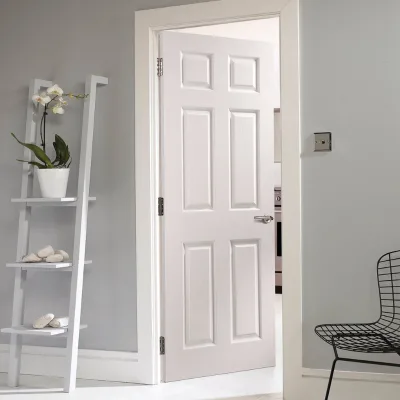
Deqing Deke Wood Industry Co., Ltd.
- Verified by TüVRheinland
- Trading Company
- Lead time35 days
- Avg. response≤ 2h
Main productsShaker Door, Moulded Door, Glass Door, Bifold Door
Main marketsSoutheast Asia(45%), North America(20%), Oceania(15%)

Sichuan Housedoor International Trade Co., Ltd
- Verified by SGS
- Trading Company,Manufacturer/Factory,Group Corporation,Other
- China Sichuan
- Lead time45 days
- Avg. response≤ 3h
Main productsDoor, Window, Door Handle, Window Handle, Smart Home, Smart Lock, Aluminum Profile, Printed Steel Plate, Hotel Smart Lock, Hotel System
Main marketsSouth America,Eastern Europe,Mid East,North America,Southeast Asia,Eastern Asia,Oceania,Western Europe,Africa

Chongqing Zejiahui Home Furnishings Co., Ltd
- Verified by SGS
- Manufacturer/Factory
- China Chongqing
- Lead time23 days
- Avg. response≤ 2h
Main productsWooden Door, PVC Door, Glass Door, Metal Door, Door Hardware, Aluminum Windows, WPC Door, Gate
Main marketsSouth America,Eastern Europe,Mid East,North America,Southeast Asia,Eastern Asia,Oceania,Western Europe,Africa
Dongguan Brilliant Doors And Windows Co., Ltd.
- Trading Company
- Guangdong, China
- Lead time15 days
- Avg. response≤ 3h
Main productsgarage doors,aluminum doors and windows,security entrance doors,wrought iron doors,roller shutters
Main marketsNorth America(40.00%), Western Europe(20.00%), Mid East(20.00%), Eastern Europe(20.00%)
Dalian Jinqiao Wood Industry Co., Ltd.
- Verified by SGS Group
- Manufacturer, Trading Company
- Lead time30 days
- Avg. response≤ 1h
Main productsInterior Door, Wardrobe, Kitchen Cabinet, Bath Cabinet, Wallboard
Main marketsDomestic Market(80%), North America(9%), Oceania(4%)
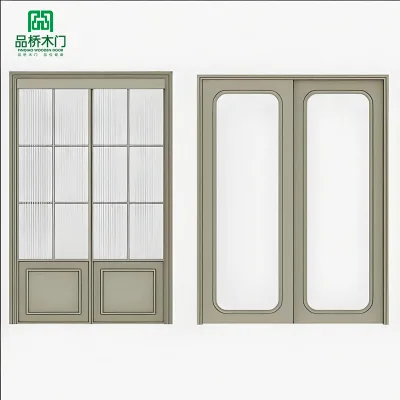
$120.0063 - $129.3178
MOQ: 2 sets
Yongkang Jiahua Electronic & Mechanical Co., Ltd.
- Verified by SGS Group
- Manufacturer, Trading Company
- Lead time10 days
- Avg. response≤ 3h
Main productsWooden Door, Pivot Doors, WPC Doors, American Steel Doors, Security Doors
Main marketsNorth America(20%), South America(20%), Central America(15%)
Henan Evereco Technology Co., Ltd.
- Verified by SGS Group
- Trading Company
- Lead time15 days
- Avg. response≤ 3h
Main productsDoor, Whole-house Customization, Furniture
Main marketsNorth America(60%), Africa(40%)
Foshan City Jbd Home Building Material Co., Ltd.
- Verified by Intertek
- Trading Company
- Lead time30 days
- Avg. response≤ 3h
Main productsEntry Door, Security Door, Interior Door, Pivot Door, Fire Door
Main marketsNorth America(30%), South America(10%), Africa(10%)


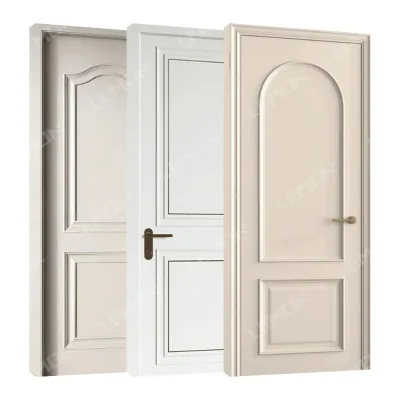
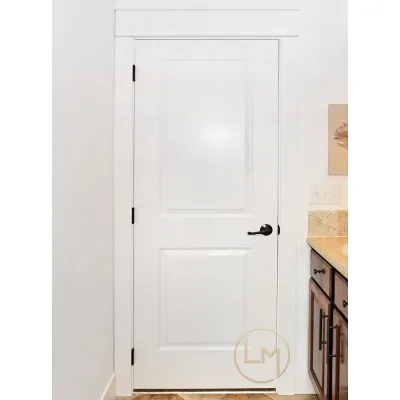
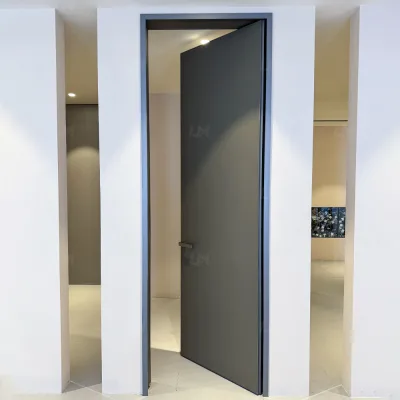


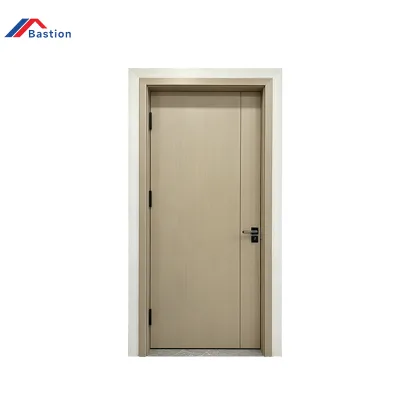




Comprehensive Sourcing Guide
Modern Solid Wood Interior Door Supplier Concentration and Factory Types
The current supplier landscape for modern solid wood interior doors reveals a distinct geographic and structural diversity that buyers must navigate carefully. Evidence indicates that manufacturing capabilities are concentrated in specific Chinese provinces, with Guangdong and Jiangsu emerging as primary hubs for production. Suppliers located in Guangdong, China, often present as combined entities capable of handling both trading and manufacturing operations, which can streamline communication for international buyers. These Guangdong-based suppliers frequently list a broad range of bathroom and interior furniture products alongside doors, suggesting a diversified manufacturing ecosystem. In contrast, suppliers in Jiangsu, China, are identified primarily as trading companies, which may offer a different value proposition focused on aggregation and logistics rather than direct factory output. A third cluster in Chongqing, China, appears to specialize in entrance doors, indicating that regional specialization exists even within the broader interior door category. Understanding these location-based distinctions is critical for assessing whether a supplier is a direct manufacturer or a middleman, as this impacts pricing structures, customization flexibility, and quality control processes. Buyers should prioritize suppliers whose stated company type aligns with their specific sourcing strategy, whether that requires direct factory engagement or the convenience of a trading partner.
Factory types also vary significantly in their operational focus and product offerings. Some suppliers are equipped for both OEM and ODM services, allowing for substantial customization of door designs, materials, and finishes. This capability is particularly relevant for buyers seeking unique modern aesthetics or specific security features. The presence of combined company types suggests that some entities can manage the entire supply chain from raw material sourcing to final delivery, reducing the complexity for the buyer. However, trading companies may offer access to a wider variety of styles and models from multiple factories, providing greater choice but potentially less direct oversight of the manufacturing process. The main products listed by suppliers often include not just doors but also related items like cabinets, mirrors, and shower rooms, which can be advantageous for buyers looking to consolidate orders. Nevertheless, buyers must verify the specific expertise of each supplier regarding solid wood doors, as general furniture manufacturers may not possess the specialized knowledge required for high-quality door production. The distinction between a specialized door manufacturer and a general furniture trader is crucial for ensuring that the final product meets the required standards for durability, finish, and structural integrity.
How to Verify Modern Solid Wood Interior Door Suppliers
Verification is a critical step in mitigating risk when sourcing modern solid wood interior doors from international suppliers. Buyers should prioritize suppliers who have undergone third-party verification processes, as this provides an additional layer of confidence in their legitimacy and operational capacity. For instance, some suppliers in the current results are verified by TÜV Rheinland, a globally recognized testing and certification body. This verification often involves on-site inspections of manufacturing facilities, quality management systems, and business practices. Other suppliers may hold certifications from SGS, another leading inspection and certification company. These credentials serve as tangible evidence that the supplier has met specific standards for business integrity and product quality. Buyers should actively look for these verification badges on supplier profiles and request copies of the verification reports to understand the scope of the audit. It is important to note that not all suppliers will display such certifications, and the absence of a badge does not necessarily indicate a lack of quality, but it does require more diligent due diligence from the buyer.
Beyond third-party verification, buyers should assess the supplier's response time and communication efficiency as indicators of their professionalism and reliability. Response times vary among suppliers, with some demonstrating rapid engagement capabilities while others may take longer to reply. A quick response time can be a positive signal, suggesting that the supplier has dedicated customer service teams and is attentive to buyer inquiries. However, buyers should also evaluate the quality and detail of the responses, not just the speed. Suppliers who provide comprehensive answers regarding product specifications, customization options, and production processes are likely more reliable than those who offer vague or delayed replies. Additionally, buyers should verify the supplier's main products to ensure they have specific expertise in modern solid wood interior doors rather than just general furniture. Checking the supplier's history and track record, if available, can also provide insights into their consistency and reliability. By combining verification badges, response time analysis, and product expertise assessment, buyers can build a more accurate picture of a supplier's credibility and suitability for their sourcing needs.
What to Compare Across Modern Solid Wood Interior Door Suppliers
When evaluating multiple suppliers for modern solid wood interior doors, buyers must compare several key dimensions to identify the best fit for their specific requirements. One critical factor is the minimum order quantity (MOQ), which can vary significantly between suppliers. Some suppliers may offer low MOQs, such as one set, which is ideal for small projects or sample testing, while others may require higher quantities, such as ten sets, which can be more suitable for larger bulk orders. Understanding the MOQ is essential for budgeting and inventory planning, as it directly impacts the total cost per unit and the feasibility of the order. Buyers should also compare the lead times, which indicate how long it takes for the supplier to produce and deliver the goods. Lead times can range from fifteen days to thirty days or more, depending on the complexity of the order and the supplier's current production capacity. Shorter lead times may be crucial for projects with tight deadlines, while longer lead times might allow for more customization or lower prices.
Another important aspect to compare is the price range and the specific attributes of the products offered. Prices for modern solid wood interior doors can vary based on materials, design complexity, and customization options. Buyers should look at the price ranges provided by different suppliers to understand the market average and identify outliers. Additionally, comparing product attributes such as material type (e.g., solid wood, timber, oak), style (e.g., modern, classic), and special functions (e.g., security, fire resistance) is essential to ensure the product meets the project's specifications. Some suppliers may offer customizable standards and packing options, which can be beneficial for buyers with specific logistical or branding needs. Response times and after-sales service offerings, such as online technical support, should also be considered as part of the overall value proposition. By systematically comparing these factors, buyers can make informed decisions that balance cost, quality, and service, ensuring they select a supplier who can deliver the desired outcome within their constraints.
Common Modern Solid Wood Interior Door Sourcing Risks
Sourcing modern solid wood interior doors from international suppliers involves several potential risks that buyers must proactively manage to ensure a successful procurement process. One significant risk is the discrepancy between the product samples and the final bulk production. While suppliers may provide high-quality samples that meet all specifications, the mass-produced items may differ in terms of material quality, finish, or dimensions. This risk is particularly relevant for solid wood doors, where natural variations in wood grain and color can affect the final appearance. Buyers should clearly communicate their quality expectations and request detailed product specifications, including material grades and finishing standards, to minimize this risk. Additionally, buyers should consider ordering pre-shipment inspections to verify that the bulk production matches the approved samples. This step can help identify any deviations early in the process, allowing for corrective actions before the goods are shipped.
Another common risk is the potential for delays in delivery, which can disrupt project timelines and incur additional costs. Lead times provided by suppliers are estimates and may not always be met due to various factors such as raw material shortages, production bottlenecks, or logistical issues. Buyers should maintain open communication with their suppliers and request regular updates on the production status to stay informed of any potential delays. It is also advisable to include penalty clauses in the contract for late deliveries, although this may not always be feasible depending on the supplier's policies. Furthermore, buyers should be aware of the risks associated with customization, as complex designs or non-standard sizes can increase the likelihood of errors and delays. Clear and detailed technical drawings and specifications are essential to ensure that the supplier understands the requirements accurately. By anticipating these risks and implementing appropriate mitigation strategies, buyers can reduce the likelihood of negative outcomes and ensure a smoother sourcing experience.
Modern Solid Wood Interior Door Regional Sourcing and Logistics
The geographic location of suppliers plays a crucial role in determining logistics costs, delivery times, and overall supply chain efficiency for modern solid wood interior doors. Suppliers located in Guangdong, China, benefit from proximity to major ports and established logistics infrastructure, which can facilitate faster and more cost-effective shipping to international destinations. This region is known for its robust manufacturing ecosystem, which can support large-scale production and efficient export processes. Buyers sourcing from Guangdong-based suppliers may experience shorter transit times and potentially lower freight costs, especially for shipments to regions with strong trade links to southern China. However, buyers should also consider the specific port of loading and the availability of direct shipping routes to their destination, as these factors can significantly impact logistics performance.
In contrast, suppliers in Jiangsu and Chongqing, China, may have different logistical advantages and challenges. Jiangsu, located in eastern China, also has access to major ports and is well-connected to global trade routes, making it a viable option for international sourcing. Chongqing, situated in southwestern China, may offer different logistical considerations, particularly for buyers sourcing from or shipping to inland regions. The distance from major ports may result in longer transit times and higher logistics costs for Chongqing-based suppliers. Buyers should evaluate the total landed cost, including freight, insurance, and customs duties, when comparing suppliers from different regions. Additionally, buyers should consider the supplier's experience with international shipping and their ability to handle export documentation and compliance requirements. Choosing a supplier with strong logistical capabilities can help ensure that the goods arrive on time and in good condition, minimizing disruptions to the project schedule.
Modern Solid Wood Interior Door Commercial Terms and Order Planning
Effective order planning and clear commercial terms are essential for a successful sourcing experience when purchasing modern solid wood interior doors. Buyers should carefully review the payment terms offered by suppliers, including deposit requirements and balance payment schedules. Common terms may involve a percentage of the total order value paid upfront as a deposit, with the remainder due upon completion of production or before shipment. Buyers should negotiate terms that align with their cash flow needs and risk tolerance, ensuring that they have sufficient leverage to ensure quality and timely delivery. Additionally, buyers should clarify the Incoterms used for the transaction, such as FOB, CIF, or DDP, as this determines who is responsible for shipping costs, insurance, and customs clearance. Understanding these terms is crucial for accurate cost estimation and risk allocation.
Packaging and standard specifications are also important commercial considerations that can impact the final product quality and logistics efficiency. Suppliers may offer various packaging options, such as cardboard, plastic bags, and wooden crates, to protect the doors during transit. Buyers should specify their preferred packaging requirements to ensure that the products arrive without damage. Furthermore, buyers should confirm the product standards and certifications required for their market, as these can vary by region. Some suppliers may offer customized standards to meet specific regulatory requirements, while others may adhere to international standards. Buyers should verify that the supplier can provide the necessary documentation, such as certificates of origin and material safety data sheets, to facilitate customs clearance. By establishing clear commercial terms and planning for logistics and compliance early in the process, buyers can minimize surprises and ensure a smooth transaction from order placement to final delivery.
FAQs
What is the price range for modern solid wood interior doors?
Prices typically range from $18.50 to $685.00 per unit depending on material and customization. Suppliers in Guangdong offer higher-end options around $600-$685, while Jiangsu manufacturers provide budget-friendly choices starting at $18.50. Final costs depend on specific model selections and order volume.
What is the minimum order quantity for these doors?
Minimum order quantities vary by supplier location and product type. Guangdong suppliers often accept orders as low as 1 set, making them suitable for small projects. In contrast, Jiangsu-based manufacturers typically require a minimum of 10 units. Buyers should verify specific MOQs with individual suppliers before placing orders.
How long does delivery take for interior wooden doors?
Lead times generally range from 15 to 30 days. Some Guangdong suppliers list a standard lead time of 15 days, while specific product listings indicate delivery within 30 days. Jiangsu manufacturers also offer delivery windows of 15-30 days. Chongqing suppliers may require up to 23 days for production.
Are these doors customizable for specific project needs?
Yes, customization is widely available across most suppliers. Manufacturers in Guangdong and Jiangsu explicitly state that customization options are available for materials, sizes, and styles. Buyers can request specific dimensions, finishes, or security features. It is advisable to confirm customization details and any associated costs directly with the supplier.
What certifications do these suppliers hold?
Verification status varies by supplier. Some Guangdong suppliers are verified by TÜV Rheinland, while Jiangsu manufacturers hold SGS verification. Suppliers in Chongqing currently show no listed system certifications. Buyers requiring specific quality standards should verify certification details directly with the supplier before finalizing procurement agreements.
Where are these solid wood doors manufactured?
Manufacturing locations include Guangdong, Jiangsu, and Chongqing in China. Guangdong suppliers specialize in combined manufacturing with diverse product lines. Jiangsu manufacturers focus on trading and various door types. Chongqing suppliers offer specialized entrance doors. Buyers can filter results by location to align with logistics preferences or regional sourcing strategies.