Multi-Function Matching Game Board Suppliers and Manufacturers
Compare 26 verified suppliers offering Multi-Function Matching Game Board options with varying lead times, MOQs, and certifications. Review response times and customization capabilities to select the right partner for your needs; review the available evidence before requesting comparable quotations from suitable candidates.
Suppliers List

- Verified by TUVRHEINLAND
- Trading Company
- China Hunan
- Lead time15 days
- Avg. response≤ 3h
Main productsPlaying Cards, Game Card, Tarot Cards, Educational Cards, Flash Cards, Board Game, Affirmation Cards, Calendar Printing, Paper Bag Printing, Fridge Magnet
Main marketsAfrica,Southeast Asia/ Mideast,Europe,Australia,North America

Manufacturer Custom Design Fun Playmat Card Game Family Multi Game Board
$0.18 - $0.41
MOQ: 1000 Pieces

Custom Intellectual Board Game New Products Intelligent Board Games Custom Boardgame Board
$0.18 - $0.42
MOQ: 1000 Pieces

Shanghai Yini Printing Co., Ltd.
- Verified by SGS
- Trading Company
- China Shanghai
- Lead time15 days
- Avg. response≤ 1h
Main productsPaper Gift Box, Custom Paper Box, Cosmetic Box, Corrugated Box, Paper Bag, Folding Box, Magnetic Box, Drawer Box, Mailer Box, Shipping Box
Main marketsDomestic

Customized Board Game Card Offer Various Thickness for Varied Table Game Application
$0.20 - $2.30
MOQ: 2000 Pieces

Customized Board Game Card Apply Matte Lamination for Comfortable Game Experience
$0.20 - $2.30
MOQ: 2000 Pieces
- Verified by CTI
- Trading Company
- China Zhejiang
- Lead time30 days
- Avg. response≤ 10h
Main productsCard Game, Board Game, Educational Games, Puzzles, Board Book, Family Game, Children Toys, Paper Crafts
Main marketsEurope

Ningbo Shone Med-Tech Co., Ltd.
- Verified by SGS
- Trading Company,Manufacturer/Factory,Group Corporation
- China Zhejiang
- Lead time23 days
- Avg. response≤ 4h
Main productsWooden Games, Wooden Toys, Bingo Games, Wooden Sport Items, Wooden Box
Main marketsSouth America,Eastern Europe,Mid East,North America,Southeast Asia,Eastern Asia,Oceania,Western Europe,Africa
Shenzhen Huitongchuang Trade Co., Ltd.
- Trading Company
- Guangdong, China
- Lead time0 days
- Avg. response≤ 3h
Main productsMonitor,Monitor Cabinet,Main Board
Main marketsSouth America(50.00%), North America(40.00%), Southern Europe(10.00%)
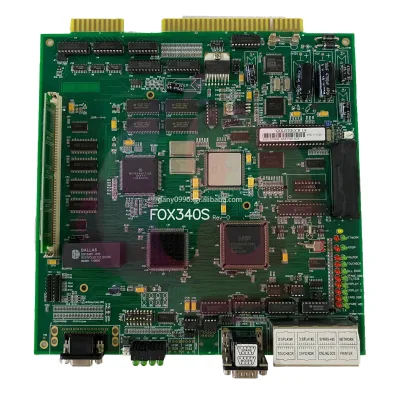
Game Board Custom Monopoly Board Game China Manufacturer Fox340s Gold Touch Board Game Making
$292.27 - $297.39
MOQ: 2 pieces
- Manufacturer/Factory
- China Guangdong
- Lead time0 days
- Avg. response≤ 14h
Main productsSlot Game Machine, Slot Game Board, Software Development, Skill Game Board, Skill Game Machine Board, Reel Game

$1695.00 - $1995.00
MOQ: 1 Pieces

Amusement Game Machine Board Newest Technology Multi-Player Support System Custom Game Development
$1695.00 - $1995.00
MOQ: 1 Pieces

Arcade Game Board New Trending Design for Entertainment Centers Multi-Game Card System Support
$1695.00 - $1995.00
MOQ: 1 Pieces


Video Machine Game Board Brand New Design Original Game Development Support Multi-Language Interface
$1695.00 - $1995.00
MOQ: 1 Pieces

$1695.00 - $1995.00
MOQ: 1 Pieces
Guangzhou Guider Technology Co., Ltd.
- Manufacturer, Distributor/Wholesaler
- Guangdong, China
- Lead time3 days
- Avg. response≤ 1h
Main productsFishing Game,Skill Game,Game Software,Online Game,Game Cabinet
Main marketsNorth America(80.00%), South America(10.00%), South Asia(1.00%), Southern Europe(1.00%), Northern Europe(1.00%), Central America(1.00%), Western Europe(1.00%), Eastern Asia(1.00%), Mid East(1.00%), Oceania(1.00%), Southeast Asia(1.00%), Eastern Europe(1.00%)
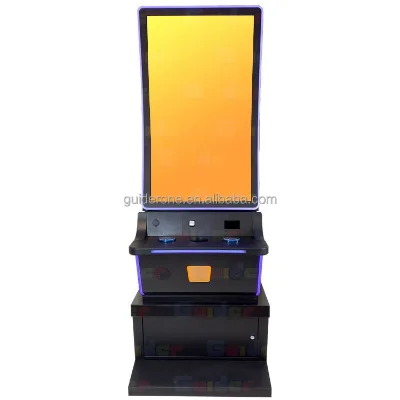
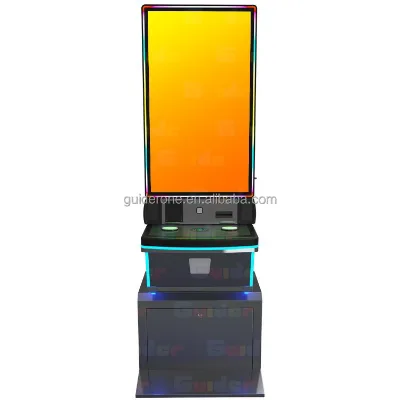
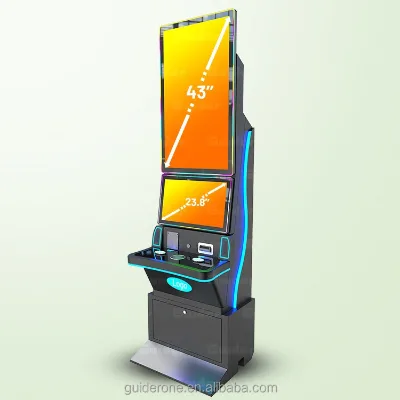
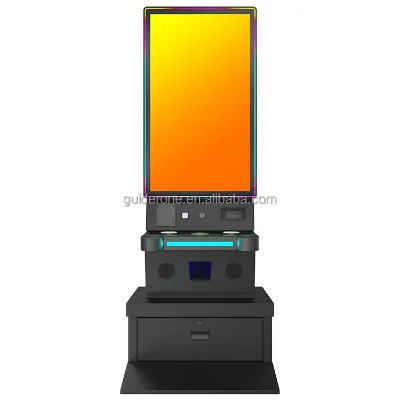
2026 Hot Selling 43" Curved Screen Game Cabibet 8 Liner Games Multi 8 in 1 Skill Game Board for Sale
$304.71 - $1625.11
MOQ: 1 Minimum
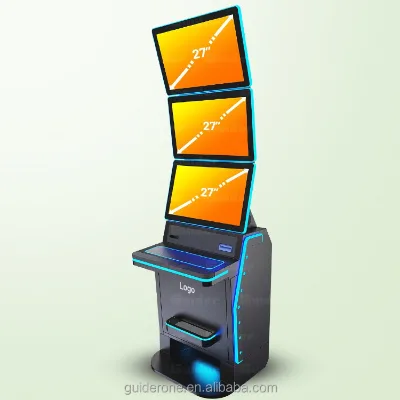
$300.00 - $1600.00
MOQ: 1 Minimum

Guangzhou Yangming Entertainment Products Co., LTD
- Verified by SGS
- Trading Company
- China Guangdong
- Lead time15 days
- Avg. response≤ 4h
Main productsCasino Table, Poker Chip, Gambling Table, Casino Playing Cards, Card Shuffler, Dealer Shoe, Casino Table Layout, RFID Casino Chips, Casino System Software, Chips Tray
Main marketsSoutheast Asia/ Mideast,Australia,North America

- Verified by TUVRHEINLAND
- Trading Company
- China Zhejiang
- Lead time15 days
- Avg. response≤ 11h
Main productsWooden Toy, Outdoor Product, Kitchen Item, Personal Care Tool, Painting Set, Disk Rack, Yoga, Garden
Main marketsSouth America,Europe,North America
HUIZHOU STX IMPORT AND EXPORT CO., LTD.
- Verified by BV
- Combined
- China Guangdong
- Lead time23 days
- Avg. response≤ 3h
Main productsBilliad Table
Main marketsSouth America,Africa,Southeast Asia/ Mideast,East Asia(Japan/ South Korea),Europe,Australia,North America

- Trading Company,Manufacturer/Factory
- Hongkong_China Hongkong
- Lead time23 days
- Avg. response≤ 4h
Main productsCustom Paper Puzzle, Packaging Box, Books/Magazine, PU Album, Plastic Ziplock Bag, Paper Bag, Photo Frame, Board Game
Main marketsSouth America,Eastern Europe,North America,Southeast Asia,Eastern Asia,Oceania,Western Europe,Africa

Customized Board Game Educational Custom Game Board From China Manufacturer Board Game
$2.19 - $5.19
MOQ: 500 set

Custom High Quality Foldable Game Board for Adult Family Party Entertainment Boardgame with Box
$2.19 - $5.19
MOQ: 500 set

Ningbo Yinzhou Wenhui Paper Co., Ltd.
- Verified by TUVRHEINLAND
- Manufacturer/Factory
- China Zhejiang
- Lead time45 days
- Avg. response≤ 10h
Main productsStationery Gifts Promotional Homeware, Pen, Pet Products, Board Game, Paper Tube, Notebook, Wooden Toys, DIY Toy, Puzzle, Gift Bag
Main marketsSouth America,Eastern Europe,Mid East,North America,Southeast Asia,Eastern Asia,Oceania,Western Europe,Africa

Customized Board Game Educational Custom Game Board From China Manufacturer Board Game
$0.90 - $2.80
MOQ: 500 Pieces


Pretty and Colourful Board Game Custom Manufacturer Board Game Design Your Own Board Game
$0.90 - $2.80
MOQ: 500 Pieces

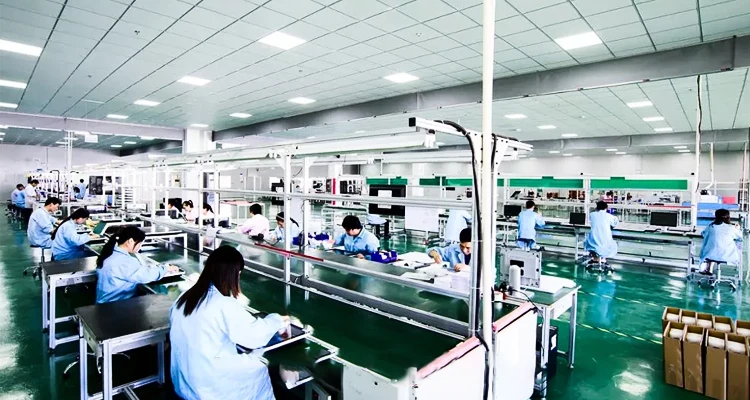
Guangzhou Gold Tiger Monitors Technology Co., Ltd.
- Distributor/Wholesaler, Business Service (Transportation, finance, travel, Ads, etc), Other
- Guangdong, China
- Lead time3 days
- Avg. response≤ 1h
Main productsTouch Monitor,Touch Screen,infrared touch,SKill Game Cabinet,Fish Game Cabinet
Main marketsSouth America(30.00%), North America(30.00%), Central America(10.00%), Eastern Europe(10.00%), Western Europe(3.00%), Oceania(3.00%), Southern Europe(3.00%), Northern Europe(2.00%), Southeast Asia(2.00%), Mid East(2.00%), South Asia(2.00%), Domestic Market(1.00%), Eastern Asia(1.00%), Africa(1.00%)
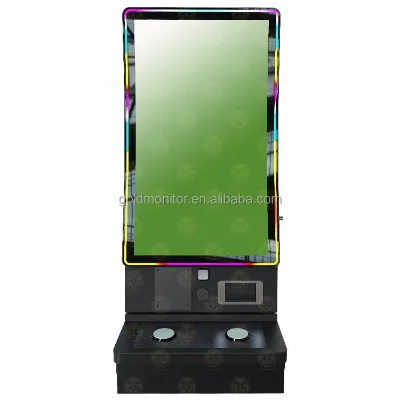
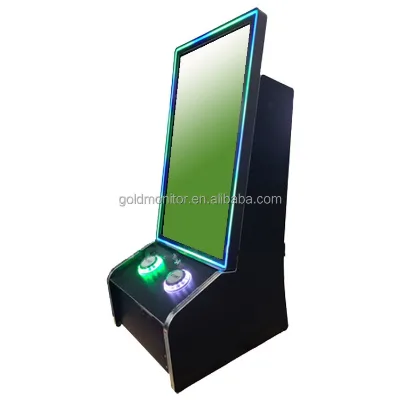
$300.00 - $1600.00
MOQ: 1 Minimum
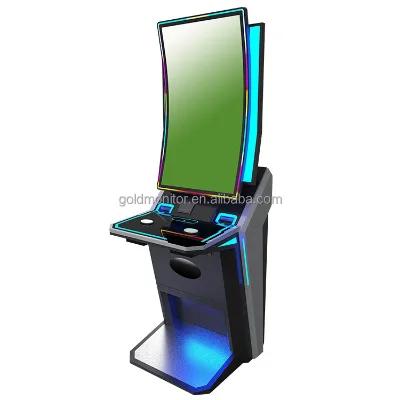
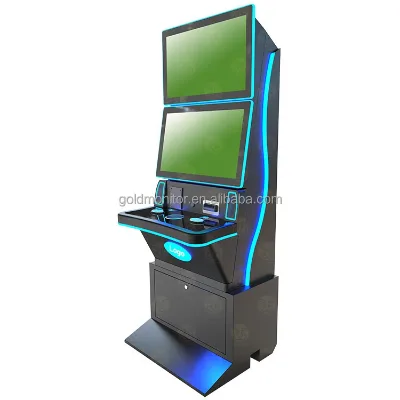

Shantou Chenghai Xaqi Toys Industrial Co., Limited
- Verified by BV
- Combined
- China Guangdong
- Lead time23 days
- Avg. response≤ 4h
Main productsRemote Control Car, Educational Toy, Sport Toy, Pretend Play Toys, Remote Contro Toy, Baby Toy, Summer Toy, B/O Toy
Main marketsSoutheast Asia/ Mideast,Domestic,Europe

GUANGZHOU TIMI PRINTING CO., LTD
- Verified by SGS
- Combined
- China Guangdong
- Lead time15 days
- Avg. response≤ 7h
Main productsHardcover Book, Paperback Book, Jigsaw Puzzles, Board Book, Activity Book, Casebound Book, Stickers Book, Coloring Book, Planner, Notebook
Main marketsEurope,North America

Shenzhen Grandtop Electronics Co., Ltd.
- Trading Company,Manufacturer/Factory
- China Guangdong
- Lead time30 days
- Avg. response≤ 13h
Main productsPCB Assembly, Robotic Control PCB Assembly, Industrial Control PCBA, Medical PCBA, Financial PCBA, Contract Manufacturer, Automatic Control PCB Assembly, OEM &ODM PCBA, Turnkey Service PCBA, One Stop PCB Assembly
Main marketsSouth America,Eastern Europe,Mid East,North America,Southeast Asia,Eastern Asia,Western Europe,Africa

Shenzhen Zhongkemei Digital Technology Co., Ltd
- Verified by SGS
- Combined
- China Guangdong
- Lead time15 days
- Avg. response≤ 4h
Main productsTouch Screen Kiosks, Self Service Kiosks, Payment Kiosks, Touch Table, Smart Touch Screen Table, Inquire Kiosk, Advertising Display, Face Recognition Device, Touch Screen All in One PC, Digital Signage Player
Main marketsAfrica,Southeast Asia/ Mideast,East Asia(Japan/ South Korea),Domestic,Europe,Australia,North America


Factory Wholesale 43 Inch Multi Touch Interactive Learning Game Play Table
$548.00 - $569.00
MOQ: 1 Sets

GUANGZHOU MIYI PRINTING CO., LTD
- Verified by BV
- Trading Company,Manufacturer/Factory
- China Guangdong
- Lead time0 days
- Avg. response≤ 9h
Main productsBook Printing, Custom Magazine, Catalog, Paper Bag, Paper Box, Packageing Box, Toy Box, Sticker, Label, School Supplies
Main marketsSouth America,Eastern Europe,Mid East,North America,Southeast Asia,Eastern Asia,Oceania,Western Europe,Africa

Guangzhou Hanzhijun Electronic Technology Co., Ltd.
- Manufacturer
- China Guangdong
- Lead time15 days
- Avg. response≤ 7h
Main productsGame Machine, Arcade Game Machine, Amusement Machine, Slot Game Machine, Fishing Hunter Game Machine, Kids Amusement Machine, Toy Crane Claw Gift Machine
Main marketsNorth America

Most Popular 43 Inch Cabinet Multi Link Game Board Game Machine Cabinet
$350.00 - $450.00
MOQ: 1 Pieces

23.6/22 Inch Dual Screen Game Cabinets Double Screen Game Board for Sale
$140.00 - $220.00
MOQ: 1 Pieces

Shenzhen BOSN Display Co., Ltd.
- Verified by SGS Group
- Manufacturer, Trading Company
- Lead time20 days
- Avg. response≤ 2h
Main productsAcrylic Podium, Acrylic Table, Acrylic Chair, Acrylic Display, Acrylic Box
Main marketsNorth America(35%), Western Europe(20%), Oceania(10%)
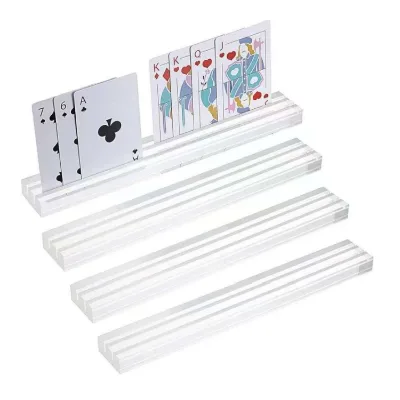
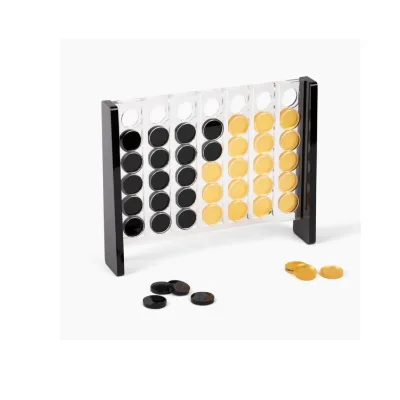
Acrylic 4 in a Row Game-Modern Eco-Friendly Classic Board Outdoor Games Unique Four in a Row Display
$12.90 - $13.90
MOQ: 100 pieces
Eonjoy Plastics (Guangzhou) Co., Ltd.
- Trading Company
- China Guangdong
- Lead time0 days
- Avg. response≤ 1h
Main productsAcrylic Display, Acrylic Photo Frame, Acrylic Cosmetic Display, Artifact in Resin, Lucite Tray, Transparent Storage Box, Acrylic Box

Standard Wooden Game Board for Chess Checkers Backgammon Home Tournament Use
$45.50 - $49.50
MOQ: 1 Pieces


Huizhou Double-Star Sports Goods Co., Ltd.
- Combined
- China Guangdong
- Lead time45 days
- Avg. response≤ 10h
Main productsSnooker Table, Air Hockey Table, Pool Table, Soccer Table
Main marketsEurope,Australia,North America

Guangzhou Miracle Intelligent Technology Co., Ltd.
- Verified by TUVRHEINLAND
- Manufacturer/Factory
- China Guangdong
- Lead time15 days
- Avg. response≤ 3h
Main productsGame Machine, Game Board, Skill Game Machines, Gaming Machines, Game Software Development, Gaming Cabinet, Gaming Touch Monitor, Game Room Management System, Arcade Game, ATM Ticket Redeem
Main marketsSouth America,Eastern Europe,Mid East,North America,Southeast Asia,Eastern Asia,Oceania,Western Europe,Africa

Double Screen Game High Profit Skill Game Board Factory Wholesale Custom
$380.00 - $429.00
MOQ: 1 Pieces


- Verified by BV
- Trading Company,Manufacturer/Factory
- China Shanghai
- Lead time23 days
- Avg. response≤ 1h
Main productsBook Printing, Book, Children's Book, Paper Bag, Gift Boxes, Puzzle, Board Game, Tabletop Game, Playing Card
Main marketsSouth America,Eastern Europe,Mid East,North America,Southeast Asia,Eastern Asia,Oceania,Western Europe,Africa
- Trading Company
- Hong Kong S.A.R.
- Lead time0 days
- Avg. response≤ 13h
Main productsgame box,video game machine
Main marketsNorth America(90.00%)

DONGGUAN SENGTOR PLASTICS PRODUCTS CO., LTD
- Combined
- China Guangdong
- Lead time15 days
- Avg. response≤ 2h
Main productsCard Sleeves, Card Box, Card Binder, Inner Pages, Biodegradable Bag, Mask
Main marketsEast Asia(Japan/ South Korea),Europe,North America




Comprehensive Sourcing Guide
Multi-Function Matching Game Board Supplier Concentration and Factory Types
Current data indicates that suppliers for multi function matching game boards are concentrated in specific Chinese provinces, with Hunan, Shanghai, and Zhejiang appearing as verified locations in recent results. These regions host a mix of trading companies and manufacturers capable of producing custom card games, board sets, and educational toys. The presence of trading companies suggests that buyers may encounter intermediaries who aggregate products from various factories rather than dealing directly with the production floor. This structure can influence lead times and communication flows, as the trading entity manages the relationship while the actual manufacturing occurs elsewhere.
When evaluating the factory type, buyers should note that some suppliers list themselves as trading companies while others may have direct manufacturing capabilities. The distinction matters for quality control and customization flexibility. Suppliers in these regions often specialize in paper-based products, including playing cards, board games, and educational materials. The main products observed include custom-designed game boards, educational cards, and various paper packaging solutions. Buyers must verify whether the supplier is the actual producer or a reseller to ensure accurate pricing and realistic delivery expectations.
How to Verify Multi-Function Matching Game Board Suppliers
Verification is a critical step when sourcing multi function matching game boards, as the market contains both established manufacturers and new entrants. Several suppliers in the current results have undergone third-party verification processes, with entities like TÜV Rheinland, SGS, and CTI appearing as verification bodies. These certifications provide a layer of assurance regarding the supplier's business legitimacy and operational standards. However, the absence of a specific certification on a profile does not automatically disqualify a supplier; it simply means that specific third-party validation has not been publicly displayed in the current dataset.
Buyers should prioritize suppliers who display clear verification badges and check the scope of their certifications. For instance, some suppliers have been verified by TÜV Rheinland, while others hold SGS or CTI credentials. These verifications often cover business licenses, factory audits, or product quality systems. Additionally, response times serve as a practical indicator of supplier engagement. Data shows response times varying significantly, with some suppliers responding within less than an hour and others taking nearly ten hours. A faster response time often correlates with better communication channels and a more active sales team, which is essential for resolving custom design queries quickly.
What to Compare Across Multi-Function Matching Game Board Suppliers
Comparing suppliers requires a systematic review of key operational metrics such as minimum order quantities, lead times, and pricing structures. The current data reveals a wide range of MOQs, with some suppliers requiring orders as low as 500 decks while others set the threshold at 1000 or even 2000 decks. Lead times also vary, with some suppliers offering a 15-day turnaround and others requiring up to 30 days. These differences directly impact inventory planning and cash flow, making it essential to align supplier capabilities with your specific project timeline and volume requirements.
Pricing is another critical variable, with observed price ranges spanning from approximately $0.18 to $2.30 per unit depending on customization and volume. Factors influencing these prices include material quality, such as the use of 300-350GSM white core paper, and printing methods like CMYK 4c printing or OEM services. Buyers should also compare the customization options available, such as size variations, logo placement, and packaging styles. Some suppliers offer flexible packaging like tuck boxes or double box sets, while others provide standard export packing. Understanding these nuances helps in selecting a partner that balances cost efficiency with the desired product specifications.
Common Multi-Function Matching Game Board Sourcing Risks
One significant risk in sourcing multi function matching game boards is the potential mismatch between expected and actual product quality, particularly regarding material thickness and printing durability. The data indicates that card thickness can range from 0.2mm to 0.4mm, and materials vary from standard paper to specialized cores. Without clear specifications, buyers may receive products that do not meet their durability or tactile requirements. Additionally, the customization process can introduce delays if the supplier lacks the necessary design capabilities or if the approval workflow is inefficient.
Another risk involves the reliability of delivery schedules, especially when dealing with suppliers who have longer lead times or those operating as trading companies. A 30-day lead time, for example, may be acceptable for some projects but problematic for others with tight deadlines. Furthermore, the lack of standardized certifications across all suppliers means that quality assurance processes may vary significantly. Buyers must ensure that the supplier has robust quality control measures in place to prevent defects in printing, cutting, or assembly. Verifying these aspects before placing an order is crucial to avoid costly rework or shipment delays.
Multi-Function Matching Game Board Regional Sourcing and Logistics
Sourcing from regions like Hunan, Shanghai, and Zhejiang offers access to established manufacturing clusters, but logistics planning must account for regional differences in shipping efficiency. Suppliers in these areas typically export globally, utilizing standard international shipping methods. However, the distance from the factory to the port and the specific logistics infrastructure of each region can affect transit times and costs. Buyers should request detailed shipping quotes that include inland transportation, customs clearance, and final delivery to their destination.
Logistics also involve considerations for packaging and handling, especially for fragile items like game boards and cards. The data shows that suppliers offer various packing options, including color boxes with shrink wrap or tuck boxes. These packaging choices impact the volume and weight of the shipment, which in turn influences freight costs. Buyers should verify that the packaging is robust enough to protect the products during transit and that it meets any specific requirements for retail display or storage. Coordinating with the supplier on packaging standards early in the process can prevent damage and ensure a smooth delivery experience.
Multi-Function Matching Game Board Commercial Terms and Order Planning
Commercial terms for multi function matching game boards often include specific conditions regarding payment, customization, and order modifications. The data indicates that customization is widely available, with suppliers offering options for custom sizes, designs, and logos. However, these customizations may require additional time and cost, which should be factored into the overall budget and timeline. Buyers should clarify the terms for design approvals and any potential changes during the production phase to avoid misunderstandings.
Order planning must also consider the minimum order quantities and the flexibility of the supplier to accommodate smaller or larger batches. While some suppliers have MOQs as low as 500 decks, others require 1000 or more. This constraint can affect the feasibility of testing new designs or launching limited editions. Additionally, buyers should inquire about the supplier's capacity to handle rush orders or volume spikes, as this can be critical for meeting market demands. Establishing clear communication channels and agreeing on realistic timelines before placing an order ensures a smoother procurement process and reduces the risk of delays.
FAQs
What is the minimum order quantity for custom card games?
Minimum order quantities vary by supplier and product type. Some manufacturers require 1000 decks for standard custom designs, while others accept orders starting at 500 decks. Buyers should verify specific MOQs with each supplier before placing an order to ensure it meets their volume needs.
How long does production take for custom board games?
Production lead times typically range from 15 to 30 days depending on the supplier and order complexity. Some facilities in China offer faster turnaround times around 15 days, while others may require up to 30 days for full customization. Always confirm the estimated delivery date with the specific vendor.
Are custom designs and sizes available for these games?
Yes, most suppliers offer full customization for designs, sizes, and packaging. Options include standard sizes like 57x87 mm or fully custom dimensions. Buyers can request specific logos, colors, and materials such as white core paper cards to match their brand requirements and game specifications.
What certifications do these suppliers hold?
Certifications vary among suppliers, with some holding verification from organizations like TÜV Rheinland, SGS, or CTI. System certifications may not always be listed, so buyers should request specific certification documents directly from the supplier to ensure compliance with safety and quality standards for their target market.
Where are these game manufacturers located?
Manufacturers are primarily located in China, with facilities in Hunan, Shanghai, and Zhejiang provinces. These regions offer diverse capabilities for producing playing cards, board games, and educational toys. Buyers can filter suppliers by location to optimize shipping logistics and reduce lead times for their specific project needs.
What is the price range for custom card games?
Unit prices generally range from 0.18 to 2.30 USD depending on material, quantity, and customization level. Basic paper cards start at the lower end, while specialized board games with complex features may cost more. Bulk orders often secure better pricing, so buyers should request quotes based on their specific volume.
Can suppliers provide samples before bulk production?
Many suppliers offer sample services to verify quality and design before full production. Buyers should inquire about sample costs and lead times, as some may charge for samples while others provide them free with a bulk order commitment. Confirming sample availability ensures the final product meets expectations.