Motion Sensor Outdoor Post Luminaire Suppliers and Manufacturers
Explore 31 verified suppliers offering Motion Sensor Outdoor Post Luminaire with ISO 9001 and QSR certifications. Compare lead times, response rates, and pricing directly from factories in China Guangdong. Contact suppliers to request samples and verify warranty terms; review the available evidence before requesting comparable quotations from suitable candidates.
Suppliers List

- Manufacturer/Factory
- China Guangdong
- Lead time15 days
- Avg. response≤ 9h
Main productsLED Flood Light, LED High Bay Light, LED Street Light, Solar LED Street Light, High Mast LED Stadium Light, LED Canopy Light, LED Light Factory, LED Floodlight, UFO LED High Bay Lighting
Main marketsSouth America,Eastern Europe,Mid East,North America,Southeast Asia,Eastern Asia,Oceania,Western Europe,Africa

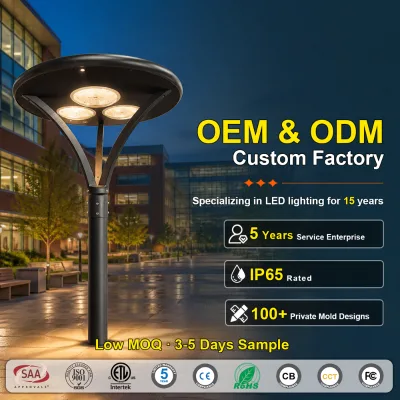
Outdoor Urban LED Decorative Park Light LED Post Top Light Roadway Landscape Lighting Luminaire
$85.00 - $91.00
MOQ: 1 Pieces


Ellins Optoelectronics Co., Limited
- Verified by CTI
- Trading Company,Manufacturer/Factory
- China Guangdong
- Lead time15 days
- Avg. response≤ 6h
Main productsSolar Street Light, Solar Garden Light, LED Street Light, LED High Bay Light, LED Flood Light, Solar Flood Light, LED Linear Light, LED Garden Light
Main marketsSouth America,Eastern Europe,Southeast Asia,Oceania,Western Europe

PIR Motion Sensor Bollard and Post Lights Outdoor Public Spaces Luminaire Garden Lanterns
$83.60 - $89.20
MOQ: 1 Pieces

IP65 Integrated Outdoor Solar Luminaire 30W-50W Solar Post Top Lighting with LiFePO4 Battery
$100.00 - $140.00
MOQ: 1 Pieces

Integrated Solar Pathway Luminaires LED Garden Lanterns Post Top Lighting with Motion Sensor
$100.00 - $140.00
MOQ: 1 Pieces

Shenzhen Bbier Lighting Co., Ltd.
- Verified by SGS Group
- Manufacturer, Trading Company
- Lead time2 days
- Avg. response≤ 2h
Main productsLED Post Top Light, Solar LED Street Light, LED Street Light, LED Stadium Light, LED Highbay Light
Main marketsNorth America(50%), South America(10%), Eastern Europe(10%)

Ningbo Haishu Kaiau Electronics Co., Ltd.
- Trading Company,Manufacturer/Factory
- China Zhejiang
- Lead time23 days
- Avg. response≤ 15h
Main productsPIR Sensor, Microwave Sensor, Photocell Sensor, LED Sensor Ceiling Light, LED Sensor Flood Light, LED Sensor Night Light, Solar LED Security Light, Sensor Lamp Holder, Remote Control Socket, LED Solar Light
Main marketsSouth America,Eastern Europe,Mid East,North America,Southeast Asia,Eastern Asia,Oceania,Western Europe,Africa

Guangzhou Yi Can Lighting Co.,Ltd
- Verified by TUVRHEINLAND
- Trading Company,Manufacturer/Factory
- China Guangdong
- Lead time15 days
- Avg. response≤ 5h
Main productsSolar Street Light, Solar Flood Light, Solar Ceiling Light, Solar Garden Light, Solar Rubber Light, Solar UFO Light, Solar Hight Bay, LED Track Light, LED Downlight, LED Tube
Main marketsSouth America,Eastern Europe,Mid East,North America,Western Europe


Solares Solar Security Lights with Motion Sensor LED Post Top Light Outdoor
$5.00 - $15.00
MOQ: 1 Pieces

LED Light Solar Street Lamp Post Solar Street Lighting Light Street Solar
$5.00 - $15.00
MOQ: 1 Pieces
Yangzhou Lecuso New Energy Co., Ltd.
- Verified by TUVRHEINLAND
- Trading Company,Manufacturer/Factory
- China Jiangsu
- Lead time15 days
- Avg. response≤ 6h
Main productsStreet Light, LED Street Light, Solar Street Light, Lamp Pole, Garden Light, Solar Panel, Solar Energy System, Solar Controller
Main marketsSouth America,Eastern Europe,Mid East,North America,Southeast Asia,Eastern Asia,Africa
Yangzhou Jieyao Lighting Equipment Co., Ltd
- Verified by SGS
- Combined
- China Jiangsu
- Lead time15 days
- Avg. response≤ 1h
Main marketsAfrica,Southeast Asia/ Mideast,Europe,North America

Intelligent LED Courtyard Lamp Motion Sensor Outdoor Waterproof Garden Post Light
$55.00 - $80.00
MOQ: 10 Pieces


Light Pole Easy Installation Street Light Pole Outdoor Light Pole Decorative Lamp Post
$58.00 - $128.00
MOQ: 20 Pieces

New Shine Lighting (Guangzhou) Co., Ltd
- Verified by SGS
- Combined
- China Guangdong
- Lead time15 days
- Avg. response≤ 3h
Main productsArchitectural Lighting, LED Linear Lighting, Circle Ring Lighting, Acoustic Lighting, Ceiling Lighting, LED Pendant Lights, Hanging Lights, Commercial Lighting
Main marketsNorth America

Fuzhou Colshine Electric Co., Ltd.
- Verified by SGS
- Trading Company,Manufacturer/Factory
- China Fujian
- Lead time23 days
- Avg. response≤ 12h
Main productsLED Corn Light, LED Street Light, LED Yard Light, LED Dusk to Dawn Light, Sauna Lamp, Pendant Light, Porcelain Lampholder, Metal Lampholder, Halogen Lampholder, Retro Switch & Socket
Main marketsSouth America,Eastern Europe,Mid East,North America,Southeast Asia,Eastern Asia,Oceania,Western Europe,Africa
Ningbo Die Casting Man Energy Co., Ltd.
- Verified by TUVRHEINLAND
- Combined
- China Zhejiang
- Lead time30 days
- Avg. response≤ 9h
Main productsStreet Light, Die Cast Injection, Garden Light, Highbay, Floodlight, Street Lamp, Street Lighting, Die Casting Housing
Main marketsSoutheast Asia/ Mideast,East Asia(Japan/ South Korea),Domestic,Europe
Guangzhou Light Messenger Technology Application Co., Ltd
- Verified by TUVRHEINLAND
- Trading Company,Manufacturer/Factory
- China Guangdong
- Lead time0 days
- Avg. response≤ 2h
Main productsSolar Street Light, Solar Fan, Rechargeable Fan, Solar Light, Solar Lamp, Solar Strip Light, Solar Flood Light, Outdoor Light, LED Solar Light, Solar Garden Light
Main marketsSouth America,Eastern Europe,Mid East,North America,Southeast Asia,Eastern Asia,Oceania,Western Europe,Africa

Peony Lighting Technology Co., Ltd.
- Verified by BV
- Manufacturer/Factory
- China Guangdong
- Lead time15 days
- Avg. response≤ 3h
Main productsLED High Bay Light, LED Street Lighyt, LED Flood Light, LED Gas Station Light, LED Track Light, LED Down Light, LED Tri-Proof Light, LED Linear Light, LED Stadium Sports Light
Main marketsSouth America,Mid East,North America,Southeast Asia,Eastern Asia,Oceania,Western Europe,Africa

Motion Motion Sensor Security Home IP65 Outdoor Spot Flood Light LED Garden Light
$100.00
MOQ: 20 Pieces

$1.00 - $100.00
MOQ: 50 Pieces


Dongguan Light Shines Electric Lighting Co.,Ltd
- Combined
- China Guangdong
- Lead time30 days
- Avg. response≤ 11h
Main productsLED Cabinet Light
Main marketsSoutheast Asia/ Mideast,North America
Yangde Electric Group Co., Ltd.
- Verified by TUVRHEINLAND
- Combined
- China Jiangsu
- Lead time15 days
- Avg. response≤ 4h
Main productsLED Street Light, Solar Street Light, Lighting Pole, Solar Panel, Solar Power Generator, High Mast Pole, Stadium Light Pole, Street Light Pole, Communication Tower, Solar Power System
Main marketsSouth America,Africa,Southeast Asia/ Mideast,Domestic,Europe
Zhejiang Lead Top Electrical Co., Ltd.
- Manufacturer, Trading Company
- ZHEJIANG, China
- Lead time25 days
- Avg. response≤ 1h
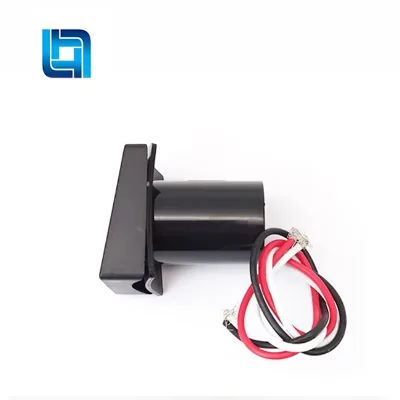
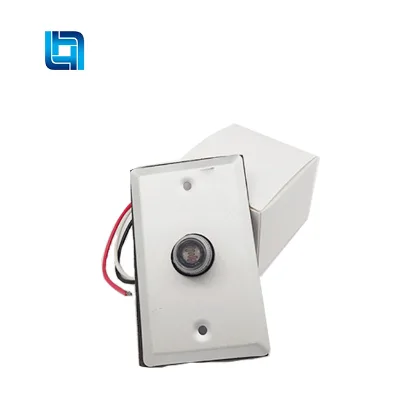
Main productsPhoto Control,Lighting Sensor,Photocontrol Receptacle,Lighting Controller,Lampholder
Main marketsSouth America(25.0%), Southeast Asia(25.0%), Domestic Market(20.0%), Eastern Asia(10.0%), North America(10.0%), Central America(5.0%), Eastern Europe(2.0%), Western Europe(2.0%), Oceania(1.0%)
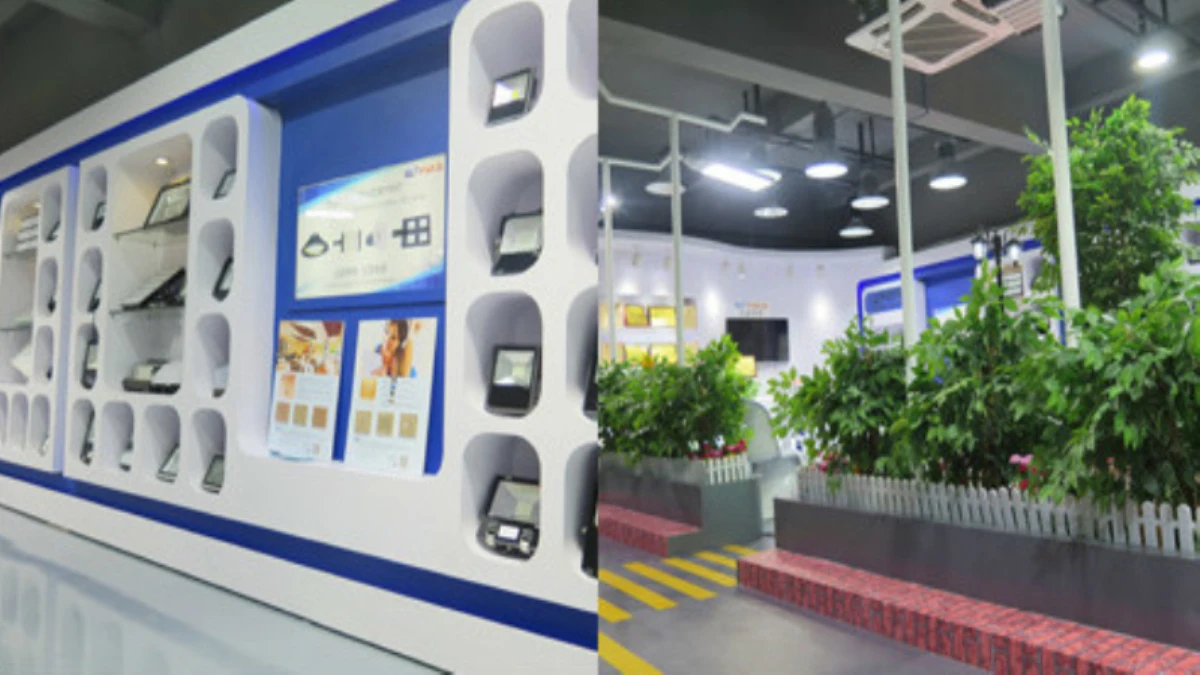
Shenzhen Qianhai Baihuixin Invest Industry Company Limited
- Trading Company
- Guangdong, China
- Lead time15 days
- Avg. response≤ 1h
Main productsProjector Lamp,Flood Lights,Landscape Lamp,Motif Light,Chandelier Lights
Main marketsNorth America(25.0%), Southeast Asia(15.0%), Western Europe(15.0%), Eastern Europe(10.0%), Eastern Asia(8.0%), Africa(5.0%), Southern Europe(5.0%), Oceania(5.0%), Mid East(4.0%), Northern Europe(3.0%), South America(3.0%), South Asia(1.0%), Central America(1.0%)
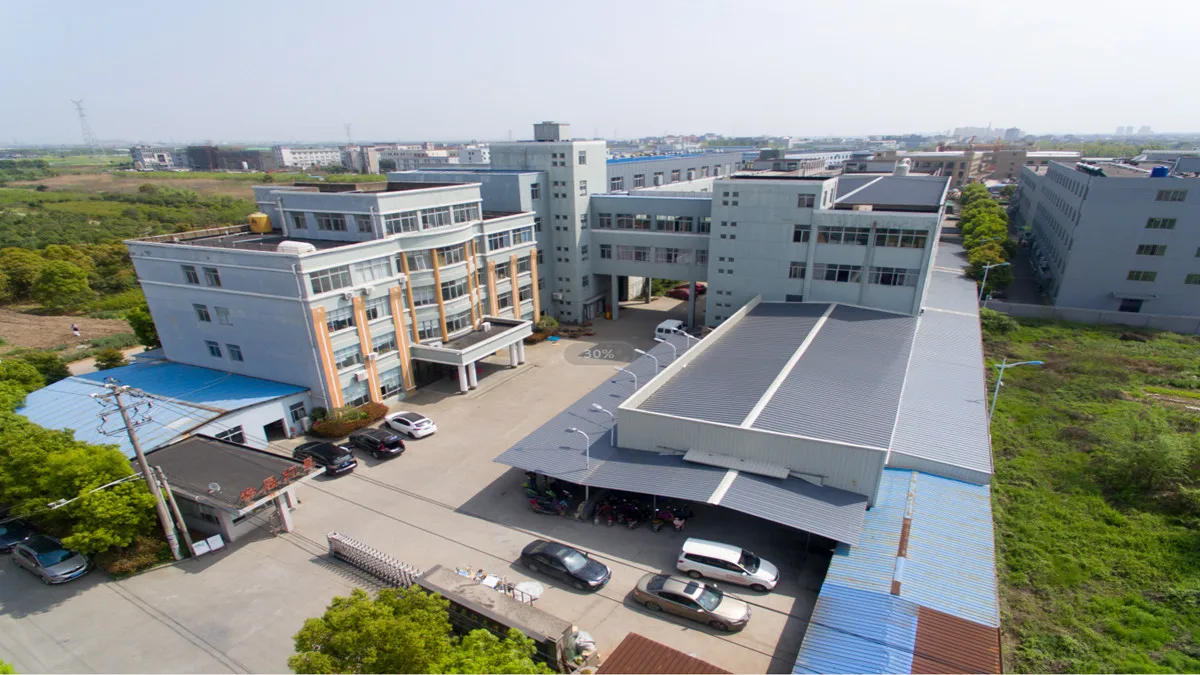
Cixi Huasheng Lighting Co., Ltd.
- Manufacturer
- Zhejiang, China
- Lead time10 days
- Avg. response≤ 4h
Main productsOutdoor Lighting (LED Street Light; LED Tunnel Light; LED High Bay; LED Linear Light; LED Solar Light),Indoor Light,LED street light,LED garden light,LED tunnel light
Main marketsDomestic Market(40.0%), South America(25.0%), Southeast Asia(20.0%), Mid East(15.0%)

Shenzhen BBier Lighting Co., Ltd.
- Verified by BV
- Combined
- China Guangdong
- Lead time15 days
- Avg. response≤ 5h
Main productsE40/E27 LED Corn Lights, E40/E27 LED Garden Lights, E40/E27 LED High Bay Lights, Parking Lot LED Retrofit Kits, LED Wall Pack Lights, LED Canopy Lights, LED Gas Station Lights, LED Shoebox Street Lights, 360deg LED Tube Lights, 210deg LED Tube Lights
Main marketsSouth America,Africa,Southeast Asia/ Mideast,East Asia(Japan/ South Korea),Europe,Australia,North America

Jiangsu Xuyida Construction Engineering Co., Ltd
- Verified by SGS
- Combined
- China Jiangsu
- Lead time15 days
- Avg. response≤ 1h
Main productsSolar Street Light, Smart Light Pole, Traffic Lights, LED Street Light, Light Pole, Solar Panel, Garden Light Pole, All in One Solar Street Light, Solar Light, LED Light
Main marketsAfrica,Domestic
Ningbo Jovesun Intelligent Technology Co., Ltd
- Verified by SGS
- Manufacturer/Factory
- China Zhejiang
- Lead time23 days
- Avg. response≤ 3h
Main productsLED Solar Street Light, LED Solar Post Light, LED Solar Bollard Light, LED Stadium Light, All in One Solar Street Light, Solar Light Tower Trailer, Home Energy Storage System, Smart Pole, Smart Bench, Solar Related Product
Main marketsSouth America,Eastern Europe,Mid East,North America,Southeast Asia,Eastern Asia,Oceania,Western Europe,Africa

Sensor Monitoring Integrated Pole Street Light Outdoor Street Light Pole
$200.00 - $270.00
MOQ: 1 Sets

Decorative New Design Motion Sensor Easy to Install Landscape Pole Top Light
$55.00 - $65.00
MOQ: 10 Pieces
Changzhou Goodspeed Lighting Technoledgy Co., Ltd.
- Manufacturer, Trading Company
- Jiangsu, China
- Lead time10 days
- Avg. response≤ 3h
Main productsGARDEN LIGHT,STREET LIGHT,LAWN LIGHT,SPOT LIGHT,SOLAR LIGHT
Main marketsEastern Asia(30.0%), South Asia(30.0%), Domestic Market(20.0%), Africa(20.0%)
Zhongjing Rongguang New Energy Jiangsu Co., Ltd.
- Verified by TUVRHEINLAND
- Combined
- China Jiangsu
- Lead time15 days
- Avg. response≤ 3h
Main productsstreet light pole
Main marketsSoutheast Asia/ Mideast

$25.00 - $60.00
MOQ: 2 Pieces

Post Top LED Street Lights Solar Light Street Light Pole Street Light Lamp Post Outdoor
$50.00 - $200.00
MOQ: 10 Pieces

$29.90 - $45.00
MOQ: 2 Pieces

Zhongshan Ray-soft Lighting Co., Ltd
- Manufacturer/Factory
- China Guangdong
- Lead time23 days
- Avg. response≤ 2h
Main productsWall Light, Garden Light, Solar Street Light, LED Step Light, LED Bollard Light, LED Spike Spotlight, LED Tree Light, LED Underground Light, LED Underwater Light, Solar Garden Light
Main marketsSouth America,Eastern Europe,Mid East,North America,Southeast Asia,Eastern Asia,Oceania,Western Europe,Africa


China Manufacturer Round Light Sensor Outdoor Waterproof LED Solar Post Garden Light
$23.29 - $38.97
MOQ: 1 Pieces

Ningbo Sunle Lighting Electric Co., Ltd.
- Verified by BV
- Trading Company,Manufacturer/Factory
- China Zhejiang
- Lead time45 days
- Avg. response≤ 5h
Main productsLED Outdoor Light, LED Flood Light, Street Light, High Bay Light, Flood Light, LED Panel Light, High Pressure Sodium Bulbs, High Pressure Metal Halide Lamp, Ignitor, Ballast
Main marketsSouth America,Eastern Europe,Mid East,North America,Southeast Asia,Eastern Asia,Oceania,Western Europe,Africa

Shenzhen Romanso Electronic Co., Ltd.
- Verified by BV
- Combined
- China Guangdong
- Lead time23 days
- Avg. response≤ 2h
Main productsLED High Bay Light, LED Work Light, LED Street Light, LED Flood Light, LED Stadium Light, Solar Street Light, LED Corn Light, LED Grow Light, LED Dock Light, LED Post Top Light
Main marketsSouth America,Africa,Southeast Asia/ Mideast,East Asia(Japan/ South Korea),Europe,Australia,North America

IP65 3 Meters Aluminium Pole LED Garden Outdoor Light with Motion Sensor Post Top Lighting
$70.00 - $75.00
MOQ: 1 Pieces

Dimmable IP65 3 Meters Aluminium Pole LED Garden Outdoor Light with Motion Sensor Post Top Lighting
$70.00 - $75.00
MOQ: 1 Pieces

$70.00 - $75.00
MOQ: 1 Pieces


Yangzhou Huatai Lighting Group Co., Ltd
- Verified by SGS
- Combined
- China Jiangsu
- Lead time30 days
- Avg. response≤ 2h
Main productsSolar Panels, Street Poles, LED Lights
Main marketsEurope,North America
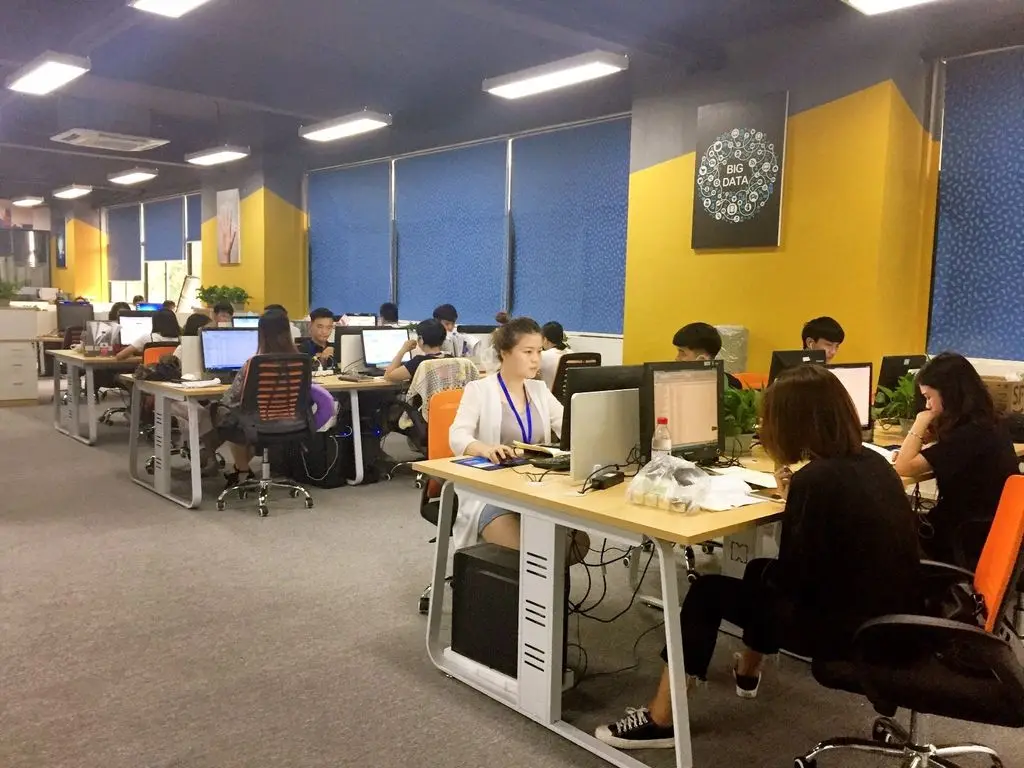
Zhongshan Glanvy Lighting Co., Ltd.
- Manufacturer
- Guangdong, China
- Lead time15 days
- Avg. response≤ 1h
Main productsLED Street Light,LED Flood Light,Solar Street Light,Solar Flood Light,High Bay Light
Main marketsMid East(20.0%), Eastern Asia(10.0%), North America(10.0%), Africa(10.0%), Southeast Asia(10.0%), South Asia(10.0%), South America(10.0%), Eastern Europe(5.0%), Northern Europe(5.0%), Central America(5.0%), Western Europe(5.0%)
- Verified by TUVRHEINLAND
- Manufacturer/Factory
- China Guangdong
- Lead time0 days
- Avg. response≤ 3h
Main productsAviation Obstruction Light, Garden Light, Search Light, Emergency Light, Track Light, Flood Light, Corn Bulb, Stage Light
- Verified by TUVRHEINLAND
- Combined
- China Guangdong
- Lead time23 days
- Avg. response≤ 1h
Main productsLED High Bay Light, LED Tri Proof Light, LED Flood Light, LED High Mast Light, LED Stadium Light, LED Sport Light, LED Explosion Proof Light, LED Street Light, LED Down Light, LED Vapor Tight Light
Main marketsAfrica,Southeast Asia/ Mideast,Europe,North America
Zhongshan Bangting Intelligent Technology Co., Ltd.
- Verified by TüVRheinland
- Manufacturer, Trading Company
- Lead time5 days
- Avg. response≤ 3h
Main productsGarden Light, Street Light, Flood Light, High Bay Light, Landscape Light
Main marketsSoutheast Asia(40%), North America(25%), Eastern Europe(15%)
Ddk Tech Elecfacility Yangzhou Co., Ltd.
- Verified by TüVRheinland
- Manufacturer, Trading Company
- Lead time12 days
- Avg. response≤ 1h
Main productsSteel Pole, Solar LED Street Light, Solar Bench, Solar Integrated Pole, Solar Panel
Main marketsSoutheast Asia(25%), Africa(20%), Mid East(12%)
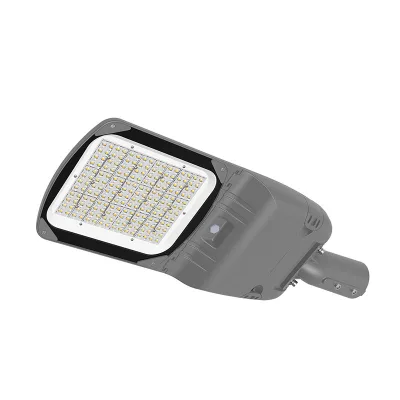








Comprehensive Sourcing Guide
Motion Sensor Outdoor Post Luminaire Supplier Concentration and Factory Types
The current supplier landscape for motion sensor outdoor post luminaires shows a distinct concentration of manufacturing capabilities within China, specifically in the Guangdong region. This area serves as a primary hub for the production of LED street lights, high bay lights, and specialized outdoor garden fixtures. Buyers observing this data should recognize that the majority of verified entities operating in this space are classified as manufacturers or factories rather than trading companies. This distinction is critical because factory-type suppliers typically offer direct control over the production line, allowing for more flexible customization of the die-casting aluminum bodies and optical lenses required for these specific luminaires.
When evaluating the supplier base, it is important to note that these manufacturers often support both Own Brand and OEM/ODM services. The product evidence indicates a strong focus on outdoor urban lighting, including post-top lights and roadway luminaires that integrate motion sensors. While the specific count of active suppliers fluctuates, the available data confirms a robust cluster of facilities capable of producing items with certifications like CE, RoHS, and ISO 9001. Buyers should prioritize engaging with entities that explicitly list these manufacturing capabilities, as they are better positioned to handle the technical requirements of IP-rated, motion-sensor-equipped outdoor lighting systems compared to general trading intermediaries.
How to Verify Motion Sensor Outdoor Post Luminaire Suppliers
Verification of suppliers for motion sensor outdoor post luminaires requires a rigorous check of their stated certifications and product attributes against the physical goods. The available data highlights that legitimate manufacturers often hold system certifications such as ISO 9001 and QSR, alongside product-specific approvals like CE, EMC, LVD, and RoHS. Buyers must request current certificates for these standards to ensure the luminaires meet international safety and electromagnetic compatibility requirements. It is essential to confirm that the driver components, which are critical for the motion sensor functionality, are sourced from reputable brands like Meanwell, Inventronics, or Sosen, as indicated in the product specifications.
Beyond documentation, buyers should assess the response time and lead time capabilities of potential partners to gauge operational reliability. The observed response time of approximately 8.85 hours suggests a level of responsiveness that can be expected from active manufacturers in this sector. However, this metric should be validated through direct communication before placing an order. Additionally, verifying the establishment year and the specific manufacturing capacity for Own Brand or OEM projects is necessary. Buyers should ask for proof of the 5-year warranty terms and the >50,000-hour lifespan claims, ensuring these promises are backed by the supplier's quality control processes rather than being generic marketing statements.
What to Compare Across Motion Sensor Outdoor Post Luminaire Suppliers
When comparing suppliers, the primary focus should be on the technical specifications and commercial terms that directly impact the project's success. Key dimensions include the minimum order quantity (MOQ), which can vary significantly, and the price range per unit. The data shows price points ranging from approximately $52 to $93 depending on the specific model and wattage, such as 40W or 60W area lights. Buyers must compare these figures against the included features, such as the lumens efficiency of 130lm/W to 170lm/W and the specific dimming protocols like 0-10V, PWM, or DALI. A lower price may not always indicate better value if the driver quality or optical lens design is compromised.
Another critical comparison point is the customization availability and the specific installation requirements. Some suppliers offer customization for the lamp body material, style, and pole installation dimensions, such as the 60mm pole compatibility. Buyers should also evaluate the packaging standards, noting that some suppliers pack one unit per carton while others may have different configurations. The response time and lead time of 15 days are vital for logistics planning, but these should be weighed against the supplier's ability to provide free Dialux lighting simulations. Comparing these service offerings alongside the core product attributes will help identify the most suitable partner for specific project needs.
Common Motion Sensor Outdoor Post Luminaire Sourcing Risks
One significant risk in sourcing motion sensor outdoor post luminaires is the potential mismatch between advertised specifications and actual product performance. While product attributes list features like IP ratings and specific driver brands, buyers must verify that the motion sensor sensitivity and range meet the intended application requirements. There is a risk that generic listings may not accurately reflect the durability of the die-casting aluminum body or the effectiveness of the tempered glass in harsh outdoor environments. Buyers should request sample units to test the photocell and motion sensor functionality under real-world conditions before committing to a large order.
Another risk involves the reliability of the supply chain and the consistency of the warranty terms. Although a 5-year warranty is frequently cited, the enforceability of this claim depends on the supplier's long-term stability and their ability to provide replacement parts. The lead time of 15 days is a standard estimate, but delays can occur due to raw material shortages or production bottlenecks. Buyers should also be cautious of price fluctuations, as the market data shows a range of prices that may shift based on order volume. Ensuring that the supplier has a clear process for handling warranty claims and maintaining inventory of critical components like drivers is essential to mitigate these operational risks.
Motion Sensor Outdoor Post Luminaire Regional Sourcing and Logistics
Sourcing from the identified manufacturing cluster in China, specifically Guangdong, offers logistical advantages but also presents specific challenges regarding shipping and customs. The product origin is listed as China Shenzhen, which is a major port city facilitating export. Buyers should calculate the total landed cost, including freight, insurance, and import duties, as the base price of the luminaires does not include these variables. The lead time of 15 days for production must be added to the transit time, which can vary significantly depending on the destination country and the chosen shipping method. Understanding the specific export regulations for LED lighting products in the target market is crucial to avoid delays at customs.
Logistics planning also requires attention to the packaging and handling of the luminaires. The product attributes indicate that items are typically packed one per carton, which simplifies inventory management but requires careful handling to prevent damage during transit. Buyers should verify the packaging strength, especially for the die-casting aluminum bodies which are heavy. Additionally, the supplier's ability to provide detailed shipping documentation and coordinate with freight forwarders is a key factor in ensuring a smooth delivery process. For projects requiring urgent delivery, buyers should discuss expedited shipping options and confirm the supplier's capacity to meet tight deadlines without compromising on quality control.
Motion Sensor Outdoor Post Luminaire Commercial Terms and Order Planning
Commercial terms for motion sensor outdoor post luminaires often include specific conditions regarding payment, escrow, and order minimums. The data indicates a minimum order quantity of 1 unit, which allows for small trial orders, but buyers should negotiate better pricing for larger volumes. Payment terms should be structured to protect both parties, potentially utilizing escrow services to ensure funds are released only after the goods pass inspection. Buyers must clarify the warranty terms, specifically the 5-year coverage and the conditions under which it applies, to avoid disputes later. Understanding the return policy for defective units is also a critical component of the commercial agreement.
Order planning should account for the customization lead times and the production capacity of the supplier. While the standard lead time is 15 days, custom orders involving specific branding or unique optical designs may require additional time. Buyers should plan their inventory levels to accommodate potential delays and ensure that the stock of luminaires aligns with the project timeline. It is also important to discuss the scalability of the order, ensuring the supplier can ramp up production if the initial order is successful. Clear communication regarding the delivery schedule, packaging requirements, and after-sales support will help streamline the procurement process and ensure a successful partnership.
FAQs
What is the typical lead time for motion sensor outdoor post luminaires?
The typical lead time for these luminaires is 15 days. This timeframe allows for efficient production scheduling and quality checks before shipment. Buyers should confirm specific delivery dates with the supplier to ensure alignment with project timelines and avoid potential delays in installation.
What certifications are standard for these LED post lights?
Standard certifications include CE, RoHS, EMC, and LVD. These ensure compliance with international safety and environmental standards. Some products also feature QSR system certification. Buyers should verify specific certificate validity with the manufacturer to meet local regulatory requirements for outdoor lighting installations.
What is the minimum order quantity for these garden lights?
The minimum order quantity is often just one unit. This low MOQ allows buyers to test product quality and performance before committing to larger orders. It is ideal for small projects or sample evaluations. Bulk pricing may apply for larger quantities, so check specific supplier terms.
What is the average response time for supplier inquiries?
The average response time for supplier inquiries is approximately 8.85 hours. This indicates a relatively quick turnaround for initial communications. Buyers can expect timely updates on product availability and pricing. Faster responses often correlate with better customer service and more efficient order processing throughout the procurement cycle.
What is the price range for 60W LED area lights?
The price range for 60W LED area lights typically falls between $52.76 and $56.36. This pricing reflects competitive factory-direct rates. Costs may vary based on customization options, driver brands like Meanwell, and order volume. Buyers should request detailed quotes to confirm final pricing for their specific requirements.
What warranty is provided for these outdoor post lights?
A standard warranty of 5 years is provided for these outdoor post lights. This coverage protects against manufacturing defects and ensures long-term reliability. The warranty typically covers the LED driver and housing. Buyers should review specific warranty terms and conditions to understand coverage limits and claim procedures.
Where are these LED luminaires manufactured?
These LED luminaires are manufactured in China, specifically in the Guangdong region. Shenzhen is noted as a key production origin. This location offers access to advanced manufacturing capabilities and supply chains. Buyers should verify specific factory locations and audit capabilities if required for their sourcing strategy.